
- Chinese
- French
- German
- Portuguese
- Spanish
- Russian
- Japanese
- Korean
- Arabic
- Irish
- Greek
- Turkish
- Italian
- Danish
- Romanian
- Indonesian
- Czech
- Afrikaans
- Swedish
- Polish
- Basque
- Catalan
- Esperanto
- Hindi
- Lao
- Albanian
- Amharic
- Armenian
- Azerbaijani
- Belarusian
- Bengali
- Bosnian
- Bulgarian
- Cebuano
- Chichewa
- Corsican
- Croatian
- Dutch
- Estonian
- Filipino
- Finnish
- Frisian
- Galician
- Georgian
- Gujarati
- Haitian
- Hausa
- Hawaiian
- Hebrew
- Hmong
- Hungarian
- Icelandic
- Igbo
- Javanese
- Kannada
- Kazakh
- Khmer
- Kurdish
- Kyrgyz
- Latin
- Latvian
- Lithuanian
- Luxembou..
- Macedonian
- Malagasy
- Malay
- Malayalam
- Maltese
- Maori
- Marathi
- Mongolian
- Burmese
- Nepali
- Norwegian
- Pashto
- Persian
- Punjabi
- Serbian
- Sesotho
- Sinhala
- Slovak
- Slovenian
- Somali
- Samoan
- Scots Gaelic
- Shona
- Sindhi
- Sundanese
- Swahili
- Tajik
- Tamil
- Telugu
- Thai
- Ukrainian
- Urdu
- Uzbek
- Vietnamese
- Welsh
- Xhosa
- Yiddish
- Yoruba
- Zulu
- Kinyarwanda
- Tatar
- Oriya
- Turkmen
- Uyghur





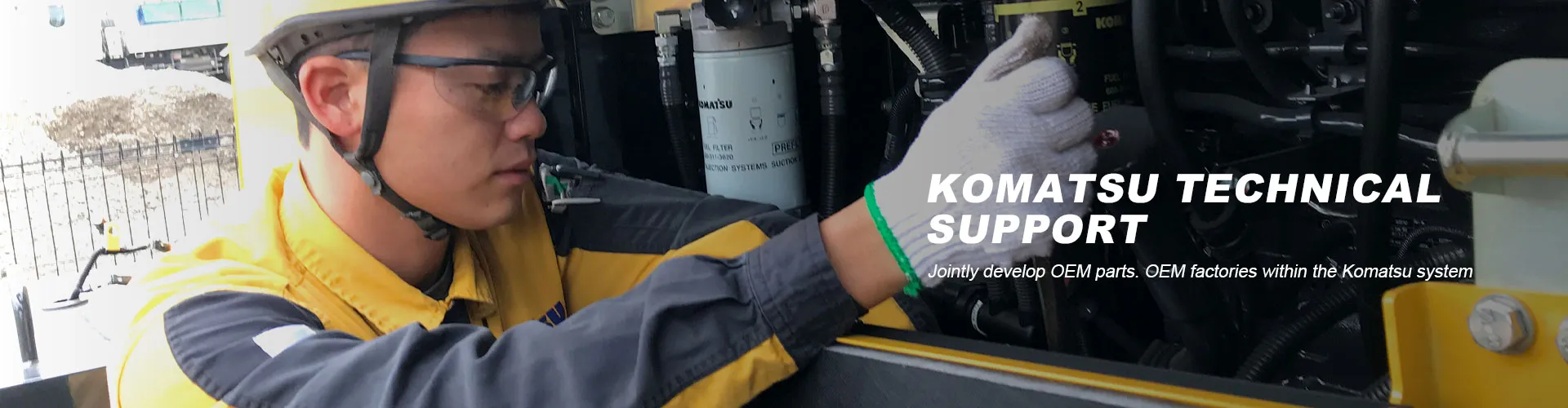
Komatsu engine sensors
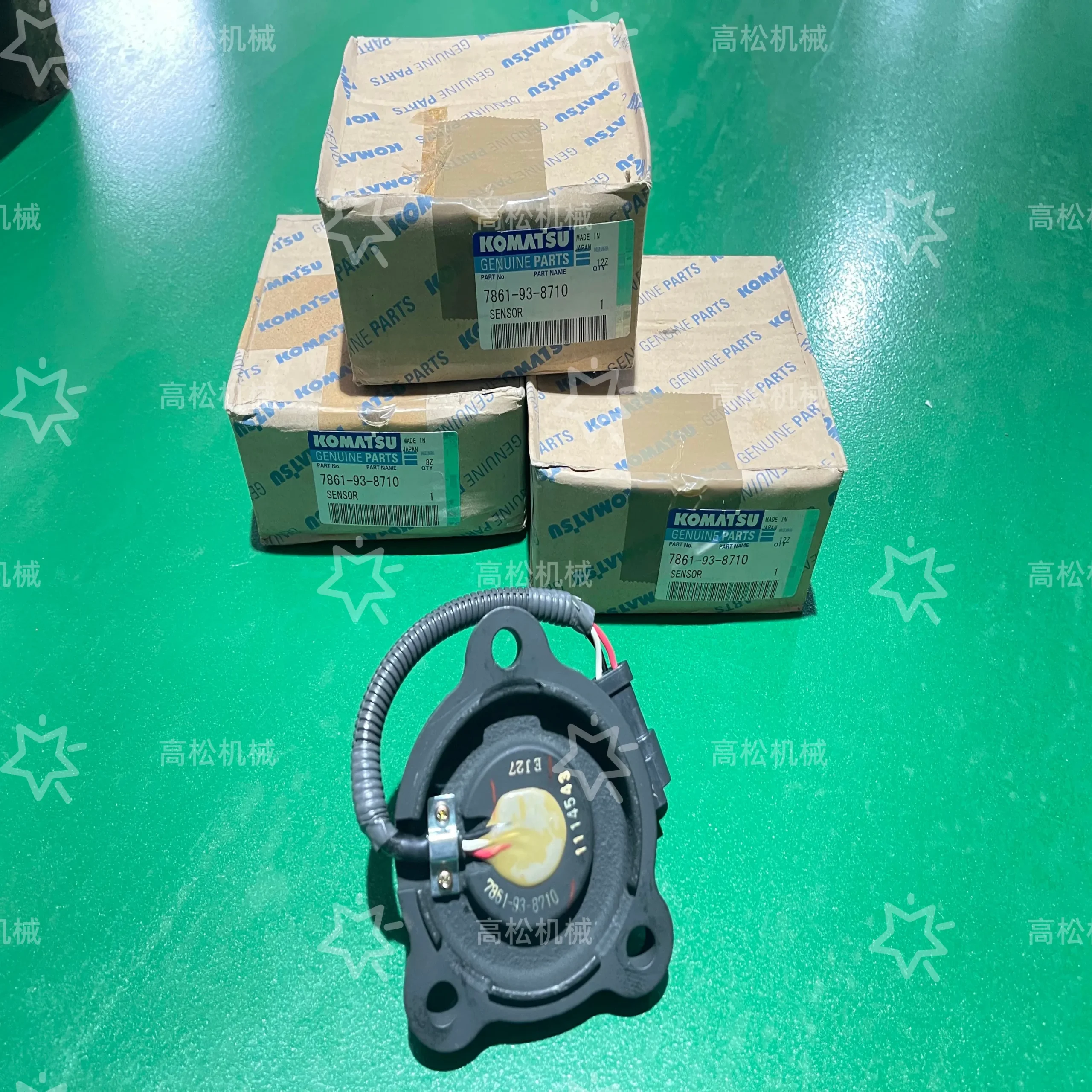
You know, when most folks hear 'Komatsu engine sensors', they immediately jump to the fault codes. The flashing dashboard light, the dreaded beep. But that's really the end of the story, not the beginning. The real value isn't in the alarm itself; it's in the subtle, continuous stream of data these things spit out long before anything goes red. I've seen too many mechanics—good ones—just treat them as expensive on/off switches for warning lights. That's a costly mistake. The pressure sensor isn't just there to scream low oil pressure!; it's there to show you the gradual, 2-psi creep downward over 400 hours that tells you a bearing is starting to wear. That's the difference between a planned repair and a catastrophic failure on a Saturday afternoon.
The Core Sensor Suite: More Than Just a Checklist
Let's talk specifics. On a modern Komatsu SAA6D140E or a 125, you're not dealing with one or two sensors. It's an integrated suite. The Komatsu engine sensors for coolant temperature and oil pressure are the obvious ones, but the ones that really give you the narrative are often ignored. The fuel rail pressure sensor, for instance. Everyone knows it controls injection, but its real-time feedback loop is what keeps the engine efficient. I've traced back unexplained power loss on a PC700 not to a pump, but to a rail sensor whose signal was drifting just enough to throw off the timing. The ECM wasn't getting a true reading, so it was making bad decisions. No active code, just sluggish performance.
Then there's the turbocharger speed and boost pressure sensors. People think of the turbo as a mechanical unit, but its brain is those sensors. I remember a D61 where the boost pressure reading was within spec, but the rate of change—how fast it spooled up under load—had gotten lazy. Cross-referenced with a slight uptick in exhaust temp from the thermocouple, it pointed to carbon buildup on the VGT vanes before any power loss was noticeable to the operator. That's proactive maintenance, right there.
The crankshaft and camshaft position sensors are another pair. Sure, they sync injection and timing. But their waveform pattern, when you look at an oscilloscope, can tell you about torsional vibration or slight timing chain stretch long before it jumps a tooth. It's a pattern recognition game. You need a good baseline to compare against, which is why documenting sensor readings from a new or freshly overhauled engine is so critical. Most shops don't do that. They just wait for the failure.
Third-Party and Aftermarket Realities: Navigating the Minefield
This is where it gets messy, and where experience is the only real guide. OEM sensors from Komatsu are, unsurprisingly, matched perfectly to the ECM's expected voltage ranges and response times. But they're expensive and sometimes, in certain regions, a logistical nightmare to get quickly. That's where companies like Jining Gaosong Construction Machinery Co., Ltd. come into the picture. As an OEM supplier within the Komatsu system and a third-party sales company, they exist to solve that exact parts supply challenge. Their value isn't just in having a part; it's in understanding which parts are truly interchangeable and which ones will cause you headaches.
I've tried the universal aftermarket sensors. Sometimes you get lucky, especially on older models like the S6D series. A generic coolant temp sensor might work for years. But on Tier 4 Final and newer engines, with their tighter tolerances and complex communication protocols (think CAN bus), a cheap knock-off is a gamble. I learned this the hard way on a D39i. Installed a non-OEM NOx sensor. It communicated, it didn't throw an immediate code, but the AdBlue consumption slowly crept up by 15%. The ECM was compensating for a slightly inaccurate reading, burning more diesel exhaust fluid to be safe. The cost in wasted AdBlue over three months paid for the proper Komatsu sensor twice over.
So when you're looking at a source like Gaosong's site, the key question isn't just do you have it? It's is this the exact Komatsu part number, or a validated, performance-guaranteed equivalent? Their position as an OEM product supplier within the system suggests they have access to the genuine spec, which is half the battle. The other half is their practical experience in getting these parts into countries where the main dealer network is thin. They've seen what works in the field, not just in a catalog.
Diagnostic Pitfalls: When the Sensor Isn't the Problem
Here's a classic trap: you get a code for, say, Intake Manifold Pressure Sensor Circuit High. The rookie move is to swap the sensor. Half the time, the problem persists. Why? Because the Komatsu engine sensors live in a hostile environment. The fault could be in the wiring harness—a chafed wire, a corroded pin in the connector, especially common around the vibration-heavy valve cover area. Or it could be a poor ground shared with another sensor, causing a reference voltage drift.
I spent a full day once chasing an erratic oil pressure reading on an excavator. New sensor, no change. Checked the wiring, seemed fine. Finally, found the issue: the sensor's ground path was shared with the fuel solenoid. When the solenoid kicked in, it caused a tiny voltage spike on the ground line, enough to skew the sensor's signal. A dedicated ground wire solved it. The sensor was fine; the circuit wasn't.
Another pitfall is over-reliance on the diagnostic tool's live data without understanding the refresh rate. Some data parameters update slowly. You might see a stable temperature reading, but a thermal imaging gun could show a hot spot the sensor's physical location is missing. The sensors give you fantastic data, but they're not omniscient. You still need to smell the oil, feel for heat, listen for the faint whistle of an air leak. The sensor data is one tool in the box, not the whole box.
Integration and the Future: It's All About the Data Stream
The newer the machine, the less you can think of sensors as individual components. They're nodes in a network. A Komatsu engine sensor's data doesn't just go to the engine ECM. It's shared with the transmission controller, the hydraulic controller, the main machine controller. The exhaust temperature sensor informs the regeneration cycle of the DPF. The engine speed sensor data is used to calculate pump flow and implement hydraulic power control.
This integration is powerful but fragile. A single sensor with a biased output can cause ripple effects. I saw a case where a slightly off engine speed sensor signal caused the hydraulic system to derate unnecessarily, making a dozer feel underpowered. The diagnostics all pointed to hydraulics, but the root cause was that one sensor feeding bad data into the shared network. Komatsu's ConSite, their remote monitoring system, is built on harvesting this exact integrated data stream to predict failures. But for those of us on the ground without that subscription, understanding these interconnections is what separates a parts changer from a diagnostician.
Looking ahead, the trend is towards smarter sensors with self-diagnostics and higher accuracy, and more of them. Vibration sensors directly on the block, in-cylinder pressure sensors. The data density will be huge. The challenge won't be getting the data; it'll be having the skill and the tools to interpret it meaningfully. The core principle remains: trust but verify the sensor, understand its context in the system, and never ignore the slow, trending story its data tells before the final, expensive chapter is written.
Sourcing and Practical Wisdom for the Field Guy
So, you're in a bind. You need a sensor, the local Komatsu dealer is a week out, and the machine is down. What do you do? This is the daily reality in many markets. First, know your machine's generation. For older, pre-2000s mechanical-controlled or early electronic engines, high-quality aftermarket from a known brand might be a perfectly acceptable risk to get running. For common-rail, computer-controlled engines, lean towards OEM or a certified supplier.
This is the practical niche that a supplier like Jining Gaosong fills. Their stated mission is to solve parts supply challenges in certain countries. That tells me they likely stock the high-failure-rate sensors—the NOx, the DPFs, the pressure sensors—that are critical and commonly needed. When dealing with such a company, your job is to be specific. Have the Komatsu part number, the engine serial number, the machine model. Ask if the part is genuine Komatsu packaged, Komatsu-spec from the OEM factory, or a tested alternative. Their answer will tell you what you're getting.
Finally, always keep a known-good sensor or two for common failures in your field kit for comparison testing. It's the fastest way to rule out a sensor issue. And log the normal operating ranges of key sensors for your fleet when they're healthy. That baseline data is gold. It turns you from reactive to predictive. At the end of the day, these little electronic components are the nervous system of the engine. You don't have to be a neuroscientist, but you do need to know how to check their reflexes and understand what a weak signal is really trying to say.
Related Products
Related Products
Best Selling Products
Best Selling Products-
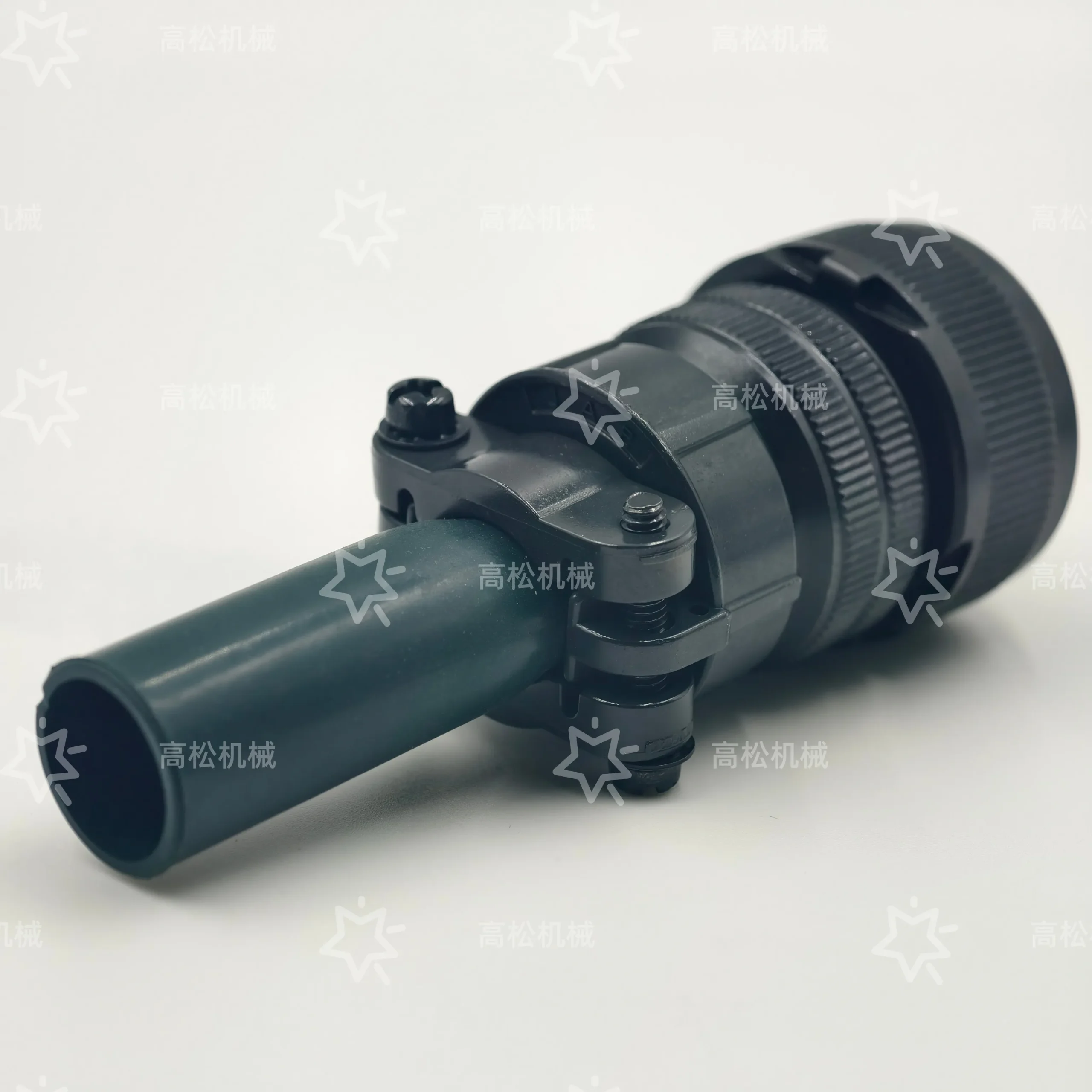 175-06-37871 Komatsu Plug
 -
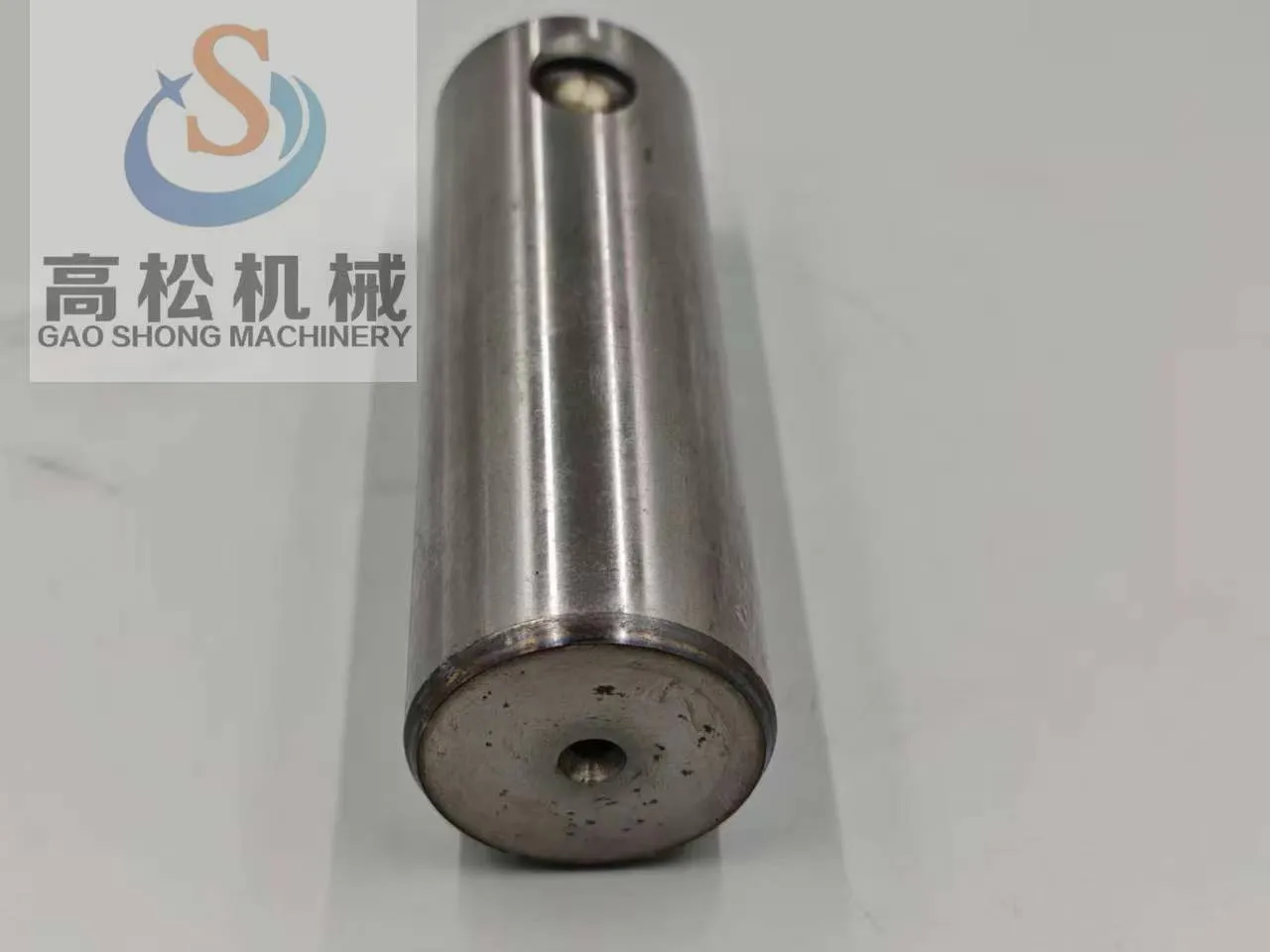 High quality new finger – pin 424-22-12510 for komatsu hm350-2 hm400-2 articulated dump truck
 -
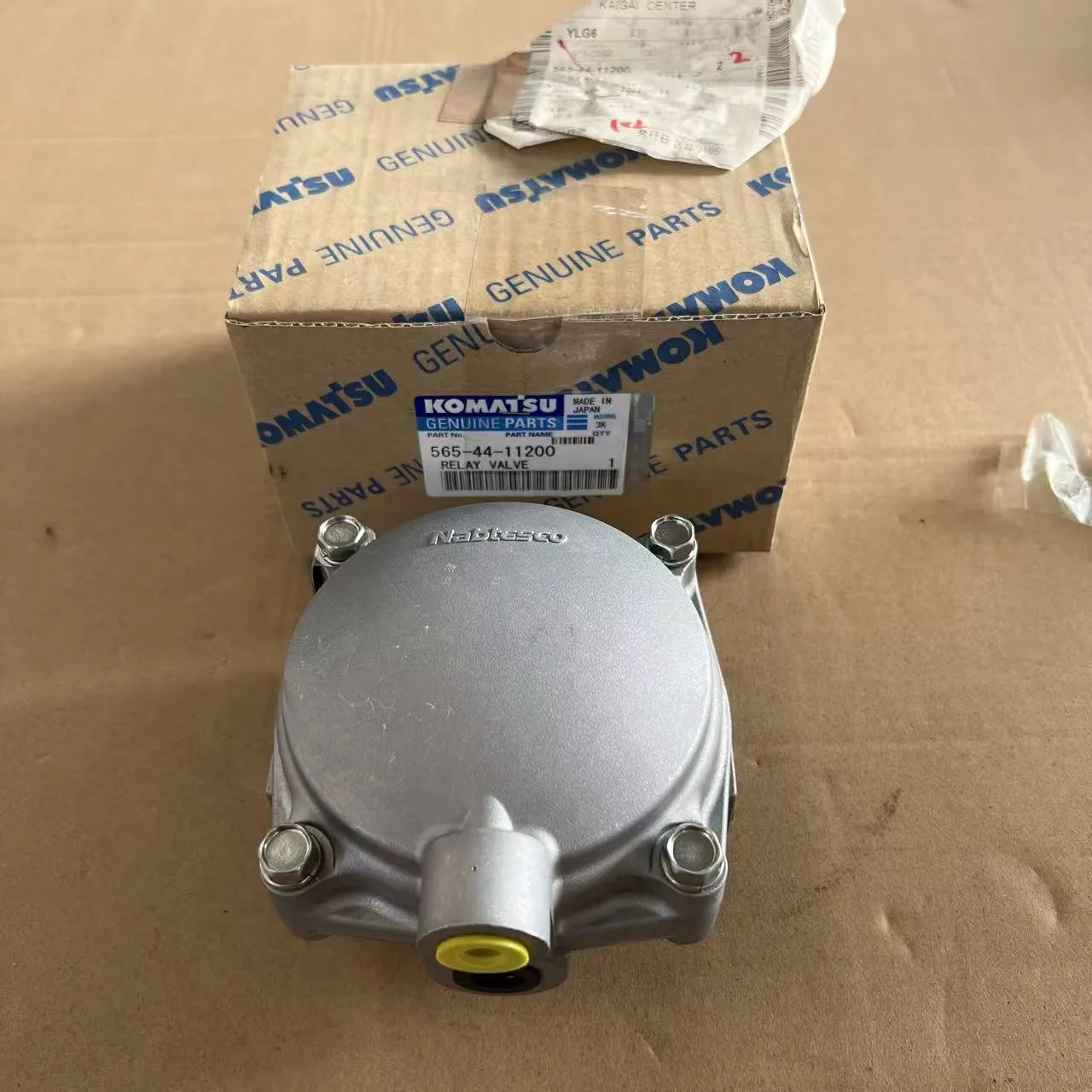 Komatsu (565-44-11200) VALVE ASS’Y, PARKING… — Pricing.Parts
 -
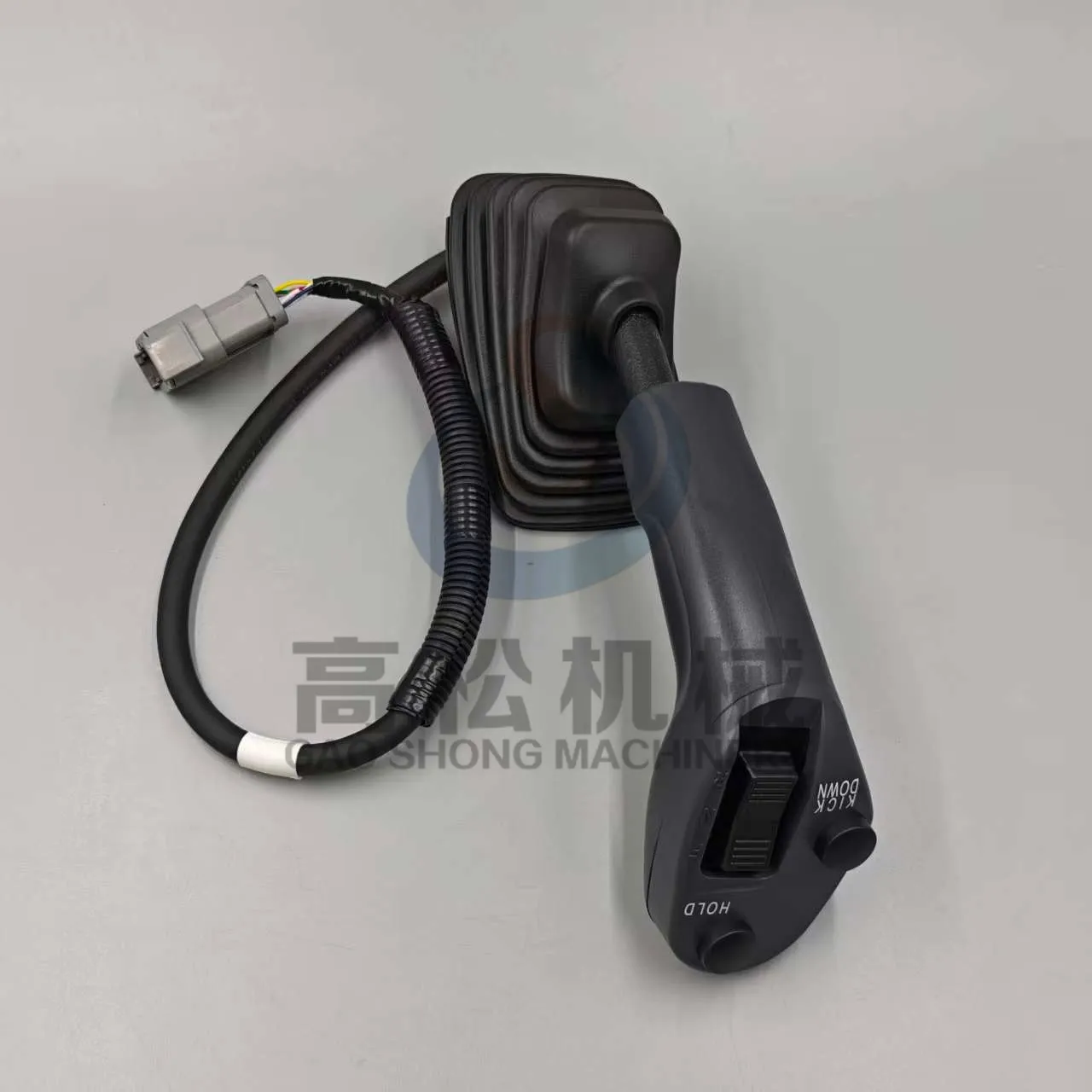 423-V91-4144 Komatsu Lever Assembly
 -
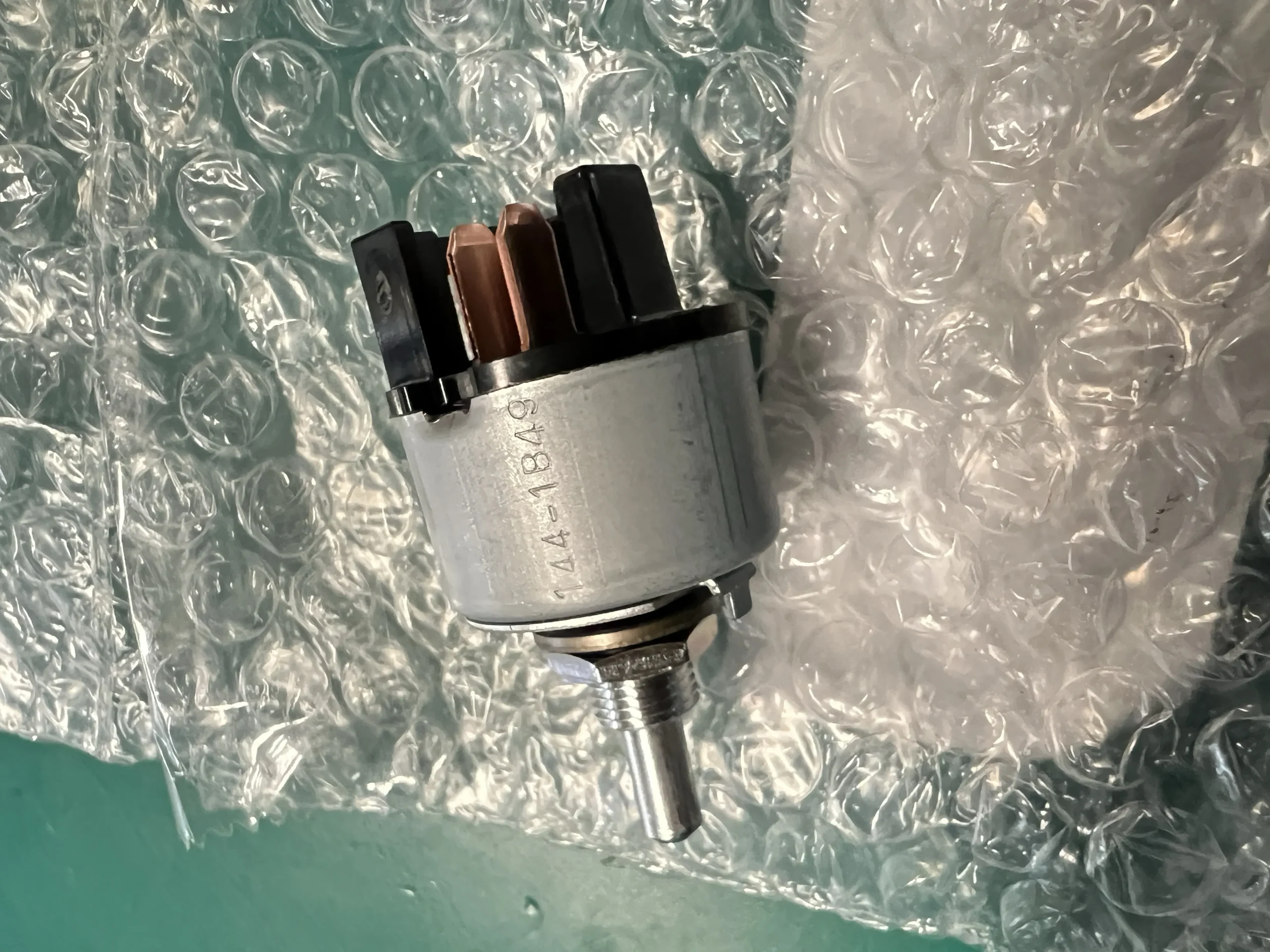 205-06-71380 Switch
 -
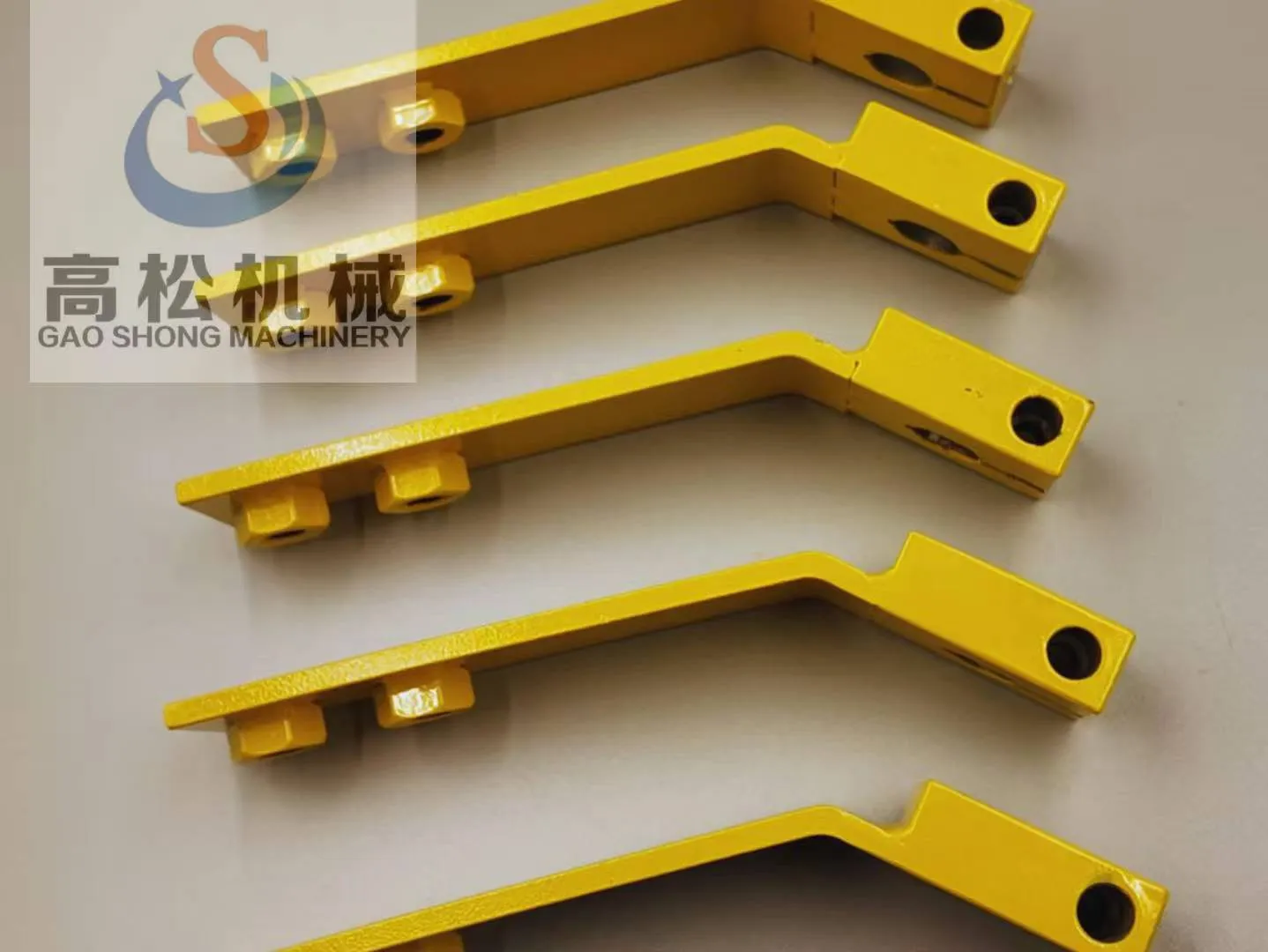 566-86-6K430 Komatsu factory bracket. Compatible with models HD325, HD785. Large inventory available.
 -
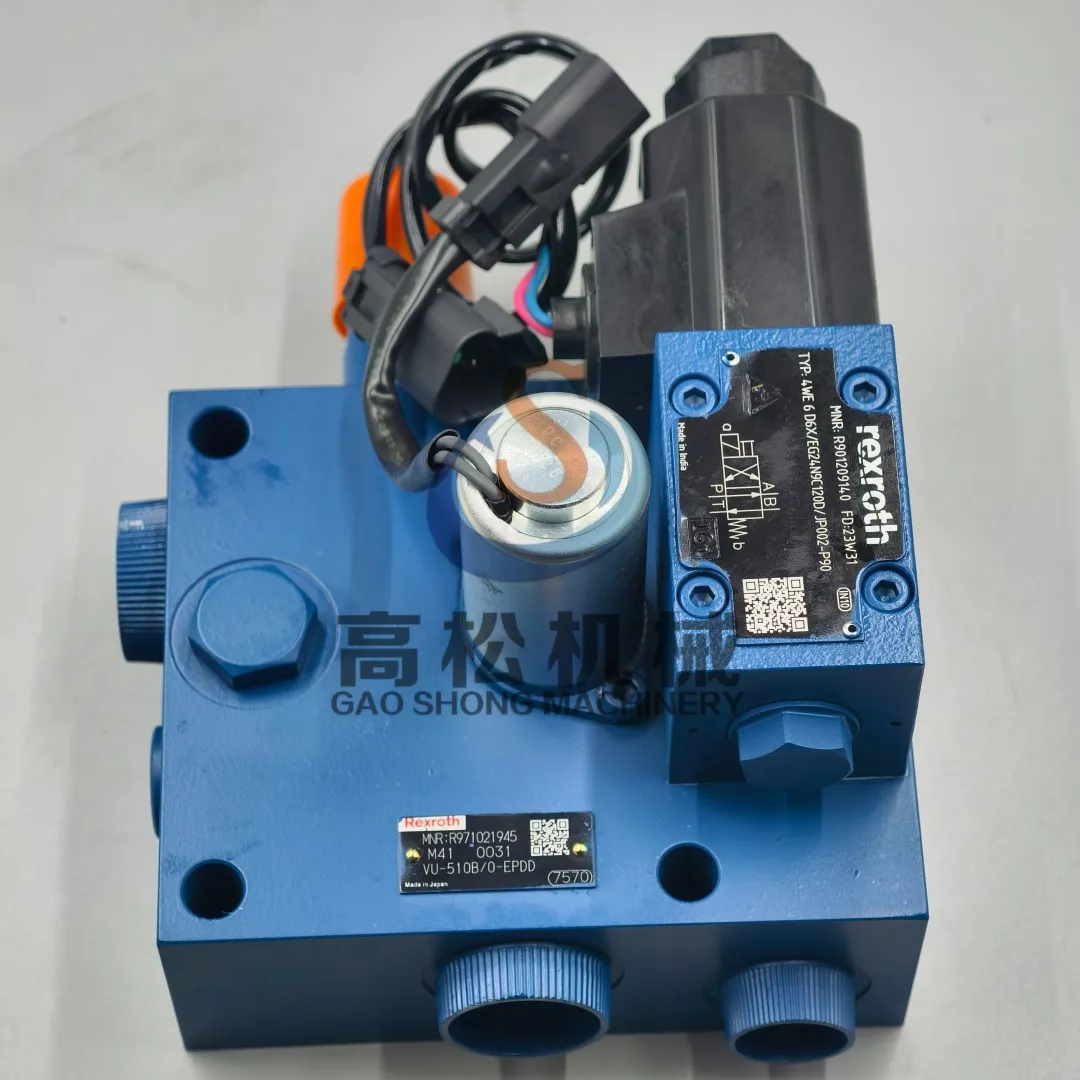 Valve Ass’y 56B-43-12402 56B-43-17340 For KOMATSU Dump Truck HD785 HD325 HD605
 -
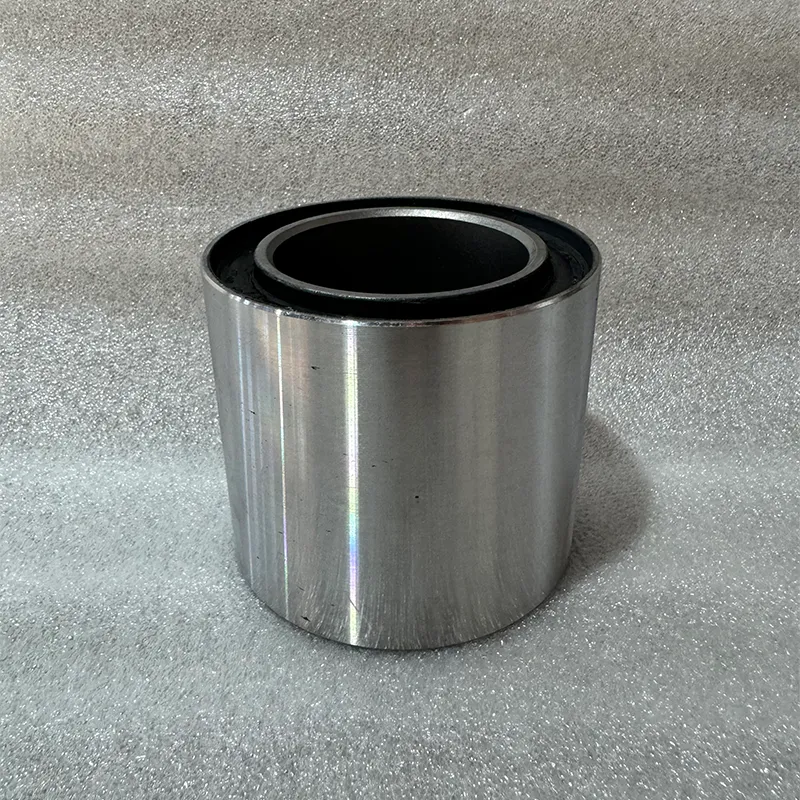 Original komatsu WA900-3 pad 569-14-41130
 -
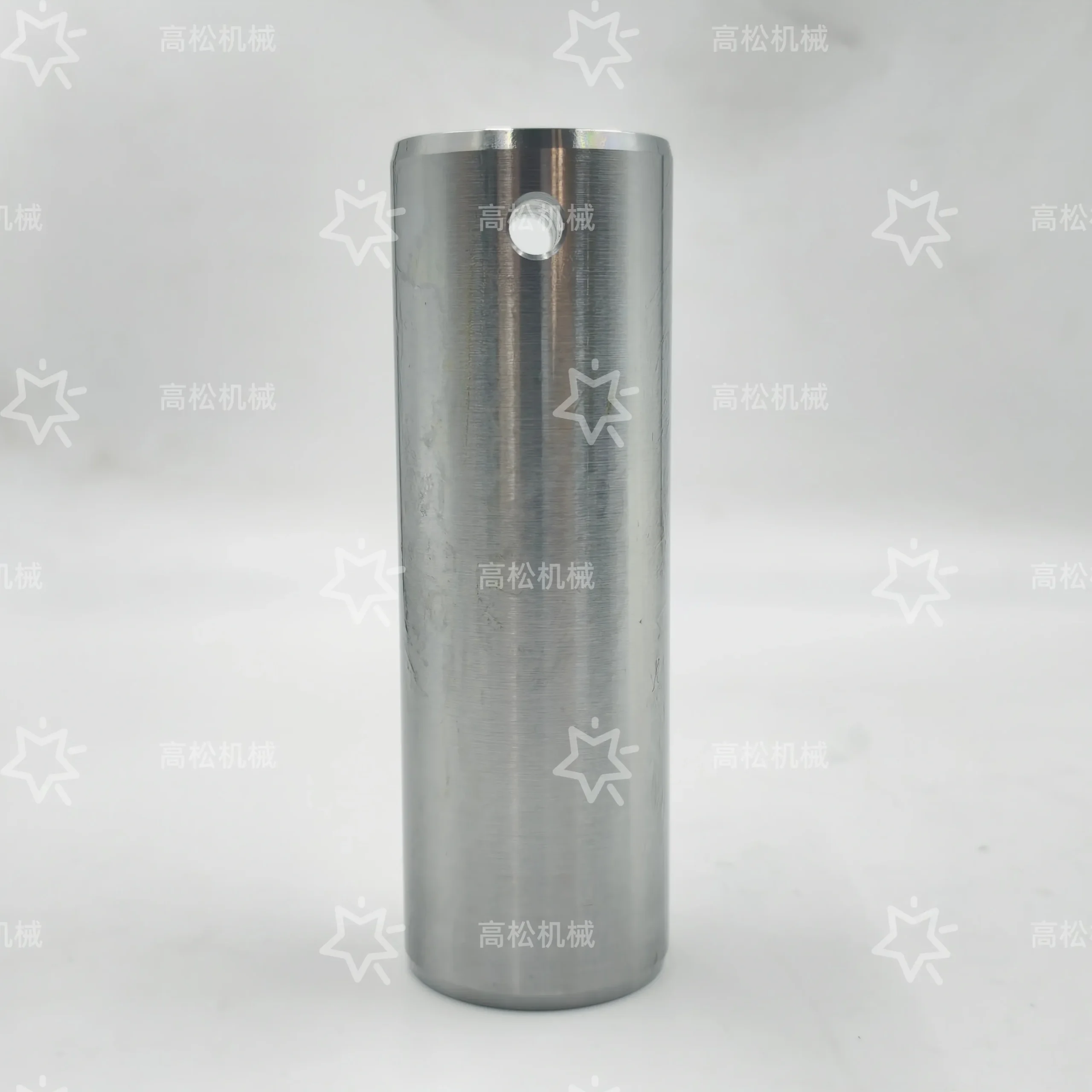 Komatsu Pin 421-22-32511 for Wheel loader WA470-6
 -
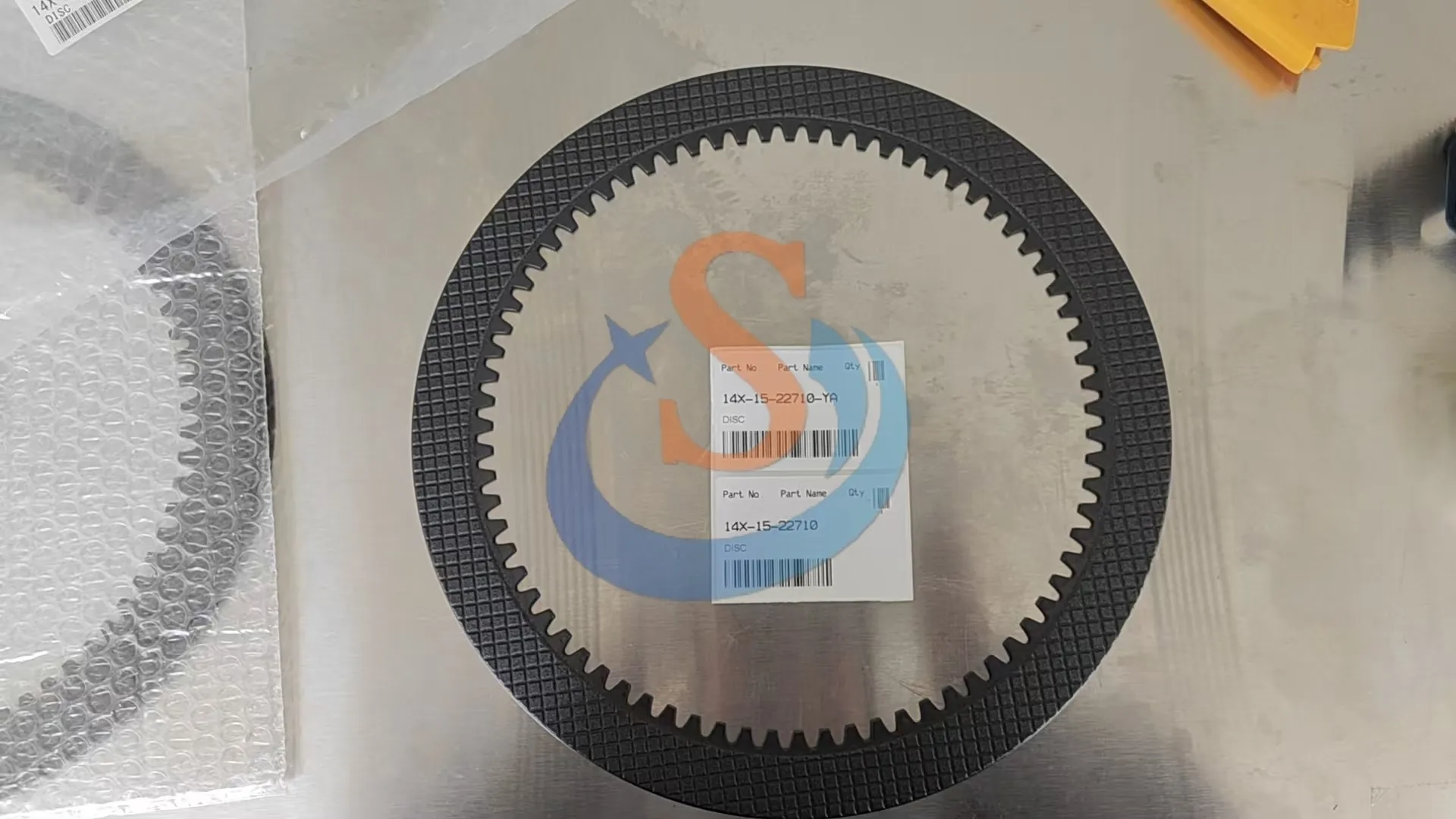 14X-15-22710,DISC,D65WX,D85ESS
 -
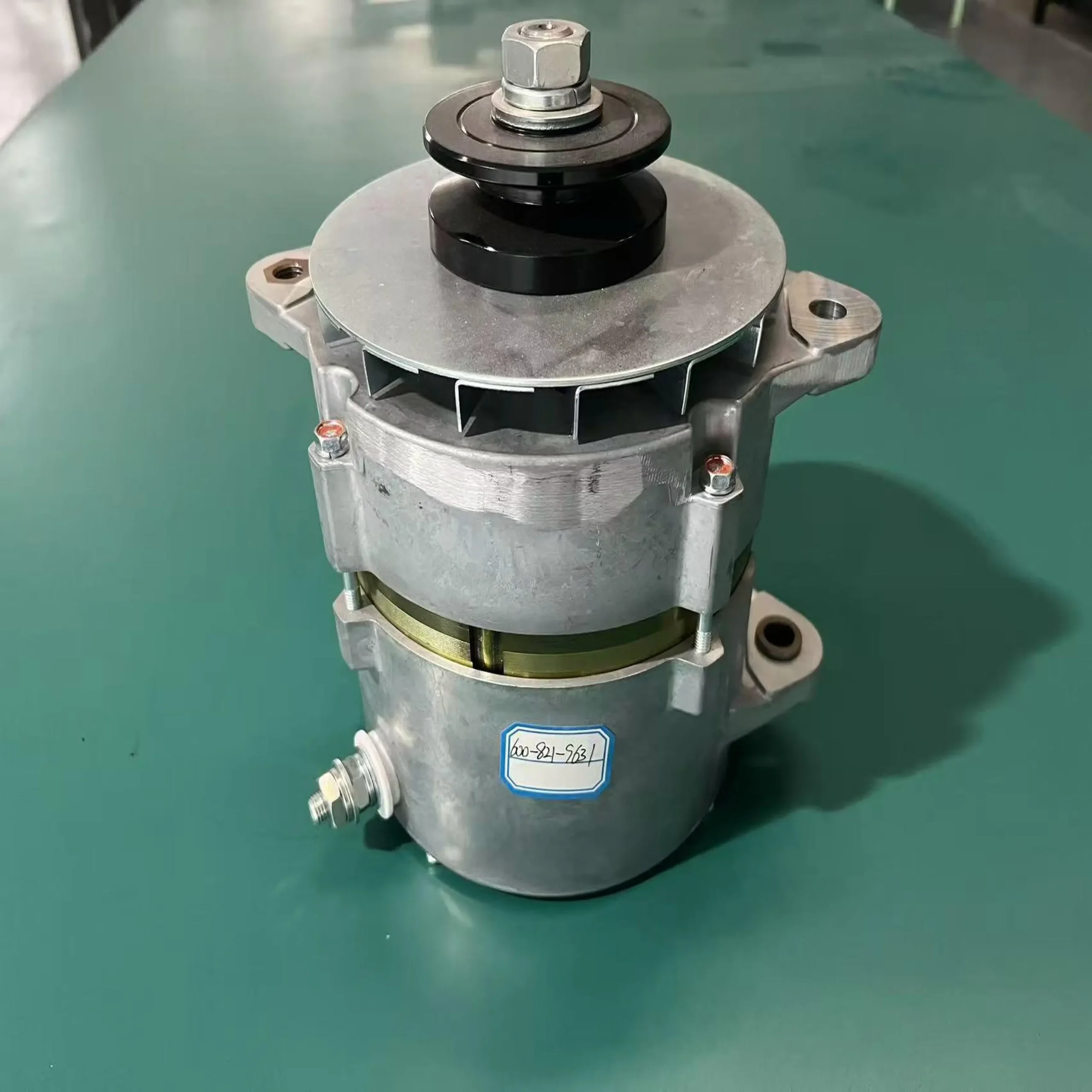 ATG20053 Alternator Compatible With Komatsu Cummins QSK23 600-821-9631 600-821-8260 600-821-9360 600-821-9550 600-821-9311 600-821-9511
 -
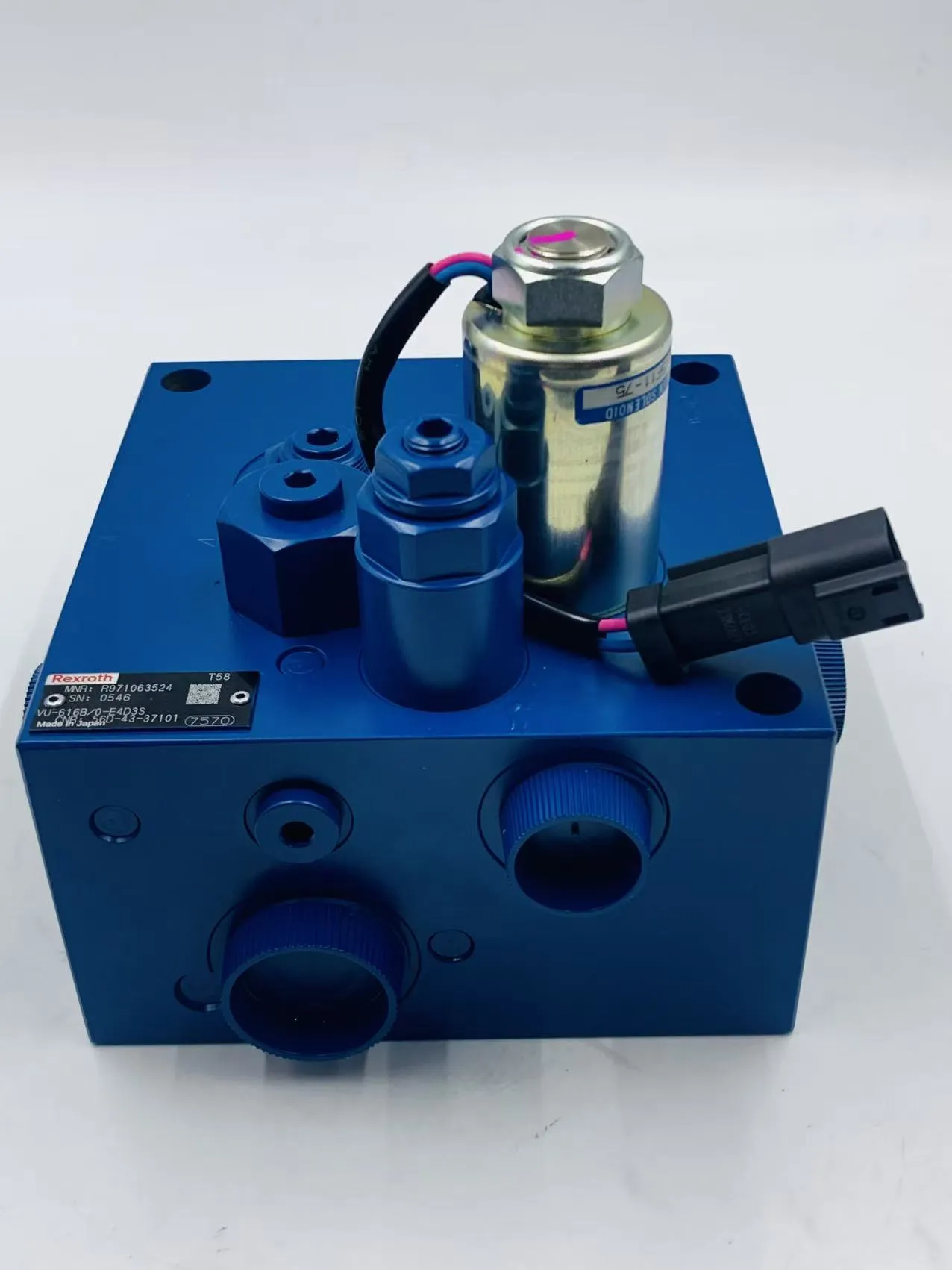 56D-43-37101 Valve Assembly, Charge for HM300 Komatsu Dump Truck Parts High Quality Original Factory