
- Chinese
- French
- German
- Portuguese
- Spanish
- Russian
- Japanese
- Korean
- Arabic
- Irish
- Greek
- Turkish
- Italian
- Danish
- Romanian
- Indonesian
- Czech
- Afrikaans
- Swedish
- Polish
- Basque
- Catalan
- Esperanto
- Hindi
- Lao
- Albanian
- Amharic
- Armenian
- Azerbaijani
- Belarusian
- Bengali
- Bosnian
- Bulgarian
- Cebuano
- Chichewa
- Corsican
- Croatian
- Dutch
- Estonian
- Filipino
- Finnish
- Frisian
- Galician
- Georgian
- Gujarati
- Haitian
- Hausa
- Hawaiian
- Hebrew
- Hmong
- Hungarian
- Icelandic
- Igbo
- Javanese
- Kannada
- Kazakh
- Khmer
- Kurdish
- Kyrgyz
- Latin
- Latvian
- Lithuanian
- Luxembou..
- Macedonian
- Malagasy
- Malay
- Malayalam
- Maltese
- Maori
- Marathi
- Mongolian
- Burmese
- Nepali
- Norwegian
- Pashto
- Persian
- Punjabi
- Serbian
- Sesotho
- Sinhala
- Slovak
- Slovenian
- Somali
- Samoan
- Scots Gaelic
- Shona
- Sindhi
- Sundanese
- Swahili
- Tajik
- Tamil
- Telugu
- Thai
- Ukrainian
- Urdu
- Uzbek
- Vietnamese
- Welsh
- Xhosa
- Yiddish
- Yoruba
- Zulu
- Kinyarwanda
- Tatar
- Oriya
- Turkmen
- Uyghur






komatsu engine parts suppliers
When you start digging into 'Komatsu engine parts suppliers', the initial search results can be misleading. Many outfits present themselves as direct channels, but the reality is more layered. There's a common misconception that finding a supplier is just about price comparison. In my experience, that's where the trouble often begins—confusing a low-cost vendor with a reliable supply chain partner. The real challenge isn't just sourcing a piston or a gasket set; it's about securing the right part, with traceable lineage, that won't fail in six months and leave a $300,000 excavator down on a critical job. The term 'supplier' itself needs unpacking: are we talking OEM, authorized aftermarket, or the vast world of third-party and compatible parts? Each has its place, but knowing which to use and when separates a smooth operation from a logistical nightmare.
The OEM Illusion and the Third-Party Reality
Everyone wants genuine OEM parts. The assurance is built into the price. But here's the rub: the official Komatsu distribution network isn't uniformly accessible or responsive globally. In some regions, lead times can be absurd, or certain parts are simply not prioritized. This gap is where capable third-party suppliers carve their niche. They aren't just resellers; they solve actual availability problems. I recall a project in West Africa where we needed a SAA6D140E-3 engine cylinder head. The local OEM channel quoted 14 weeks. That wasn't an option; the machine was on a port construction project with daily penalties.
This is where a company like Jining Gaosong Construction Machinery Co., Ltd. comes into the picture. Their setup is interesting. They operate as an OEM product supplier within the Komatsu system, which suggests a certain level of integrated access, but they also position themselves as a third-party sales company for Komatsu. This dual role is crucial. It means they can navigate the official system but also work outside its constraints to help solve parts supply challenges in certain countries, as they state on their site takematsumachinery.com. For that cylinder head, a supplier with this model sourced a fully verified, OEM-equivalent part from a trusted Korean manufacturer and got it to the site in 17 days. It wasn't genuine in the branded sense, but it met all specs and had full certification. The machine ran for over 12,000 hours without issue.
The lesson? Blind loyalty to the OEM badge can be costly. A pragmatic supplier portfolio needs these hybrid players. You're not just buying a part; you're buying a solution to an availability deadlock. However, this requires deep vetting. OEM within the system can be vague. You have to ask: what specific components do they have direct access to? Is it for older models? For newer ones? Their third-party role is where most of the value—and risk—lies.
Beyond the Catalog: The Due Diligence Grind
Finding a supplier's website is easy. Verifying their claims is the real work. Early on, I made the mistake of taking online catalogs at face value. A supplier listed a full range of S6D/Tier3 engine parts. We placed an order for a set of fuel injection pumps. What arrived were remanufactured units, poorly packaged, with mismatched serial numbers. The supplier's excuse? Same fit, same function. It was a disaster that cost us weeks of downtime and eroded client trust. That experience burned me, and now due diligence is non-negotiable.
My process now involves steps that never show up in a Google search. First, I demand material certification and country of origin for critical components like crankshafts or turbochargers. A good supplier should provide this without hesitation. Second, I ask for references from projects in similar geographic or operational conditions. Third, and most telling, is a technical conversation. I'll throw out a specific problem: We're seeing premature wear on the valve seats for the 6D125 engine in high-dust environments. What material spec would you recommend for a replacement? A parts broker will stumble; a knowledgeable supplier will discuss alloy compositions, maybe even suggest a different supplier's product if theirs isn't the best fit.
From what I can gather, Jining Gaosong seems to understand this need for technical credibility. Their focus on solving supply challenges implies they're used to handling complex requests, not just processing catalog numbers. For a fleet manager, this is the difference between a transactional vendor and a partner. You want someone who can say, The OEM part for that model has a known issue with this gasket; we source an alternative with a revised design. That's value.
The Price-Availability-Quality Triangle
In this field, you can only ever optimize for two corners of the triangle. Need it fast and cheap? Quality will be a gamble. Need it genuine and fast? Be prepared to pay a massive premium. The sweet spot for most operational budgets is high-quality aftermarket or OEM-equivalent parts with reliable, but not necessarily overnight, availability. This is the core business of competent Komatsu engine parts suppliers.
I've built a shortlist of suppliers for different scenarios. For planned overhauls where time is on our side, I might use a different supplier specializing in long-lead, high-precision components. But for urgent breakdown support, especially in remote locations, I need suppliers who have logistics figured out. They need to know the customs quirks of, say, Bolivia or Indonesia. A website like takematsumachinery.com explicitly mentioning certain countries signals they've likely dealt with these headaches before. That's a practical, real-world concern that a generic parts website would never address.
One failed experiment was trying to consolidate all our parts needs with a single mega-supplier. The theory was efficiency. The reality was that they were excellent for common filters and belts but completely out of their depth on engine internals for older D375 dozers. Their response time slowed, and technical support was generic. We fragmented the business again, using specialists for specific systems. A company positioning itself as both inside and outside the Komatsu system, like the one mentioned, could potentially serve as a stronger consolidator, but only if they have deep benches in both OEM and aftermarket channels.
Case in Point: The Turbocharger Saga
Nothing tests a supplier like a failed turbocharger on a PC700. The OEM part was backordered. We contacted three suppliers. The first offered a fully compatible unit at 40% of the cost. Red flag. The second had the genuine part but at a 220% markup. The third, a supplier with a model similar to Jining Gaosong's described approach, proposed a solution. They had a certified remanufactured core from a trusted shop in Japan, using OEM-grade bearings and housings. They provided the rebuild sheet, the flow test results, and a warranty that matched the OEM's. Crucially, they had it in a warehouse in Singapore, ready to ship.
We went with the third option. The part performed flawlessly. The cost was about 65% of the new OEM price, and we got it in 5 days instead of 8 weeks. This experience cemented a rule: the best suppliers are problem-solvers, not just inventory lists. They manage risk for you. They should ask you questions about the machine's history, operating conditions, and even fuel quality before recommending a part.
This is the level of service you hope to find when you drill past the basic search for Komatsu engine parts suppliers. It's about the consultative layer. When I look at a company profile that says they're helping to solve parts supply challenges, I read that as them being in the problem-solving business, not the order-taking business. That's the key distinction.
Building a Reliable Supply Shortlist
So, how does this all translate into action? My current shortlist isn't long. It has maybe five core names, each with a defined role. One is an absolute last-resort, genuine-OEM-only supplier for warranty work. Two are major aftermarket specialists with robust quality control. One is a specialist in obsolete and legacy model parts. The final spot is for a flexible, hybrid-type operator—the kind that can bridge gaps.
A company like Jining Gaosong Construction Machinery Co., Ltd. would be a candidate for that last category. Their stated identity as both an insider and an independent third-party is exactly the profile I'd test on a non-critical but still important order—say, a set of water pumps for a fleet of mid-life HD785 trucks. It's a lower-risk way to assess their documentation, shipping, and the physical quality of the parts themselves. Do they arrive clean, well-packaged, with proper manuals? Is the paperwork clear? Do they follow up?
The goal is never to have just one source. The goal is to have a network of validated suppliers you can trust for different scenarios. The search never really ends; you're always listening, always testing, because the market shifts, companies merge, and quality at a factory can change. The phrase Komatsu engine parts suppliers is just the starting point of a much longer, more nuanced conversation about risk management, machine uptime, and operational integrity. It's less about finding a vendor and more about identifying a competent partner who understands the weight of what they're selling—not just metal, but reliability itself.
Related Products
Related Products

Best Selling Products
Best Selling Products-
 Fan Clutch 20Y-01-56130 for Komatsu PC210-10MO Excavator
 -
 569-40-83470 Komatsu Genuine Bracket, Applicable Model: HD405-7, In-stock Promotional Price
 -
 A/C Compressor 22L-979-2200 For Komatsu
 -
 702-16-02290,702-16-02210,702-16-02212 LEVER ASS’Y Komatsu Original Factory
 -
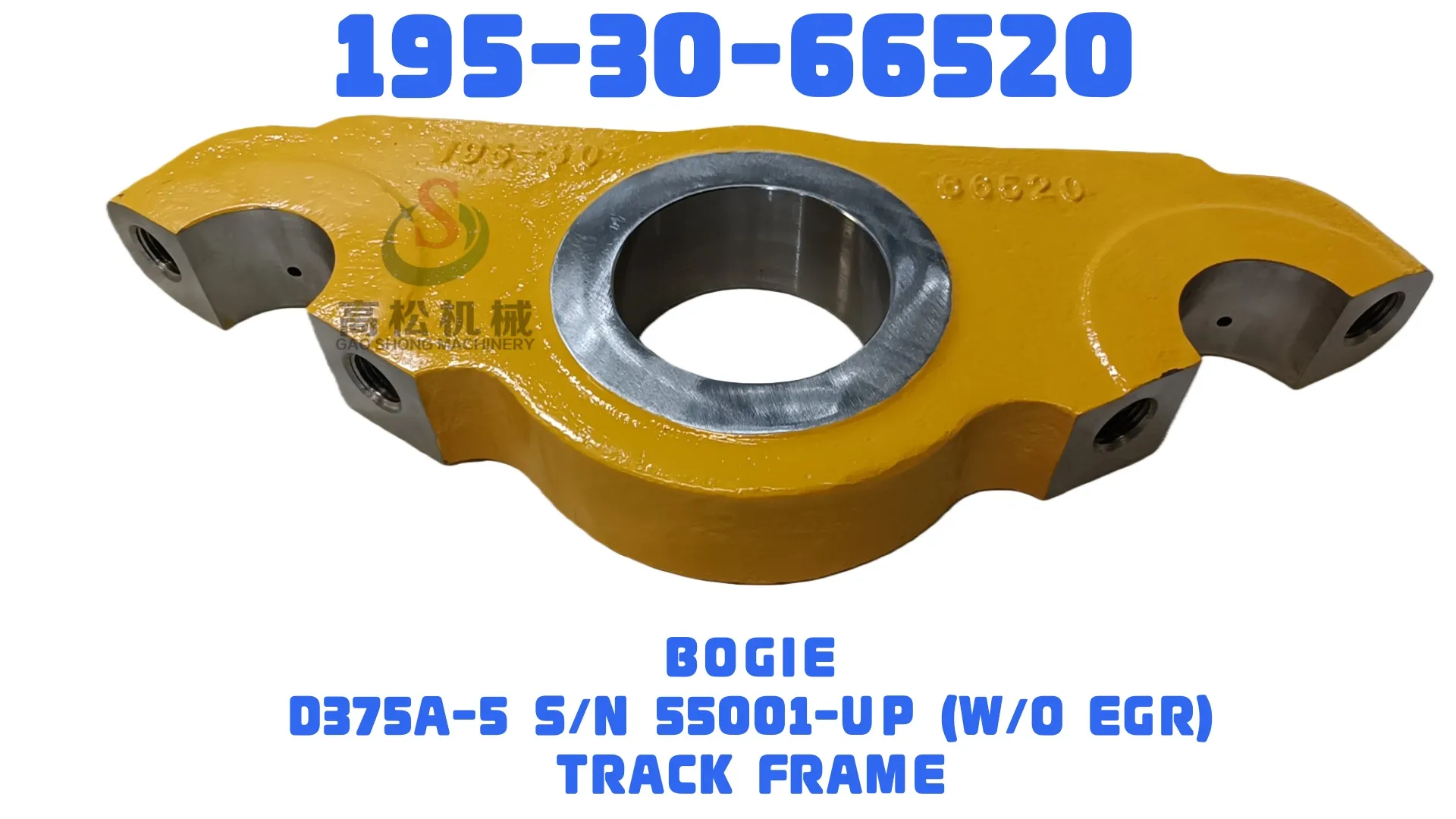 komatsu-part-195-30-66520 BOGIE D375A-5 D375A-5D D375A-6 D375A-6R TRACK FRAME TRACK FRAME, BOGIE
 -
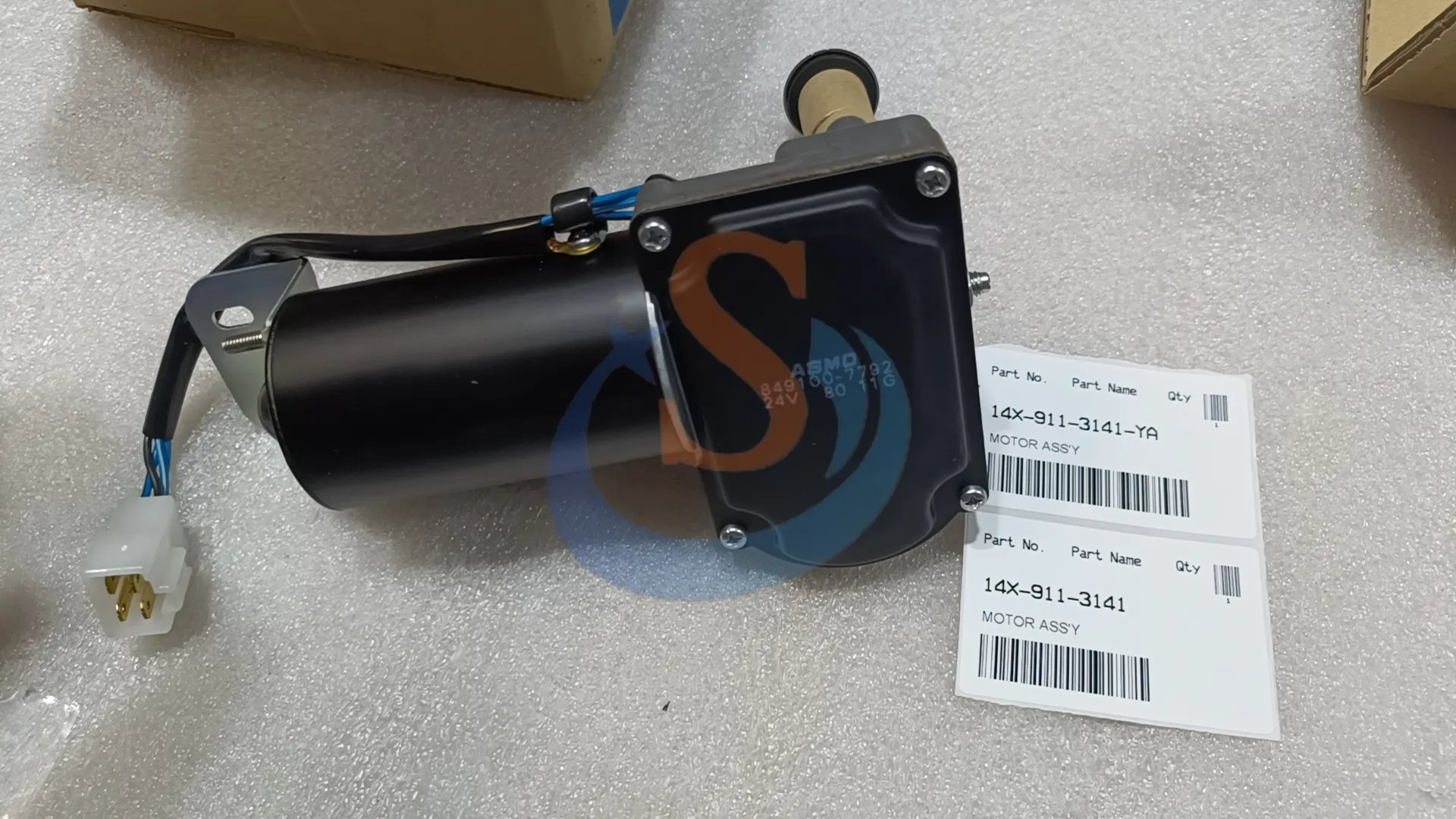 14X-911-3141,WIPER MOTOR ASS’Y,D155A,D375A,D65PX
 -
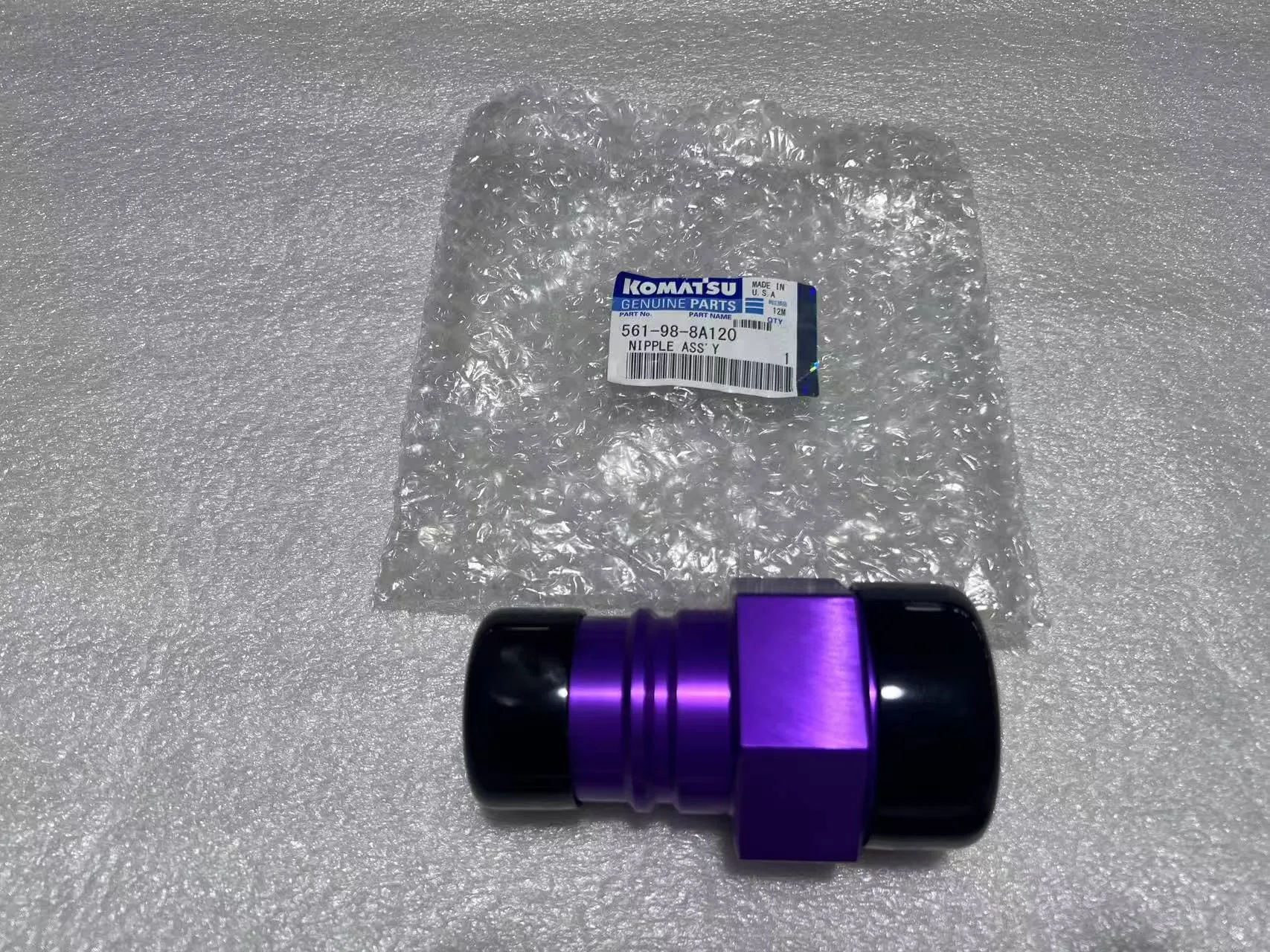 561-98-8A120 Spot # Komatsu # Komatsu Machinery Parts 2026
 -
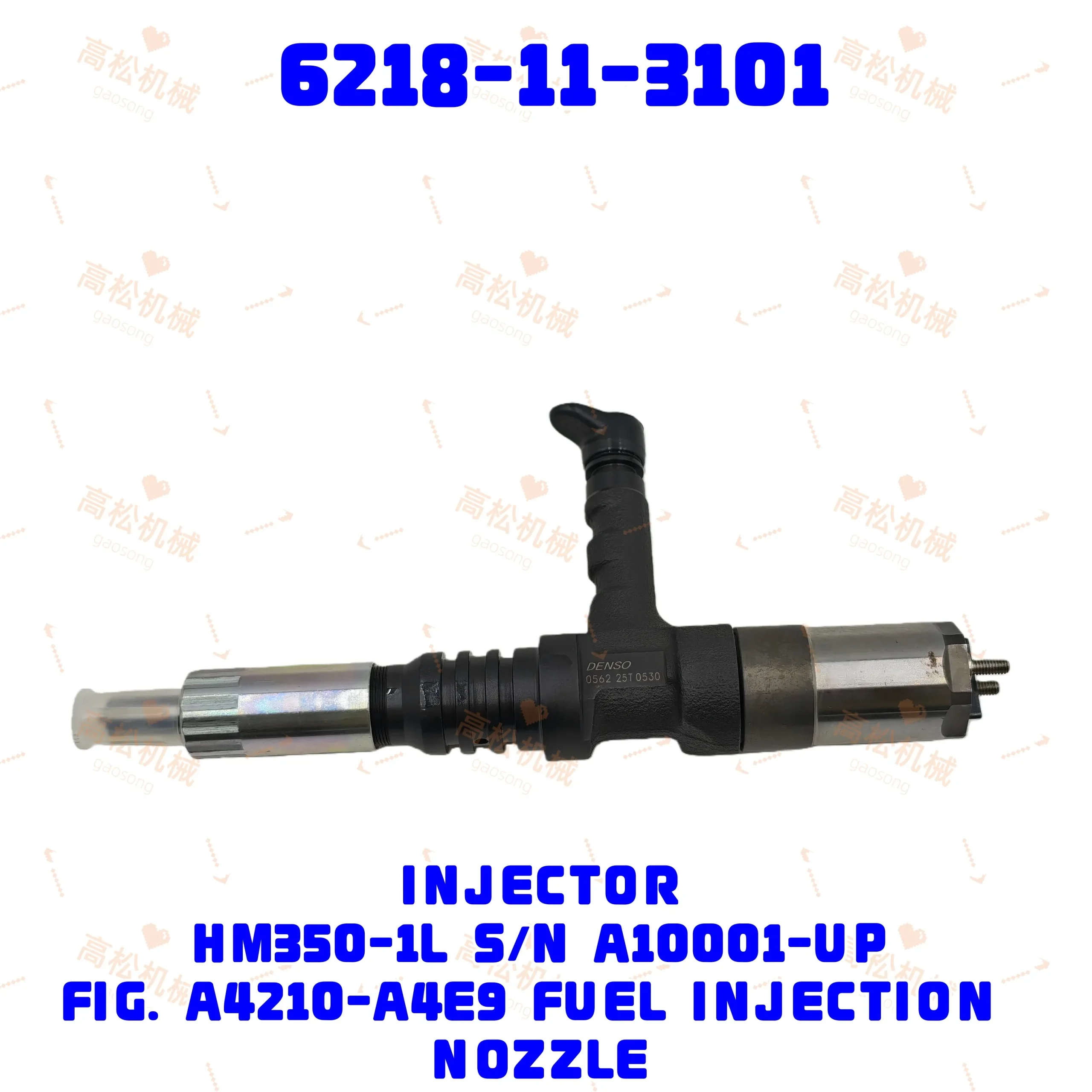 komatsu-part-6218-11-3101 6127-11-3104 6734-11-3110 6732-11-3300 6738-11-3090 6209-11-3100 6743-11-3320 6215-11-3620 6211-12-3520 6211-12-3500 INJECTOR ASS’Y SA6D140E-3J-7 SA6D140E-3CM-7 SA6D140E-3H-7 SA6D140E-3G-7 HM350-1L FUEL INJECTOR FUEL INJECTOR
 -
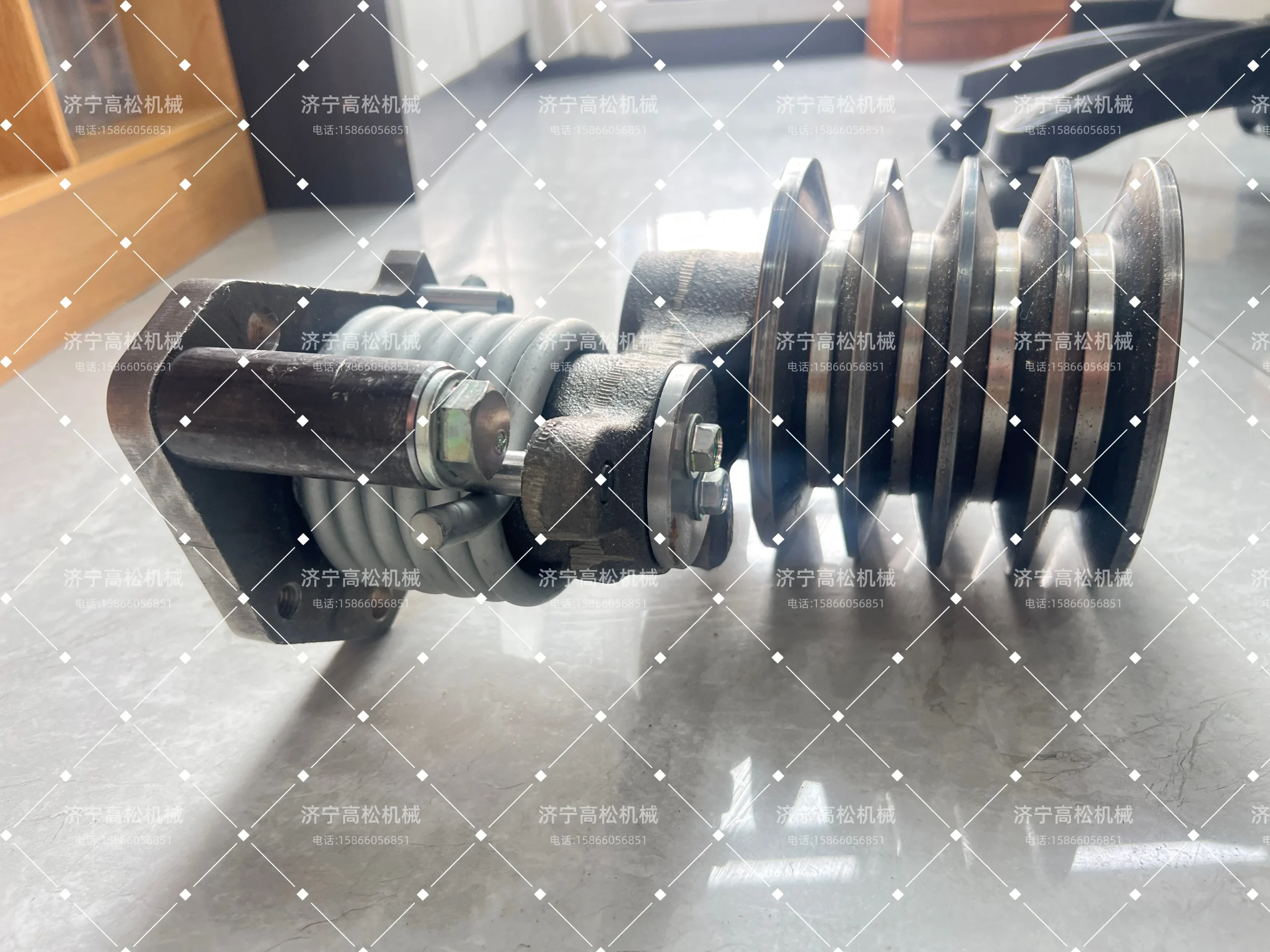 Original Hot Sale TENSION PULLEY ASS’Y 6240-61-4500 TENSION…
 -
 195-49-75280 Komatsu O-ring
 -
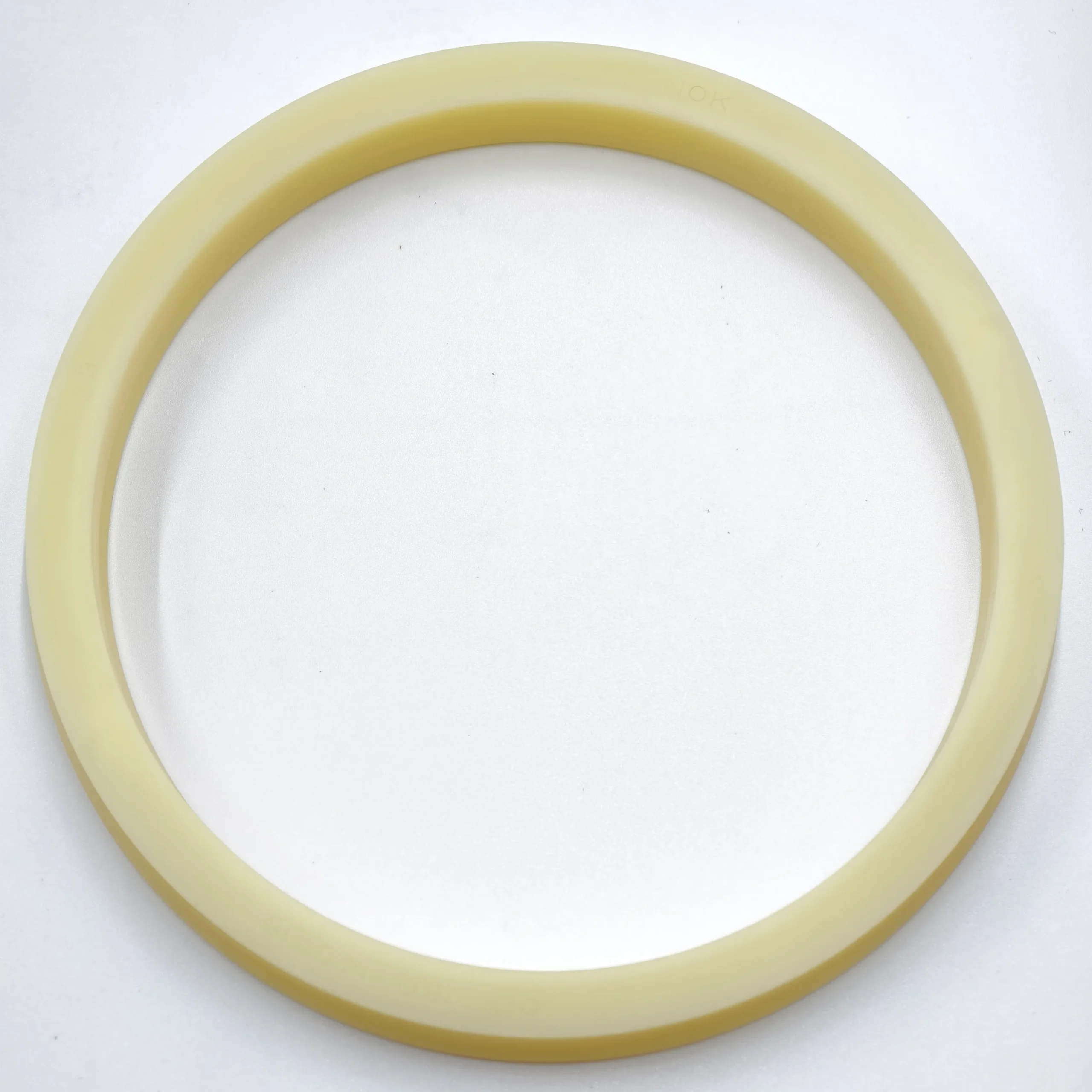 Komatsu 21N-30-14160 PACKING, price for original… — Pricing.Parts
 -
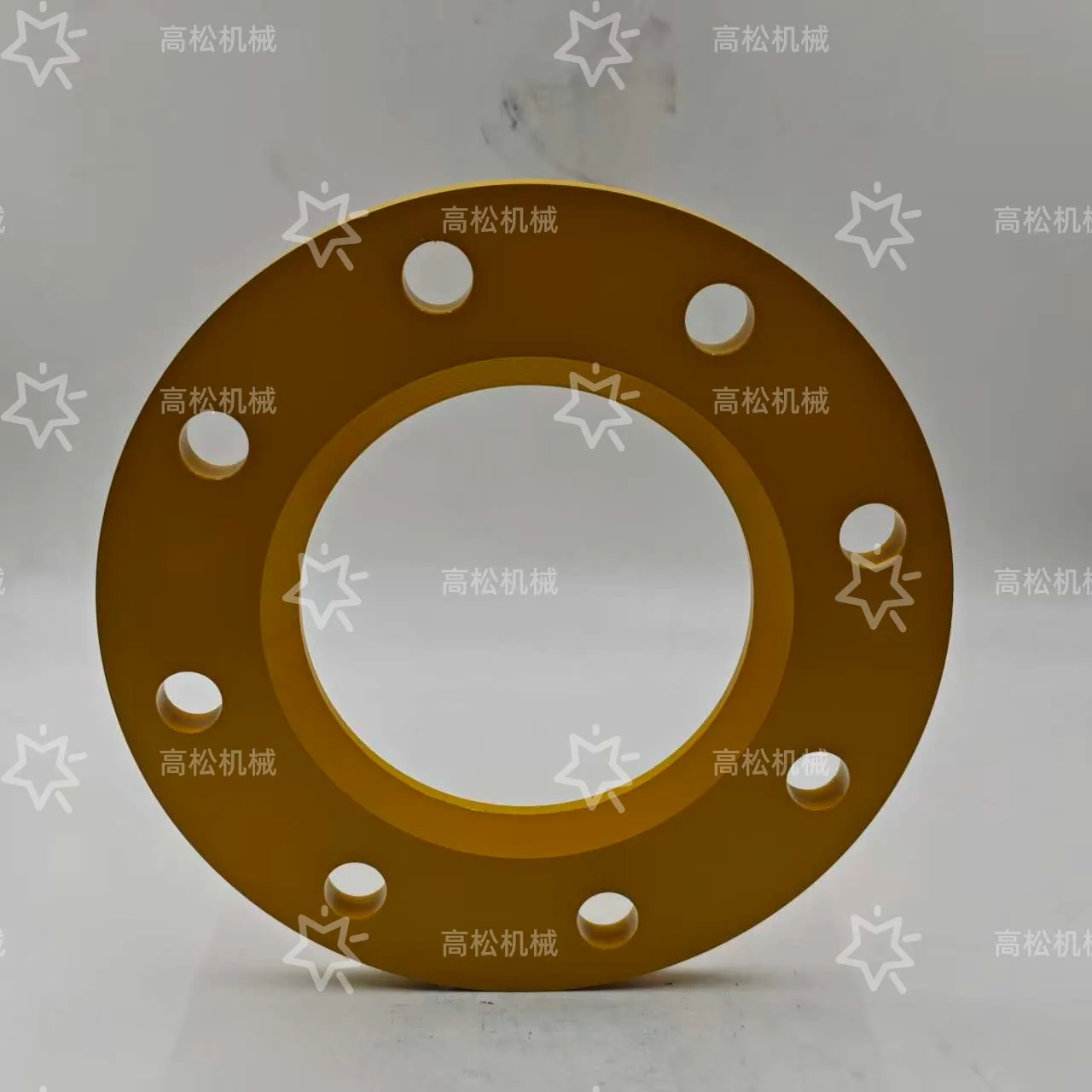 Komatsu 41E-70-15461 board