
- Chinese
- French
- German
- Portuguese
- Spanish
- Russian
- Japanese
- Korean
- Arabic
- Irish
- Greek
- Turkish
- Italian
- Danish
- Romanian
- Indonesian
- Czech
- Afrikaans
- Swedish
- Polish
- Basque
- Catalan
- Esperanto
- Hindi
- Lao
- Albanian
- Amharic
- Armenian
- Azerbaijani
- Belarusian
- Bengali
- Bosnian
- Bulgarian
- Cebuano
- Chichewa
- Corsican
- Croatian
- Dutch
- Estonian
- Filipino
- Finnish
- Frisian
- Galician
- Georgian
- Gujarati
- Haitian
- Hausa
- Hawaiian
- Hebrew
- Hmong
- Hungarian
- Icelandic
- Igbo
- Javanese
- Kannada
- Kazakh
- Khmer
- Kurdish
- Kyrgyz
- Latin
- Latvian
- Lithuanian
- Luxembou..
- Macedonian
- Malagasy
- Malay
- Malayalam
- Maltese
- Maori
- Marathi
- Mongolian
- Burmese
- Nepali
- Norwegian
- Pashto
- Persian
- Punjabi
- Serbian
- Sesotho
- Sinhala
- Slovak
- Slovenian
- Somali
- Samoan
- Scots Gaelic
- Shona
- Sindhi
- Sundanese
- Swahili
- Tajik
- Tamil
- Telugu
- Thai
- Ukrainian
- Urdu
- Uzbek
- Vietnamese
- Welsh
- Xhosa
- Yiddish
- Yoruba
- Zulu
- Kinyarwanda
- Tatar
- Oriya
- Turkmen
- Uyghur






Komatsu engine parts
When you hear 'Komatsu engine parts,' most people immediately think of pistons, cylinder heads, or fuel injectors for the SAA6D140E or the S6D125. That's the surface level. The real conversation, the one that happens between mechanics in a dusty yard or over a delayed parts shipment, is about the ecosystem around those parts. It's about sourcing genuine components in regions where the official supply chain is thin, and understanding why a third-party supplier that's also an OEM within the system can be the difference between a machine running in three days or three weeks. There's a common misconception that 'OEM' and 'third-party' are opposites. In reality, especially with a giant like Komatsu, the lines can blur in ways that benefit end-users, if you know where to look.
The OEM-Third Party Hybrid Model in Practice
I've seen this play out firsthand. A customer in a Southeast Asian market needed a complete Komatsu engine parts kit for an overhaul of a PC300-8's engine. The local Komatsu dealer quoted a lead time that was a project killer. This is where the hybrid model comes in. Companies like Jining Gaosong Construction Machinery Co., Ltd. operate in a unique space. They are, as stated on their site takematsumachinery.com, an OEM product supplier within Komatsu's system. This isn't just a fancy title. It implies a direct manufacturing or sourcing relationship for specific components, adhering to the original blueprints and material specs.
But they also act as a third-party sales company. This dual role is crucial. As an OEM supplier, they have access to the genuine parts pipeline. As a third-party entity, they have the flexibility to navigate local import regulations, hold strategic inventory, and offer alternative logistics solutions that the primary dealer network might not prioritize for certain regions. For that PC300-8 engine, we sourced the liners, pistons, and gasket set through such a channel. The parts arrived with the correct Komatsu markings and packaging, but the route they took was different, bypassing the bottleneck.
The key judgment here is verification. Just because a company claims this hybrid status doesn't mean every part in their warehouse is OEM-spec. You develop an eye for it. The machining marks on a Komatsu engine parts like a connecting rod, the casting quality of a cylinder head – these things tell a story. The reliable suppliers welcome this scrutiny. Their value proposition, like Jining Gaosong's stated mission of helping to solve parts supply challenges in certain countries, is built on proving that authenticity and accessibility aren't mutually exclusive.
Specific Parts and the Nuances of Failure
Let's get concrete. Take turbochargers for the 6D125 engine series. A common failure point isn't always the turbo itself, but the oil feed lines and the condition of the oil. I've witnessed a scenario where a customer replaced a turbo with a supposedly genuine unit, only to have it fail again in 200 hours. The root cause? The replacement oil line, while it looked correct, had a slightly different internal diameter affecting flow, and the oil hadn't been changed with the swap. The part was technically a Komatsu part, but the system around it wasn't addressed.
This is where a supplier's depth matters. A good one doesn't just sell you the turbo cartridge. They should ask about service history, recommend flushing the lines, and likely point you to the specific OEM kit that includes new banjo bolts and washers. On takematsumachinery.com, you'll find they emphasize solving supply challenges. In practice, that means they should be able to provide not just the major assembly but also those critical, often-overlooked ancillary Komatsu engine parts that complete the repair ecosystem. If they can't, they're just moving boxes.
Another nuanced example is fuel system components. The difference between a Denso-made injector for Komatsu and a pattern part is night and day in terms of spray pattern and longevity. But even with a genuine injector, the installation torque sequence and the use of new sealing washers are non-negotiable. A supplier entrenched in the practical side will often have technical bulletins or at least verbal guidance on these procedures. Their website might not show it, but a phone call reveals their practical knowledge.
Logistics and the Real Cost of Downtime
Professionals don't just buy parts; they buy time. The invoice price of a set of Komatsu engine parts is one line item. The cost of a 40-ton excavator sitting idle for an extra week is the real bill. This is the arena where specialized third-party/OEM suppliers prove their worth. Their entire operation is often optimized for specific corridors—say, from East Asia to Africa or the Middle East.
I recall a project in West Africa where we needed a SAA6D140E cylinder head. The official channel involved trans-shipment through Europe, adding weeks. A supplier operating on the hybrid model had a container load being routed directly from a port in China to Durban, then up the coast. They were able to cross-dock the part at a hub and get it on a flight. It arrived in 5 days. The part was genuine, sourced through their OEM role, but delivered using their third-party logistical muscle. The premium on freight was dwarfed by the savings on equipment rental and project delays.
This capability is what separates a parts seller from a solutions provider. It's not advertised as a flashy feature; it's baked into their operational DNA. When Jining Gaosong mentions solving supply challenges, this is the gritty reality it points to: understanding shipping lanes, customs brokerage relationships, and having the flexibility to mix sea and air freight dynamically based on the customer's emergency.
The Judgment Call: When to Go Full OEM vs. Alternative
Even with these hybrid suppliers, there are judgment calls. Not every single component on an engine demands a genuine Komatsu tag. Things like certain sensors, belts, or hoses might have perfectly acceptable, high-quality alternatives that are ISO-certified. The art is knowing which parts are critical to the engine's core integrity and which are more generic.
My rule of thumb: anything inside the combustion chamber or the high-pressure fuel system is non-negotiable. Pistons, rings, liners, injectors, fuel pumps – always genuine. For a water pump or a thermostat, you might have a bit more leeway if the alternative is from a top-tier manufacturer like GMB or Aisin (who often are the OEM anyway). A good supplier will be honest about this. They might say, For this coolant pipe, we have the genuine part, but we also have this Japanese-made alternative that's 30% less and we've seen no failure difference. That's practical, experience-based advice.
This is also a subtle test of the supplier. If they push generic parts for critical components just to make a sale, their credibility is shot. But if they guide you toward a sensible mix to manage budget without compromising the rebuild's heart, they're a partner. It's this nuanced, on-the-ground judgment that you won't find in a catalog but is vital for sustainable equipment management.
Looking Ahead: The Information Gap
The biggest challenge today isn't always the physical part. It's information. Service manuals, torque specs, wiring diagrams for newer electronically controlled engines. The best suppliers in this Komatsu engine parts space are becoming repositories of this tacit knowledge. They've seen the common failure modes of the SAA6D107E engine in high-altitude operations, or the peculiarities of the EGR system on Stage V models.
A website like takematsumachinery.com might be a portal, but the real value is in the follow-up. You call with a part number, and the conversation drifts to, Oh, that's for the PC360-11? Make sure you check the software calibration after replacing that sensor, we've had a few cases where it needed a reset. That's gold. That's the difference between a successful repair and a callback.
The future of this niche is in coupling reliable parts supply with this layer of field intelligence. The companies that last will be those that don't just see themselves as distributors, but as nodes in a global network of practical, problem-solving expertise. They bridge the gap between Komatsu's engineering excellence and the harsh, variable realities of construction sites worldwide. It's less about selling a piston and more about ensuring that piston runs for its full intended life cycle in whatever corner of the world it lands in.
Related Products
Related Products

Best Selling Products
Best Selling Products-
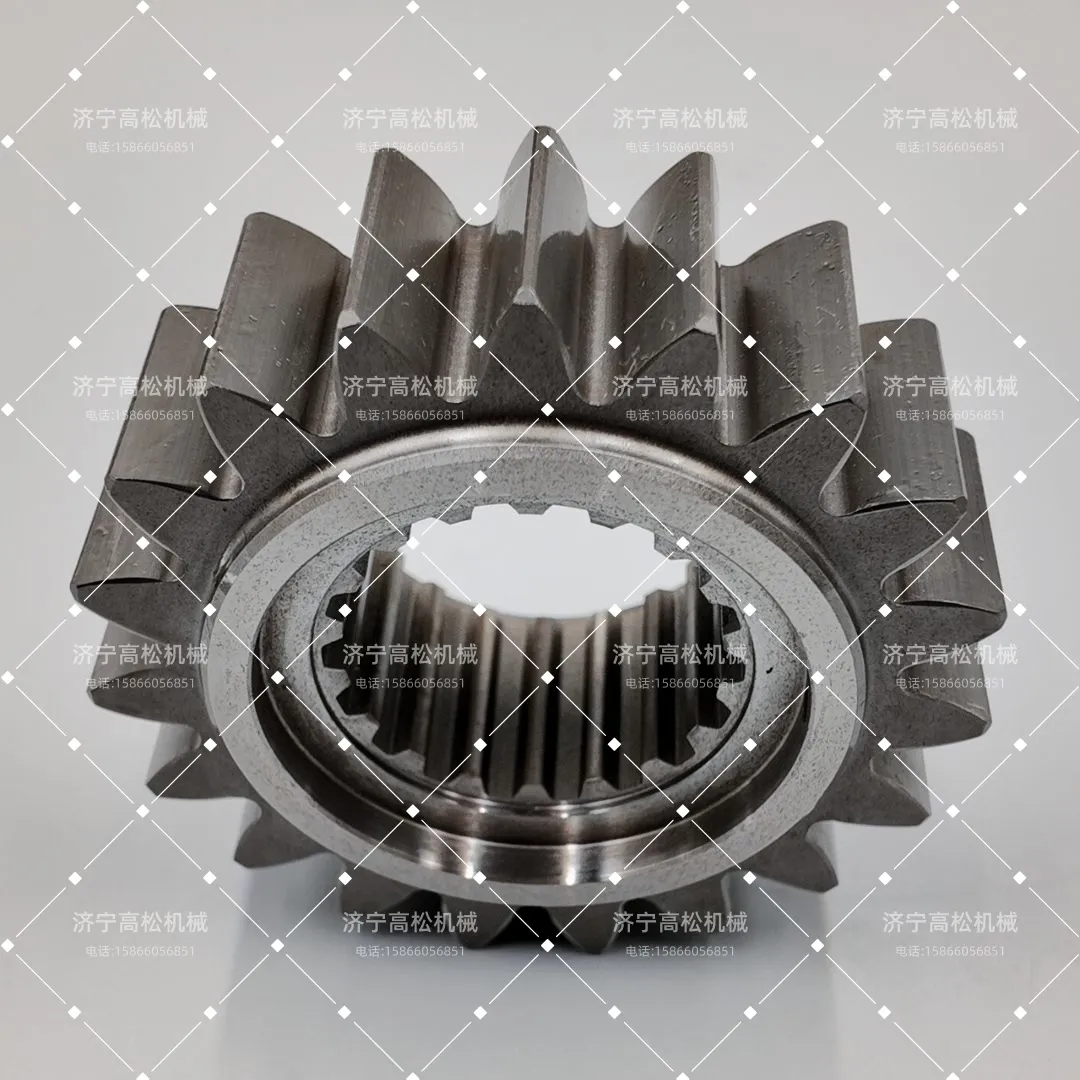 207-26-71510 Komatsu Gear
 -
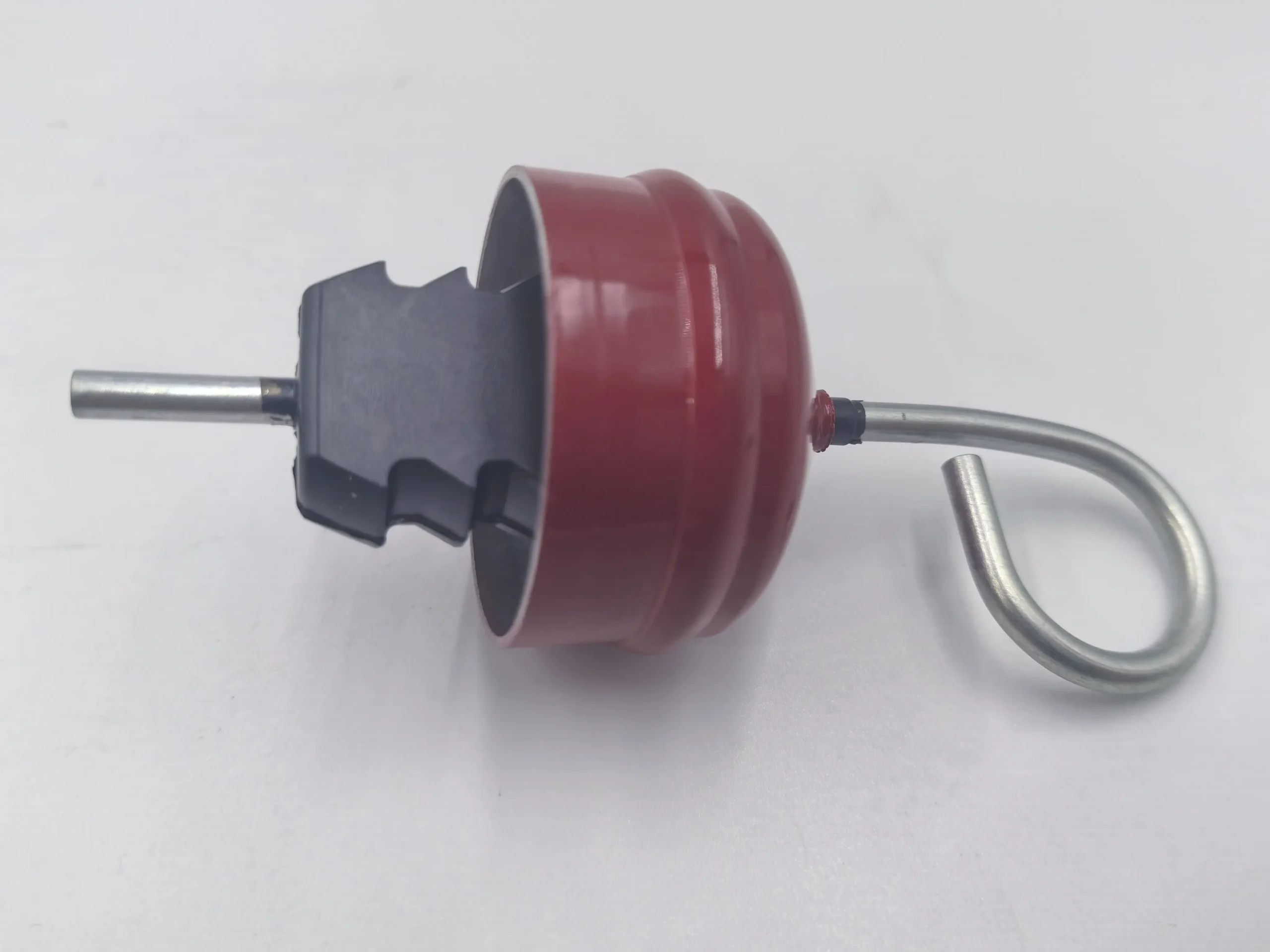 KOMATSU GAUGE 207-01-31150
 -
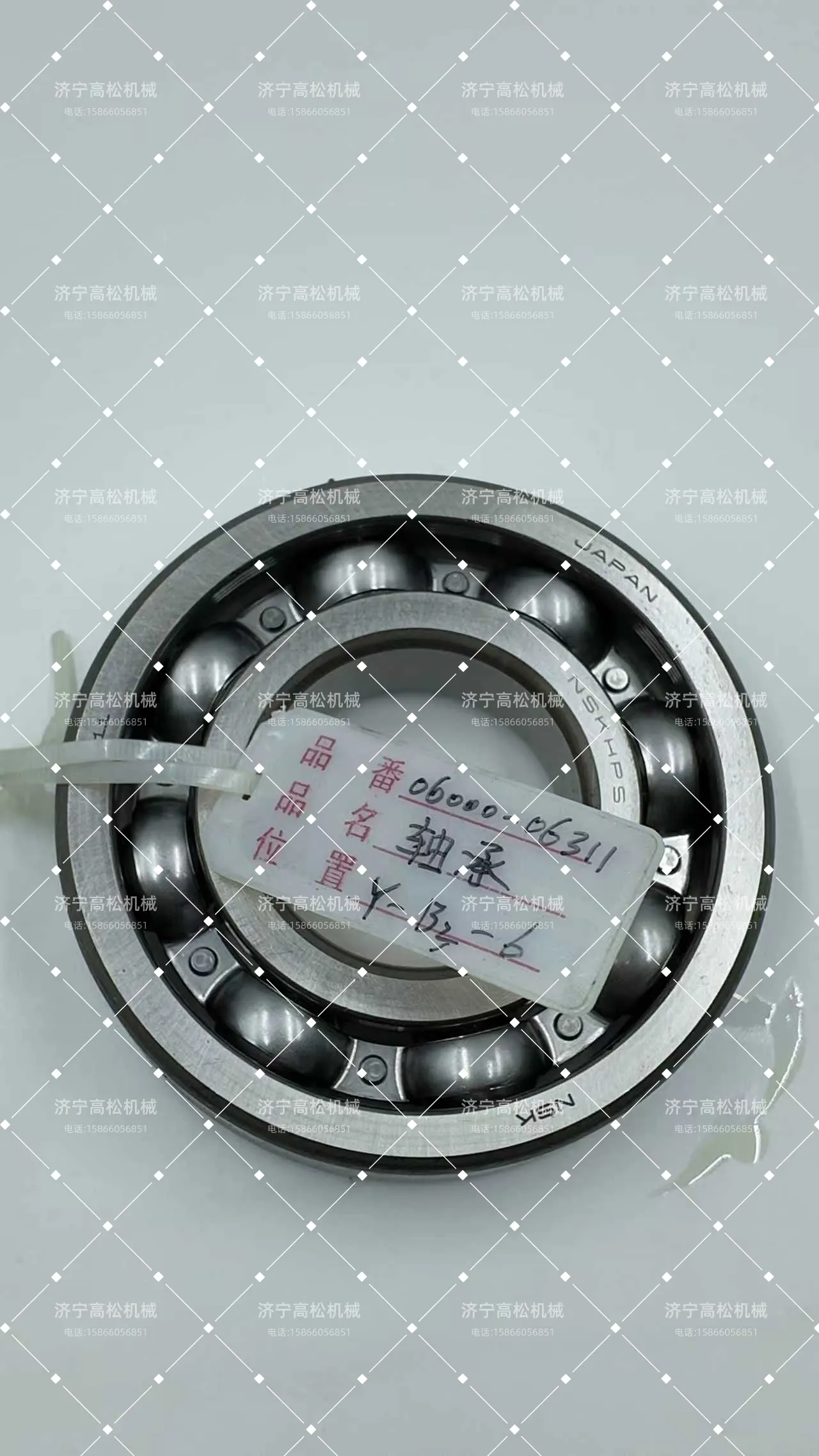 Custom KOMATSU Bulldozer Slewing Gearbox Bearing 06000-06311…
 -
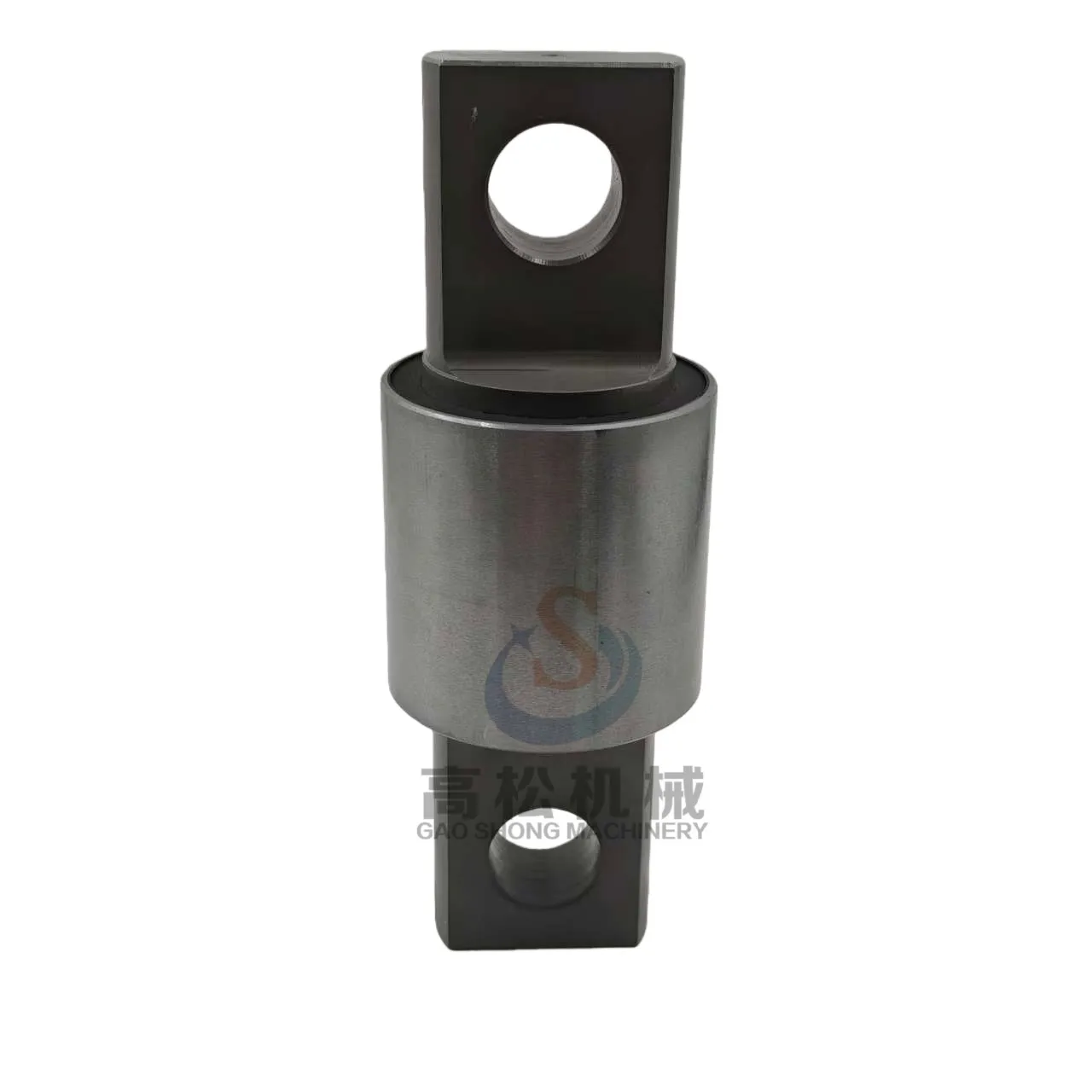 CUSHION 56B-16-11211 – KOMATSU
 -
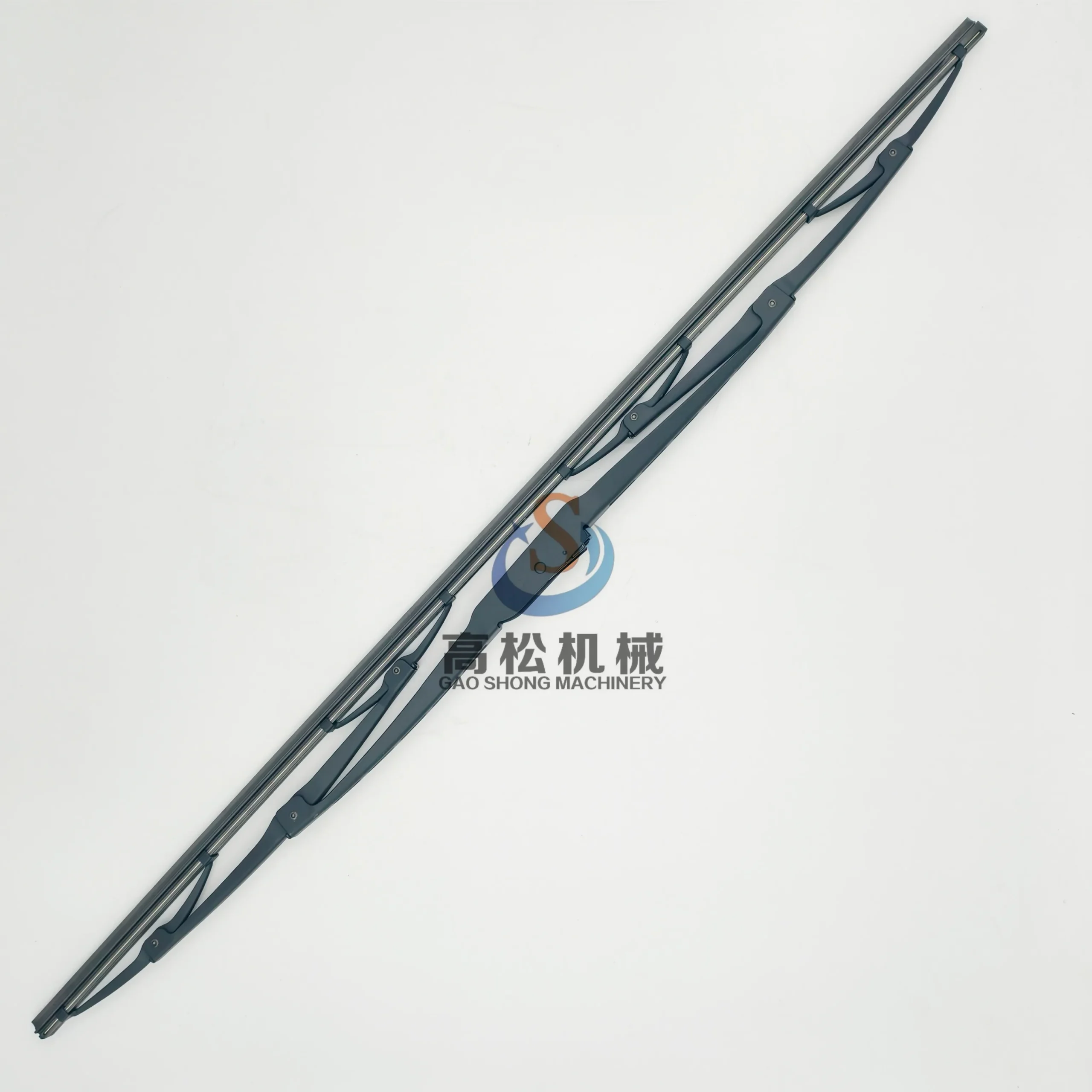 BLADE,FRONT 56B-54-13240 HM250-2 HM300-2 HM350-2 HM400-2 (ecot3) OPERATOR’S CAB (WIPER)
 -
 HD785-7 center exhaust manifold 6215-11-5172
 -
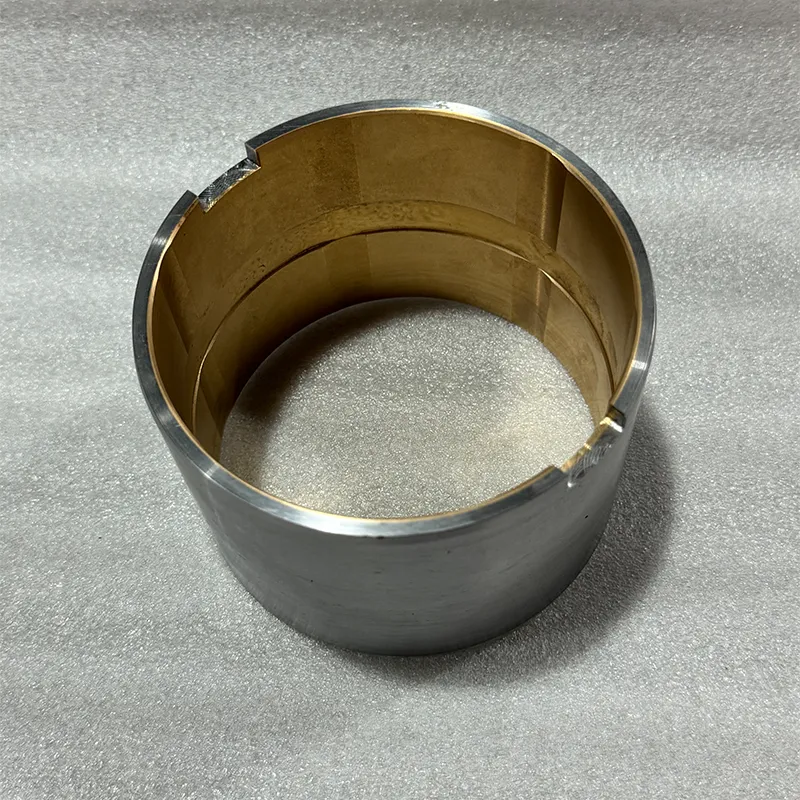 Komatsu original D375A-1 Sleeve 195-61-41160
 -
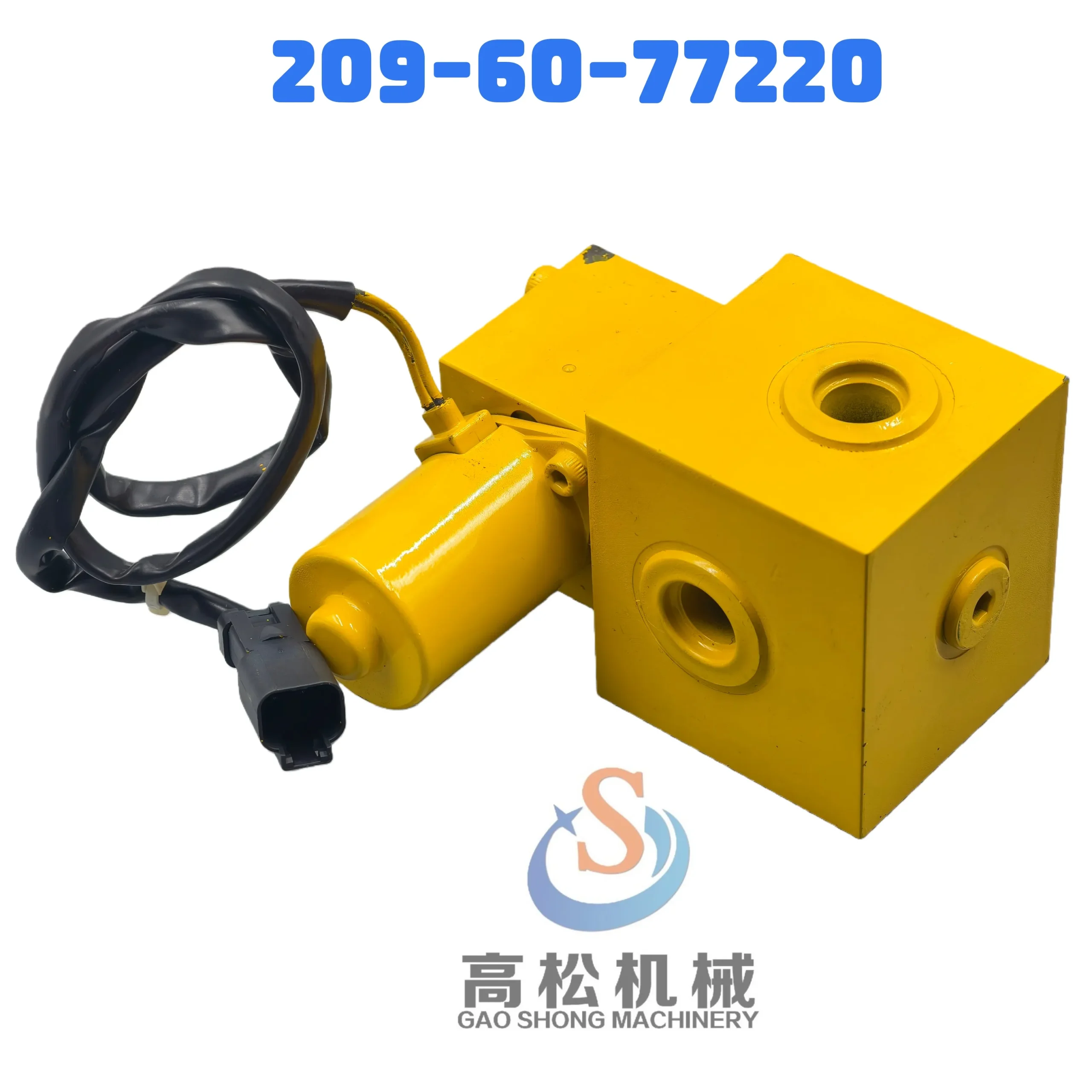 209-60-77220 VALVE ASS’Y KOMATSU parts BOTTOM, COOLANT, PC1250, PC1250SP, PC2000, PC600, PC650, PC700, PC800, PC800SE, PC850, PC850SE, TRAVEL
 -
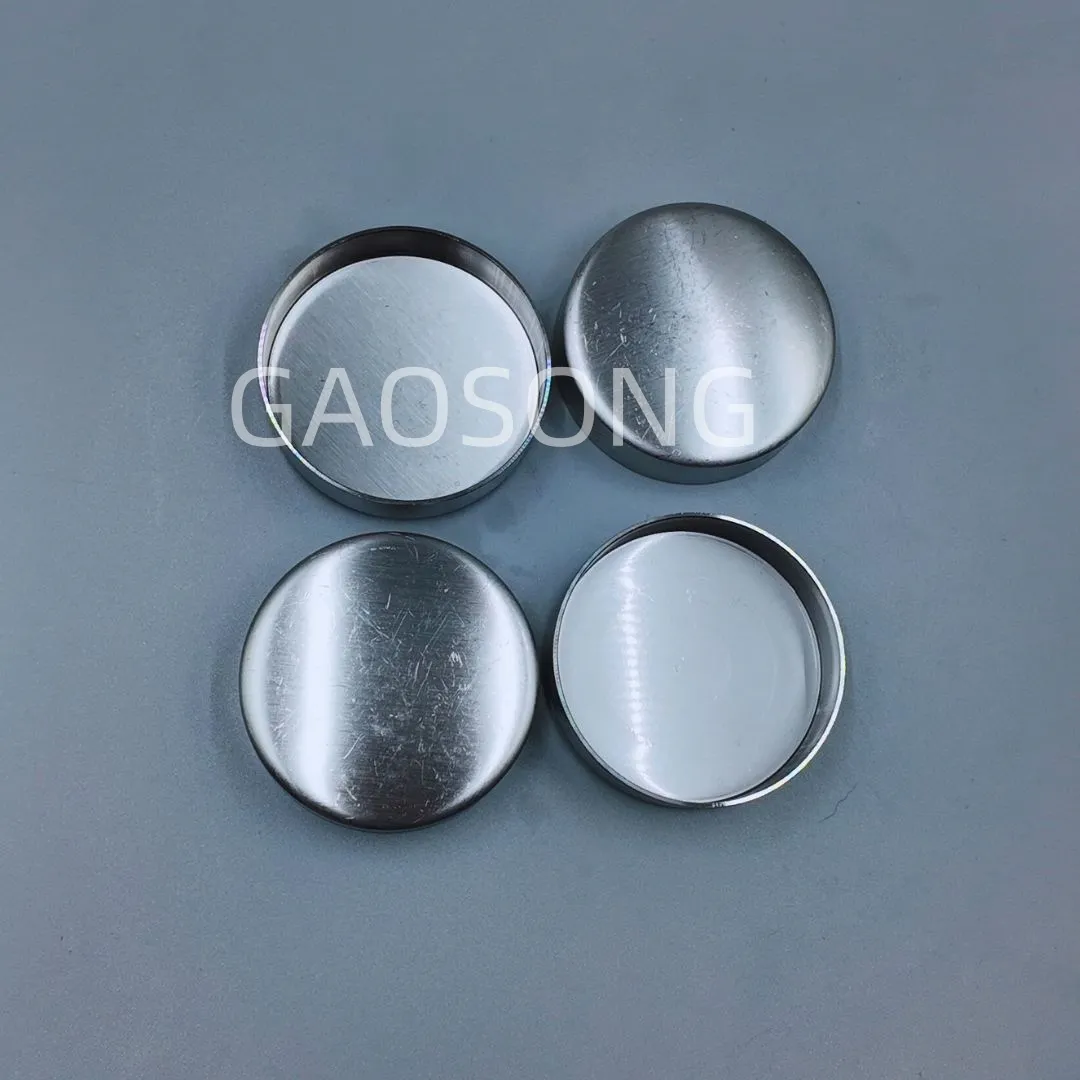 195-49-75280 O-ring–Komatsu Original Factory
 -
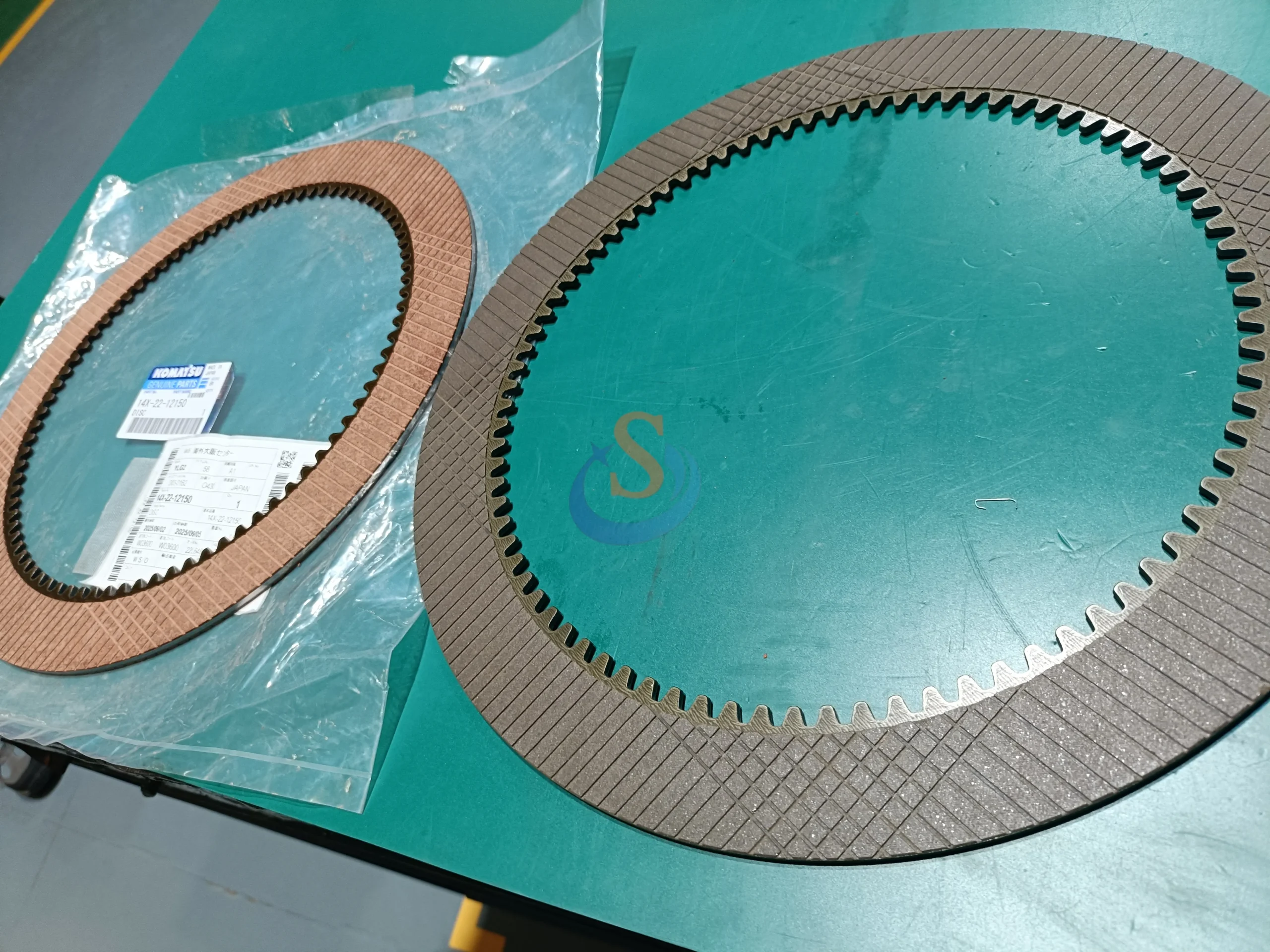 Komatsu frosted sheet 23S-15-12710
 -
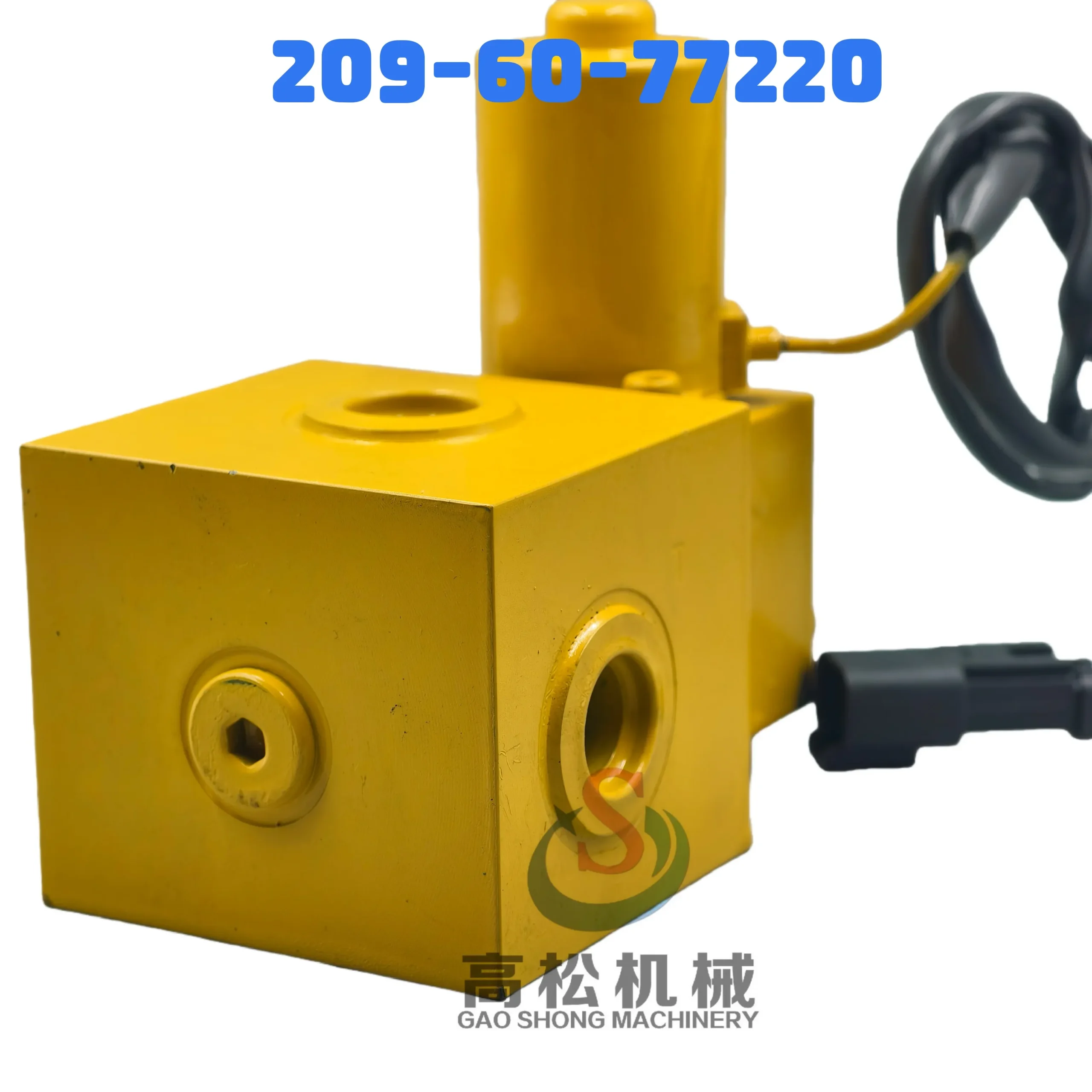 Valve 209-60-77220 for Komatsu
 -
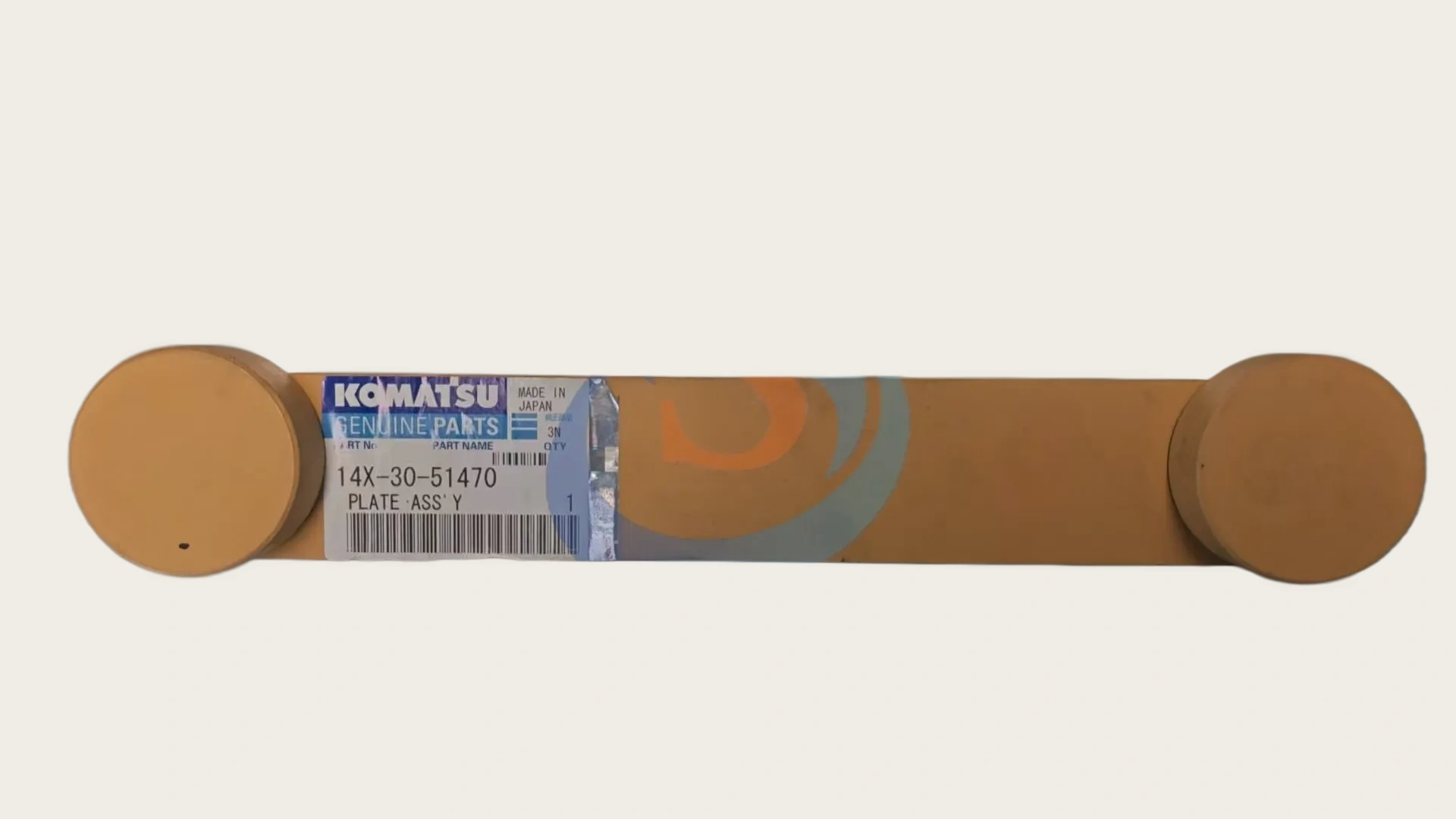 komatsu-part-14X-30-51470 Plate Assembly D65PX-16 D65WX-17 D65EXI-18 D65EX-18E0 FRONT IDLER