
- Chinese
- French
- German
- Portuguese
- Spanish
- Russian
- Japanese
- Korean
- Arabic
- Irish
- Greek
- Turkish
- Italian
- Danish
- Romanian
- Indonesian
- Czech
- Afrikaans
- Swedish
- Polish
- Basque
- Catalan
- Esperanto
- Hindi
- Lao
- Albanian
- Amharic
- Armenian
- Azerbaijani
- Belarusian
- Bengali
- Bosnian
- Bulgarian
- Cebuano
- Chichewa
- Corsican
- Croatian
- Dutch
- Estonian
- Filipino
- Finnish
- Frisian
- Galician
- Georgian
- Gujarati
- Haitian
- Hausa
- Hawaiian
- Hebrew
- Hmong
- Hungarian
- Icelandic
- Igbo
- Javanese
- Kannada
- Kazakh
- Khmer
- Kurdish
- Kyrgyz
- Latin
- Latvian
- Lithuanian
- Luxembou..
- Macedonian
- Malagasy
- Malay
- Malayalam
- Maltese
- Maori
- Marathi
- Mongolian
- Burmese
- Nepali
- Norwegian
- Pashto
- Persian
- Punjabi
- Serbian
- Sesotho
- Sinhala
- Slovak
- Slovenian
- Somali
- Samoan
- Scots Gaelic
- Shona
- Sindhi
- Sundanese
- Swahili
- Tajik
- Tamil
- Telugu
- Thai
- Ukrainian
- Urdu
- Uzbek
- Vietnamese
- Welsh
- Xhosa
- Yiddish
- Yoruba
- Zulu
- Kinyarwanda
- Tatar
- Oriya
- Turkmen
- Uyghur






Komatsu engine overhaul kit
When someone says 'Komatsu engine overhaul kit', the first image that pops up is that blue box with genuine labels. But here's the thing – that's just the packaging. The real value, and the real headache, is knowing what's actually inside and whether it's the right solution for that specific SAA6D140E-3 or S6D125 engine sitting in your shop. Too many folks just order by model number and hope for the best, which is a fast track to comebacks and wasted downtime.
The Genuine Illusion and the Aftermarket Reality
Let's be clear, nothing beats a true Komatsu OEM kit for a perfect, no-surprises rebuild. But the supply chain these days... it's a mess. I've seen projects stall for months waiting for a single back-ordered gasket set from the official channel. This is where the landscape gets interesting. Companies that operate within the Komatsu system, but aren't the direct factory, have become critical. I'm talking about firms like Jining Gaosong Construction Machinery Co., Ltd.. Their position is unique: they're an OEM product supplier within the Komatsu system, but also act as a third-party sales channel. You can check their approach at their site, takematsumachinery.com. They're not just another parts reseller; they're specifically set up to solve parts supply challenges in certain regions. This means they might have access to that exact Komatsu engine overhaul kit you need when the main warehouse doesn't.
The catch, and this is from hard experience, is verification. A kit from such a supplier should be indistinguishable from what you'd get from Komatsu directly – same Mahle pistons, same Koyo bearings, same proprietary head gasket design. If it's not, you're buying an imitation, not a solution. I always tell my guys to cross-check part numbers on every single component bag against the master list, even when the outer box looks perfect.
I remember a job on a PC700-8 where we used a kit sourced through a similar intermediary. Everything was spot-on except the valve stem seals. They were the right part number but from a different batch; the rubber compound felt slightly off. Did it work? Yes. Did it keep me up at night wondering about long-term oil consumption? Also yes. That's the nuance of this tier of supply.
What Actually Makes a Kit Complete?
This is where the industry standard often falls short. A standard overhaul kit typically covers the basics: pistons, liners, rings, main and rod bearings, gaskets, seals. But for a true, long-life overhaul, that's rarely enough. If you're opening up a high-hour engine, you're almost certainly looking at worn camshaft bushings, maybe a tired water pump, potentially compromised thermostat and oil cooler seals. The complete kit doesn't exist from anyone, genuine or otherwise.
You have to build your own kit. We start with the core Komatsu package, then immediately add what I call the while you're in there list. This includes the front and rear crankshaft seals (often separate), the turbocharger service kit if applicable, all belt tensioners and idlers, and every single O-ring and copper washer for the ancillary systems. The fuel system is a whole other world; injector tips or full exchange units are a separate but parallel decision.
I learned this the hard way on a D375A-6 dozer. We did a beautiful job with the main overhaul kit, only to have a front crankshaft seal start weeping 50 hours later. The downtime to fix that, for a $30 part, was criminal. Now, our checklist is two pages long, and the base kit is just the starting point.
The Pitfalls of Mixing and Matching Components
There's a temptation, especially under budget pressure, to use the core Komatsu kit but source cheaper aftermarket parts for the add-ons. Resist it. Engine harmonics and tolerances are a system. A non-OEM tensioner might have a slightly different damping characteristic, leading to premature belt wear. An aftermarket oil cooler seal might not handle the specific thermal cycles, leading to a coolant-in-oil disaster.
The most critical interface is between the piston rings and the cylinder liner. These are a matched set, engineered to wear together. Using a genuine Komatsu liner with aftermarket rings is asking for poor seating and blow-by. I've seen it result in an engine that never achieves proper compression, smoking and drinking oil from day one. The tear-down and re-do cost wiped out any savings ten times over.
This is why the sourcing channel matters. A supplier like the one mentioned, which is embedded in the Komatsu ecosystem, is less likely to offer or recommend incompatible components. Their value is in providing the correct, system-approved parts, not the cheapest alternatives. It's about solving the supply challenge, not creating a performance gamble.
Case Point: The D65EX-18 That Taught Us a Lesson
We had a D65EX-18 come in with catastrophic bottom-end failure. The customer wanted a full rebuild but was reeling from the quote for a pure OEM kit through standard channels. We explored the option through a third-party system supplier, essentially a company doing what Jining Gaosong describes. The kit arrived, and the components were genuine, but the documentation had some subtle differences – regional service bulletins were incorporated.
For instance, the head gasket included was a newer revision that addressed a minor coolant flow issue in certain serial numbers. That wasn't in the standard kit catalog for that model year. It was a small thing, but it showed a layer of technical support and updated application knowledge you don't always get. The rebuild went smoothly, and that machine is still running strong 4000 hours later. The lesson was that the right intermediary doesn't just ship boxes; they should provide current, application-specific solutions.
The flip side was a communication hiccup. We needed an extra set of connecting rod bolts (they're TTY and must be replaced), which weren't in the main kit. It took two extra days to get them clarified and shipped. Now, our protocol is to explicitly confirm the inclusion of all fasteners, especially torque-to-yield bolts, before the purchase order is even cut.
Final Thoughts: It's About the Source, Not Just the Brand
So, when you're searching for a Komatsu engine overhaul kit, you're not just buying parts. You're buying a supply chain solution and technical assurance. The brand on the components is vital – it must be Komatsu genuine or OEM-approved. But the entity providing it is equally important. Can they provide the correct, updated parts for your specific serial number? Can they get them to you without adding weeks of downtime? Do they understand that a kit is often just the foundation of a larger parts list?
Suppliers operating as part of the extended Komatsu system, like Jining Gaosong Construction Machinery Co., Ltd. (takematsumachinery.com), fill a crucial gap. They help solve parts supply challenges, which is the single biggest obstacle to getting equipment back in the field. But the onus is still on the mechanic or fleet manager to do the due diligence. Open the box. Check every part number. Build your comprehensive while you're in there list. The kit is the start of the job, not the end of the planning.
In the end, a successful overhaul leaves no trace of the repair process—just an engine that performs to its original spec. That outcome depends entirely on the quality and completeness of the parts you start with, and the knowledge of where they truly came from.
Related Products
Related Products

Best Selling Products
Best Selling Products-
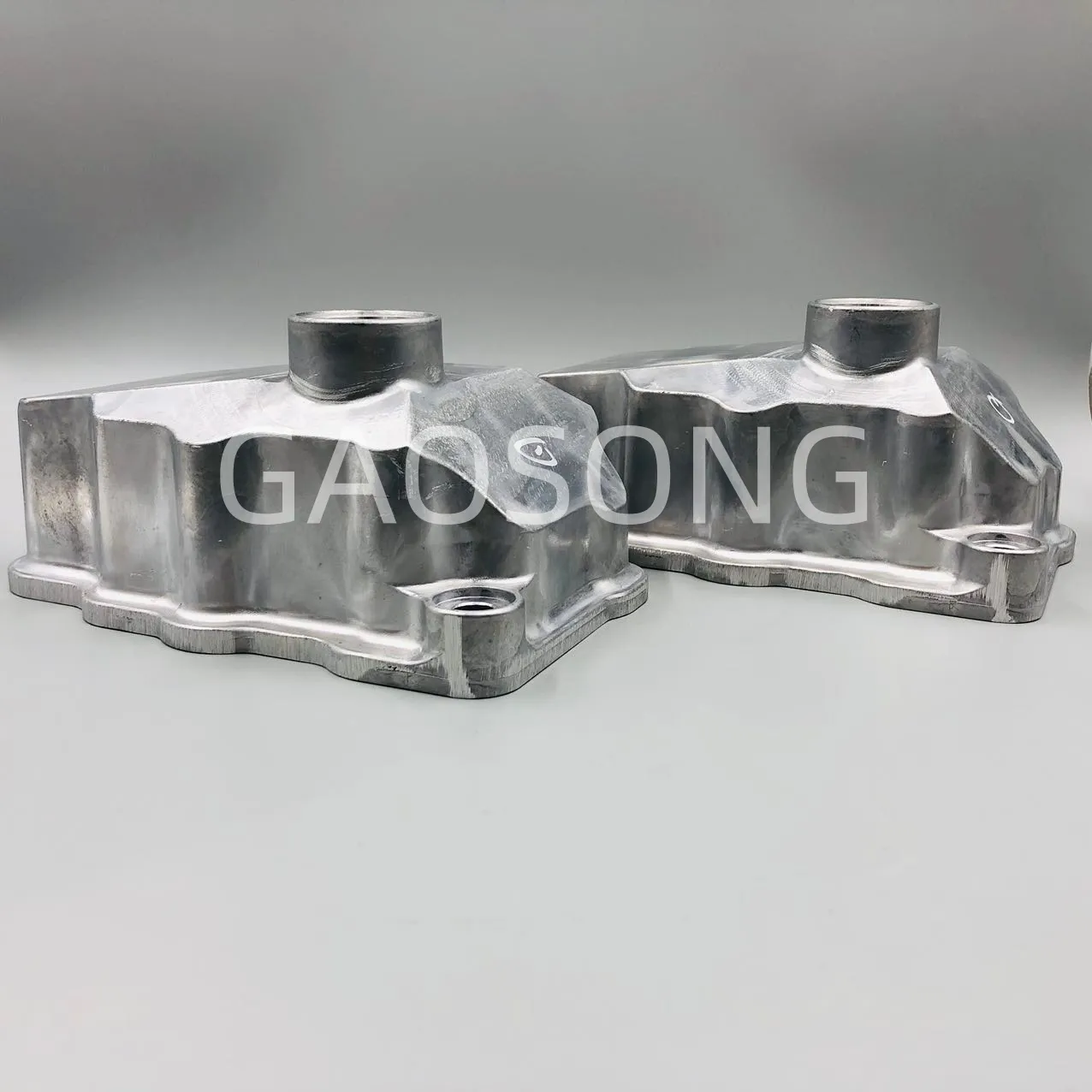 6251-11-8150 Komatsu Cover, Rocker Arm Housing
 -
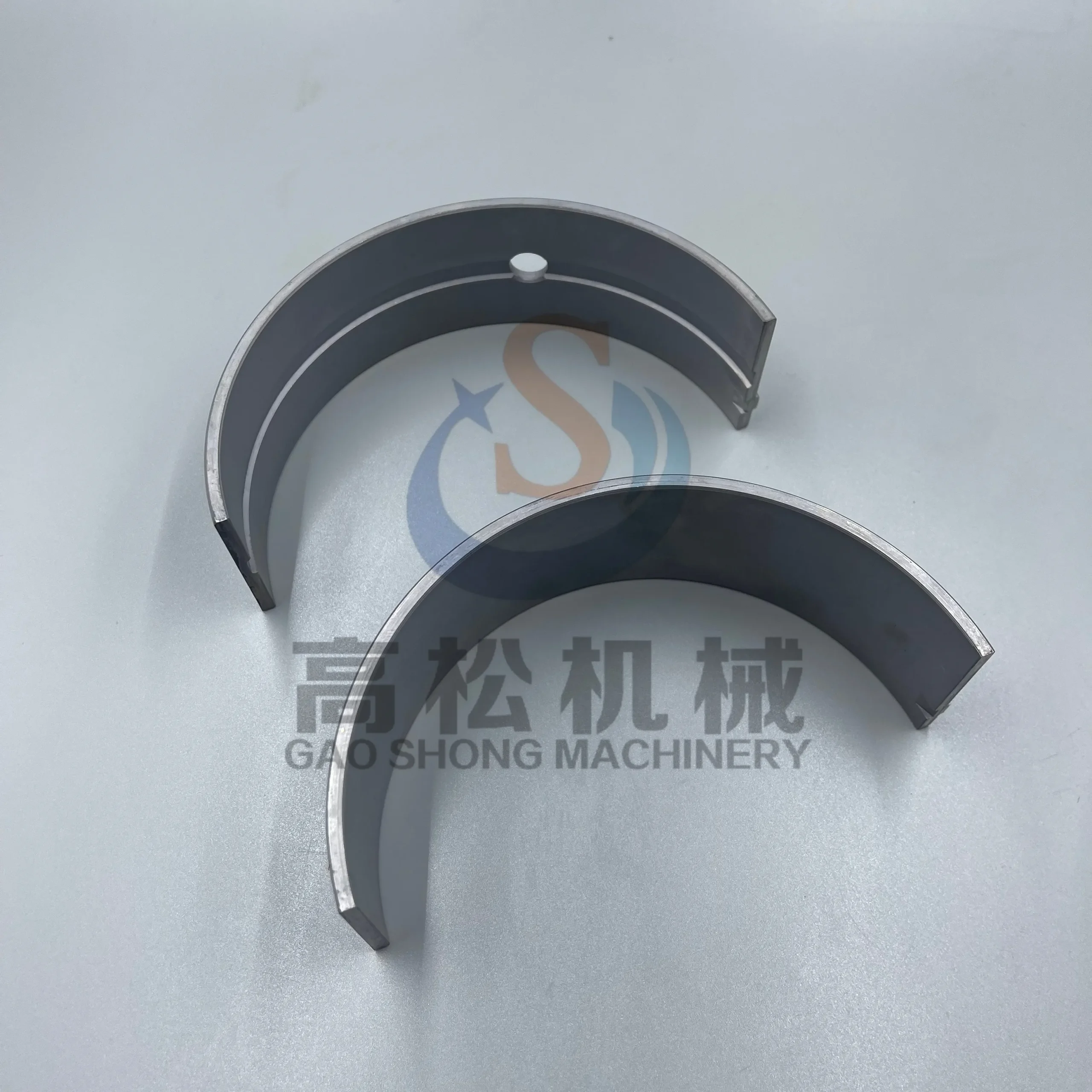 Engine 6162-23-8010 Metal Assembly
 -
208-26-71170 Komatsu CARRIER PC400-7 SWING MACHINERY ASS’Y 400-7 400-8 450-7 490-10 550-8 1250-8
-
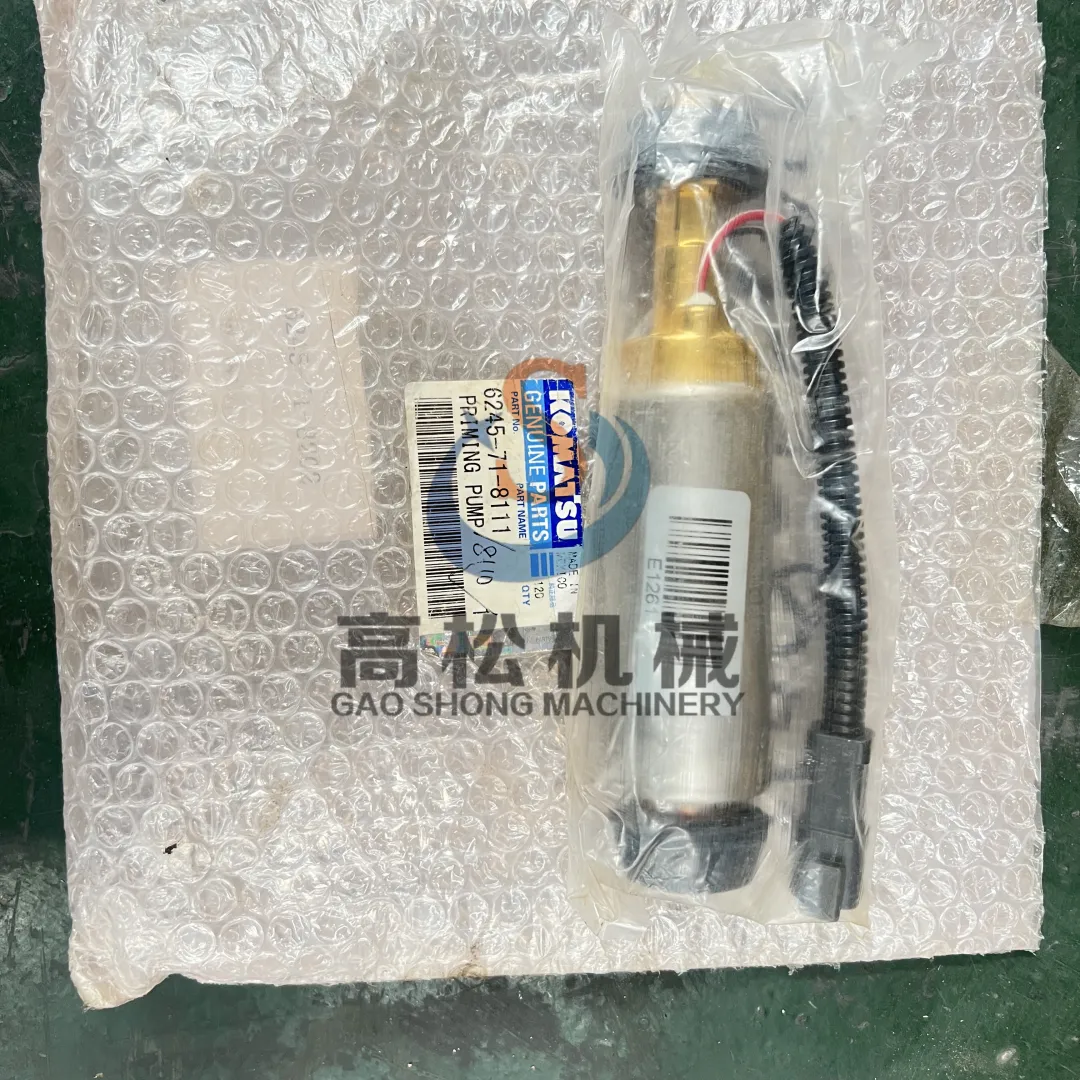 6245-71-8111 Komatsu Pump Assembly, Priming komatsu original
 -
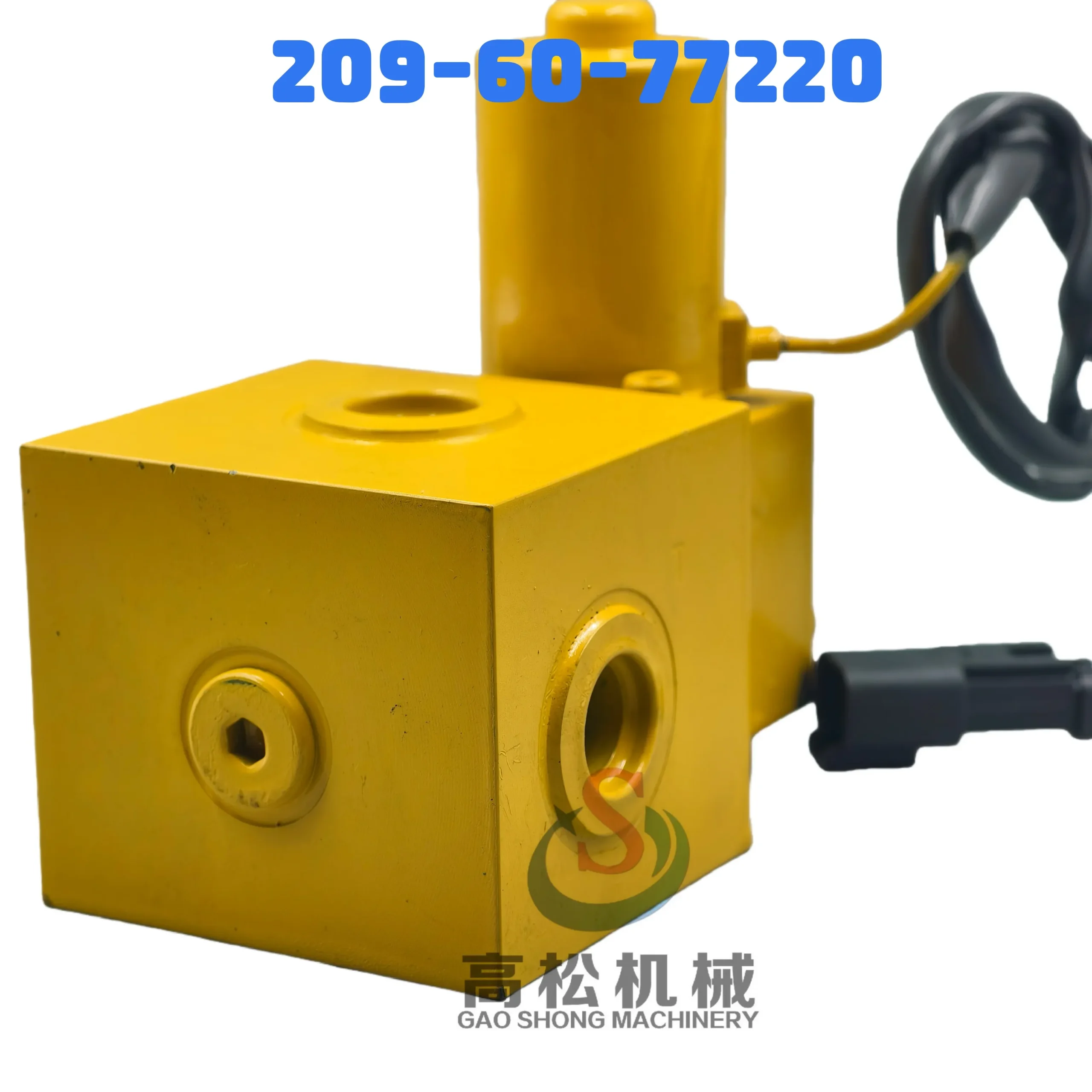 Valve 209-60-77220 for Komatsu
 -
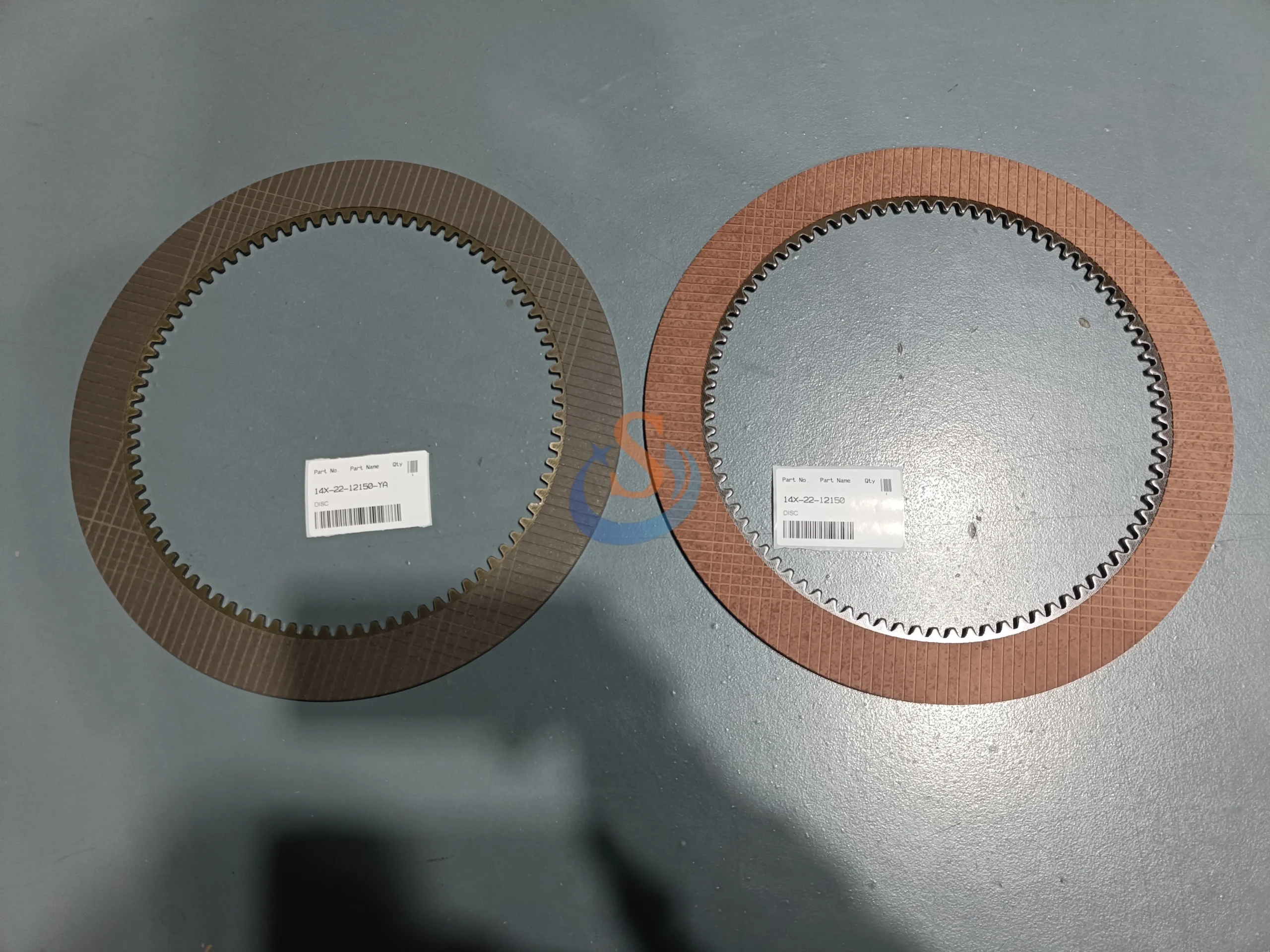 14X-22-12150,DISC,D85ESS,D275A
 -
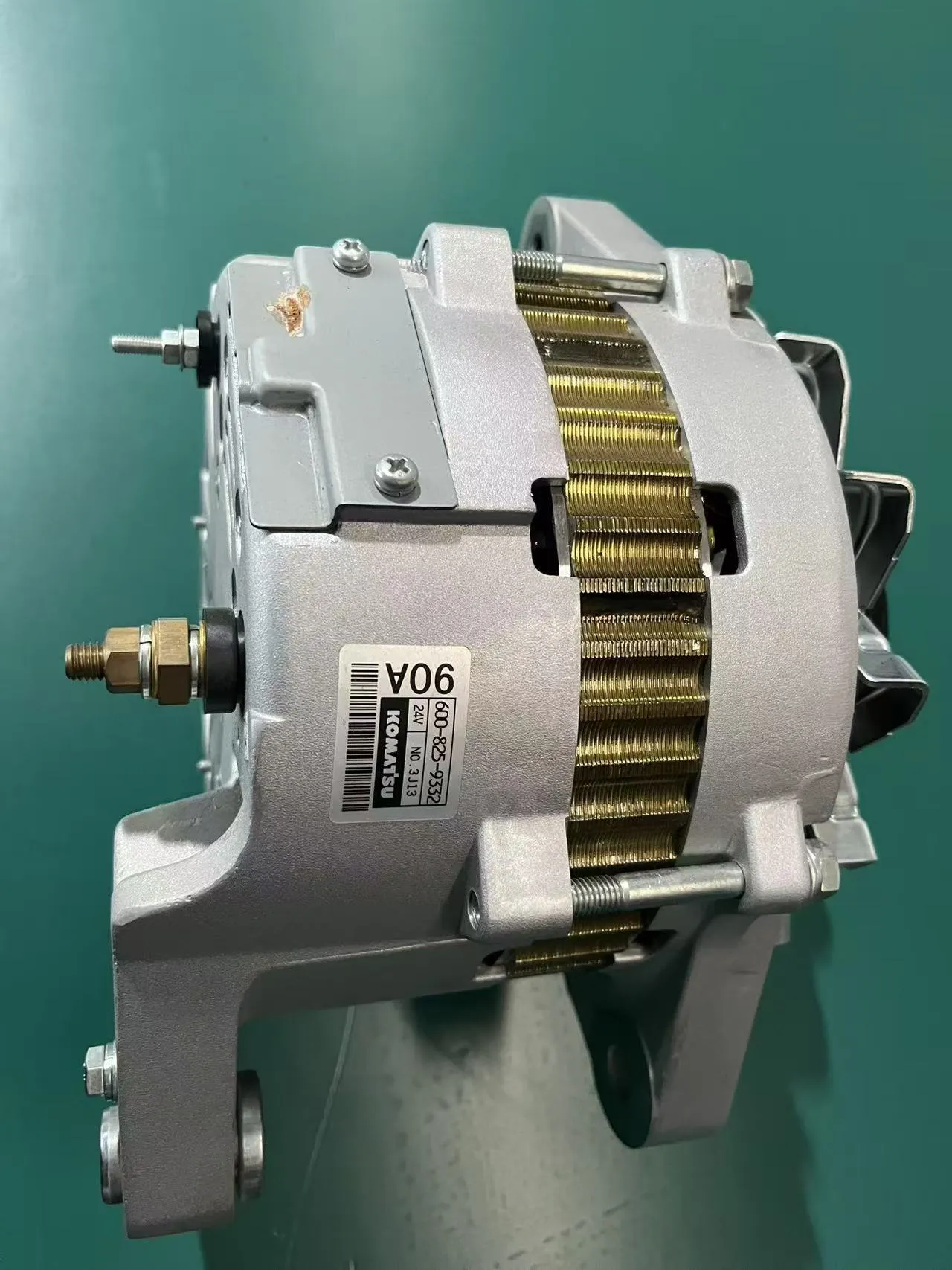 600-825-9332 alternator Generator
 -
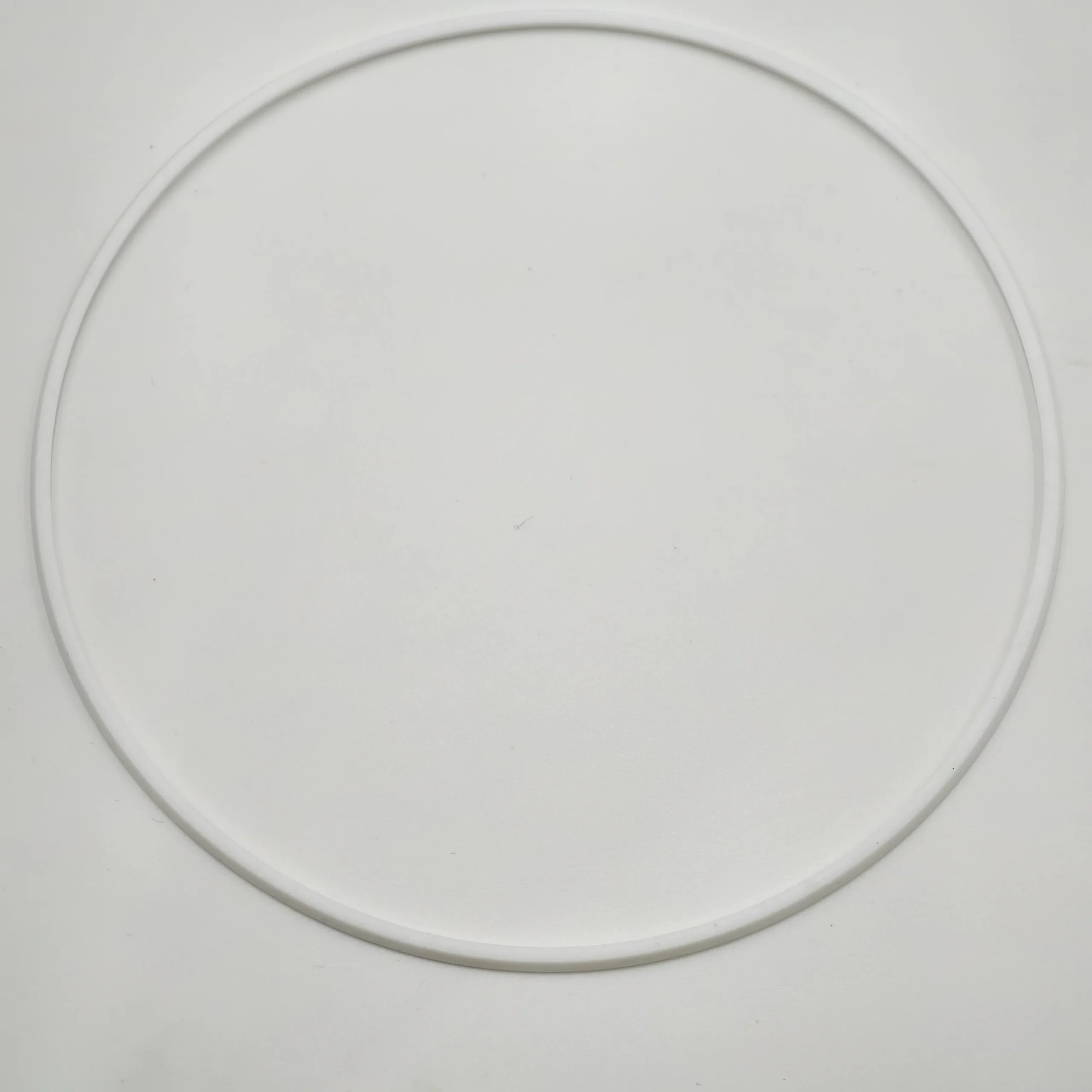 56B-15-19210 RING
 -
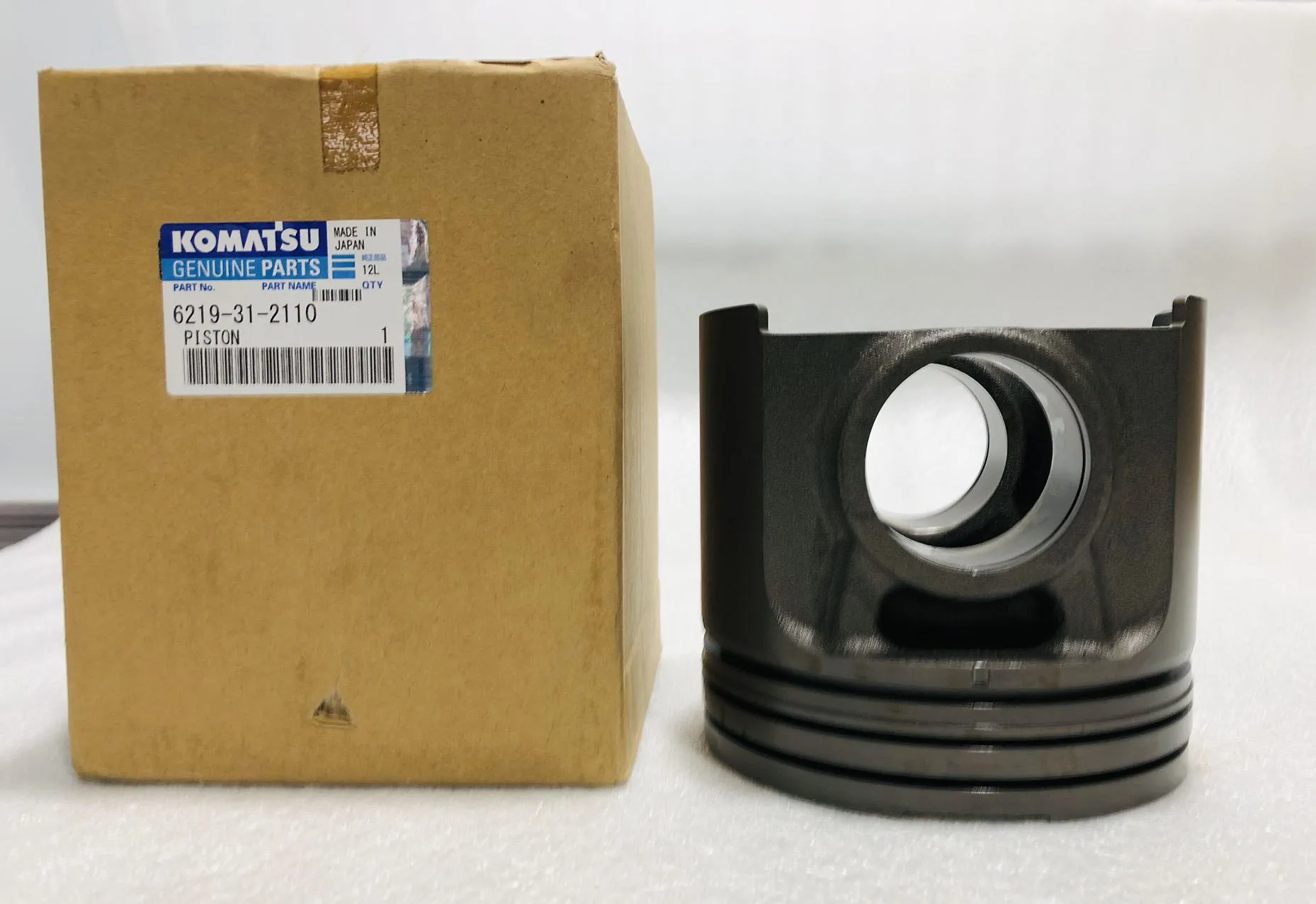 6219-31-2110 PISTON–Komatsu Original Factory
 -
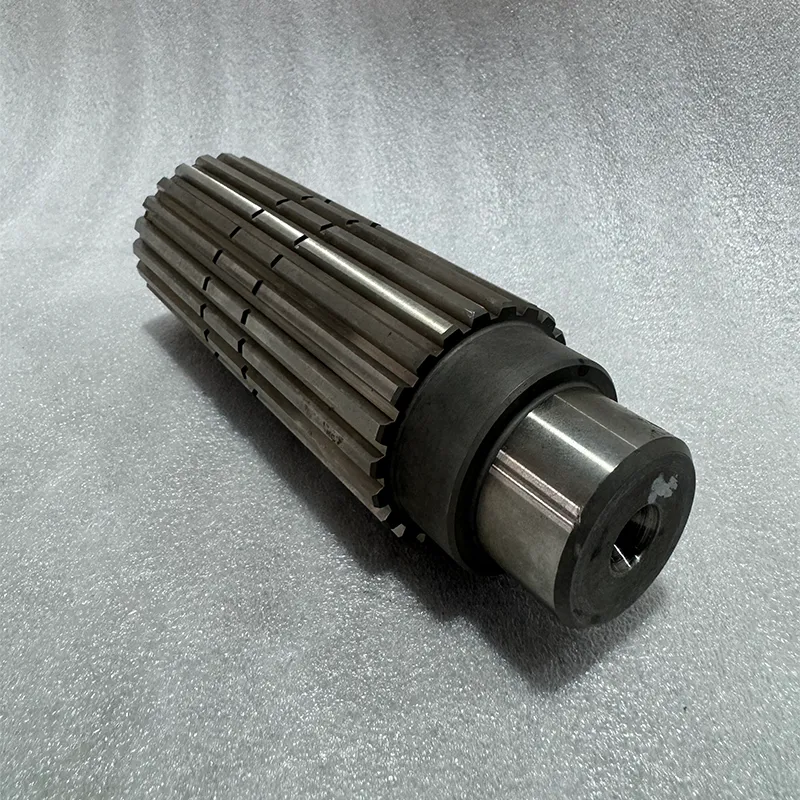 Komatsu original D65PX-15 Gear Shaft 14X-12-11411
 -
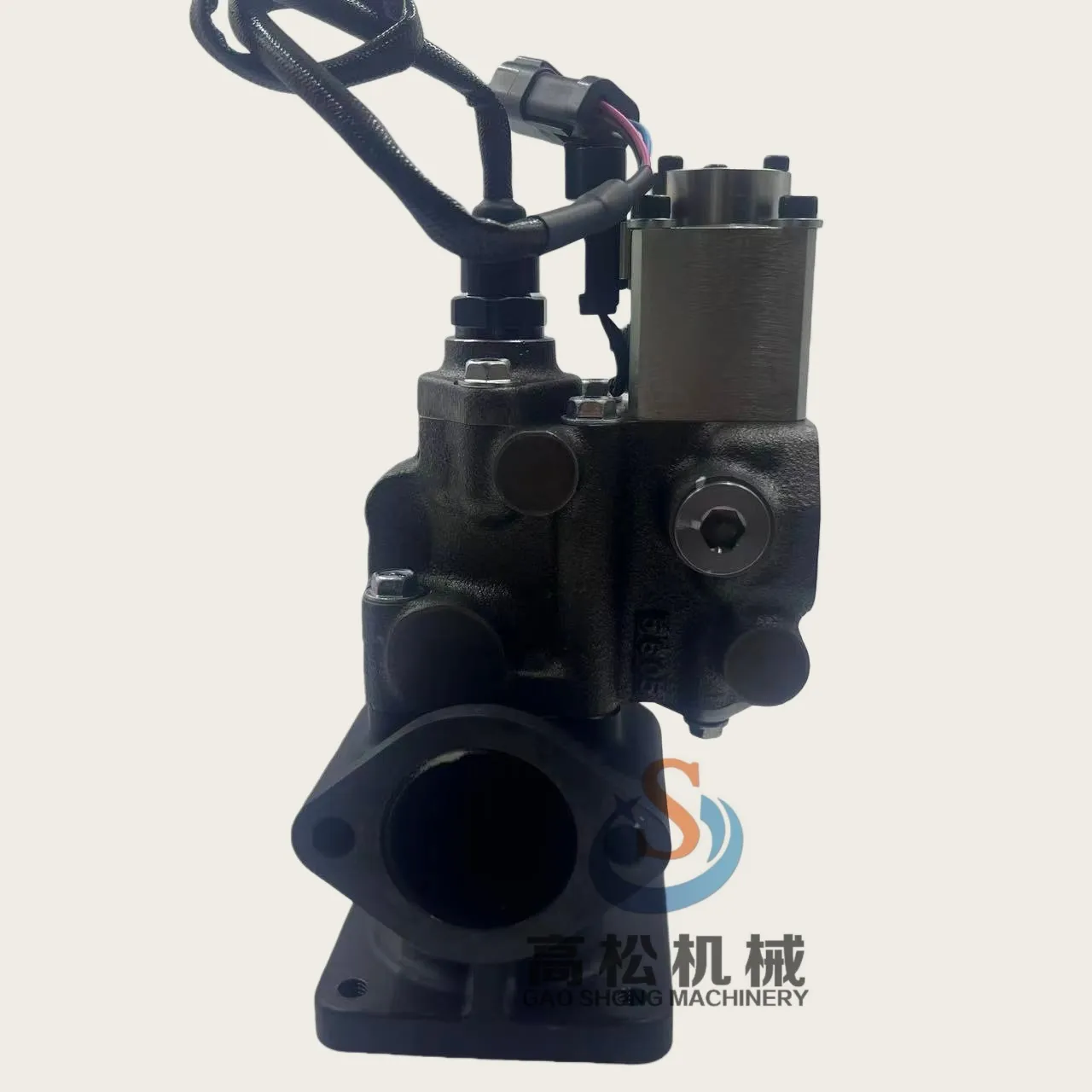 VALVE ASS’Y BYPASS 6261-41-9500 SAA6D140E-5C-01 SAA6D170E-5C EXHAUST GAS RECIRCULATION VALVE HM400-2 HM350-2 WA500-6
 -
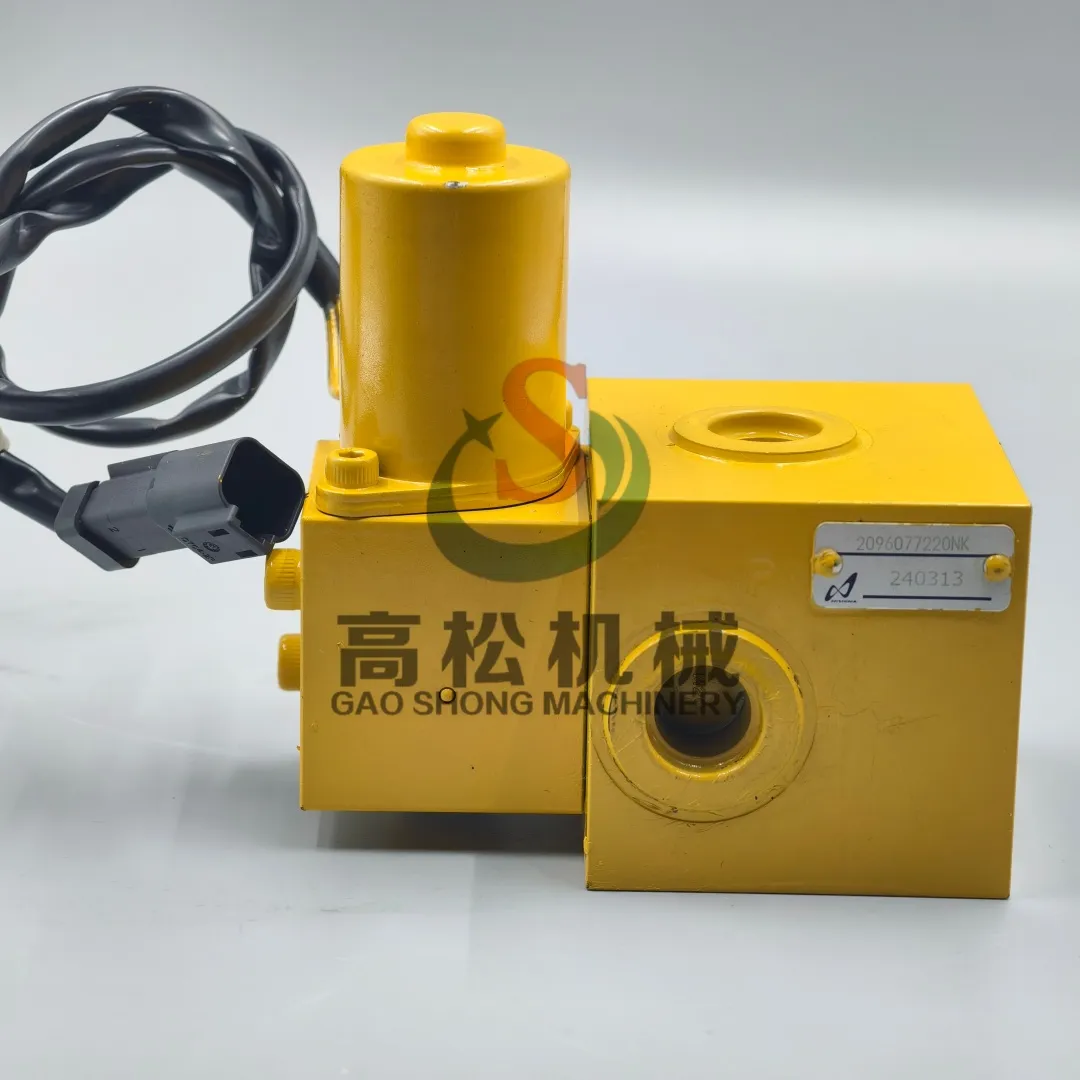 Solenoid Valve 209-60-77220 for PC1250-8 PC800-8 PC600-8 Excavator