
- Chinese
- French
- German
- Portuguese
- Spanish
- Russian
- Japanese
- Korean
- Arabic
- Irish
- Greek
- Turkish
- Italian
- Danish
- Romanian
- Indonesian
- Czech
- Afrikaans
- Swedish
- Polish
- Basque
- Catalan
- Esperanto
- Hindi
- Lao
- Albanian
- Amharic
- Armenian
- Azerbaijani
- Belarusian
- Bengali
- Bosnian
- Bulgarian
- Cebuano
- Chichewa
- Corsican
- Croatian
- Dutch
- Estonian
- Filipino
- Finnish
- Frisian
- Galician
- Georgian
- Gujarati
- Haitian
- Hausa
- Hawaiian
- Hebrew
- Hmong
- Hungarian
- Icelandic
- Igbo
- Javanese
- Kannada
- Kazakh
- Khmer
- Kurdish
- Kyrgyz
- Latin
- Latvian
- Lithuanian
- Luxembou..
- Macedonian
- Malagasy
- Malay
- Malayalam
- Maltese
- Maori
- Marathi
- Mongolian
- Burmese
- Nepali
- Norwegian
- Pashto
- Persian
- Punjabi
- Serbian
- Sesotho
- Sinhala
- Slovak
- Slovenian
- Somali
- Samoan
- Scots Gaelic
- Shona
- Sindhi
- Sundanese
- Swahili
- Tajik
- Tamil
- Telugu
- Thai
- Ukrainian
- Urdu
- Uzbek
- Vietnamese
- Welsh
- Xhosa
- Yiddish
- Yoruba
- Zulu
- Kinyarwanda
- Tatar
- Oriya
- Turkmen
- Uyghur






Komatsu engine oil
When you hear 'Komatsu engine oil', the first thought is often just matching the viscosity grade on the cap. That’s where most people stop, and honestly, that’s where the problems can start. It’s not just about pouring in 10W-30 or 15W-40 that says ‘Komatsu’ on the drum. The real conversation is about the system—the specific tolerances in an SAA6D140E or the aftertreatment on a newer D61EXi-24. Using a generic oil that just meets the API CK-4 spec might check the box, but over 5,000 hours, you’ll see the difference in injector wear or DPF ash loading. I’ve seen machines where the only variable was the brand of oil claiming to be ‘Komatsu-compatible’, and the teardowns told two completely different stories.
The OEM Illusion and the Aftermarket Reality
There’s a pervasive idea that if you’re not buying oil directly from a Komatsu distributor, you’re risking your warranty or performance. That’s partly true, but it’s more nuanced. Komatsu doesn’t refine its own oil; they approve formulations from major lubricant companies. The key is the genuine Komatsu approval code, not just the logo. I’ve evaluated oils from third-party suppliers who actually hold these OEM approvals, and their product is chemically identical to what’s in the branded drum—sometimes it’s literally from the same blending plant.
This is where companies operating within the Komatsu ecosystem, like Jining Gaosong Construction Machinery Co., Ltd., become critical. As an OEM product supplier within the Komatsu system, they aren’t just resellers. They understand the approval protocols. If you look at their portal, https://www.takematsumachinery.com, you’ll find they address a core issue: parts supply challenges. This extends to fluids. They can provide the fully certified Komatsu engine oil, but their value is in explaining why that specific formulation matters for, say, a Komatsu HD785-7 truck versus a PC7000 excavator. It’s contextual knowledge.
A failure I recall was a mine site trying to cut costs. They used a premium commercial oil, not a Komatsu-specific one, in a fleet of Dash-8 graders. The oil analysis came back fine on wear metals for the first few samples. But what didn’t show up immediately was the effect on the engine’s internal seals. The elastomer compatibility was slightly off. About 18 months in, they had a rash of minor seal weepage that turned into major leaks. The downtime cost dwarfed any savings on lubricants. The oil was ‘good’, but it wasn’t right for that system.
Viscosity is a Starting Point, Not a Gospel
Everyone focuses on the ‘W’ number. In extreme heat, like in Australian iron ore pits, I’ve seen debates rage over using a 5W-40 versus a 15W-40 in Komatsu engines. Manual says 15W-40, so it must be law, right? Not always. If your cold starts are in +35°C ambient, the ‘W’ rating matters less. But if that machine moves to a Canadian oil sands site with -30°C starts, that same 15W-40 is a liability. The oil pump might cavitate on startup, leading to momentary starved wear.
The more critical factor is the High-Temperature High-Shear (HTHS) viscosity. This measures the oil’s film strength under the brutal shear forces in a turbocharged Komatsu diesel. A lower HTHS oil might meet the grade but shear down too quickly, losing protective qualities. You need an oil that maintains its film strength under the specific pressure of a Komatsu unit injector system. This is rarely on the front label; you have to dig into the data sheet.
We ran a test once on two identical Komatsu WA500 loaders. One on a standard 15W-40, one on a low-ash 10W-30 with a robust HTHS. The fuel consumption on the 10W-30 machine was marginally better—maybe 1-2%. But the real win was in the oil change interval. Based on oil analysis, we could safely extend the drain by 25% on the 10W-30 because it resisted oxidation better. The takeaway? Blindly following the manual’s viscosity can leave performance and cost savings on the table.
The Contamination Battle: It’s Not Just About the Oil
You can put the perfect Komatsu engine oil in a filthy system and ruin it in 50 hours. The oil is only as good as its environment. The biggest killer isn’t wear; it’s contamination—fuel soot, coolant ingress, and most of all, dust. Komatsu engines have great filtration, but it’s not infallible. I’ve pulled oil samples where the TBN (Total Base Number, the oil’s acid-fighting reserve) was shot way before the mileage was up. The cause? Chronic, minor fuel dilution from inefficient regeneration cycles, which the oil wasn’t formulated to handle in that volume.
This ties back to supplier expertise. A parts supplier that just sells you a drum isn’t helping. One that asks about your fuel quality, your average cycle times, and your air filter maintenance schedule is. They’re the ones who might recommend a different Komatsu-approved oil variant with a higher TBN or better soot-handling dispersants. The website for Jining Gaosong mentions solving supply challenges. In practice, that means they should be able to supply not just the part number, but the technical backup to select the right fluid for your operating context, not just your machine model.
A classic mistake is over-maintaining. Changing oil too frequently sounds safe, but it’s wasteful and doesn’t let the additive package reach its full working life. We implemented a strict oil analysis program based on guidance from a technical rep. By trending data, we shifted from fixed 500-hour intervals to condition-based changes, sometimes stretching to 600-700 hours in clean conditions. The oil analysis cost was trivial compared to the savings in oil and disposal costs, not to mention machine uptime.
Synthetic vs. Mineral: The Cost-Per-Hour Equation
The synthetic debate is tired, but with Komatsu engines, it’s worth revisiting. For older models, like the S6D series, a high-quality mineral oil is perfectly adequate. The engine wasn’t designed for the extended drains synthetics allow. Putting full synthetic in it is often overkill—you won’t see a return on that investment.
However, for the newer generation with tighter emissions controls—think Komatsu Stage V or EPA Tier 4 Final engines—the calculus changes. These engines run hotter, have complex aftertreatment (DPF, SCR), and place more stress on the oil. A low-ash, full synthetic Komatsu engine oil isn’t a luxury; it’s a necessity to prevent DPF clogging and manage heat. The extended drain interval is almost a secondary benefit. The primary benefit is protecting a $20,000+ aftertreatment system.
I learned this the hard way on a small fleet of Komatsu mini excavators. We used a mid-tier mineral blend to save money. The DPFs on them required regeneration far more often than the ones on identical models at another site using the proper synthetic low-ash oil. The increased fuel burn for regeneration and the eventual premature DPF service made the ‘cheaper’ oil the most expensive option. Now, for any machine with a filter, it’s full synthetic, no debate.
Beyond the Drum: Logistics and Verification
Finally, the most practical layer: getting the real stuff. The market is flooded with counterfeit lubricants in convincing Komatsu packaging. If the price seems too good to be true from an unknown supplier, it almost certainly is. The risk isn’t just inferior performance; it’s voiding your warranty. Komatsu can and will deny claims if they trace failure back to unapproved fluids.
This is the core value of authorized or deeply integrated suppliers. When a company is an OEM product supplier within the Komatsu system, their supply chain is traceable back to Komatsu-approved sources. You’re not just buying a product; you’re buying assurance. Their role, as Jining Gaosong Construction Machinery Co., Ltd. outlines, in solving parts supply challenges means they’ve built a legitimate pipeline. You can verify the batch codes. This matters more in certain regions where counterfeit networks are sophisticated.
My rule now is simple: establish a relationship with a supplier who provides the oil and the technical data sheets, who can explain the approval list, and whose business is integrated with the OEM’s network. Then, validate with annual oil analysis. The oil is the lifeblood of the engine. Choosing it is the first act of maintenance, not just a purchasing task. Getting it right requires looking past the label and into the chemistry, the application, and the credibility of the source.
Related Products
Related Products

Best Selling Products
Best Selling Products-
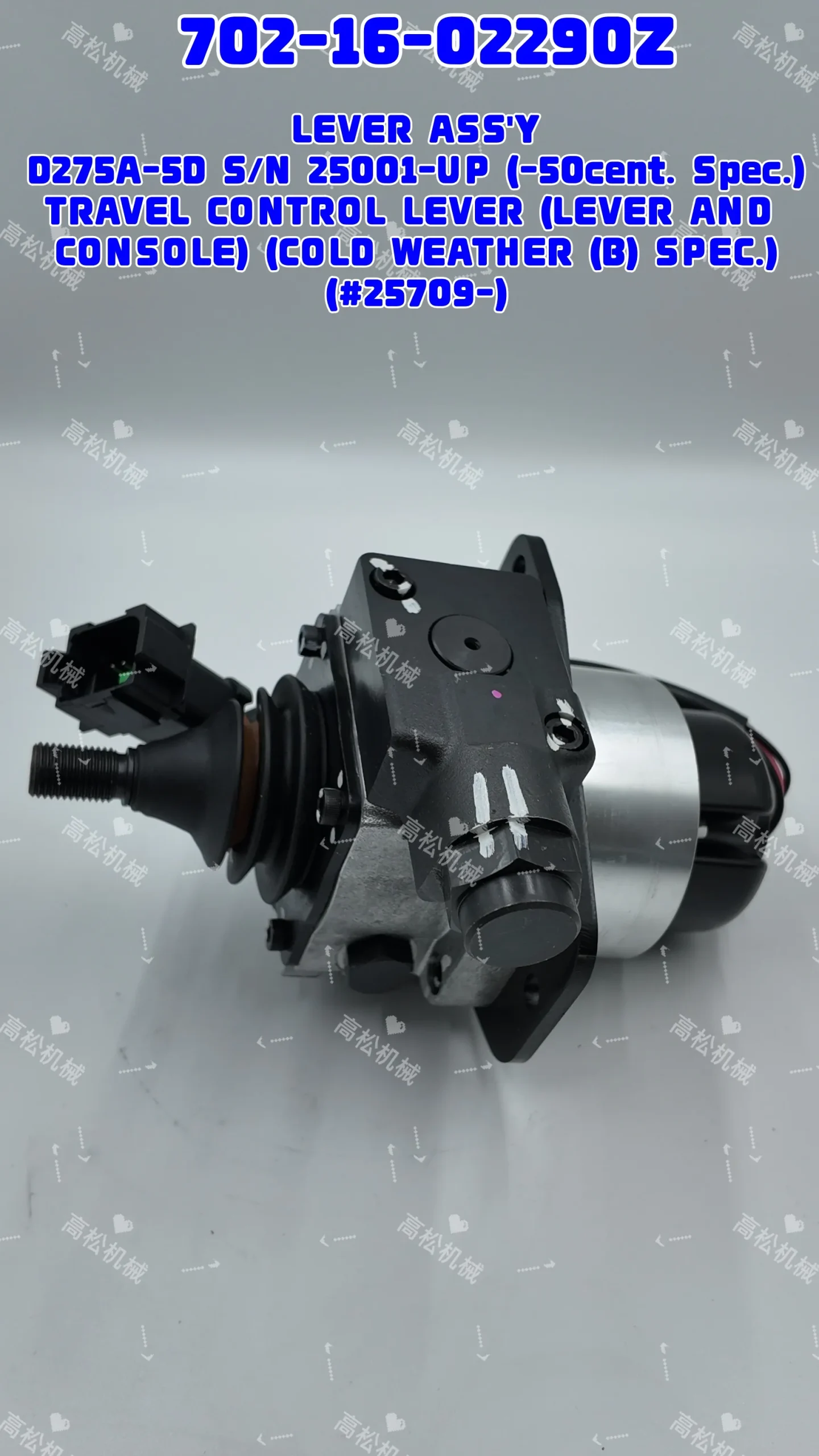 komatsu-part-702-16-02290 Lever Assembly D65WX-17 D65PX-18 D65WX-18E0 D85MS-15 D85EX-15R D155AX-6 D155AX-7 D475A-5E0 D475ASD-5E0 FLOOR FRAME, LEVE CONTROL UNIT, PCCS (PALM COMMAND CONTROL SYSTEM) LEVER ROPS CAB, PCCS (PALM COMMAND CONTROL SYSTEM) LEVER CONTROL UNIT, PCCS (PALM COMMAND CONTROL SYSTEM) LEVER
 -
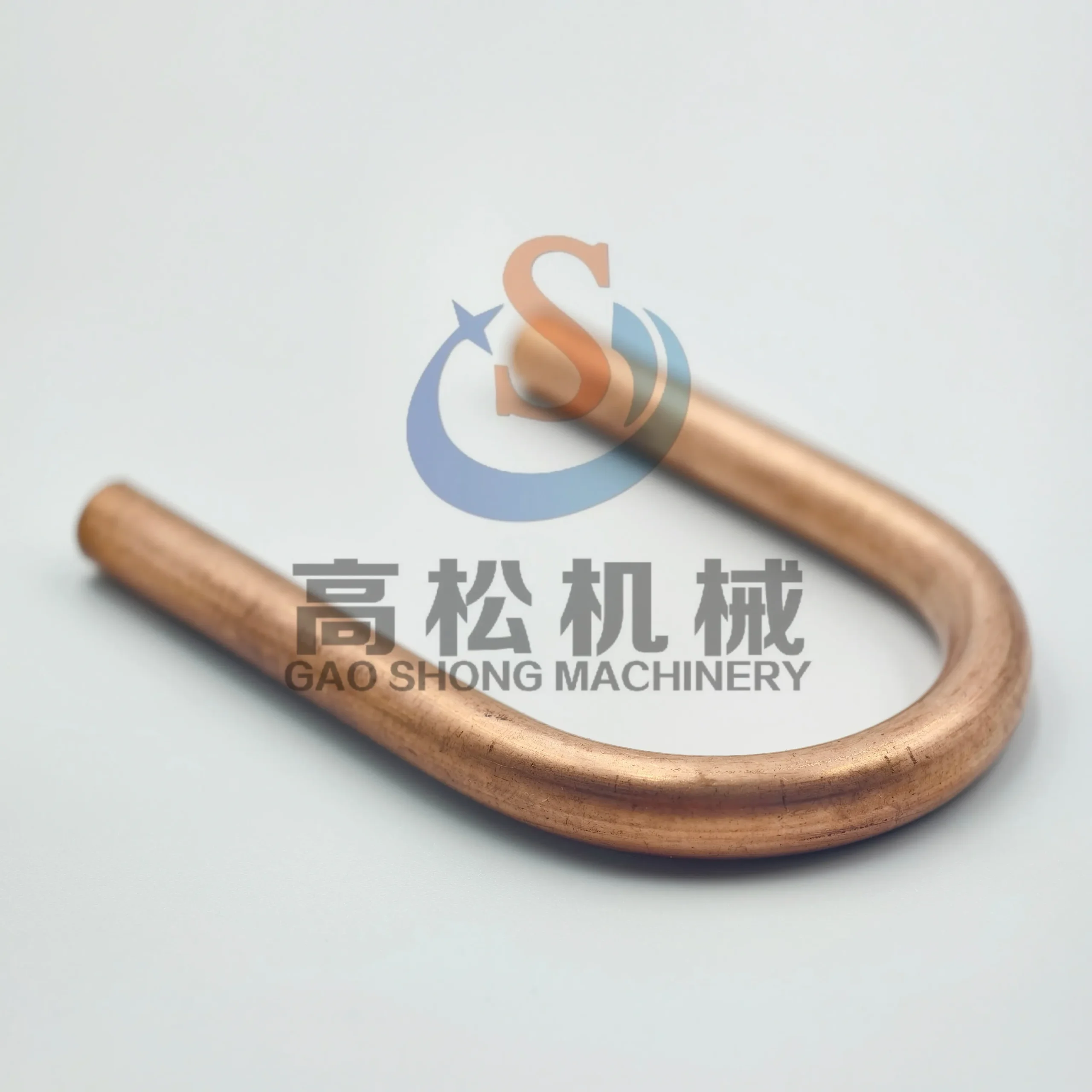 21N-68-32360 Komatsu Tube
 -
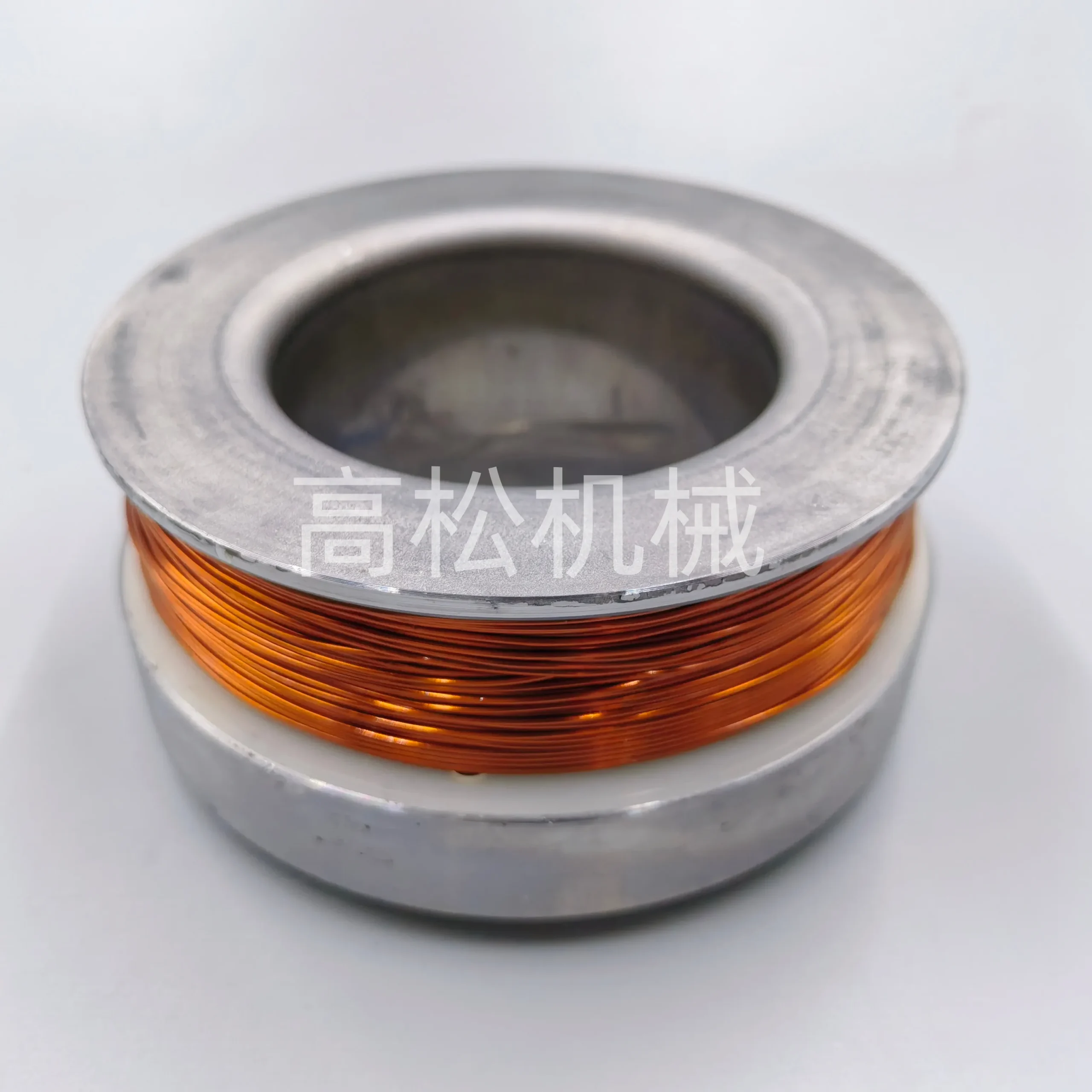 Komatsu KD0-35120-0250 FIELD COIL ASS’Y, price… — Pricing.Parts
 -
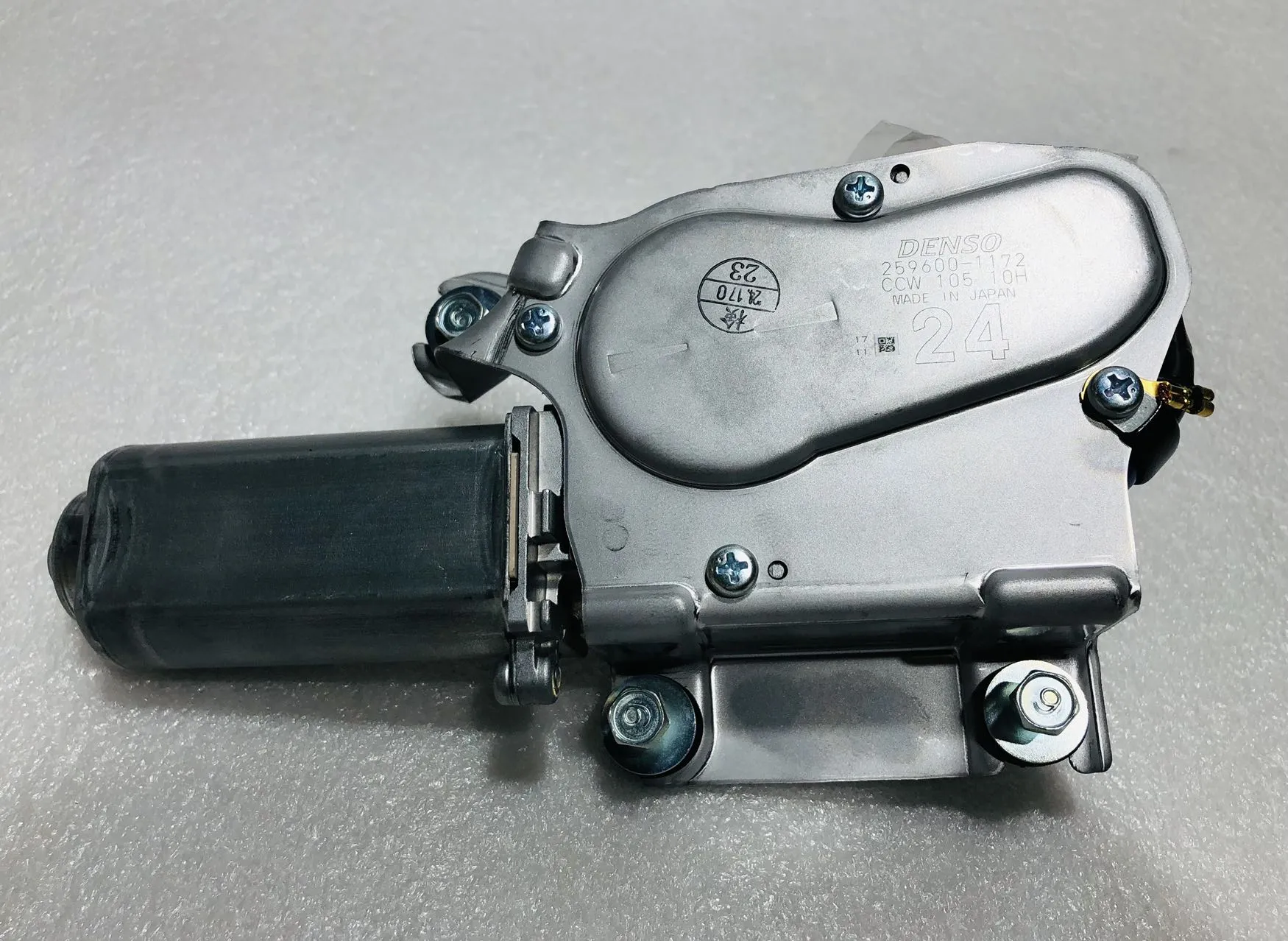 42C-56-11391 Komatsu Motor, Wiper
 -
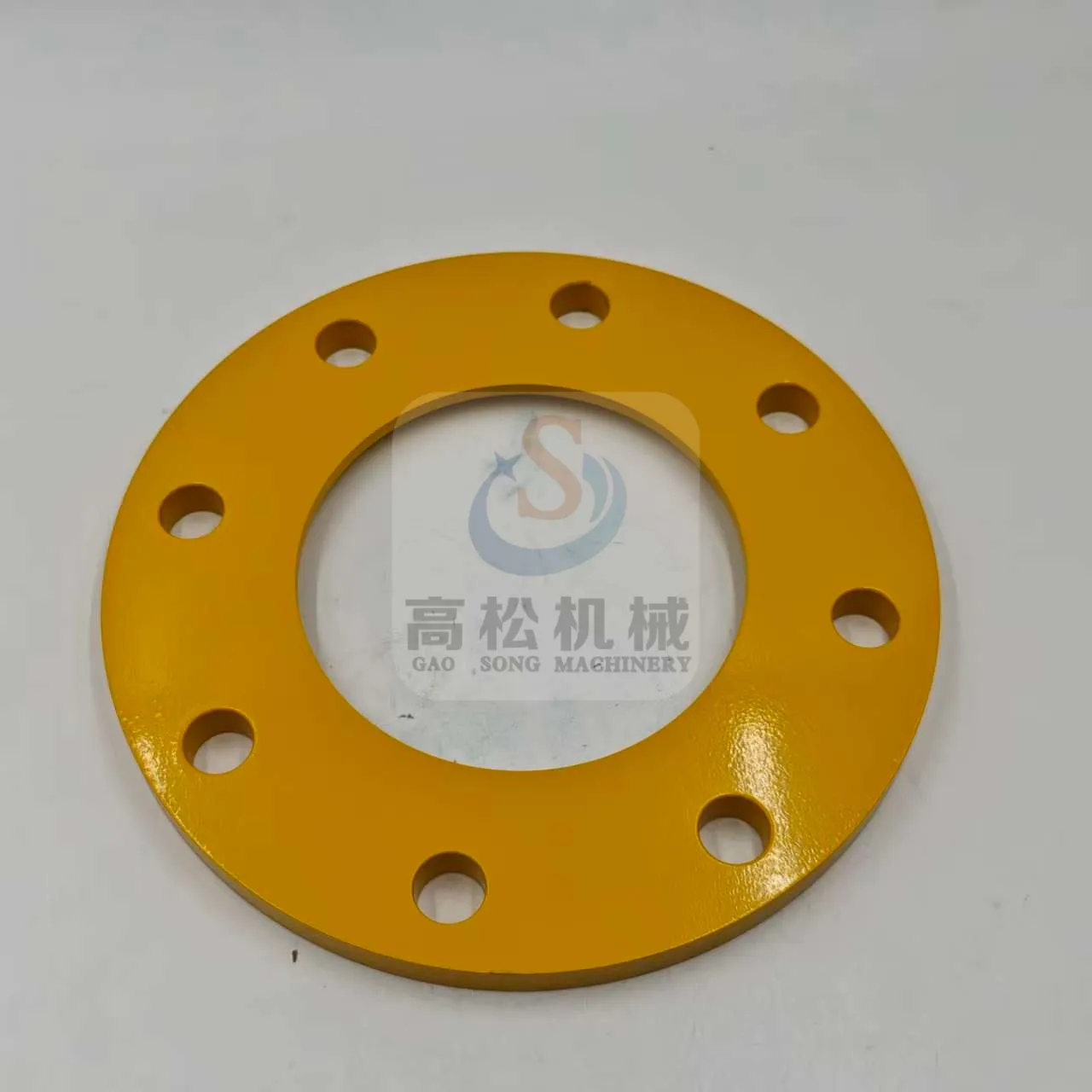 Plate 41E-70-15461 is used for Komatsu WD600-6
 -
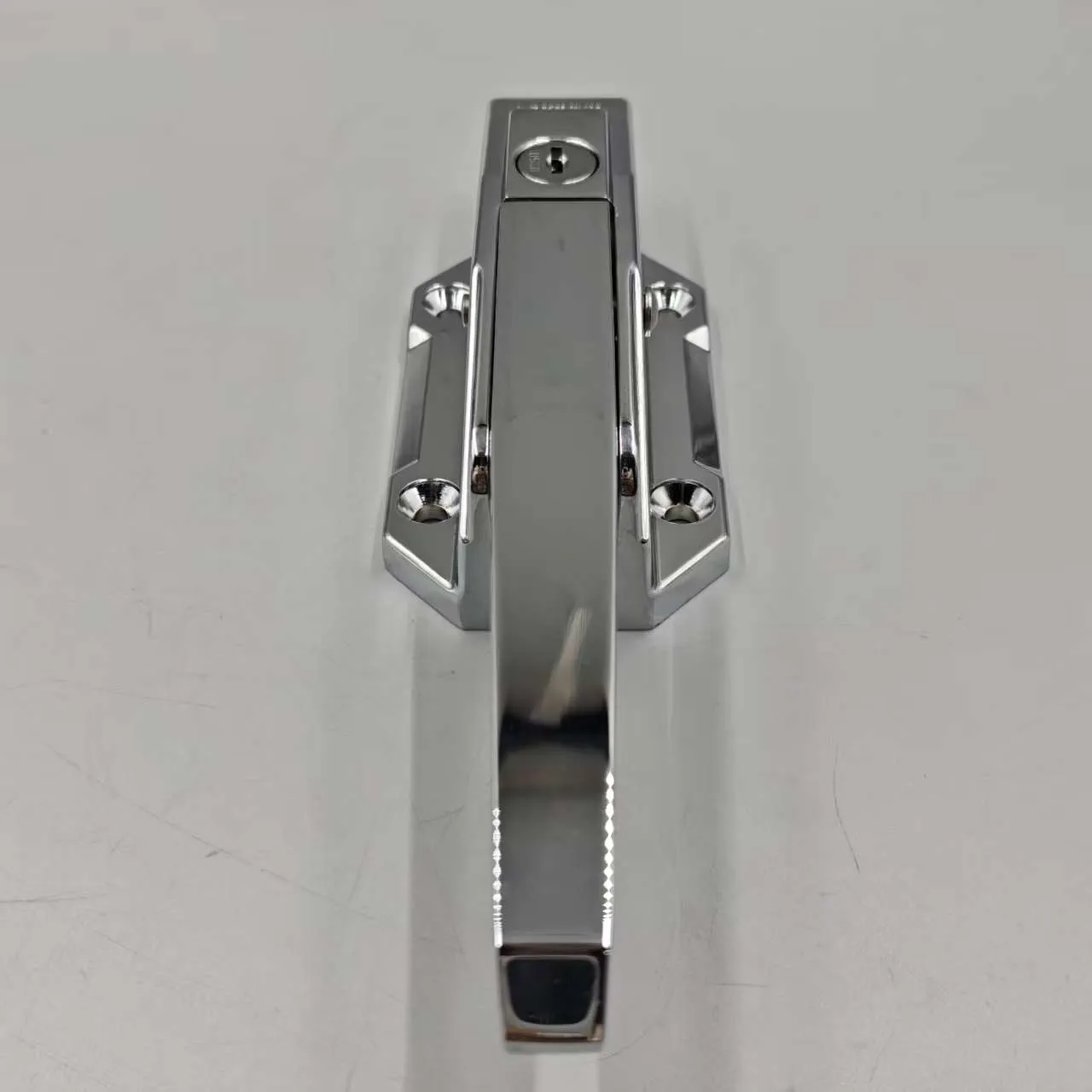 21T-54-35421excavator handle
 -
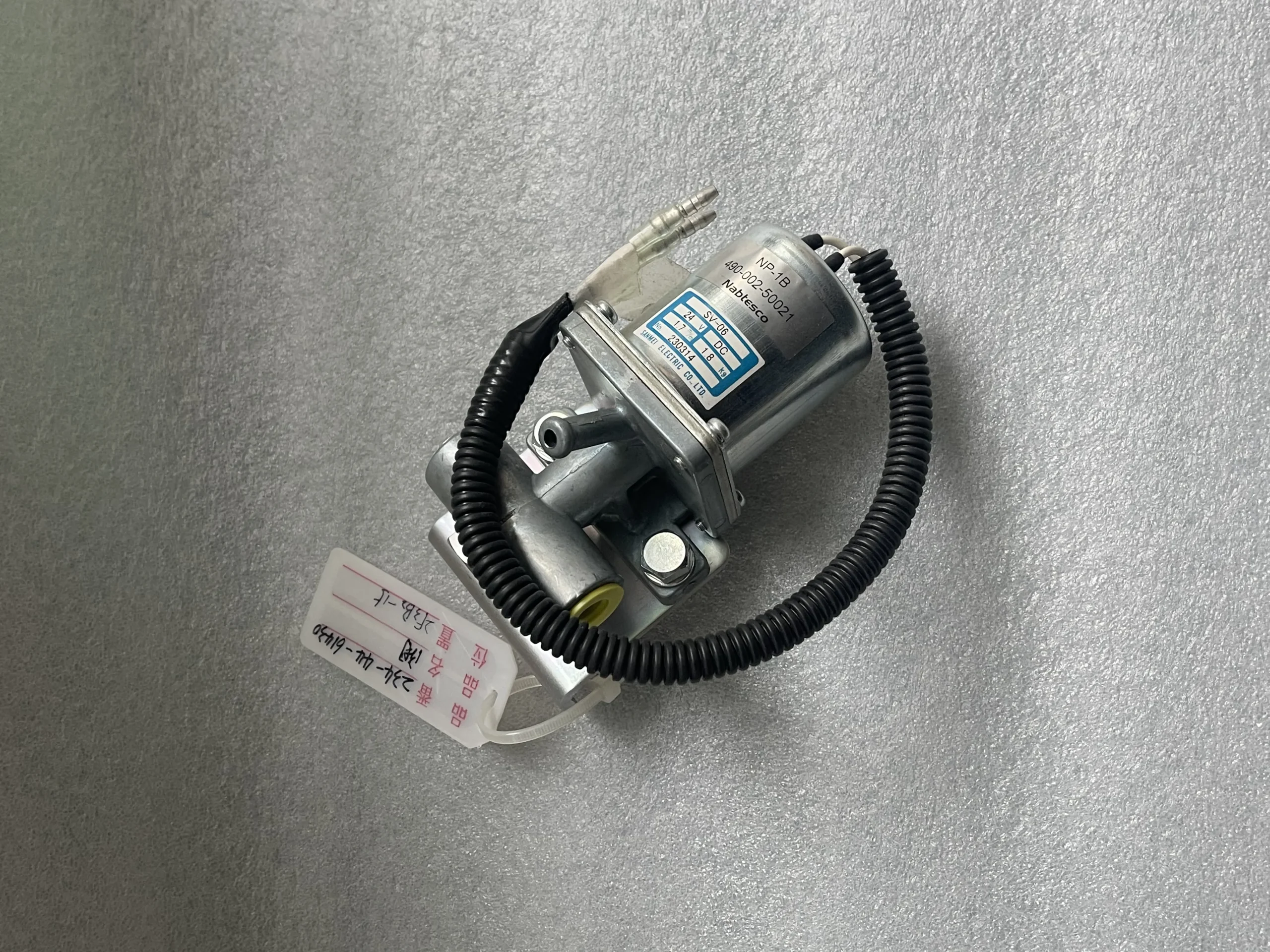 SOLENOID VALVE 234-44-61430 for GD705/825
 -
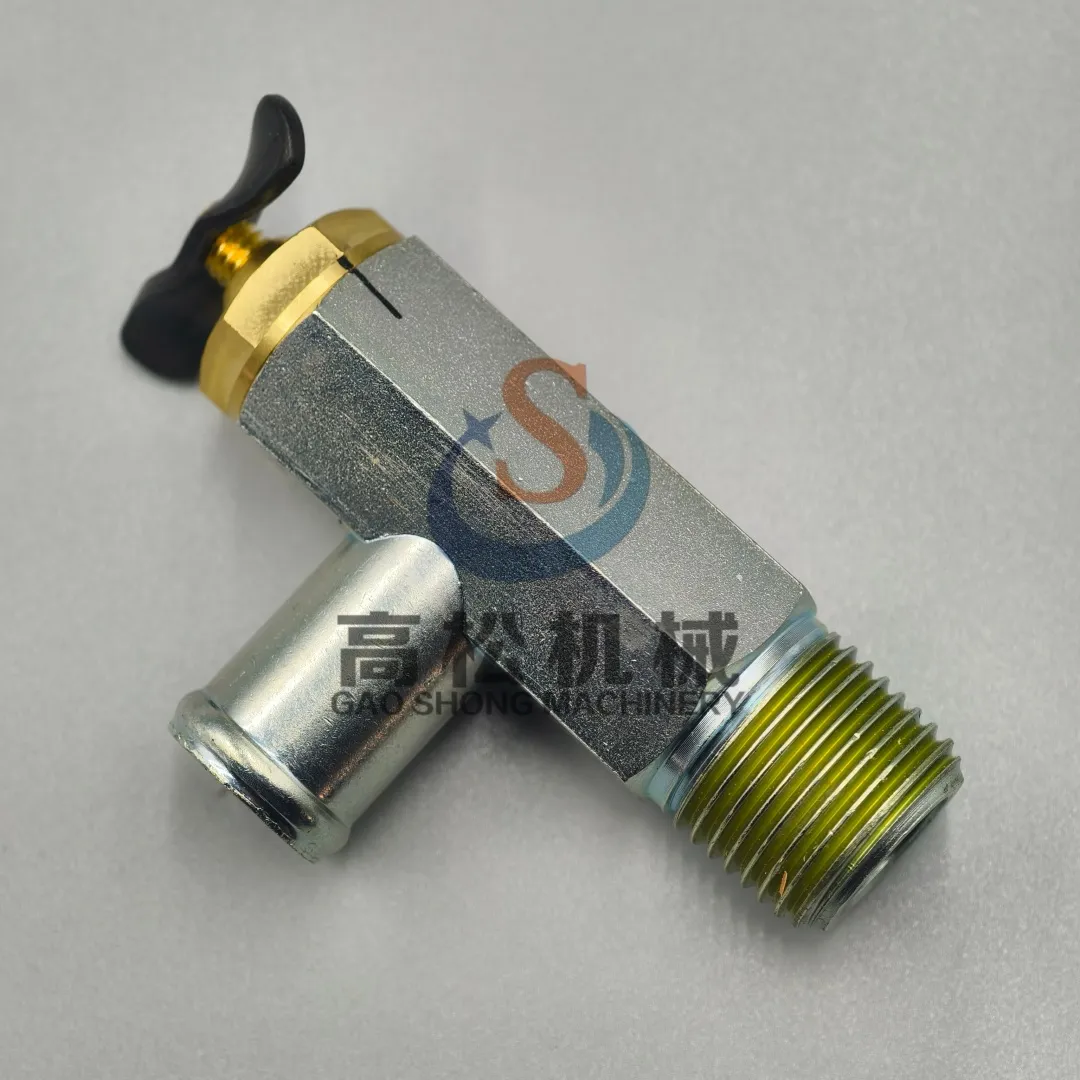 Spare part 09482-10000 VALVE,HOSE (Komatsu)
 -
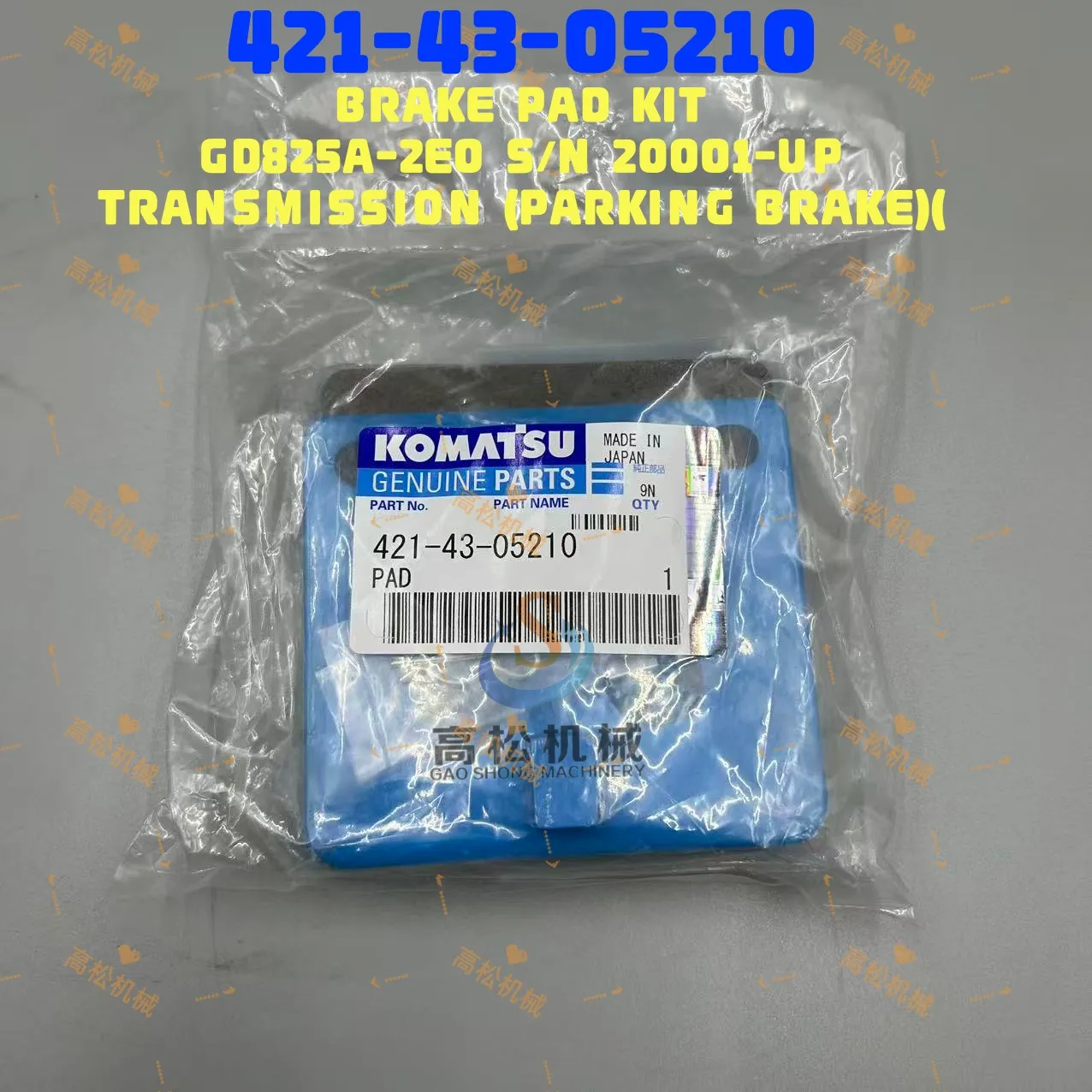 421-43-05210Brake pad kit 421-43-05210 for Komatsu GD825A-2 GD825A-2E0
 -
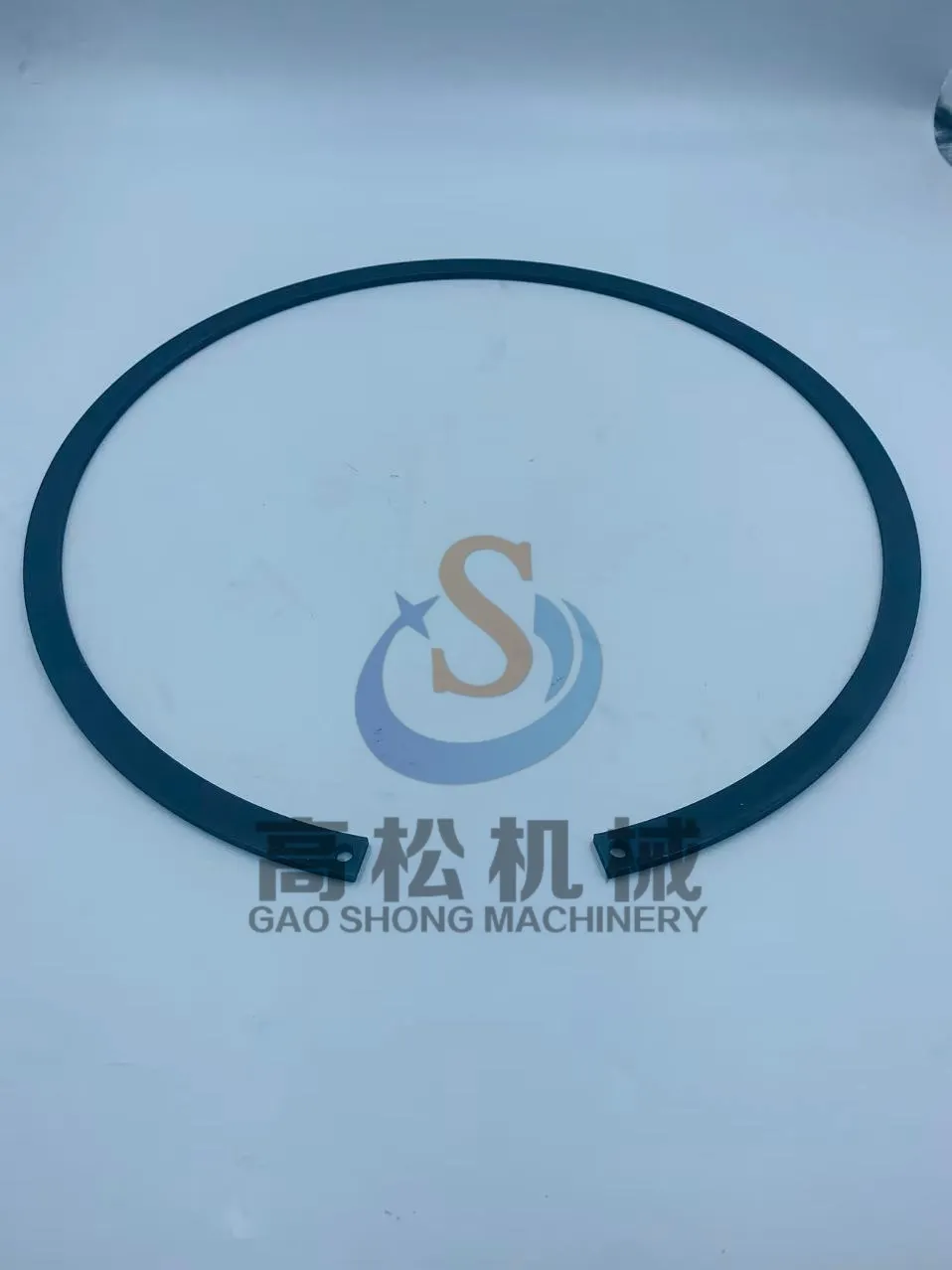 SNAP RING – 21T-26-11270
 -
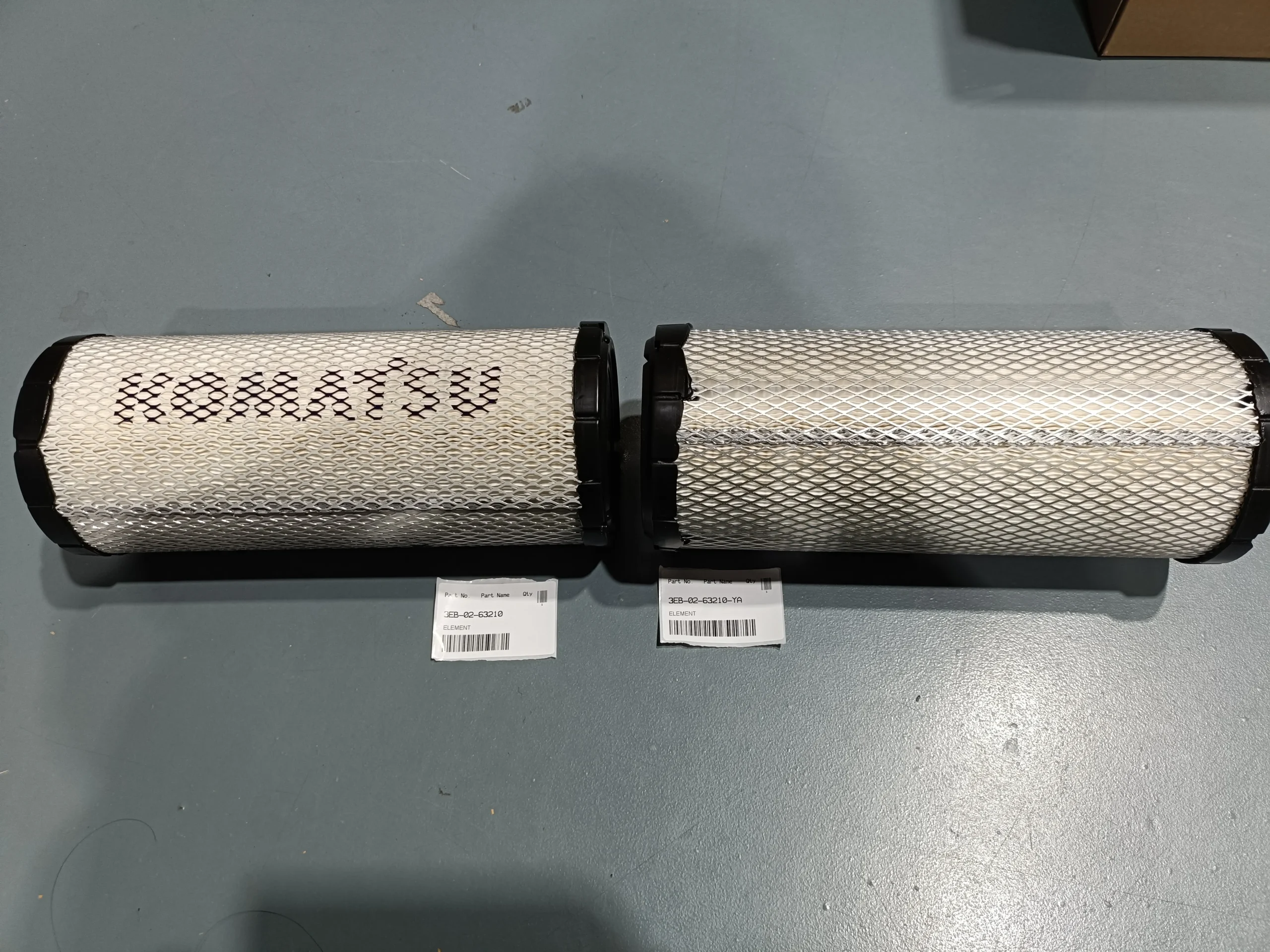 3EB-02-63210 komatsu ELEMENT-PC45MR/PC55MR
 -
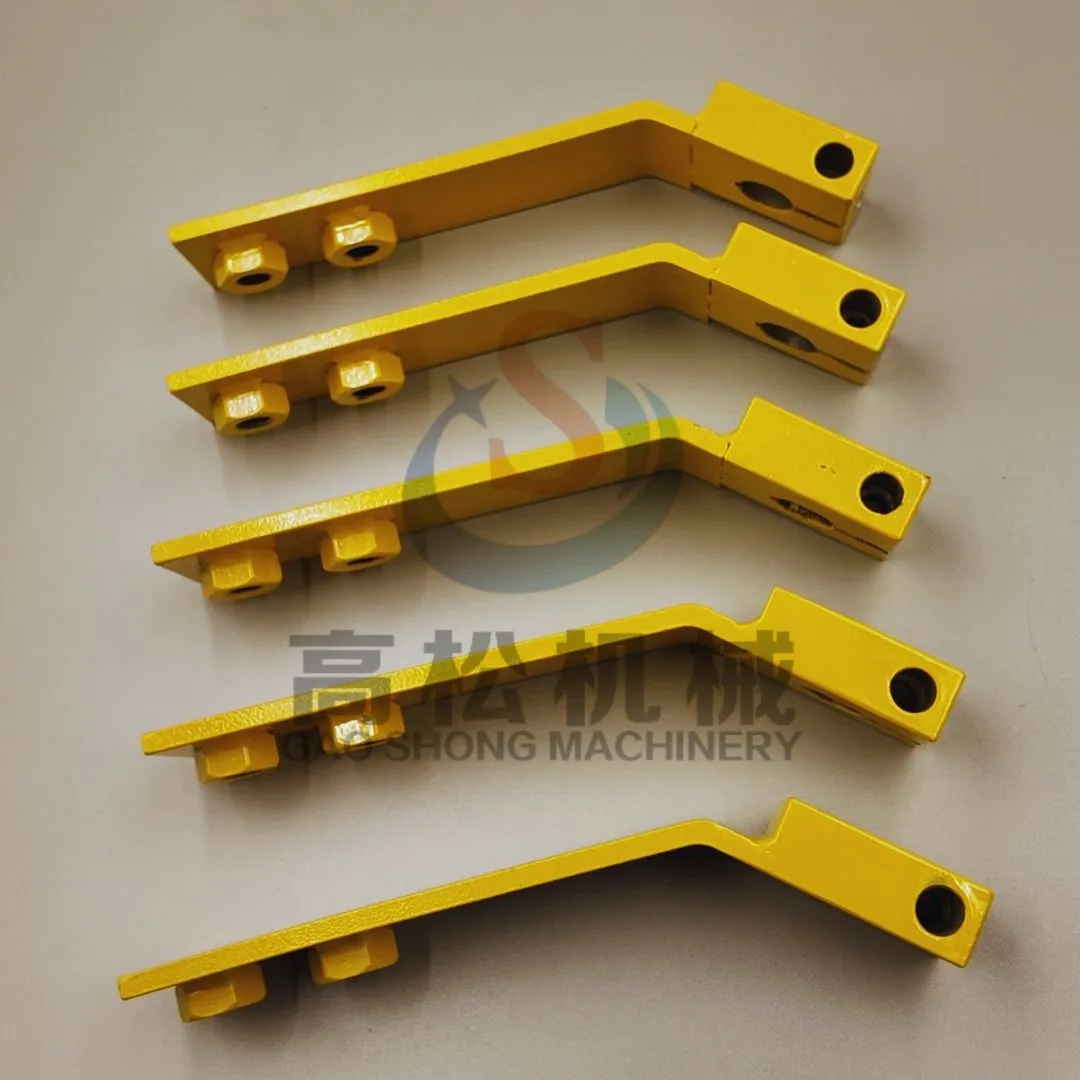 KOMATSU 566-86-6K430 BRACKET