
- Chinese
- French
- German
- Portuguese
- Spanish
- Russian
- Japanese
- Korean
- Arabic
- Irish
- Greek
- Turkish
- Italian
- Danish
- Romanian
- Indonesian
- Czech
- Afrikaans
- Swedish
- Polish
- Basque
- Catalan
- Esperanto
- Hindi
- Lao
- Albanian
- Amharic
- Armenian
- Azerbaijani
- Belarusian
- Bengali
- Bosnian
- Bulgarian
- Cebuano
- Chichewa
- Corsican
- Croatian
- Dutch
- Estonian
- Filipino
- Finnish
- Frisian
- Galician
- Georgian
- Gujarati
- Haitian
- Hausa
- Hawaiian
- Hebrew
- Hmong
- Hungarian
- Icelandic
- Igbo
- Javanese
- Kannada
- Kazakh
- Khmer
- Kurdish
- Kyrgyz
- Latin
- Latvian
- Lithuanian
- Luxembou..
- Macedonian
- Malagasy
- Malay
- Malayalam
- Maltese
- Maori
- Marathi
- Mongolian
- Burmese
- Nepali
- Norwegian
- Pashto
- Persian
- Punjabi
- Serbian
- Sesotho
- Sinhala
- Slovak
- Slovenian
- Somali
- Samoan
- Scots Gaelic
- Shona
- Sindhi
- Sundanese
- Swahili
- Tajik
- Tamil
- Telugu
- Thai
- Ukrainian
- Urdu
- Uzbek
- Vietnamese
- Welsh
- Xhosa
- Yiddish
- Yoruba
- Zulu
- Kinyarwanda
- Tatar
- Oriya
- Turkmen
- Uyghur





Komatsu engine gasket set
When you hear 'Komatsu engine gasket set', what's the first thing that comes to mind? For a lot of guys, it's just a part number, a box to order when you're doing an overhaul. But that's where the first mistake happens. Thinking of it as a single, uniform 'set' can get you into trouble. I've seen it too many times—a mechanic gets a kit for a SAA6D140E, cracks it open, and then realizes halfway through the job that the valve stem seals are a different design or the rear main seal isn't quite right for the serial number break. The devil, as they always say, is in the details. It's not just about sealing an engine; it's about matching the exact iteration of that engine sitting in your shop. That's the real starting point.
The OEM Illusion and the Aftermarket Reality
There's a pervasive belief that if it's in a Komatsu-branded box, it's flawless and universally compatible. That's not entirely true. Even within the genuine OEM supply chain, there are revisions and updates. A Komatsu engine gasket set from five years ago might not have the updated composite material for the cylinder head gasket that addresses a minor coolant seepage issue they identified later. If you're not buying through a channel that tracks these updates, you're potentially installing an obsolete part.
This is where the role of a specialized supplier becomes critical, not just as a vendor, but as a technical filter. Take a company like Jining Gaosong Construction Machinery Co., Ltd.. Their position is interesting. They operate as an OEM product supplier within the Komatsu system, which means they have access to that genuine pipeline and its technical bulletins. But they're also a third-party sales company, which forces them to solve real-world problems. Their website, https://www.takematsumachinery.com, isn't just a catalog; it's a hub born from dealing with parts supply challenges in specific regions. When you're in a bind in a country where the direct OEM channel is slow or non-existent, that dual role matters. They have to know not just the part number, but the application nuance.
I learned this the hard way on a project in Southeast Asia. We had a Komatsu PC300-6 with a S6D125 engine down for a major service. The local dealer quoted a 12-week lead time for the master gasket kit. We sourced what was supposed to be an OEM-equivalent set from a general aftermarket supplier. Big mistake. The valve cover gasket was rubber when it should have been cork-rubber composite, leading to a persistent weep. The intake manifold gaskets were slightly off on the port alignment, causing a tiny vacuum leak we chased for days. We ended up cannibalizing some old gaskets to finish the job. It was a lesson in false economy.
Anatomy of a Complete Set: What's Often Missing
Let's break down what should actually be in your mind when you order a set. It's never just the head gasket and the valve cover gasket. A true master set for, say, a Komatsu SAA6D107E, should include every static seal that sees the block and head. That means the often-forgotten O-rings for the oil cooler core, the tiny seals for the injector sleeves (absolutely critical), the half-moon seals for the camshaft end caps, and the seal for the front gear case. If any of these are missing, your complete overhaul is already compromised.
I prefer to cross-reference the kit contents against the official Komatsu parts breakdown on their system before even opening the box. A good supplier will provide this breakdown. I recall ordering a set from Takematsu Machinery's stock, and what was useful was that their listing specifically called out the inclusion of the updated, one-piece oil pan gasket for certain serial numbers, replacing the problematic two-piece design. That's the kind of detail that shows they've done the homework, not just repackaged a generic kit.
Then there's the question of material. Modern Komatsu engines run hotter and under higher pressure. The old-school asbestos or basic graphite materials are long gone. You're looking at multi-layer steel (MLS) for head gaskets, fluorocarbon for fuel-resistant seals, and specific nitrile compounds for oil. A cheap set will often use inferior materials that compress too much, degrade with EGR soot, or can't handle the thermal cycling. The result is a comeback job in 500 hours.
Installation Pitfalls That Have Nothing to Do with the Gaskets
Here's a thought: sometimes, the failure of a Komatsu engine gasket set isn't the gasket's fault at all. The most common culprit? Surface finish. I can't stress this enough. The MLS head gaskets demand a near-mirror finish on the block and head deck. If you just give it a quick pass with a coarse disc, you're creating microscopic channels for leakage. The specification is usually in Ra (roughness average) microns, and it's worth measuring. We invested in a proper surfacing machine and a profilometer, and it cut our head gasket comeback rate to zero.
Another classic is over-torquing, or worse, following an old torque sequence. The torque specs and sequences, especially for cylinder heads, are updated by Komatsu. Using the wrong sequence can warp the head, creating a low spot that no gasket can seal. Always, always get the latest service manual for that specific engine model and serial number range. The torque value for head bolts might look similar, but the angle-torque procedure (torque-to-yield) is specific and non-negotiable.
Cleanliness is the third pillar. Any debris, old sealant fragment, or oil in a bolt hole will affect clamp load. I've made it a ritual to clean all threads with a chaser tap and brake cleaner, and to blow out every bolt hole with compressed air. It seems trivial, but a bit of oil hydraulically trapped in a blind bolt hole can prevent the bolt from stretching correctly during the final angle torque, leading to uneven clamping force. That uneven force is a direct ticket to a blown head gasket.
The Supply Chain Dilemma and Practical Sourcing
This brings us back to the practical matter of getting the right kit. The ideal world is a genuine Komatsu kit from your local dealer, with full warranty and support. But the real world, especially for older models or in remote locations, is different. Lead times balloon, costs skyrocket, and machines sit idle. This is the gap that companies operating as third-party specialists fill.
The value of a supplier like Jining Gaosong isn't just in having the part. It's in having the correct part and the knowledge to guide you. When you contact them about a gasket set for a Komatsu D155AX-6, a good technical salesperson should ask you for the engine serial number and maybe even the application (whether it's a dozer or a loader, as sometimes there are variations). They should be able to warn you, For serial numbers after XYZ, they changed the water pump gasket design, and our kit reflects that. That's solving a supply challenge with intelligence.
I use their site, https://www.takematsumachinery.com, as a reference point because their company intro directly states their mission: to solve parts supply challenges. It implies a focus on availability and correctness for hard-to-service markets. In my experience, when I've had to go outside the direct dealer network, I prioritize suppliers who demonstrate this application-specific knowledge over those who just offer the lowest price. The cost of a failed gasket job—downtime, coolant in oil, a second round of labor—dwarfs the price difference between a cheap kit and the right one.
Final Run-in: The Gasket's First Test
Your job isn't over when the last bolt is torqued. The initial run-in is part of the installation. New gaskets, especially head gaskets, need to go through thermal cycles to settle. The old practice of immediately putting the engine under full load is a bad one. The procedure we follow is: start, get to operating temperature, check for leaks, then shut down and let it cool completely. This allows the gasket materials to thermally expand and contract, seating themselves. We do this for two or three cycles before putting the machine back to work.
Monitor the coolant and oil closely for the first 50 hours. Any cross-contamination will usually show up quickly if something is amiss. Also, re-torquing head bolts after the first thermal cycle was standard practice on older engines, but with modern torque-to-yield bolts, it's generally not recommended unless specified. Again, follow the manual. This run-in period is where all your careful selection and installation work is validated—or where a single missed detail reveals itself.
So, a Komatsu engine gasket set is more than a consumable. It's a system-critical component whose success depends on a chain of correct decisions: precise identification, quality sourcing, meticulous preparation, and disciplined installation. Skipping any link, or treating it as a commodity, is an expensive gamble. It's the kind of job where doing it right the first time is the only cost-effective path.
Related Products
Related Products
Best Selling Products
Best Selling Products-
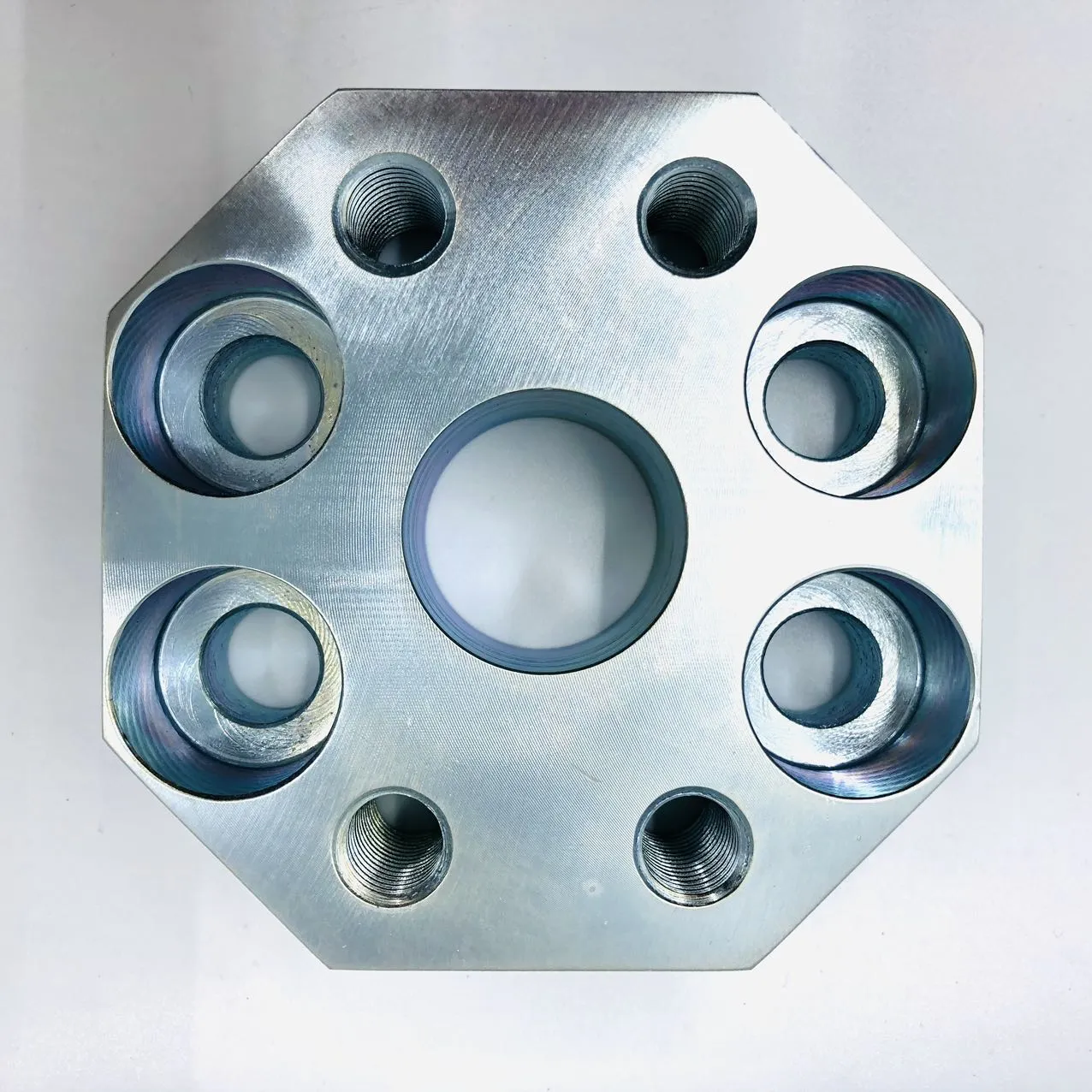 21N-62-11361 Komatsu Flange
 -
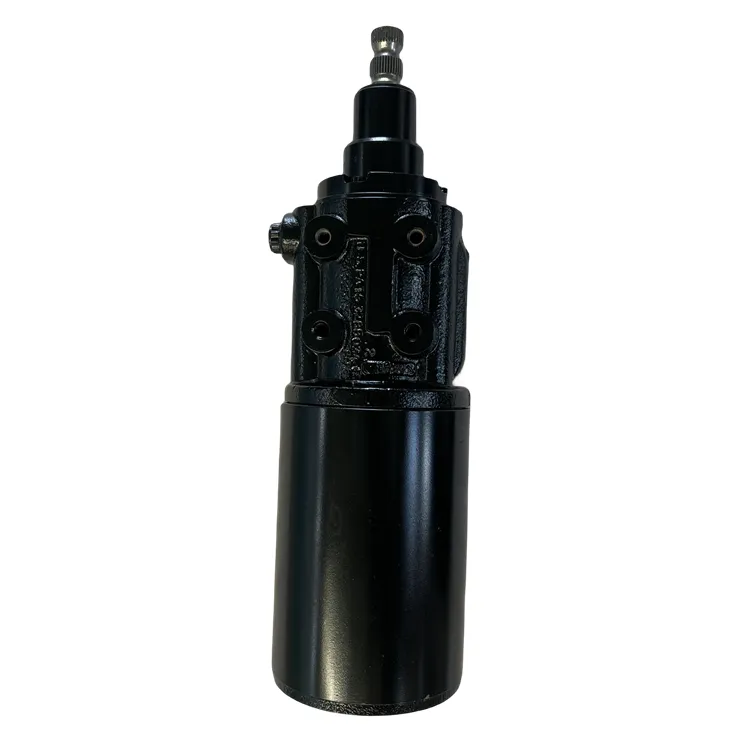 HD785-7 steering valve 561-40-83300
 -
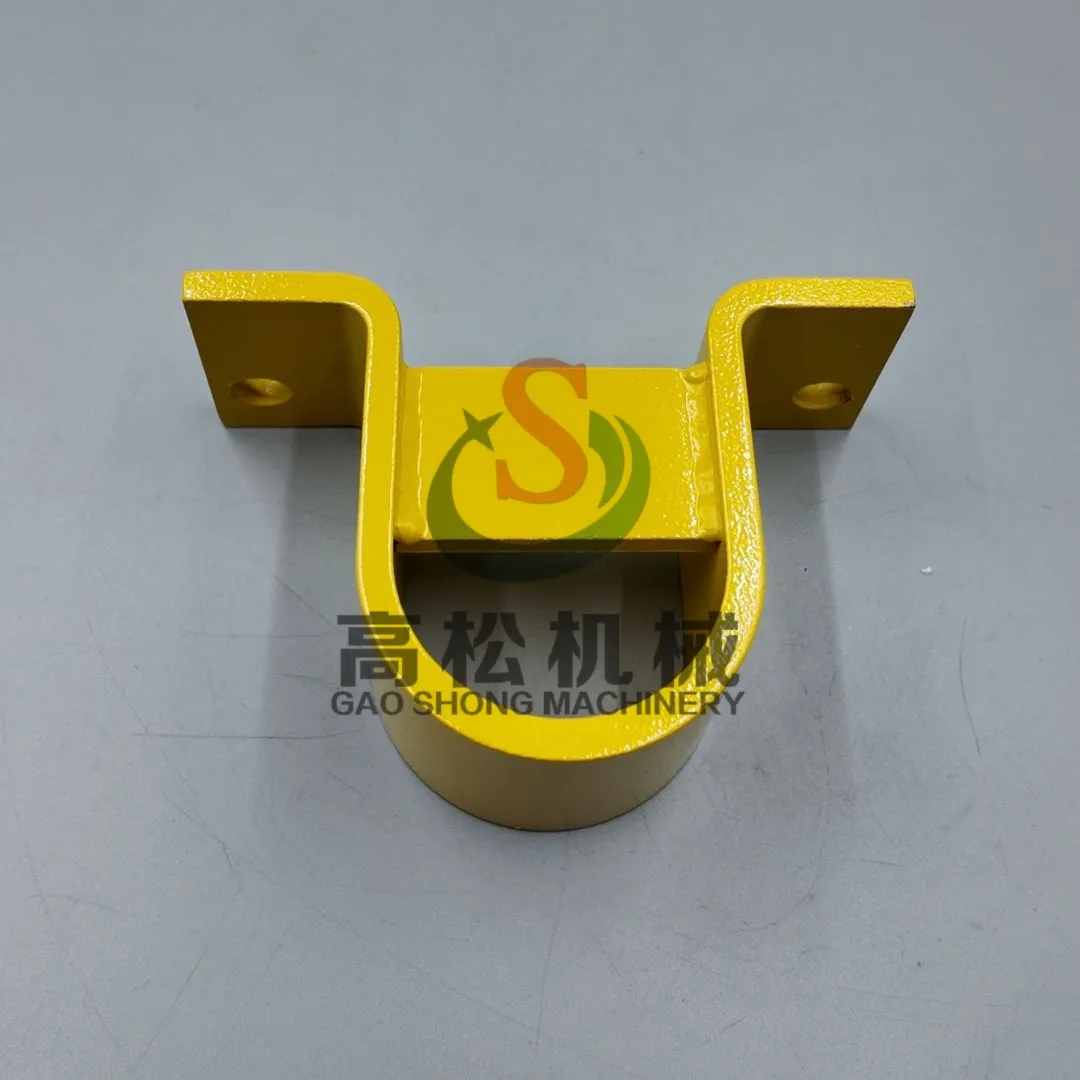 COVER 425-04-21430 for a WA500-3 komatsu original
 -
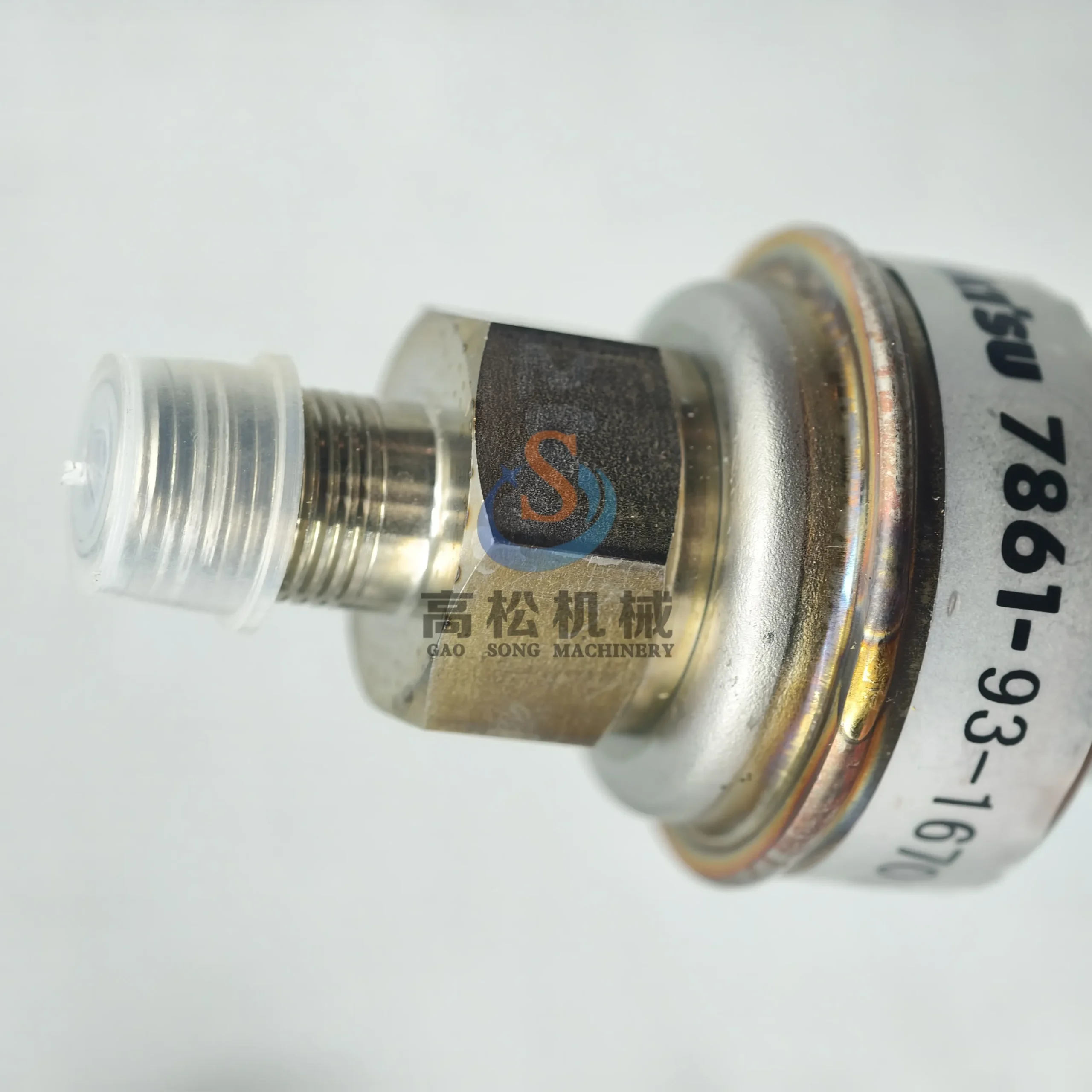 7861-93-1670 komatsu SENSOR
 -
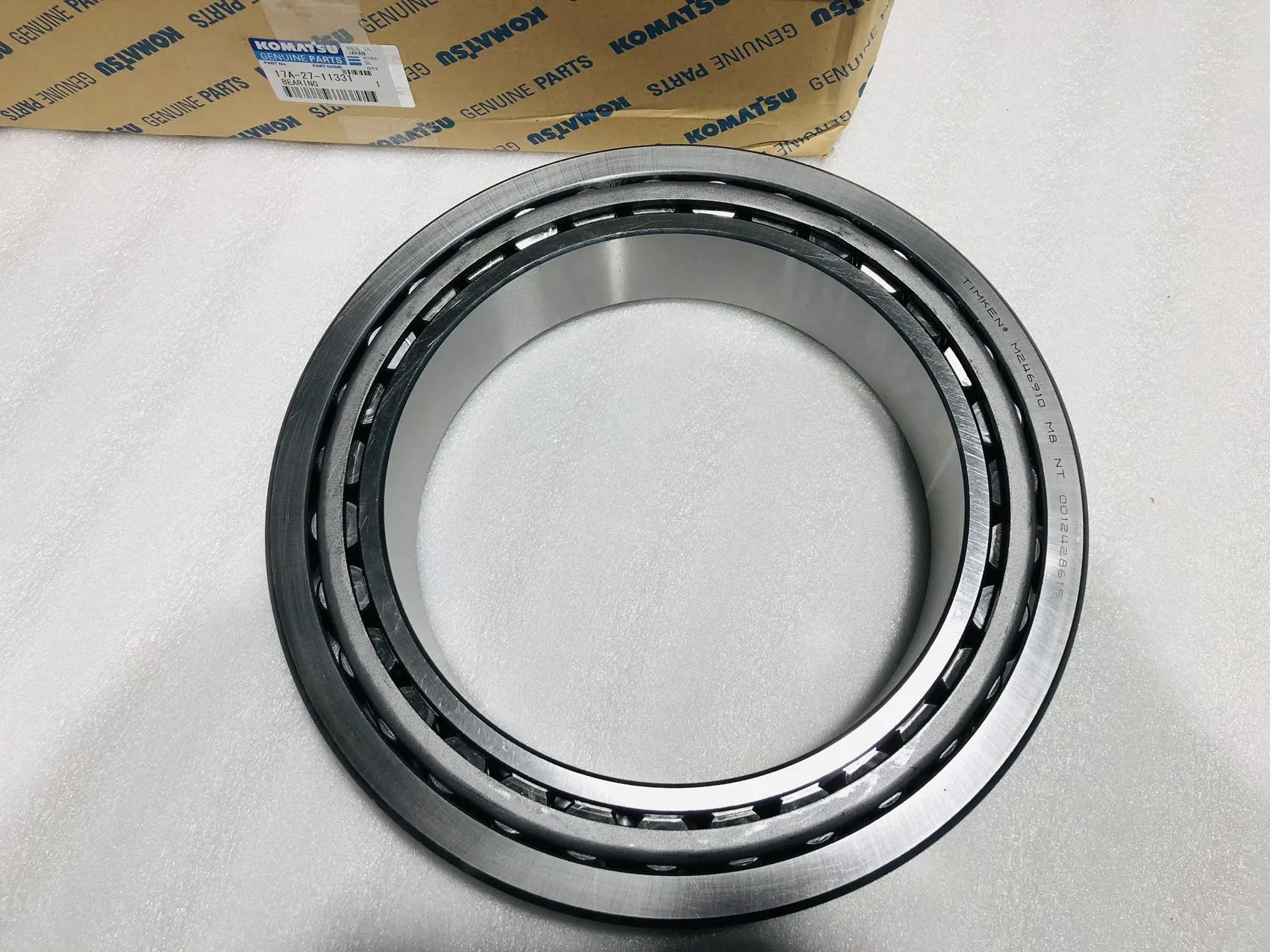 KOMATSU-BEARING 17A-27-11331
 -
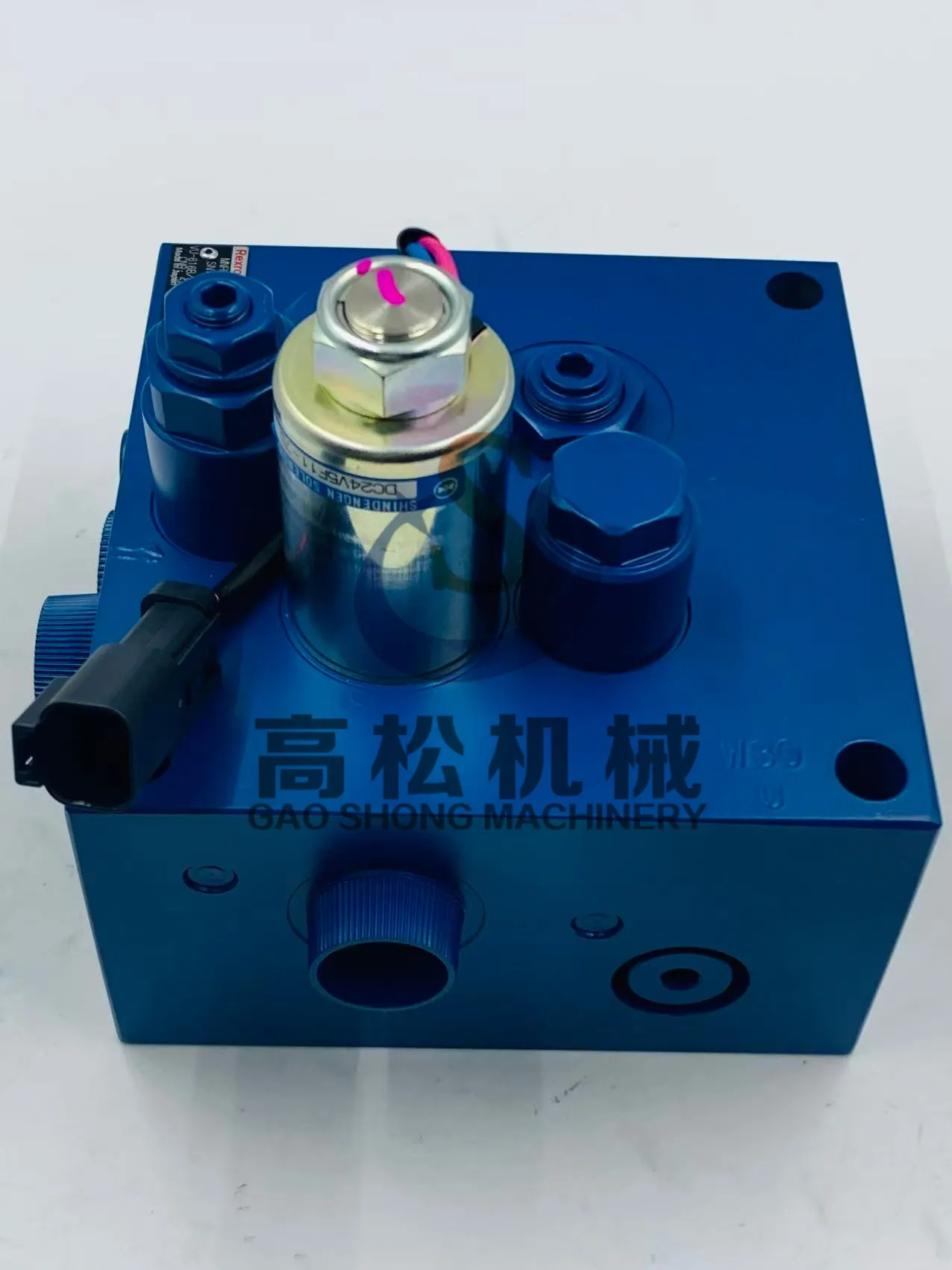 Komatsu HM300 Valve Assembly 56D-43-37101
 -
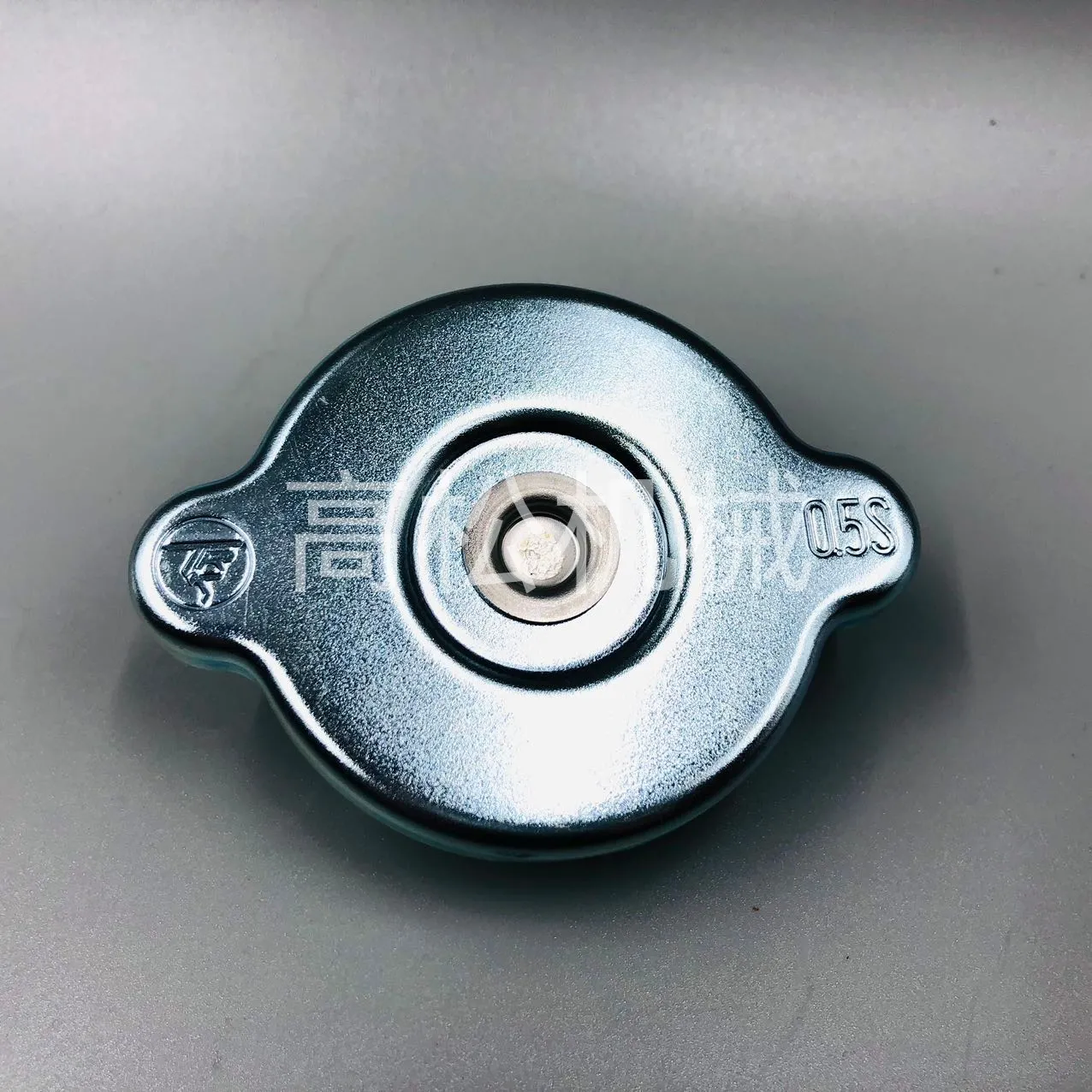 20Y-03-22110-CAP-Komatsu Original Factory
 -
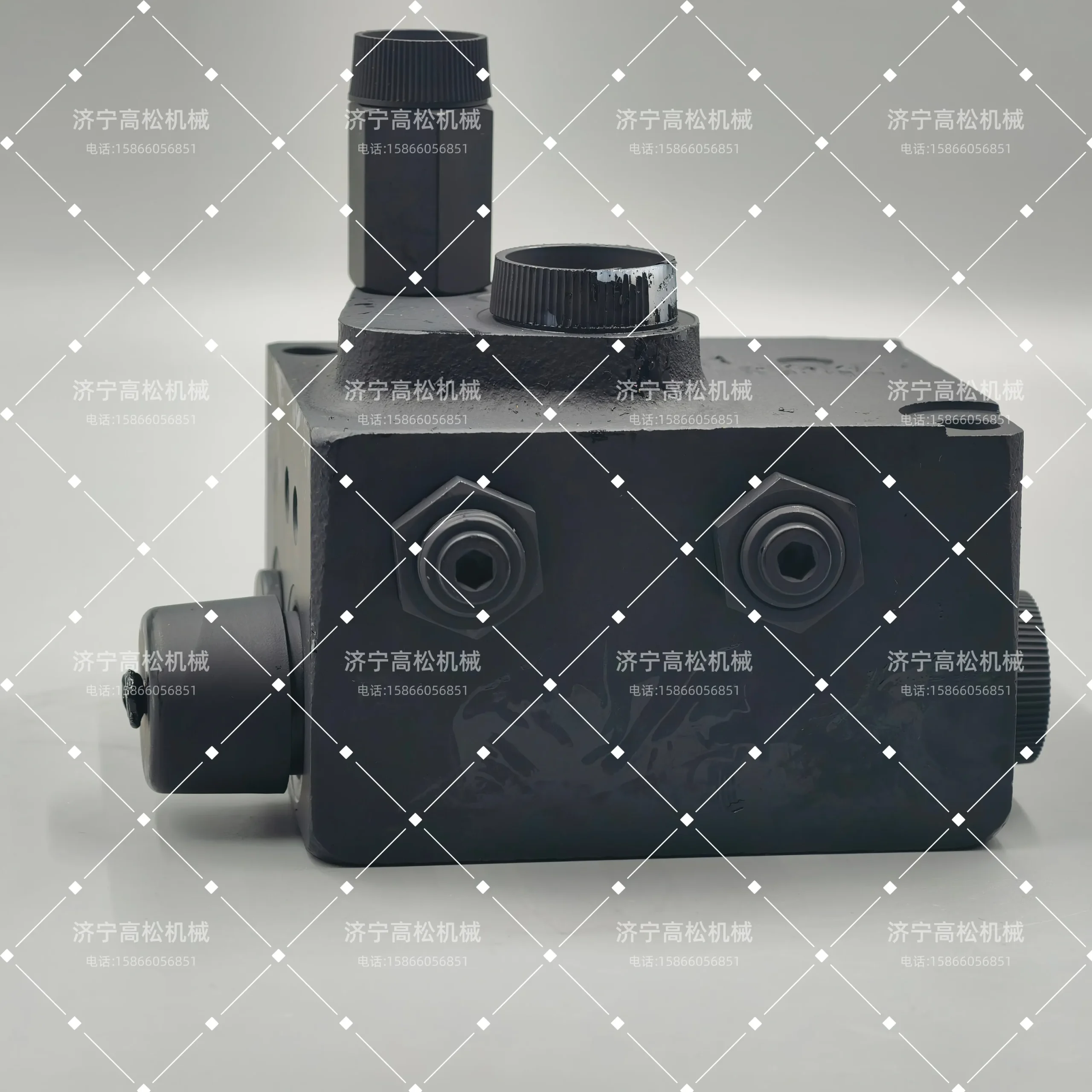 Komatsu Loader WA420-3 Charge Valve 419-43-27401 China…
 -
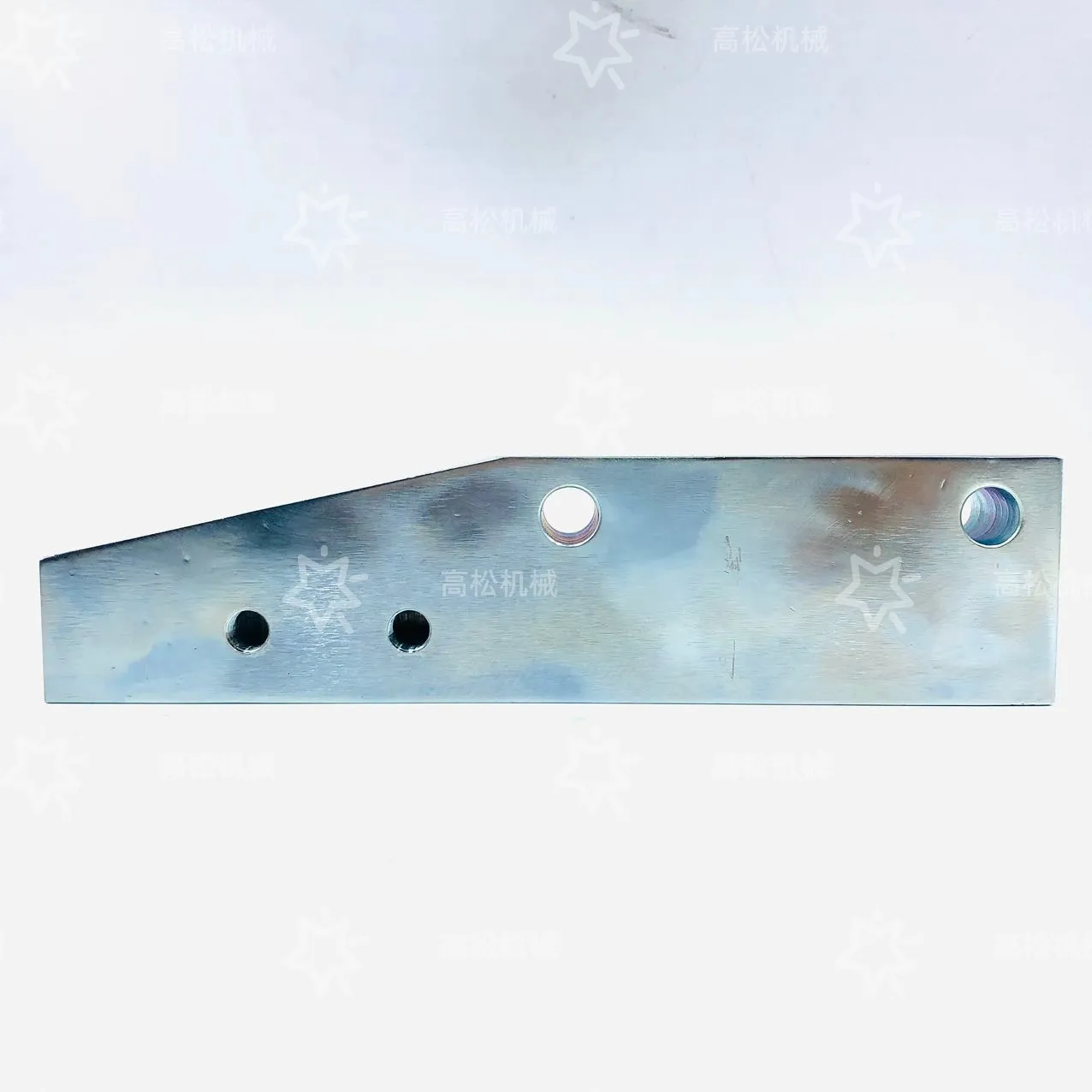 209-38-73281 BLOCK made to fit KOMATSU
 -
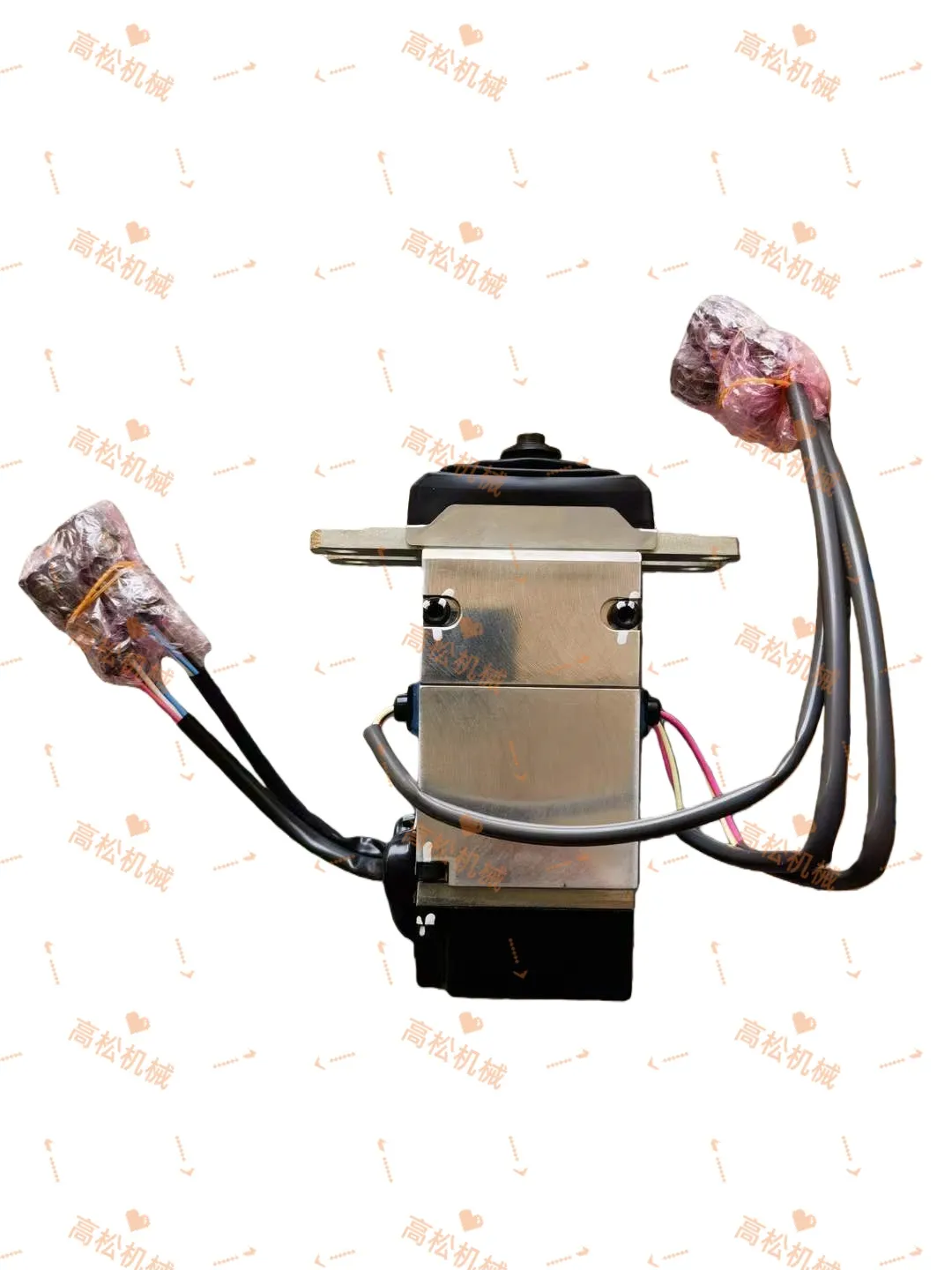 komatsu-part-702-16-02144 Lever Assembly D155A-6R D155AX-8E0 D475A-5E0 D85MS-15 D85EX-15E0 D65PX-18 D155AX-7 LEVER AND CONSOLE FLOOR FRAME TRAVEL CONTROL LEVER ROPS CAB, PCCS (PALM COMMAND CONTROL SYSTEM) LEVER
 -
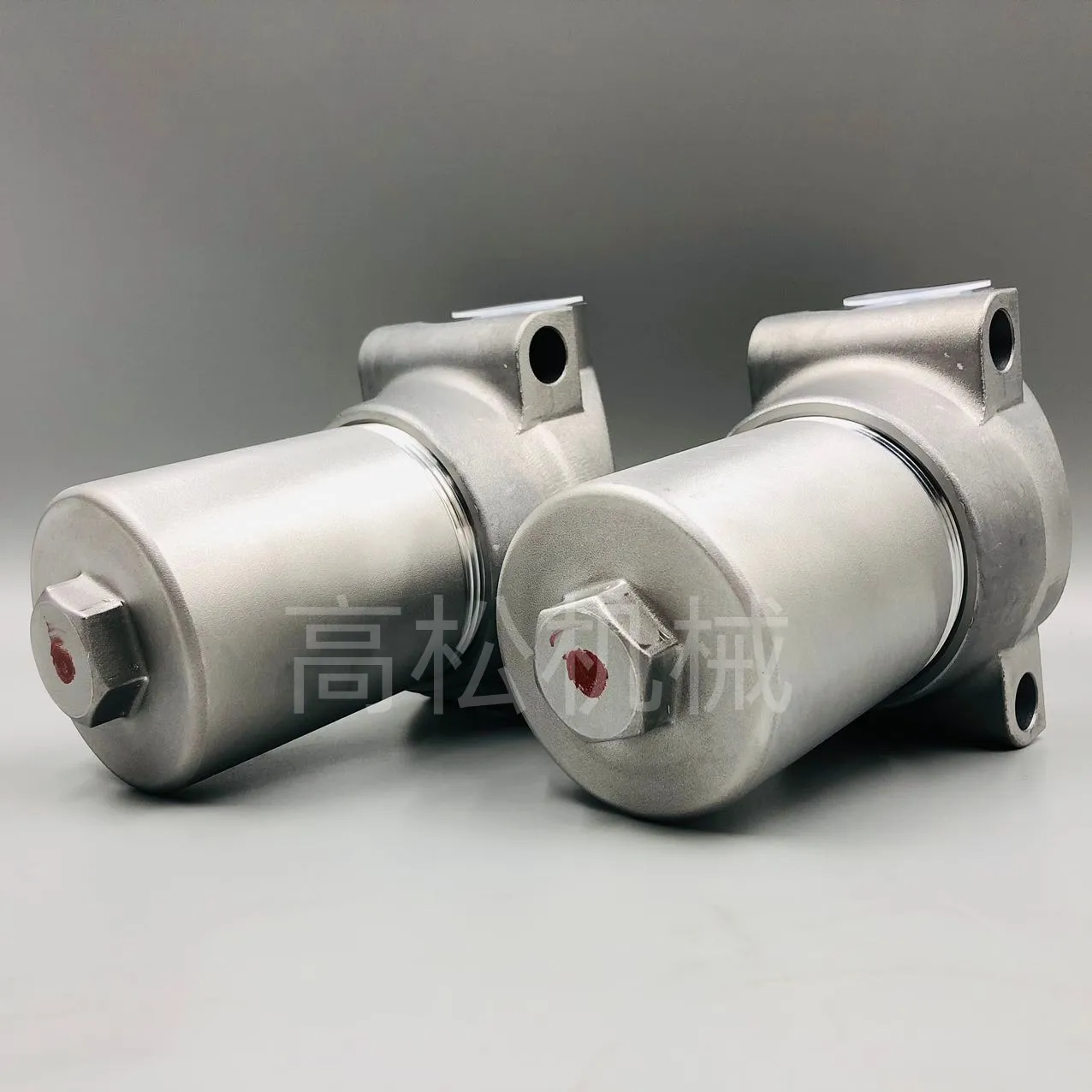 20Y-62-51681 FILTER ASS’Y-Komatsu Original Factory
 -
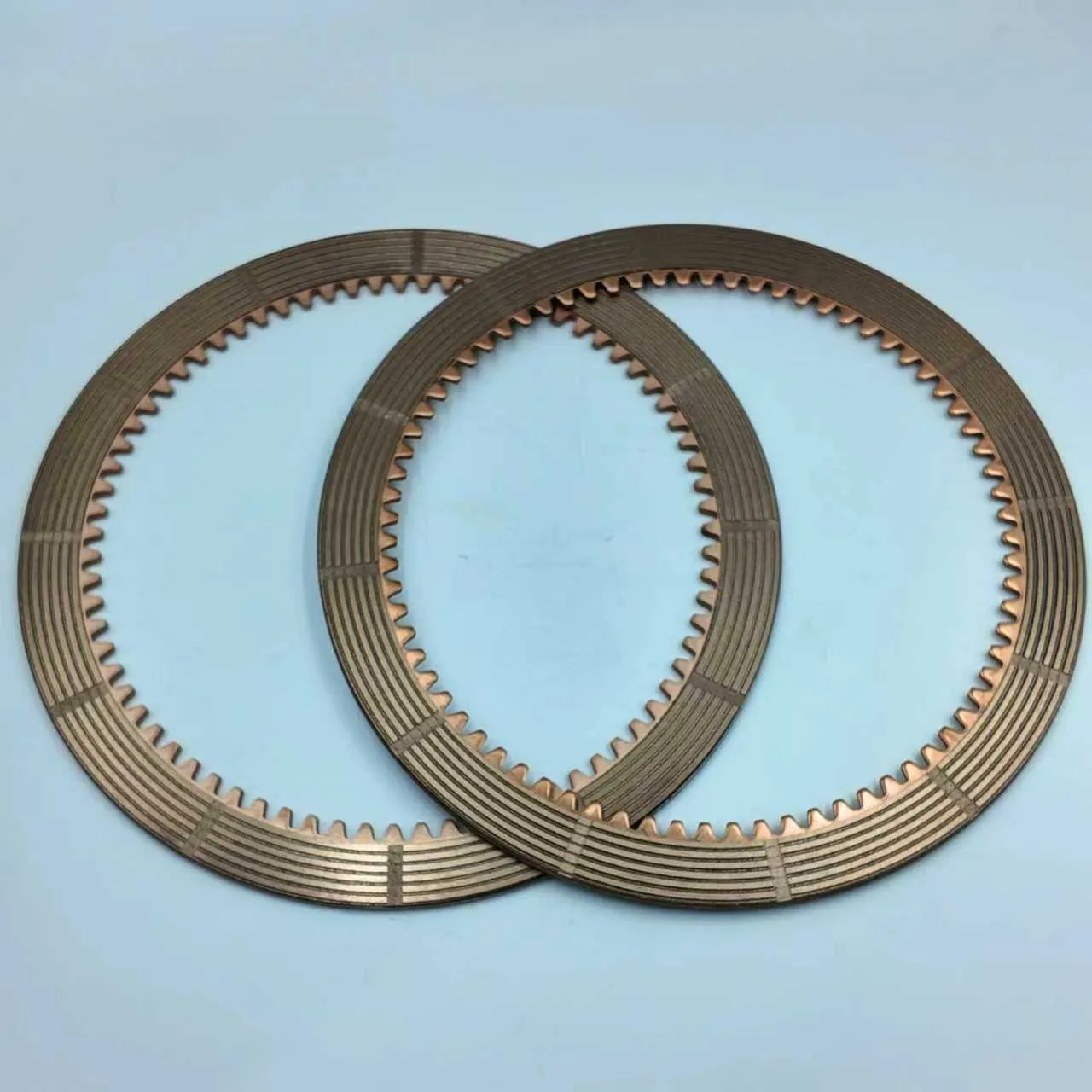 NEW 23S-15-12710 DISC TRANSMISSION (124-15-42710) FOR KOMATSU D41A-3