
- Chinese
- French
- German
- Portuguese
- Spanish
- Russian
- Japanese
- Korean
- Arabic
- Irish
- Greek
- Turkish
- Italian
- Danish
- Romanian
- Indonesian
- Czech
- Afrikaans
- Swedish
- Polish
- Basque
- Catalan
- Esperanto
- Hindi
- Lao
- Albanian
- Amharic
- Armenian
- Azerbaijani
- Belarusian
- Bengali
- Bosnian
- Bulgarian
- Cebuano
- Chichewa
- Corsican
- Croatian
- Dutch
- Estonian
- Filipino
- Finnish
- Frisian
- Galician
- Georgian
- Gujarati
- Haitian
- Hausa
- Hawaiian
- Hebrew
- Hmong
- Hungarian
- Icelandic
- Igbo
- Javanese
- Kannada
- Kazakh
- Khmer
- Kurdish
- Kyrgyz
- Latin
- Latvian
- Lithuanian
- Luxembou..
- Macedonian
- Malagasy
- Malay
- Malayalam
- Maltese
- Maori
- Marathi
- Mongolian
- Burmese
- Nepali
- Norwegian
- Pashto
- Persian
- Punjabi
- Serbian
- Sesotho
- Sinhala
- Slovak
- Slovenian
- Somali
- Samoan
- Scots Gaelic
- Shona
- Sindhi
- Sundanese
- Swahili
- Tajik
- Tamil
- Telugu
- Thai
- Ukrainian
- Urdu
- Uzbek
- Vietnamese
- Welsh
- Xhosa
- Yiddish
- Yoruba
- Zulu
- Kinyarwanda
- Tatar
- Oriya
- Turkmen
- Uyghur






Komatsu engine cylinder head
Look, when most people hear 'Komatsu engine cylinder head', they think it's just a lump of cast iron with some holes in it. That's the first mistake. In the field, especially with older models like the S6D or the newer SAA6D, the head isn't just a component; it's the pressure vessel for your entire combustion cycle. I've seen too many guys—and suppliers—treat it as a simple swap, only to be chasing coolant leaks or low compression for months. The reality is more nuanced, and the supply chain for a genuine, reliable unit is where the real battle is fought.
The OEM Illusion and the Aftermarket Reality
Here's the thing everyone in the know understands: being an OEM supplier within the Komatsu system, like Jining Gaosong, doesn't just mean you have a catalog. It means you understand the revisions. Take the Komatsu engine cylinder head for the 6D95 engine. There were at least three major casting revisions between 2005 and 2012 to address thermal stress points around the exhaust valve seats. A straight replacement with the wrong revision, even if it bolts on, can crack within 800 hours under high-load dozer applications.
This is where the role of a specialized third-party sales company becomes critical. Their value isn't in undercutting price—anyone can do that with questionable castings. It's in solving the information gap. A company like the one behind takematsumachinery.com essentially acts as a conduit. They help navigate the official Komatsu system for genuine parts while also providing vetted, high-quality alternatives when the official channel is blocked or exorbitantly priced in certain regions. Their stated goal of solving parts supply challenges is real; I've used their channel to source a head for a Komatsu PC300-6 in a remote mining site where the local dealer's lead time was 26 weeks.
The failure I keep seeing is shops sourcing based purely on part number and price. They'll get a head that looks perfect, maybe even has the Komatsu logo ground off and re-cast. It passes a basic pressure test. But the metallurgy is off, or the coolant passages are slightly mis-machined. You install it, and within 200 hours, you get microfractures or cavitation erosion. Now you're down for double the time and cost. The OEM product supplier status is a signal of traceability back to the original foundry and machining specs, which is what you're actually paying for.
Bench Work: What You Don't See in the Catalog
Let's get our hands dirty. When a Komatsu cylinder head comes in for a rebuild, the first check isn't for cracks—that's step two. The first check is for warpage. On a SAA6D140, the tolerance is 0.05mm over the entire length. Seems straightforward, right? But you have to measure it hot, after a thermal cycle simulation, not cold off the shelf. A head can be perfectly flat at 20°C and warp beyond spec at operating temperature if the residual stress from the original casting or a prior weld repair wasn't properly relieved.
Then there's the valve guide bore. The manuals give you a diameter. But the real issue is the concentricity with the seat. I've had new aftermarket heads where the guide was pressed in at a half-degree misalignment. You can machine a perfect three-angle valve seat, but the valve won't seal properly, leading to burnt valves and lost compression. You only find this with a dial indicator set up specifically for that job, not with standard go/no-go gauges.
The most critical, and often overlooked, detail is the surface finish for the head gasket. The RA (Roughness Average) spec is crucial. Too smooth, and the gasket can't bite; too rough, and you create micro-leak paths. The OEM heads have a specific cross-hatch pattern from the final milling process. Many rebuild shops just deck it to a mirror finish, which is a recipe for a seepage problem down the line. You need to replicate that factory pattern, which means controlling the feed rate and tooling on your mill.
The Logistics of a Critical Component
Procuring a cylinder head isn't like ordering a filter. It's a logistics nightmare. It's heavy, fragile, and absolutely critical. One of the biggest practical problems isn't finding one—it's getting it to the site without damage. I recall a shipment for two S6D125 heads to a port in West Africa. They were crated, but the crate wasn't designed for the specific shock loads of container shipping. The heads shifted, and the camshaft bearing caps (which should never be removed from their matched head) were sheared off. Months of delay.
This is another layer where a supplier's experience matters. Companies that focus on this niche, like Jining Gaosong Construction Machinery Co., Ltd., typically have hardened packaging protocols. They know which heads are most susceptible to distortion from improper lifting (the long, inline-six heads are particularly bad) and crate them accordingly. They also understand the documentation needed to clear customs in complex markets, which is a huge part of solving supply challenges.
There's also the issue of core returns. For a legitimate rebuild or a genuine exchange unit, your old core is part of the deal. But if the old head is cracked beyond repair—say, through a combustion chamber into a coolant jacket—its value plummets. A good supplier will have a clear grading system for cores and be upfront about the core charge. The transparency here separates the real partners from the parts peddlers.
Case in Point: The D65EX-12 Mystery Knock
Had a case a while back with a D65EX-12 pushing a persistent knock under load, but only when fully warmed up. Compression was borderline but even across cylinders. Fuel injection was ruled out. We pulled the head—a major job on a dozer—and visually, the Komatsu engine cylinder head looked fine. No obvious cracks. But using a dye penetrant on the exhaust port side revealed a hairline crack running from an exhaust valve seat down to the coolant gallery. It would only open up at high temperature, allowing a tiny amount of coolant vapor into the exhaust port, which you couldn't see in the oil or coolant system.
The solution wasn't just a new head. We had to trace why it cracked. The root cause was a failed thermostat causing chronic overheating cycles over several months, which fatigued the metal. Just swapping the head would have led to a repeat failure. This is the kind of diagnostic loop you get into. The part is the fix, but understanding its failure mode is what prevents the next breakdown.
We sourced the replacement through a channel that could guarantee the latest revision of that head casting, which had slightly more material around the exhaust seats. The supplier's tech documentation actually noted this revision and its purpose, which confirmed our diagnosis. That level of detail is gold. It didn't come from a generic parts website; it came from a specialist focused on Komatsu systems.
Final Thoughts on Spec and Substance
So, what's the takeaway? The cylinder head is a precision component, not a commodity. Its performance is defined by specs you can't easily measure in the field: metallurgical grain structure, casting integrity, machining tolerances in the tenths of a millimeter. The trust you place in your supplier is a bet on their control over these variables.
For operations where downtime costs thousands per hour, the choice is clear. You either go through the official Komatsu network with its traceability, or you find a credentialed third-party that operates with the same ethos. The website for Takematsu Machinery positions them exactly in that space—an OEM supplier and a solutions provider for hard-to-serve markets. That dual role is key. It means they (ideally) speak both languages: the perfect-world spec of the factory and the gritty reality of the field.
In the end, it comes down to risk management. A cheap head is a high-risk item. A properly sourced head, with all its history and technical backing understood, is just another planned repair. The difference is in the details, and those details are everything when you're the one who has to make it run.
Related Products
Related Products
Best Selling Products
Best Selling Products-
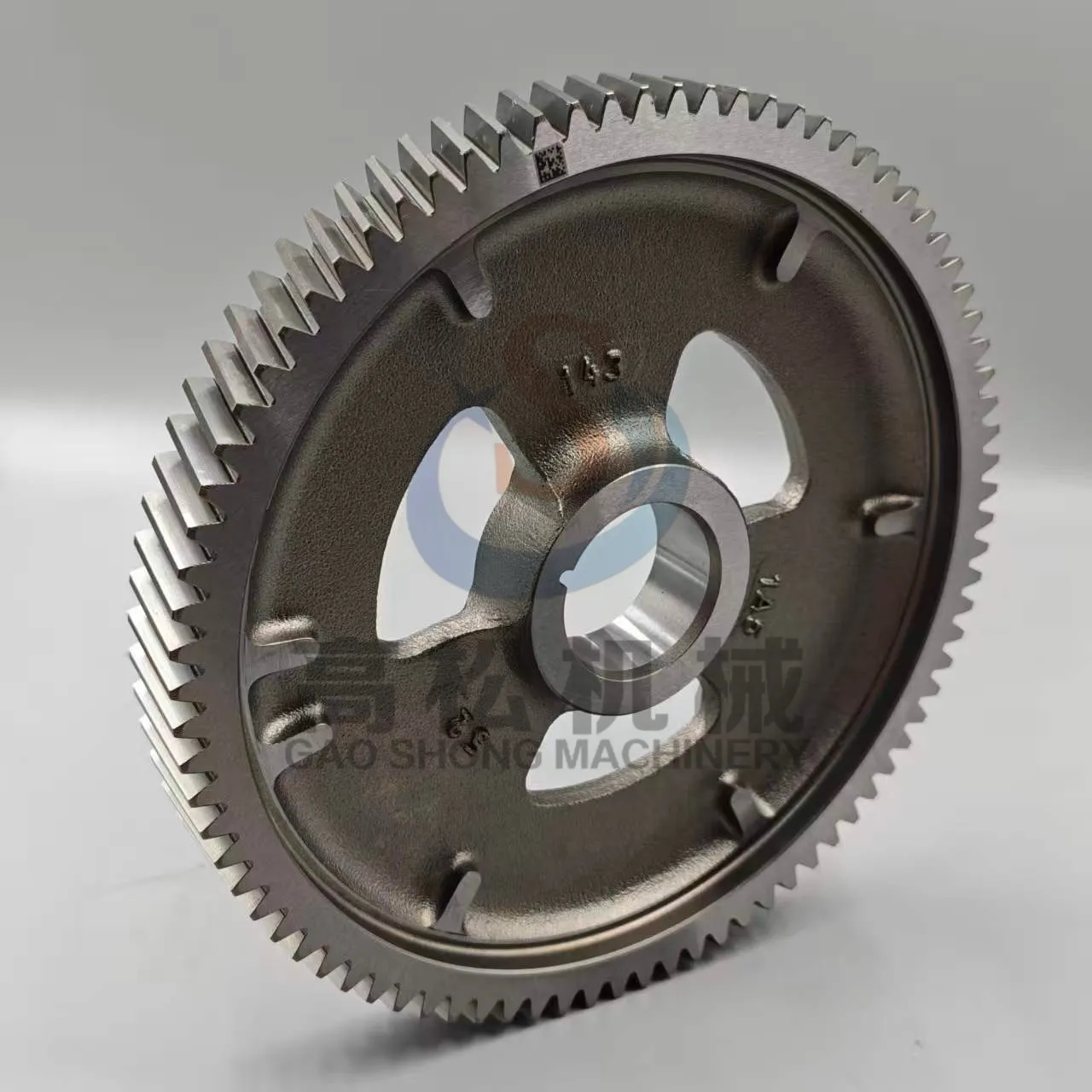 GEAR 6745-41-1131 – KOMATSU
 -
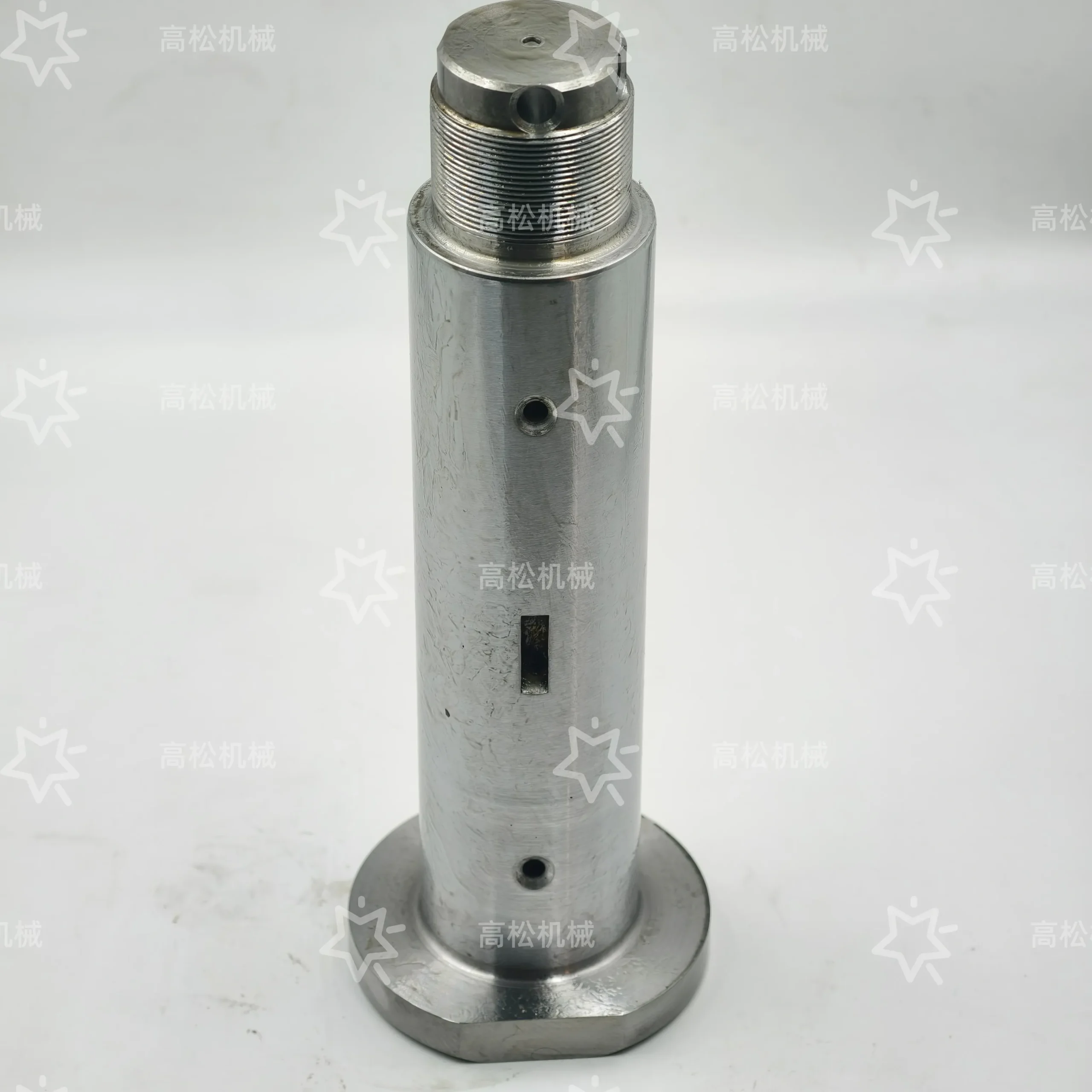 235-27-31330Grader Gd825A-2 Pin 235-27-31330 2352731330
 -
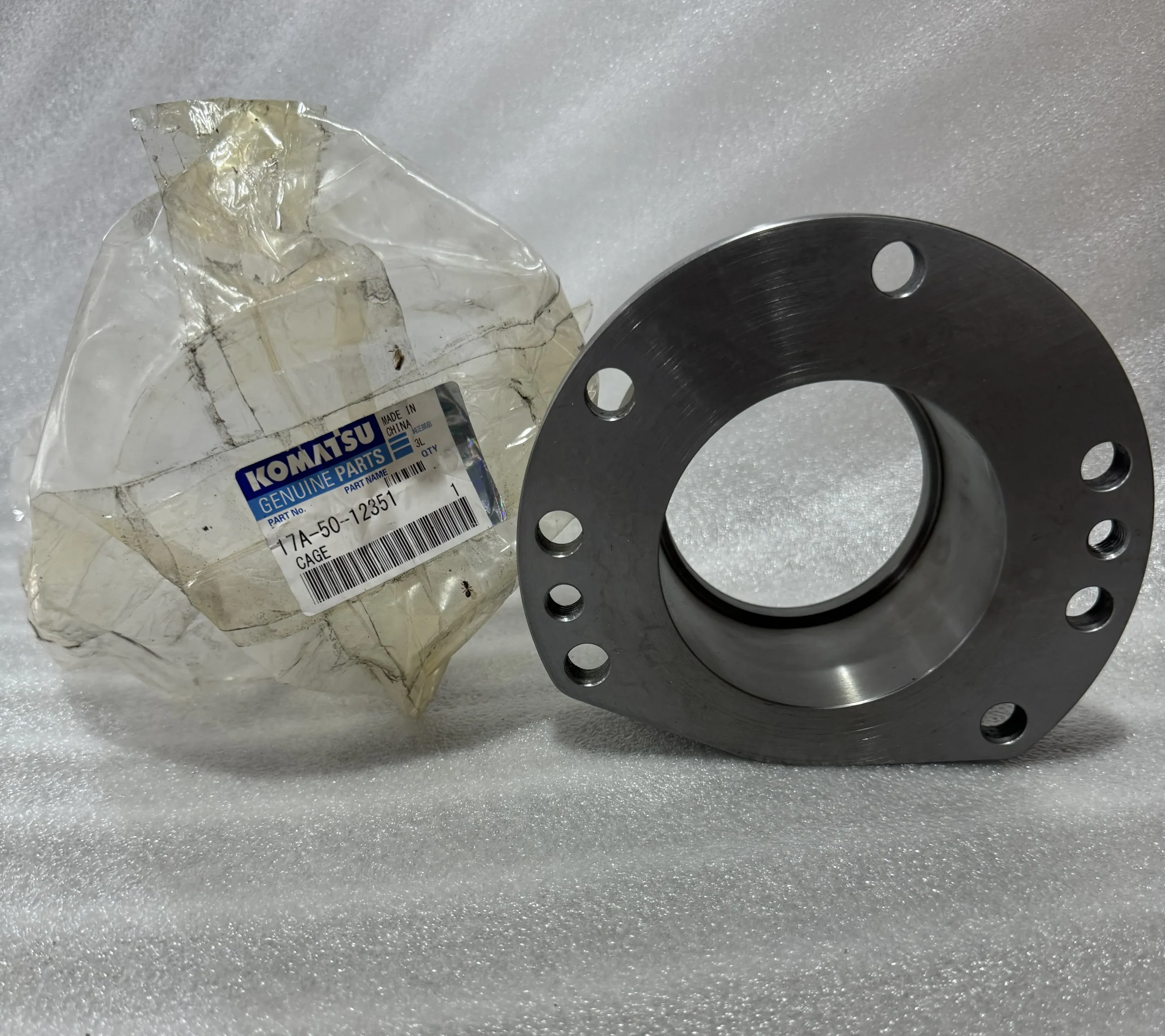 D155AX-3 Bearing Housing 17A-50-12351
 -
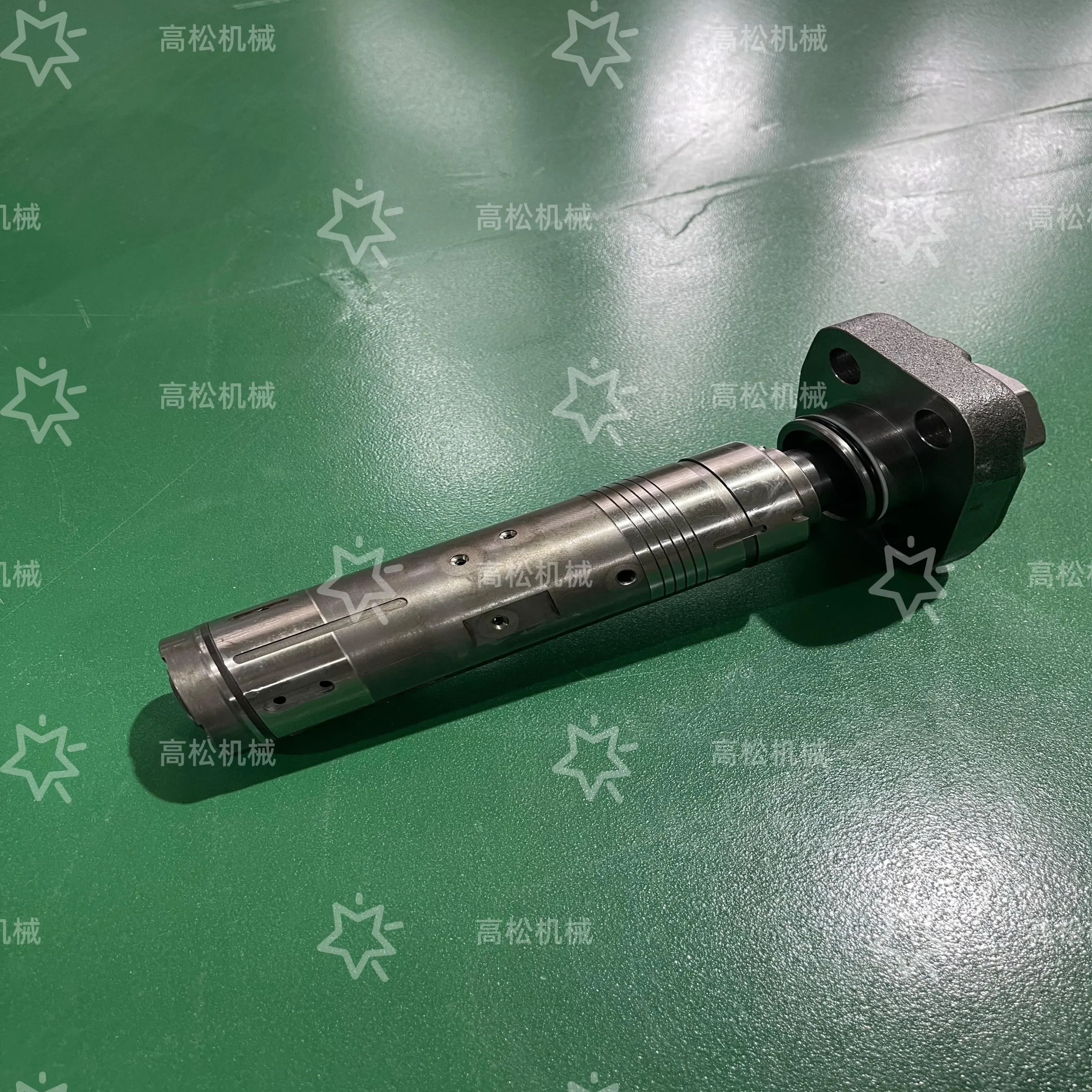 708-2H-03411valve ass’y,pc 708-2h-03411 – komatsu
 -
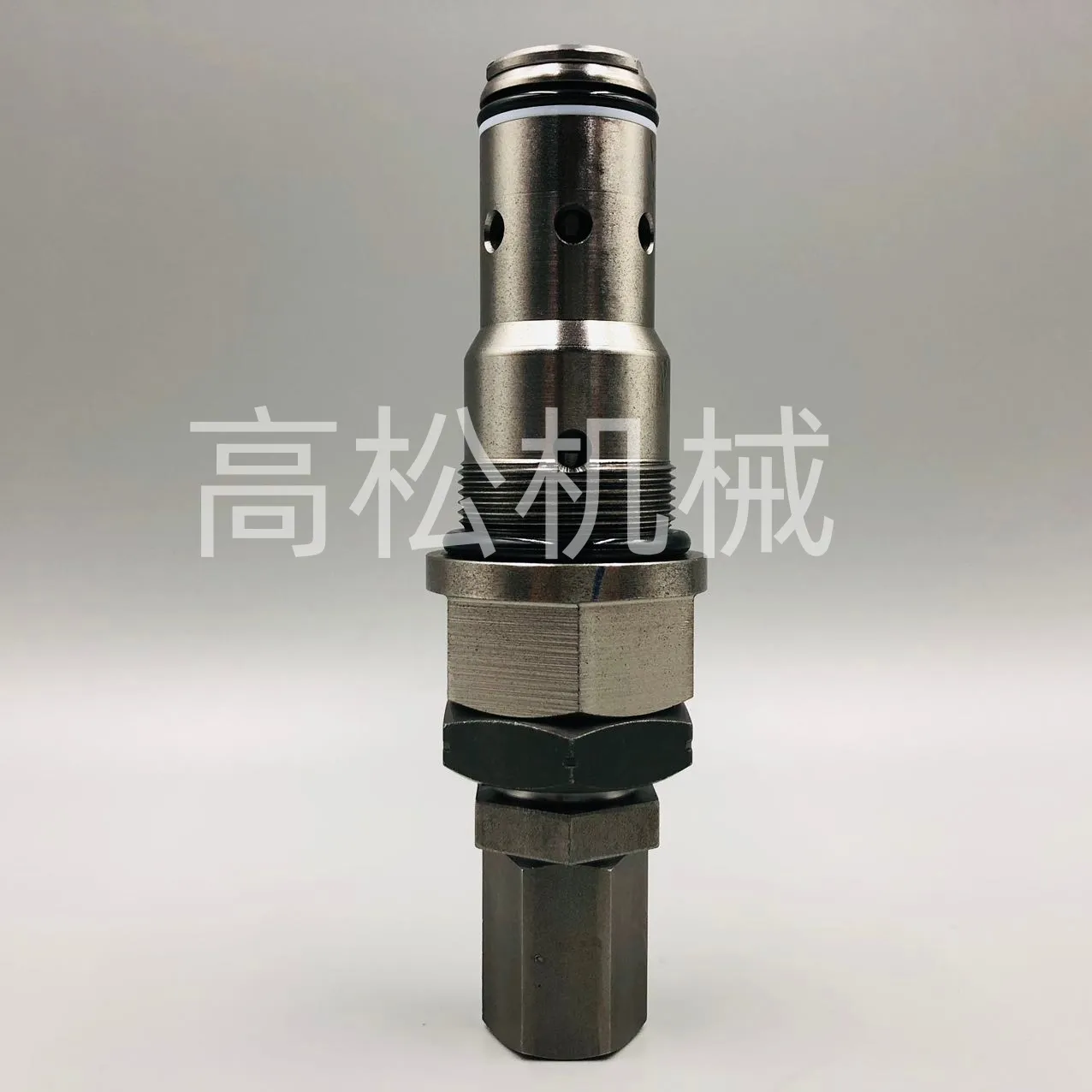 700-89-66000 Komatsu RELIEF VALVE
 -
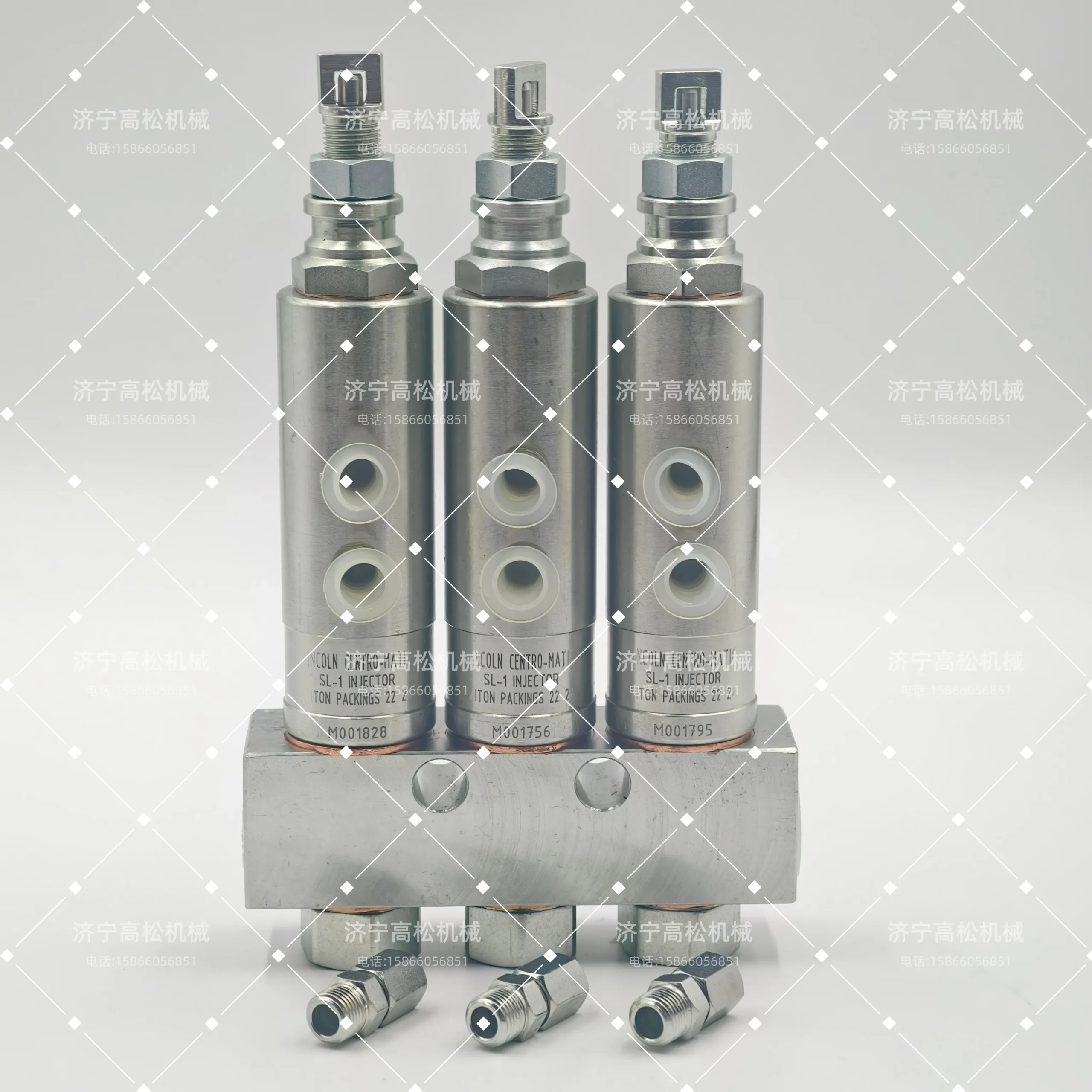 Ekskavatör PC1250-7 PC1250-8 enjektör 581-96-19520…
 -
 21N-30-14170 21N3014170 Spare Ring for Komatsu Excavator PC1250 PC1250SP
 -
707-56-14740 Komatsu D155-3/-5
-
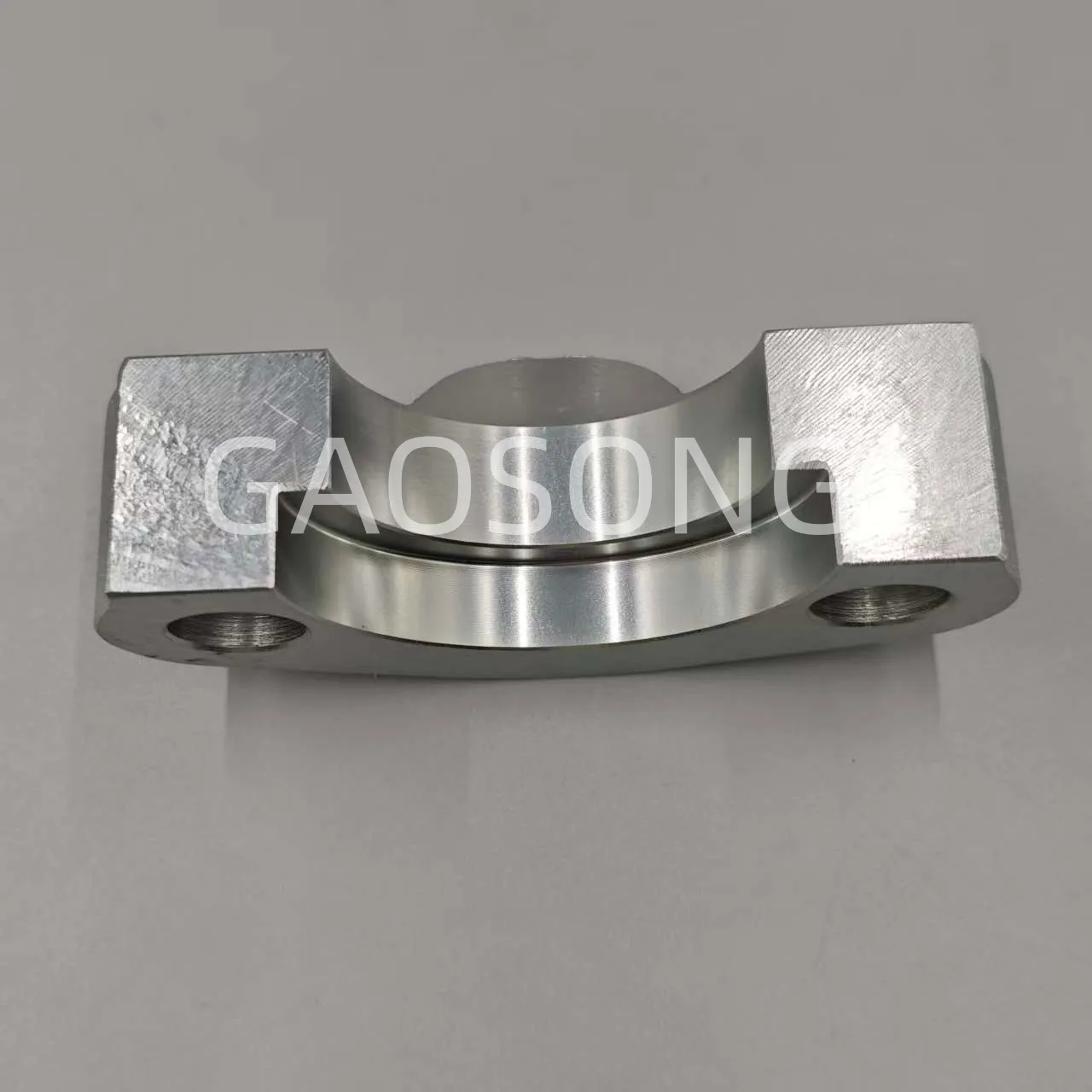 07371-51470 FLANGE-Komatsu Original Factory
 -
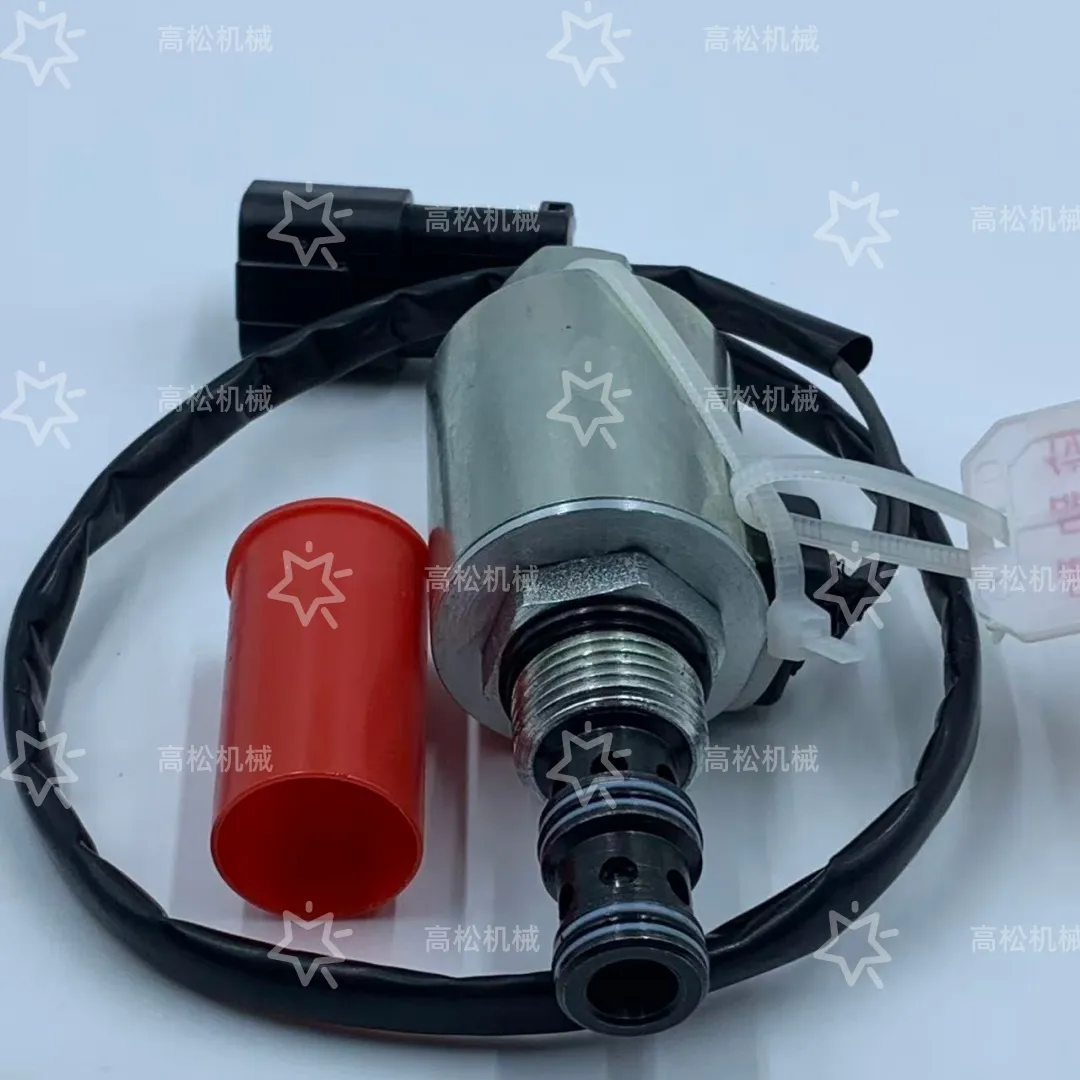 Rotary Solenoid Valve 20Y-60-11713 20Y-60-11673 Fit for Komatsu PC200-5 6D95
 -
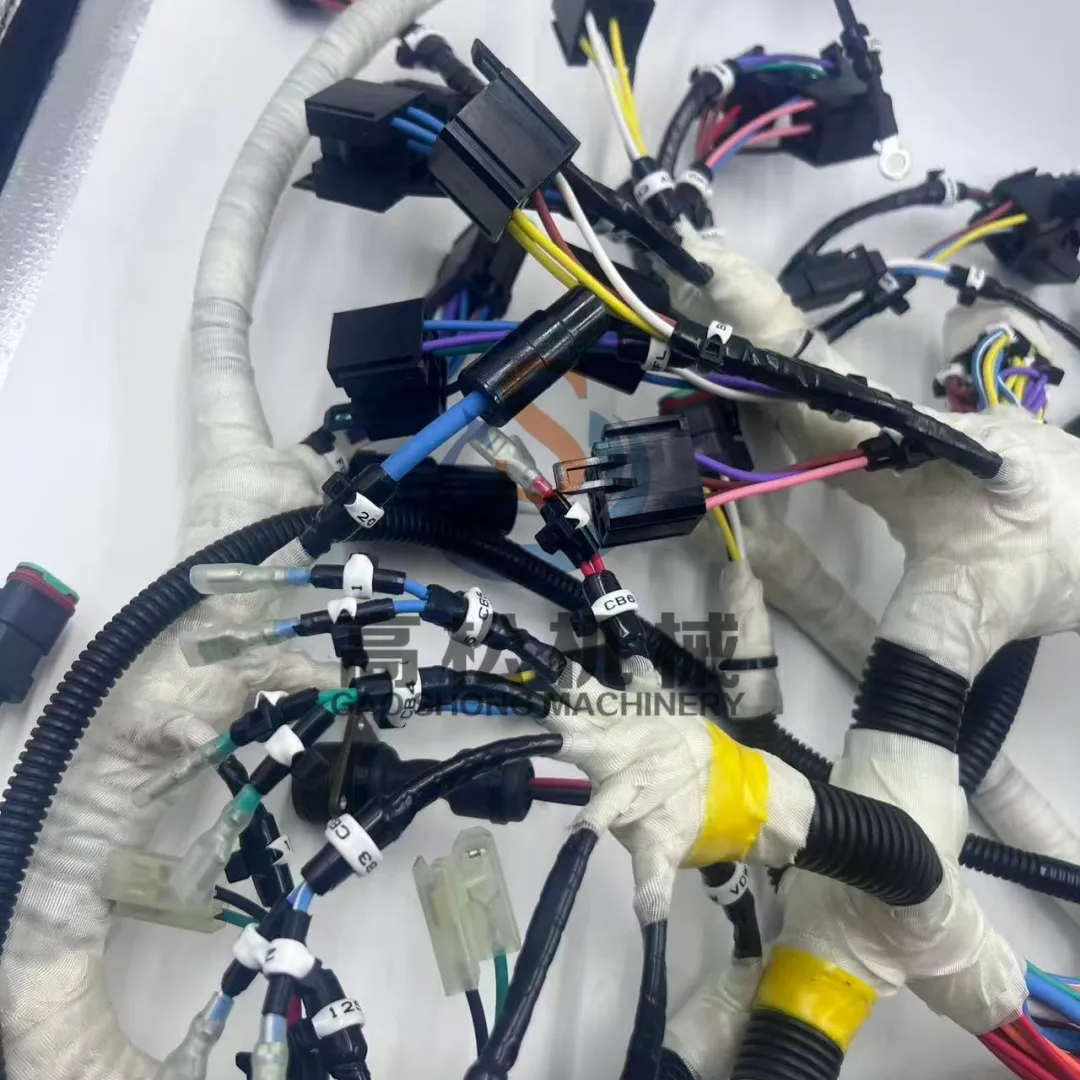 195-06-84471 Komatsu Wiring Harness
 -
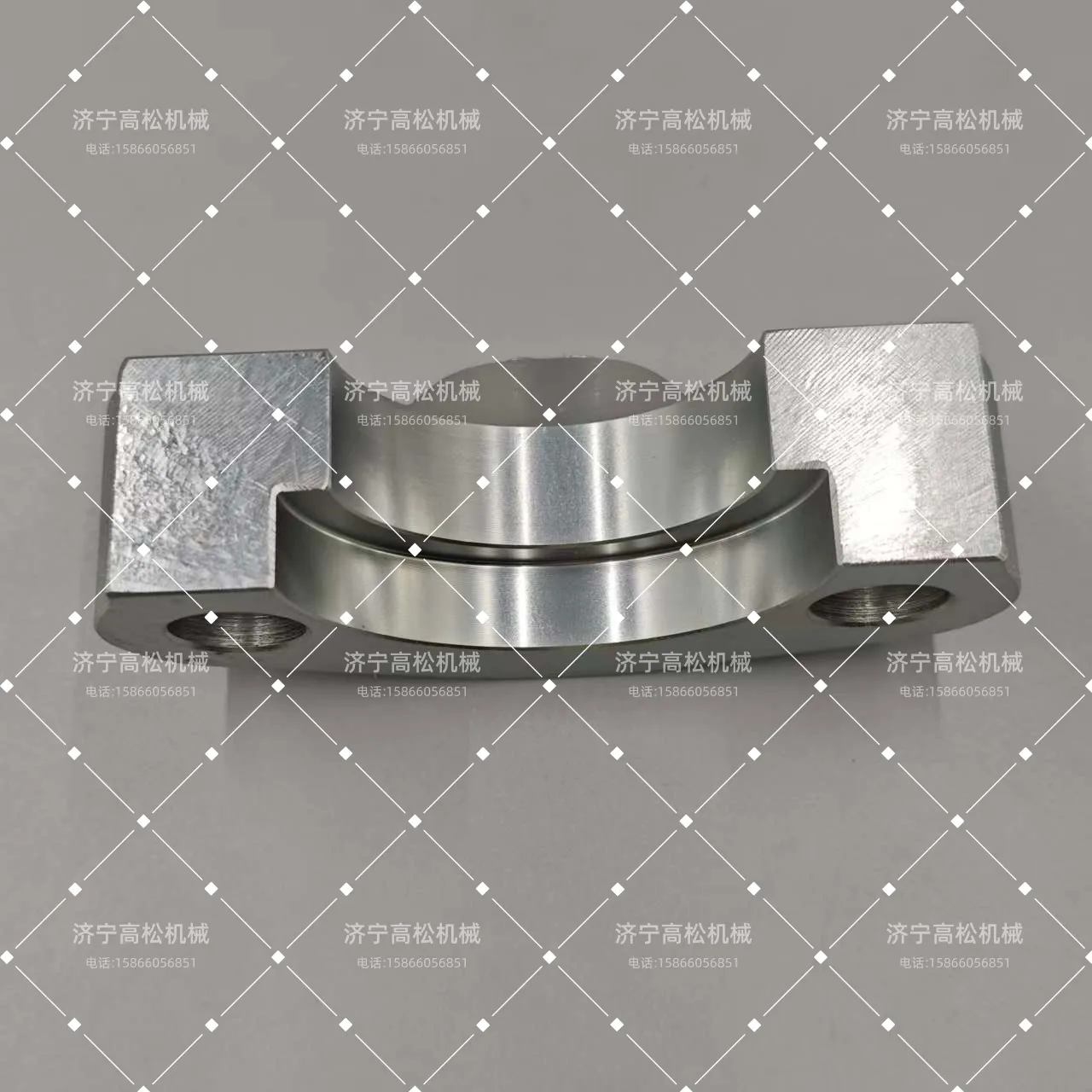 07371-51470 FLANGE