
- Chinese
- French
- German
- Portuguese
- Spanish
- Russian
- Japanese
- Korean
- Arabic
- Irish
- Greek
- Turkish
- Italian
- Danish
- Romanian
- Indonesian
- Czech
- Afrikaans
- Swedish
- Polish
- Basque
- Catalan
- Esperanto
- Hindi
- Lao
- Albanian
- Amharic
- Armenian
- Azerbaijani
- Belarusian
- Bengali
- Bosnian
- Bulgarian
- Cebuano
- Chichewa
- Corsican
- Croatian
- Dutch
- Estonian
- Filipino
- Finnish
- Frisian
- Galician
- Georgian
- Gujarati
- Haitian
- Hausa
- Hawaiian
- Hebrew
- Hmong
- Hungarian
- Icelandic
- Igbo
- Javanese
- Kannada
- Kazakh
- Khmer
- Kurdish
- Kyrgyz
- Latin
- Latvian
- Lithuanian
- Luxembou..
- Macedonian
- Malagasy
- Malay
- Malayalam
- Maltese
- Maori
- Marathi
- Mongolian
- Burmese
- Nepali
- Norwegian
- Pashto
- Persian
- Punjabi
- Serbian
- Sesotho
- Sinhala
- Slovak
- Slovenian
- Somali
- Samoan
- Scots Gaelic
- Shona
- Sindhi
- Sundanese
- Swahili
- Tajik
- Tamil
- Telugu
- Thai
- Ukrainian
- Urdu
- Uzbek
- Vietnamese
- Welsh
- Xhosa
- Yiddish
- Yoruba
- Zulu
- Kinyarwanda
- Tatar
- Oriya
- Turkmen
- Uyghur





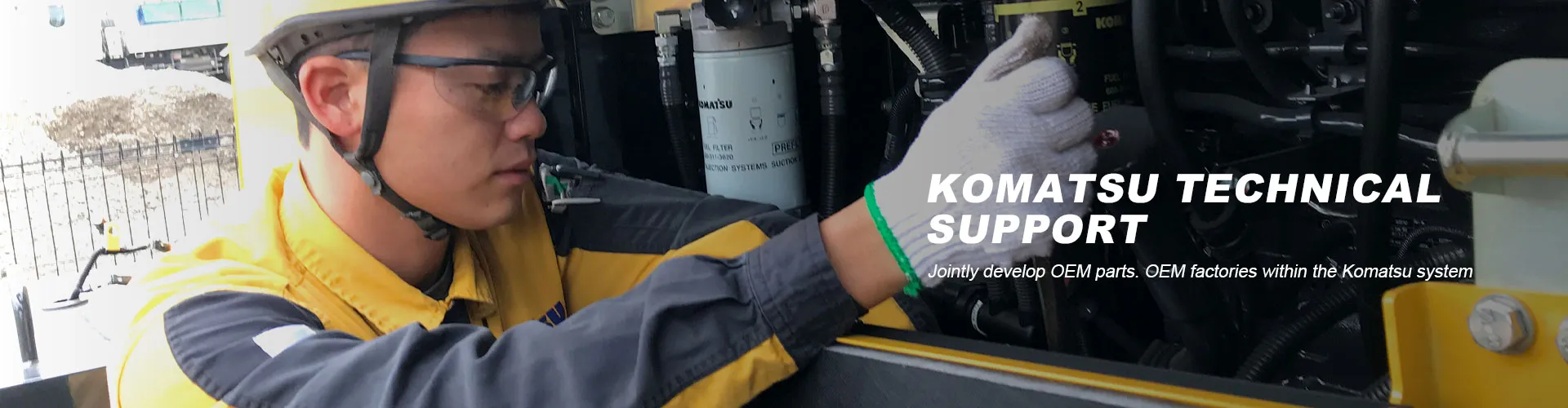
Komatsu engine components
When most people hear 'Komatsu engine components,' they immediately think of pistons, cylinder heads, the SAA6D140E block. That's the surface. The real story, the one that determines whether a machine runs for 30,000 hours or dies at 15,000, is in the supporting cast and the supply chain chaos surrounding them. It's not just about the part; it's about the provenance, the fit, and the often-overlooked ancillary systems that the main assembly depends on. A lot of guys chase the big-ticket items, but downtime usually comes from a $200 sensor or a corroded wiring harness connector that nobody stocked.
The OEM Reality and the Aftermarket Gap
Working with an entity like Jining Gaosong Construction Machinery Co., Ltd. provides a practical lens on this. They position as an OEM product supplier within Komatsu's system, which in practice means access to a tier of components that have passed Komatsu's engineering and quality gates. This is distinct from just selling 'Komatsu-compatible' parts. The nuance matters. For critical Komatsu engine components like fuel injection pumps or ECU controllers, this OEM linkage can be the difference between a plug-and-play fix and weeks of diagnostic hell trying to make an aftermarket unit communicate with the machine's controller.
But here's the catch that their website, https://www.takematsumachinery.com, hints at with their 'third-party sales' role: the official Komatsu channel isn't always the answer, especially in certain regions. Lead times can be prohibitive. I've seen projects stalled for months waiting for a certified turbocharger housing from the primary network. This is where the hybrid model comes in. A supplier operating within the system but also outside it can sometimes source genuine sub-assemblies or cross-reference to a high-quality alternative that the main dealer won't—or can't—offer. It's a pragmatic solution to supply chain fractures.
The misconception is that 'OEM supplier' means only genuine parts in Komatsu boxes. Often, it means producing to Komatsu's print for Komatsu's assembly line. Those same parts, from the same factory line, sometimes enter the aftermarket through parallel channels without the branded packaging. Identifying and trusting those channels is the real skill. A piston ring set might be physically identical, but if the metallurgy batch is different, your rebuild interval could shrink by 40%. You learn to ask for mill test reports, not just part numbers.
Case in Point: The Cooling System Debacle
Let me dig into a specific headache that perfectly illustrates the component interdependency. We had a fleet of PC300-8s with the SAA6D114E engine. Recurring overheating issues. Everyone's first move was to replace the water pump and thermostat—classic Komatsu engine components to target. Did it solve it? Sometimes, for a week. The real culprit was a cascade failure.
The secondary issue was the hydraulic oil cooler, mounted in front of the radiator. Not strictly an engine component, but its failure directly impacts engine temperature. Fins were clogged with dust and debris, reducing overall cooling pack efficiency. But the primary, sneaky villain was the fan drive pump. Its internal wear led to a gradual loss of fan speed, which wasn't dramatic enough to trigger a code but slowly raised operating temps, stressing the entire cooling system. Replacing the water pump without addressing the fan drive was just wasting money.
This is where a supplier's depth matters. Ordering a 'cooling system overhaul kit' from a general catalog might get you the water pump and thermostat. A knowledgeable source, aware of how these systems fail in sequence, would ask about fan performance and suggest checking the pump's flow rate. They might even have a remanufactured fan drive pump unit that's 70% the cost of new and comes with a decent warranty, solving the budget and downtime equation. That's the value-add beyond the transactional part sale.
Sensor and Harness: The Weakest Link
Modern Komatsu engines are a bundle of nerves—sensors everywhere. The crankshaft position sensor, camshaft position sensor, multiple temperature and pressure sensors. These are Komatsu engine components that are treated as commodities, but they're not. I've had brand-new, aftermarket crank sensors fail within 50 hours because the magnetic pulse profile was slightly off. The machine would run, then derate mysteriously, logging intermittent fault codes that drove everyone insane.
The wiring harness is the other nightmare. Vibration and heat are killers. You can install a perfect new injector, but if the injector solenoid connector is brittle and has a high-resistance connection, you'll get misfires. The repair isn't the injector; it's repairing the pin sockets in the connector or replacing a harness section. Most parts diagrams show the harness as one monolithic part number costing a fortune. In reality, many sections can be repaired or replaced individually if you have the correct OEM-grade terminals and seals.
This is an area where Jining Gaosong's dual role is critical. As an OEM supplier, they might have access to the proper Sumitomo or Yazaki connectors and the crimping tools needed for a reliable repair. As a third-party solver, they can provide a serviceable harness sub-loom for a specific engine side, rather than forcing the purchase of a $3,000 full main harness. That kind of pragmatic support builds long-term trust on the ground.
The Fuel System Precision
Nothing demands OEM-grade like the fuel system on a common-rail Komatsu. The HPCR pump, the rail, the injectors. Tolerances are microscopic. I learned this the hard way early on by trying to save cost on a set of aftermarket injectors for a D61EXi. The machine ran, but fuel consumption spiked by 15%, and the exhaust had a slight haze under load. The aftermarket nozzles simply didn't atomize fuel to Komatsu's specification. We swapped them out for a set sourced through a proper channel, and efficiency returned.
The calibration data is key. Genuine Komatsu engine components like injectors often come with individual QR codes or calibration files that need to be entered into the engine controller during replacement. Using uncoded or improperly coded injectors can lead to cylinder imbalance. A good supplier understands this process. They're not just shipping a box; they're providing the necessary support data or clarifying if the ECU needs a dealer tool to register the new components. If they're just a warehouse, they won't know or care about this step.
Filtration is part of this system, too. Using a sub-par fuel filter can allow particles through that will erode the injector's nozzle in a few hundred hours. It's a false economy. The filter isn't just a canister; it's a protective component for the entire high-pressure system. Sticking to filters that meet Komatsu's original spec for micron rating and water separation is non-negotiable, even if the brand on the can is different.
Practical Sourcing and Final Thoughts
So how does this all come together in the field? You develop a shortlist. For core rotating assemblies—crankshafts, connecting rods, bearing shells—I lean heavily on the OEM-supplier network. The risk of failure is too high. For components like gasket kits, certain bolts, and non-critical brackets, quality aftermarket is fine. The grey area is in electronic components and hydraulic-driven accessories (like the fan pump I mentioned). That's where a relationship with a technically competent supplier pays off.
A company like Jining Gaosong, by being inside the Komatsu system yet operating with third-party flexibility, fills that grey area. Their stated goal of solving parts supply challenges in certain countries isn't just marketing; it's the daily reality for equipment managers in Africa, South America, or remote parts of Asia. They become a problem-solving node, not just a vendor. You call them with a symptom, and a good conversation might lead to them suggesting a less obvious component or a known workaround.
In the end, managing Komatsu engine components is about understanding the ecosystem. It's a mix of strict adherence to OEM specs for critical items, smart substitution where possible, and, most importantly, having a supply partner who understands the difference. The goal isn't to always buy the most expensive part, but to buy the right part with the right pedigree for the specific failure mode you're addressing. That knowledge isn't in a catalog; it's built from torn-down engines, diagnostic logs, and a network of people who've seen the same problems before.
Related Products
Related Products
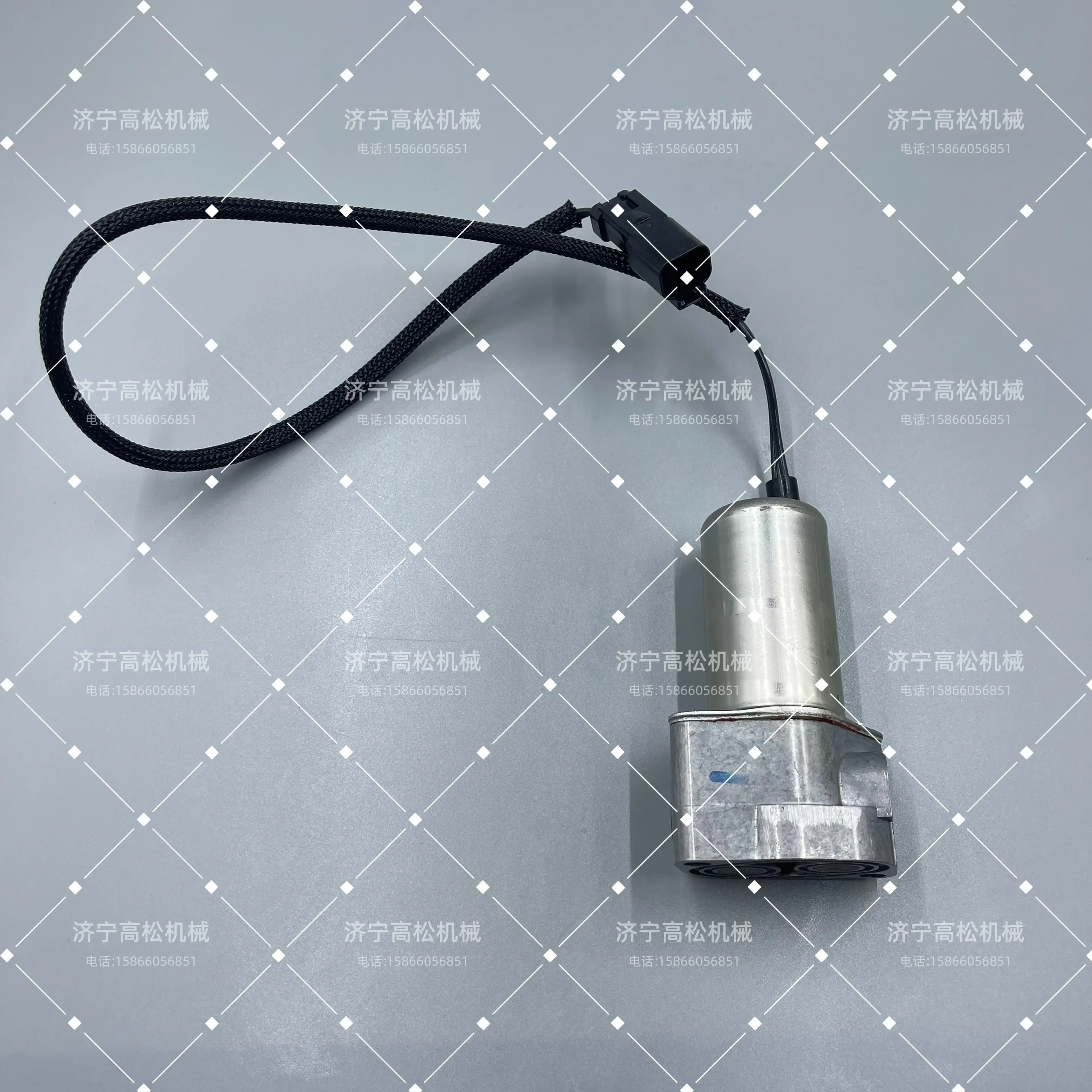
Best Selling Products
Best Selling Products-
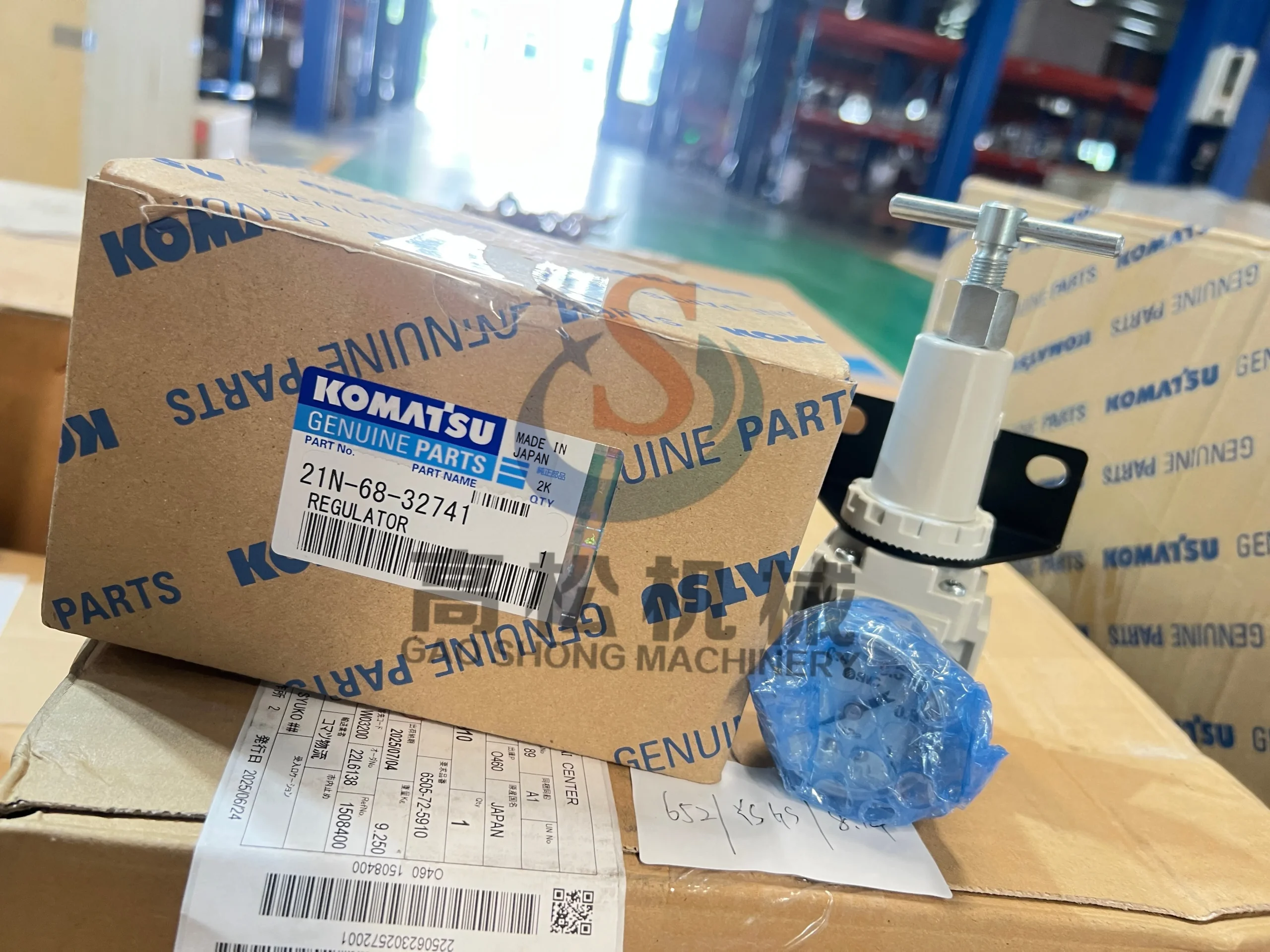 REGULATOR – 21N-68-32741
 -
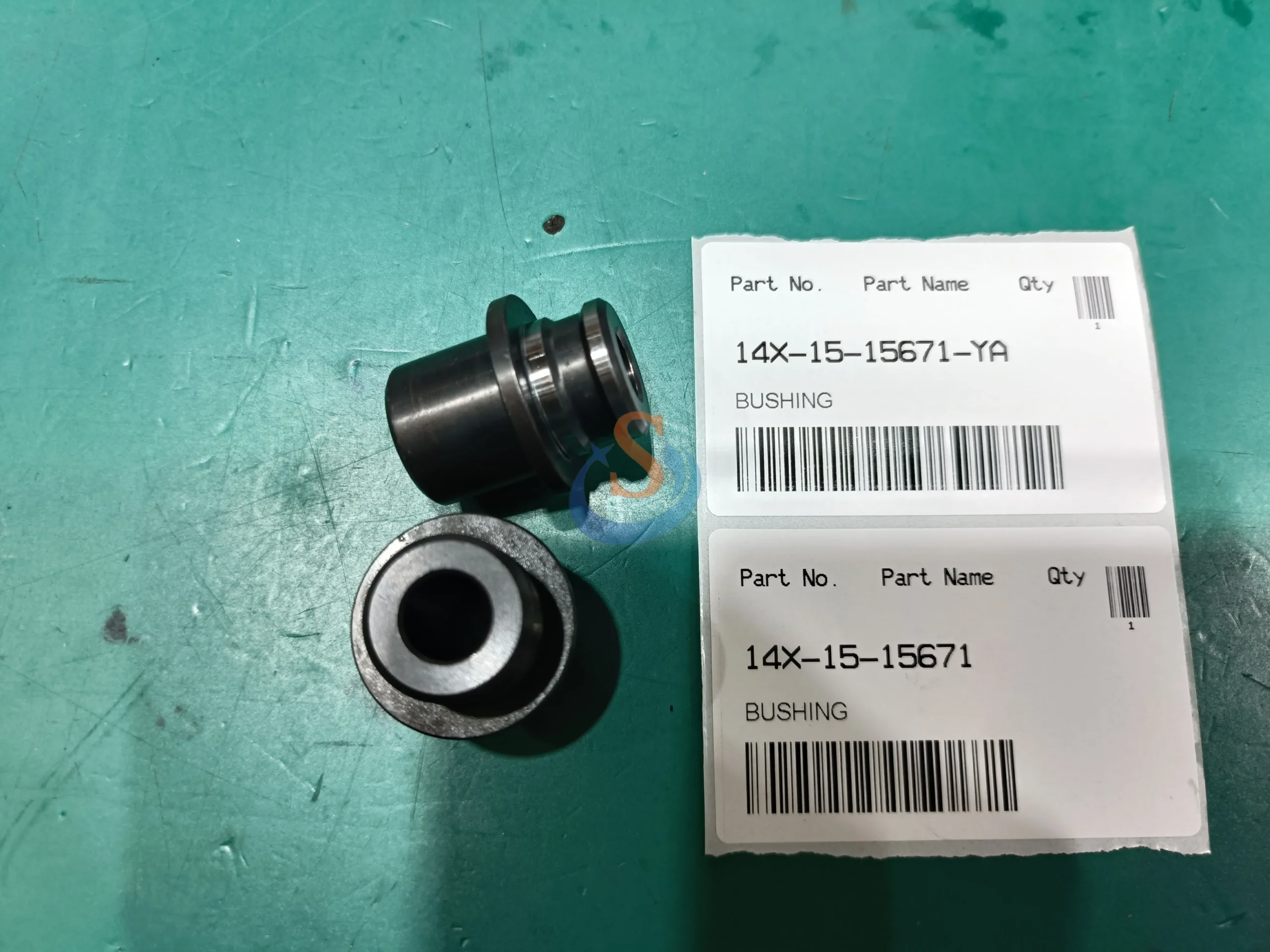 14X-15-15671 komatsu BUSHING D155A/D65EX
 -
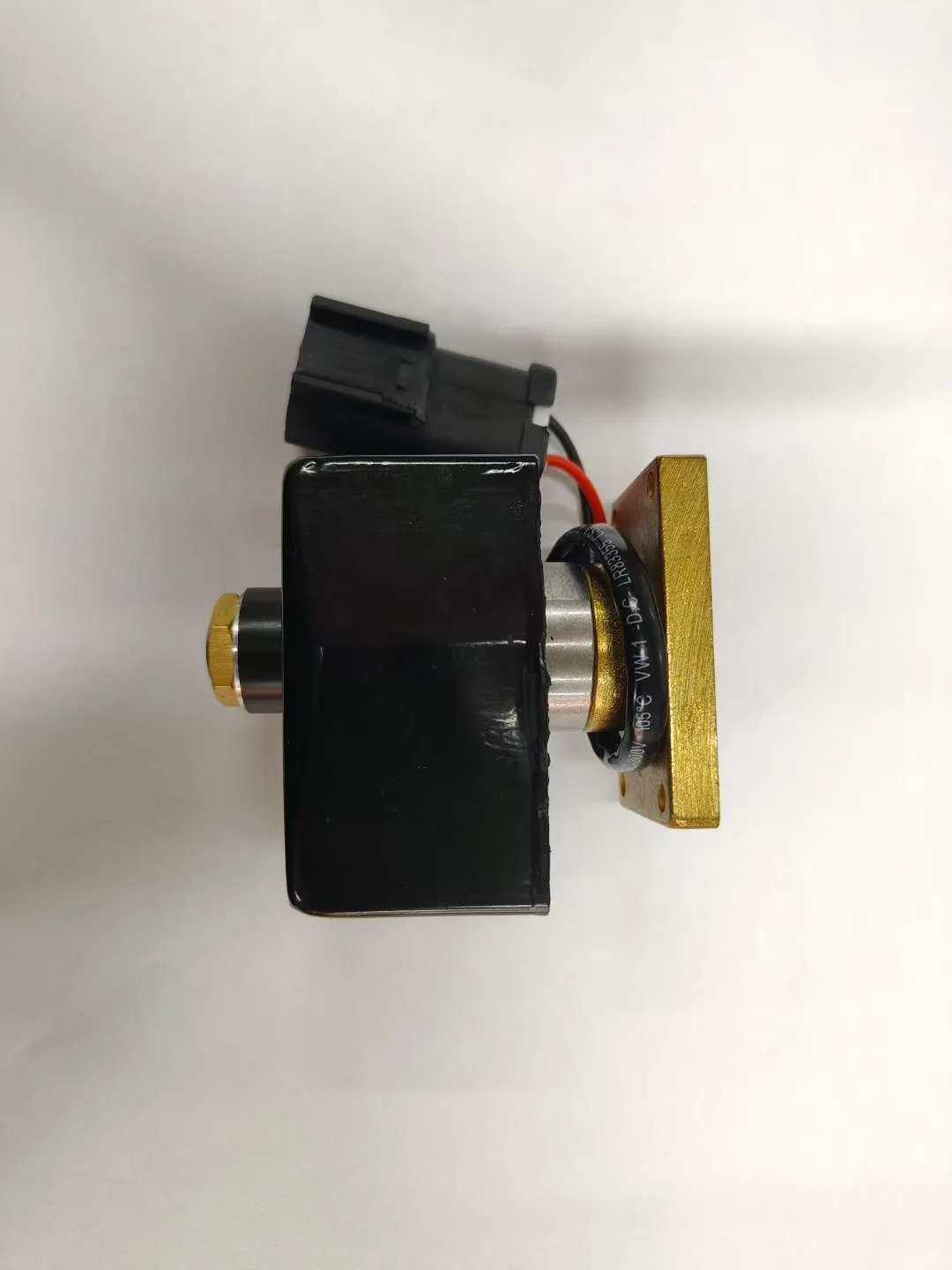 WA470-3 solenoid valve assembly 714-07-16730
 -
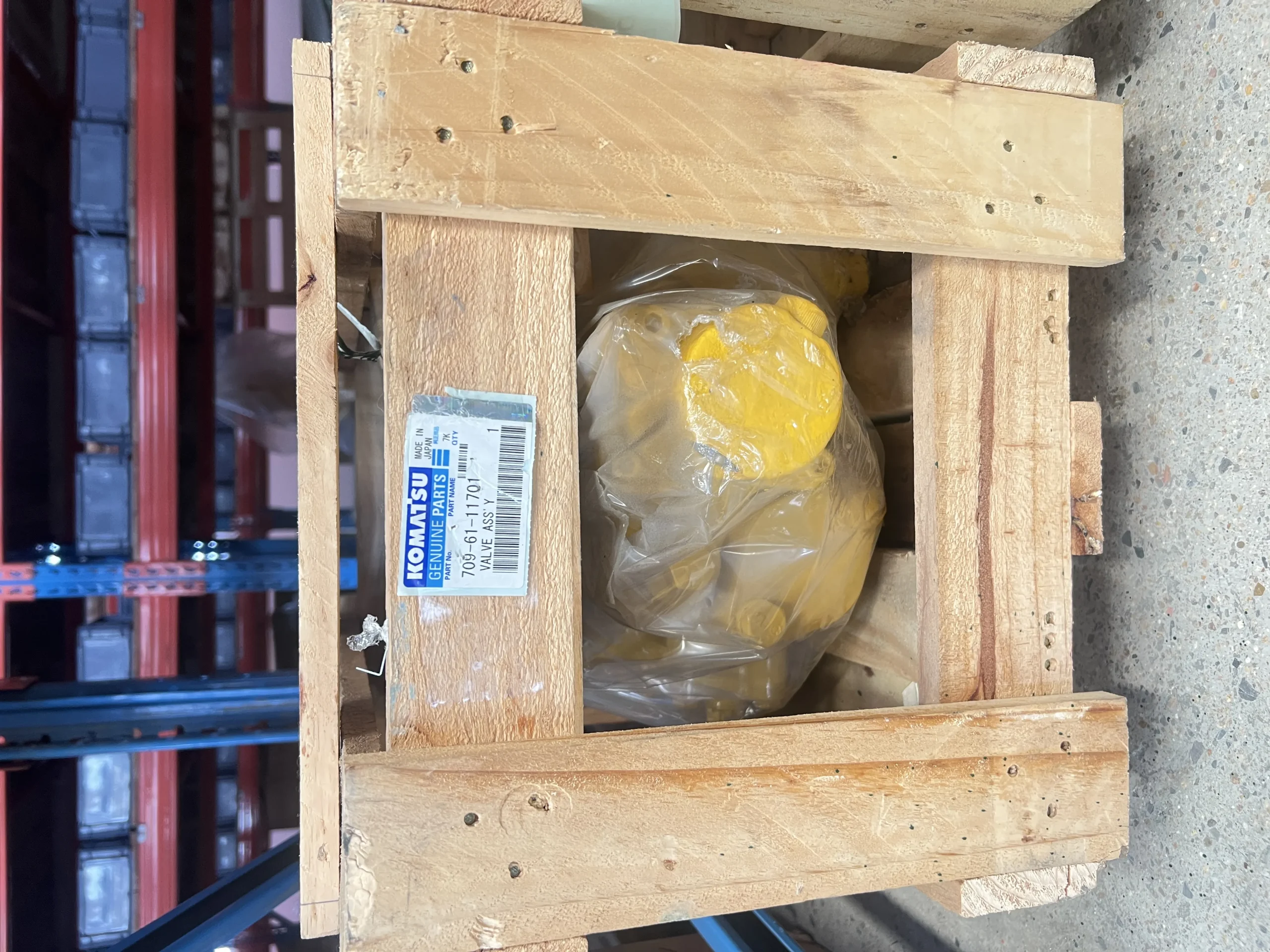 709-61-11701 Valve Assembly for Komatsu D375A-5D
 -
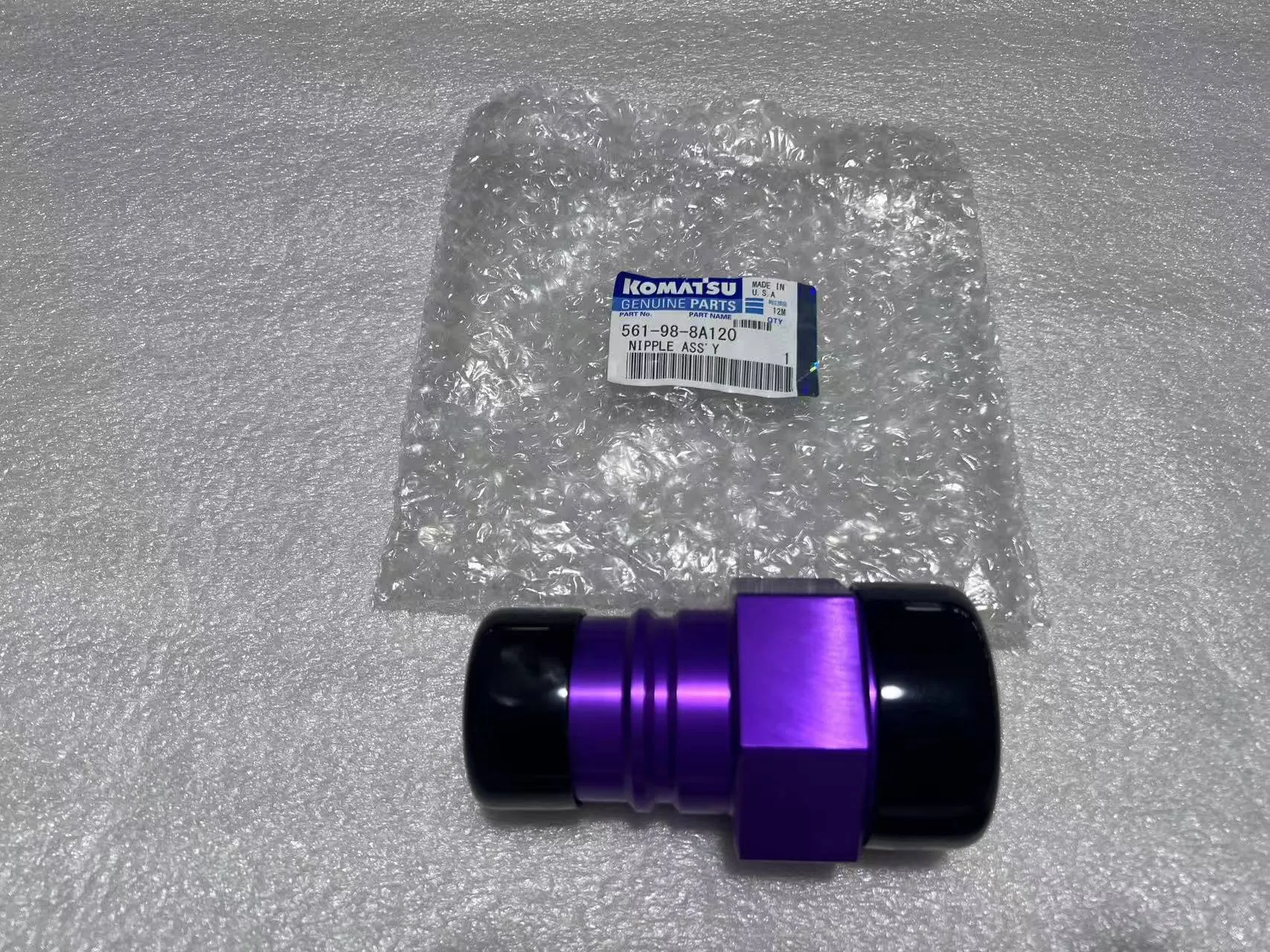 Joint component561-98-8A120
 -
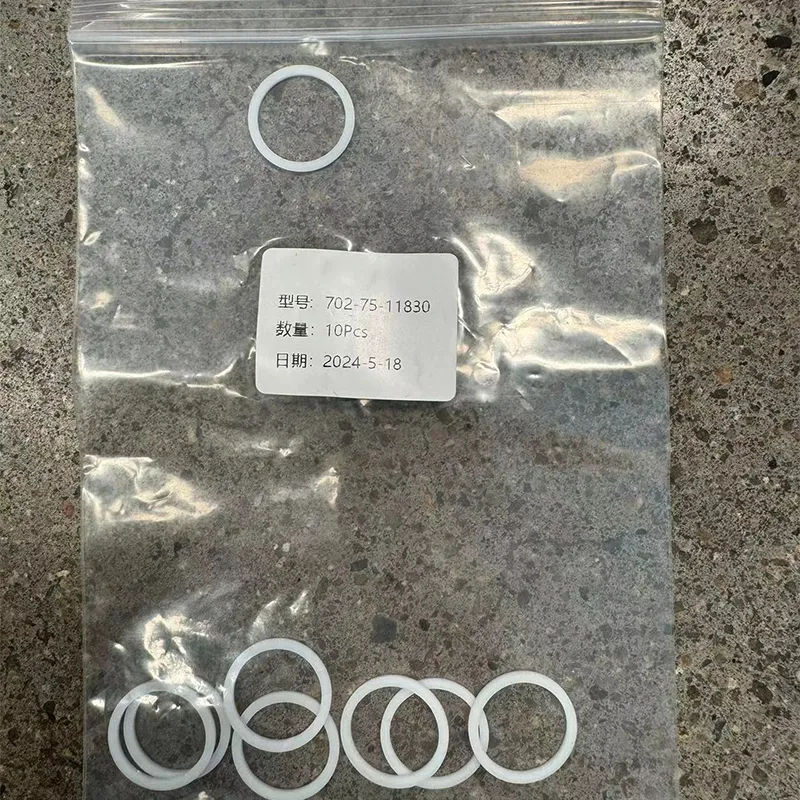 Original komatsu PC360LC-10 Ring 702-75-11830
 -
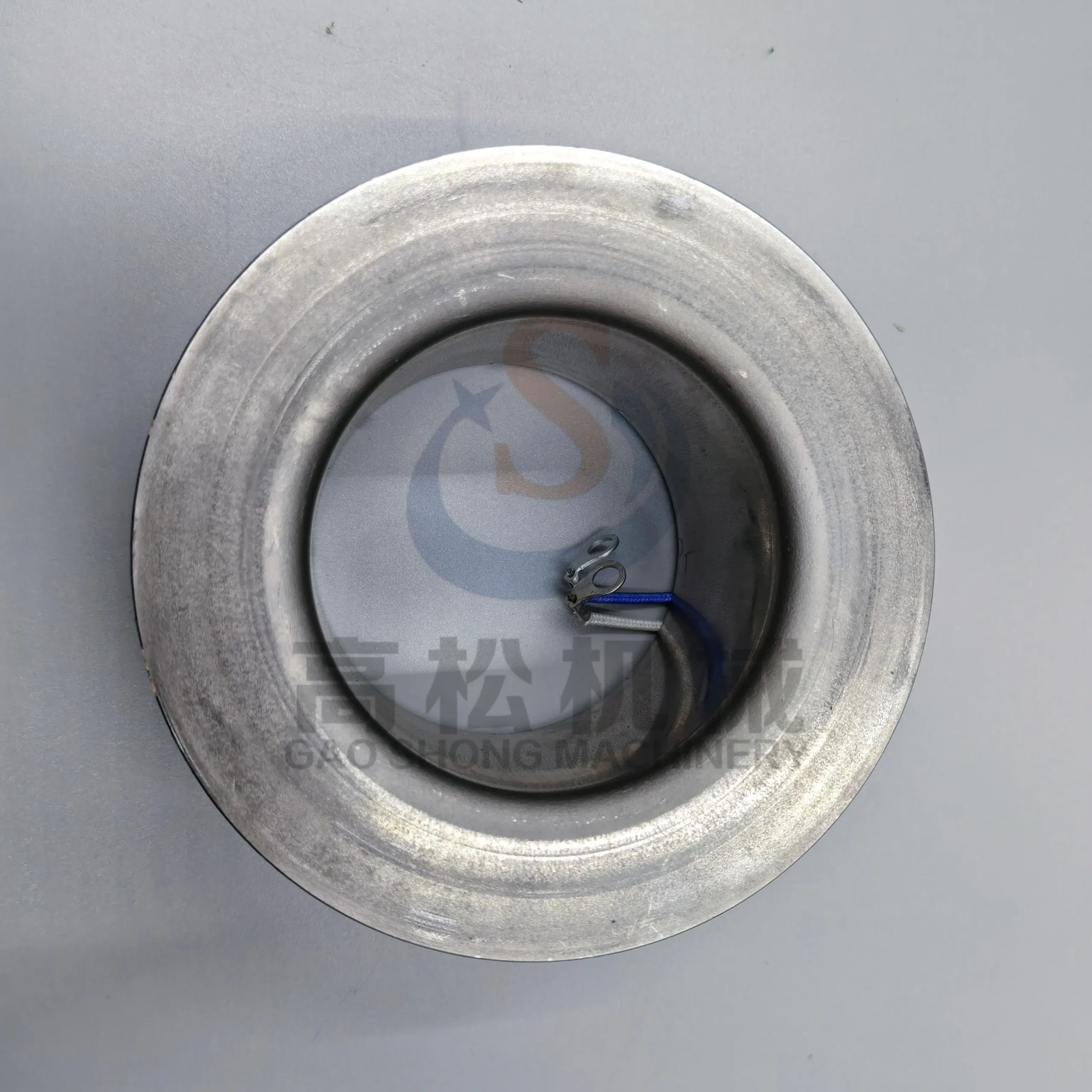 KD0-35120-0250 Komatsu Coil Assembly
 -
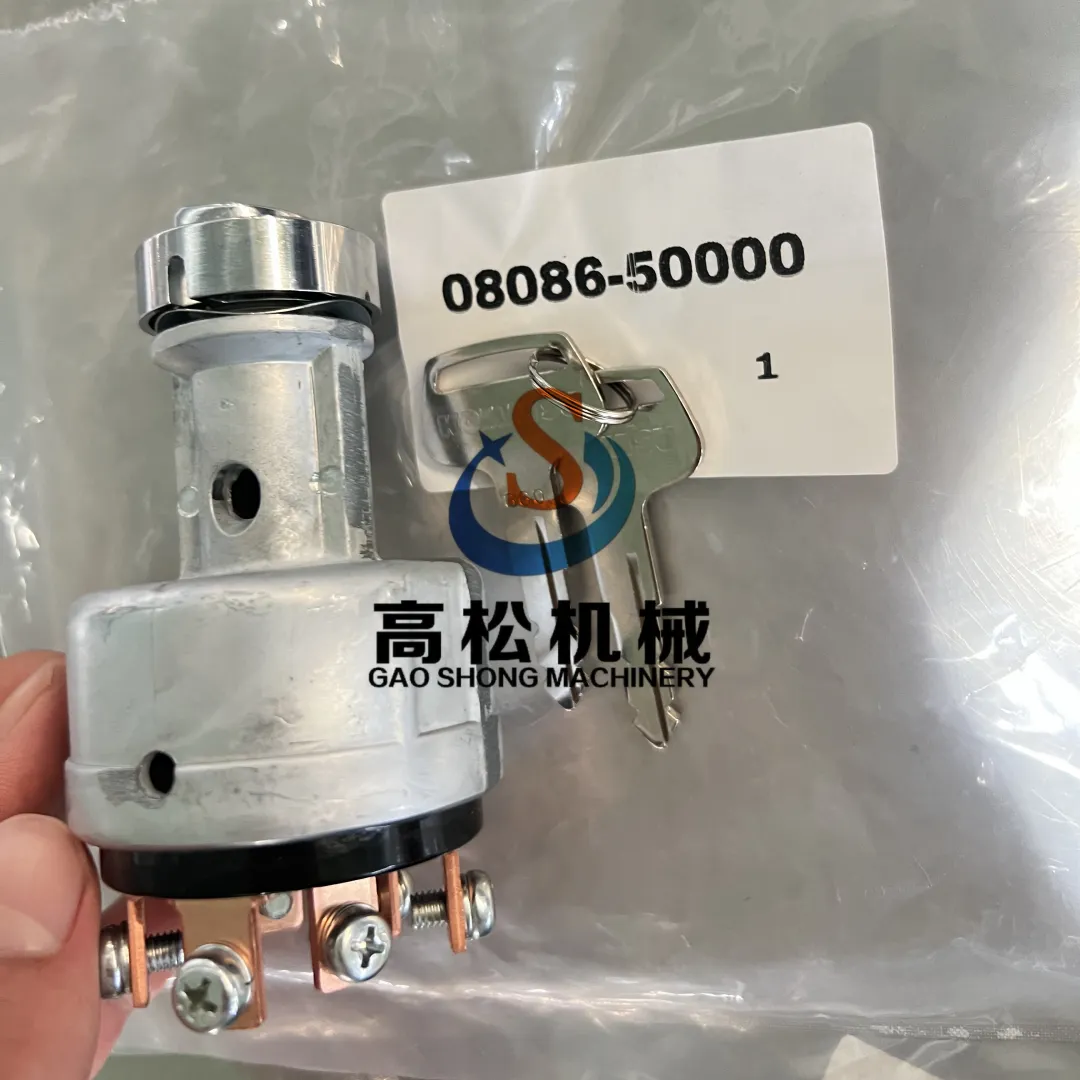 08086-50000Komatsu 08086-50000 Replacement Ignition Switch
 -
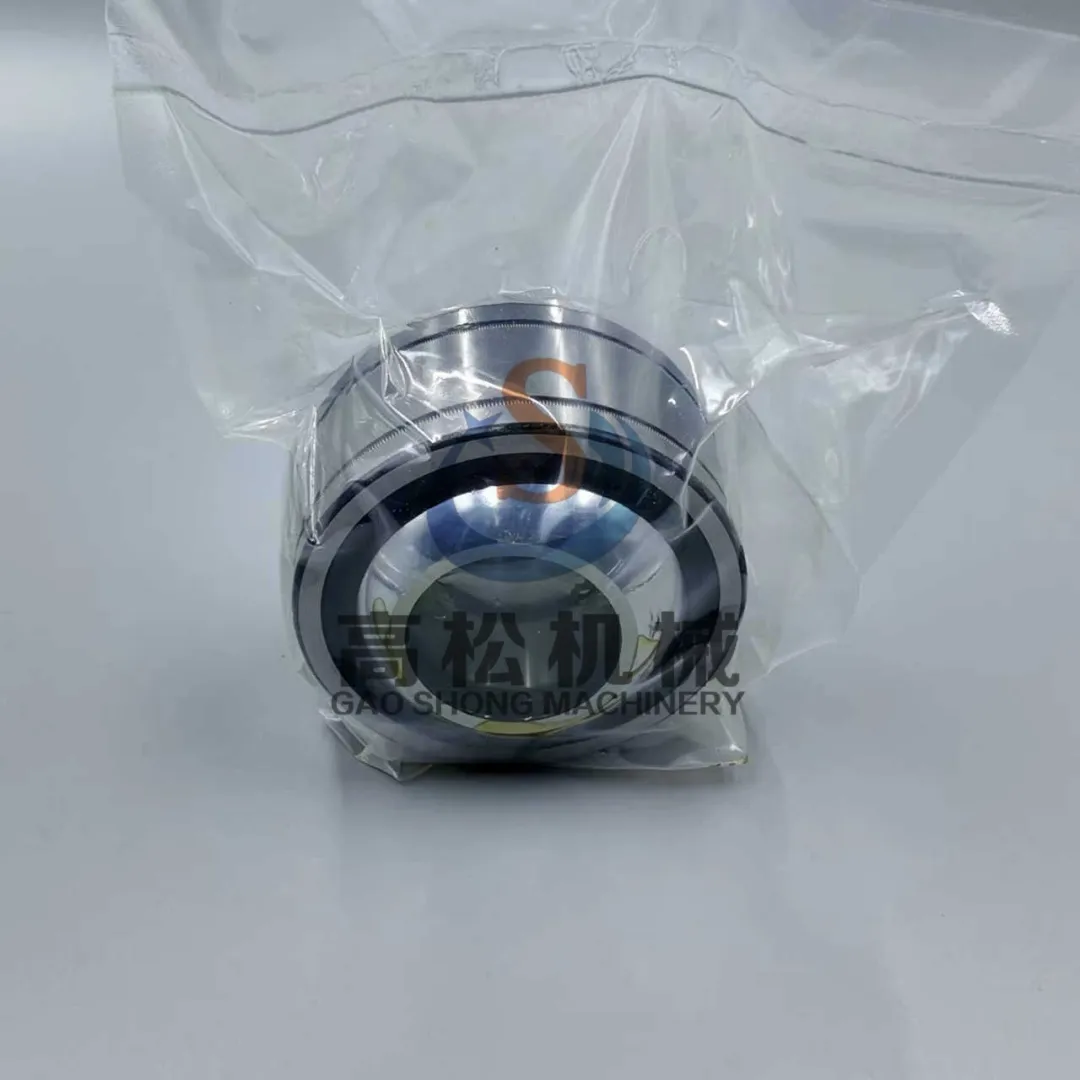 BUSHING 07137-04006 – KOMATSU Part
 -
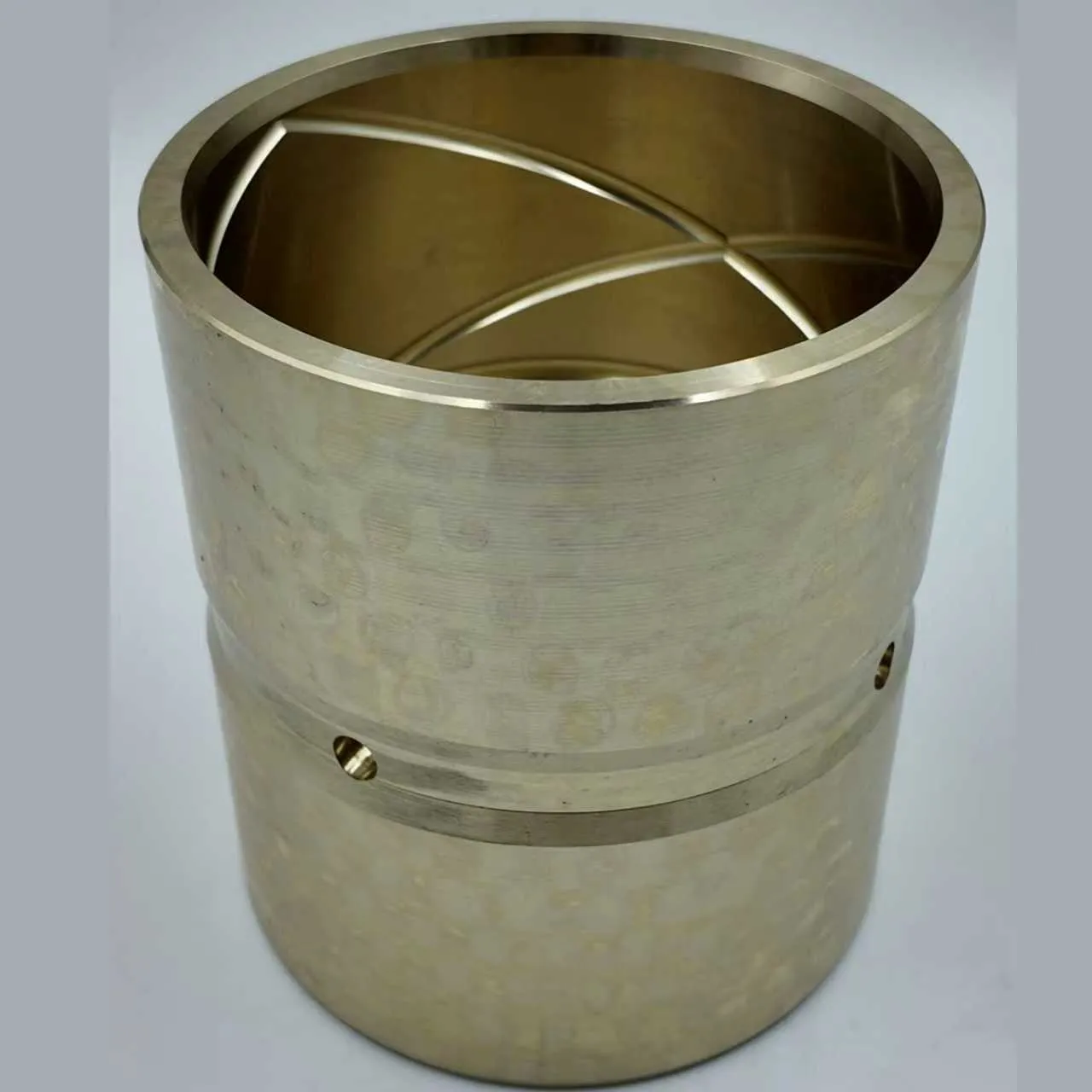 Bushing 207-70-61610 for Komatsu PC350-7 PC300LC-7 PC300-8 PC300LC-7L PC300-7
 -
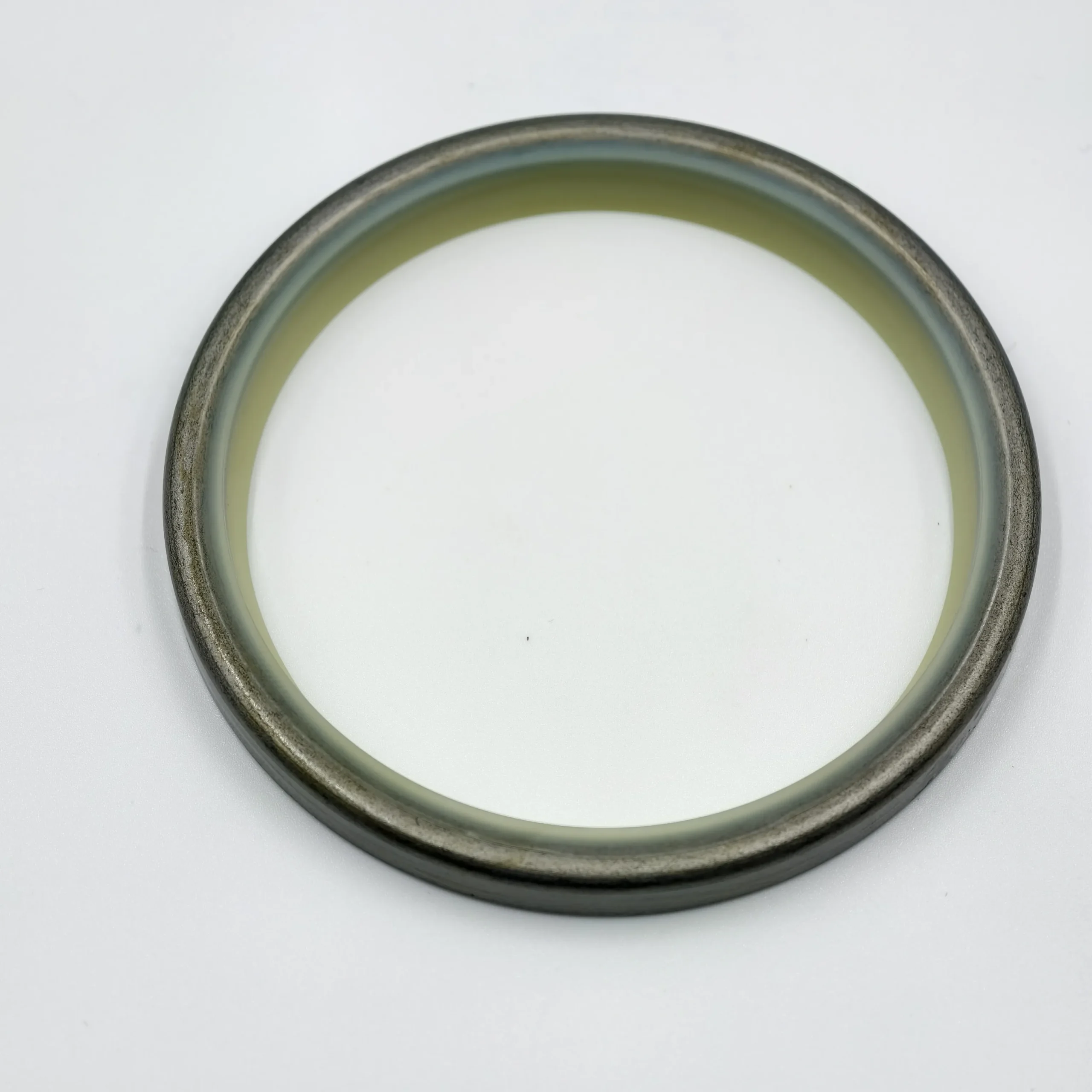 Komatsu 17M-50-24360 Seal, price for original and… — Pricing.Parts
 -
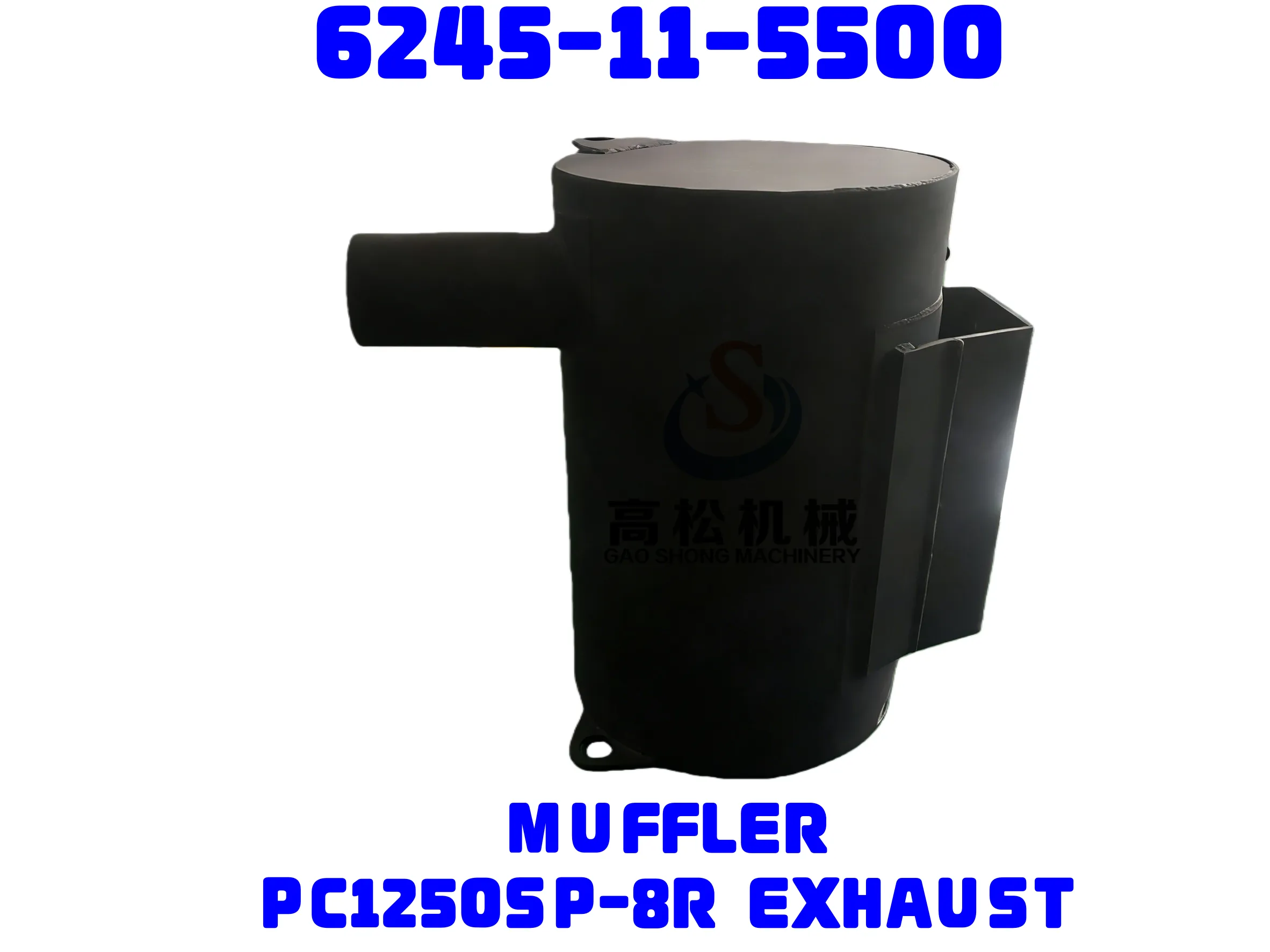 komatsu-part-6245-11-5500 MUFFLER PC1250-8R SAA6D170E-5CR MUFFLER MOUNTING (TROPICAL GROUND SPEC. 55ЯC EXHAUST (+55C SPEC.) EXHAUST MUFFLER