
- Chinese
- French
- German
- Portuguese
- Spanish
- Russian
- Japanese
- Korean
- Arabic
- Irish
- Greek
- Turkish
- Italian
- Danish
- Romanian
- Indonesian
- Czech
- Afrikaans
- Swedish
- Polish
- Basque
- Catalan
- Esperanto
- Hindi
- Lao
- Albanian
- Amharic
- Armenian
- Azerbaijani
- Belarusian
- Bengali
- Bosnian
- Bulgarian
- Cebuano
- Chichewa
- Corsican
- Croatian
- Dutch
- Estonian
- Filipino
- Finnish
- Frisian
- Galician
- Georgian
- Gujarati
- Haitian
- Hausa
- Hawaiian
- Hebrew
- Hmong
- Hungarian
- Icelandic
- Igbo
- Javanese
- Kannada
- Kazakh
- Khmer
- Kurdish
- Kyrgyz
- Latin
- Latvian
- Lithuanian
- Luxembou..
- Macedonian
- Malagasy
- Malay
- Malayalam
- Maltese
- Maori
- Marathi
- Mongolian
- Burmese
- Nepali
- Norwegian
- Pashto
- Persian
- Punjabi
- Serbian
- Sesotho
- Sinhala
- Slovak
- Slovenian
- Somali
- Samoan
- Scots Gaelic
- Shona
- Sindhi
- Sundanese
- Swahili
- Tajik
- Tamil
- Telugu
- Thai
- Ukrainian
- Urdu
- Uzbek
- Vietnamese
- Welsh
- Xhosa
- Yiddish
- Yoruba
- Zulu
- Kinyarwanda
- Tatar
- Oriya
- Turkmen
- Uyghur






Komatsu engine
When you hear 'Komatsu engine', most people immediately picture the big yellow iron, the excavators and dozers. That's not wrong, but it's a starting point that misses the depth. The real story isn't just the engine block with the Komatsu logo; it's the ecosystem around it—the design philosophy, the parts labyrinth, and the on-ground reality of keeping these powerplants running outside the perfect conditions of a first-line fleet. I've seen too many operations get hung up on the OEM purity myth, sometimes to their own cost. Let's talk about what these engines actually are in the real world.
The Core Philosophy: Integrated Design, Not Just an Engine
Komatsu doesn't just buy an engine and drop it in a chassis. Their approach is integration. A Komatsu engine, say the SAA6D140E-3 in a PC360, is tuned from the software up to work with the hydraulic system. The ECU talks to the pump controllers. This is key. You can't just view it as a standalone component. I've watched mechanics try to solve a hydraulic lag issue by chasing pump pressures for days, only to find a fault code buried in the engine ECM that was derating the whole system. The engine is the brain's stem for the machine's power.
This integration creates a paradox. It delivers fantastic fuel efficiency and responsive control when everything is factory-fresh and matched. But it also builds a walled garden. The aftermarket has a harder time cracking this code compared to, say, a Cat C7 which has a more universal electronic architecture. For a long time, this meant if you had a major failure, your only path was through Komatsu's parts desk, which could be a budget-killer and a timeline nightmare, especially in regions without a strong dealer presence.
That's where the landscape started to shift. Companies that truly understood the system, not just as parts changers but as system analysts, began to emerge. They operated in that grey area between pure OEM and generic aftermarket. I'm thinking of suppliers like Jining Gaosong Construction Machinery Co., Ltd.. Their positioning is telling: an OEM product supplier within the Komatsu system and a third-party sales company. That dual role is critical. It means they have access to genuine channels but are also motivated to solve the supply chain problems that the official network sometimes can't or won't address quickly for every customer. Their site, https://www.takematsumachinery.com, frames it as solving parts supply challenges in certain countries. That's the polite, professional way of saying they bridge the gap when the official pipeline is clogged, too expensive, or simply non-existent.
The Parts Puzzle: Genuine, Compatible, or Just Good Enough?
Here's where the rubber meets the road, or rather, where the piston meets the liner. Let's take a common wear item: fuel injectors for the 6D107 engine series. The OEM part is exorbitant. The market floods with 'compatible' clones from every corner of the globe. I've tested batches where maybe 3 out of 10 would work without throwing a fault or causing a slight misfire that the machine's monitoring system would oddly tolerate but that would burn excess fuel. The failure wasn't catastrophic, just expensive over time.
A professional third-party supplier in the Komatsu ecosystem doesn't deal in those clones. They might source from the same Tier 1 or Tier 2 manufacturer that supplies Komatsu, but without the final branding and markup. Or they might remanufacture cores to a spec that meets or exceeds the original performance parameters. The value isn't just in the lower price; it's in the validation. When a company like the one mentioned states they are an OEM product supplier within the system, it implies a level of traceability and specification adherence that a random parts shop can't claim.
I recall a project in a remote mining area. We had a Komatsu engine auxiliary water pump fail. The local Komatsu dealer's lead time was 12 weeks. Airfreight was astronomical. We found the pump through a third-party system supplier who cross-referenced the Komatsu part number to the original pump manufacturer's industrial model number. It was physically identical, down to the bolt pattern, but lacked the Komatsu paint and part sticker. Cost was 40% less, and it arrived in 5 days. The machine ran for another 8000 hours without issue. That's solving a supply challenge. It's not about circumventing the OEM; it's about understanding the component's origin.
Failure Modes and the Diagnostic Mindset
These engines are robust, but they have their quirks. The early electronic-controlled models had sensitive pressure sensors on the common rail. A tiny leak in the fuel line upstream could cause erratic pressure readings, leading the ECU to go into a panic mode and derate. The diagnostic code would point to the sensor, but the root cause was a worn O-ring on a fitting. You'd replace the $800 sensor and the problem would return in a month. The lesson? Always start with the mechanical basics, even on a fully electronic engine. Check for air ingress, minor leaks, and loose grounds.
Another common pitfall is over-maintenance on the air intake side. The air filters are excellent, but I've seen crews replace them too frequently, sometimes damaging the sealing surface in the process. More dust is ingested from a poorly seated filter than from one that's 50 hours past its theoretical service life but still intact. The engine's air flow meter can get contaminated from this, sending incorrect data and affecting combustion efficiency. It's a slow burn, not a sudden stop.
The cooling system is another silent killer. Komatsu uses specific coolant additives. Using a generic universal coolant can lead to galvanic corrosion in the aluminum parts of the heat exchanger over time, causing pinhole leaks that pressurize the cooling system and lead to head gasket issues. It's a two-year time bomb. A good supplier will emphasize these consumables, not just the hard parts.
The Remanufacturing Question: Core is King
When a Komatsu engine reaches a major overhaul threshold, the debate is always: OEM reman, third-party reman, or local rebuild? The OEM reman unit is fantastic—it's essentially a new engine with a warranty backed by the dealer network. But the cost is prohibitive for many. A local rebuild depends entirely on the skill of the machinist and the quality of the replacement components.
The middle path is a professional third-party remanufacturer who specializes in Komatsu systems. Their business lives and dies by the quality of their core inventory and their rebuild process. They need clean, rebuildable cores. This is a hidden part of the ecosystem. Companies like Jining Gaosong, by virtue of their position, often have access to a stream of quality cores from the markets they serve. Their rebuilds can be a smart option because they understand the specific failure points of, say, a SAA6D125E cylinder block and will upgrade the liner sealing method if a weakness is known.
I used one of these units on a Komatsu HD785-5 truck. The OEM lead time was 26 weeks. The third-party reman unit arrived in 6, with a clear specification sheet showing what was replaced (new liners, pistons, bearings, gaskets) and what was re-used (the crankshaft, machined and polished). It included a 12-month/3000-hour warranty. We're at 4500 hours now with zero issues. The risk was mitigated by the supplier's reputation within the Komatsu support network.
The Future: Support as the Real Product
Ultimately, the engine is a piece of hardware. The product is uptime. The future isn't in selling more engines; it's in supporting the existing fleet in a more agile, intelligent way. This means digital support—access to technical bulletins, wiring diagrams, and maybe even telematics data analysis for predictive maintenance.
A supplier's website is no longer just a catalogue. A site like https://www.takematsumachinery.com becomes a portal. Does it offer parts manuals? Can you search by Komatsu serial number? Does it have cross-reference data? This technical backing is what separates a real participant in the Komatsu ecosystem from a parts reseller. It shows they are invested in solving the problem, not just moving a box.
The Komatsu engine will continue to evolve, with more electronics, more integration, and tighter emissions controls. The complexity will increase. But so will the need for intelligent, flexible support channels that operate with the system's knowledge but outside its sometimes rigid logistics. That's the niche being filled. It's not about competing with Komatsu; it's about complementing them in areas they can't fully cover, ensuring that machines, and the projects they power, don't sit idle waiting for a part to cross an ocean. That's the practical reality of the business.
Related Products
Related Products

Best Selling Products
Best Selling Products-
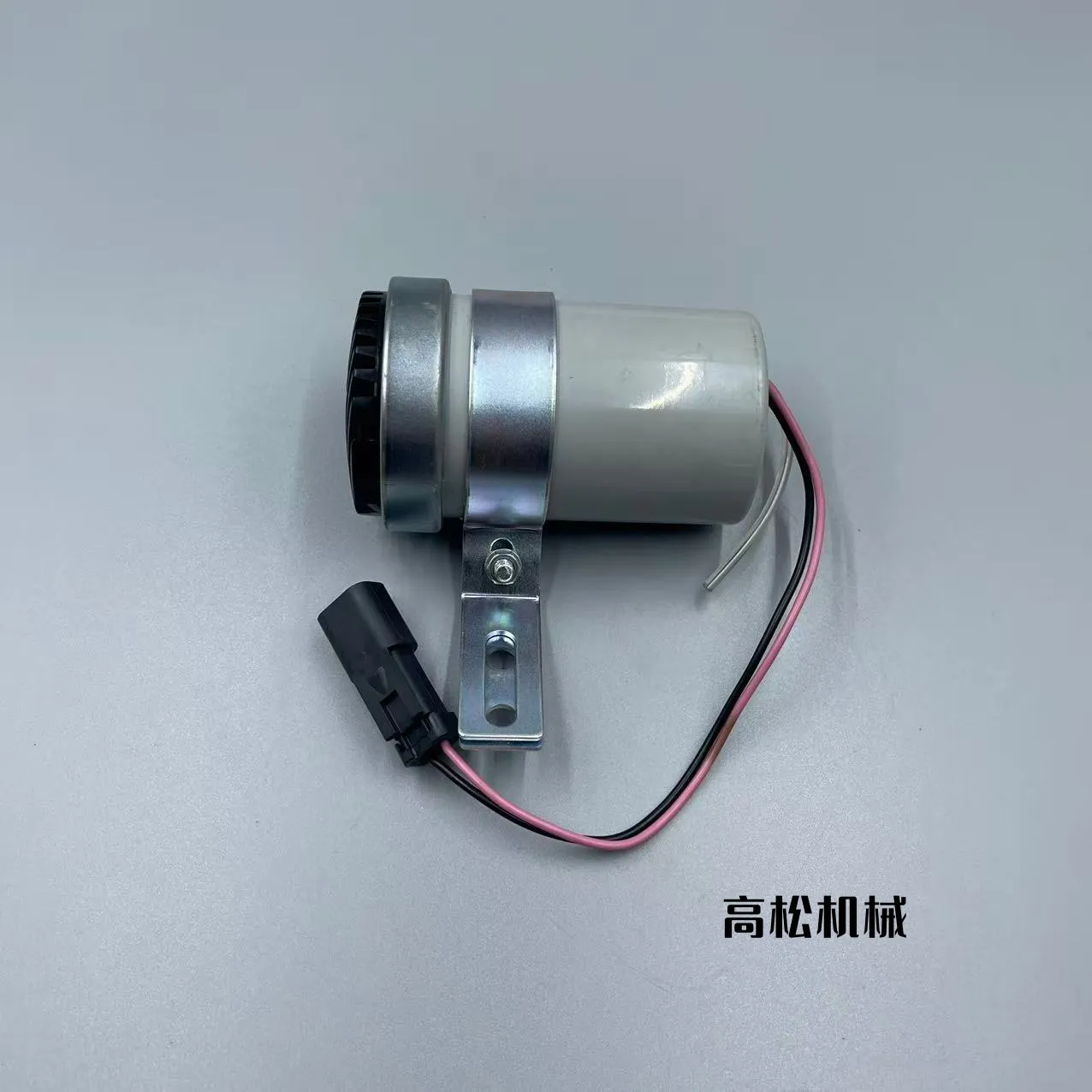 198-06-56570 BUZZER-Komatsu Original Factory
 -
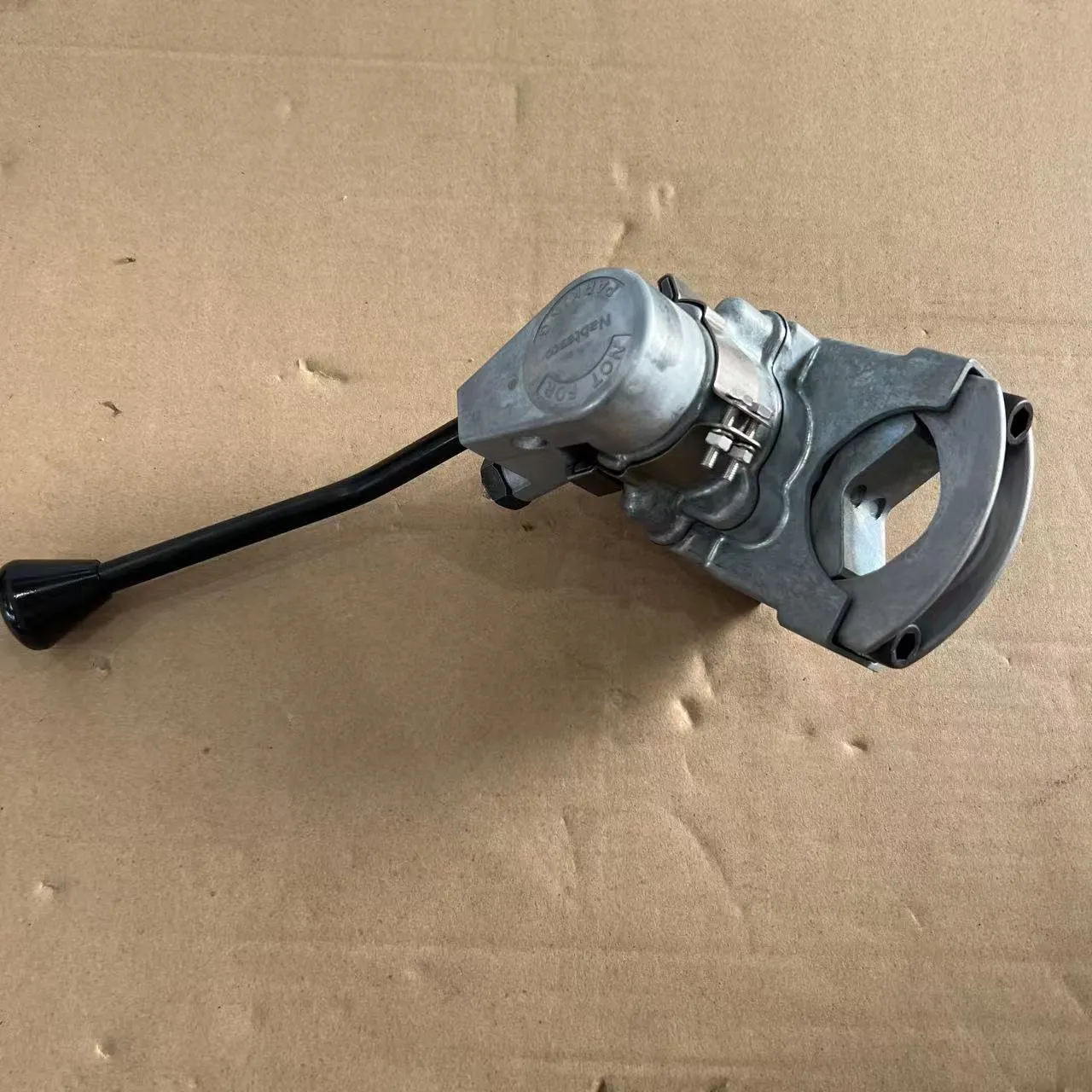 Hd785-5 Retarder 561-35-62203 For Dump Truck Original Parts, High…
 -
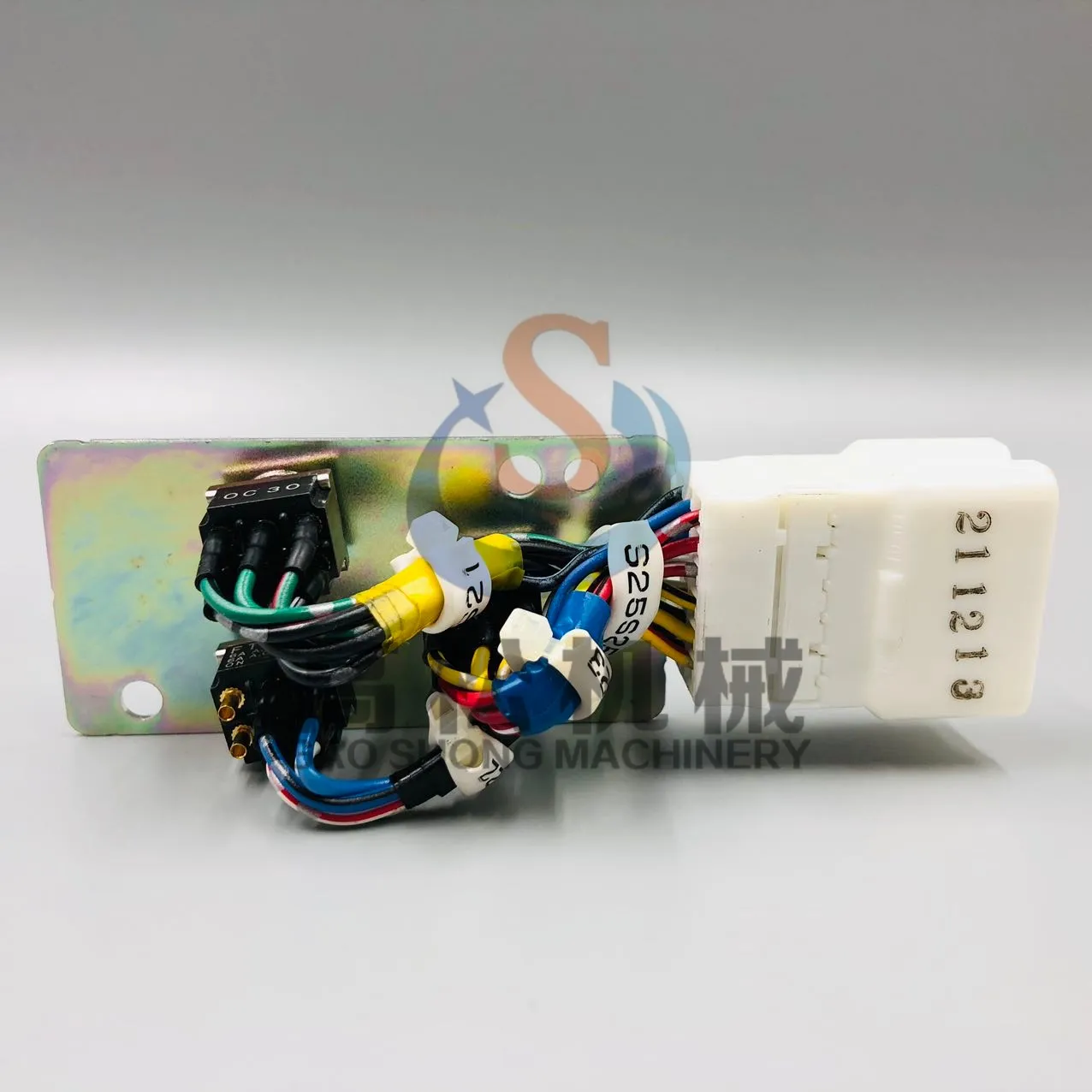 SWITCH ASS’Y 22U-06-22370 – KOMATSU
 -
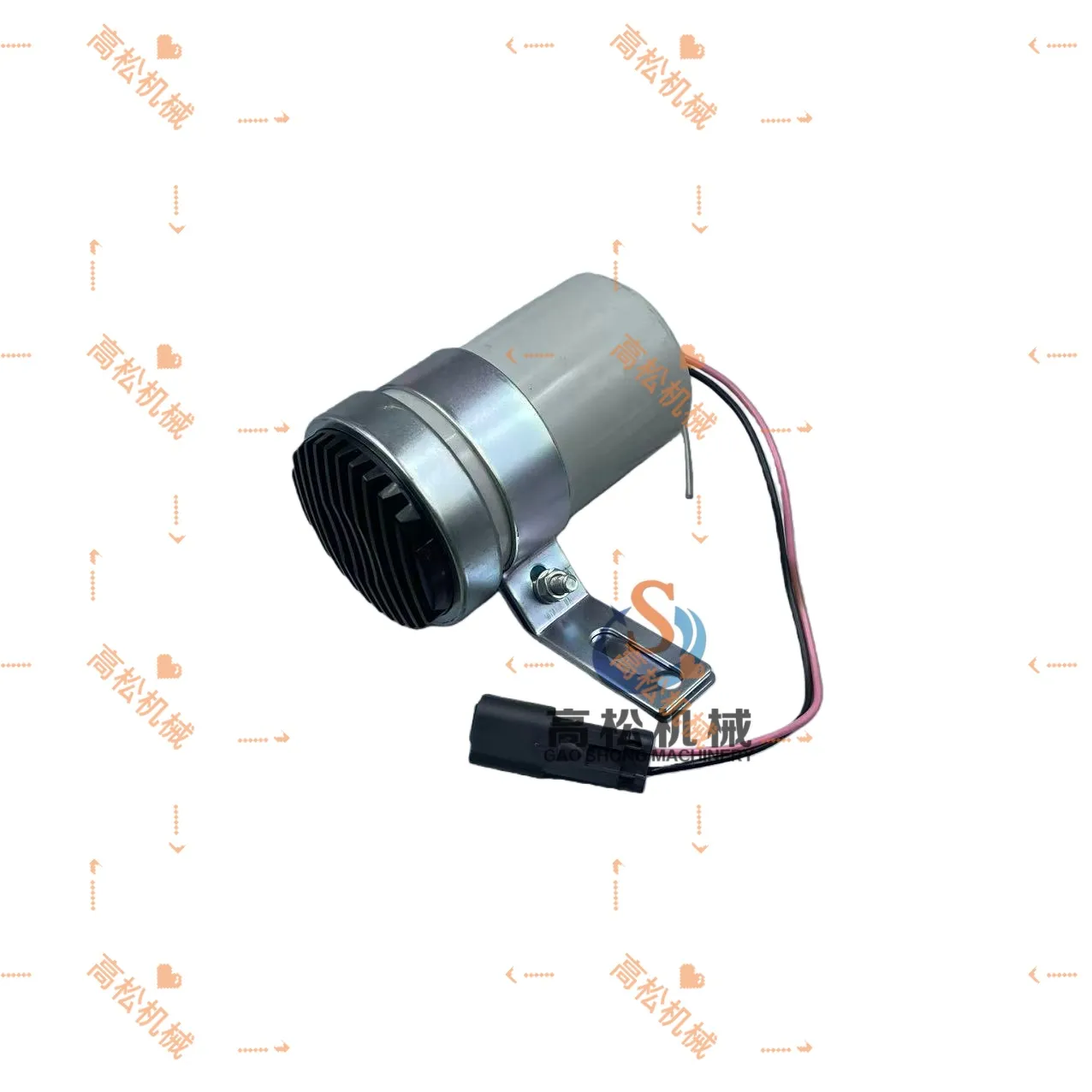 198-06-56570 BUZZER KOMATSU parts D155AX, D275A, D275AX, D375A, D475A, D475ASD, D85EX, D85MS, D85PX, DRAWBAR
 -
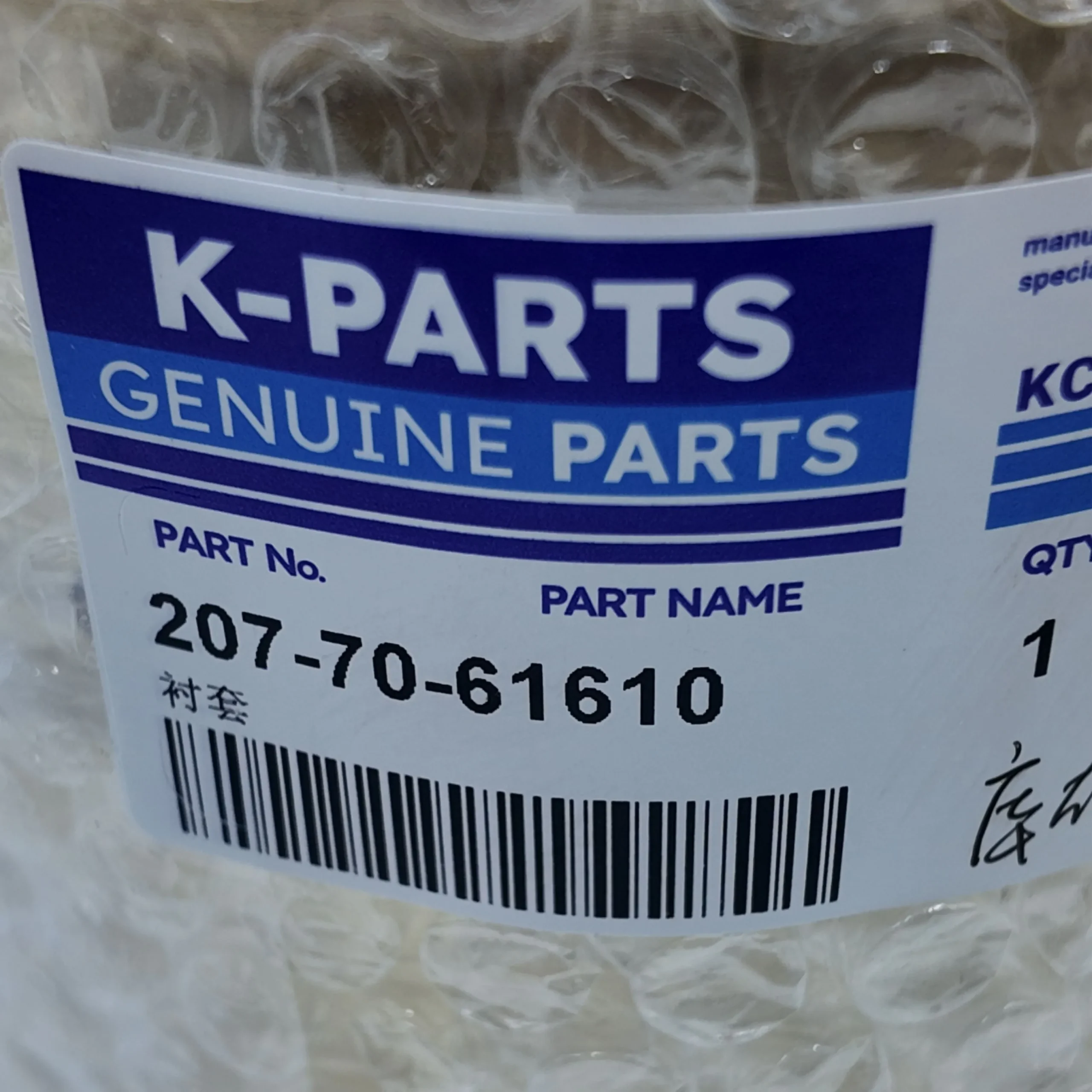 207-70-61610• BUSHING Komatsu Original Factory
 -
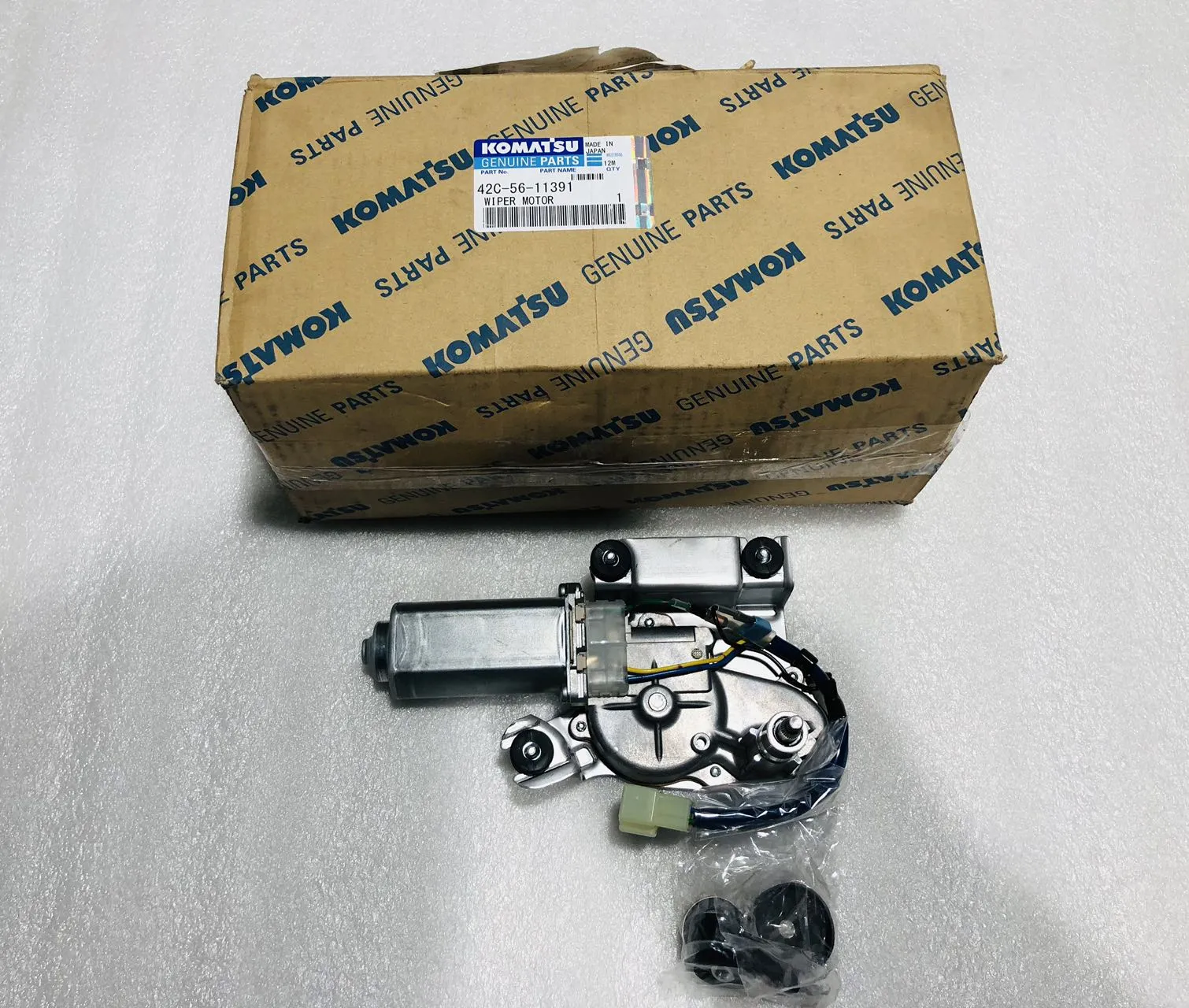 Komatsu grader GD555 wiper motor 42C-56-11391
 -
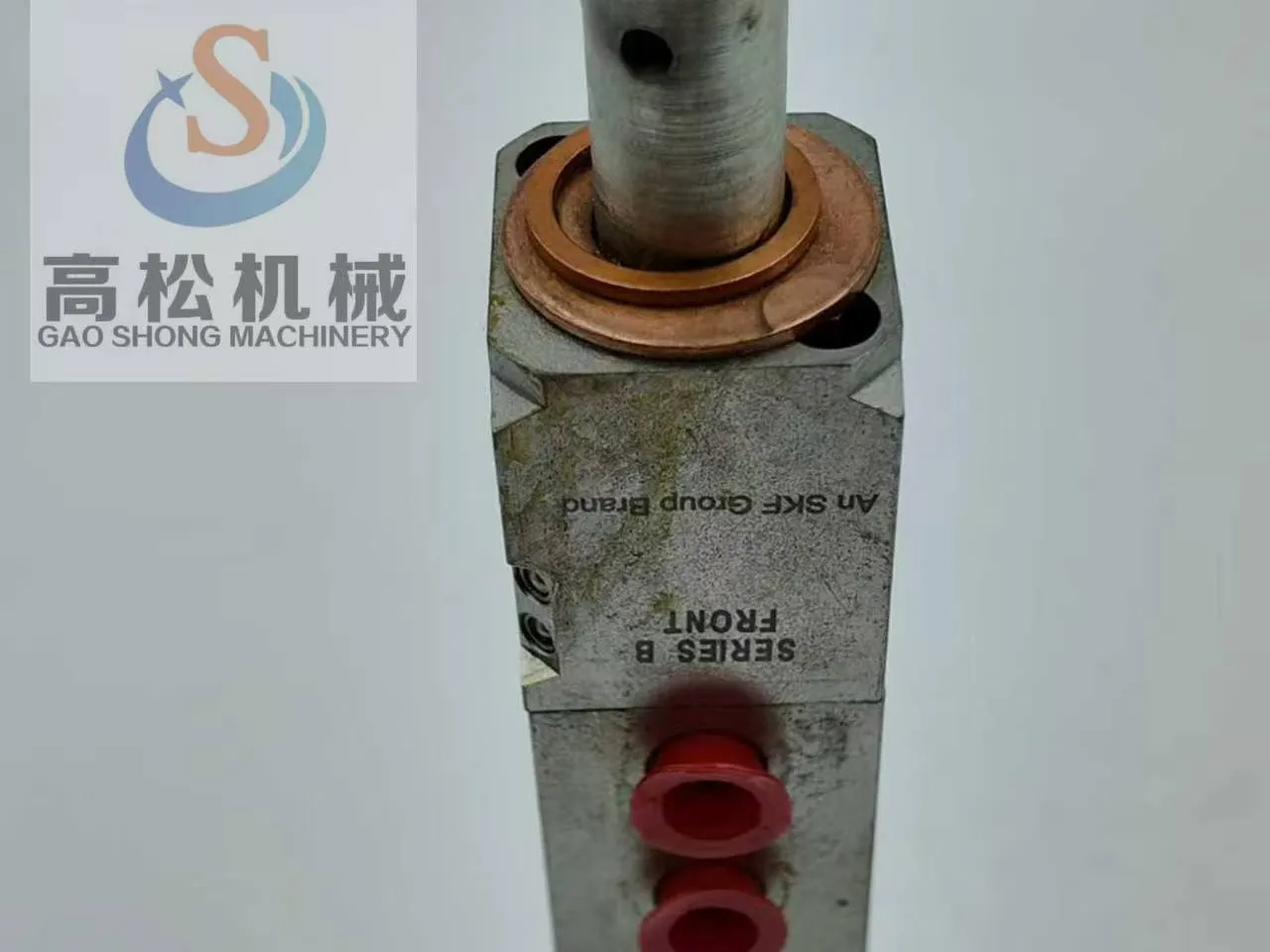 561-95-83030 561-95-84080 injector assembly for hd785-7 injectors
 -
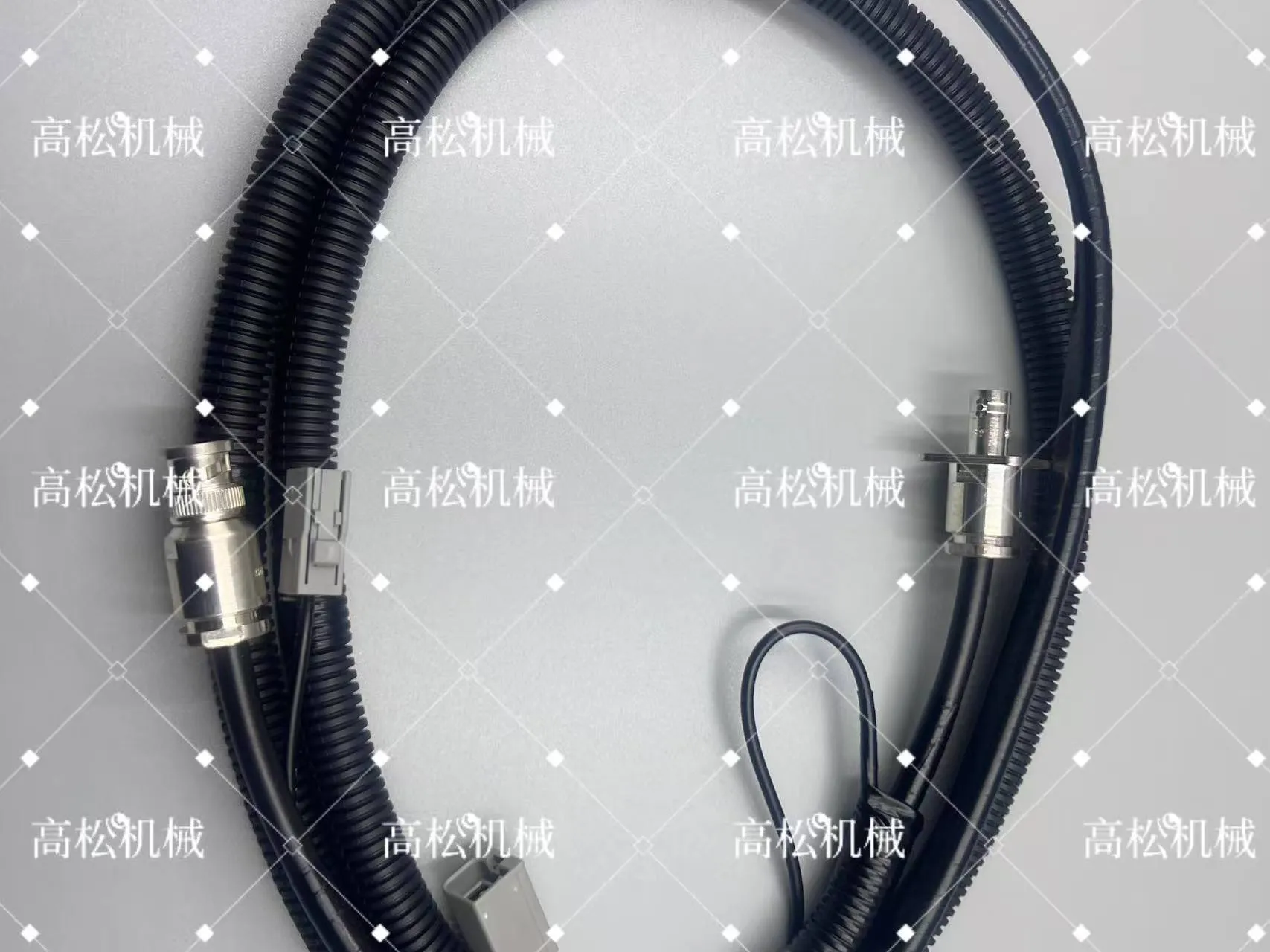 426-06-33750 Komatsu Wiring Harness Parts WA600, WD600
 -
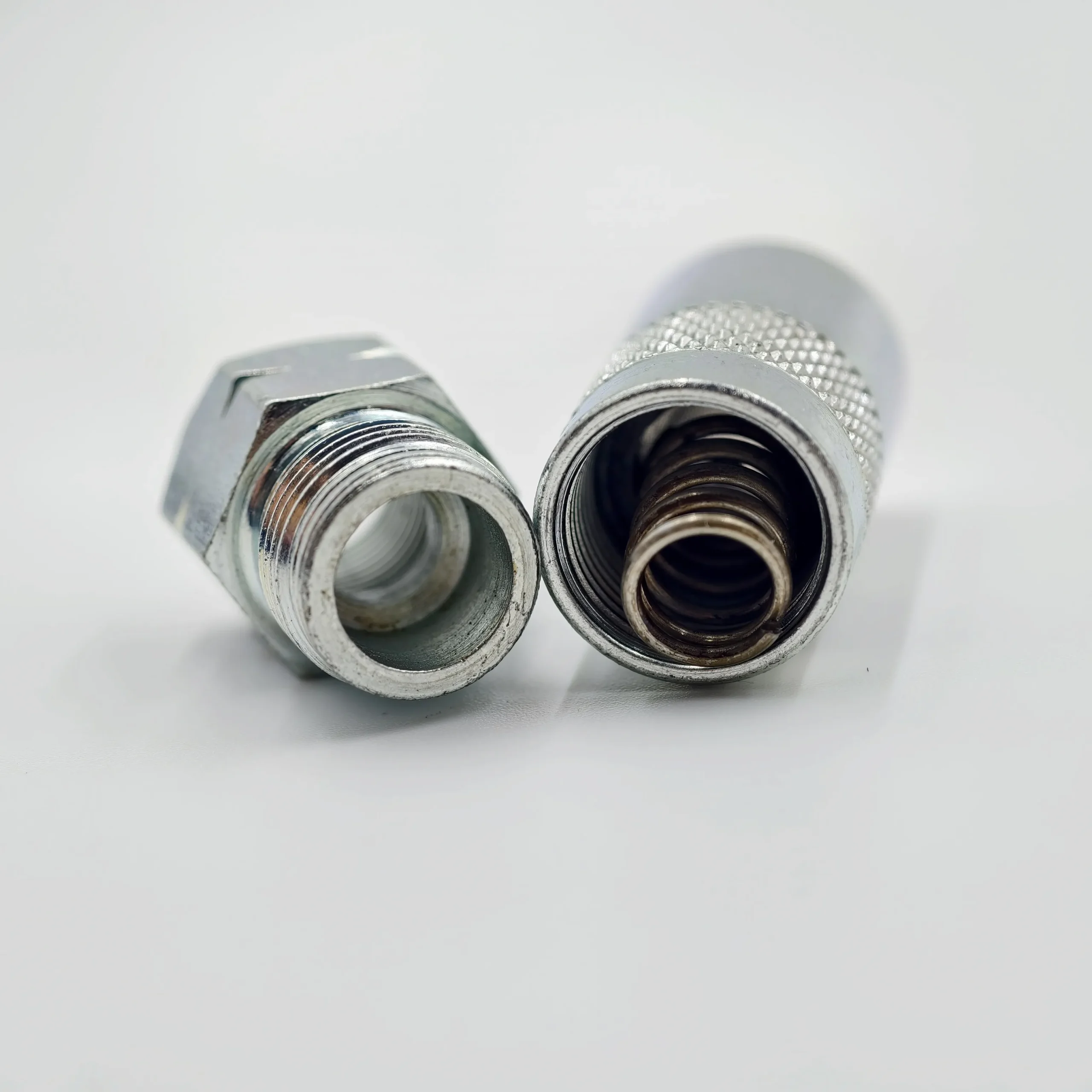 209-68-11640• COUPLER ASS’Y-Komatsu Original Factory
 -
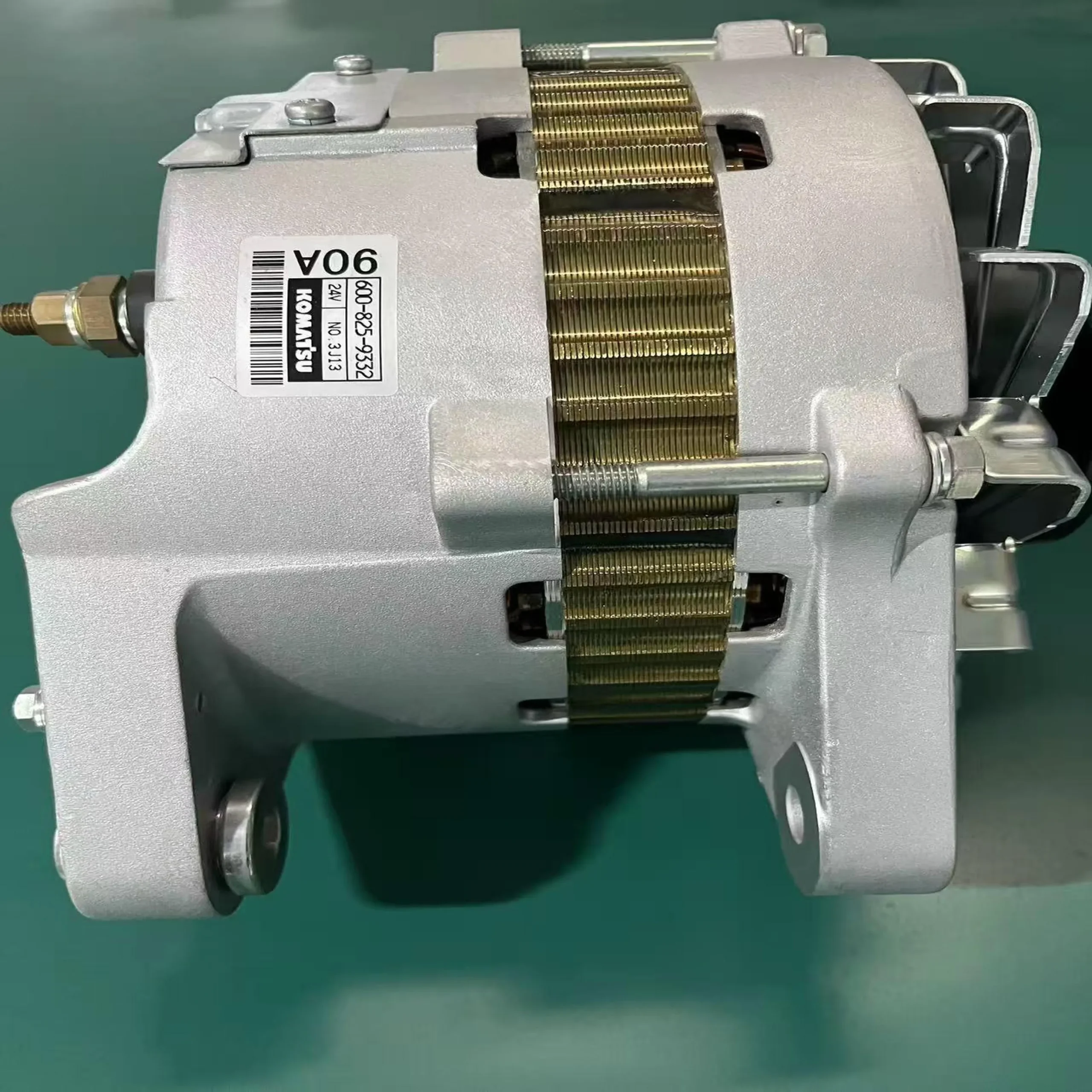 600-825-9332 Komatsu Alternator
 -
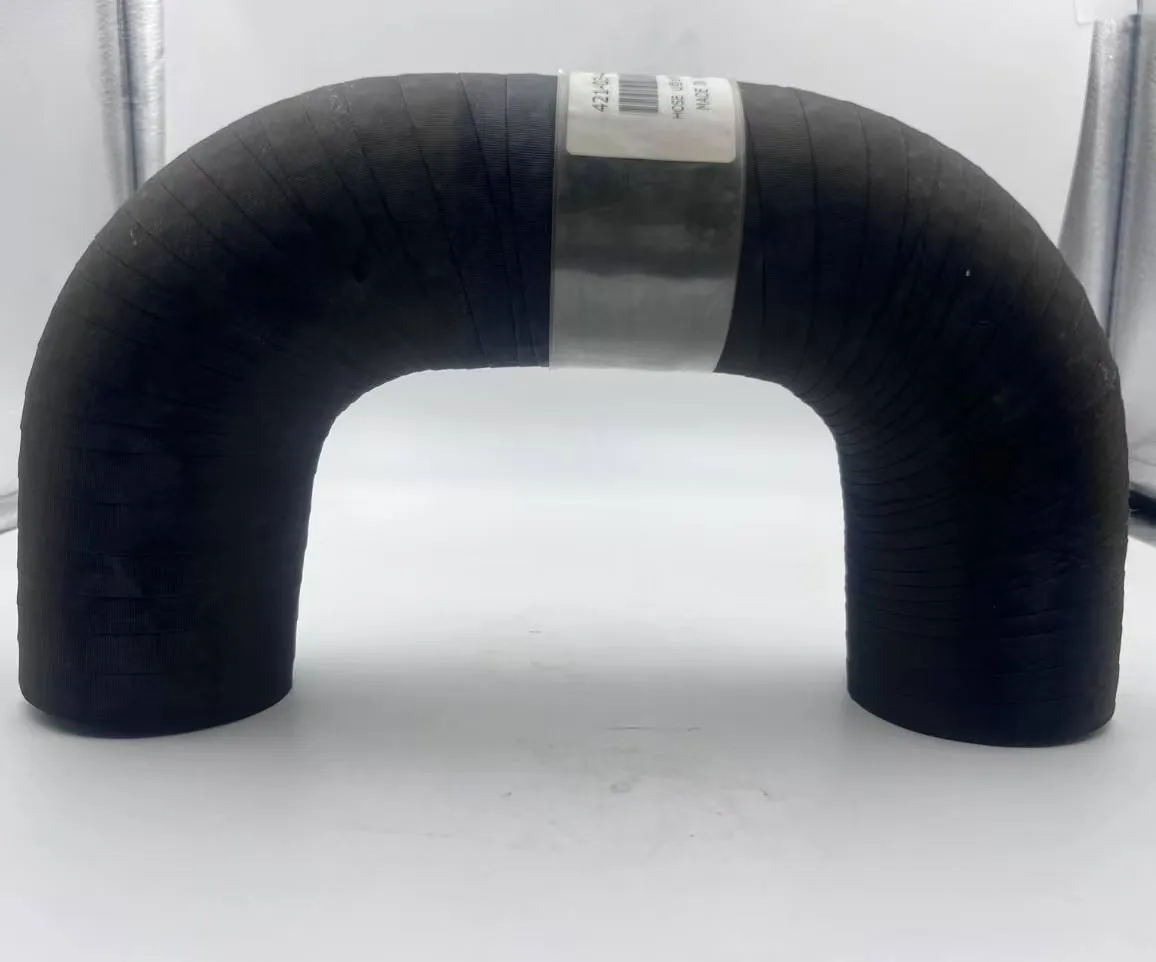 421-03-44430 HOSE for WA450-6 WA380-7-8 WA470-6-7-8 WA480-6-8 Wheel Loader RADIATOR 1
 -
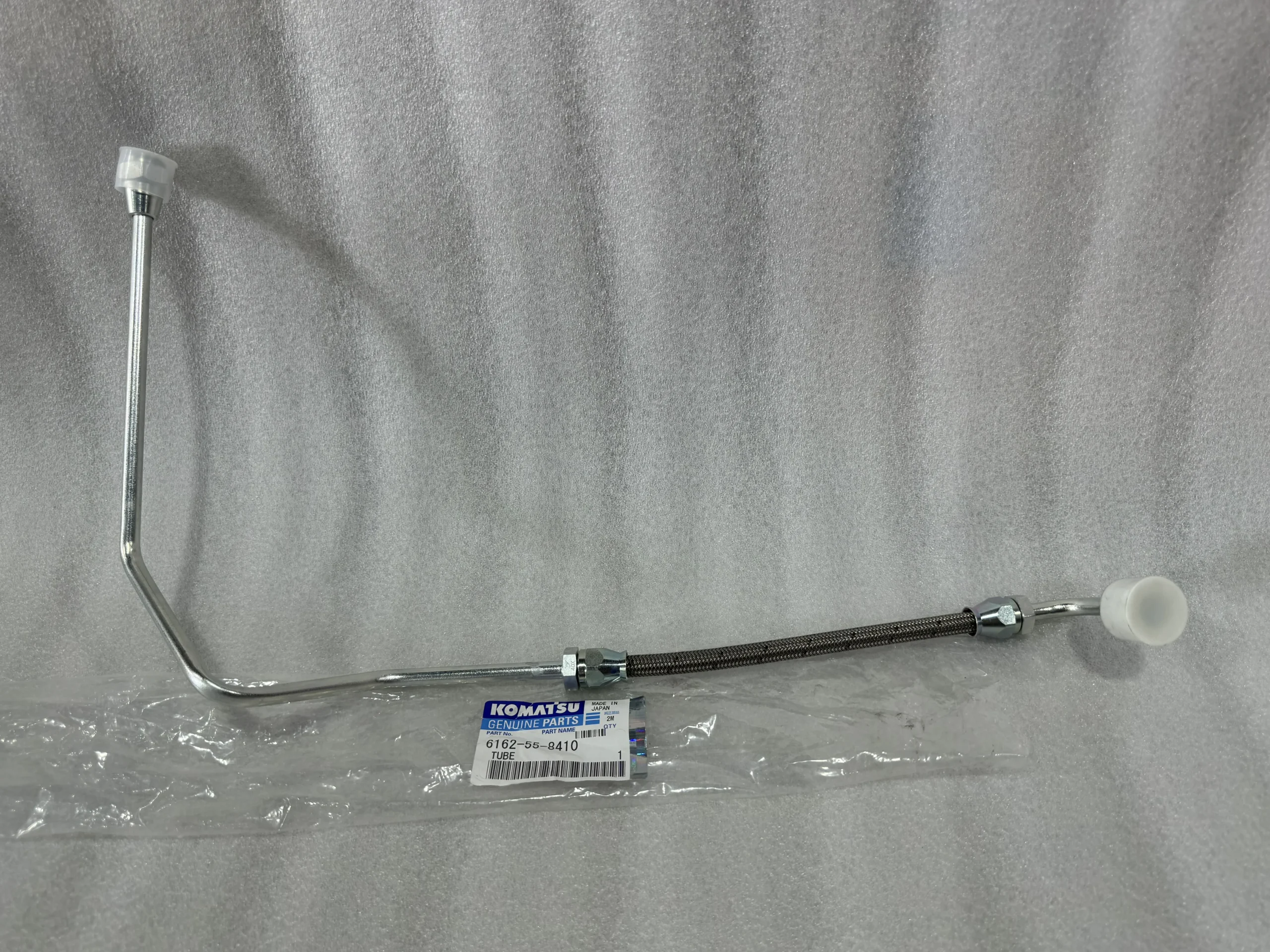 6D170-2 Oil Pipe 6162-55-8410