
- Chinese
- French
- German
- Portuguese
- Spanish
- Russian
- Japanese
- Korean
- Arabic
- Irish
- Greek
- Turkish
- Italian
- Danish
- Romanian
- Indonesian
- Czech
- Afrikaans
- Swedish
- Polish
- Basque
- Catalan
- Esperanto
- Hindi
- Lao
- Albanian
- Amharic
- Armenian
- Azerbaijani
- Belarusian
- Bengali
- Bosnian
- Bulgarian
- Cebuano
- Chichewa
- Corsican
- Croatian
- Dutch
- Estonian
- Filipino
- Finnish
- Frisian
- Galician
- Georgian
- Gujarati
- Haitian
- Hausa
- Hawaiian
- Hebrew
- Hmong
- Hungarian
- Icelandic
- Igbo
- Javanese
- Kannada
- Kazakh
- Khmer
- Kurdish
- Kyrgyz
- Latin
- Latvian
- Lithuanian
- Luxembou..
- Macedonian
- Malagasy
- Malay
- Malayalam
- Maltese
- Maori
- Marathi
- Mongolian
- Burmese
- Nepali
- Norwegian
- Pashto
- Persian
- Punjabi
- Serbian
- Sesotho
- Sinhala
- Slovak
- Slovenian
- Somali
- Samoan
- Scots Gaelic
- Shona
- Sindhi
- Sundanese
- Swahili
- Tajik
- Tamil
- Telugu
- Thai
- Ukrainian
- Urdu
- Uzbek
- Vietnamese
- Welsh
- Xhosa
- Yiddish
- Yoruba
- Zulu
- Kinyarwanda
- Tatar
- Oriya
- Turkmen
- Uyghur






Komatsu end bit
When you hear 'Komatsu end bit', most people in the yard just think of that replaceable point on a bucket. It's the thing you order when the old one's worn to a nub. But that's where the first mistake happens—thinking of it as a standalone item. In the real grind, its performance is tied to the adapter, the bucket's base metal, and even the operator's technique. I've seen too many sites just slap on the cheapest option, only to have it shear off or wear unevenly, costing more in downtime than they saved. It's not a commodity; it's a system component.
The OEM Spec vs. The Aftermarket Reality
Working with genuine Komatsu parts, you get a certain predictability. The hardness profile, the metallurgy, it's all engineered to work with their specific adapter design. The taper, the locking mechanism—it's a precise fit. An end bit from the OEM system is meant to wear in a controlled way, protecting the more expensive adapter and bucket base. That's the theory, anyway.
But the reality on the ground, especially in regions with supply chain gaps, is different. You can't always wait 12 weeks for a genuine part when a machine is down. This is where companies like Jining Gaosong Construction Machinery Co., Ltd. come into the picture. They operate within that gray area—an OEM supplier within the Komatsu system but also a third-party solution provider. Their role, as noted on their site takematsumachinery.com, is to solve parts supply challenges. In practice, this means they understand the OEM specs but can also navigate the aftermarket to keep machines running.
I recall a job in a quarry where we used a non-OEM end bit that was just a few Rockwell points softer than spec. It seemed fine at first, but it wore down almost twice as fast as the Komatsu part. The hidden cost wasn't the bit itself; it was the increased frequency of changes and the accelerated wear on the adapter nose. We ended up replacing the adapter a whole cycle earlier. The math on that never looks good.
Failure Modes and Field Observations
You learn more from failures than from specs. The classic failure isn't just wearing thin; it's breaking. I've seen Komatsu end bit units crack right through the lock pin hole. Usually, that's a sign of a compromised adapter or an impact load it wasn't designed for—like side-loading when digging near a rock face. The bit takes the brunt, saving the bucket structure, but it tells a story.
Another common, subtle issue is uneven wear. One side of the point wears faster. Nine times out of ten, that's not a parts problem; it's an equipment alignment issue or a consistent, one-sided digging pattern from the operator. Trying to solve that by just rotating bits is a band-aid. You have to look at the bigger picture: bucket linkage, cylinder alignment, even the ground conditions.
Then there's the fit. A new bit should seat with a solid, metallic tap from a sledge. If it swings on too easily or feels loose, something's wrong. Either the bit is out of spec, or the adapter nose is worn beyond its service limit. Forcing a new bit onto a worn adapter is a waste of money—it won't last a week. This is a critical check that often gets overlooked in the rush to get back to work.
The Supply Chain Dilemma and Practical Solutions
This is the core of the problem for many contractors outside major markets. The official channel can be slow or prohibitively expensive for certain wear items. The promise of companies like Gaosong is that they can bridge that gap. They're not just a random parts seller; their positioning as an OEM-system supplier suggests they have access to the proper technical data and manufacturing tolerances. This is crucial.
When I've evaluated alternative sources, the first question is always about provenance. Is this a direct OEM run, a licensed production, or a reverse-engineered copy? The performance difference is massive. A part from a supplier embedded in the Komatsu system is more likely to have the correct alloy mix and heat treatment. It might not come in the official Komatsu box, but it should function as if it did. Their website, takematsumachinery.com, frames their service as helping to solve parts supply challenges, which is exactly the pain point.
The practical solution we've adopted is to stock a mix. Critical machines, or those in severe service, get genuine OEM bits for traceability and guaranteed performance. For secondary machines or in a pinch, we source from trusted intermediaries who are transparent about their supply chain. The key is testing and tracking. We'll run a batch from a new supplier on a single machine, measure wear rates, and document any fit issues before committing to a larger order.
Beyond the Bit: The System Approach
Focusing solely on the end bit is short-sighted. It's the most visible wear point, but it's part of a chain. The health of the adapter, the condition of the bucket's front edge (the lip), and the correct use of shims or wear plates all dictate the bit's lifespan and effectiveness. A worn lip changes the attack angle, putting abnormal stress on the bit's base.
We standardized a monthly inspection routine for all front-end attachments. It's a quick but methodical check: measure adapter nose width, check for cracks in the bucket lip, and gauge remaining bit length. This data goes into a simple spreadsheet. Over time, you get a clear picture of wear rates and can predict failures before they happen. It turns a reactive parts change into a planned maintenance task.
This system view is what separates a parts changer from a maintenance professional. You start to see patterns. Maybe a particular PC360 always wears bits faster on the left side—time to check the linkage geometry. Or perhaps a batch of bits from a specific supplier consistently shows premature cracking at the hardness transition zone. That's a metallurgy or heat treatment red flag.
Cost vs. Value: The Real Calculation
The initial purchase price of an end bit is almost irrelevant. The real calculation is total cost per operating hour. This includes the part cost, the labor to change it (and any associated components like pins and retainers), and the machine downtime. A cheap bit that wears out in 200 hours and takes 2 hours to change might have a higher hourly cost than an expensive bit that lasts 600 hours and changes out in 45 minutes because it hasn't seized or damaged the adapter.
This is where the value of a reliable supplier, whether OEM or a qualified third-party like Gaosong, becomes clear. Consistency and predictability are worth a premium. If you know a bit will last X hours under Y conditions, you can plan for it. The worst cost is the unexpected one: a catastrophic failure that strands a machine and halts production.
We learned this the hard way on a remote site. We saved 30% on a set of aftermarket bits. One failed catastrophically, not just wearing out but breaking in a way that damaged the adapter nose beyond repair. The machine was down for three days waiting for a new adapter assembly to be flown in. The savings were wiped out a hundred times over. Now, our rule is simple: for critical wear items in critical applications, you pay for pedigree and peace of mind. For less critical roles, you can be more flexible, but only with suppliers who have earned trust through proven, tracked performance.
Related Products
Related Products

Best Selling Products
Best Selling Products-
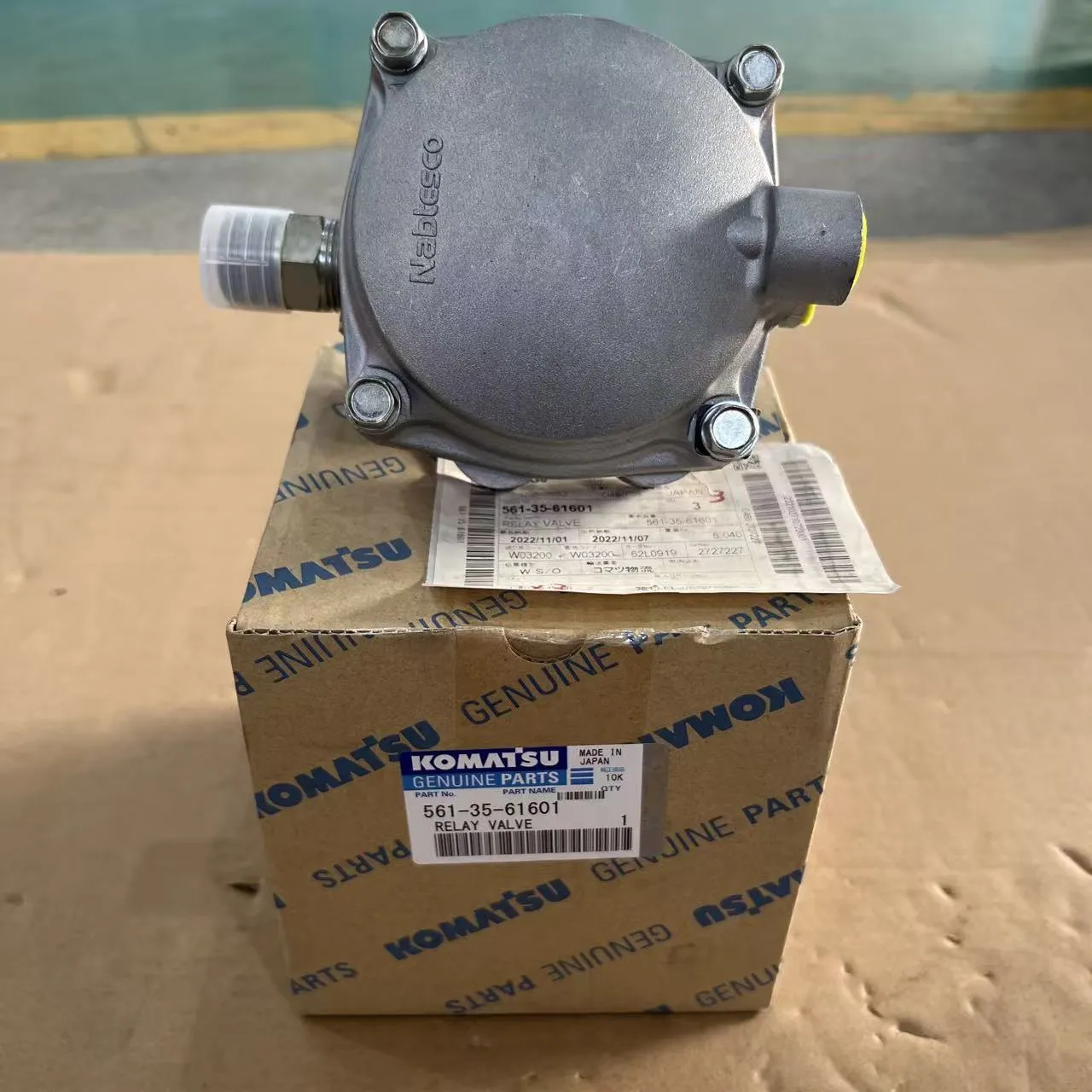 RELAY VALVE ASS’Y 561-35-61601 – KOMATSU
 -
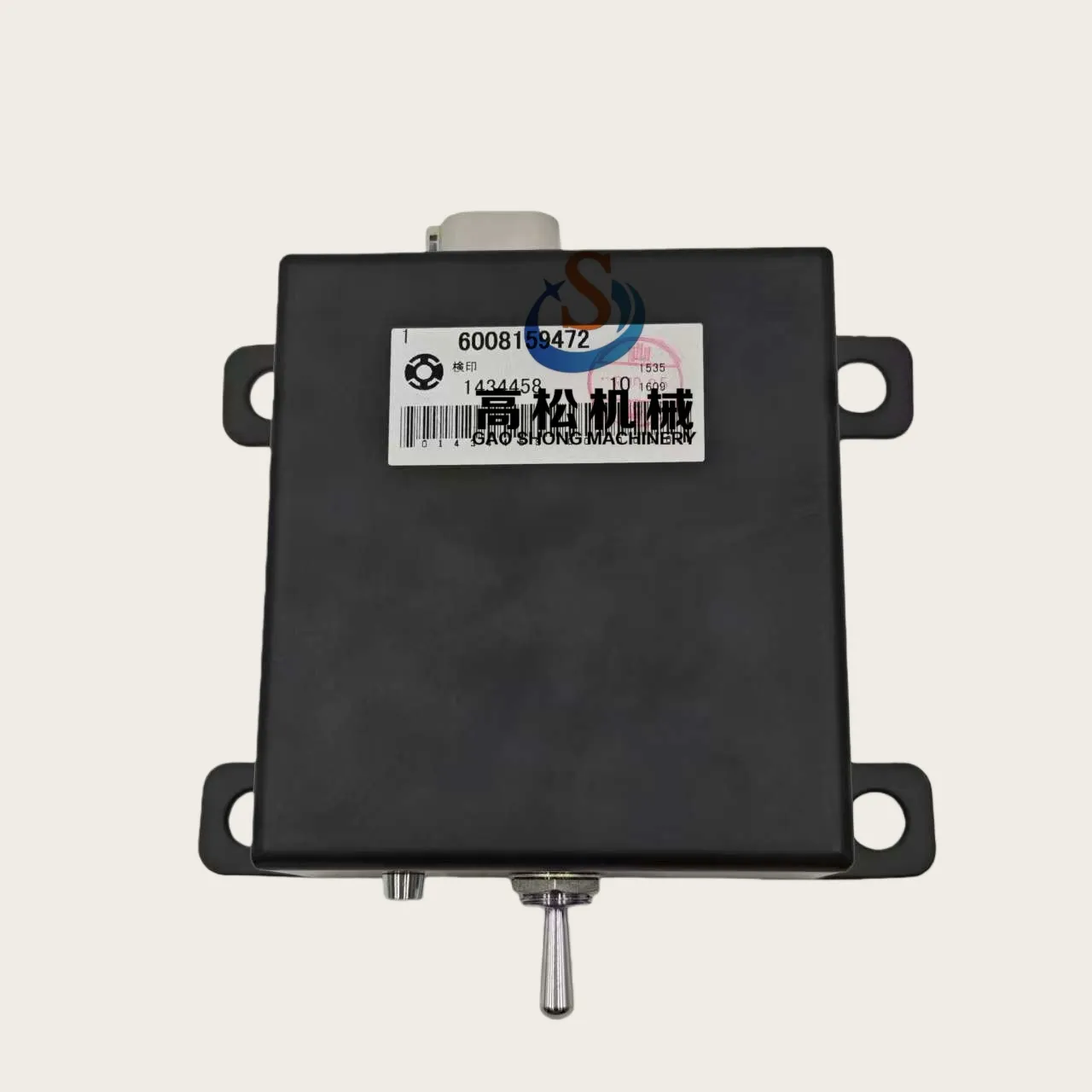 Switch 600-815-9472 D375A-6 WD600-6R HD605-7E1 HD465-7E1 HD785-7 SAA6D170E-5F ENGINE HOOD AND SIDE COVER GROUP, FUEL PRIMING PUMP SWITCH
 -
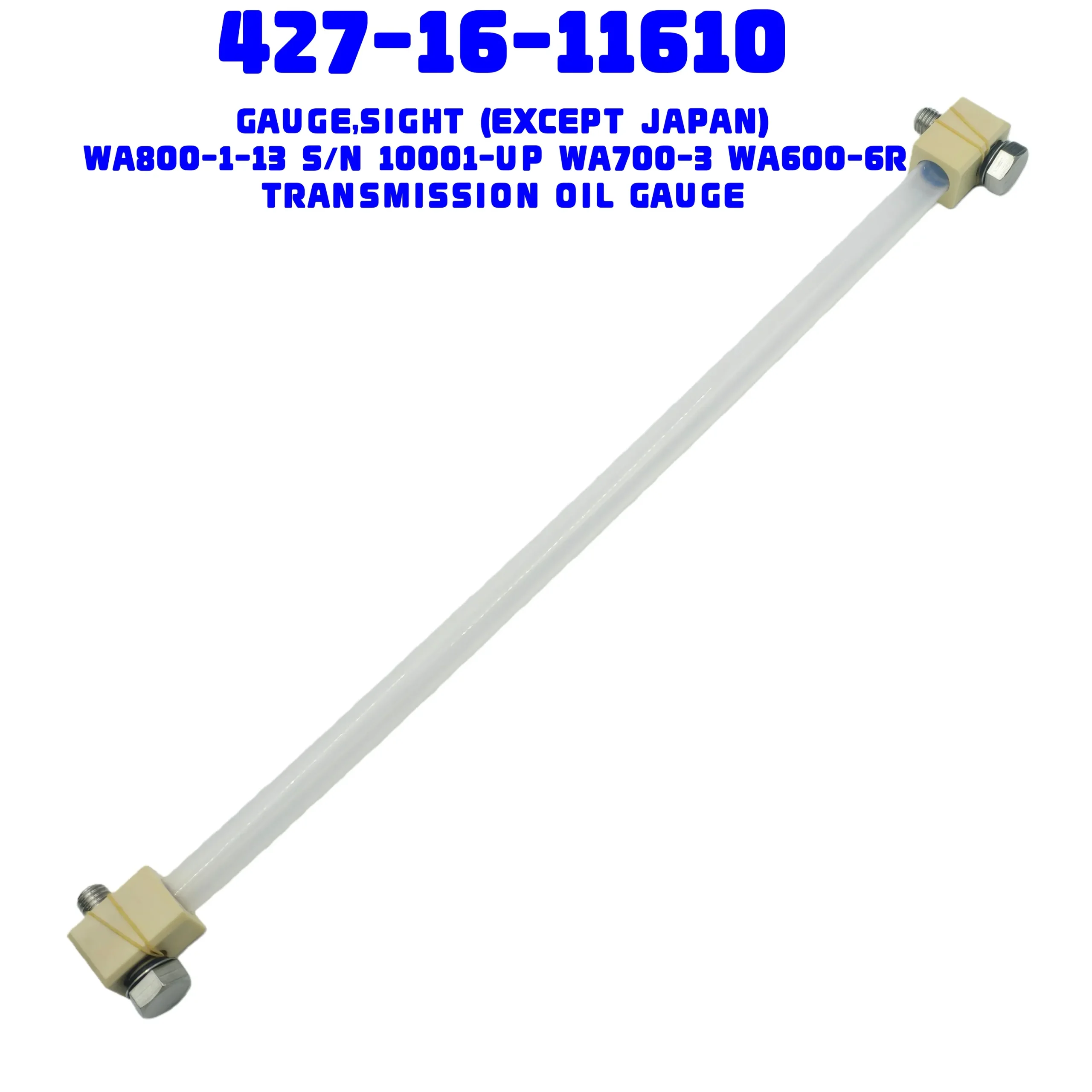 komatsu parts427-16-11610 GAUGE,SIGHT (EXCEPT JAPAN) WA800-1-13 S/N 10001-UP TRANSMISSION OIL GAUGE427-16-11610 GAUGE,SIGHT KOMATSU parts WA1200, WA600, WA700, WA800, WA800L, WA900, WA900L, WD600, WD900
 -
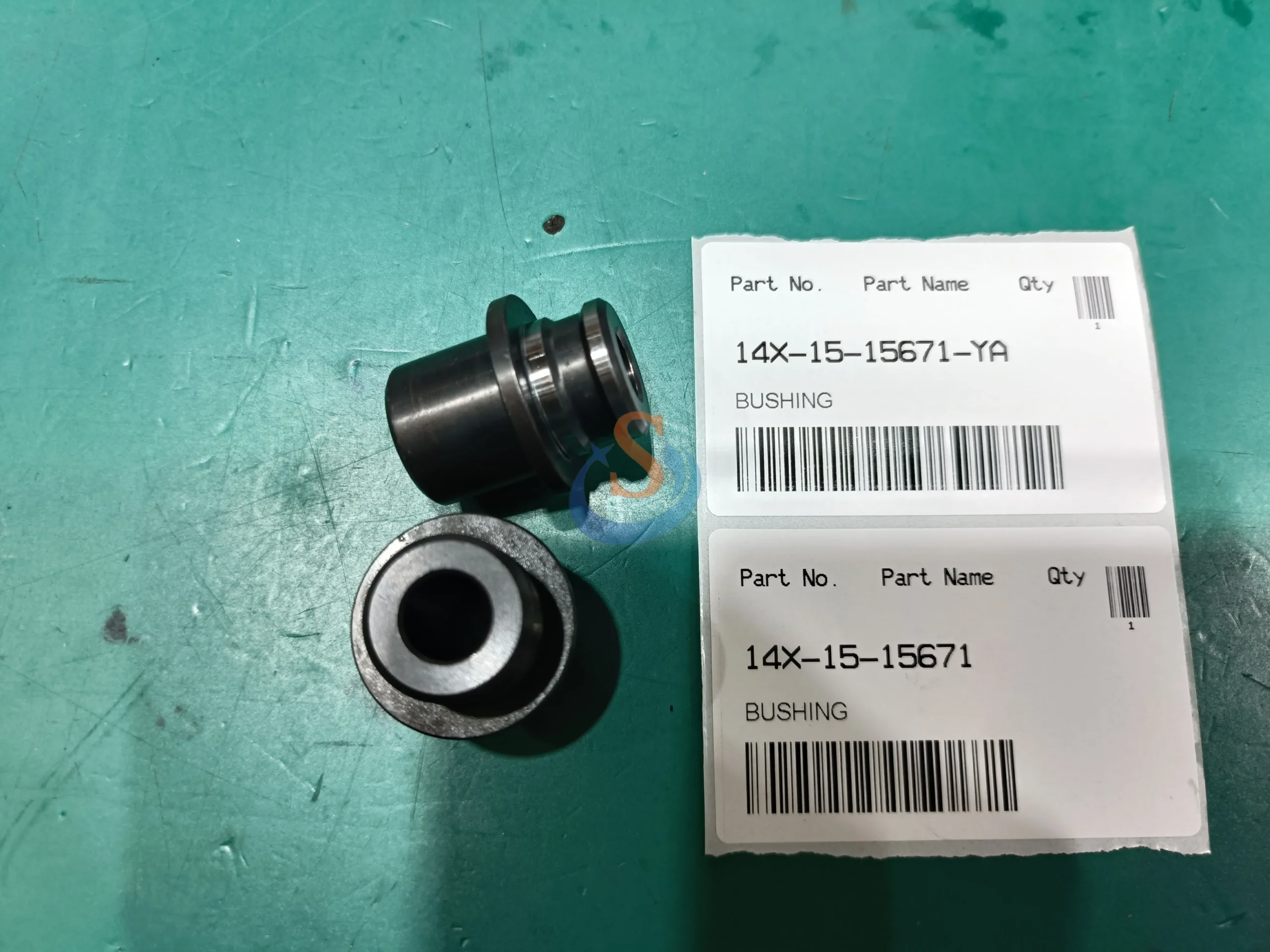 14X-15-15671 komatsu BUSHING D155A/D65EX
 -
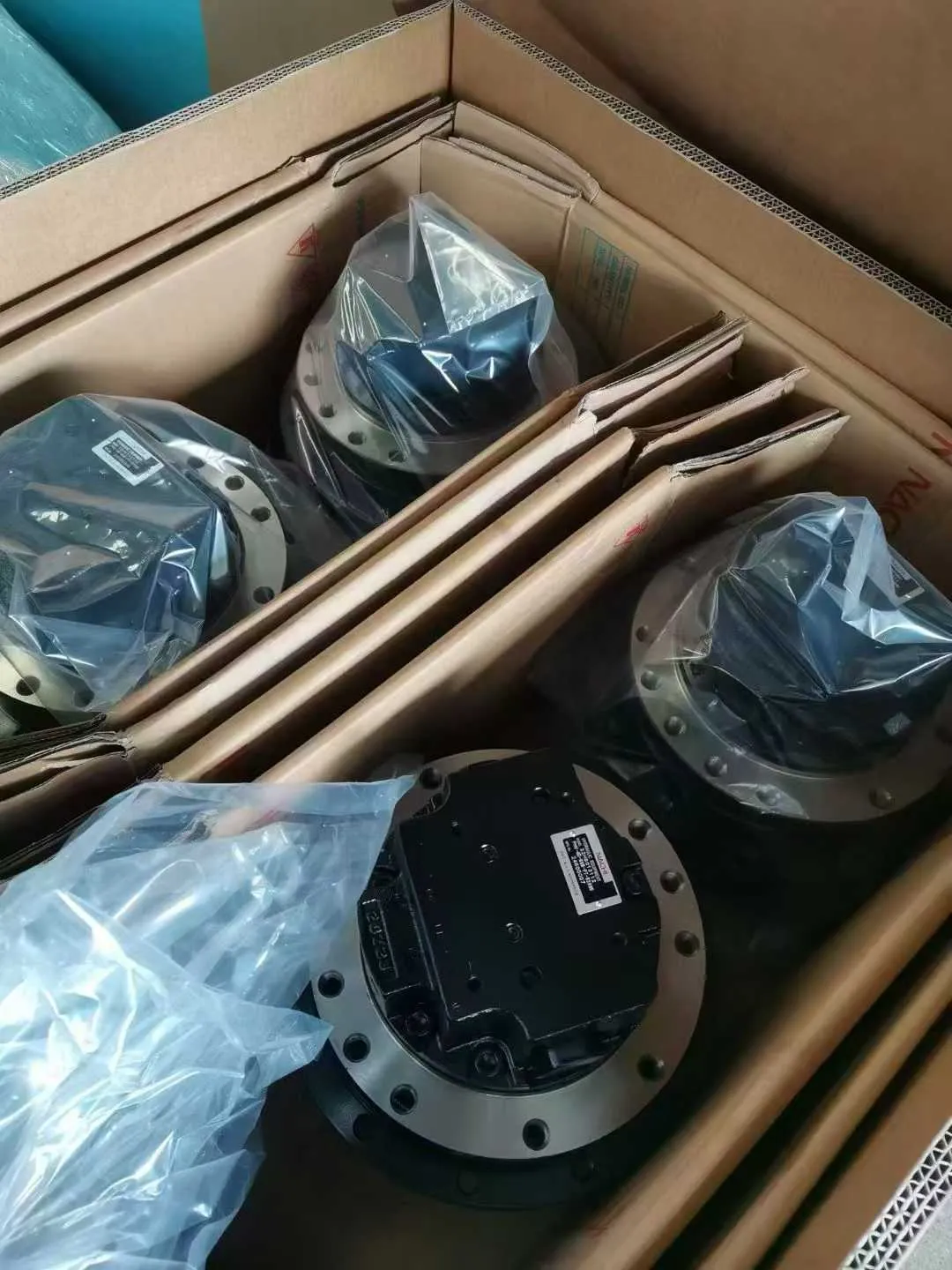 PC57-7 traveling motor assembly 22H-60-13112 in stock for sale #komatsu #komatsuparts #komatsuexcavator #pc57-7 #22H6013112
 -
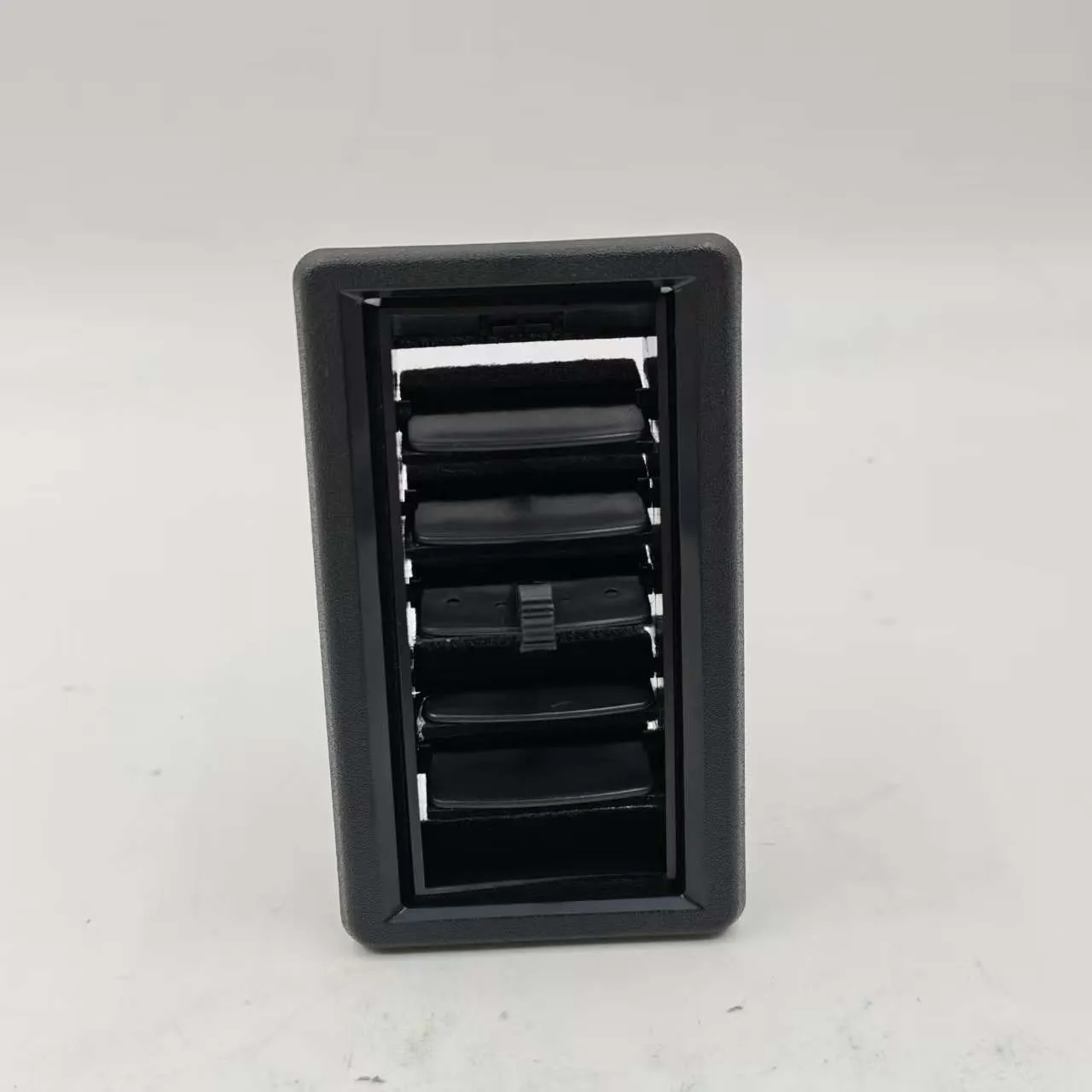 Komatsu Inside cover 17A-54-18270 for Bulldozer D155AX-5
 -
![[Hot Item] Generator Engine Part 600-825-3151 for PC400-6-7](https://www.takematsumachinery.com/wp-content/uploads/微信图片_20251224093522_43_1619-1.webp) [Hot Item] Generator Engine Part 600-825-3151 for PC400-6-7
[Hot Item] Generator Engine Part 600-825-3151 for PC400-6-7 -
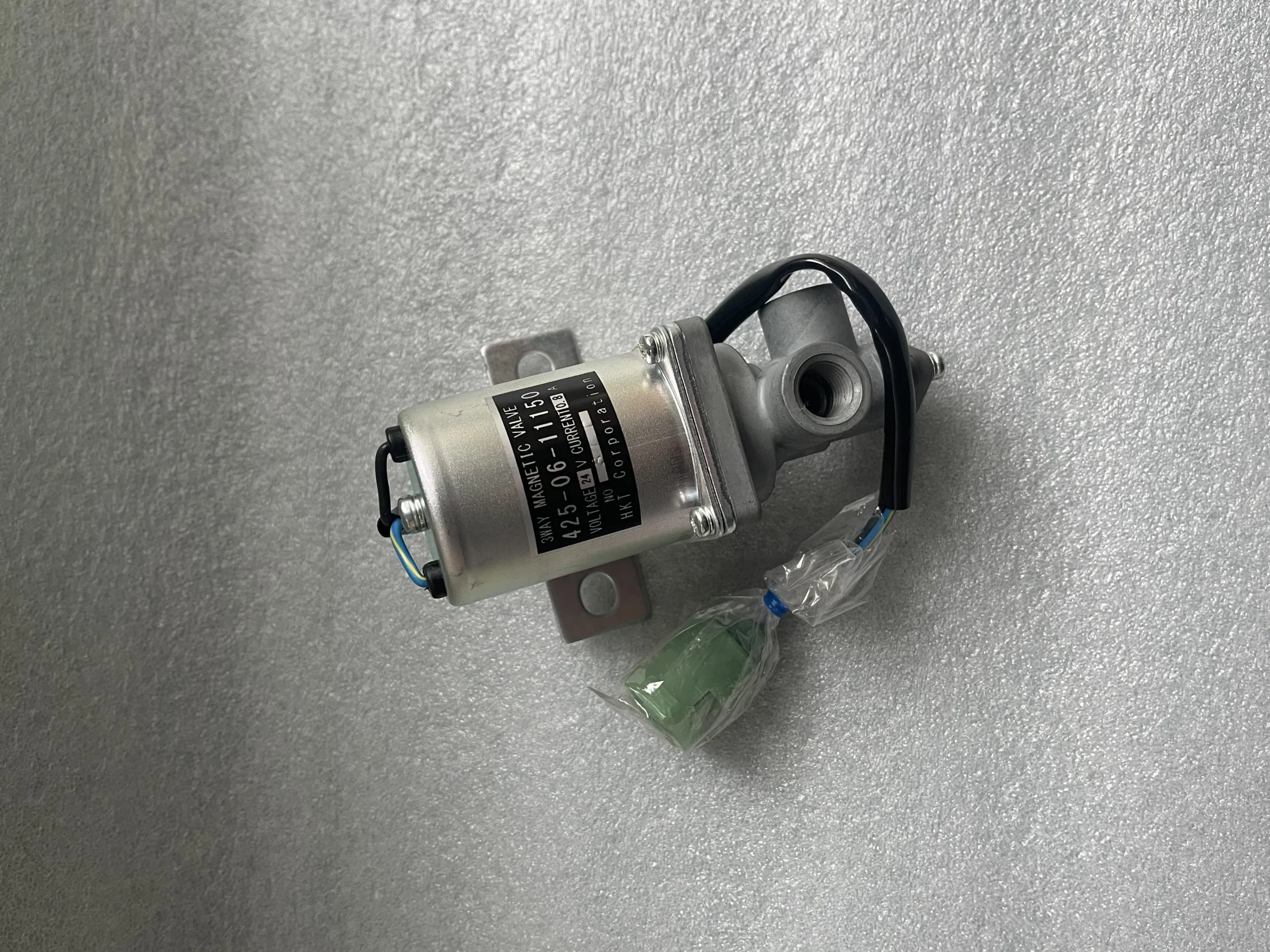 Valve,Parking brake425-06-11150
 -
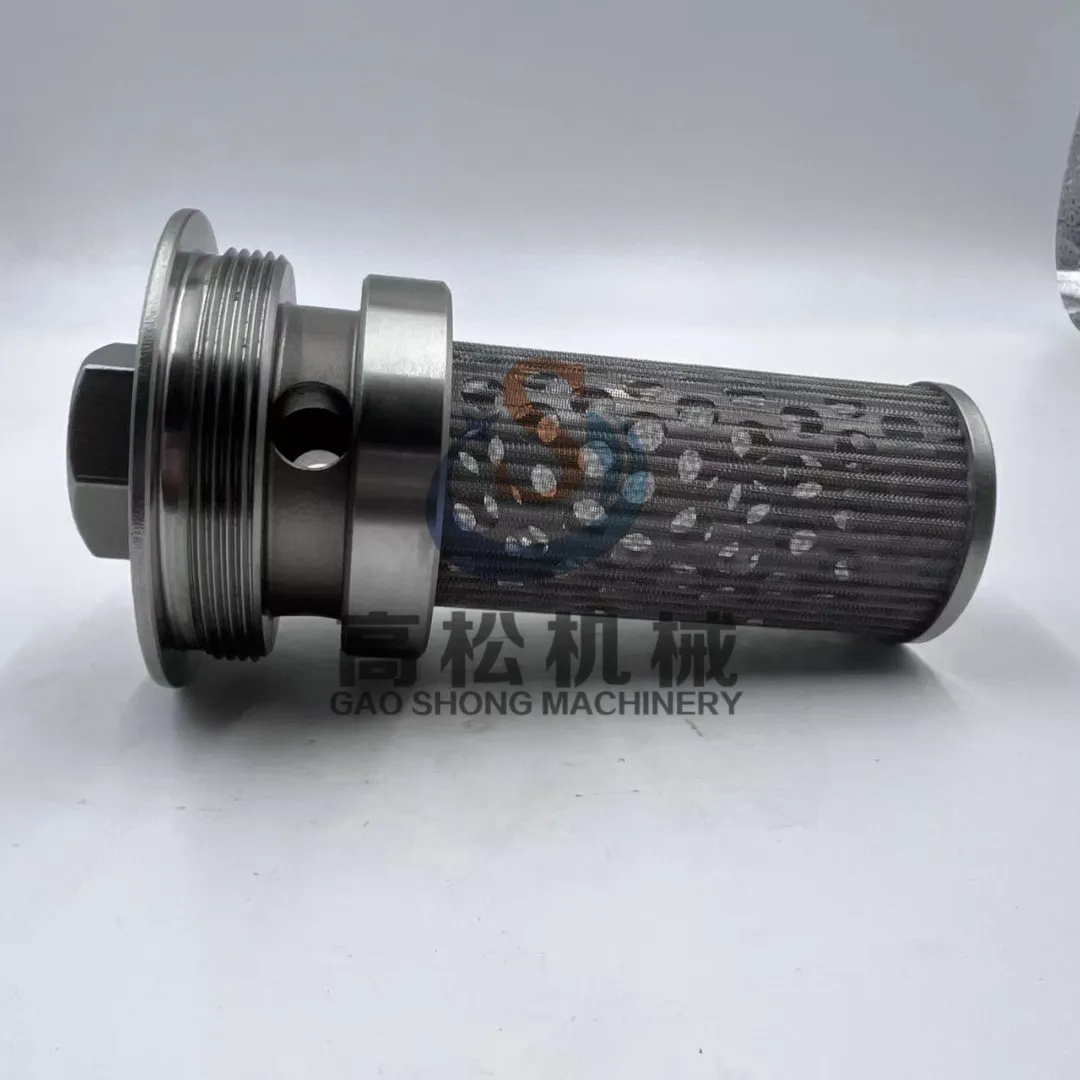 Komatsu 195-04-11150 Strainer 195041150
 -
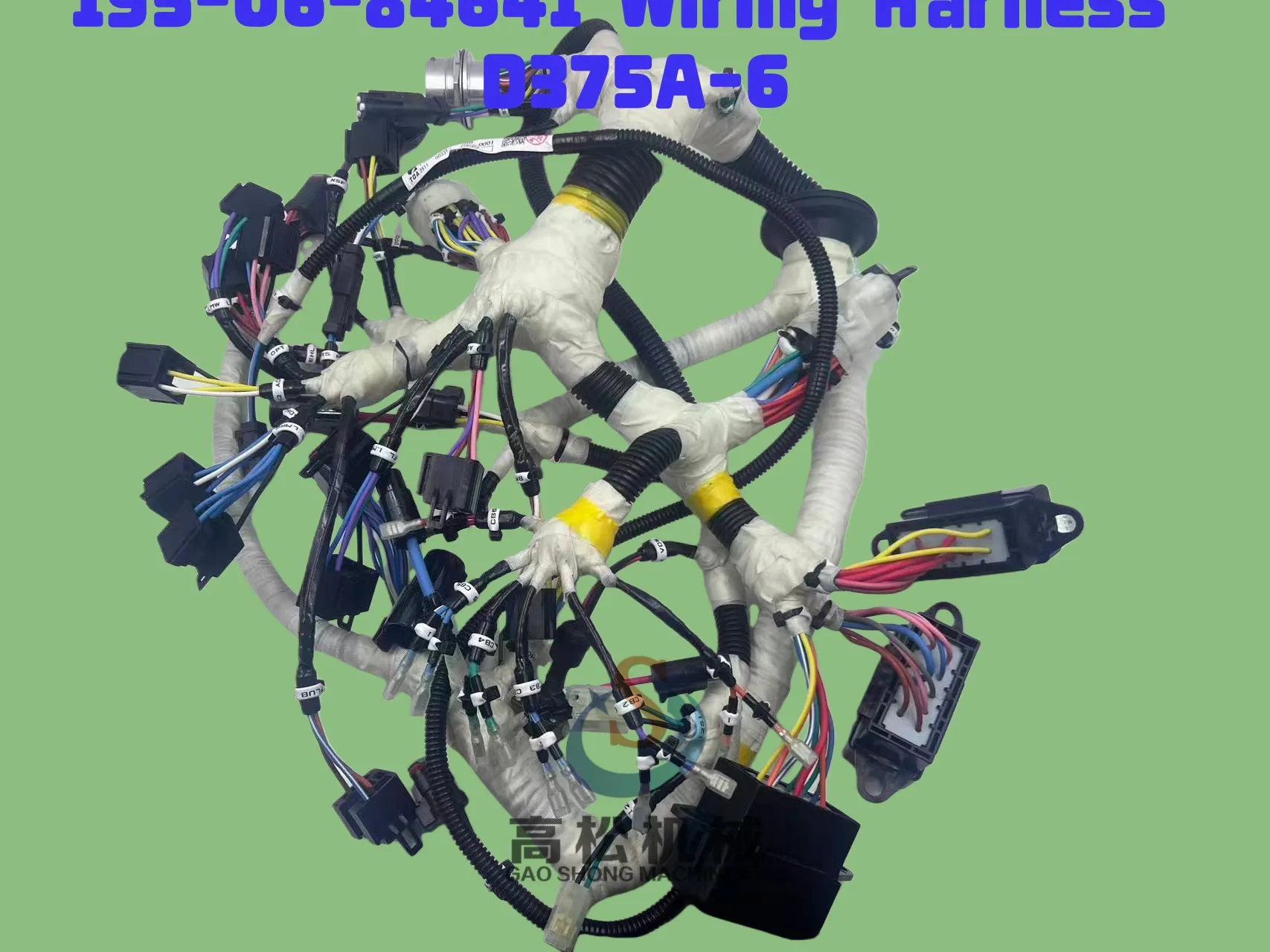 Wiring Harness 195-06-84641 D375A-6 S/N 60001-UP (Extreme Cold Area Arrangement (-40 deg C)) FLOOR FRAME, FUSE BOX AND RELAY
 -
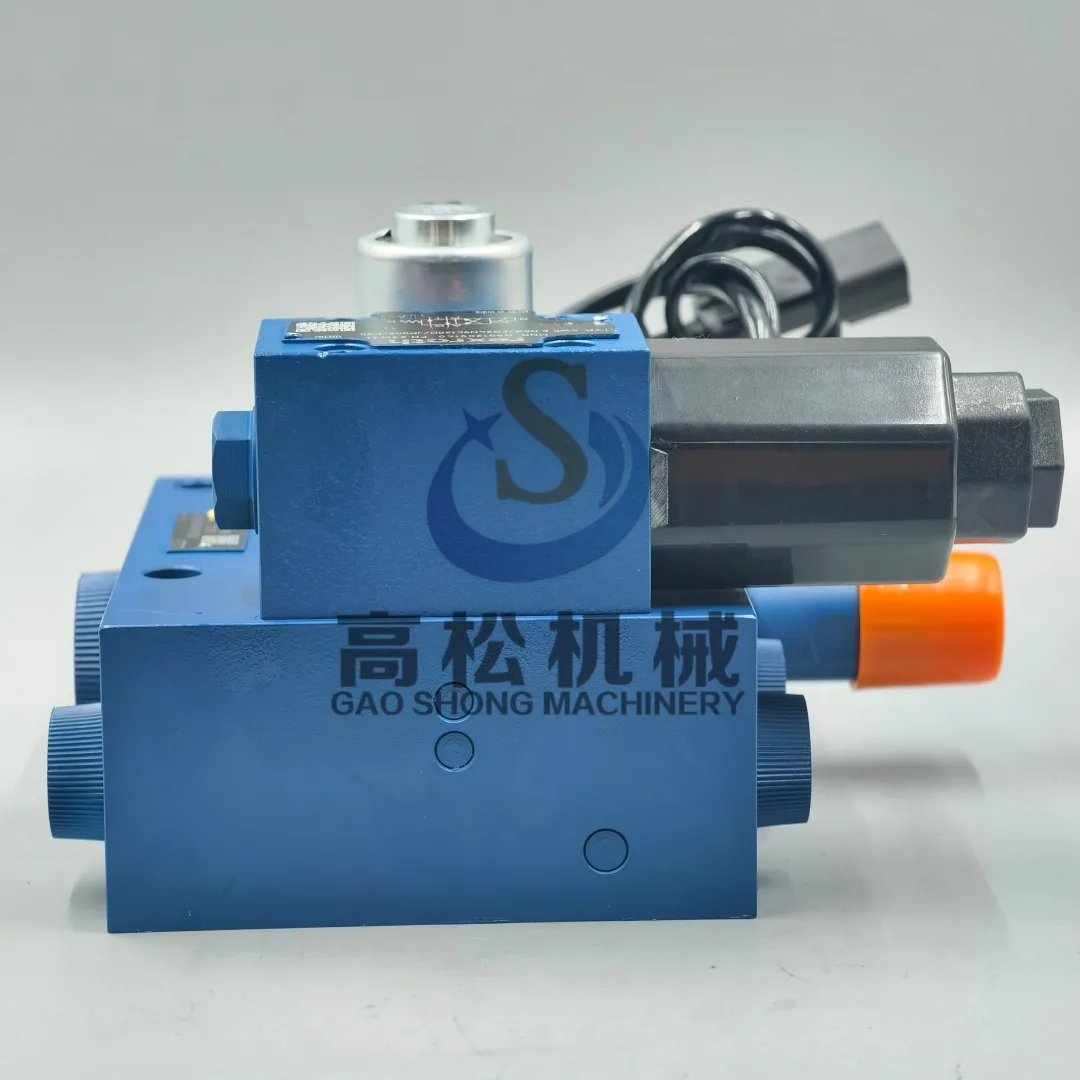 Original VALVE ASS’Y 56B-43-12402 for DUMP TRUCKS HD325 HD605
 -
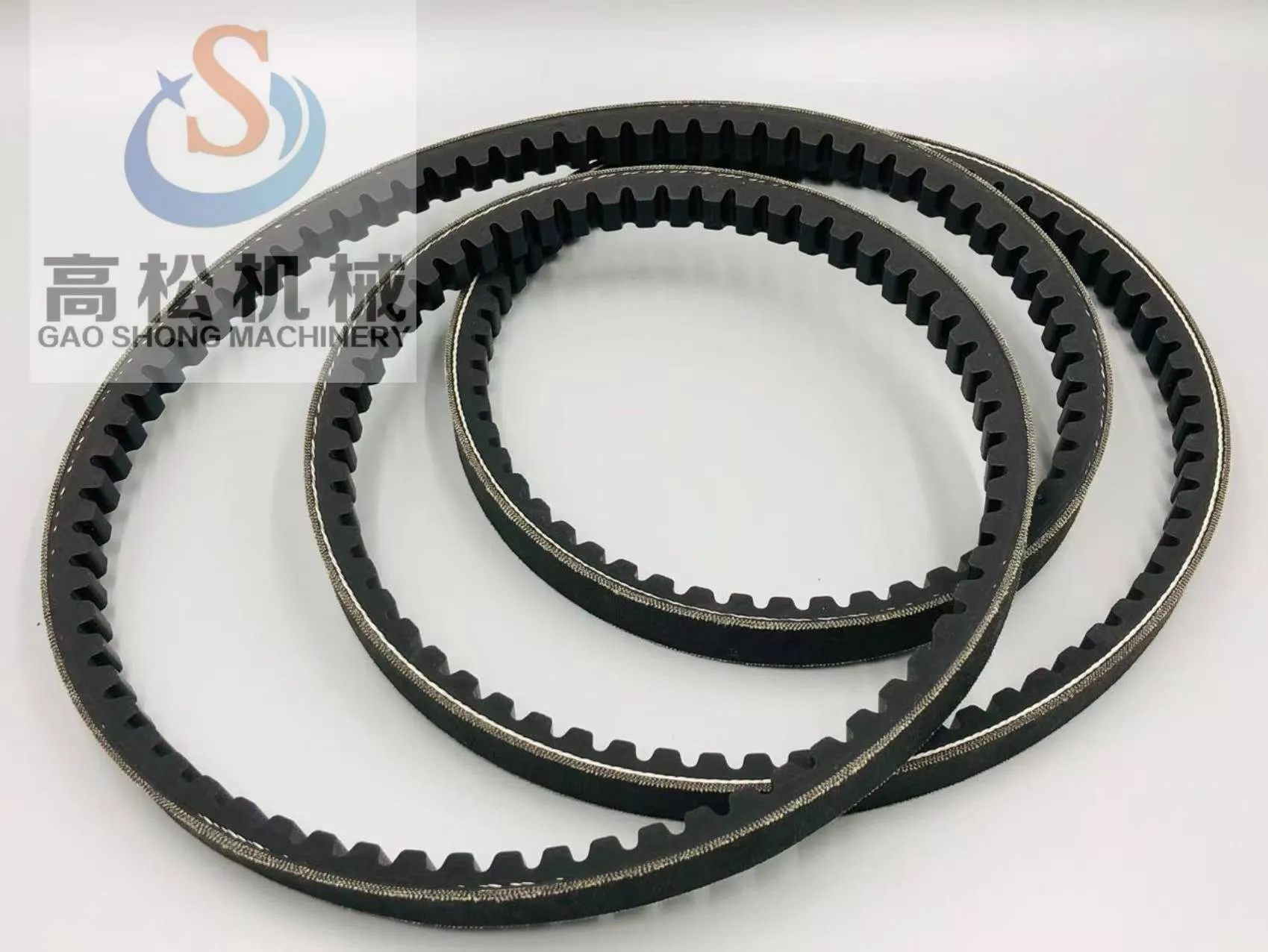 Genuine KOMATSU V-Belt for KOMATSU/SA12V140E-3/D375A-5/HD785-7 | P/N 6219-61-3420