
- Chinese
- French
- German
- Portuguese
- Spanish
- Russian
- Japanese
- Korean
- Arabic
- Irish
- Greek
- Turkish
- Italian
- Danish
- Romanian
- Indonesian
- Czech
- Afrikaans
- Swedish
- Polish
- Basque
- Catalan
- Esperanto
- Hindi
- Lao
- Albanian
- Amharic
- Armenian
- Azerbaijani
- Belarusian
- Bengali
- Bosnian
- Bulgarian
- Cebuano
- Chichewa
- Corsican
- Croatian
- Dutch
- Estonian
- Filipino
- Finnish
- Frisian
- Galician
- Georgian
- Gujarati
- Haitian
- Hausa
- Hawaiian
- Hebrew
- Hmong
- Hungarian
- Icelandic
- Igbo
- Javanese
- Kannada
- Kazakh
- Khmer
- Kurdish
- Kyrgyz
- Latin
- Latvian
- Lithuanian
- Luxembou..
- Macedonian
- Malagasy
- Malay
- Malayalam
- Maltese
- Maori
- Marathi
- Mongolian
- Burmese
- Nepali
- Norwegian
- Pashto
- Persian
- Punjabi
- Serbian
- Sesotho
- Sinhala
- Slovak
- Slovenian
- Somali
- Samoan
- Scots Gaelic
- Shona
- Sindhi
- Sundanese
- Swahili
- Tajik
- Tamil
- Telugu
- Thai
- Ukrainian
- Urdu
- Uzbek
- Vietnamese
- Welsh
- Xhosa
- Yiddish
- Yoruba
- Zulu
- Kinyarwanda
- Tatar
- Oriya
- Turkmen
- Uyghur






Komatsu electrical parts
When most people hear 'Komatsu electrical parts,' they immediately think of the main harness, the ECU, maybe the alternator. That's the surface. The real challenge, and where you separate the parts changers from the technicians, is in the interconnectivity and the secondary systems that don't always get the spotlight. It's not just about swapping a faulty sensor; it's about understanding why it failed in that specific machine application. A lot of guys get burned assuming a PC200-8 solenoid is identical to a PC200-8M0's—the suffix matters, the serial number break matters immensely. That's where the headaches, and the real business, live.
The OEM vs. Aftermarket Reality Check
Let's be clear: for core controllers and proprietary modules, you go genuine. The cost is painful, but the risk of a non-OEM part causing cascade faults in the monitor system or the new hybrid drive trains is just too high. I've seen a compatible swing motor controller on a Dash-8 excavator that worked for a week before it started sending erratic pressure signals, locking up the machine's functions. The downtime cost eclipsed the savings ten times over.
But the blanket rule of always buy Komatsu isn't sustainable either, especially for older models or in regions where supply chains are strained. This is where a different kind of supplier becomes critical. Companies that operate within the Komatsu ecosystem but aren't the direct factory. Take Jining Gaosong Construction Machinery Co., Ltd., for instance. Their model is interesting; they're an OEM product supplier within the system but also act as a third-party sales channel. Their site, https://www.takematsumachinery.com, positions them to solve parts supply challenges. For a fleet manager in a market where the official pipeline is slow, knowing a source like this that can access genuine or system-approved components is a lifeline. It's not about cheap alternatives; it's about alternative access to the right parts.
The nuance is in their description: helping to solve parts supply challenges in certain countries. That's industry code for dealing with the grey areas—obsolete parts, machines working far from their home market, or bureaucratic import hurdles. They aren't just selling a relay; they're selling a solution to a logistics and authenticity problem. For electrical components, where a wrong part can be catastrophic, that intermediary role with OEM backing carries weight.
Sensor Diagnostics: The Voltage Drop You Miss
Everyone reaches for the multimeter to check a sensor's signal output. But how many check the reference voltage at the sensor connector under load? I learned this the hard way on a D61EXi dozer with intermittent travel alarm issues. The speed sensor code kept popping. Signal looked fine when static. Finally, back-probing the connector while the machine was working showed the 5V reference from the controller was dropping to 3.8V when the hydraulic fan kicked in. The problem wasn't the Komatsu electrical parts sensor itself; it was a corroded pin in a Deutsch connector three feet back in the harness, causing high resistance. The sensor was the symptom.
This is why wiring diagrams and understanding the power supply path for each component are as crucial as the component catalog. You need to know if that sensor is powered by the main controller or a secondary power supply module. The part number alone won't tell you that.
And then there's calibration. Replacing a pressure sensor on a modern excavator pump isn't plug-and-play. Often, you need to go into the service menu to calibrate the neutral and max pressure points. If you don't, the machine might run, but efficiency and control will be off. The part is genuine, the installation is correct, but the outcome is poor because the system integration wasn't completed. That final software step is part of the electrical part replacement process now.
The Obsolescence Puzzle and Cross-Reference Traps
Dealing with machines from the 90s or early 2000s is a whole different ballgame. Komatsu, like all manufacturers, consolidates and updates part numbers. A starter motor for an old PC300-5 might have been superseded three times. The physical part might fit, but the solenoid terminal layout or the internal suppression diode might be different. Plugging in the updated part can blow a fuse or worse.
This is where a supplier's expertise is tested. A good one won't just sell you the latest cross-reference; they'll ask for the serial number and maybe even a photo of the old component's nameplate. They should know the history. I recall needing a governor controller for a venerable HD785-3 truck. The original part was long obsolete. A generic supplier offered a universal replacement. A specialist supplier, the kind that operates like Jining Gaosong, dug deeper and found a Komatsu-sanctioned rebuild program and could provide the exchange unit with the correct firmware load for that specific chassis. The difference was a two-day fix versus a week of trial and error.
The trap with electrical parts is assuming physical compatibility equals functional compatibility. With electronic components, the firmware, the communication protocol (CAN bus vs. older serial), and the voltage thresholds are everything. A looks the same relay might have a different coil resistance, leading to a controller thinking it's failed when it's just drawing slightly different current.
Case in Point: The Failing Fuel Rail Solenoid That Wasn't
Here's a story that embodies the messiness. A Komatsu WA470-6 wheel loader was throwing a fuel rail pressure code. Local mechanic replaced the pressure control solenoid—a classic Komatsu electrical parts fix. Code came back. Replaced it again, suspecting a bad new part. Code persisted. They were ready to condemn the fuel pump.
We got involved and started from scratch. The solenoid tested fine off the machine. Checking the wiring to the solenoid showed no issues. But tracing the circuit back, we found the driver transistor inside the engine ECM that controlled that solenoid was weak. It was providing just enough current to click the solenoid but not hold it steadily under high pressure demand. The ECM wasn't flagging a fault on its own output driver. The solution wasn't a new solenoid; it was a replacement ECM. But crucially, it wasn't just any ECM. It had to be flashed with the exact machine's configuration software. A used ECM from a similar model wouldn't work without the proper Komatsu tool to marry it to the machine. The electrical part failure was inside the computer, but the fix required system-level knowledge and tools.
This is the gap between having a part and having a solution. It's why the procurement source matters. A supplier that understands this chain of events is more likely to ask the right questions before shipping a box.
Practical Sourcing and Final Thoughts
So, how do you navigate this? First, know your machine's identity: model, serial number, and if possible, the component's original part number and production date code. Second, prioritize the supply chain. For critical, proprietary electronics, the official dealer or an authorized system supplier is the first call. For harnesses, connectors, common relays, and older components where genuine is NLA (No Longer Available), a reputable specialist is key. Their value is in their database and their technical back-end, not just their inventory.
That's the role companies like the one mentioned earlier fill. Being an OEM supplier within the Komatsu system suggests they have access to the technical bulletins, the supersession charts, and hopefully, some engineering support that a pure aftermarket seller won't. When their website says they help solve supply challenges, the unspoken part is they (should) understand the technical implications of those challenges.
In the end, working with Komatsu electrical parts is a blend of electrical theory, practical diagnostics, and logistical savvy. The part in the box is just the endpoint. Everything that leads to choosing the right box—the diagnostics, the cross-referencing, the understanding of system integration—is where the real work happens. It's messy, non-linear, and often frustrating. But getting it right, that's what keeps machines, and businesses, moving.
Related Products
Related Products

Best Selling Products
Best Selling Products-
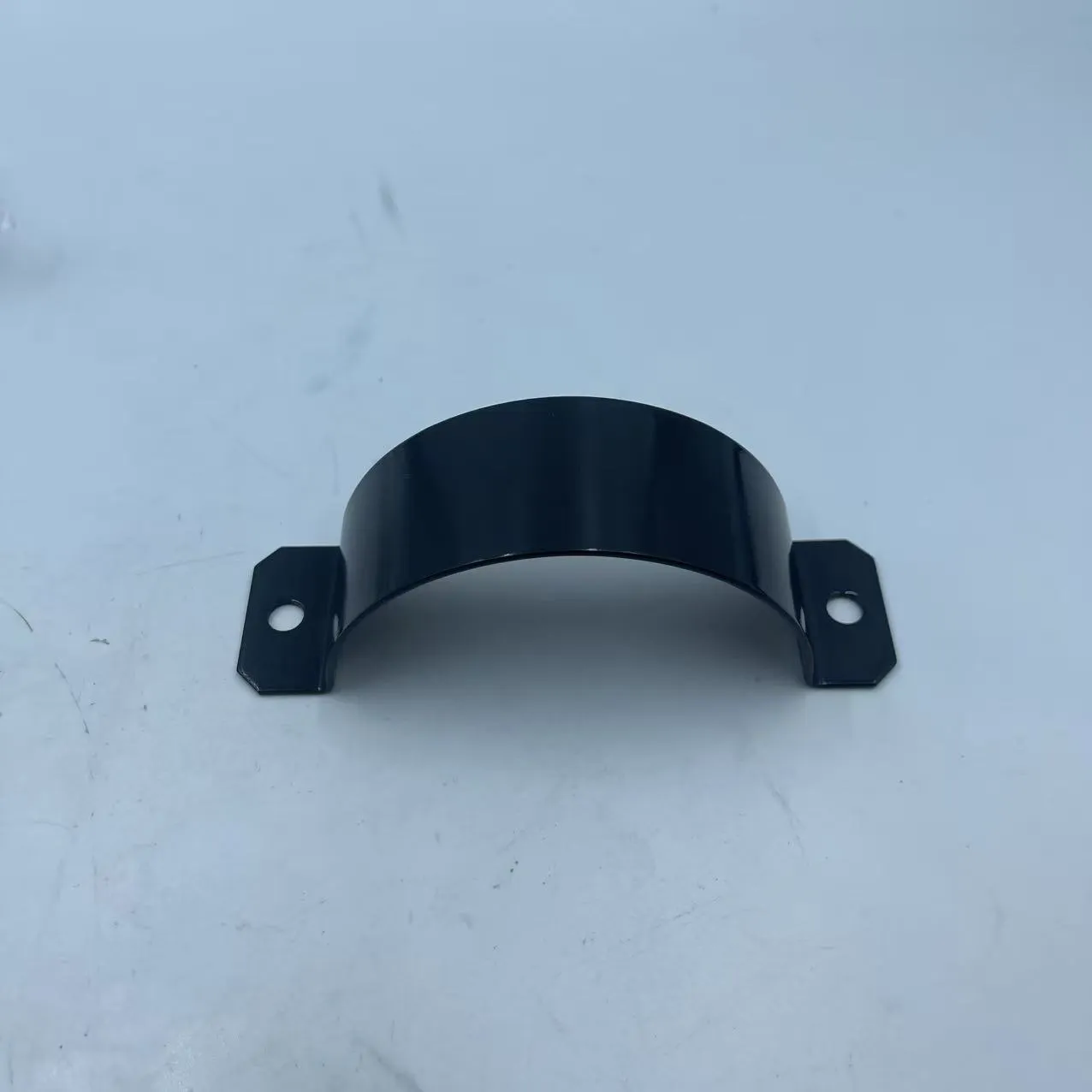 569-40-83470komatsu HD405-7 HD325-7 HD605-7R HD465-7E0 HD785-7
 -
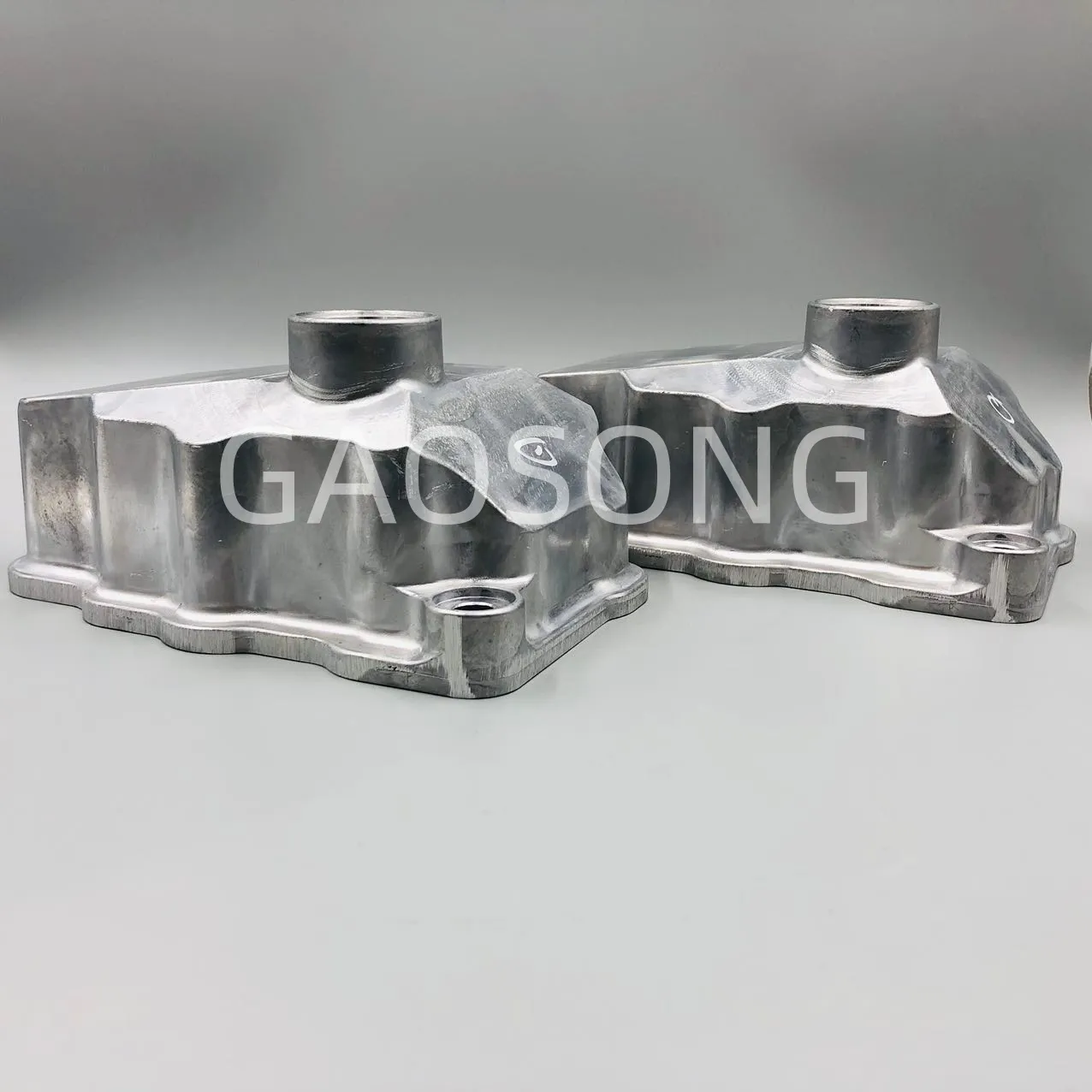 6251-11-8150 Komatsu Cover, Rocker Arm Housing
 -
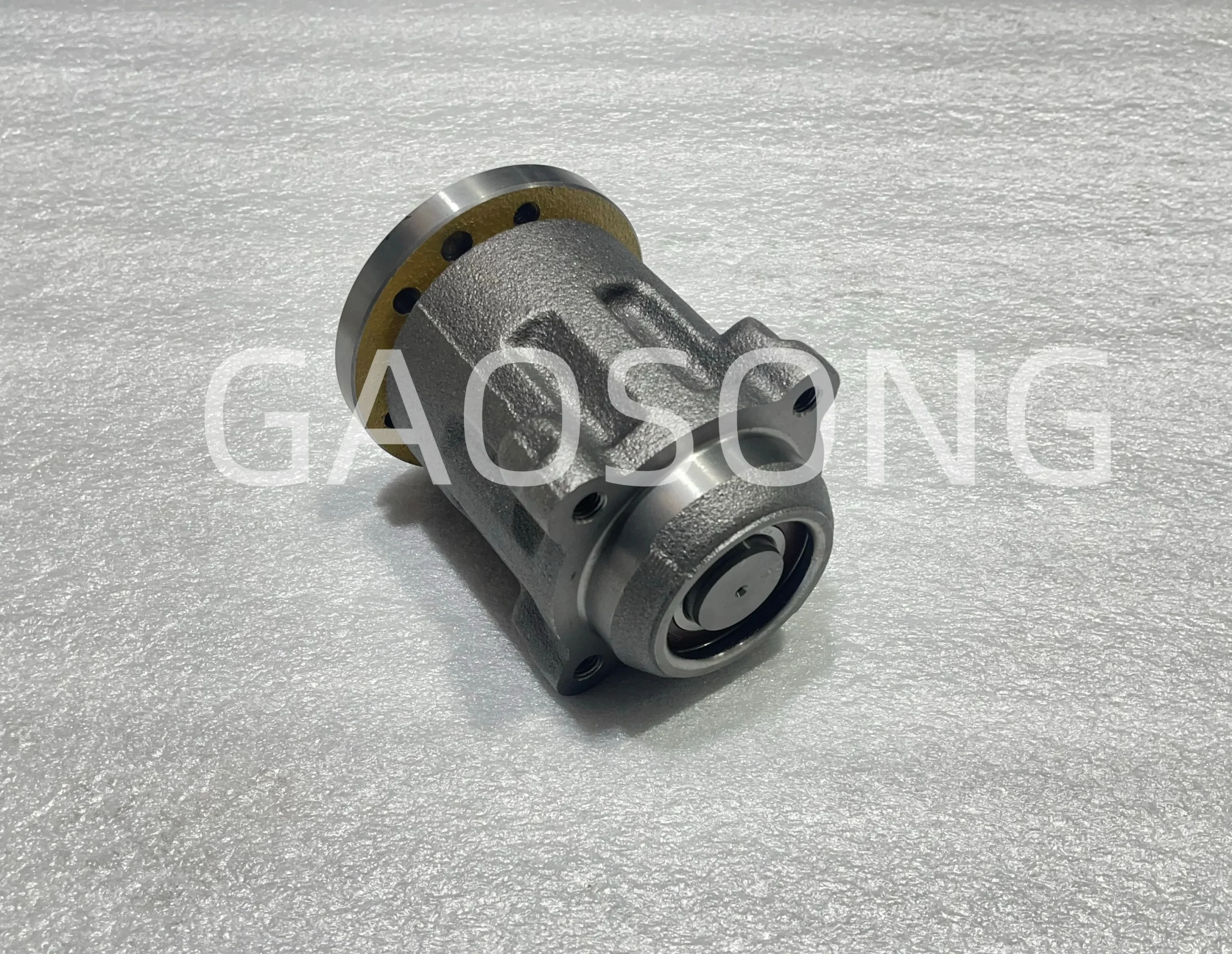 6151-61-3201 CASE ASS’Y-Komatsu Original Factory
 -
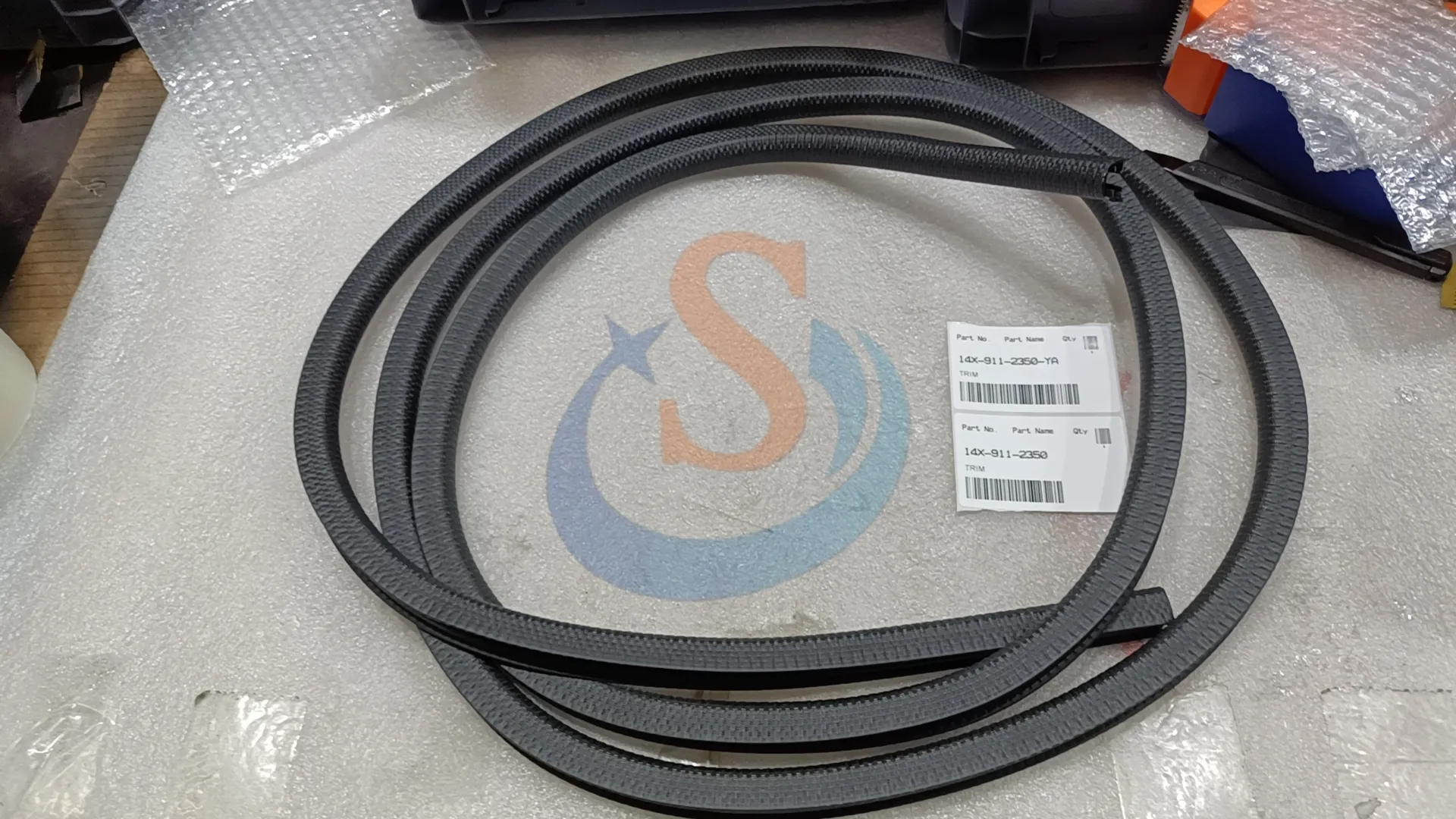 14X-911-2350,TRIM,D68ESS,D65PX,D155A,D375A
 -
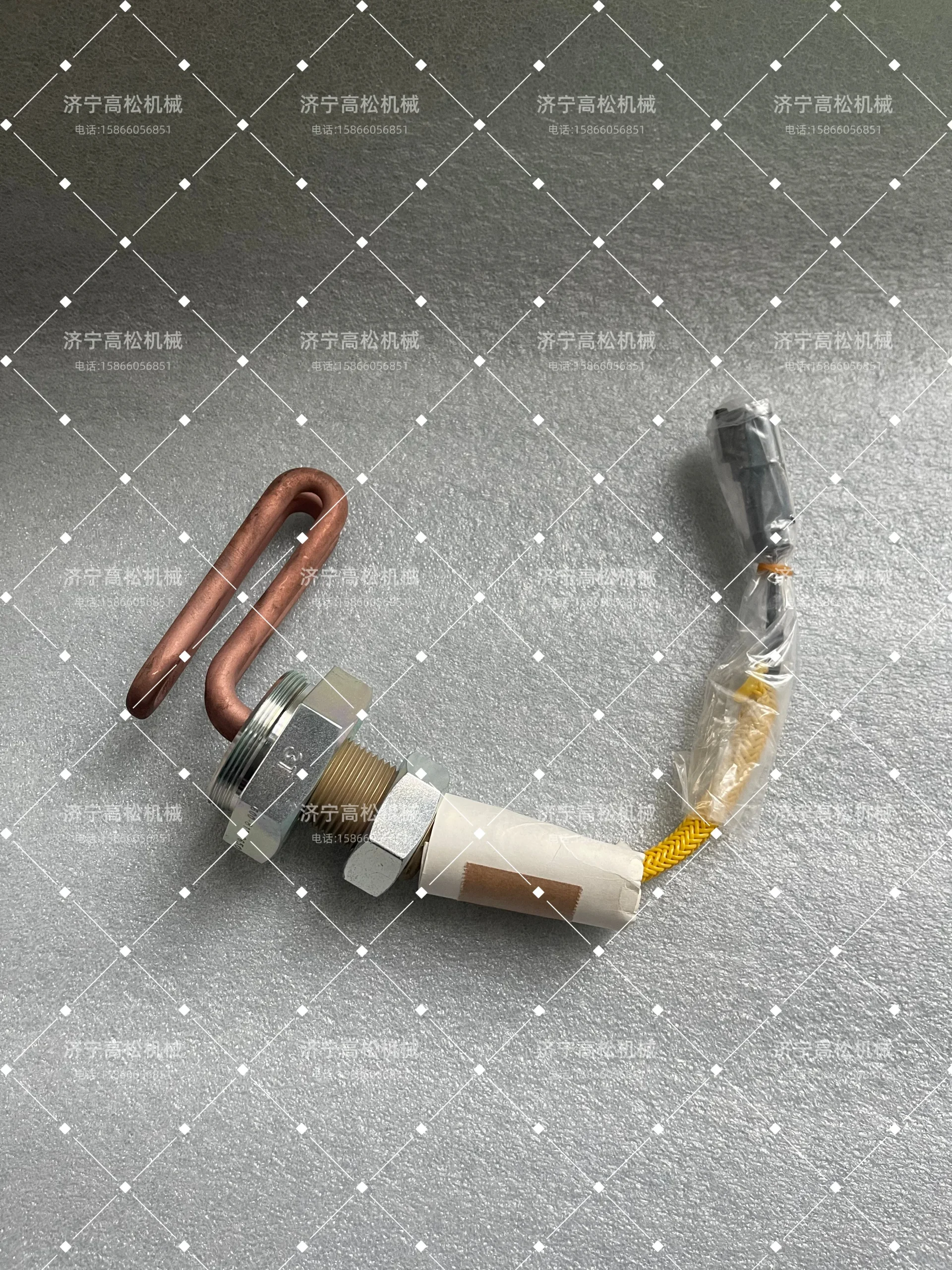 600-815-9650 – HEATER fits KOMATSU
 -
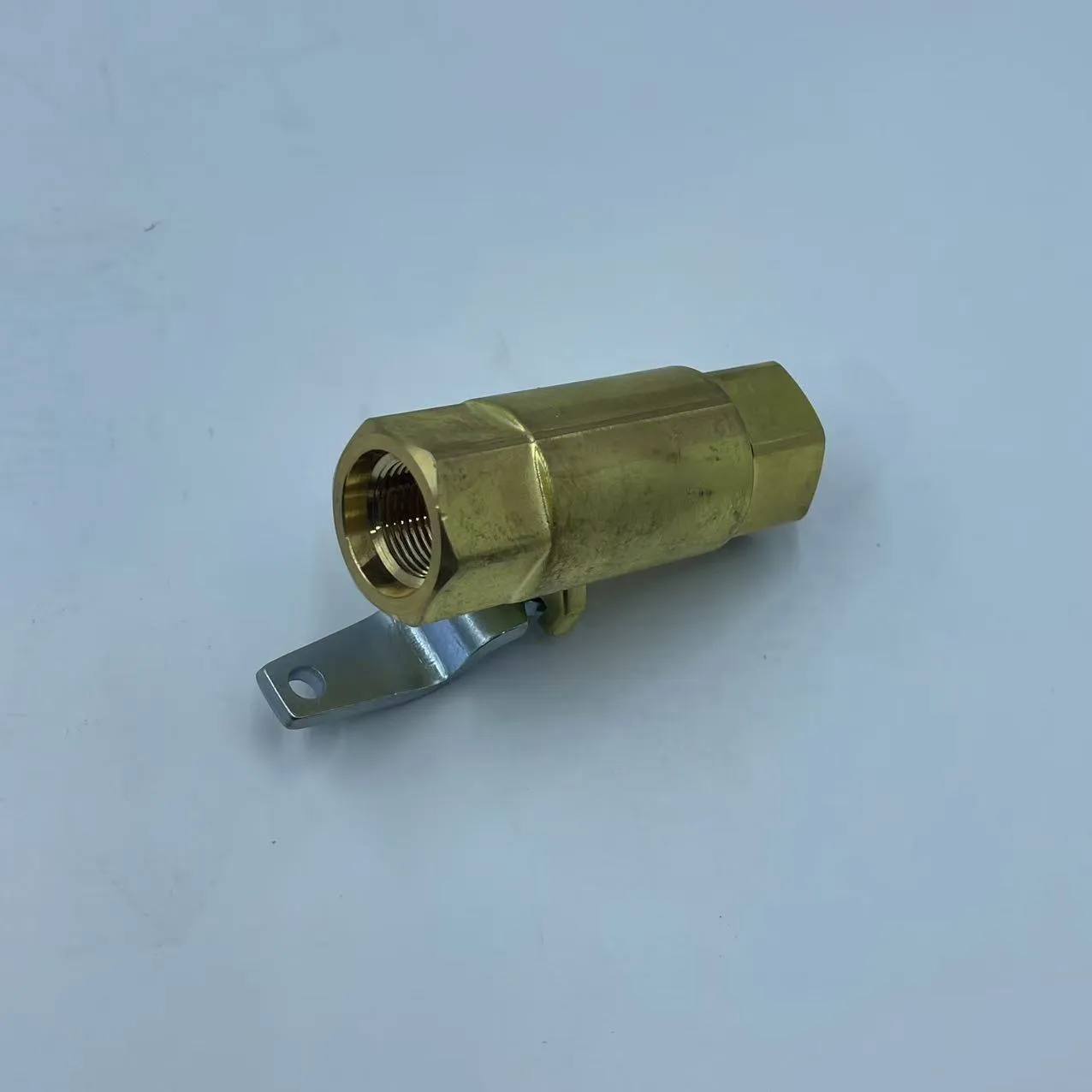 KOMATSU-VALVE 20Y-62-15651 –
 -
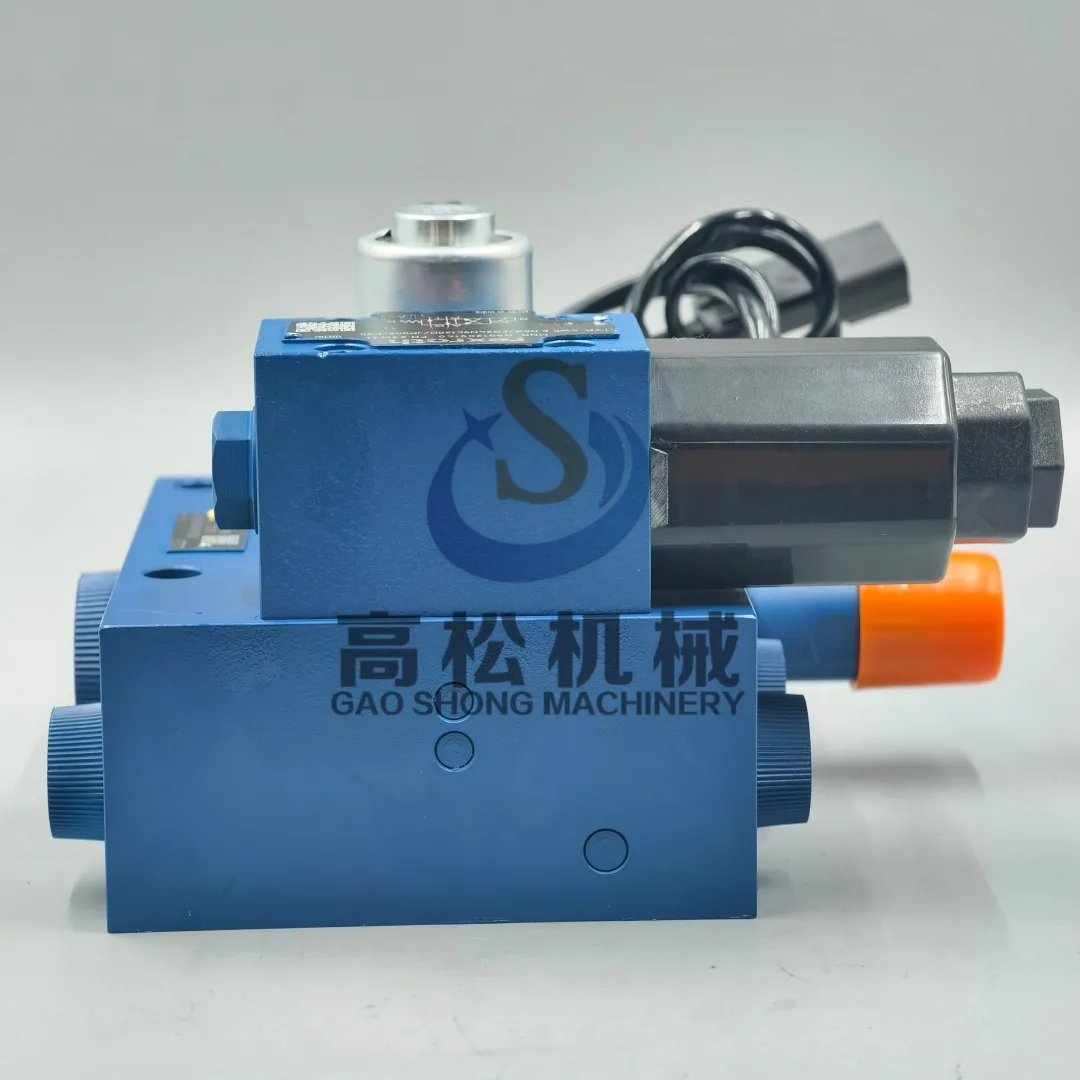 Original VALVE ASS’Y 56B-43-12402 for DUMP TRUCKS HD325 HD605
 -
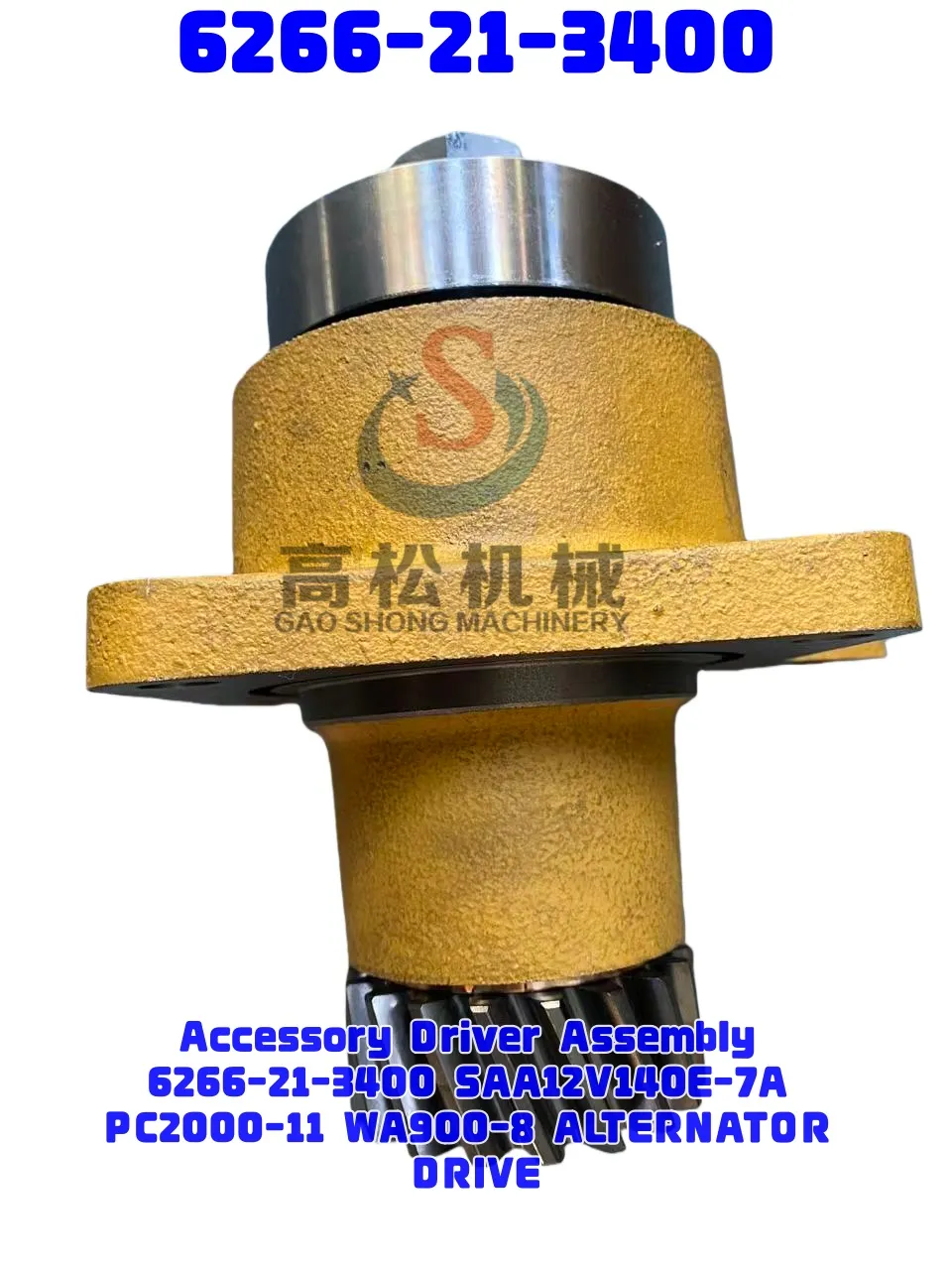 Accessory Driver Assembly 6266-21-3400 SAA12V140E-7A PC2000-11 WA900-8 ALTERNATOR DRIVE
 -
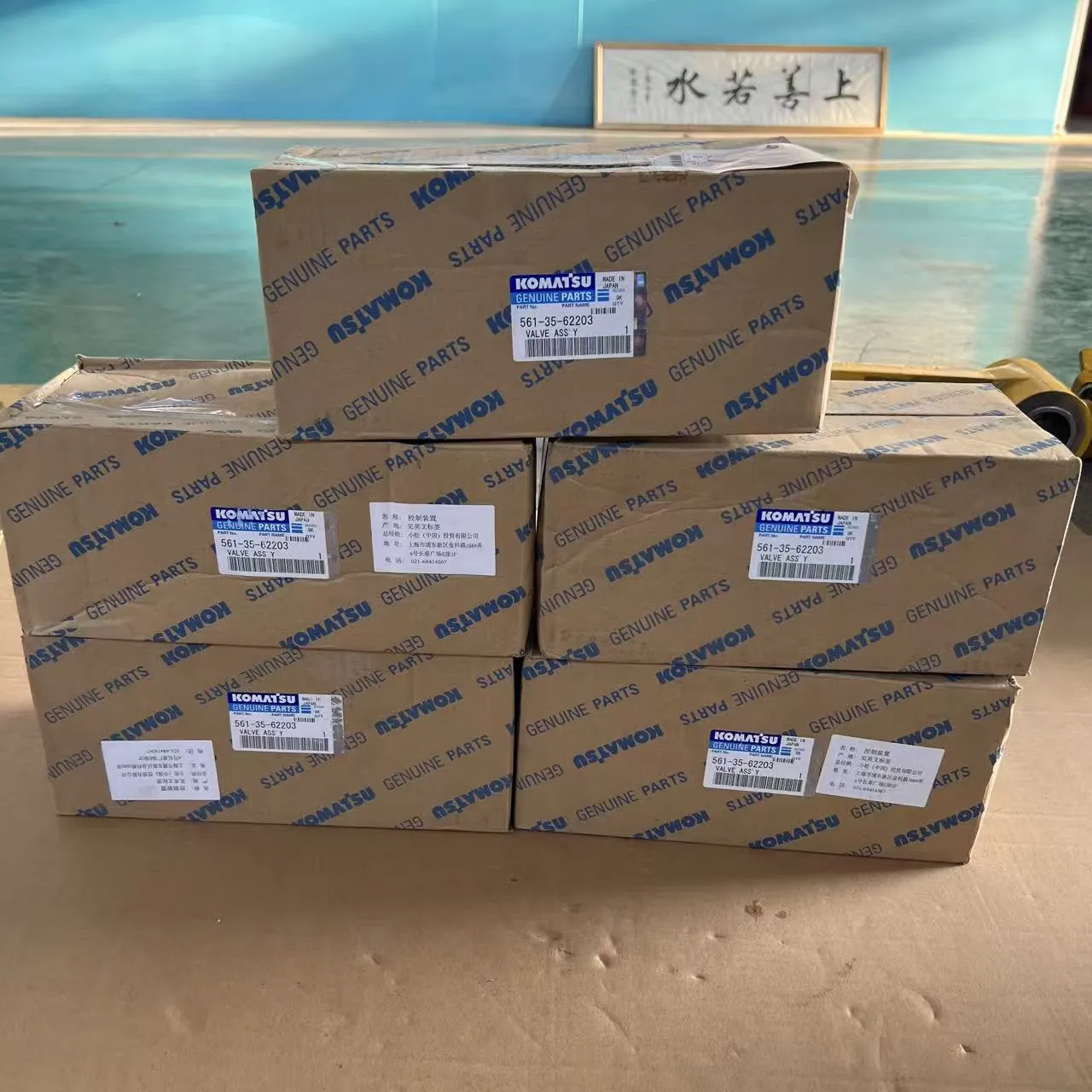 561-35-62203 Valve Assembly
 -
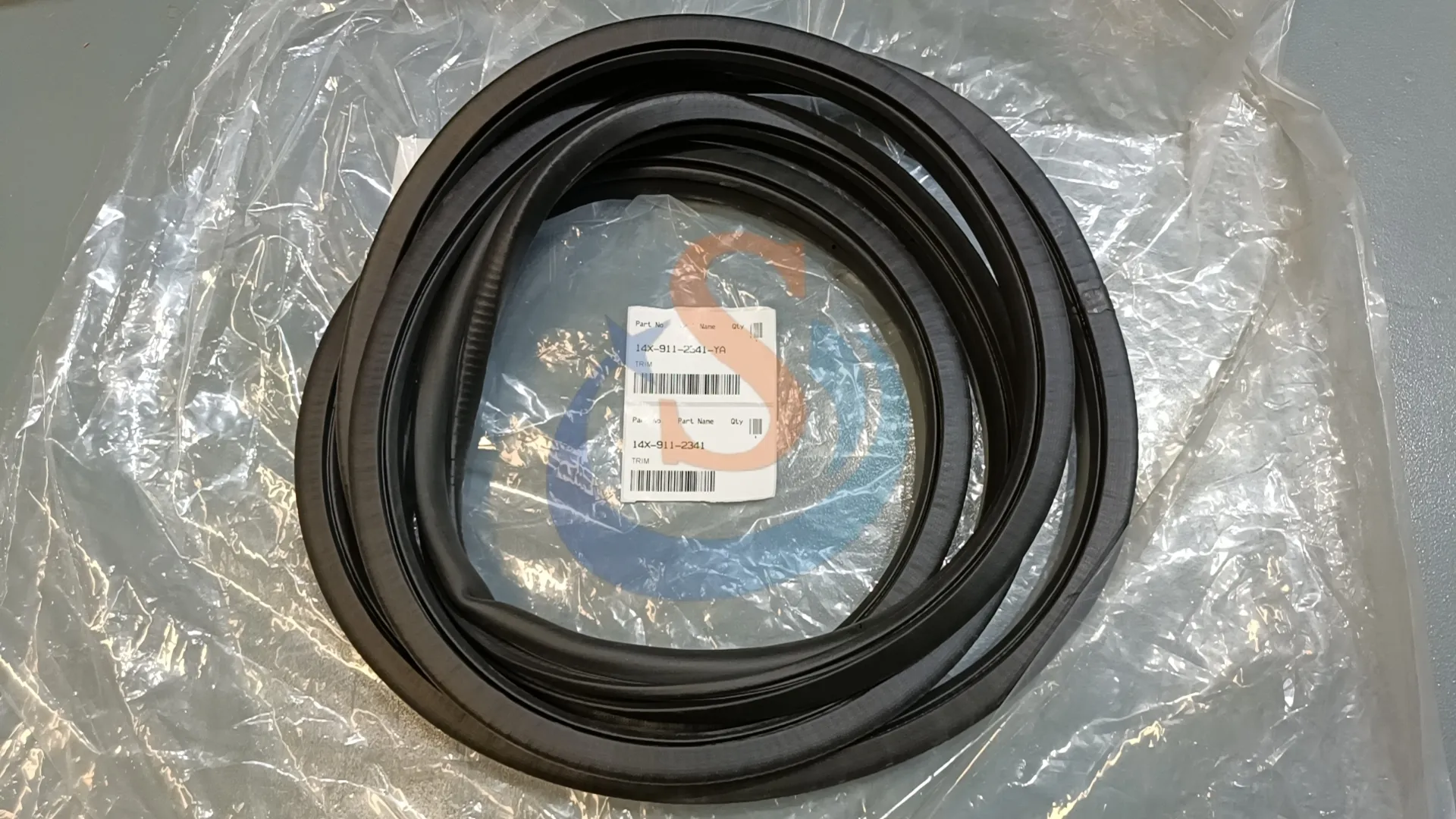 14X-911-2341,TRIM,D155A,D375A,D61EX
 -
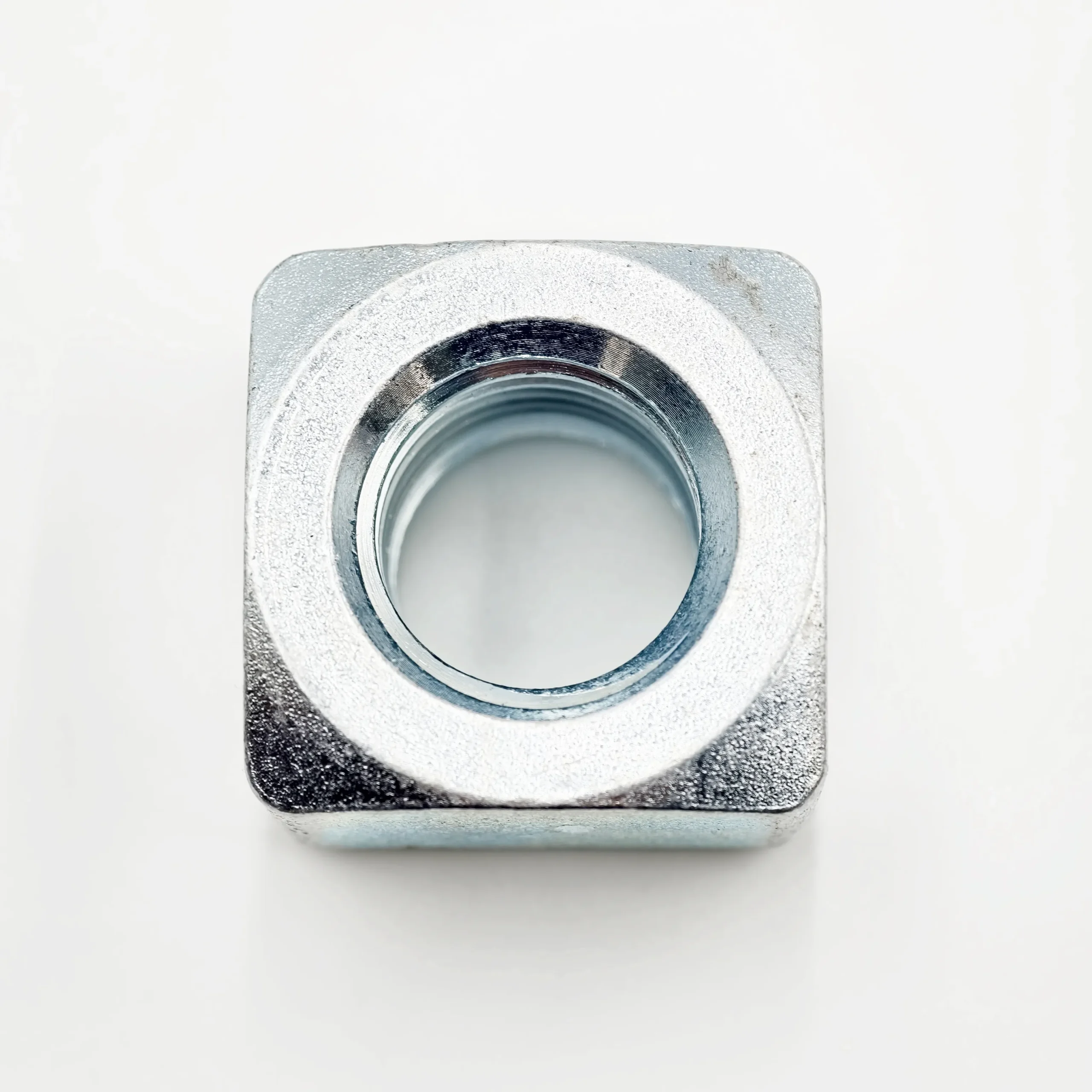 KOMATSU 130-70-13241 Square NUT
 -
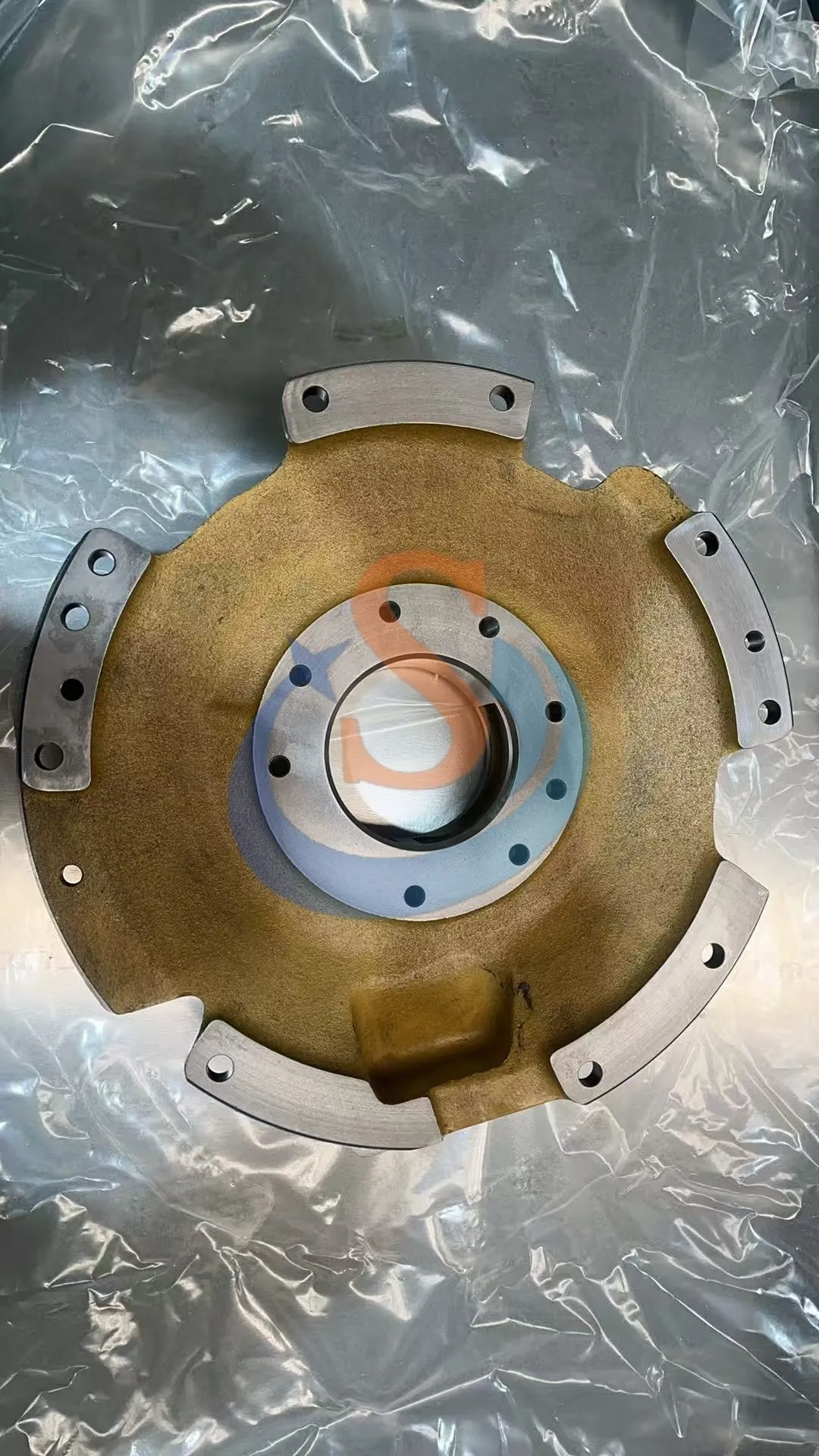 14X-13-54411 Housing D65PX/D65WX/D65EX
Related Search
Related Search- 6d125 komatsu engine
- 17А-71-12251
- OEM AND ORIGINAL KOMATSU WIRING HARNESS 427-06-22152
- OEM AND ORIGINAL KOMATSU COVER 198-27-45530
- komatsu forklift spare parts
- Komatsu aftercooler
- OEM AND ORIGINAL KOMATSU PIN 427-70-11965
- OEM AND ORIGINAL KOMATSU BRACKET 41E-70-25590
- OEM AND ORIGINAL KOMATSU UNIVERSAL JOINT 198-20-62000
- 195-15-19310