
- Chinese
- French
- German
- Portuguese
- Spanish
- Russian
- Japanese
- Korean
- Arabic
- Irish
- Greek
- Turkish
- Italian
- Danish
- Romanian
- Indonesian
- Czech
- Afrikaans
- Swedish
- Polish
- Basque
- Catalan
- Esperanto
- Hindi
- Lao
- Albanian
- Amharic
- Armenian
- Azerbaijani
- Belarusian
- Bengali
- Bosnian
- Bulgarian
- Cebuano
- Chichewa
- Corsican
- Croatian
- Dutch
- Estonian
- Filipino
- Finnish
- Frisian
- Galician
- Georgian
- Gujarati
- Haitian
- Hausa
- Hawaiian
- Hebrew
- Hmong
- Hungarian
- Icelandic
- Igbo
- Javanese
- Kannada
- Kazakh
- Khmer
- Kurdish
- Kyrgyz
- Latin
- Latvian
- Lithuanian
- Luxembou..
- Macedonian
- Malagasy
- Malay
- Malayalam
- Maltese
- Maori
- Marathi
- Mongolian
- Burmese
- Nepali
- Norwegian
- Pashto
- Persian
- Punjabi
- Serbian
- Sesotho
- Sinhala
- Slovak
- Slovenian
- Somali
- Samoan
- Scots Gaelic
- Shona
- Sindhi
- Sundanese
- Swahili
- Tajik
- Tamil
- Telugu
- Thai
- Ukrainian
- Urdu
- Uzbek
- Vietnamese
- Welsh
- Xhosa
- Yiddish
- Yoruba
- Zulu
- Kinyarwanda
- Tatar
- Oriya
- Turkmen
- Uyghur






Komatsu electric drive system parts
When most people hear 'Komatsu electric drive system parts,' they immediately think of the big-ticket items: the traction motors, the IGBT inverters, maybe the main generator. That's the surface layer. The real challenge, and where the actual operational headaches often lie, is in the ecosystem of supporting components and the integration logic. It's not just about swapping a failed part; it's about understanding why it failed in that specific configuration and what knock-on effects a 'compatible' replacement might have. A lot of suppliers miss that depth, focusing on cross-reference numbers without the context of the machine's duty cycle or the control software's version.
The Core Misconception: It's Just a Power Train
This is the biggest pitfall I've seen. Treating an electric drive system as a simple replacement for a mechanical transmission ignores its fundamental nature as a closed-loop, software-managed network. For instance, on a 930E or 980E haul truck, the Komatsu electric drive system parts include sensors like resolver feedback units on the motors and current transducers on the DC link. These aren't passive components; their calibration values are often written into the inverter's memory during assembly. Slapping in a new resolver without performing the required angular offset learning procedure through the service tool will lead to derates, torque oscillation, and cryptic fault codes that send technicians down rabbit holes.
We learned this the hard way years back. A client had persistent, intermittent 'Motor Phase Current Imbalance' alarms. They'd replaced the power modules, the cabling, the motors were bench-tested fine. The issue? It was a batch of aftermarket current sensors whose response time at low current ranges was marginally slower than the OEM spec. The inverter's control algorithm, expecting a certain waveform timing, interpreted the lag as an imbalance. The fix wasn't in the obvious power path, but in a sensor deemed 'secondary.' That experience fundamentally changed how we vet parts, especially for Komatsu electric drive system.
This is precisely where a supplier's role gets critical. It's not enough to have the part on a shelf. You need the technical backbone to ask, What's the machine serial number range? and What was the actual fault code sequence? This diagnostic partnership is what separates a parts vendor from a solutions provider. Companies that operate within the Komatsu ecosystem, like Jining Gaosong Construction Machinery Co., Ltd., often bridge this gap. As an OEM product supplier within the Komatsu system and a third-party sales company, their value isn't just in availability, but in filtering the right OEM or qualified alternative part for the specific problem, helping to solve parts supply challenges in certain countries where direct OEM channels might be constrained or slow.
The Hidden Network: Cooling and Insulation
Electric drive components live and die by their temperature. The cooling system for the inverter cabinet and traction motors is a critical part of the whole. We're talking about specific coolant flow meters, de-ionizing cartridges for the coolant itself, and the epoxy potting compounds used on coil windings. Degradation here is silent but deadly.
I recall a case with several HD785-7 trucks operating in a high-humidity, salty environment. They started experiencing an unusual rate of inverter submodule failures. The root cause traced back to the coolant's conductivity creeping up over time, which the standard maintenance intervals didn't catch. The slightly conductive coolant was creating micro-leakage paths across the cooling plates to ground, eventually stressing the insulation. The lesson? The electric drive system parts list must include maintenance items for the cooling circuit, not just the electrical components. It's a system.
This is another area where practical experience matters. A good supplier won't just sell you a new IGBT module after a failure like that; they should be asking about your coolant maintenance history and might point you to the proper test kits or recommend a more aggressive replacement schedule for the de-ionizer based on your environment. It's this holistic view that prevents repeat failures.
Software and Firmware: The Invisible Part
You can't hold it in your hand, but it might be the most crucial 'part' in the system. The firmware on the inverter, the generator controller (GEC), and the vehicle control modules dictates how all the hardware interacts. A part number suffix change on a control board often indicates a firmware revision.
We had a situation where a mine upgraded the traction motor on a few trucks with units from a newer model, believing the physical mounting and connectors were identical. They were. But the new motors had a slightly different magnetic characteristic. The old inverter firmware, expecting the old motor's parameters, caused erratic acceleration and regenerative braking behavior. The solution wasn't a hardware change, but a firmware flash for the inverter to recognize the new motor profile—a service procedure that required the right software kit and authorization.
This underscores the complexity. Sourcing a physical part is one thing; having access to the technical updates, service bulletins, and sometimes the tooling to marry new hardware with old systems is another. It's a layer of support that goes beyond logistics. A partner like the one behind https://www.takematsumachinery.com understands this nuance because they operate within the same technical framework. Their role as an OEM supplier within the system implies a level of technical alignment that a pure third-party might not have, which is vital for solving these integrated puzzles.
The Reality of Sourcing and Compatibility
Let's be blunt: the aftermarket for these components is a minefield. 'Will-fit' promises are common, but for a system this integrated, 'will-function-optimally' is the real question. For example, the DC link capacitors in the inverter. Their capacitance and ESR (Equivalent Series Resistance) are matched to the switching frequency and ripple current of the original design. An off-spec capacitor might physically fit and even work initially, but its thermal performance and lifespan under load could be drastically reduced, leading to premature failure and potential damage to the adjacent IGBTs.
Our approach has been to segment parts into tiers. Mission-critical, software-sensitive items (controllers, sensors with calibration) we strongly advise sourcing as genuine OEM or remanufactured by certified shops. For more generic mechanical or passive electrical items—certain bushings, bolts, busbars, maybe cooling fans—qualified alternatives can be perfectly viable and offer cost savings. The key is having a supplier that understands the difference and is transparent about it.
This is the practical value of a hybrid supplier model. They can provide the genuine article when it's non-negotiable, and offer a vetted, cost-effective alternative where it's safe and sensible. For operations in regions with supply chain hurdles, this flexibility is not just convenient; it's essential for uptime. It aligns with the stated goal of helping to solve parts supply challenges in certain countries.
Looking Ahead: Obsolescence and Support
The electric drive systems on machines from the early 2000s are now facing component obsolescence. The specific DSP chips or custom ASICs on some older controller boards are no longer manufactured. This is becoming a real-world problem. The solution isn't always finding NOS (New Old Stock) boards; sometimes it's about board-level repair or, increasingly, authorized third-party upgrades or retrofits.
I'm watching this space closely. The next frontier for parts support for older Komatsu electric drive machines will be in sustaining the electronics. It requires a different skill set—component-level electronics engineering and reverse-engineering of board functionality to diagnose and repair, rather than just swap. Suppliers who want to remain relevant in supporting older fleets will need to develop or partner with these specialized technical shops.
It circles back to the core idea: dealing with these systems is a technical partnership. It's about depth of knowledge, not just breadth of inventory. Whether it's navigating a firmware issue, diagnosing a cascading failure from a cooling problem, or planning for the obsolescence of a 15-year-old controller, the need is for informed judgment. That's what you're really sourcing when you work with a technically-engaged supplier, the kind that operates with one foot in the OEM world and the other in the practical realities of global fleet support. It turns parts procurement from a transactional exercise into a strategic maintenance function.
Related Products
Related Products

Best Selling Products
Best Selling Products-
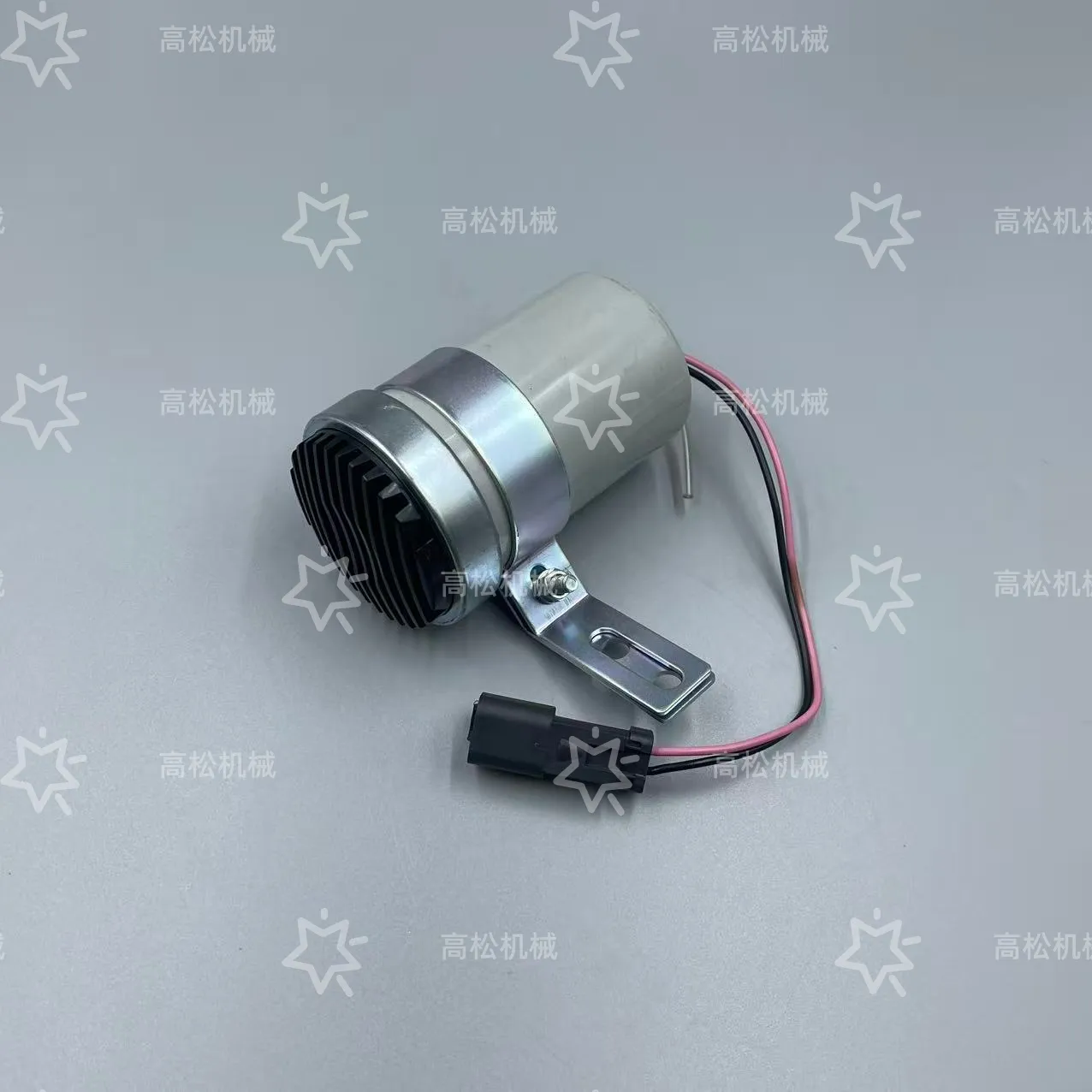 Komatsu Alarm 198-06-56570 for Bulldozer D65PX-15EO
 -
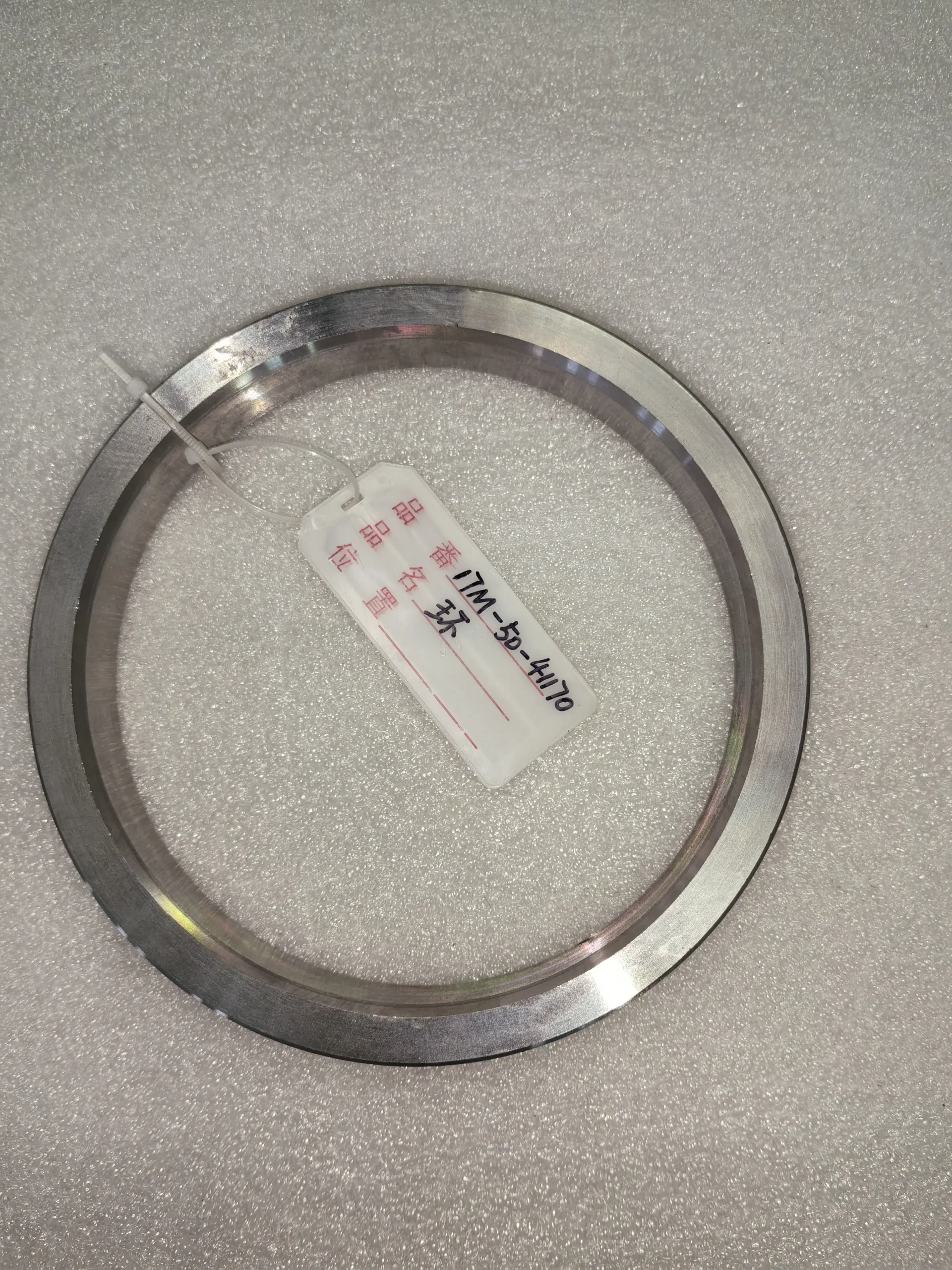 RING 17M-50-41170 – KOMATSU
 -
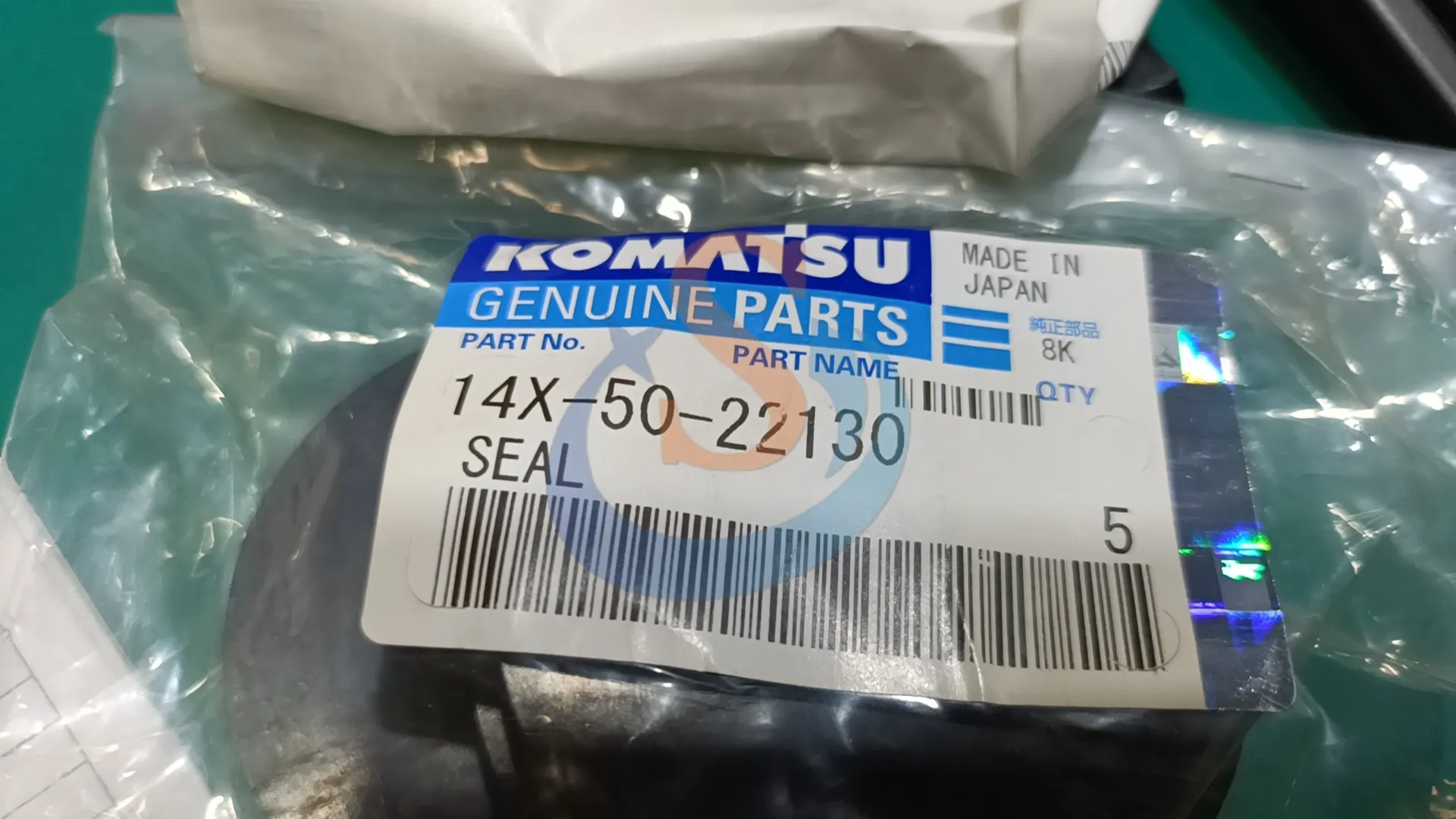 14X-50-22130,SEAL,D65PX,D65E,D85E
 -
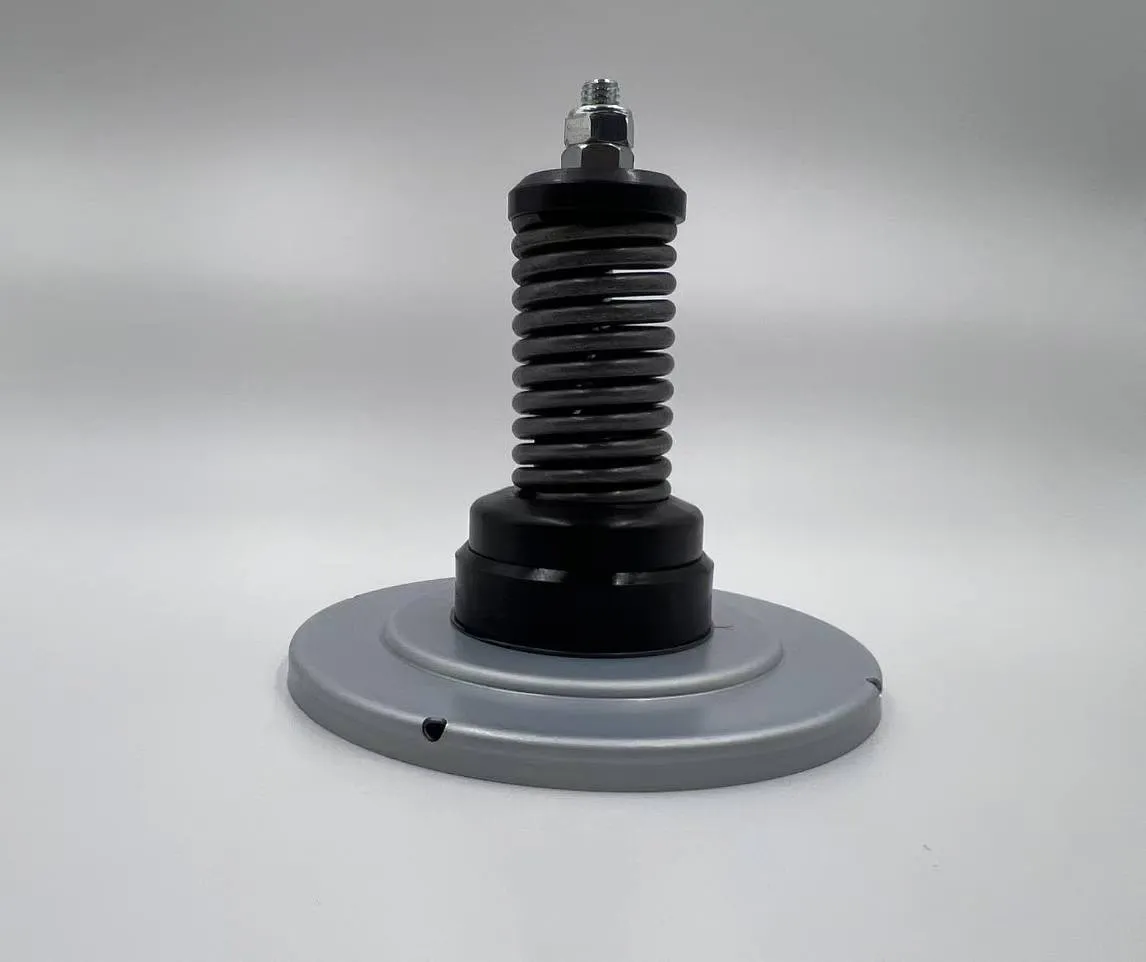 20Y-60-31450 Komatsu Valve Assembly
 -
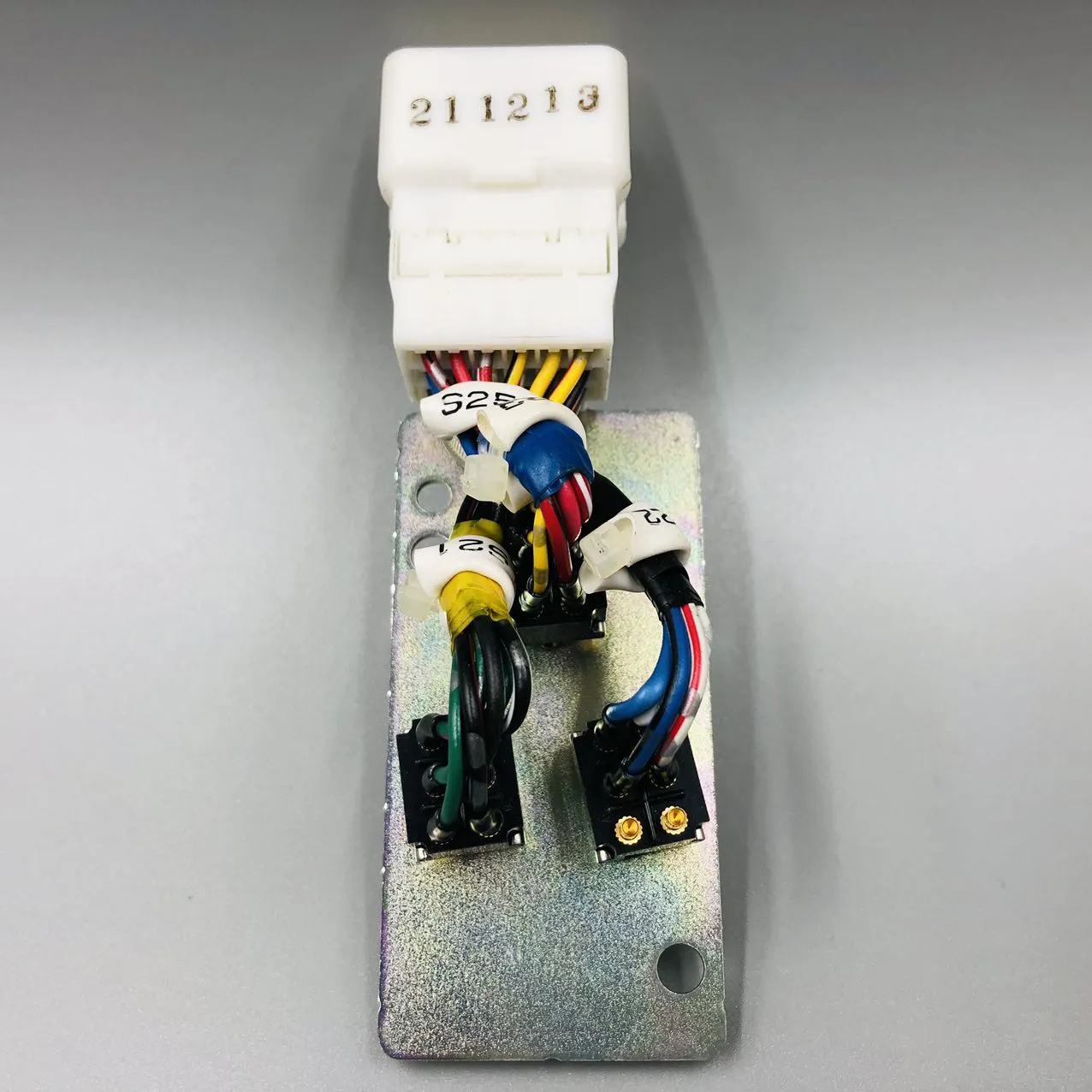 PC300-7 PC350-7 Switch Assy 22U-06-22370
 -
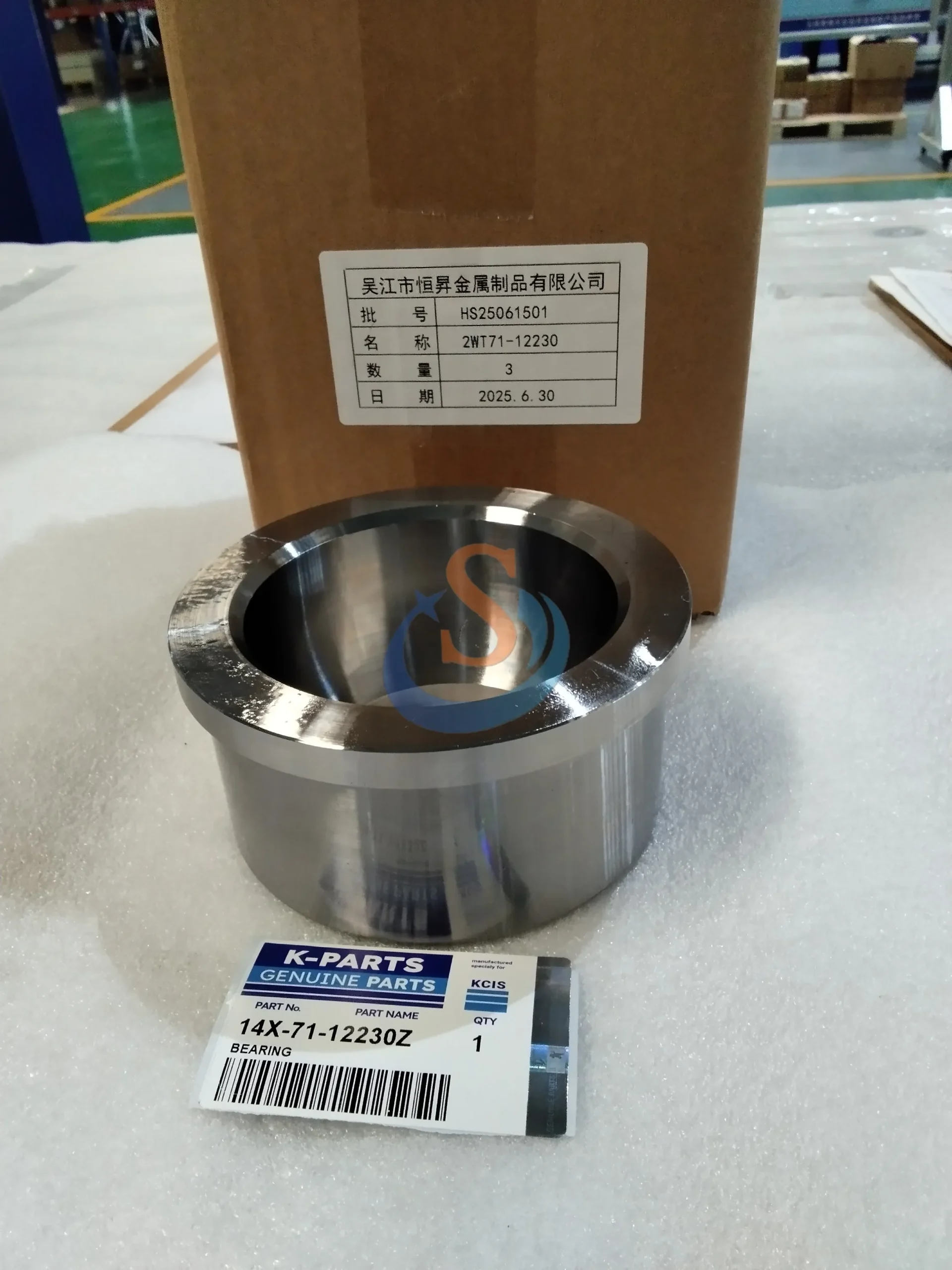 14X-71-12230,BEARING,D65WX,D65PX,D85ESS
 -
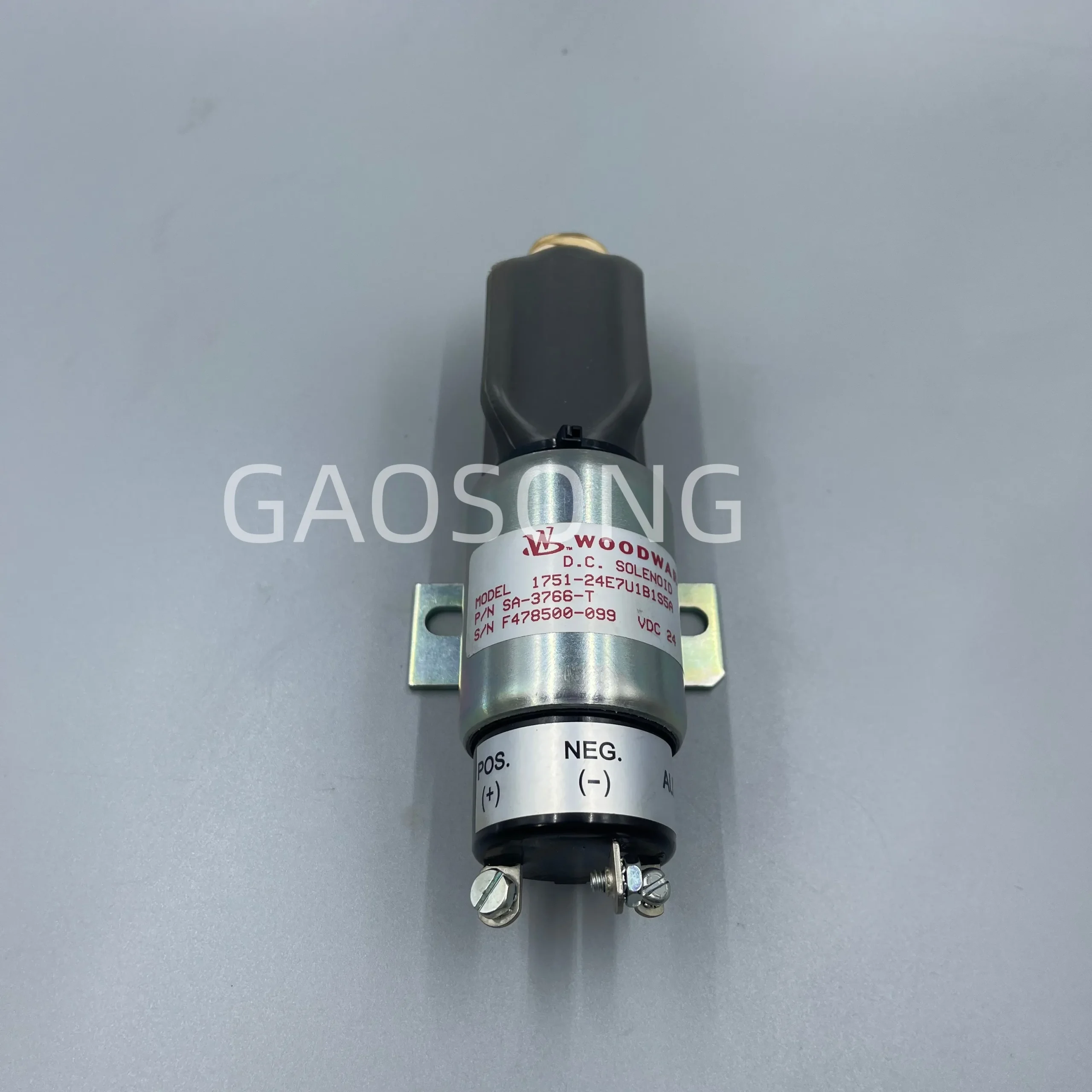 600-815-7550 SOLENOID ASS’Y–Komatsu Original Factory
 -
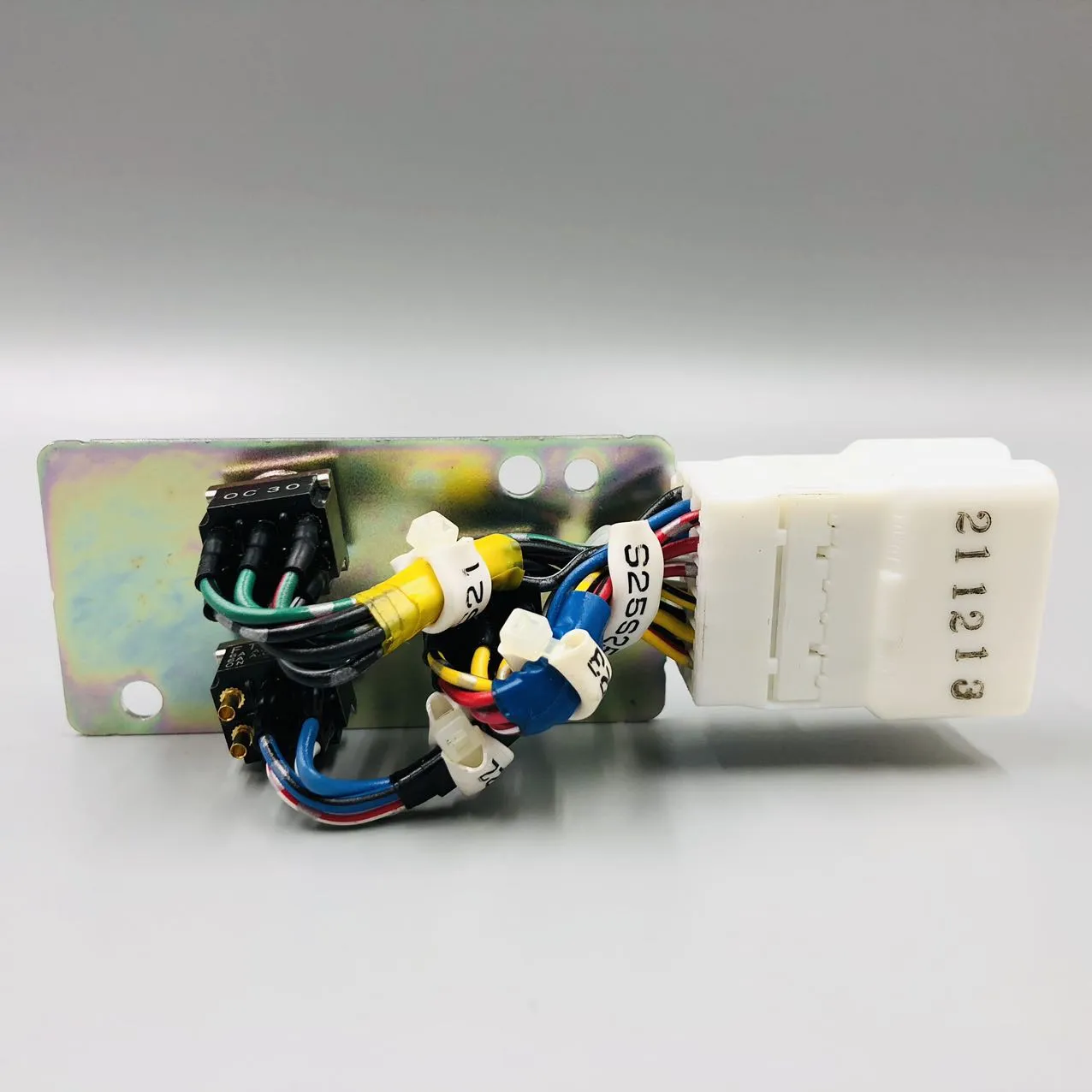 22U-06-22370 Switch Assembly
 -
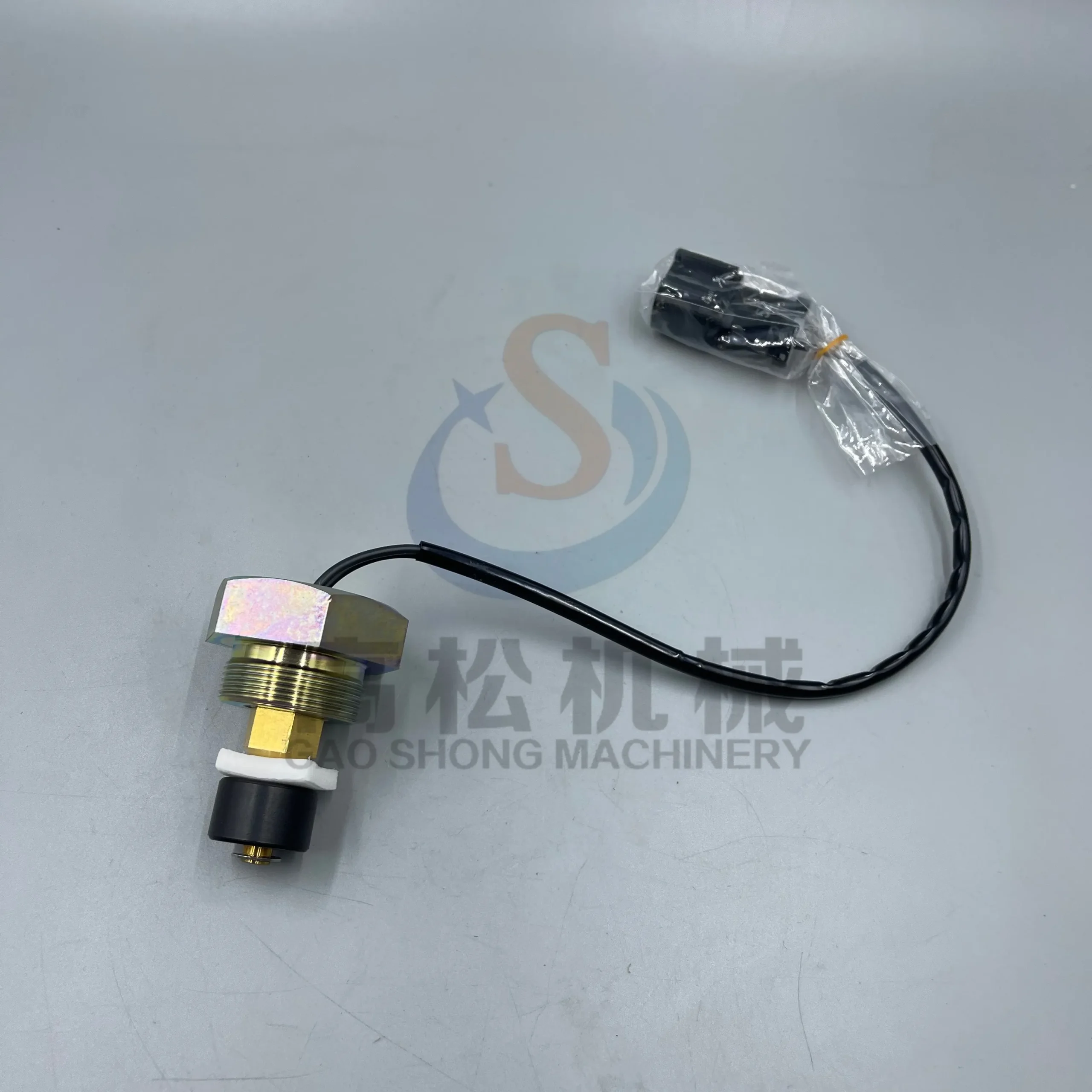 7861-92-4500 Komatsu SENSOR,HYDRAULIC OIL LEVEL
 -
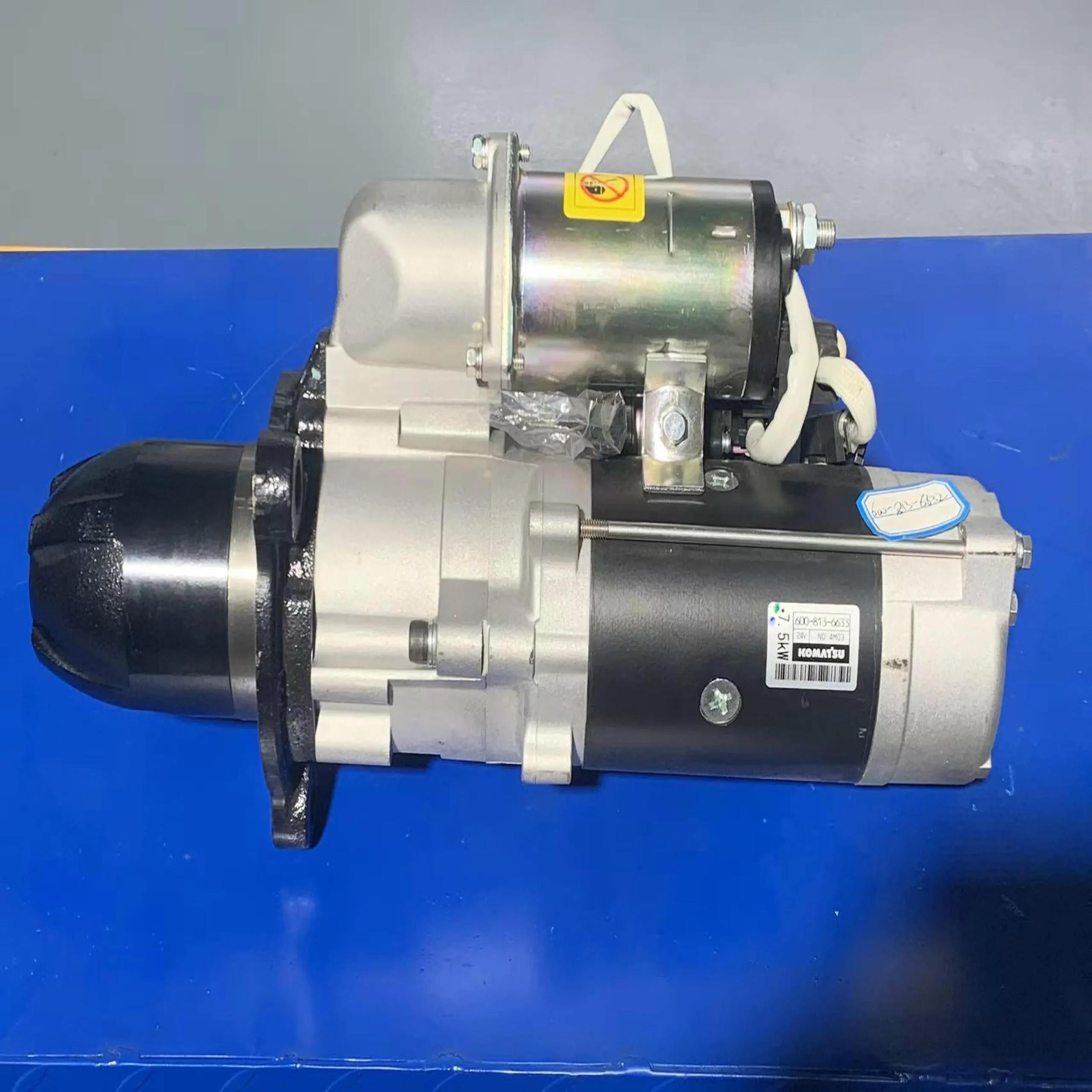 600-813-6632 PC400-8 Start Motor
 -
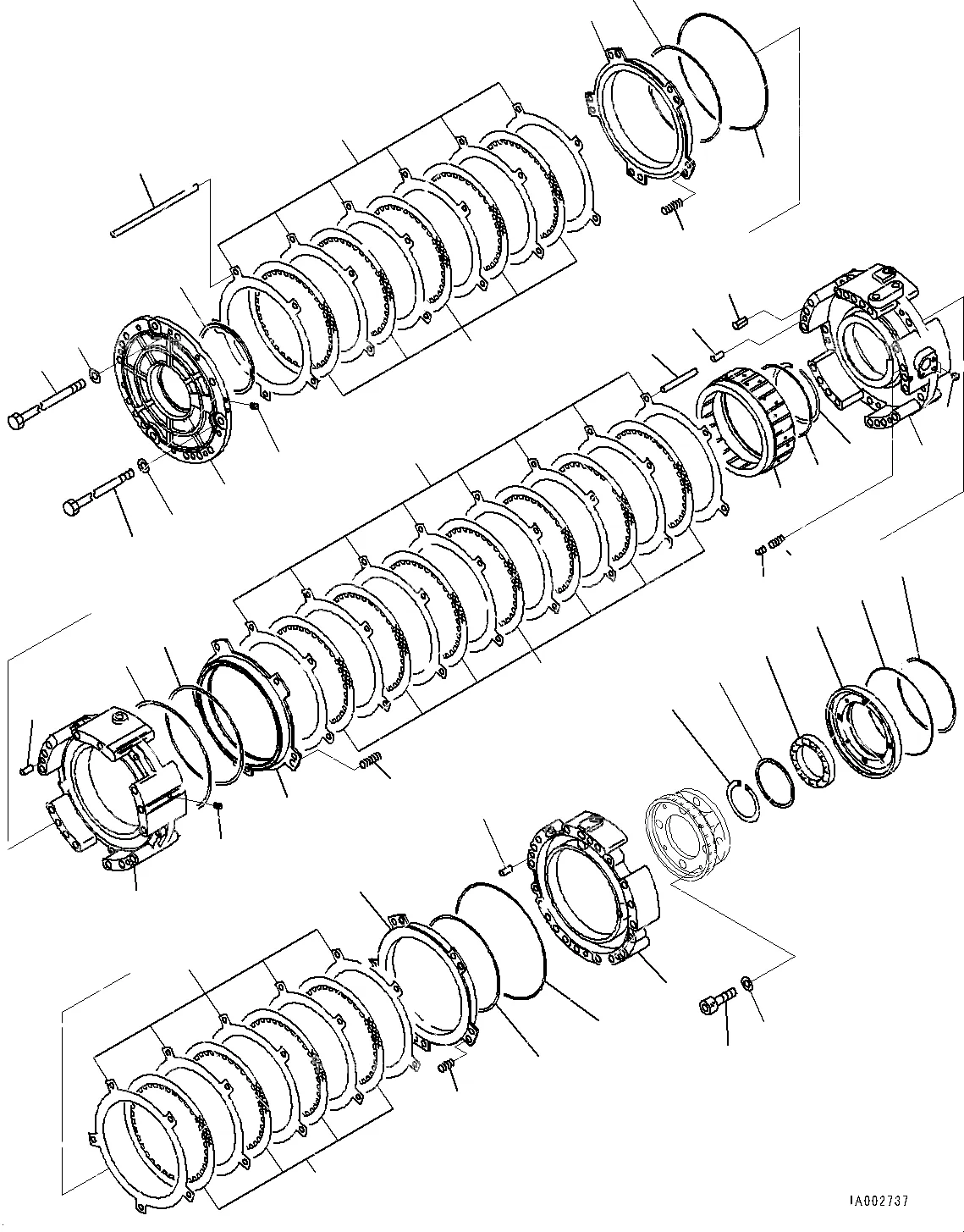 14X-15-19210 14X-15-19220 for D65 D68 D85 WA500 Bulldozer…
 -
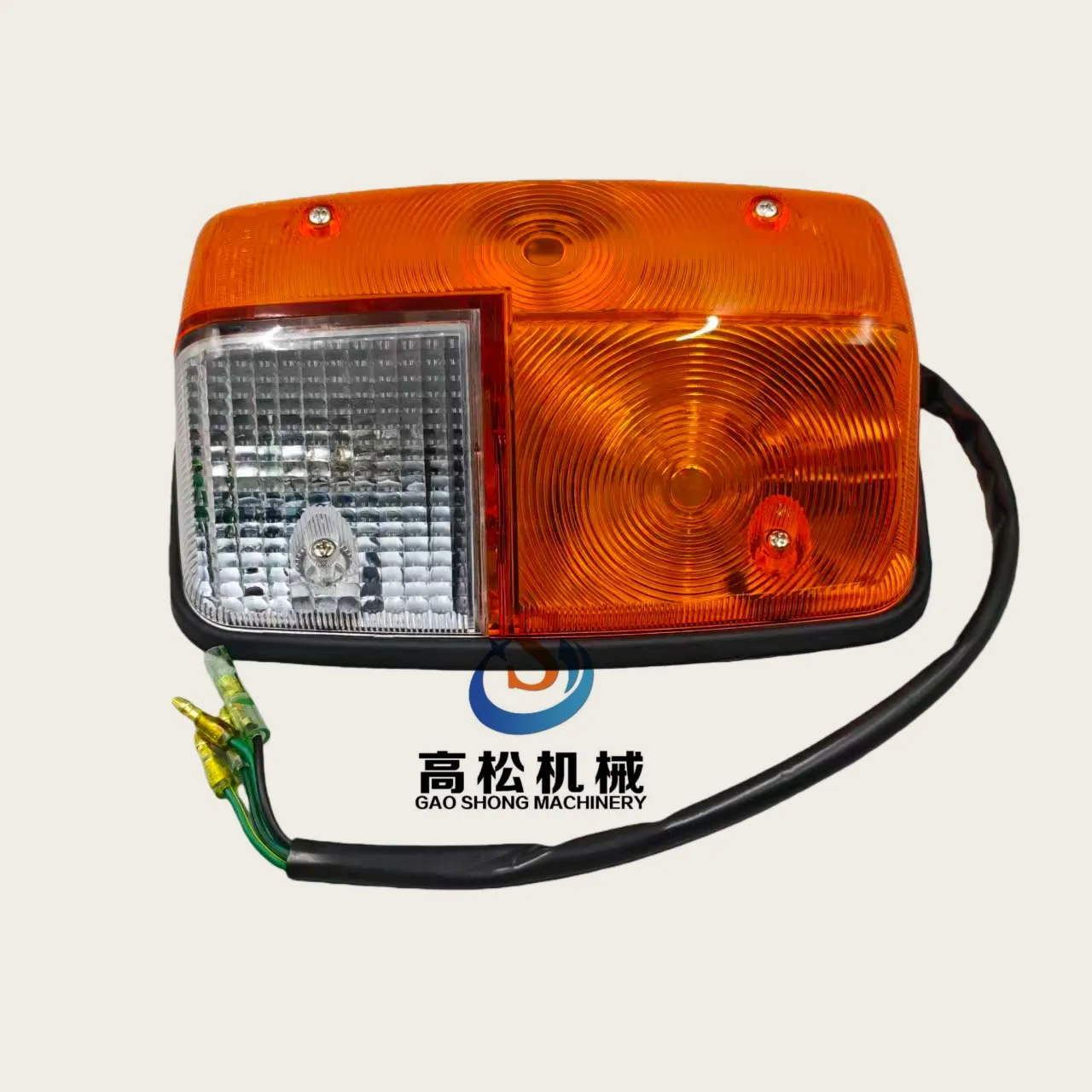 421-06-13401 Komatsu TURN SIGNAL AND PARKING