
- Chinese
- French
- German
- Portuguese
- Spanish
- Russian
- Japanese
- Korean
- Arabic
- Irish
- Greek
- Turkish
- Italian
- Danish
- Romanian
- Indonesian
- Czech
- Afrikaans
- Swedish
- Polish
- Basque
- Catalan
- Esperanto
- Hindi
- Lao
- Albanian
- Amharic
- Armenian
- Azerbaijani
- Belarusian
- Bengali
- Bosnian
- Bulgarian
- Cebuano
- Chichewa
- Corsican
- Croatian
- Dutch
- Estonian
- Filipino
- Finnish
- Frisian
- Galician
- Georgian
- Gujarati
- Haitian
- Hausa
- Hawaiian
- Hebrew
- Hmong
- Hungarian
- Icelandic
- Igbo
- Javanese
- Kannada
- Kazakh
- Khmer
- Kurdish
- Kyrgyz
- Latin
- Latvian
- Lithuanian
- Luxembou..
- Macedonian
- Malagasy
- Malay
- Malayalam
- Maltese
- Maori
- Marathi
- Mongolian
- Burmese
- Nepali
- Norwegian
- Pashto
- Persian
- Punjabi
- Serbian
- Sesotho
- Sinhala
- Slovak
- Slovenian
- Somali
- Samoan
- Scots Gaelic
- Shona
- Sindhi
- Sundanese
- Swahili
- Tajik
- Tamil
- Telugu
- Thai
- Ukrainian
- Urdu
- Uzbek
- Vietnamese
- Welsh
- Xhosa
- Yiddish
- Yoruba
- Zulu
- Kinyarwanda
- Tatar
- Oriya
- Turkmen
- Uyghur





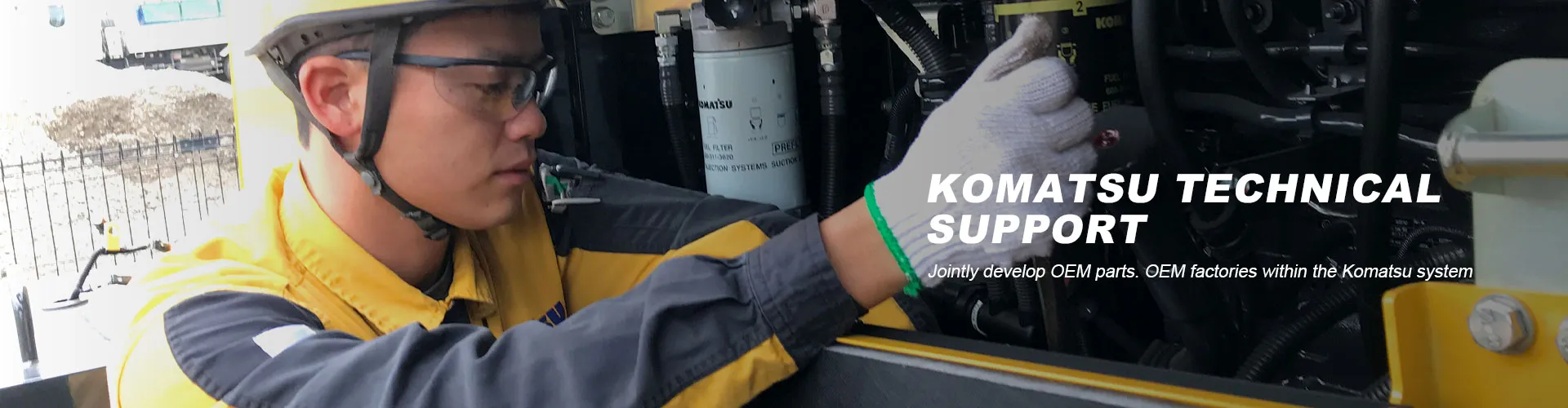
Komatsu EGR valve
You know, when people talk about the Komatsu EGR valve, the first thing that often comes up is the fault codes – the 1102-03, the 1102-11. It's easy to just swap the part and clear the code, thinking that's the end of it. But in my experience, that's where the real work often begins, not ends. The valve itself is just one piece of a much more finicky system, and treating it as a simple on/off component is probably the biggest mistake I see shops make. It's not just a part; it's a symptom reader.
The Core Function and the Common Misdiagnosis
Right, so the Exhaust Gas Recirculation valve on these Komatsu engines, say the SAA6D140E or the older S6D series, isn't there just for emissions compliance in a vacuum. Its primary job is to lower combustion temperatures by reintroducing inert exhaust gas. But the engine control module is constantly juggling data from the boost pressure sensor, the MAF, and the differential pressure sensors across the DPF. The EGR valve position is a critical input in that calculation.
I've lost count of the times a tech has replaced a valve because the actuator wasn't moving during a forced test with the diagnostic tool. Sometimes that fixes it. But just as often, the new one throws a code within 50 hours. Why? Because the issue wasn't the valve's motor or gear train. It was a slight leak in the EGR cooler piping upstream, throwing off the expected gas flow and temperature models. The ECU sees the valve position doesn't match its calculated target for the given load and RPM, and bam, another 1102 code. You have to look at the entire gas path, not just the final gate.
This is where having a reliable source for genuine or truly compatible parts becomes non-negotiable. I've dealt with suppliers where the aftermarket valve's potentiometer had a slightly different resistance range than the Komatsu spec. The ECU would see it as within range at idle, but under load, the feedback voltage would drift outside the expected window, triggering a fault. It ran, but poorly, and the code was intermittent—a nightmare to diagnose.
Practical Challenges and a Supplier's Role
On the ground, especially in regions where official Komatsu parts distribution is thin or slow, the pressure to get a machine back to work is immense. You can't always wait 6 weeks for a factory-sealed box. This is where third-party suppliers who understand the system are worth their weight in gold. Not all are equal, though.
I recall a specific case with a PC360-8. Persistent EGR-related derates. We went through two valves from a local supplier with no luck. Finally, we connected with a company that positioned itself differently. They weren't just a generic parts shop; they specifically addressed parts supply gaps for Komatsu equipment in certain markets. The company, Jining Gaosong Construction Machinery Co., Ltd., came up in a search when we were getting desperate. Their pitch was interesting: an OEM product supplier within the Komatsu system, but also operating as a third-party sales channel. That implied a deeper level of system knowledge.
When we inquired, they didn't just sell us a valve. They asked for the serial number, the specific sub-code of the fault, and even asked about the history of the EGR cooler. They suggested we pressure-test the cooler and the associated pipes before installing their Komatsu EGR valve. We did, and found a hairline crack in a weld on the cooler's outlet. That was the root cause. Their part was correct, but their advice saved us from another comeback. That's the difference. You can find their details at https://www.takematsumachinery.com if you're facing similar supply-chain or diagnostic dead-ends.
Beyond the Valve: The System Interplay
Let's talk about soot. A clogged EGR valve is often a secondary failure. The primary failure is usually upstream. If the Diesel Oxidation Catalyst (DOC) or the Diesel Particulate Filter (DPF) isn't regenerating properly, you get excessive soot load. That soot doesn't just go one way. It gets recirculated through the EGR system, acting like grinding paste on the valve seat and shaft. I've pulled valves that were mechanically seized not because the actuator failed, but because they were packed solid with hardened carbon deposits.
So, replacing the valve without addressing the regen issue is a temporary fix at best. You need to check the injector dosing for the DPF regen, the temperature sensors pre- and post-DOC, and the differential pressure readings. Sometimes the fix for a faulty EGR system is a set of new injector tips or a proper forced regen cycle, not a new valve. The valve is the canary in the coal mine for the entire after-treatment system's health.
Another subtle point is the cooling loop for the EGR cooler. If the coolant flow is restricted—maybe from a failing water pump or scale buildup—the cooler can't lower the exhaust gas temperature effectively. The hotter gas entering the valve and intake manifold causes pre-ignition issues and can warp the valve housing over time. Always check coolant flow and the condition of the cooler itself during any EGR-related repair. It's a step many skip.
Installation Nuances and Gotchas
Installing a new valve seems straightforward: unbolt, swap gaskets, bolt on. But there are nuances. First, the gasket. You must use the correct one. The flange thickness and sealing material matter for the precise alignment of the valve shaft. A gasket that's even half a millimeter too thick can introduce a slight bind in the actuator movement.
Second, the electrical connector. Clean it thoroughly with contact cleaner. Corrosion or oil in those pins creates resistance, which the ECU interprets as an actuator position error. I've fixed a new valve by simply cleaning the machine-side connector with a proper electronic cleaner and applying dielectric grease.
Finally, the calibration or learning procedure. On most modern Komatsu controllers, after installing a new valve, you must perform an EGR valve learning process through the monitor or service tool. This allows the ECU to learn the new valve's closed and open position feedback voltages. If you skip this step, the ECU is still using the old parameters, and the machine will likely run poorly or immediately throw a code. It's not an optional step, yet I've seen seasoned mechanics forget it in the rush to get the machine off the lift.
Concluding Thoughts: A Systems Approach
So, what's the takeaway? The Komatsu EGR valve is a precision component, not a commodity. Diagnosing its issues requires a systems mindset. You're not just testing a valve; you're auditing the exhaust gas recirculation path—flow, temperature, pressure, and cleanliness.
Having a parts source that understands this complexity is crucial. It's the difference between a supplier who just sells you a component and one, like Jining Gaosong, who operates with that OEM-level system awareness and can help troubleshoot the context around the part. Their model of being an embedded supplier and a third-party solution addresses a real pain point in the field.
Next time you get that 1102 code, before you order the part, take a step back. Check the cooler, check for leaks, check the DPF differential pressure history, check the coolant system. The valve might be fine. Or it might be the victim of another problem. Replacing it without finding the root cause is just an expensive way to clear a code temporarily. The machine, and your customer, will be back.
Related Products
Related Products
Best Selling Products
Best Selling Products-
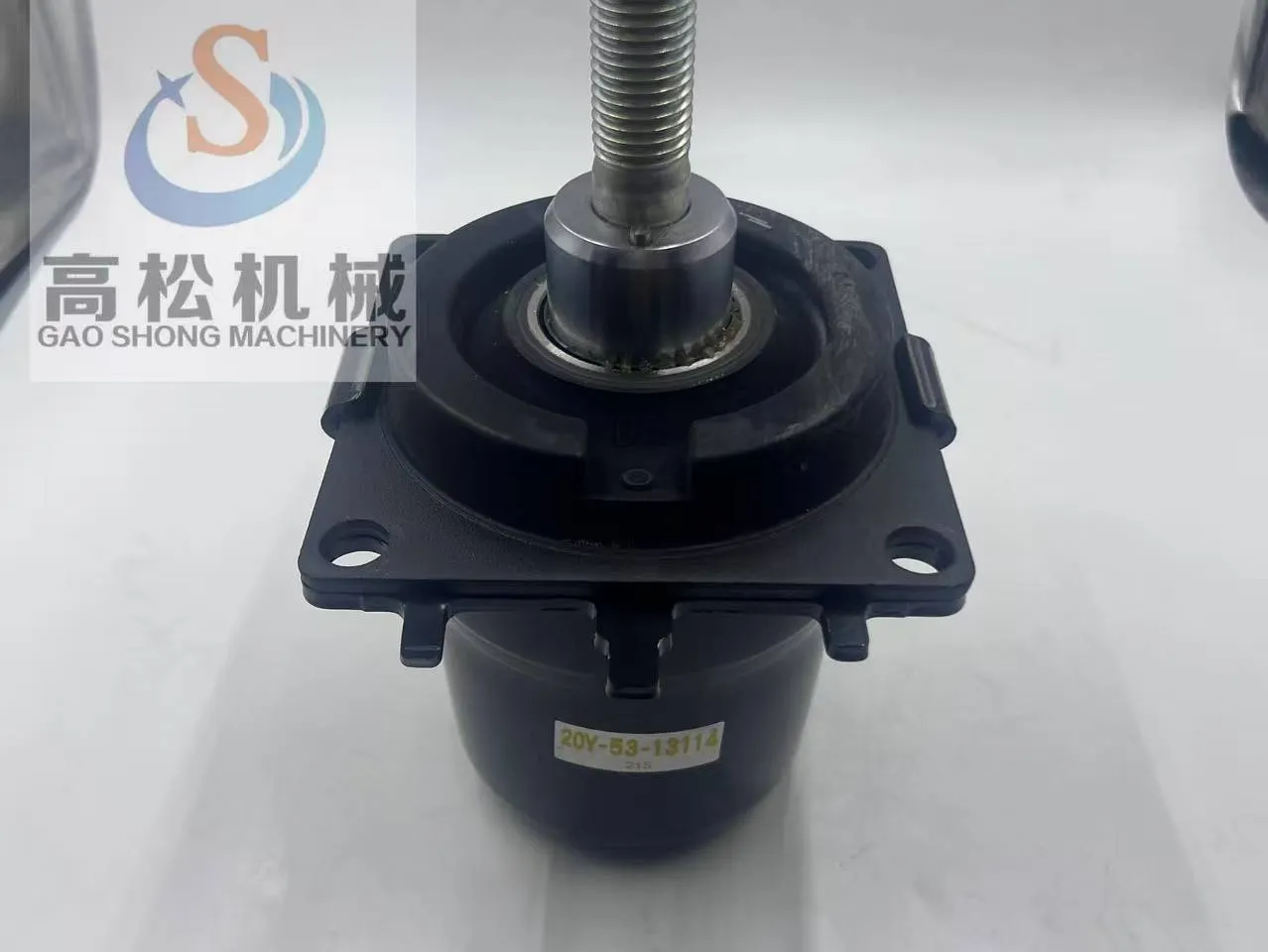 20Y-53-13114 Compatible with PC200-8, Komatsu original buffer.
 -
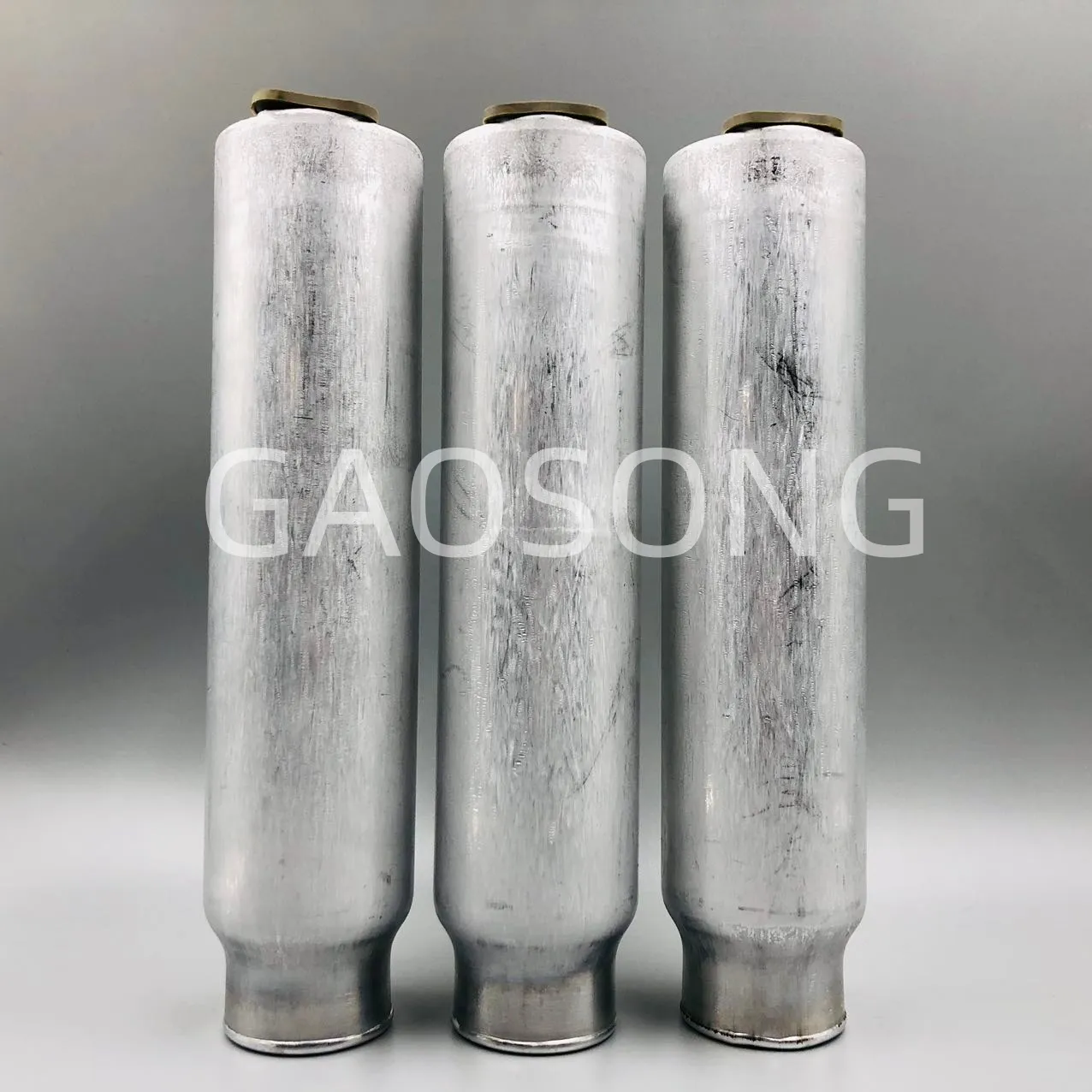 20Y-979-3120 TANK.-Komatsu Original Factory
 -
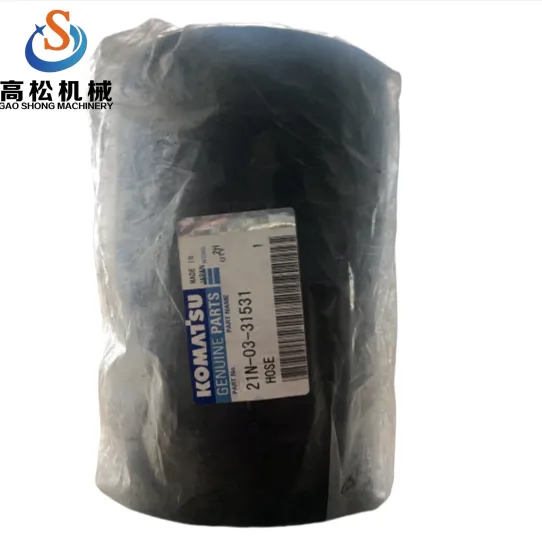 HOSE PC1250 EXCAVATOR 21N-03-31531
 -
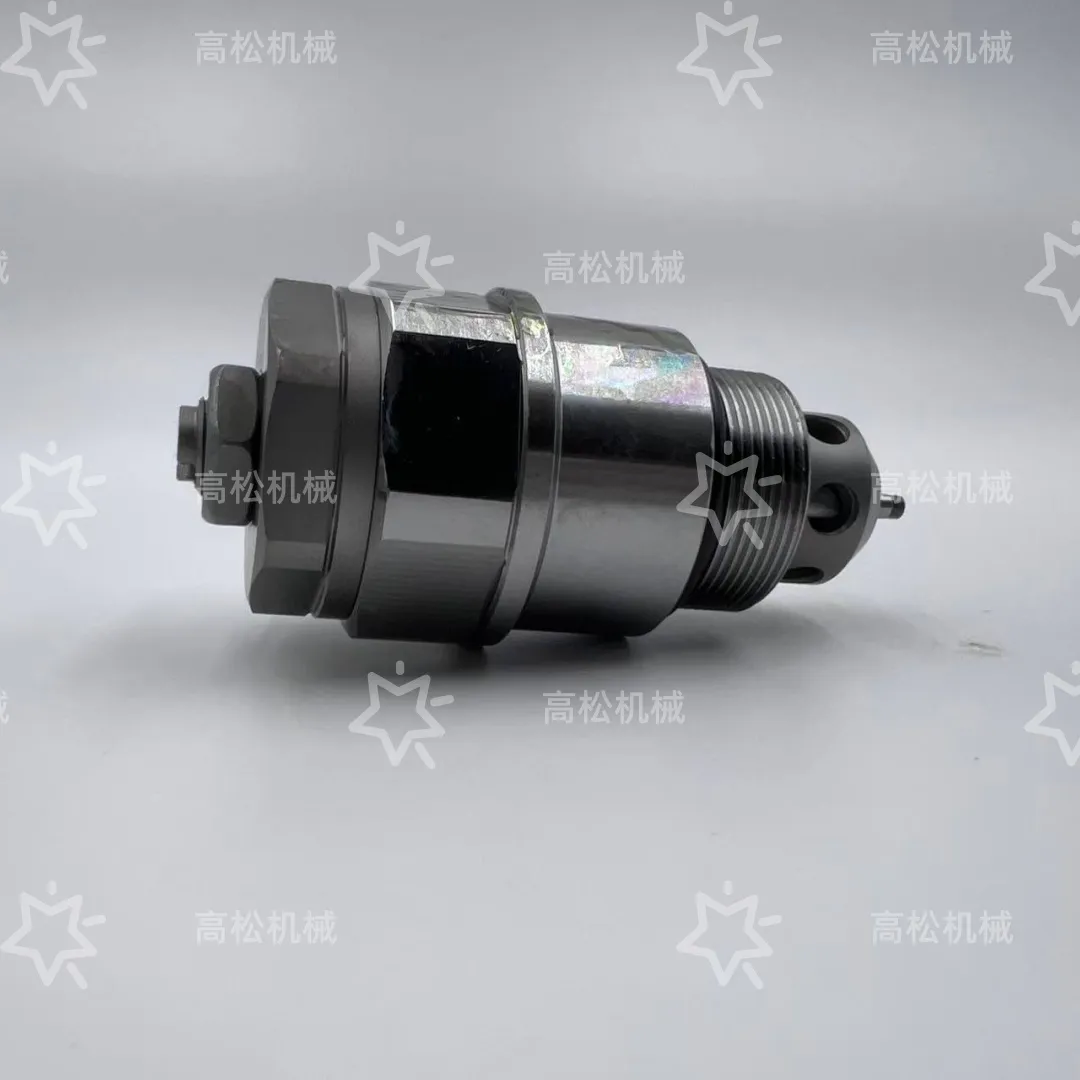 709-90-71700 Valve Assembly, Suction and Relief Komatsu
 -
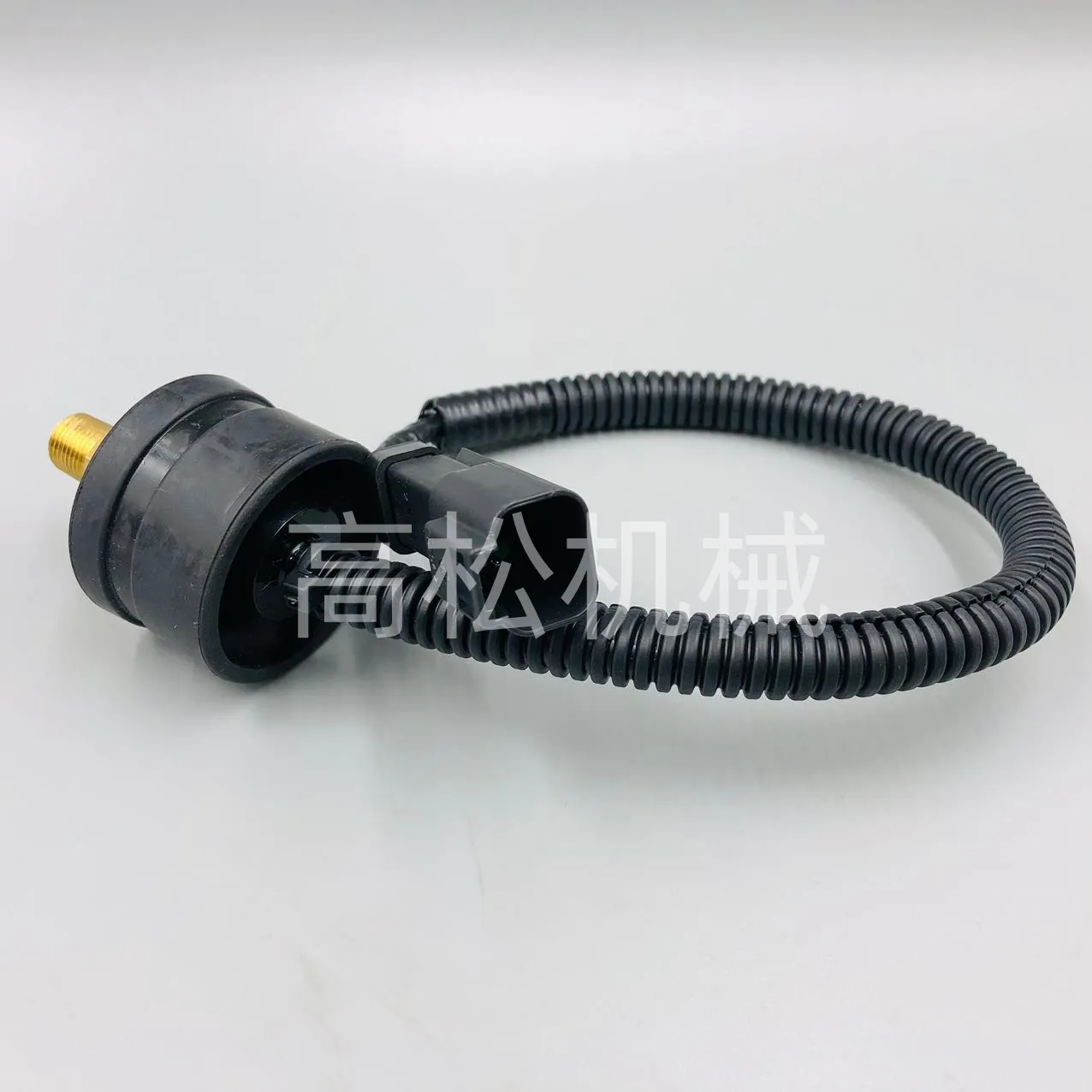 7861-93-1430 SENSOR,SWITCH-Komatsu Original Factory
 -
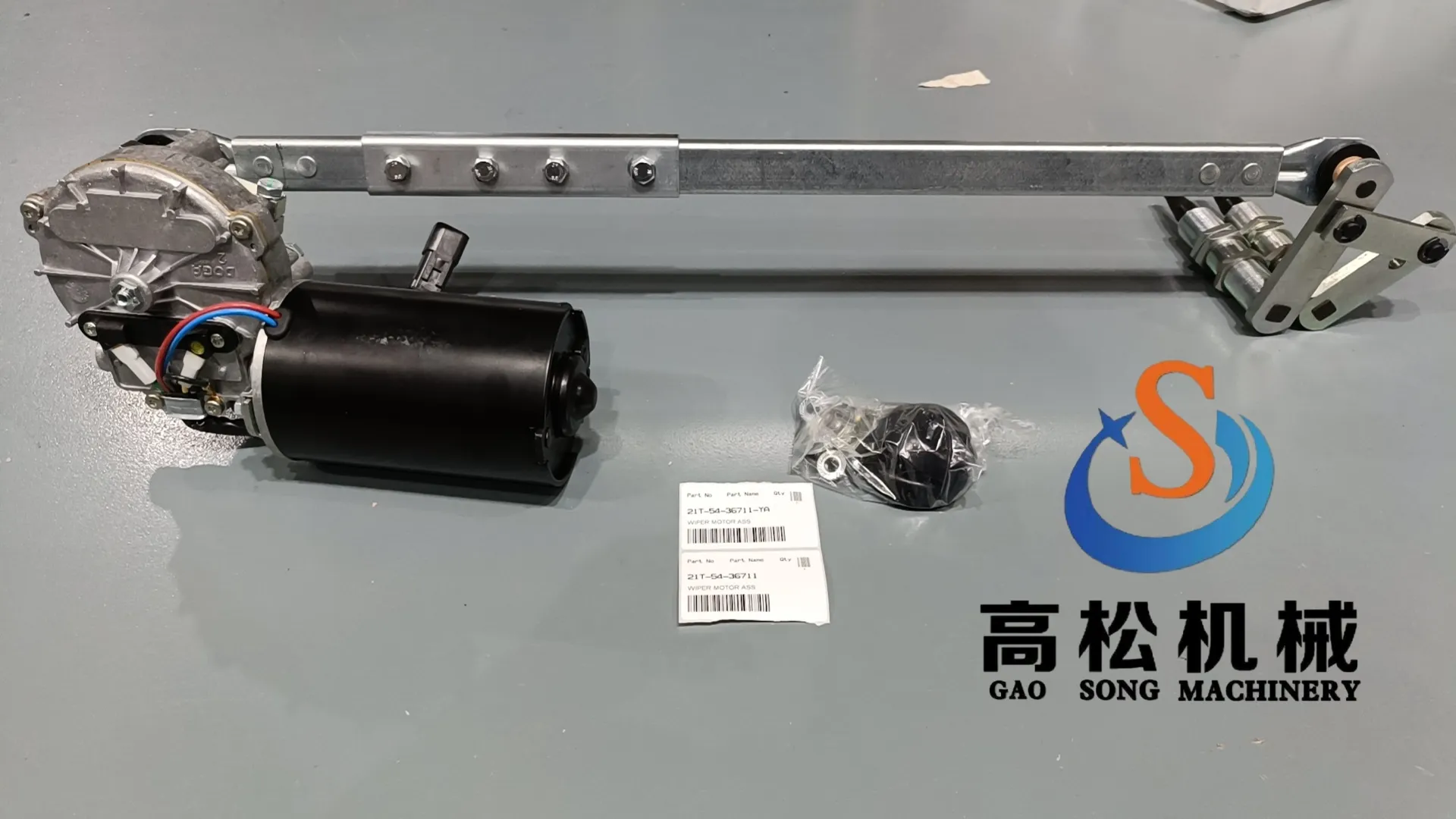 21T-54-36711 komatsu WIPER MOTOR ASS’Y
 -
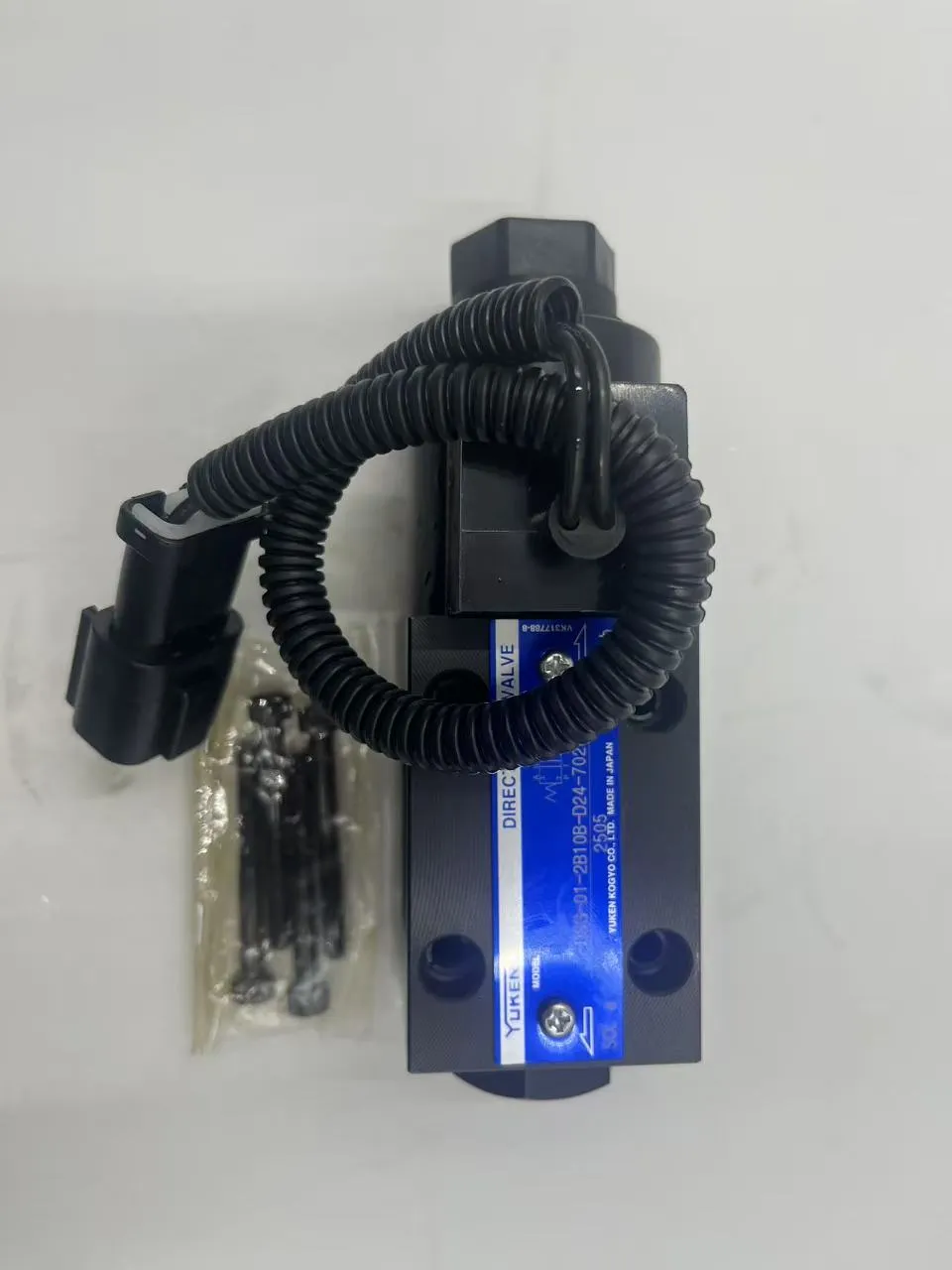 VALVE ASS’Y 23W-60-28230 KOMATSU
 -
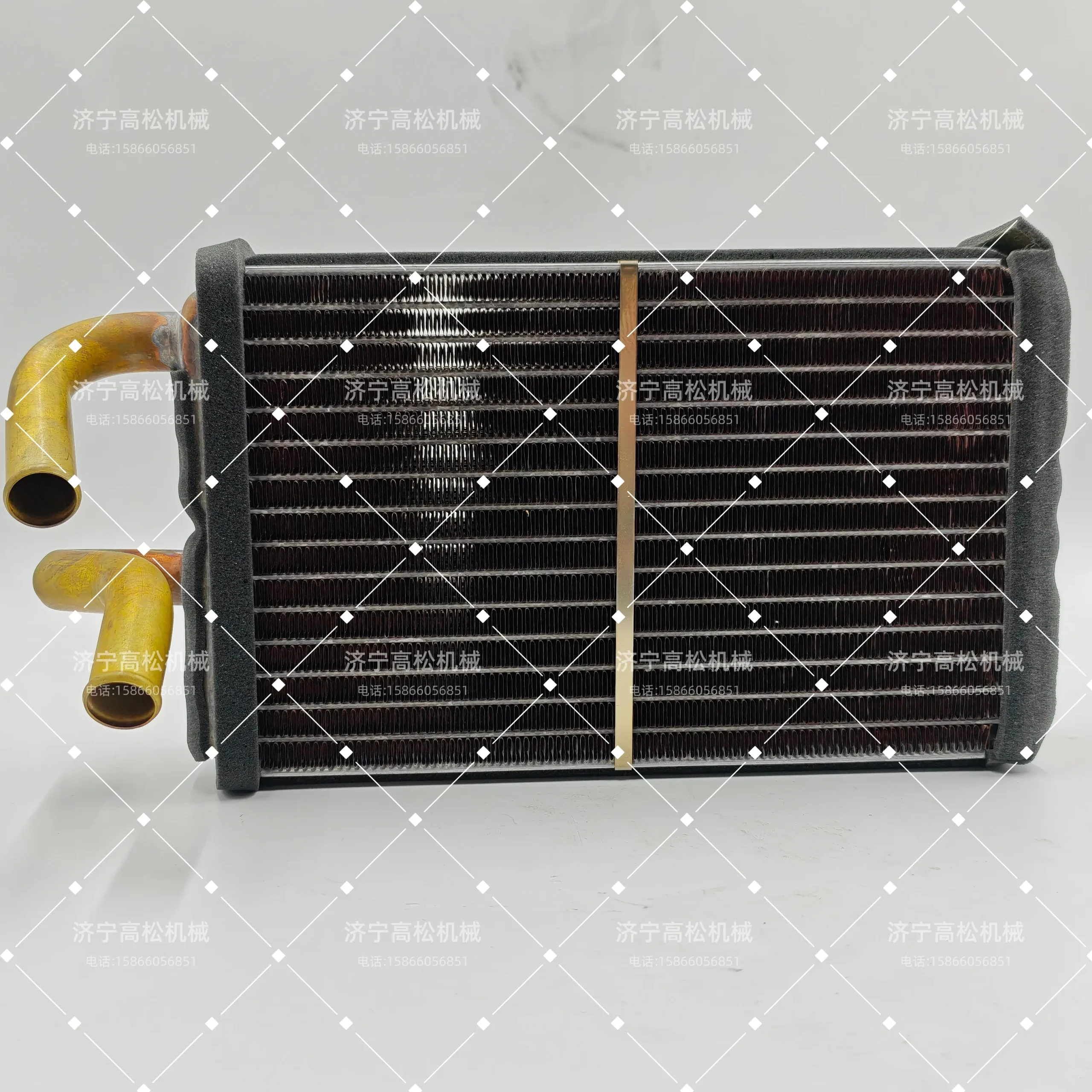 Genuine ND116410-9681 Unit Sub Assy for HD255, HD465, HD605
 -
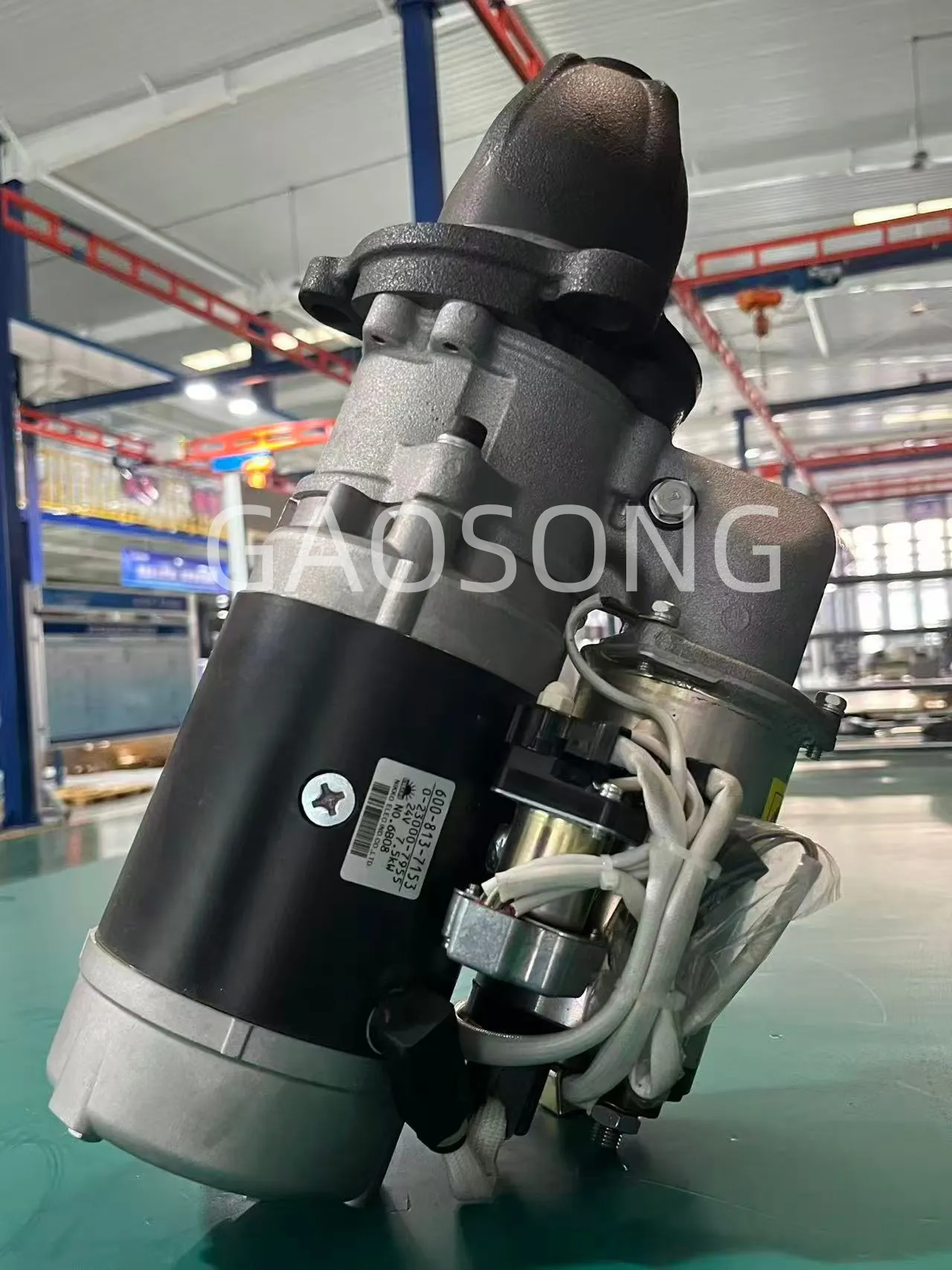 600-813-7153 Starting Motor, -Komatsu Original Factory
 -
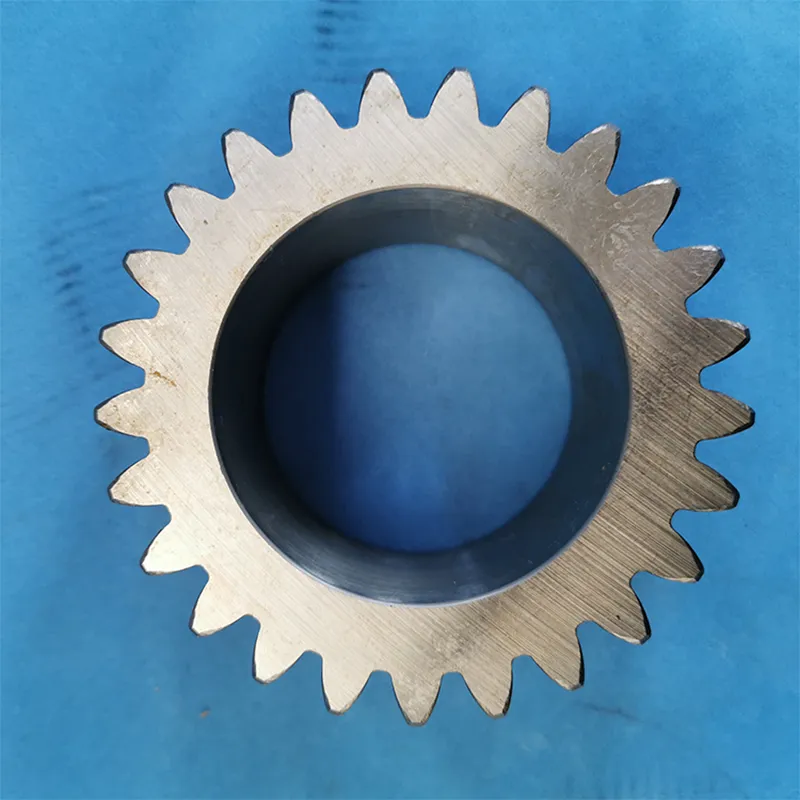 Komatsu original D155A-3 Valve Assembly 17A-49-21100
 -
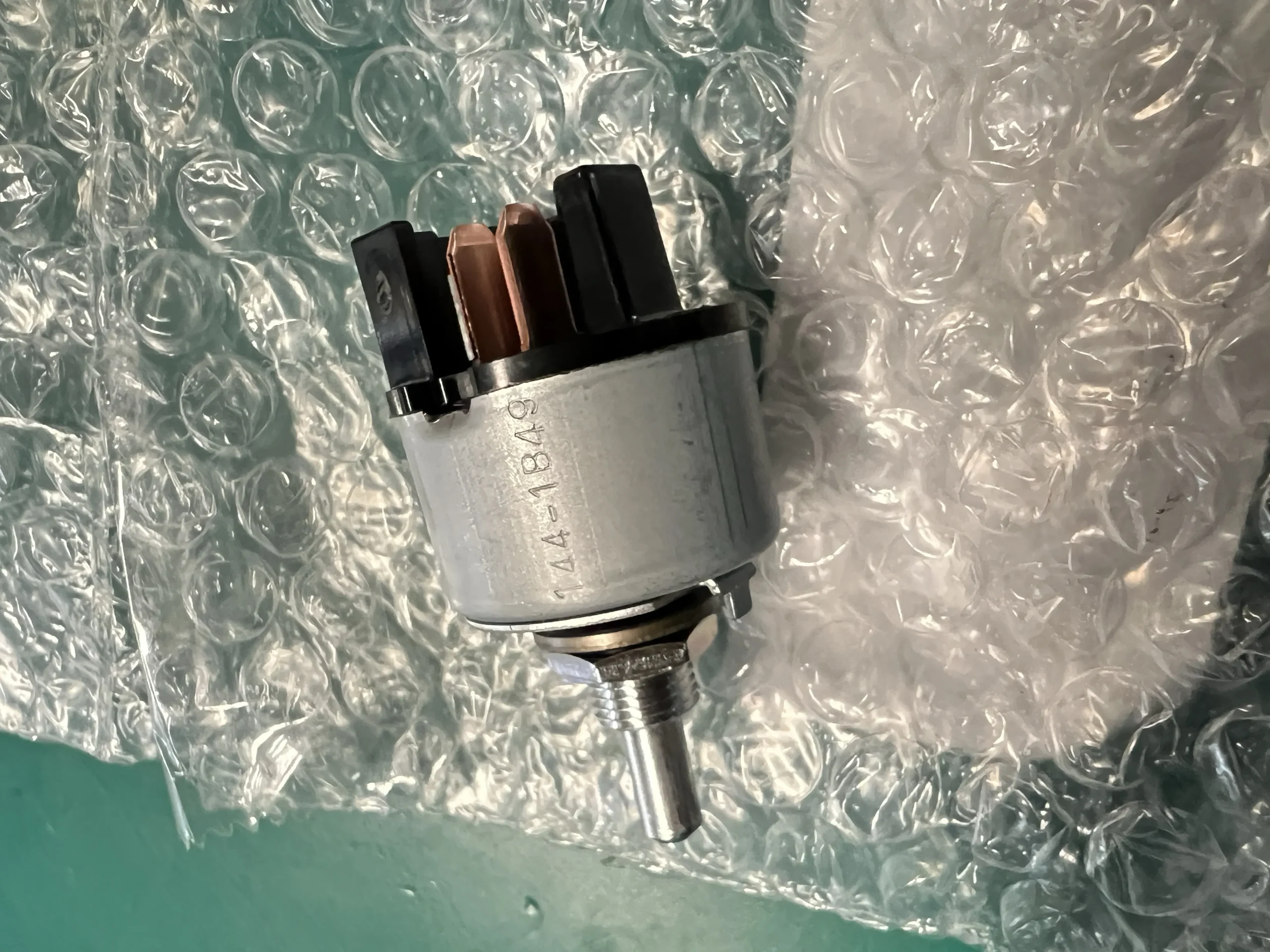 205-06-71380 Switch
 -
 Original komatsu 6215-11-5182 HD785-7 Exhaust Manifold
Related Search
Related Search- komatsu k parts
- Komatsu OEM excavator parts
- OEM AND ORIGINAL KOMATSU COVER 21N-939-3970
- OEM AND ORIGINAL KOMATSU GEAR 17A-27-11261
- komatsu pc120 3 parts
- OEM AND ORIGINAL KOMATSU SHAFT 235-27-31120
- 6245-71-5530
- Komatsu Genuine & OEM Parts Full Precision Match for All Global Hot Komatsu Models
- 419-15-16950
- OEM AND ORIGINAL KOMATSU BEARING 566-22-12190