
- Chinese
- French
- German
- Portuguese
- Spanish
- Russian
- Japanese
- Korean
- Arabic
- Irish
- Greek
- Turkish
- Italian
- Danish
- Romanian
- Indonesian
- Czech
- Afrikaans
- Swedish
- Polish
- Basque
- Catalan
- Esperanto
- Hindi
- Lao
- Albanian
- Amharic
- Armenian
- Azerbaijani
- Belarusian
- Bengali
- Bosnian
- Bulgarian
- Cebuano
- Chichewa
- Corsican
- Croatian
- Dutch
- Estonian
- Filipino
- Finnish
- Frisian
- Galician
- Georgian
- Gujarati
- Haitian
- Hausa
- Hawaiian
- Hebrew
- Hmong
- Hungarian
- Icelandic
- Igbo
- Javanese
- Kannada
- Kazakh
- Khmer
- Kurdish
- Kyrgyz
- Latin
- Latvian
- Lithuanian
- Luxembou..
- Macedonian
- Malagasy
- Malay
- Malayalam
- Maltese
- Maori
- Marathi
- Mongolian
- Burmese
- Nepali
- Norwegian
- Pashto
- Persian
- Punjabi
- Serbian
- Sesotho
- Sinhala
- Slovak
- Slovenian
- Somali
- Samoan
- Scots Gaelic
- Shona
- Sindhi
- Sundanese
- Swahili
- Tajik
- Tamil
- Telugu
- Thai
- Ukrainian
- Urdu
- Uzbek
- Vietnamese
- Welsh
- Xhosa
- Yiddish
- Yoruba
- Zulu
- Kinyarwanda
- Tatar
- Oriya
- Turkmen
- Uyghur






Komatsu ECU
When someone mentions a Komatsu ECU, the first thing that pops into most people's minds is just a black box with a part number. They think it's a simple plug-and-play unit, a commodity. That's the biggest misconception. Having dealt with these systems for years, especially through channels like Jining Gaosong, I can tell you it's never that straightforward. The ECU is the brain, but its function is deeply tied to the machine's body—the pump pressures, sensor calibrations, the whole hydraulic dance. You can't just swap one in and expect miracles.
The Reality of Sourcing and Genuine Labels
Sourcing a genuine Komatsu ECU is a saga in itself. The official network is tight, and for older models, the wait can be indefinite. This is where companies with a dual role, like Jining Gaosong Construction Machinery Co., Ltd., become critical. They operate as an OEM supplier within the system but also function as a third-party solution for parts supply challenges. You find their portal at https://www.takematsumachinery.com. They don't just sell a part; they often sell the understanding of which subsystem iteration you're actually dealing with.
I remember a D375A-6 where the machine would just derate randomly. The dealer's system said the ECU was obsolete. We got a so-called genuine unit from a different source, same part number, but it threw a cascade of implausible codes. The issue? It was a later software version for a slightly different market configuration. The hardware fit, but the software map was off. The guys at Gaosong pointed out that specific serial number range had a silent update related to the cooling fan logic. That's the kind of detail you pay for.
This leads to the core of it: an ECU isn't just hardware. Its identity is its software and calibration data. When you procure one, you're not just buying a circuit board; you're buying the specific operational profile for a specific machine series, sometimes even a specific production month. Assuming all 785-5 trucks use the same ECU file is a quick path to downtime.
Bench Diagnostics and the Illusion of Plug-and-Play
Everyone wants a plug-and-play fix. On the bench, you can power up an ECU and it might communicate. You see the green light, think you're golden. But bench testing often just proves the processor isn't dead. It doesn't prove it can manage the real-time load of a dozen CAN buses, interpret crank sensor signals perfectly, or command the right current to a fuel rail solenoid under vibration.
We learned this the hard way on a PC700. We had a used ECU that tested fine on the bench. Installed it, and the machine ran, but the swing was sluggish. No active codes. Days of wasted time tracing hydraulics. Finally, hooking up a scope showed the pulse signal from the swing resolver to the ECU had a slight phase shift the new (old) brain couldn't compensate for. The original unit had a tolerance calibrated out. The replacement didn't. The fix wasn't a new ECU, but a used one from an identical machine segment, which Gaosong helped cross-reference based on the main harness plug variant, not just the base part number.
This is why a simple swap often fails. The Komatsu ECU is married to its peripheral components. If you change the ECU, you might need to recalibrate or even replace associated sensors for the system to find its harmony again. It's a symphony, not a solo act.
Third-Party and Remanufactured Realities
This brings us to the reman market. A properly remanufactured ECU isn't just cleaned and resold. A good vendor will test it under simulated load, flash it with the correct software image for your specific application, and sometimes even reset the security seed for immobilizer functions. The problem is finding that good vendor. Many just repair the obvious physical damage and ship it.
I've used third-party sources that offer a tested unit. One for a WA600 loader caused intermittent communication loss with the dashboard. It turned out the CAN transceiver on the repaired board was a lower-grade component that couldn't handle the temperature extremes. It worked in the shop, failed on the job. The supplier's website, like the one for Jining Gaosong, explicitly states their role in solving supply challenges, which implies a deeper level of technical integration than a simple parts warehouse. That's the key differentiator.
The risk with a bad reman is that it can sometimes send erroneous commands. I've seen one that slowly, over hours, would skew the injection timing, causing overheating without a direct fault code. It mimicked a cooling system problem. That's a nightmare scenario. So, my rule now is: for critical machines, source a unit with a verifiable origin that matches not just the part number, but the machine's build spec. Sometimes paying the premium for a sourced OEM unit through a specialized channel is cheaper than three days of mechanic labor and lost production.
Software, Data, and the Invisible Hurdles
Even with the correct physical unit, software is the next wall. Komatsu's Diagmaster or older EPC systems are needed to program parameters, register new controllers, or perform calibrations. You can't just bolt it on. This is a huge hurdle for independent shops. Some third-party suppliers claim their units are pre-programmed, but that only works if your machine is absolutely stock.
Most aren't. They've had pumps tweaked, different attachments fitted. The ECU needs its parameters adjusted to match. If you install a virgin ECU, it might start, but the transmission shift points could be all wrong. I recall a D65EX where a replacement ECU caused the ripper to judder violently. The ripper was a later add-on, and the original ECU had been custom-calibrated for its valve spool. The new one had the default ripper profile. The solution was to clone the parameters from the old ECU's non-volatile memory, a service some technical suppliers can facilitate.
This is the hidden layer. The Komatsu ECU holds calibration data that is separate from its main operating software. When you lose an ECU, you might also lose that unique machine fingerprint. Companies that understand this, the ones embedded in the system as OEM suppliers, are aware of these dependencies. Their value isn't just in the box, but in the data that should go in it.
Practical Takeaways and Working Smarter
So, what's the practical approach? First, diagnostics before replacement. Use the monitor to check all sensor values are plausible. A faulty coolant sensor can send the ECU into a derate pattern that looks like an ECU fault. Second, document everything from the old unit: part number, serial number, any stickers with software codes or calibration IDs. Third, when sourcing, provide the complete machine model, serial number, and if possible, the old ECU's data. A supplier that asks for these details is more likely to provide a compatible solution.
Platforms like https://www.takematsumachinery.com exist for this nuanced space. They're not just selling a part; they're providing a pathway through Komatsu's complex ecosystem. Their description as an OEM supplier and third-party sales company directly addresses the core pain point: access and correct application.
Finally, have a backup plan. If you're in a remote location, consider what a failed ECU means. For some critical machines, having a known-good, pre-configured unit on the shelf, even if it's expensive, is an insurance policy. The goal isn't to become an ECU expert, but to develop a sourcing and verification protocol that treats the ECU not as a spare part, but as the central nervous system of the machine. It demands respect for its complexity. Getting it right the first time saves more than money; it saves your reputation.
Related Products
Related Products


Best Selling Products
Best Selling Products-
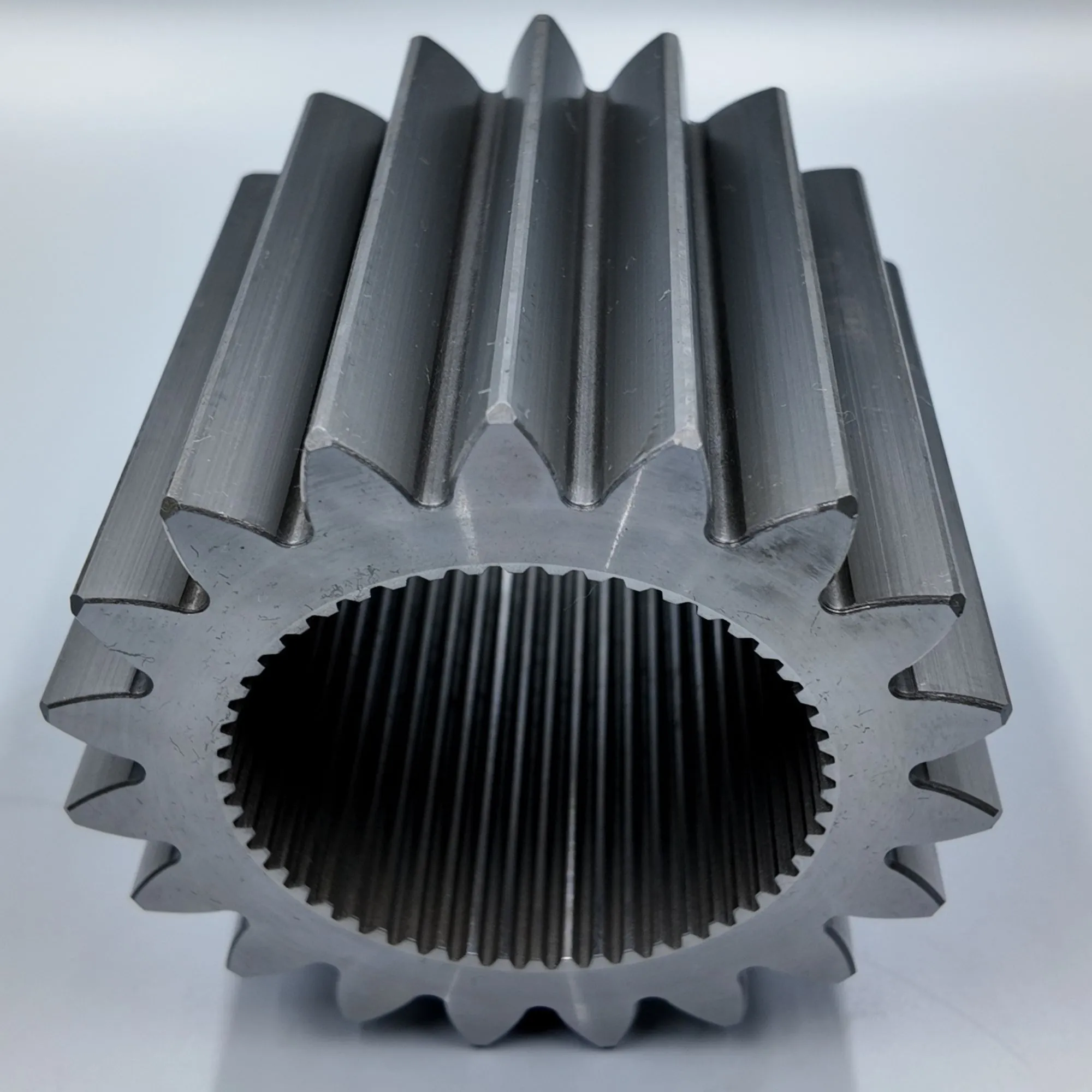 426-22-12421 •• GEAR-Komatsu Original Factory
 -
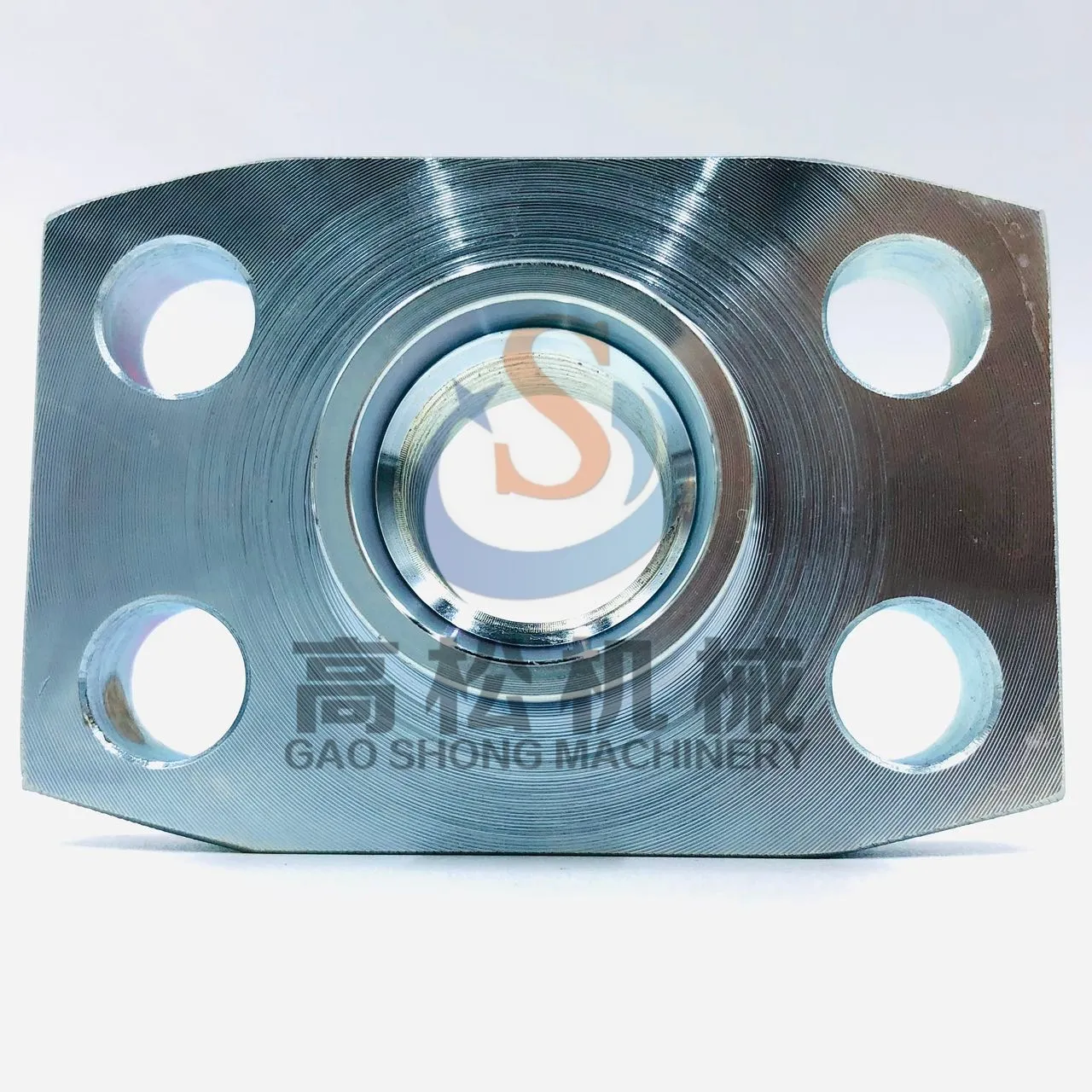 Komatsu excavator PC1250 flange 21N-38-12310
 -
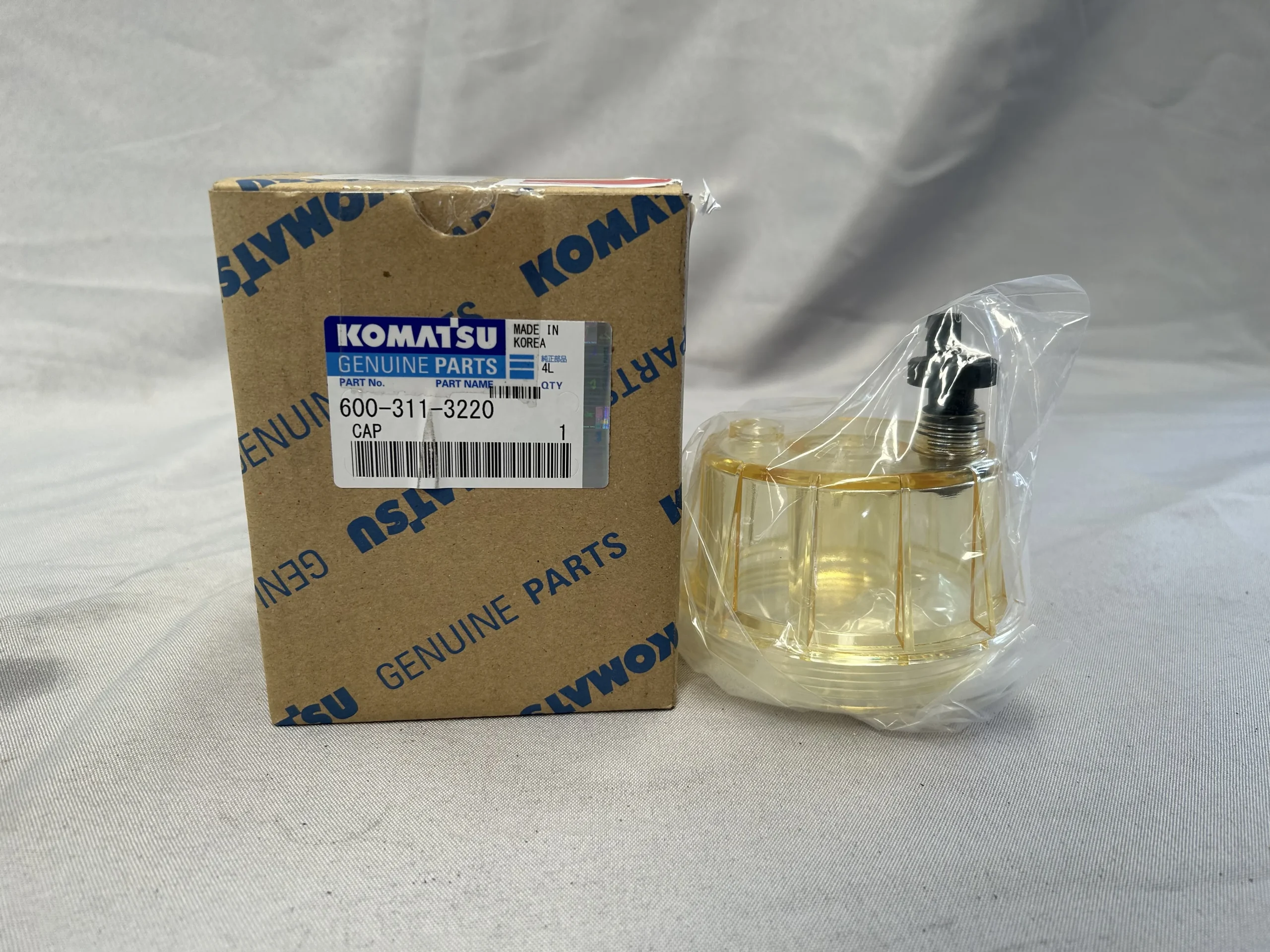 SA6D170E-3A Filter Cup 600-311-3220
 -
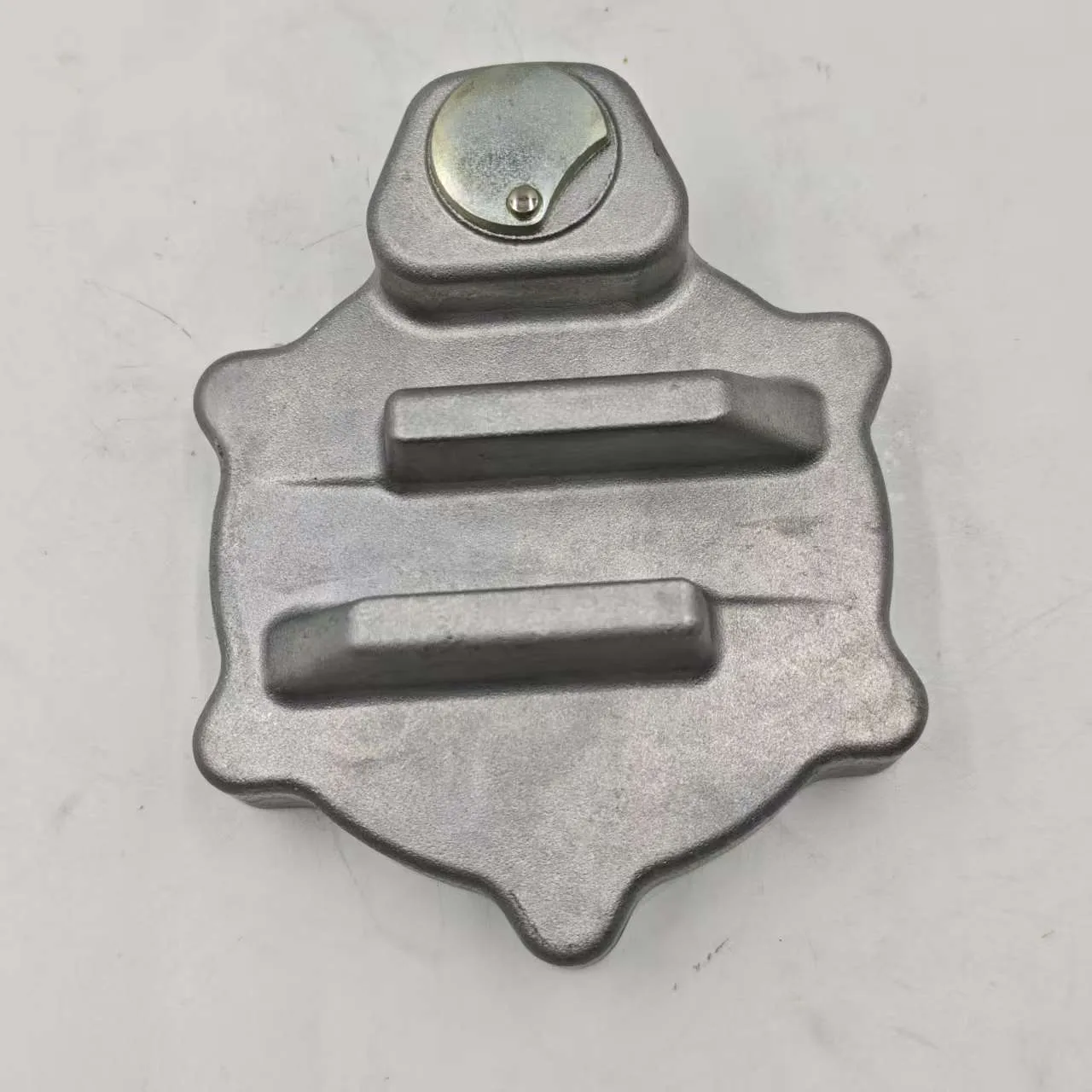 07053-10000 Cap-Radiator Fits KOMATSUU Models
 -
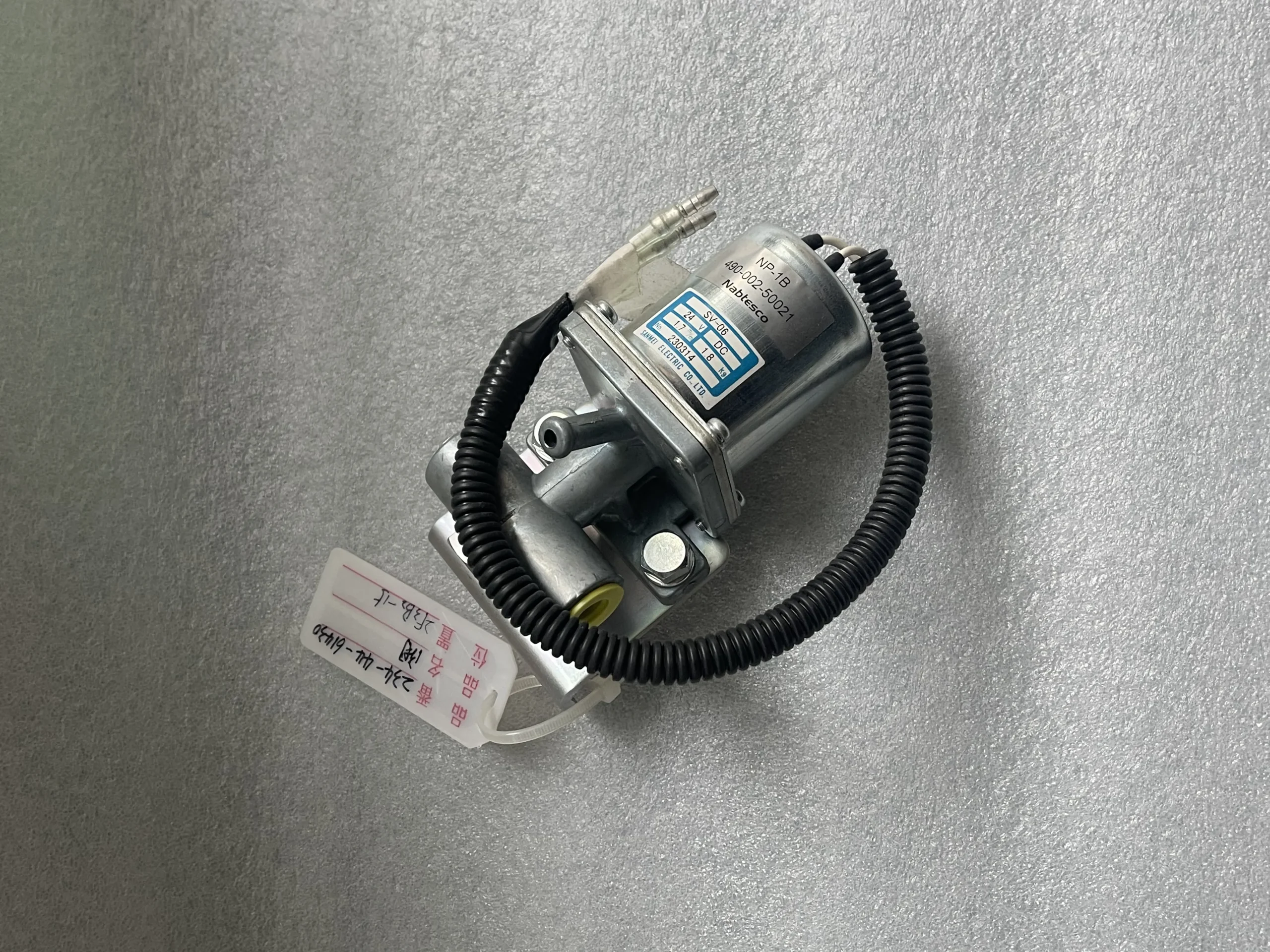 SOLENOID VALVE 234-44-61430 for GD705/825
 -
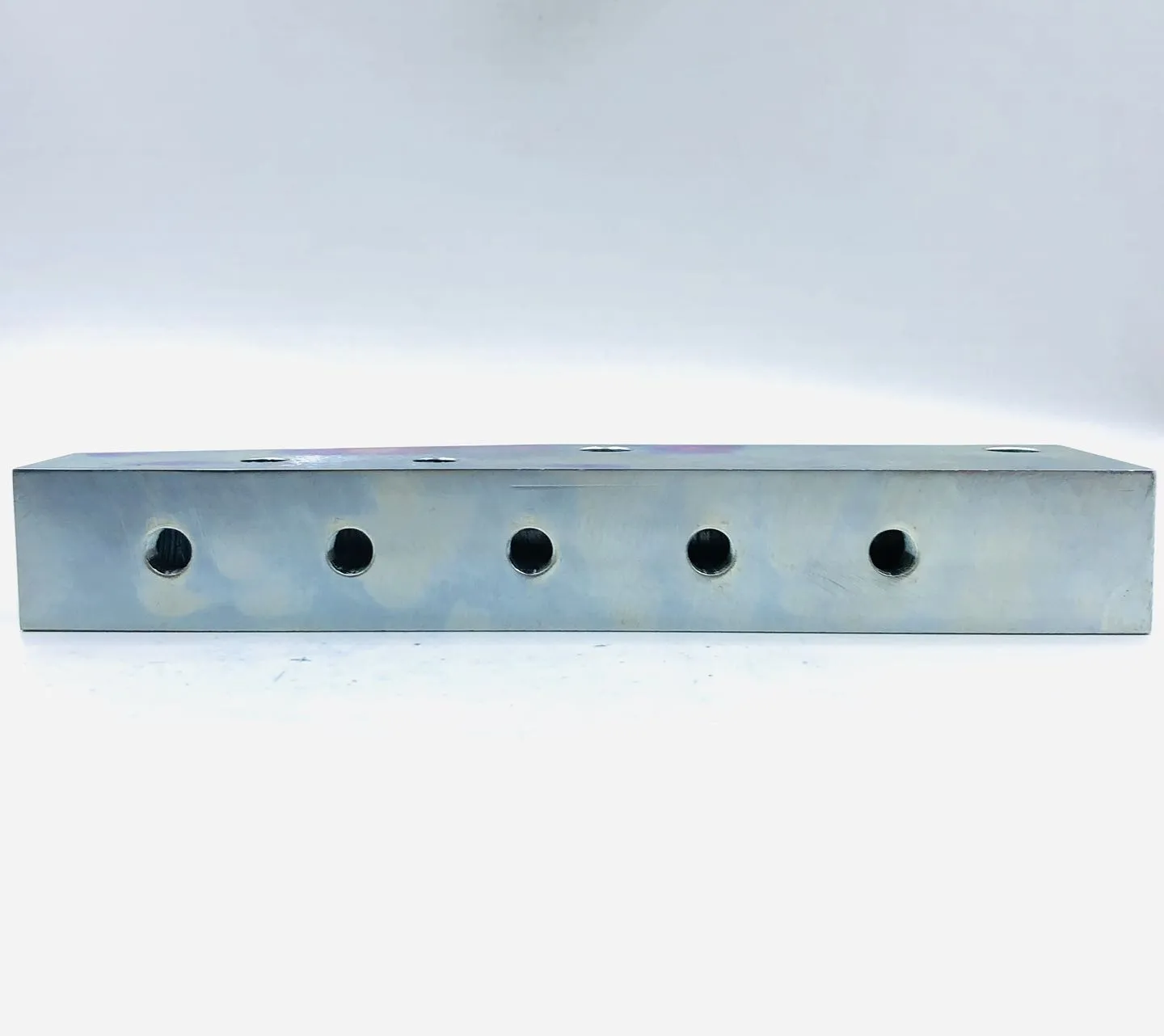 209-38-73281 Block (Komatsu)
 -
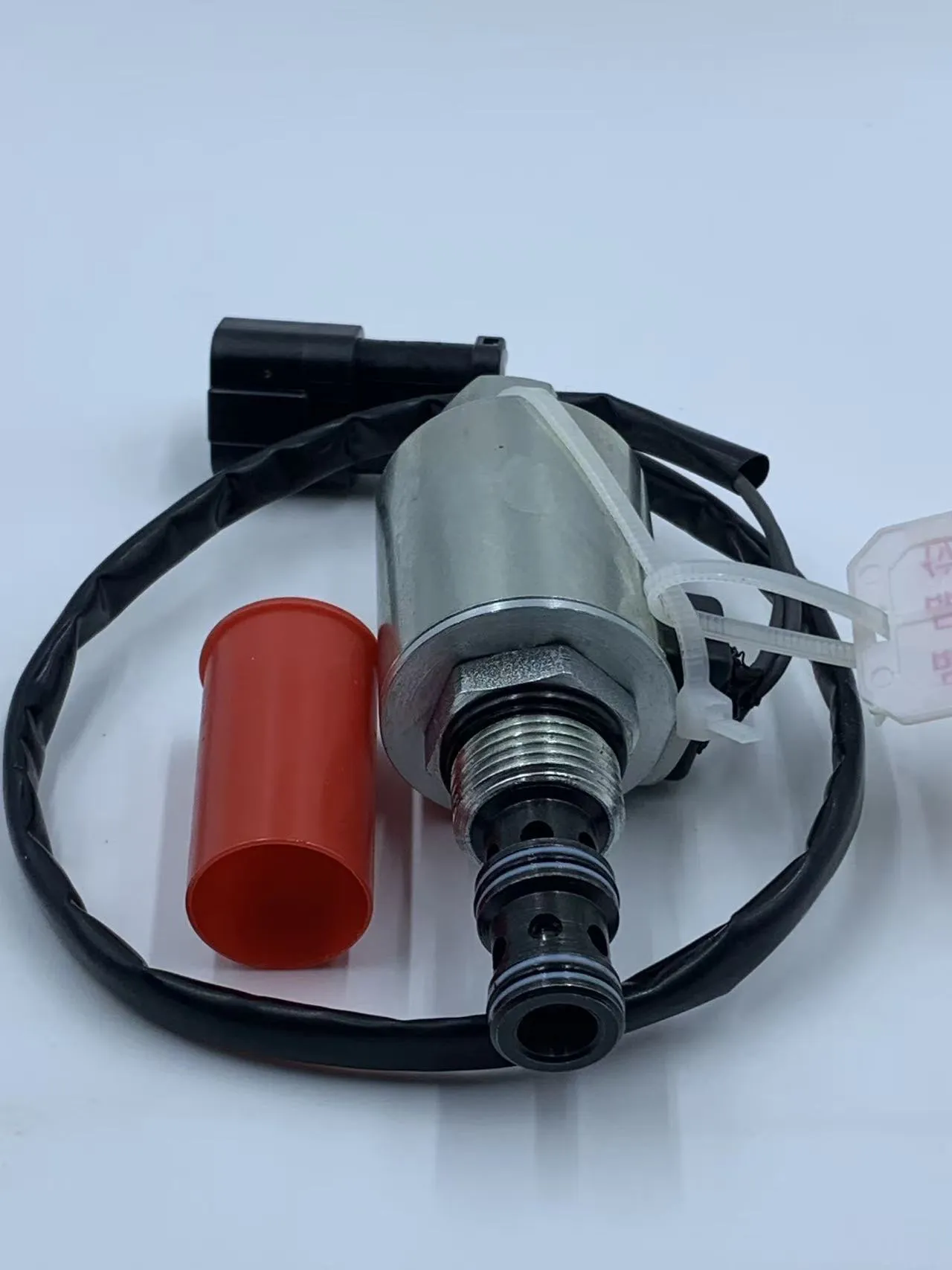 New Rotary Pump Solenoid Coil 20Y-60-11713 for Komatsu… | eBay
 -
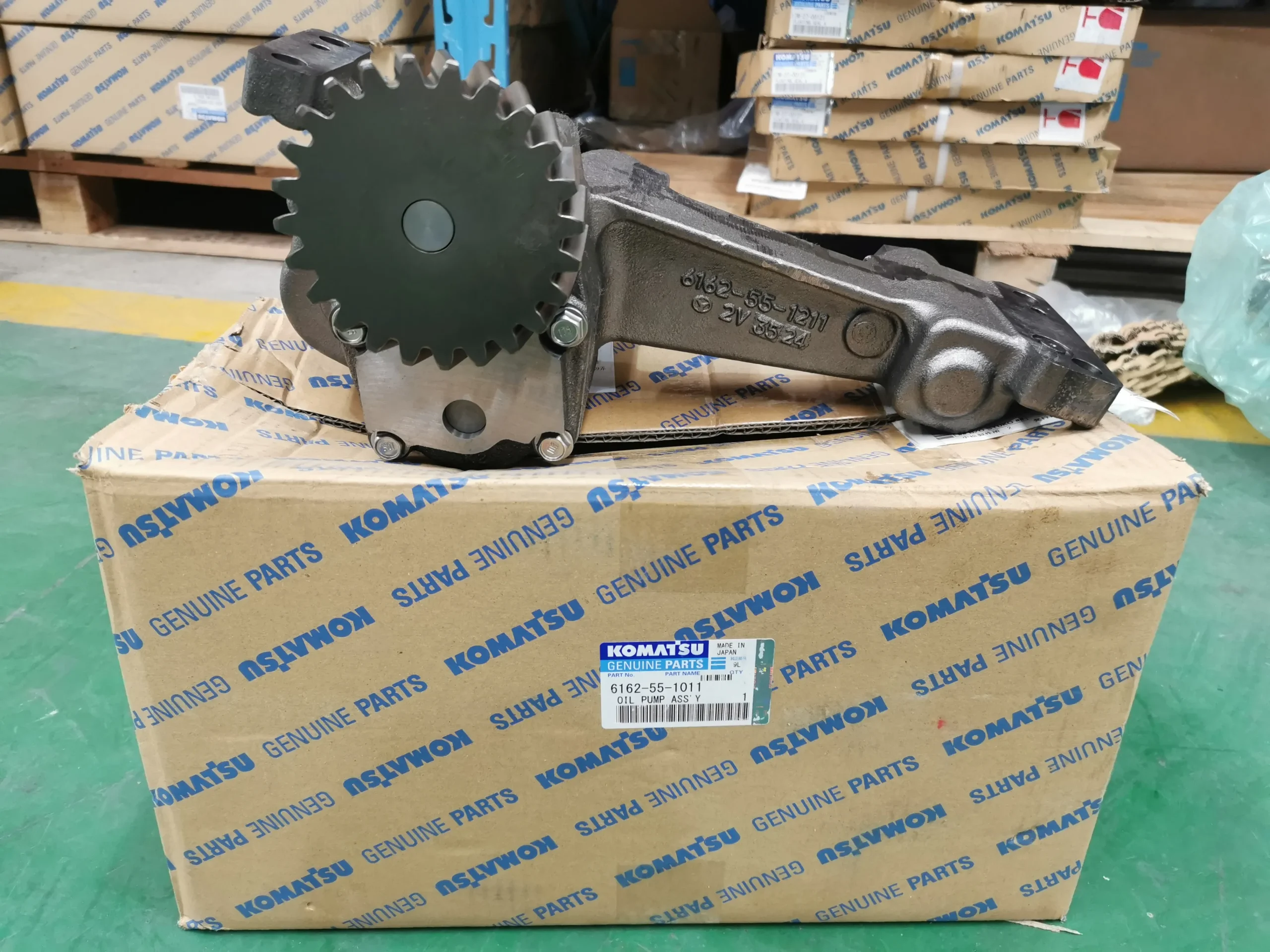 S6D170E-2A Oil Pump 6162-55-1011
 -
 Excavator Hydraulic Main Pump GAUGE 207-01-31150 207-01-41710 2070131150 2070141710 GAUGE for Komatsu PC200 PC300 PC400 Excavator
 -
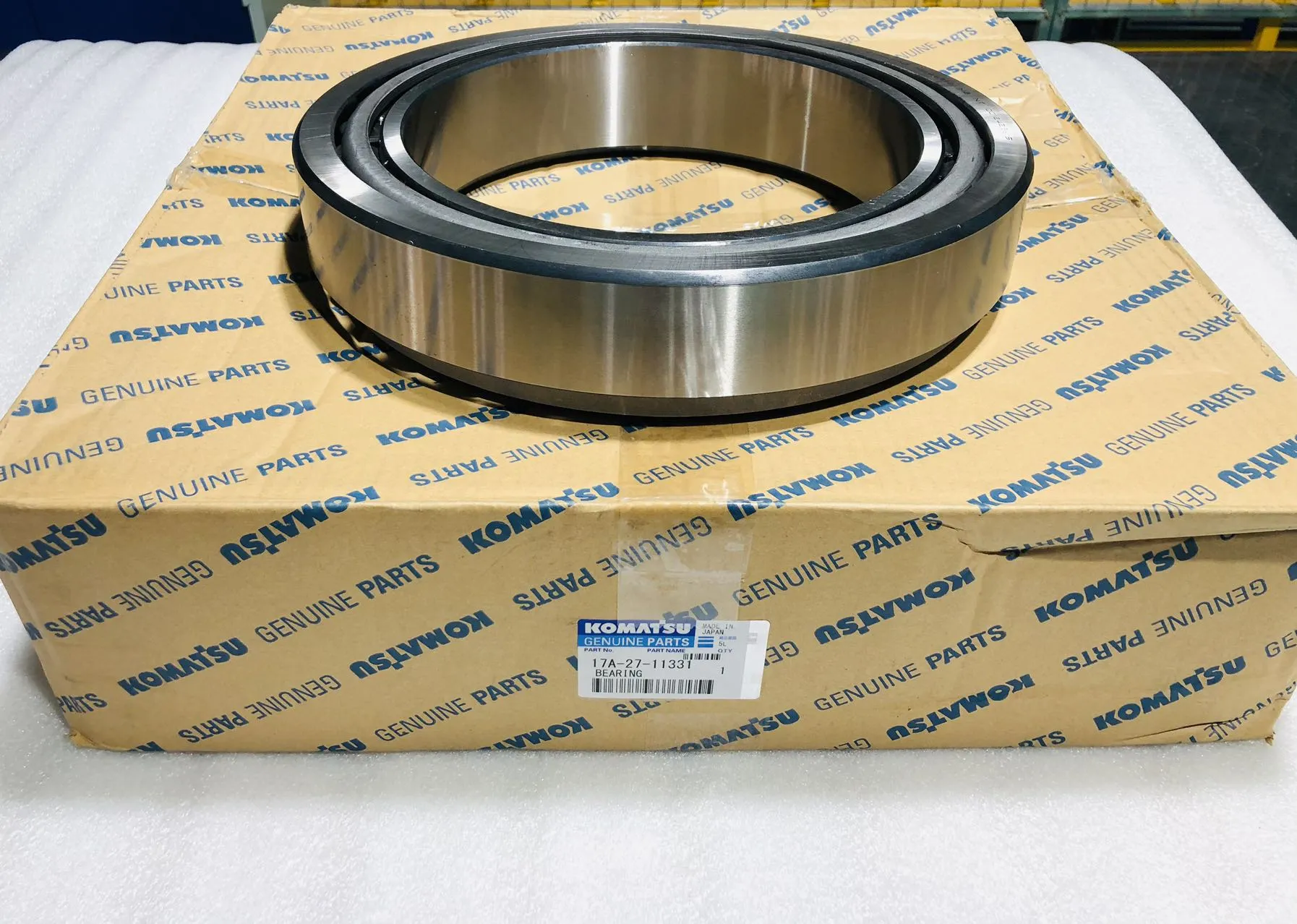 17A-27-11331 Komatsu D155
 -
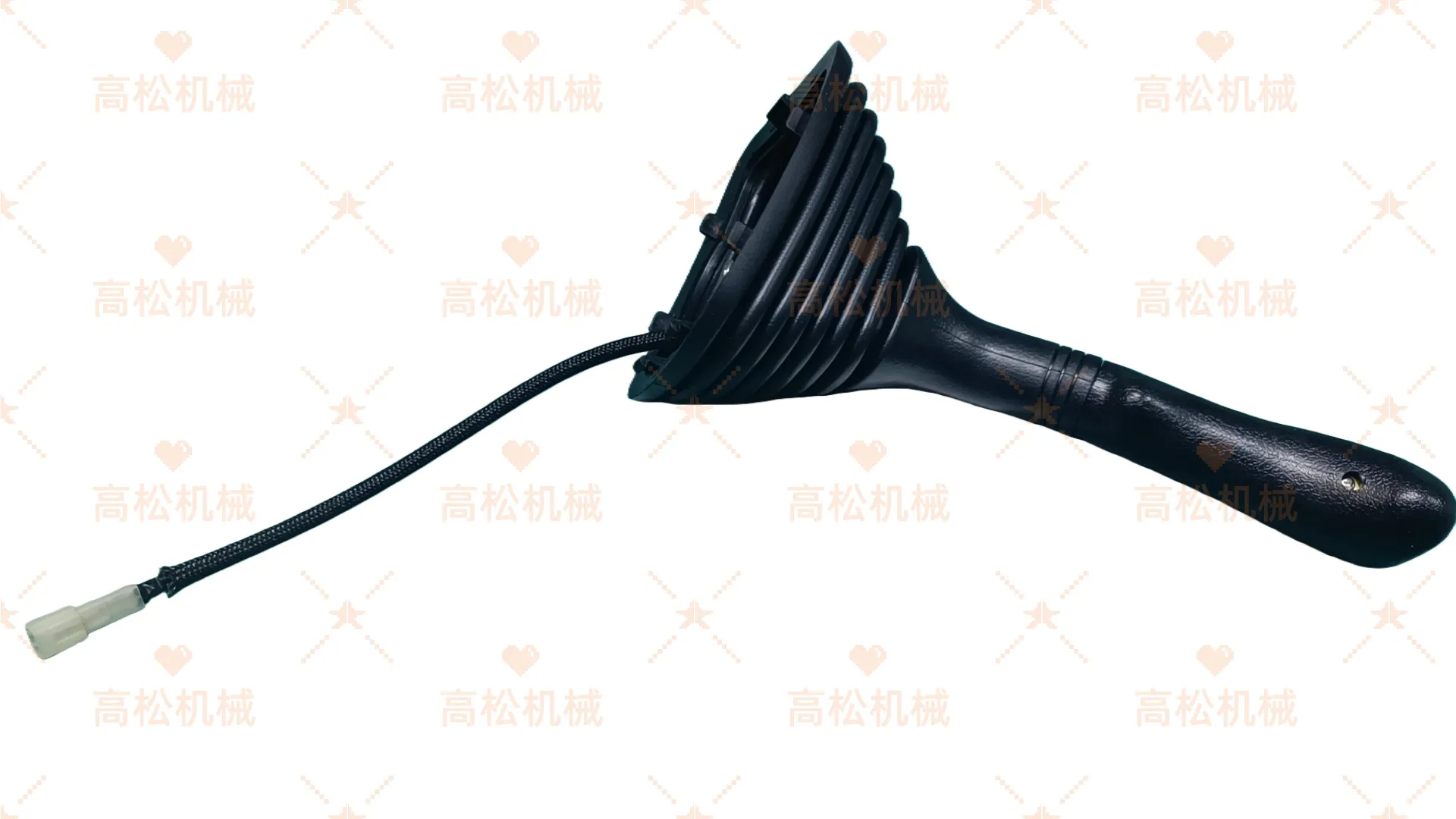 2A5-43-12861SWITCH 2A5-43-12933LEVER ASSEMBLY 2A5-53-12721Motor Assembly 2A5-54-13421 Rear View Mirror2A5-979-1113 Air conditioning component 2A8-70-13210Pin
 -
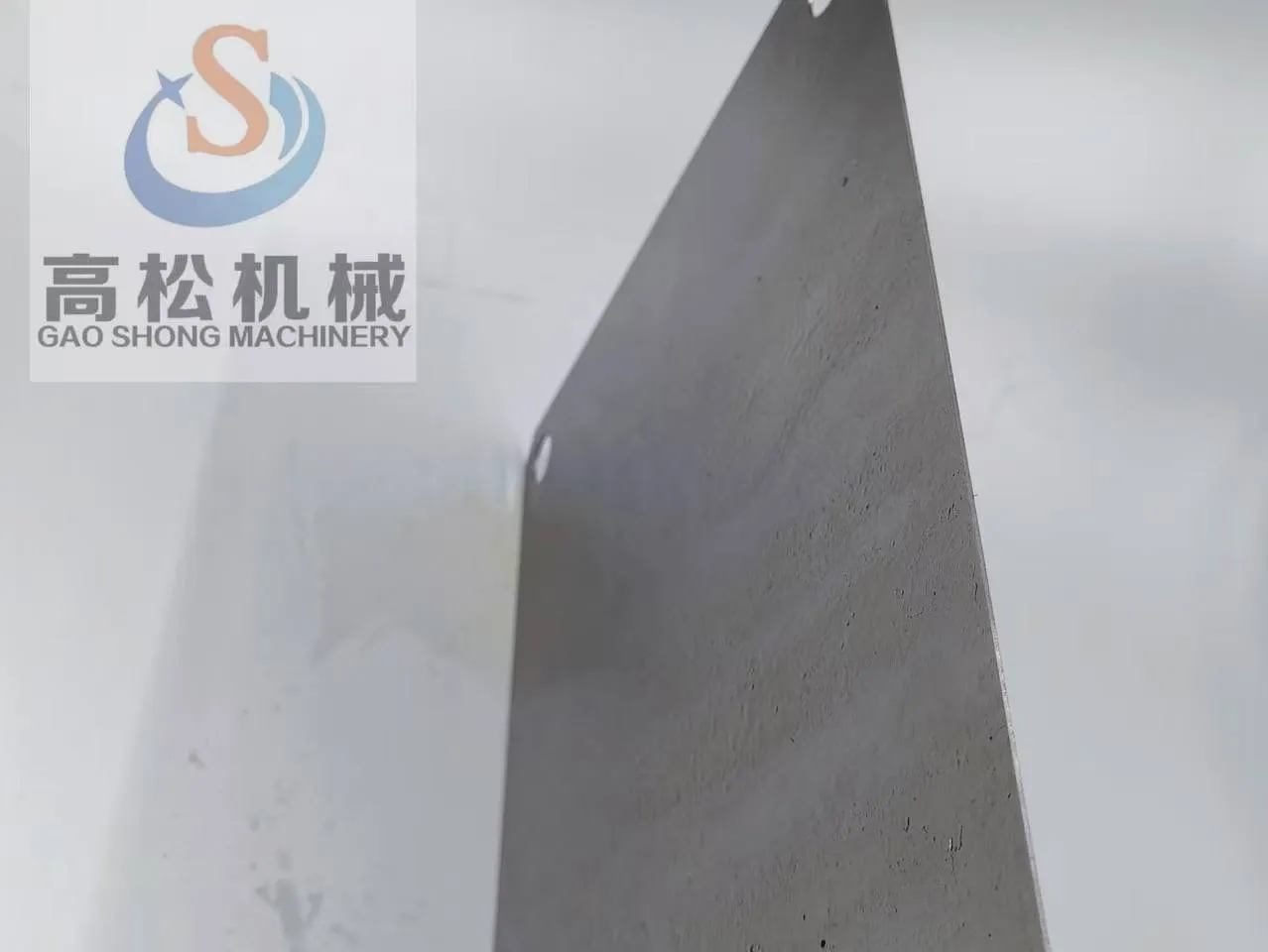 561-74-61540 Komatsu Shim Compatible Model: HD985. Available for immediate shipment.