
- Chinese
- French
- German
- Portuguese
- Spanish
- Russian
- Japanese
- Korean
- Arabic
- Irish
- Greek
- Turkish
- Italian
- Danish
- Romanian
- Indonesian
- Czech
- Afrikaans
- Swedish
- Polish
- Basque
- Catalan
- Esperanto
- Hindi
- Lao
- Albanian
- Amharic
- Armenian
- Azerbaijani
- Belarusian
- Bengali
- Bosnian
- Bulgarian
- Cebuano
- Chichewa
- Corsican
- Croatian
- Dutch
- Estonian
- Filipino
- Finnish
- Frisian
- Galician
- Georgian
- Gujarati
- Haitian
- Hausa
- Hawaiian
- Hebrew
- Hmong
- Hungarian
- Icelandic
- Igbo
- Javanese
- Kannada
- Kazakh
- Khmer
- Kurdish
- Kyrgyz
- Latin
- Latvian
- Lithuanian
- Luxembou..
- Macedonian
- Malagasy
- Malay
- Malayalam
- Maltese
- Maori
- Marathi
- Mongolian
- Burmese
- Nepali
- Norwegian
- Pashto
- Persian
- Punjabi
- Serbian
- Sesotho
- Sinhala
- Slovak
- Slovenian
- Somali
- Samoan
- Scots Gaelic
- Shona
- Sindhi
- Sundanese
- Swahili
- Tajik
- Tamil
- Telugu
- Thai
- Ukrainian
- Urdu
- Uzbek
- Vietnamese
- Welsh
- Xhosa
- Yiddish
- Yoruba
- Zulu
- Kinyarwanda
- Tatar
- Oriya
- Turkmen
- Uyghur






komatsu dump truck parts
When you're looking for Komatsu dump truck parts, the first instinct is often to go straight to the official dealer. That makes sense, but in the real world, especially on sites where machines are older or in regions with supply chain bottlenecks, that route isn't always viable. The price and lead time can be prohibitive. There's a whole ecosystem out there beyond the genuine parts counter, and navigating it requires a bit of street-smart knowledge that you won't find in any official manual. I've seen too many projects get hung up waiting for a single, overpriced hydraulic pump, when a reliable alternative was sitting in a warehouse a few countries over. The key isn't just finding a part; it's understanding the provenance, the fit, and the long-term cost of downtime versus part cost.
The OEM Promise vs. On-the-Ground Reality
Let's be clear: nothing beats a genuine Komatsu part for a critical component like a final drive or an engine ECU. The metallurgy, the tolerances, the software integration—it's all engineered as a system. I've put aftermarket cylinder heads on a 930E before, and the thermal stress cracks appeared way sooner than the OEM one. That's a lesson you only learn once, painfully. The OEM system is designed for reliability, but its weakness is accessibility and cost structure.
This is where companies that operate within the Komatsu system, but with more flexibility, become crucial. I've worked with suppliers like Jining Gaosong Construction Machinery Co., Ltd. (you can find them at takematsumachinery.com). Their model is interesting; they describe themselves as an OEM product supplier within Komatsu and a third-party sales company. In practice, what this often means is they have access to genuine or OEM-spec lines for certain components, but they can also move outside the strict regional dealership agreements. They're solving a specific problem: parts supply challenges in certain countries. If you're in a market where the official distributor has limited stock or exorbitant import duties, a channel like this can be a lifeline.
The catch, always, is verification. OEM product supplier within the Komatsu system needs scrutiny. It can mean they produce sub-assemblies for Komatsu, or it can mean they have a licensing agreement for certain parts. You have to ask for proof—batch numbers, material certificates, sometimes even factory audit reports. I don't take the claim at face value; I cross-reference part numbers and request samples for non-critical items first. A good supplier won't balk at this.
Where the Aftermarket Actually Works (And Where It Doesn't)
Not every part on a 785 or an HD1500 needs to be genuine. This is where experience saves money. Wear parts are the classic example. Think Komatsu dump truck parts like shaker shaft bushings, seat cushions, wiring harness clips, or even certain hoses and lines. For these, a high-quality aftermarket part from a known manufacturer is often 95% as good for 60% of the cost. The failure mode isn't catastrophic; it's gradual wear. I keep a list of safe-to-substitute part numbers for common models.
Hydraulics is a gray zone. A valve bank? I'd lean genuine or a certified rebuild. A simple hydraulic cylinder rod? A reputable aftermarket machine shop can often manufacture one to spec if you provide the worn part and the OEM drawings. The real risk with aftermarket hydraulics is contamination control during manufacturing. I once sourced a cheap steering cylinder for a 730E. It worked for about 200 hours before internal seal debris took out the priority valve. The part cost saved $1500; the downtime and valve repair cost $12k. A brutal but standard calculation in this business.
Electronics and sensors? Almost always genuine. The communication protocols and calibration are too tight. An aftermarket speed sensor might give erratic readings that confuse the transmission controller, leading to limp mode. It's just not worth the headache.
The Logistics Tangled Web
Finding the part is half the battle. Getting it to a remote mine site in West Africa or a port project in Southeast Asia is the other half. This is another area where specialized third-party suppliers have an edge. Because they aren't bound to a single national distributor's logistics, they often have more flexible shipping routes and customs clearance experience in tricky jurisdictions.
I recall a project in Bolivia where we needed a Komatsu dump truck transmission solenoid block for a PC8000 (okay, not a dump truck, but the principle is identical). The local dealer quoted 14 weeks. A supplier with a network similar to Gaosong's had a compatible unit in a Singapore warehouse. They air-freighted it to Chile and used a land broker to get it across the border. We had it in 11 days. The cost was higher than list, but the cost of the 800-ton shovel sitting idle was astronomical. They solved the supply challenge not just by having the part, but by knowing how to move it.
This logistics knowledge is intangible but critical. They understand which documents are needed for temporary import, how to classify parts to avoid excessive tariffs, and which freight forwarders specialize in heavy machinery. You develop a shortlist of these suppliers not just for their parts catalog, but for their logistical muscle.
Failure as a Teacher: The Good Enough Trap
Early in my career, I was too focused on unit cost savings. We had a fleet of older HD465 trucks. The OEM brake pads were expensive, so we switched to a well-marketed aftermarket brand. They wore out 30% faster, which we expected. What we didn't expect was that the wear material was harder and scored the rotors. Within two brake change cycles, we were looking at rotor replacement—a cost that obliterated all savings from ten sets of pads. It was a classic failure to consider total cost of ownership.
This experience directly shapes how I evaluate a supplier now. I don't just ask for a price on a dump truck part. I ask for wear rate data, material specs, and if they have any case studies or testimonials from similar applications. A serious supplier will have this, or will get it from their factory. The ones that just email back a PDF price list get deprioritized.
It also taught me to segment parts by criticality. I now have a simple A/B/C system. 'A' items are safety and machine-critical (brakes, steering, structural). These are almost always OEM, barring a certified alternative. 'B' items are operational but not catastrophic (hydraulic pumps, fans). Here, I consider rebuilt OEM or top-tier aftermarket. 'C' items are consumables and wear items (filters, seals, lights). This is where I actively source for the best value from reliable aftermarket channels.
Building a Reliable Supply Chain, Not Just a Contact List
Ultimately, managing Komatsu parts supply is about building a small, trusted network. Your official dealer is the anchor. But you need two or three of these agile, specialized suppliers who understand the gap between the OEM ideal and field reality. A company like the one mentioned, Jining Gaosong, fits into that niche. Their value proposition is specifically about navigating those gaps in the Komatsu system for certain markets.
The relationship evolves from transactional to advisory. A good supplier will call you and say, You're ordering a lot of swing bearings for your 830Es. We're seeing a batch from a specific plant have issues. You might want to check the serial number range and inspect for spalling. That kind of insight is gold. It turns them from a vendor into a partner in uptime.
It's never a set-and-forget process. You constantly test, evaluate, and audit. You might buy filters from them for a year, then try a set of non-critical pins and bushings. You track the hours, the wear, the failure modes. You build your own internal data. The goal isn't to replace the OEM; it's to create a hybrid, resilient supply chain that keeps your machines moving with the right part, at the right time, for the right total cost. That's the real game in heavy equipment management.
Related Products
Related Products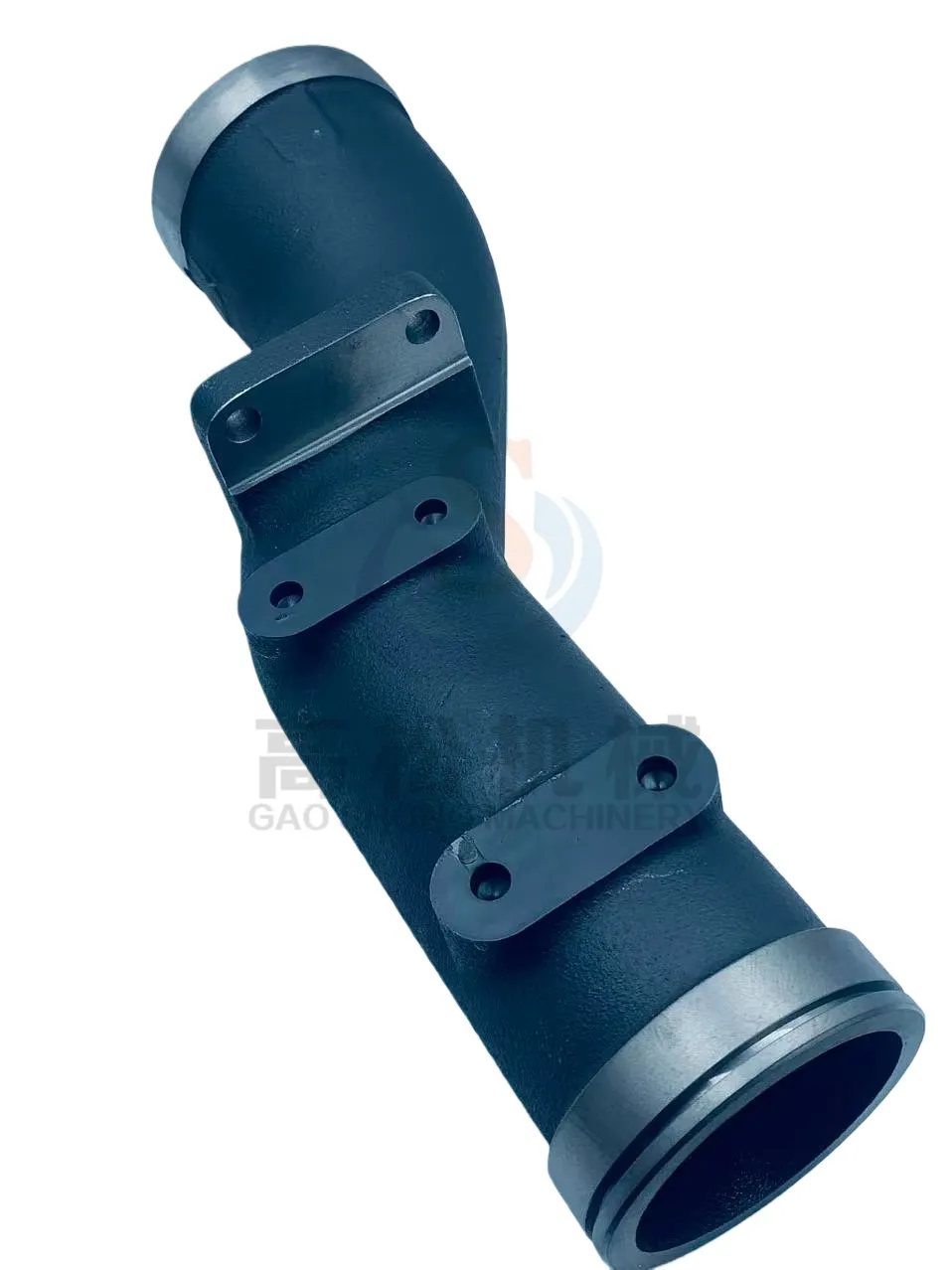
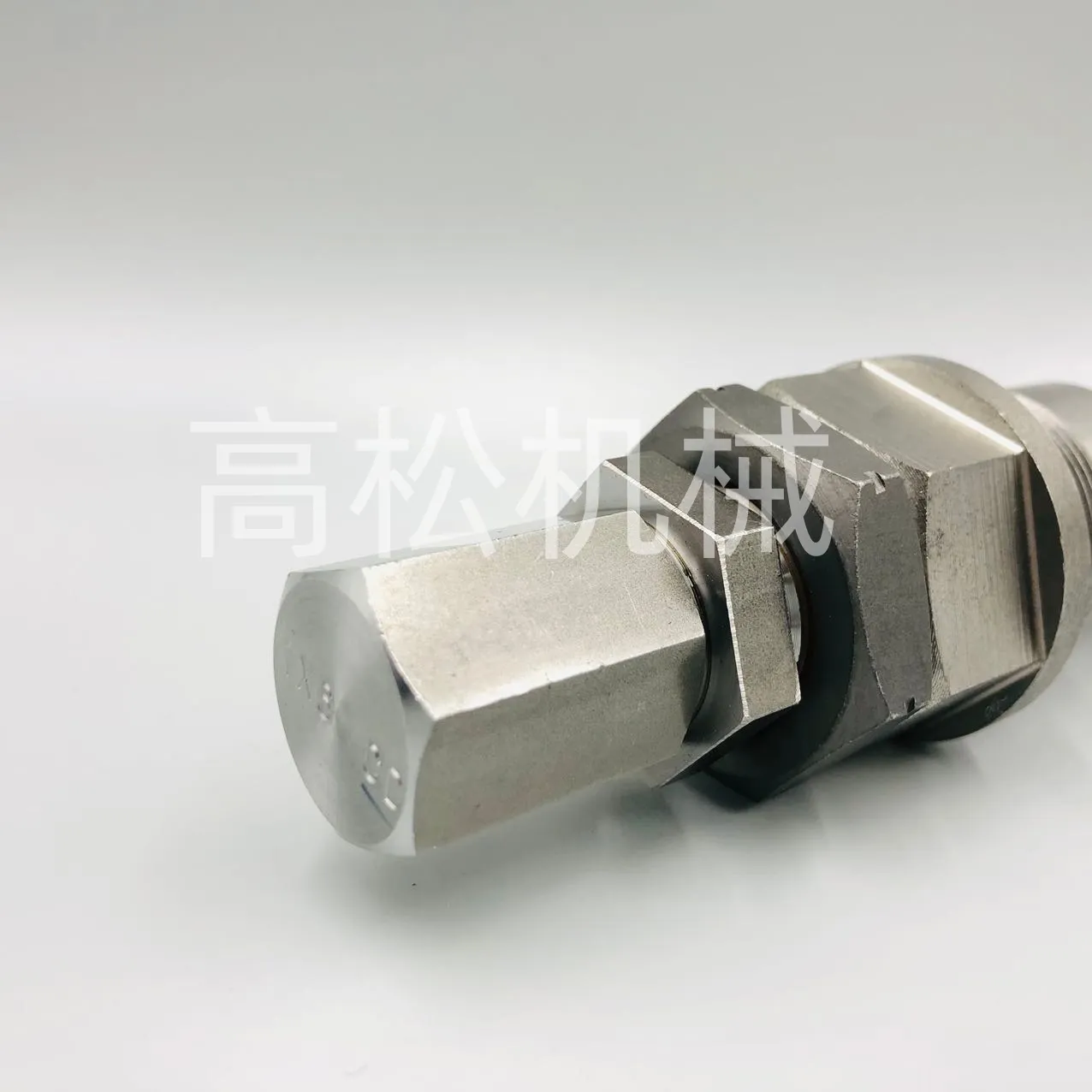
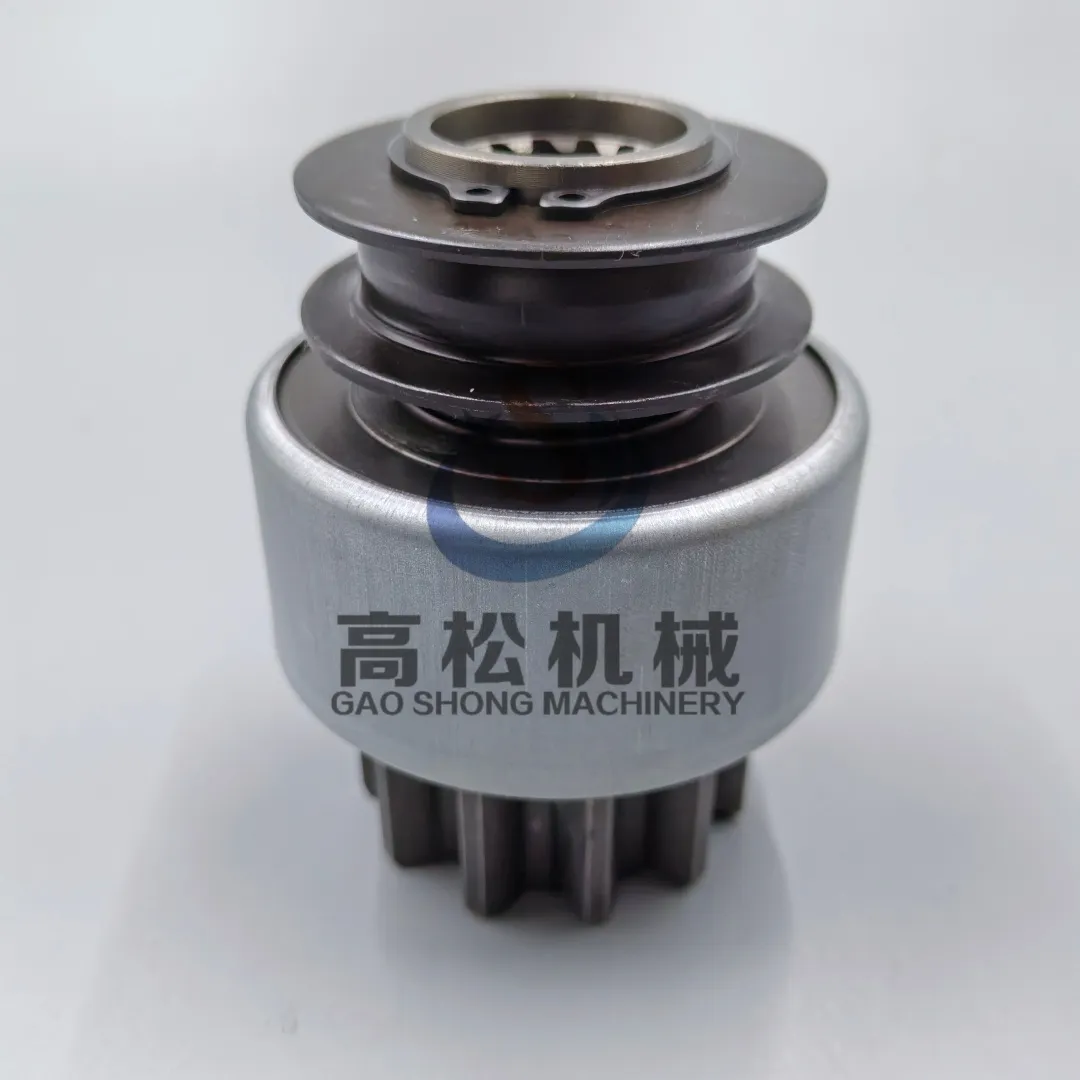
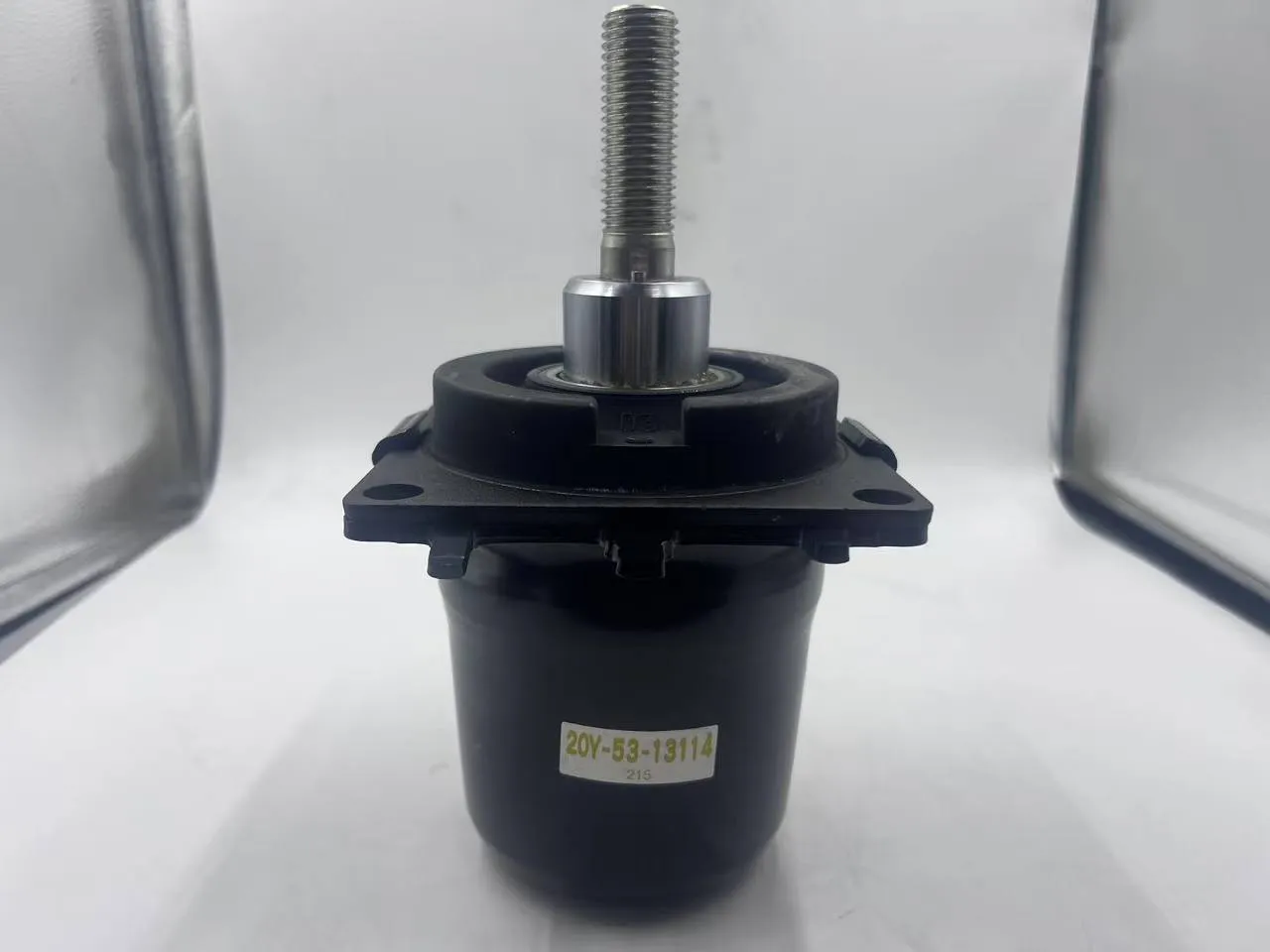
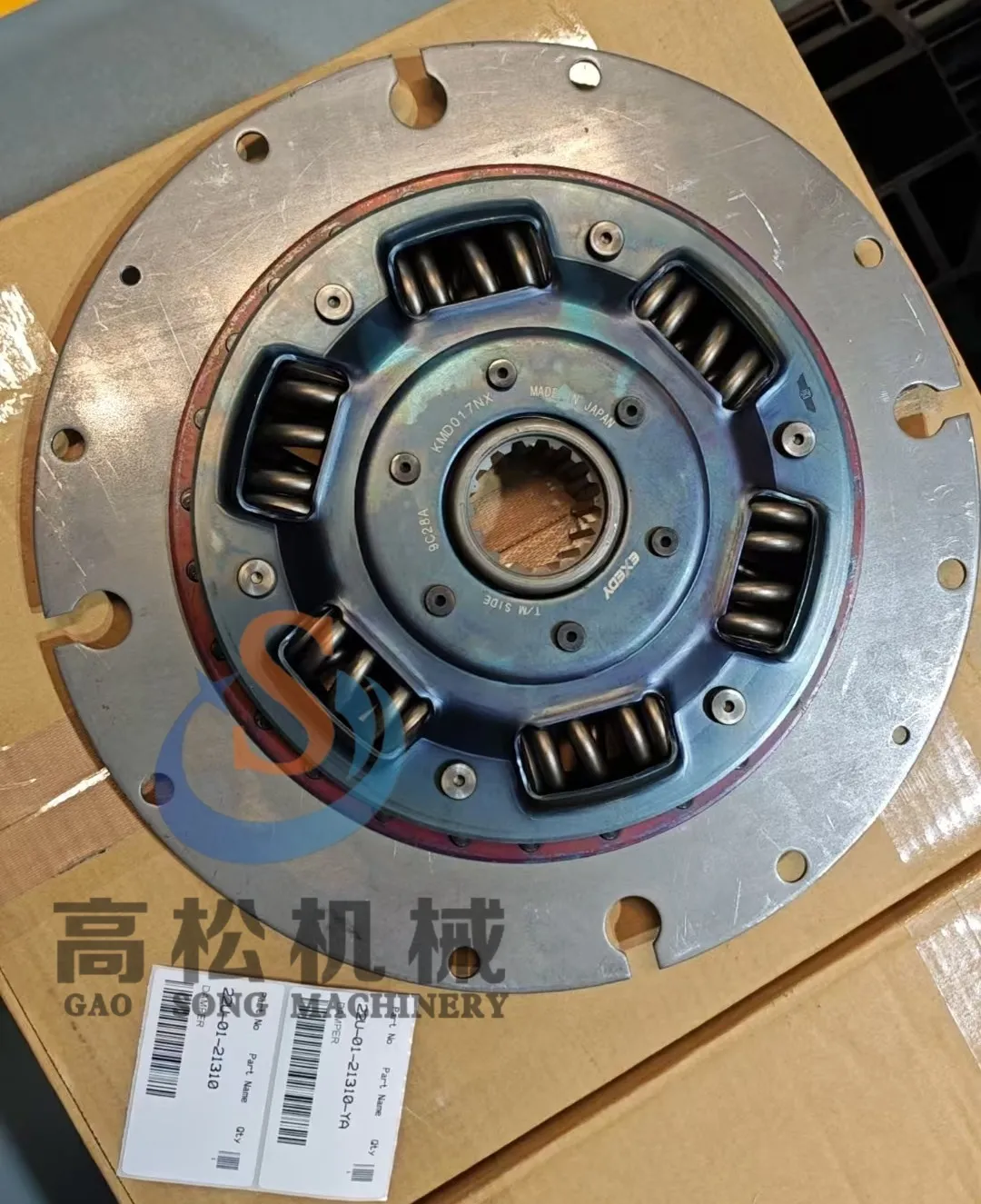
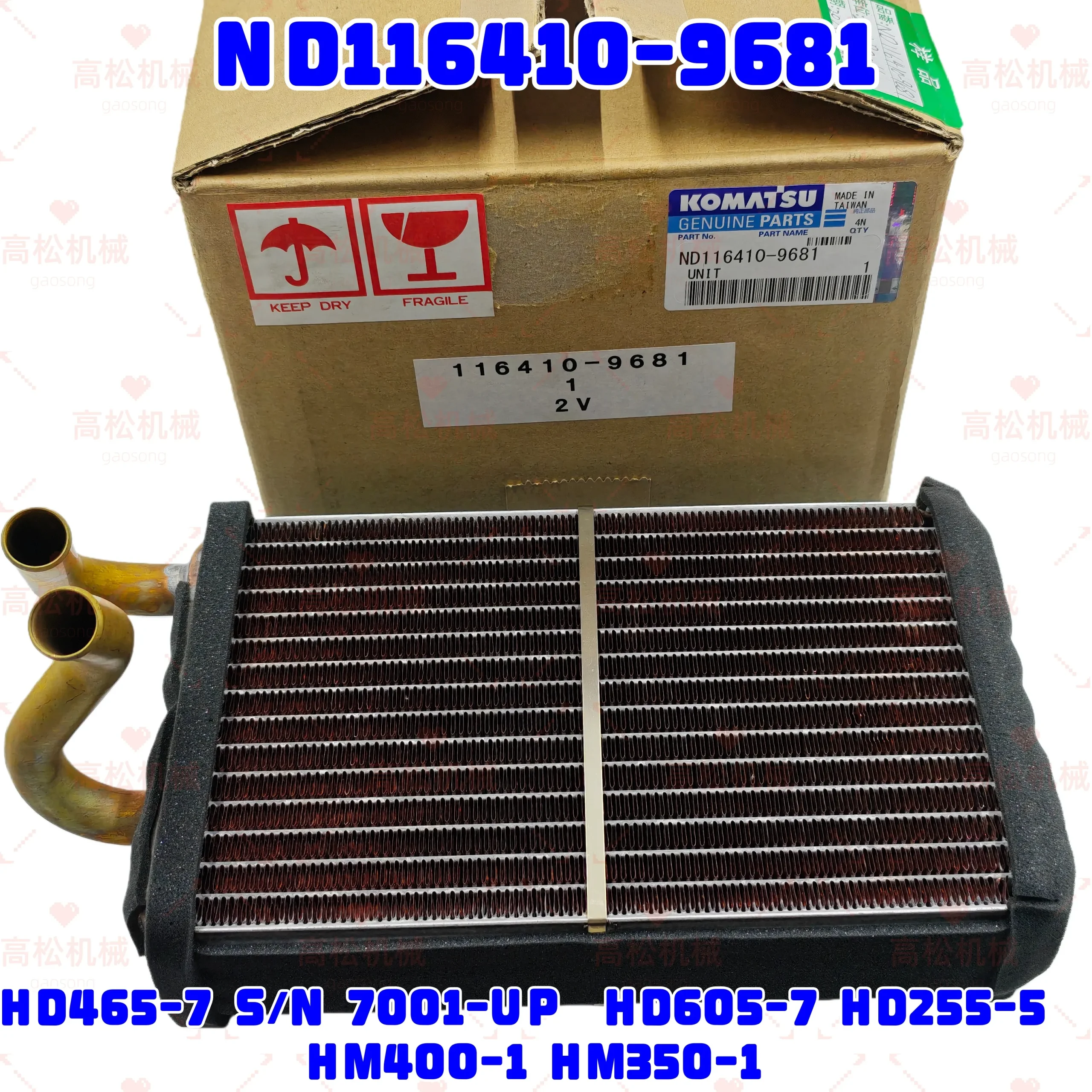
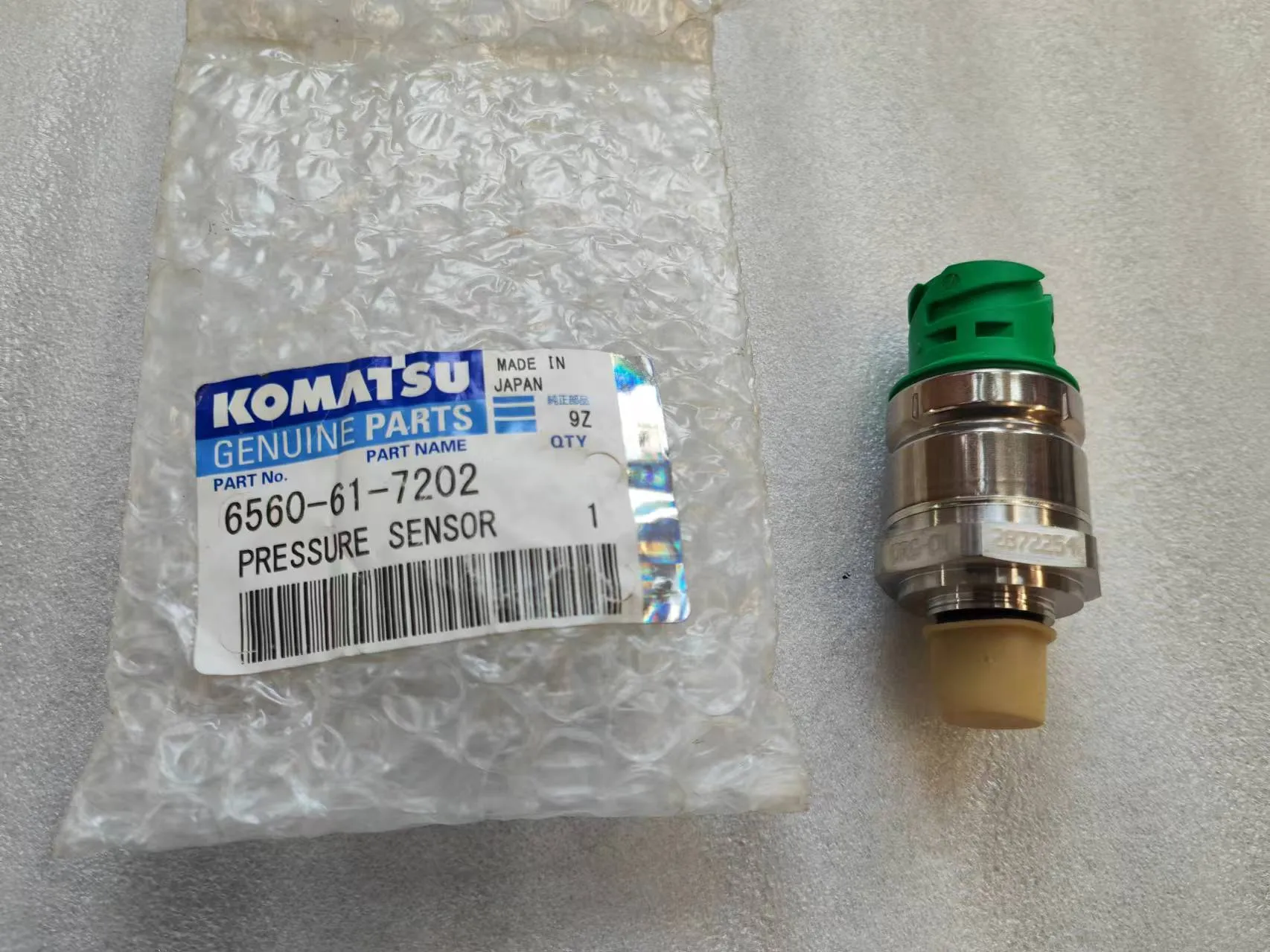

Best Selling Products
Best Selling Products-
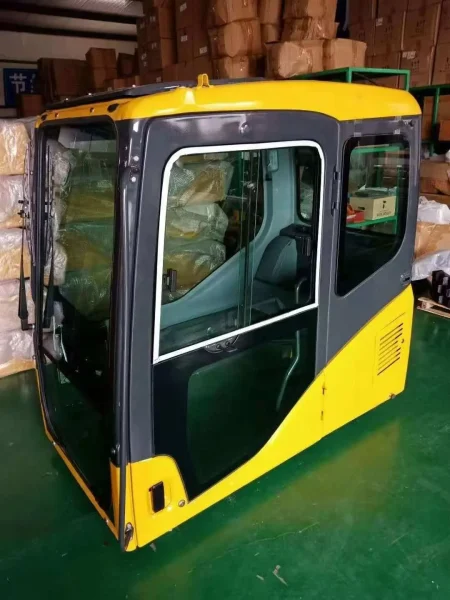 21T-54-00303 21T-54-00302 CAB ASS’Y FOR PC2000-8
 -
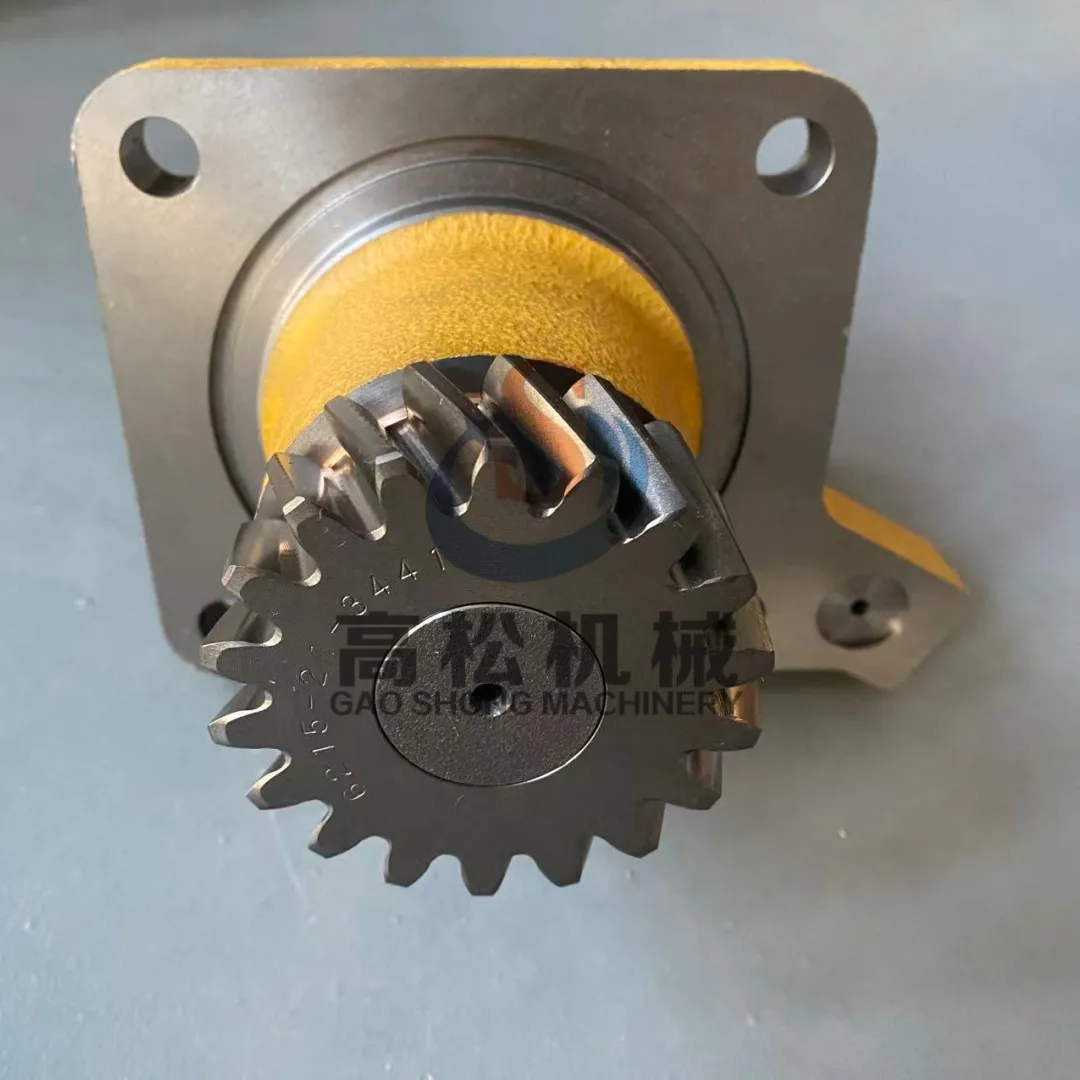 6266-21-3400Accessory Driver Assembly SAA12V140E ENGINE
 -
 Komatsu 17M-50-24360 Seal, price for original and… — Pricing.Parts
 -
 COVER 425-04-21430 for a WA500-3 komatsu original
 -
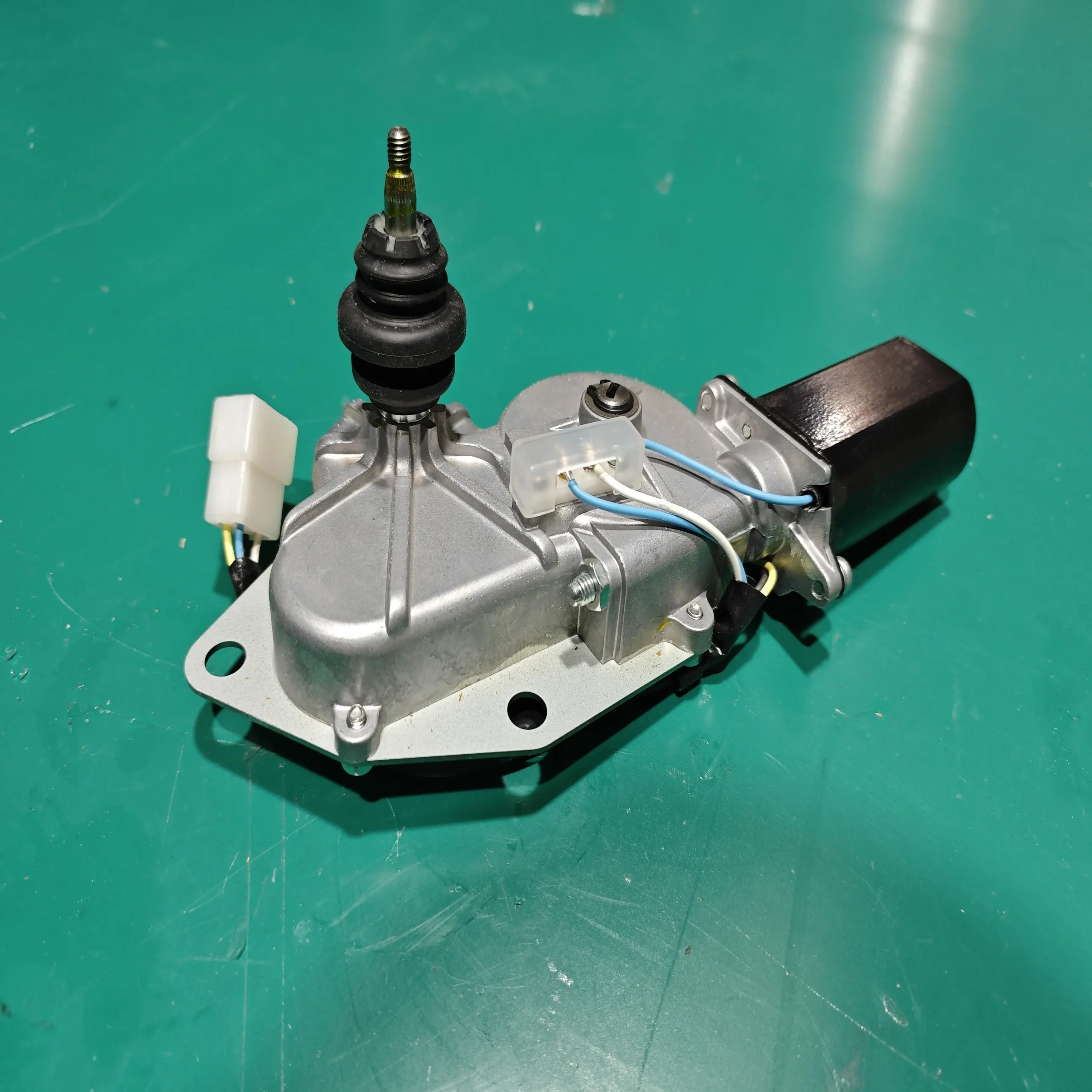 KOMATSUWIPERMOTOR23B-951-2610
 -
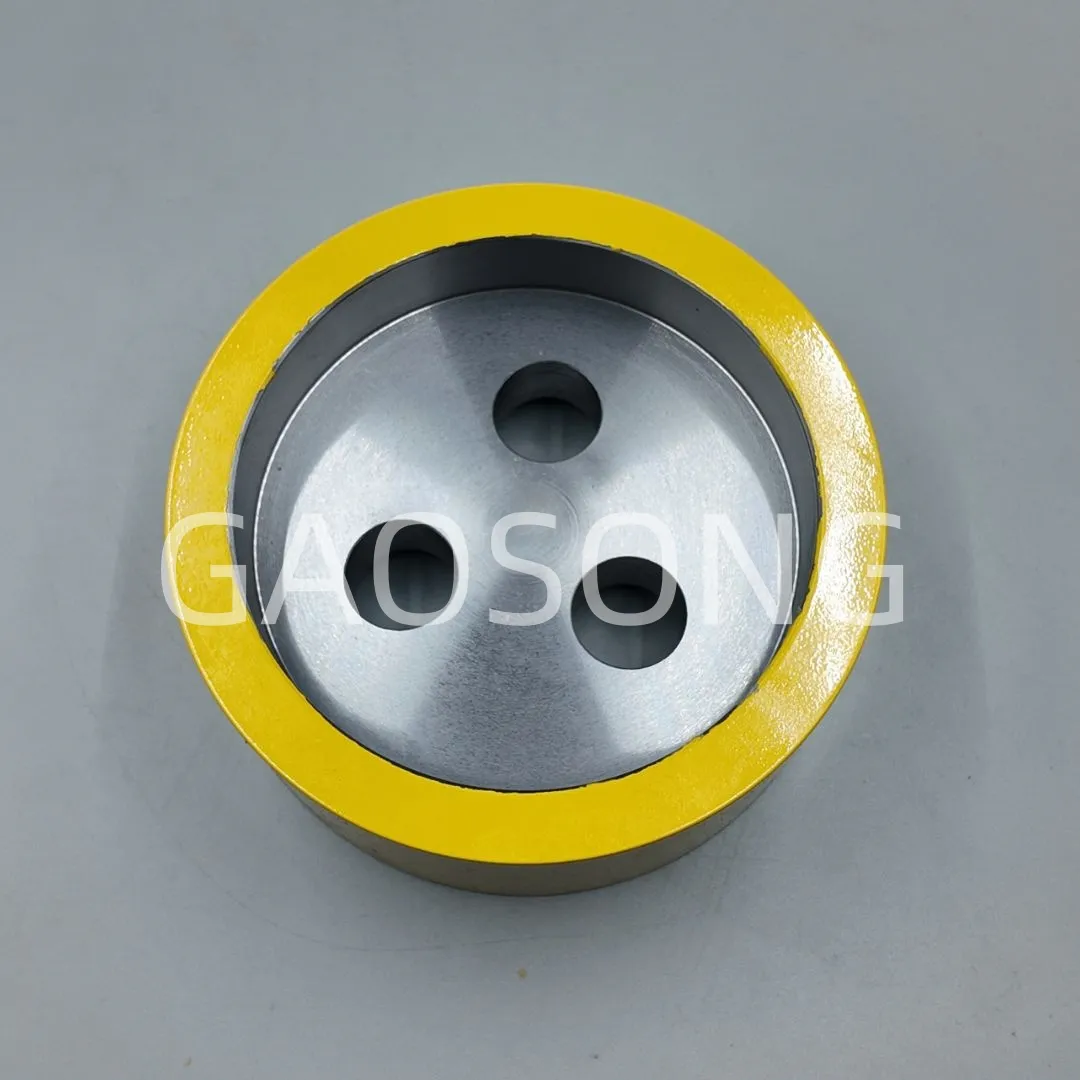 2A8-70-13570 Komatsu Cover
 -
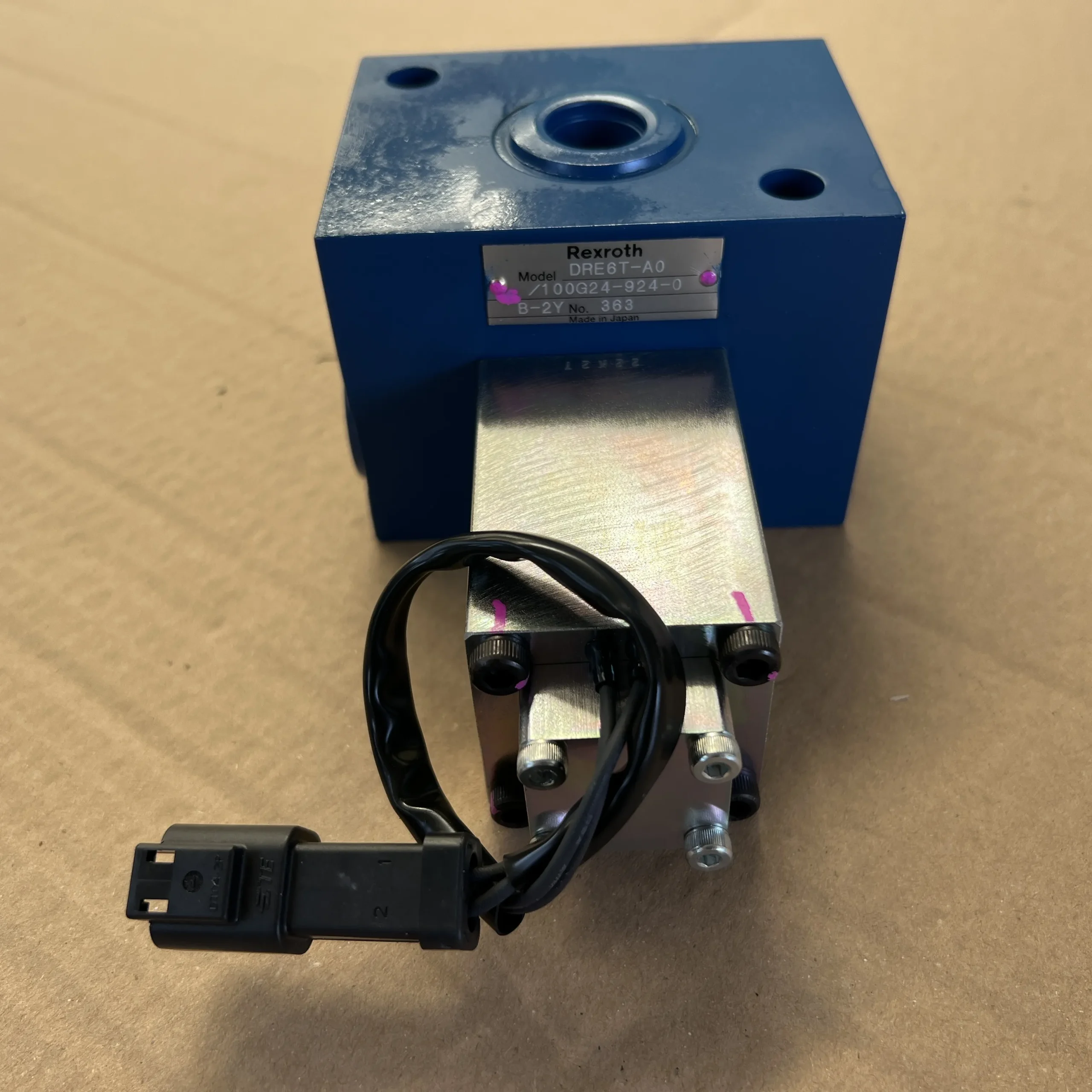 HD465-7 Proportional Solenoid Valve 569-43-83171
 -
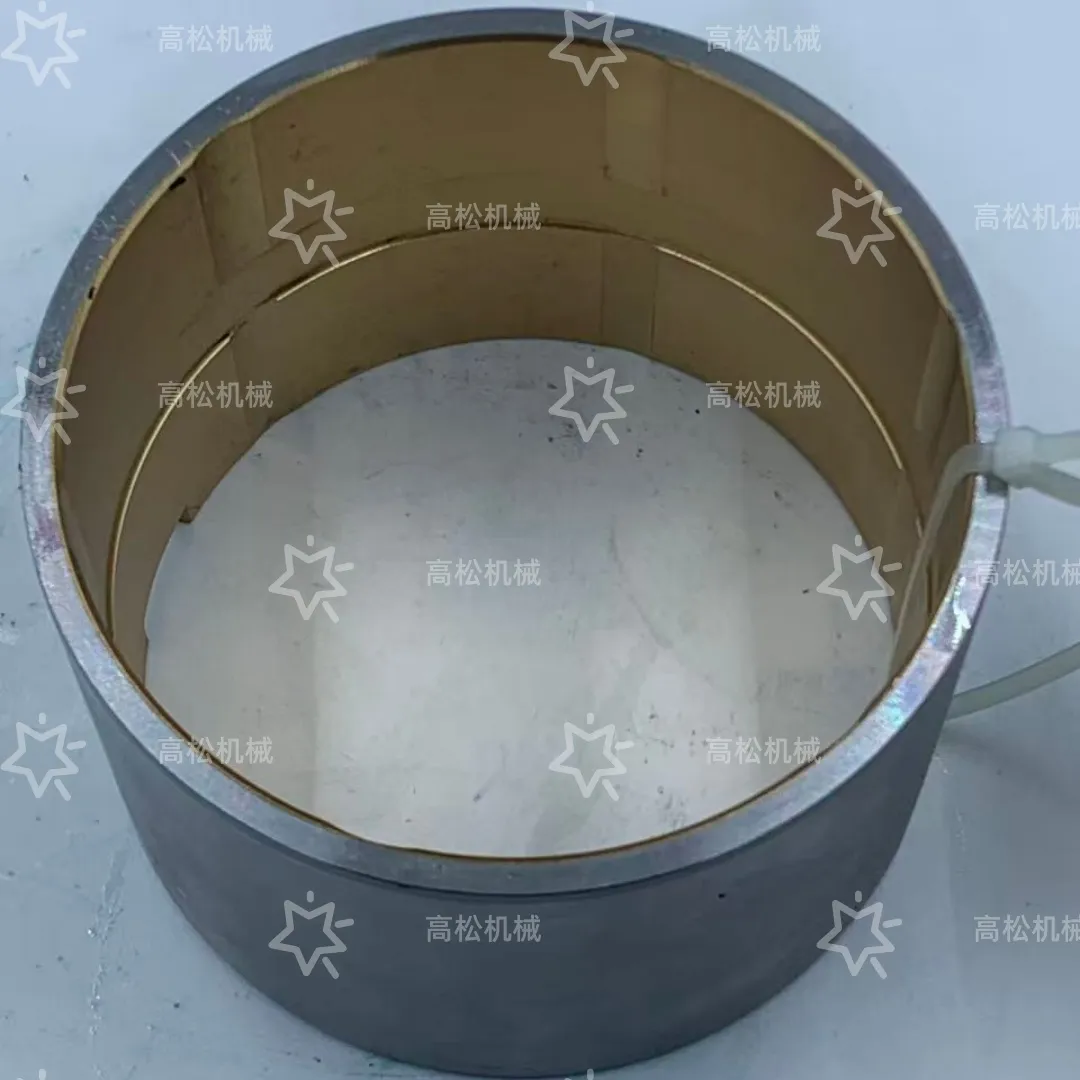 Bulldozer D375A-1 Bushing 195-61-41160 1956141160
 -
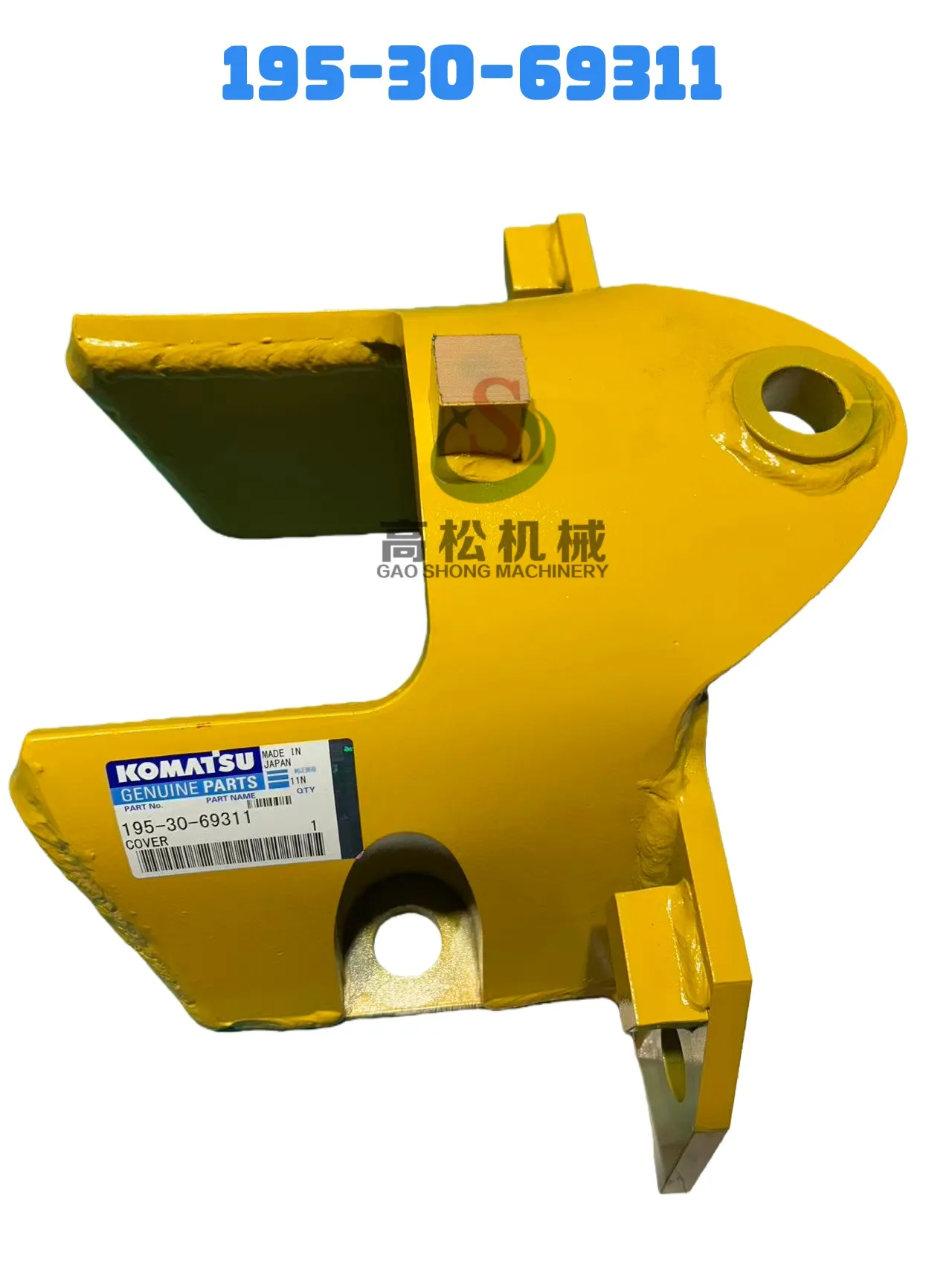 komatsu parts195-30-69311 COVER D375A-5 D375A-6 D375AI-8 D375A-8E0 TRACK FRAME
 -
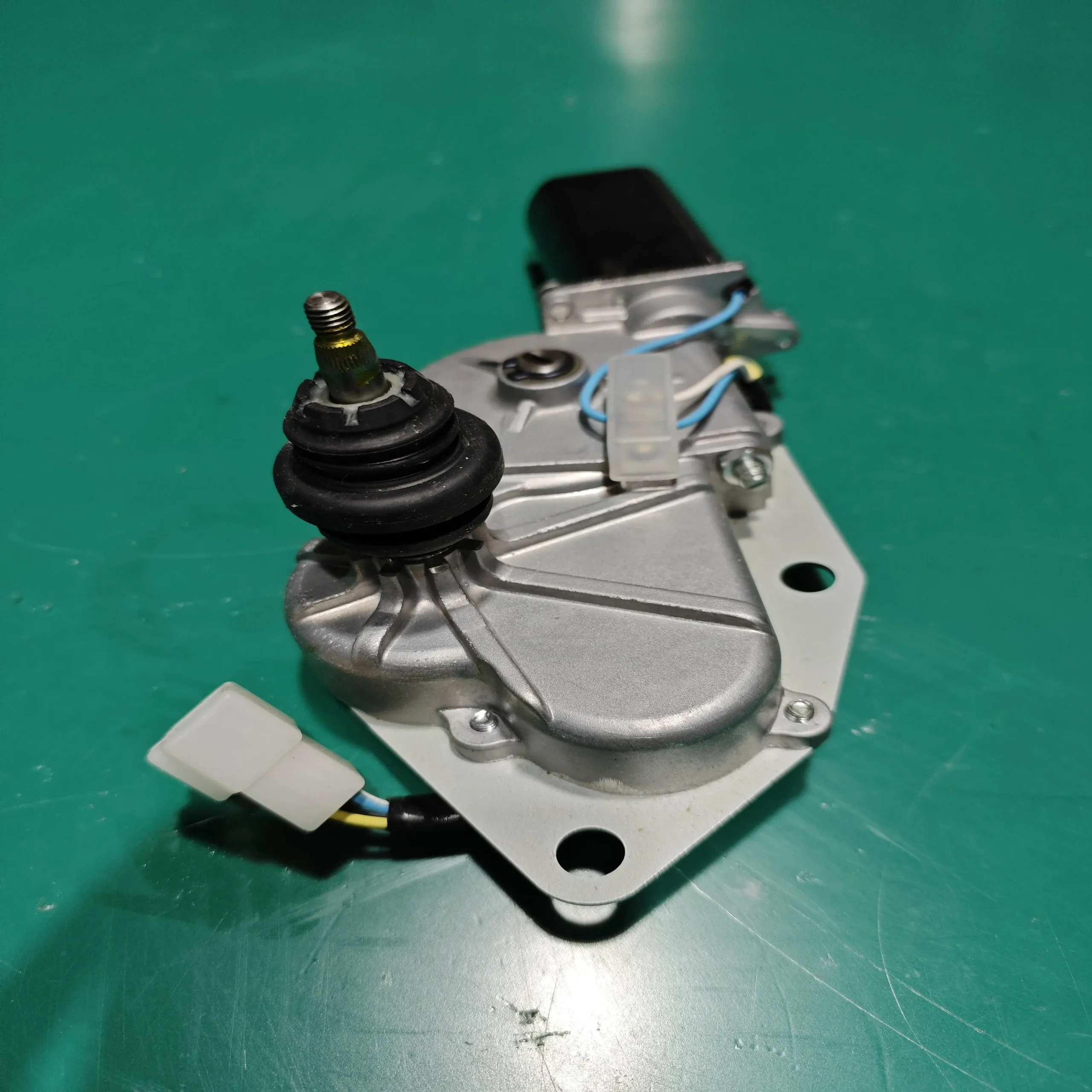 23B-951-2610 Komatsu WIPER MOTOR
 -
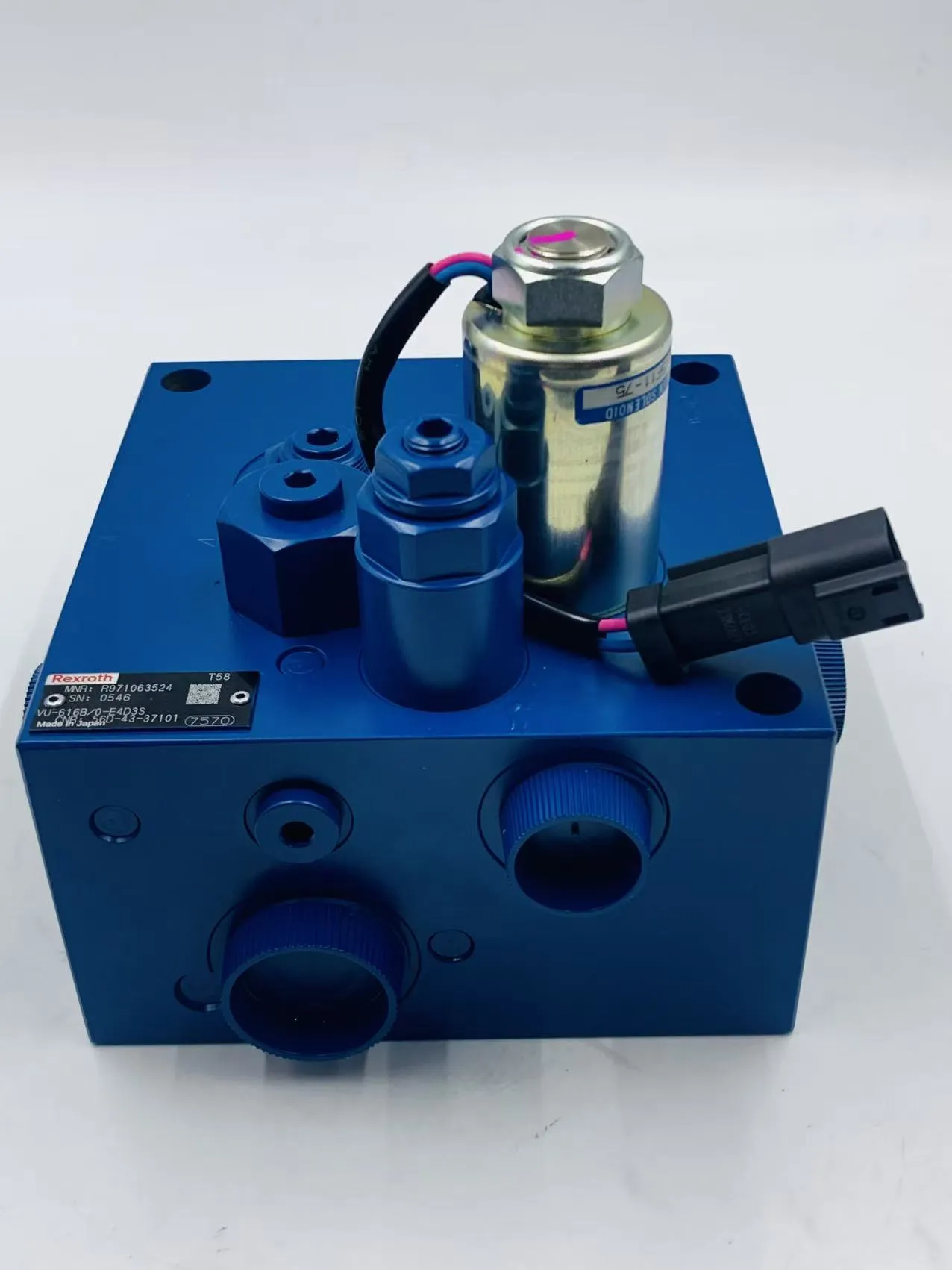 56D-43-37101 Valve Assembly, Charge for HM300 Komatsu Dump Truck Parts High Quality Original Factory
 -
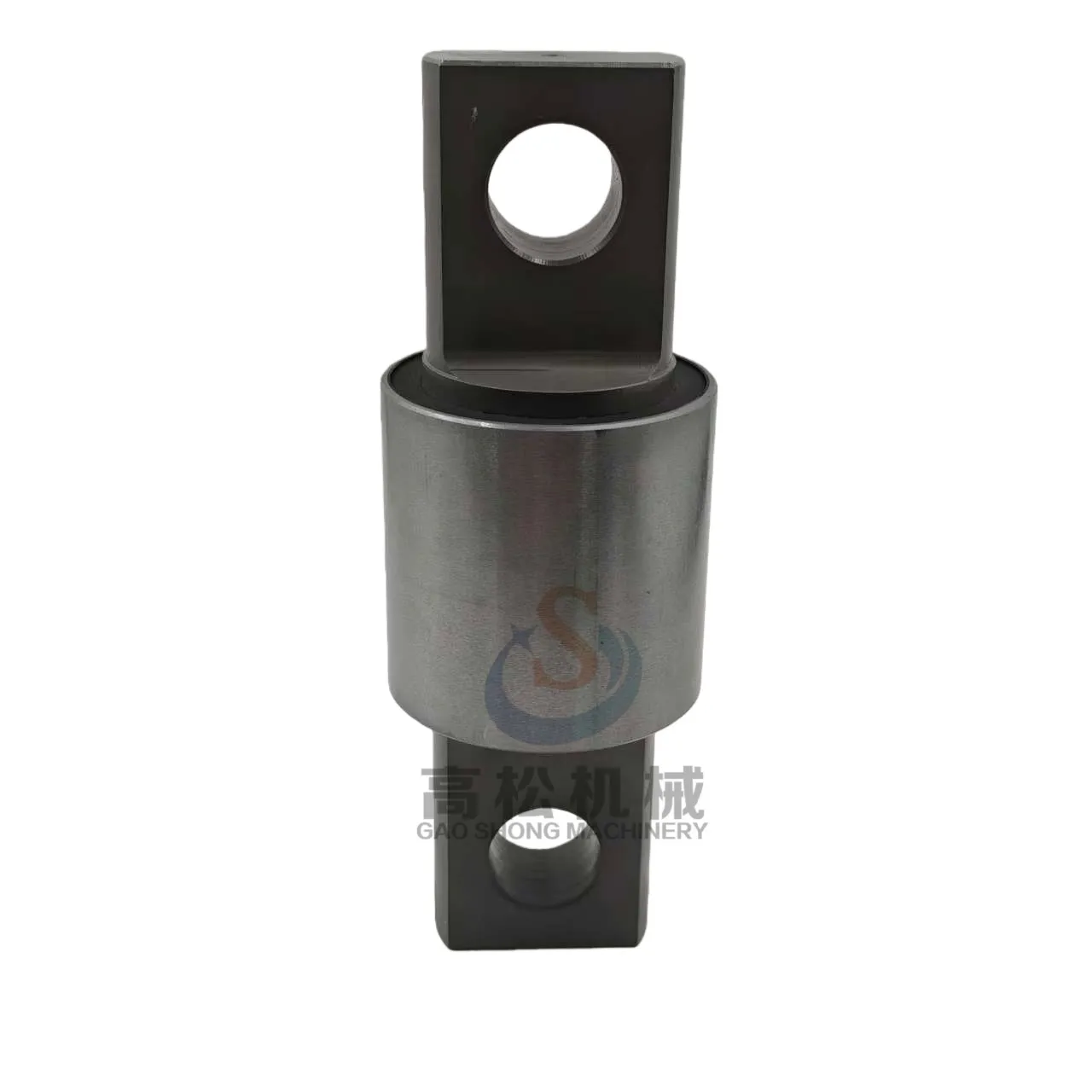 CUSHION 56B-16-11211 – KOMATSU