
- Chinese
- French
- German
- Portuguese
- Spanish
- Russian
- Japanese
- Korean
- Arabic
- Irish
- Greek
- Turkish
- Italian
- Danish
- Romanian
- Indonesian
- Czech
- Afrikaans
- Swedish
- Polish
- Basque
- Catalan
- Esperanto
- Hindi
- Lao
- Albanian
- Amharic
- Armenian
- Azerbaijani
- Belarusian
- Bengali
- Bosnian
- Bulgarian
- Cebuano
- Chichewa
- Corsican
- Croatian
- Dutch
- Estonian
- Filipino
- Finnish
- Frisian
- Galician
- Georgian
- Gujarati
- Haitian
- Hausa
- Hawaiian
- Hebrew
- Hmong
- Hungarian
- Icelandic
- Igbo
- Javanese
- Kannada
- Kazakh
- Khmer
- Kurdish
- Kyrgyz
- Latin
- Latvian
- Lithuanian
- Luxembou..
- Macedonian
- Malagasy
- Malay
- Malayalam
- Maltese
- Maori
- Marathi
- Mongolian
- Burmese
- Nepali
- Norwegian
- Pashto
- Persian
- Punjabi
- Serbian
- Sesotho
- Sinhala
- Slovak
- Slovenian
- Somali
- Samoan
- Scots Gaelic
- Shona
- Sindhi
- Sundanese
- Swahili
- Tajik
- Tamil
- Telugu
- Thai
- Ukrainian
- Urdu
- Uzbek
- Vietnamese
- Welsh
- Xhosa
- Yiddish
- Yoruba
- Zulu
- Kinyarwanda
- Tatar
- Oriya
- Turkmen
- Uyghur






Komatsu dump body liner
You see a lot of chatter online about Komatsu dump body liners, and most of it misses the point. It's not just about hardness or thickness. The real story is in how they interact with the specific abrasion profile of a mine site, something you only learn after replacing a few dozen sets and seeing what fails, and why.
The OEM Promise vs. Site Reality
Working with an OEM supplier like Jining Gaosong Construction Machinery Co., Ltd. gives you a baseline. Their liners, accessible through their portal at takematsumachinery.com, are built to Komatsu's original drawings. That means the metallurgy is consistent, the bolt hole patterns are precise, and the curvature matches the body shell perfectly. No guesswork. But here's the thing: an OEM spec is designed for a global average condition. It might not be the optimal solution for the highly abrasive, high-impact granite at your quarry versus the sticky, wet overburden at another.
I've seen sites blindly order the standard AR400 liner package because it's on the parts list, only to have them wear through in six months. The failure often isn't uniform; it's localized. The front third of the body, just behind the cab, takes the brunt of the load during loading. That's where you see accelerated wear, sometimes even before the middle sections show significant thinning. The OEM part isn't failing; the application is wrong.
This is where Gaosong's dual role, as they note in their intro, becomes practical. As a third-party sales company within the Komatsu system, they're not just box-shifters. They've seen the supply chain gaps in various countries and often have the flexibility to discuss alternatives or log feedback from the field back through channels. They can't redesign the part, but they can often point you to a different material grade from within the approved system that another operation in a similar situation used.
Material Choices: It's Not Just About Hardness
Everyone asks for the hardest steel. Bad idea. A liner that's too hard becomes brittle. In cold climates, or under high-impact loads (think large, sharp rocks dropped from a height), a super-hard liner can crack or spall. You'll find chunks missing, not just worn thin. The goal is wear resistance, which is a combination of hardness and toughness.
For most haul truck applications in mining, you're looking at grades like AR400 or AR500. AR400 offers a better balance of toughness and wear resistance for most general applications. AR500 is harder, but you sacrifice some impact resistance. I recall a copper mine where we tried a batch of AR500 liners on a 930E. The wear rate on the flat floor was fantastic, but we started seeing hairline cracks radiating from bolt holes in the sloped sections where material slides and impacts during dumping. We switched back to a tailored AR400 with a slightly different heat treatment for the sloped areas. Problem solved.
The takeaway? Don't specify a single grade for the entire body. A layered or zoned approach, using different hardness liners for the floor, sides, and front impact zone, often yields the best cost-per-hour result. This isn't always in the standard catalog, but it's a conversation worth having with your supplier.
Installation: Where Good Liners Go to Die
This is the most overlooked part. You can buy the perfect Komatsu dump body liner, but if the installation is botched, you've wasted your money. The body must be clean and straight. I mean clean—no old weld beads, no deformed metal. If the underlying body plate is dimpled from wear, you need to build it up with weld and grind it flat. Otherwise, the new liner won't sit flush, creating voids. Under load, those voids allow the liner to flex and work-harden, leading to premature cracking.
Bolting pattern and torque sequence are critical. You must follow Komatsu's manual. It's not just about tightening bolts; it's about the order. Start from the center and work outwards to avoid trapping stress. Use a calibrated torque wrench every time. I've been on sites where crews used impact wrenches and called it a day. Six weeks later, bolts are shearing off because of uneven clamping force. Now you've got a liner flapping around, destroying itself and the body underneath.
And sealant. Use the recommended mastic sealant between the liner and the body plate. It's not glue; its job is to fill microscopic gaps and prevent fretting—the tiny movements that cause corrosion and wear between the two metal surfaces. Skipping this step is a guaranteed way to reduce liner life and cause a nightmare of corrosion when you finally go to replace them.
Monitoring and the Economics of Replacement
You don't run them until they fall off. The most cost-effective practice is scheduled, predictive replacement based on ultrasonic thickness testing. You establish baseline thickness at key points (front, center, rear, sides) when the liners are new. Then, you take readings every 250-500 hours.
The goal is to plan the change-out before the liner wears so thin that it exposes the body shell to damage. Once the body shell is gouged, you're into a major repair—cutting, welding, re-plating—which dwarfs the cost of the liners themselves. I've made the mistake of pushing an extra month on a set that was at the wear limit, trying to squeeze out more hours. A large rock punctured through, took out a hydraulic line on the way, and cost us three days of downtime plus a six-figure body repair. The savings from that extra month? Negligible.
This is where having a reliable parts pipeline matters. When you see your thickness readings trending down, you need to be able to get the next set on site, prepped, and ready to go during a planned maintenance window. The disruption of an unplanned change-out is huge. A supplier that understands this cycle, like Gaosong in their role of solving parts challenges, becomes a partner, not just a vendor.
Final Thoughts: It's a System, Not a Part
Thinking of a dump body liner as a simple wear item is the biggest mistake. It's a critical component of a system that includes the body structure, the loading tool (shovel vs. wheel loader), the material type, and even the operator's technique. A smooth, controlled load from a wheel loader is gentler than a shovel dumping from height.
So, when you're looking at options, start with the OEM-spec foundation from a certified source to ensure fit and basic quality. Then, use your own operational data—material type, wear patterns, failure modes—to have an informed discussion about material optimization. Finally, treat the installation and monitoring with the same rigor you would any other major component.
It's not glamorous work, but getting it right saves hundreds of thousands in downtime and major repairs. And that's something you only learn by being elbow-deep in it, measuring wear patterns, and listening to the sound the rocks make when they hit the bed. The spec sheet is just the starting point.
Related Products
Related Products

Best Selling Products
Best Selling Products-
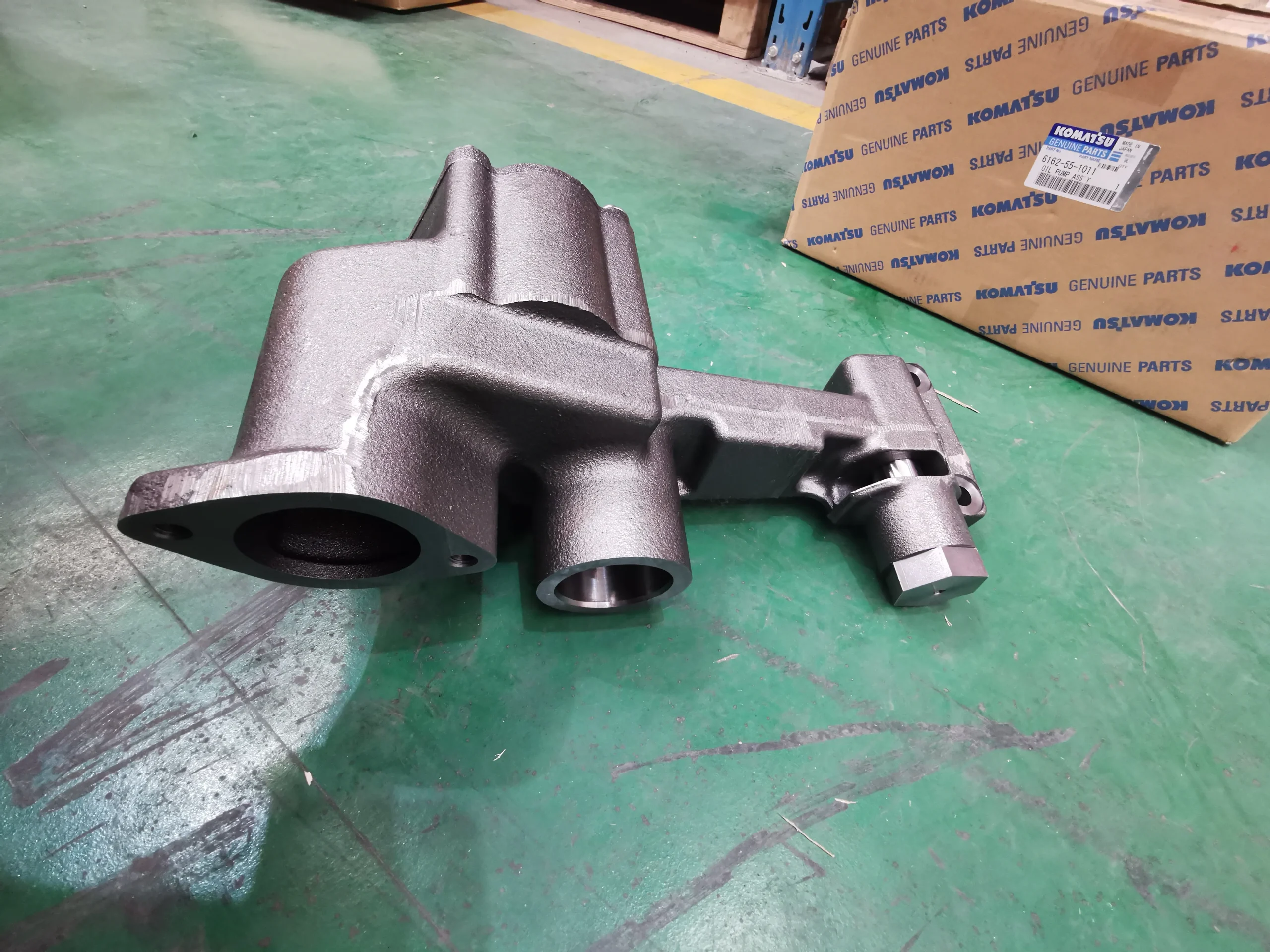 Supply Komatsu S6D170E-2A Oil Pump 6162-55-1011
 -
Komatsu PC220-8, PC350-8, PC450-8 excavator filter assemblies 20Y-62-51681 (20Y62-51681, 20Y-625168) (pilot filters
-
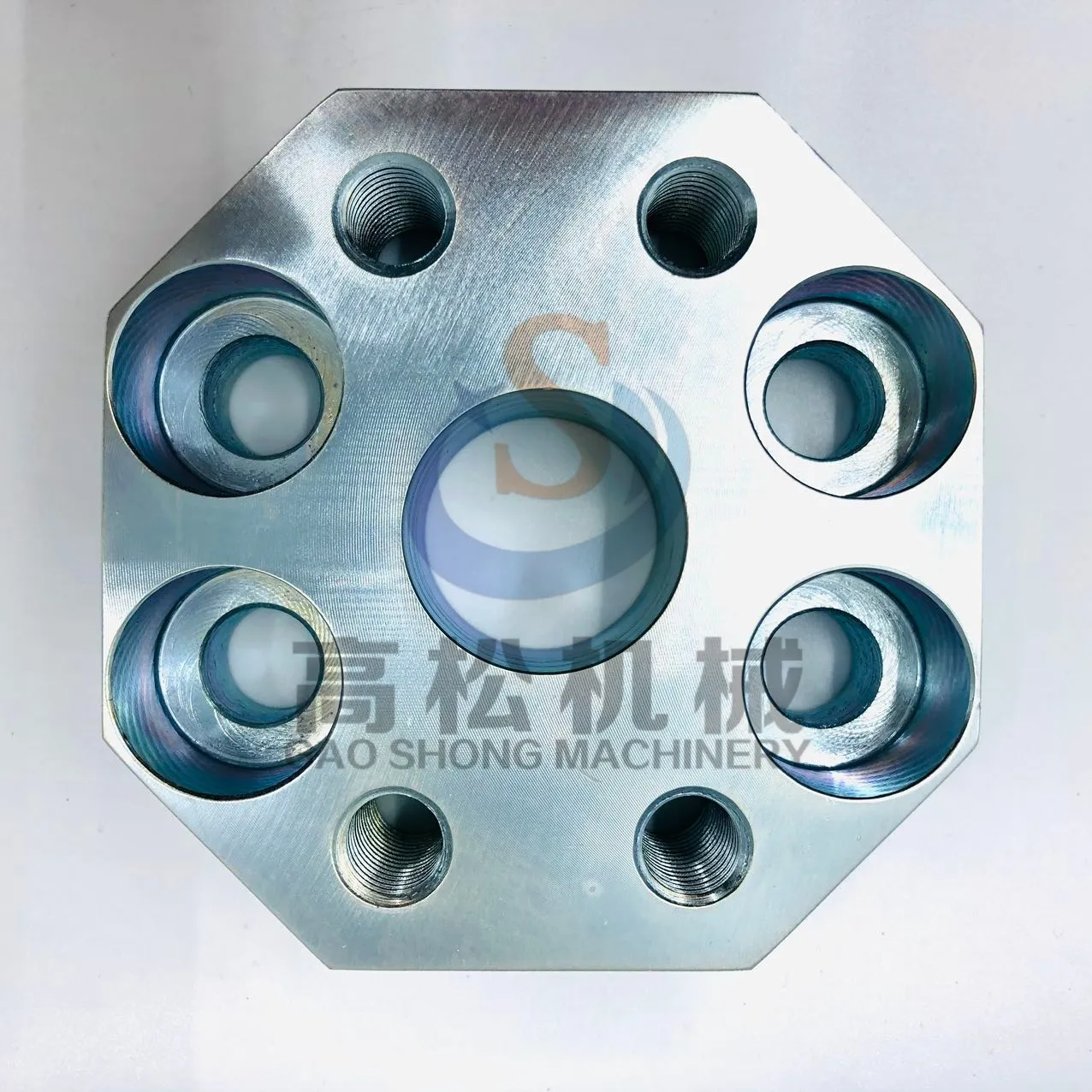 21N-62-11361 Komatsu Flange
 -
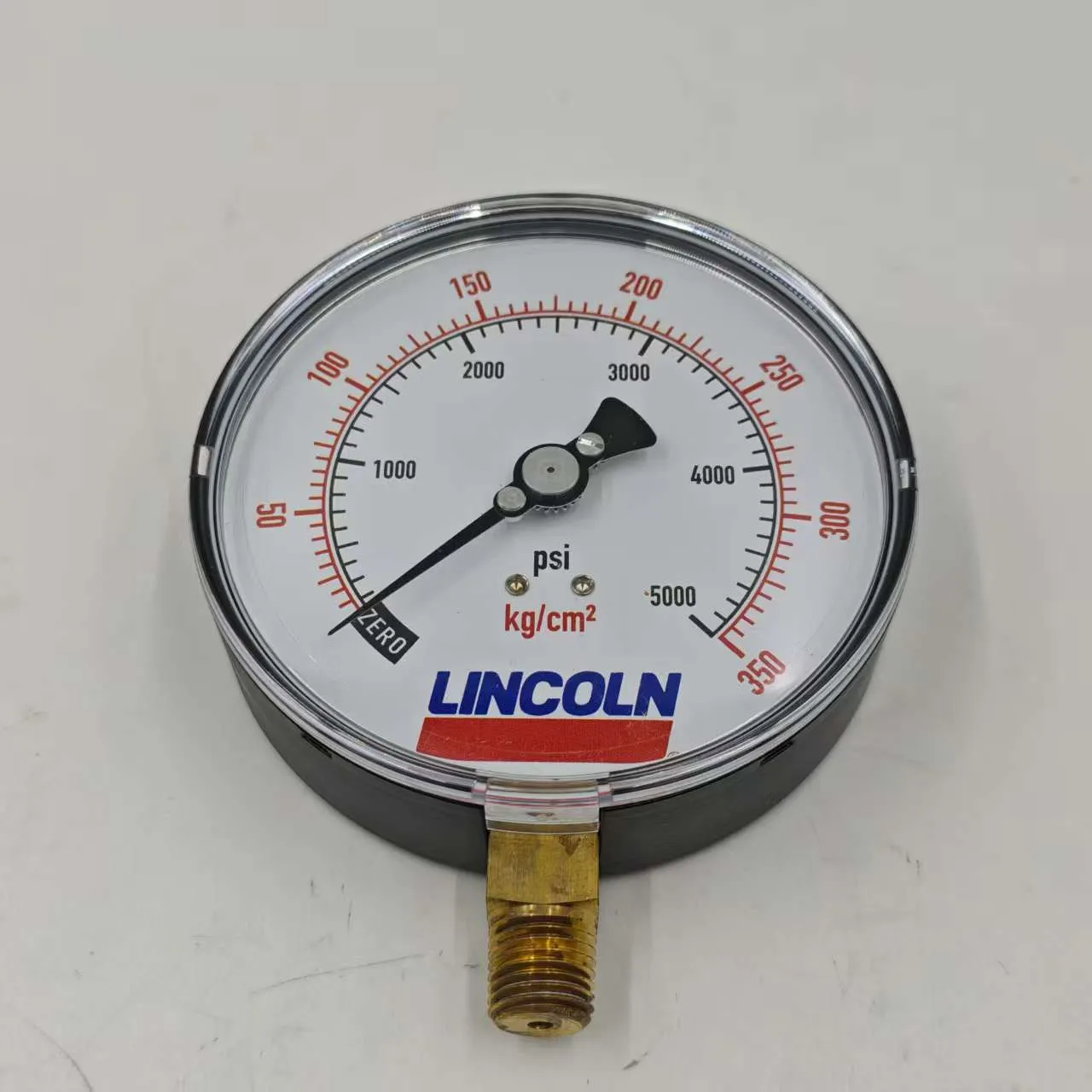 427-S95-2410PC1100 PC1250SE-7 komatsu
 -
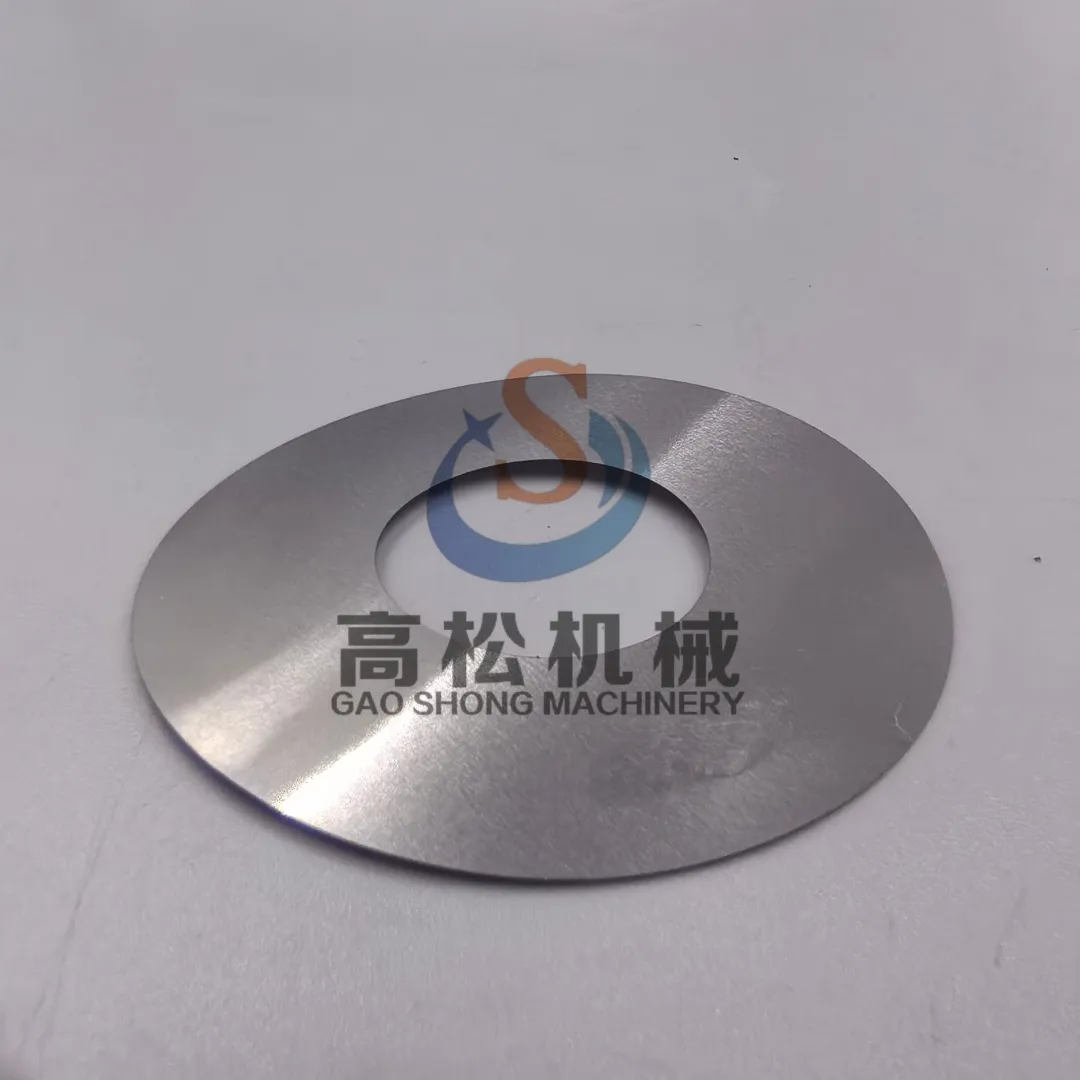 Spare part 23W-22-21560 SHIM 0.05MM Komatsu
 -
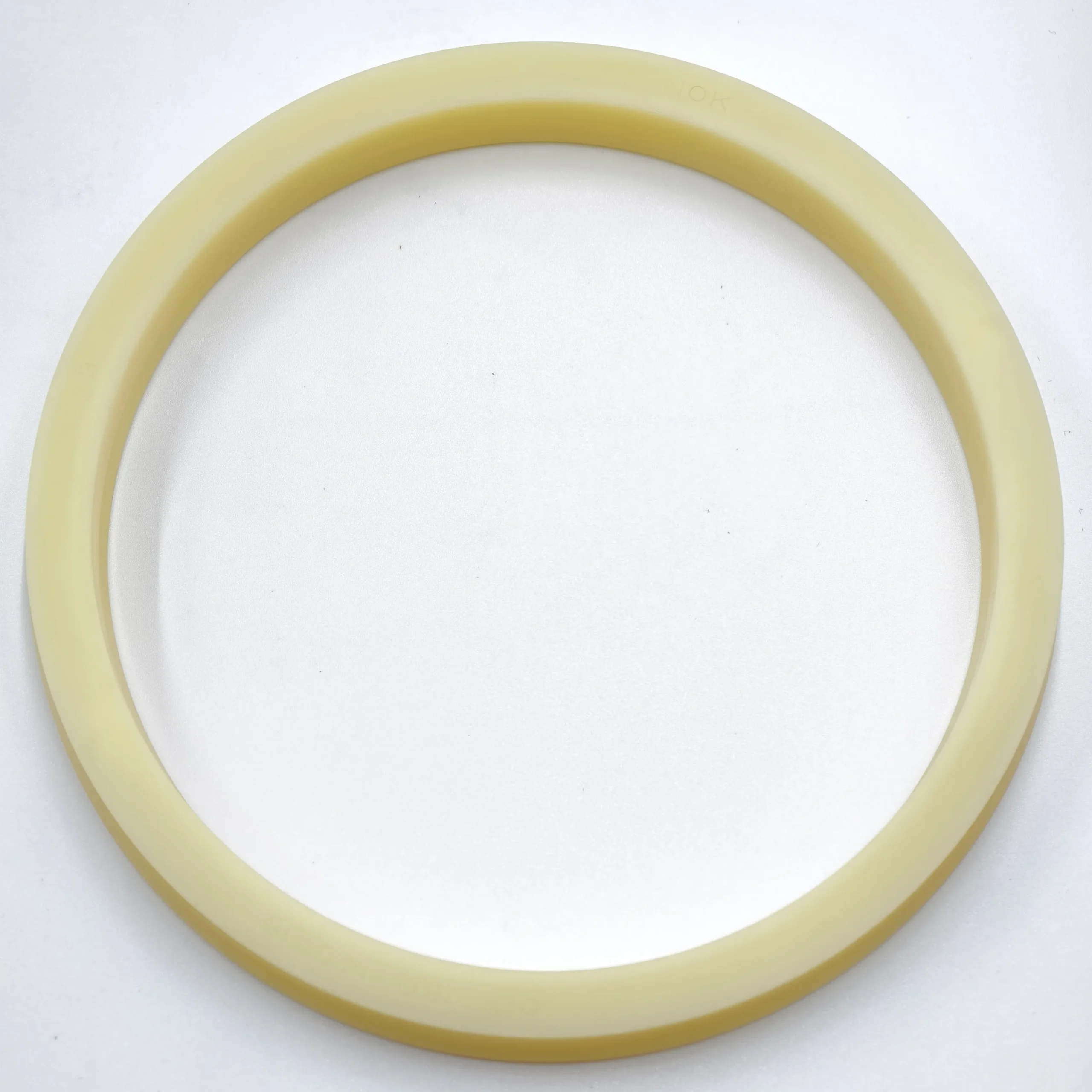 Komatsu 21N-30-14160 PACKING, price for original… — Pricing.Parts
 -
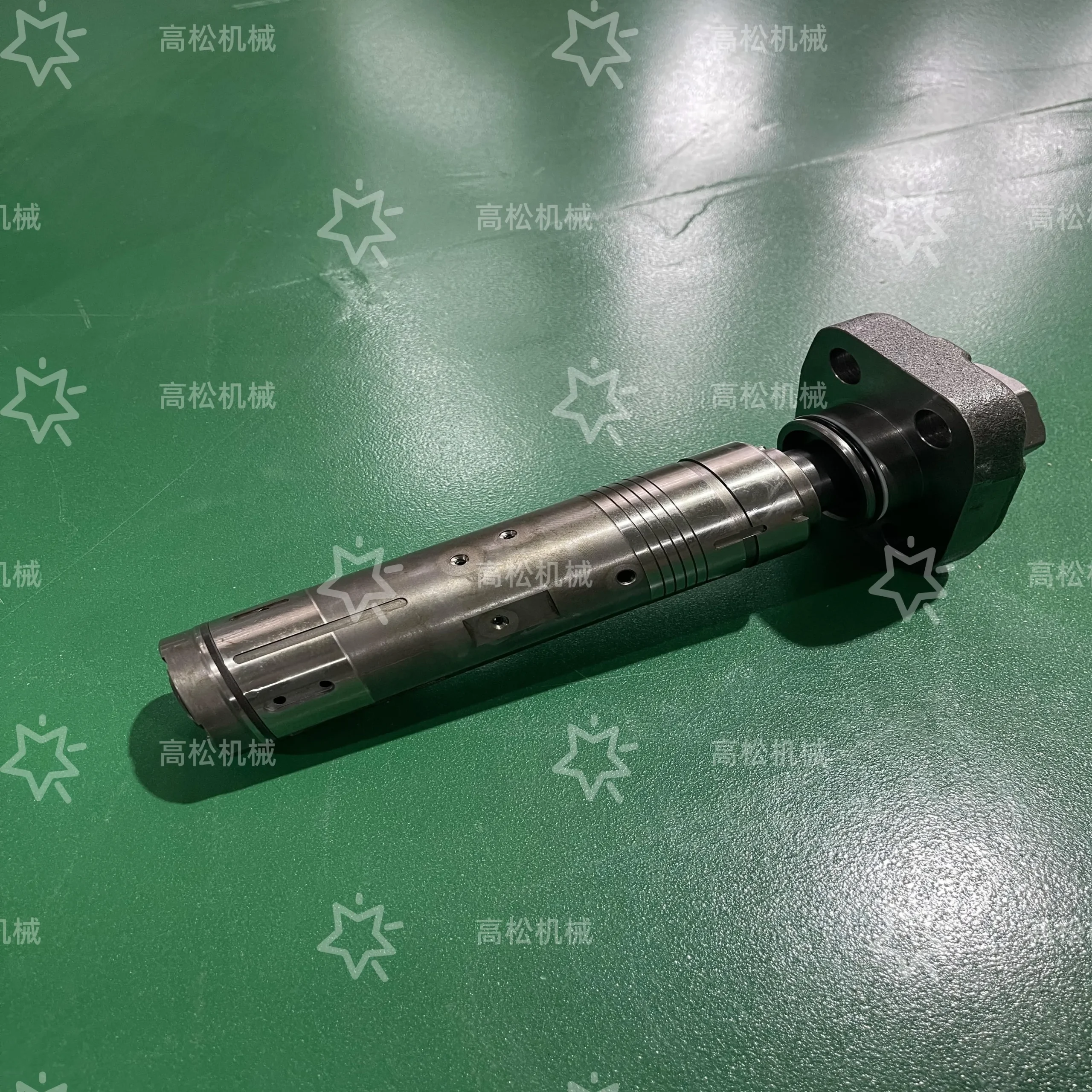 708-2H-03411 Hydraulic Pump PC Valve PC400 PC450 Servo Flow Regulation
 -
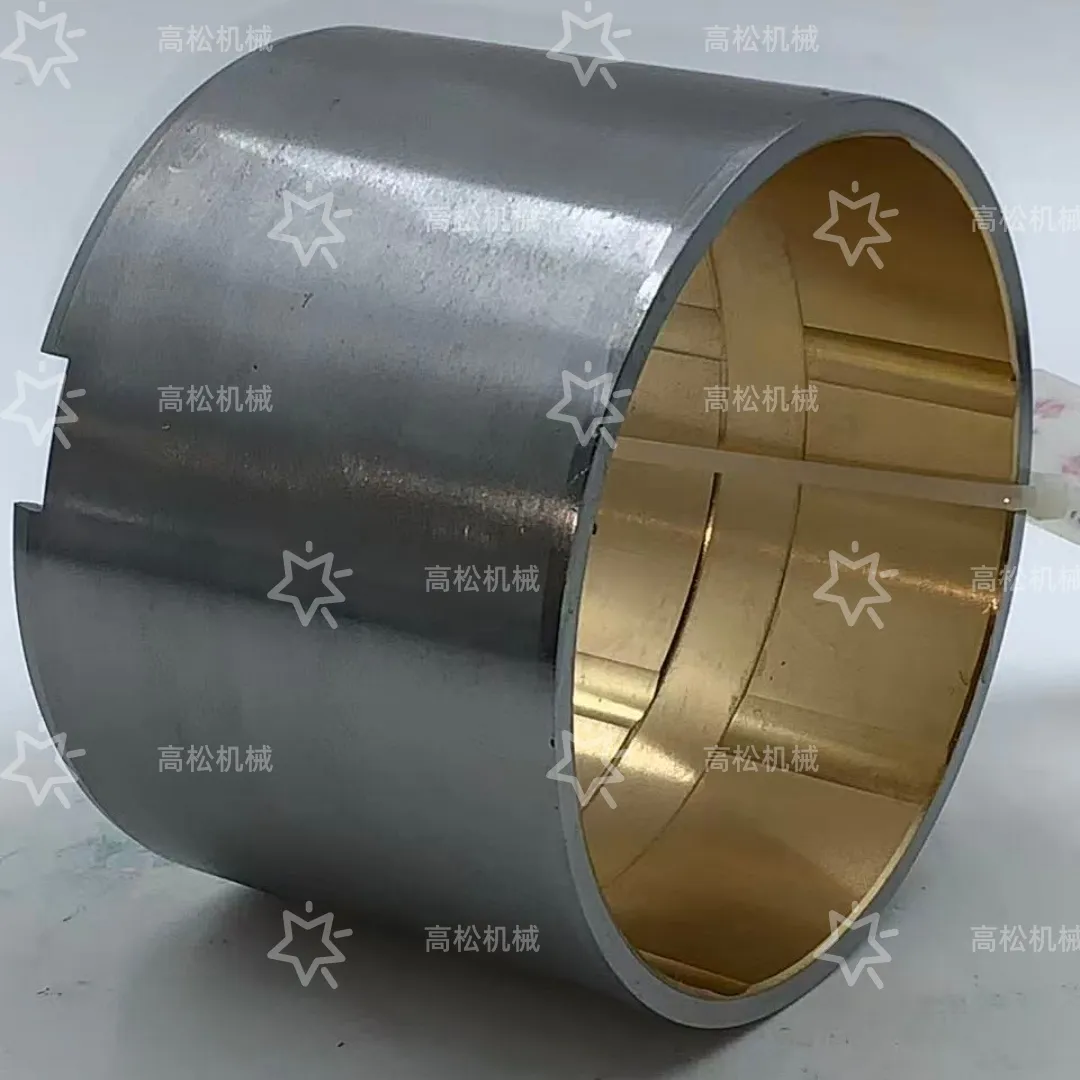 BUSHING 195-61-41160, myKomatsu – Buy Komatsu Parts
 -
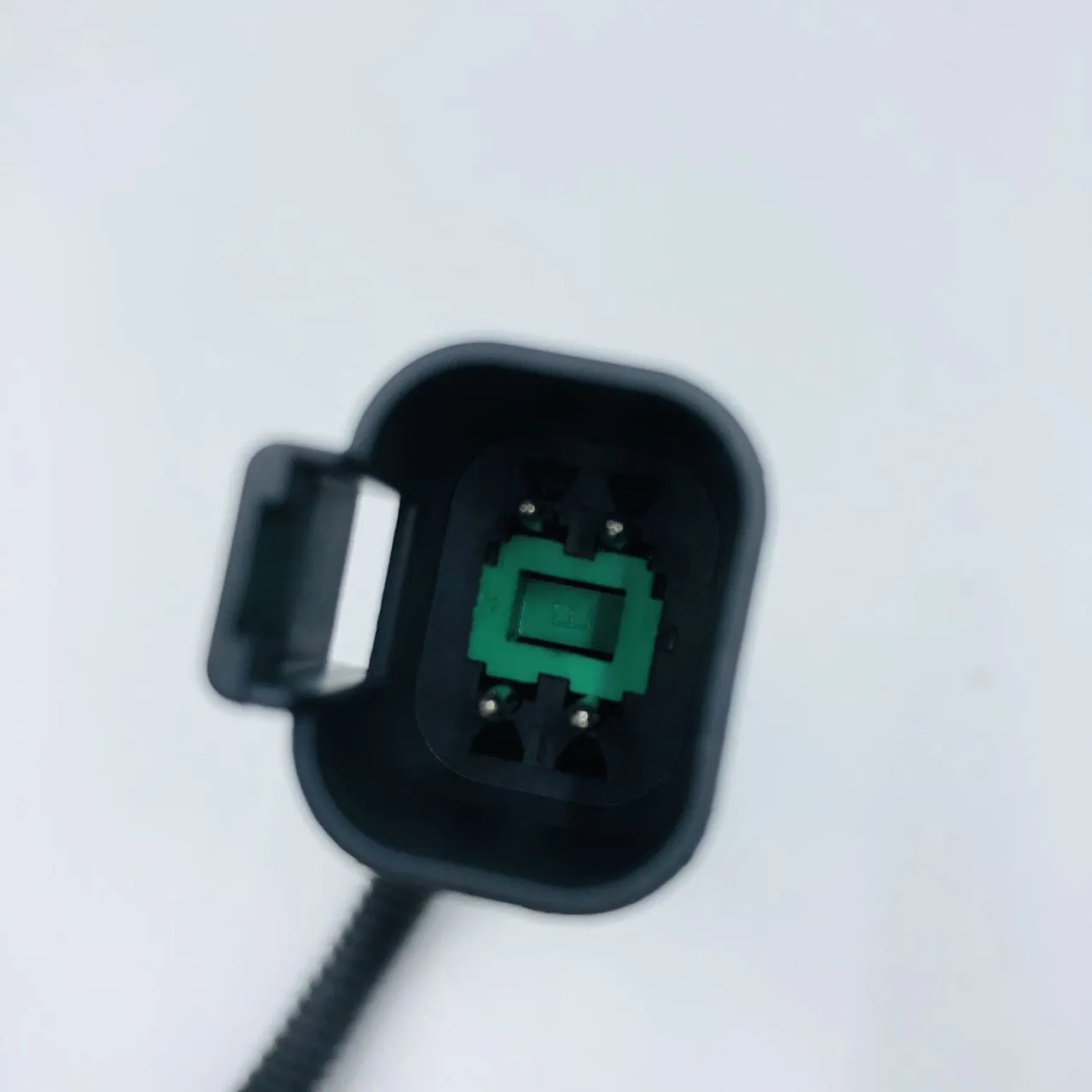 7861-93-5410-SENSOR-Komatsu Original Factory
 -
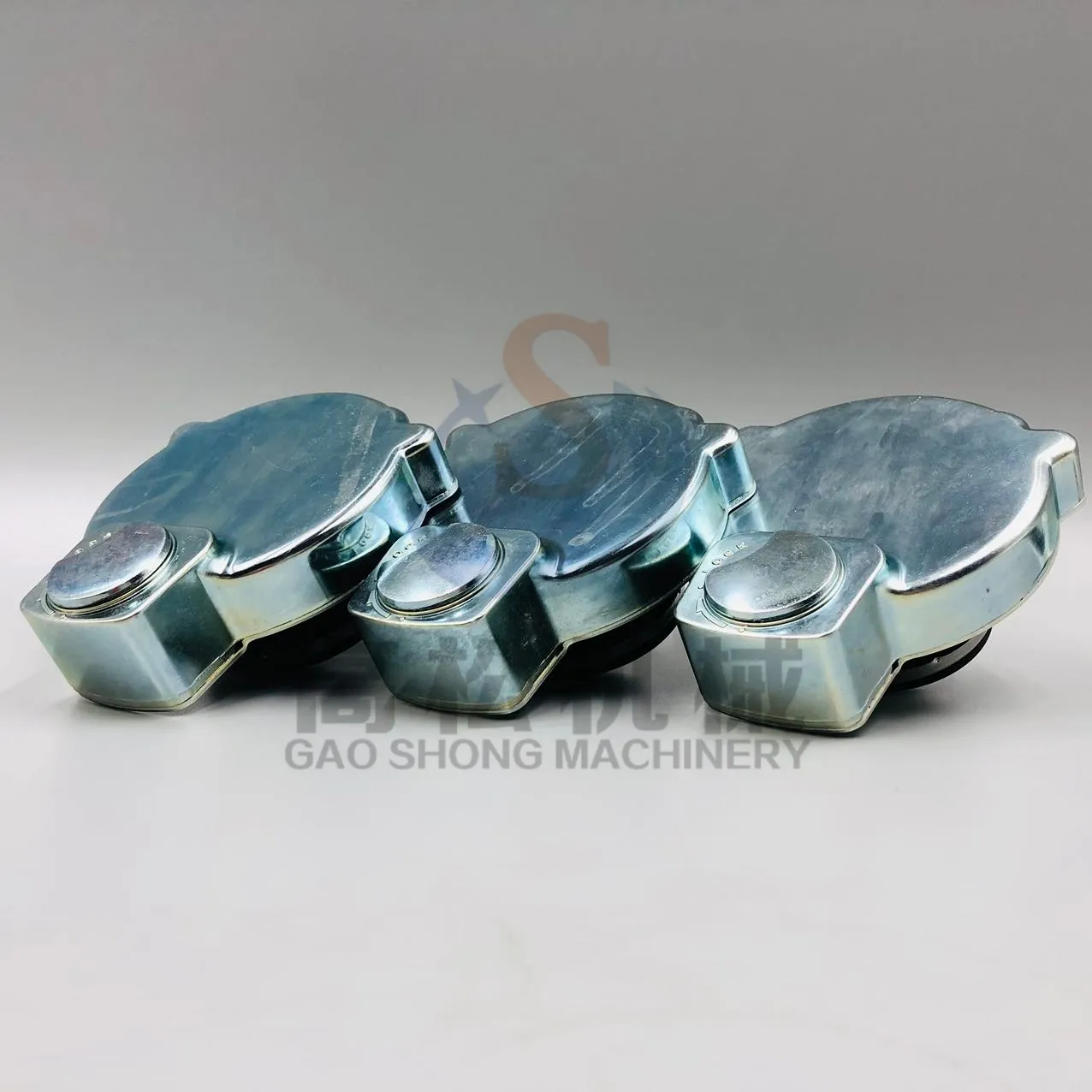 CAP ASS’Y 17A-60-11310 – KOMATSU
 -
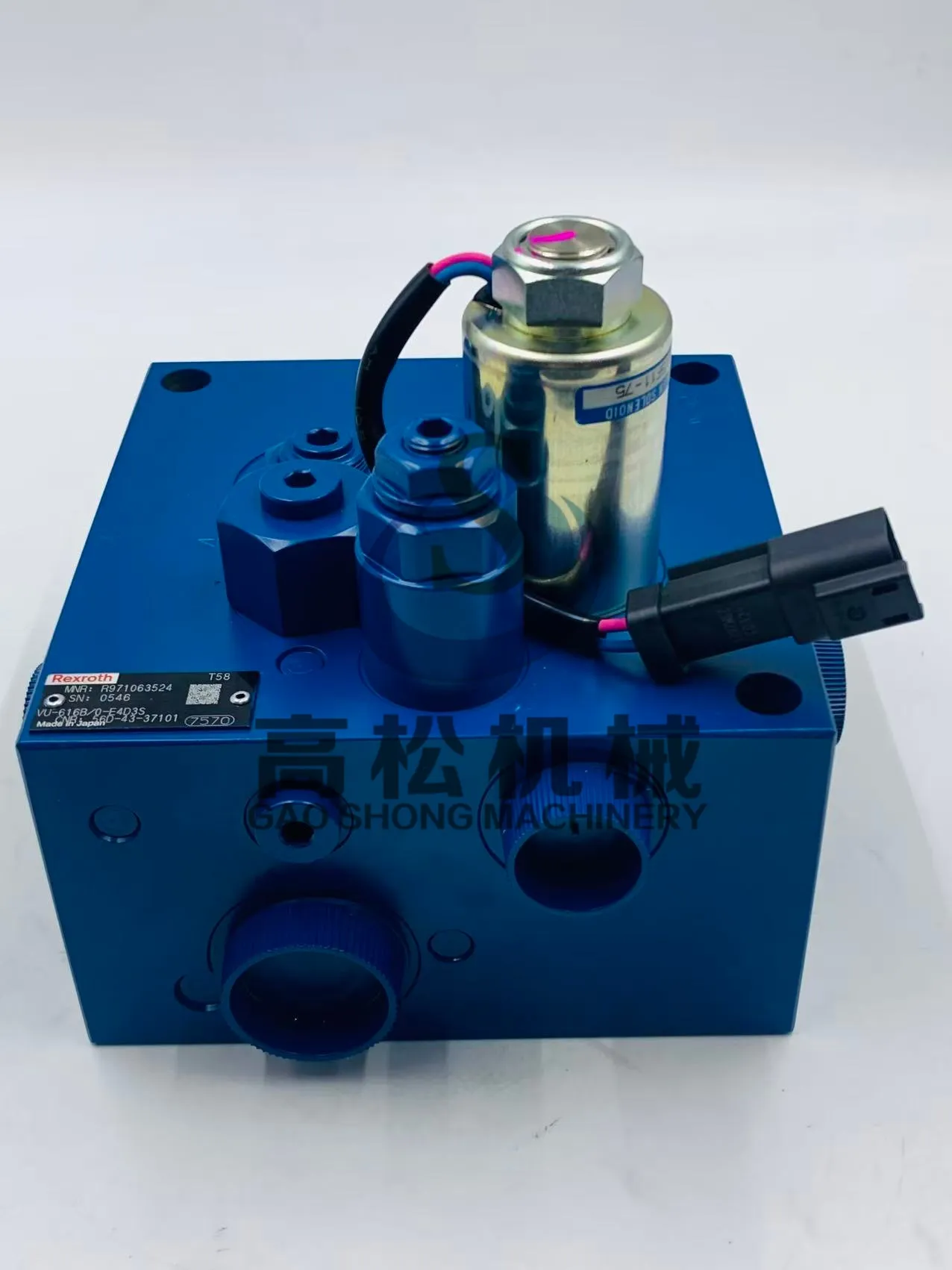 56D-43-37101 Komatsu Valve Assembly
 -
 424-15-16410 Komatsu SHIM, 0.5mm