
- Chinese
- French
- German
- Portuguese
- Spanish
- Russian
- Japanese
- Korean
- Arabic
- Irish
- Greek
- Turkish
- Italian
- Danish
- Romanian
- Indonesian
- Czech
- Afrikaans
- Swedish
- Polish
- Basque
- Catalan
- Esperanto
- Hindi
- Lao
- Albanian
- Amharic
- Armenian
- Azerbaijani
- Belarusian
- Bengali
- Bosnian
- Bulgarian
- Cebuano
- Chichewa
- Corsican
- Croatian
- Dutch
- Estonian
- Filipino
- Finnish
- Frisian
- Galician
- Georgian
- Gujarati
- Haitian
- Hausa
- Hawaiian
- Hebrew
- Hmong
- Hungarian
- Icelandic
- Igbo
- Javanese
- Kannada
- Kazakh
- Khmer
- Kurdish
- Kyrgyz
- Latin
- Latvian
- Lithuanian
- Luxembou..
- Macedonian
- Malagasy
- Malay
- Malayalam
- Maltese
- Maori
- Marathi
- Mongolian
- Burmese
- Nepali
- Norwegian
- Pashto
- Persian
- Punjabi
- Serbian
- Sesotho
- Sinhala
- Slovak
- Slovenian
- Somali
- Samoan
- Scots Gaelic
- Shona
- Sindhi
- Sundanese
- Swahili
- Tajik
- Tamil
- Telugu
- Thai
- Ukrainian
- Urdu
- Uzbek
- Vietnamese
- Welsh
- Xhosa
- Yiddish
- Yoruba
- Zulu
- Kinyarwanda
- Tatar
- Oriya
- Turkmen
- Uyghur






Komatsu drive shaft
When you hear 'Komatsu drive shaft,' the immediate thought is often just a replacement component, a piece of metal to swap out when something breaks. That's the common pitfall. In reality, it's a precision assembly that dictates the efficiency of power transfer from the engine to the tracks or wheels. I've seen too many operations treat it as a commodity, buying the cheapest alternative, only to face downtime costs that dwarf the initial 'savings.' The real conversation should be about OEM specifications, metallurgy, and the systemic impact of this single component on the entire undercarriage and final drive health.
The OEM Reality and the Aftermarket Gap
Working with genuine Komatsu parts, you develop a feel for them. The balance, the finish on the splines, the specific heat treatment – it's consistent. This isn't brand loyalty talking; it's about predictable performance and lifecycle cost. A genuine Komatsu drive shaft is engineered to work within a specific torque envelope and shock load profile for that machine model. The problem, of course, is availability and cost, especially in regions outside major distribution hubs. That's where the legitimate third-party supply chain becomes critical, but it's a minefield.
I recall a project in Southeast Asia where a PC360 excavator was down for weeks waiting for a drive shaft. The local dealer was back-ordered internationally. The site manager sourced a 'compatible' part from a local workshop. It fit, sort of, but the spline engagement was off by maybe a millimeter. The machine ran for about 120 hours before the vibration chewed up the mating hub in the final drive. The repair bill for the final drive assembly was astronomical. The 'savings' on the part cost the project over $15k in repairs and lost production. That millimeter is everything.
This is precisely the niche companies like Jining Gaosong operate in. They position themselves as a bridge. As an OEM product supplier within the Komatsu system, they have access to the genuine parts pipeline. But their value-add is acting as a third-party sales company for Komatsu, navigating the logistical challenges to get those parts into markets where the official channels are strained. They're not selling mystery metal; they're facilitating access to the real thing, which is a different proposition altogether. You can check their approach at their portal, https://www.takematsumachinery.com.
Failure Analysis: Reading the Wear Patterns
You learn more from a failed part than a working one. A sheared Komatsu drive shaft tells a story. Was it a clean, brittle fracture? That often points to a material defect or a catastrophic overload from a seized final drive. A twisted failure, with gradual deformation? That's torsional fatigue, usually from operating consistently at high loads, maybe with a slightly misaligned component that introduced cyclic stress.
The more subtle killer is fretting corrosion on the splines. You pull the shaft and see a reddish-brown dust and fine pitting. This happens from microscopic movement between the shaft and hub splines. It's often caused by using a part that doesn't have the exact interference fit specified by Komatsu. The aftermarket part might be within 'tolerance,' but not the right tolerance. Over time, this wear increases backlash, creates hammering loads, and eventually leads to spline stripping. It's a slow, expensive death for the drive train.
I've started specifying not just the part number, but also requesting batch documentation or material certificates when sourcing through channels like Gaosong. It's an extra step, but if they are truly an integrated supplier, they should be able to provide traceability. This level of detail is what separates parts distribution from parts solution provision.
Logistics and the Real World Inventory Problem
Engineering specs are one thing. Getting the part to a remote quarry on a Thursday afternoon is another. Komatsu's global network is robust, but it's not instantaneous everywhere. Smaller dealerships in certain countries might not stock a drive shaft for a 10-year-old D155 dozer. They'll order it, and you wait.
Third-party suppliers exist to solve parts supply challenges in certain countries. Their entire model is based on holding strategic inventory or having faster access routes to regional warehouses. The key is verifying their claim of OEM linkage. Do they drop-ship from a Komatsu warehouse, or do they have their own stock of certified parts? There's a difference. The former is essentially a brokerage service with a markup for expedited logistics. The latter requires significant capital and implies a deeper relationship with the manufacturer. From their description, Jining Gaosong seems to engage in both, which is interesting. It suggests they can handle both planned procurement and emergency response.
The practical advice? For critical, high-value driveline components, build a relationship with a supplier before you need them. Have a conversation. Ask for a reference case for a specific part number you use. Their response time and knowledge when you're not in a panic will tell you a lot about their capability when you are.
Beyond the Shaft: Systemic Thinking
Replacing a drive shaft is rarely an isolated job. It's a symptom. Why did it fail? If it's not an obvious impact event, you must look upstream and downstream. Check the engine mounts. Soft mounts can allow excess movement, altering driveline angles. Inspect the universal joints or coupling assemblies before and after the shaft. Worn U-joints create vibration that the shaft absorbs.
Most importantly, after installing a new shaft—especially if the old one failed prematurely—you must check the alignment. This isn't just bolting it in. For longer shafts, you might need to use a dial indicator to check runout. Misalignment is a silent killer. It doesn't matter if you installed a genuine Komatsu part; if it's not aligned, it will fail again, and you'll blame the part unfairly. This is where the mechanic's skill intersects with the part's quality. The best component can't compensate for a poor installation.
This systemic view is what the good suppliers understand. They might not say it outright, but their technical support should guide you toward these checks. If you call about a drive shaft and they just quote a price and delivery time, they're a vendor. If they ask about the machine model, hours, and failure mode, they're a partner. The latter is far more valuable.
The Cost Equation: TCO Over Sticker Price
Let's be blunt: the initial price of a genuine Komatsu drive shaft can be shocking. A third-party alternative can be 40-60% cheaper. The finance guy will push for it. The operational decision, however, must be based on Total Cost of Ownership (TCO). For a non-critical, low-stress component, an aftermarket part might be perfectly economical. For a core driveline component like this? Rarely.
Factor in: 1) Machine downtime cost per hour. 2) Risk of collateral damage to the final drive, transmission, or even the engine block if a failure is violent. 3) Labor cost for the initial replacement and then potentially a second, more complex repair. 4) The lifespan difference. A genuine part might last 8,000 hours in a given application; a sub-par one might last 3,000. Suddenly, the 'cheaper' part costs more per operating hour.
Suppliers like the one mentioned understand this calculus. Their business case isn't just we have the part. It's we have the right part, and we can get it to you faster than the standard channel, minimizing your total downtime cost. That's a compelling value proposition if it's true. It shifts the conversation from piece price to operational continuity. In the end, that's what matters on a live site. The drive shaft isn't the goal; keeping the machine running predictably is. The right part from the right source is just the means to that end.
Related Products
Related Products
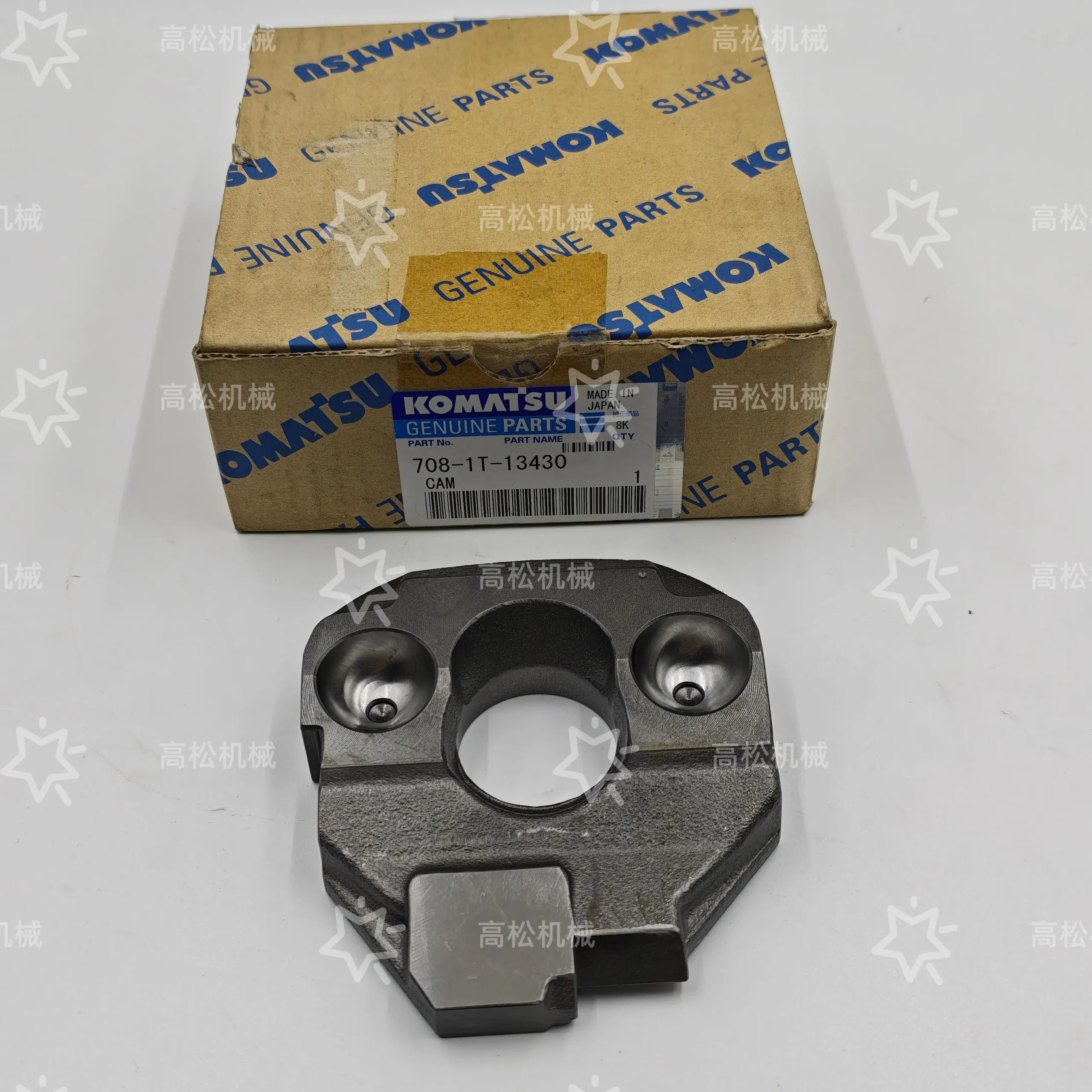
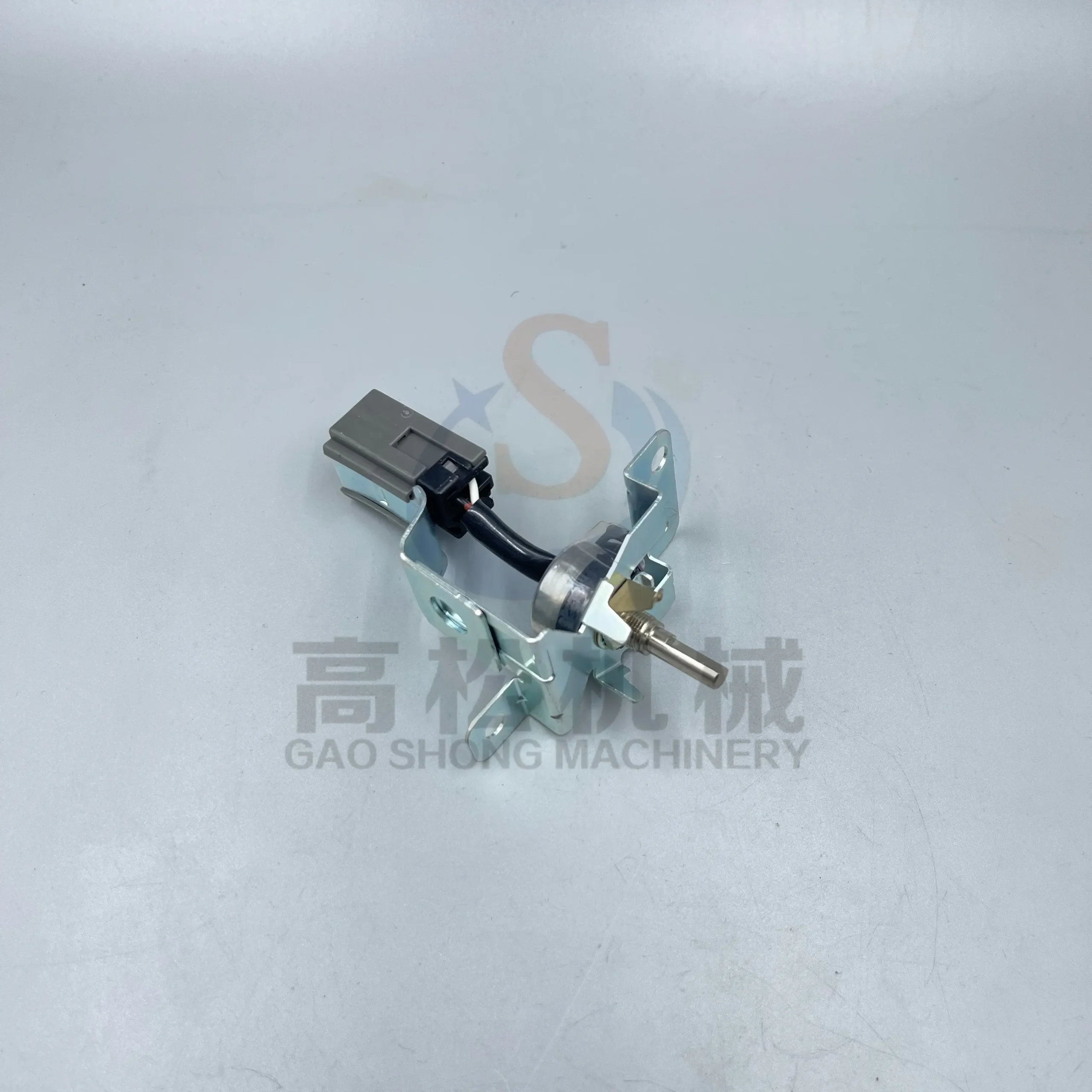
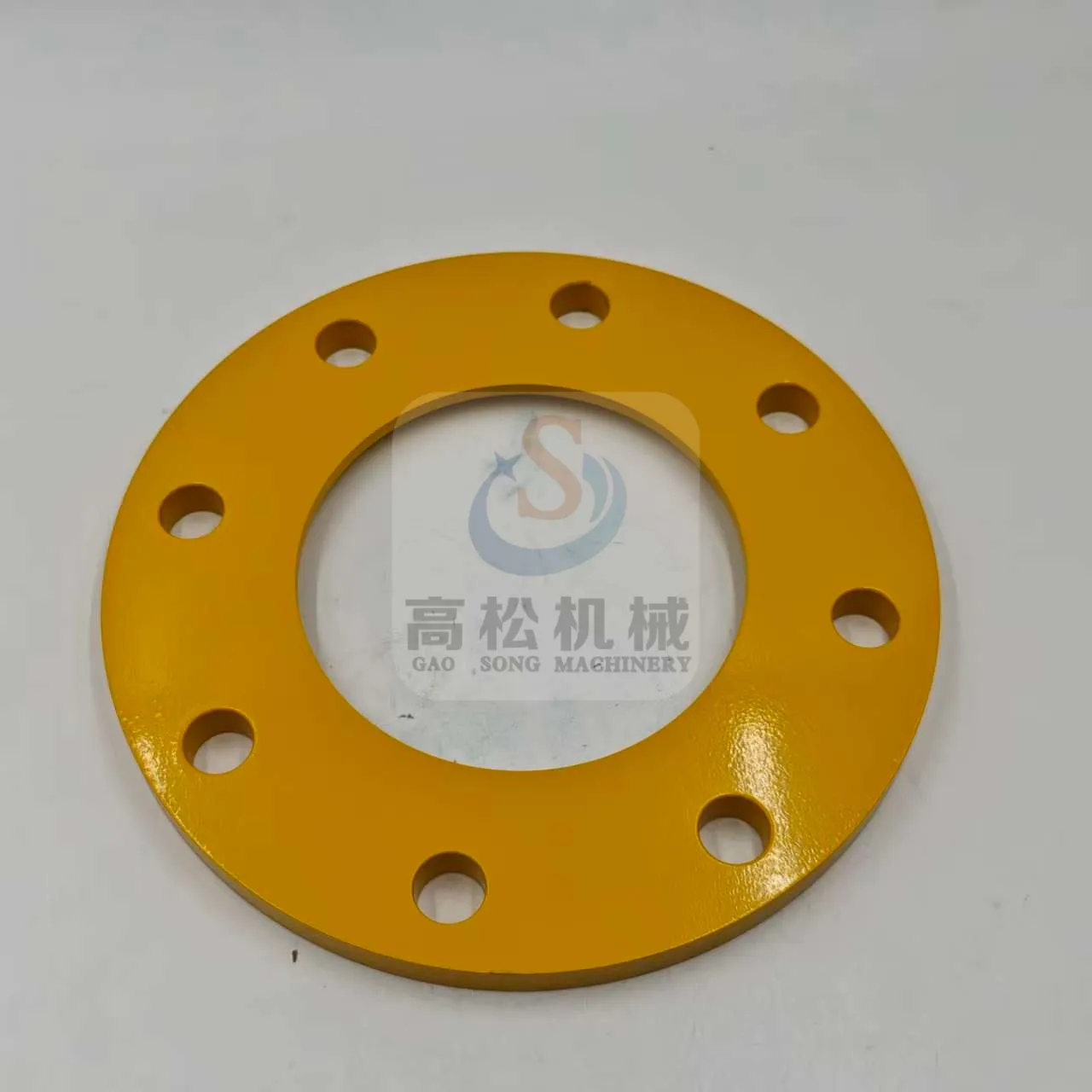
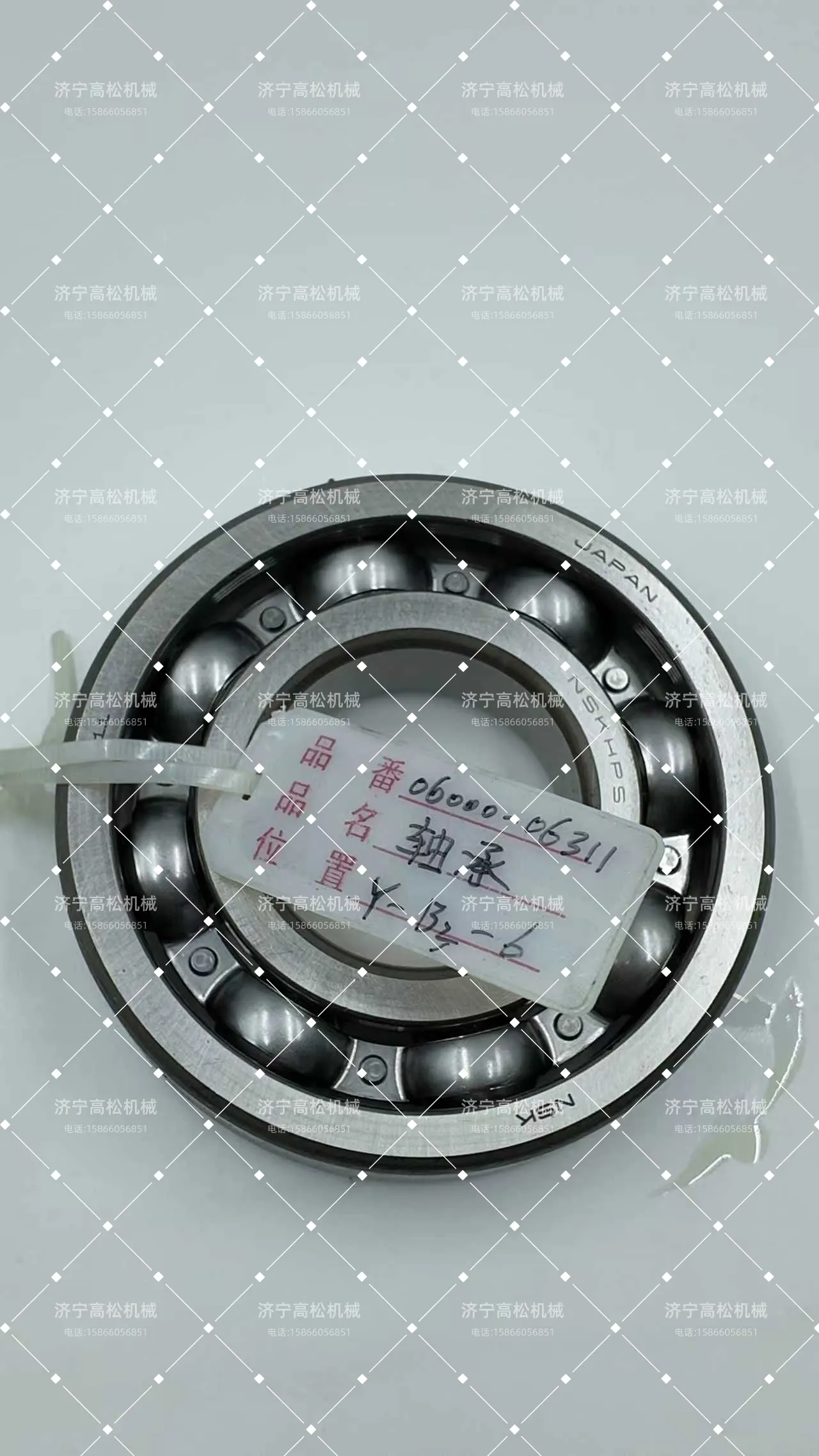

Best Selling Products
Best Selling Products-
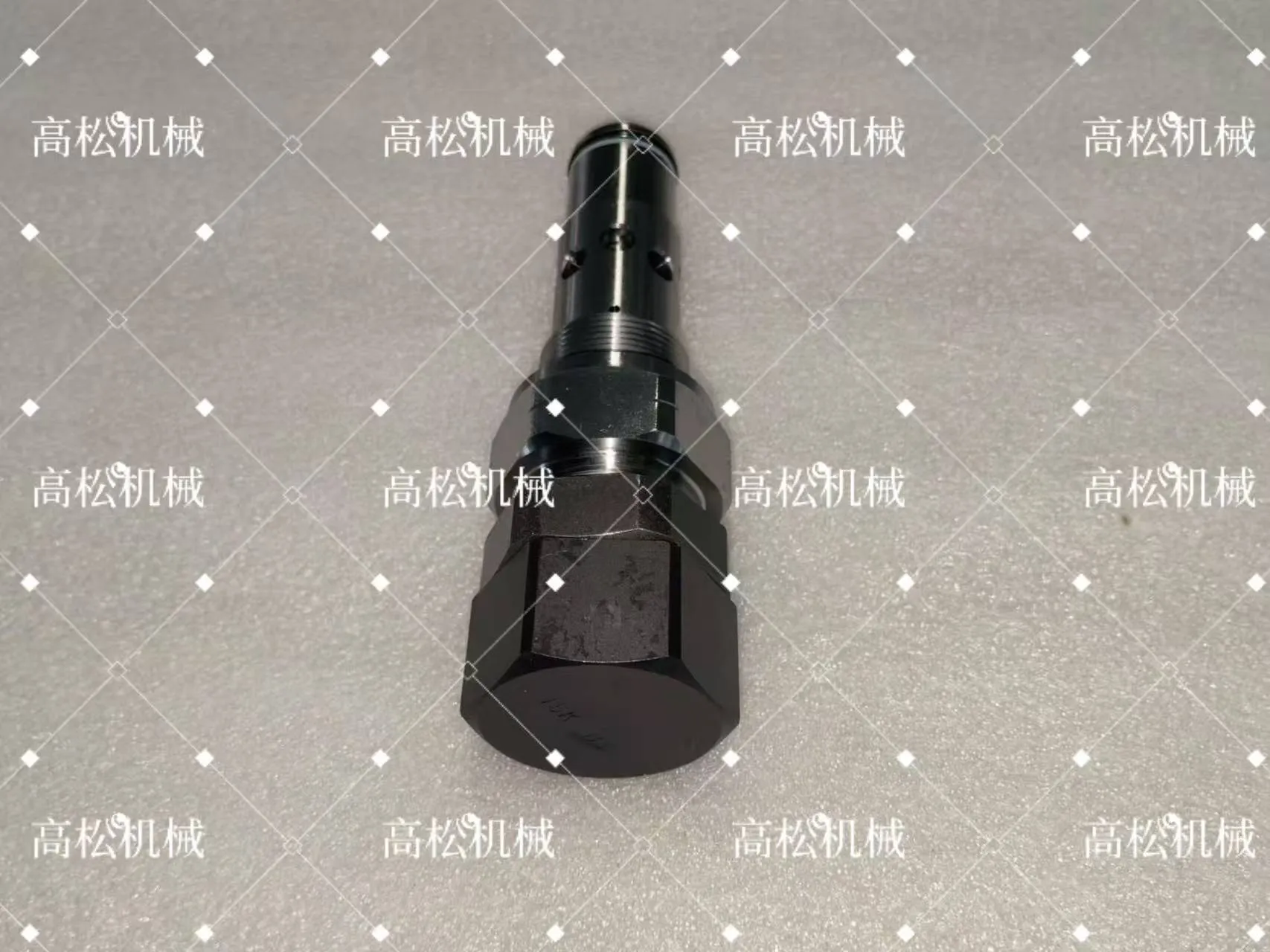 Komatsu original valve assembly, part no.702-75-01900, fits model PC750SE-7
 -
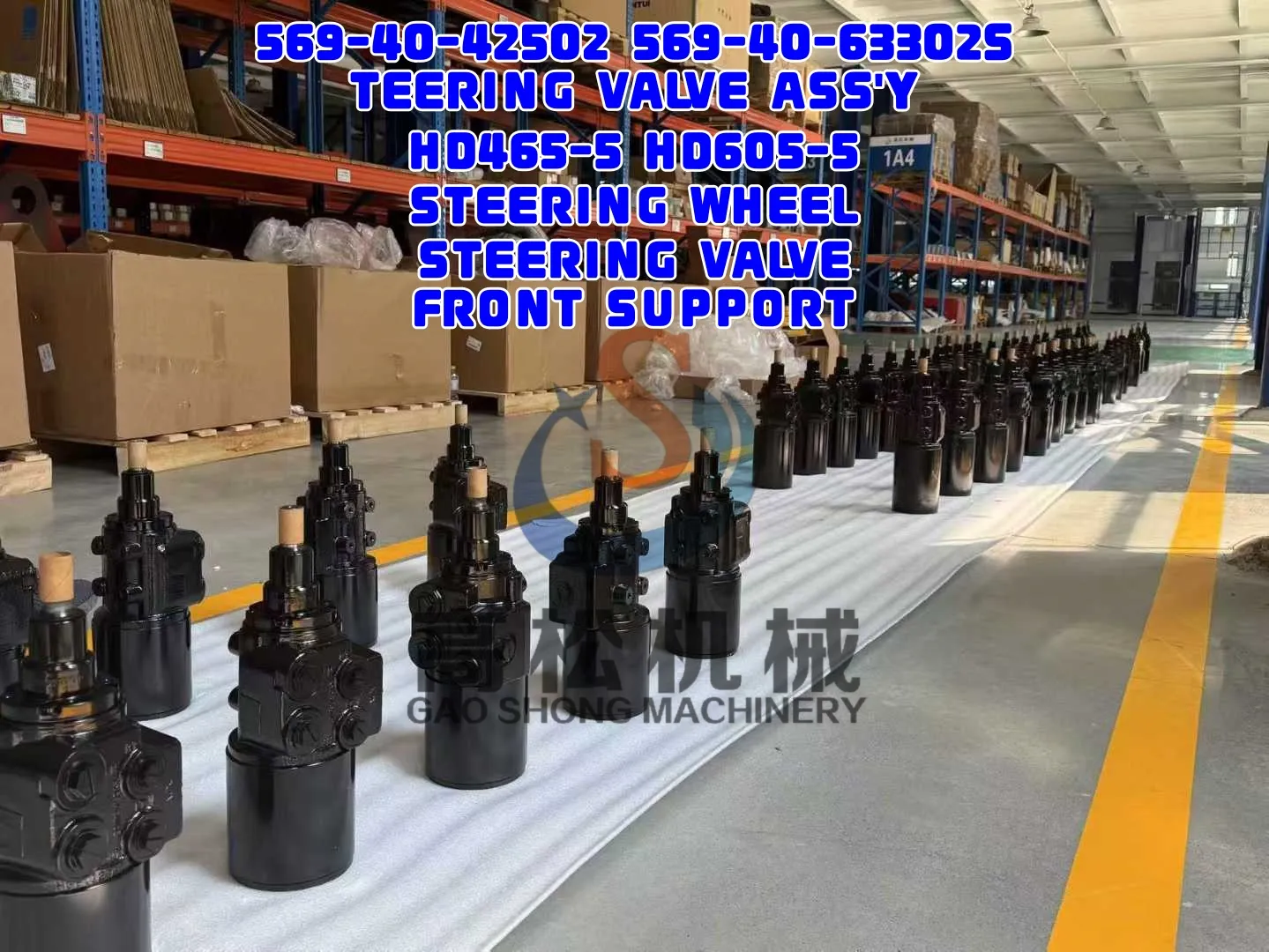 HD465-7-komatsu-part-569-40-42502 569-40-63302 STEERING VALVE ASS’Y HD465-5 HD465-7 HD605-7 HD605-5 FRONT SUPPORT (STEERING VALVE MOUNTING PARTS) STEERING WHEEL STEERING VALVE
 -
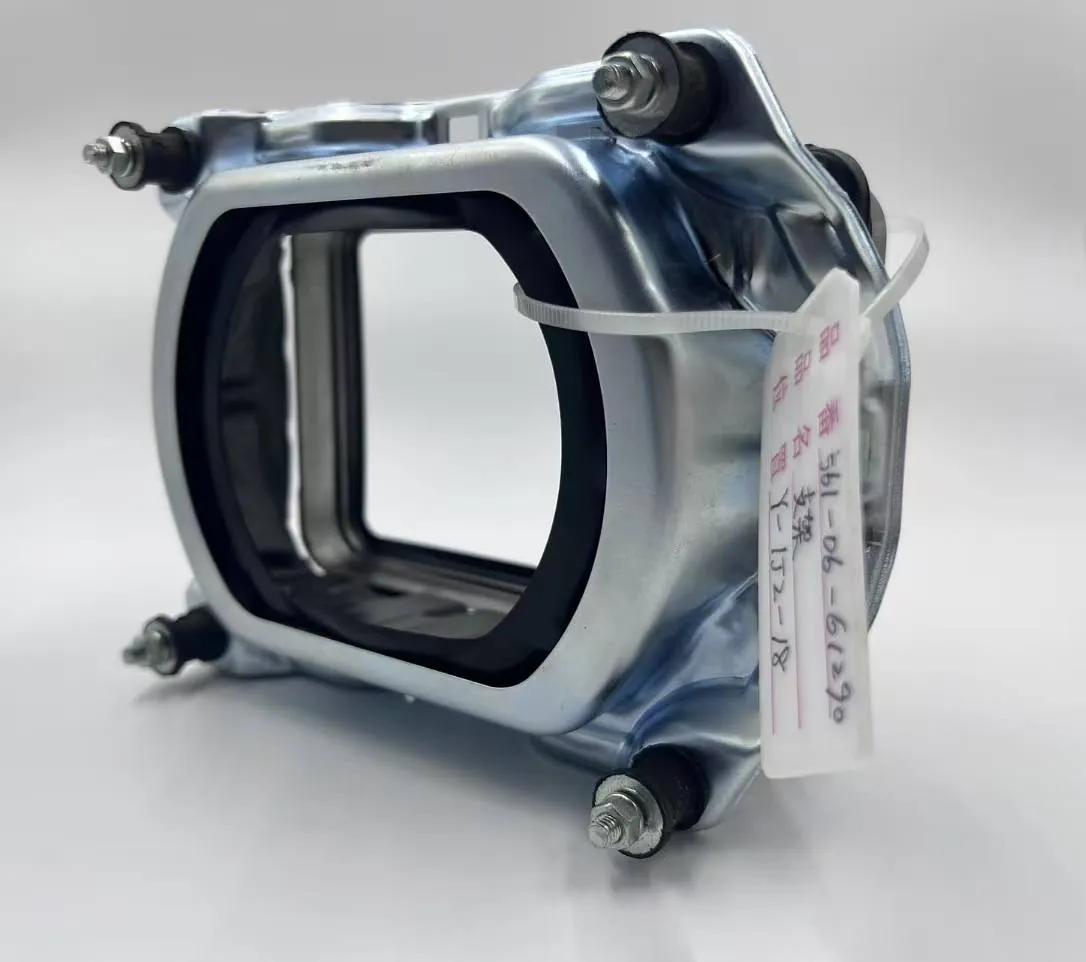 561-06-61290 – bracket komatsu
 -
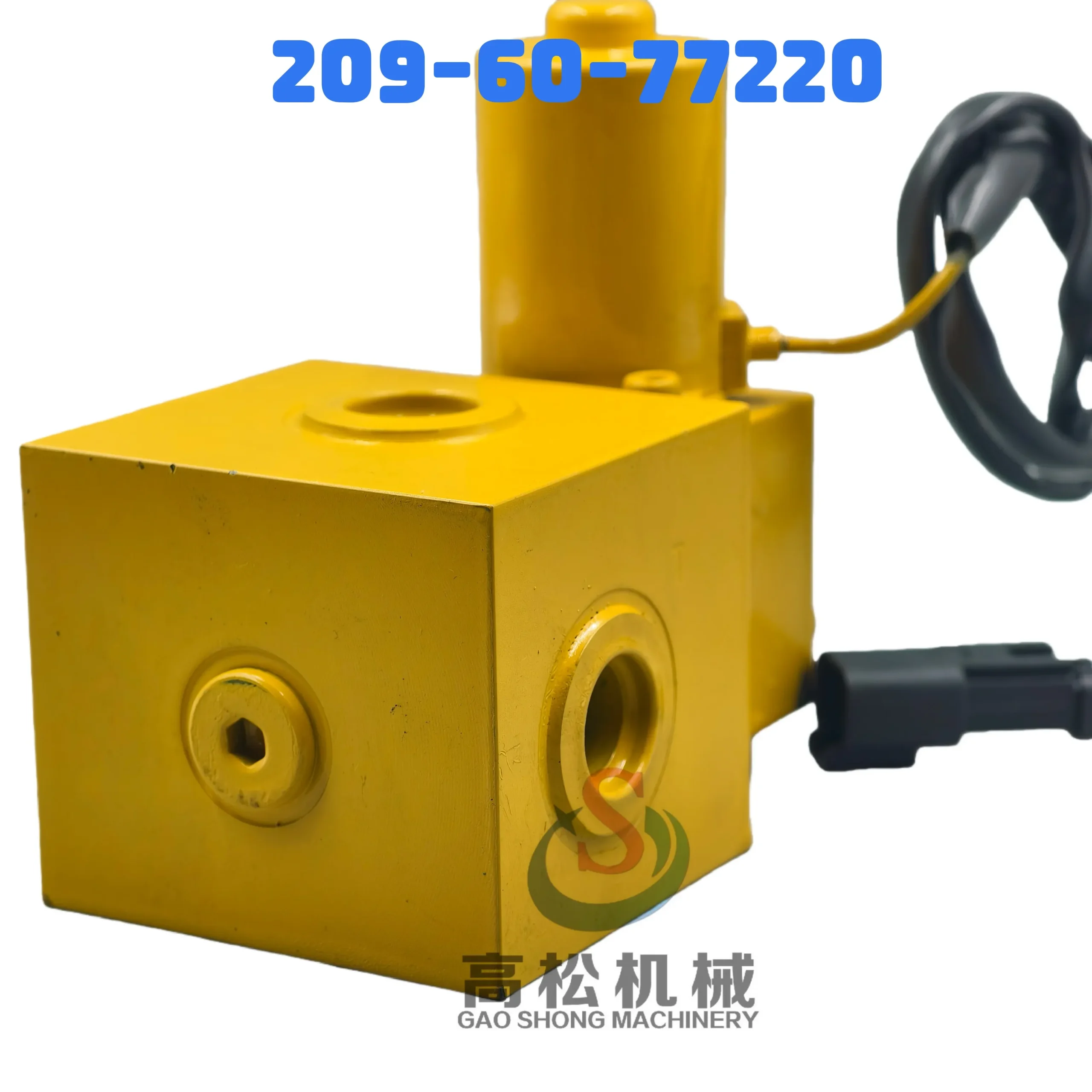 Valve 209-60-77220 for Komatsu
 -
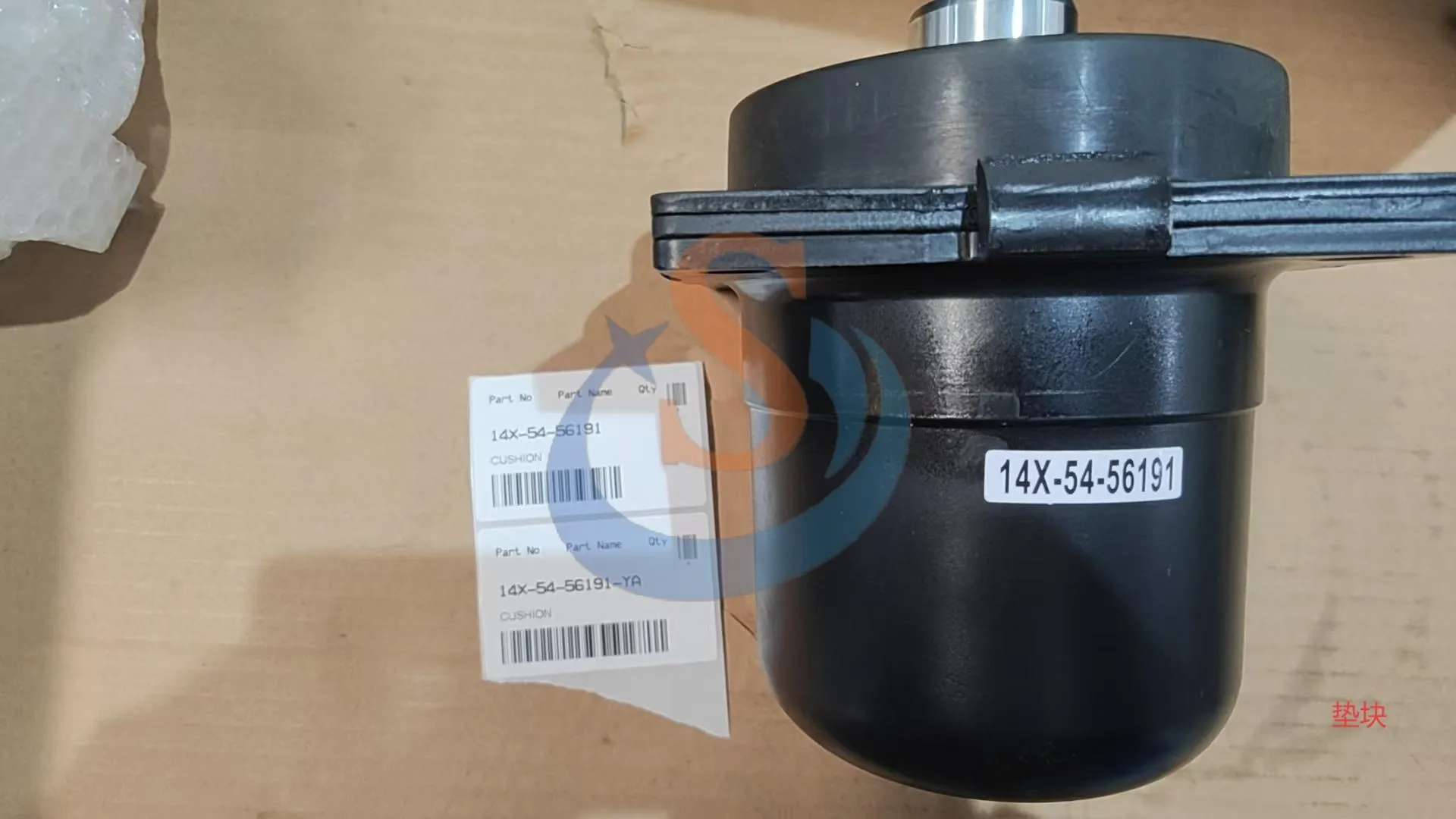 14X-54-56191,Cushion
 -
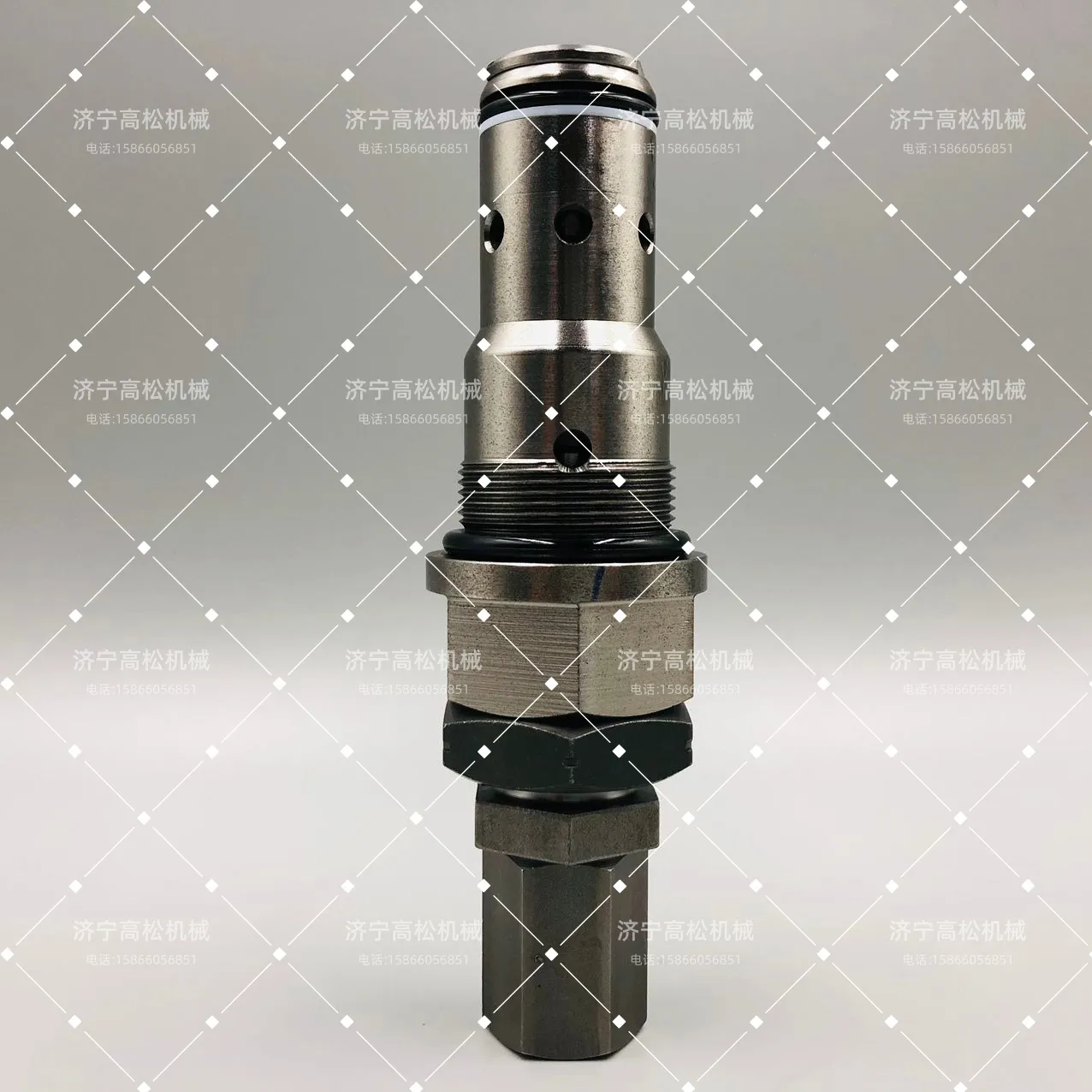 RELIEF VALVE 700-89-66000 – KOMATSU Part catalog
 -
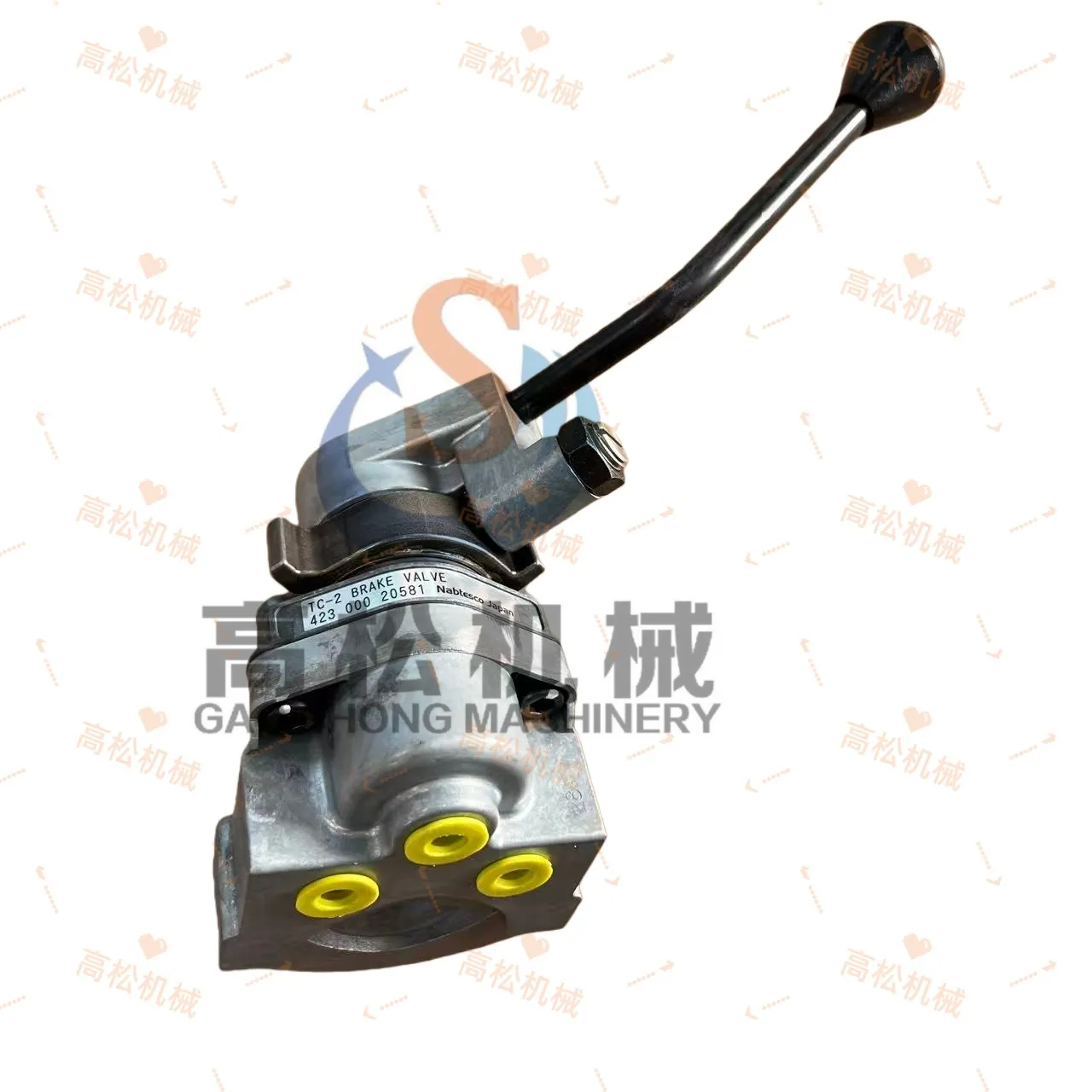 RETARDER VALVE ASS’Y HD785-5 RETARDER VALVE ASS’Y HD985-5 RETARDER VALVE ASS’Y HD255-5
 -
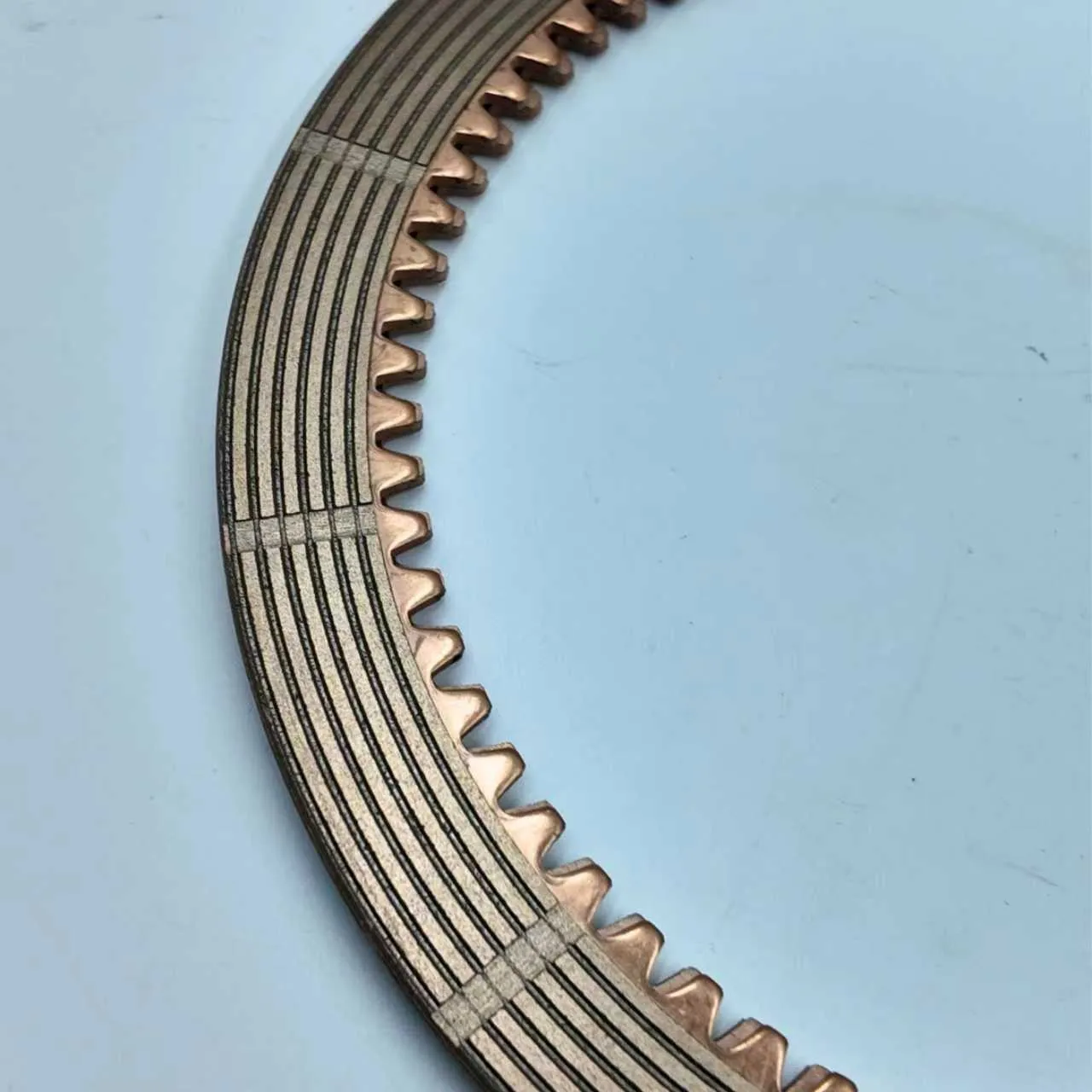 23S-15-12710 Komatsu Disc
 -
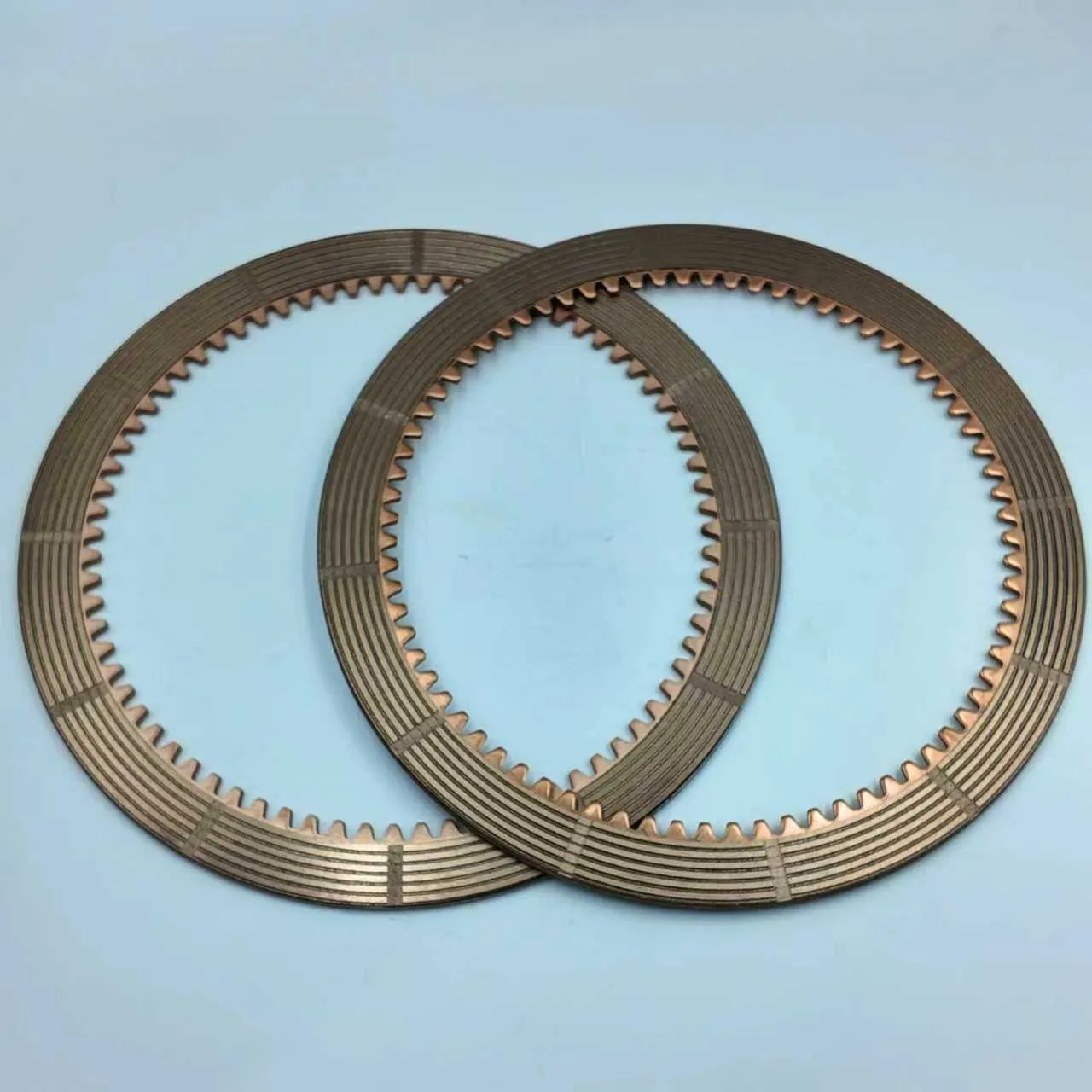 NEW 23S-15-12710 DISC TRANSMISSION (124-15-42710) FOR KOMATSU D41A-3
 -
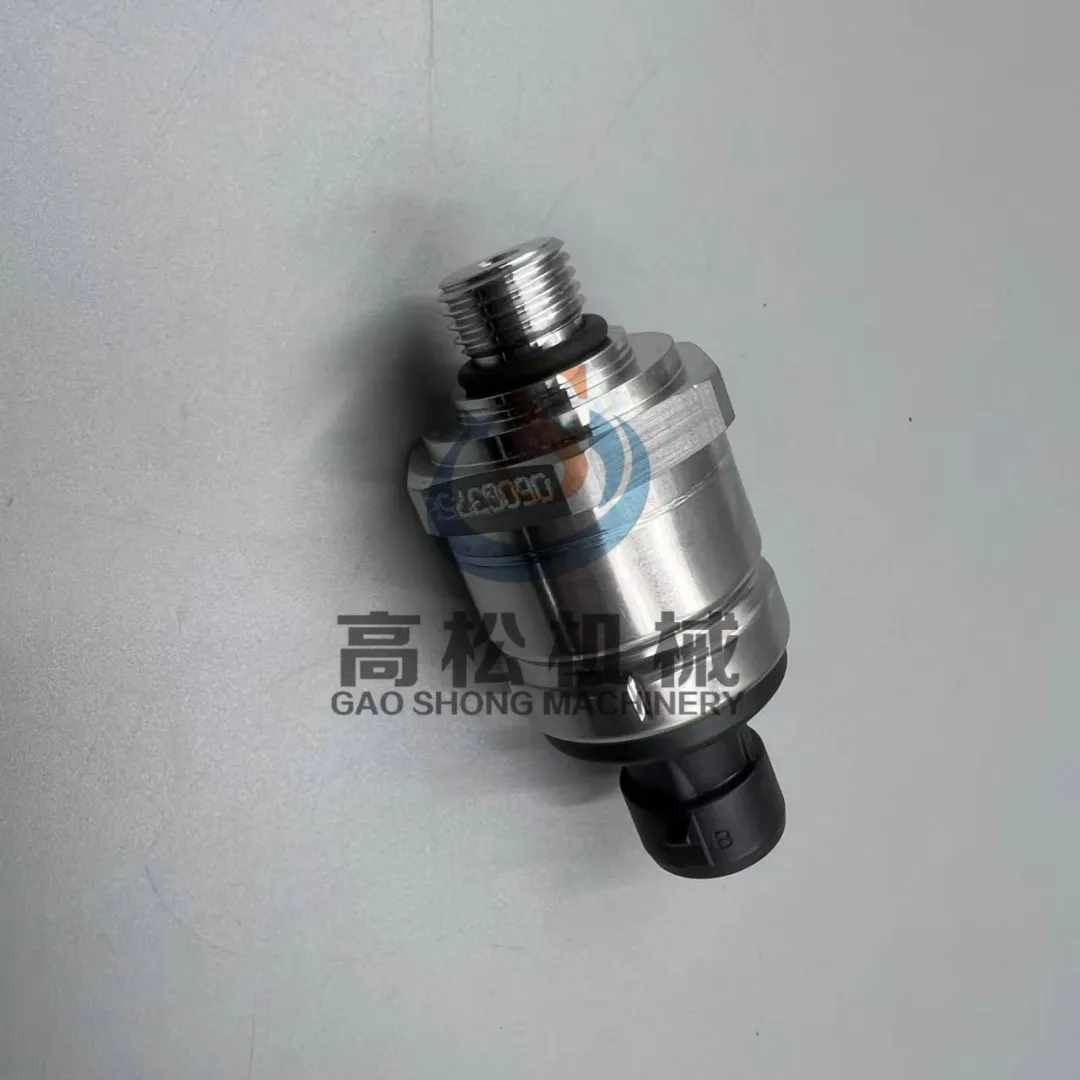 Pressure Sensor 6560-51-6200 6560-51-6201 6560-51-6202 for Komatsu WA600-3 Loader
 -
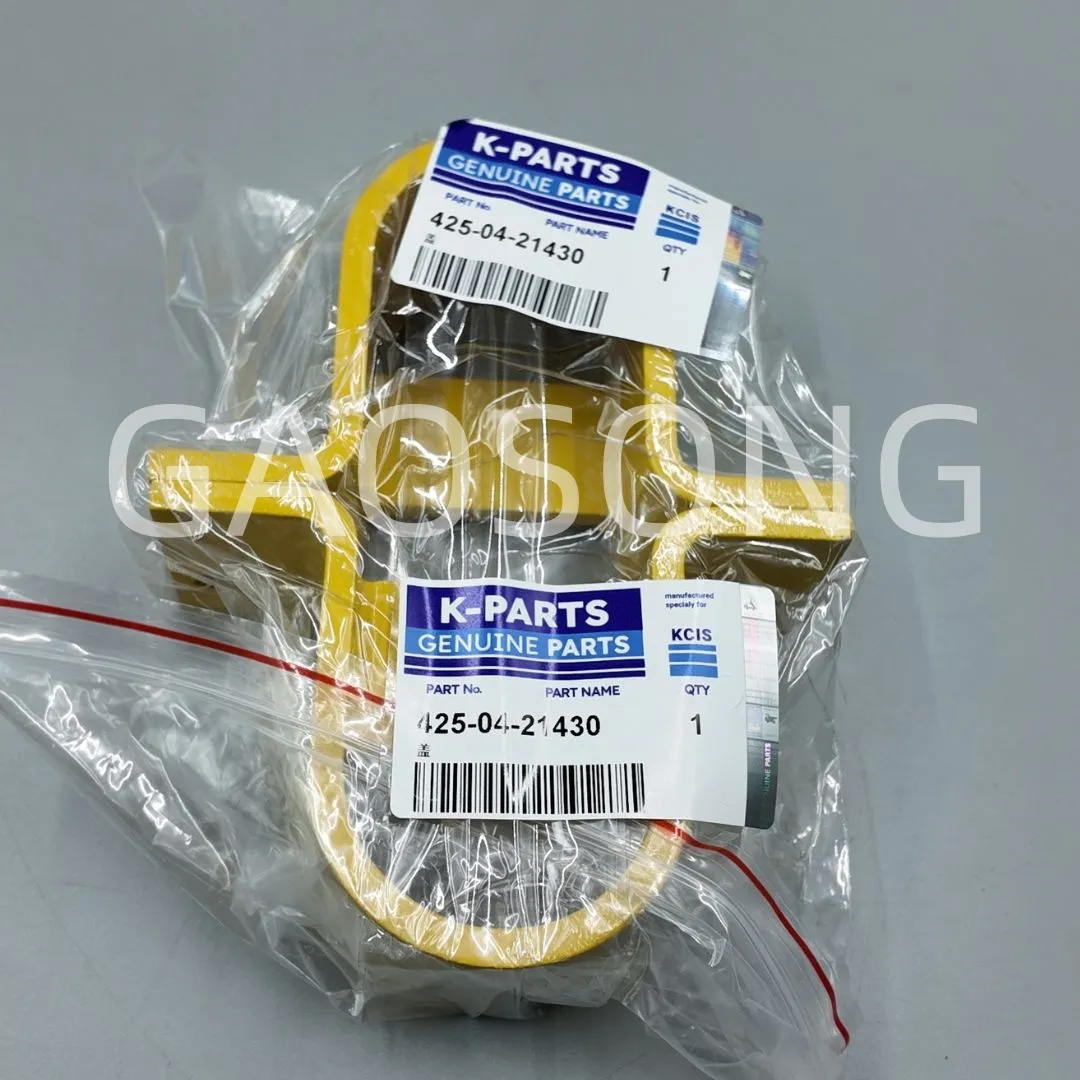 425-04-21430 COVER-Komatsu Original Factory
 -
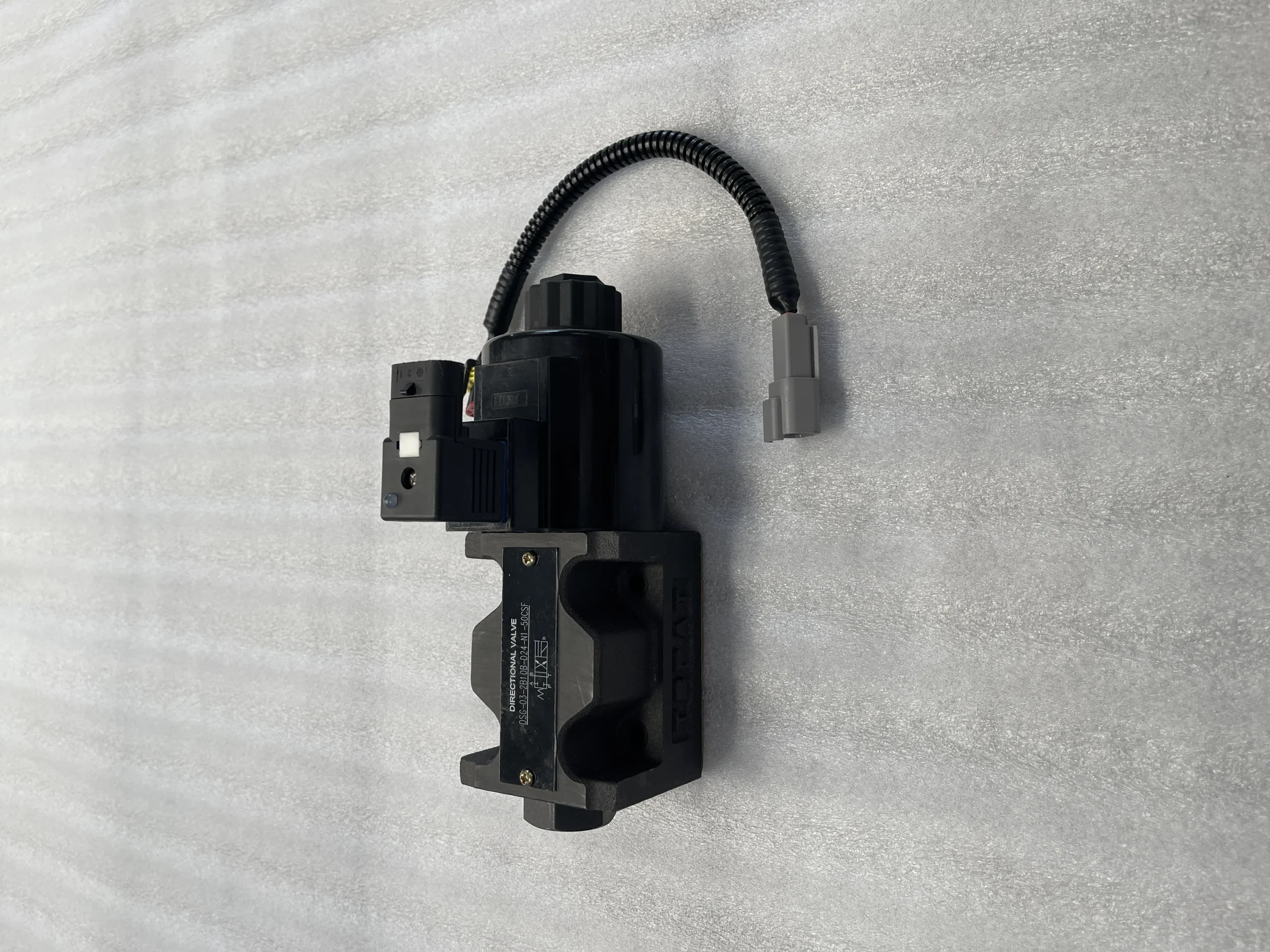 HD785-7 Electromagnetic Valve 561-43-8A881
Related Search
Related Search- OEM AND ORIGINAL KOMATSU VALVE 709-62-12101
- OEM AND ORIGINAL KOMATSU PLANETARY GEAR 198-27-45421
- OEM AND ORIGINAL KOMATSU VALVE ASSY 569-43-83140
- Komatsu idler
- 6245-11-1100
- komatsu 930e cummins engine
- 17A-30-00173
- komatsu pc60 5 parts
- OEM AND ORIGINAL KOMATSU BUSHING 707-76-16030
- OEM AND ORIGINAL KOMATSU VALVE ASSY 23C-15-65301