
- Chinese
- French
- German
- Portuguese
- Spanish
- Russian
- Japanese
- Korean
- Arabic
- Irish
- Greek
- Turkish
- Italian
- Danish
- Romanian
- Indonesian
- Czech
- Afrikaans
- Swedish
- Polish
- Basque
- Catalan
- Esperanto
- Hindi
- Lao
- Albanian
- Amharic
- Armenian
- Azerbaijani
- Belarusian
- Bengali
- Bosnian
- Bulgarian
- Cebuano
- Chichewa
- Corsican
- Croatian
- Dutch
- Estonian
- Filipino
- Finnish
- Frisian
- Galician
- Georgian
- Gujarati
- Haitian
- Hausa
- Hawaiian
- Hebrew
- Hmong
- Hungarian
- Icelandic
- Igbo
- Javanese
- Kannada
- Kazakh
- Khmer
- Kurdish
- Kyrgyz
- Latin
- Latvian
- Lithuanian
- Luxembou..
- Macedonian
- Malagasy
- Malay
- Malayalam
- Maltese
- Maori
- Marathi
- Mongolian
- Burmese
- Nepali
- Norwegian
- Pashto
- Persian
- Punjabi
- Serbian
- Sesotho
- Sinhala
- Slovak
- Slovenian
- Somali
- Samoan
- Scots Gaelic
- Shona
- Sindhi
- Sundanese
- Swahili
- Tajik
- Tamil
- Telugu
- Thai
- Ukrainian
- Urdu
- Uzbek
- Vietnamese
- Welsh
- Xhosa
- Yiddish
- Yoruba
- Zulu
- Kinyarwanda
- Tatar
- Oriya
- Turkmen
- Uyghur






komatsu dresser parts
When someone types in 'komatsu dresser parts', I often wonder if they truly grasp the historical tangle they're stepping into. It's not just a search for a dozer blade pin or a final drive seal. That term is a relic, a ghost in the machine, pointing back to the Dresser and Komatsu joint venture era. A lot of folks, even some newer mechanics, don't realize that for many of those older machines, you're not just buying a Komatsu part. You're hunting for a specific lineage. The aftermarket is flooded with cross-reference numbers, some accurate, some dangerously misleading. I've seen guys order a pump for a 575A Super Dozer, thinking it's standard, only to find the port threads are different because their unit was built in the final year of the partnership. That's where the real work begins.
The OEM vs. Aftermarket Reality Check
Let's be clear: for critical components, the OEM route from Komatsu is the safest bet. But safety has a price, and for machines that are 20, 25 years old, that price can be prohibitive, not to mention lead times that can stall a project for weeks. This is where the legitimate third-party specialist comes in. They're not just resellers; they're problem-solvers who understand the specs and the history.
I remember a job on a Komatsu Dresser HD465-3 truck. The steering clutch pack was shot. The official dealer quote was astronomical, with parts on backorder from Japan. We turned to a specialized supplier, one that focuses on these legacy systems. The key was their understanding that the -3 model used a specific friction material composition that differed from the earlier -1. A generic HD465 clutch pack would have failed within months.
This is the nuance. Companies that position themselves correctly, like Jining Gaosong Construction Machinery Co., Ltd., fill a crucial gap. From what I've seen, their model of being an OEM product supplier within the Komatsu system while also operating as a third-party sales channel is smart. It means they have access to genuine pipelines for some things and the engineering capability to source or produce reliable alternatives for others, specifically to solve parts supply challenges in certain countries. It's a pragmatic approach for keeping older, productive assets running.
Where Generic Parts Bite Back
Hydraulics are the usual suspect. A pump might match the flow rate, but the case drain line fitting could be metric in one version and SAE in another. I learned this the hard way early on with a komatsu dresser motor grader. We installed an aftermarket hydraulic pump for the blade lift. It bolted up, the shafts aligned, but we missed that the original had a proprietary seal on the drive shaft. The replacement used a standard lip seal. It leaked under high pressure from day one, contaminating the system. A $800 part cost us $3,000 in downtime and fluid flushing.
It's these minute, undocumented details that separate a parts catalog jockey from a real specialist. The good suppliers have tech notes on these variances. They'll ask for your machine's serial number range, not just the model. That serial number is the Rosetta Stone; it tells you exactly which factory, which year, and which supply chain your machine came from.
Another pitfall is undercarriage for the old dozers. Dresser-era track links, especially for models like the 475A, sometimes had a different hardness profile. Throw on a set of modern, ultra-hard links without checking the sprocket wear, and you'll chew up a $15,000 sprocket in no time. A proper supplier should warn you about that, suggesting a matched set or at least a sprocket wear check.
The Sourcing Dilemma and a Practical Resource
So where do you go? Online marketplaces are a minefield. The photos never match what arrives, and the metallurgy is a gamble. For years, my network was built on phone calls and faxes (yes, faxes) to trusted vendors. Now, a well-organized website that shows deep knowledge is a good sign. It's not about flashy graphics; it's about detailed product descriptions, clear application charts, and visible contact info for technical support.
I've browsed resources like https://www.takematsumachinery.com before. What stands out is the direct address of the supply challenge. They don't pretend to have every part for every machine, but their focus on the Komatsu system, including its legacy, suggests they know where the bottlenecks are. For a project manager in a region where the main dealer network is thin, finding a source that understands both the OEM standards and the need for practical availability is half the battle won.
The takeaway? Never just search for a part number. You need to contextualize it. Is this for a pure Komatsu machine, or a Komatsu-Dresser hybrid from that transition period? What's the serial number? Is the component safety-critical (like a brake part) or a general wear item? Your sourcing strategy changes for each answer.
Beyond the Purchase: Fitment and Field Adjustments
Getting the part is one thing. Getting it to work is another. Even with the correct komatsu dresser parts, you might need field modifications. I recall fitting a new-old-stock radiator for a Dresser 650E wagon. The core was correct, but the mounting brackets had been slightly redesigned post-factory. We had to cut and re-weld one bracket—a two-hour job that wasn't in the plan. A quality supplier will sometimes include these notes: Check bracket alignment on serial numbers before XXXX. That's invaluable.
This is where the relationship with your supplier matters. Can you call them and describe the interference fit? Will they know what you're talking about? The best transactions I've had ended with a tech support conversation, not just a payment confirmation. It turns a vendor into a partner.
Inventory is another silent factor. A company that carries stock, even limited stock, of these legacy parts shows commitment. It means they've invested capital in serving this niche, betting that these machines will keep working. For an equipment fleet manager, knowing there's a shelf somewhere with your name on a final drive planet set for a 825C compactor is a relief.
Closing the Loop on the Search
So, back to that initial search term. Komatsu Dresser parts isn't a simple product query. It's a diagnostic flag. It tells me the searcher is likely dealing with an aging workhorse, facing supply chain headaches, and needs a solution that blends authenticity with pragmatism. The goal isn't to find the cheapest option, but the most reliable path to uptime.
The market will always have fly-by-night operators selling junk. The value is in specialists who navigate the gray area between OEM and generic, who understand that a machine's history is part of its bill of materials. It's a messy, detail-oriented business. Success means your machine goes back to work for another 5,000 hours, and you forget where you bought the part until the next crisis hits. That's the real test.
In the end, it comes down to expertise, transparency, and a focus on solving the actual problem—not just selling a box. Whether it's through a direct contact or a portal like Takematsu Machinery, that's the thread to pull on. The right source saves you time, money, and a colossal headache, letting you focus on the dirt, not the downtime.
Related Products
Related Products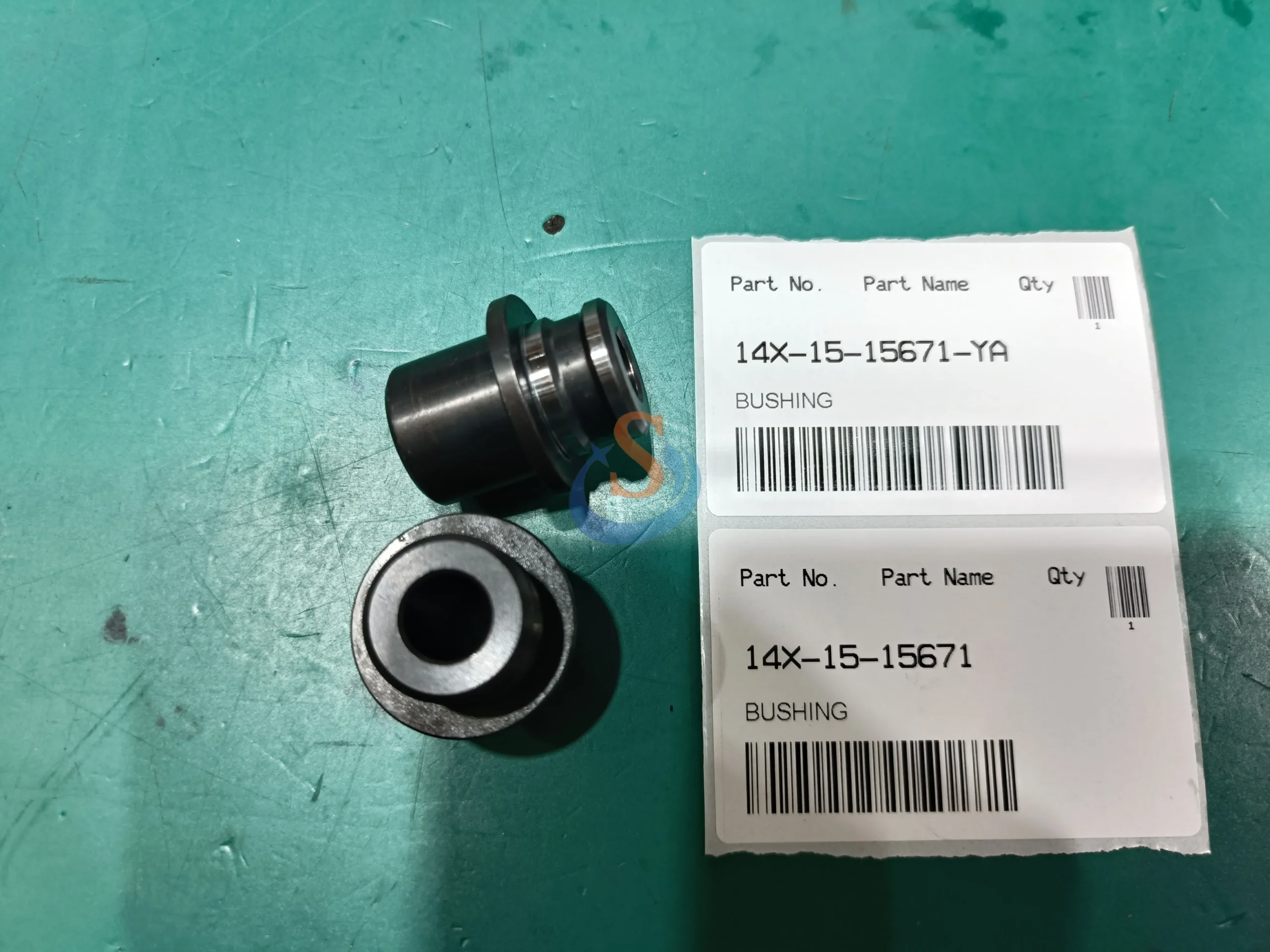
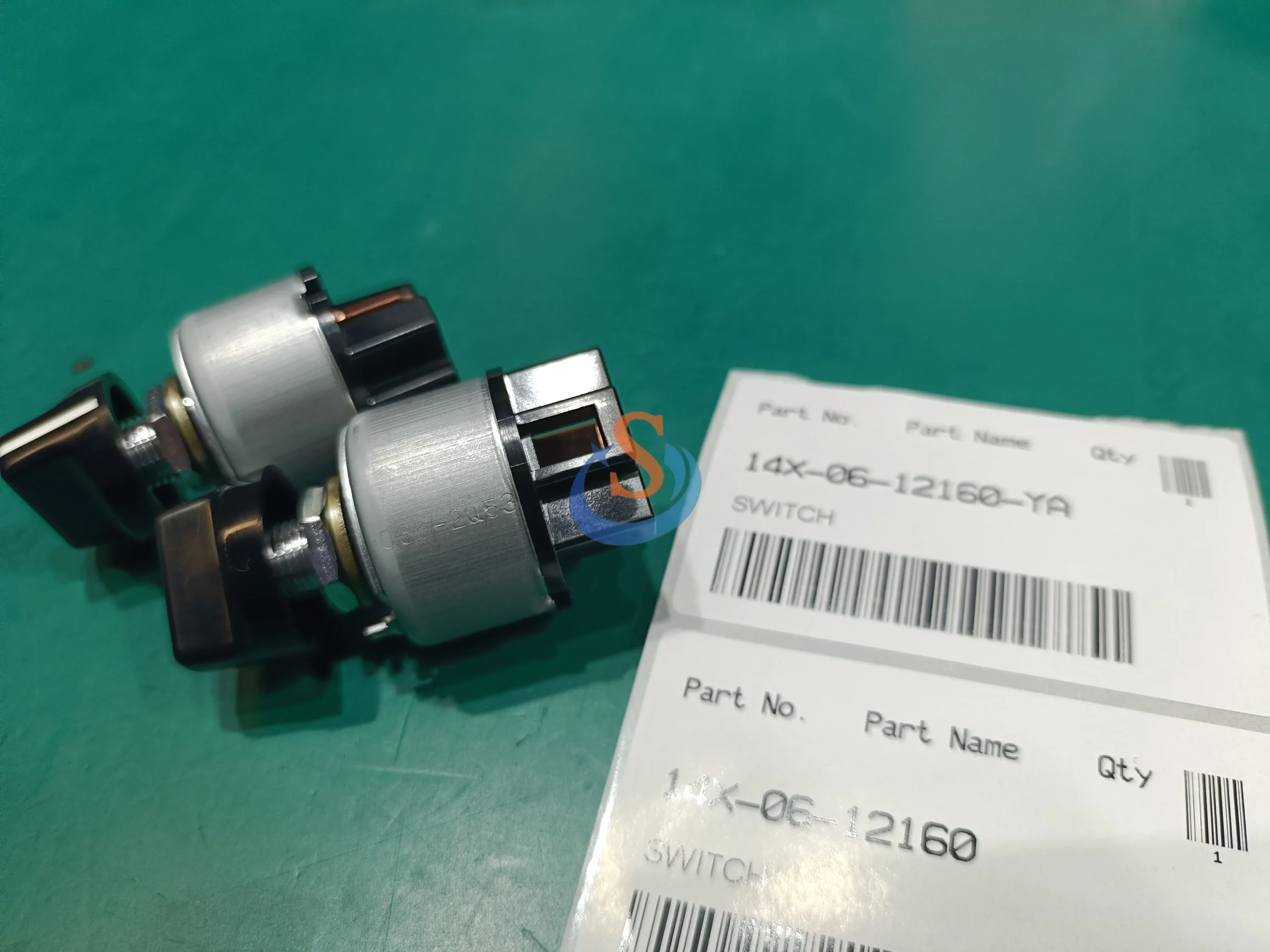
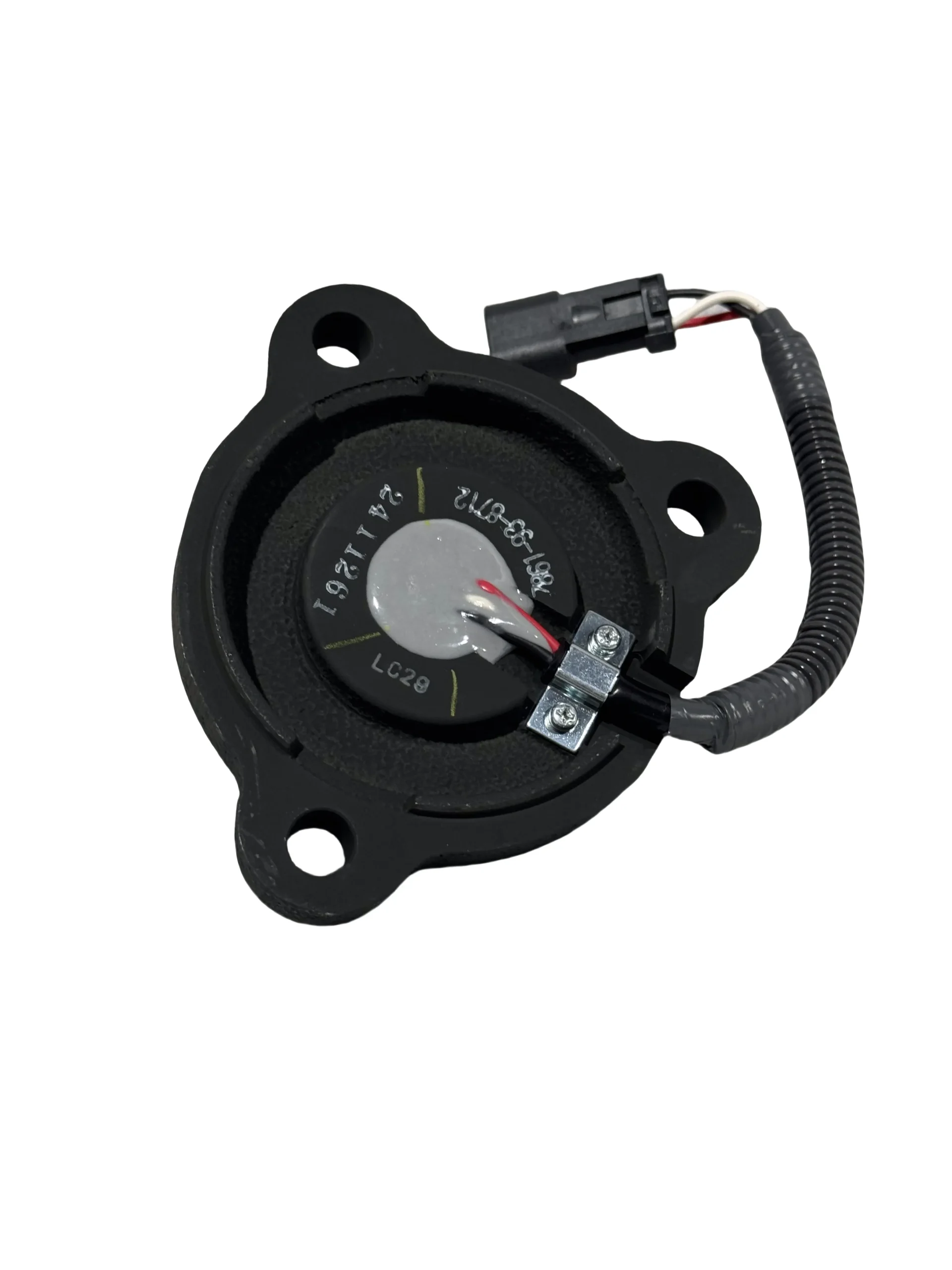
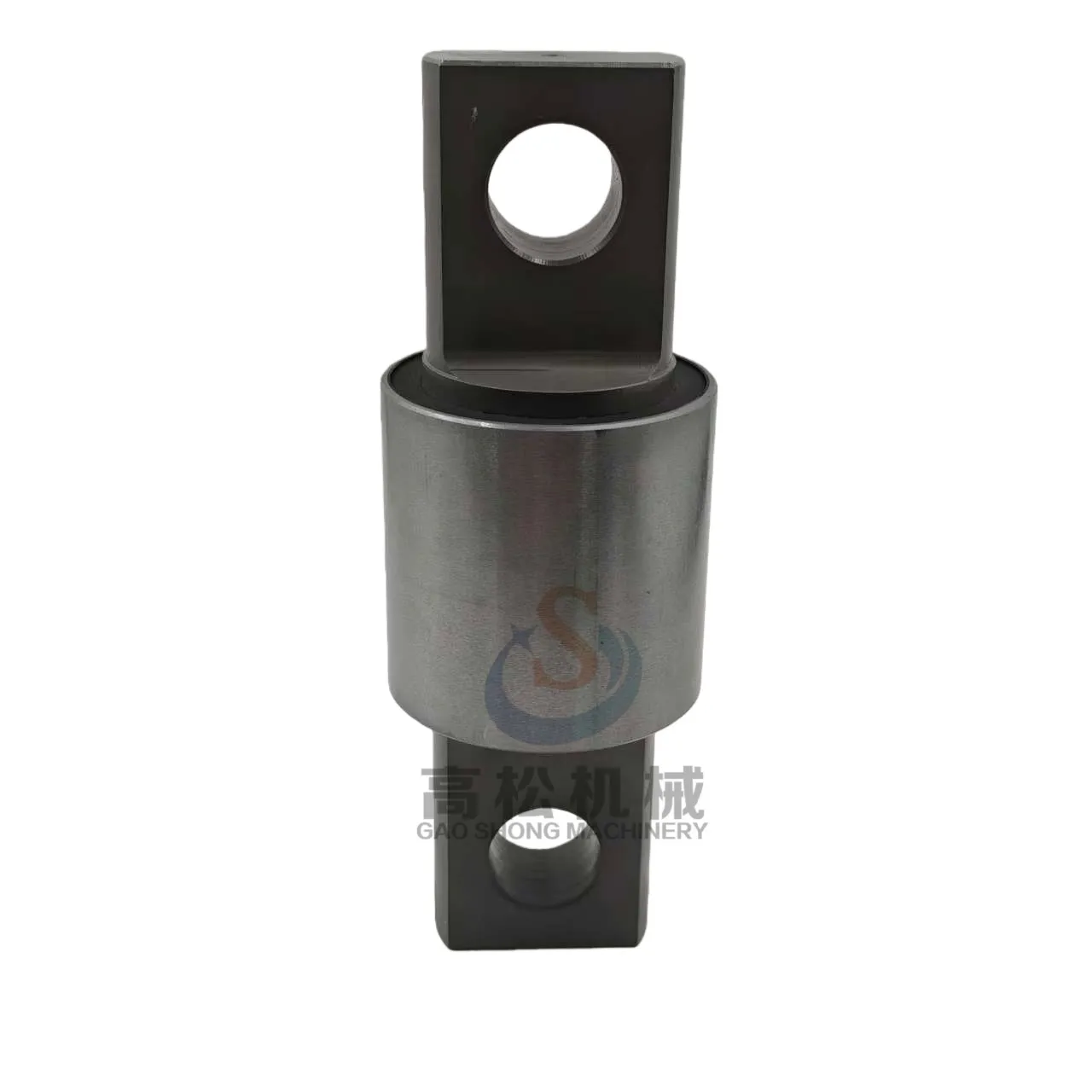
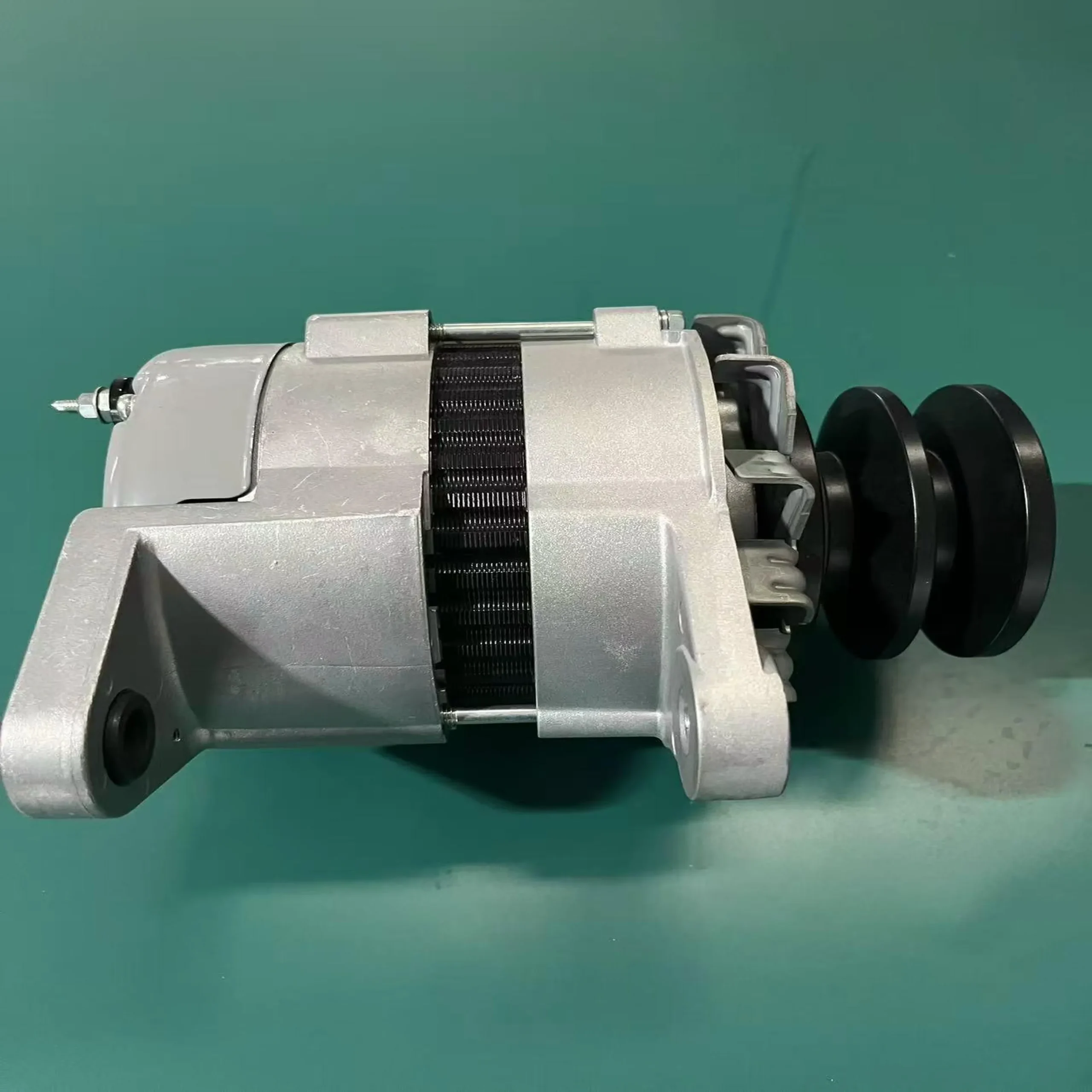
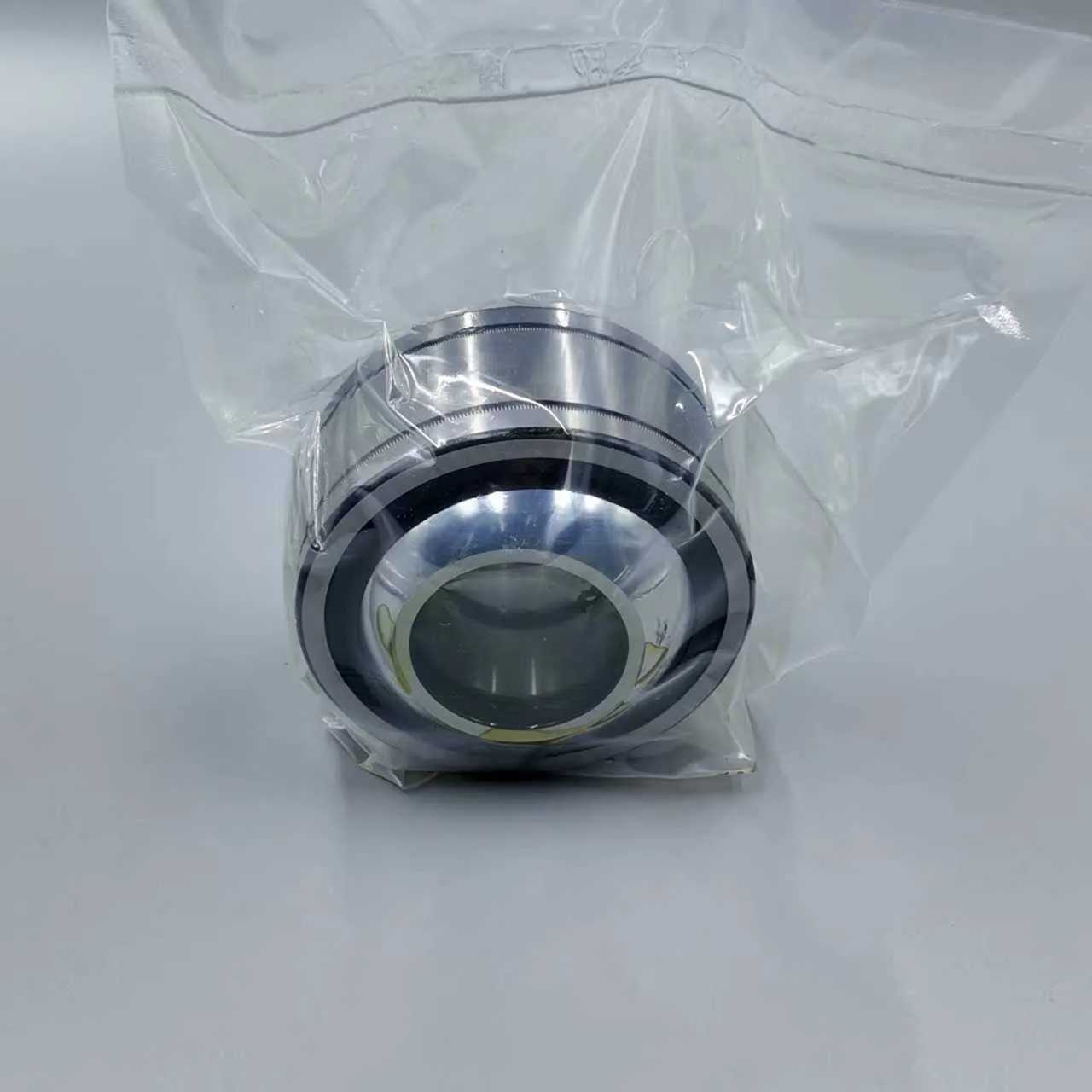

Best Selling Products
Best Selling Products-
 Komatsu 20Y-27-31160 Pin, price for original and… — Pricing.Parts
 -
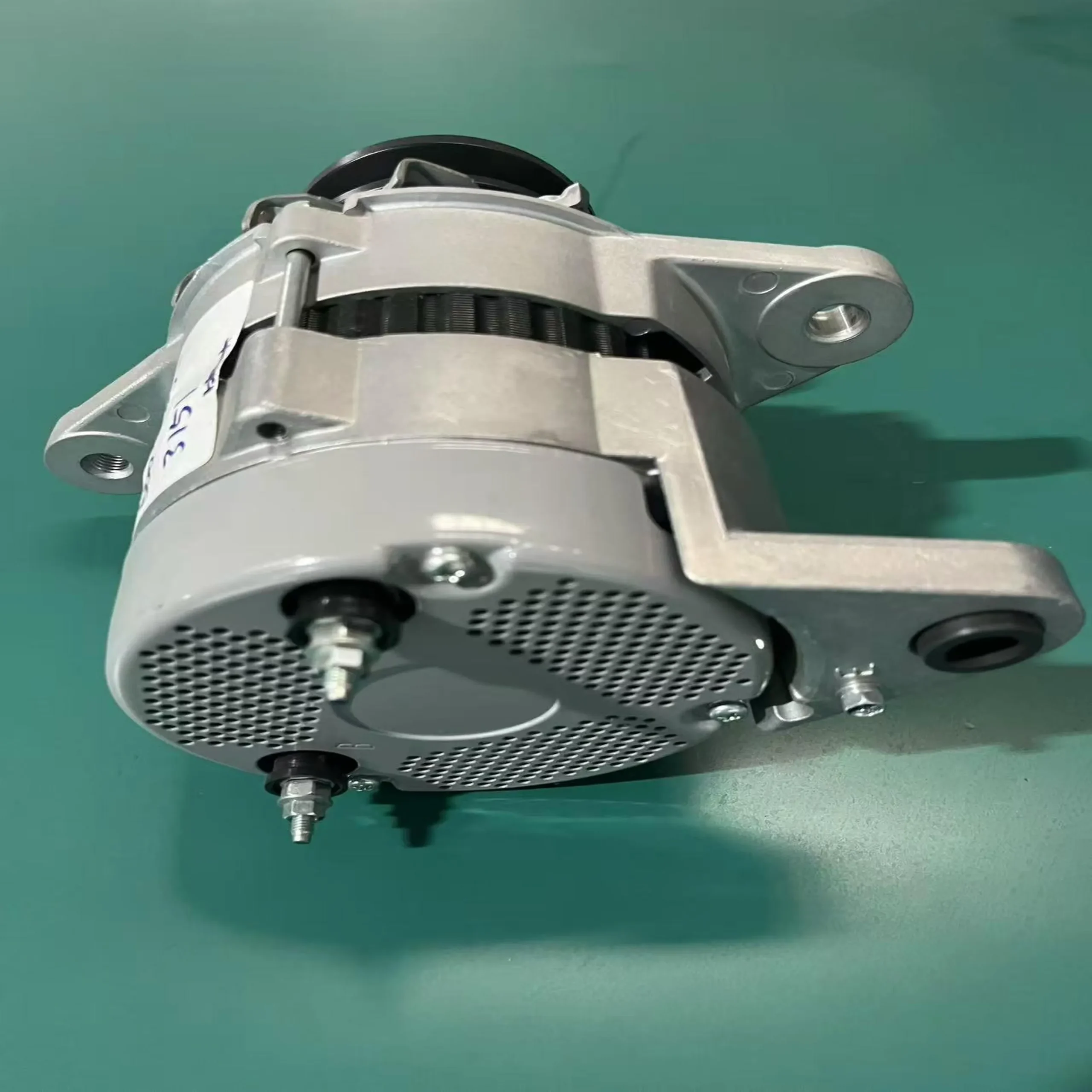 Komatsu D53a D53p Alternator Is Compatible600-825-3250 600-825-3260
 -
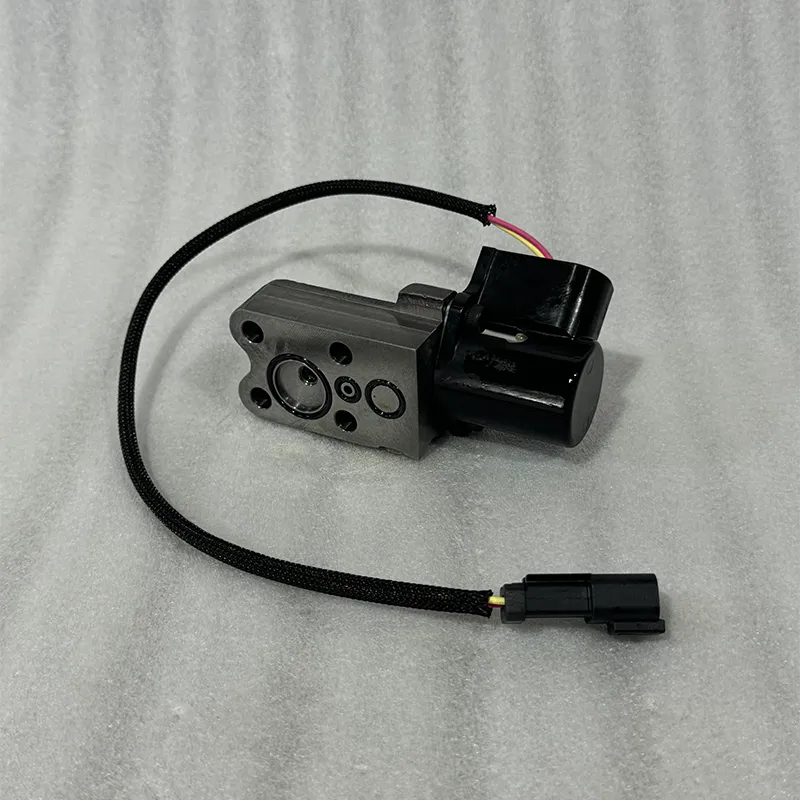 Original komatsu PC2000-8 Pilot Valve 708-7S-01330
 -
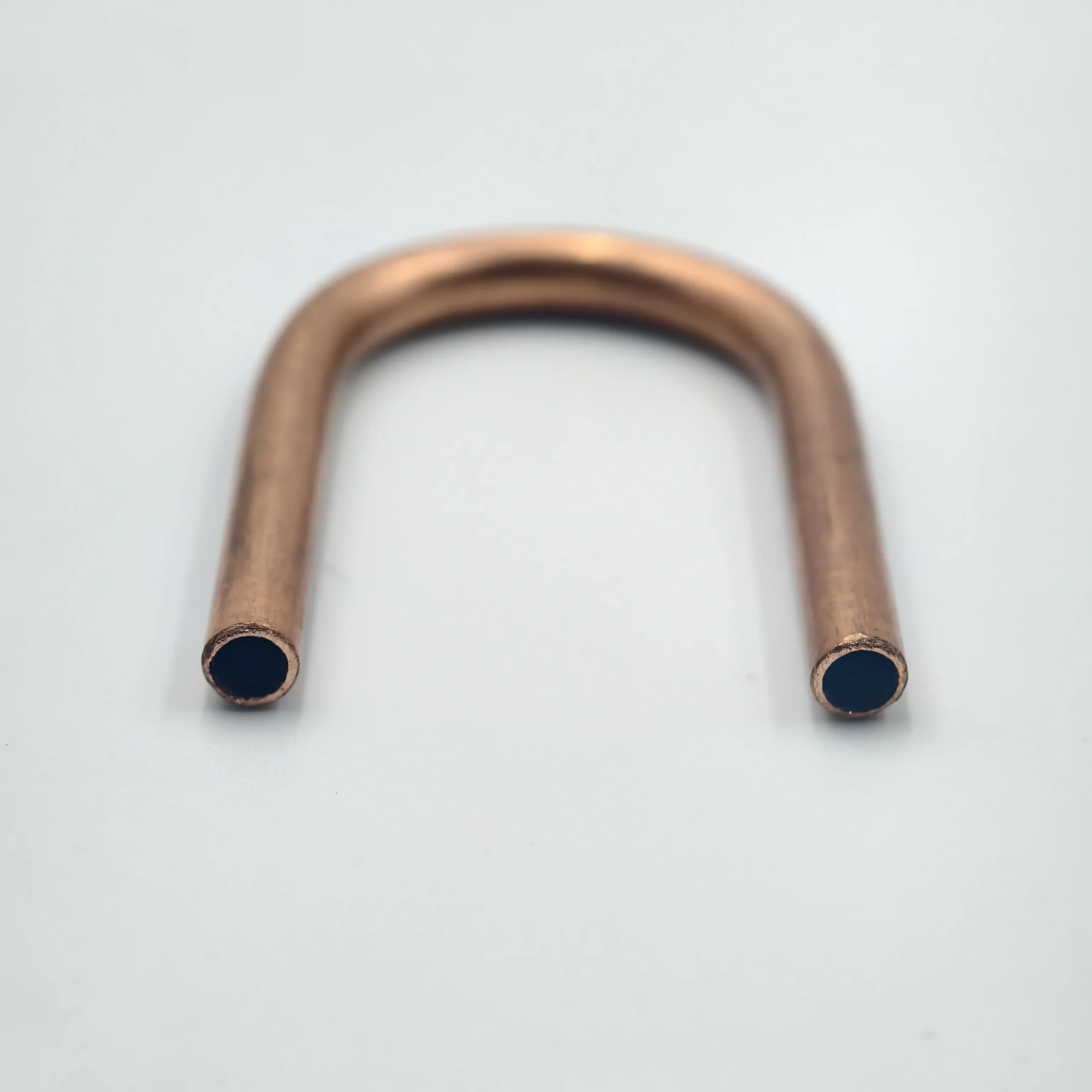 TUBE 21N-68-32360 – KOMATSU.
 -
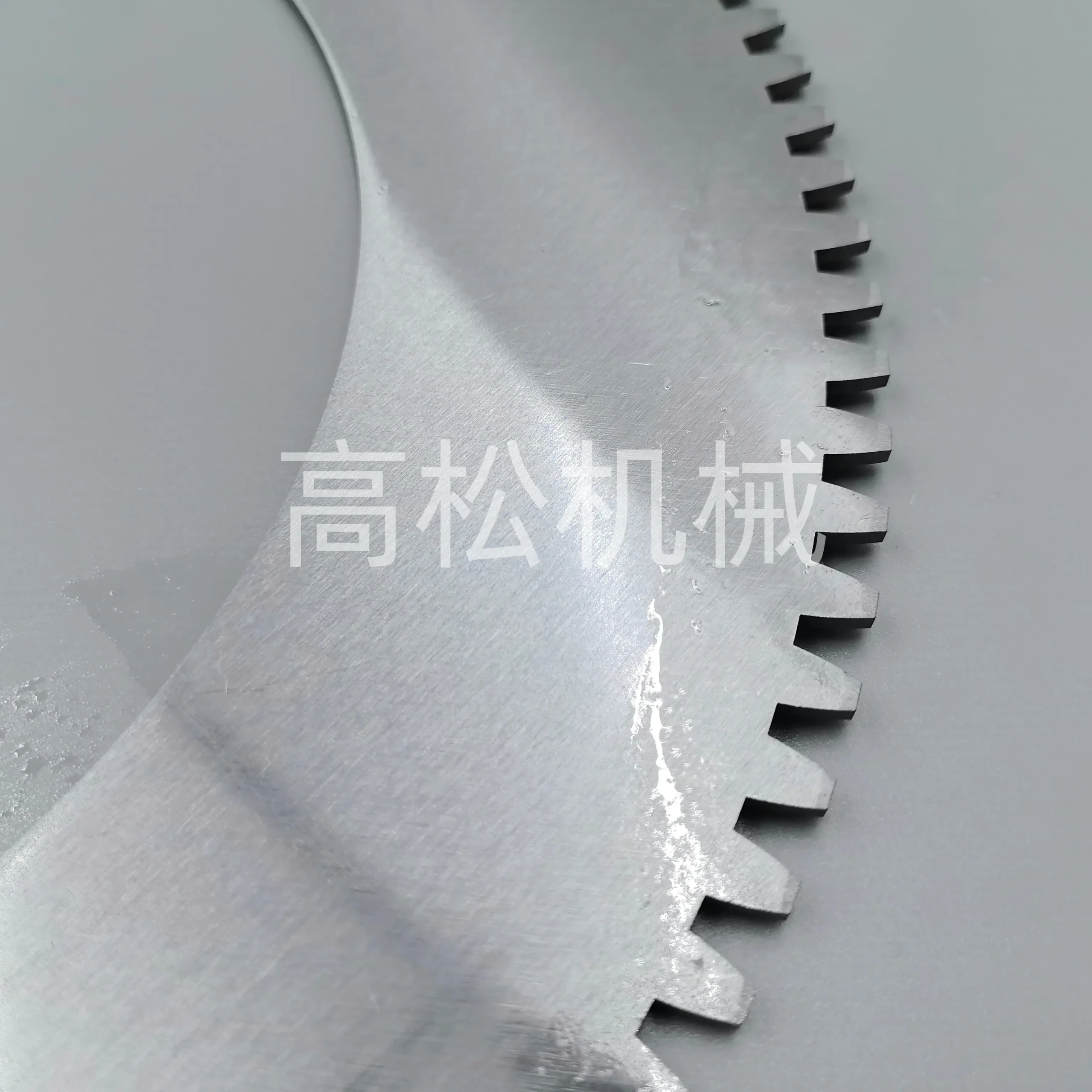 235-22-11550 •• PLATE-Komatsu Original Factory
 -
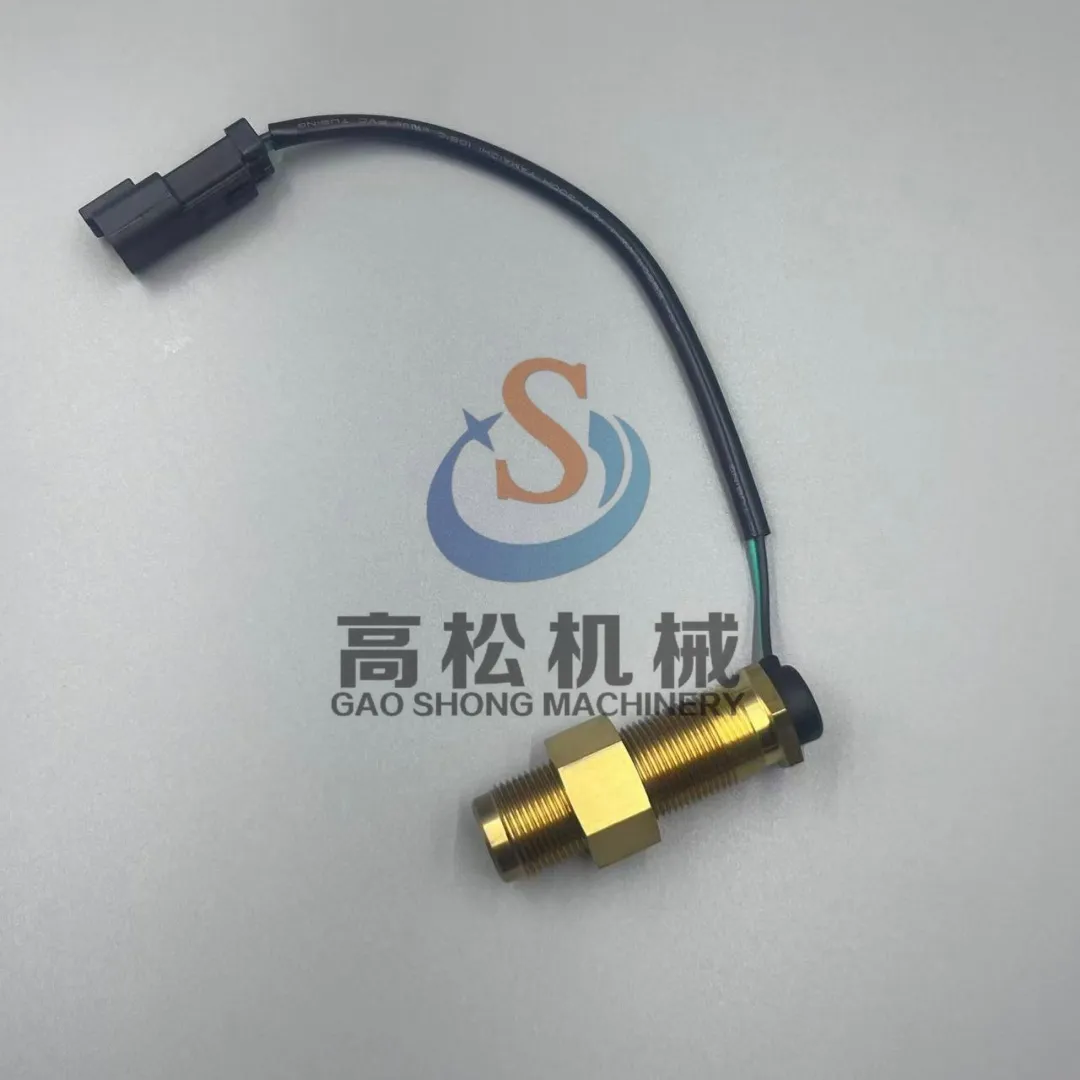 7861-92-2340 7861-93-2330 Fits for Komatsu PC200-3
 -
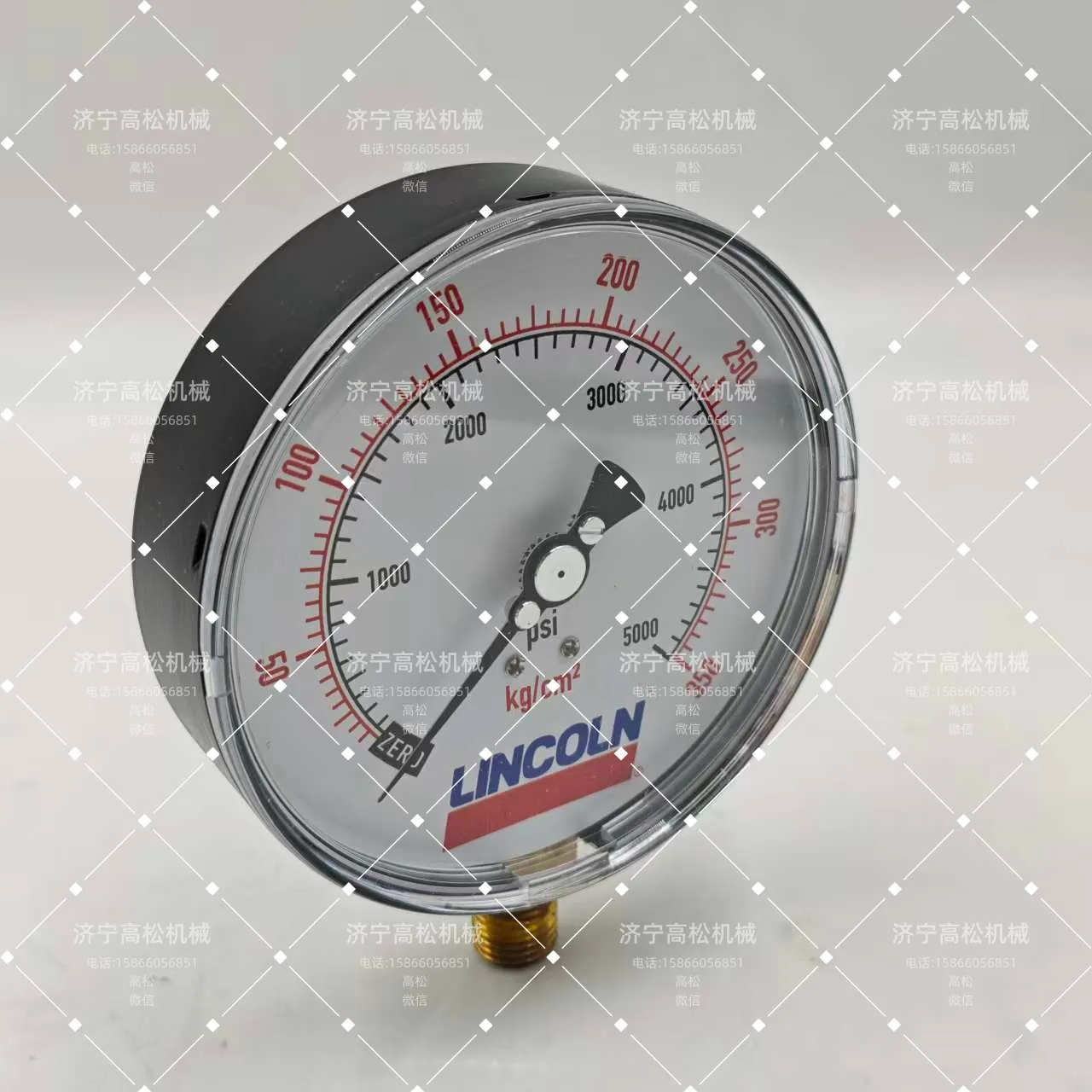 427-S95-2410 Komatsu Gauge, Pressure
 -
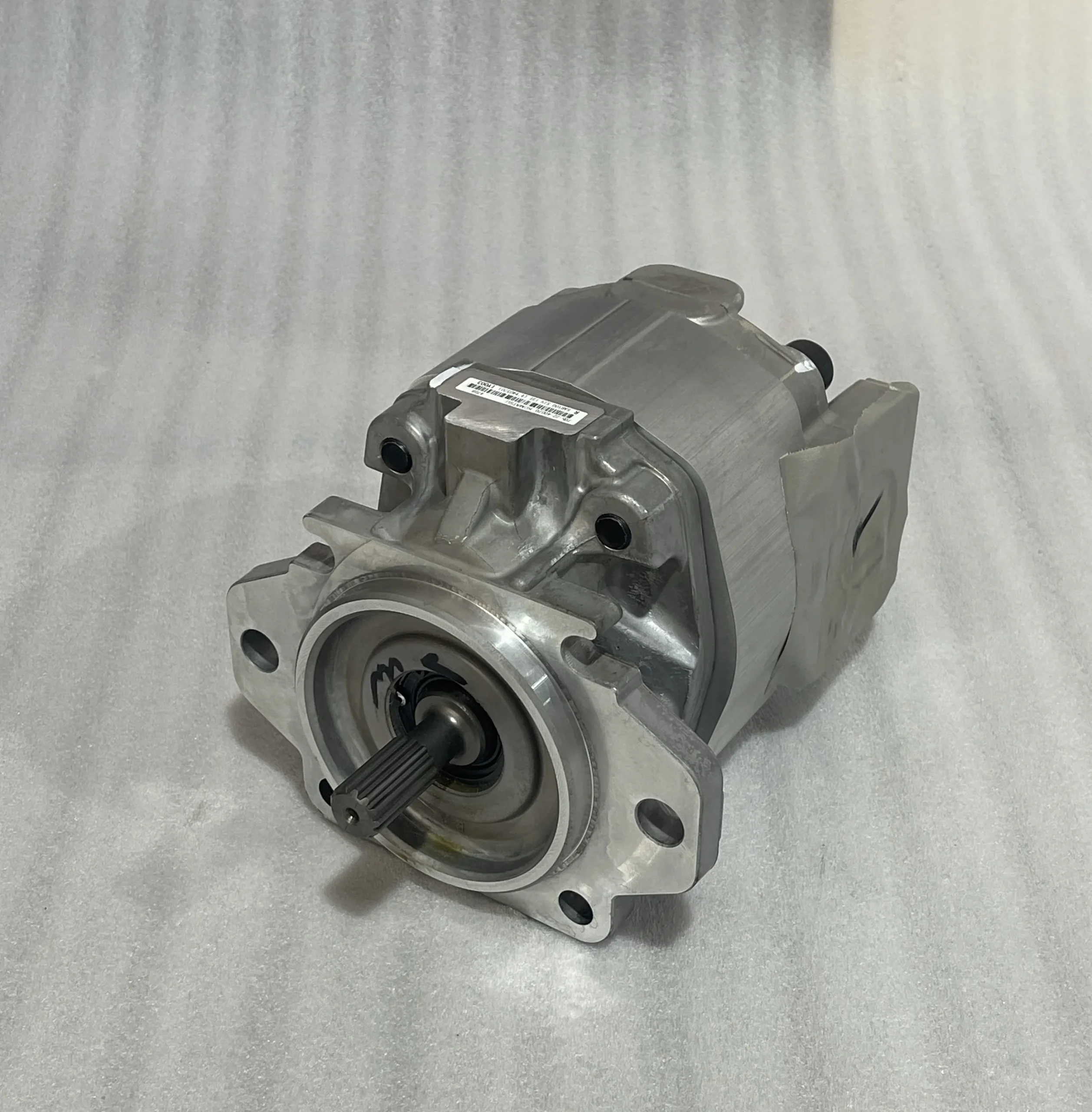 WA470-3 Gear Pump 705-22-40070
 -
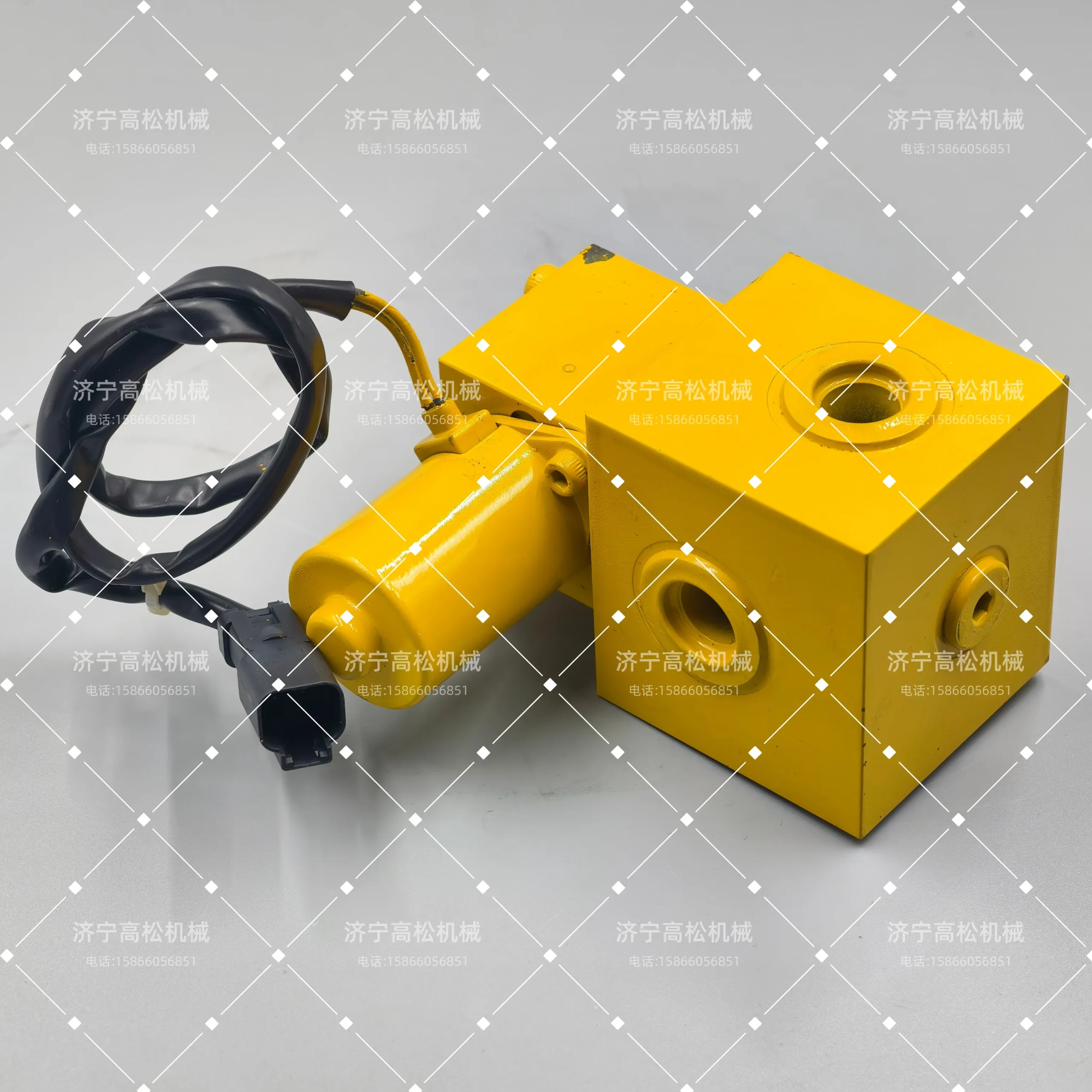 209-60-77220 Komatsu Valve Assembly
 -
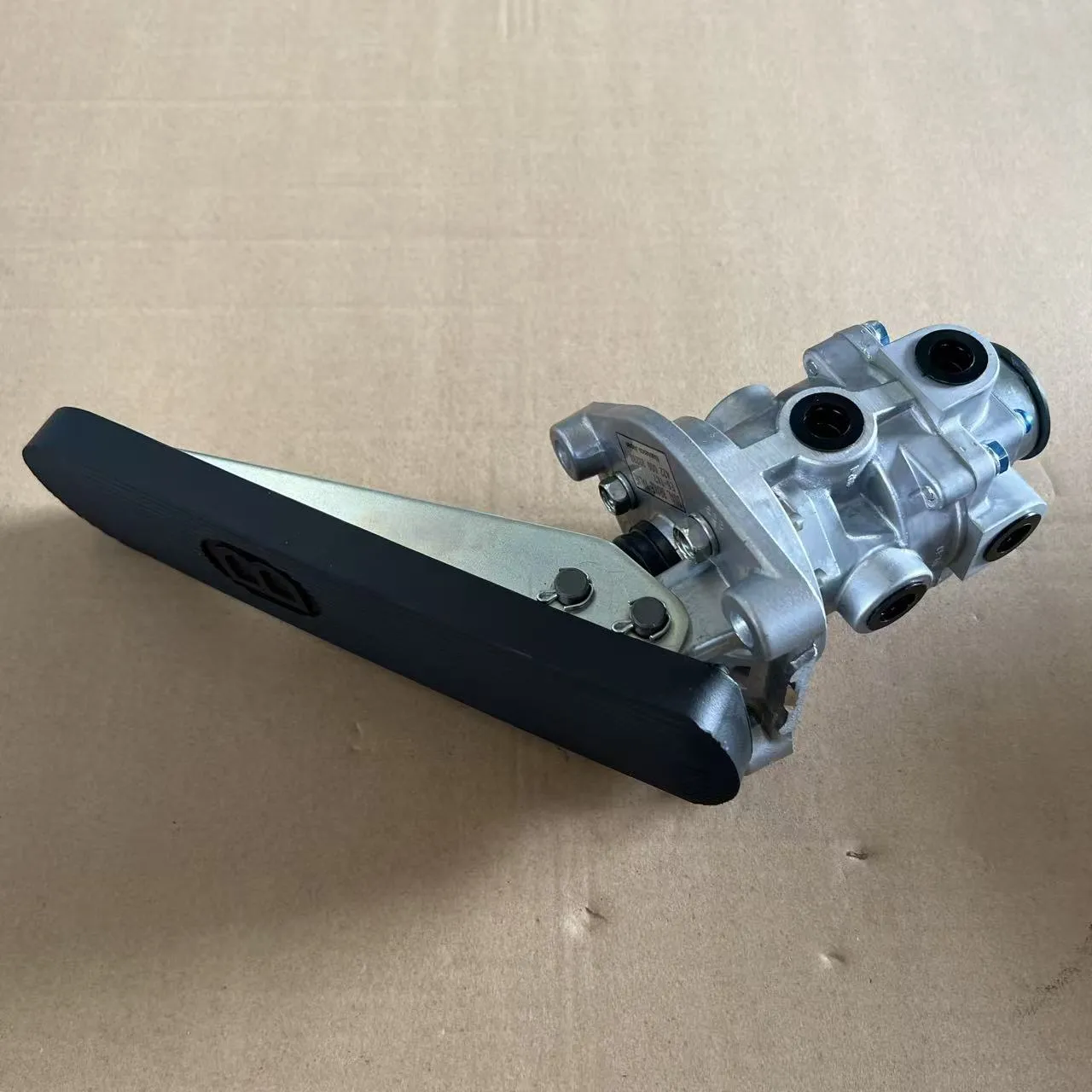 566-35-44110 Komatsu VALVE ASSEMBLY
 -
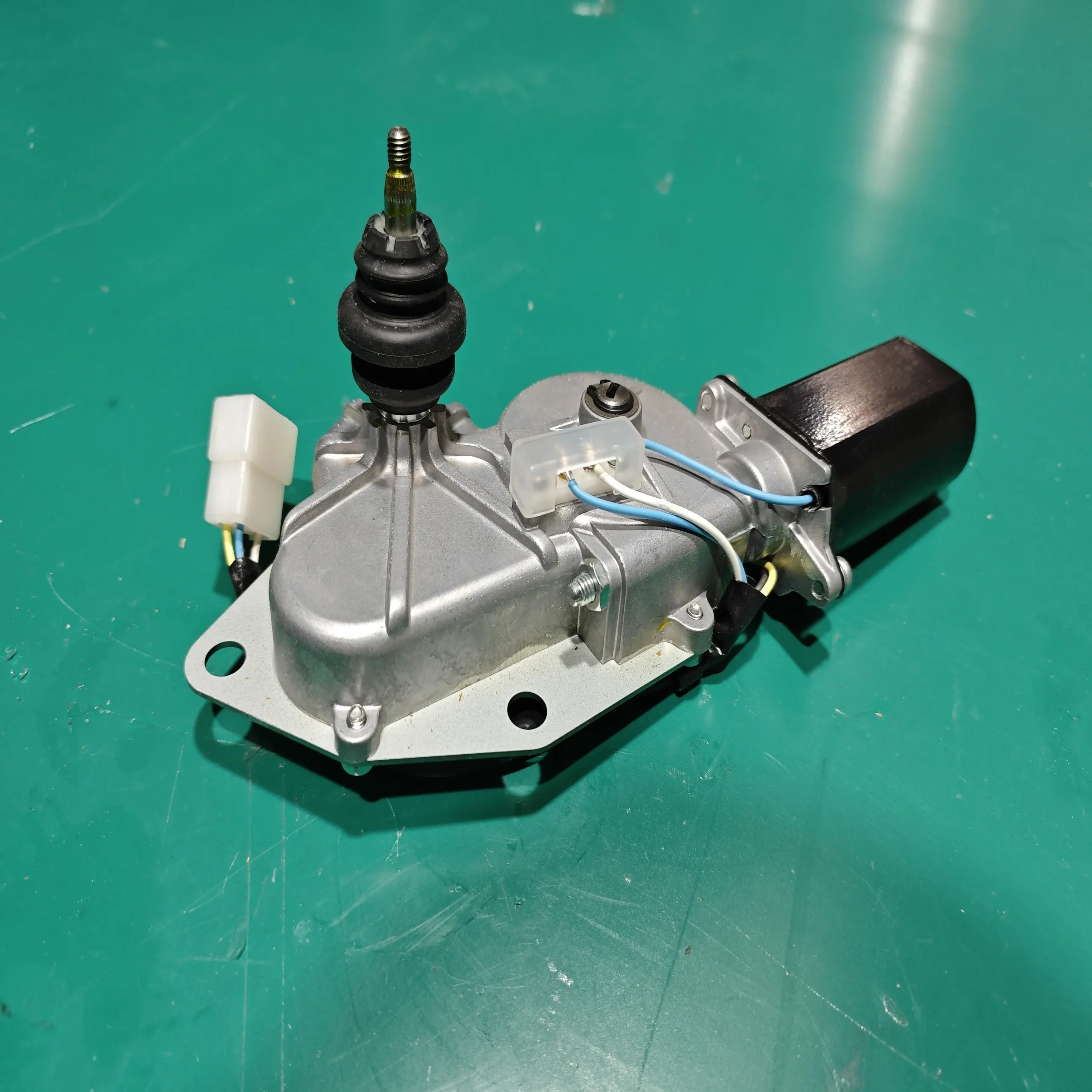 KOMATSUWIPERMOTOR23B-951-2610
 -
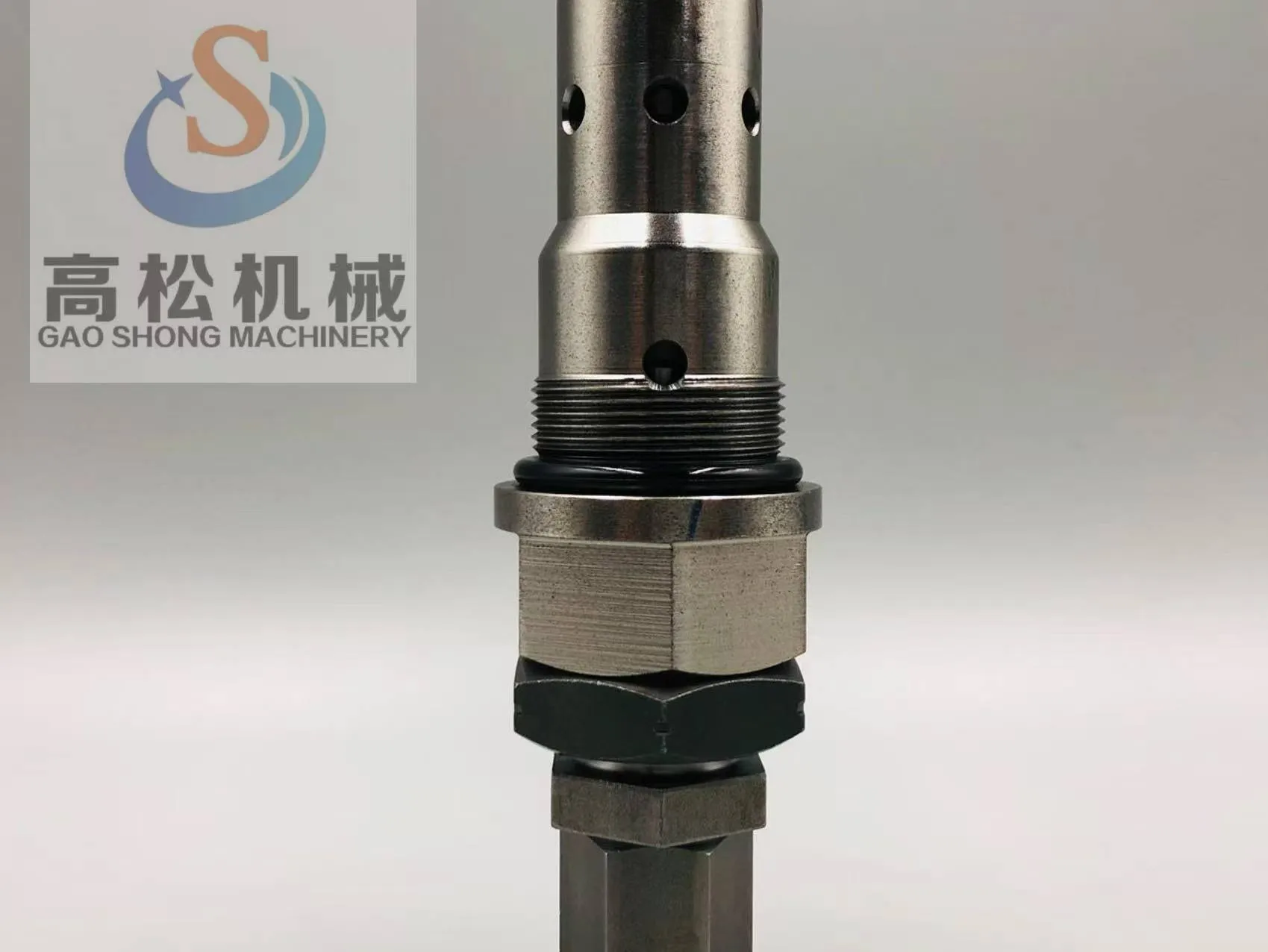 700-89-66000 relief valve Komatsu steering valve