
- Chinese
- French
- German
- Portuguese
- Spanish
- Russian
- Japanese
- Korean
- Arabic
- Irish
- Greek
- Turkish
- Italian
- Danish
- Romanian
- Indonesian
- Czech
- Afrikaans
- Swedish
- Polish
- Basque
- Catalan
- Esperanto
- Hindi
- Lao
- Albanian
- Amharic
- Armenian
- Azerbaijani
- Belarusian
- Bengali
- Bosnian
- Bulgarian
- Cebuano
- Chichewa
- Corsican
- Croatian
- Dutch
- Estonian
- Filipino
- Finnish
- Frisian
- Galician
- Georgian
- Gujarati
- Haitian
- Hausa
- Hawaiian
- Hebrew
- Hmong
- Hungarian
- Icelandic
- Igbo
- Javanese
- Kannada
- Kazakh
- Khmer
- Kurdish
- Kyrgyz
- Latin
- Latvian
- Lithuanian
- Luxembou..
- Macedonian
- Malagasy
- Malay
- Malayalam
- Maltese
- Maori
- Marathi
- Mongolian
- Burmese
- Nepali
- Norwegian
- Pashto
- Persian
- Punjabi
- Serbian
- Sesotho
- Sinhala
- Slovak
- Slovenian
- Somali
- Samoan
- Scots Gaelic
- Shona
- Sindhi
- Sundanese
- Swahili
- Tajik
- Tamil
- Telugu
- Thai
- Ukrainian
- Urdu
- Uzbek
- Vietnamese
- Welsh
- Xhosa
- Yiddish
- Yoruba
- Zulu
- Kinyarwanda
- Tatar
- Oriya
- Turkmen
- Uyghur






Komatsu DPF
When you hear 'Komatsu DPF', the first thing that comes to mind for a lot of guys in the yard is just another filter to clean or a warning light to reset. There's this pervasive idea that it's all pretty much the same across the board—a standardized emissions part. That's where the trouble starts. Having dealt with these systems on everything from old PC200s to the newer Dash-8 models, I can tell you the reality is messier. The approach that works for a 2015 machine might brick the ECU on a 2020 model if you're not careful. It's not just a canister; it's a system deeply integrated with the engine management, and treating it as an afterthought is a surefire way to incur downtime costs that dwarf the part price itself.
The Core Misconception: DPF as a Standalone Part
I see this all the time. A site manager orders a Komatsu DPF assembly from a general parts catalog, thinking it's a plug-and-play solution. They don't realize the critical handshake between the filter's pressure sensors, the temperature probes, and the machine's Engine Control Module (ECM). Komatsu's system is calibrated for very specific back-pressure thresholds and regeneration cycles. Slapping on a non-OEM or even an OEM part with the wrong serial suffix can lead to incomplete regens or, worse, forced derates that cripple machine productivity.
I remember a case with a PC360LC-8. The customer sourced a DPF from a third-party supplier claiming full compatibility. Physically, it fit. But the soot load calculation was off by nearly 15% because the internal substrate geometry differed slightly. The machine kept triggering regeneration too frequently, burning excess fuel and putting undue thermal stress on the turbo. We traced it back to the delta P readings that just didn't match the ECM's expected map. It wasn't a failure you'd see immediately, but a slow bleed on efficiency and component life.
This is precisely where the value of a specialized supplier comes in. A company like Jining Gaosong Construction Machinery Co., Ltd. operates in a unique space. As they note on their site https://www.takematsumachinery.com, they're an OEM product supplier within the Komatsu system and a third-party sales company. In practice, this means they understand the official channels and specs, but they're also positioned to navigate the genuine supply challenges in certain regions. They're not just moving boxes; they're ensuring the part number matches not only the machine model but the production year and the specific engine iteration. That's the level of detail that matters.
Regeneration Realities and Operator Habits
Passive regeneration, active regeneration, forced regeneration—the manuals lay it out neatly. The field is never neat. The biggest killer of a Komatsu DPF isn't dirt; it's short-cycle operation. Think of a machine on a demolition site, running hard for 20 minutes then idling for an hour. It never hits the sustained exhaust temperature needed for passive cleaning. The ash accumulates, the backpressure builds, and before you know it, you're looking at a $7,000 filter replacement instead of a $500 cleaning service.
We tried implementing strict operator protocols: mandatory high-idle periods, monitoring dash indicators for regen requests. It worked, sort of. But you fight against production pressure. The operator's bonus is tied to cubic yards moved, not perfect DPF health. The solution shifted to more proactive telematics—monitoring exhaust temps and DPF load remotely and scheduling machine usage around regen cycles, not the other way around. It's a management tool as much as a technical one.
And then there's the cleaning. Hydro-blasting is common, but for Komatsu units, you must be meticulous about drying. Any residual moisture will cause rapid soot cake formation and spike backpressure instantly upon restart. I've seen shops use compressed air for an hour and think it's dry. We learned the hard way to use heated air purge systems and even bake ovens for critical applications. The data from the machine post-cleaning is the real test: the differential pressure at a given exhaust flow rate must return to the like-new band in the service manual.
Sensor Failures: The Silent Saboteurs
It's easy to blame the filter. More often, the culprit is a $200 sensor. The exhaust temperature sensors before and after the DPF are crucial. If the upstream sensor fails low, the ECM may never initiate an active regeneration, thinking the exhaust is too cold. The soot load climbs until you get a derate. If the downstream sensor fails high, it might think the DPF is overheating during a regen and abort the cycle, leaving it half-baked.
Diagnosing this requires more than a code reader. You need to look at the actual data stream. Compare the temp sensor readings to a known-good machine under similar load. Check the rationality. Is the downstream temp rising appropriately during a parked regen? We wasted a week once replacing a DPF on a Dash-5 excavator, only to find the new one behaved the same. The problem was a biased differential pressure sensor giving a falsely high reading. The ECM was being fed bad data, making perfect decisions that led to a faulty outcome.
This is another layer where a supplier's expertise is critical. Ordering a Komatsu DPF from Jining Gaosong Construction Machinery isn't just about the filter can. A knowledgeable supplier will often ask, What are the fault codes? or Have you checked the delta P sensor? They might bundle the relevant sensor kit or at least flag it as a potential point of failure. This pre-emptive troubleshooting support is what separates a parts vendor from a solutions partner, especially when they operate within the OEM ecosystem but with third-party flexibility.
The Aftermarket and Equivalent Quality
The market is flooded with DPF alternatives claiming direct fit and compliance. Some are decent, many are junk. The core issue is the substrate material and the catalyst coating. A cheap aftermarket filter might use a lower cell-density ceramic or a less durable catalyst formulation. It might pass emissions initially, but its service life and ability to withstand repeated regeneration cycles are compromised.
We ran a test on two PC138 units with similar hours. One got a genuine Komatsu DPF, the other a premium-brand equivalent. At the 2000-hour mark, the backpressure on the aftermarket unit was 30% higher. The fuel consumption data showed a measurable increase. The cost saving upfront was erased by lost fuel efficiency and the likelihood of earlier replacement. For a fleet manager, that's a terrible trade-off.
This is the niche that a company like the one mentioned fills. They aren't pushing the cheapest alternative. As an OEM supplier within the Komatsu system, their value proposition is access to genuine or OEM-certified components. For markets where the official distributor network is sparse or slow, a source like https://www.takematsumachinery.com becomes a lifeline. They solve the parts supply challenge by providing the right part, not just a part that fits. In the world of complex systems like the Komatsu DPF, right means everything.
Looking Ahead: Beyond Reactive Swaps
The future isn't in just selling more filters. It's in predictive management. We're starting to use oil analysis to track ash content (from engine oil combustion) which is the only thing that doesn't burn off in regeneration. By tracking that trend, you can predict the DPF's ash-loaded end-of-life, not just react to a clog. This allows for planned, budgeted removal and cleaning or replacement during scheduled downtime.
Furthermore, the next pain point is the DOC (Diesel Oxidation Catalyst) mounted upstream. Its failure—often from fuel contamination or coolant ingress—directly impacts the DPF's function. A degraded DOC won't raise exhaust temps sufficiently for passive regeneration, forcing the DPF to work harder. The conversation is shifting from DPF problems to aftertreatment system health.
Ultimately, managing the Komatsu DPF is a technical and logistical puzzle. It requires accurate parts, deep system understanding, and proactive maintenance culture. It's about connecting the dots between the operator's seat, the mechanic's diagnostic tool, and the supplier's parts database. In fragmented markets, having a reliable conduit to OEM-spec solutions, like the role played by specialized third-party entities, isn't a convenience; it's a operational necessity to keep iron moving and costs controlled. The goal is to make the DPF a maintained component, not a recurring crisis.
Related Products
Related Products


Best Selling Products
Best Selling Products-
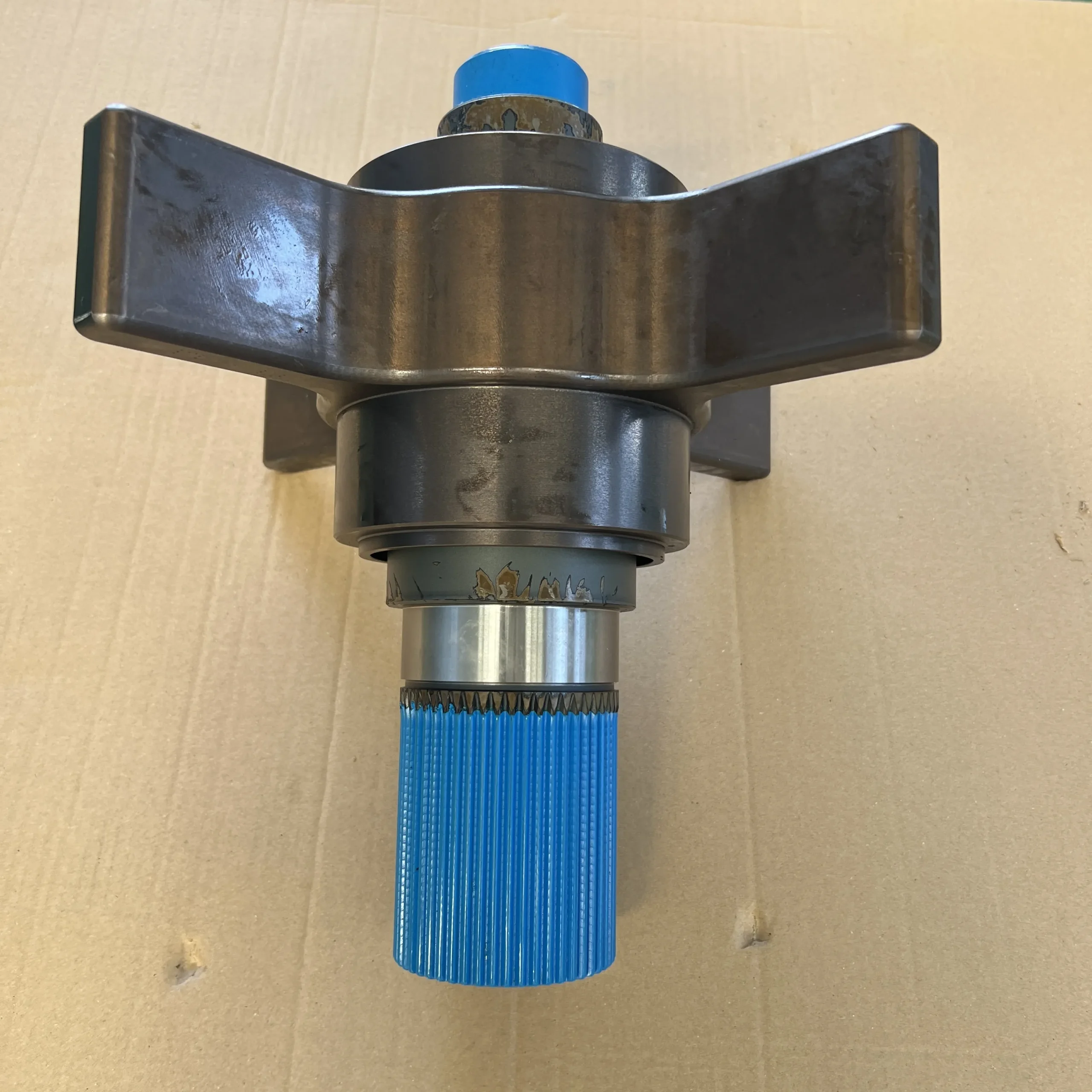 Shaft 569-01-72600 for Komatsu HD465-7
 -
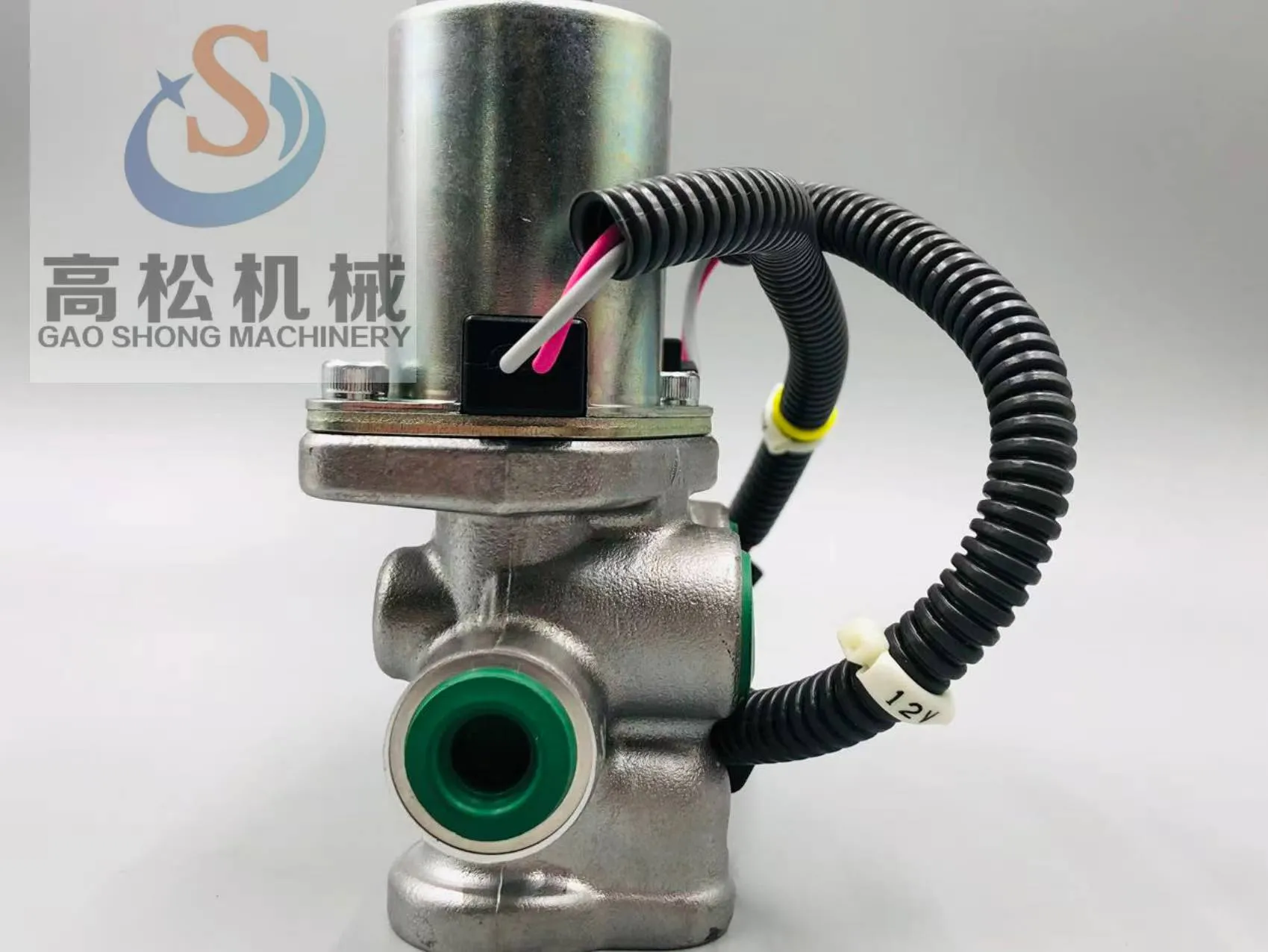 22F-60-21201 22F-60-31600 Solenoid Valve PC56-7 PC55MR-2
 -
 56B-27-12361 Fixed ring Komatsu parts HM350, HM400
 -
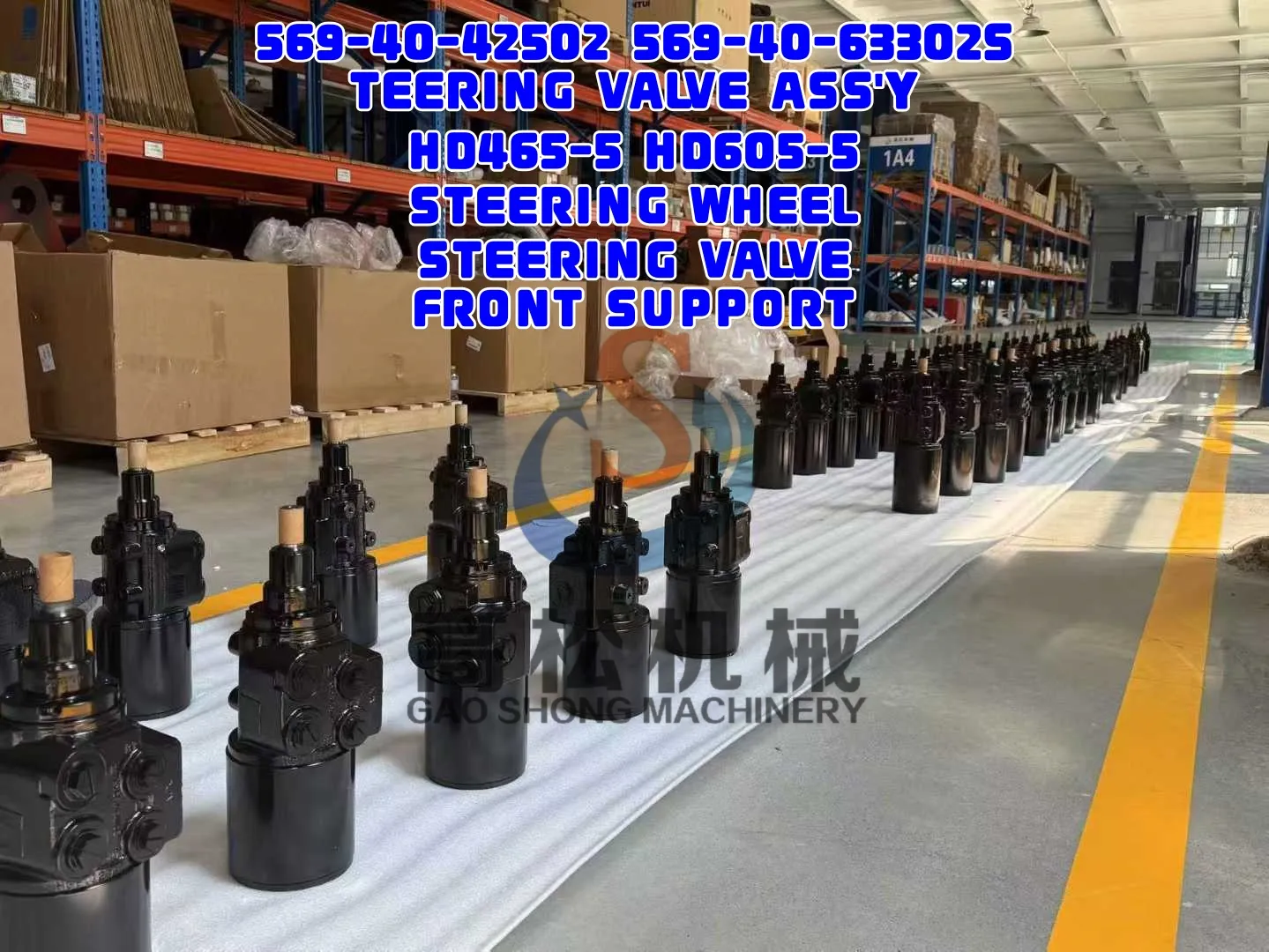 HD465-7-komatsu-part-569-40-42502 569-40-63302 STEERING VALVE ASS’Y HD465-5 HD465-7 HD605-7 HD605-5 FRONT SUPPORT (STEERING VALVE MOUNTING PARTS) STEERING WHEEL STEERING VALVE
 -
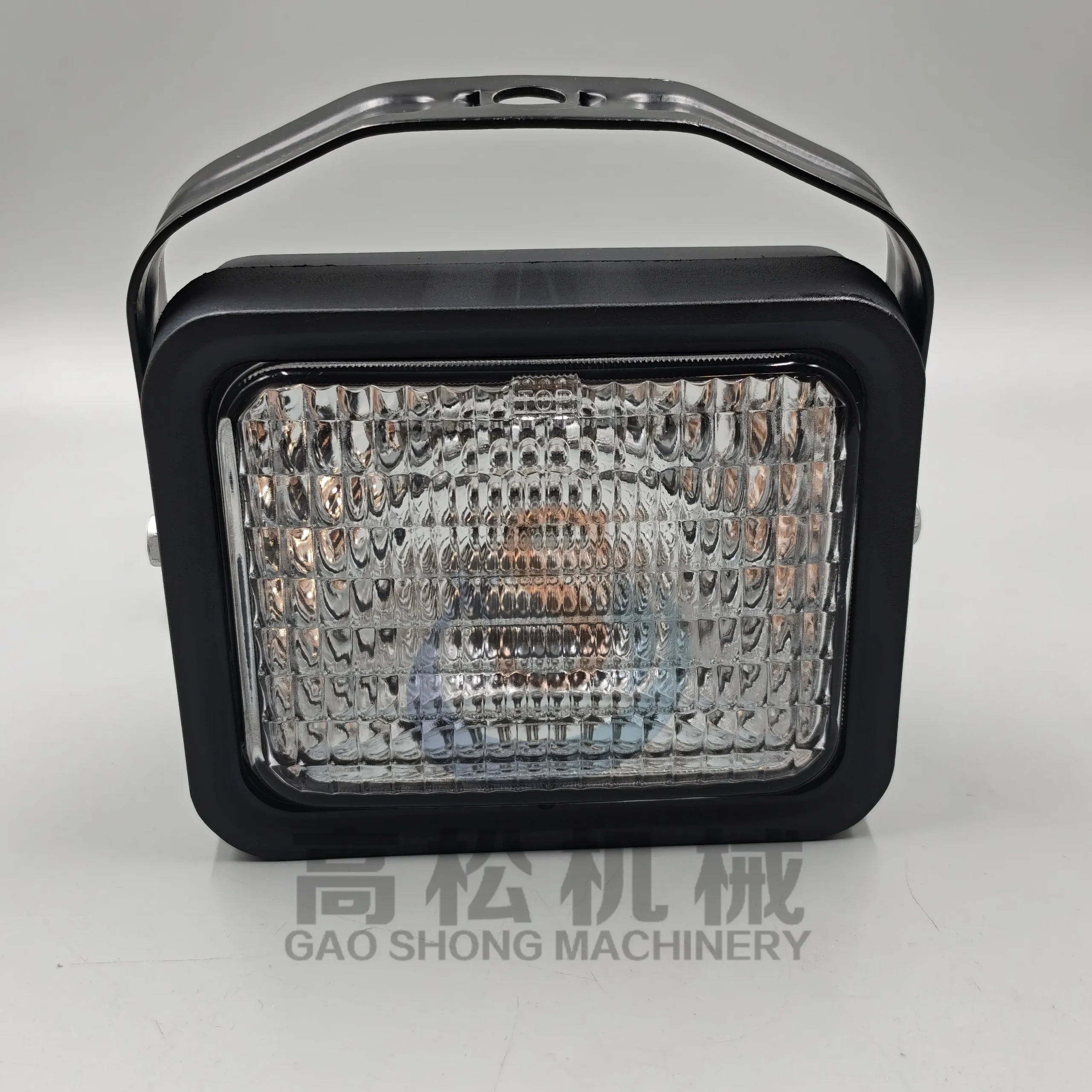 Lamp 421-06-23310 426-56-23360 Compatible for Komatsu WA500-3 WA800-3 WA420-3L HD785-7 HD325-7 HM250-2
 -
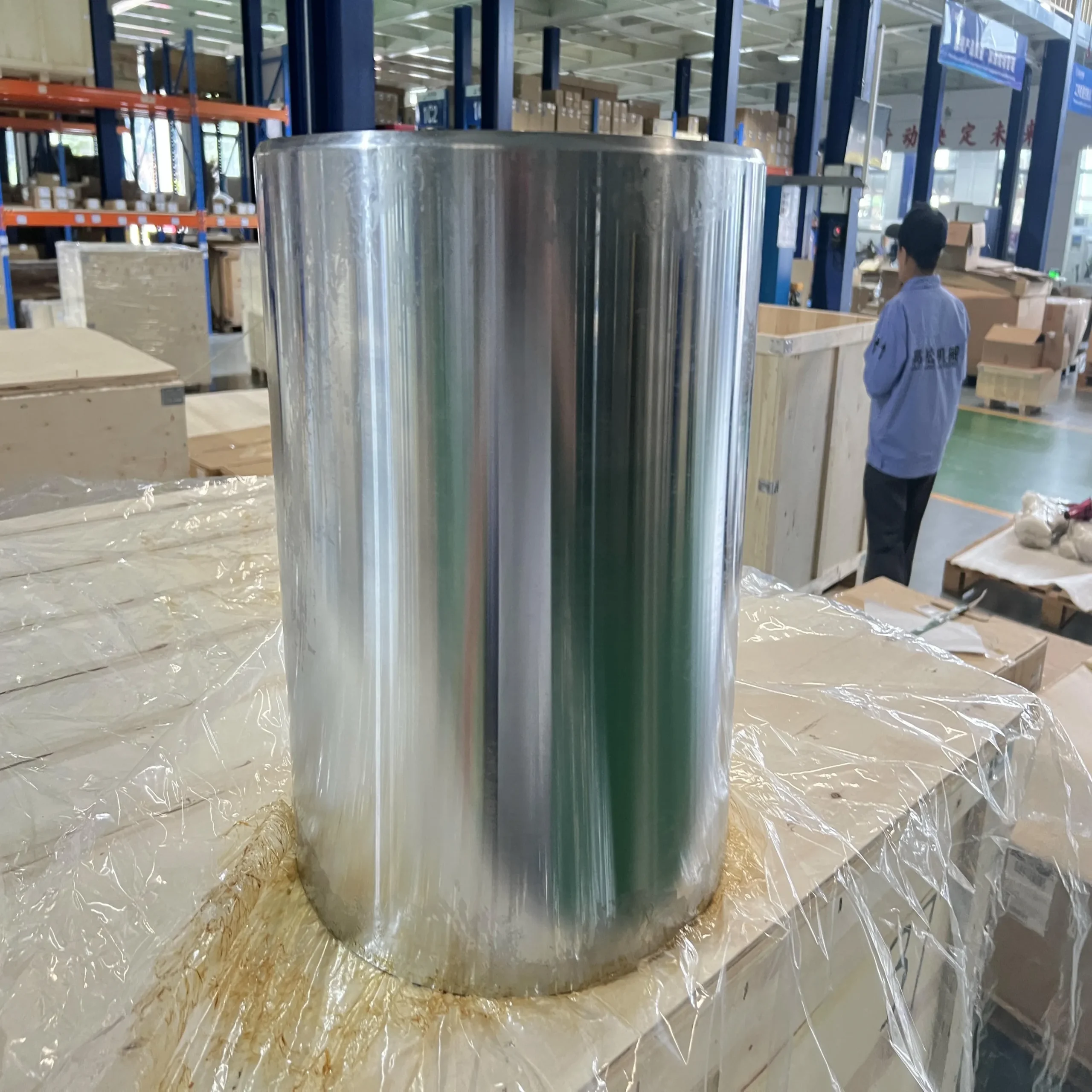 Komatsu D275-2/-5 17M-30-26620 Heavy Duty Swing Motors
 -
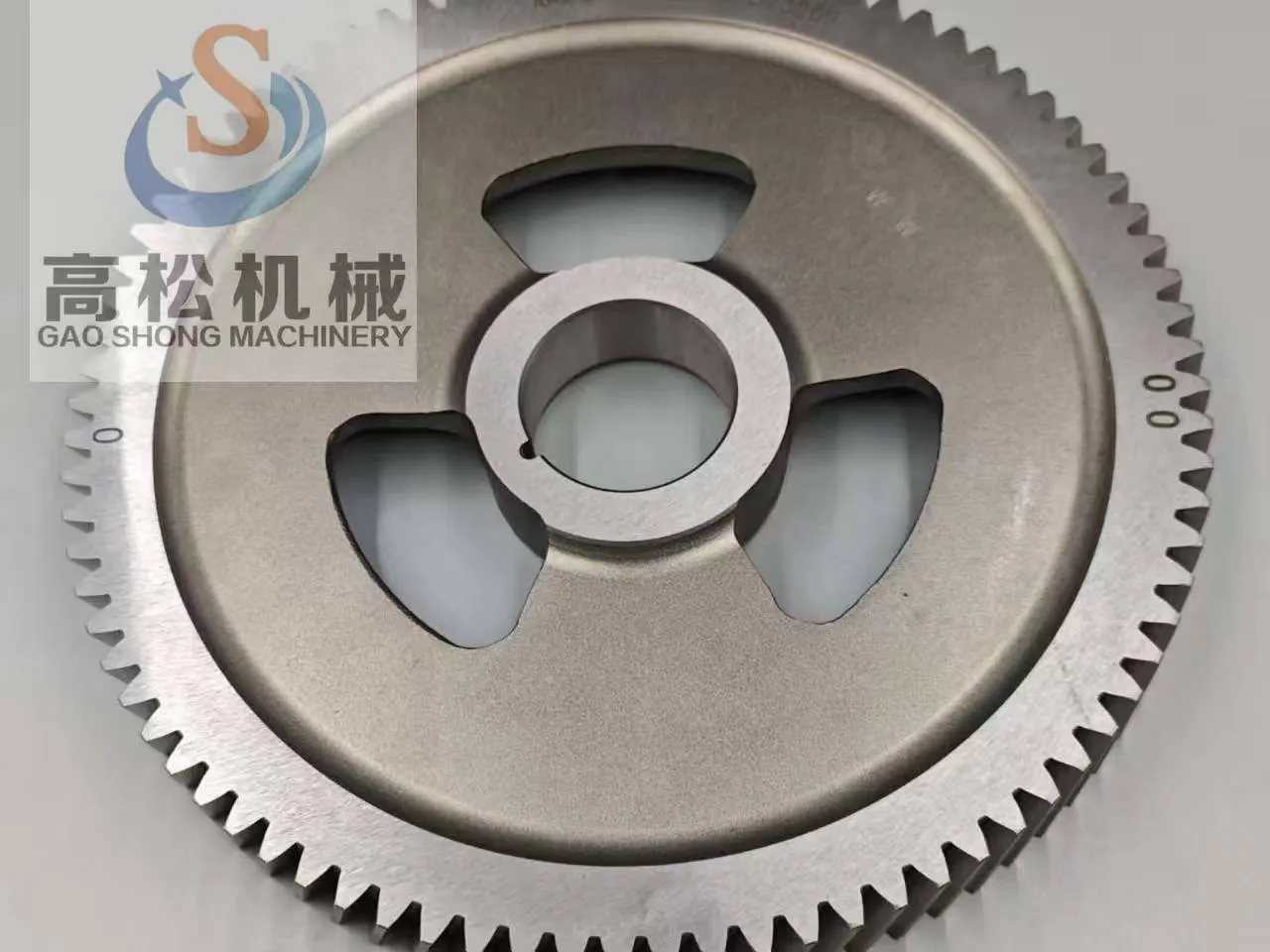 Gear 6745-41-1130 6745411130 6745-41-1131 for excavator PC300 PC350 WA430
 -
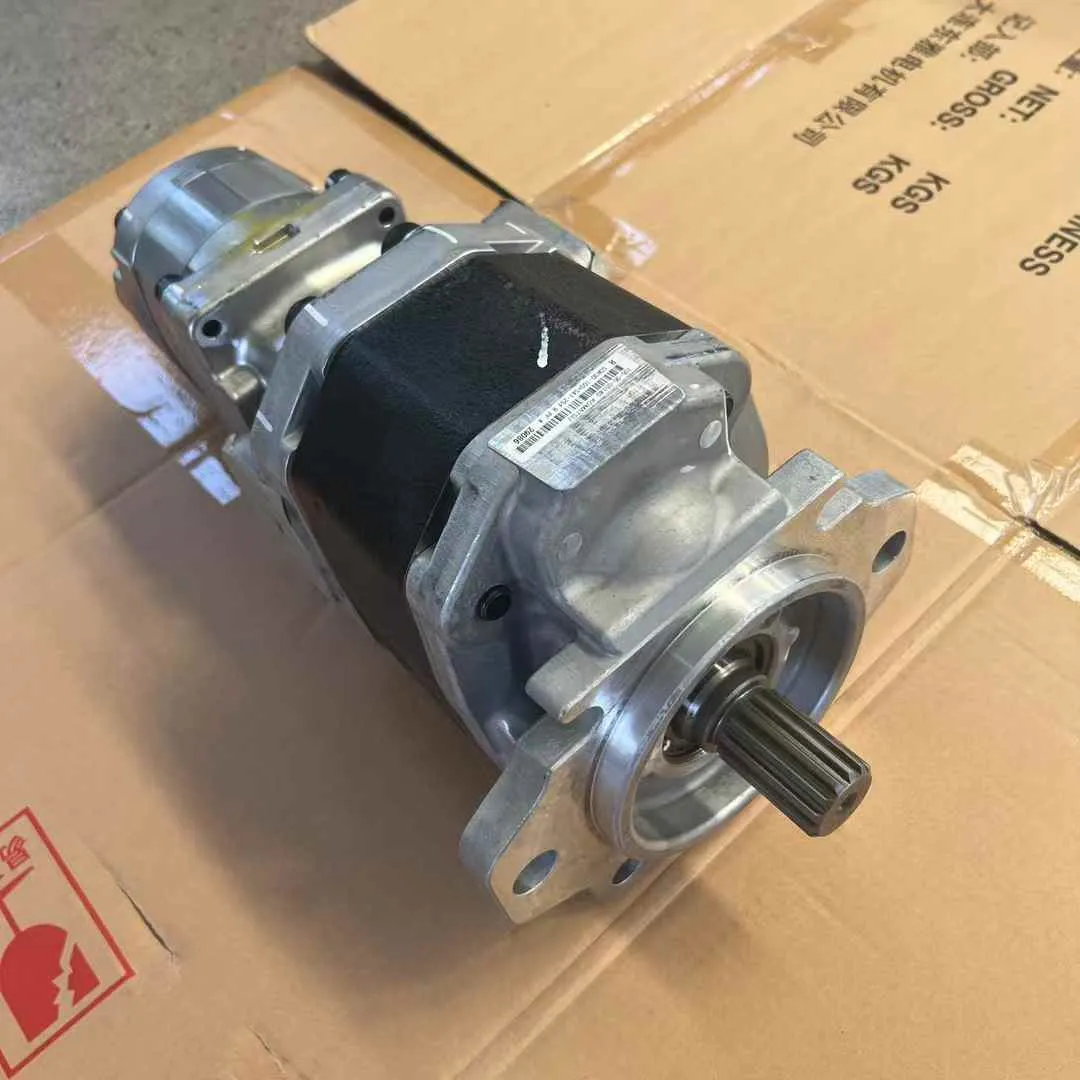 705-95-05140 HydraulicPump
 -
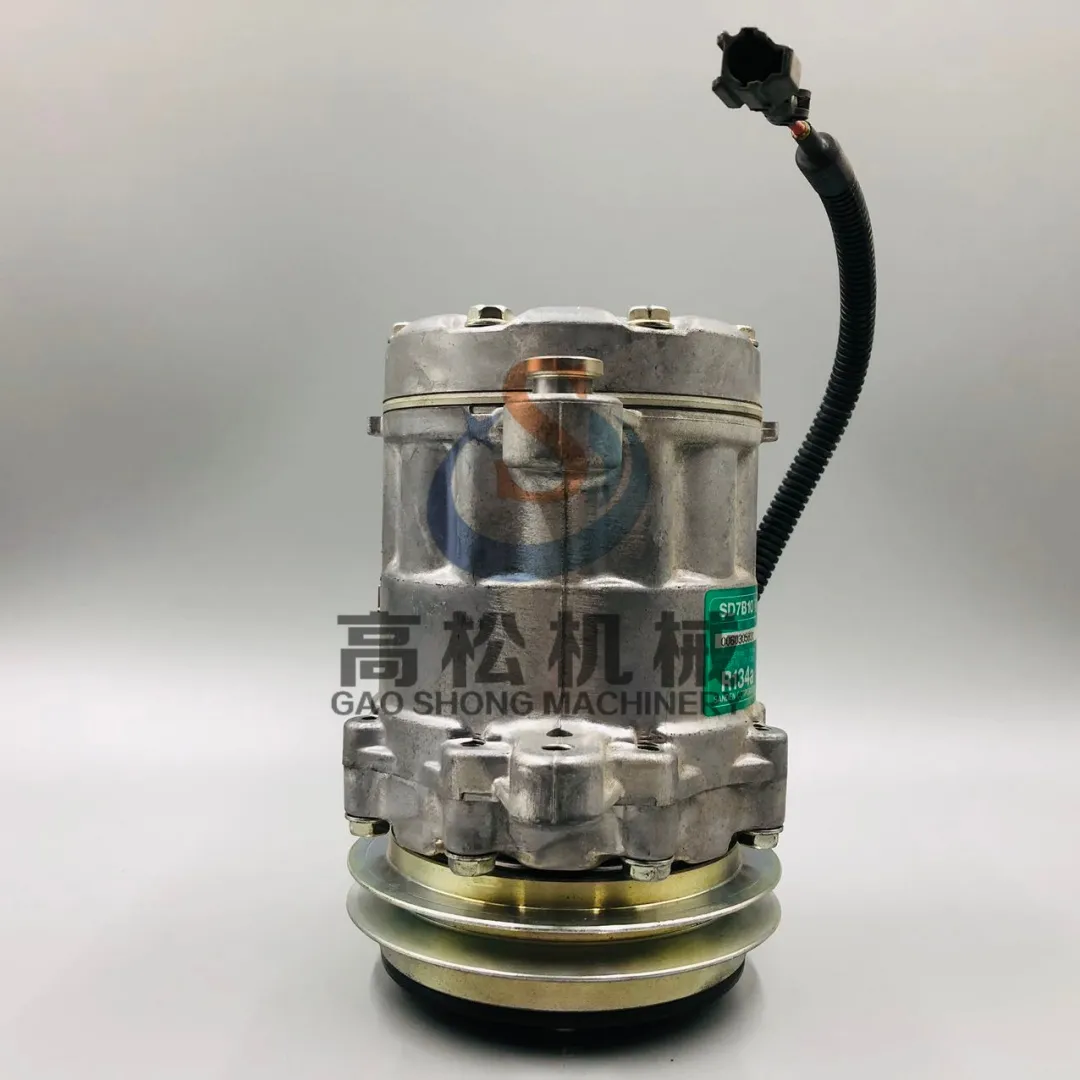 A/C Compressor 22L-979-2200 For Komatsu
 -
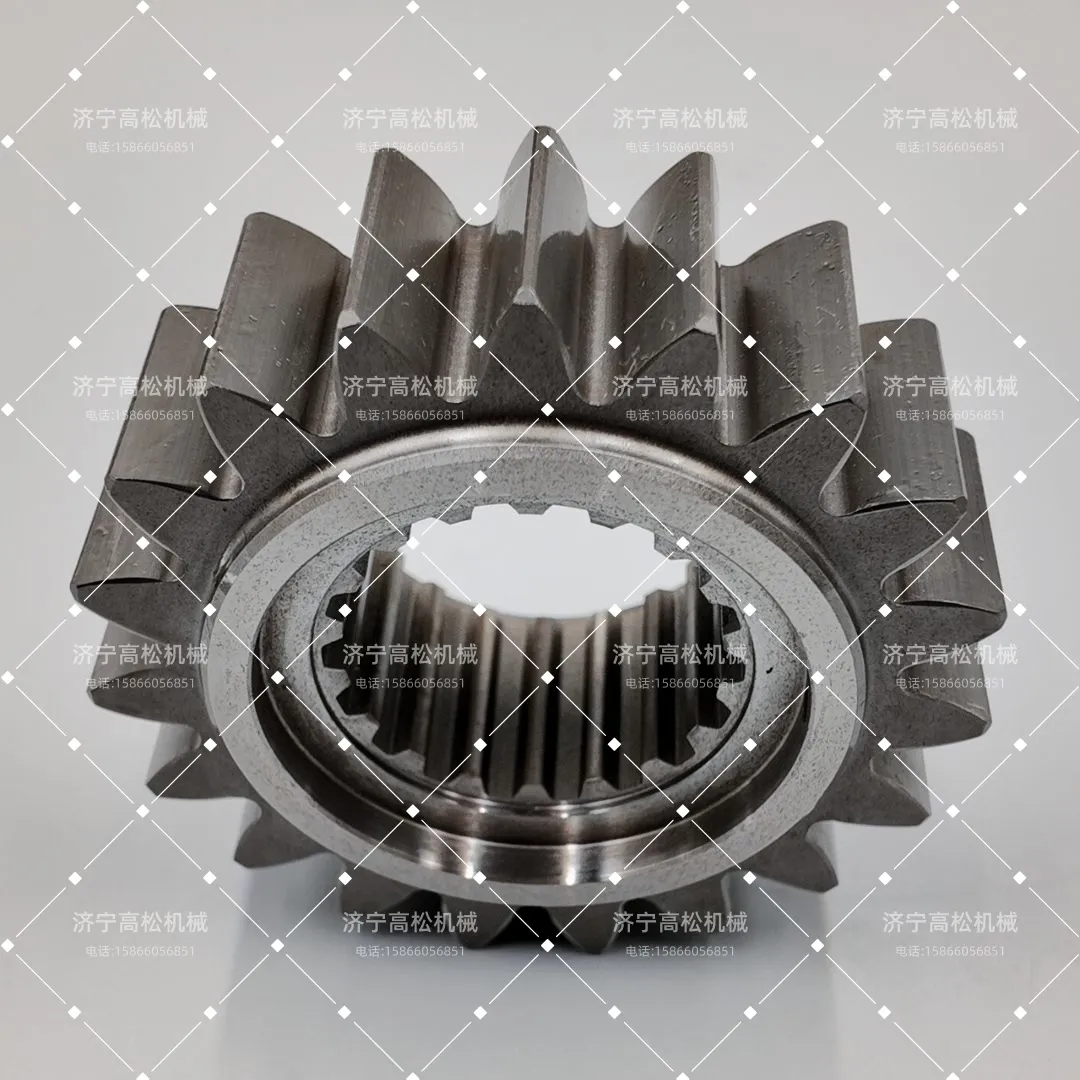 207-26-71510 Komatsu Gear
 -
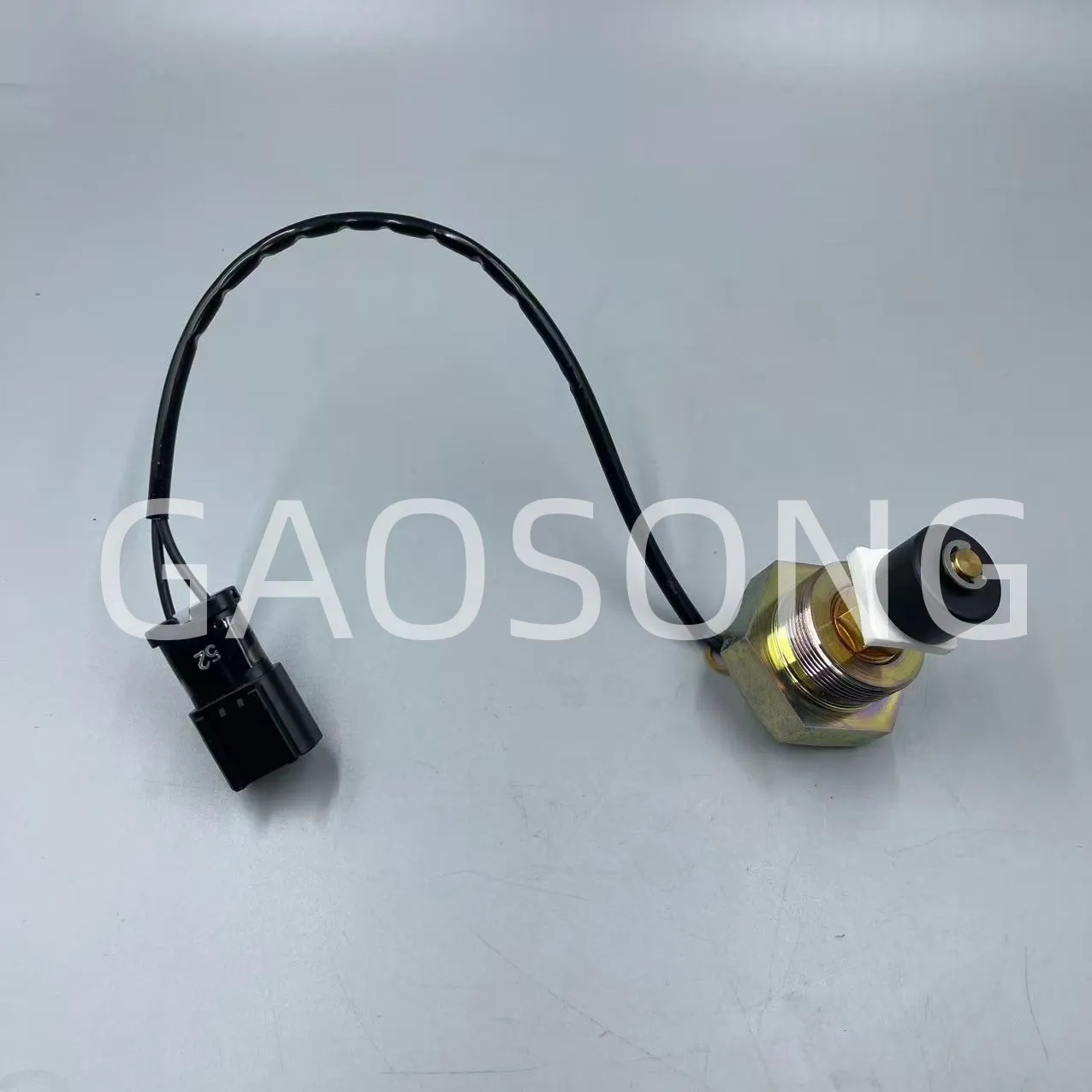 7861-92-4500 SENSOR,HYDRAULIC OIL LEVEL
 -
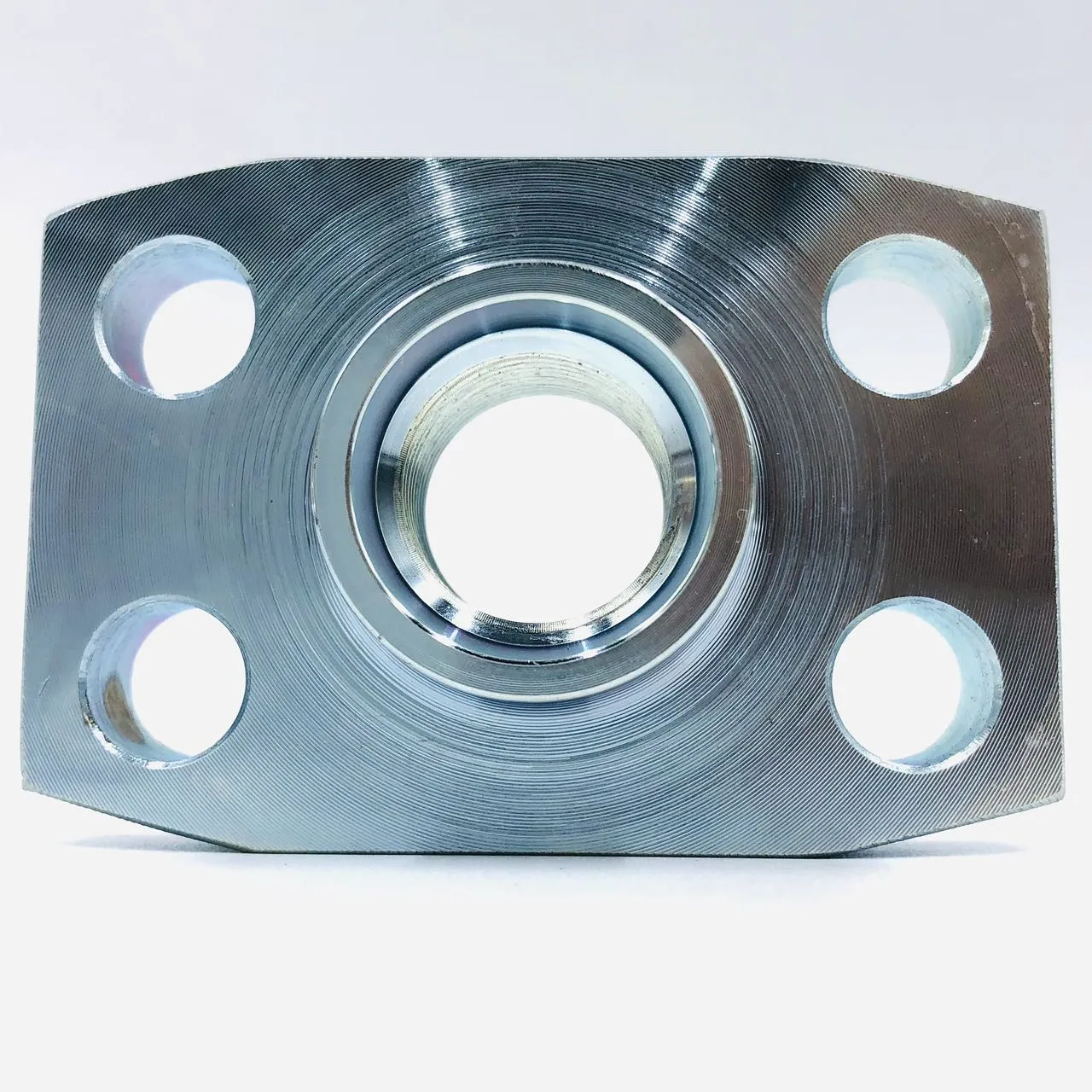 21N-38-12310 Komatsu FLANGEKomatsu Original Equipment Excavator Parts