
- Chinese
- French
- German
- Portuguese
- Spanish
- Russian
- Japanese
- Korean
- Arabic
- Irish
- Greek
- Turkish
- Italian
- Danish
- Romanian
- Indonesian
- Czech
- Afrikaans
- Swedish
- Polish
- Basque
- Catalan
- Esperanto
- Hindi
- Lao
- Albanian
- Amharic
- Armenian
- Azerbaijani
- Belarusian
- Bengali
- Bosnian
- Bulgarian
- Cebuano
- Chichewa
- Corsican
- Croatian
- Dutch
- Estonian
- Filipino
- Finnish
- Frisian
- Galician
- Georgian
- Gujarati
- Haitian
- Hausa
- Hawaiian
- Hebrew
- Hmong
- Hungarian
- Icelandic
- Igbo
- Javanese
- Kannada
- Kazakh
- Khmer
- Kurdish
- Kyrgyz
- Latin
- Latvian
- Lithuanian
- Luxembou..
- Macedonian
- Malagasy
- Malay
- Malayalam
- Maltese
- Maori
- Marathi
- Mongolian
- Burmese
- Nepali
- Norwegian
- Pashto
- Persian
- Punjabi
- Serbian
- Sesotho
- Sinhala
- Slovak
- Slovenian
- Somali
- Samoan
- Scots Gaelic
- Shona
- Sindhi
- Sundanese
- Swahili
- Tajik
- Tamil
- Telugu
- Thai
- Ukrainian
- Urdu
- Uzbek
- Vietnamese
- Welsh
- Xhosa
- Yiddish
- Yoruba
- Zulu
- Kinyarwanda
- Tatar
- Oriya
- Turkmen
- Uyghur






komatsu dozer salvage parts
When you hear 'Komatsu dozer salvage parts', a lot of folks immediately picture a junkyard full of rusted hulks and a gamble on what you can pull off. That's the biggest misconception. Real salvage isn't about scavenging; it's a calculated process of evaluating core components for rebuildability, especially for machines like the D65, D85, or the older D155, where a new undercarriage or final drive from Komatsu can cost more than the machine's residual value. The key isn't just finding a part; it's verifying the salvage part's history, wear patterns, and remaining service life—something that separates parts peddlers from actual solution providers.
The OEM vs. Salvage Dichotomy Isn't Black and White
Working within the Komatsu system, you see the official supply chain's pressure points firsthand. For a customer in a region with import restrictions or severe cost constraints, waiting 12 weeks for a brand-new PC200 pump assembly can mean a project is dead. That's where the legitimate salvage and quality aftermarket niche becomes critical. It's not about replacing the OEM channel but supplementing it in scenarios where it fails to be practical. A company like Jining Gaosong Construction Machinery Co., Ltd. operates in that exact space. Being an OEM product supplier within Komatsu's system gives them the technical specs and quality baseline, while their parallel role in third-party sales allows them to address these supply challenges pragmatically, often by sourcing or vetting reliable salvage cores for rebuild.
I remember a specific case with a D65PX-12. The blade tilt cylinder was shot. A new one was exorbitant and had a long lead time. The solution wasn't just finding any used cylinder. We had to match the serial number range to ensure port compatibility and then inspect the barrel for scoring and the rod for straightness and chrome condition. We ended up sourcing a salvaged core from a machine with a wrecked rear end—the implement hydraulics were untouched. It was cleaned, fitted with a new seal kit, and tested. The cost was about 40% of new, and downtime was cut from months to two weeks. That's the salvage process when done right.
The trap many fall into is buying salvage parts online based solely on a model number match. A D61 final drive from a -23 model might not fit a -17, even though they're both D61s. You need the exact part number off the component tag, not just the machine model. This is where the technical knowledge from an OEM background is non-negotiable. It prevents costly mistakes that end with a part sitting in your yard, unusable.
Evaluating a Salvage Component: It's in the Details
Let's talk about undercarriage components, the most common salvage target. You don't just buy a used D85 track chain. You need to measure the pin and bushing turn diameter, check for link height wear, and look for stress cracks around the link holes. A chain at 60% life might be a fantastic deal for a machine with 2000 hours left on a project. One at 95% wear is scrap metal sold as a part. I've seen buyers get burned because they didn't know how to use a track gauge or a caliper.
With engines, like the S6D140 or SAA6D170, salvage is a minefield. A running take-out can be a goldmine or a time bomb. Compression tests are a bare minimum. You really want to borescope the liners, check the turbo shaft play, and ideally, review the machine's service history if the salvage dealer has it. Often, they don't. So, you rely on physical inspection points: oil residue in the coolant manifold, carbon patterns on the valves, and the condition of the bearing surfaces on the crankshaft journals if you can get to them. It's forensic work.
Hydraulic pumps and valves are even trickier. You can't test them easily off the machine. You're looking for external damage, port condition, and hoping the internal rotating group isn't scored. For high-pressure systems, I generally advise clients to only use salvage hydraulic components as cores for a certified rebuild. Swapping a used, untested pump directly is inviting a cascade failure that contaminates the entire system with metal shavings. The savings vanish instantly.
The Role of a Hybrid Supplier in the Ecosystem
This is why the model of a company that understands both sides is valuable. Take Jining Gaosong's stated role. Their OEM affiliation means they understand the precise engineering tolerances and the importance of genuine parts for certain applications. But their third-party activity, which you can see through their portal at https://www.takematsumachinery.com, is about solving the parts supply challenges in certain countries. In practice, this often means they can provide a certified rebuilt Komatsu travel motor (using a salvaged core rebuilt to spec) with a warranty, which is a different proposition altogether than just selling a used part pulled from a field.
They're not just a broker; they're a filter. They can assess whether a customer's situation calls for a genuine Komatsu part, a quality-approved aftermarket alternative, or if a properly vetted salvage component is the most economically rational solution. For instance, a cabin bracket or a counterweight might be perfect for salvage—no moving parts, easily inspected for cracks. A servo valve for the electronic control system? Probably go genuine or OEM-approved rebuild.
I've dealt with suppliers who only do one thing: only new, or only used. The one-dimensional ones often force a solution that doesn't fit the client's reality. The hybrid approach requires more expertise but creates realistic pathways to get machines back to work. It's about matching the part source to the criticality of the component and the financial/ time constraints of the project.
Common Pitfalls and How to Avoid Them
The biggest pitfall is ignoring logistics and documentation. You find a perfect D375A-3 ripper cylinder in another country. Great. Now you need to handle customs, shipping for a 500kg odd-shaped item, and ensure the export/import paperwork correctly describes it as a used machinery part to avoid huge duties. A professional supplier embedded in this, like those dealing internationally, should handle this. If they don't, walk away.
Another pitfall is the good enough mentality with tolerances. A salvaged swing bearing might look fine, but if the bolt hole pattern has even minor elongation from an impact, it will fail under load. This isn't a visual inspection you can do without precision tools. You need to trust the supplier's process. When I evaluate a supplier, I ask about their inspection checklist for specific Komatsu dozer salvage parts. Vague answers are a red flag.
Finally, the warranty is the tell. A legitimate provider of quality salvage or rebuilt parts will offer a clear, if limited, warranty. It might be 90 days or 500 hours. As-is, where-is is the language of the pure scavenger, not a solution provider. That distinction is everything for a site manager who can't afford the same breakdown twice.
Looking Ahead: Salvage in the Age of Electronics
The game is changing. Older dozers like the D155-3 were relatively straightforward. Newer models like the D61i-23 or D65-18 are loaded with controllers, sensors, and integrated Komtrax systems. Salvaging an ECM or a monitor isn't like pulling a gear. They're often VIN-locked or require proprietary software to marry to a new machine. This is pushing the salvage industry towards more specialized technical skills.
Will the traditional salvage yard for Komatsu dozer parts disappear? No. But the value will shift even more towards the suppliers who can not only source the physical component but also handle the electronic integration or know which modules can be reliably swapped. It's moving from mechanical salvage to mechatronic salvage.
In the end, it all circles back to knowledge and transparency. Whether you're dealing with a global entity or a specialized supplier, their value is in their ability to translate your machine's problem into a practical, reliable, and economically sensible parts solution. That might be a genuine part, a rebuilt assembly around a salvaged core, or in the right case, a carefully inspected used component. The label matters less than the due diligence behind it.
Related Products
Related Products

Best Selling Products
Best Selling Products-
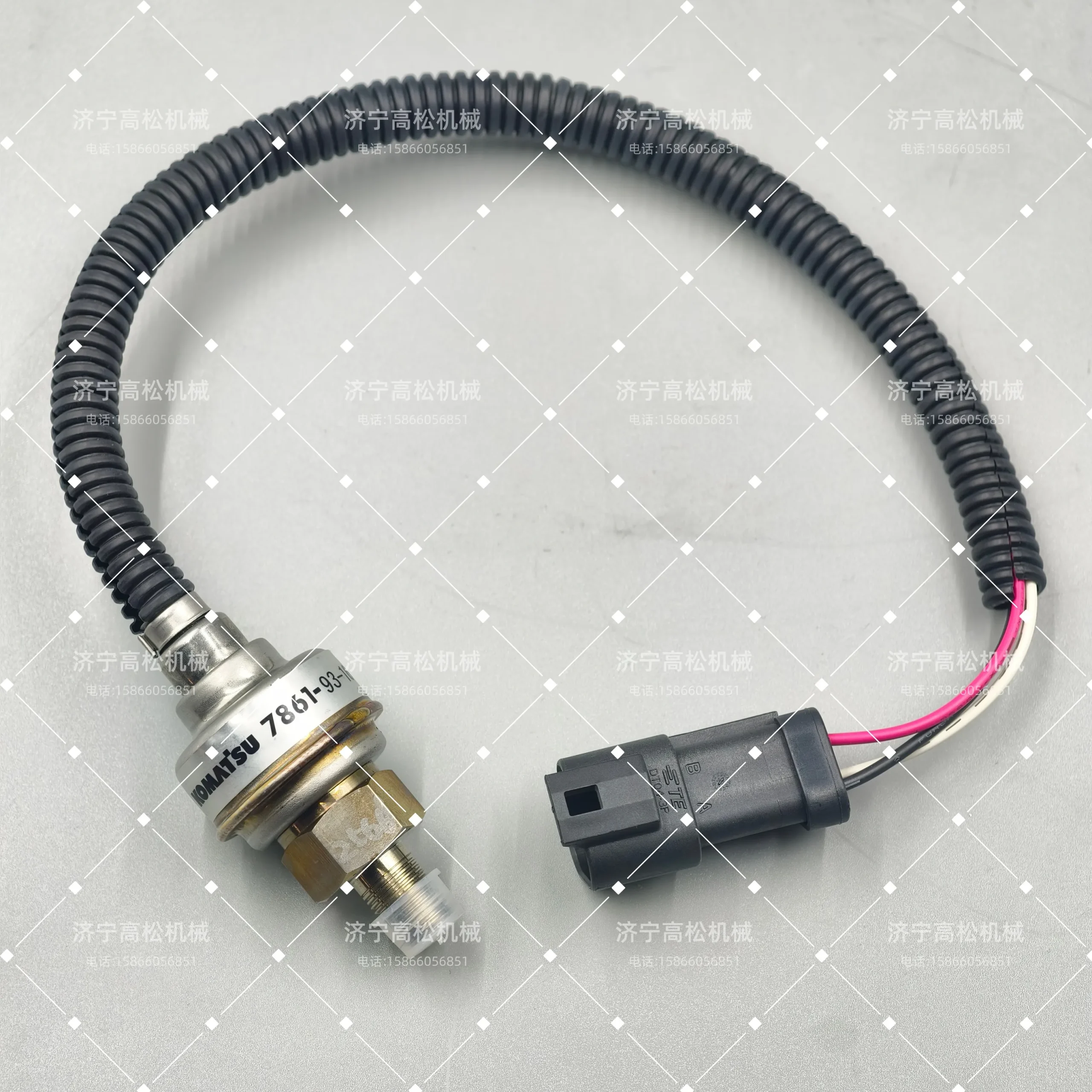 Construction Machinery Parts 7861-93-1670 for Komatsu Excavator…
 -
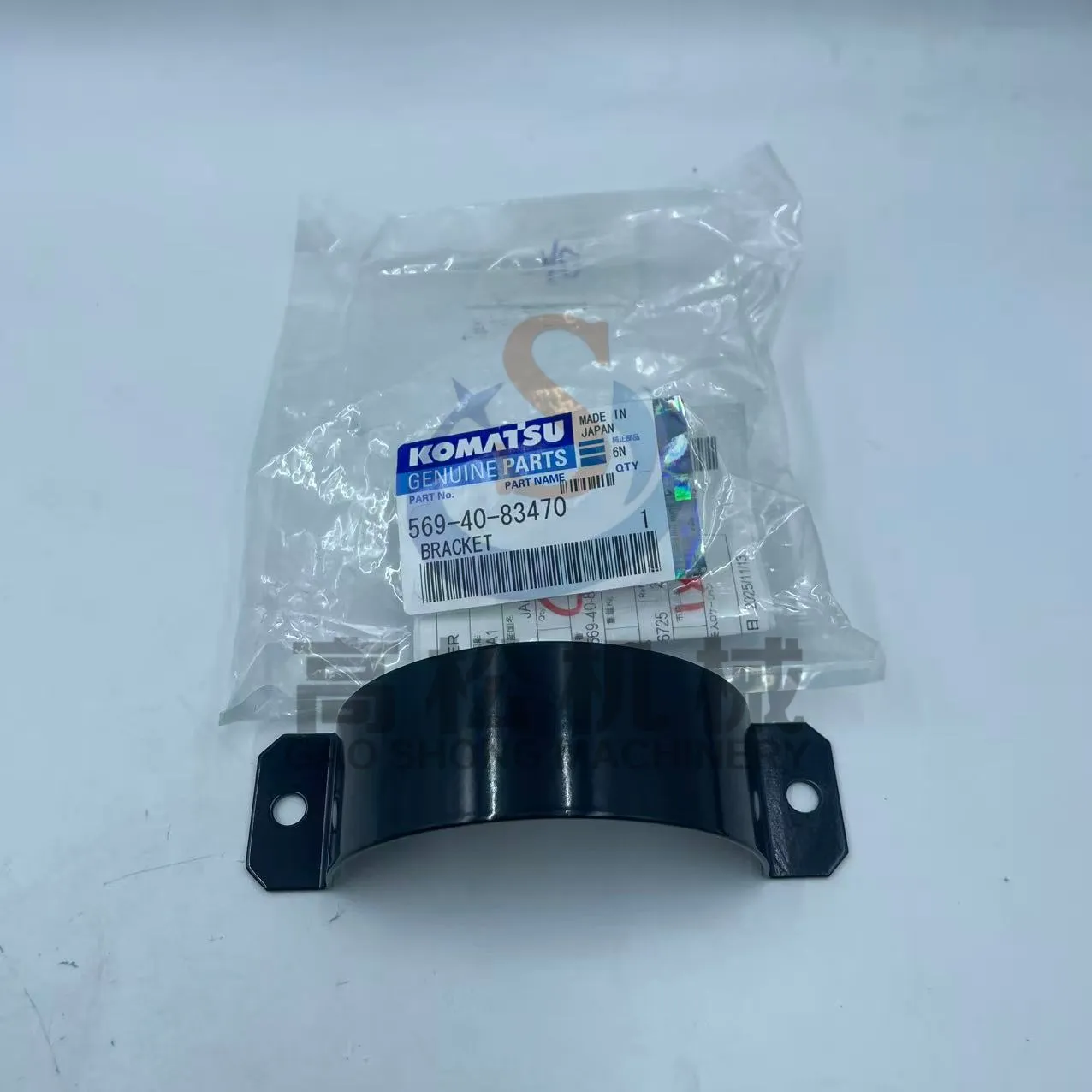 569-40-83470 Komatsu Bracket
 -
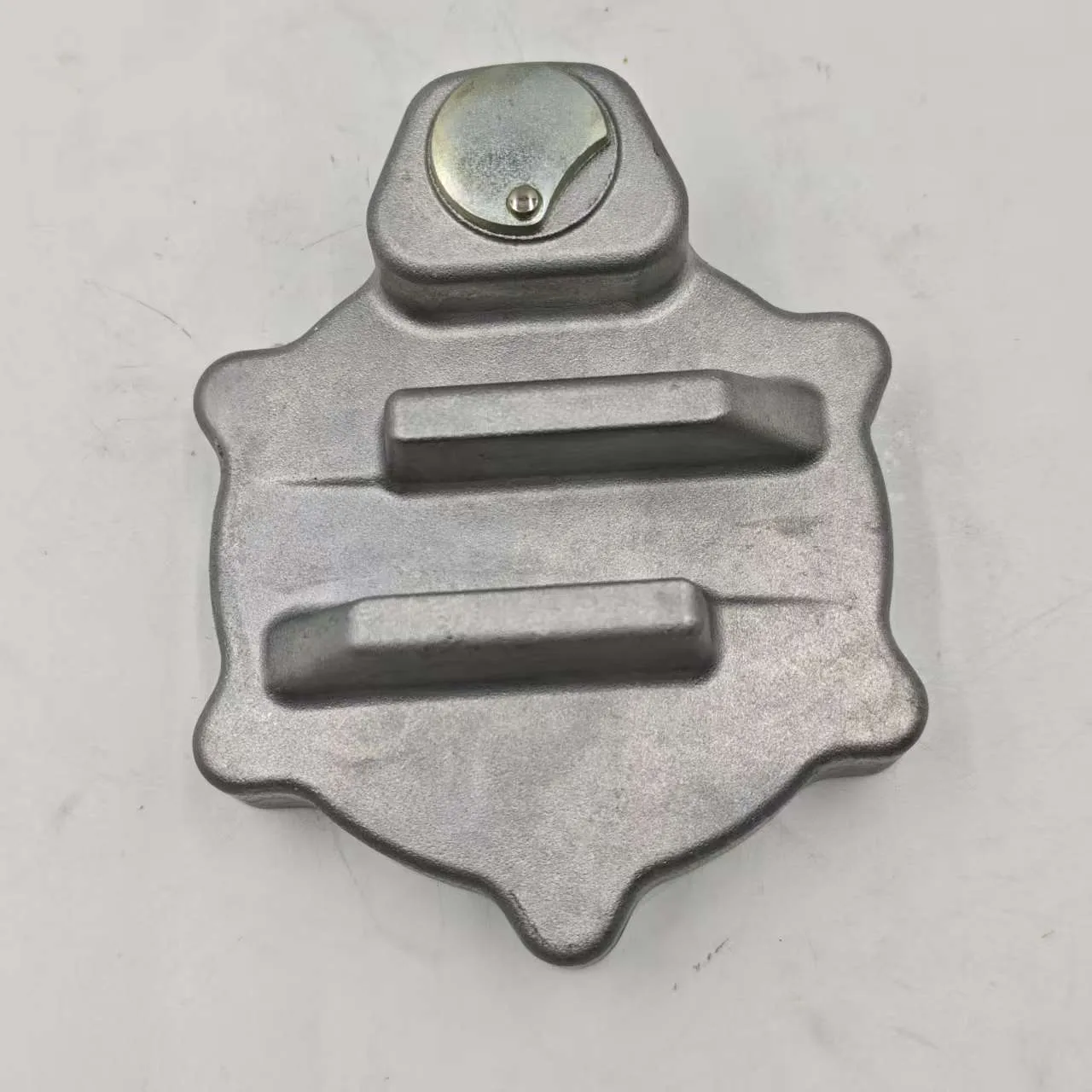 07053-10000 Cap-Radiator Fits KOMATSUU Models
 -
 Original ND116410-9681 UNIT SUB ASS’Y for HM300-1 HM350-1 ND1164109681
 -
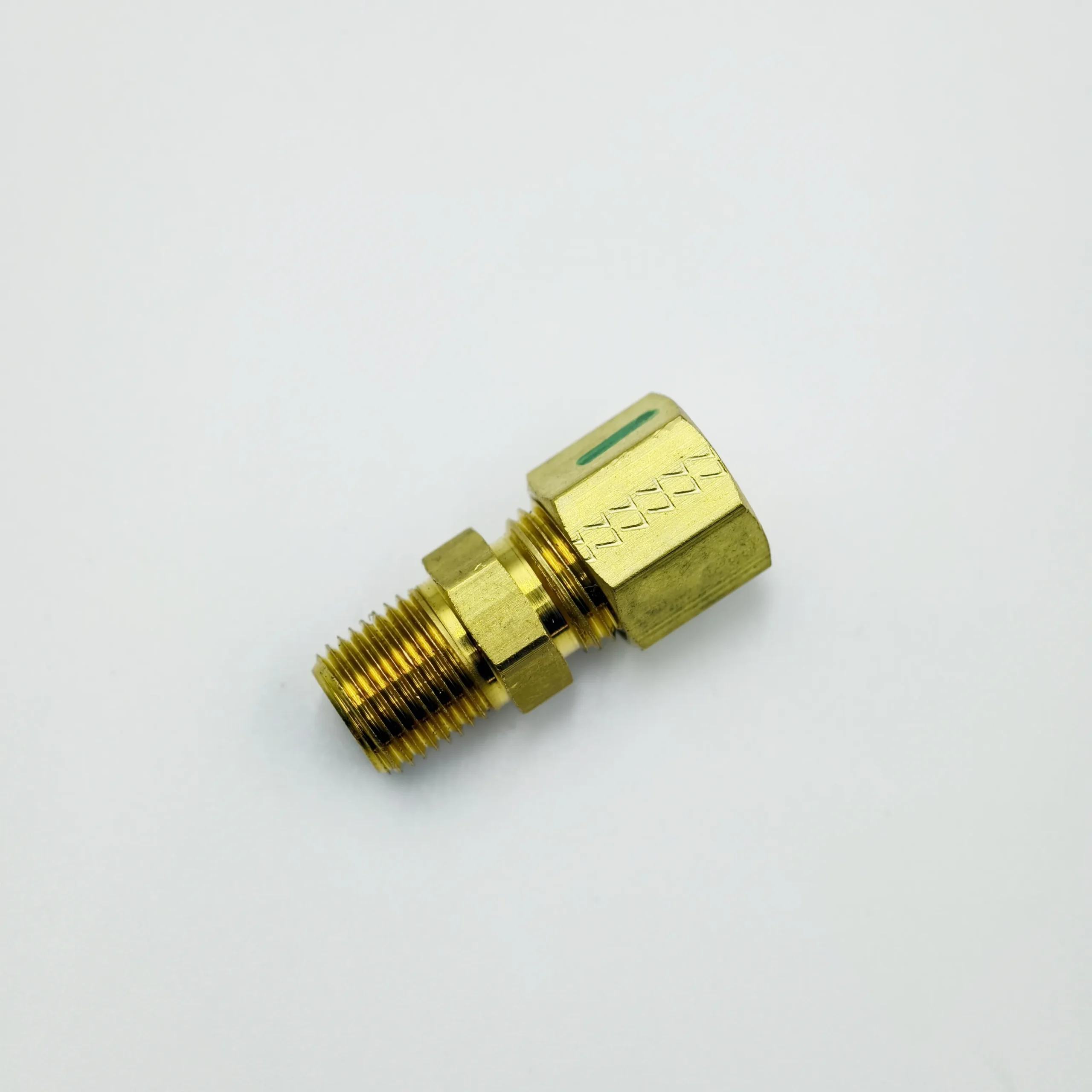 The PC1250SP-8 connector 21N-68-32320 is used for automotive grease in various countries ..
 -
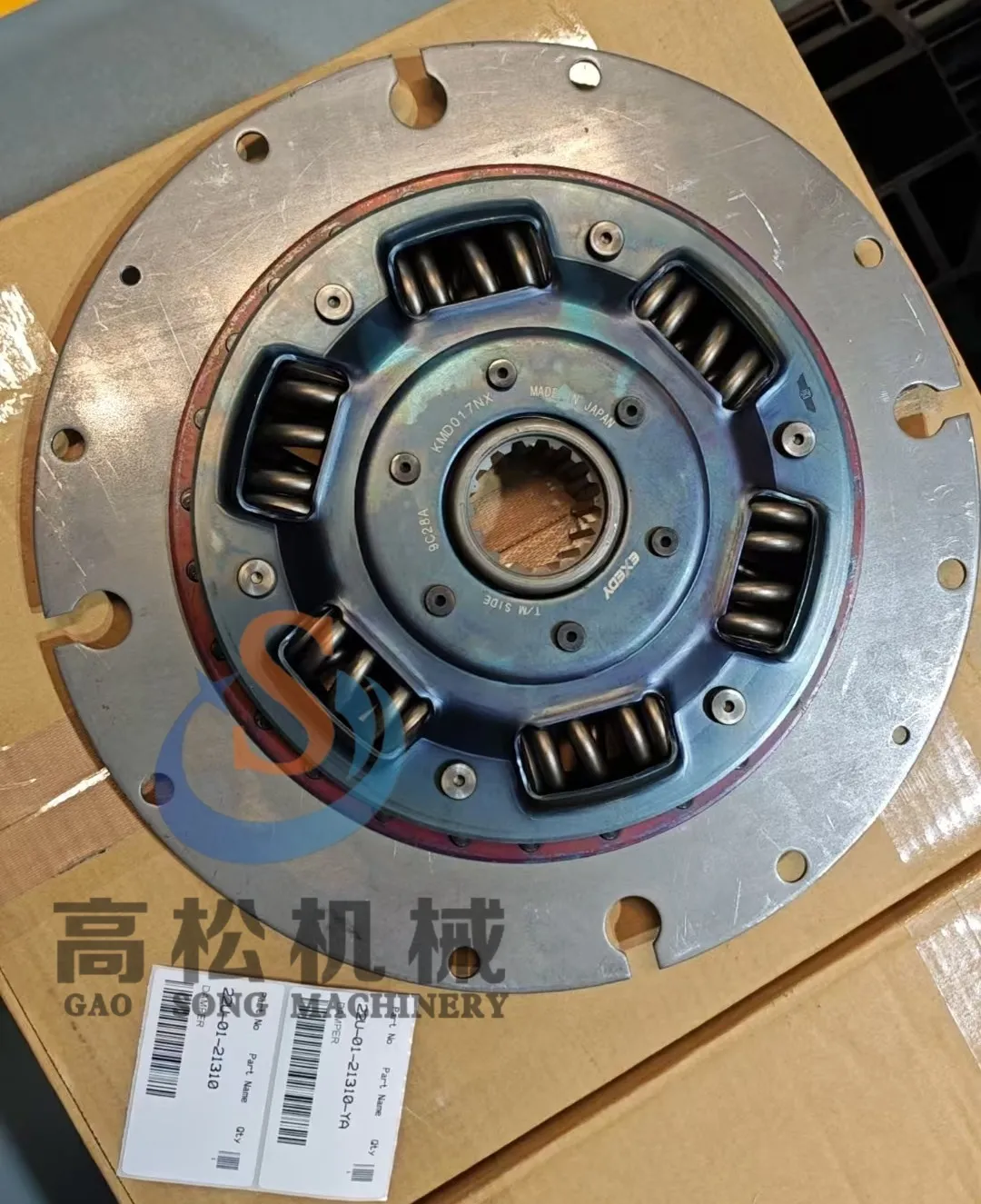 22U-01-21310 komatsu DAMPER-PC230/PC240/PC300
 -
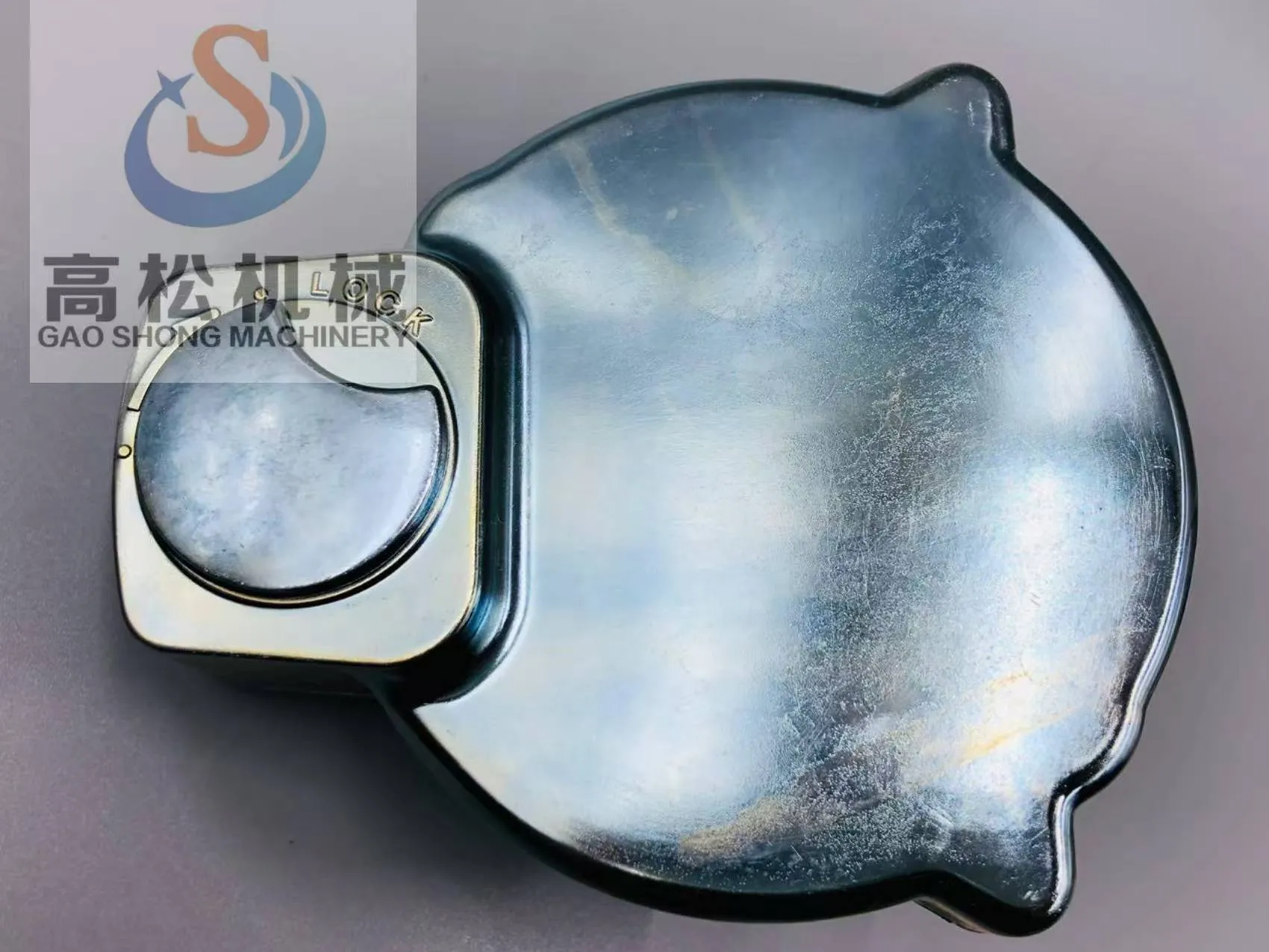 17a-60-11310 hydraulic excavator tank cap compatible with p300-8 and p350-8 construction equipment
 -
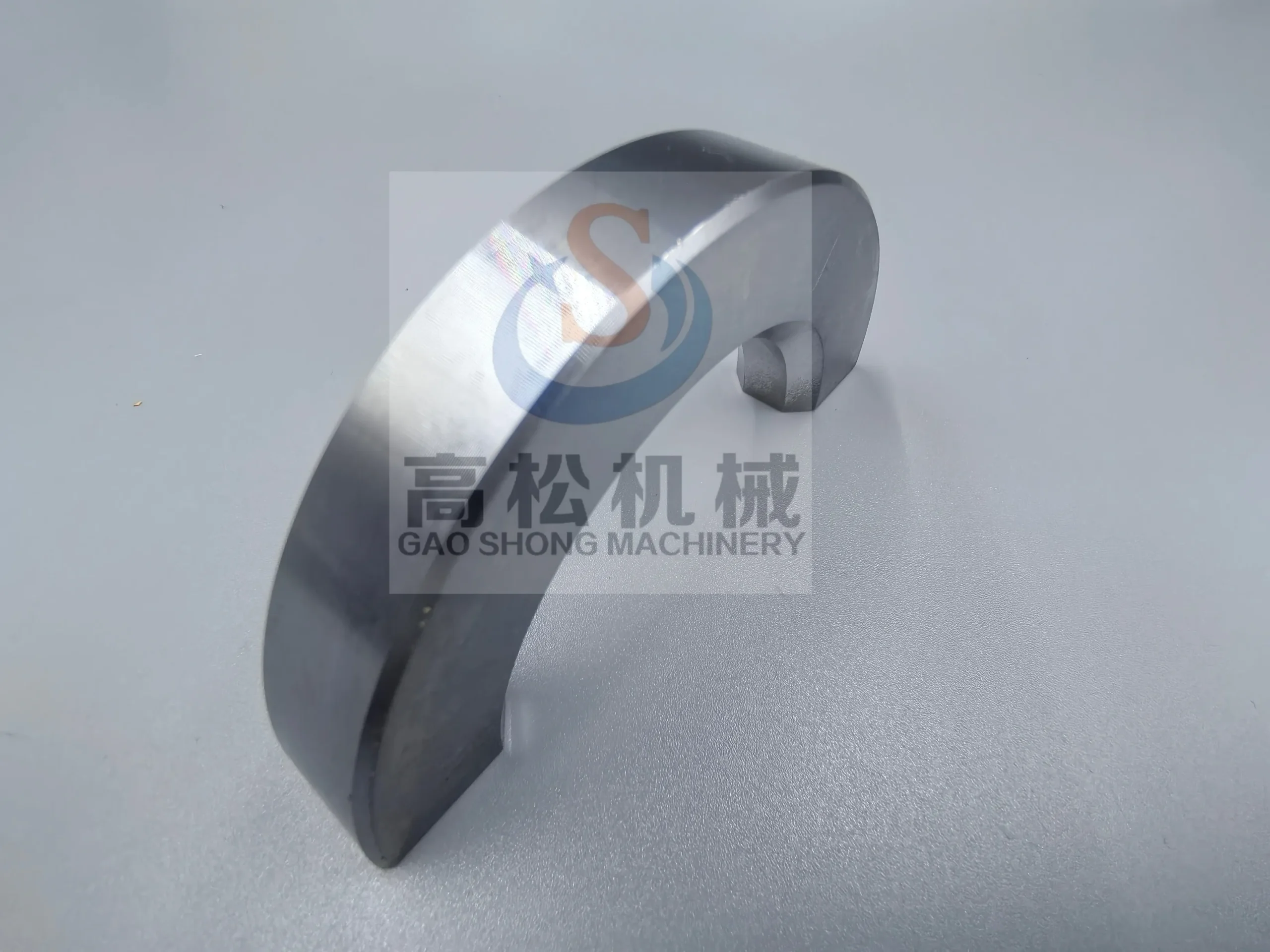 Komatsu bulldozer D65P-12 gasket 14X-30-13241 14X-30-13240
 -
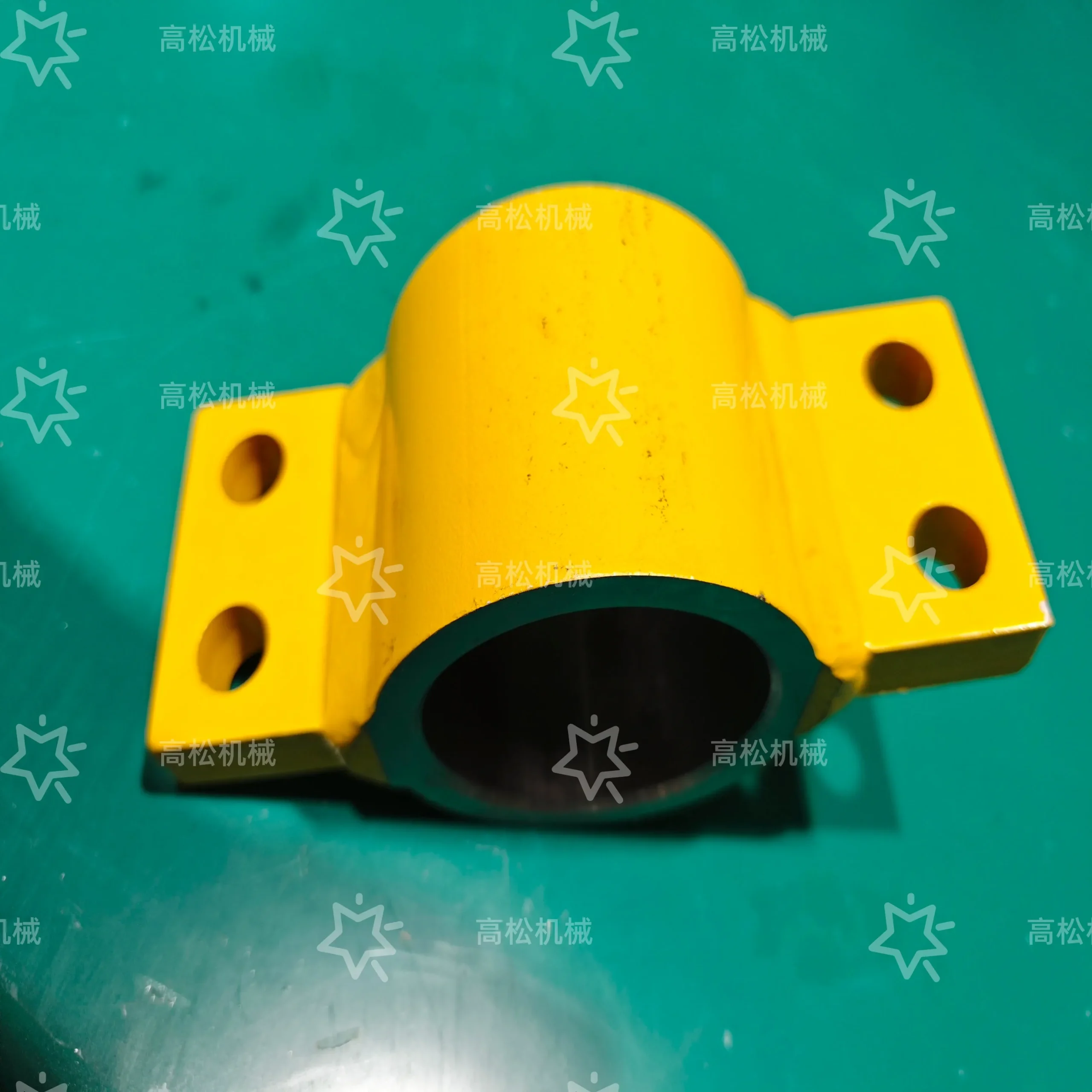 part 566-14-41160 Bracket (Komatsu)
 -
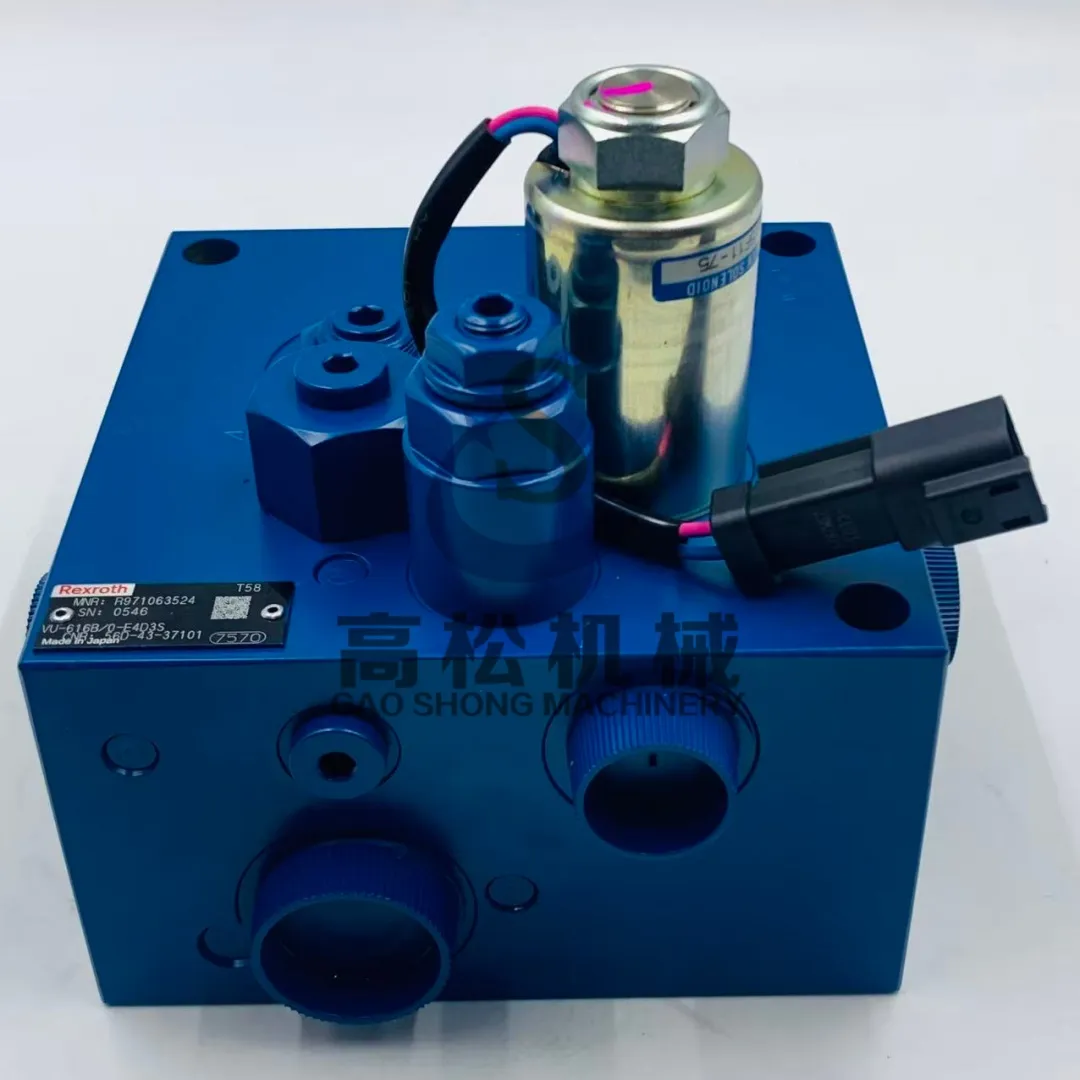 56D-43-37101 Komatsu Valve Assembly
 -
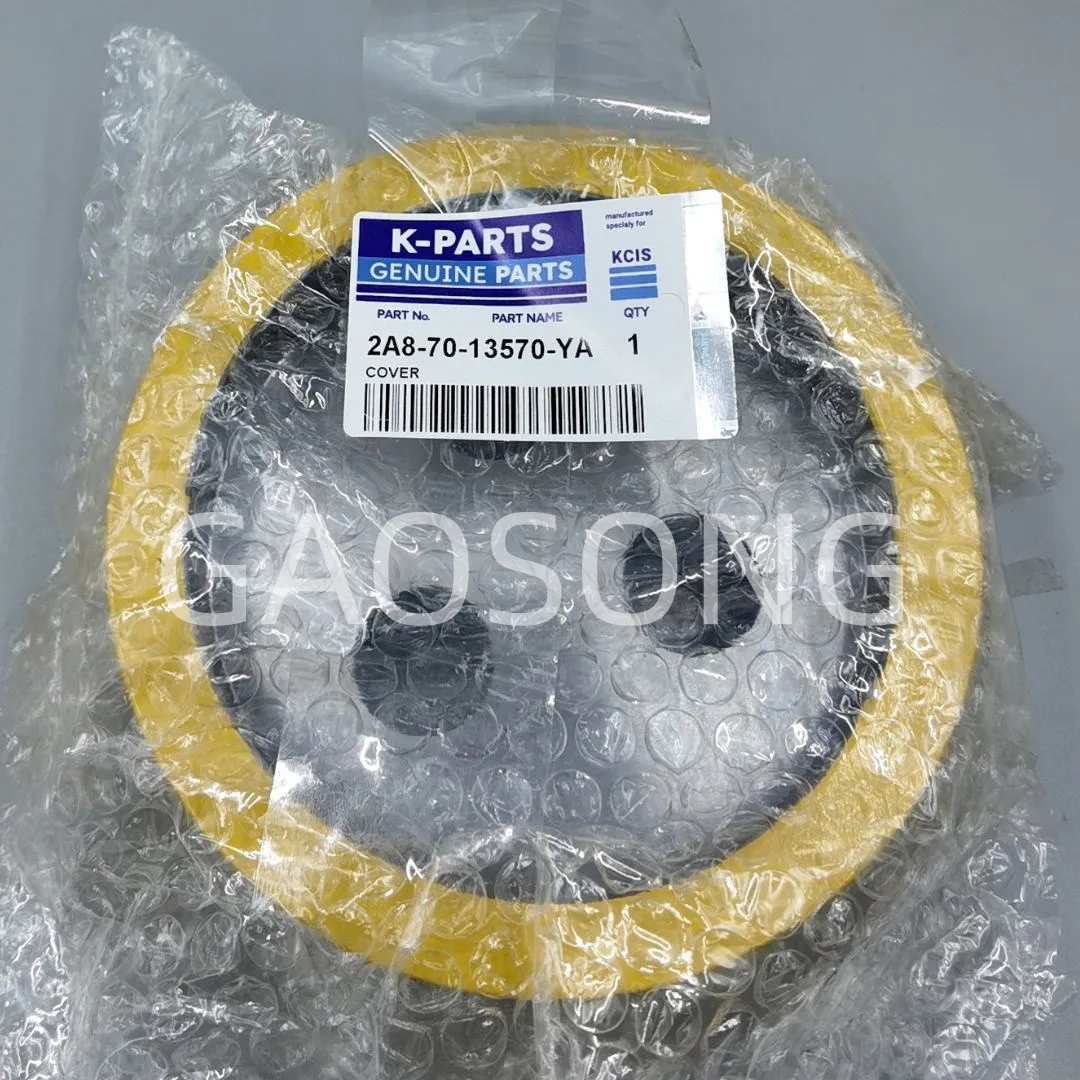 2A8-70-13570 Cover-Komatsu Original Factory
 -
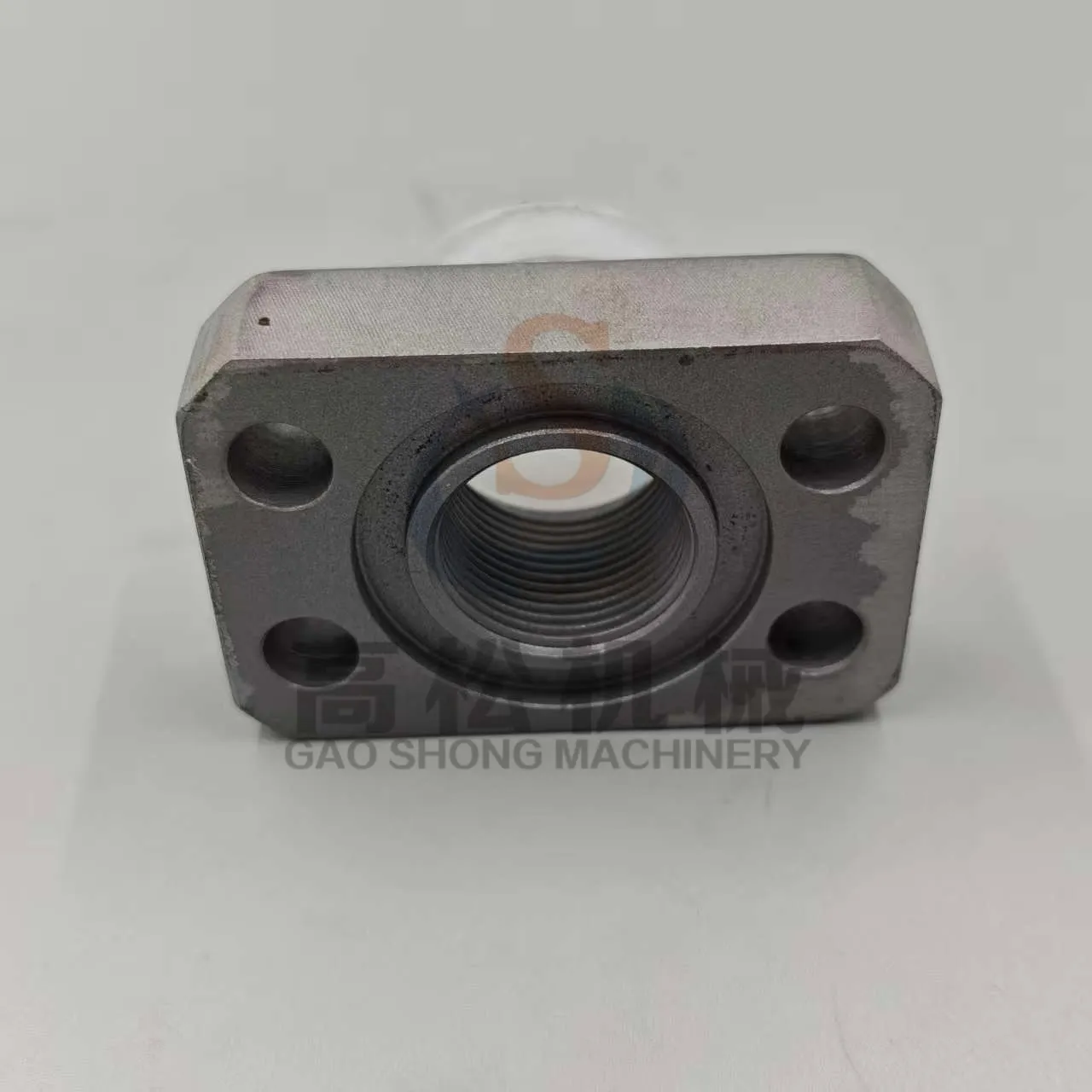 565-43-13210 Komatsu Flange