
- Chinese
- French
- German
- Portuguese
- Spanish
- Russian
- Japanese
- Korean
- Arabic
- Irish
- Greek
- Turkish
- Italian
- Danish
- Romanian
- Indonesian
- Czech
- Afrikaans
- Swedish
- Polish
- Basque
- Catalan
- Esperanto
- Hindi
- Lao
- Albanian
- Amharic
- Armenian
- Azerbaijani
- Belarusian
- Bengali
- Bosnian
- Bulgarian
- Cebuano
- Chichewa
- Corsican
- Croatian
- Dutch
- Estonian
- Filipino
- Finnish
- Frisian
- Galician
- Georgian
- Gujarati
- Haitian
- Hausa
- Hawaiian
- Hebrew
- Hmong
- Hungarian
- Icelandic
- Igbo
- Javanese
- Kannada
- Kazakh
- Khmer
- Kurdish
- Kyrgyz
- Latin
- Latvian
- Lithuanian
- Luxembou..
- Macedonian
- Malagasy
- Malay
- Malayalam
- Maltese
- Maori
- Marathi
- Mongolian
- Burmese
- Nepali
- Norwegian
- Pashto
- Persian
- Punjabi
- Serbian
- Sesotho
- Sinhala
- Slovak
- Slovenian
- Somali
- Samoan
- Scots Gaelic
- Shona
- Sindhi
- Sundanese
- Swahili
- Tajik
- Tamil
- Telugu
- Thai
- Ukrainian
- Urdu
- Uzbek
- Vietnamese
- Welsh
- Xhosa
- Yiddish
- Yoruba
- Zulu
- Kinyarwanda
- Tatar
- Oriya
- Turkmen
- Uyghur






komatsu dozer parts lookup
When you punch 'komatsu dozer parts lookup' into a search bar, you're probably hoping for a magic portal straight to the exact part number you need. That's the first misconception. In my experience, that search is just the start of a much messier, more nuanced process. It's less about a simple lookup and more about navigating a system—official channels, cross-references, regional availability, and the reality of what's actually sitting on a shelf somewhere. The official Komatsu online systems are powerful, sure, but they often assume you already have the full machine serial number and a dealer login. What if you're a fleet manager three time zones away from your nearest dealer, or a contractor trying to keep an older D155 or D85 running? That's where the real work begins.
The Illusion of a Universal Parts Database
Let's get into it. The promise of a single, perfect lookup tool is a bit of a mirage. Even within Komatsu's own ecosystem, part numbers can change. A component for a D61PX-24 might have a different suffix than the one for a D61PX-23, and if you're working with a machine that's been through a few rebuilds, all bets are off. I've spent hours cross-referencing serial number breaks, only to find the local depot has superseded the number I finally landed on. The lookup itself is just step one; verification is step two, and availability is the whole other mountain to climb.
This is where understanding the supply chain becomes critical. An OEM product supplier within the Komatsu system operates differently than a general aftermarket outfit. They have access to the technical bulletins, the engineering change notices, and the genuine specifications. For instance, a final drive seal kit isn't just a generic set of rings; the tolerances and material compounds are specific. Using a lookup through a supplier like Jining Gaosong, which identifies as such an OEM supplier, often gets you closer to that technical truth than a generic parts database. You're not just getting a number; you're tapping into a stream of factory-level information.
I recall a specific headache with a Komatsu D39PX-24 blade lift cylinder. The official lookup gave us a part number, but it was listed as obsolete. Dead end? Not quite. Through a channel that understood the system, we found the issue was a minor design revision; the replacement kit was essentially the same but with a different seal configuration. A generic search would have stopped at obsolete. A knowledgeable supplier within the system could trace the lineage. That's the difference.
When the Official Pipeline Hits a Snag
This leads to the core challenge the keyword hints at: supply. Everyone has a story about a critical part being on backorder for months. The official distribution network is robust, but it's not immune to global logistics hiccups, regional allocation issues, or simply the phase-out of support for older models. This is the gap that third-party solutions exist to fill. Their role isn't just to offer alternatives, but to solve specific parts supply challenges in certain countries where getting parts through standard channels can be slow or prohibitively expensive.
Take a common wear item like a track link assembly for a D65. The OEM part is, without question, the benchmark. But if the lead time is 12 weeks and your machine is down, you need options. A reliable third-party source doesn't just sell you a maybe-it-fits part. They should be able to tell you, This is the OEM-equivalent spec we produce, or This is a genuine Komatsu part we sourced from another region's inventory. Transparency is key. The website Takematsu Machinery explicitly mentions this dual role—OEM supplier and third-party sales company. That tells me they're positioned to navigate both sides of this world: providing genuine parts when possible, and vetted, compatible solutions when necessary.
I've been burned before, though. Ordered a fully compatible solenoid valve based on a cross-reference from a non-specialized site. It physically bolted on, but the response time was off by milliseconds, causing intermittent control issues. The machine ran, but not right. It taught me that a proper komatsu dozer parts lookup process must include a judgment call on the source's depth of knowledge. Can they explain why their part fits, beyond just a number match?
The Critical Role of Machine Serial Numbers
No serious discussion about parts lookup can skip the serial number. It's the DNA of your machine. I can't stress this enough: model name is a starting point, but the serial number is the definitive key. A Komatsu D375A-5 from 2005 can have different hydraulic pumps than a D375A-5 from 2008. I've seen people order the wrong, very expensive pump because they only used the model name in their lookup. Any professional lookup, whether on Komatsu's system or through a supplier's portal, will demand that serial number. If a site lets you pick a part without it, be very skeptical.
When you provide that serial number to a specialized company, you're unlocking a precise configuration history. They can see the factory-installed options, the specific engine sub-model, the exact type of blade controller. This level of detail transforms a lookup from a guessing game into a surgical procedure. For example, looking up a radiator for a D155AX-6. The serial number break will tell you if it's the standard cooling package or the high-ambient temperature package—a difference in core thickness and fin density that absolutely matters in, say, Australian mine sites versus Scandinavian forestry.
This is where the practical experience of the people behind the lookup tool matters more than the tool itself. You want someone who, when you read out the serial number, might say, Ah, that's from the batch that had the updated valve blocks in the third year of production. Let me check the service bulletin. That human layer of interpretation is irreplaceable.
Beyond the Number: Sourcing and Verification
So you've done the lookup, you have a verified part number. Now what? Sourcing. This is the phase where partnerships matter. A company acting as a third-party sales company for Komatsu often has networks that a single dealership might not. They might have access to global surplus stocks or relationships with other OEM suppliers in the system. I've sourced a discontinued monitor panel for an old D41E by working with a supplier who checked their contacts in Southeast Asia, where that model was in service longer than in North America.
The verification upon receipt is another crucial step. It sounds basic, but always match the physical part to the part number on the packing slip, and then to your lookup result. Check for the Komatsu logo, the casting marks, the quality of the machining. Genuine parts have a certain heft and finish. I once received a fan hub where the casting was rough and the balance marks were missing. It was a clear red flag; we sent it back immediately. The supplier apologized—it was a mix-up in their warehouse—and shipped the correct one. Mistakes happen, but catching them before installation saves days of downtime.
This process—lookup, verification, sourcing, physical verification—is a cycle. It's not linear. You might source a part, find it's not available, and have to go back to the lookup to find a sub-assembly or a repair kit as an alternative. Flexibility and a deep understanding of the machine's systems are required.
A Realistic Approach to Keeping Machines Running
In the end, effective komatsu dozer parts management isn't about finding a single perfect website. It's about building a reliable network of information and supply. The lookup is the diagnostic phase. You need resources that offer technical accuracy, like an OEM-aligned supplier, and you need partners who can execute the logistics, especially when facing regional supply gaps.
My approach now is layered. For critical, precision components like engine ECMs or hydraulic pumps, I lean heavily on the genuine pipeline, facilitated by experts who know the system inside out. For high-wear items where time is a bigger factor than absolute OEM origin—think cutting edges, bucket teeth, some seal kits—I rely on trusted third-party sources that have proven their quality and fit. The goal is uptime, not purity.
It comes down to this: treat komatsu dozer parts lookup as a professional inquiry, not a consumer search. It requires specific data (your serial number), an understanding of the supply landscape, and a relationship with suppliers who have both the technical knowledge and the logistical capability to deliver a solution, not just a box with a part in it. The difference keeps your machines moving and your projects on schedule.
Related Products
Related Products

Best Selling Products
Best Selling Products-
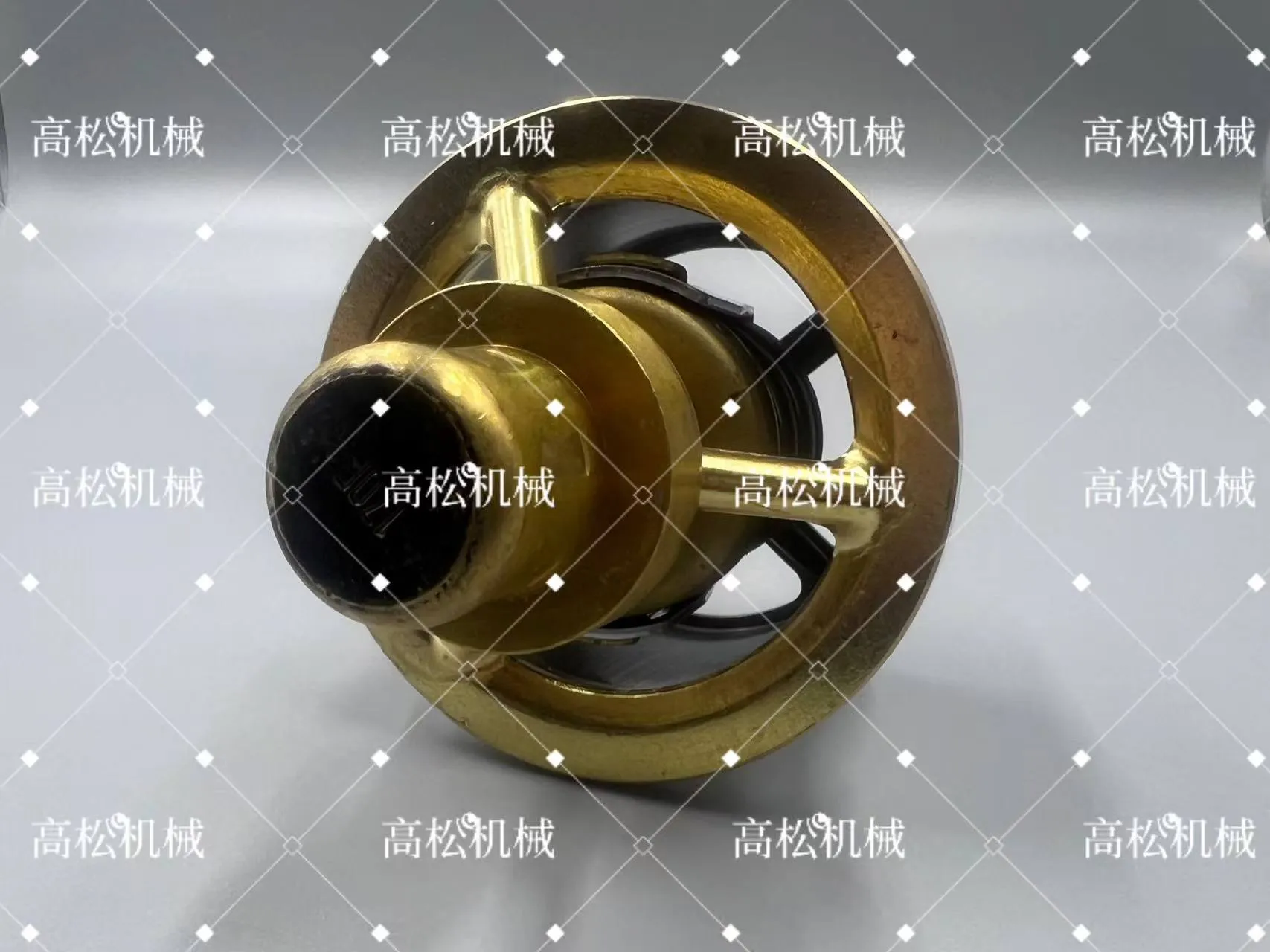 Metal motor thermostat 600-421-6630 for excavator, building machinery parts compatible with pc400-6
 -
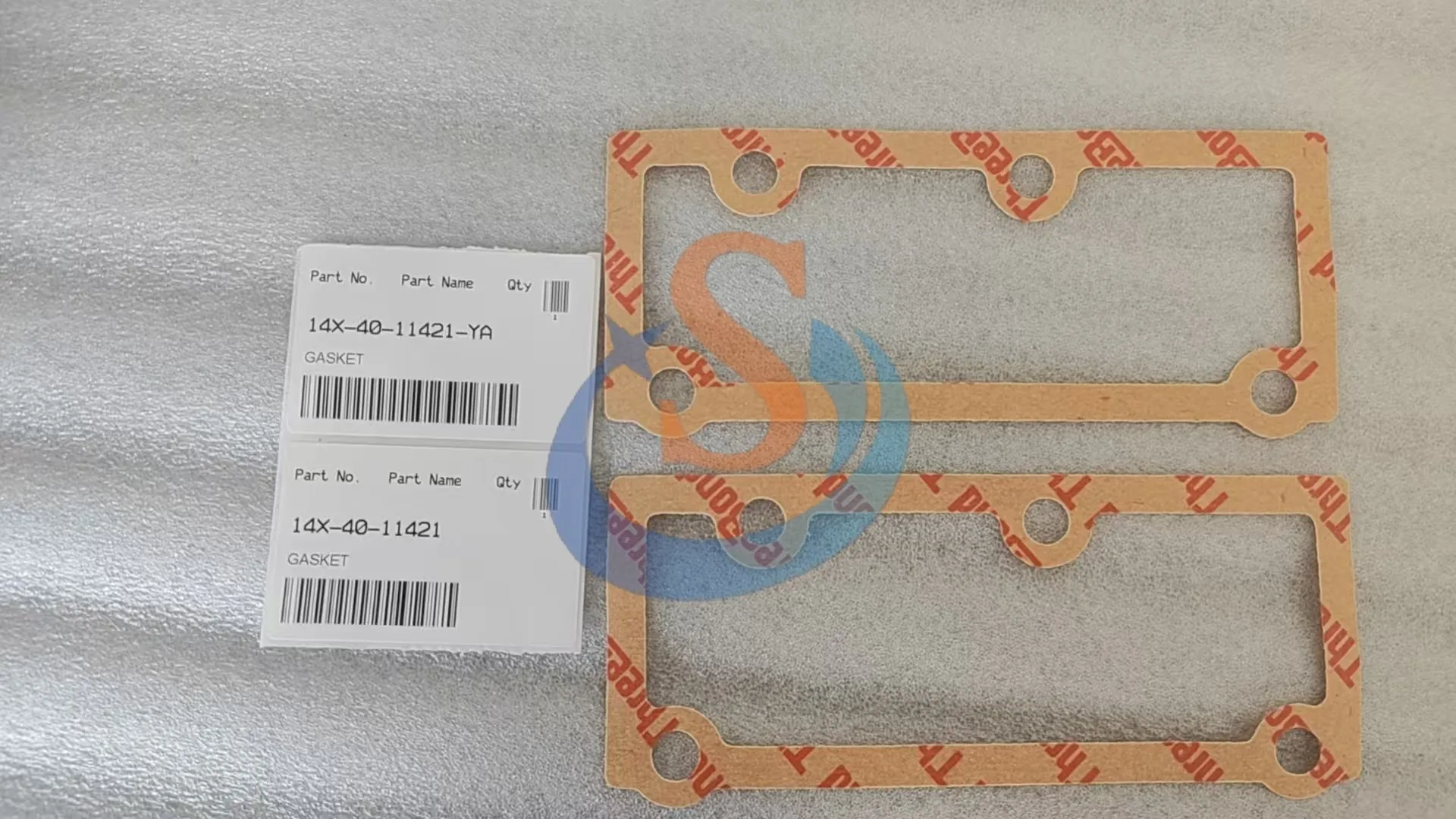 14X-40-11421,GASKET,D375A,D475A,D85ESS
 -
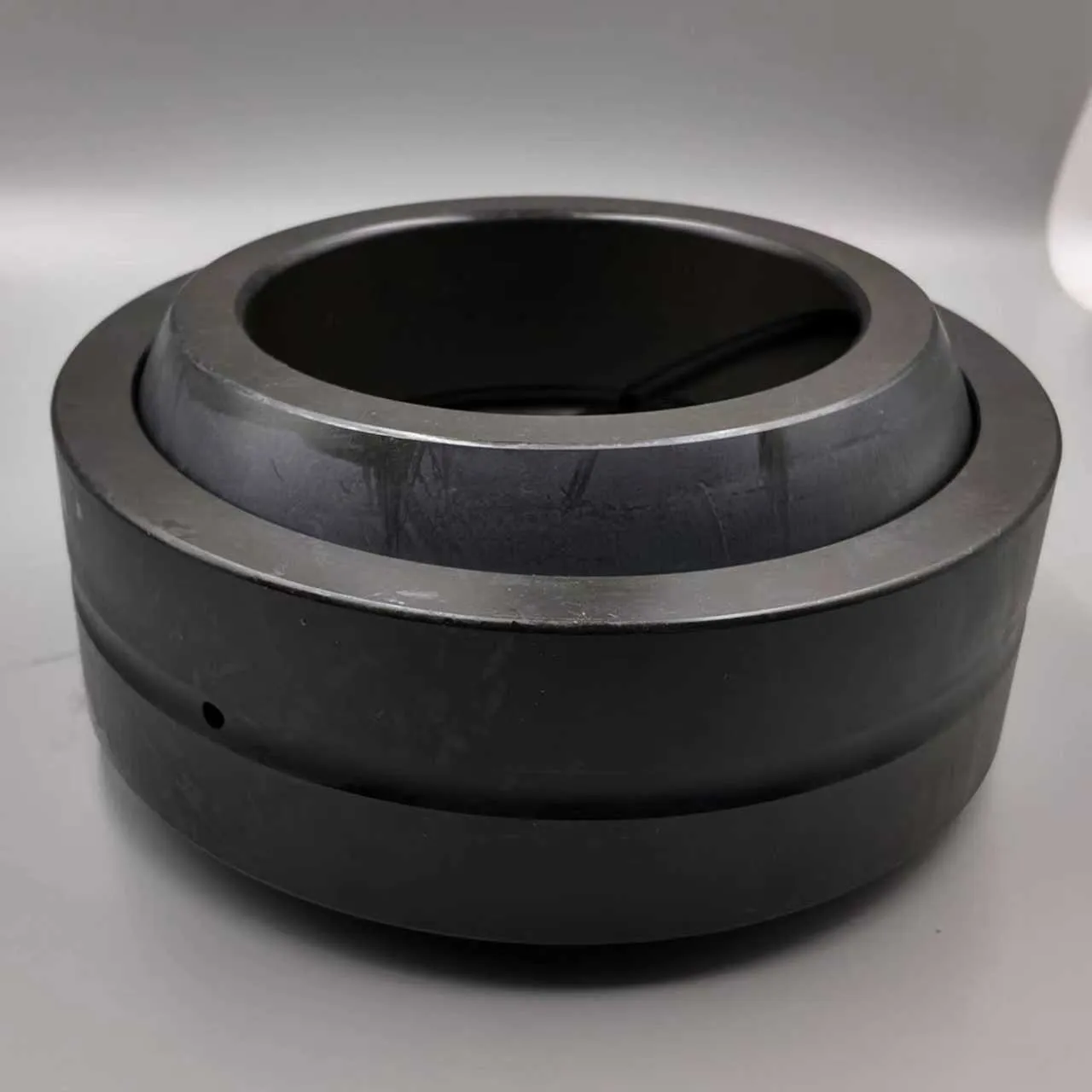 707-46-14010 • BUSHING-Komatsu Original Factory
 -
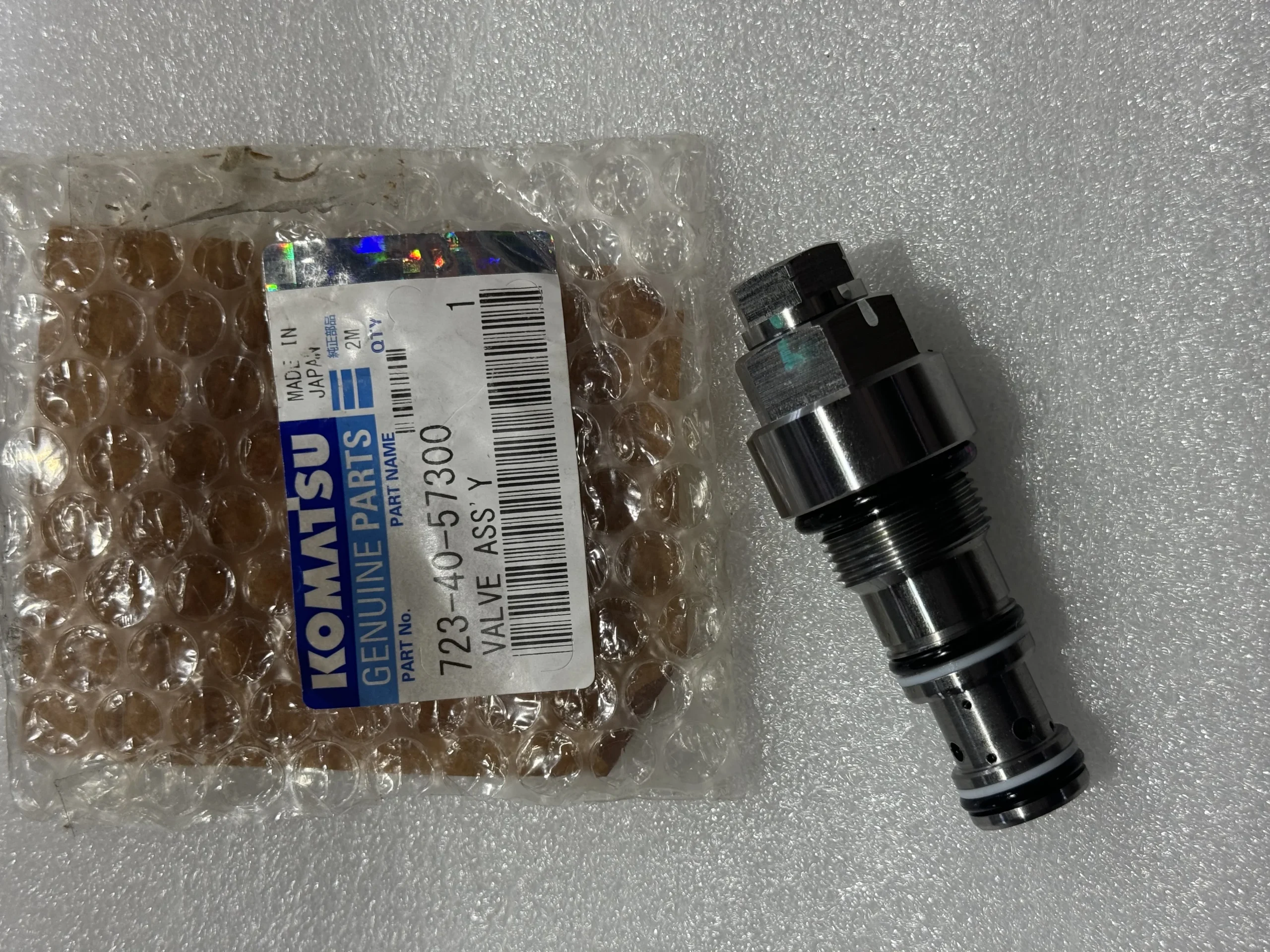 WA480-6 Main Valve 723-40-57300
 -
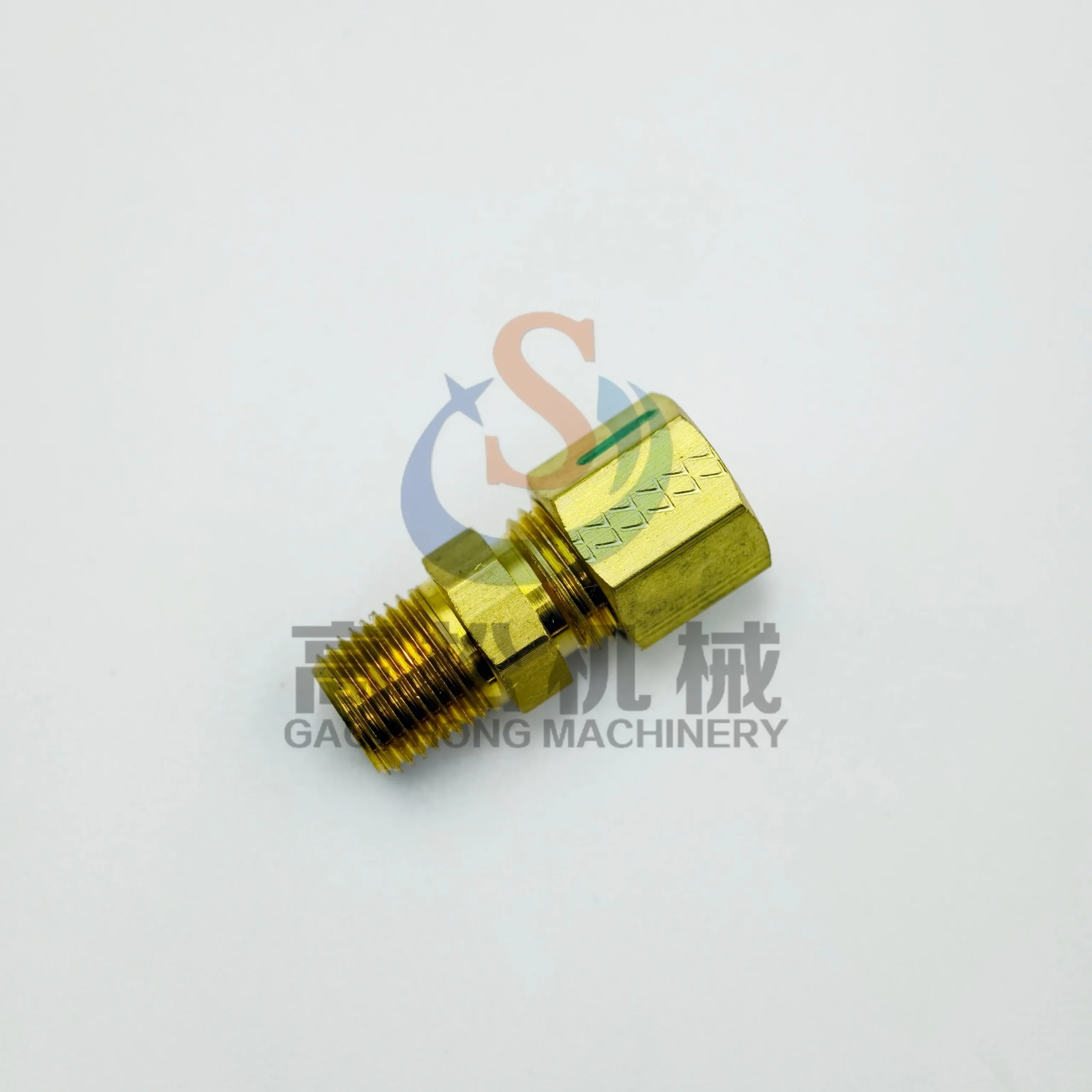 21N-68-32320 Komatsu Connector
 -
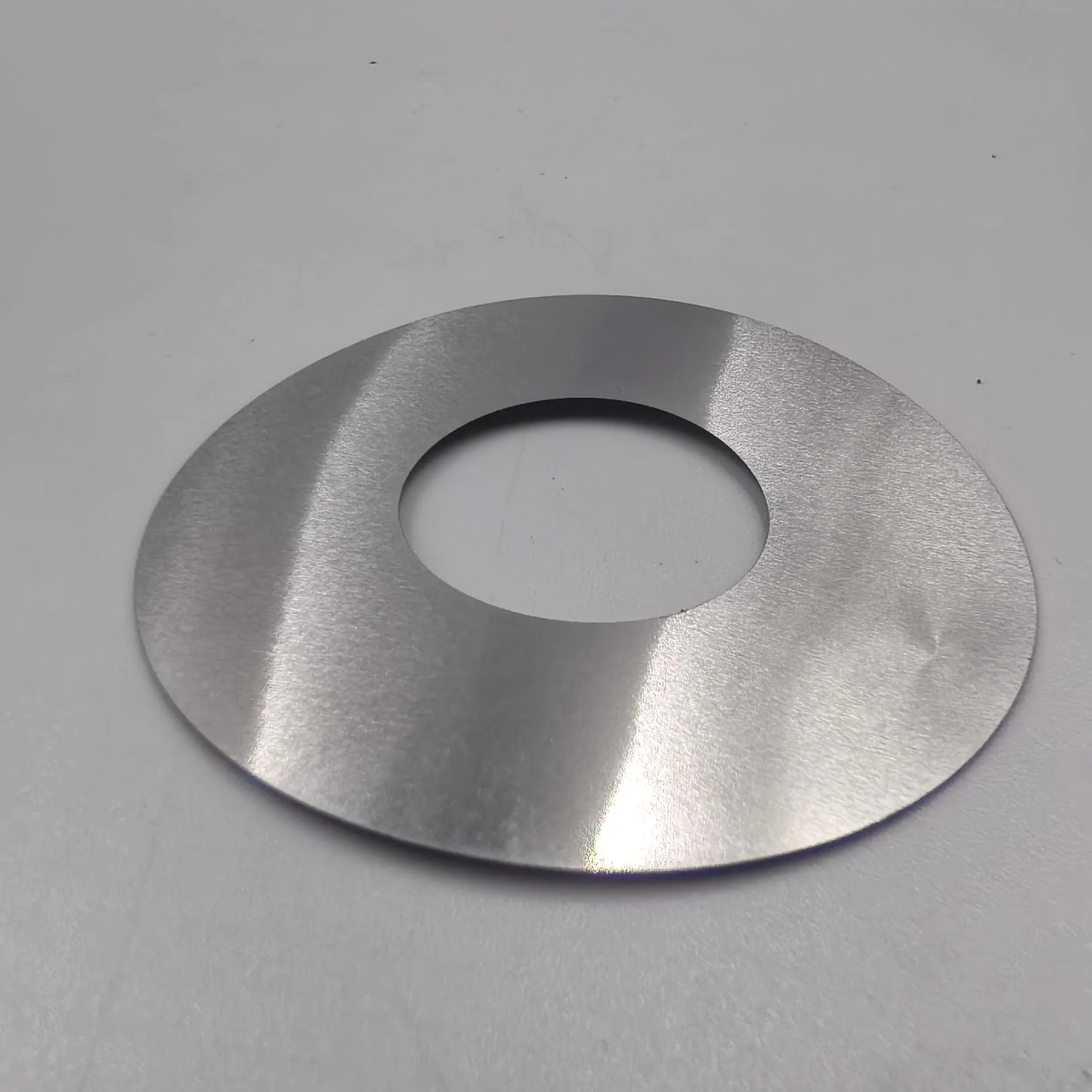 23W-22-21560 is suitable for Komatsu HM350/HM400
 -
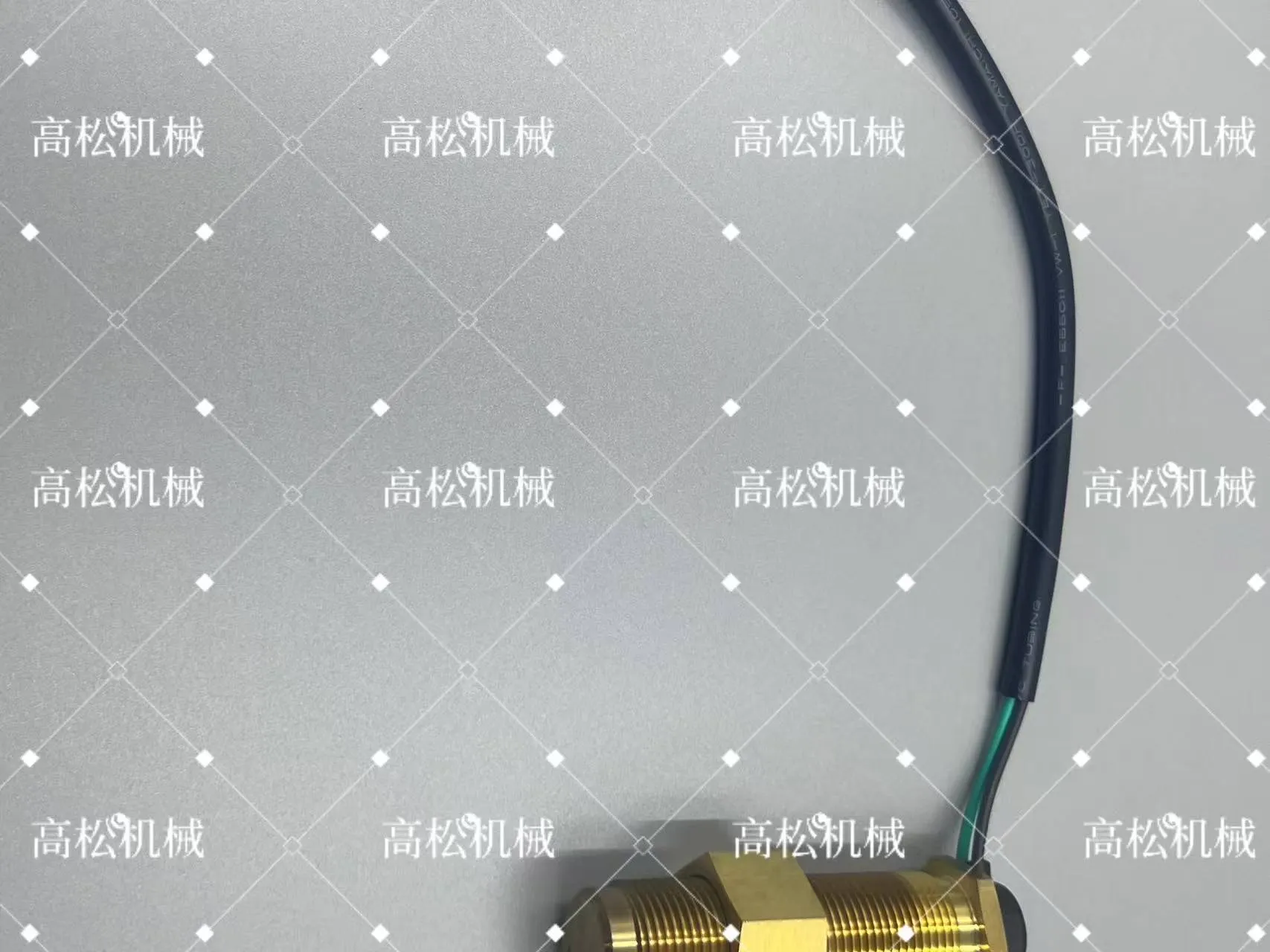 The PC300-6 tachometer sensor 7861-93-2330 is suitable for Komatsu parts
 -
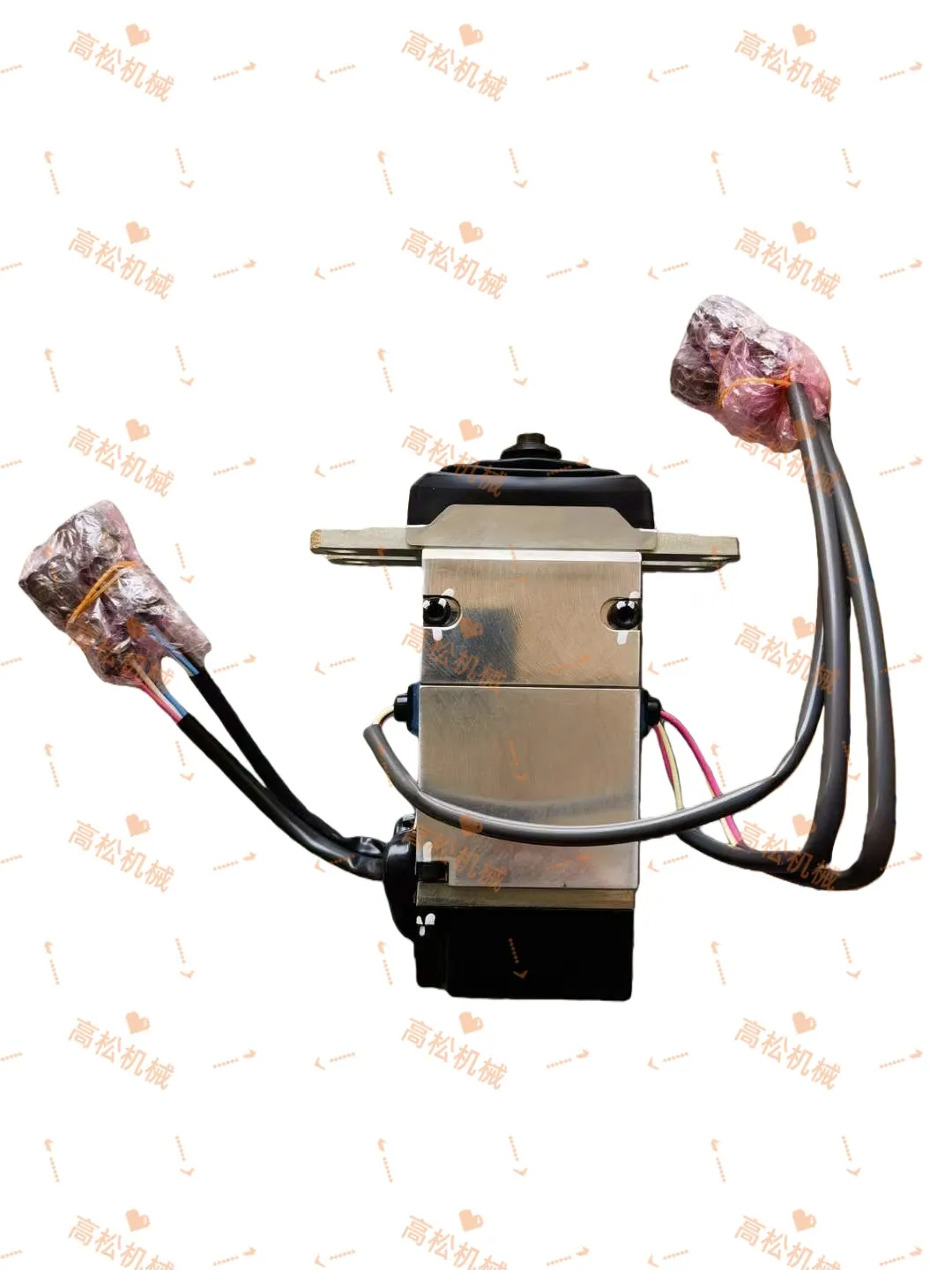 Komatsu Control lever 702-16-02144 for Wheel loader WA480-5H
 -
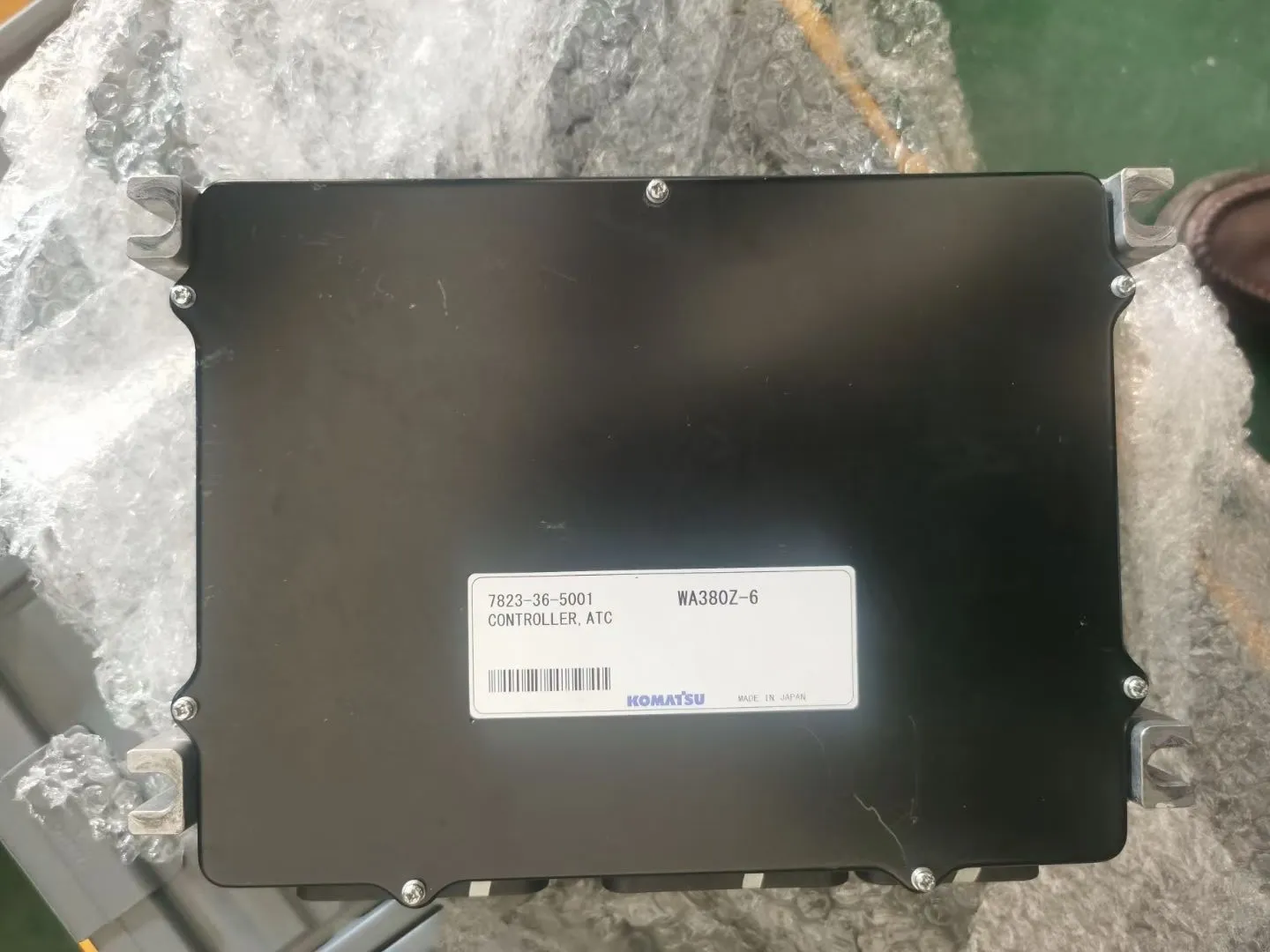 WA380Z-6 Controller 7823-36-5001
 -
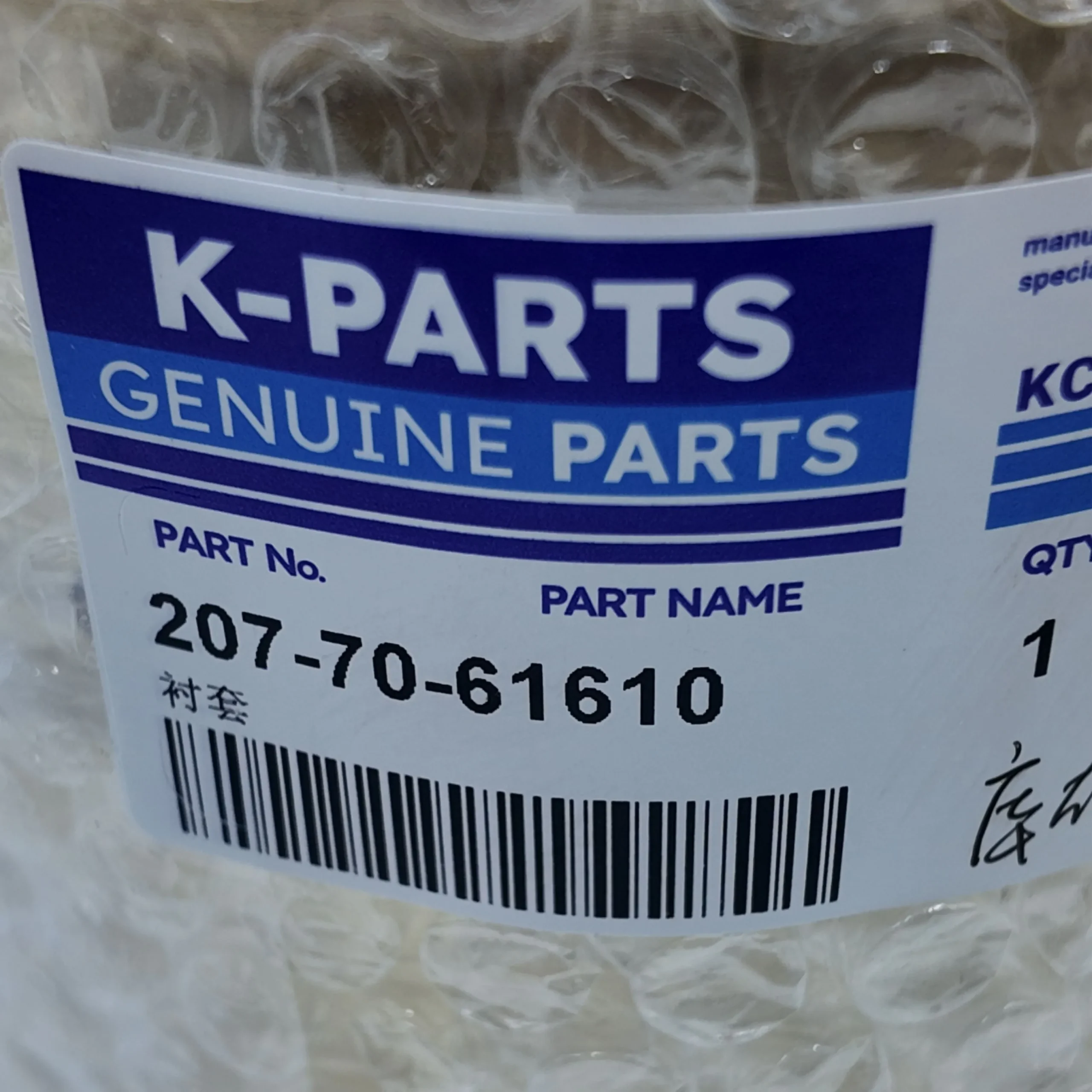 207-70-61610• BUSHING Komatsu Original Factory
 -
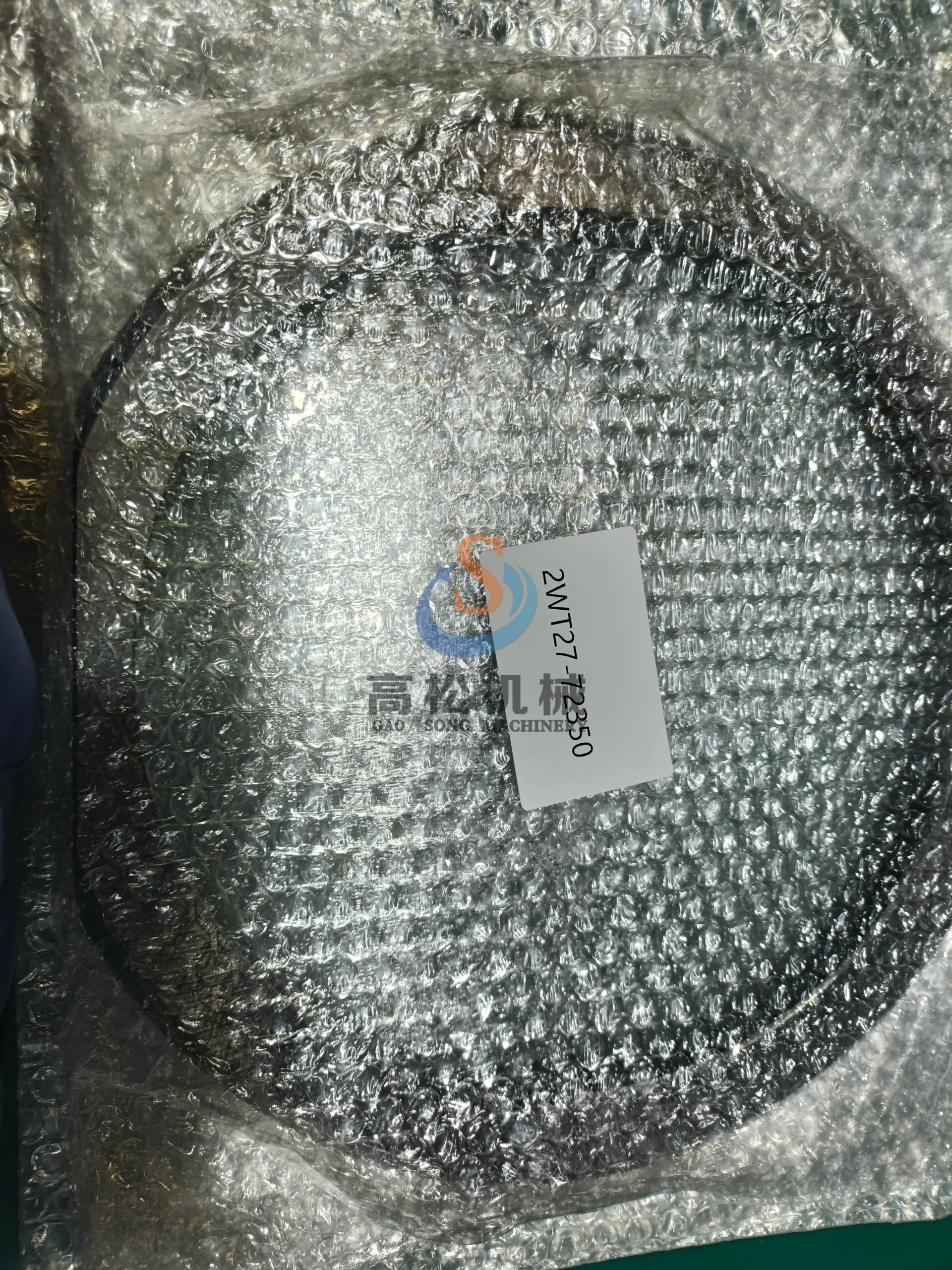 154-27-72350 komatsu Bushing
 -
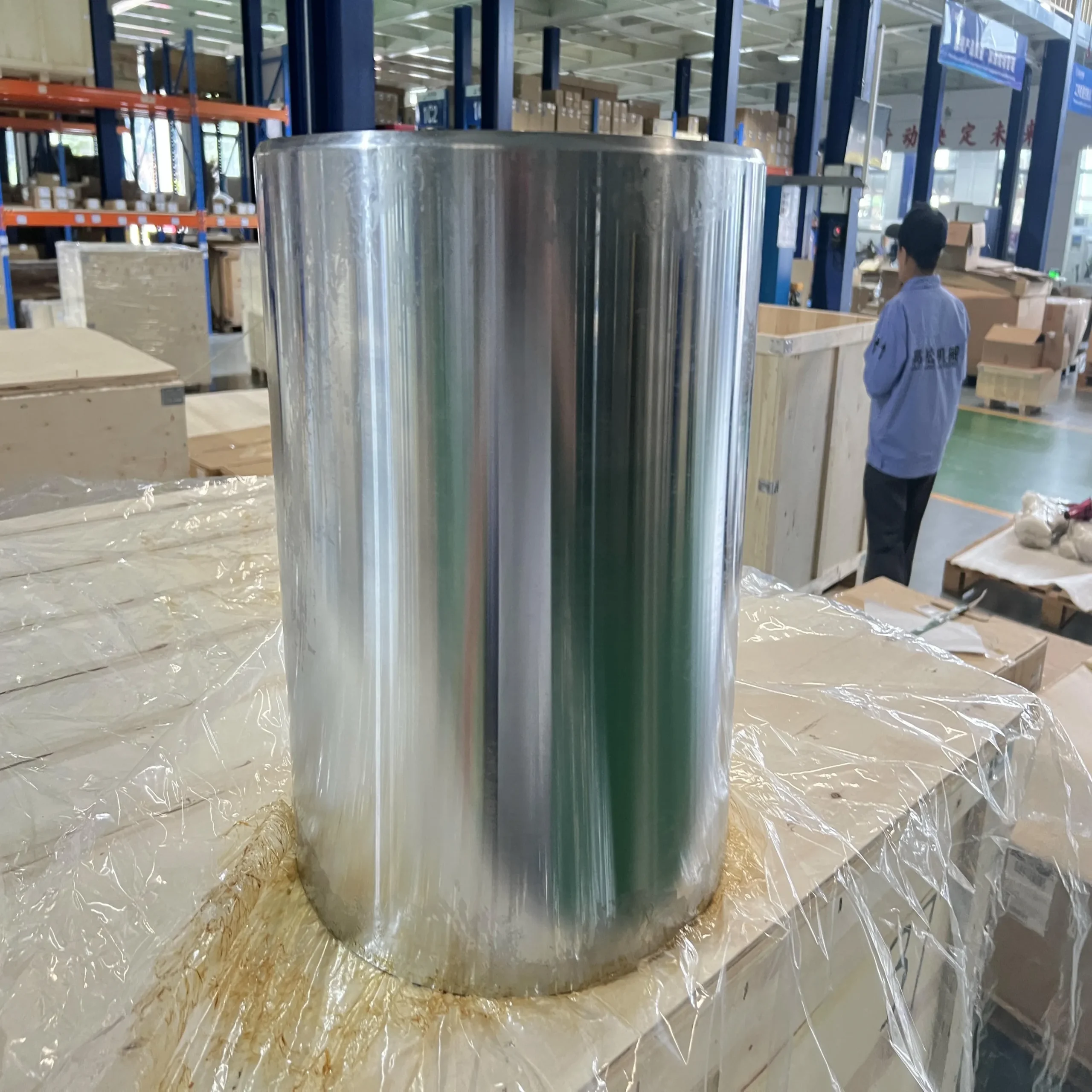 Komatsu D275-2/-5 17M-30-26620 Heavy Duty Swing Motors