
- Chinese
- French
- German
- Portuguese
- Spanish
- Russian
- Japanese
- Korean
- Arabic
- Irish
- Greek
- Turkish
- Italian
- Danish
- Romanian
- Indonesian
- Czech
- Afrikaans
- Swedish
- Polish
- Basque
- Catalan
- Esperanto
- Hindi
- Lao
- Albanian
- Amharic
- Armenian
- Azerbaijani
- Belarusian
- Bengali
- Bosnian
- Bulgarian
- Cebuano
- Chichewa
- Corsican
- Croatian
- Dutch
- Estonian
- Filipino
- Finnish
- Frisian
- Galician
- Georgian
- Gujarati
- Haitian
- Hausa
- Hawaiian
- Hebrew
- Hmong
- Hungarian
- Icelandic
- Igbo
- Javanese
- Kannada
- Kazakh
- Khmer
- Kurdish
- Kyrgyz
- Latin
- Latvian
- Lithuanian
- Luxembou..
- Macedonian
- Malagasy
- Malay
- Malayalam
- Maltese
- Maori
- Marathi
- Mongolian
- Burmese
- Nepali
- Norwegian
- Pashto
- Persian
- Punjabi
- Serbian
- Sesotho
- Sinhala
- Slovak
- Slovenian
- Somali
- Samoan
- Scots Gaelic
- Shona
- Sindhi
- Sundanese
- Swahili
- Tajik
- Tamil
- Telugu
- Thai
- Ukrainian
- Urdu
- Uzbek
- Vietnamese
- Welsh
- Xhosa
- Yiddish
- Yoruba
- Zulu
- Kinyarwanda
- Tatar
- Oriya
- Turkmen
- Uyghur






komatsu dozer parts for sale
You see that search term, 'Komatsu dozer parts for sale,' and it seems straightforward, right? That's the first trap. In the field, it's never just about finding a part; it's about finding the right part, at the right time, that doesn't fail after 200 hours of hard pushing. Too many guys, especially new fleet managers, think a part number match is the finish line. It's not. It's the starting gate of a whole other race involving provenance, compatibility nuances from one serial number range to another, and frankly, navigating who's actually selling genuine quality versus a polished-up paperweight.
The Core Dilemma: OEM, Aftermarket, or Something In-Between?
Let's get into it. When your D65 or D155 is down, the immediate urge is to hit the OEM dealer network. That's the safe play, but the cost and wait times, especially for older models or in regions with sparse dealer support, can cripple a project timeline. I've sat on jobs where we waited three weeks for a simple final drive seal kit because the official channel was back-ordered continentally.
Then you swing to the aftermarket. Some manufacturers are stellar—their metallurgy and tolerances are on point. But for every good one, there are ten that aren't. I learned this the hard way years back with a set of aftermarket track rollers for a D85. They looked perfect, passed a basic visual, but the hardening was inconsistent. Wore out in half the expected service life, took out the bushings with them. A classic case of a cheap part creating a five-figure repair bill.
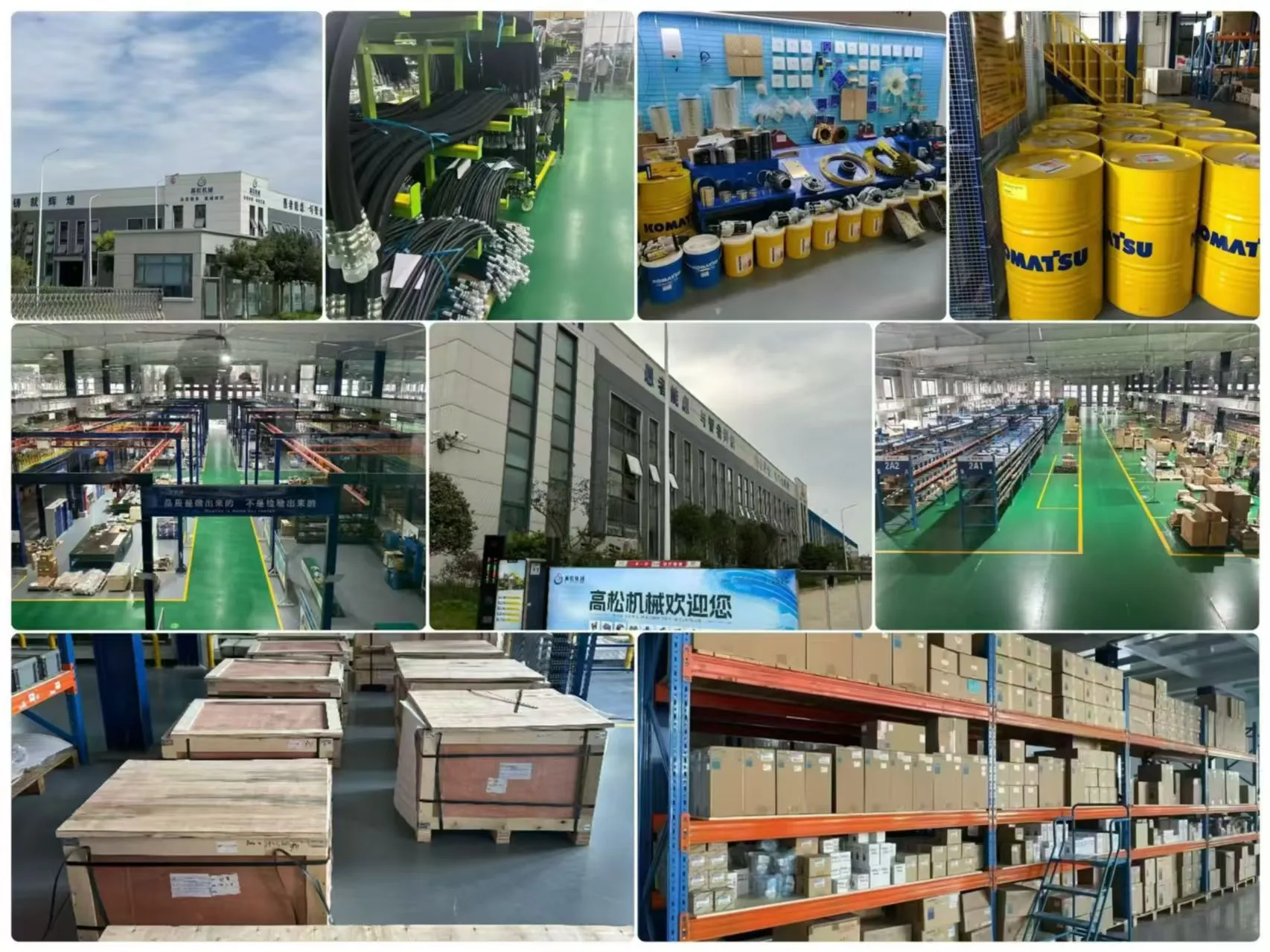
This is where the space gets interesting. There's a third category that doesn't get enough airtime: OEM-system suppliers. These are companies operating within Komatsu's own manufacturing ecosystem, producing components to the original specs. They're not the Komatsu brand you see on the box, but the parts come off the same lines, with the same QC. Finding them is the trick. A company like Jining Gaosong Construction Machinery Co., Ltd. positions itself in this niche. From my understanding, they operate as an OEM product supplier within the Komatsu system, which is a crucial distinction from a generic aftermarket factory. It implies a direct lineage to the original engineering and material specs.
On-the-Ground Verification and the Serial Number Gospel
This is where theory meets the dirt. Just because a supplier says they're OEM-system doesn't mean you hang up your micrometer. The single most important document in any parts transaction isn't the invoice; it's the machine's product identification number. The subtle changes Komatsu makes between model years—a slightly different bore diameter on a cylinder, a change in thread pitch on a hydraulic fitting—are captured there. I've made the mistake of ordering a D61EX-23 part assuming all dash-23 machines were the same. They weren't. The later sub-series had a modified valve block. The part fit, but it didn't function optimally, leading to overheating issues we chased for days.
When evaluating a source, I now dig into their technical questioning. A good supplier, like the one mentioned on their site https://www.takematsumachinery.com, should be asking you for the full serial before they even quote. If they don't, that's a red flag. Their stated mission of helping to solve parts supply challenges in certain countries rings true to a specific pain point. In parts of Africa and Southeast Asia where I've worked, getting official dealer support for a 15-year-old dozer is nearly impossible. You need a supplier who understands the global parts labyrinth, not just one regional warehouse.
The verification process is tactile. Does the part have the correct casting marks? Does the seal material feel pliable and high-grade, or stiff and chemical-smelling? Are the machining marks consistent? An OEM-system part should be virtually indistinguishable from the one you pulled out, save for the lack of a Komatsu logo stamped on it. This level of scrutiny is non-negotiable.
Logistics and the Hidden Cost of Availability
So you've found a reliable part from a credible supplier. The price is good. Now the real test: getting it to your job site, intact and on time. In stock can mean wildly different things. It can mean on a shelf in their warehouse, or it can mean in a container on a ship halfway across the Pacific. Clear communication here is everything.
I prefer suppliers who are transparent about shipping routes and incoterms. Air freight is fast but can triple the part's cost. Sea freight is cheap but adds weeks and layers of complexity—customs clearance, port delays, last-mile trucking in a remote location. A company that truly understands parts supply challenges will often have pre-established logistics solutions for tough destinations. They've seen how a $500 seal can get stuck in customs for a month because of paperwork errors.
Packaging is another silent tell. Good suppliers pack for war. Heavy-duty cardboard, foam, blocking, and bracing. I've received OEM-equivalent hydraulic pumps wrapped in a single layer of bubble wrap in a flimsy box, arriving with the shaft bent. The supplier blamed the carrier, but it was fundamentally a packing failure. The cost and delay of the return and re-shipment was a project management nightmare.
Building a Relationship, Not Just a Transaction
This whole game boils down to trust, built over multiple orders. Your first order with a new supplier should be for a non-critical, but still important, component. A set of filters, a seal kit, a blade arm bushing. Test them. Test the part's quality, the communication, the packaging, the shipping accuracy.
When you find a partner that works—like a dedicated third-party sales company for Komatsu that has both the technical depth and logistical grit—you hold onto them. You become a voice in their ear, telling them what models are prevalent in your region, what parts are constantly failing. The best ones listen and adjust their inventory. It becomes a feedback loop that benefits everyone. They move more of the right stock, and you get faster, more reliable access to what you need.
It's not about having one magic source. It's about building a vetted network: your official dealer for critical electronics and controllers, a couple of top-tier aftermarket specialists for wear items like cutting edges, and an OEM-system supplier for that crucial middle ground of major mechanical components—transmission parts, final drive components, hydraulic pumps—where you need OEM quality without the OEM markup and lead time. Jining Gaosong, from their documentation, seems to aim for that specific slot in a buyer's network.
The Bottom Line: It's a Judgement Call
There's no universal answer sheet for sourcing Komatsu dozer parts for sale. Every machine, every job site, every budget constraint is different. The key is moving beyond the simple price-and-part-number comparison. You have to assess the supplier's pedigree, engage in technical dialogue, verify the physical product, and factor in the total landed cost and time.
The market is flooded with options. The shiny website with perfect English promises can be a front for a low-quality assembly shop. Conversely, the clunky, outdated site might be run by a brilliant engineer with direct factory ties. You have to dig. The phrase OEM system supplier is a strong signal, but it's a starting point for investigation, not a guarantee.
In the end, keeping a dozer running is about minimizing machine downtime. The right part, from the right source, arriving at the right time, is the only equation that matters. Everything else is just noise. And sometimes, that means looking past the most obvious search results to find the partners who truly understand the complexities inside the phrase for sale.
Related Products
Related Products

Best Selling Products
Best Selling Products-
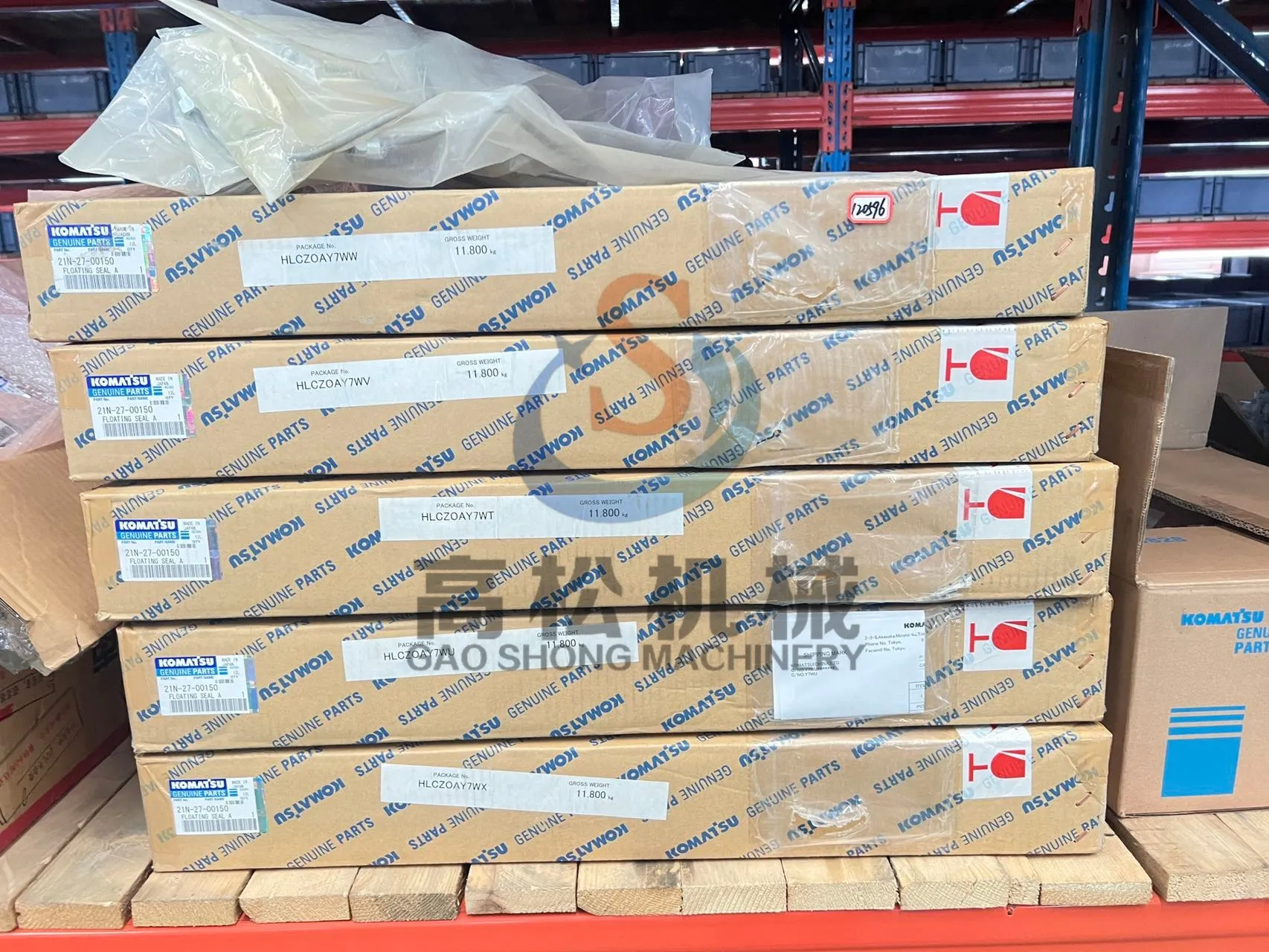 21N-27-00150 Komatsu Floating Seal Assembly
 -
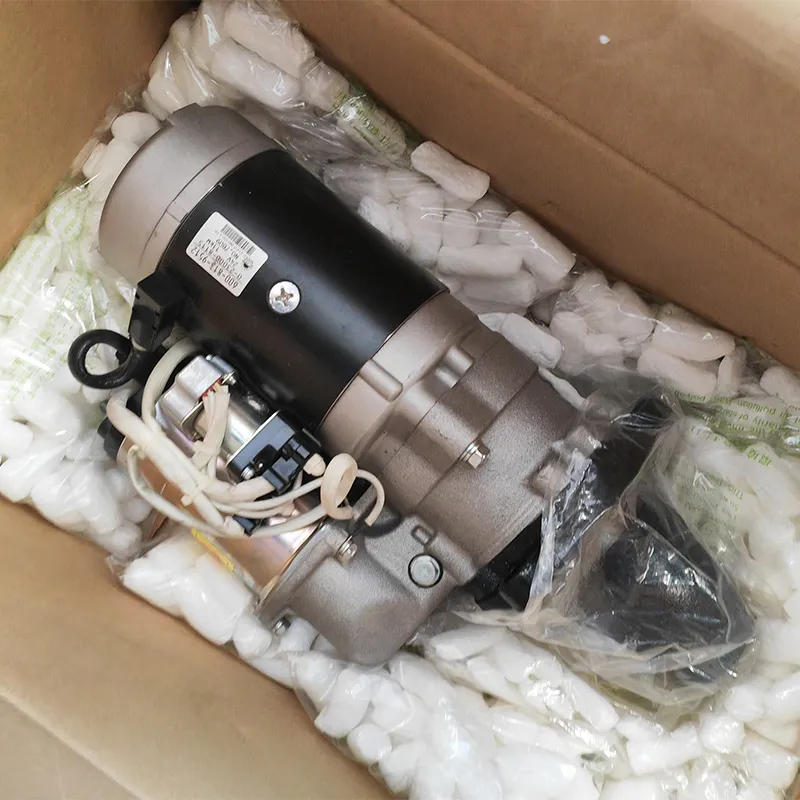 600-813-9512 Original komatsu Starter Motor for PC1250-8 D375-6 WA600-8
 -
707-56-14740 Komatsu D155-3/-5
-
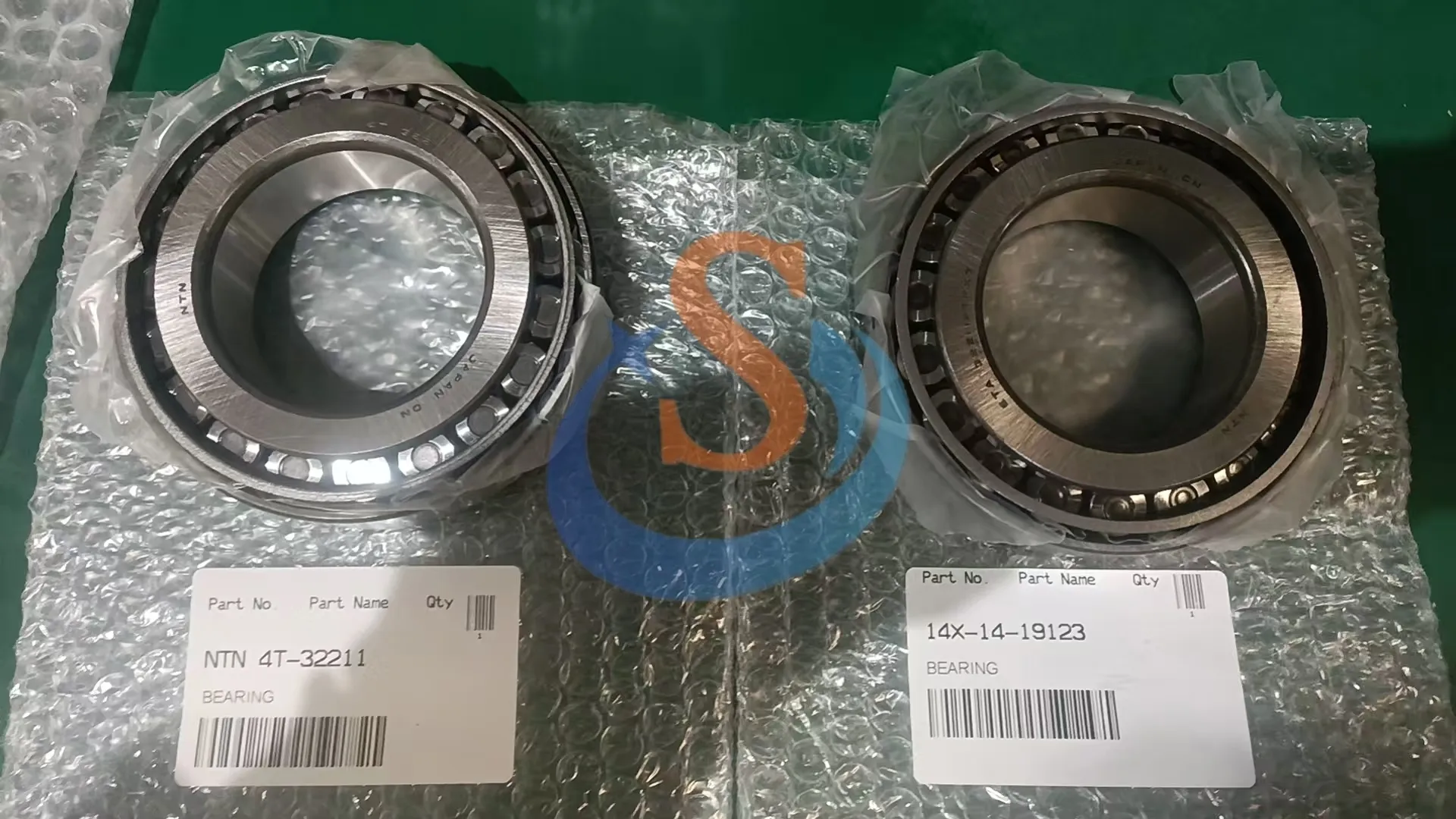 14X-14-19123 BEARING WA380/WA430/WA400
 -
 HD785-7 center exhaust manifold 6215-11-5172
 -
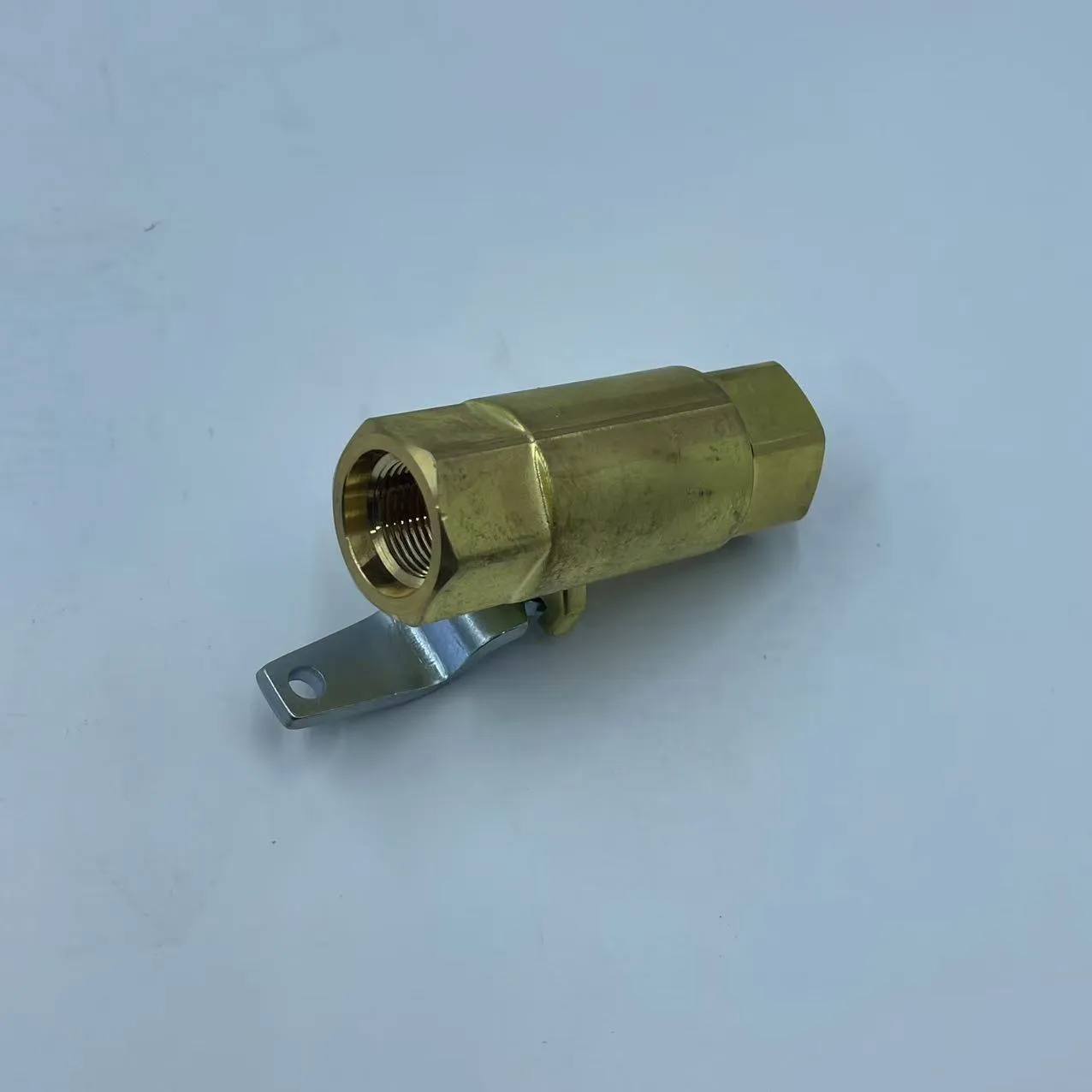 Komatsu Excavator PC200 Valve 20Y-62-15651
 -
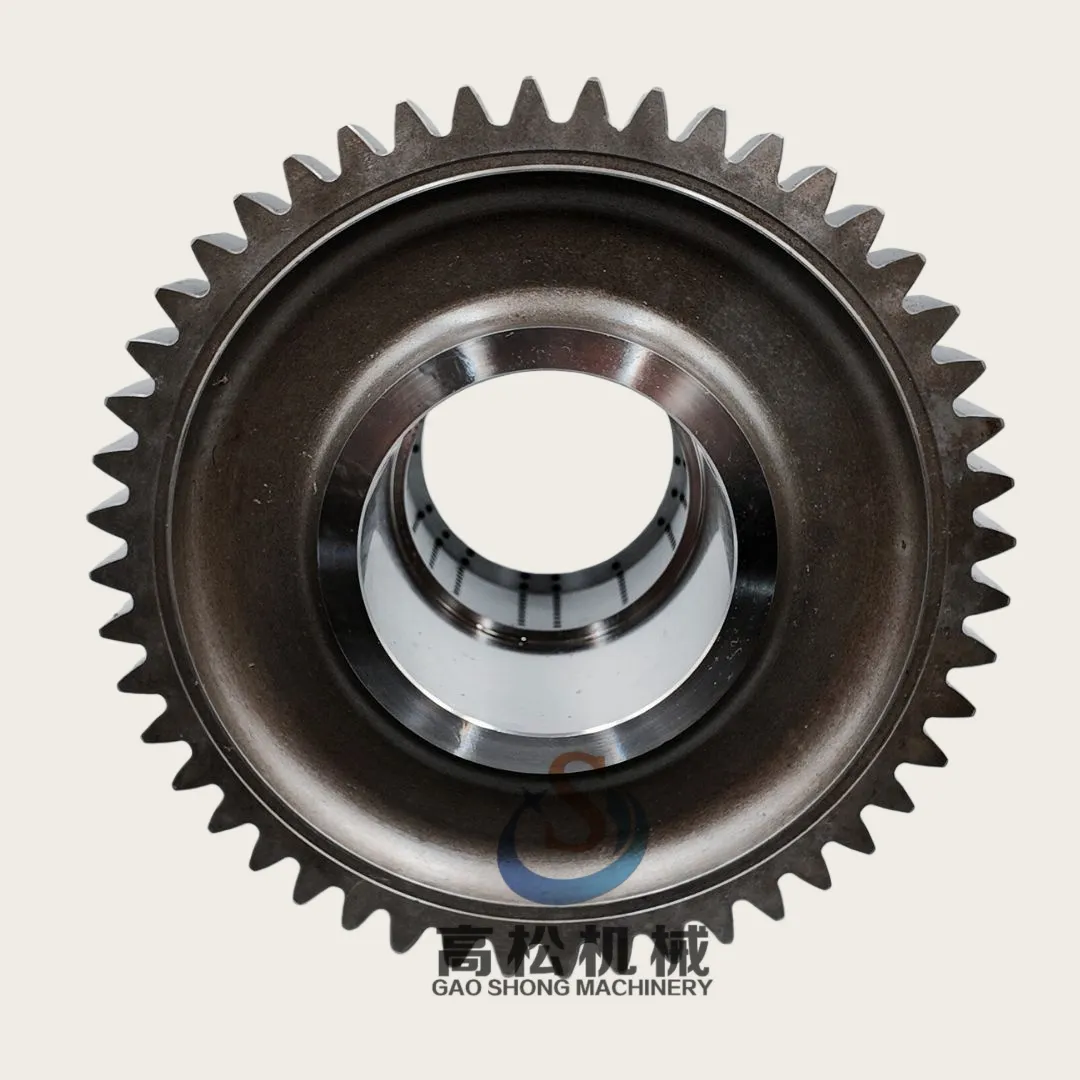 GEAR, 48 TEETH,FORWARD WA470-3 714-07-12420 GEAR, 48 TEETH,FORWARD WA450-3 S/N 53001-UP (For Taiwan / Tunnel Spec.) TRANSMISSION (FORWARD AND 1ST CLUTCH) (FOR EMERGENCY STEERING)
 -
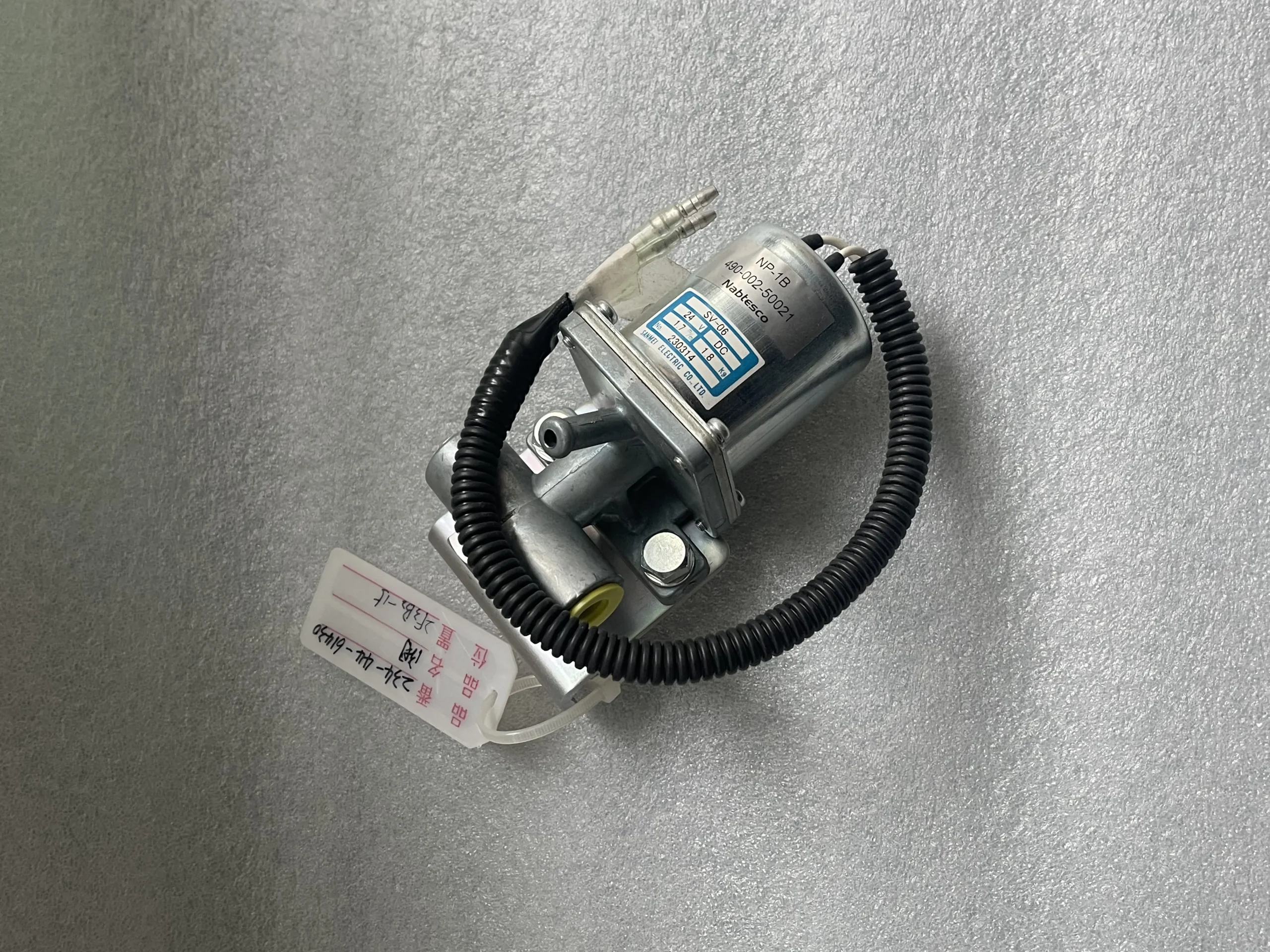 VALVE 234-44-61430
 -
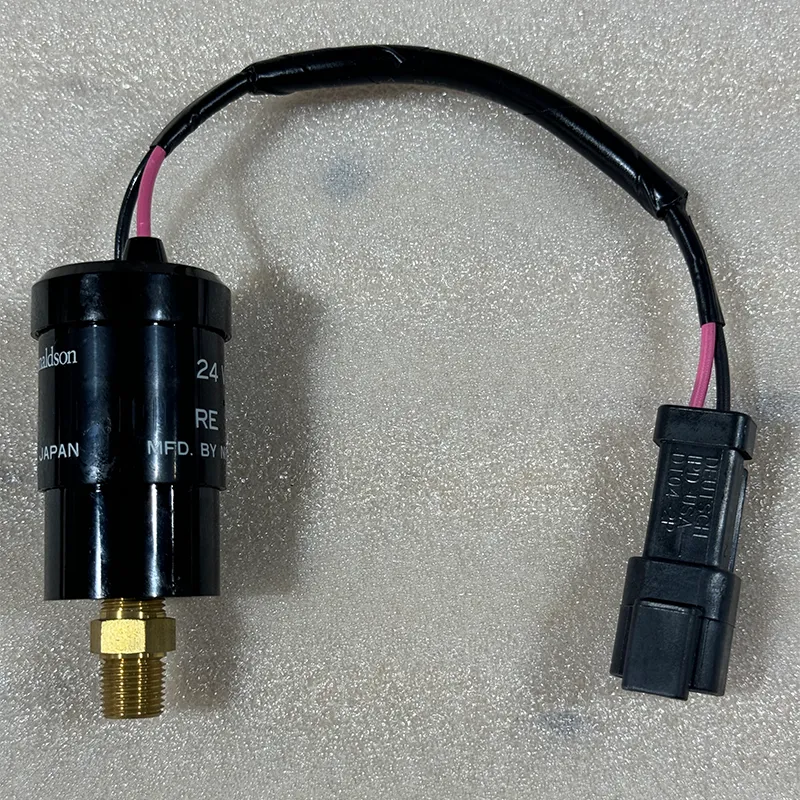 600-815-8860 Original komatsu Indicator Air Cleaner for HD325-7R WA500-6 HM300-2
 -
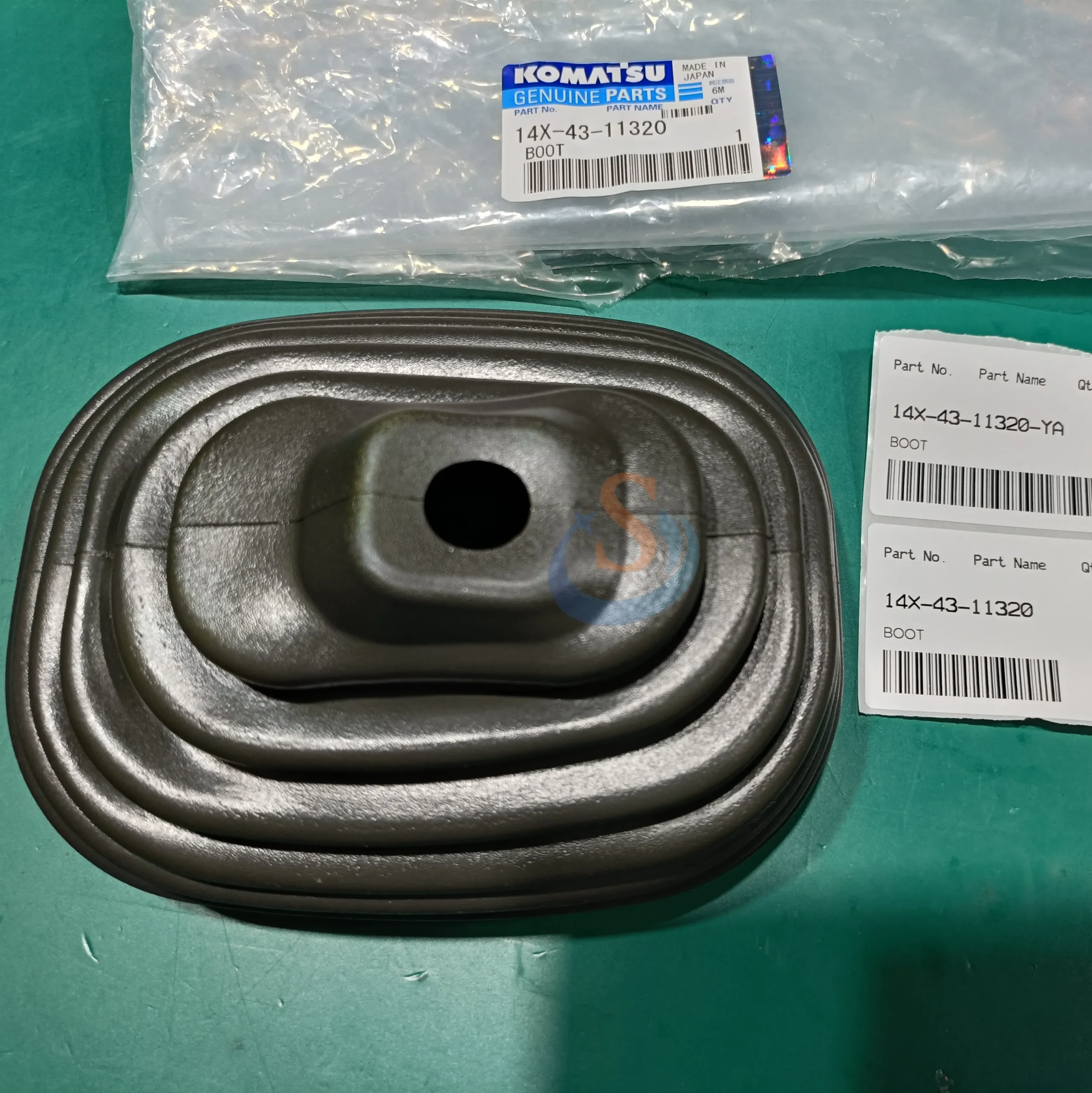 14X-43-11320,BOOT,D65PX,D85E,D155A
 -
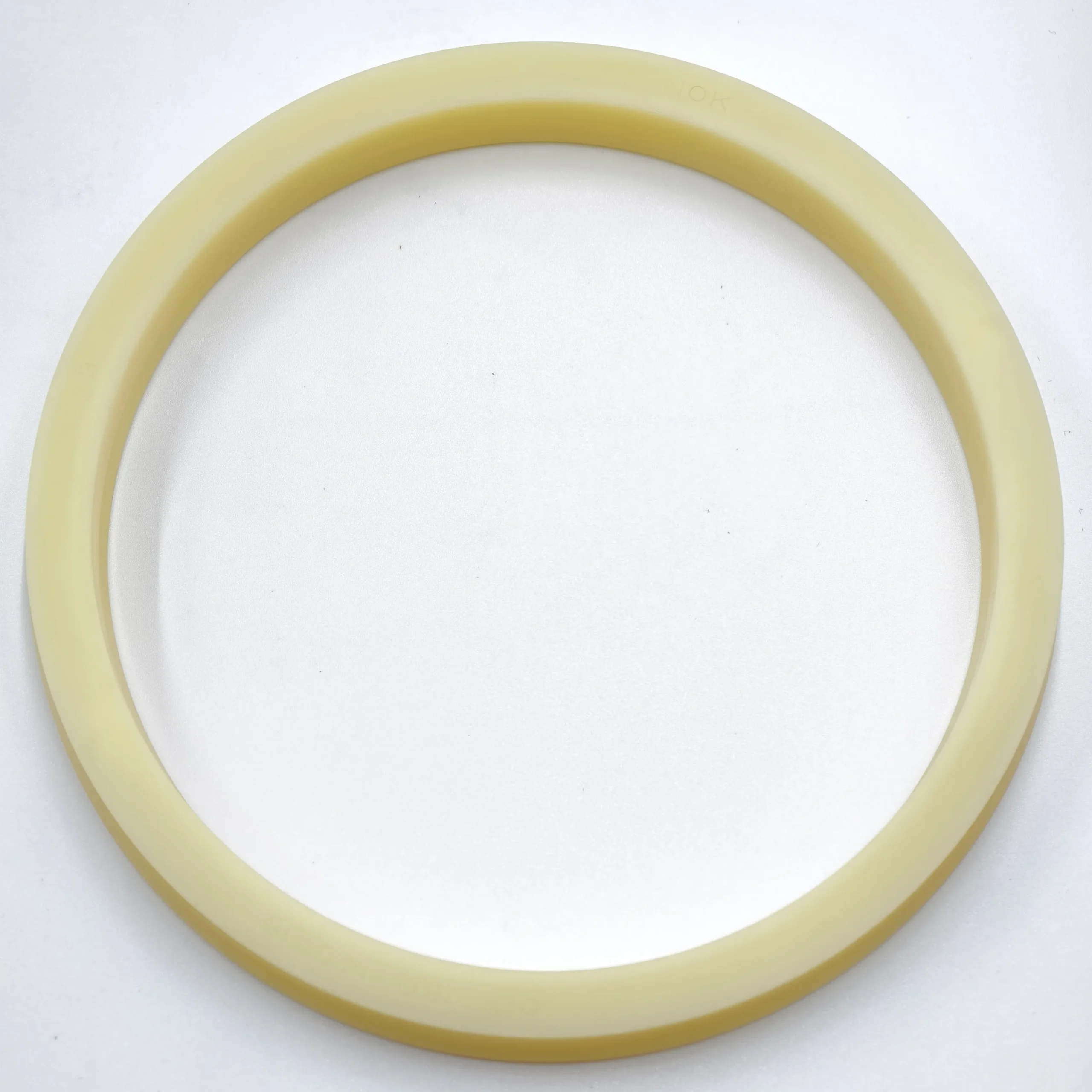 Komatsu 21N-30-14160 PACKING, price for original… — Pricing.Parts
 -
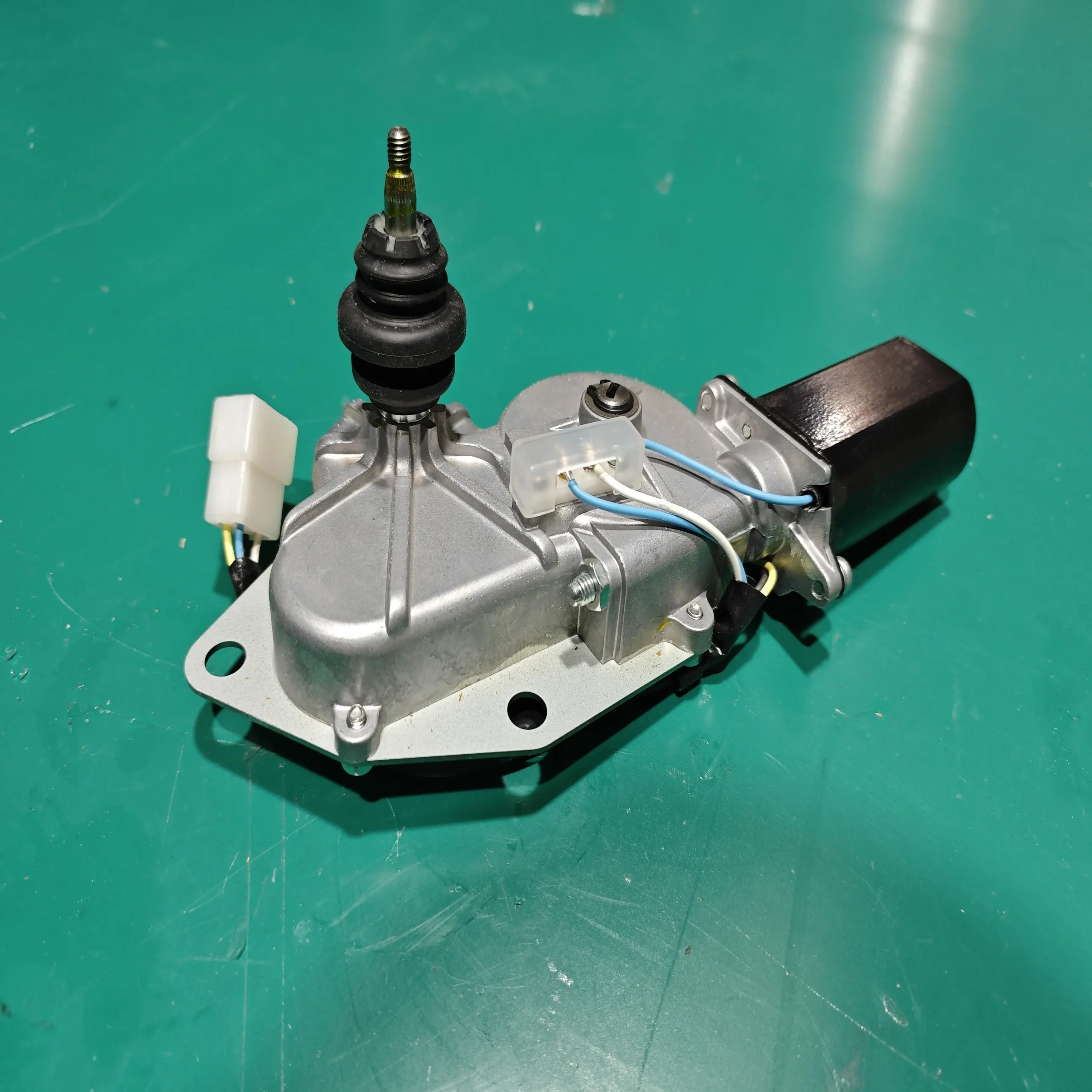 KOMATSUWIPERMOTOR23B-951-2610
Related Search
Related Search- OEM AND ORIGINAL KOMATSU GEAR 198-27-45411
- komatsu 4d105 5 engine
- komatsu hd785 7 engine
- Komatsu GPS system
- OEM AND ORIGINAL KOMATSU BRACKET 17M-71-41951
- Komatsu cab parts
- OEM AND ORIGINAL KOMATSU BEARING 06000-32056
- OEM AND ORIGINAL KOMATSU STARTER 600-813-9911
- OEM AND ORIGINAL KOMATSU PIN 427-N42-1151
- Komatsu engine overhaul kit