
- Chinese
- French
- German
- Portuguese
- Spanish
- Russian
- Japanese
- Korean
- Arabic
- Irish
- Greek
- Turkish
- Italian
- Danish
- Romanian
- Indonesian
- Czech
- Afrikaans
- Swedish
- Polish
- Basque
- Catalan
- Esperanto
- Hindi
- Lao
- Albanian
- Amharic
- Armenian
- Azerbaijani
- Belarusian
- Bengali
- Bosnian
- Bulgarian
- Cebuano
- Chichewa
- Corsican
- Croatian
- Dutch
- Estonian
- Filipino
- Finnish
- Frisian
- Galician
- Georgian
- Gujarati
- Haitian
- Hausa
- Hawaiian
- Hebrew
- Hmong
- Hungarian
- Icelandic
- Igbo
- Javanese
- Kannada
- Kazakh
- Khmer
- Kurdish
- Kyrgyz
- Latin
- Latvian
- Lithuanian
- Luxembou..
- Macedonian
- Malagasy
- Malay
- Malayalam
- Maltese
- Maori
- Marathi
- Mongolian
- Burmese
- Nepali
- Norwegian
- Pashto
- Persian
- Punjabi
- Serbian
- Sesotho
- Sinhala
- Slovak
- Slovenian
- Somali
- Samoan
- Scots Gaelic
- Shona
- Sindhi
- Sundanese
- Swahili
- Tajik
- Tamil
- Telugu
- Thai
- Ukrainian
- Urdu
- Uzbek
- Vietnamese
- Welsh
- Xhosa
- Yiddish
- Yoruba
- Zulu
- Kinyarwanda
- Tatar
- Oriya
- Turkmen
- Uyghur






Komatsu dozer parts
When you're dealing with Komatsu dozer parts, the first thing you learn is that the term itself is a bit of a minefield. Everyone thinks they know what it means until they're staring at a D61EXi-24 that's been down for three days because a supposedly OEM-equivalent final drive seal failed in 40 hours. The catalog number might match, but the metallurgy or the tolerance stack doesn't. That's where the real conversation starts—it's never just about a part, it's about the system it lives in.
The OEM Promise vs. The On-Ground Reality
Look, Komatsu builds incredible machines. Their factory parts are engineered to a specific standard, and when you use them, you're buying predictability. But here's the rub: that supply chain isn't seamless everywhere. In some regions, getting a genuine swing cylinder for a D85ESS from the official channel can mean a 12-week lead time and a price that makes the project manager's eye twitch. The machine isn't earning, the clock is ticking, and you need a solution now.
This is the gap that companies like Jining Gaosong Construction Machinery operate in. They're an interesting player because they have a foot in both worlds. On their site, takematsumachinery.com, they position themselves as an OEM product supplier within the Komatsu system. That phrasing is key—it suggests a sanctioned relationship, perhaps for specific components or markets. But they're also upfront about being a third-party sales company for Komatsu, which in practice means they help solve parts supply challenges in certain countries. It's not just brokerage; it's about understanding which components are chronic pain points in different operating environments.
I've seen their approach firsthand with undercarriage components for older D65 models. They weren't just selling a link assembly; they were providing the specific track shoe variant (single grouser vs. multi-grouser) that was actually available and proven in a particular mining area's abrasive overburden. That's the kind of practical intelligence that comes from being in the trenches, not just reading a parts manual.
Where Compatible Becomes a Dangerous Word
This leads to the biggest pitfall: the world of compatible parts. The market is flooded with them. Some are fantastic, reverse-engineered with proper materials. Many are junk. The failure often isn't catastrophic; it's insidious. A compatible hydraulic pump might deliver 5% less flow at peak pressure. You won't notice it immediately, but the machine will feel slightly sluggish, fuel burn creeps up, and over 2000 hours, you've lost more in efficiency than you saved on the part.
My rule, forged from a few expensive mistakes, is to tier the parts. Critical wear items in the power train or hydraulics? I lean hard towards the OEM-sourced route, even if it means going through a specialized third-party facilitator like Gaosong for availability. For less critical, high-wear items like some pins, bushings, or even grader blades, a vetted aftermarket source is fine. But vetted is the operative word—it requires tearing down a sample part and checking hardness, plating thickness, and bearing surface finish.
I recall a job in Indonesia where we used a third-party radiator for a D375. It fit perfectly, the core dimensions were identical. But the fin density was lower and the tube alloy was different. It worked, but in the sustained 95% load conditions of that site, it ran 10-15 degrees hotter consistently. We ended up swapping it out after six months because we were nervous about the long-term stress on the head gasket. The cost saving was zero in the end.
The Nuance of Sourcing: It's Not Just a Transaction
Sourcing genuine or high-grade Komatsu dozer parts isn't a simple click-to-buy. It's a diagnostic and logistical puzzle. You start with the exact serial number. Not just the model—D155, D275—but the specific dash number. A D155AX-6 and a D155AX-8 can have different valve block configurations. Then you need to know the country specification of the machine. A machine built for the Australian market might have a different emissions setup, affecting part numbers for the turbo or the DOC.
This is where a supplier's real value shows. A good one will ask you these questions. They'll push back if you just provide a model name. The Jining Gaosong site implies this depth by highlighting their role in solving supply challenges. It suggests they're set up to handle these complex queries, not just drop-ship from a generic warehouse. They likely have catalogs and cross-reference data for machines operating outside their primary home markets, which is a godsend when you're trying to keep a 15-year-old dozer running in a remote location.
The process often involves sending them a photo of the old part, the ID plate, and sometimes a video of the failure symptom. It's collaborative. You're not just buying a widget; you're buying their ability to match the right widget to your specific mechanical context.
Case in Point: The Undercarriage Conundrum
Let's get concrete. Undercarriage is the money pit for any dozer operation. A full set of rails, links, sprockets, and rollers for a large model is a capital expense. The temptation to go cheap is huge. I've done it. We once sourced a fully compatible undercarriage kit for a D85 from a non-OEM vendor. The price was 40% less.
The rails showed uneven wear within 500 hours. The hardening was inconsistent. The bushing seals failed early, letting in grit. By 1800 hours, we were looking at premature rebuilds on the rollers and a sprocket that was already hooked. The total cost of ownership, when you factored in the extra downtime and two extra service calls for track tension adjustments, far exceeded just buying a quality system from the start. Now, when I evaluate a source, I ask for wear rate data. A supplier who understands this will have it, or will at least know which rockwell hardness level is appropriate for sandy vs. rocky conditions.
This is the kind of scenario where a company operating as an OEM supplier within the Komatsu ecosystem has an advantage. They're more likely to have access to, or produce to, the original material specifications and heat treatment processes. It might not be stamped with the Komatsu logo, but it comes from the same technical foundation.
Wrapping It Up: A Matter of Trust and Context
So, what's the takeaway? Komatsu dozer parts procurement is a technical discipline, not a purchasing function. It requires a supplier that acts as a filter and a translator—filtering out the substandard options, and translating your machine's serial number and job site conditions into the correct component.
The value of a partner like Jining Gaosong Construction Machinery, as described, lies in that dual role: the OEM-level technical access combined with the third-party agility to navigate tricky global supply chains. They're not for every single bolt and washer. But for the core, high-value, or high-criticality components that keep a dozer's heart and bones working, that hybrid model makes a lot of sense. It's about reducing risk, not just finding the lowest line item cost.
In the end, you develop a shortlist of go-to sources for different needs. Some for fast-moving consumables, another for major assemblies. The key is that they earn their place through demonstrated knowledge and reliability, not just a slick website. You learn to listen for the questions they ask you—that's where their expertise really shows up.
Related Products
Related Products

Best Selling Products
Best Selling Products-
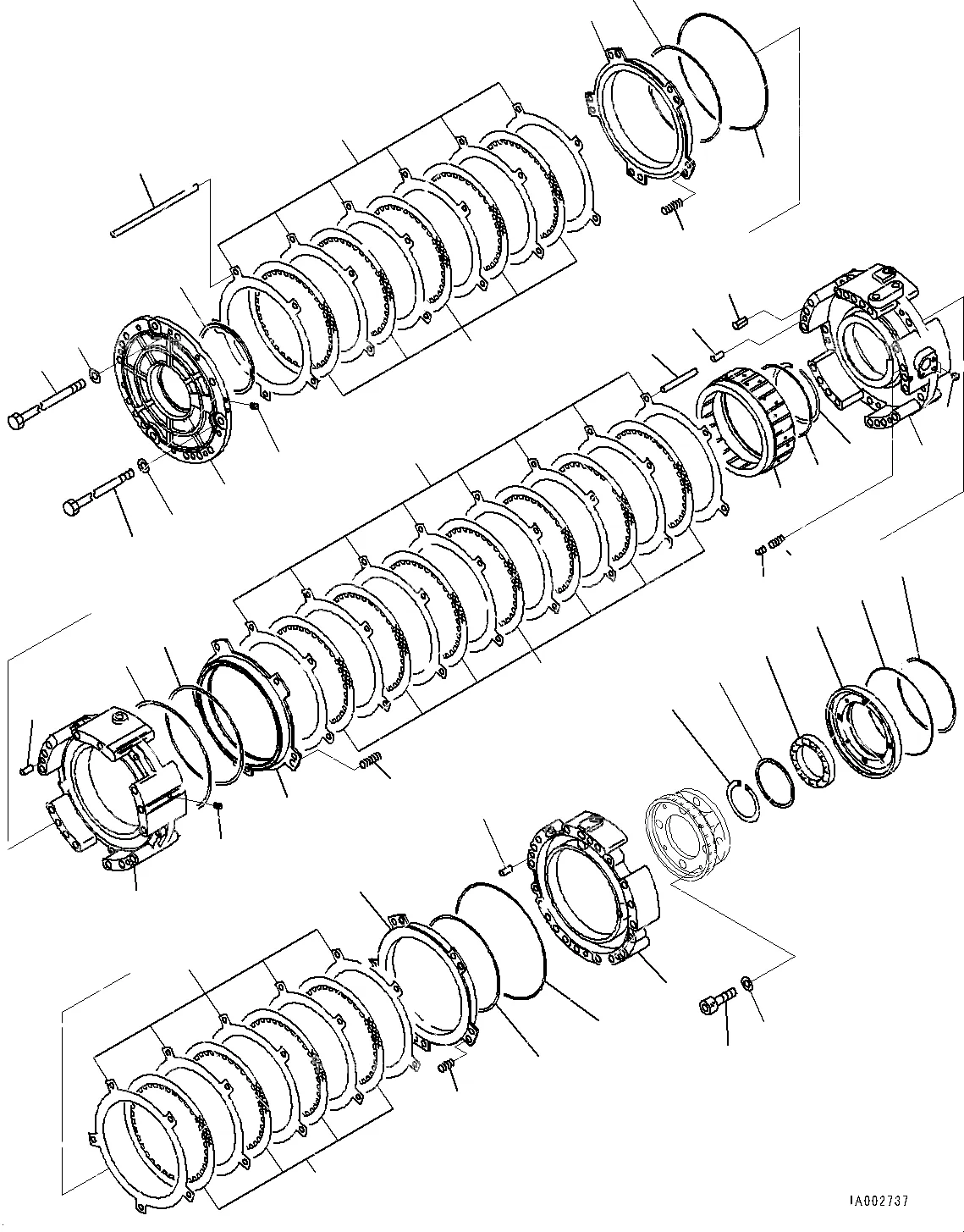 14X-15-19210 14X-15-19220 for D65 D68 D85 WA500 Bulldozer…
 -
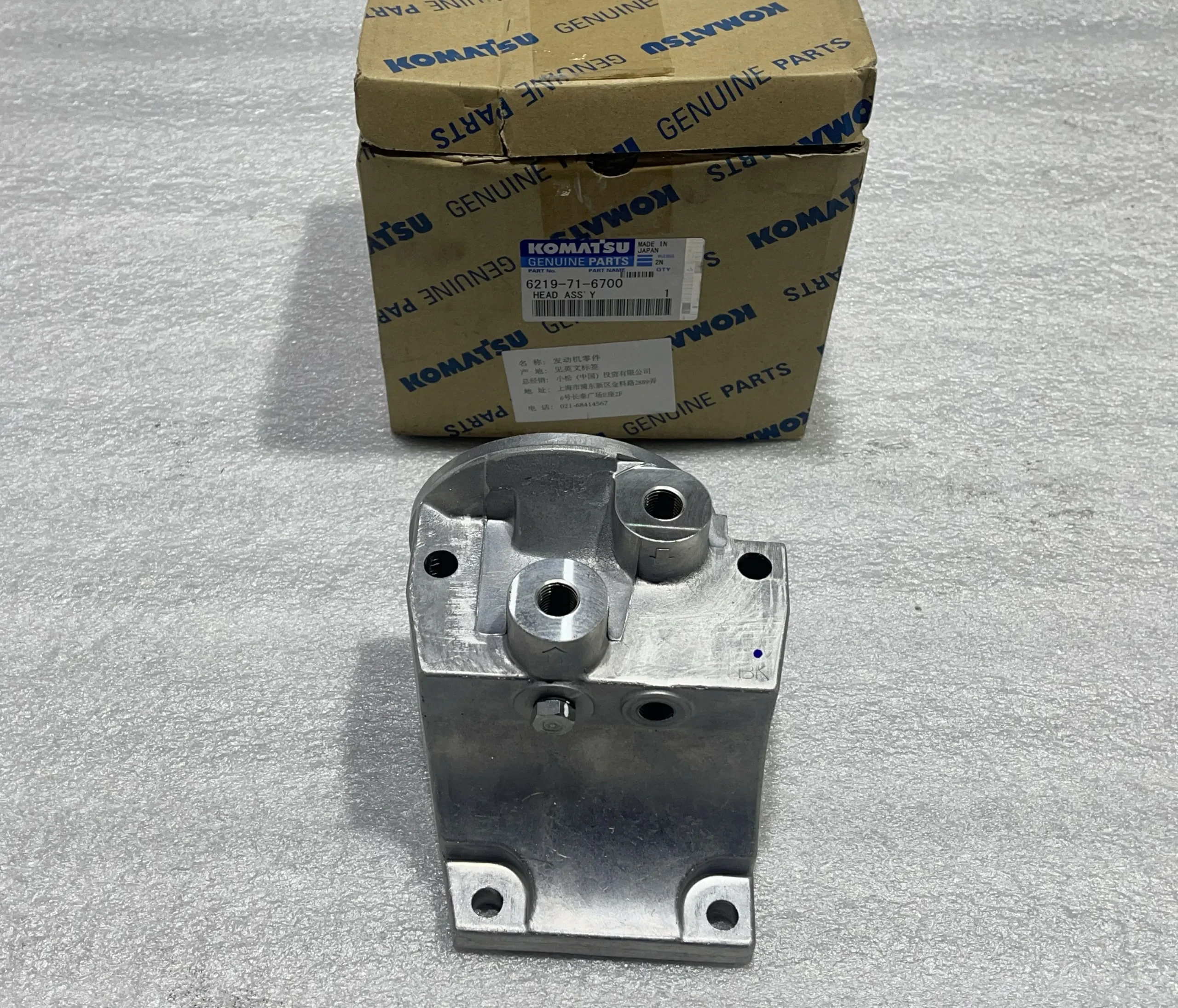 6219-71-6700 HEAD ASS’Y,FUEL FILTER-Komatsu Original Factory Accessories
 -
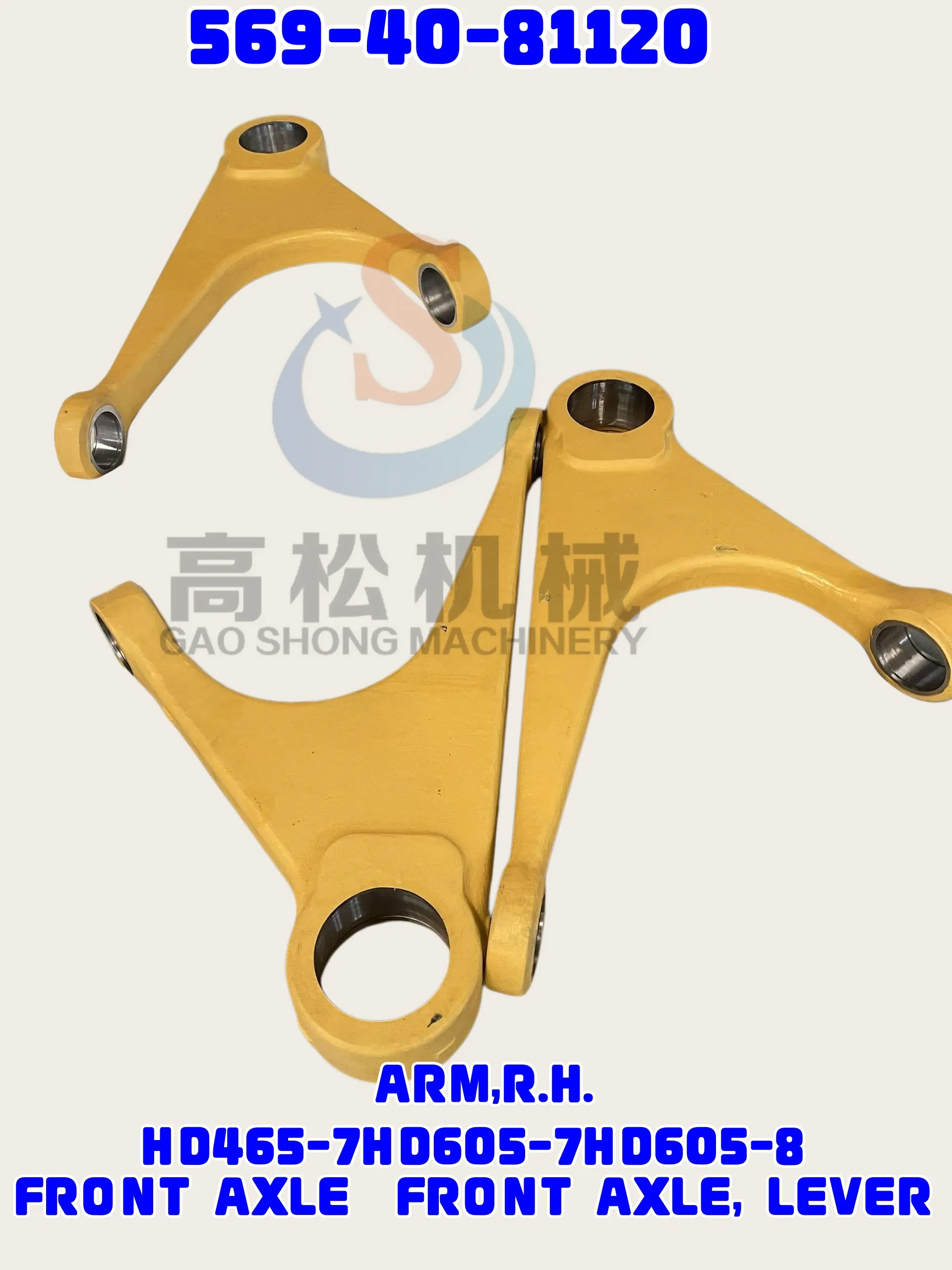 HD465-7 komatsu-part-569-40-81120 ARM,R.H. HD605-7 HD465-7 HD605-7E HD605-7E1 HD465-8 HD465-7R FRONT AXLE (R.H.) (KNUCKLE AND ARM LEVER)
 -
 Komatsu D275-2/-5 17M-30-26620 Heavy Duty Swing Motors
 -
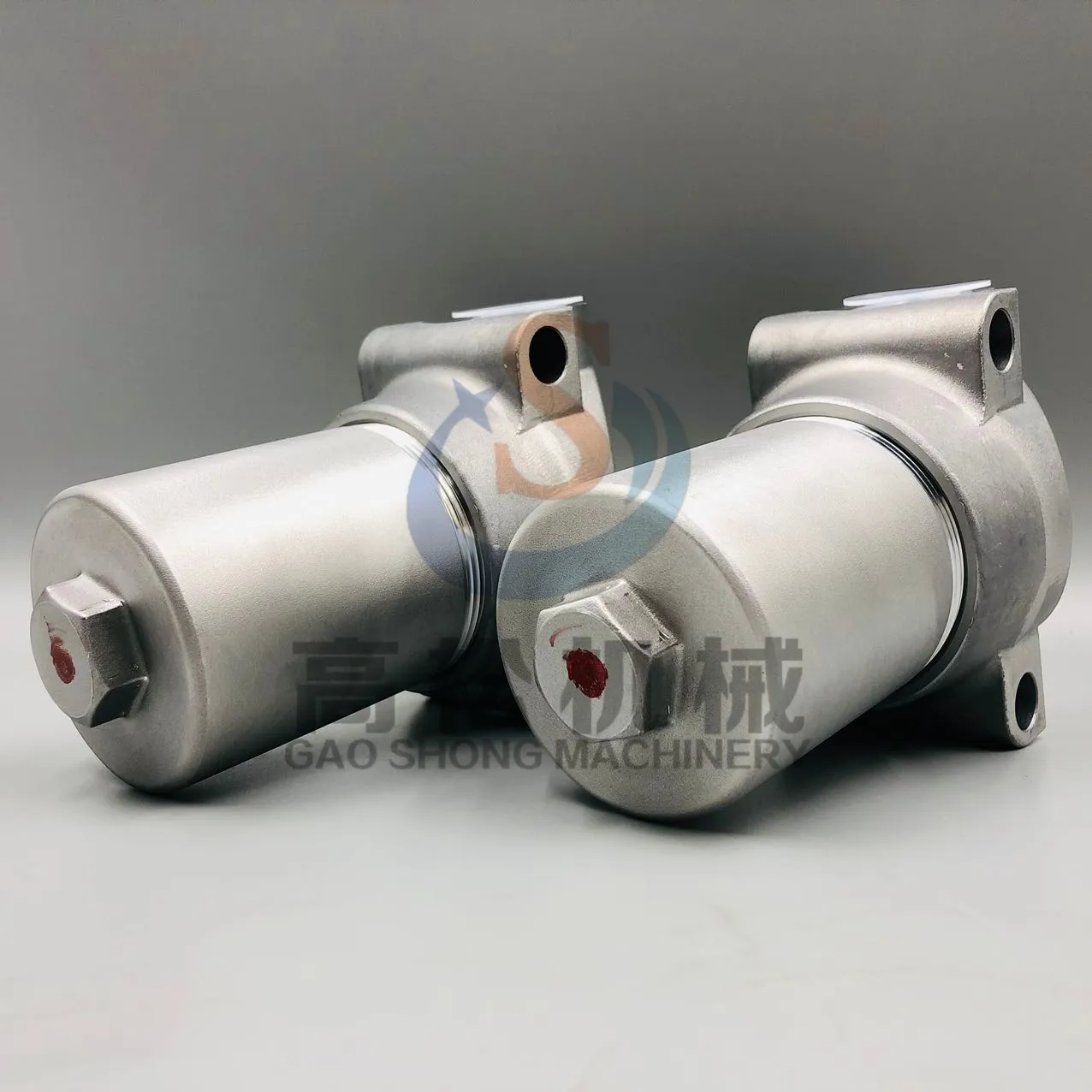 20Y-62-51681 Komatsu Filter Assembly
 -
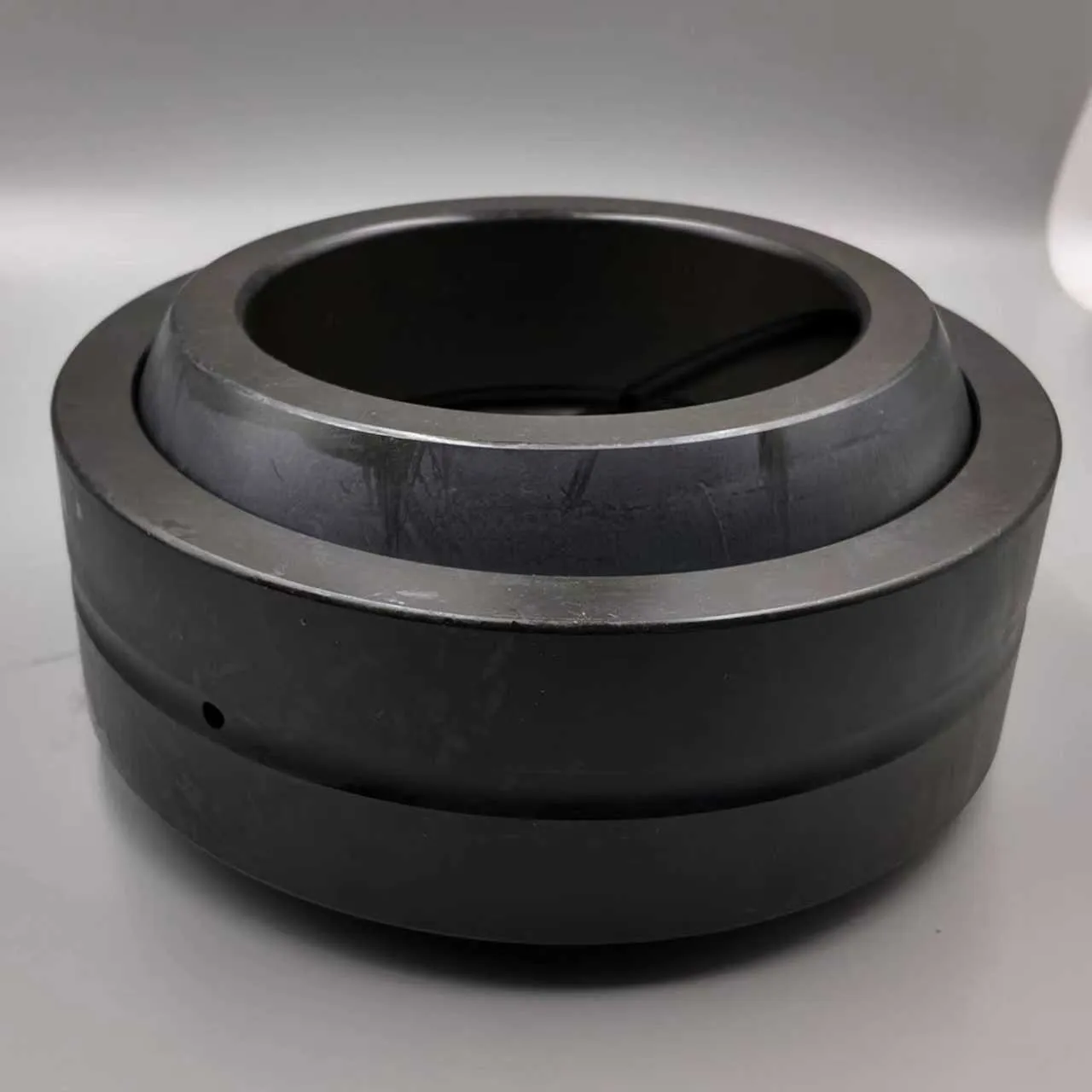 707-46-14010 • BUSHING-Komatsu Original Factory
 -
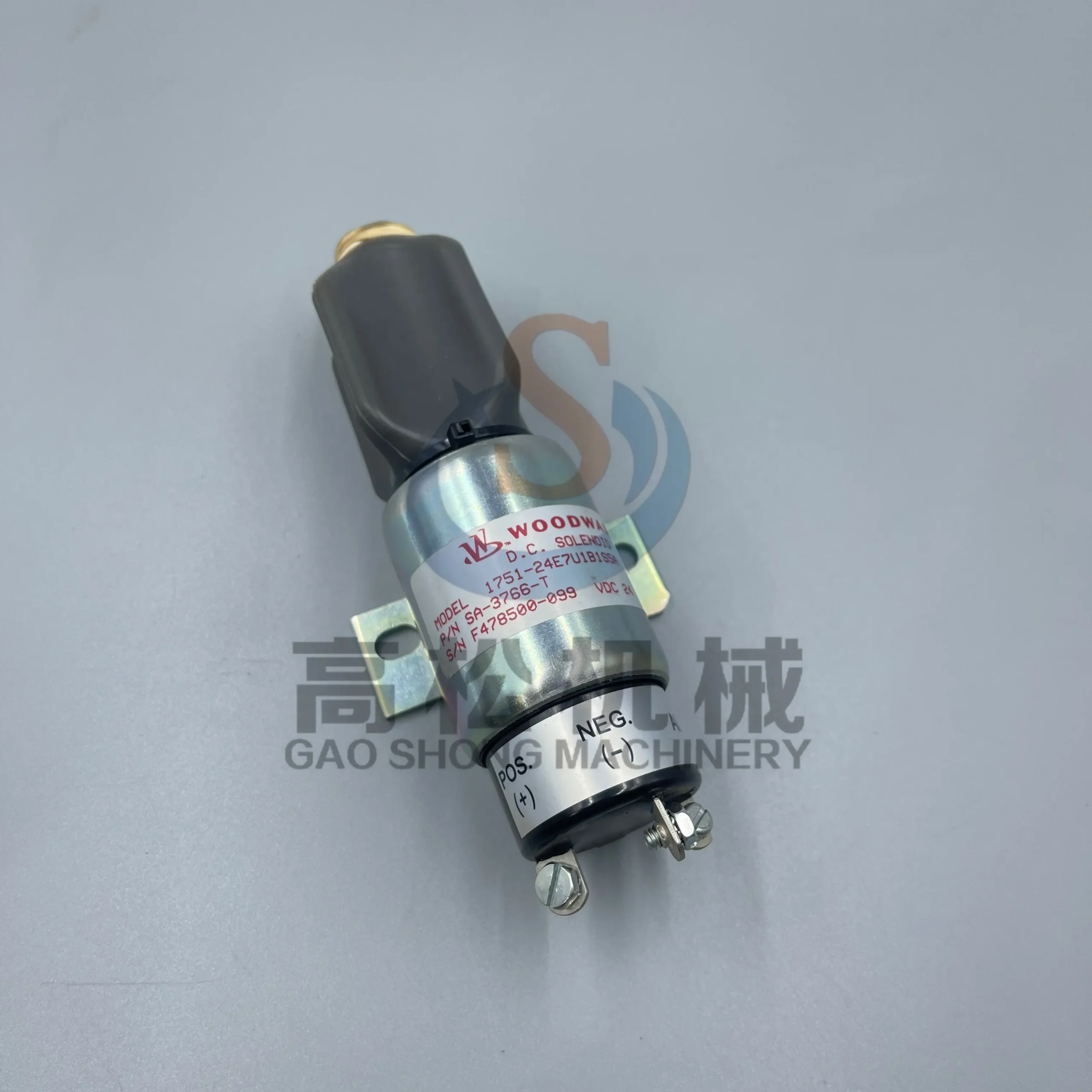 Stop Solenoid 600-815-7550
 -
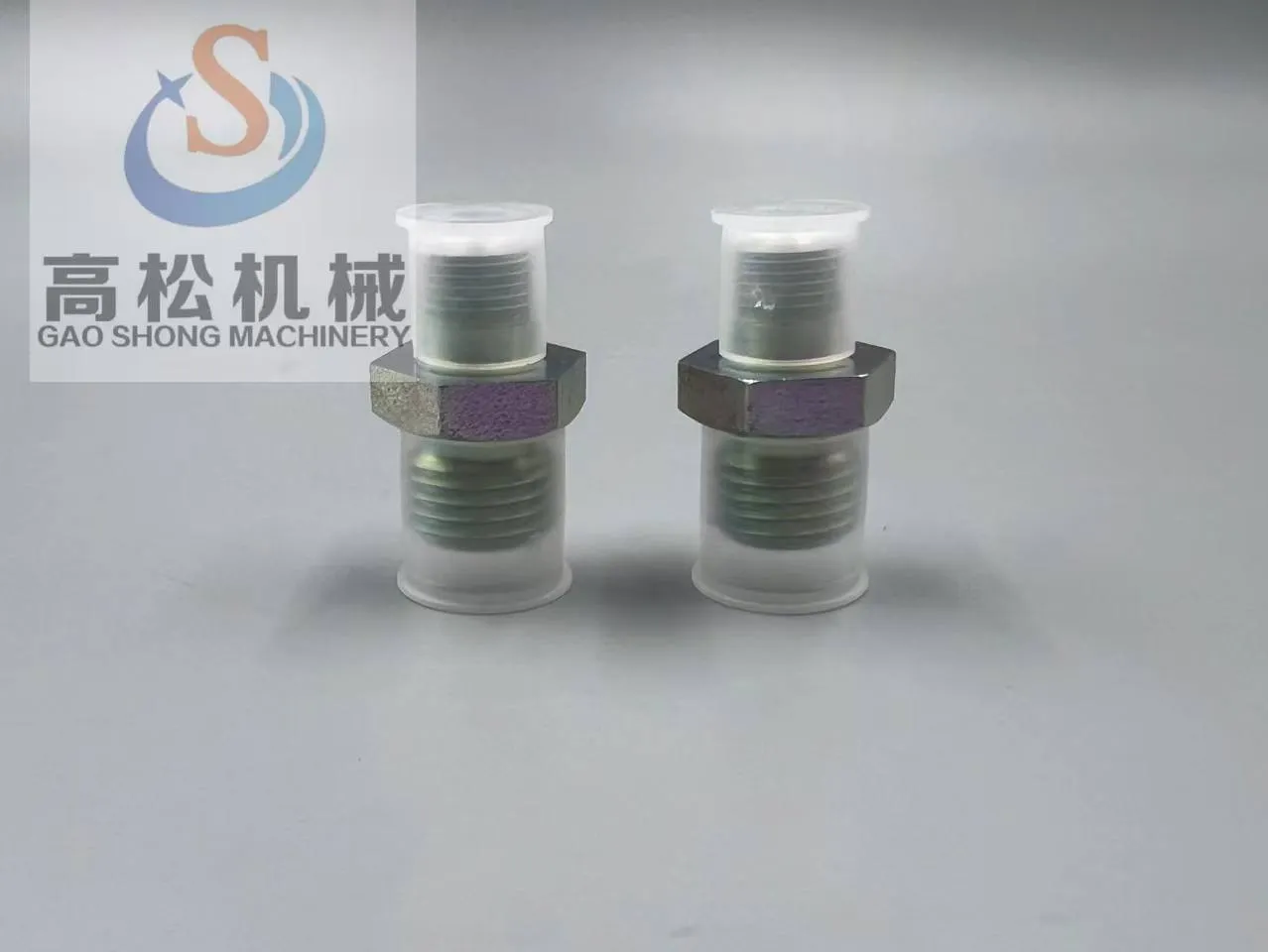 07213-50710 Connector, suitable for Komat Su D275A/D375A/D475A/PC600/PC1250
 -
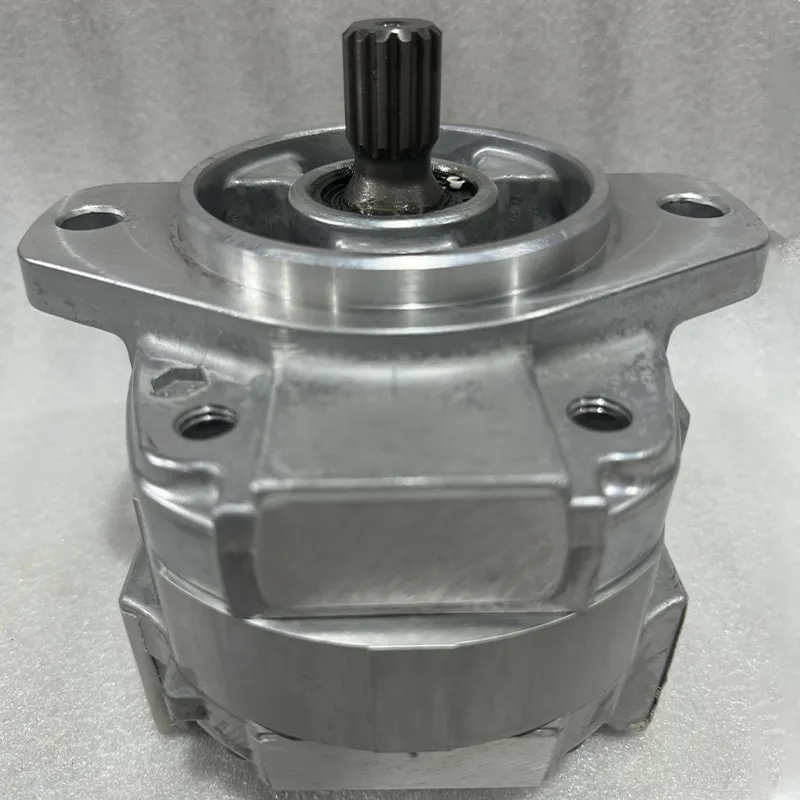 6156-71-1131 6156-71-1132Pump Compatible For 6D125 SA6D125E Engine Komatsu PC450-8 Excavator
 -
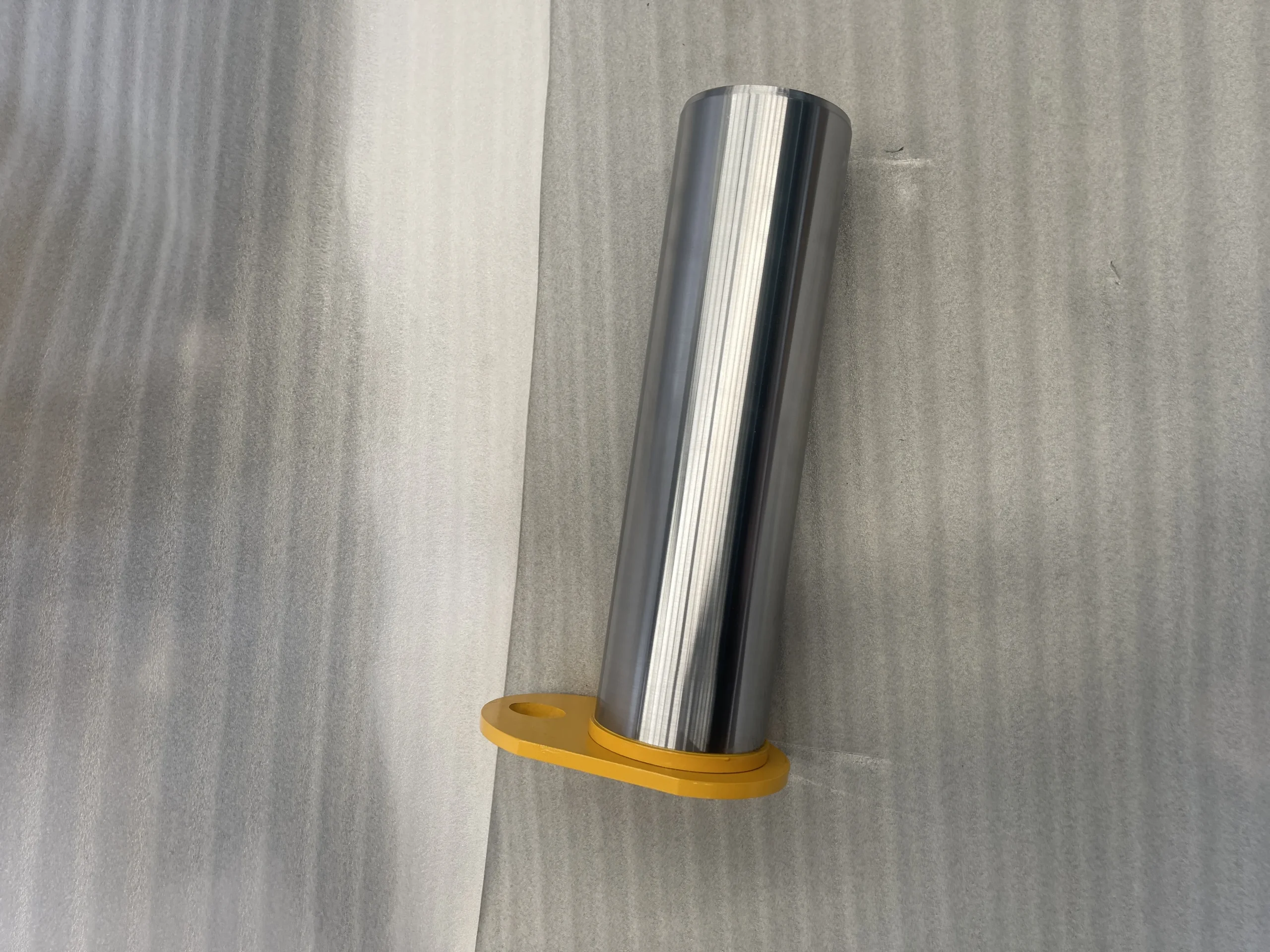 WA600-6 pin 426-70-31960
 -
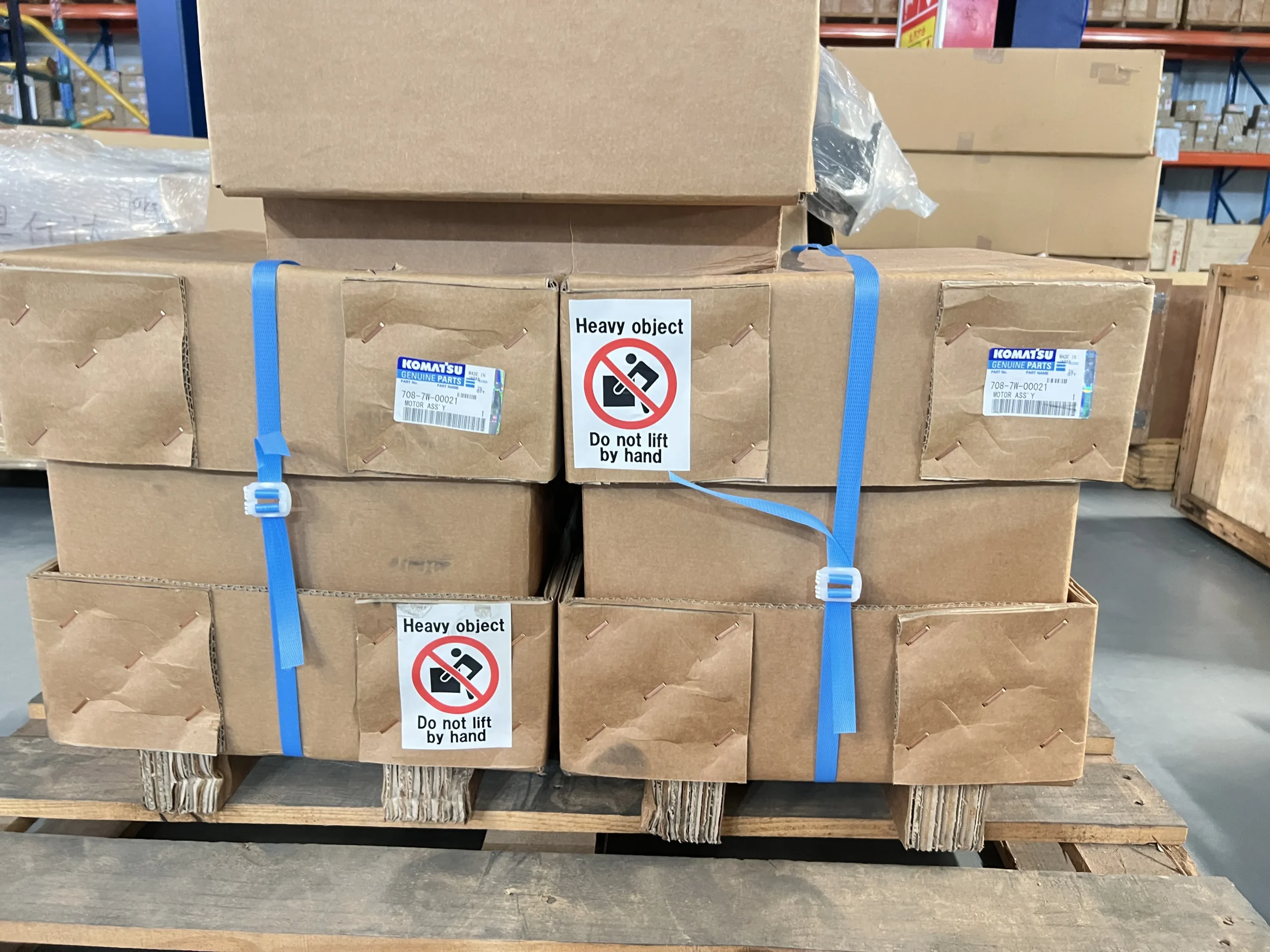 New Hydraulic Fan Motor 708-7W-00021
 -
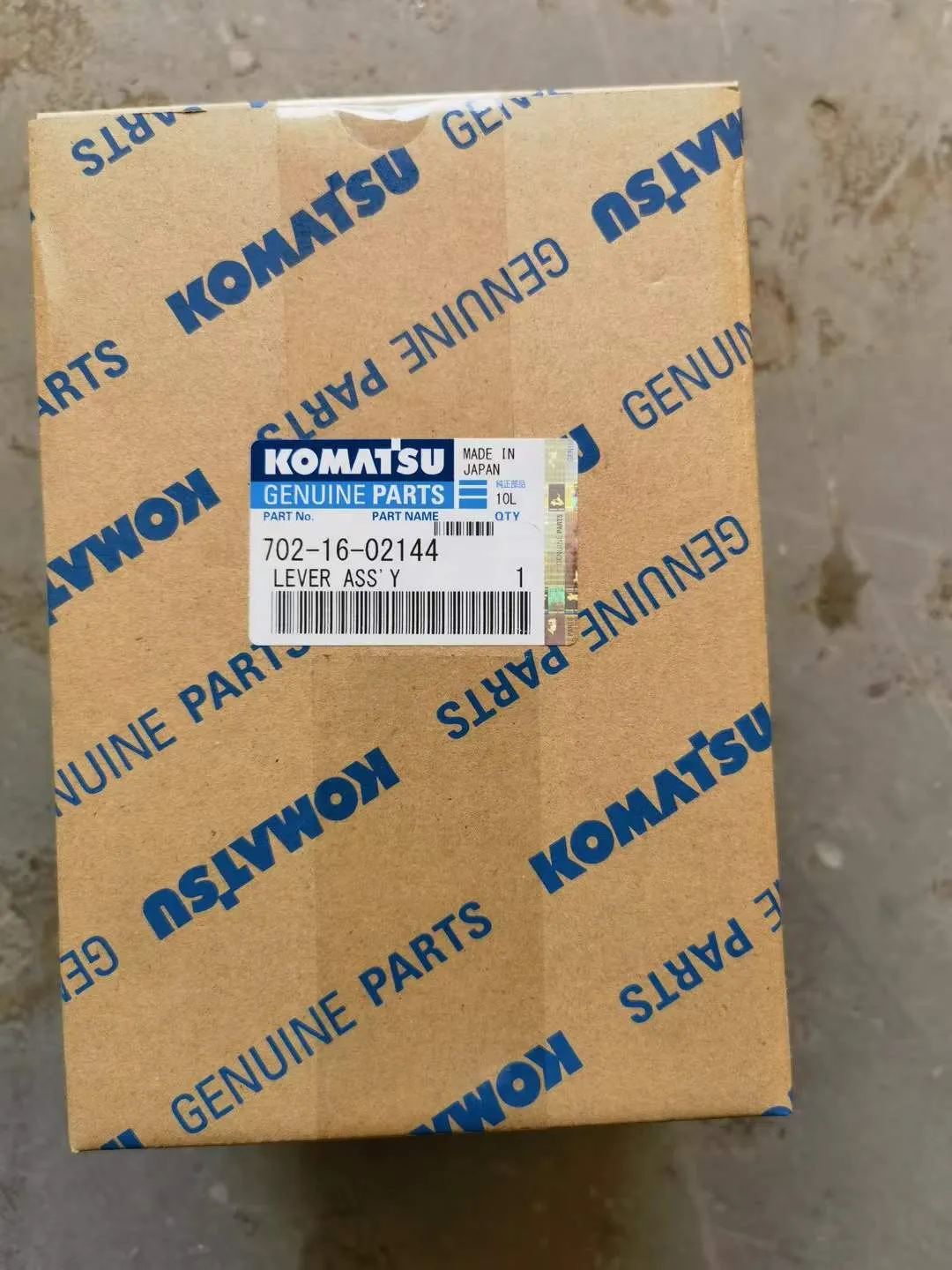 702-16-02144 Komatsu Lever Assembly