
- Chinese
- French
- German
- Portuguese
- Spanish
- Russian
- Japanese
- Korean
- Arabic
- Irish
- Greek
- Turkish
- Italian
- Danish
- Romanian
- Indonesian
- Czech
- Afrikaans
- Swedish
- Polish
- Basque
- Catalan
- Esperanto
- Hindi
- Lao
- Albanian
- Amharic
- Armenian
- Azerbaijani
- Belarusian
- Bengali
- Bosnian
- Bulgarian
- Cebuano
- Chichewa
- Corsican
- Croatian
- Dutch
- Estonian
- Filipino
- Finnish
- Frisian
- Galician
- Georgian
- Gujarati
- Haitian
- Hausa
- Hawaiian
- Hebrew
- Hmong
- Hungarian
- Icelandic
- Igbo
- Javanese
- Kannada
- Kazakh
- Khmer
- Kurdish
- Kyrgyz
- Latin
- Latvian
- Lithuanian
- Luxembou..
- Macedonian
- Malagasy
- Malay
- Malayalam
- Maltese
- Maori
- Marathi
- Mongolian
- Burmese
- Nepali
- Norwegian
- Pashto
- Persian
- Punjabi
- Serbian
- Sesotho
- Sinhala
- Slovak
- Slovenian
- Somali
- Samoan
- Scots Gaelic
- Shona
- Sindhi
- Sundanese
- Swahili
- Tajik
- Tamil
- Telugu
- Thai
- Ukrainian
- Urdu
- Uzbek
- Vietnamese
- Welsh
- Xhosa
- Yiddish
- Yoruba
- Zulu
- Kinyarwanda
- Tatar
- Oriya
- Turkmen
- Uyghur






komatsu dozer engine
When you hear 'Komatsu dozer engine,' most guys immediately think of the S6D or SAA6D series. That's fair, they're the heart of the D61, D65, D85 lineage. But the real story isn't just the model code stamped on the block. It's about understanding what that engine represents in the field—the interplay between OEM design, the brutal reality of operating environments, and the aftermarket parts ecosystem that keeps these machines running decades later. There's a common misconception that a Komatsu engine is a sealed, perfect unit. In my experience, that's where the first mistakes happen.
The Core Philosophy: Durability vs. Perfect Performance
Komatsu didn't necessarily build the most powerful or fuel-sipping engines for their dozers. They built ones that could take a beating. The Komatsu dozer engine philosophy leans heavily on torque rise and cooling capacity. I've seen S6D95Ls run for hours at full load, temps hovering just below the red, and come back for more the next day. That's the design intent. But this durability comes with quirks. The cylinder head design on the older S6Ds, for instance, had a tendency for liner seal issues if you didn't torque the head bolts in the exact sequence and stages Komatsu specified. It wasn't a flaw, per se, but a characteristic you had to respect.
Where people get tripped up is trying to improve them. I remember a contractor who insisted on using aftermarket high-flow injectors in his D65EX to get more power. It worked for about 200 hours. Then the increased cylinder pressure blew a head gasket in a way that took out the liner seals too. The repair bill was triple what he saved on the injectors. The lesson? These engines are a system. The turbo, fuel pump, injectors, and cooling are all balanced. Mess with one element without understanding the whole, and you're asking for trouble.
This is where having a reliable parts source that understands this balance is critical. It's not just about having a piston that fits; it's about having a piston with the correct alloy composition and ring groove tolerances that match the OEM's durability specs. Companies that operate within the Komatsu system, like Jining Gaosong Construction Machinery Co., Ltd., get this. As an OEM product supplier within Komatsu's network, their value isn't just in stocking the part, but in knowing why that part is made a certain way for that specific Komatsu dozer engine application.
Real-World Failure Points and Observations
Let's talk about the SAA6D140E-3 in the D155. A fantastic workhorse. But its Achilles' heel, in dusty environments, is always the air induction system. The factory cyclonic pre-cleaners are good, but not infallible. I've torn down engines where fine dust had managed to bypass the filter media entirely, creating a fine abrasive paste inside the intake manifold. The telltale sign was unusual wear on the turbo compressor wheel blades long before any drop in boost pressure was noticeable. It taught me to inspect the intake boots and manifold during every major service, not just change the filter.
Another classic is the water pump on the S6D series. The bearing seems to go from slightly noisy to catastrophic leak in a very short window. The failure often takes out the fan and radiator if not caught. There's no good warning from the temperature gauge until it's too late. My rule now is proactive replacement at around 8,000 hours, regardless of condition. It's cheaper than a new radiator core and a downtime event.
These aren't failures you'll read about in a manual. They're patterns you see after looking at dozens of engines across different job sites. This practical, pattern-recognition knowledge is what separates a parts changer from a real technician. It's also what informs the inventory of a savvy supplier. They know which components fail predictably and stock accordingly, not just the fast-moving filters, but the specific idler bearings or gasket sets that are prone to issues.
The Aftermarket Ecosystem and the Genuine Debate
The term genuine Komatsu parts is a battleground. For critical rotating assemblies—crankshafts, camshafts, turbocharger cores—I still lean heavily toward OEM-sourced. The metallurgy and balancing are just different. But for many wear items? A high-quality aftermarket alternative from a trusted manufacturer is often indistinguishable in performance. The key is trusted. The market is flooded with junk that looks right but fails prematurely.
This is the niche where third-party sales companies that are also integrated into the OEM system prove their worth. Take Jining Gaosong. Their model of being both an OEM supplier and a third-party sales company is interesting. It means they can provide the true genuine article when it's non-negotiable (like an ECU or a fuel pump calibration unit), but they also have the field experience to source or produce reliable alternatives for parts where the OEM premium is hard to justify. Their stated goal of solving parts supply challenges in certain countries speaks directly to a real pain point: downtime waiting for a $5 seal from halfway across the world.
I used a set of their aftermarket hydraulic pump seals on a D61PX a few years back during a crunch in Southeast Asia. I was skeptical. But the material felt right, the dimensions were perfect, and they held up for over 3,000 hours before we sold the machine. It wasn't a blind gamble; it was because they understood the spec and sourced to meet it, not just to undercut price.
Cooling System: The Silent Killer
No discussion on Komatsu dozer engine longevity is complete without stressing the cooling system. It's not a subsidiary system; it's part of the engine. Komatsu designs these systems with very specific flow rates and pressure drops. Using the wrong coolant (or plain water) is a death sentence. The silicate-free coolants they specify prevent cavitation erosion on the wet liner sleeves. I've seen liners with holes you could put a pencil through because someone ran with cheap automotive coolant for a year.
The other issue is radiator cleanliness. These machines work in dirt, and the cores get packed. But pressure washing from the fan side can bend fins and reduce efficiency. You need to wash from the engine side out, with low pressure. It's a small detail, but one that affects core temperature by several degrees Celsius. A consistently overheated engine, even just slightly, will have a drastically reduced life. The oil degrades faster, the rings lose tension, and you get blow-by.
Maintaining this system is a perfect example of where the right parts matter. A cheap, non-OEM radiator cap with the wrong pressure relief rating can cause localized boiling or allow coolant loss. It seems trivial, but it's these small deviations from spec that accumulate into major failures.
Final Thoughts: It's a Partnership
Running a Komatsu dozer engine reliably is a partnership between the operator, the mechanic, and the parts supply chain. You need to understand its characteristics, respect its design limits, and feed it with components that meet its engineering intent. It's not about always buying the most expensive part, but about buying the correct part.
That's why the role of specialized suppliers is evolving. It's less about being a warehouse and more about being a technical resource. When a company like Jining Gaosong Construction Machinery Co., Ltd. says they help solve parts supply challenges, the implication is technical support, logistics, and having the right part that won't fail in 500 hours. They're not just selling a Komatsu dozer engine water pump; they're selling one that they know matches the flow rate and bearing load of the original, because they operate within that OEM framework.
In the end, these engines are tools. Incredibly tough, well-designed tools. But like any tool, they work best when you use them as intended and maintain them with the right pieces. The name on the valve cover gets you started, but the knowledge behind keeping it running is what really gets the job done.
Related Products
Related Products
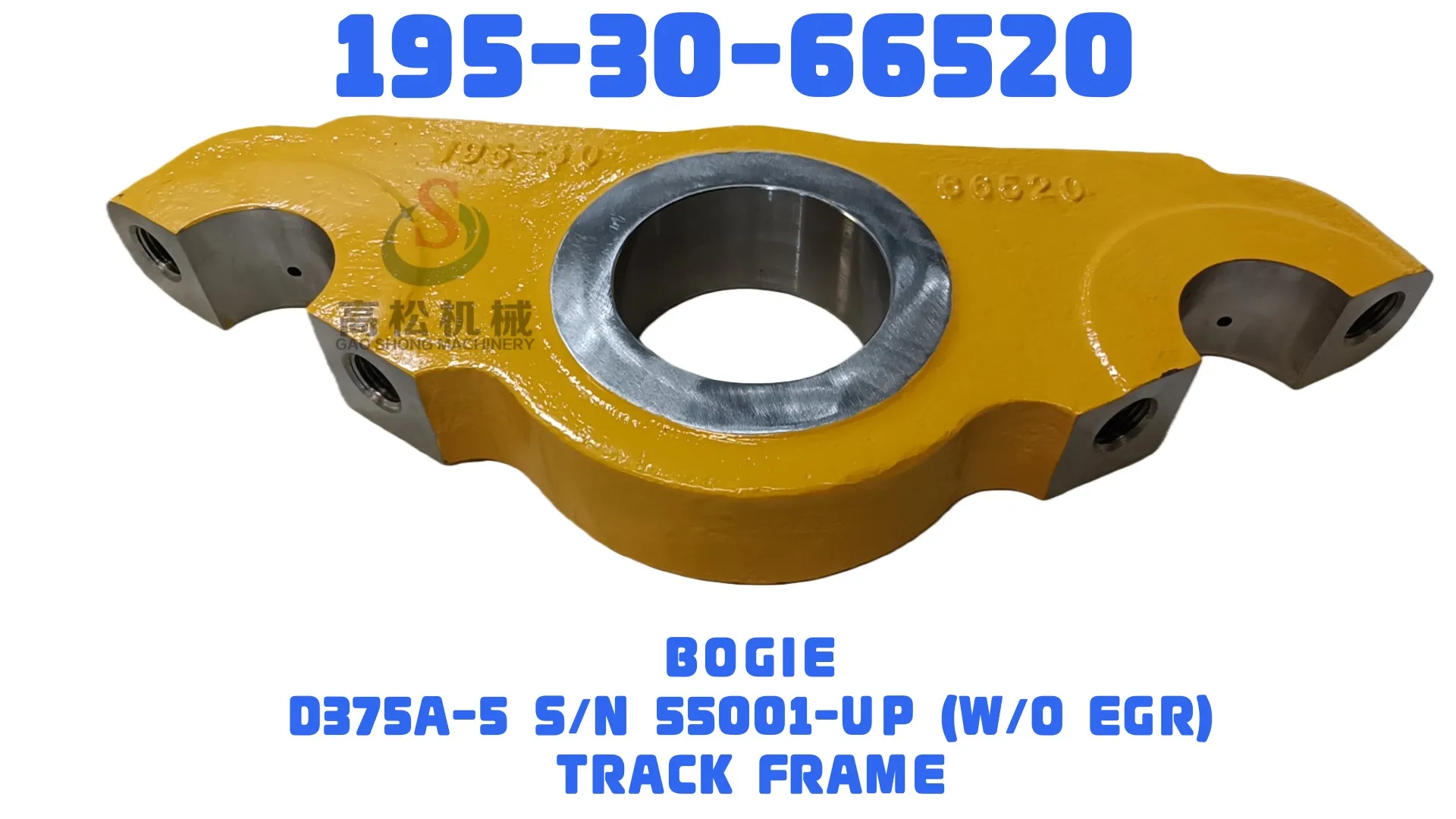

Best Selling Products
Best Selling Products-
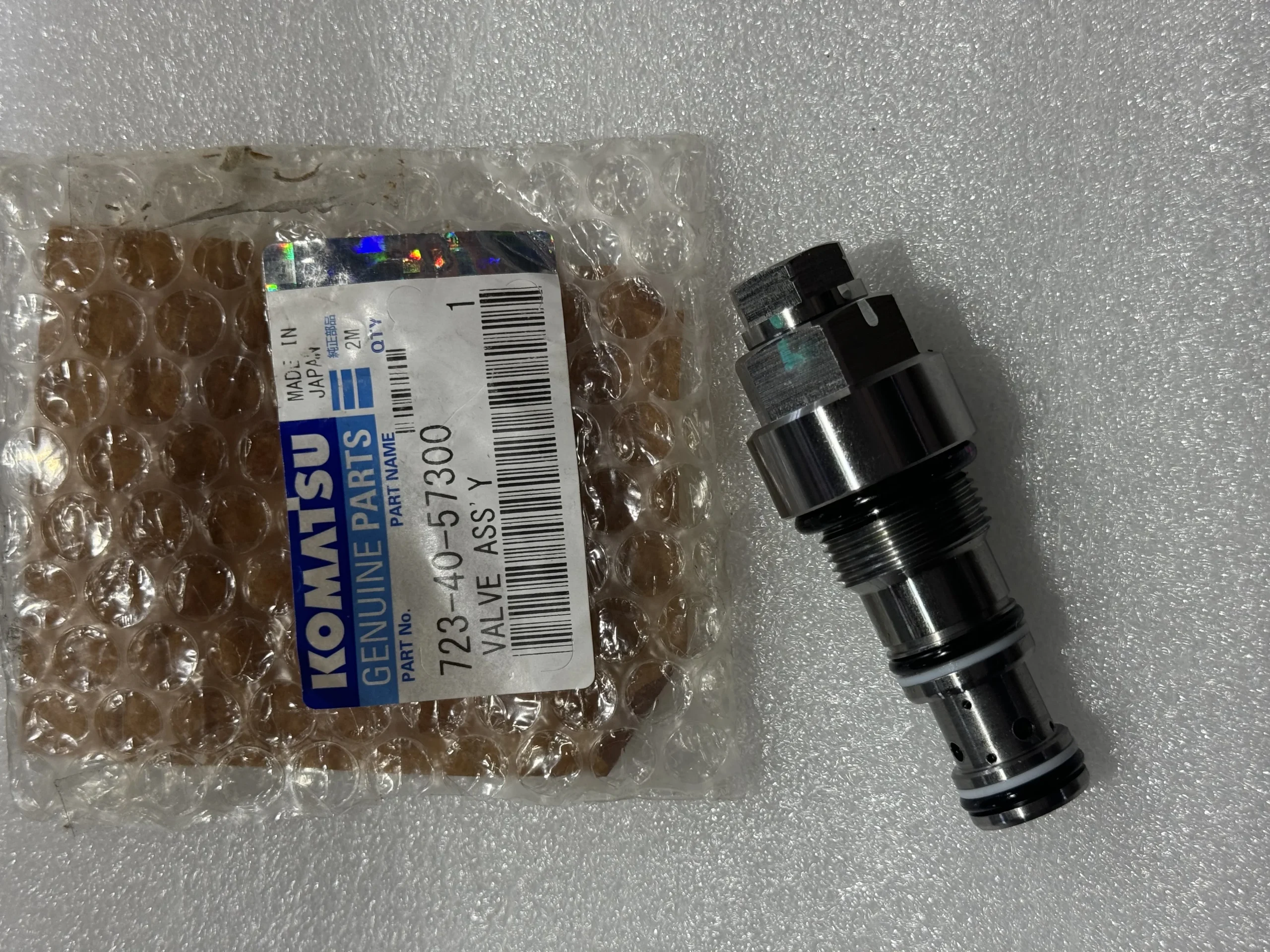 WA480-6 Main Valve 723-40-57300
 -
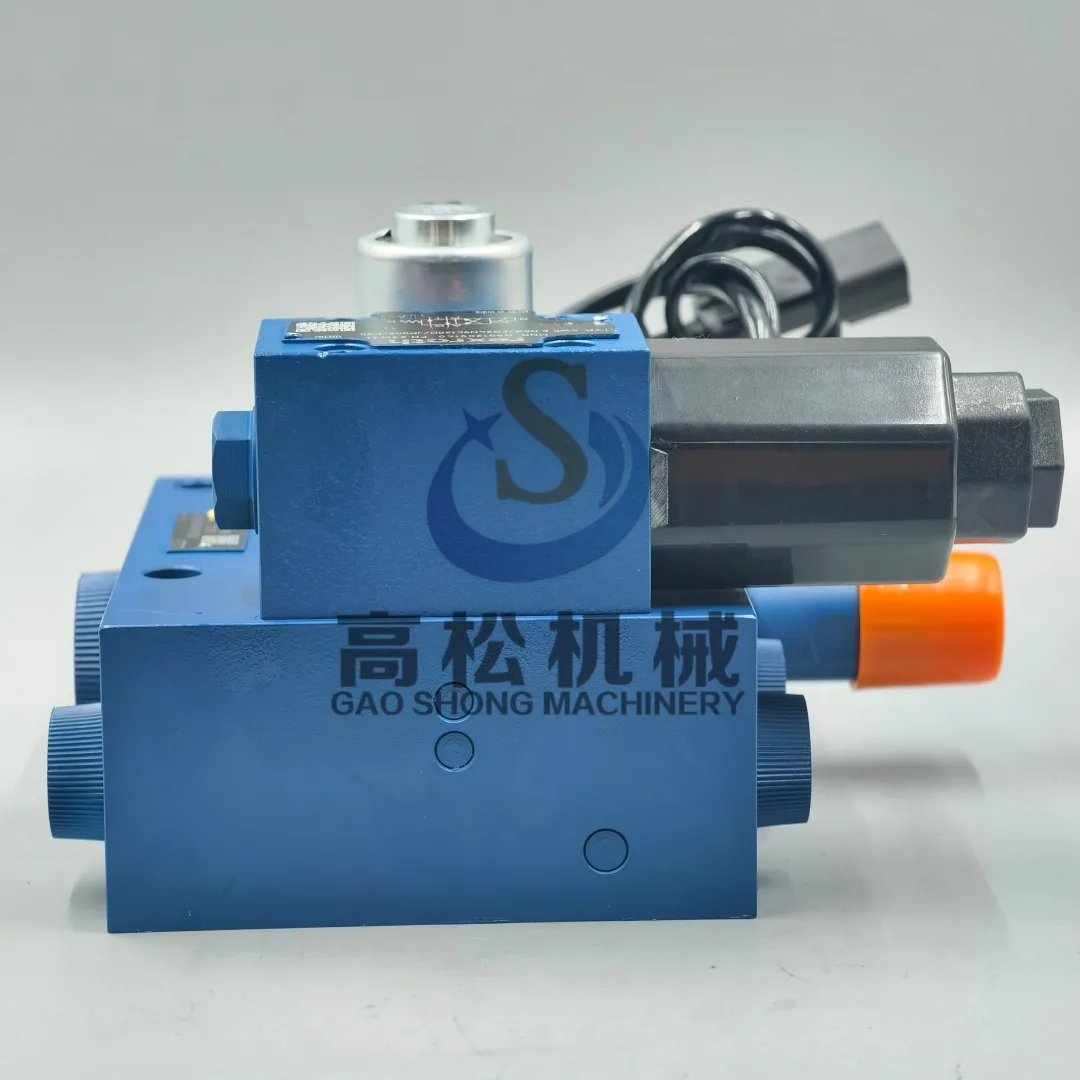 Original VALVE ASS’Y 56B-43-12402 for DUMP TRUCKS HD325 HD605
 -
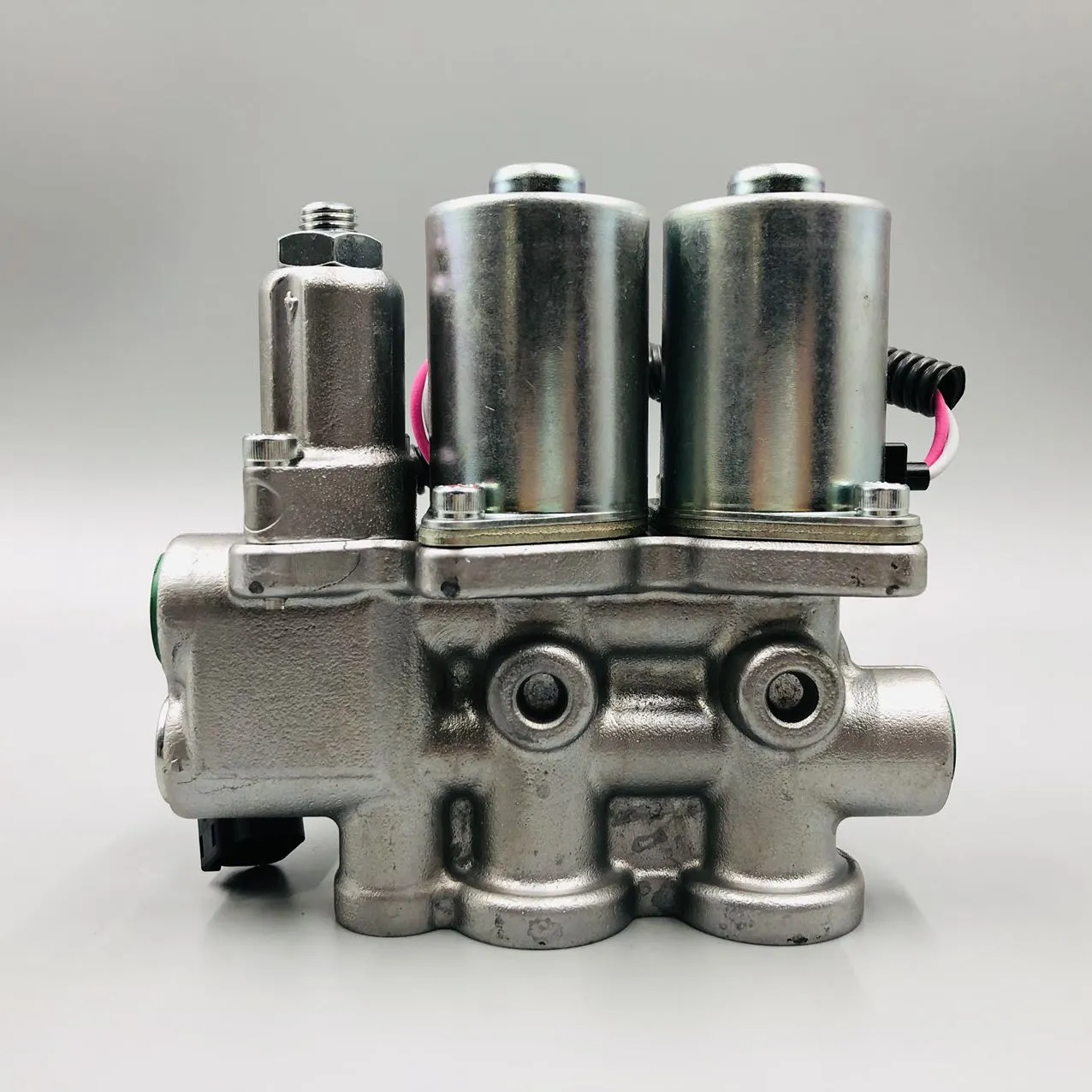 Valve Assembly22F-60-31600
 -
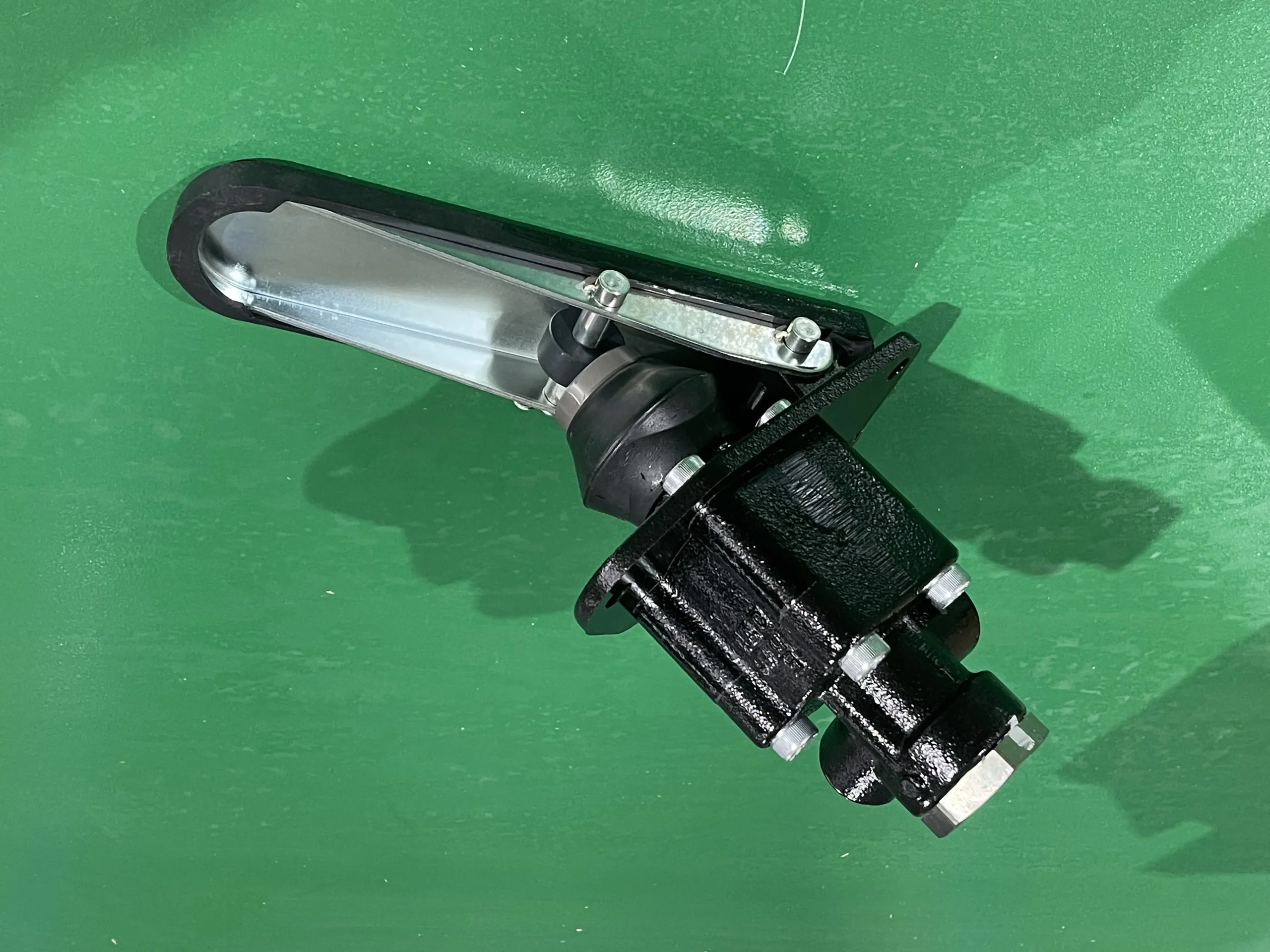 425-43-37200 Komatsu VALVE ASS’Y
 -
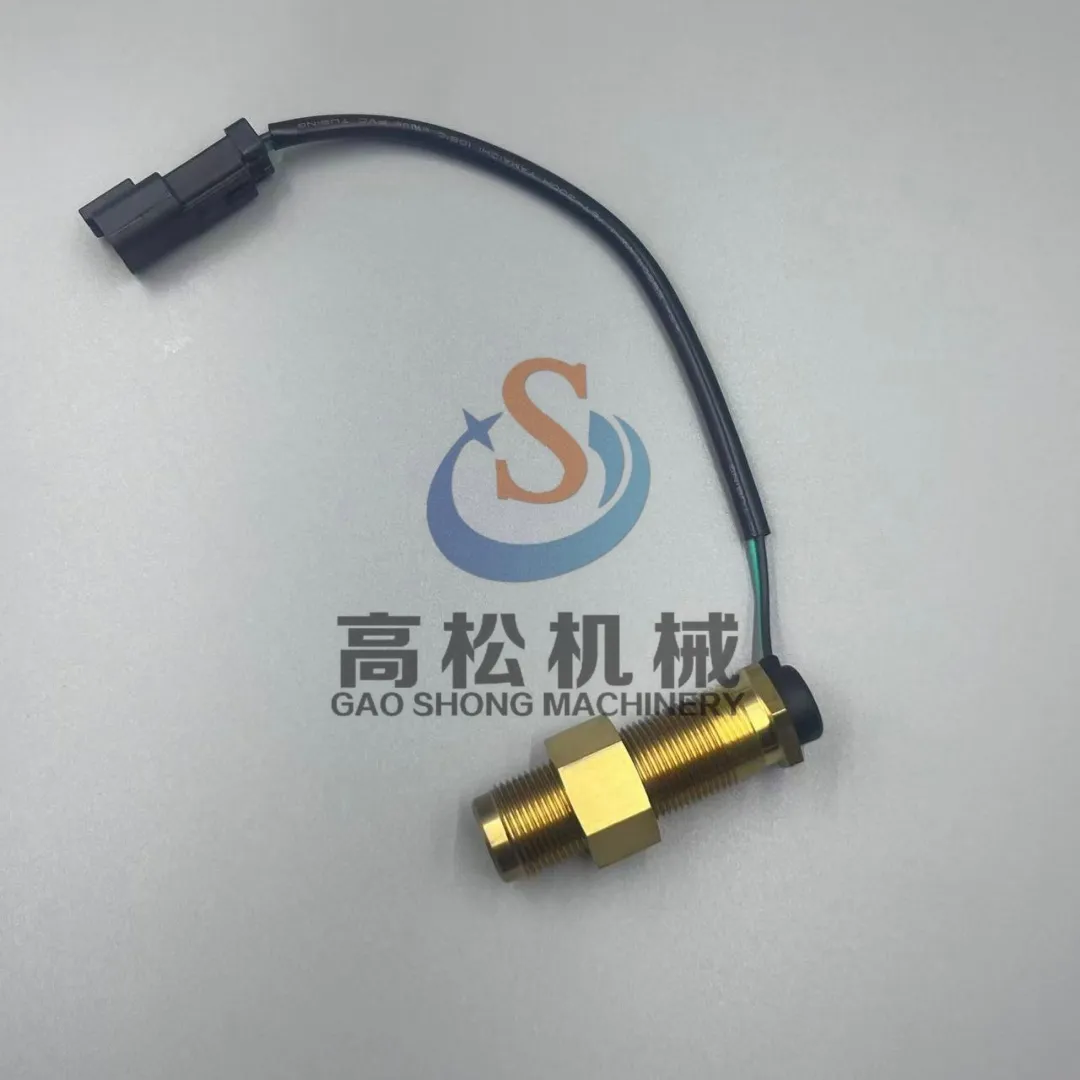 7861-92-2340 7861-93-2330 Fits for Komatsu PC200-3
 -
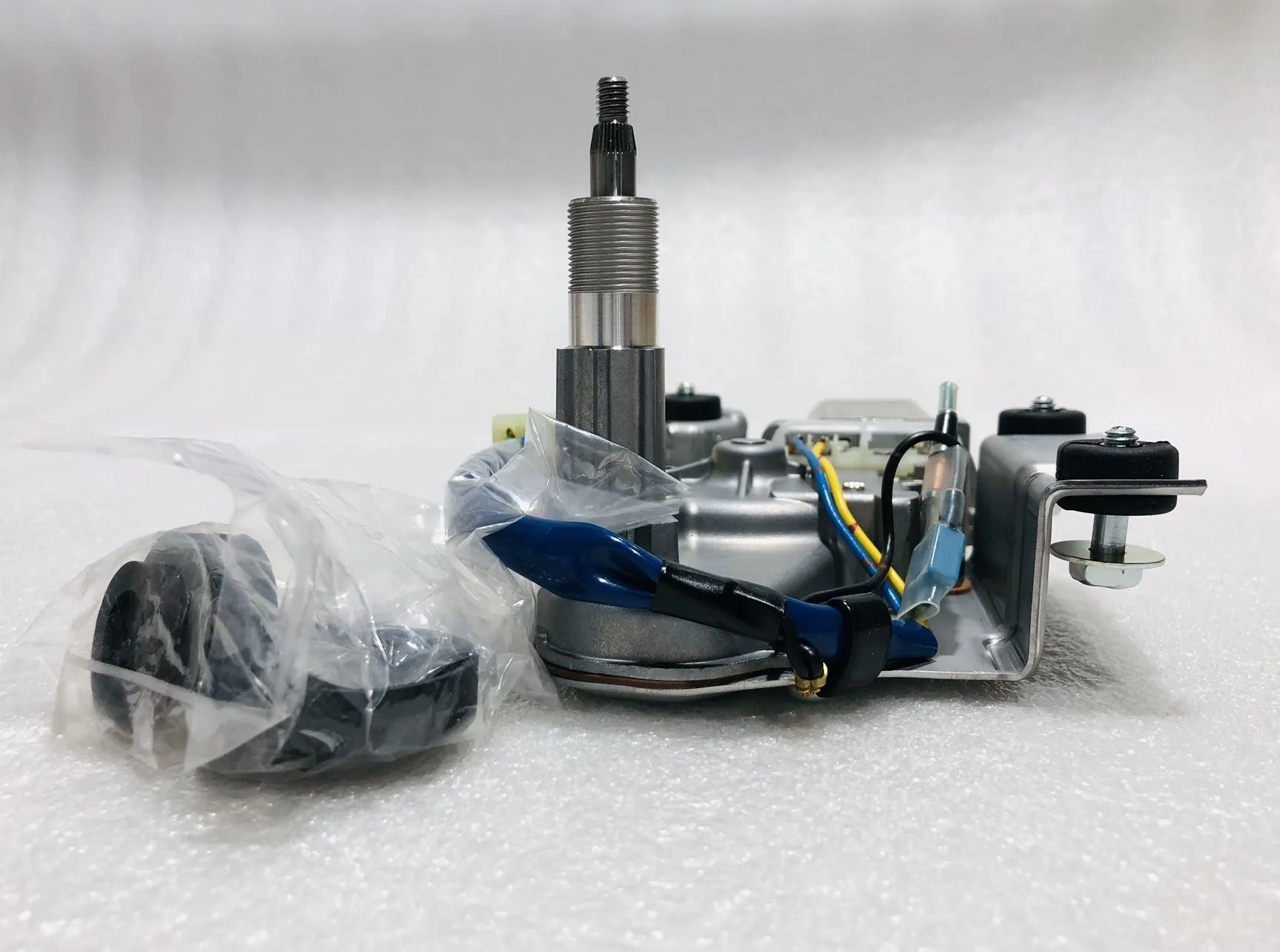 23B-951-2610 Komatsu MOTOR,WIPER
 -
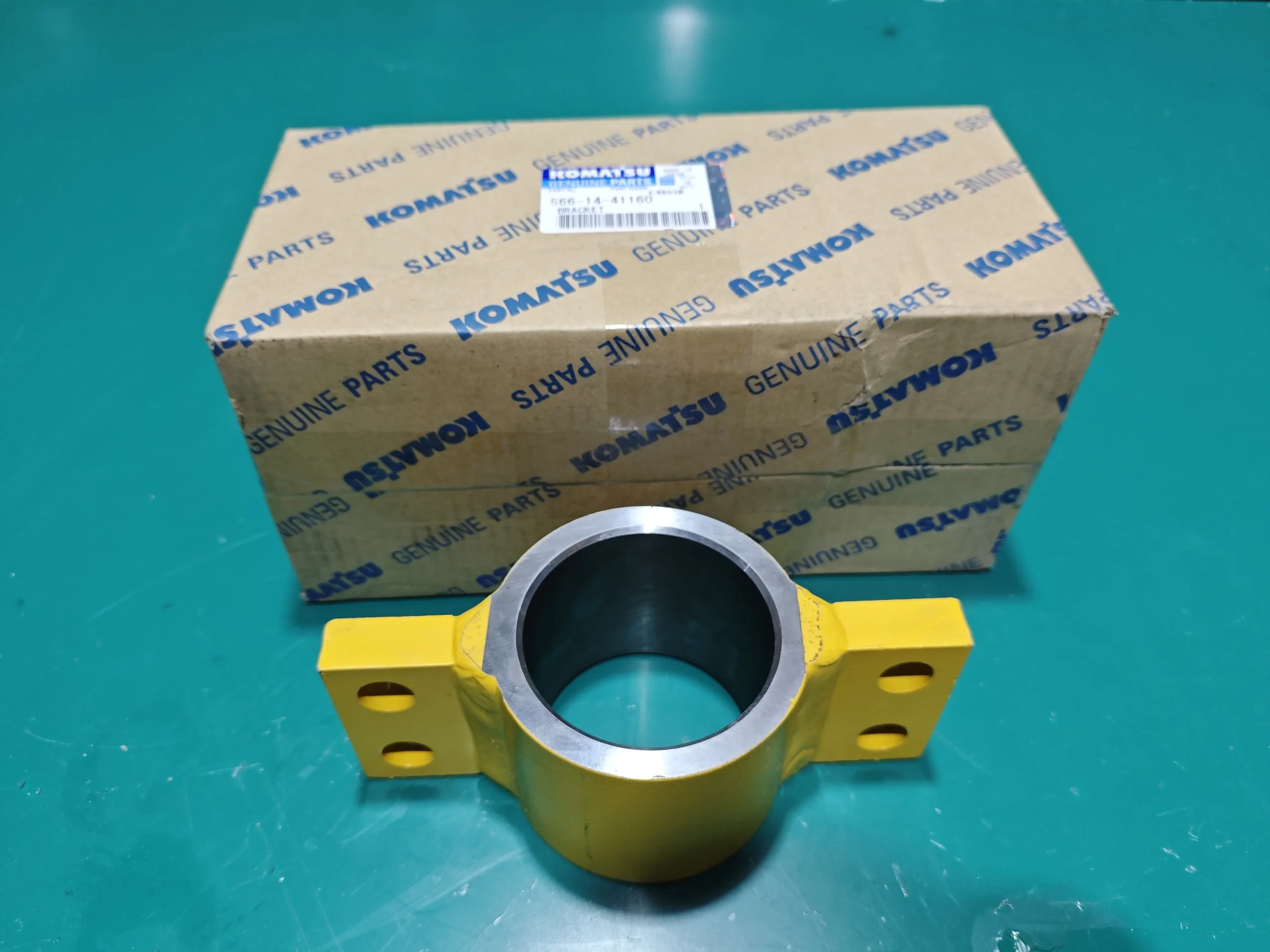 566-14-41160 Bracket
 -
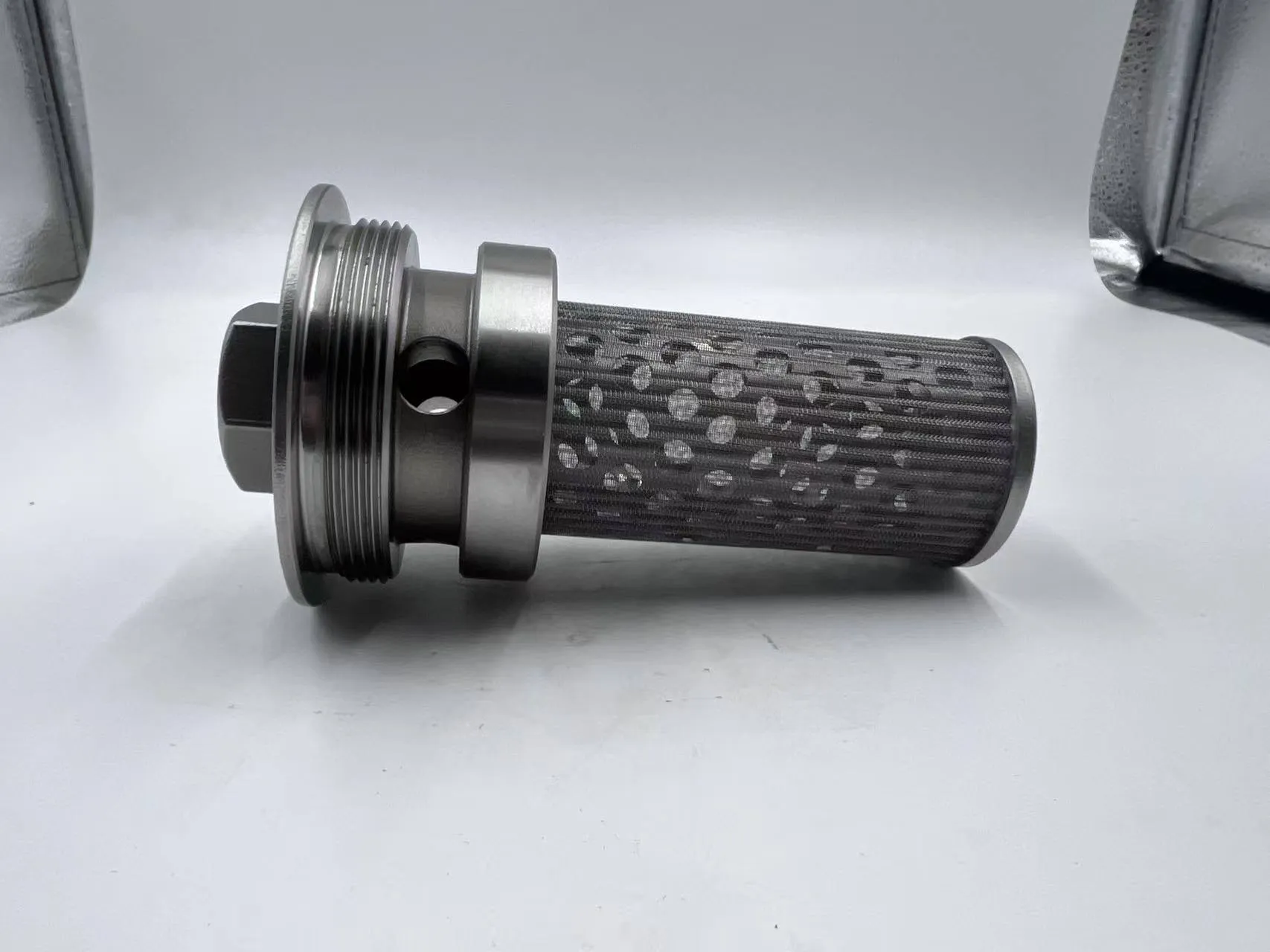 Hello friend 195-04-11150 17M-71-21530 17M-50-49290 is suitable for Komatsu Machinery
 -
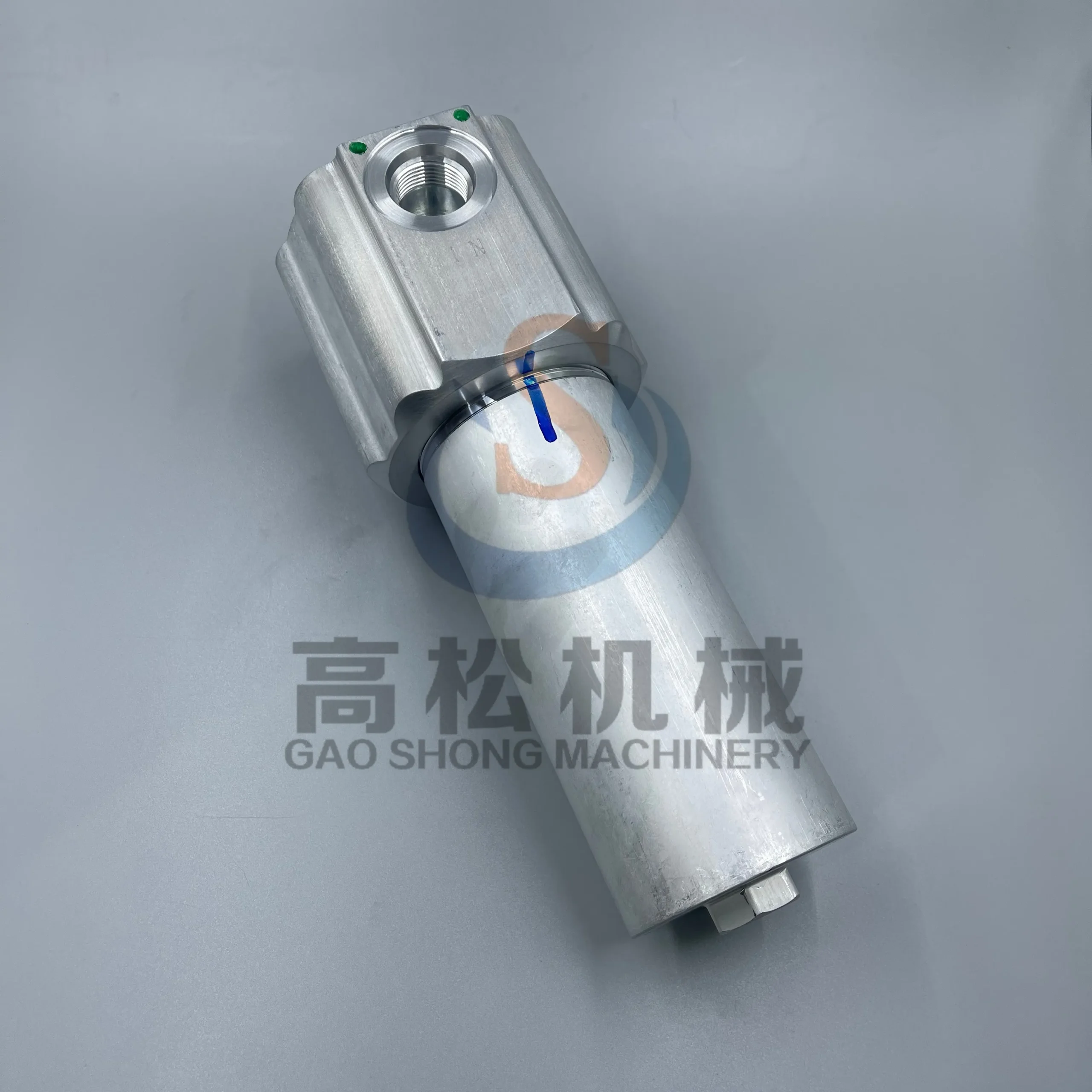 569-43-83911 Komatsu Filter Assembly
 -
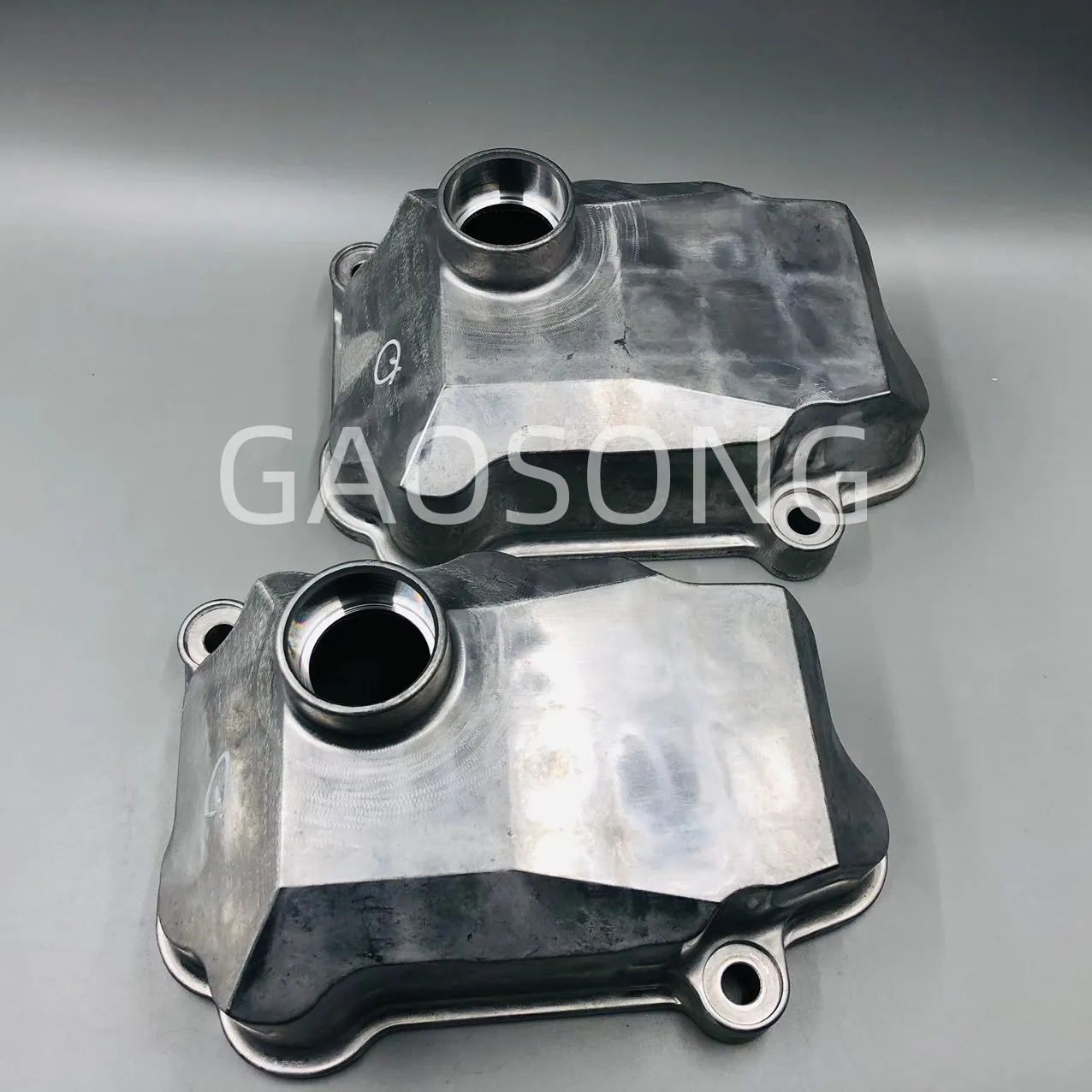 6251-11-8150 COVER, ROCKER ARM HOUSING-Komatsu Original Factory
 -
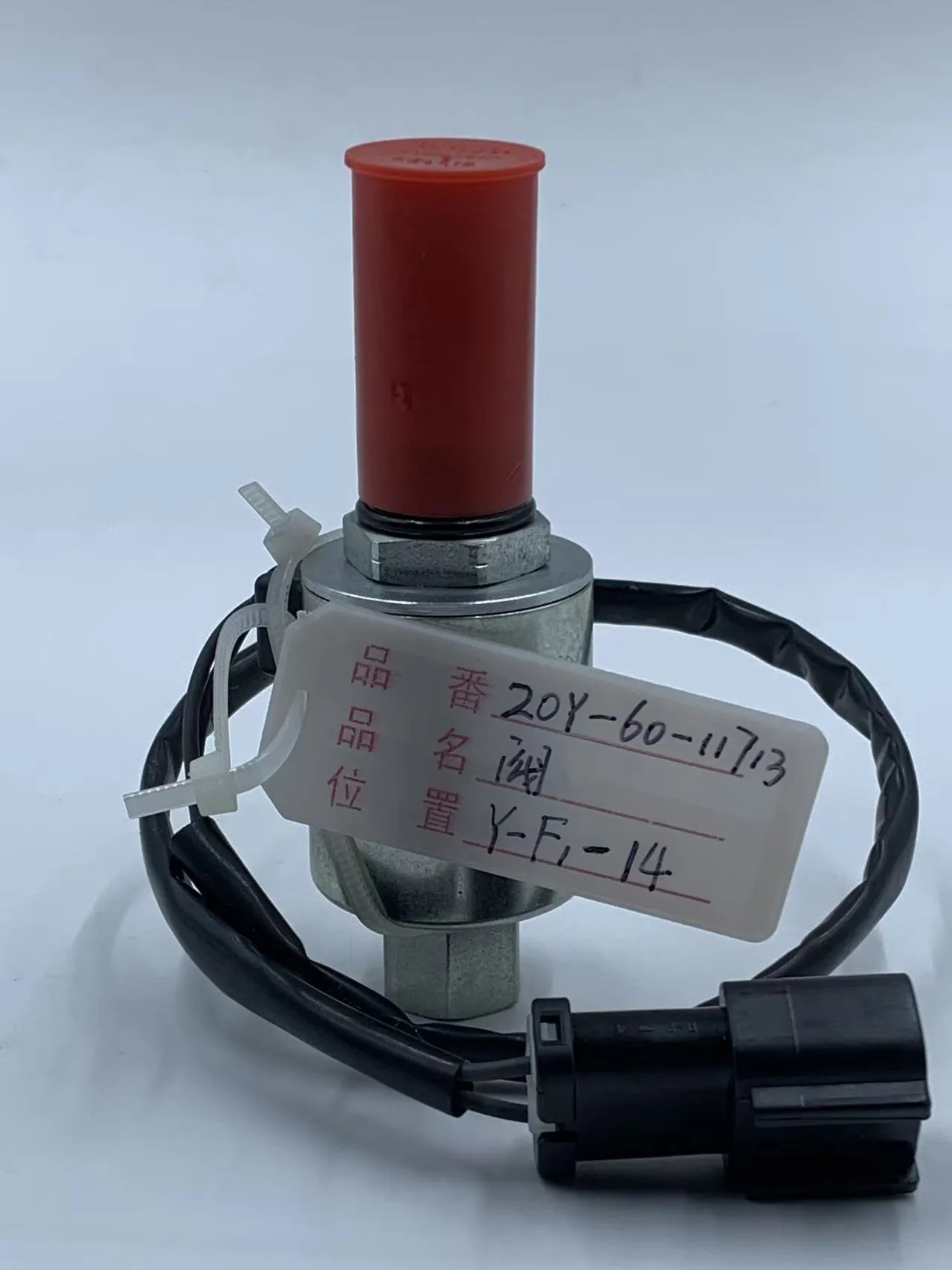 New Swing Solenoid Valve 20Y-60-11713 Excavator Parts for KOMATSU PC200-5 6D95
 -
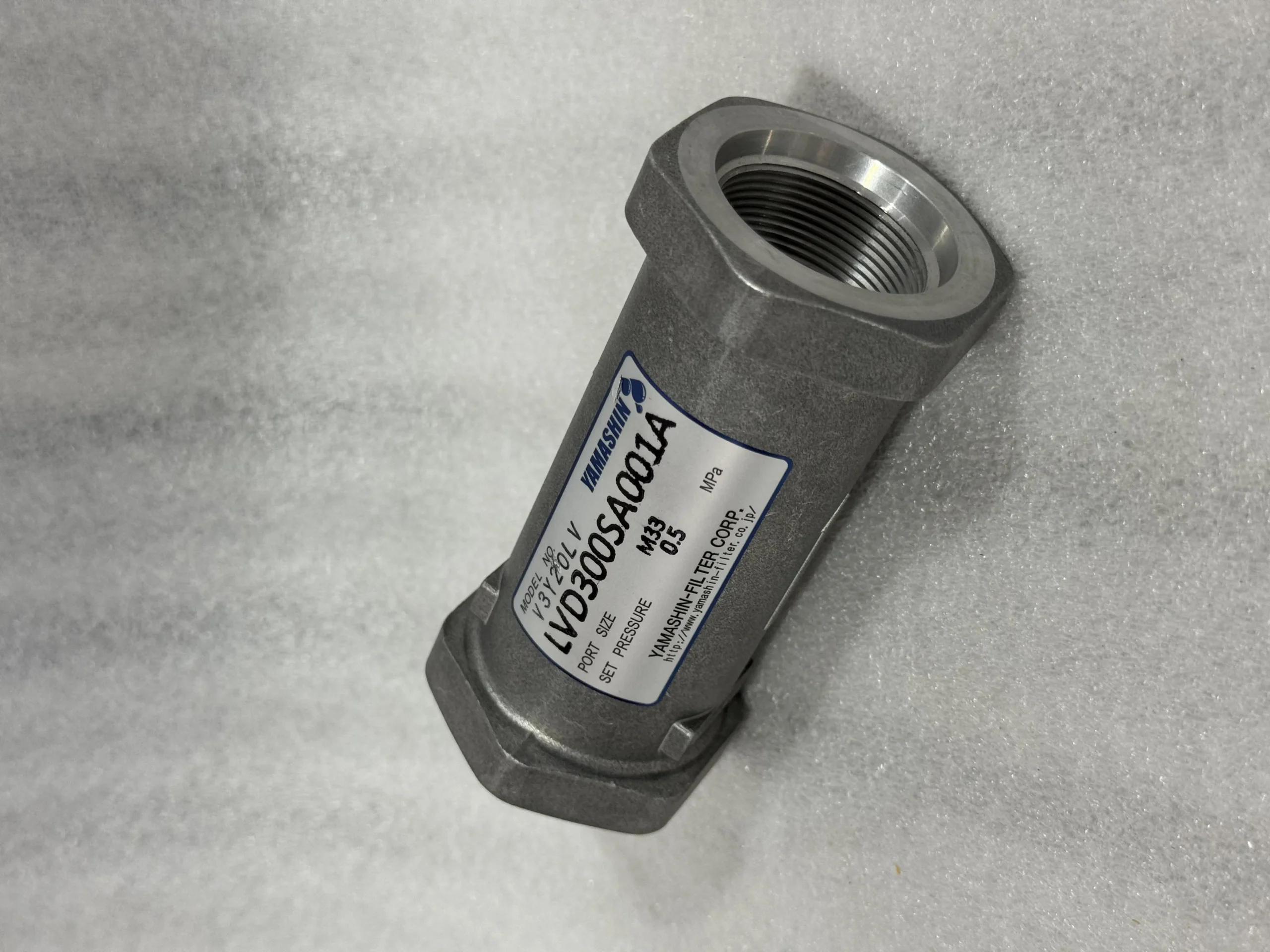 D155A-6 Radiator Valve Assembly 20S-62-16160