
- Chinese
- French
- German
- Portuguese
- Spanish
- Russian
- Japanese
- Korean
- Arabic
- Irish
- Greek
- Turkish
- Italian
- Danish
- Romanian
- Indonesian
- Czech
- Afrikaans
- Swedish
- Polish
- Basque
- Catalan
- Esperanto
- Hindi
- Lao
- Albanian
- Amharic
- Armenian
- Azerbaijani
- Belarusian
- Bengali
- Bosnian
- Bulgarian
- Cebuano
- Chichewa
- Corsican
- Croatian
- Dutch
- Estonian
- Filipino
- Finnish
- Frisian
- Galician
- Georgian
- Gujarati
- Haitian
- Hausa
- Hawaiian
- Hebrew
- Hmong
- Hungarian
- Icelandic
- Igbo
- Javanese
- Kannada
- Kazakh
- Khmer
- Kurdish
- Kyrgyz
- Latin
- Latvian
- Lithuanian
- Luxembou..
- Macedonian
- Malagasy
- Malay
- Malayalam
- Maltese
- Maori
- Marathi
- Mongolian
- Burmese
- Nepali
- Norwegian
- Pashto
- Persian
- Punjabi
- Serbian
- Sesotho
- Sinhala
- Slovak
- Slovenian
- Somali
- Samoan
- Scots Gaelic
- Shona
- Sindhi
- Sundanese
- Swahili
- Tajik
- Tamil
- Telugu
- Thai
- Ukrainian
- Urdu
- Uzbek
- Vietnamese
- Welsh
- Xhosa
- Yiddish
- Yoruba
- Zulu
- Kinyarwanda
- Tatar
- Oriya
- Turkmen
- Uyghur






Komatsu door
When you hear 'Komatsu door', most people in the field immediately picture the heavy, hinged access panel on an excavator cab. That's not wrong, but it's a starting point that misses the nuance. In my years dealing with parts and support, I've seen that term cover everything from the primary cab entry to engine compartment covers and even small inspection hatches on older models like the PC200 or D61. The real challenge isn't identifying it; it's understanding the ecosystem around its supply, fit, and the common pitfalls in procurement, especially when you're not buying directly from Komatsu's main channels.
The OEM Reality and the Aftermarket Gap
Working with an entity like Jining Gaosong Construction Machinery Co., Ltd., which operates as an OEM product supplier within the Komatsu system, gives you a front-row seat to the gap between official parts streams and on-ground needs. Their role, as outlined on their site takematsumachinery.com, is precisely in this space: they're an OEM supplier and a third-party sales company helping solve parts supply challenges. A Komatsu door is a perfect example. The official part is flawless, but lead times can be prohibitive for a machine that's down. The aftermarket is flooded with options, but the variance in steel gauge, hinge weld quality, and paint preparation is staggering.
I recall a project in Southeast Asia where we needed a cab door for a Komatsu PC300-8. The local dealer quoted a 12-week wait. We sourced a non-OEM part that looked identical. The fit was off by maybe 3 millimeters—enough to cause a persistent wind whistle and water ingress during monsoons. The seal alignment was the culprit. It wasn't the seal itself, but how the door frame was pressed, altering the contact surface. That's the detail you only learn by handling both the genuine and the alternative side-by-side.
This is where the value of a specialized third-party supplier comes in. They aren't just resellers; they often have the technical drawings and understand which aftermarket manufacturers get the subtleties right for specific models. Or, they can provide the genuine OEM part through their integrated system, but faster. The description of Jining Gaosong helping solve parts supply challenges in certain countries isn't marketing fluff—it's the daily reality of keeping machines operational where traditional logistics fail.
Fitment and the Close Enough Trap
A major misconception is that if the bolt holes line up, the door fits. That's the bare minimum. The real test is in the swing arc, the latch engagement pressure, and the seal compression. A door that's too tight wears out hinge pins prematurely; one that's too loose rattles itself to death. I've advised against using a door meant for a PC220-5 on a PC220-8, even though some cross-reference charts suggest compatibility. The latch mechanism was redesigned in between series.
We tried a batch of doors from a new supplier about two years back. They passed the initial visual and bolt-up check. The failure manifested months later: micro-cracks developing at the top hinge reinforcement point. The problem wasn't the welding; it was the metallurgy of the inner reinforcement plate. It couldn't handle the constant flex from the machine's frame twisting during operation. The OEM part uses a specific high-tensile steel there. The aftermarket part used a cheaper alternative. You don't see that until it fails.
This is where having a supplier with OEM system knowledge is critical. They can tell you, For that serial number range, you need the door with the reinforced inner bracket, part number suffix 'B'. That level of detail separates a functional repair from a durable one.
The Sealing System: The Real Make-or-Break
Too much focus goes on the metal. The sealing system is 70% of a door's performance. A Komatsu door isn't just a barrier; it's part of the cab's pressurization and climate control. The OEM rubber is formulated for specific temperature ranges and UV resistance. Cheap substitutes harden and crack in desert heat or become spongy in constant oil mist.
I've seen technicians reuse old seals on a new door to save cost. It never works. The seal has a memory. If it's been compressed for years on a warped frame, it won't seal properly on a new, true door. You must replace both as a system. A good supplier will often offer the seal kit alongside the door, not as an upsell, but as a necessary pair.
There's also the channel. On some older Dozers like the D65, the seal sits in a channel that can corrode. Installing a new door on a corroded channel is pointless. The real job becomes channel repair or replacement—a detail often missed in the initial parts quote.
Logistics and the Unseen Cost
Here's a practical headache: packaging. A Komatsu door is large, fragile, and a nightmare to ship without damage. The OEM packs them in custom crates with strategic bracing. Some aftermarket suppliers skimp here. We received one wrapped in bubble wrap and thin cardboard. It arrived with a slight bend in the frame, undetectable until installation. The cost of returning it across borders outweighed the part cost. We had to try and straighten it on-site, a time-consuming and imperfect process.
A company that understands this, like the one mentioned, will have invested in proper export packaging. It's a sign of professionalism. Their website, takematsumachinery.com, might not show crate pictures, but their operation as an integrated supplier within the Komatsu ecosystem suggests they handle logistics as part of the solution, not an afterthought. This matters immensely for doors and other large, sensitive assemblies.
Lead time is another factor. In stock can mean in a warehouse domestically, or it can mean we can source it from the factory in 3 days. Clarifying this is key. For a critical part holding up a machine, air freight for a heavy door is expensive but sometimes necessary. A good supplier gives you the options transparently.
Beyond the Part: The Support Question
Finally, the transaction isn't over at the sale. What happens when there's a fitment issue? Does the supplier have technical backup to troubleshoot? I value suppliers who ask for the machine model, serial number, and sometimes even a photo of the old door hinge side. It shows they're anticipating fit problems. A generic salesperson just sells a door; a specialist sells the right door and pre-empts the installation hurdles.
This aligns with the model of a company that acts as both an OEM conduit and a third-party solver. They're positioned to provide that technical layer, not just the box. For a Komatsu door, that might mean knowing that for a specific year of the PC360LC, there was a running change in the striker plate, and providing the correct hardware kit without being asked.
In the end, procuring a door is a microcosm of the heavy equipment parts world. It seems simple, but the depth lies in the specifications, the logistics, and the support. It's these layers that differentiate a parts vendor from a partner that actually helps solve parts supply challenges. The goal isn't just to get a panel on a machine; it's to get the right panel, installed correctly, that lasts as long as the original—keeping that machine earning money with no comebacks.
Related Products
Related Products

Best Selling Products
Best Selling Products-
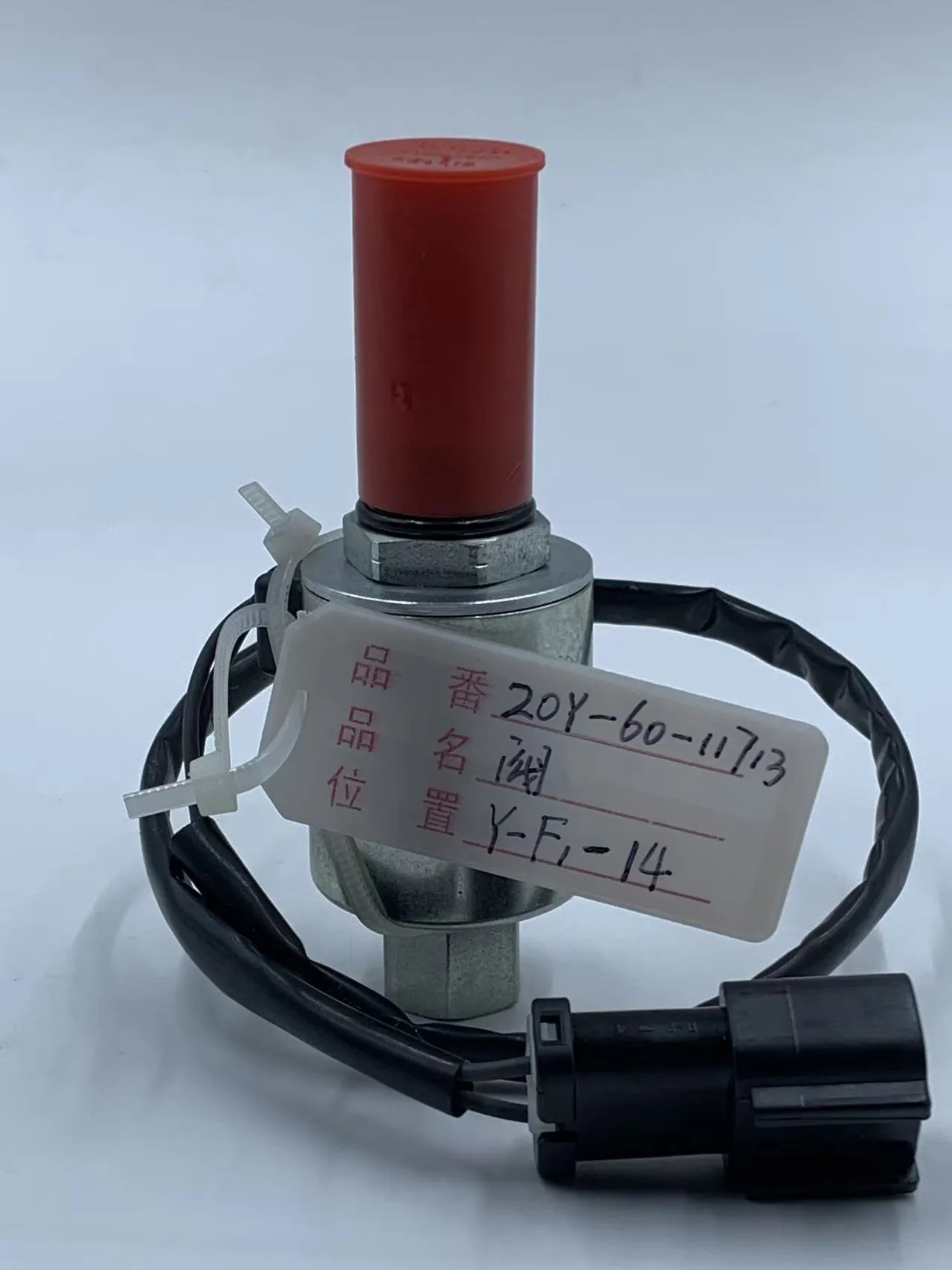 New Swing Solenoid Valve 20Y-60-11713 Excavator Parts for KOMATSU PC200-5 6D95
 -
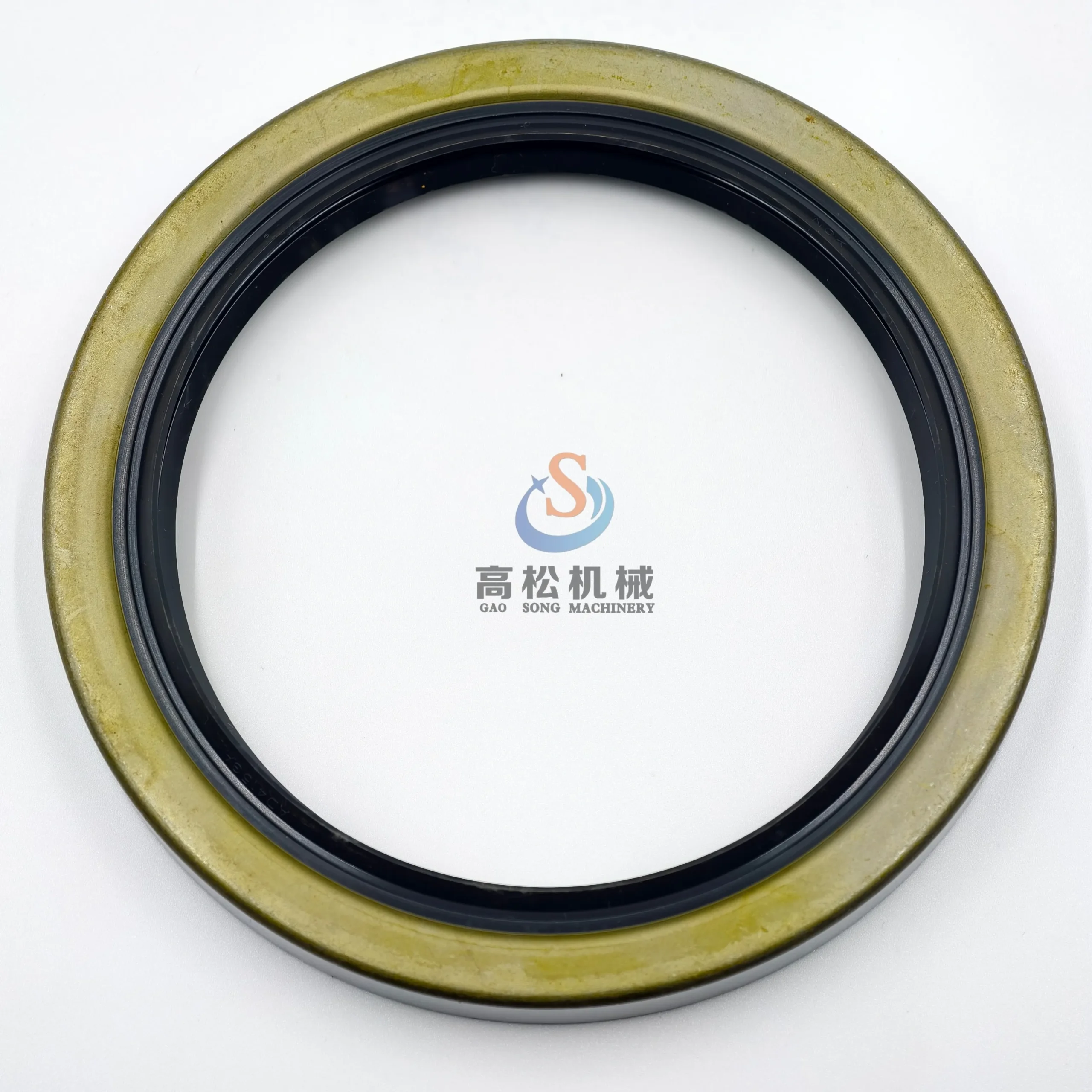 425-20-15740 komatsu-parts SEAL,OIL
 -
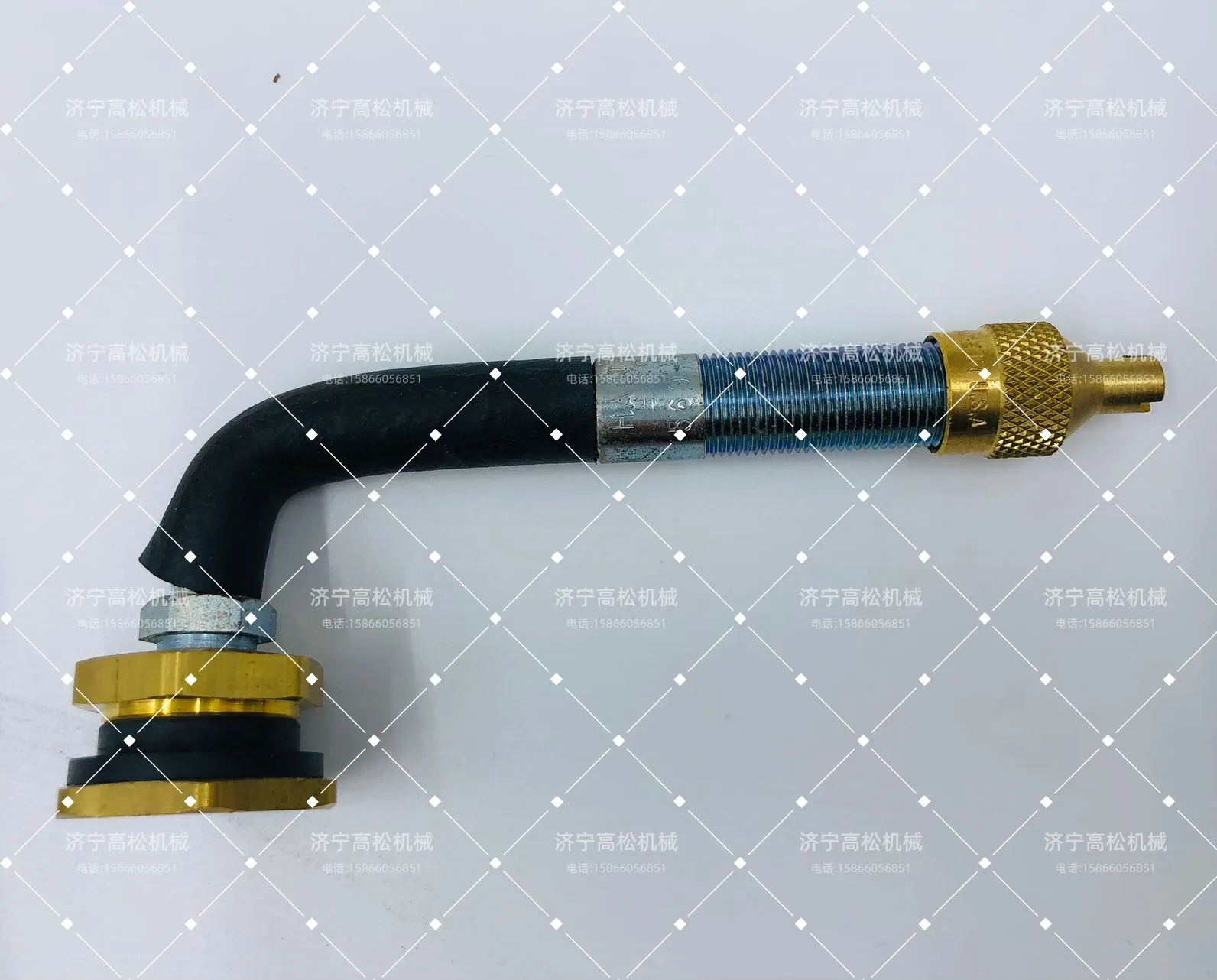 569-30-11600 Komatsu VALVE ASS’Y
 -
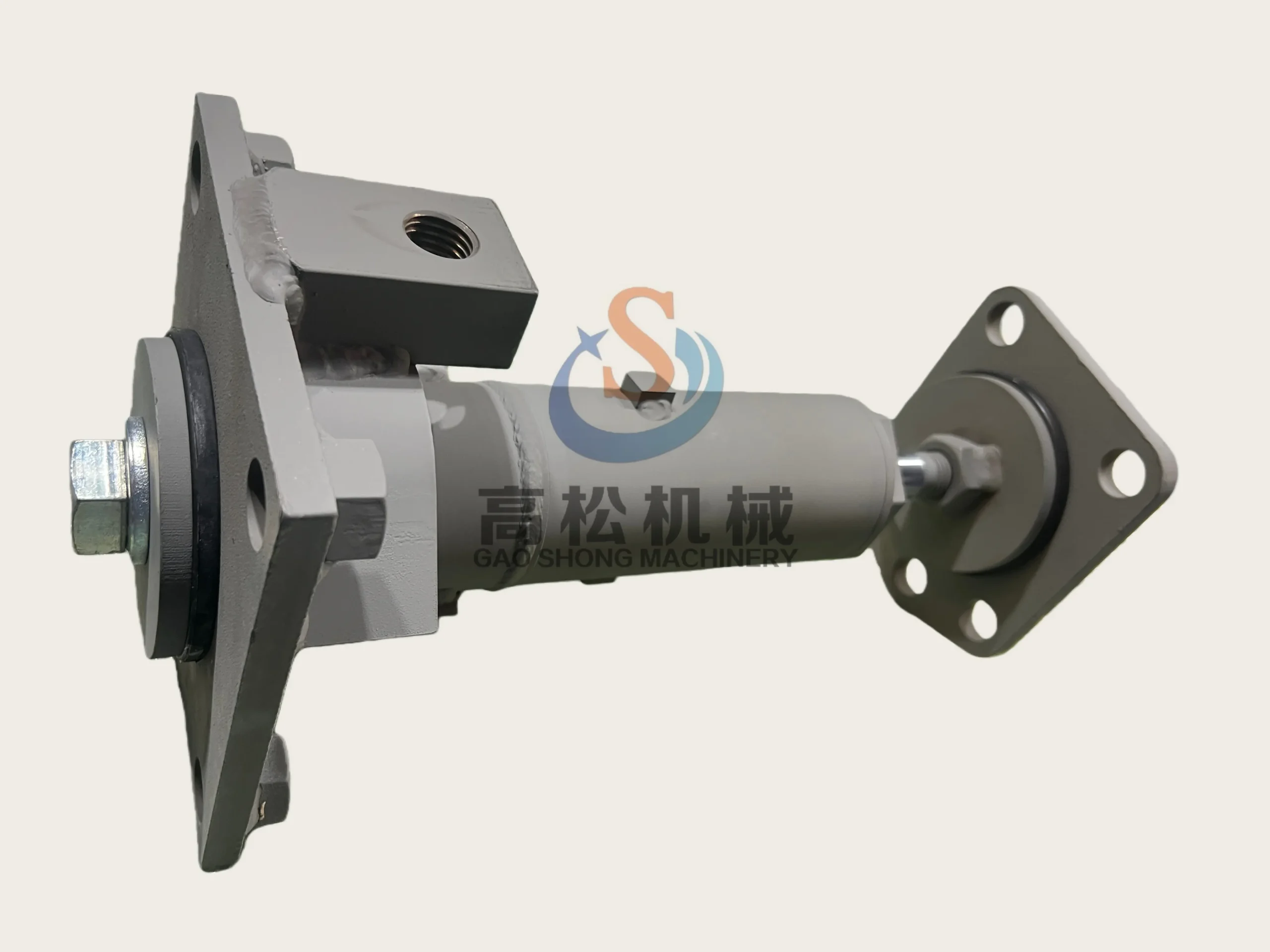 SUSPENSION ASS’Y 17A-54-16201 D155AX-3 D155AX-3 FLOOR FRAME MOUNT
 -
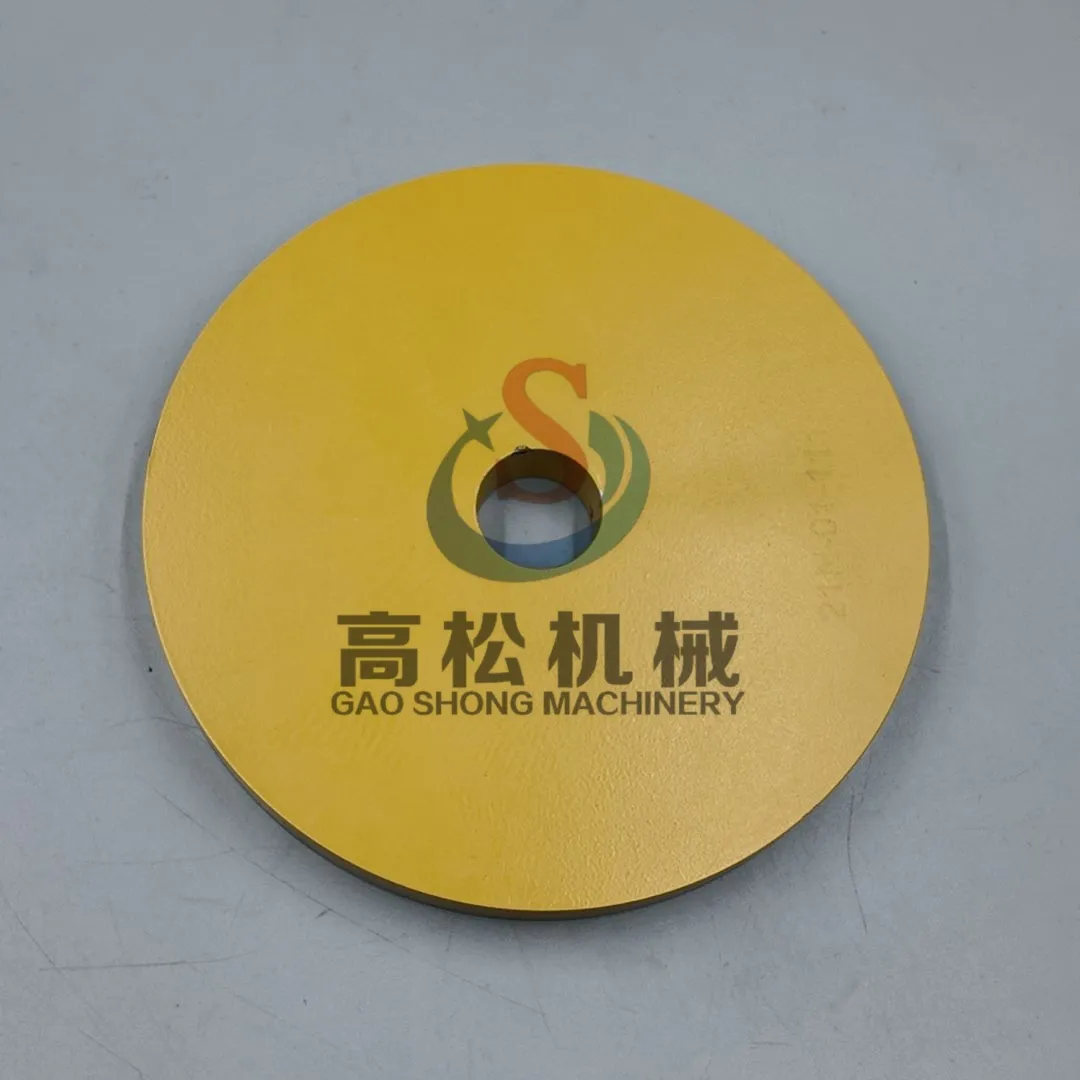 21T-01-11150 21N-01-11120 Cushion KOMATSU Excavator Spare Parts For PC800LC-8E0 PC850-8E0
 -
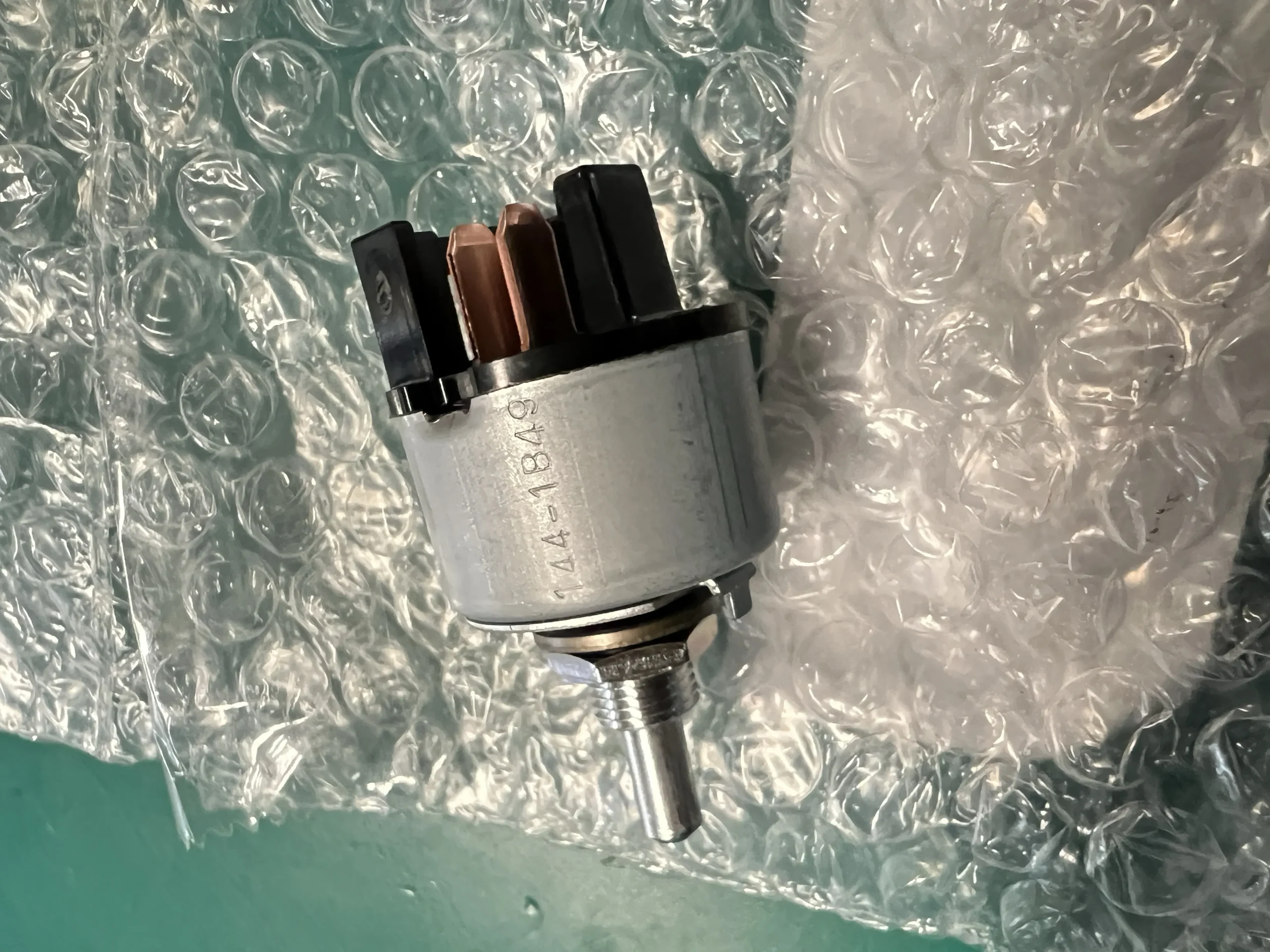 205-06-71380 Switch
 -
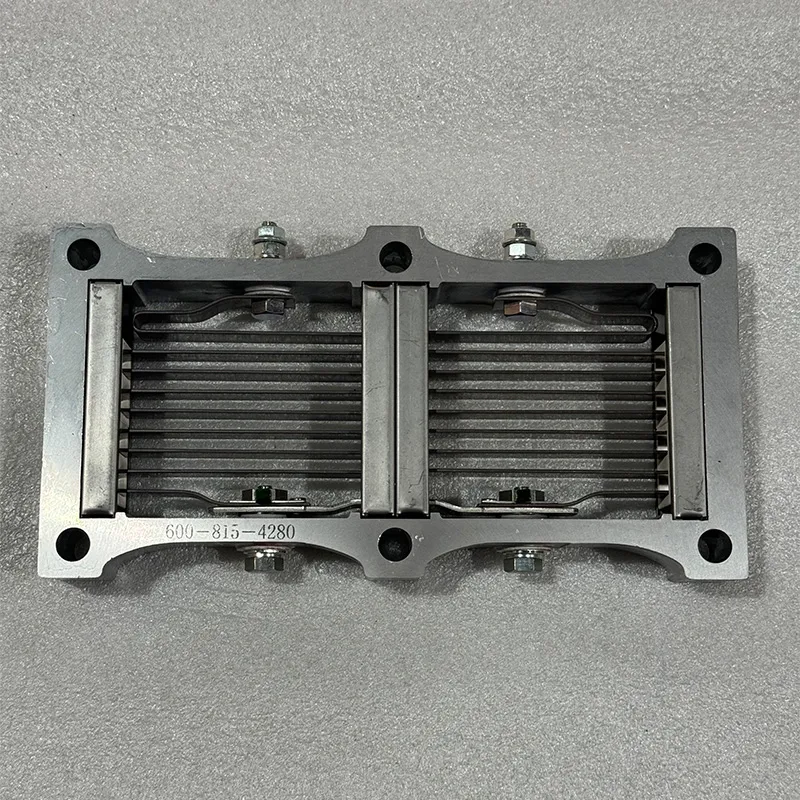 600-815-4280 Original komatsu Heater Ribbon for komatsu SAA6D engines
 -
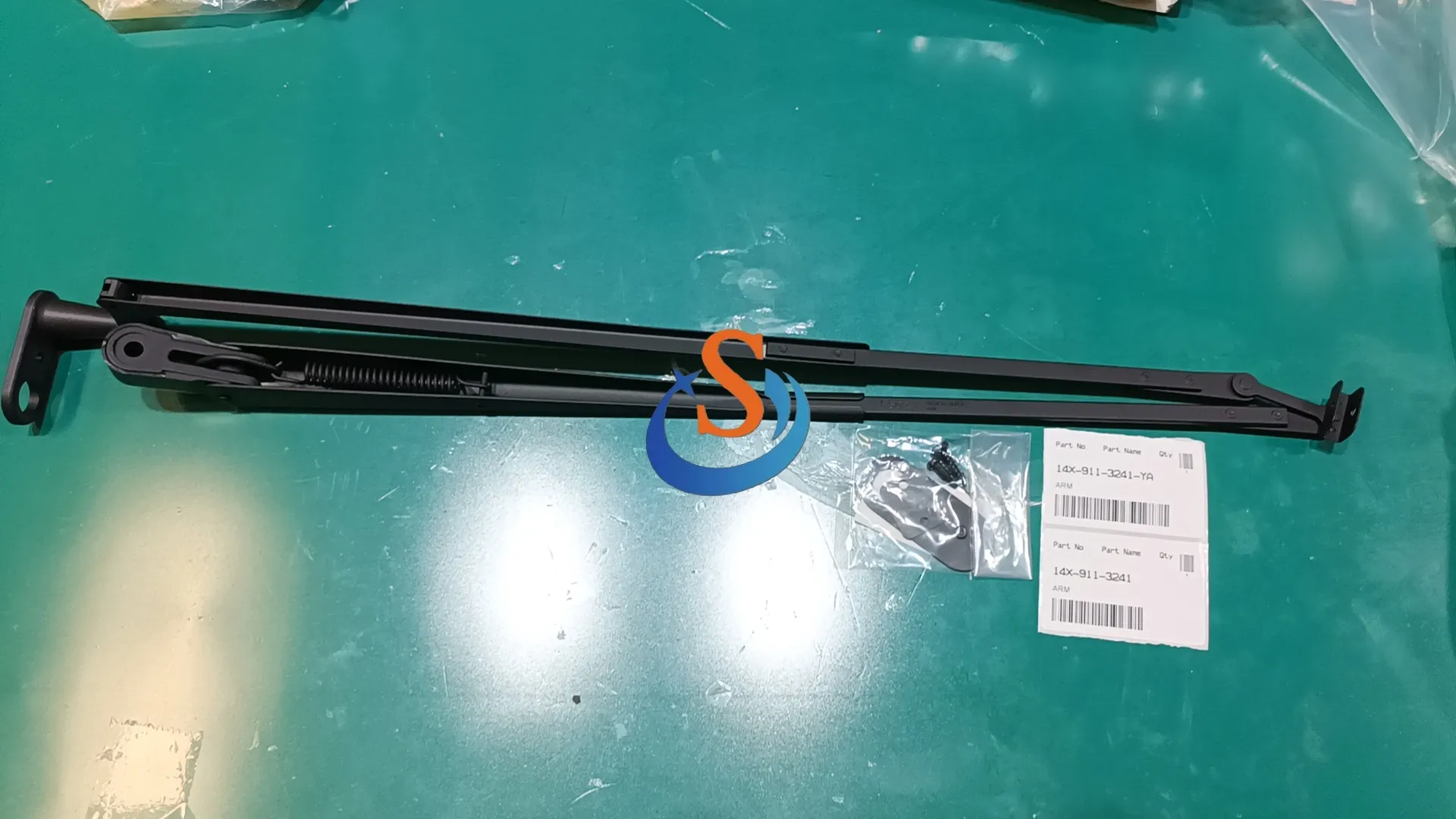 14X-911-3241,ARM,D155A,D375A,PC600,PC650,PC800
 -
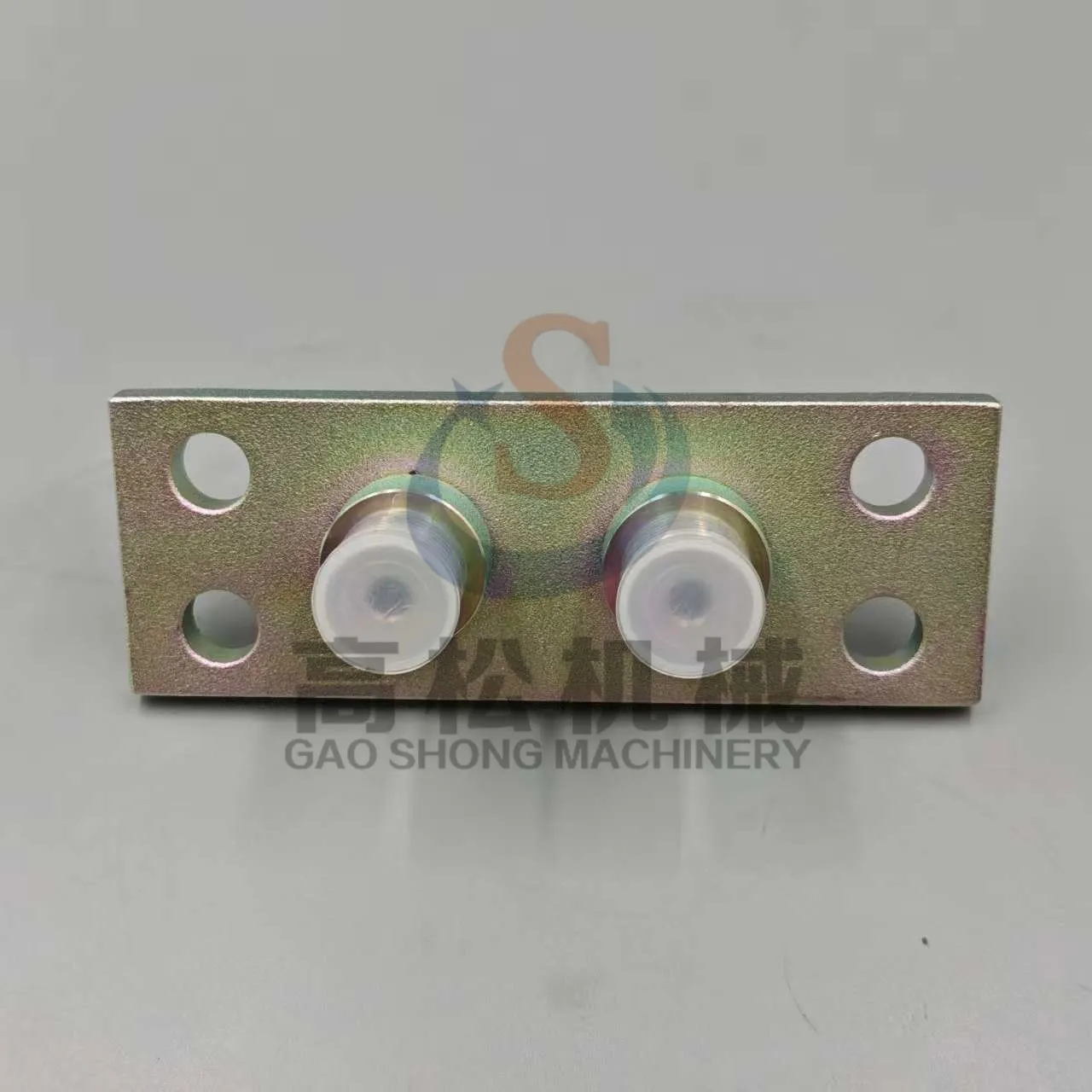 BRACKET 14Y-62-31411 – KOMATSU
 -
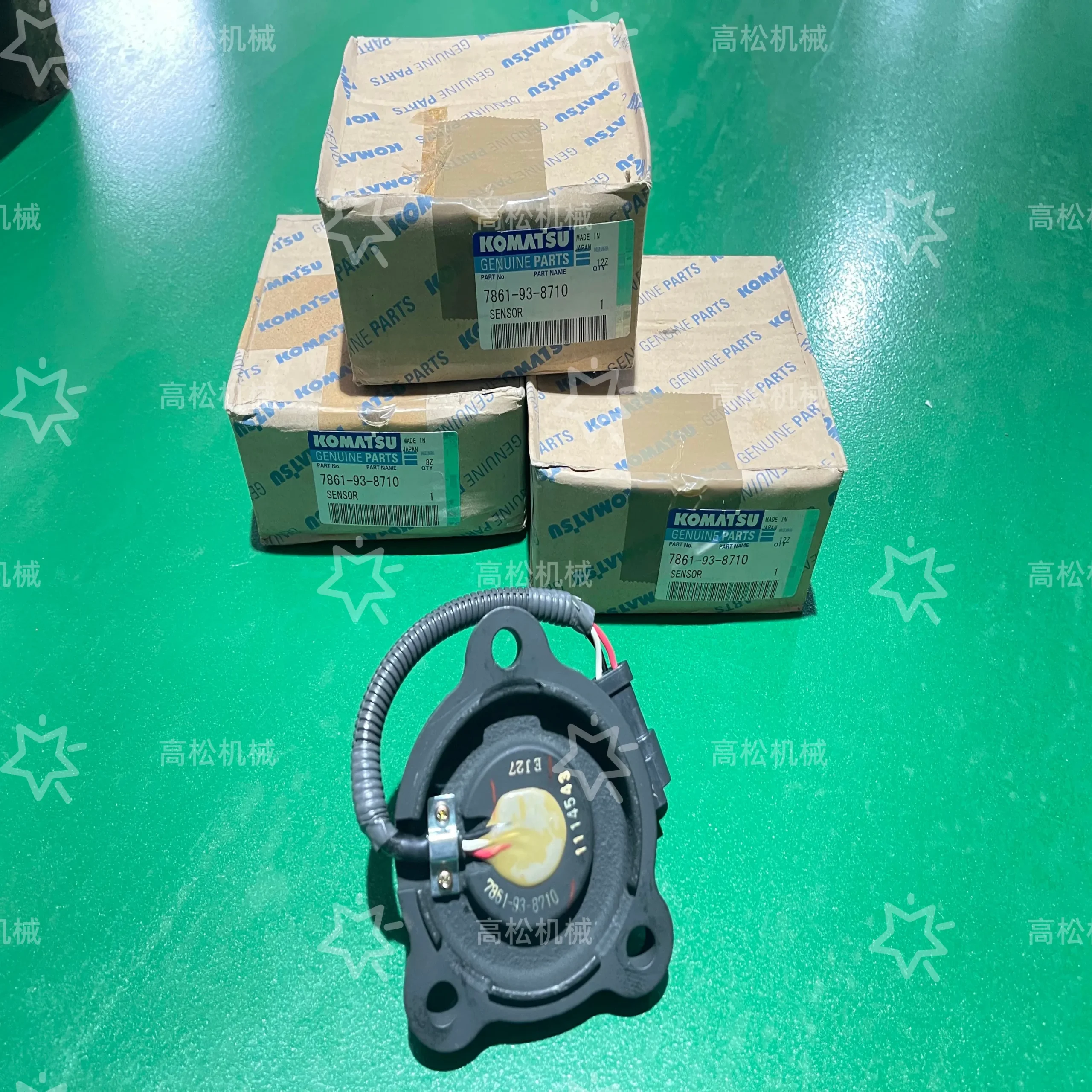 Steering Angle Sensor 7861-93-8710 Compatible with Komatsu HD325-7 HD405-7 HD465-7E0 HD605-7E0 HD785-7 HM300-1 HM300-2 HM350-2 HM400-2 PC228US-3N-W1 PC228USLC-3N-W1 PC58UU-3-N PC78MR-6-N
 -
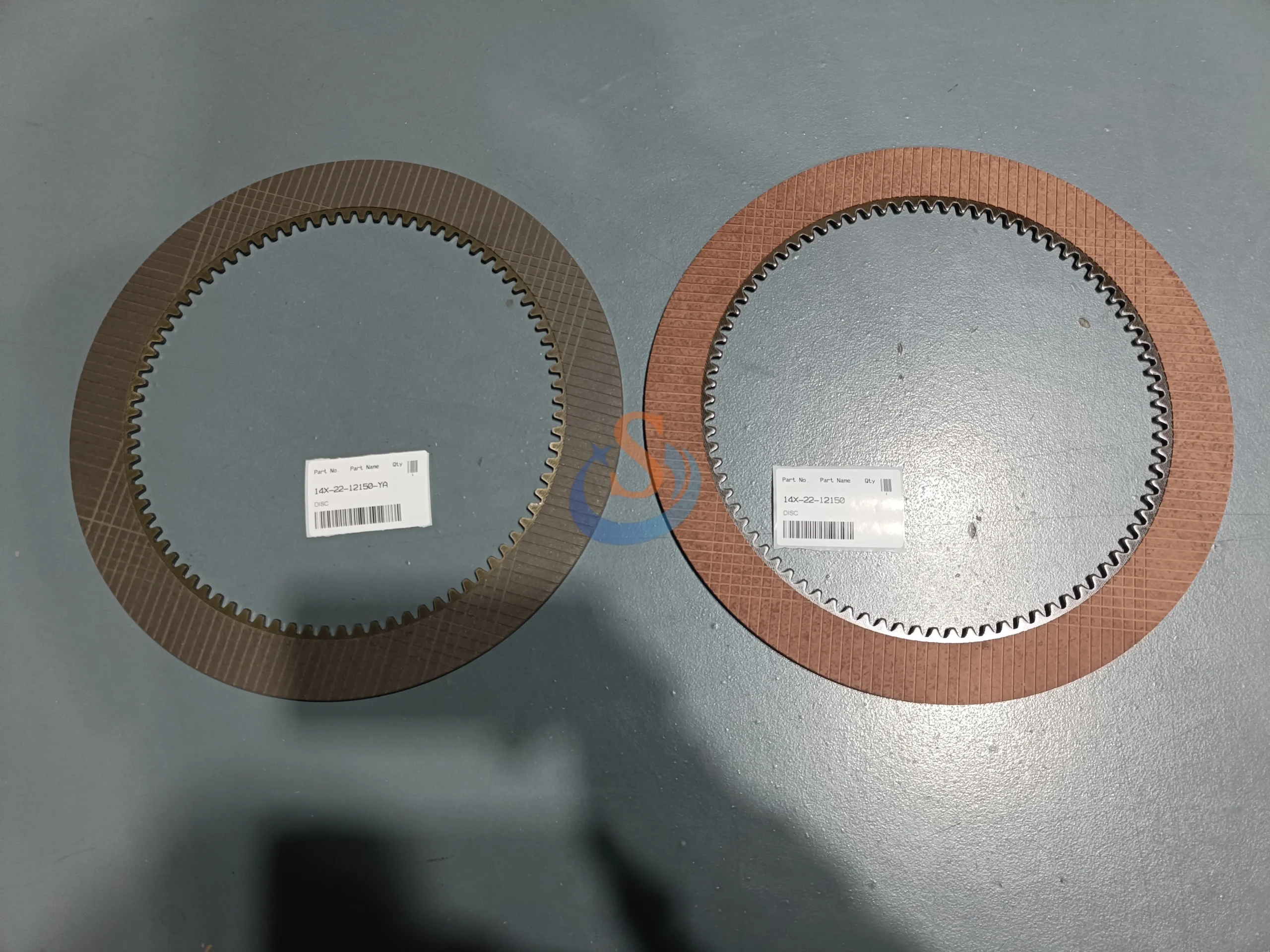 14X-22-12150,DISC,D85ESS,D275A
 -
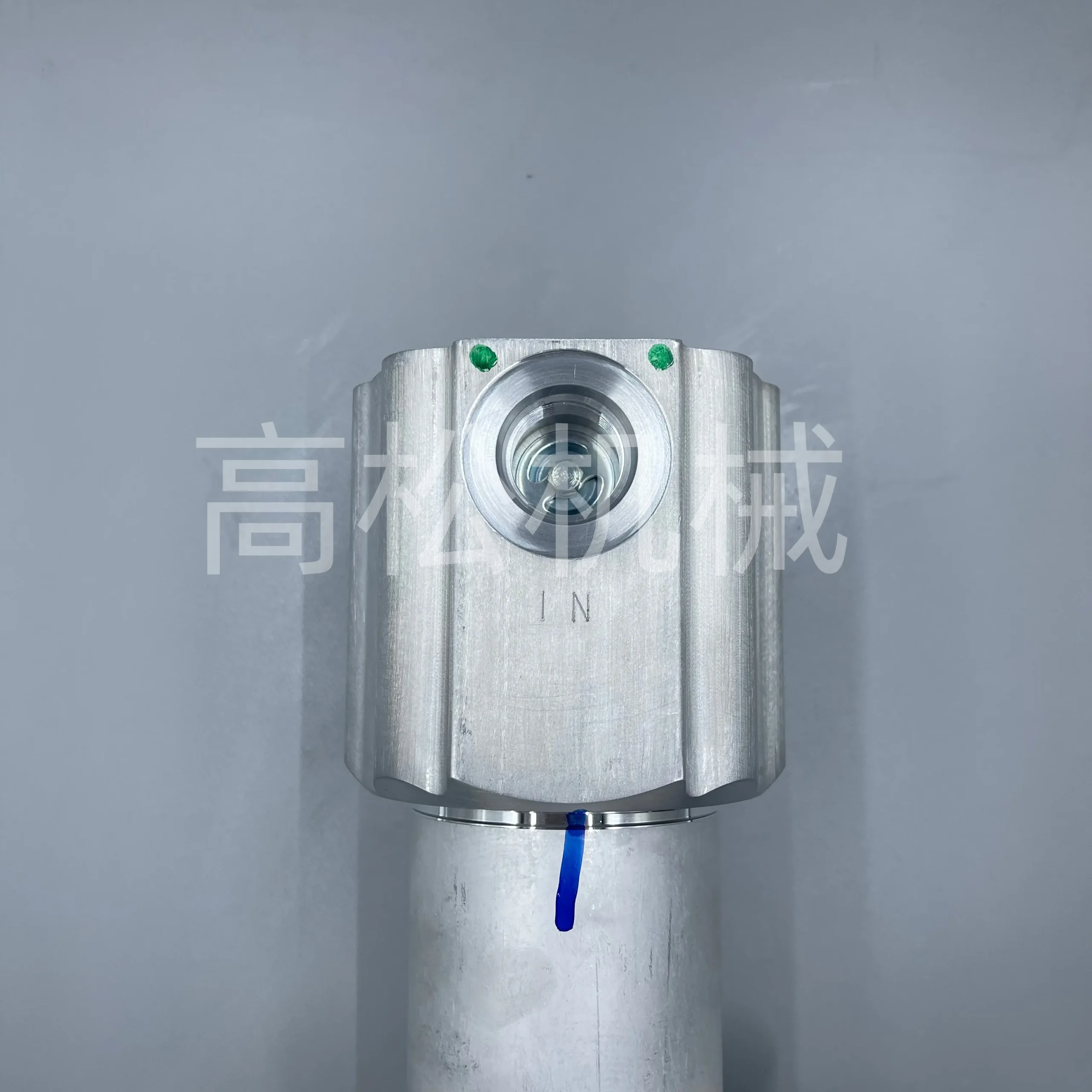 569-43-83911 Filter Assembly–Komatsu Original Factory
Related Search
Related Search- OEM AND ORIGINAL KOMATSU BEARING 208-26-71540
- komatsu parts book 777
- Komatsu part cross reference
- OEM AND ORIGINAL KOMATSU BUSHING 707-46-18050
- OEM AND ORIGINAL KOMATSU COVER 195-27-44351
- 425-04-21430 COVER-Komatsu Original Factory
- 600-311-9950
- komatsu pc30 parts
- used komatsu excavator parts for sale
- 209-01-42251