
- Chinese
- French
- German
- Portuguese
- Spanish
- Russian
- Japanese
- Korean
- Arabic
- Irish
- Greek
- Turkish
- Italian
- Danish
- Romanian
- Indonesian
- Czech
- Afrikaans
- Swedish
- Polish
- Basque
- Catalan
- Esperanto
- Hindi
- Lao
- Albanian
- Amharic
- Armenian
- Azerbaijani
- Belarusian
- Bengali
- Bosnian
- Bulgarian
- Cebuano
- Chichewa
- Corsican
- Croatian
- Dutch
- Estonian
- Filipino
- Finnish
- Frisian
- Galician
- Georgian
- Gujarati
- Haitian
- Hausa
- Hawaiian
- Hebrew
- Hmong
- Hungarian
- Icelandic
- Igbo
- Javanese
- Kannada
- Kazakh
- Khmer
- Kurdish
- Kyrgyz
- Latin
- Latvian
- Lithuanian
- Luxembou..
- Macedonian
- Malagasy
- Malay
- Malayalam
- Maltese
- Maori
- Marathi
- Mongolian
- Burmese
- Nepali
- Norwegian
- Pashto
- Persian
- Punjabi
- Serbian
- Sesotho
- Sinhala
- Slovak
- Slovenian
- Somali
- Samoan
- Scots Gaelic
- Shona
- Sindhi
- Sundanese
- Swahili
- Tajik
- Tamil
- Telugu
- Thai
- Ukrainian
- Urdu
- Uzbek
- Vietnamese
- Welsh
- Xhosa
- Yiddish
- Yoruba
- Zulu
- Kinyarwanda
- Tatar
- Oriya
- Turkmen
- Uyghur






komatsu digger parts
When you're talking about Komatsu digger parts, the first thing that comes to mind for most is genuine OEM. But that's where the oversimplification starts. In the field, the conversation is rarely that binary. It's about availability, downtime cost, and sometimes, whether the part in the catalog actually fits the machine you've got on site, which might have a regional variation or a past repair history no one documented. The assumption that all Komatsu-labeled parts are immediately accessible or are the only viable option can be a costly mistake, leading to projects stalling while waiting for a back-ordered seal kit or hydraulic pump. This is where the ecosystem of supply gets interesting, and frankly, more practical.
The OEM Promise vs. On-Ground Logistics
Let's be clear: Komatsu OEM parts are engineered to a specific tolerance. Using a genuine swing motor bearing or a factory-sealed hydraulic valve body minimizes fitment guesswork. I've seen machines where non-spec pins and bushings wore out in half the expected cycle, simply because the hardness was off by a few points. The OEM pedigree matters for core components. However, the promise hits a wall with logistics. For dealers in some regions, getting a Komatsu digger parts shipment for an older model, say a PC300-6, can take weeks. The system prioritizes current models. I recall a contractor in Southeast Asia who had a PC200-8 down with a failed final drive. The local Komatsu dealer quoted a 5-week lead time. The machine was on a critical foundation dig. That's not just a part number; that's a financial hemorrhage.
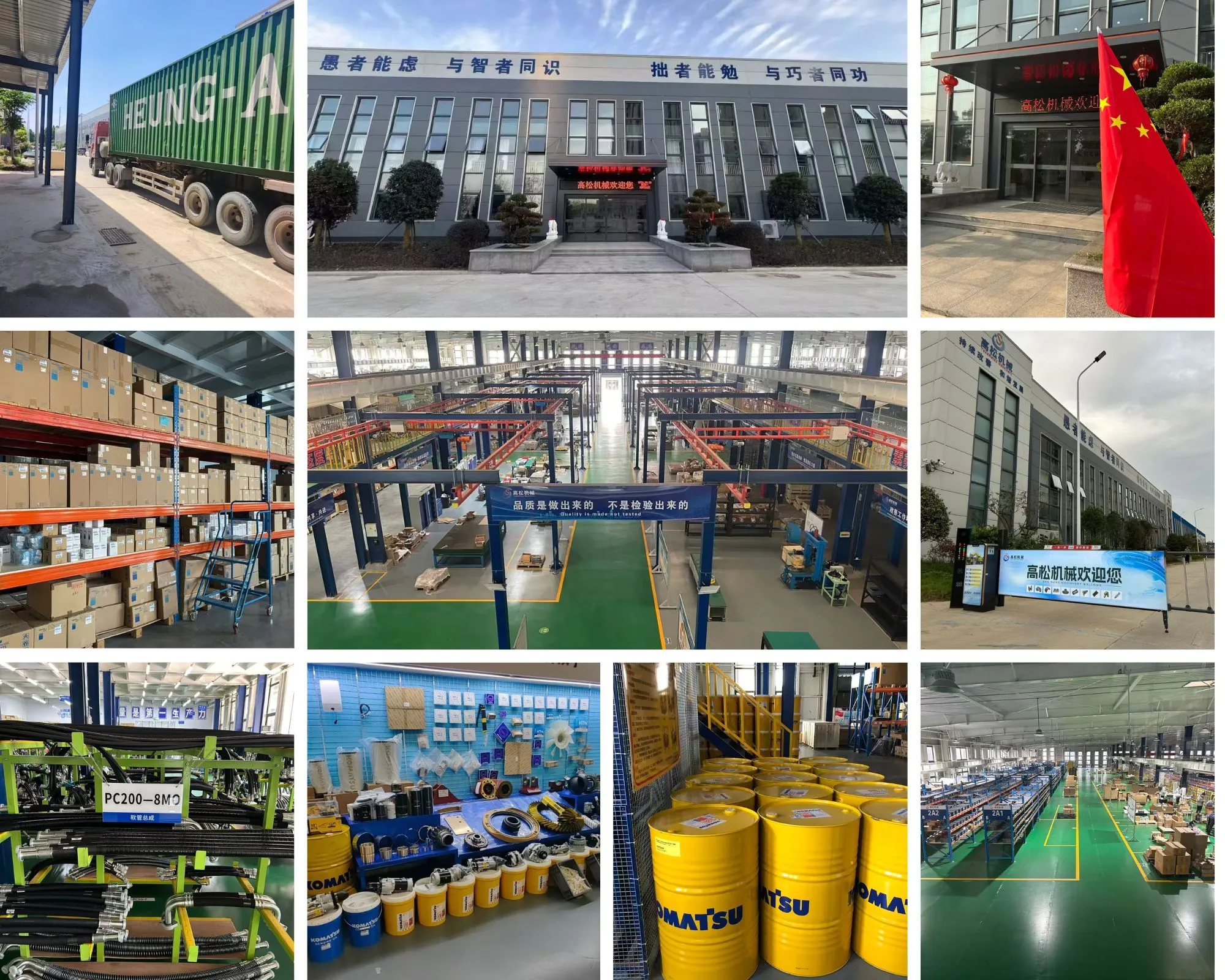
This gap is where specialized suppliers carve their niche. They aren't just alternatives; they become the primary solution for continuity. A company like Jining Gaosong Construction Machinery Co., Ltd. operates in this space intelligently. They position themselves as an OEM product supplier within the Komatsu system, which is a key distinction. It suggests a formal supply chain relationship, not just a reverse-engineering operation. Their parallel role as a third-party sales company for Komatta is essentially a logistics bypass for challenging markets. You can check their approach at https://www.takematsumachinery.com. Their stated goal of solving parts supply challenges in certain countries directly addresses the real pain point I mentioned—the logistical wall.
The practical value here isn't just in having a part. It's in having a verified part that matches the machine's build spec. A common pitfall is assuming all PC130 parts are interchangeable across dash numbers. A hydraulic hose routing or a port thread might differ. A supplier embedded in the system is more likely to have that build-level data or the right cross-reference, preventing a gotcha moment when the part arrives and the fittings don't line up.
Third-Party and Will-Fit: A Calculated Risk
Moving outside the OEM umbrella is a daily calculation. For non-critical, high-wear items like bucket teeth, side cutters, or even some linkage pins, quality third-party parts are a no-brainer. The cost savings are substantial, and the performance delta is often negligible if sourced from a reputable foundry. The problem is the term reputable is a minefield. I've tested aftermarket hydraulic cylinders that performed flawlessly for thousands of hours, and others that blew seals within a week due to substandard rod finishing.
The risk escalates with complex assemblies. An aftermarket main control valve? That's a gamble I'd rarely take unless it came with cast-iron performance guarantees and a test report. The integration with the machine's electronic control system, if it has one, is where most generic parts fail spectacularly. The feedback sensors don't communicate right, and you get fault codes or sluggish performance. The middle ground is often parts that are OEM-spec but not OEM-branded—manufactured in the same factory but sold through different channels. This is the grey area where companies like the one mentioned often operate successfully. They aren't selling mystery metal; they're providing the same engineering without the branded packaging and the associated logistics bottleneck.
A failed experiment I was part of involved sourcing a complete aftermarket travel motor for a Komatsu PC360. The price was 40% of OEM. It lasted three months. The failure wasn't catastrophic but gradual—loss of power, overheating. Post-mortem showed inferior metallurgy in the gerotor assembly. The downtime and secondary labor cost to replace it again wiped out the initial savings twice over. The lesson was clear: for core drive and hydraulic components, provenance is everything. The website for Jining Gaosong explicitly states its OEM supplier role, which is a signal aimed directly at mitigating this exact type of risk.
Identifying the True Critical Wear Parts
Not all parts on a digger are created equal. Smart maintenance hinges on knowing which components are truly critical. Undercarriage parts—track links, rollers, idlers—are consumables. You plan for their replacement with cost and availability as top factors. Here, a quality third-party part is standard practice. The critical list is shorter but absolute: hydraulic pumps, main control valves, swing bearings, and final drive assemblies. For these, the OEM-or-bust rule generally holds.
But even within that, there's nuance. Take a Komatsu hydraulic pump. A complete remanufactured unit from a certified rebuilder, using genuine Komatsu seals and re-machined housings, can be more reliable than a new OEM unit that's been sitting on a shelf for years, as seals can degrade. The key is the certification and the rebuild process. A good supplier should be transparent about their reman process. Is it just a seal kit, or do they re-plate cylinders, replace valves, and calibrate? This detail separates a parts changer from a solution provider.
This is where a supplier's background matters. An entity operating as an OEM supplier within the Komatsu system likely has access to the technical specifications, torque settings, and assembly procedures that a generic workshop lacks. This knowledge translates into the parts they source or produce, and the advice they give. When they say a part will fit a specific machine serial number range, that information carries more weight.
The Serial Number is Your Bible
This might sound basic, but the number of times I've been asked for parts for a Komatsu 220 is staggering. Which 220? The -3, -5, -7? The serial number, especially the prefix, dictates everything. A boom cylinder for a PC220LC-8 will not directly fit a PC220-8MO. The mounting brackets and hose ports are different. The most professional thing any parts supplier can do is ask for the full machine model and serial number immediately. If they don't, be wary.
A robust parts supplier will have a database keyed to these serial numbers. It's the only way to navigate Komatsu's myriad of factory and regional variations. When I look at a supplier's website, like Takematsu Machinery, I'm implicitly looking for evidence of that granular approach. Can I search by precise model? Is there a technical inquiry form that asks for serial details? This operational detail is a strong indicator of professional depth. It shows they understand that a Komatsu digger parts request is meaningless without the machine's DNA.
I learned this the hard way early on, ordering a radiator for a PC138US-10 based on the model alone. It arrived, and the shroud mounting points were off by two inches. The machine was a US-spec version with a different cooling package. The downtime and shipping cost for the return were a brutal but effective teacher. Now, the serial number is the first thing noted in any parts request.
Building a Relationship with a Supplier
Ultimately, sourcing parts isn't a transactional event; it's a relationship. You need a supplier who answers the phone at a reasonable local hour, understands the urgency, and, crucially, tells you the truth about availability. I can have it in your port in 14 days is more valuable than maybe next week if maybe turns into five weeks.
A supplier like Jining Gaosong, by focusing on solving supply challenges in certain countries, is positioning itself as that kind of partner. It's not just a catalog. It's a logistics and technical bridge. The real test is in a crisis. When you have a machine down with a strange failure—say, a recurring pressure drop in the arm circuit—can your parts supplier offer insight? Maybe they've seen a batch of faulty relief valves in that model series. That level of support turns a vendor into a strategic asset.
In this business, the cheapest part is often the most expensive. The goal is total cost of ownership: part cost + downtime cost + fitment certainty. A reliable supplier provides the latter two, which often justifies a premium on the first. It's about trust built on consistent, accurate deliveries and technical honesty. When evaluating a new source, I always start with a small, non-critical order to test their process, packaging, and documentation. The way they handle that tells you everything about how they'll handle the urgent, expensive order for a Komatsu digger parts like a main control valve later.
Related Products
Related Products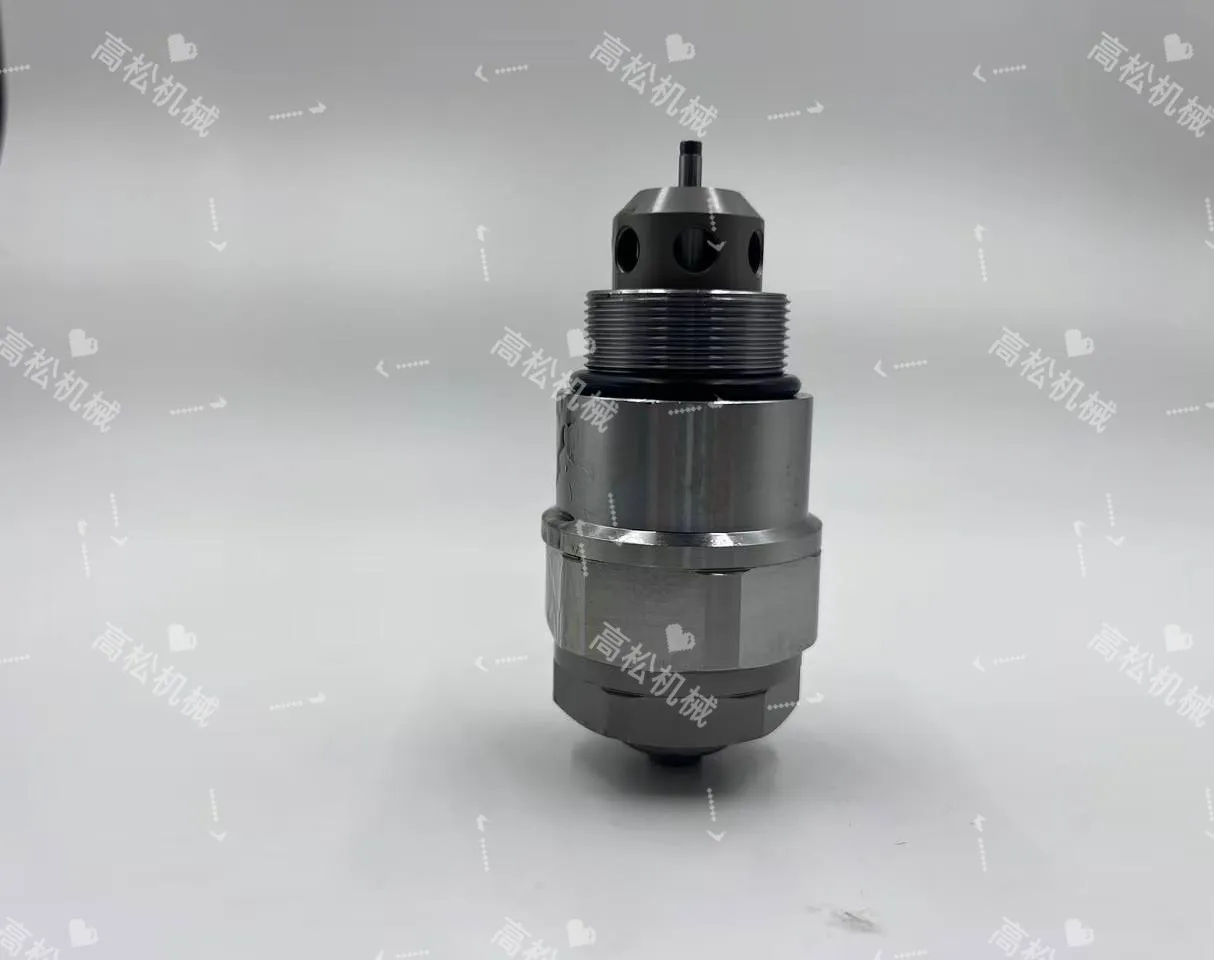
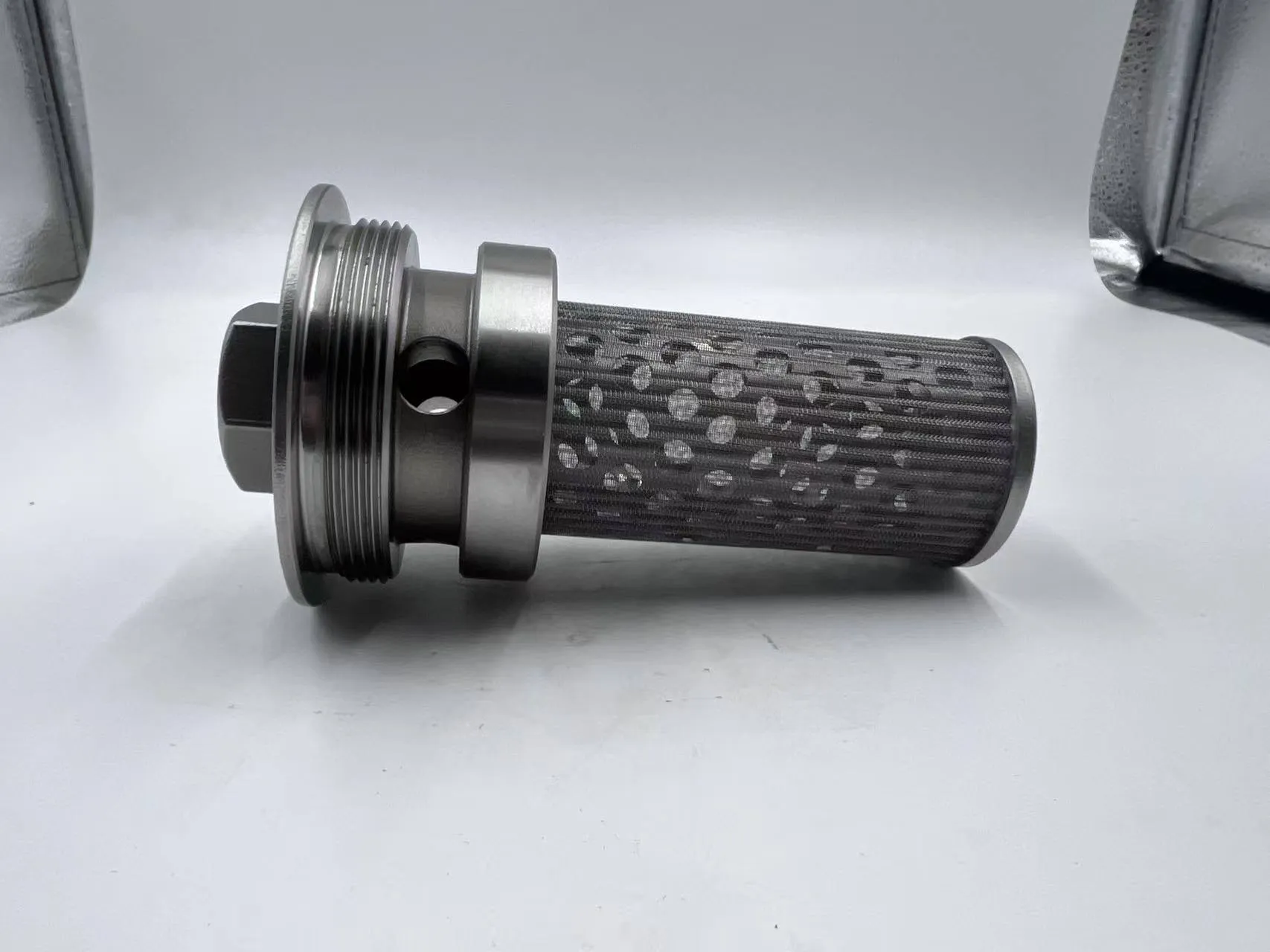
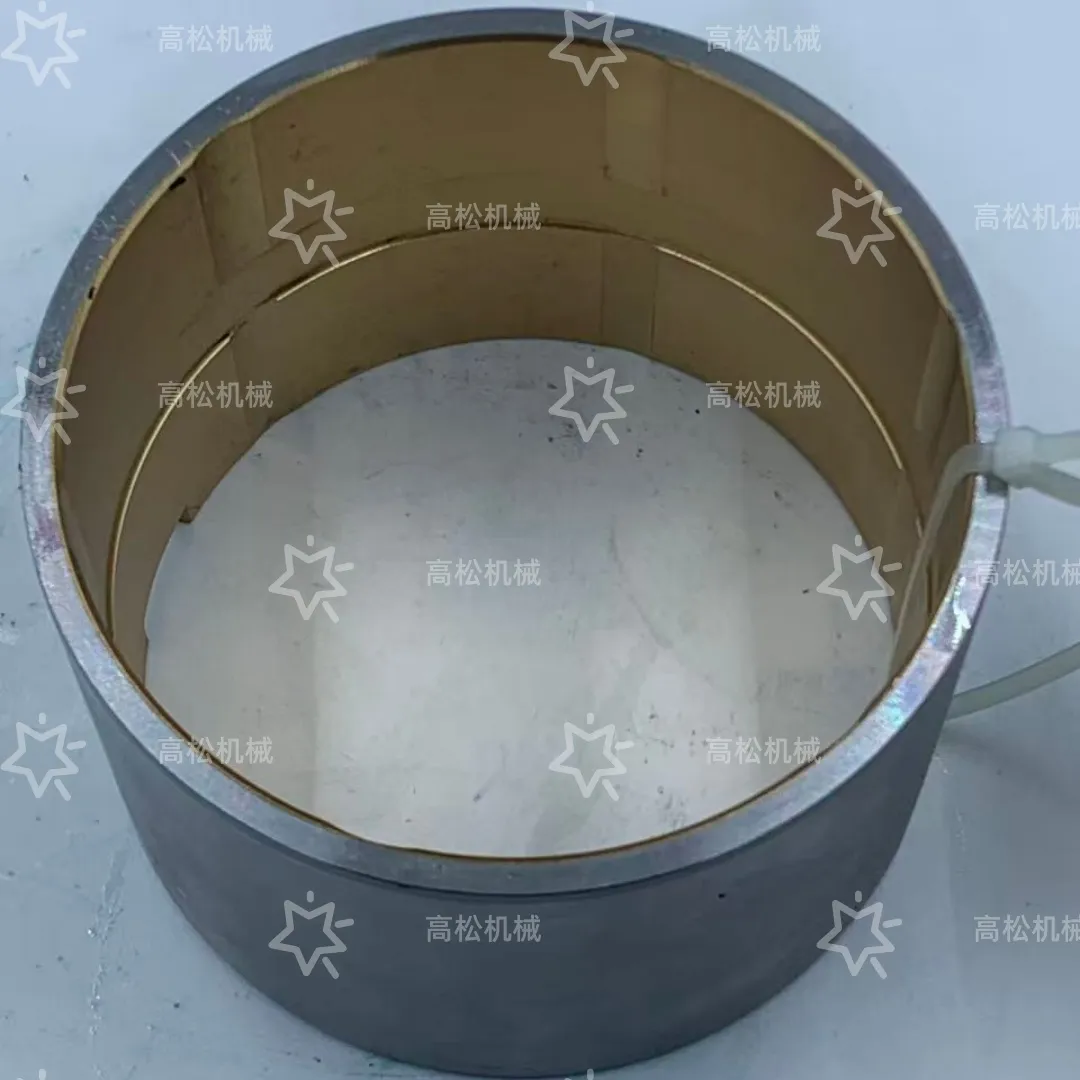
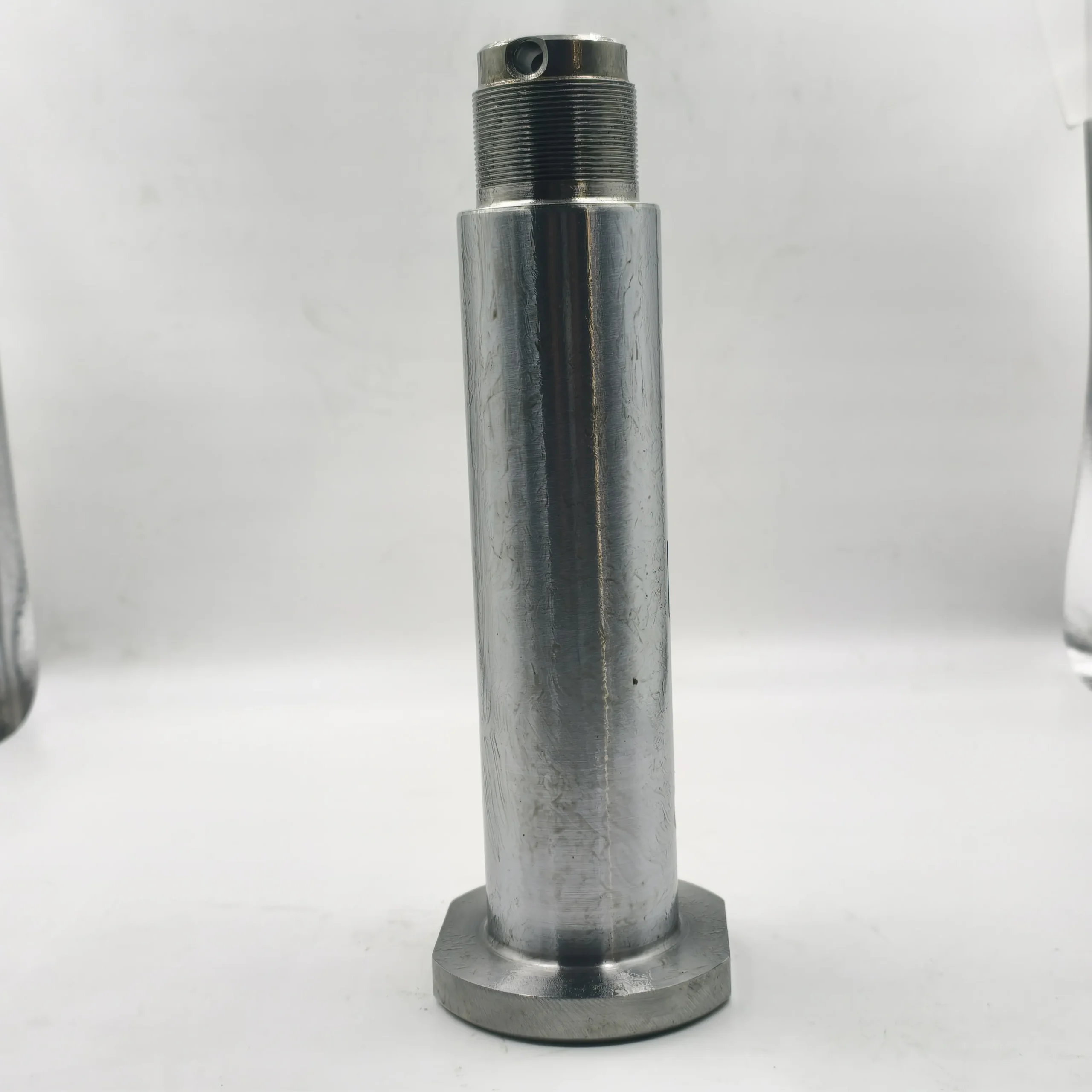

Best Selling Products
Best Selling Products-
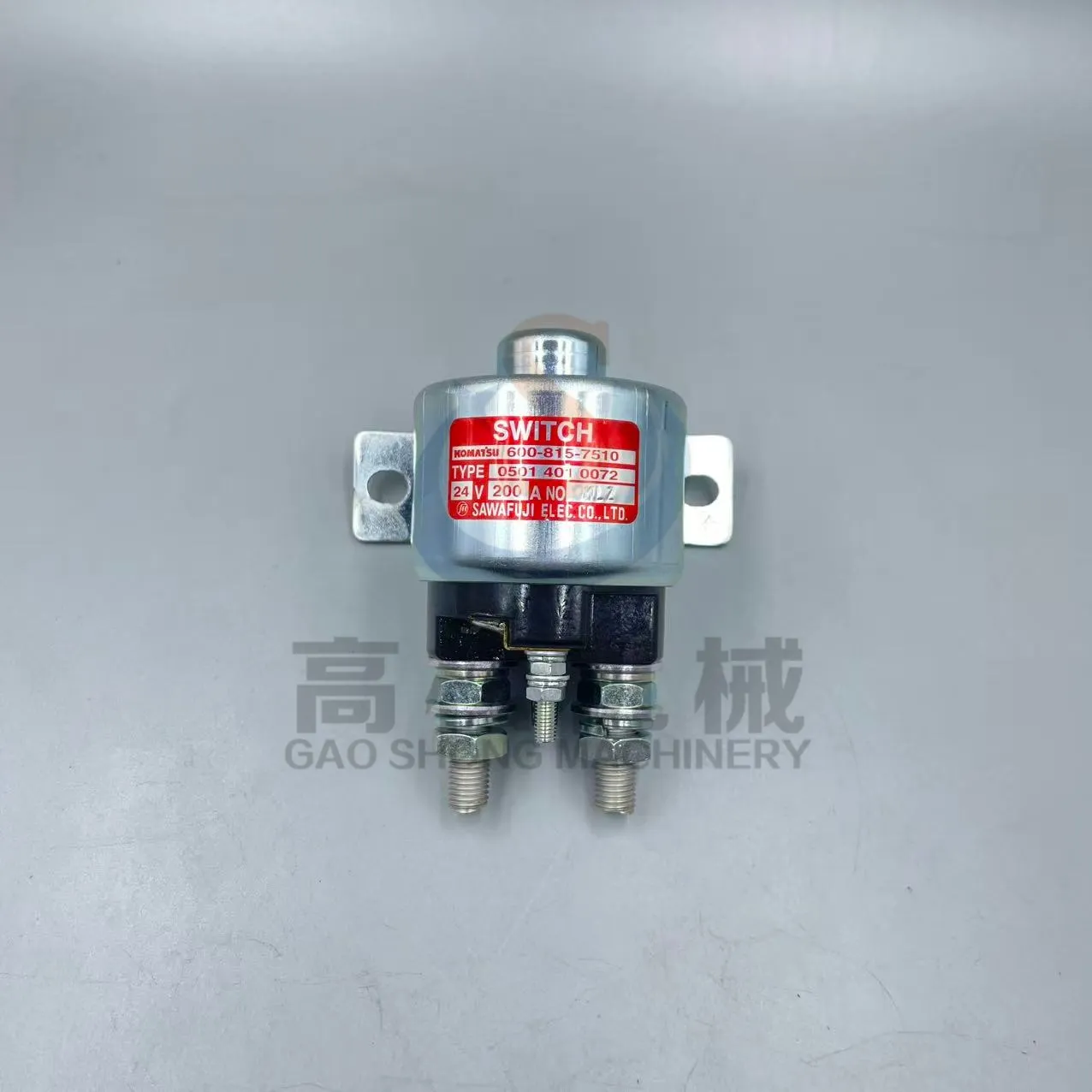 600-815-7510 Komatsu Switch, Heater
 -
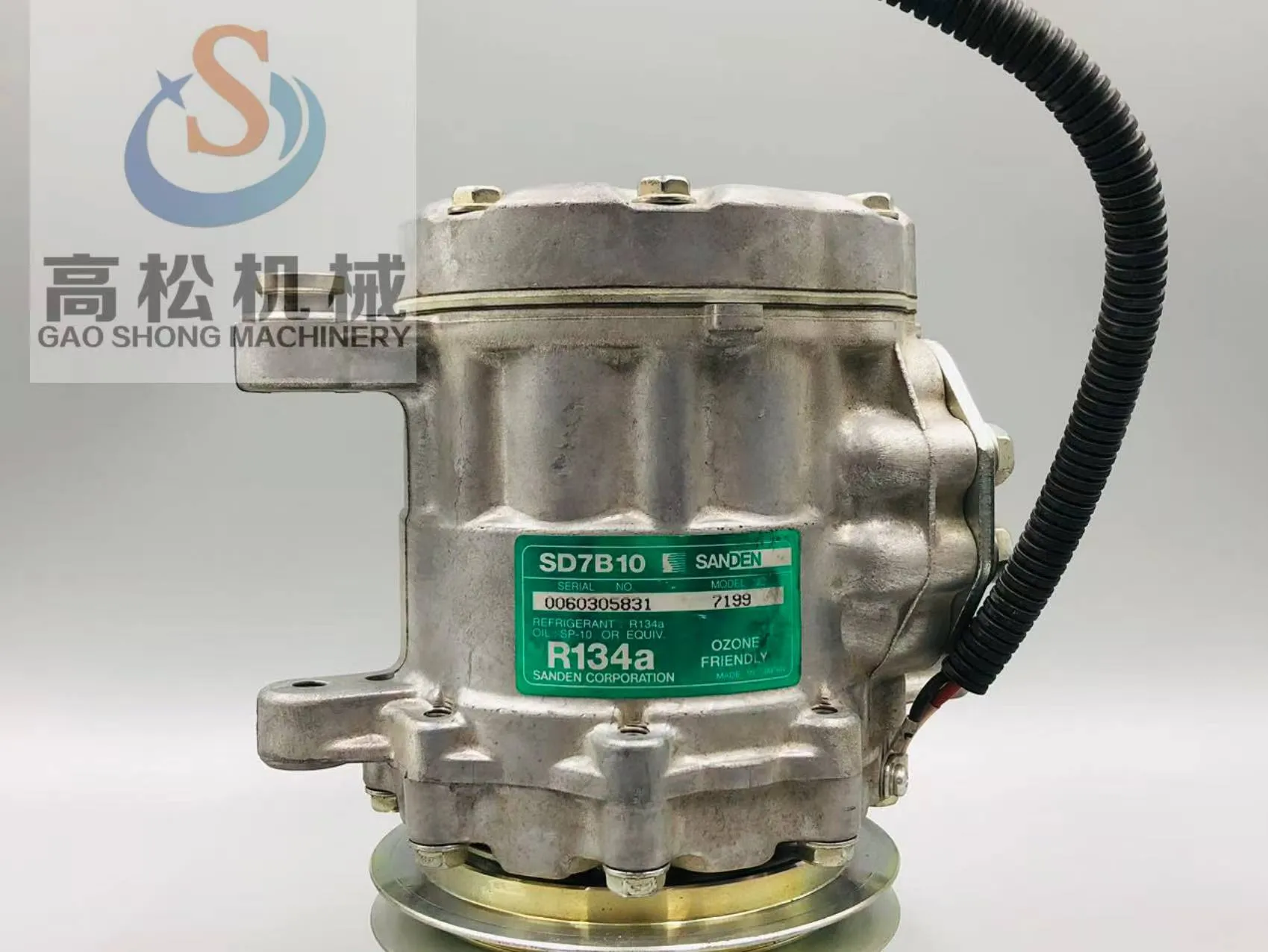 PC55MR PC56-7 Excavator Compressor PC45MR Air Conditioning 22L-979-2200 Compressor Ass’y
 -
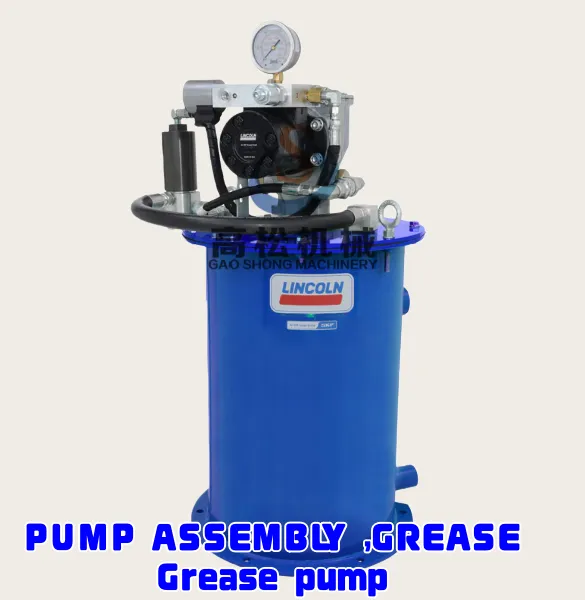 PUMP ASSEMBLY,GREASE 21T-68-31132 561-95-83012 561-95-83011 561-95-8A530 561-95-84800 LI270670 grease pump
 -
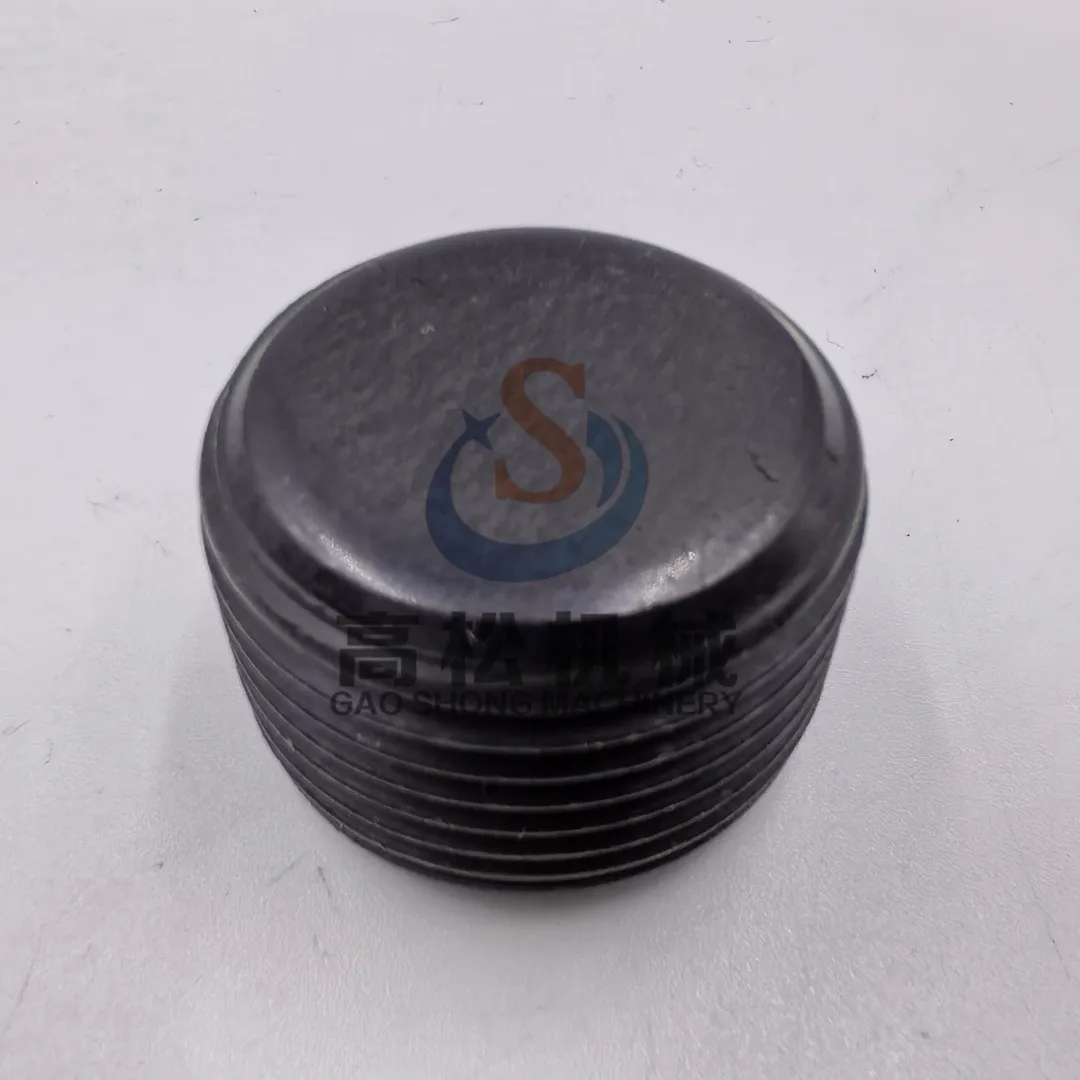 07043-00617 Komatsu Plug Komatsu originnal
 -
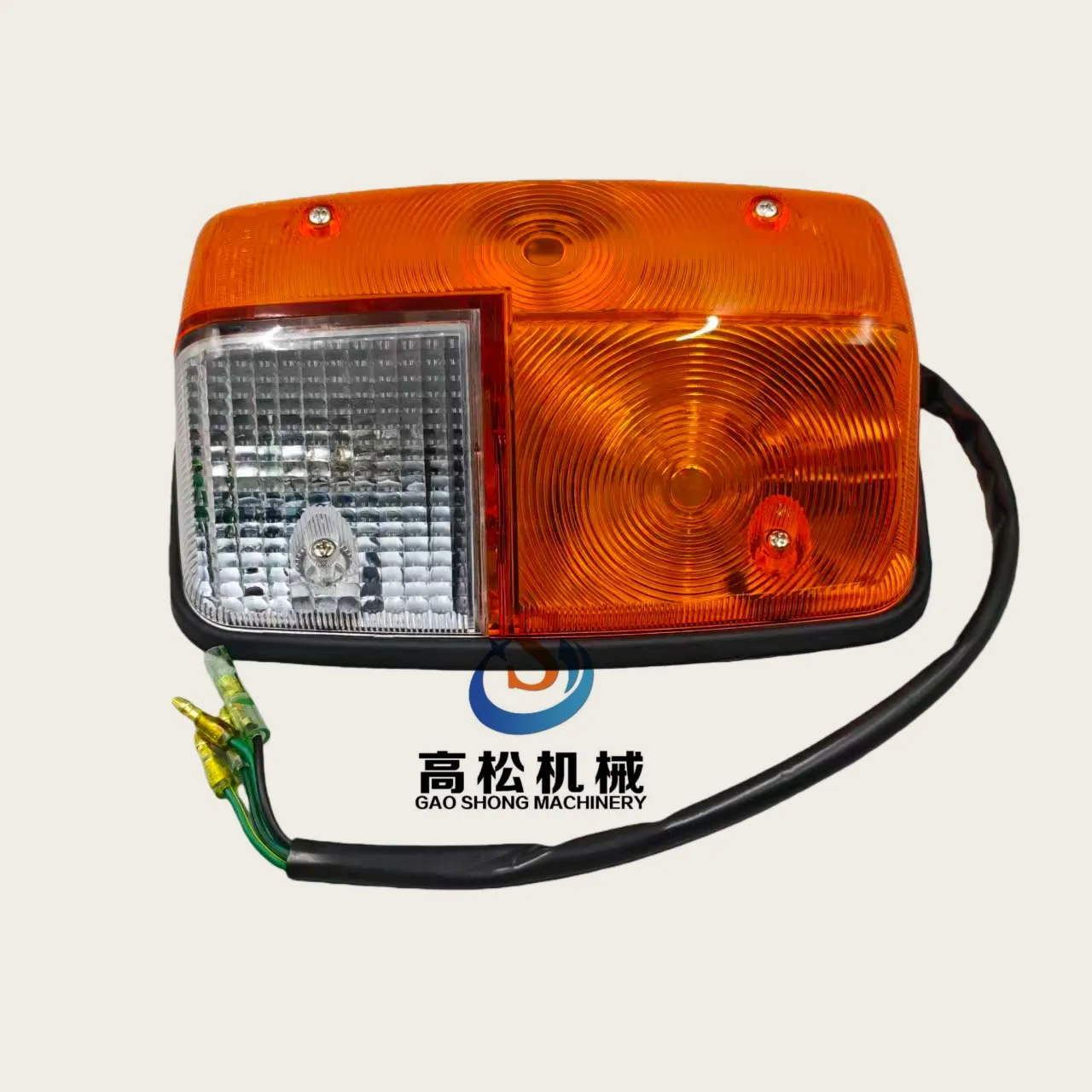 421-06-13401 Komatsu TURN SIGNAL AND PARKING
 -
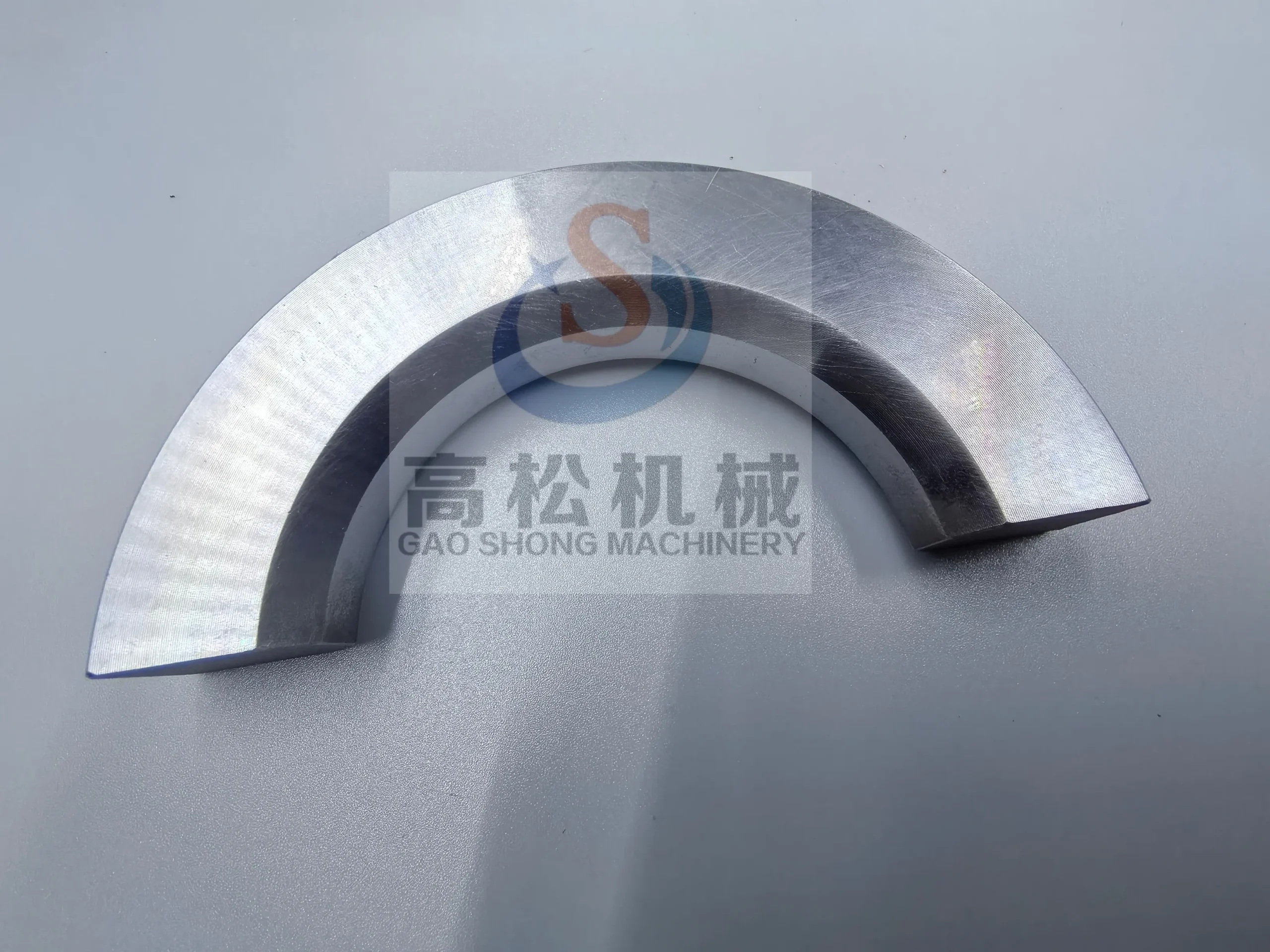 14X-30-13241 Spacer (Komatsu)
 -
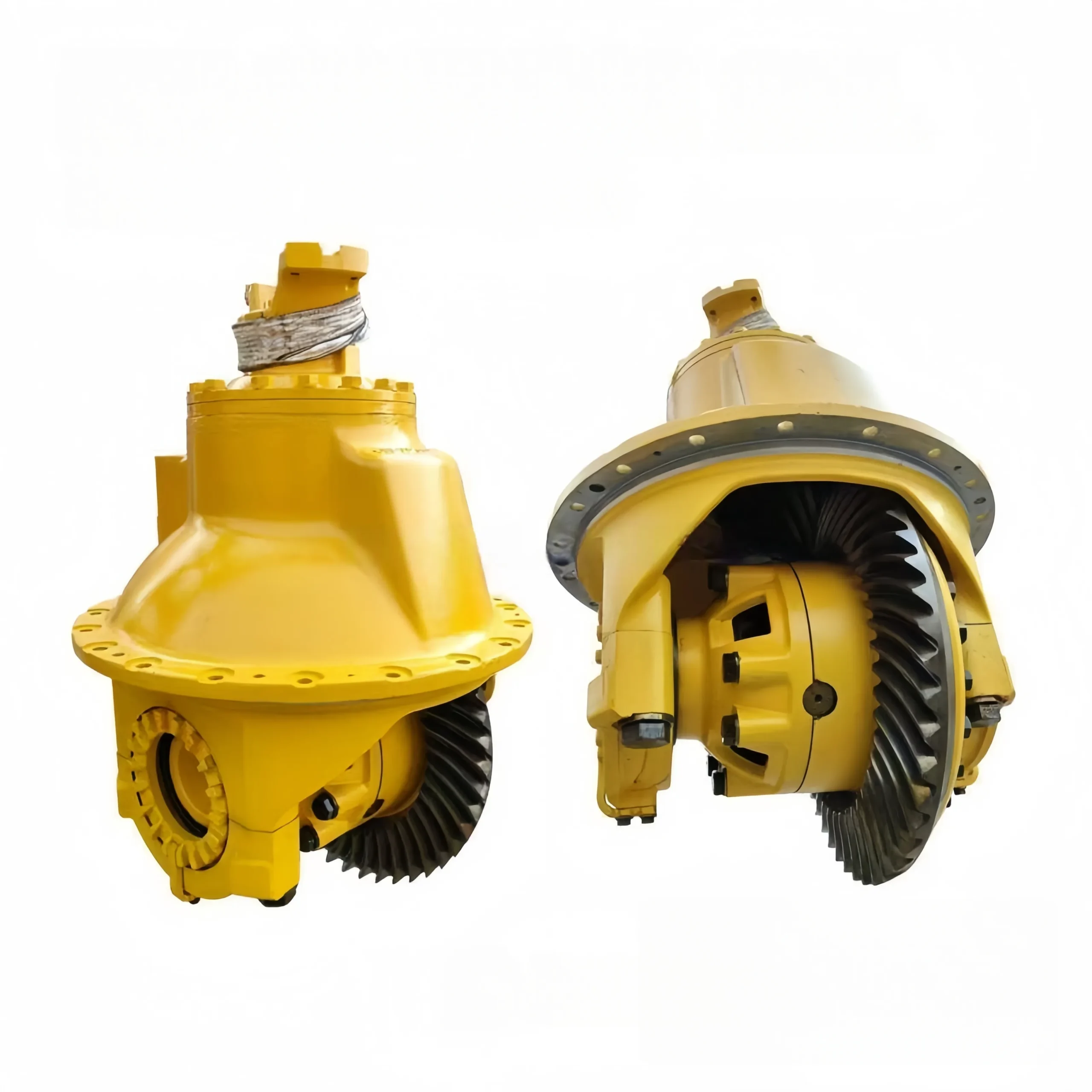 komatsu-part-569-22-71002 RM569-22-71002 569-22-71001 DIFFERENTIAL ASS’Y HD465-7 HD605-7 REAR AXLE (REAR DIFFERENTIAL)
 -
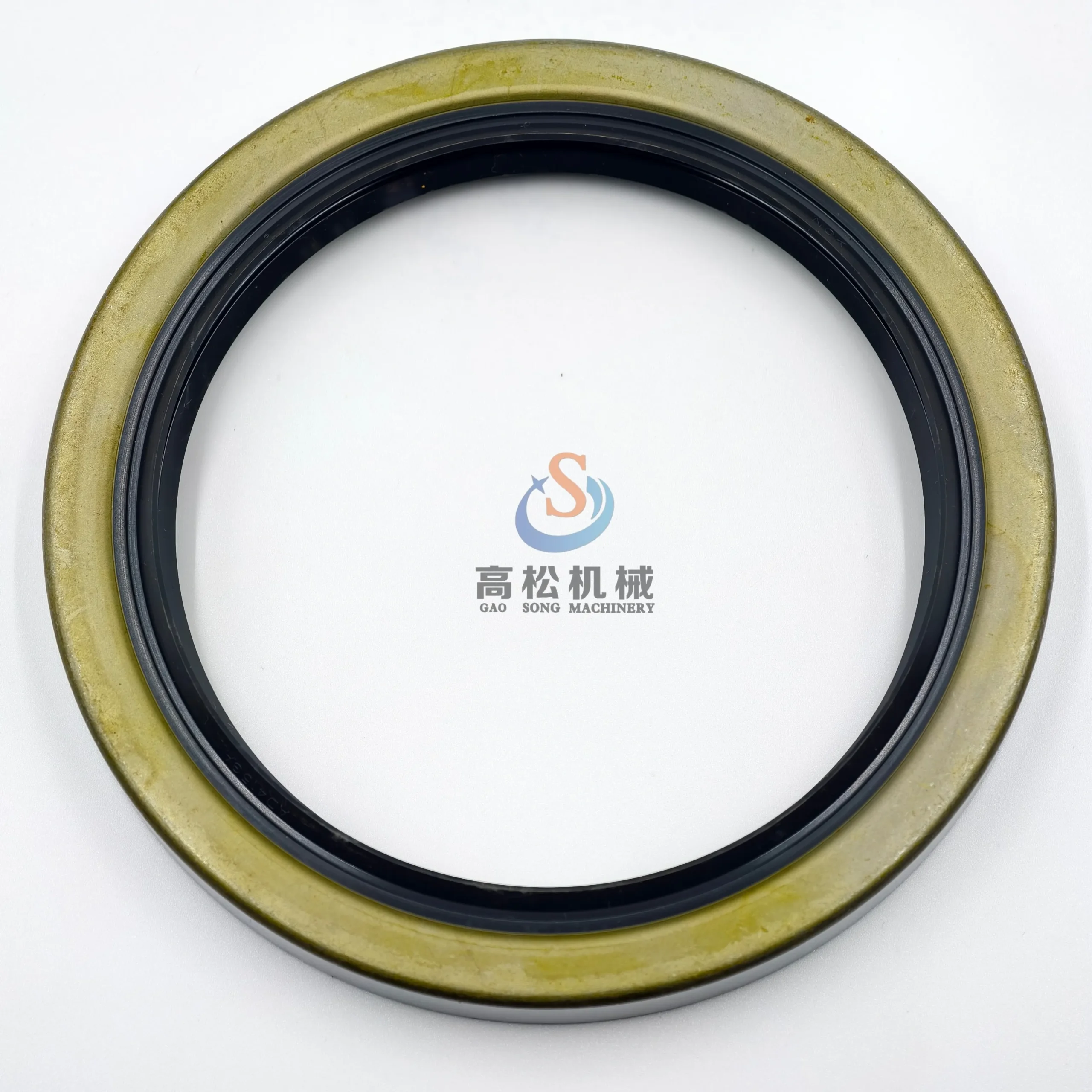 425-20-15740 komatsu-parts SEAL,OIL
 -
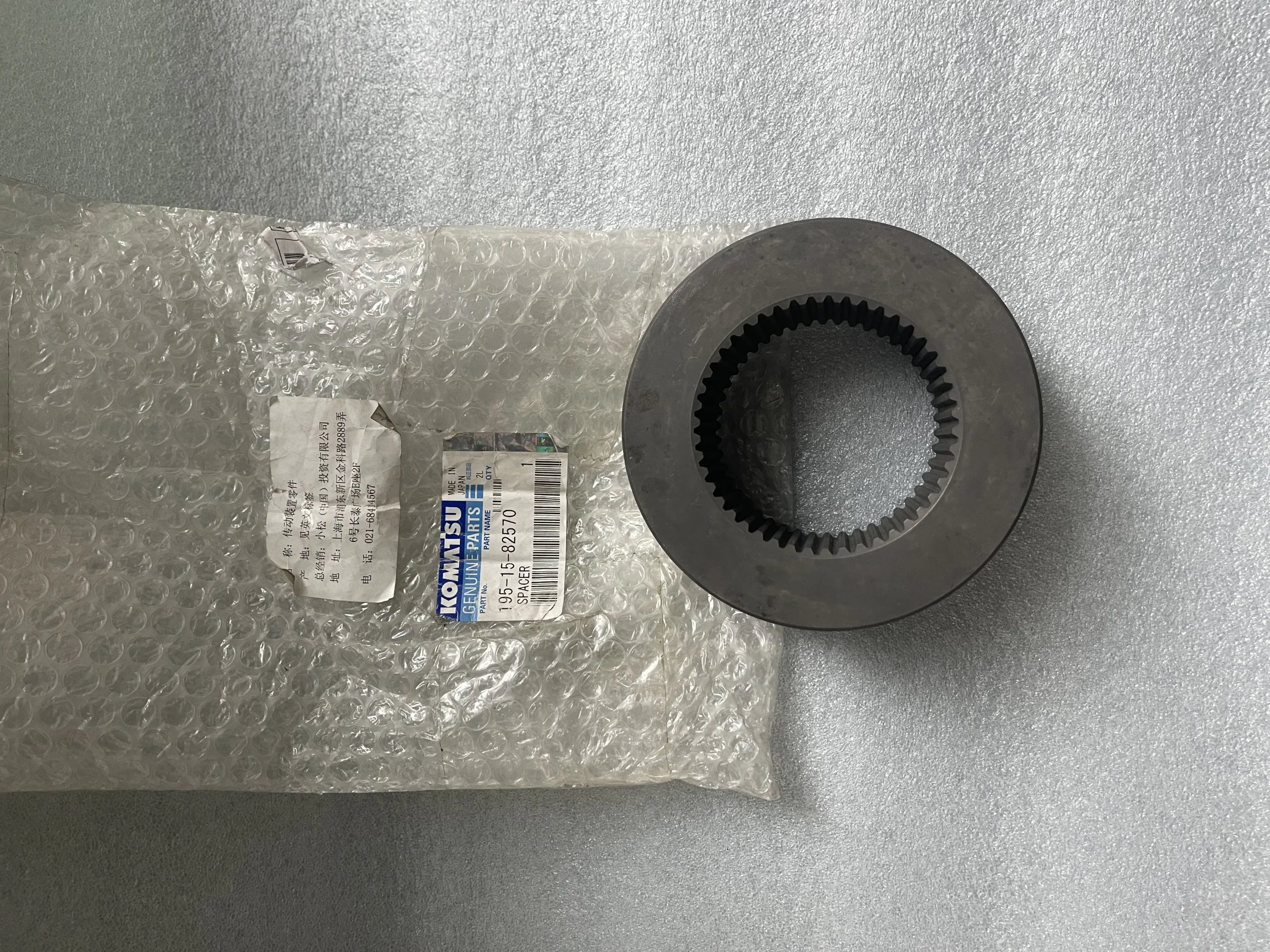 D375A-5 SPACER 195-15-82570 for komatsu Sealed-type Open-type Shielded Hybrid-ceramic
 -
 6693-22-5600 Komatsu Valve Assembly
 -
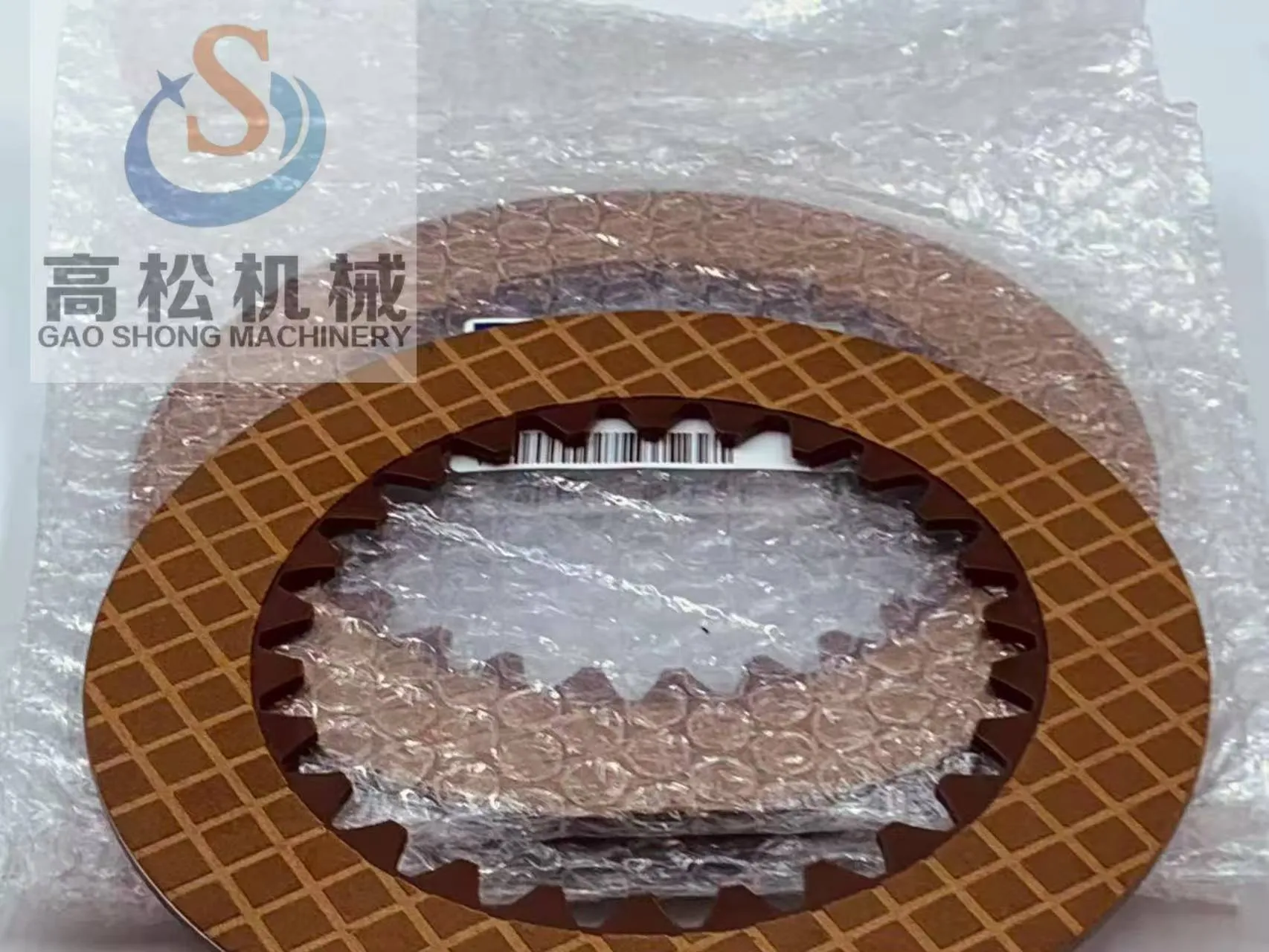 14-07-40010 714-07-48540 421-62-45450 spare parts for front loader wa470-6 hydraulic transformer and coupling transmission 714-07-49731
 -
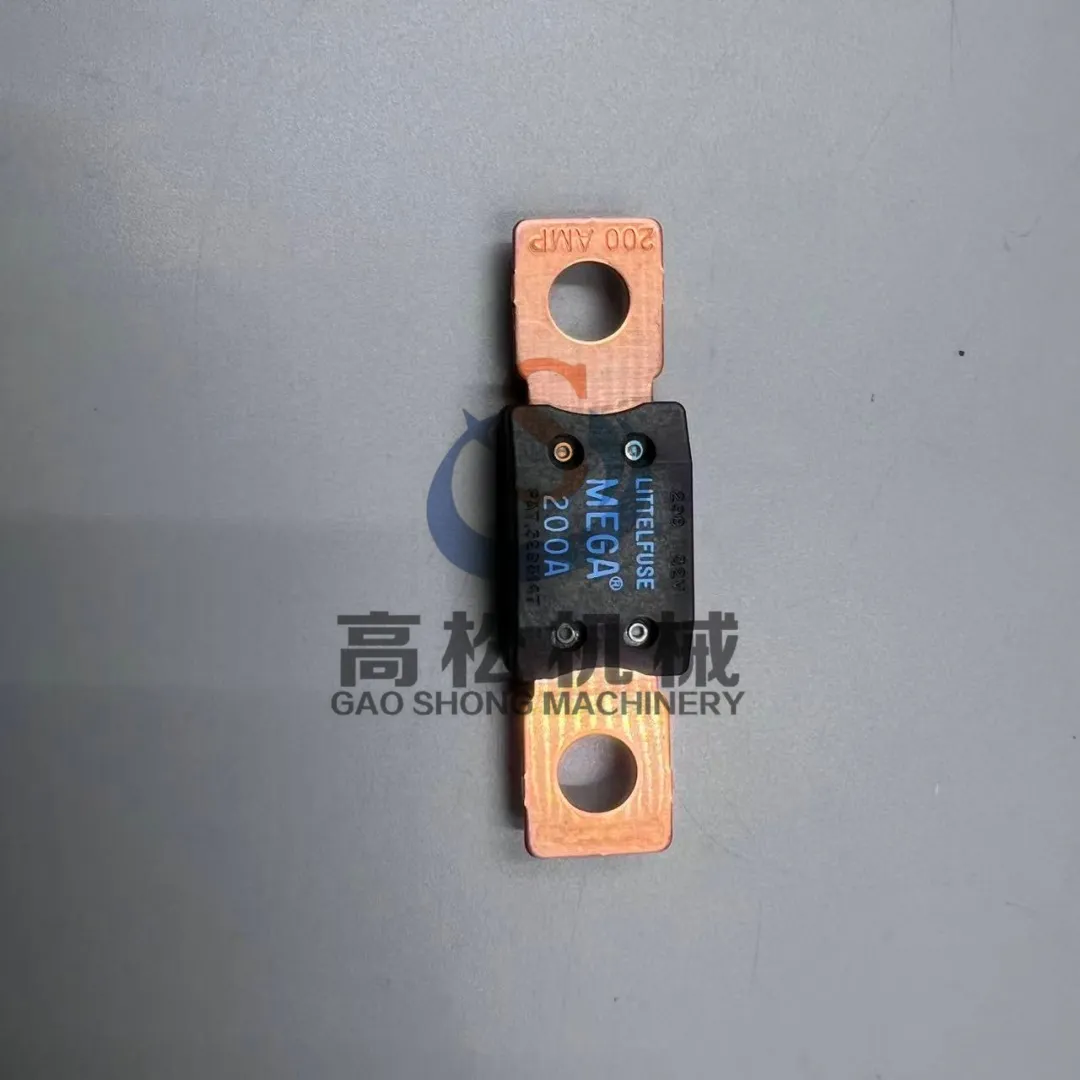 Komatsu 561-06-81610 Fuse