
- Chinese
- French
- German
- Portuguese
- Spanish
- Russian
- Japanese
- Korean
- Arabic
- Irish
- Greek
- Turkish
- Italian
- Danish
- Romanian
- Indonesian
- Czech
- Afrikaans
- Swedish
- Polish
- Basque
- Catalan
- Esperanto
- Hindi
- Lao
- Albanian
- Amharic
- Armenian
- Azerbaijani
- Belarusian
- Bengali
- Bosnian
- Bulgarian
- Cebuano
- Chichewa
- Corsican
- Croatian
- Dutch
- Estonian
- Filipino
- Finnish
- Frisian
- Galician
- Georgian
- Gujarati
- Haitian
- Hausa
- Hawaiian
- Hebrew
- Hmong
- Hungarian
- Icelandic
- Igbo
- Javanese
- Kannada
- Kazakh
- Khmer
- Kurdish
- Kyrgyz
- Latin
- Latvian
- Lithuanian
- Luxembou..
- Macedonian
- Malagasy
- Malay
- Malayalam
- Maltese
- Maori
- Marathi
- Mongolian
- Burmese
- Nepali
- Norwegian
- Pashto
- Persian
- Punjabi
- Serbian
- Sesotho
- Sinhala
- Slovak
- Slovenian
- Somali
- Samoan
- Scots Gaelic
- Shona
- Sindhi
- Sundanese
- Swahili
- Tajik
- Tamil
- Telugu
- Thai
- Ukrainian
- Urdu
- Uzbek
- Vietnamese
- Welsh
- Xhosa
- Yiddish
- Yoruba
- Zulu
- Kinyarwanda
- Tatar
- Oriya
- Turkmen
- Uyghur






Komatsu diesel engine spare parts
When you hear 'Komatsu diesel engine spare parts', the immediate thought is often 'OEM or nothing'. That's a costly assumption. In reality, the supply chain for these critical components is fragmented, and the label on the box is just the beginning of the story. Having dealt with fleets from mining sites in Australia to construction projects across Southeast Asia, I've seen too many operators get hung up on pure pedigree while their equipment sits idle. The real challenge isn't just finding a part; it's finding the right source that understands the interplay between Komatsu's stringent specifications and the practical realities of field operation and logistics. This is where the landscape gets interesting, and where companies positioning themselves as hybrid solutions, like Jining Gaosong Construction Machinery Co., Ltd., come into play.
The OEM Myth and The Third-Party Reality
Let's be clear: for core components like Komatsu diesel engine spare parts - think cylinder heads, fuel injection pumps, or turbochargers - the engineering tolerances are non-negotiable. A pattern part from a random workshop will fail, and expensively. But the blanket 'OEM-only' edict ignores a key market reality. Genuine Komatsu supply can hit bottlenecks, especially in regions outside major industrial hubs. Lead times blow out, and costs skyrocket.
This is where the model of a company like Jining Gaosong becomes relevant. They describe themselves as an OEM product supplier within the Komatsu system and a third-party sales company. In practice, this often means they have access to genuine channels for some items, but their value is in aggregating supply from Komatsu-approved secondary manufacturers for others. They're not selling counterfeit parts; they're providing a vetted alternative supply line. I've used their channel for SAA6D140E-3 engine gasket kits and D155 dozer undercarriage components when the official pipeline was choked. The parts met spec, but the journey to get them certified for use was an exercise in documentation and traceability.
The nuance here is critical. A 'third-party' seller could be anything from a broker of grey-market goods to a technically competent partner. The latter, which Gaosong seems to aim for, actually helps 'solve parts supply challenges in certain countries,' as they note. They're filling a gap the pure OEM distribution model sometimes creates. You're not just buying a part; you're buying a solution to a logistics and availability problem.
Identifying the Critical Wear Parts
Not all Komatsu diesel engine spare parts are created equal. Your strategy should differ based on the component. For high-wear, high-replacement items like fuel injectors (think of the common S6D type), piston rings, or valve train components, I'm less dogmatic about the OEM box. Several Japanese and Korean foundries produce to Komatsu's original blueprints under license. These are the parts where a reliable third-party source shines, offering a 20-30% cost saving without compromising mean time between failures (MTBF) if the metallurgy and QC are right.
I learned this the hard way a decade ago. We opted for a no-name brand of thermostat for a fleet of PC300 excavators. The failure rate was absurd, leading to overheating and subsequent head gasket issues—a classic case of saving pennies to spend dollars. After that, for any part managing core thermodynamics (thermostats, water pumps) or fuel pressure (injector nozzles, high-pressure lines), my due diligence checklist became exhaustive. It's not just about the part number match; it's about the certificate of conformity from the foundry.
This is where a supplier's depth matters. A website like https://www.takematsumachinery.com needs to offer more than a catalog. Can you get the material certifications? Do they know the difference between a standard and a high-altitude spec turbocharger for a Komatsu 6D140 engine? That operational knowledge separates parts peddlers from partners.
The Documentation Dance: Proving Provenance
Anyone in this business knows the real work starts after the part arrives. Fitting a non-OEM part, even a high-quality one, into a Komatsu machine under a maintenance contract can be a bureaucratic nightmare. You need a paper trail that would satisfy a forensic accountant.
This involves certificates of origin, material test reports (MTRs), and sometimes even third-party inspection reports. A competent supplier should provide this as a matter of course. I recall a project in Indonesia where we sourced a set of connecting rods from a third-party channel for a Komatsu S12D engine rebuild. The parts were physically perfect, but the mill certificate was vague. The site's maintenance controller, rightly so, rejected them. We lost two weeks of machine time. The lesson? The part is only 50% of the purchase; the supporting documentation is the other 50%. Suppliers who understand this are worth their weight in gold.
Jining Gaosong's positioning suggests they navigate this space. Being 'within the Komatsu system' implies some level of adherence to these procedural requirements, which is a significant value-add for the end user. It turns a transaction into a managed service.
Logistics: The Unseen Cost Driver
Talk is cheap until you have to air freight a 200kg cylinder block to a remote quarry. The physical logistics of Komatsu diesel engine spare parts often dwarf the part cost itself. A supplier's location and network are paramount.
Consolidation is key. A good supplier won't just sell you a crankshaft; they'll help you plan a container load with other pending items—seals, filters, gaskets—to amortize the shipping cost. Their website should be a hub, but their logistics brain is the real product. From my experience, suppliers based in major industrial and export hubs in China, which Jining Gaosong appears to be, often have more flexible and cost-effective shipping options compared to going through traditional regional distributors. They're wired for international export.
I've had suppliers who could drop-ship directly from a port warehouse to a jobsite, with all customs paperwork pre-cleared. That capability turns a 14-day wait into a 5-day turnaround. When a 400-ton mining truck is down, that's the difference between a hiccup and a catastrophe.
Failure as a Teacher: A Personal Anecdote
Early in my career, I was tasked with sourcing a full overhaul kit for a Komatsu D375 dozer engine. I found a supplier offering a 'complete kit' at half the OEM price. The kits arrived, and visually, everything looked fine. We rebuilt two engines. Both failed within 200 hours—one with catastrophic bearing wear, the other with valve seat recession.
The post-mortem revealed the kit was a Frankenstein's monster: piston rings from one manufacturer, bearings from another, all with mismatched wear characteristics and thermal expansion rates. They were individually 'okay' parts, but as a system, they were a disaster. It taught me that for engine overhaul kits, systemic compatibility is everything. Now, I either source a genuine Komatsu kit or use a kit from a single, reputable aftermarket brand like IPD or CSI, never a pieced-together set.
This experience directly informs why I see value in a supplier that is integrated 'within the Komatsu system.' Their kit is more likely to be a coherent system of parts designed to work together, even if not all come from Komatsu's primary factory. It's about technical curation, not just aggregation.
The Road Ahead: A Pragmatic View
The market for Komatsu parts is maturing. The binary choice of 'OEM or aftermarket' is being replaced by a spectrum of 'verified quality.' The role of companies like Jining Gaosong Construction Machinery Co., Ltd. is to occupy that middle ground—leveraging formal Komatsu links for credibility while building third-party networks for resilience and cost-effectiveness.
For the equipment manager, the task is to vet suppliers on a deeper level. Don't just check their stock list for Komatsu diesel engine spare parts. Interrogate their technical knowledge. Ask for failure rate data on the parts they sell. Request references from projects in similar environments to yours. A simple question like, What's the common point of failure on a Komatsu SAA6D125E engine after 12,000 hours, and which part in your inventory addresses it? will separate the real players from the order-takers.
Ultimately, it's about risk management. Pure OEM minimizes technical risk but maximizes cost and downtime risk. Unvetted aftermarket maximizes technical risk. The sweet spot is a technically literate partner who can navigate both worlds, providing the right part, with the right paperwork, at the right time. That's the future of parts supply, and it's already here for those who know where to look.
Related Products
Related Products


Best Selling Products
Best Selling Products-
 BUSHING 707-76-16011 KOMATSU
 -
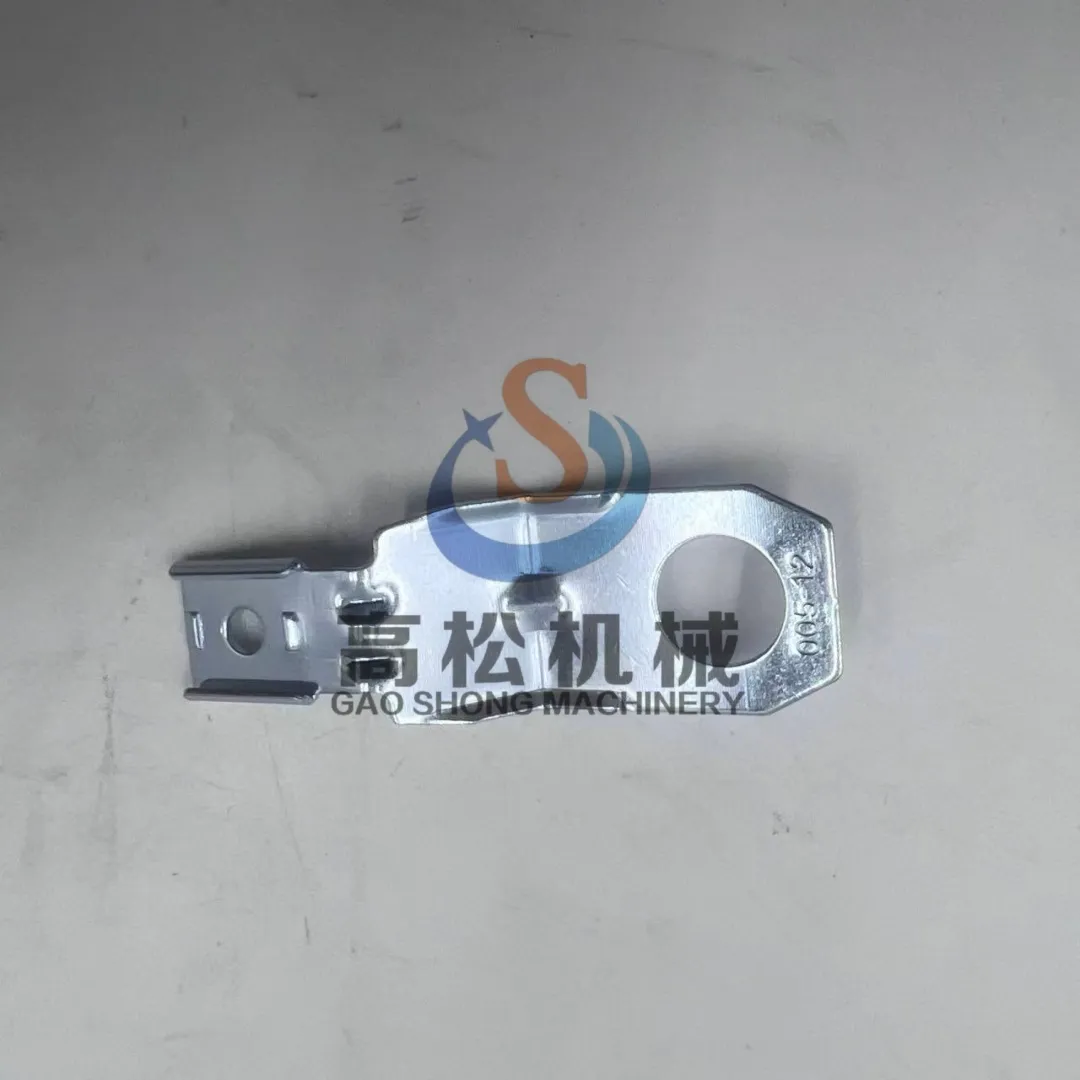 193-21012 CLIP,(WITHOUT ACCUMULATOR) – Komatsu
 -
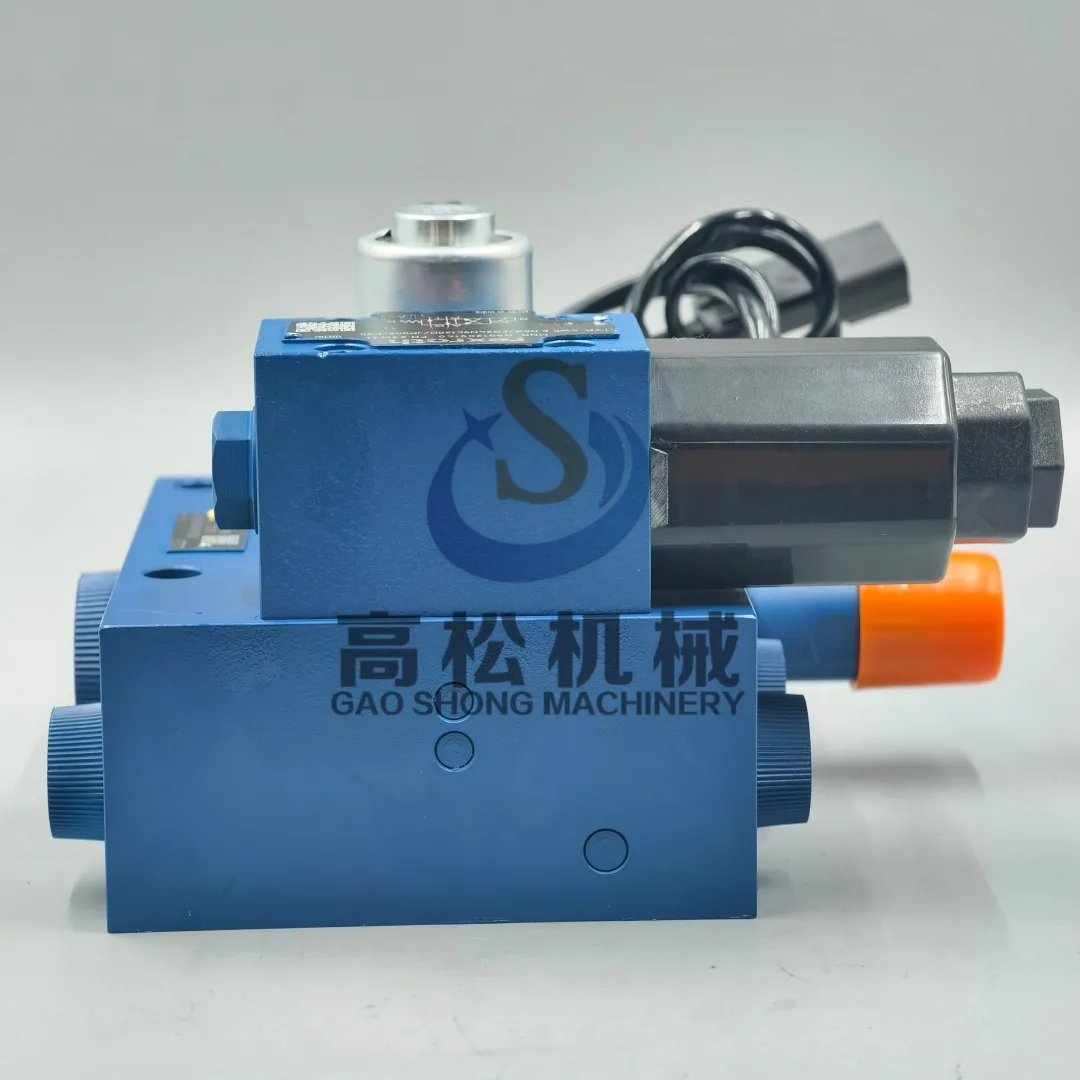 Original VALVE ASS’Y 56B-43-12402 for DUMP TRUCKS HD325 HD605
 -
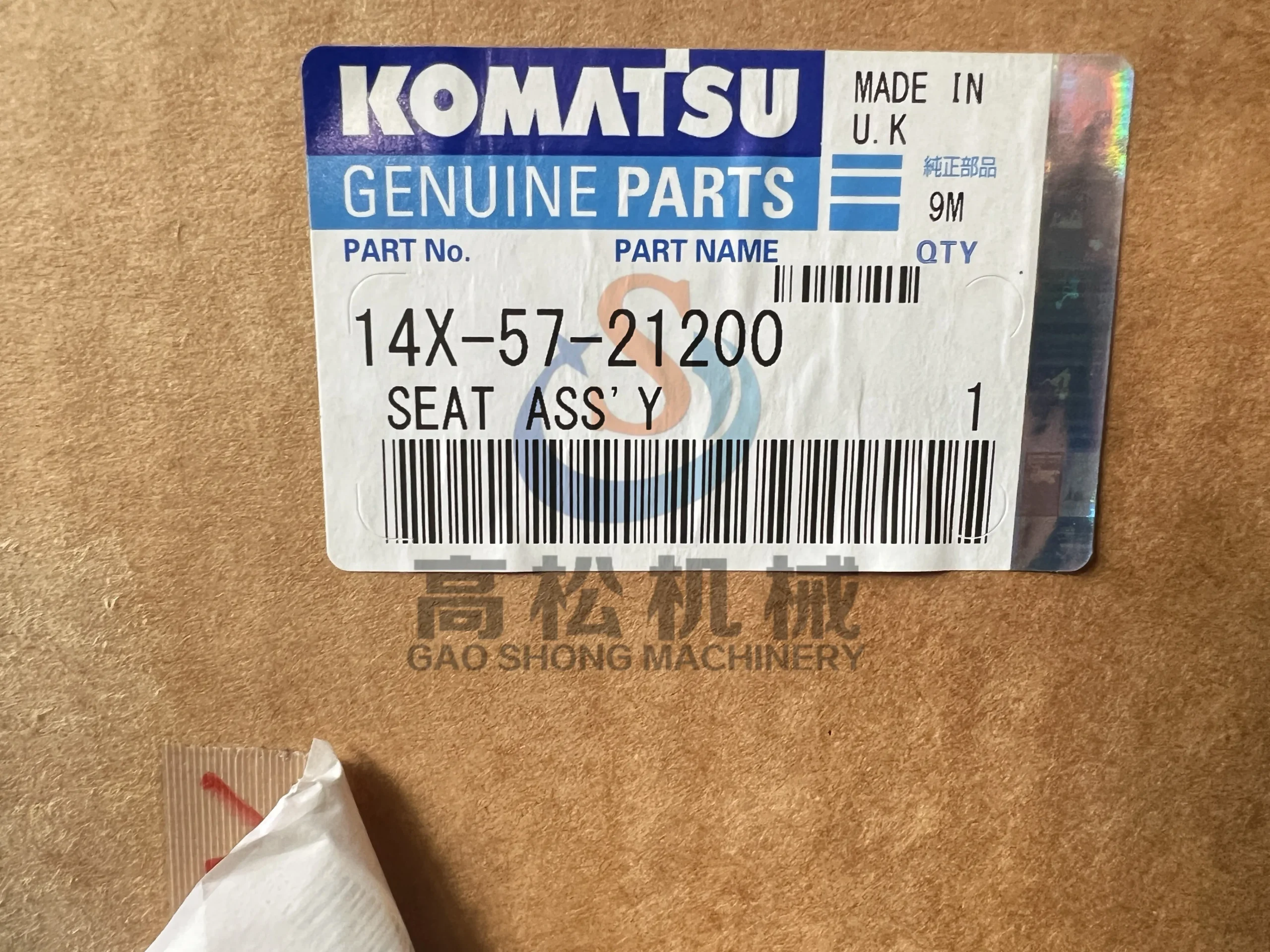 14X-57-21200 Komatsu SEAT ASS’Y,LEATHER
 -
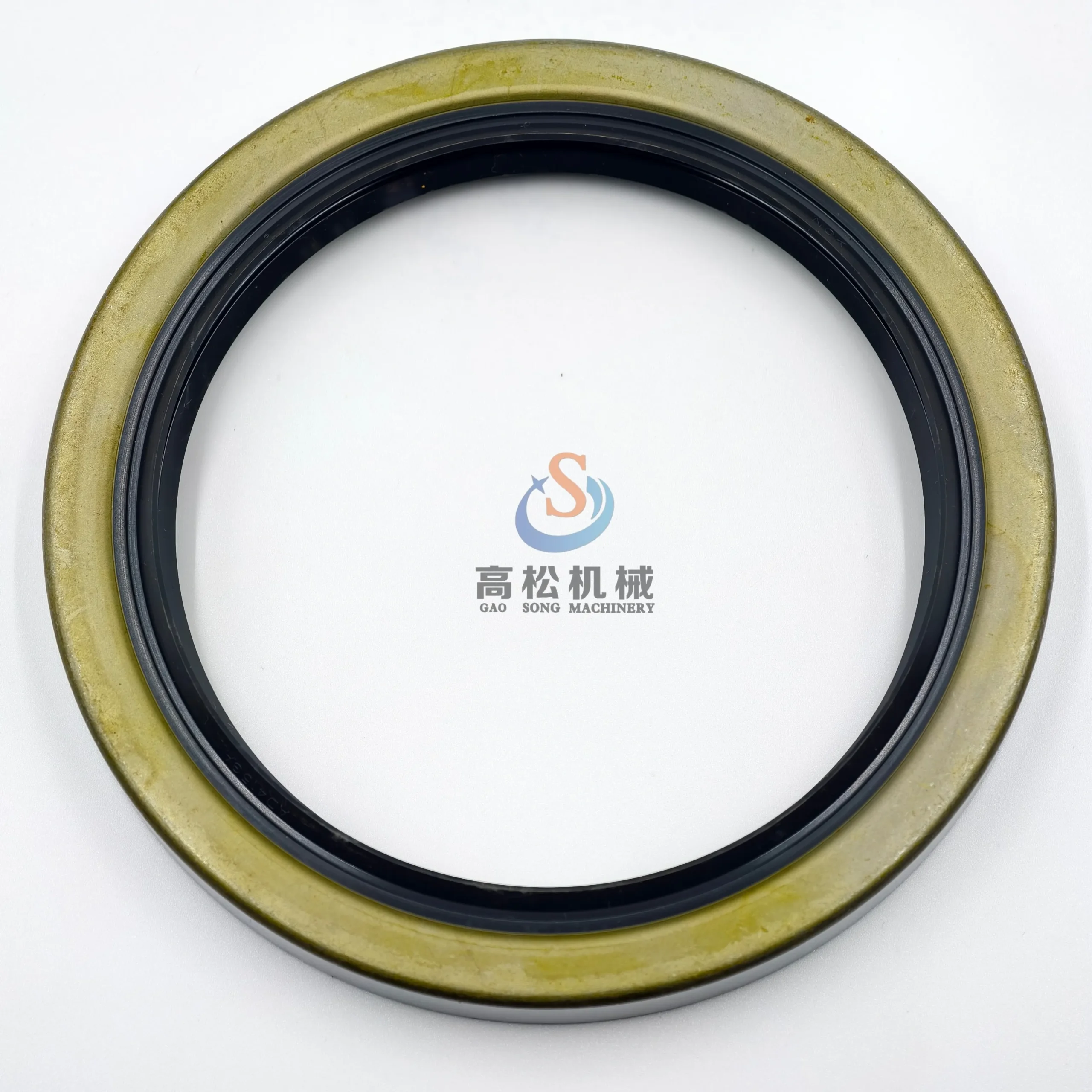 425-20-15740 komatsu-parts SEAL,OIL
 -
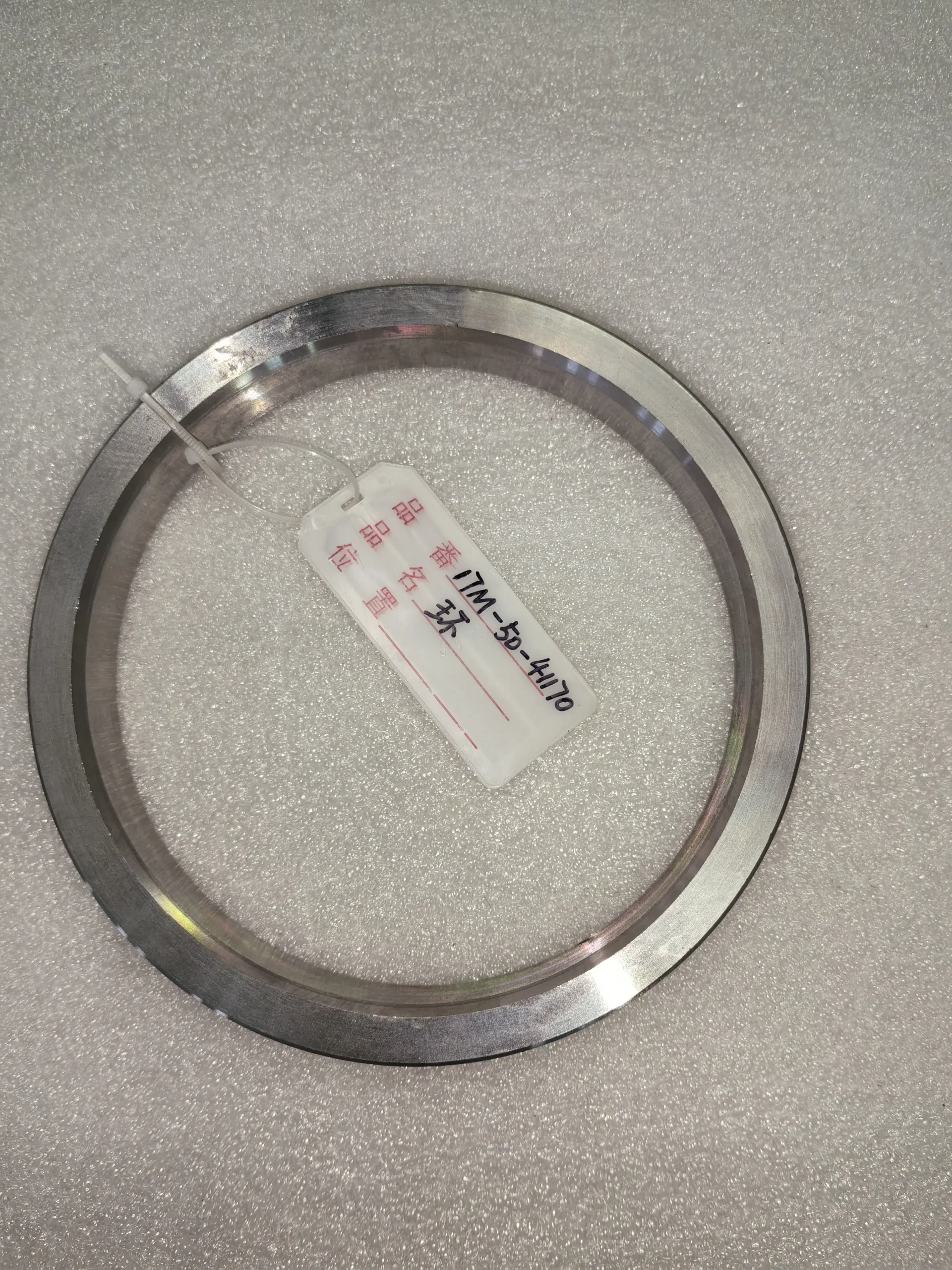 RING 17M-50-41170 – KOMATSU
 -
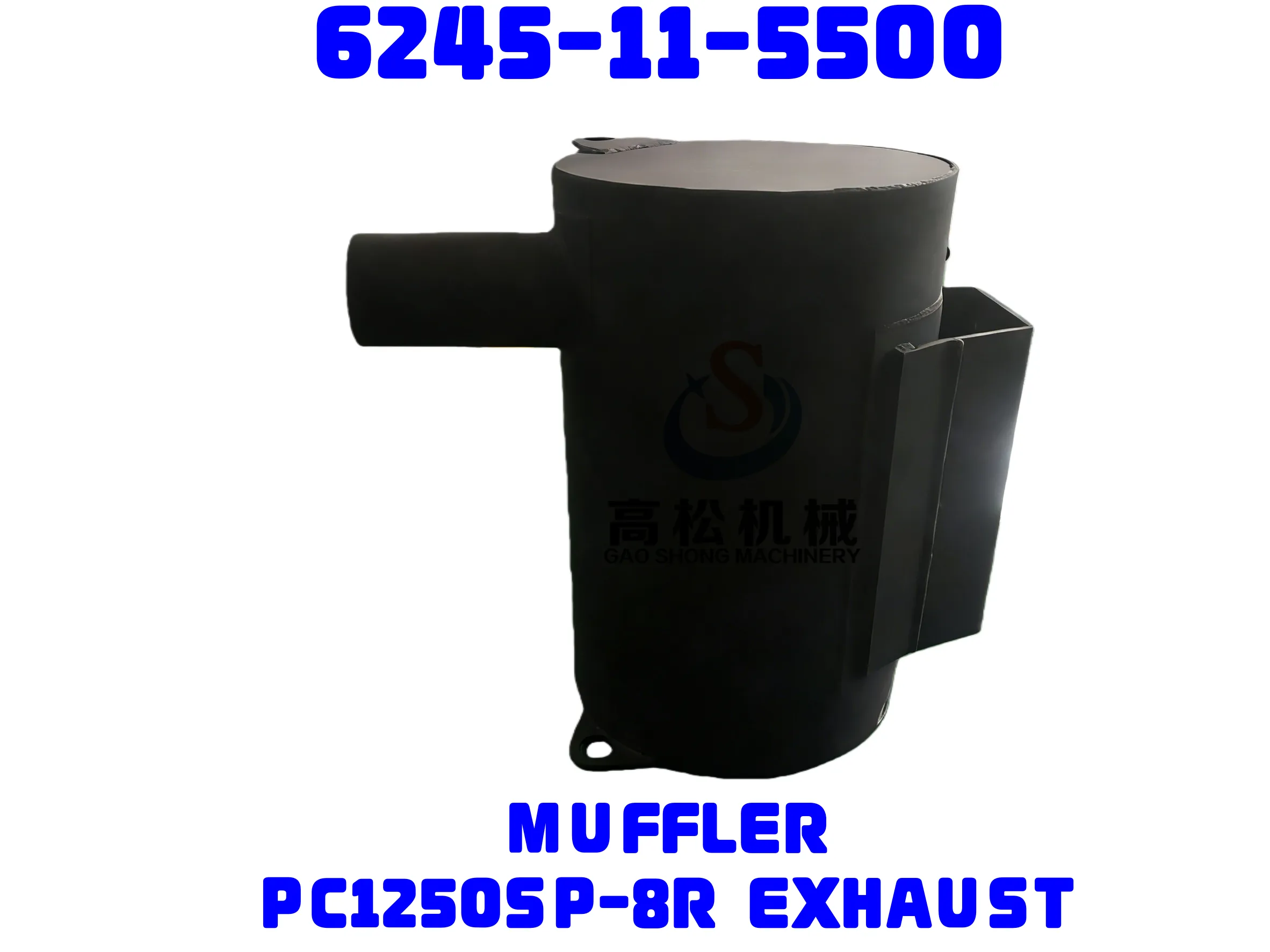 Muffler Silencer 6245-11-5500 for Komatsu Engine 6D170E-5 Excavator PC1250-8 PC1250-8R PC1250LC-8 PC1250SP-8 PC1250SP-8R
 -
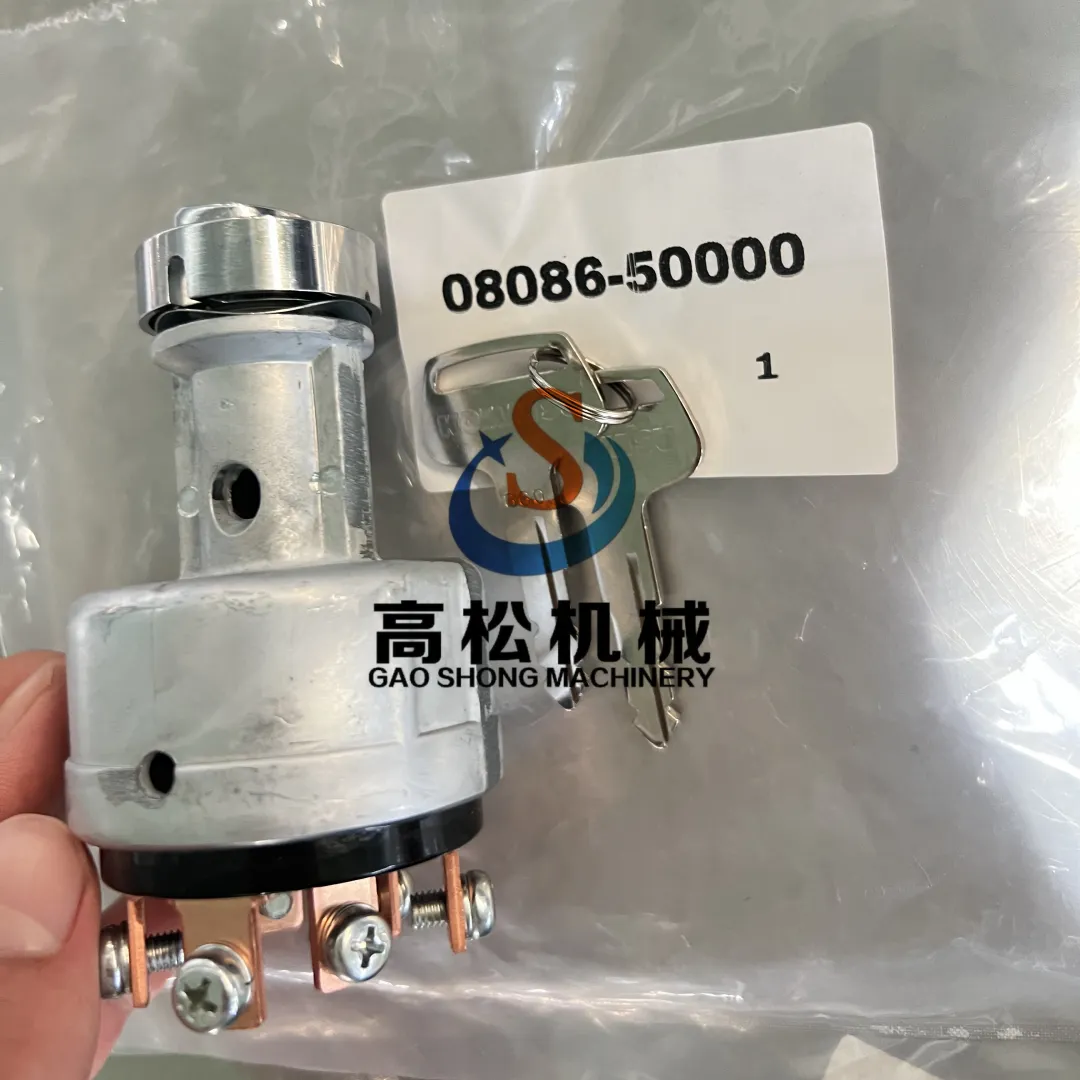 08086-50000Komatsu 08086-50000 Replacement Ignition Switch
 -
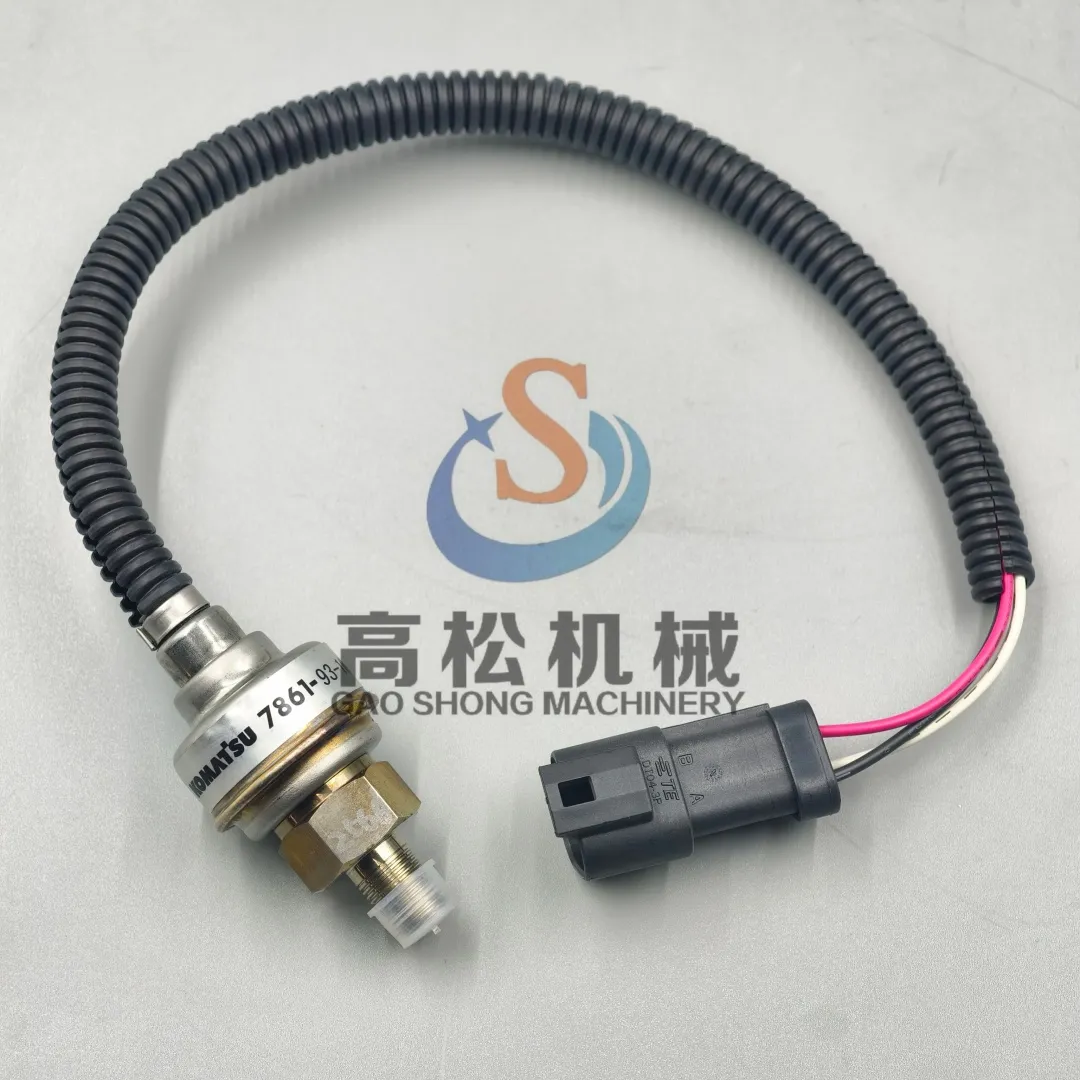 7861-93-1670 Main Pressure Sensor For Komatsu Bulldozers Parts D375 D475
 -
 Seal Ring 195-15-39220 1951539220 For Komatsu Wheel Loaders WA500-6 WA700-1 Komatsu Dump Trucks HD985-5 HD785-7
 -
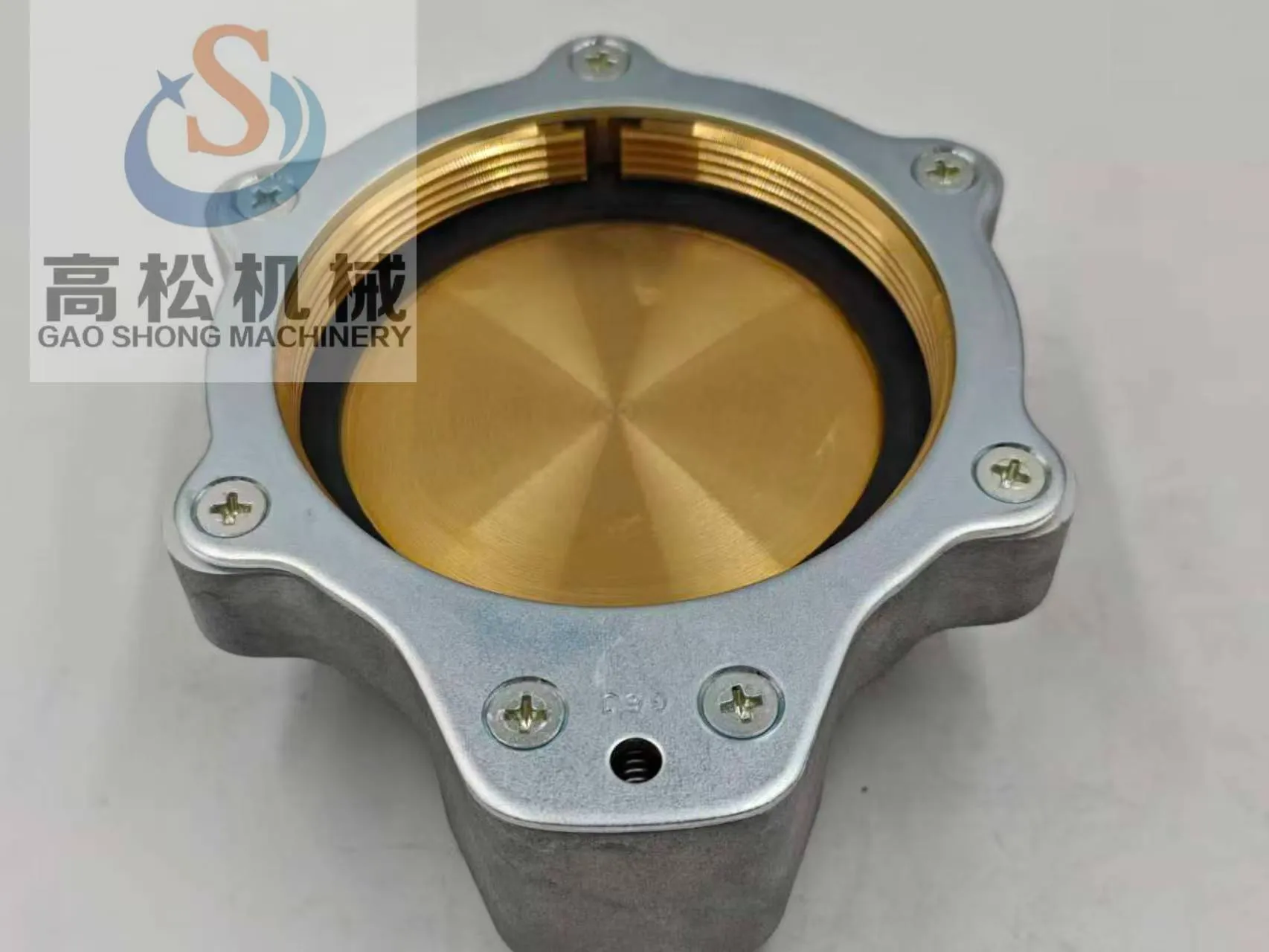 Original new water tank lid 07093-20000 lid suitable for bulldozer komatsu d85 d275
 -
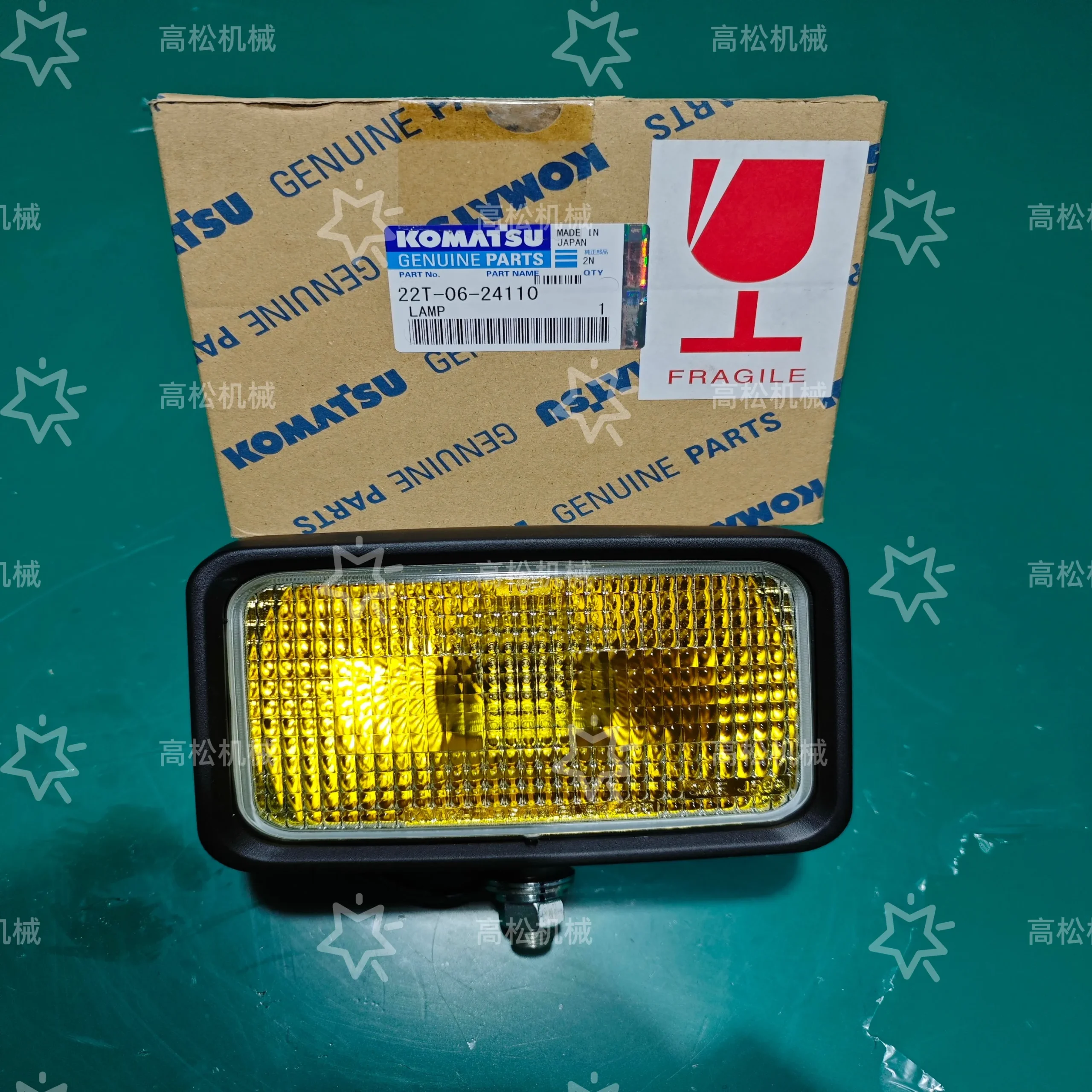 LAMP 22T-06-24110 – KOMATSU