
- Chinese
- French
- German
- Portuguese
- Spanish
- Russian
- Japanese
- Korean
- Arabic
- Irish
- Greek
- Turkish
- Italian
- Danish
- Romanian
- Indonesian
- Czech
- Afrikaans
- Swedish
- Polish
- Basque
- Catalan
- Esperanto
- Hindi
- Lao
- Albanian
- Amharic
- Armenian
- Azerbaijani
- Belarusian
- Bengali
- Bosnian
- Bulgarian
- Cebuano
- Chichewa
- Corsican
- Croatian
- Dutch
- Estonian
- Filipino
- Finnish
- Frisian
- Galician
- Georgian
- Gujarati
- Haitian
- Hausa
- Hawaiian
- Hebrew
- Hmong
- Hungarian
- Icelandic
- Igbo
- Javanese
- Kannada
- Kazakh
- Khmer
- Kurdish
- Kyrgyz
- Latin
- Latvian
- Lithuanian
- Luxembou..
- Macedonian
- Malagasy
- Malay
- Malayalam
- Maltese
- Maori
- Marathi
- Mongolian
- Burmese
- Nepali
- Norwegian
- Pashto
- Persian
- Punjabi
- Serbian
- Sesotho
- Sinhala
- Slovak
- Slovenian
- Somali
- Samoan
- Scots Gaelic
- Shona
- Sindhi
- Sundanese
- Swahili
- Tajik
- Tamil
- Telugu
- Thai
- Ukrainian
- Urdu
- Uzbek
- Vietnamese
- Welsh
- Xhosa
- Yiddish
- Yoruba
- Zulu
- Kinyarwanda
- Tatar
- Oriya
- Turkmen
- Uyghur






komatsu diesel engine parts
When you hear 'Komatsu diesel engine parts', the immediate thought is genuine OEM, straight from the factory line. That's the ideal, but the reality on the ground, especially in markets with supply chain gaps, is a lot messier. There's a common misconception that any part bearing the Komatsu logo is the only safe bet, ignoring the entire ecosystem of system-compliant manufacturing and the critical role of specialized suppliers who actually understand the engineering specs, not just the part number.
The OEM Reality and the Third-Party Bridge
Officially, Komatsu manages a tight supply chain. But having worked with machines from Australia to West Africa, I've seen the delays. A customer's PC300-6 might be down for weeks waiting for a single Komatsu diesel engine parts like a fuel injection pump or a cylinder head assembly from the official channel. This is where the practical value of a company like Jining Gaosong Construction Machinery Co., Ltd. comes in. They position themselves uniquely: an OEM product supplier within the Komatsu system. This isn't just marketing speak; it implies direct manufacturing agreements to produce components to Komatsu's drawings and material specs. It's different from a pure aftermarket player.
Their parallel role as a third-party sales company is what solves real-world problems. They aren't just selling parts; they're providing access. For a project in, say, Ghana, where official distributor stock is limited, sourcing a genuine SAA6D114E-3 engine's valve train components through a third-party conduit like theirs can cut downtime from a month to a week. The part might come from a different regional warehouse or even their own OEM-authorized production line, but it fulfills the form, fit, and function. The key is traceability and specification adherence, which they emphasize.
I recall a situation with a Komatsu SDA6D107E engine where we had recurring issues with aftermarket piston rings failing within 200 hours. We switched to a source that claimed OEM compliance, which their website https://www.takematsumachinery.com indicates they facilitate, and the performance normalized to the expected service life. It wasn't about buying a cheaper part; it was about buying the correct part with the right metallurgy and tolerances, which their model seems to support by operating within the system's technical framework.
Decoding Genuine vs. System-Compliant
This is the core of the professional judgment. A genuine part has a specific logistical path. A system-compliant part, which Jining Gaosong seems to deal in, meets the technical blueprint. For many non-safety-critical Komatsu diesel engine parts—gaskets, seals, specific bolts, even non-stressed brackets—the system-compliant route is not just acceptable but economically and operationally vital. The failure point often isn't the part's quality but the installer's knowledge. I've seen genuine turbochargers fail because the oil feed line wasn't primed, a basic step.
Their company intro, stating they help to solve parts supply challenges in certain countries, rings true. It's a diplomatic way of saying they navigate markets where the official network is thin or priced prohibitively. They aren't replacing the distributor; they're supplementing a strained system. For example, getting a D155AX engine's water pump in Uruguay last year was a nightmare. The local dealer had a 45-day lead time. A third-party solution via a supplier with OEM ties got us a compliant unit in 10 days. It wasn't in a Komatsu box, but the casting marks and bearing matched. That's the practical win.
Where you must not compromise is on internally lubricated, high-precision components. Think fuel injectors for the 6D95L series or the main bearings for the S6D125. Here, even minor deviations cause catastrophic failure. A reliable supplier in this space knows this and will often advise you to wait for a genuine item for these critical components, rather than risk their reputation on a maybe. That discernment is what separates a parts seller from a solutions provider.
The Pitfalls and How to Navigate Them
Not all experiences are smooth. Early in my career, I assumed OEM supplier meant direct equivalence. We ordered a set of valve springs for a Komatsu 6D140 engine from a company with a similar profile. They arrived, dimensions were perfect, but the spring rate was subtly off. The engine ran, but with slightly uneven valve timing under load, leading to reduced power and higher emissions. It was a costly lesson in material science. The supplier had the drawing but not the exact alloy processing. This is the grey zone.
This is why due diligence on a supplier like Jining Gaosong is key. Their value hinges on transparency. Can they provide material certificates? Do they understand the failure mode of the specific part they're selling? For instance, the exhaust manifold on the SAA6D107E is prone to cracking due to thermal cycling. A good supplier will know this and might even have a redesigned, reinforced version that still bolts on perfectly—an improvement over the original. That's added value born from practical observation.
The website https://www.takematsumachinery.com serves as a portal, but the real test is in communication. When you inquire about a Komatsu diesel engine parts like a crankshaft, do they ask for the engine serial number and application? Or do they just sell you a part number? The former shows technical engagement. The latter is just order-taking. The industry is full of order-takers.
On-the-Ground Application and Stories
Let's get concrete. On a mining site, we had a Komatsu HD785-5 with a SAA6D170E engine suffering from low compression on one bank. Diagnosis pointed to worn valve seats. The official quote for the head assembly was astronomical and the lead time was 12 weeks. A complete shutdown was untenable. We sourced a refurbished cylinder head through a network that included third-party system-compliant manufacturers. The head was machined, seats were installed with the correct interference fit, and it used valves from an OEM-approved forge. The cost was 40% less, the machine was back in 3 weeks, and it's been running for over 8000 hours since. The supplier's role was connecting us to that specialized workshop.
Another time, we needed a simple but elusive part: the rubber isolator mount for the fuel filter housing on a dozen Komatsu excavators. It's a trivial part, but without it, vibration cracks the housing. The dealer didn't stock it separately, only with the entire filter assembly. A supplier focused on solving supply challenges, as per Jining Gaosong's stated mission, had these isolators molded from the same compound and sold them at a fraction of the assembly cost. That's understanding the pain points of maintenance.
These stories underscore that the parts business is as much about logistics and problem-solving as it is about metallurgy. A warehouse full of parts is useless if you can't get the right one to a remote site quickly. The ability to cross-reference, suggest alternatives for obsolete parts, and know which sealant to use with which gasket—that's the unwritten knowledge you get from a partner who's been in the trenches, not just in the catalog.
Looking Ahead: The Evolving Parts Landscape
The future isn't just about selling parts; it's about selling uptime. Suppliers who merely list inventory will fade. The value-add is in technical support, accurate cross-referencing, and lifecycle management. For a company operating as an OEM supplier and third-party sales arm, the opportunity is to build databases that link part failures to machine models, operating hours, and environmental conditions. Imagine getting an alert: For your Komatsu D61EXi-24 with 8500 hours in a high-dust environment, consider proactively replacing the Komatsu diesel engine parts like the turbocharger wastegate actuator, as our data shows a high failure rate at this interval. That's next level.
It also means greater scrutiny. With online platforms like their website, customers will demand more proof of compliance—videos of testing, batch certifications, maybe even live inventory feeds. The trust factor becomes paramount. The phrase OEM product supplier within the Komatsu system will need to be demonstrable, perhaps through audit reports or factory certifications displayed openly.
Ultimately, the discussion around Komatsu diesel engine parts is moving from a binary genuine vs. fake to a spectrum of suitability for purpose. A rock-solid, system-compliant piston liner for a standard rebuild might be perfect. A full-authority electronic control unit for a Tier 4 Final engine? You probably go genuine. The professional's job is to know the difference, and the supplier's job is to provide honest, technically sound options for every scenario in that spectrum. That's how you solve supply challenges, not just sell boxes.
Related Products
Related Products

Best Selling Products
Best Selling Products-
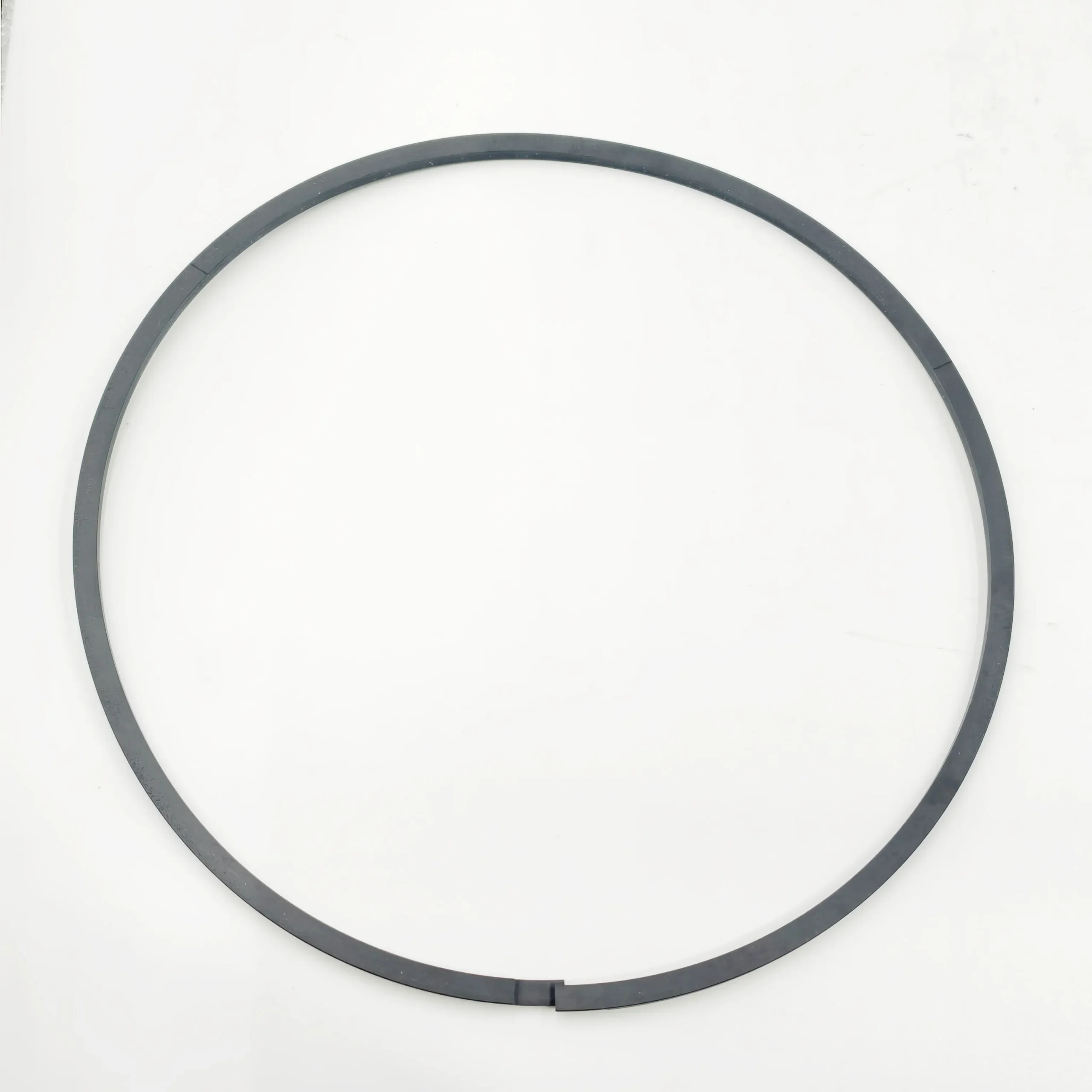 KOMATSU-SEAL RING 14X-15-19210
 -
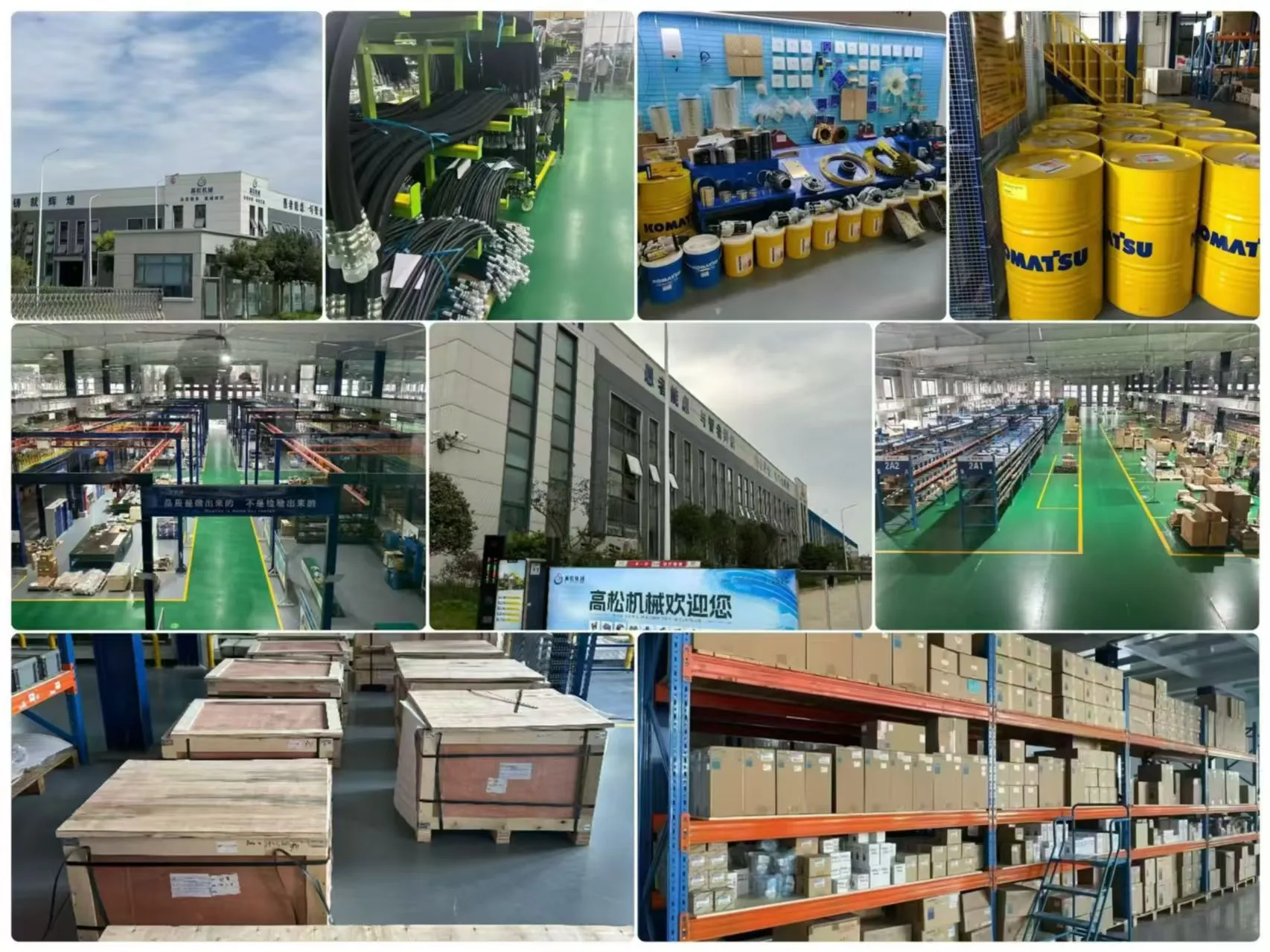 Komatsu 711-50-41520 Impeller for WA380-3 Wheel loader
 -
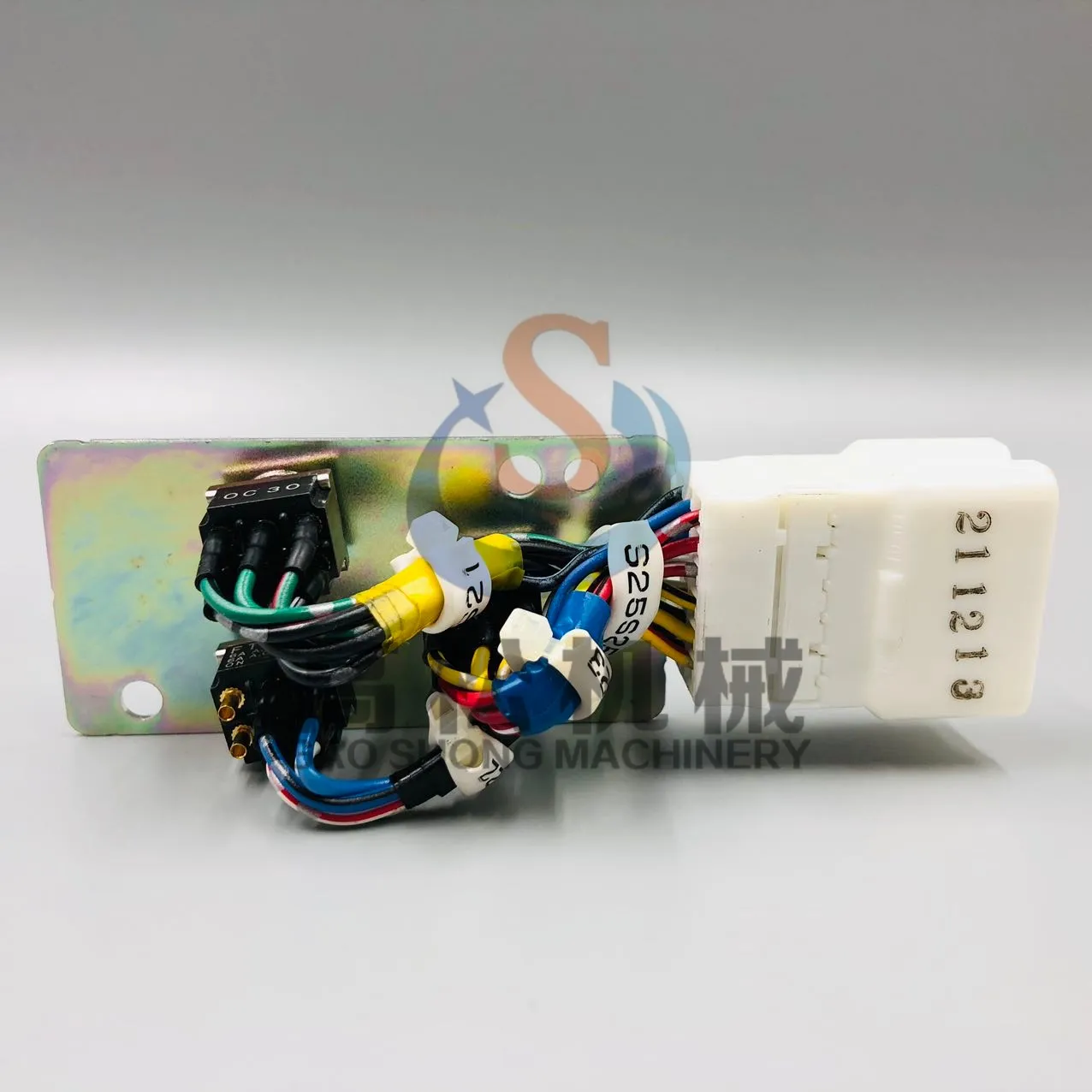 SWITCH ASS’Y 22U-06-22370 – KOMATSU
 -
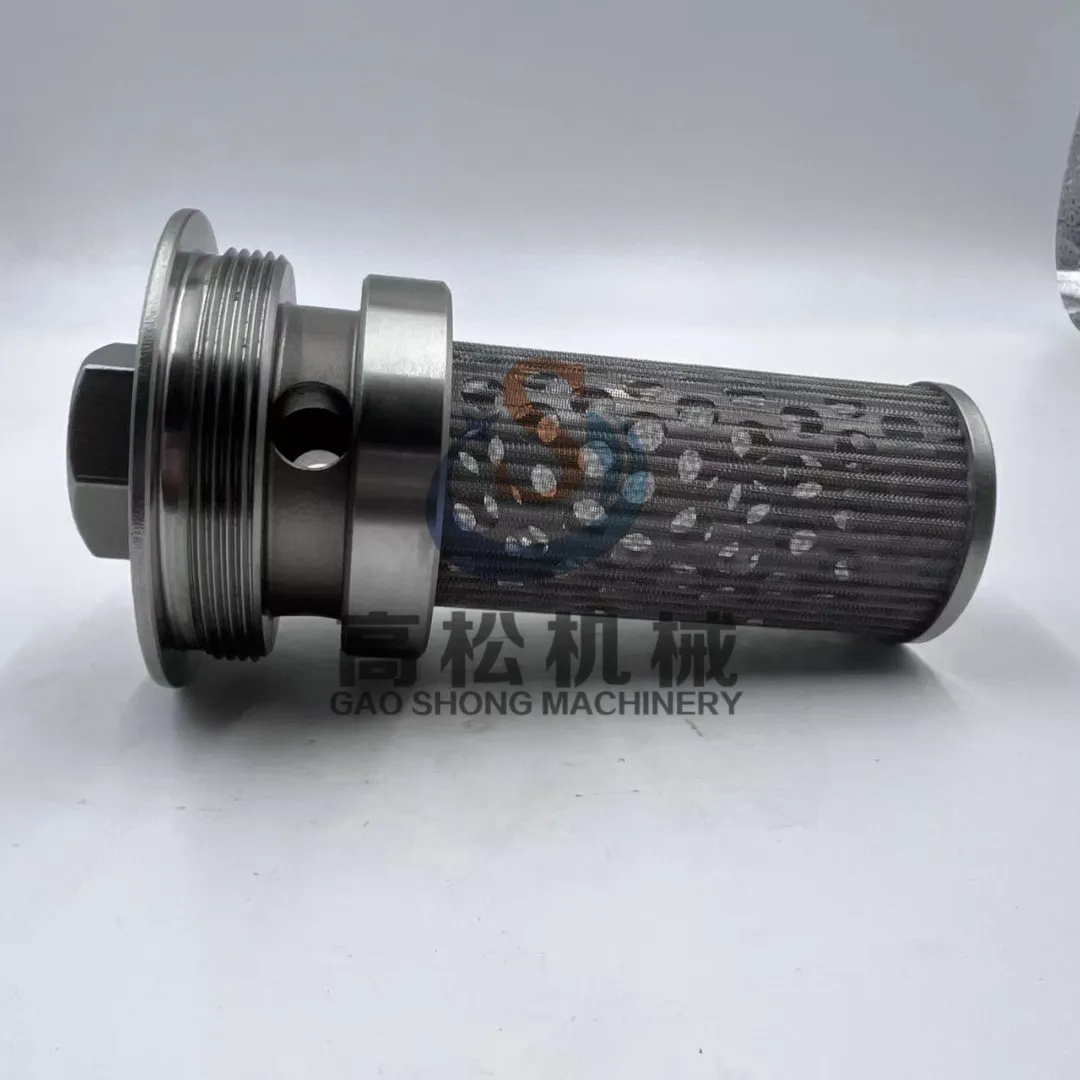 Komatsu 195-04-11150 Strainer 195041150
 -
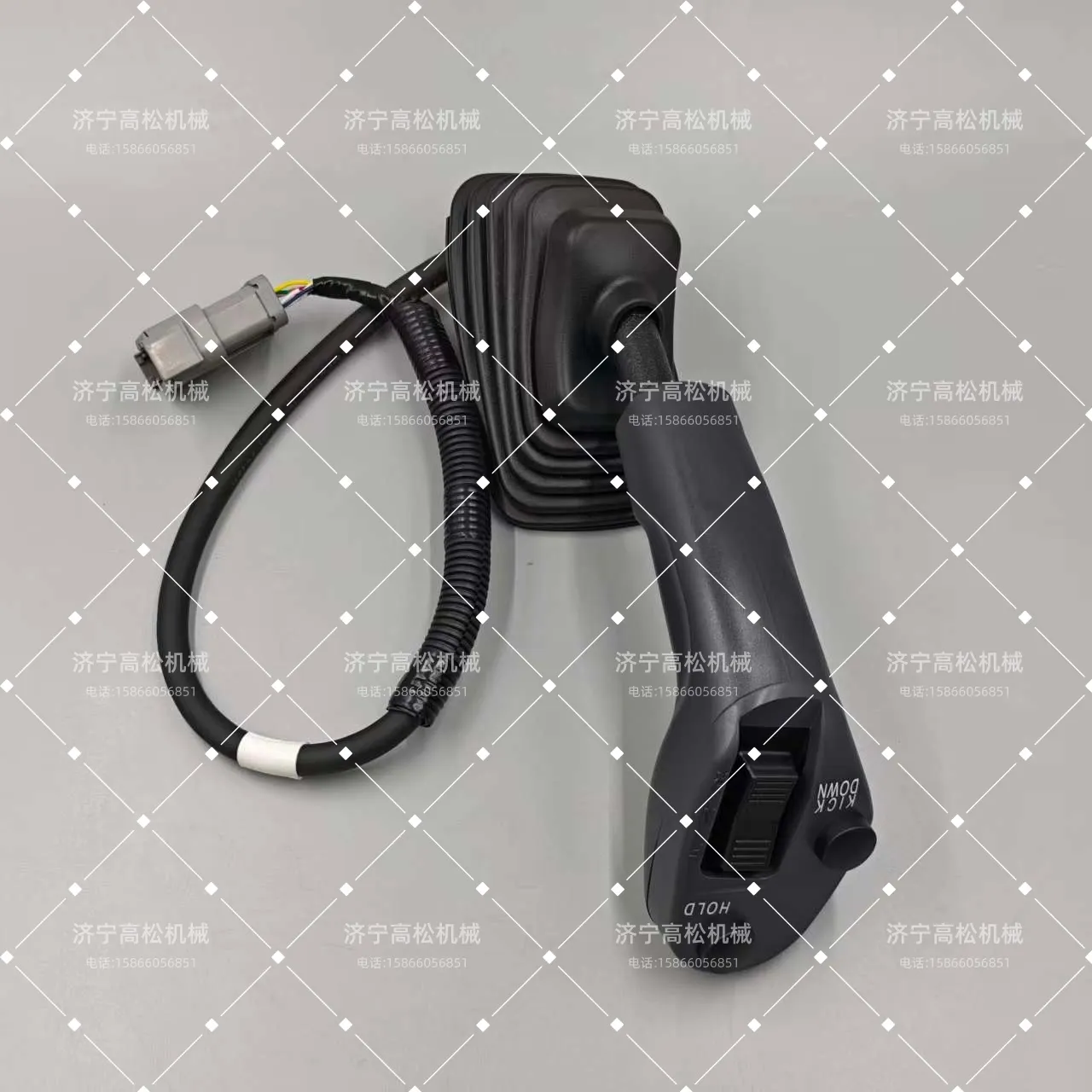 Original Brand New LEVER ASSEMBLY 423-V91-4144 for Komatsu…
 -
 SEAL RING 155-15-12811 Dump Truck Transmission Kit D85A-18 NT855
 -
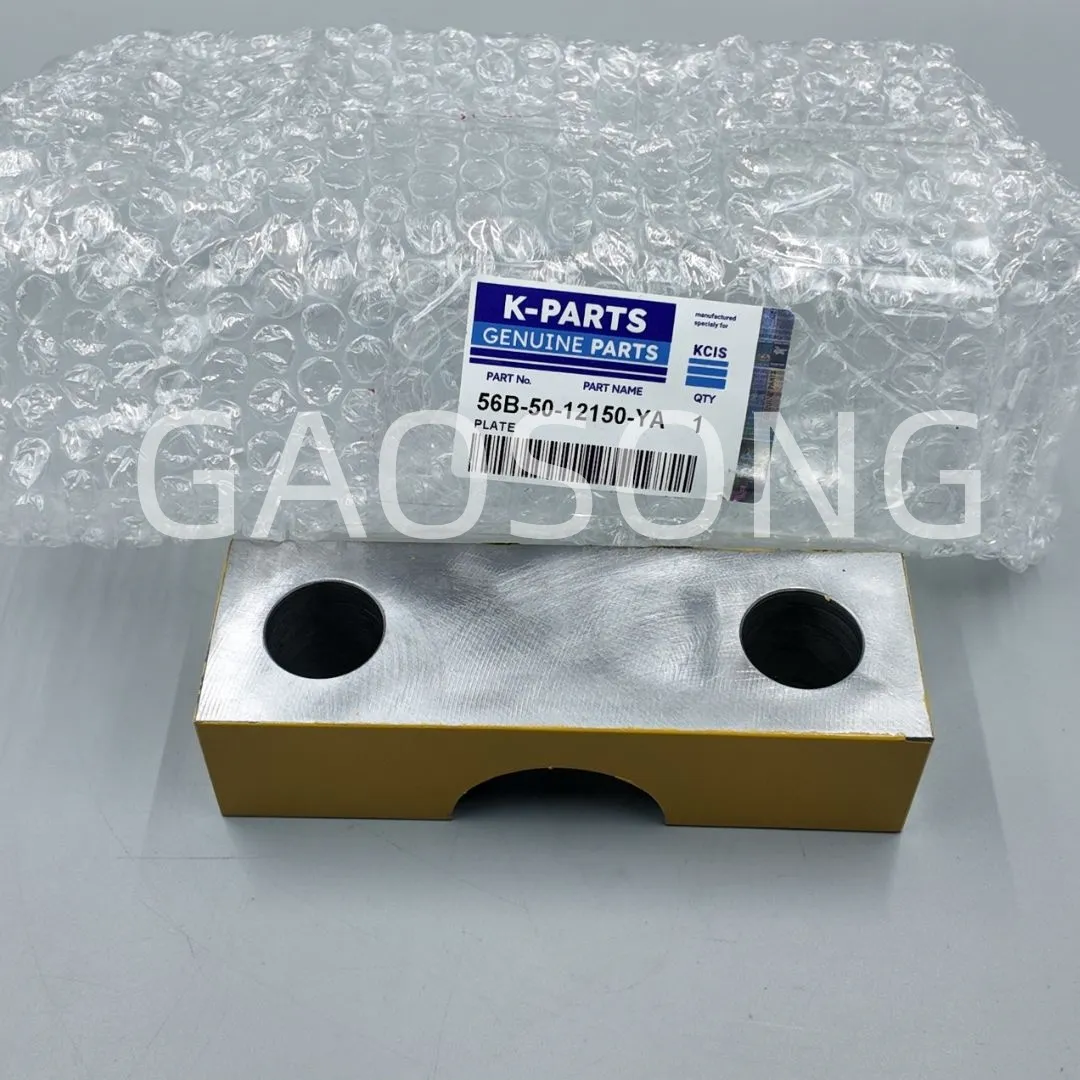 56B-50-12150 PLATE-Komatsu Original Factory
 -
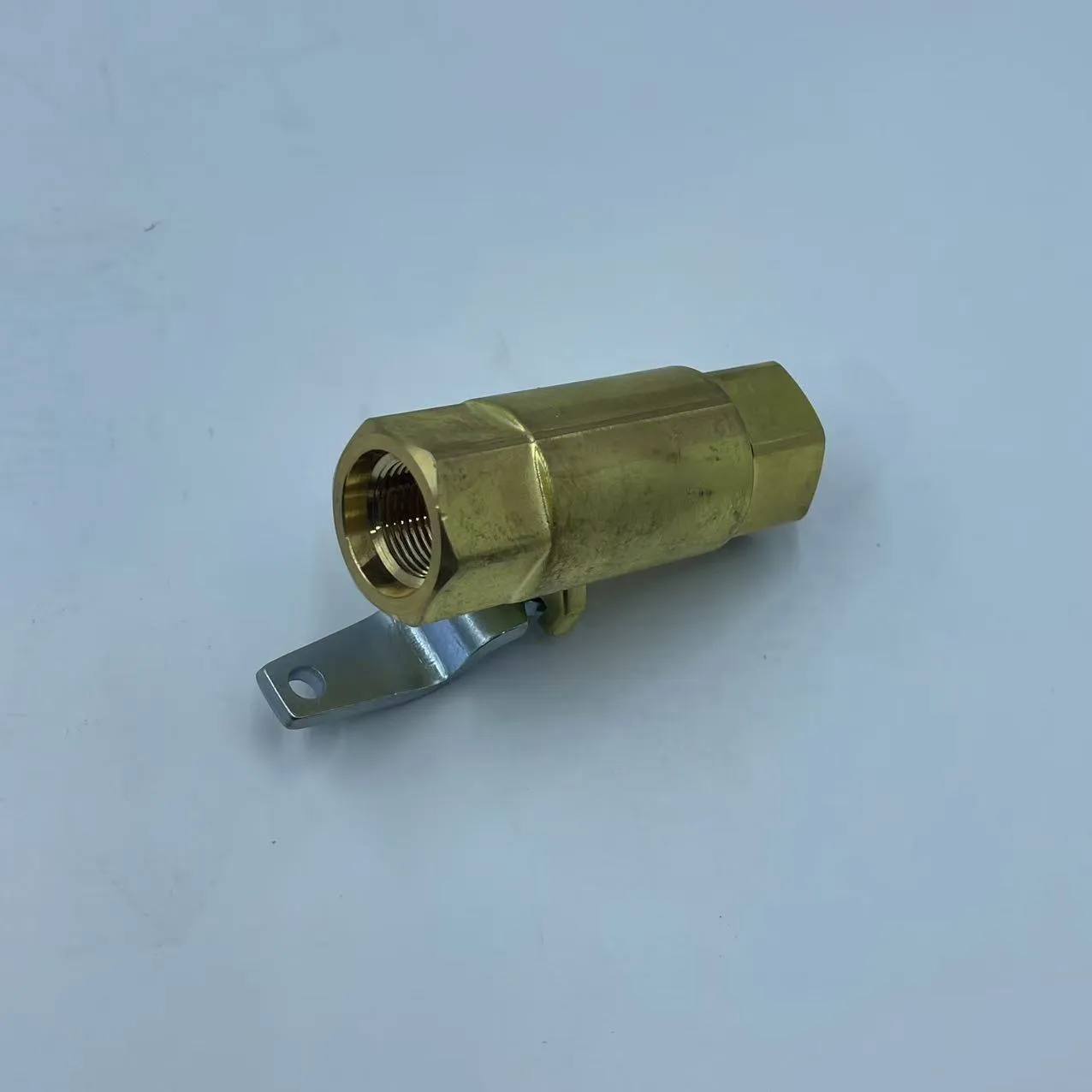 KOMATSU-VALVE 20Y-62-15651 –
 -
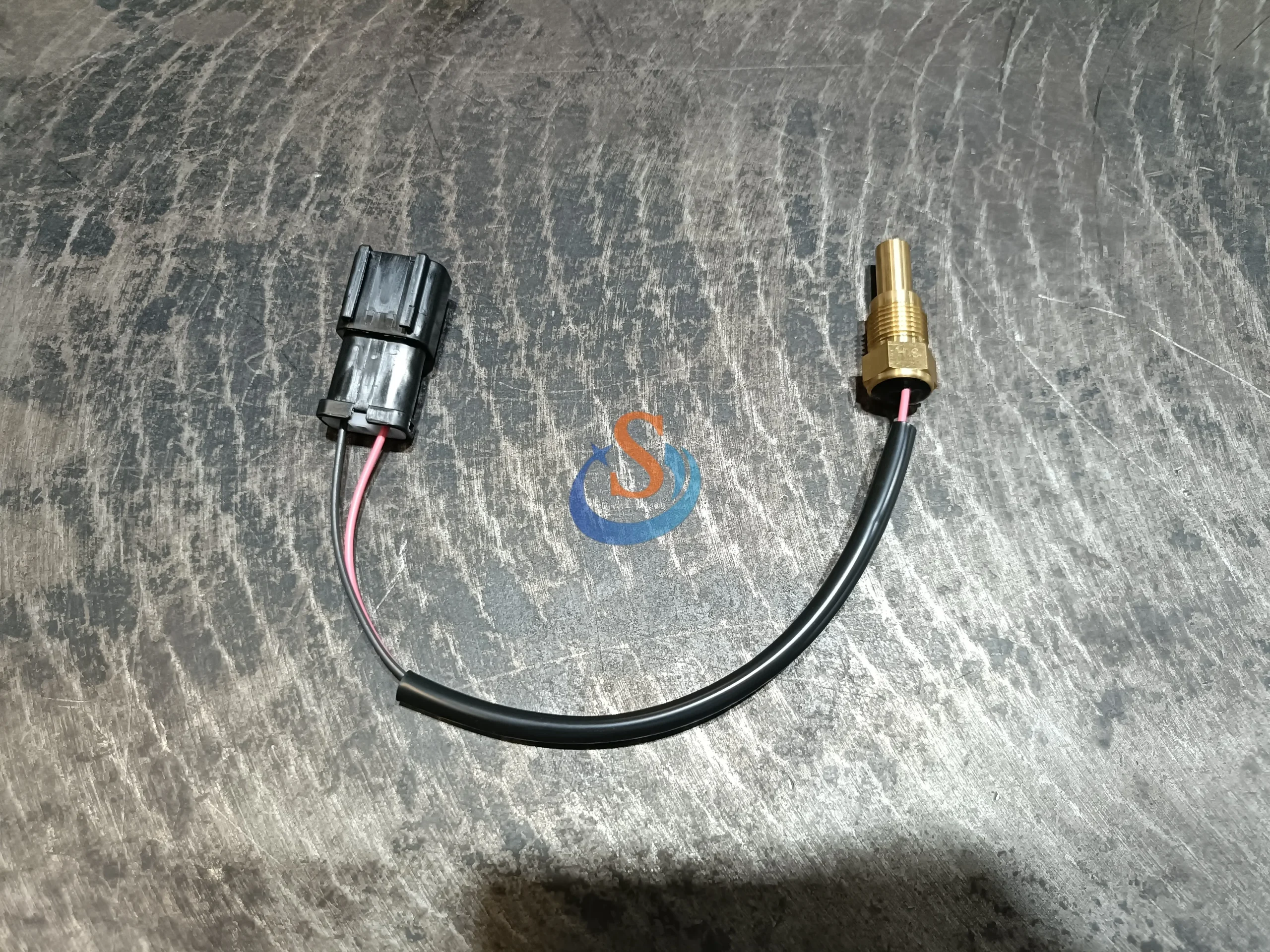 14X-06-12370 SENSOR D60/D65/S6D125E
 -
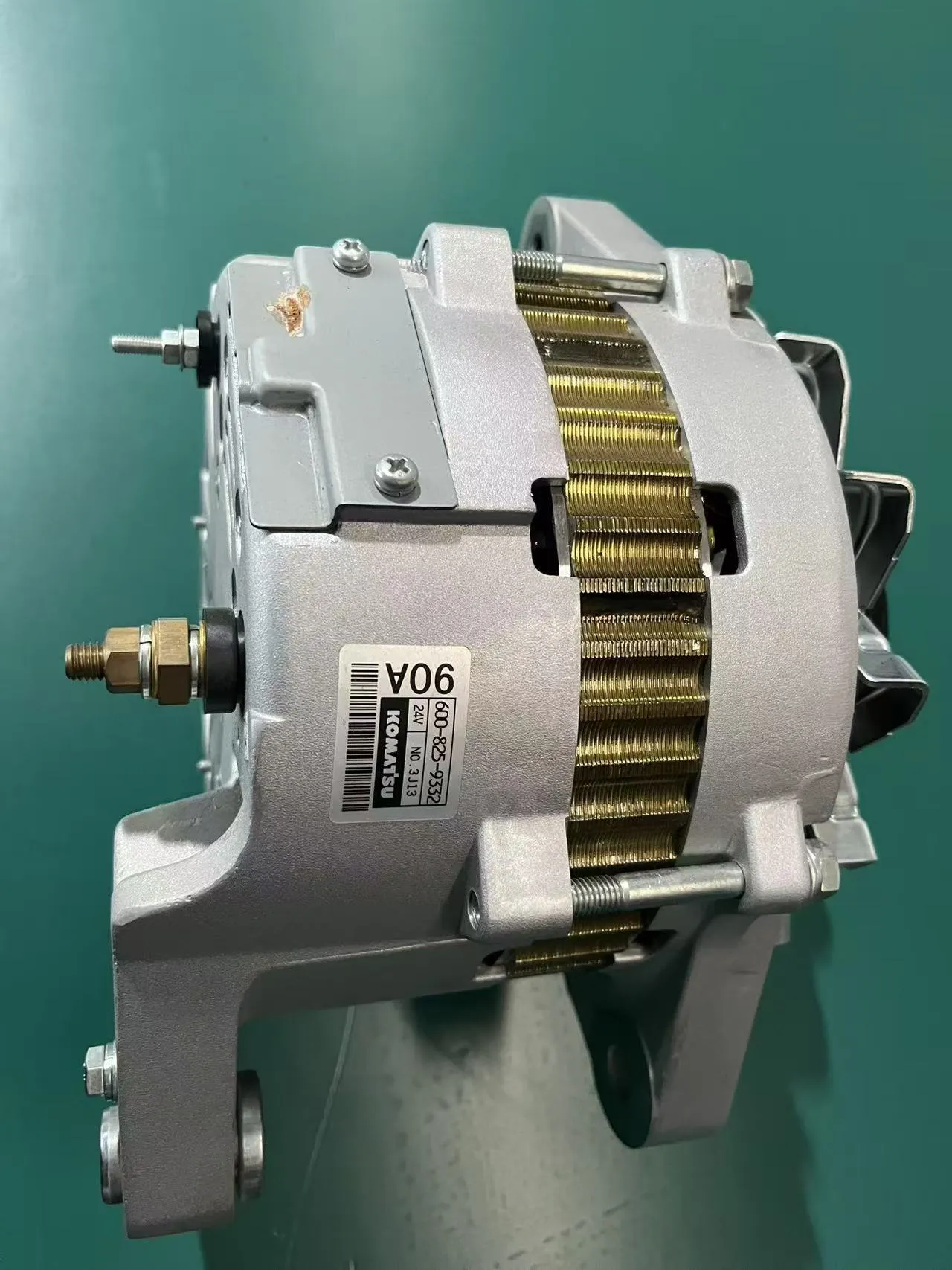 600-825-9332 alternator Generator
 -
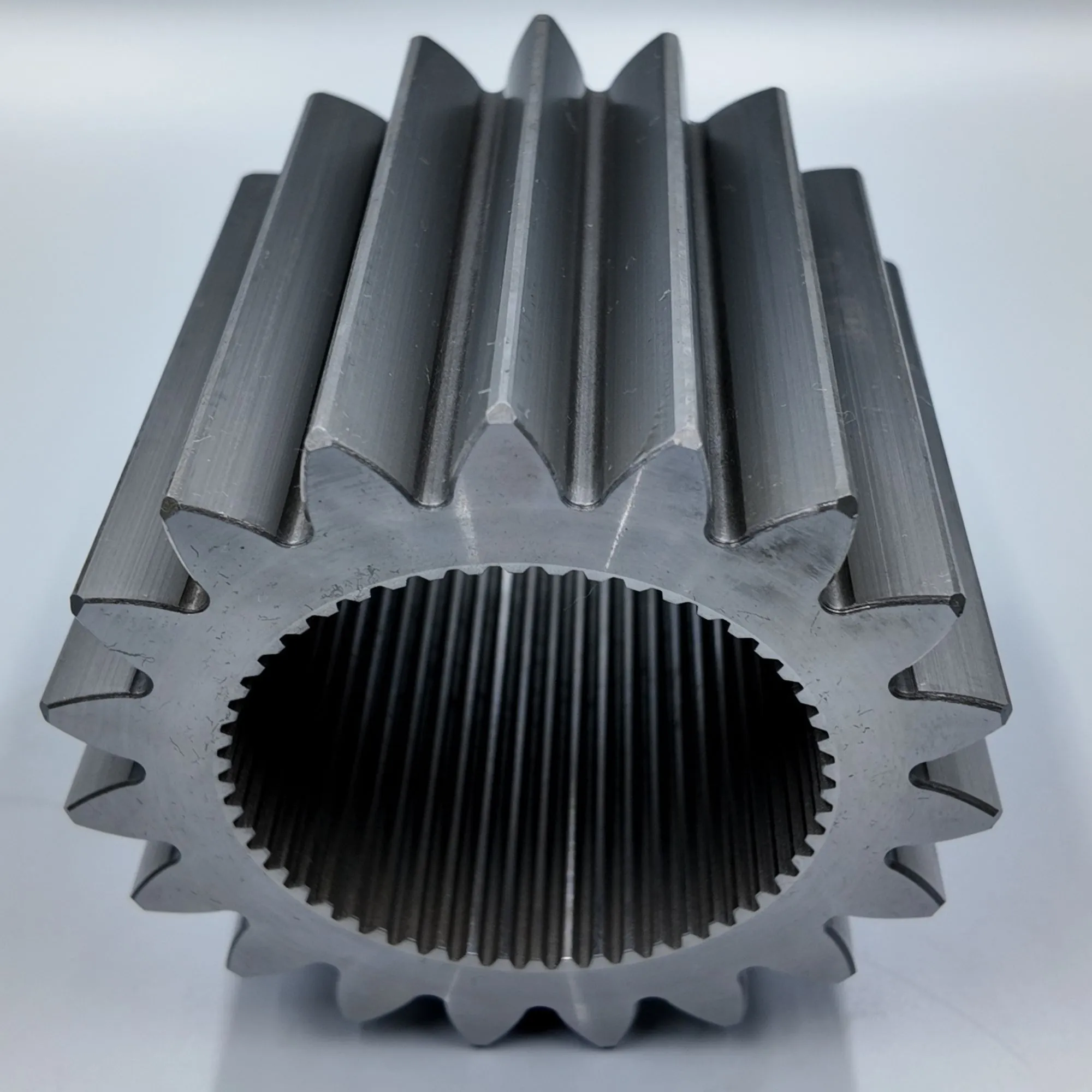 426-22-12421 •• GEAR-Komatsu Original Factory
 -
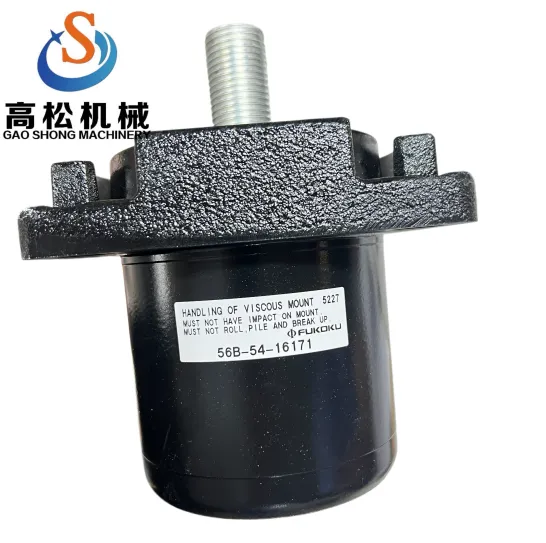 Komatsu 56B-54-16171 Cabin Mount viscous mount