
- Chinese
- French
- German
- Portuguese
- Spanish
- Russian
- Japanese
- Korean
- Arabic
- Irish
- Greek
- Turkish
- Italian
- Danish
- Romanian
- Indonesian
- Czech
- Afrikaans
- Swedish
- Polish
- Basque
- Catalan
- Esperanto
- Hindi
- Lao
- Albanian
- Amharic
- Armenian
- Azerbaijani
- Belarusian
- Bengali
- Bosnian
- Bulgarian
- Cebuano
- Chichewa
- Corsican
- Croatian
- Dutch
- Estonian
- Filipino
- Finnish
- Frisian
- Galician
- Georgian
- Gujarati
- Haitian
- Hausa
- Hawaiian
- Hebrew
- Hmong
- Hungarian
- Icelandic
- Igbo
- Javanese
- Kannada
- Kazakh
- Khmer
- Kurdish
- Kyrgyz
- Latin
- Latvian
- Lithuanian
- Luxembou..
- Macedonian
- Malagasy
- Malay
- Malayalam
- Maltese
- Maori
- Marathi
- Mongolian
- Burmese
- Nepali
- Norwegian
- Pashto
- Persian
- Punjabi
- Serbian
- Sesotho
- Sinhala
- Slovak
- Slovenian
- Somali
- Samoan
- Scots Gaelic
- Shona
- Sindhi
- Sundanese
- Swahili
- Tajik
- Tamil
- Telugu
- Thai
- Ukrainian
- Urdu
- Uzbek
- Vietnamese
- Welsh
- Xhosa
- Yiddish
- Yoruba
- Zulu
- Kinyarwanda
- Tatar
- Oriya
- Turkmen
- Uyghur






Komatsu diesel engine
When most people hear 'Komatsu diesel engine', they think of the big blocks in excavators and dozers. That's not wrong, but it's a surface-level view. The real story is in the ecosystem—the genuine parts, the aftermarket labyrinth, and the operational nuance that separates a machine that just runs from one that runs right. There's a common misconception that if it's Komatsu-spec, it's all the same. Having been in the trenches with these powerplants, I can tell you that's where problems start.
The OEM Core and the Aftermarket Reality
Working with an OEM supplier within the Komatsu system, like Jining Gaosong Construction Machinery Co., Ltd., gives you a front-row seat to the tension between pure OEM and practical supply. Their role is telling: they are an OEM product supplier within the Komatsu system and a third-party sales company. That dual identity isn't a conflict; it's a necessity. The official channels are perfect, until they aren't—until a customer in a region with supply chain bottlenecks needs a SAA6D140E-3 engine cylinder head yesterday. The official catalog might say 12 weeks. That's where the practical knowledge of a partner who can navigate both worlds becomes critical.
I've seen too many operations try to save a few thousand upfront by going with a non-OEM spec part for a Komatsu S6D engine, only to lose ten times that in downtime when the tolerances were off by a hair, causing cascading wear. The OEM spec isn't just about the part; it's about the entire engine's life cycle calculation. A piston ring from the right source mates with the cylinder liner in a way that's been tested for 20,000 hours. A close copy might work, but it changes the oil consumption curve, the blow-by. You're now running an experiment, not an engine.
This is where a company's real value shows. It's not just about having a part number. It's about knowing that for the Komatsu 4D95LE engine, there was a running change in the fuel injection pump coupling around 2014, and if you're doing a rebuild, you need to know which serial number break you're dealing with. That's the kind of detail you get from being deep in the system, the kind of detail Takematsu Machinery would have to deal with daily. It's not on the public spec sheet.
On-the-Ground Performance and Idiosyncrasies
Let's talk about the Komatsu SAA6D107E-1 engine, a workhorse in the PC300-8 excavator. Fantastic fuel efficiency on paper. But in high-altitude operations in South America, we consistently saw turbo lag issues that weren't in the manual. The official fix was a software recalibration, but getting the dealer tool on site was a project. The field workaround involved a careful adjustment of the wastegate actuator rod—a millimeter too much and you over-boost, a millimeter too little and you're lugging. This isn't sanctioned procedure, but it's the kind of hands-on knowledge that keeps a fleet moving when theory meets a 4,000-meter altitude.
Cooling systems are another silent killer. Komatsu engines are designed for a specific heat rejection profile. I recall a case where a mine site kept overheating their D155AX dozer engines. They'd replaced the radiators, the thermostats, the water pumps—all with OEM parts. The problem? They had retrofitted a larger, aftermarket hydraulic fan to move more air. It moved more air, alright, but at a lower static pressure. It wasn't pulling air through the dense core of the radiator effectively. The solution was reverting to the OEM fan and shroud assembly. The engine wasn't the problem; the system integration was.
Then there's fuel quality. Komatsu's common-rail systems, like on the newer SAA6D125E models, are incredibly precise and incredibly unforgiving. The filtration spec is there for a reason. We had a client in Southeast Asia with chronic injector failures. They were using the correct filter part number. The failure point? They were buying filters from a supplier whose OEM-equivalent filter didn't have the same water-separation media efficiency. The water in the fuel was passing through, causing micro-cavitation in the injector tips. It took months of tearing down failed parts to trace it back to that. The lesson was that even the supporting components need OEM-or-equivalent validation, not just the major assemblies.
The Rebuild Paradox: When New Isn't an Option
A full Komatsu engine replacement is a capital project. More often, the economics point to a rebuild or a major overhaul. This is the most dangerous phase for an asset owner. I've overseen rebuilds where every single component was sourced as Komatsu compatible, and the engine ran for 500 hours before a main bearing spun. The post-mortem showed the bearing shell was dimensionally correct but the overlay material—the microscopic layer of soft metal on the surface—was a different alloy. It couldn't handle the same embeddability for contaminants.
The smart approach, which aligns with what a specialist third-party sales company does, is a hybrid. Core rotating assembly—crankshaft, connecting rods, bearings—stick to genuine or certified remanufactured OEM. For items like valve covers, oil pans, maybe even the water pump housing, aftermarket is fine. This tiered strategy controls cost without gambling the core integrity of the diesel engine. It requires a supplier who can provide both streams and, more importantly, advise on where the line is.
I remember a rebuild on a 6D140 where we used an aftermarket gasket kit. Big mistake. The head gasket was a composite material that looked identical but had a different thermal expansion rate. After a few heat cycles, it began to seep coolant into the oil gallery. Not a catastrophic failure, but a slow, expensive death. We caught it early, but it meant tearing down the engine again. The cost of the savings was three times the price of the genuine Komatsu gasket set. The devil is always, always in the details.
Solving the Parts Supply Puzzle
This is the core mission of companies operating in the space Jining Gaosong occupies. The challenge isn't just having a part; it's having the right part, at the right time, in a place where the main distribution network is thin. Say you're in a landlocked African country and your Komatsu HD785-7 truck's engine has a cracked cylinder block. The local dealer might not even have the capability for that repair. You need a block, a rebuild kit, the specific bolts, and the tools.
A partner that understands this acts as a logistics and technical hub. They're not just a warehouse; they're a translator between the customer's urgent need and the complex Komatsu parts numbering and interchangeability system. They know that part number 20Y-60-11120 might supersede to 20Y-60-11121, but that there's an intermediate service bulletin requiring a modification to the oil feed line when you make that switch. If you don't know that, you install the new block and starve the turbo of oil on first start-up.
Their website, takematsumachinery.com, is a front door to this capability. The real work is behind the scenes: cross-referencing machine serial numbers, knowing regional variant differences, and having the network to consolidate and expedite a pallet of critical parts. They help solve parts supply challenges by being a flexible, knowledgeable node in a sometimes-rigid global system.
The Future: Not Just Mechanical, but Digital
The conversation about Komatsu engines is shifting. It's no longer just about iron and oil. The new Komatsu diesel engines are data centers. The Engine Control Module (ECM) on a model like the SAA6D170E is logging hundreds of parameters. The real value for a fleet manager isn't just in fixing a failure, but in predicting it. This is where the traditional parts supplier model gets stretched. You need people who understand fault codes, not just as error messages, but as symptoms.
We dealt with an intermittent derate on a fleet of PC7000 shovels. The code pointed to a high-pressure fuel rail deviation. The immediate reaction is to swap sensors, then the rail pressure valve. The problem persisted. It turned out to be a slight degradation in the engine wiring harness, where a wire to the sensor was chafing, causing resistance to fluctuate with machine vibration. The ECM saw it as a fuel system fault. The fix was a $200 section of harness, not a $5,000 fuel pump. Diagnosing that requires thinking beyond the code book.
This is the next frontier. The engine is a system within a system. Partners in the supply chain will need to offer not just parts, but diagnostic support, data interpretation, and maybe even sensor kits and harnesses. It's about keeping the digital and physical parts of the Komatsu ecosystem running in sync. The core principle remains: understanding the machine's intent, not just its bill of materials. That's what separates a parts changer from an engineer, and a simple supplier from a critical partner.
Related Products
Related Products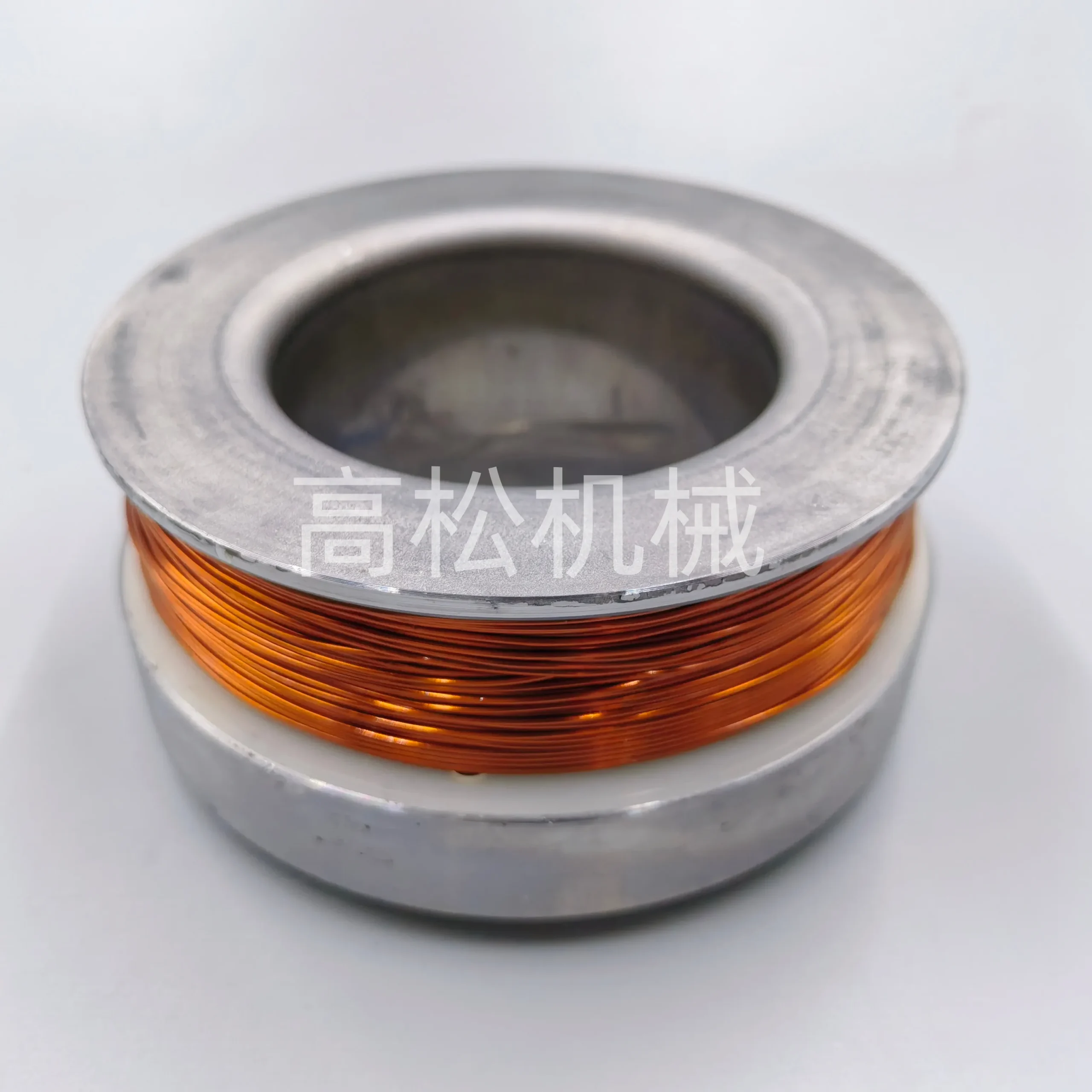
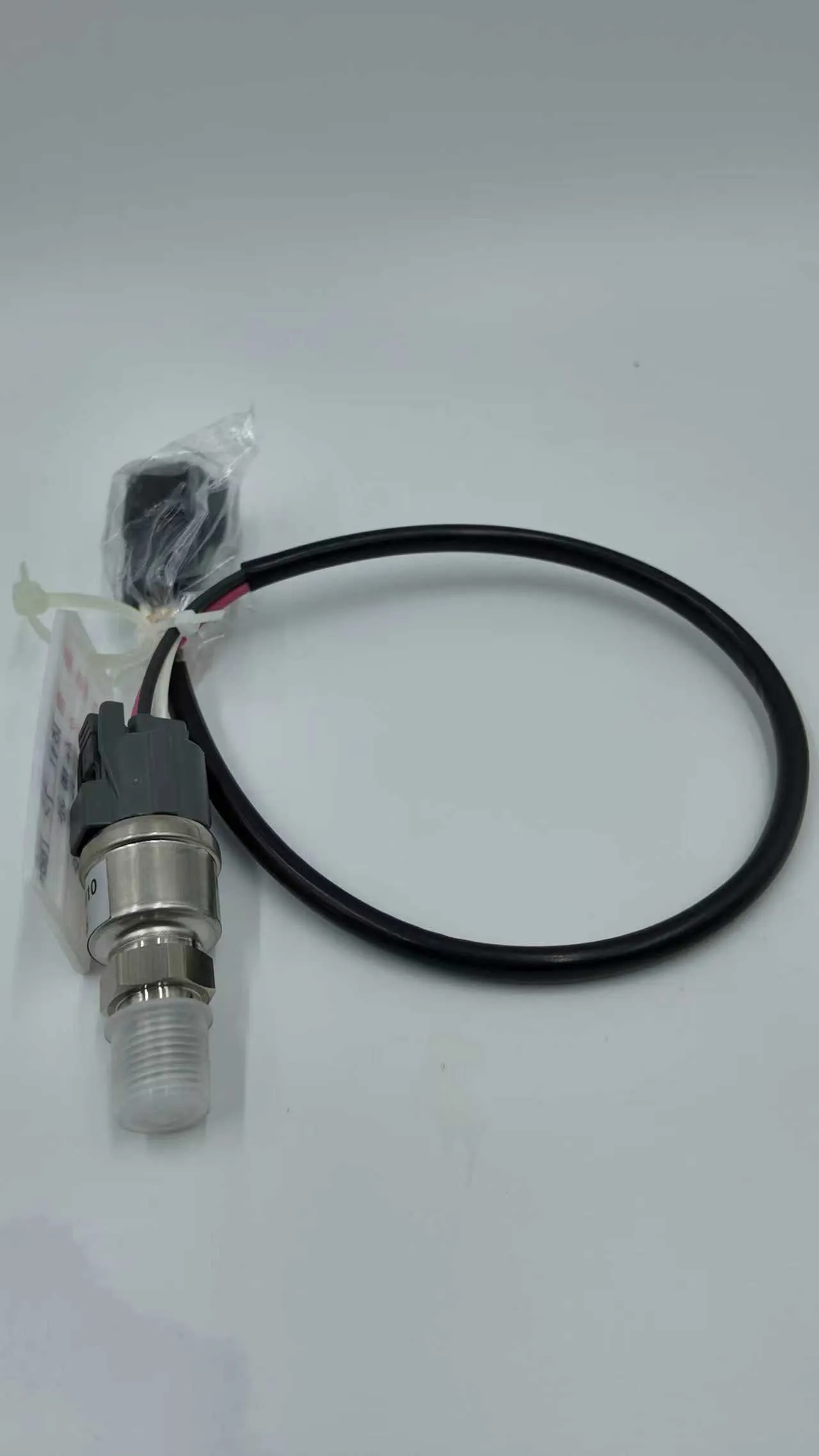
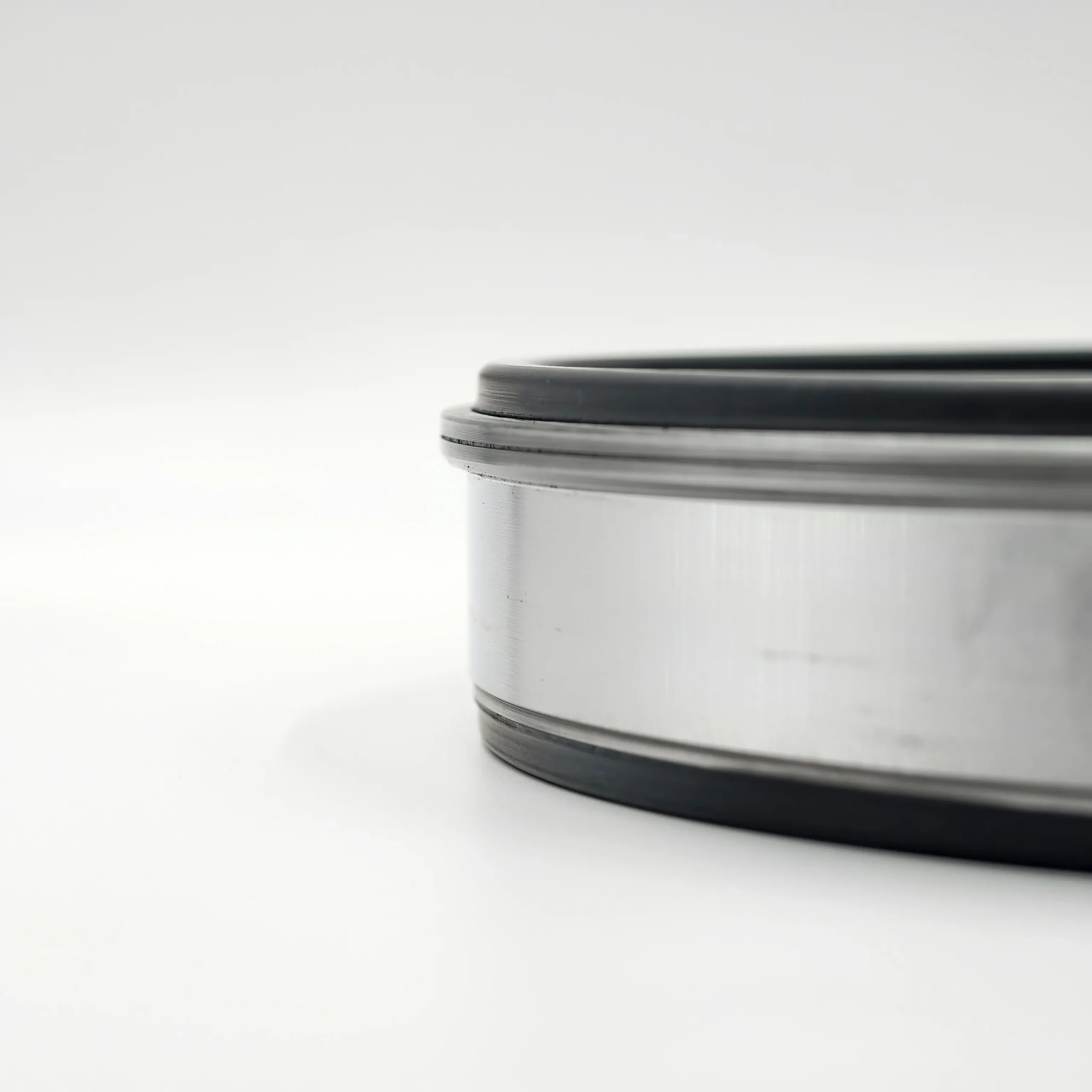
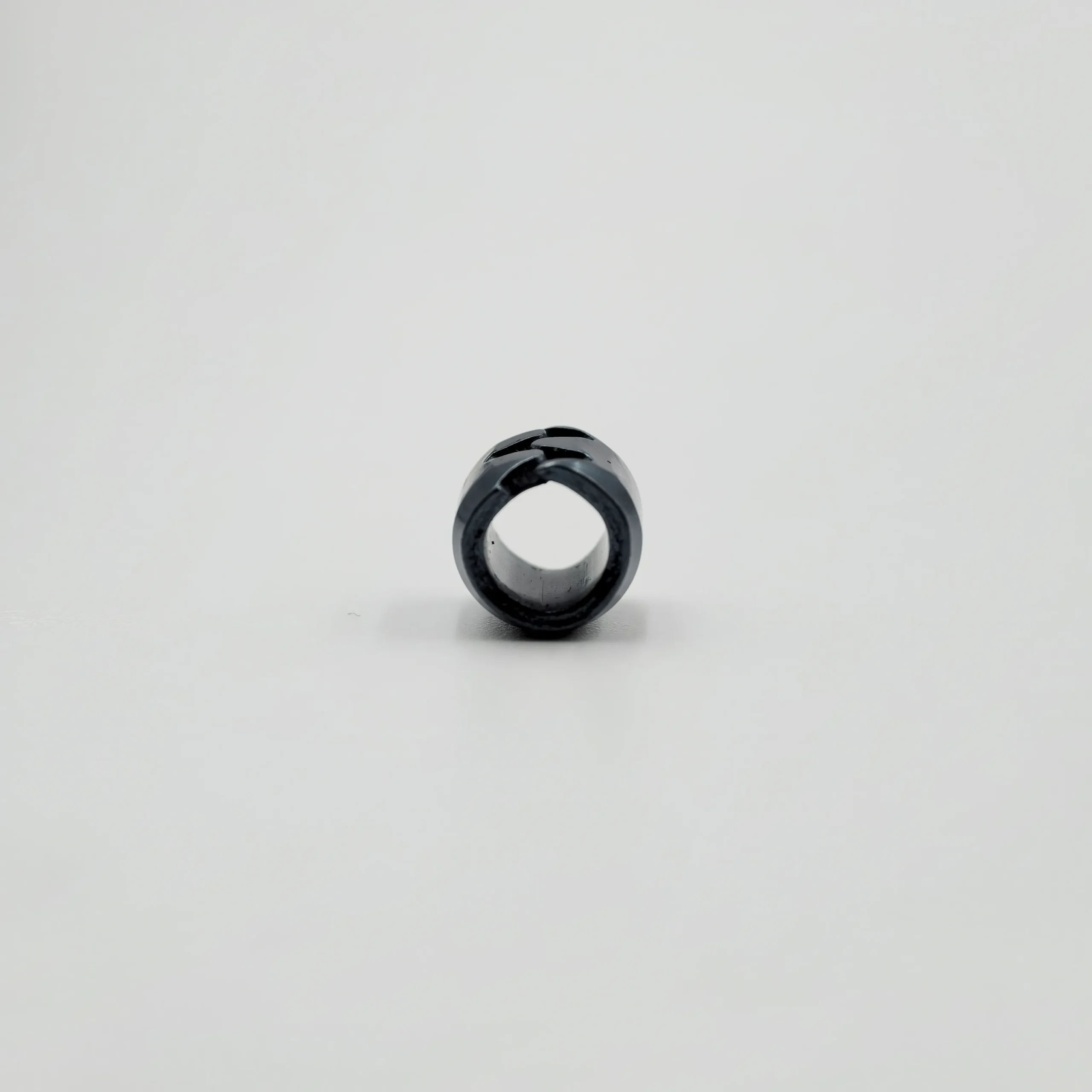

Best Selling Products
Best Selling Products-
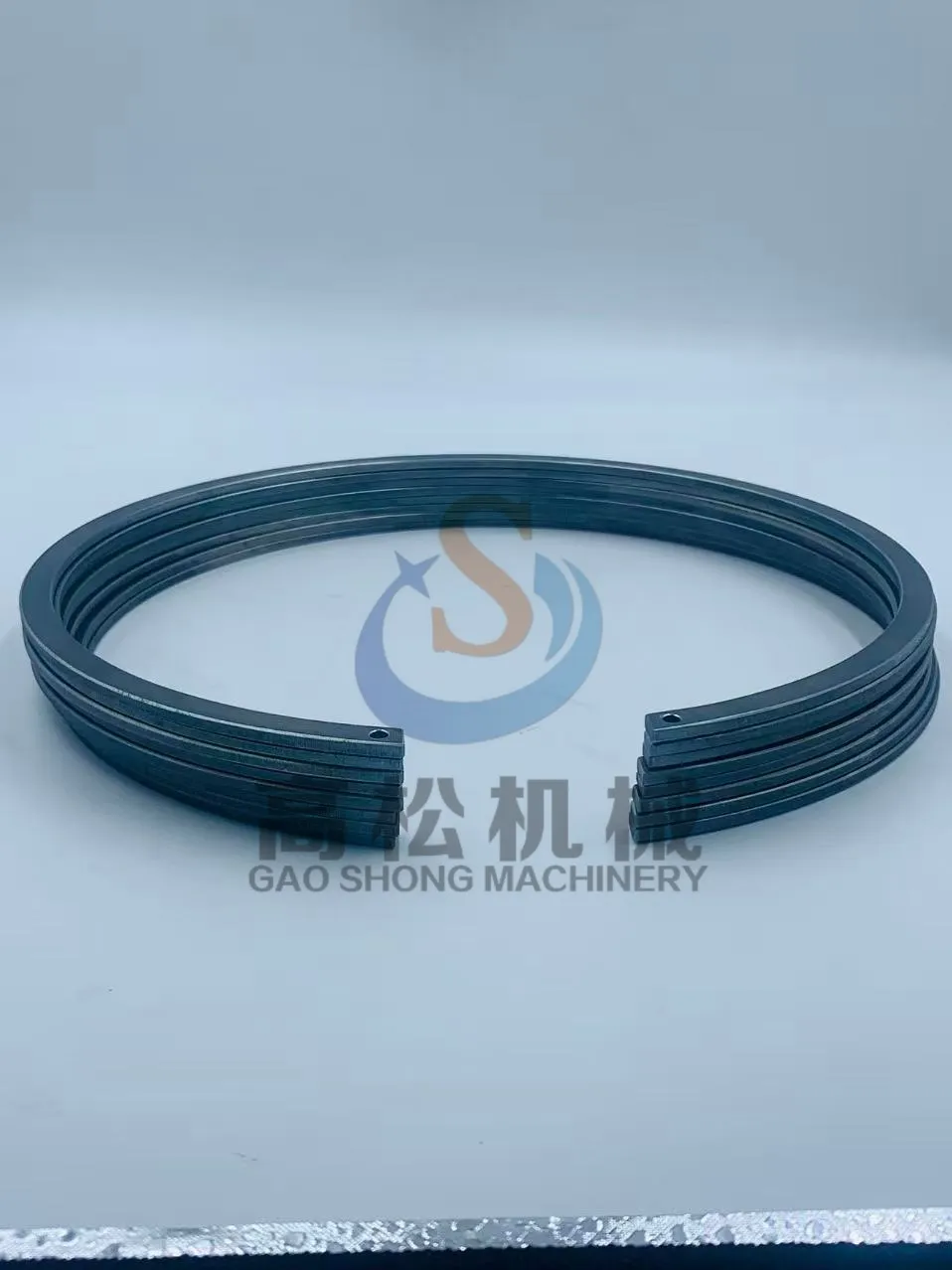 426-13-48281 SNAP RING KOMATSU
 -
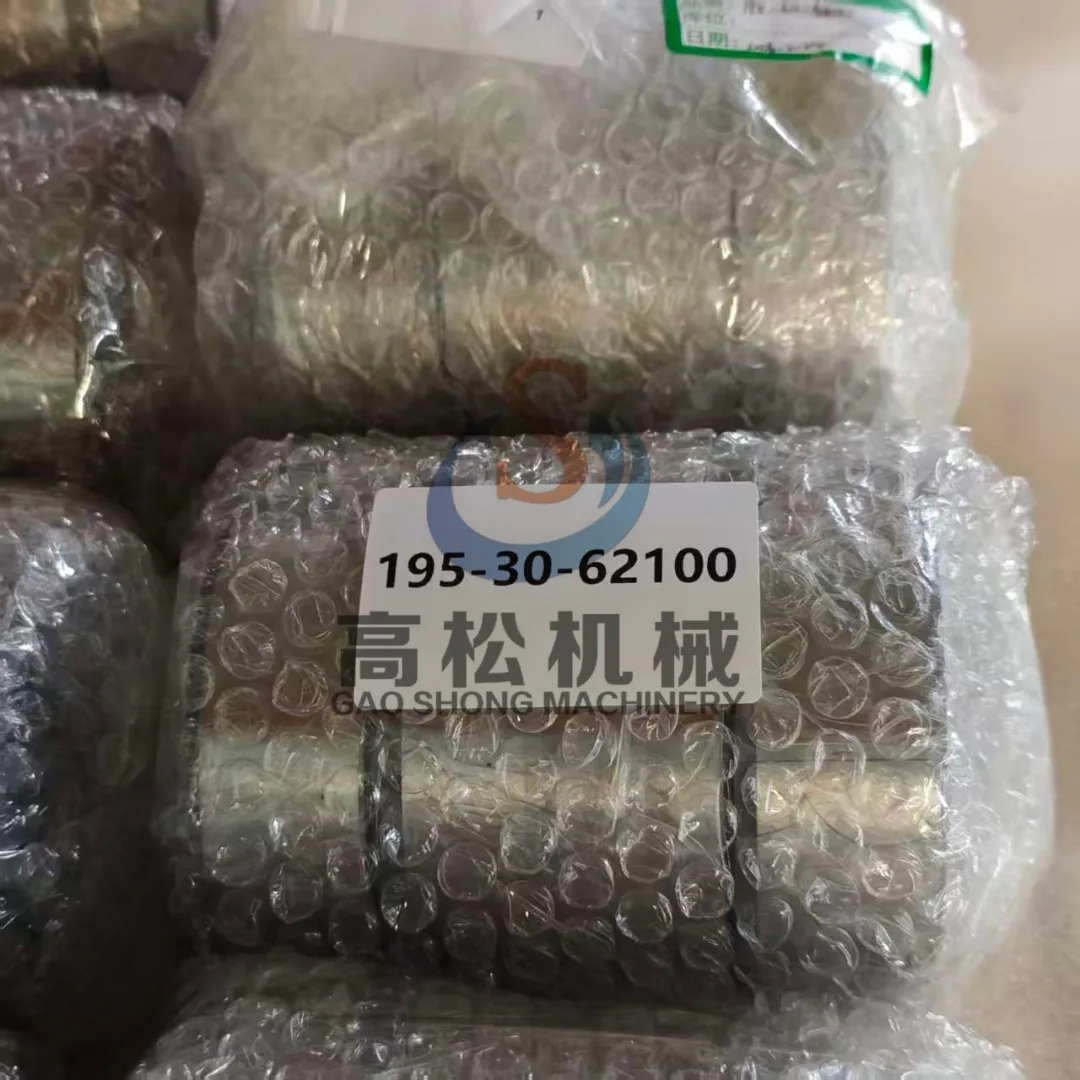 195-30-62100 Pin for komatsu Dozer D375A-6
 -
21N-25-31130 Komatsu harness – Komatsu
-
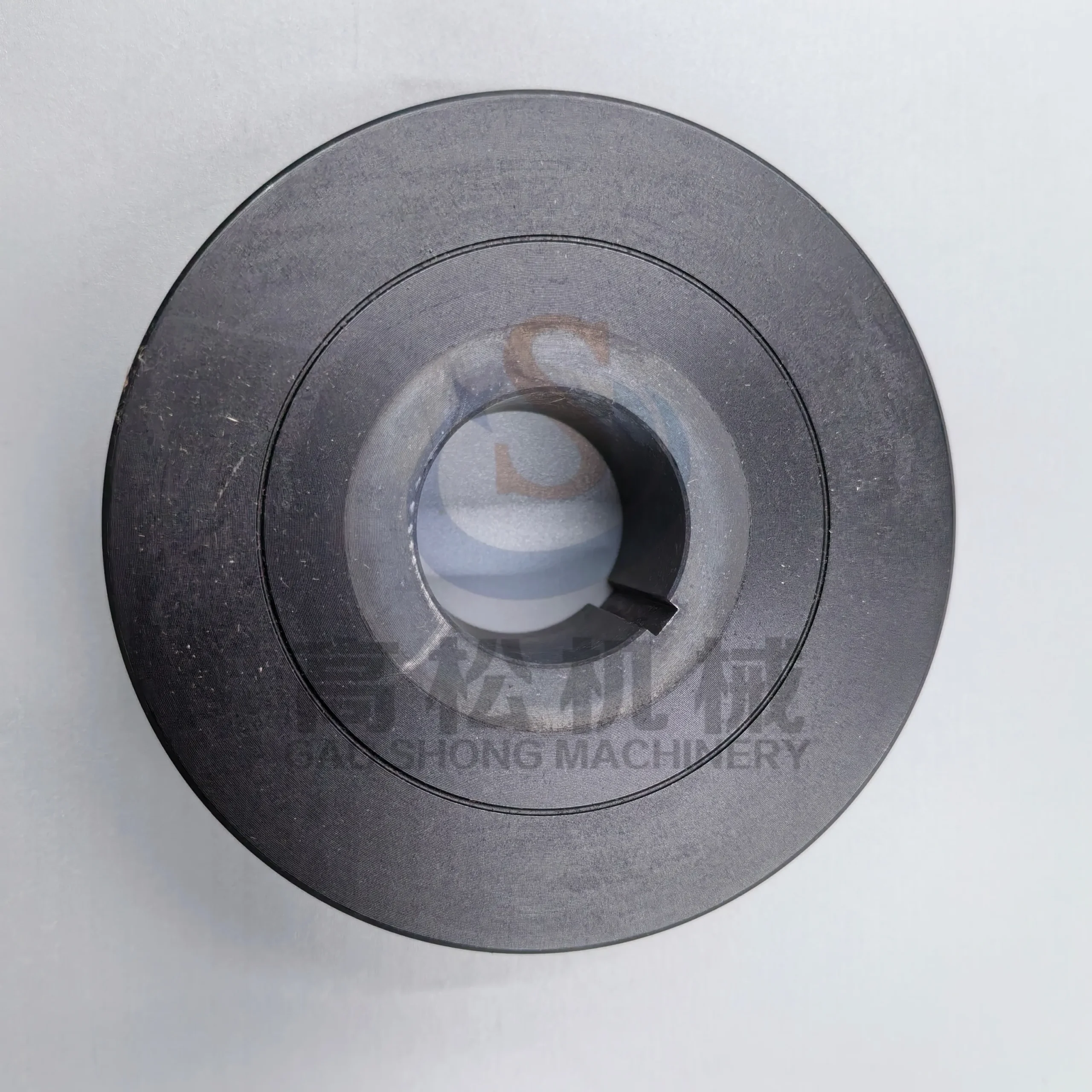 PULLEY – KD0-35411-0854
 -
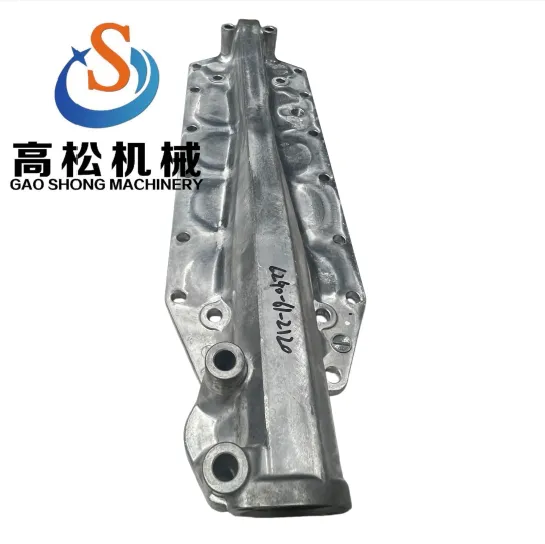 Engine Oil Cooler Cover for Cummins QSK23 SA6D170 Engine 4096006 6240-61-2120 Oil Cooler Cover 6240612120
 -
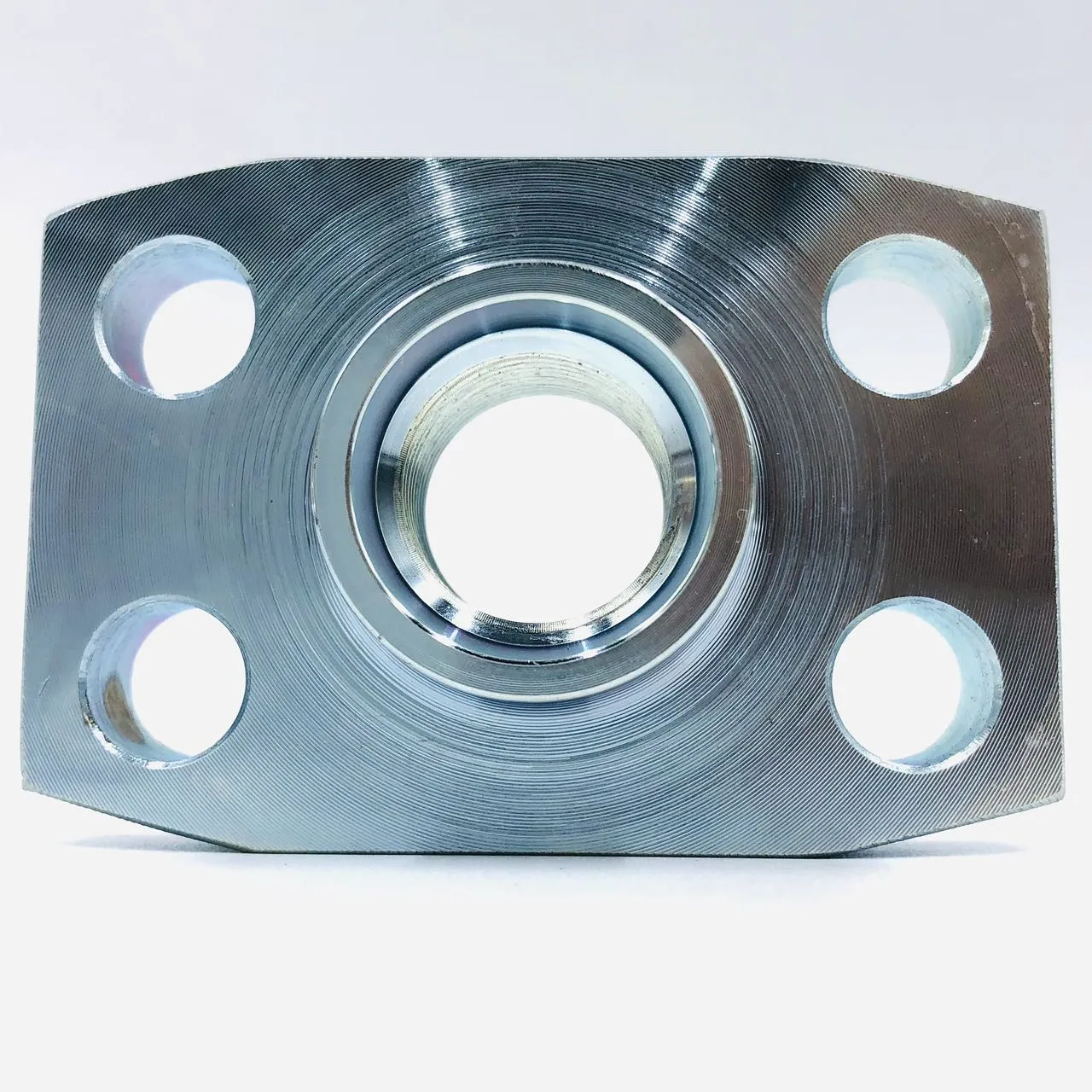 21N-38-12310 Komatsu FLANGEKomatsu Original Equipment Excavator Parts
 -
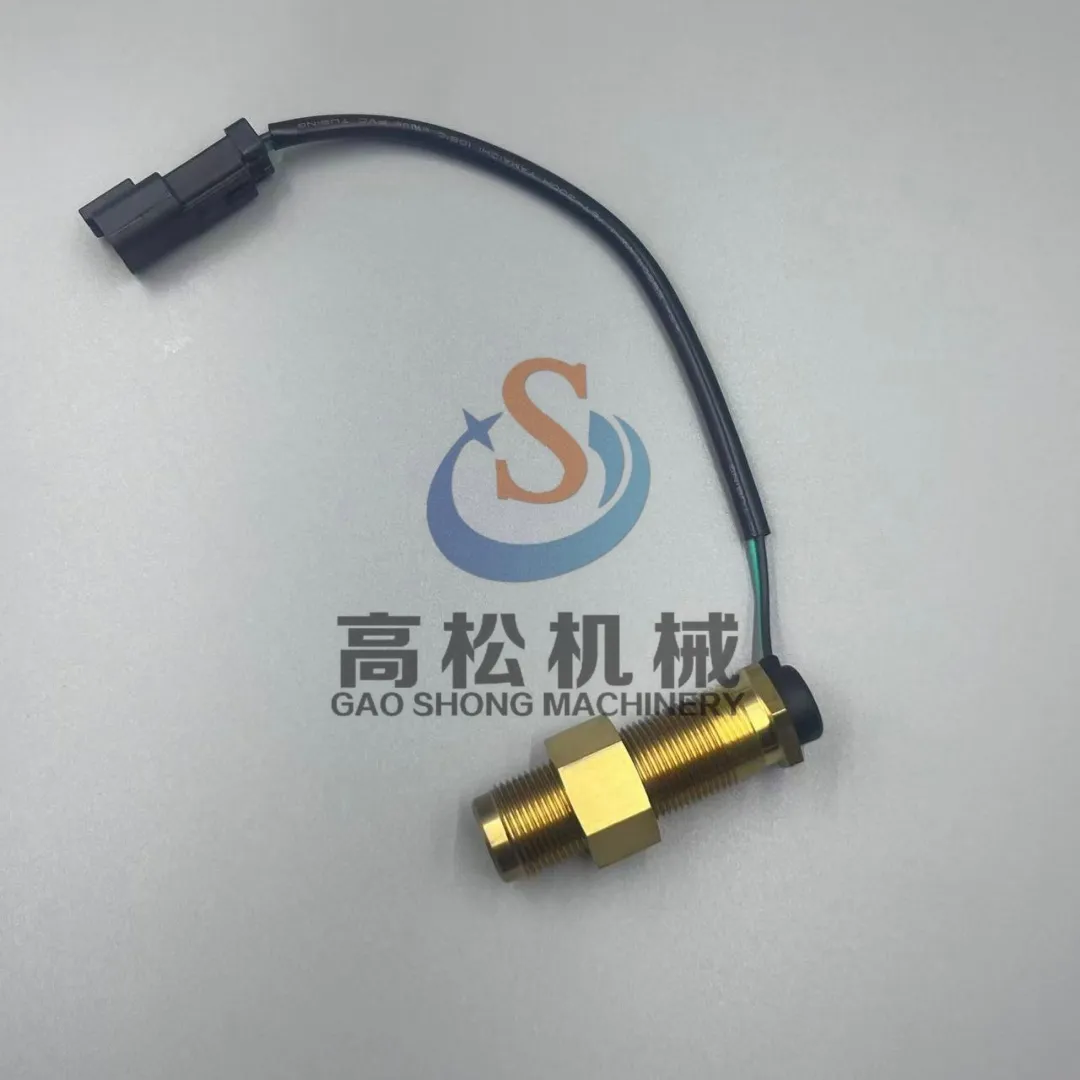 7861-92-2340 7861-93-2330 Fits for Komatsu PC200-3
 -
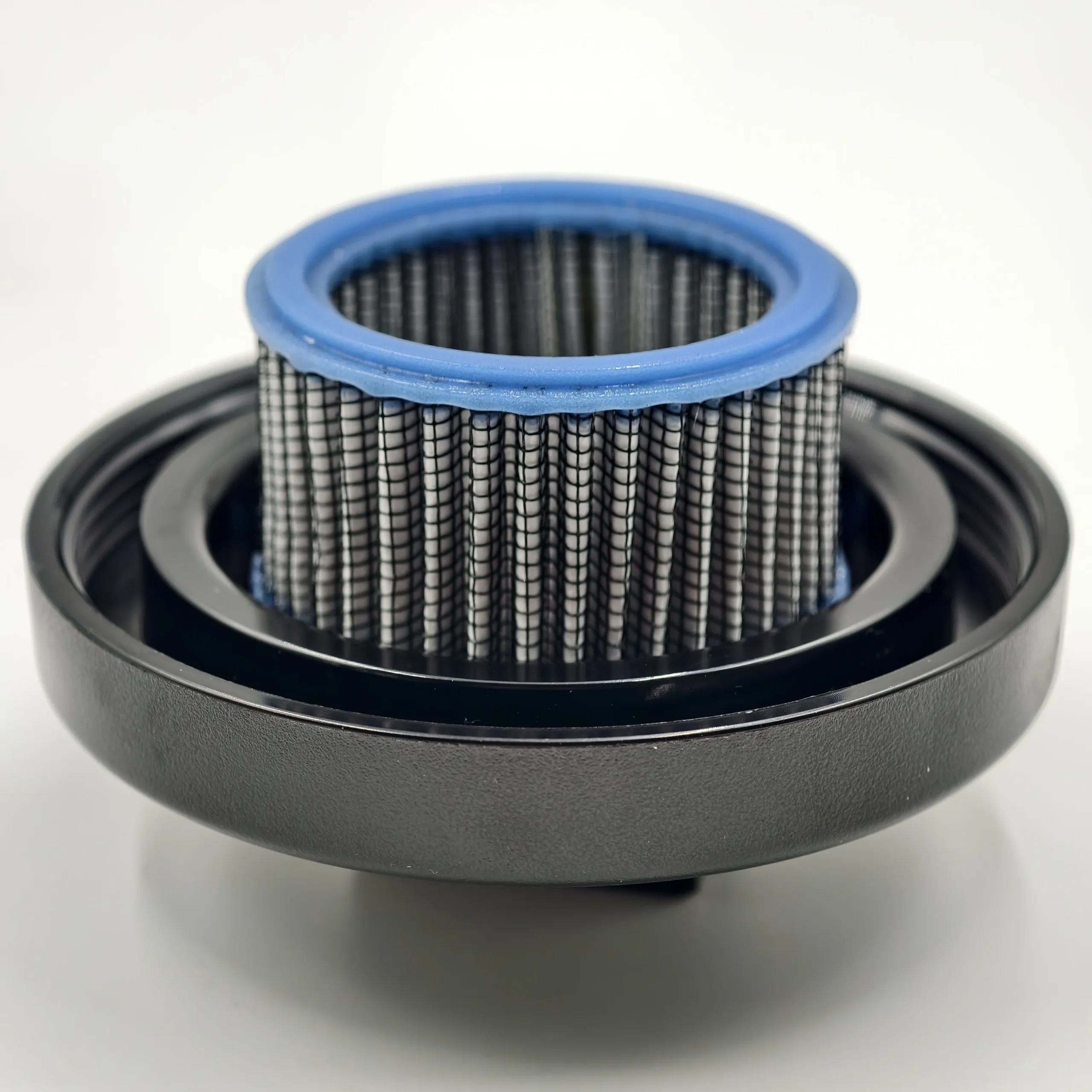 Komatsu21T-04-31170 Cap Assembly
 -
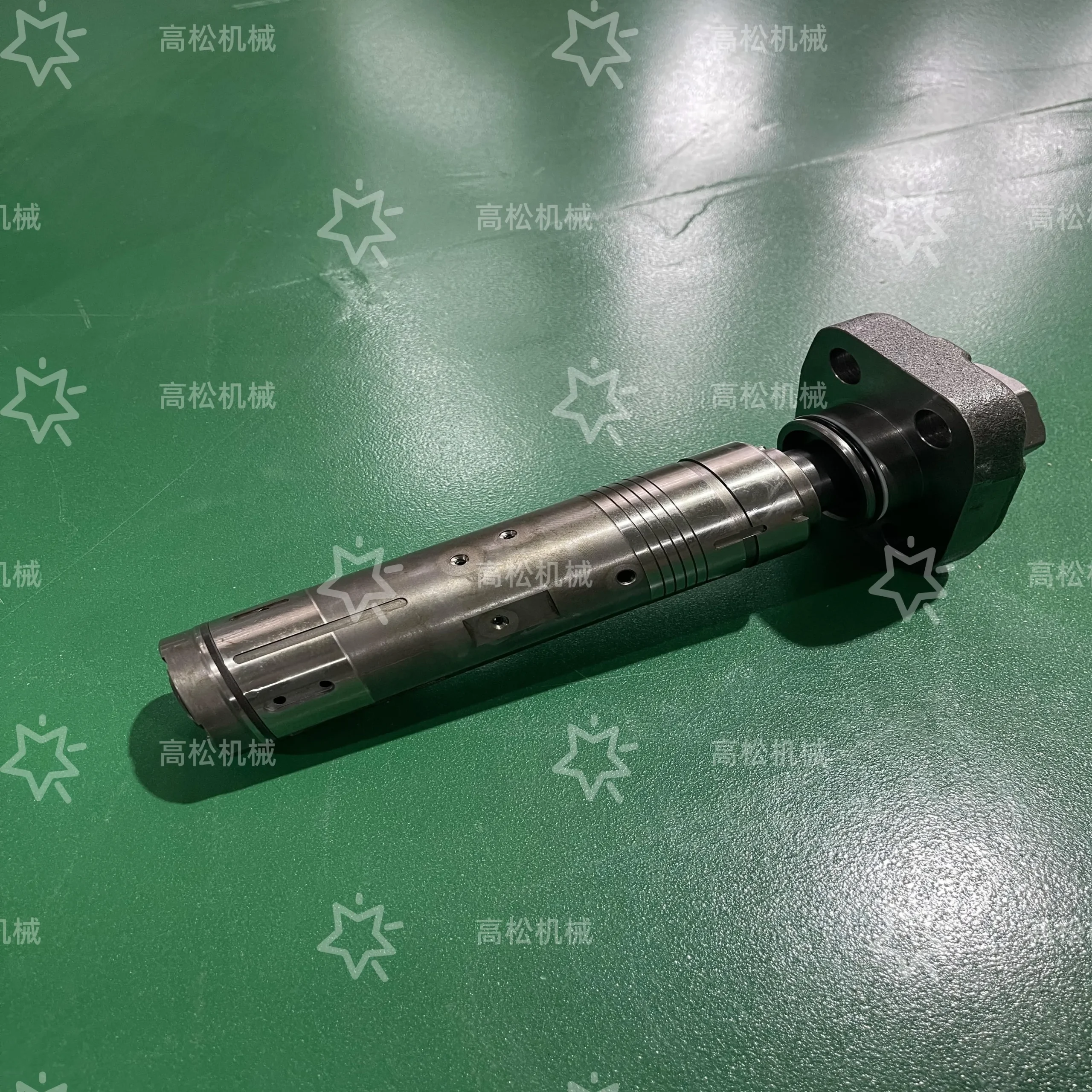 708-2H-03411 Hydraulic Pump PC Valve PC400 PC450 Servo Flow Regulation
 -
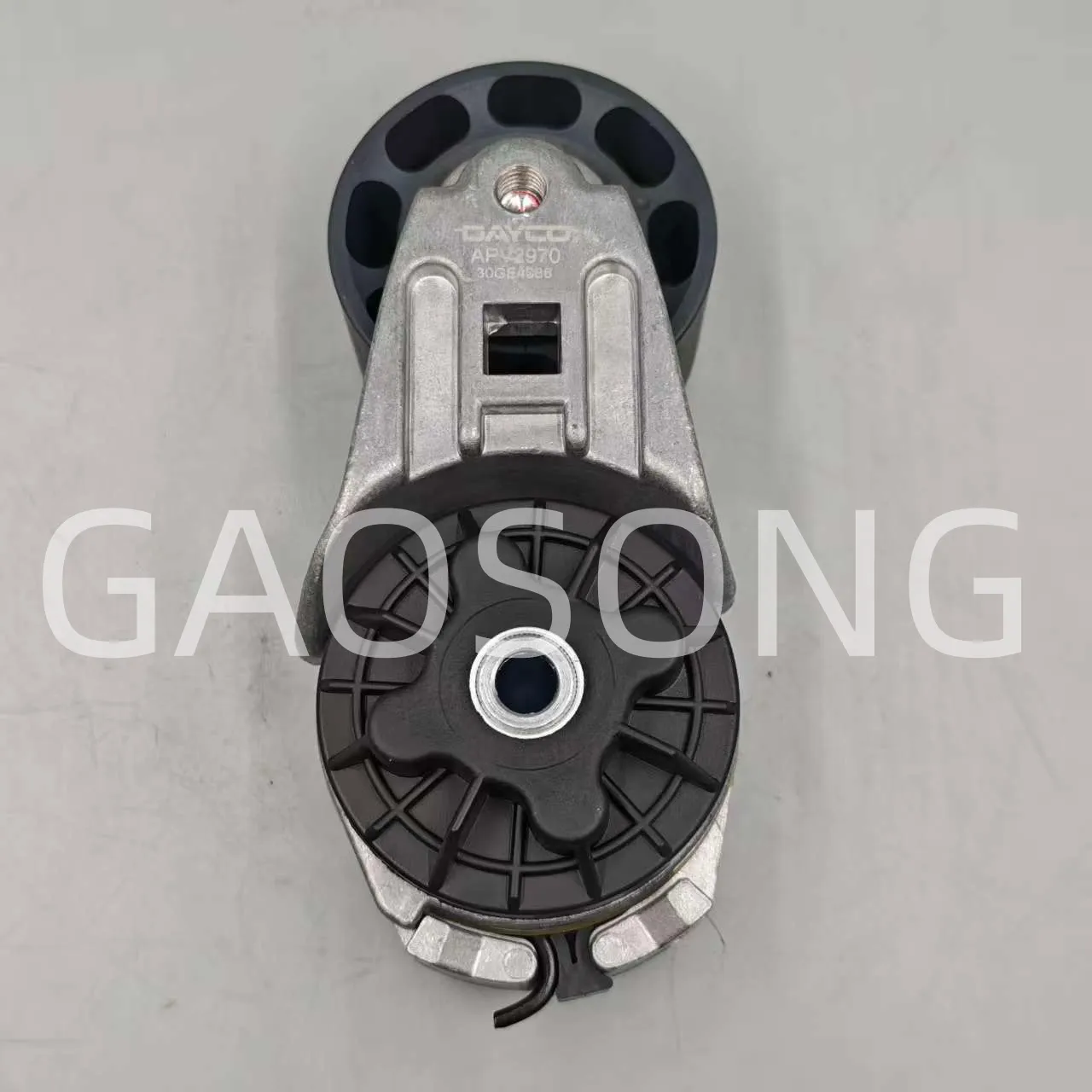 6736-61-4120 TENSIONER,BELT-Komatsu Original Factory
 -
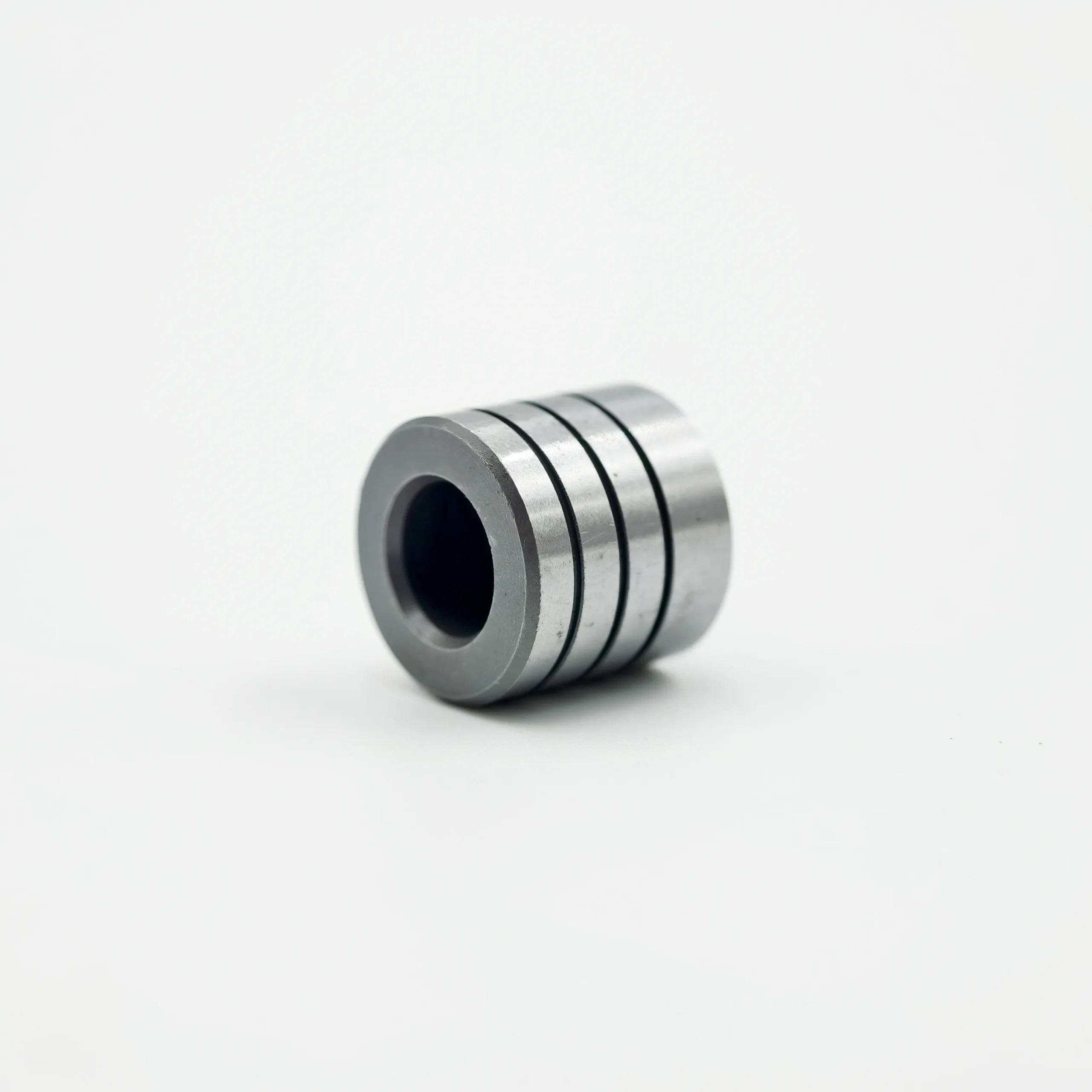 Valve 104-15-25480 – KOMATSU
 -
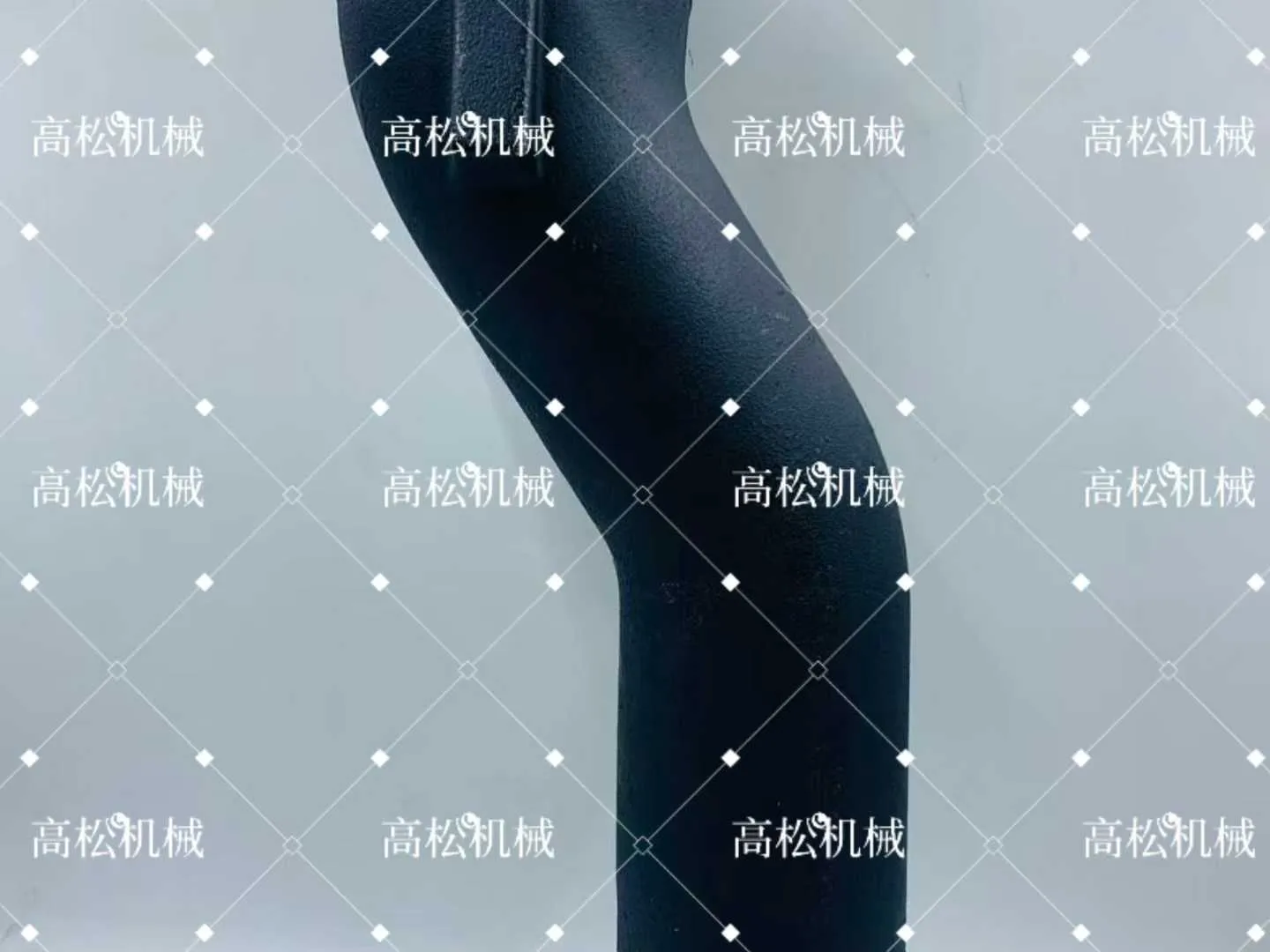 Connector Hose 6156-11-5521 for SAA6D125E Engine, PC400-7 Excavator Spare Part