
- Chinese
- French
- German
- Portuguese
- Spanish
- Russian
- Japanese
- Korean
- Arabic
- Irish
- Greek
- Turkish
- Italian
- Danish
- Romanian
- Indonesian
- Czech
- Afrikaans
- Swedish
- Polish
- Basque
- Catalan
- Esperanto
- Hindi
- Lao
- Albanian
- Amharic
- Armenian
- Azerbaijani
- Belarusian
- Bengali
- Bosnian
- Bulgarian
- Cebuano
- Chichewa
- Corsican
- Croatian
- Dutch
- Estonian
- Filipino
- Finnish
- Frisian
- Galician
- Georgian
- Gujarati
- Haitian
- Hausa
- Hawaiian
- Hebrew
- Hmong
- Hungarian
- Icelandic
- Igbo
- Javanese
- Kannada
- Kazakh
- Khmer
- Kurdish
- Kyrgyz
- Latin
- Latvian
- Lithuanian
- Luxembou..
- Macedonian
- Malagasy
- Malay
- Malayalam
- Maltese
- Maori
- Marathi
- Mongolian
- Burmese
- Nepali
- Norwegian
- Pashto
- Persian
- Punjabi
- Serbian
- Sesotho
- Sinhala
- Slovak
- Slovenian
- Somali
- Samoan
- Scots Gaelic
- Shona
- Sindhi
- Sundanese
- Swahili
- Tajik
- Tamil
- Telugu
- Thai
- Ukrainian
- Urdu
- Uzbek
- Vietnamese
- Welsh
- Xhosa
- Yiddish
- Yoruba
- Zulu
- Kinyarwanda
- Tatar
- Oriya
- Turkmen
- Uyghur






Komatsu decal
When you hear 'Komatsu decal,' most people outside the field probably just think of a fancy sticker slapped on an excavator. That's the biggest misconception. In our world, that decal is a system identifier, a safety marker, and often, the first sign of a machine's provenance and maintenance story. It's not decoration; it's documentation. I've seen too many sourcing headaches start with someone not understanding the difference between a generic replacement and a genuine, or at least a proper OEM-spec, decal kit. The color fade, the adhesive failure under extreme heat, the wrong reflective grade—small details that scream 'aftermarket' to a trained eye and can affect everything from resale value to on-site safety compliance.
The OEM Reality and the Aftermarket Gap
Working with an OEM supplier within the Komatsu system, like Jining Gaosong, shifts your perspective. You stop thinking of parts as commodities and start seeing them as components of a system. A Komatsu decal set for a PC300-8 isn't just a collection of vinyl cuts. It's a specific material designed to withstand UV exposure, chemical sprays, and abrasion for a calculated service life. The OEM specs dictate this. The challenge in many markets isn't getting a decal; it's getting the right decal that matches the original's performance, not just its appearance.
This is where the role of a company that operates as both an OEM product supplier and a third-party solutions provider becomes critical. Their website, https://www.takematsumachinery.com, frames it as solving parts supply challenges. From the ground, that translates to knowing which part of the 'challenge' is a genuine Komatsu part shortage and which is a cost or logistics bottleneck for a non-critical item. Decals often fall into a weird middle ground—they're not a hydraulic pump, but using a subpar one can lead to operational issues, like a worn-out danger warning label leading to an incident.
I recall a case where a fleet owner in a Southeast Asian market bought a batch of cheap aftermarket decals for a refurbishment project. They looked perfect... for about four months. Then the tropical sun and monsoon rains hit. The colors, especially the specific Komatsu yellow and white, bleached and peeled. Worse, the safety labels on the swing radius lost their reflectivity. It wasn't just a cosmetic fail; it was a liability. They ended up redoing the entire job with OEM-spec decals sourced through a proper channel, essentially paying twice. The initial savings were completely illusory.
Material Science and On-Site Failure Points
Let's get into the weeds a bit. A genuine Komatsu decal isn't just printed vinyl. It's typically a multi-layer laminate. You have a face film with UV inhibitors, the printed graphic layer, an adhesive layer formulated for different surface primers (think about the difference between adhering to clean cab glass versus the textured paint on a counterweight), and a liner. The failure I see most often with non-OEM parts is delamination—the layers separating—or adhesive transfer, where the glue stays on the liner or, worse, on the machine when you try to remove an old decal.
Temperature cycling is the real test. A machine in the Canadian oil sands goes from -40°C to direct sun heating the metal to 50°C+. The decal material must expand and contract at a rate close to the metal panel it's on, or it will buckle, crack, or simply let go. I've peeled off failed decals where the adhesive became brittle and crystalline in the cold. That's a formulation issue. An OEM supplier's value is in having access to, or knowledge of, these material specs to ensure the replacement performs under the same conditions Komatsu engineered for.
Another subtle point is the cutting profile. For complex models, a single machine might have 50+ individual decals. The kit must be complete and each piece must be die-cut accurately to fit specific body contours. An ill-fitting decal around a door handle or a curved fender will trap moisture and dirt, leading to premature corrosion underneath. It's a small thing that causes big, expensive bodywork problems down the line.
The Sourcing Dilemma and Practical Solutions
For a third-party sales company helping with parts supply challenges, the decal category is a perfect example of their niche. Official Komatsu channels are paramount for critical components, but for consumable items like decals, filters, or seals in regions with supply chain gaps, an alternative that meets OEM standards is a lifeline. The key is that meets OEM standards. It's not about branding a generic product; it's about reverse-engineering the performance requirements.
Jining Gaosong's position is interesting here. As they note, they are an OEM product supplier within the Komatsu system. This implies a formal manufacturing relationship for certain components. For a Komatsu decal, this could mean they produce or source decals to the exact technical drawings and material specifications provided by Komatsu for certain models or regions. This is fundamentally different from a print shop making a visual replica. It's about system compliance.
In practice, this means when a mining operation in a remote country needs to refurbish a fleet of older Dash-7 or Dash-8 models and the official decal kit is on a 6-month backorder, they have a viable alternative. The solution isn't just shipping a box of stickers. It involves verifying the machine serial number ranges, confirming the exact decal layout (which can vary by year and market), and ensuring the physical kit matches. It's logistical and technical support wrapped together. The goal is to get the machine back to its original, compliant state, not just to make it look painted.
Beyond the Decal: The System View
This whole discussion really underscores a broader principle in heavy equipment maintenance: everything is connected. A decal seems trivial until it's a missing hazard warning that contributes to an accident, or a faded model designation that causes a mix-up in filter ordering. Using OEM-spec parts, even for seemingly minor items, maintains the integrity of the asset. It's a philosophy of total cost of ownership, not just upfront price.
Companies that fill the supply gap effectively, like the one mentioned, understand this system view. They're not just parts vendors; they are problem-solvers for a specific, messy reality in global equipment management. Their value hinges on their deep knowledge of Komatsu systems and their ability to apply that knowledge to source or produce components that don't break the chain of quality. For a fleet manager, that reliability is worth more than a slight discount.
So, the next time you see a Komatsu decal, look closer. Check its edges for lifting, its colors for fidelity, its surface for texture. It tells a story about how that machine has been cared for. And if you're in the position of needing to replace it, the decision you make—between a cheap visual copy and a performance-matched component—will write the next chapter of that story. It's a small part, but in this industry, the details are never really small.
Related Products
Related Products

Best Selling Products
Best Selling Products-
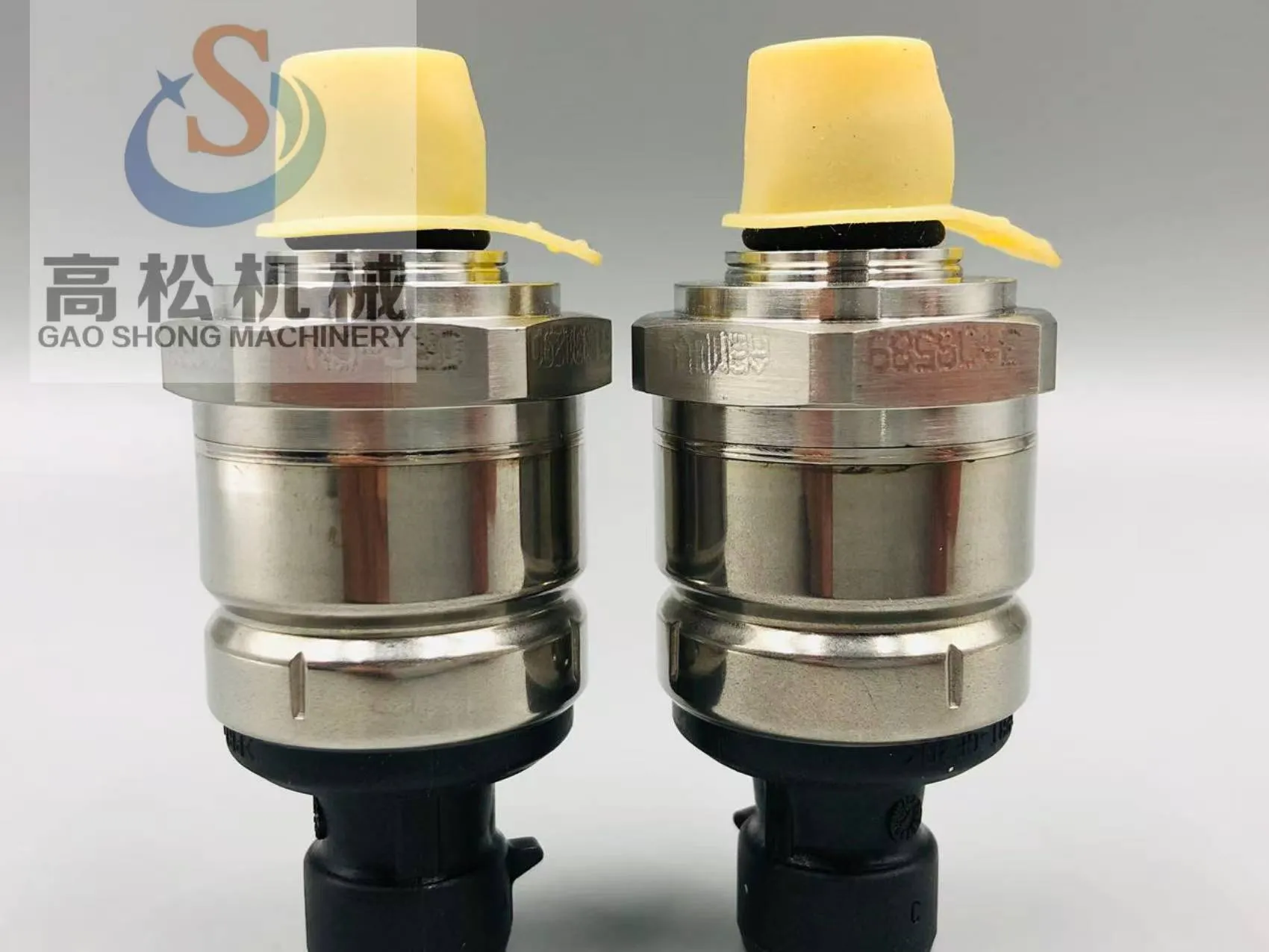 Cummins diesel engine high-pressure sensor 3408589 6560-61-7101 6560-61-7102komatsu
 -
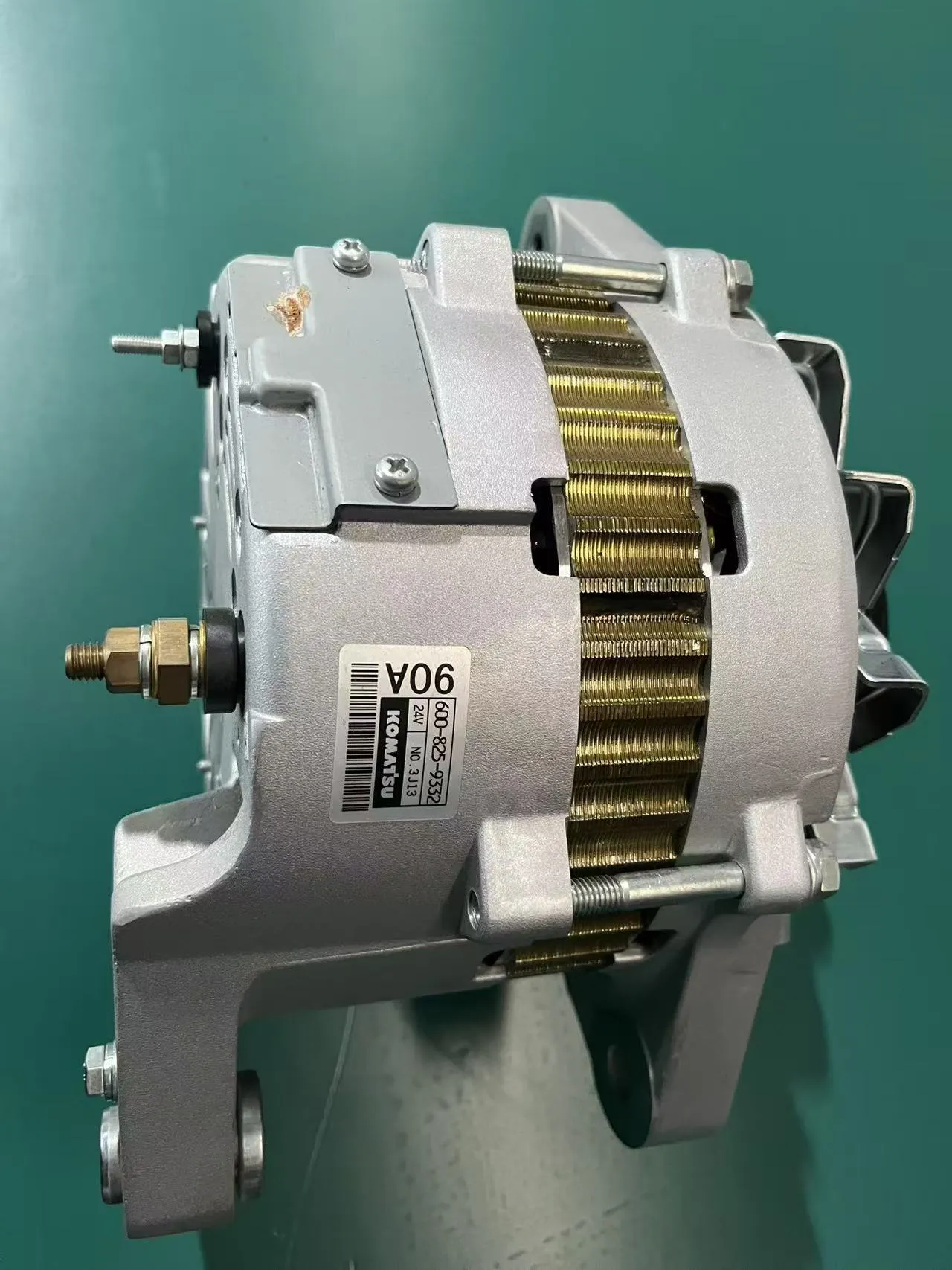 600-825-9332 alternator Generator
 -
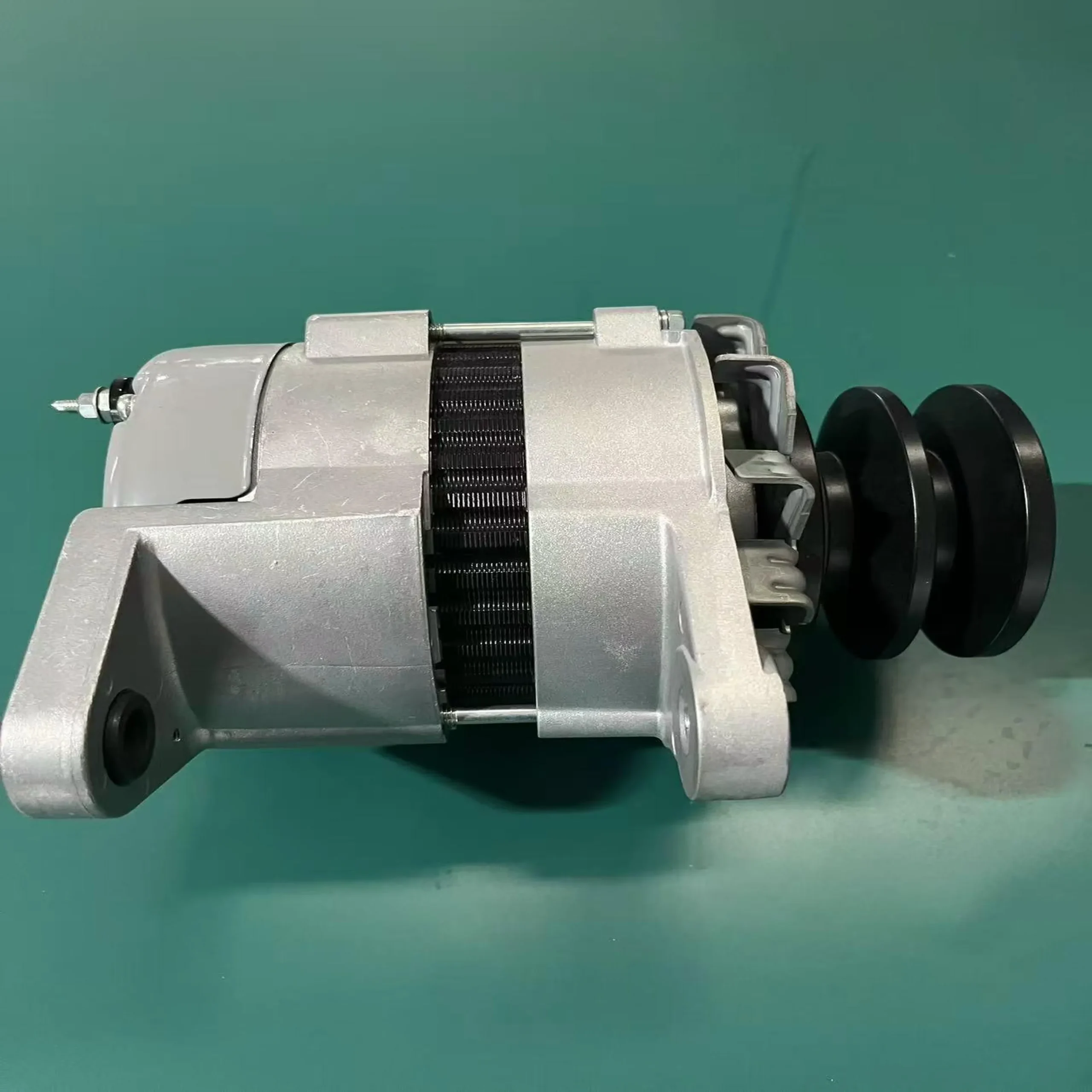 600-825-3151OEG Parts New Alternator Compatible With KOMATSU D65E Crawler & PC130 PC400 EXCAVATOR WA320 LOADER 6008253120, 6008253150, 6008253151, 6008253160, 6008253161, ANK0005, 40050015
 -
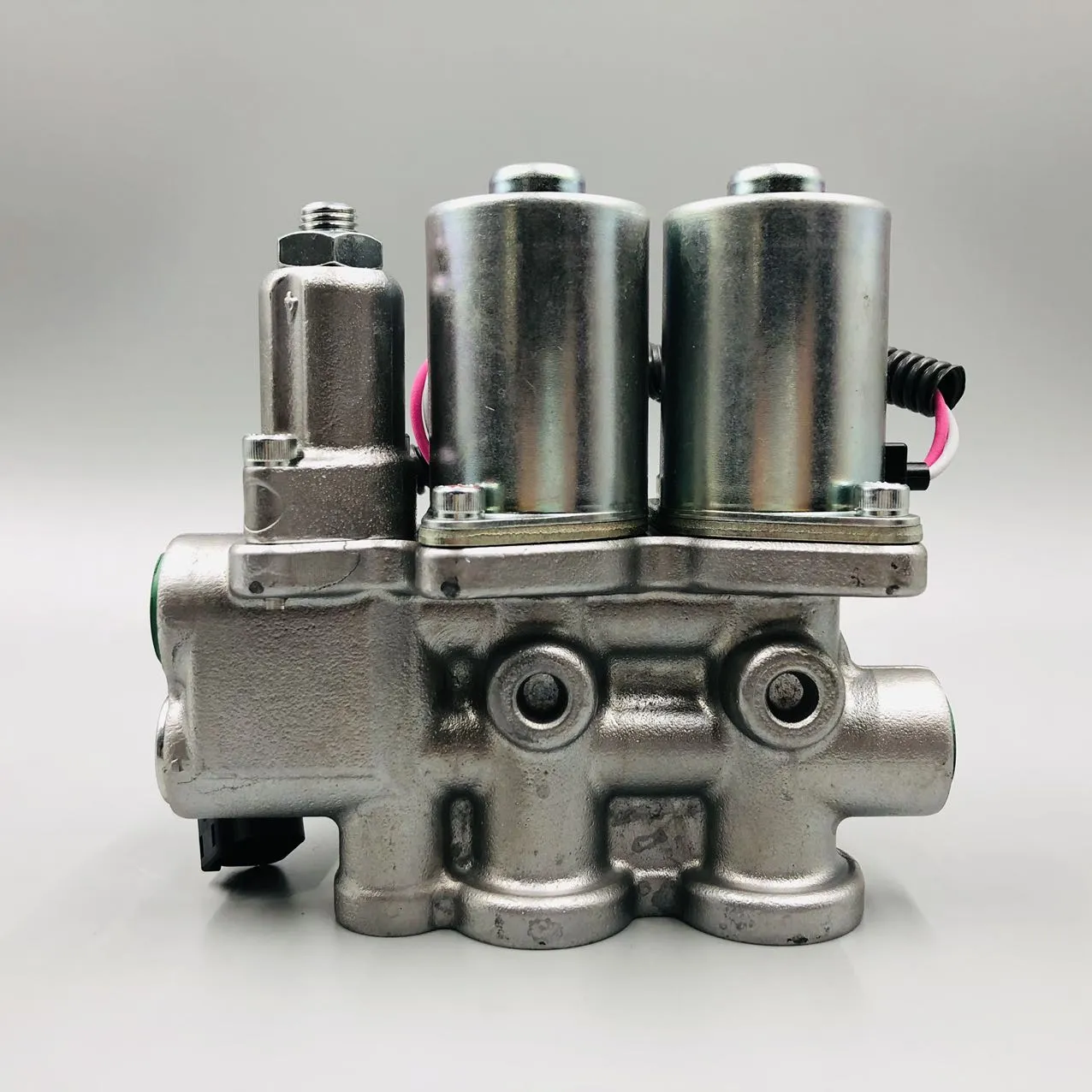 22F-60-31600Valve assembly
 -
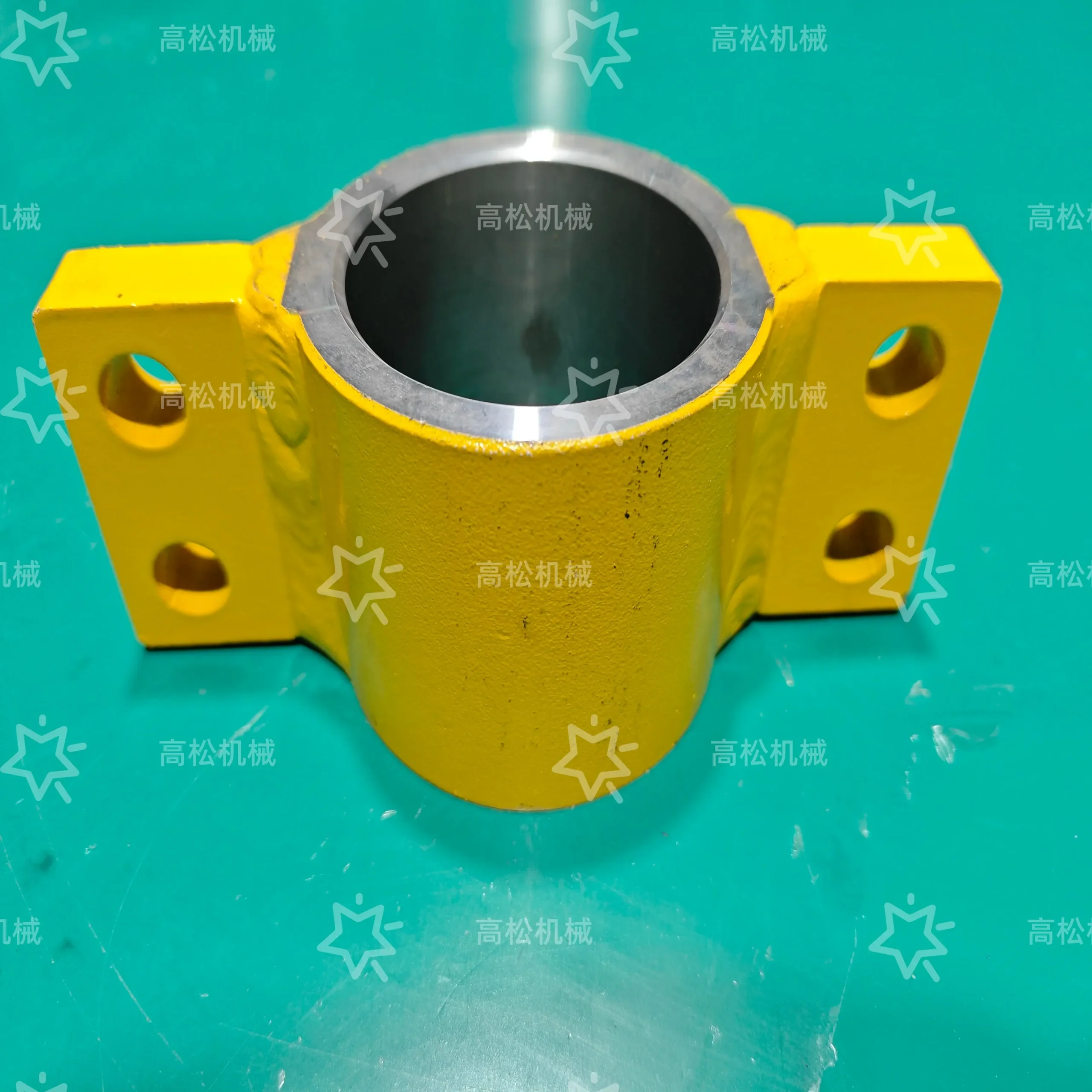 Komatsu Push± Machine Parts 195-20-35100
 -
 WIRE 21N-25-31130 – KOMATSU
 -
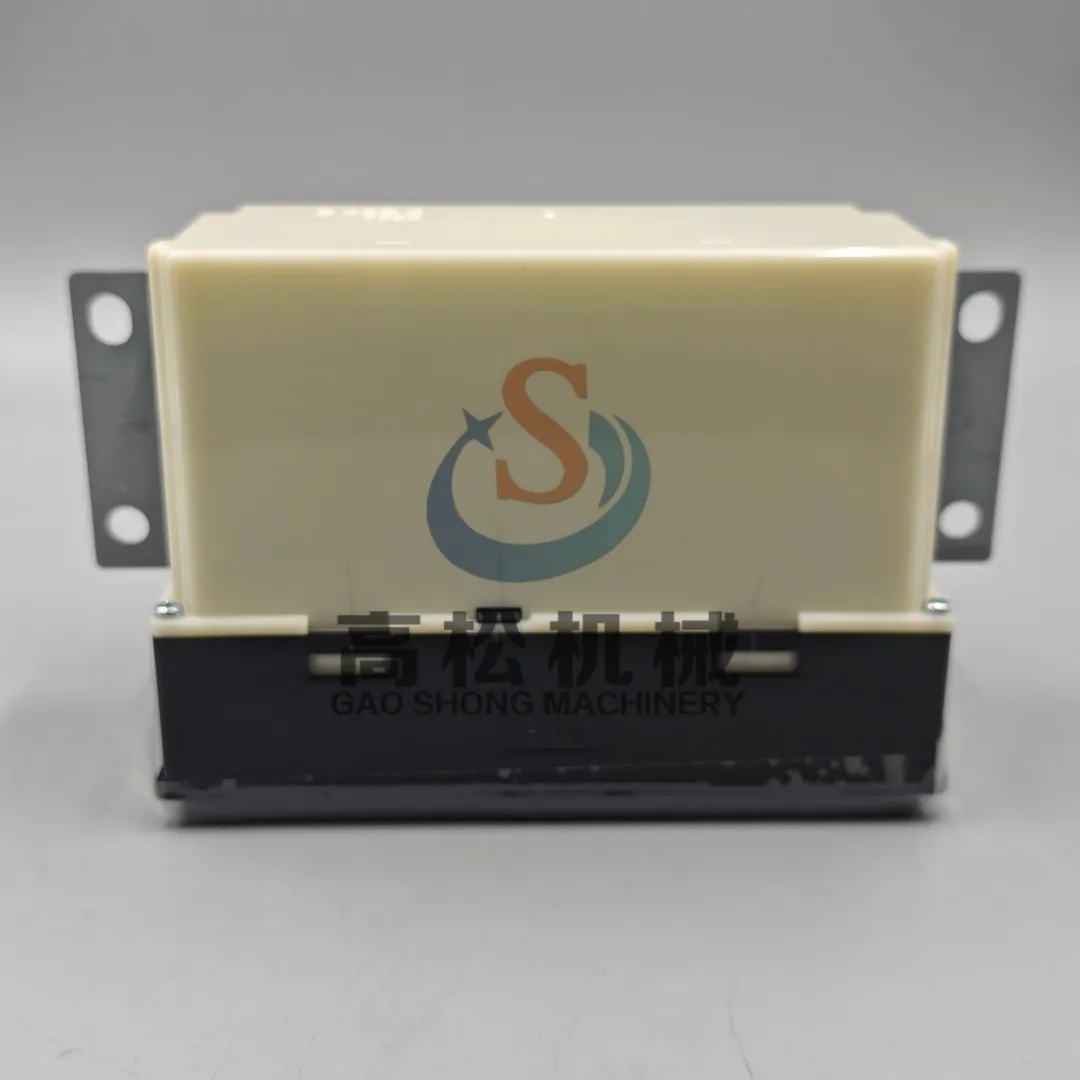 used Komatsu Controller 425-07-21121 for WA500-3H
 -
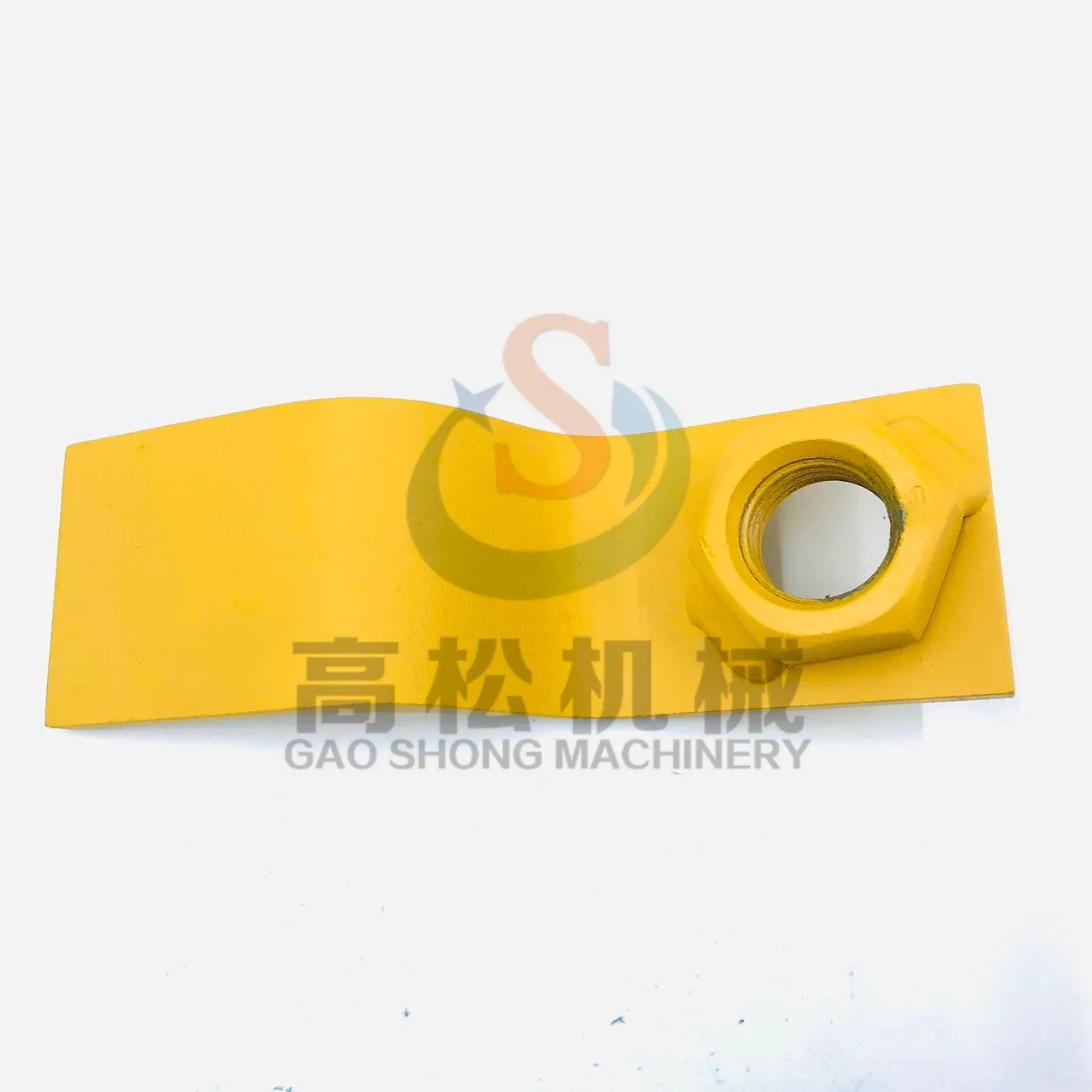 21T-00-67330 Plate (Komatsu)
 -
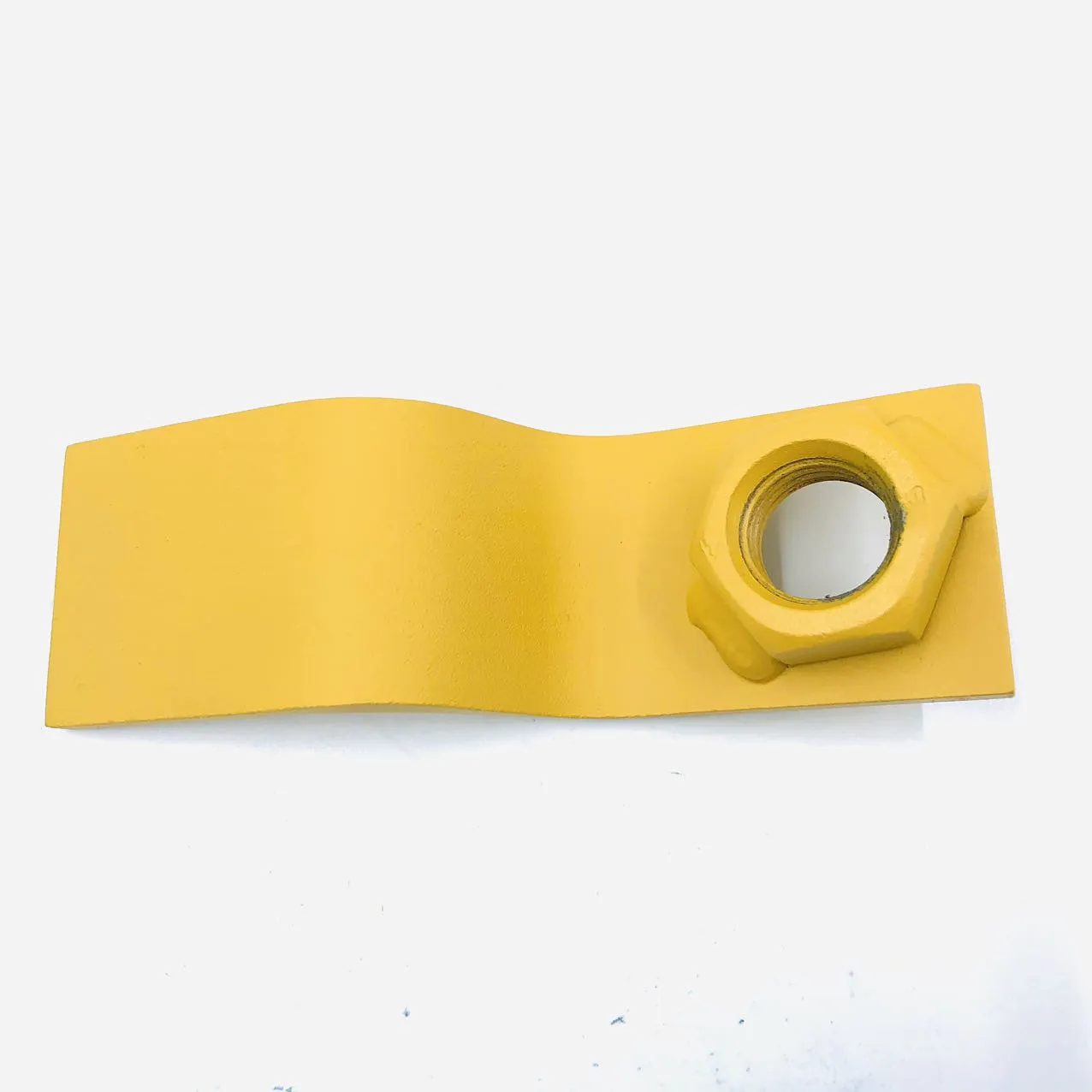 21T-00-67330 Plate -Komatsu.
 -
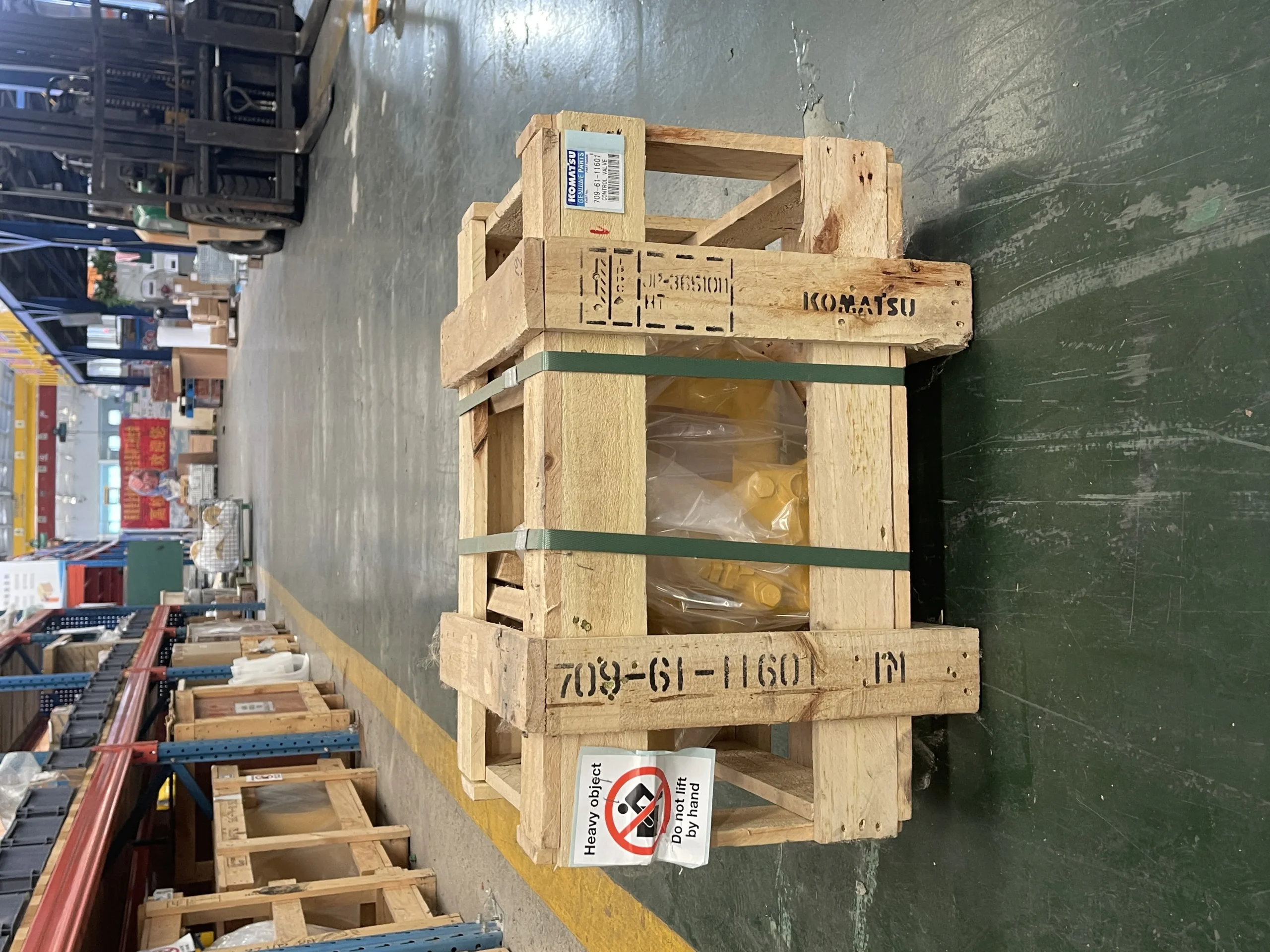 709-61-11601 Valve Assembly for Komatsu D375A-5
 -
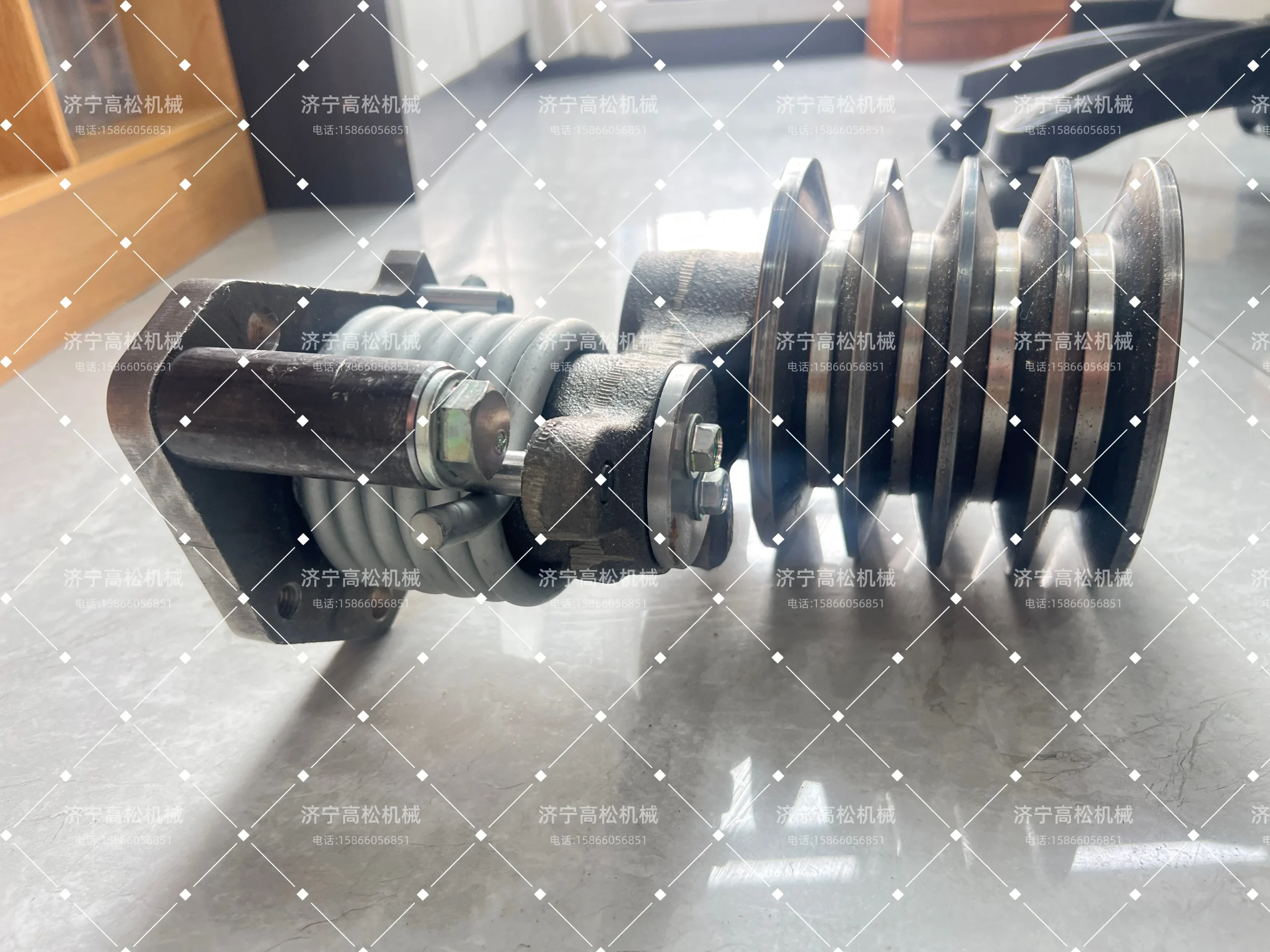 Original Hot Sale TENSION PULLEY ASS’Y 6240-61-4500 TENSION…
 -
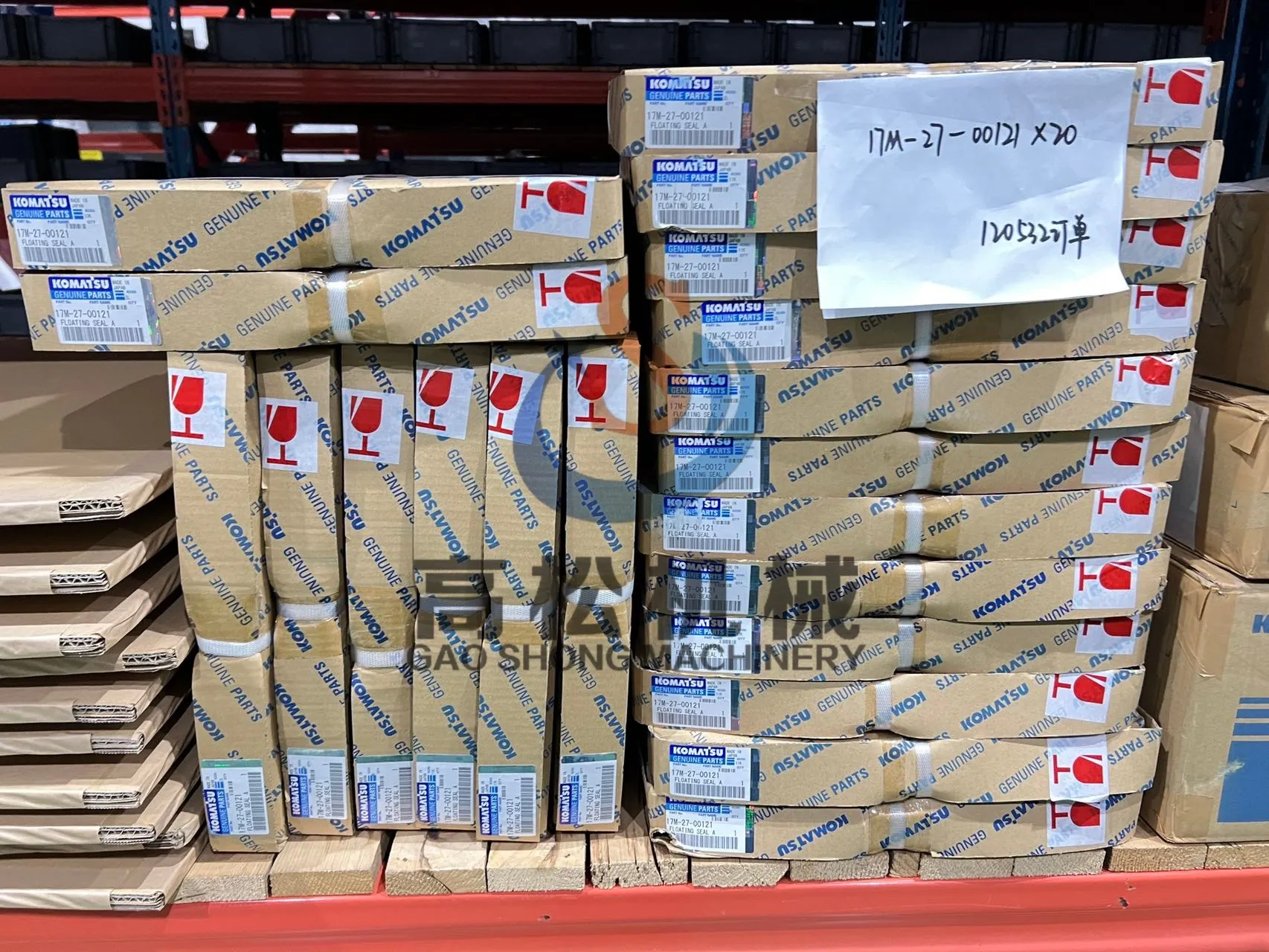 17M-27-00121 FLOATING SEAL ASSY