
- Chinese
- French
- German
- Portuguese
- Spanish
- Russian
- Japanese
- Korean
- Arabic
- Irish
- Greek
- Turkish
- Italian
- Danish
- Romanian
- Indonesian
- Czech
- Afrikaans
- Swedish
- Polish
- Basque
- Catalan
- Esperanto
- Hindi
- Lao
- Albanian
- Amharic
- Armenian
- Azerbaijani
- Belarusian
- Bengali
- Bosnian
- Bulgarian
- Cebuano
- Chichewa
- Corsican
- Croatian
- Dutch
- Estonian
- Filipino
- Finnish
- Frisian
- Galician
- Georgian
- Gujarati
- Haitian
- Hausa
- Hawaiian
- Hebrew
- Hmong
- Hungarian
- Icelandic
- Igbo
- Javanese
- Kannada
- Kazakh
- Khmer
- Kurdish
- Kyrgyz
- Latin
- Latvian
- Lithuanian
- Luxembou..
- Macedonian
- Malagasy
- Malay
- Malayalam
- Maltese
- Maori
- Marathi
- Mongolian
- Burmese
- Nepali
- Norwegian
- Pashto
- Persian
- Punjabi
- Serbian
- Sesotho
- Sinhala
- Slovak
- Slovenian
- Somali
- Samoan
- Scots Gaelic
- Shona
- Sindhi
- Sundanese
- Swahili
- Tajik
- Tamil
- Telugu
- Thai
- Ukrainian
- Urdu
- Uzbek
- Vietnamese
- Welsh
- Xhosa
- Yiddish
- Yoruba
- Zulu
- Kinyarwanda
- Tatar
- Oriya
- Turkmen
- Uyghur






Komatsu D85 parts
When you're deep in a project and a D85 goes down, the term 'Komatsu D85 parts' stops being a search query and becomes a critical mission. There's a common misconception that sourcing these parts is straightforward—just order the OEM number and you're golden. The reality on the ground is messier. I've seen too many teams waste days waiting for a 'genuine' part that turned out to be a mismatched revision, or worse, a clever counterfeit that failed under real load. The challenge isn't just finding the part; it's finding the right part, from a trustworthy pipeline, that won't halt operations again in three months.
The OEM Promise vs. The On-Site Reality
Official Komatsu channels are, without doubt, the benchmark for quality. But in certain regions—think remote mining sites in Africa or infrastructure projects in Southeast Asia—the official supply chain can hit bottlenecks. Lead times stretch, and project costs balloon. This is where the distinction between a pure OEM supplier and a system-integrated partner becomes crucial. A company like Jining Gaosong Construction Machinery Co., Ltd. presents an interesting hybrid model. They position themselves as an OEM product supplier within the Komatsu system, which suggests a degree of formal recognition, while also operating as a third-party sales channel. This isn't a gray-market operation; it's a pragmatic solution for specific geographic supply gaps.
I recall a highway construction job in Mongolia where we had a D85-18 with a failing final drive. The local Komatsu dealer quoted a 12-week lead time for the assembly. We couldn't wait. We turned to a third-party supplier with OEM-system credentials. The part arrived in 3 weeks, packaged with Komatsu-specific seals and bearing the correct factory codes. It fit perfectly. However, the key was our mechanic's due diligence—cross-referencing the part number suffixes and checking the casting marks against our service manual. The part worked, but the process required a layer of verification that an official order wouldn't have.
The risk with third-party channels, even reputable ones, is consistency. One shipment might be flawless, the next might have subtle differences in metallurgy or a bearing from a different sub-supplier. This is why Gaosong's stated role as a problem-solver for parts supply challenges in certain countries rings true. They're not trying to replace the main dealer network; they're plugging holes in it. You have to approach them with that mindset—a specialized tool for a specific problem, not a default source.
Critical Components: Where You Absolutely Cannot Compromise
Not all parts are created equal. For the D85, the torque converter, the steering clutches, and the undercarriage components are the heart of the machine. Here, the provenance of the part is everything. I've had a bad experience with aftermarket steering clutch plates that wore out in half the expected lifespan because the friction material composition was off-spec. The machine started drifting on slopes, a major safety hazard. We pulled them and went OEM.
For undercarriage parts—track links, rollers, idlers—the tolerance for variance is slightly higher, but the cost of failure is immense. A failed idler can derail a track, causing catastrophic downtime. Suppliers like the one mentioned at https://www.takematsumachinery.com often stock these high-wear items. The value they provide is availability. But you must insist on documented material certificates for steel grades, especially for links and rollers. If they're truly an OEM-system supplier, they should be able to provide traceability, not just a generic meets or exceeds claim.
Hydraulic components are another tricky area. Pumps and valves for the blade and ripper controls have precise tolerances. A compatible pump might bolt on and even run, but its flow rate could be a few liters per minute off, causing sluggish operation and overheating over time. For these, I lean heavily towards OEM-sourced parts unless the third-party supplier can provide unequivocal cross-reference data and performance test sheets.
The Verification Process: Trust, but Verify
Ordering parts from any non-primary dealer requires a protocol. First, never rely solely on the online catalog description. A direct phone or email conversation is mandatory. Describe your machine's serial number, the specific issue, and the environment it's working in. A competent supplier will ask follow-up questions: Is that for the early D85-18 or the late model with the updated valve block? That level of inquiry is a good sign.
Second, upon receipt, the inspection is non-negotiable. Check for the Komatsu logo, part number etching, and packaging. Look for signs of refurbishment—fresh paint on a single component in an assembly, new bolts on an old housing. Refurbished parts aren't inherently bad, but they must be sold as such. A company operating within the OEM system should be transparent about this. I once received a transmission control valve that was clearly a quality factory reman, sold as such at a fair discount. It performed perfectly for years.
Finally, document everything. Keep the shipping labels, the commercial invoice with the detailed part description, and all correspondence. If a part fails prematurely, this is your evidence for a claim. A reputable supplier will stand behind their inventory. This documentation practice has saved my team tens of thousands on more than one occasion.
When Third-Party Makes Sense: A Pragmatic View
So, when do you go outside the main dealer? The clearest case is obsolescence. Older D85 models, like the D85A or early D85E, have parts that are discontinued or stocked in very limited quantities globally. Specialized suppliers often have networks to source these or even manufacture them under license. Their website's focus on solving supply challenges hints at this capability.
Another scenario is cost-critical, non-safety-related components. Think seat cushions, cab trim, lens covers for lights, or standard hydraulic hoses. Paying a premium for OEM on these items often makes little financial sense if a high-quality alternative is available. The savings can be redirected to the critical components mentioned earlier.
Urgent breakdowns are the ultimate test. If the official warehouse is 5,000 miles away and a trusted third-party has the Komatsu D85 final drive housing in a regional depot, the decision is simple. The supplier's logistical network is part of their product. Gaosong's model seems built for this—leveraging their position to move parts to where the official pipeline is thin. The value is in the reduced downtime, not just the price on the invoice.
Concluding Thoughts: A Tool in the Box
Navigating the world of Komatsu D85 parts is about risk management and practical wisdom. The official dealer is your first and safest call. But in the complex, globalized reality of heavy equipment maintenance, they aren't always the only call. Suppliers that operate with transparency within the broader OEM ecosystem, like Jining Gaosong Construction Machinery, fill a necessary niche.
Their stated mission—to solve parts supply challenges—is exactly what project managers and fleet superintendents in difficult regions need to hear. The key is to engage with them as informed professionals. Ask the hard questions, verify the goods, and build a relationship based on proven performance, not just a promising website.
At the end of the day, whether a part comes from Komatsu directly or from a vetted system supplier, the goal is the same: get the dozer back to work, reliably and efficiently. The source is a means to that end. You learn to judge each part, each supplier, and each situation on its own merits, with a healthy skepticism and a toolkit full of verification processes. That's the real-world practice of keeping a D85 running.
Related Products
Related Products

Best Selling Products
Best Selling Products-
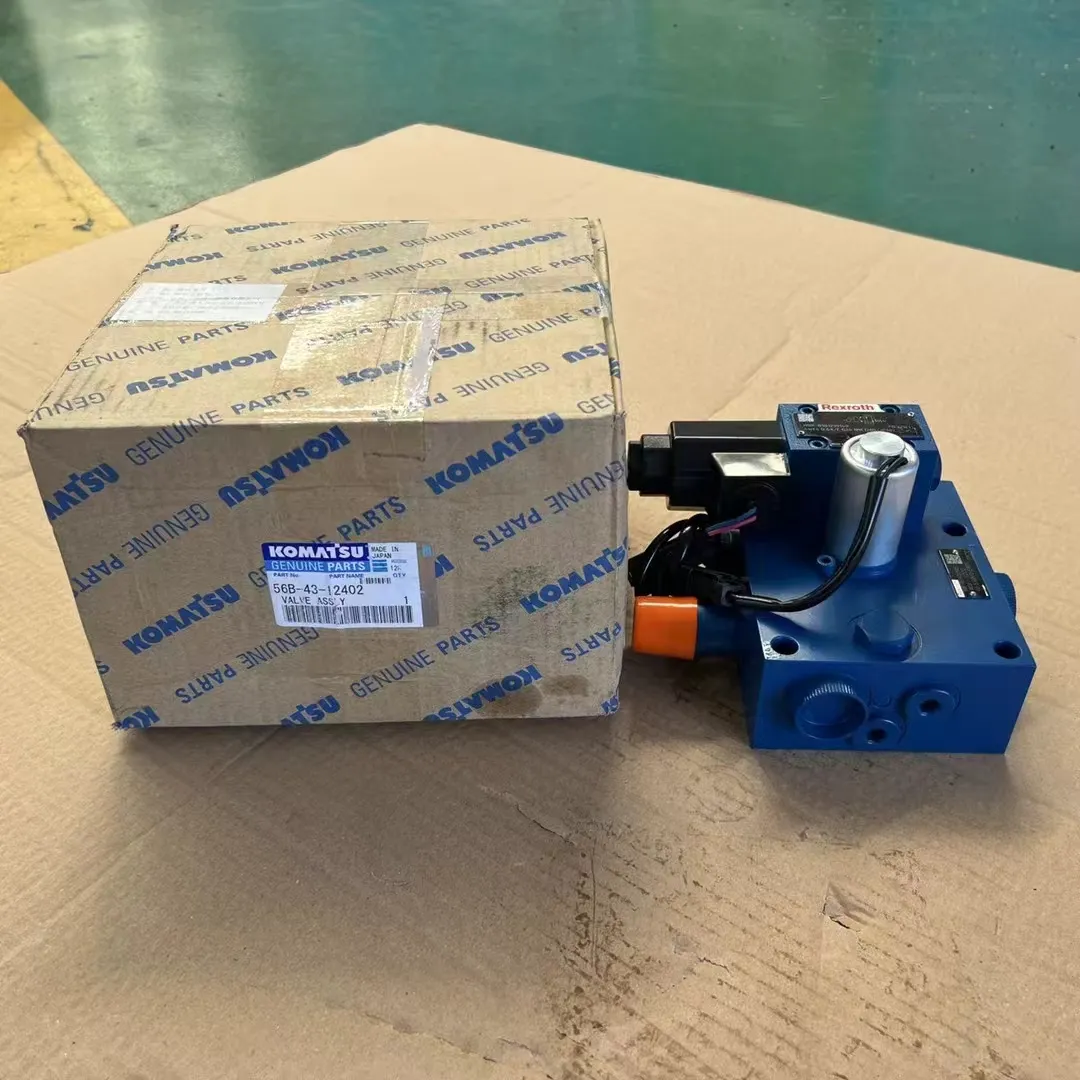
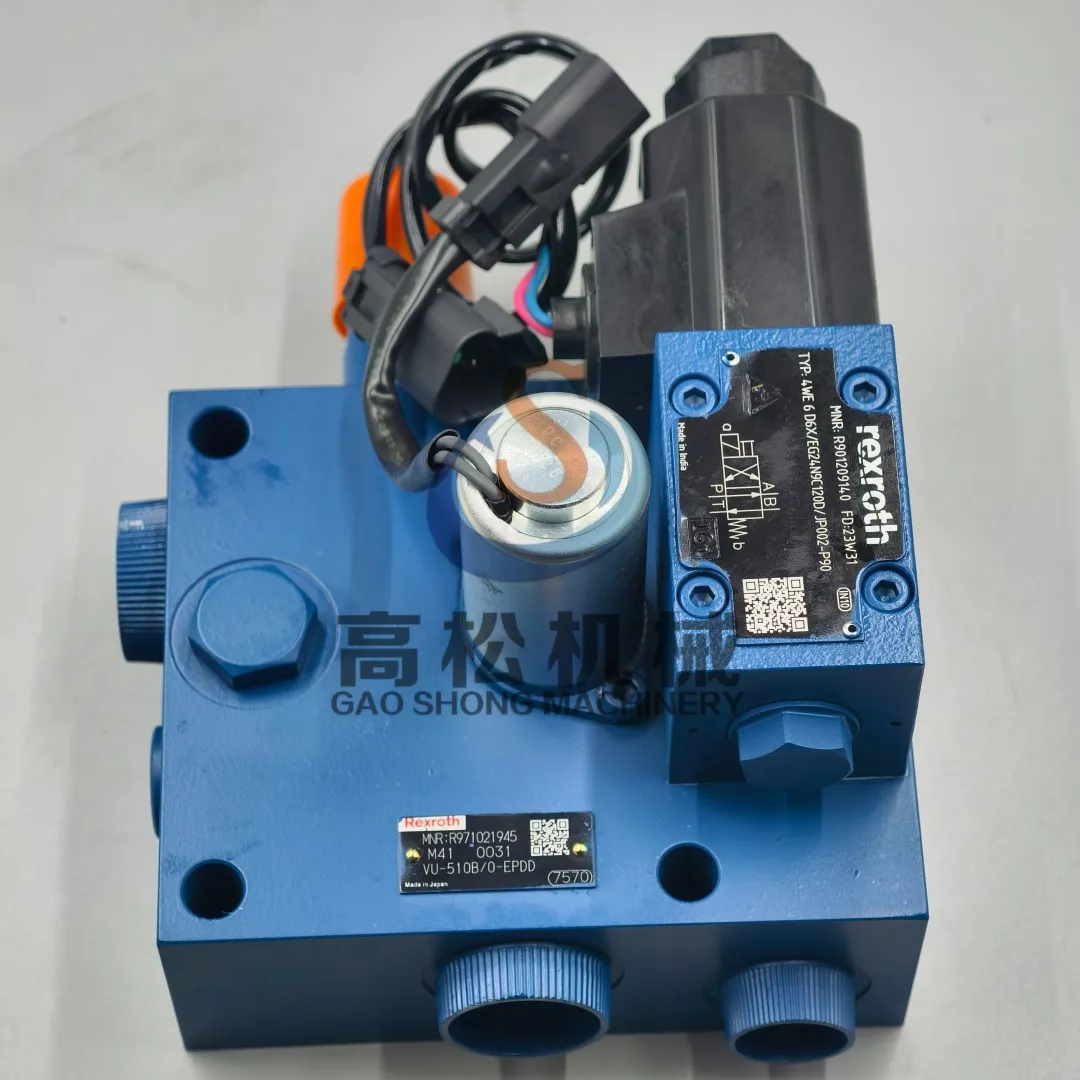 Valve Ass’y 56B-43-12402 56B-43-17340 For KOMATSU Dump Truck HD785 HD325 HD605
 -
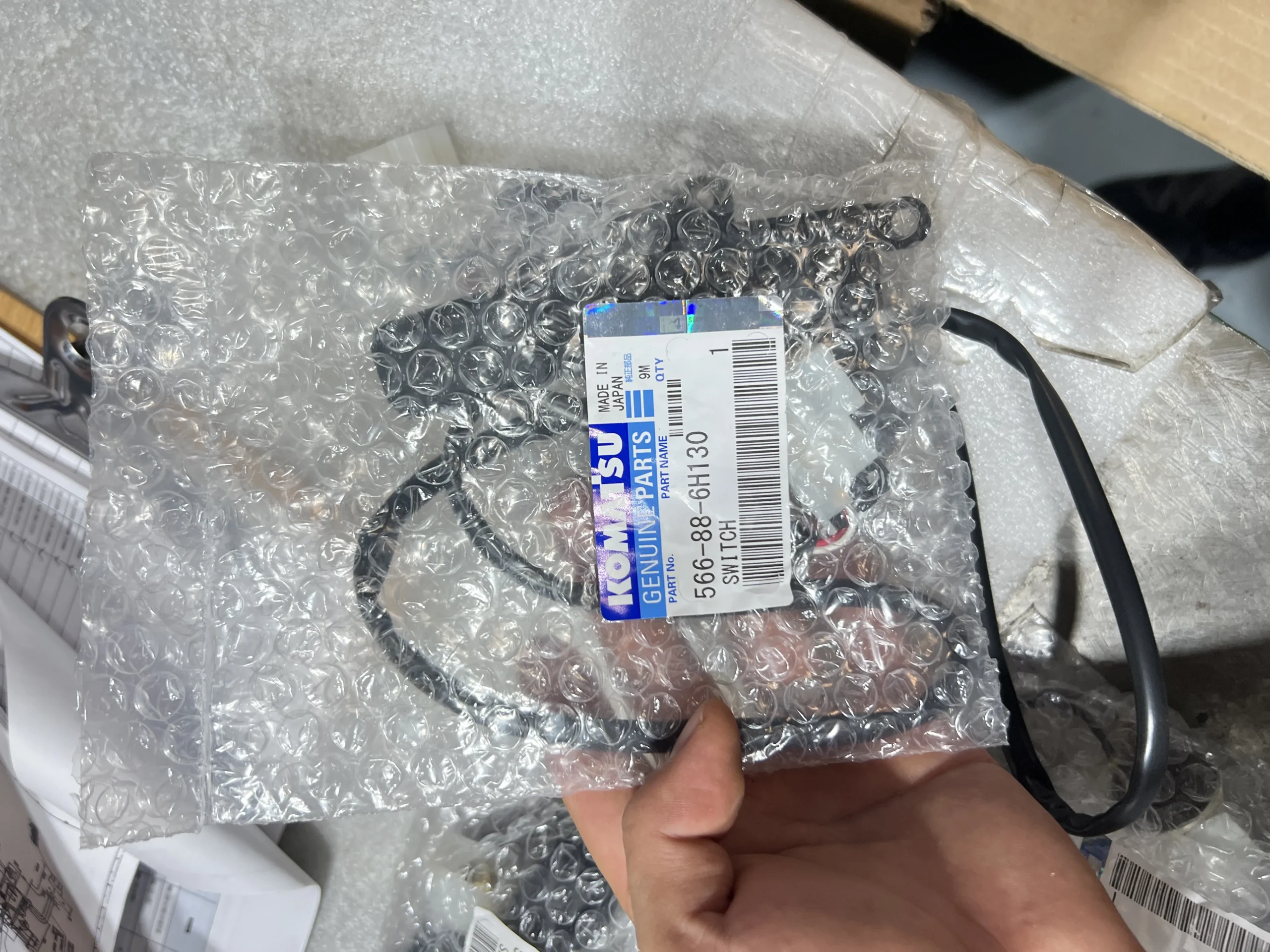 566-88-6H130 Komatsu Switch, Retarder
 -
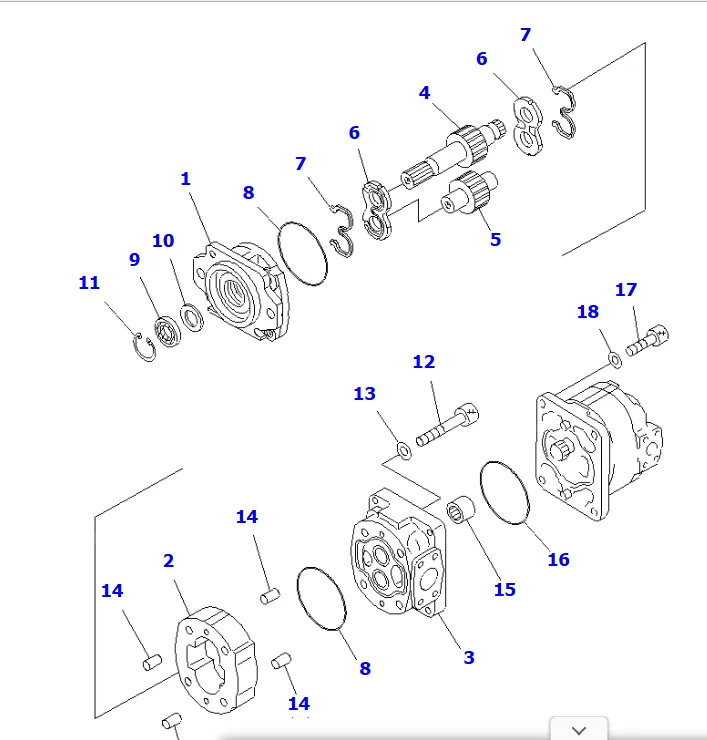 Komatsu HD605-5 pump assembly 705-52-31010
 -
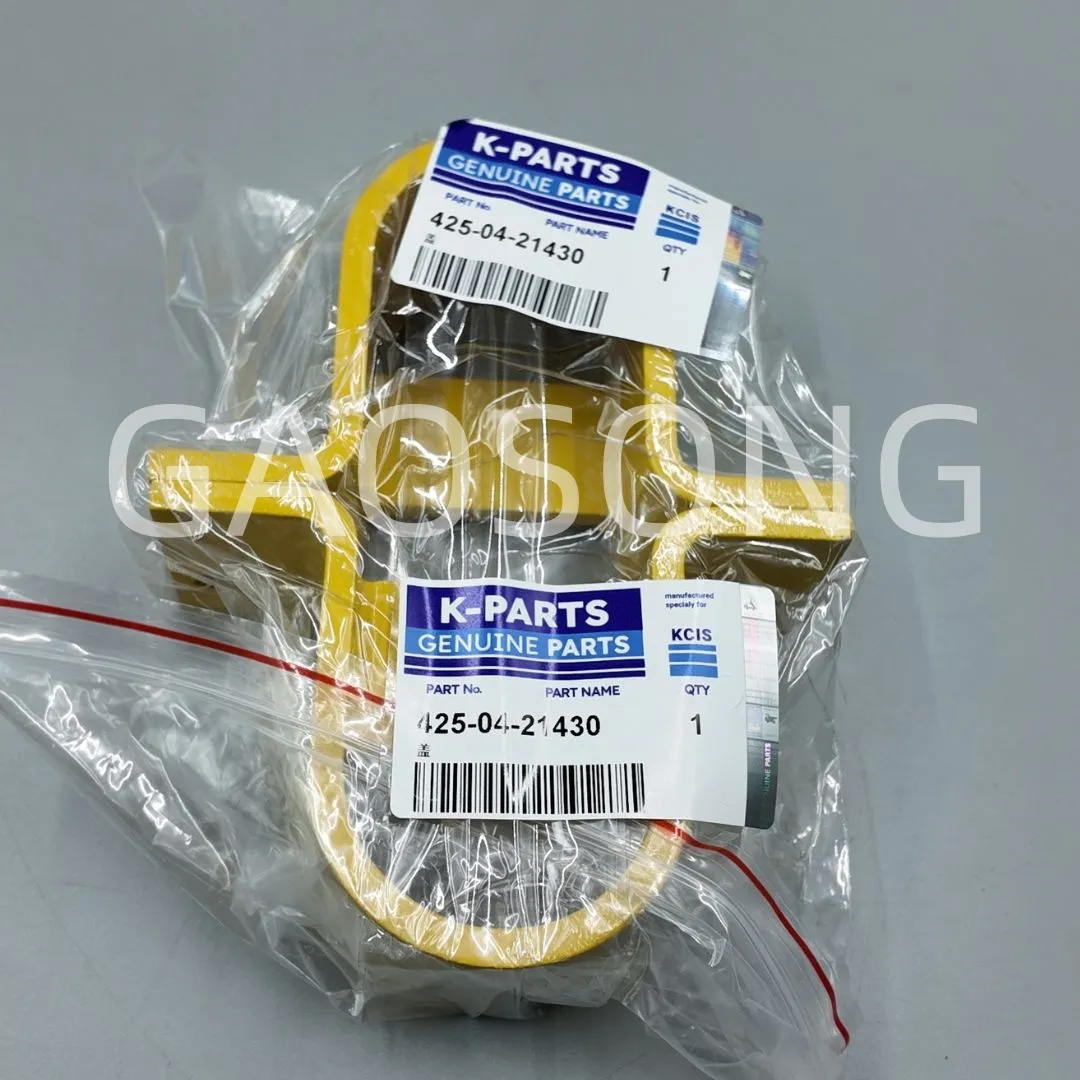 425-04-21430 COVER-Komatsu Original Factory
 -
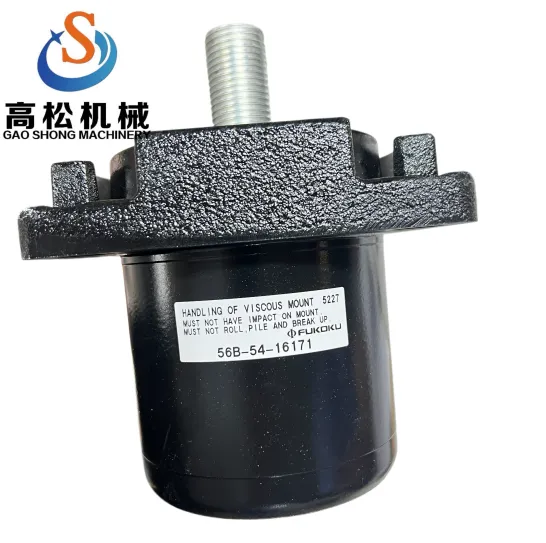 Komatsu 56B-54-16171 Cabin Mount viscous mount
 -
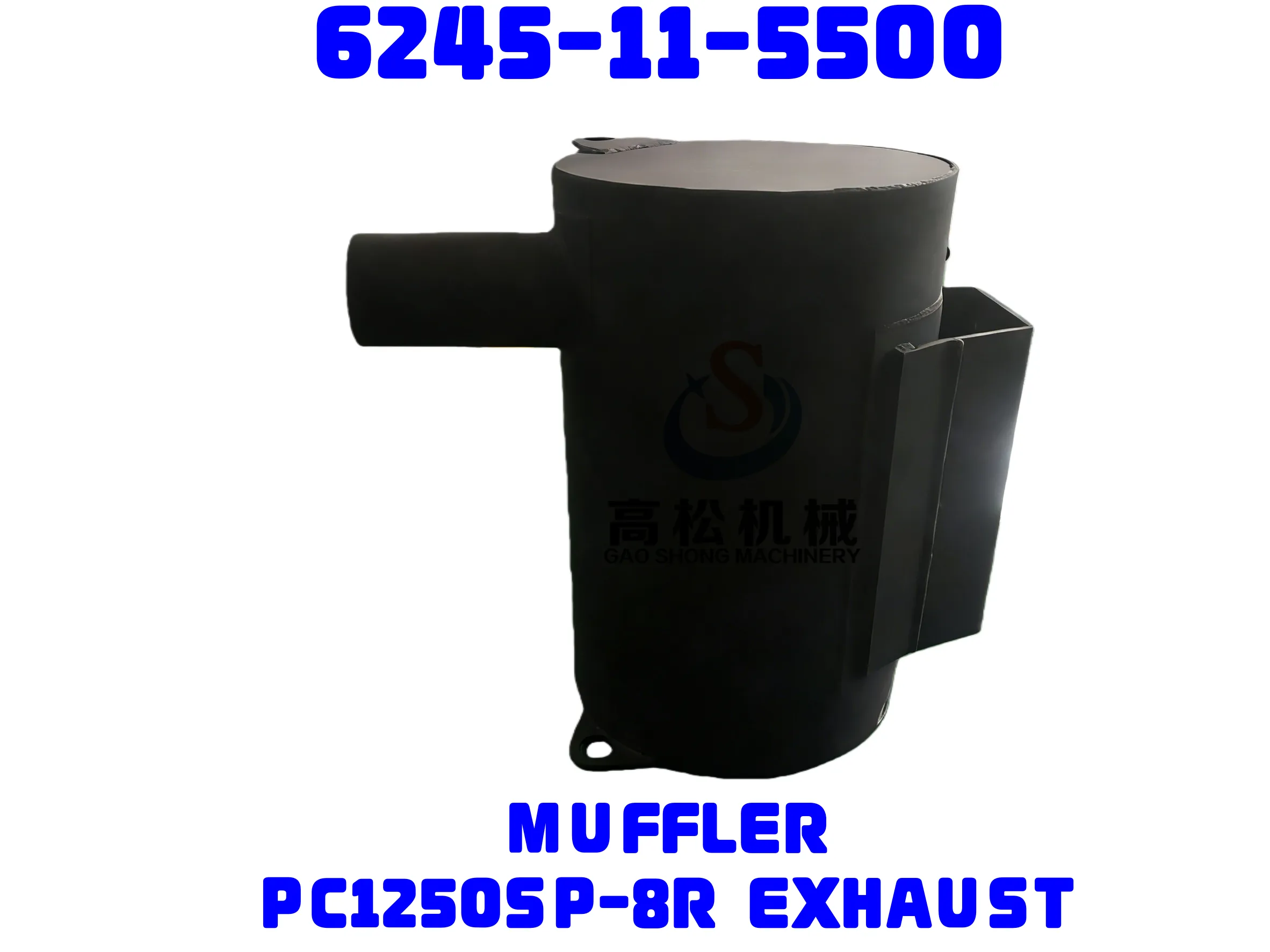 Muffler Silencer 6245-11-5500 for Komatsu Engine 6D170E-5 Excavator PC1250-8 PC1250-8R PC1250LC-8 PC1250SP-8 PC1250SP-8R
 -
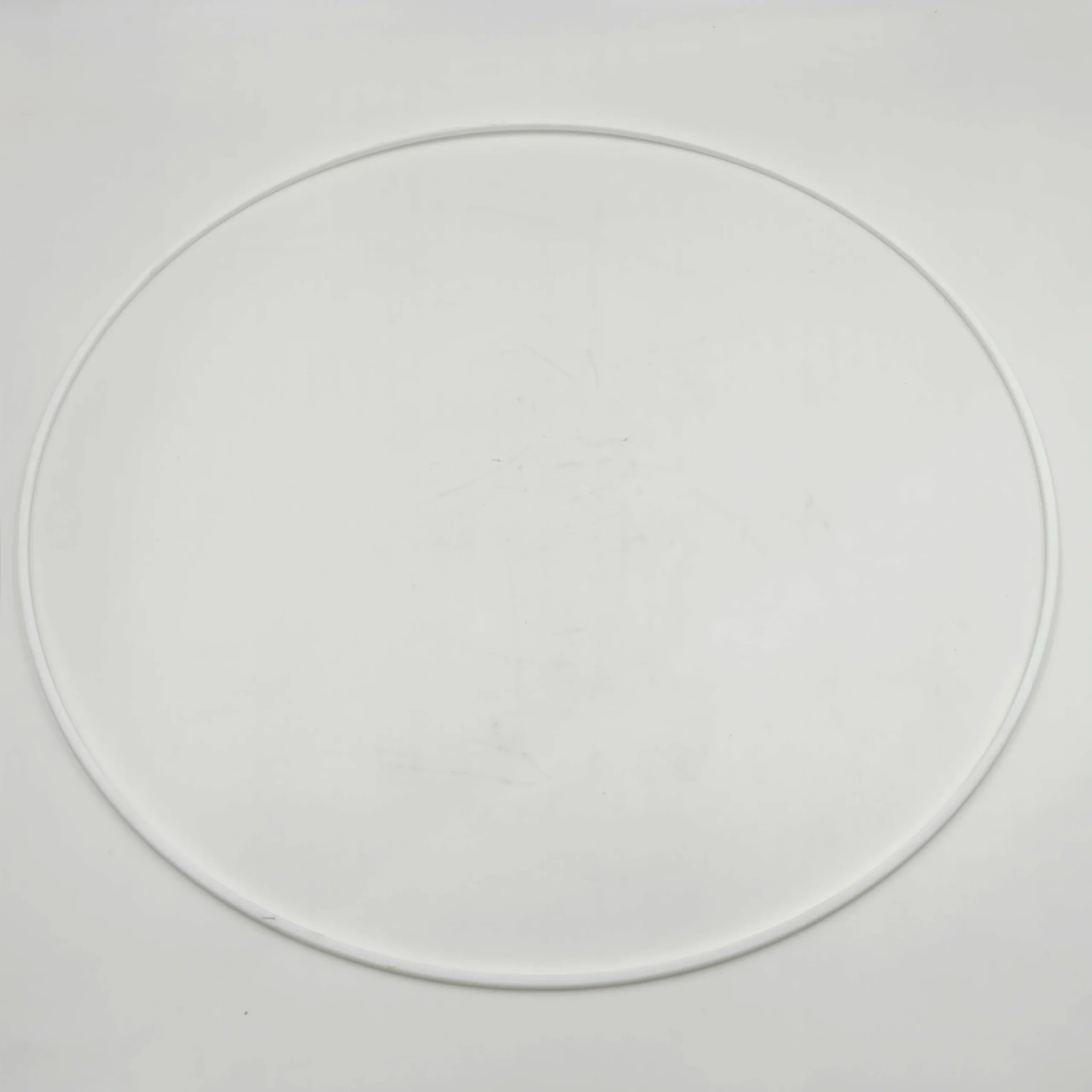 Seal Ring 195-15-39220 1951539220 For Komatsu Wheel Loaders WA500-6 WA700-1 Komatsu Dump Trucks HD985-5 HD785-7
 -
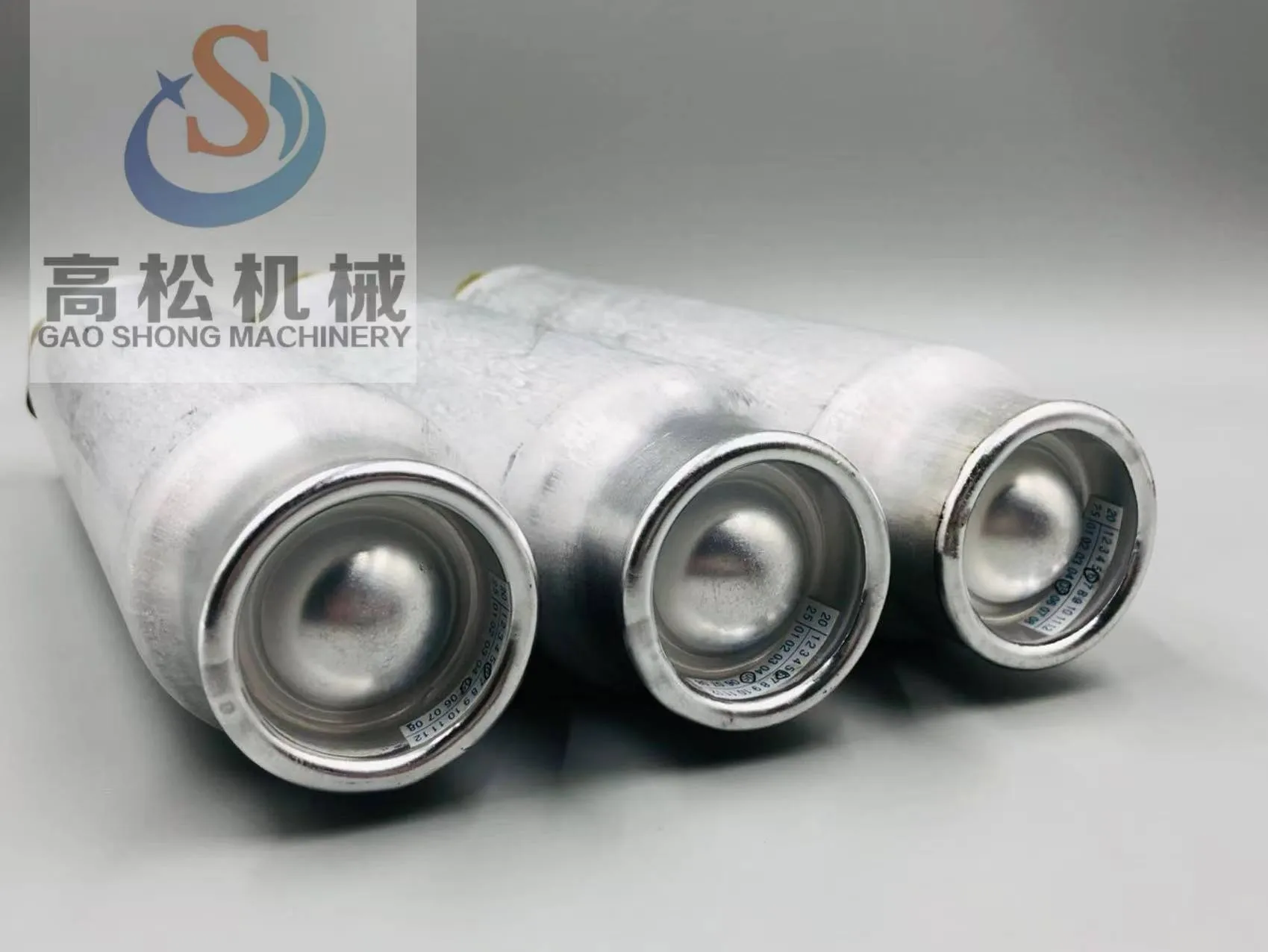 Original 20y-979-3120 receiver for pc300-7 excavators, parts of construction machinery
 -
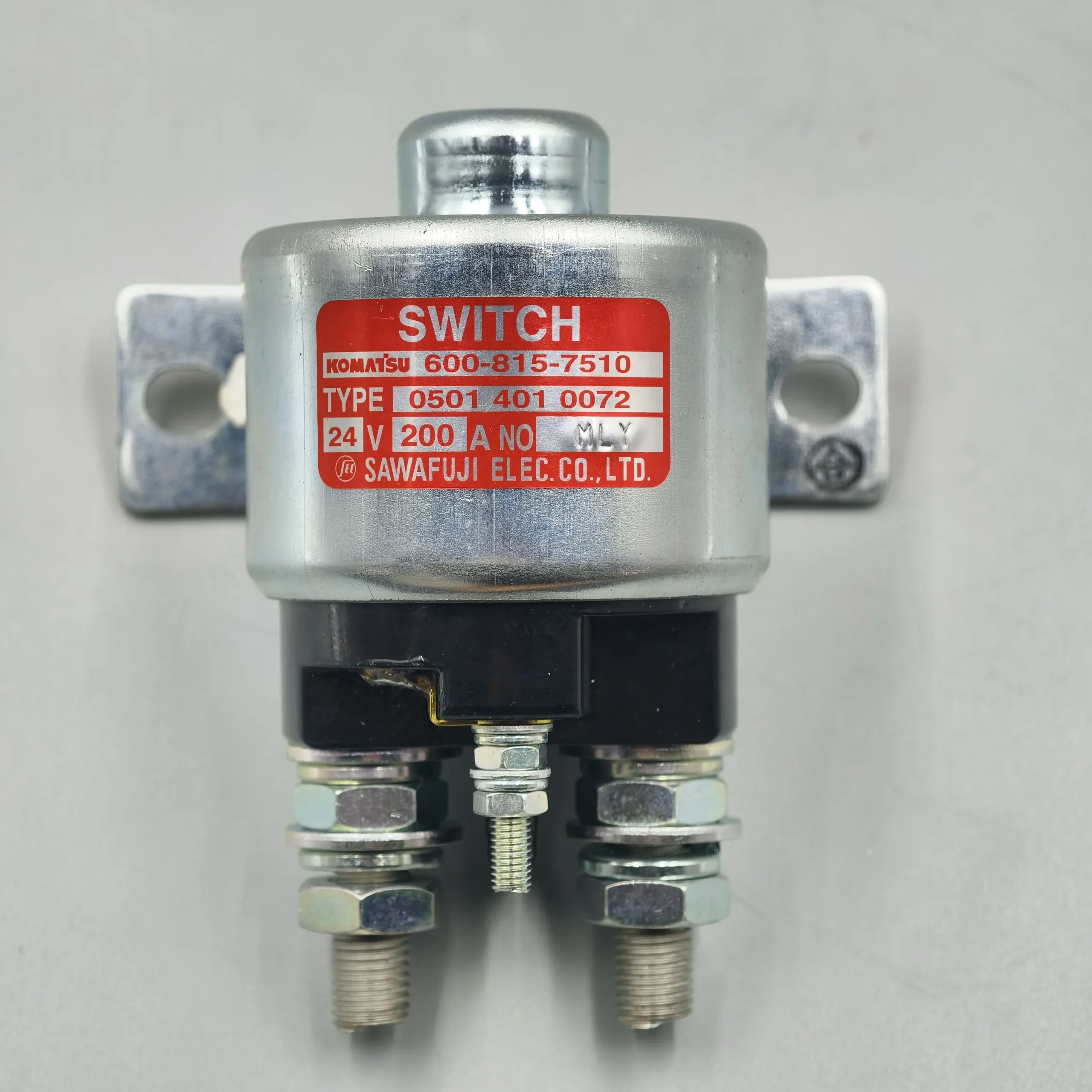 Accessories D375A-5 Switch Heater 600-815-7510 6008157510
 -
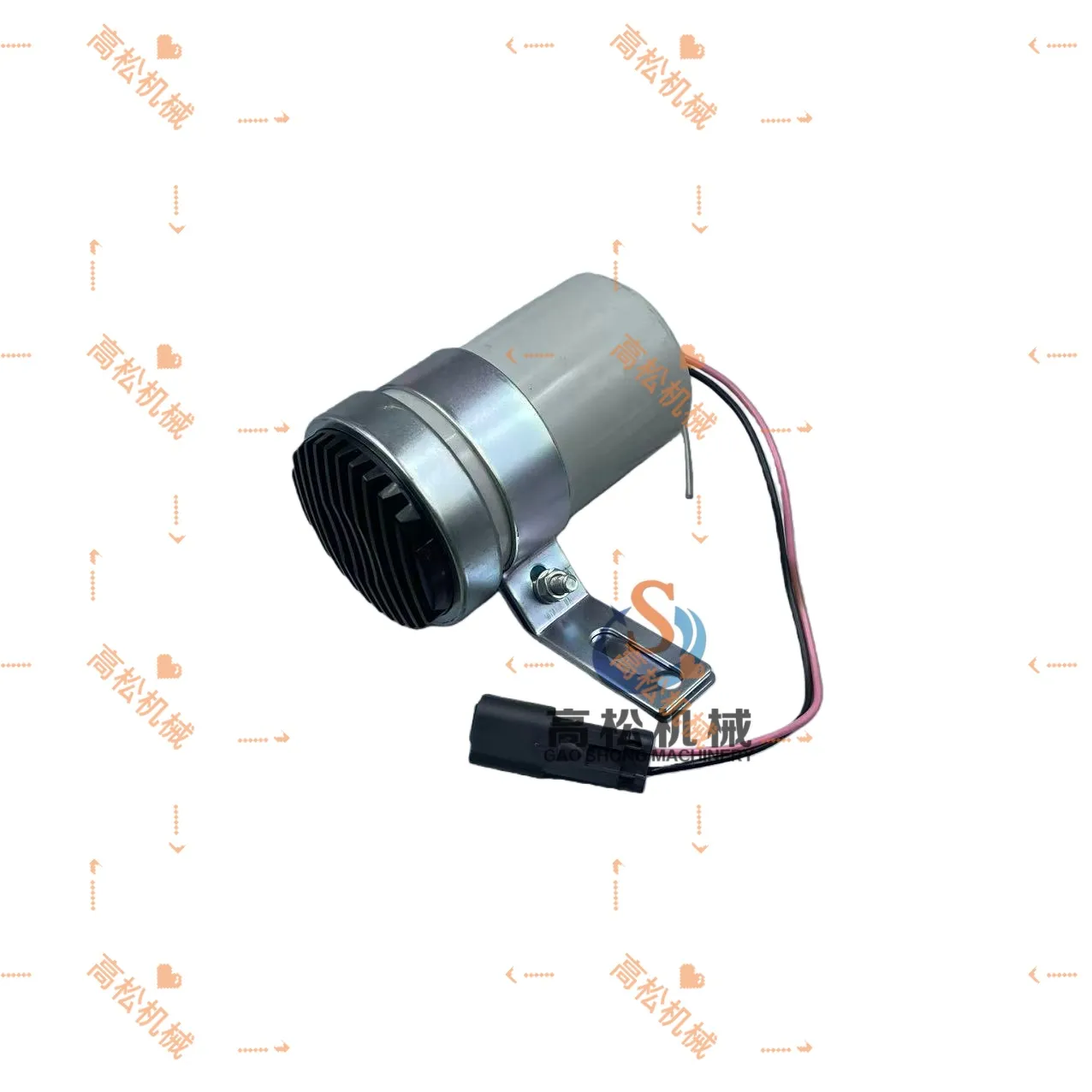 198-06-56570 BUZZER KOMATSU parts D155AX, D275A, D275AX, D375A, D475A, D475ASD, D85EX, D85MS, D85PX, DRAWBAR
 -
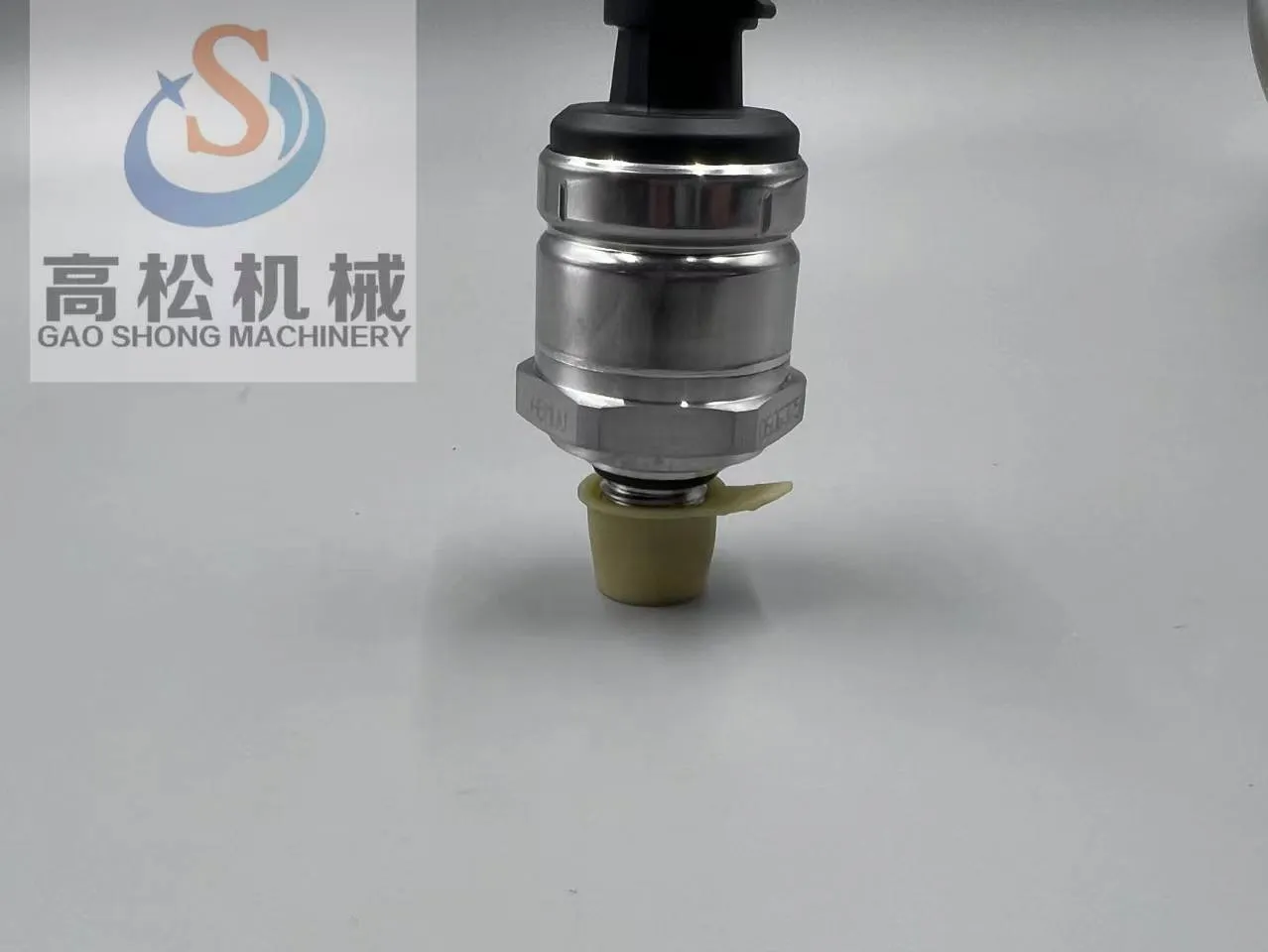 New fuel adjustment sensor sa6d170e-3 6560-51-6201 for komatsu heavy machinery spare parts
 -
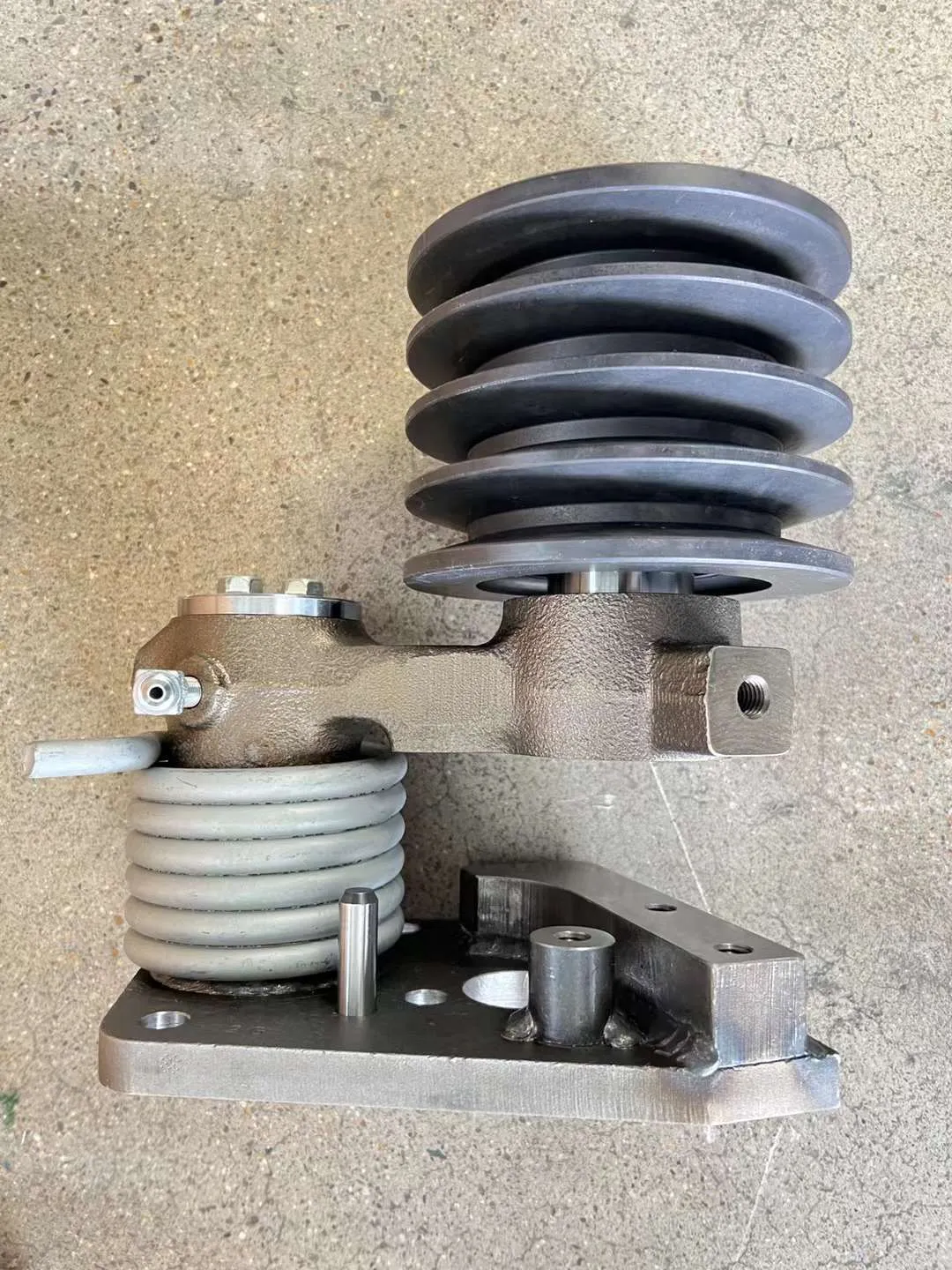 HD465-7R Tension Assembly 6245-61-3901