
- Chinese
- French
- German
- Portuguese
- Spanish
- Russian
- Japanese
- Korean
- Arabic
- Irish
- Greek
- Turkish
- Italian
- Danish
- Romanian
- Indonesian
- Czech
- Afrikaans
- Swedish
- Polish
- Basque
- Catalan
- Esperanto
- Hindi
- Lao
- Albanian
- Amharic
- Armenian
- Azerbaijani
- Belarusian
- Bengali
- Bosnian
- Bulgarian
- Cebuano
- Chichewa
- Corsican
- Croatian
- Dutch
- Estonian
- Filipino
- Finnish
- Frisian
- Galician
- Georgian
- Gujarati
- Haitian
- Hausa
- Hawaiian
- Hebrew
- Hmong
- Hungarian
- Icelandic
- Igbo
- Javanese
- Kannada
- Kazakh
- Khmer
- Kurdish
- Kyrgyz
- Latin
- Latvian
- Lithuanian
- Luxembou..
- Macedonian
- Malagasy
- Malay
- Malayalam
- Maltese
- Maori
- Marathi
- Mongolian
- Burmese
- Nepali
- Norwegian
- Pashto
- Persian
- Punjabi
- Serbian
- Sesotho
- Sinhala
- Slovak
- Slovenian
- Somali
- Samoan
- Scots Gaelic
- Shona
- Sindhi
- Sundanese
- Swahili
- Tajik
- Tamil
- Telugu
- Thai
- Ukrainian
- Urdu
- Uzbek
- Vietnamese
- Welsh
- Xhosa
- Yiddish
- Yoruba
- Zulu
- Kinyarwanda
- Tatar
- Oriya
- Turkmen
- Uyghur






komatsu d85 engine
When you hear 'Komatsu D85 engine', most guys immediately think of the S6D125 or the later SAA6D125E. That's fair, but it's also where the oversimplification starts. The engine isn't just a part number you order; it's a system that lives and breathes with the machine's hydraulics and undercarriage. I've seen too many rebuilds fail because the focus was solely on the power block, ignoring how it talks to the Komatsu TORQFLOW transmission or the pump drives. The real story isn't in the specs sheet; it's in the oil analysis, the unusual exhaust patterns during cold starts in a quarry, and the specific torque curve needed for a ripping application versus straight dozing.
The Heart of the Matter: S6D125 Realities
Let's get concrete. The Komatsu D85 engine, the S6D125, is a 12.5-liter workhorse. But calling it 'bulletproof' is a disservice. It's robust, yes, but it has its quirks. The cylinder head design, for instance. We had a batch in Southeast Asia where the heads were cracking between valves on machines used in constant, high-load ripping. It wasn't a universal flaw, but a specific failure mode under a specific stress. Komatsu's bulletins eventually addressed it, but on the ground, we were swapping heads long before the official service update landed.
The turbocharger integration is another point. It's not an isolated component. A failing turbo on this engine doesn't just mean loss of power; it sends debris downstream in a way that can quickly compromise the entire air intake and aftercooler system. I learned to check the aftercooler core for oil residue as a first diagnostic step, not the last. It tells you more about the turbo's health history than the turbo itself sometimes.
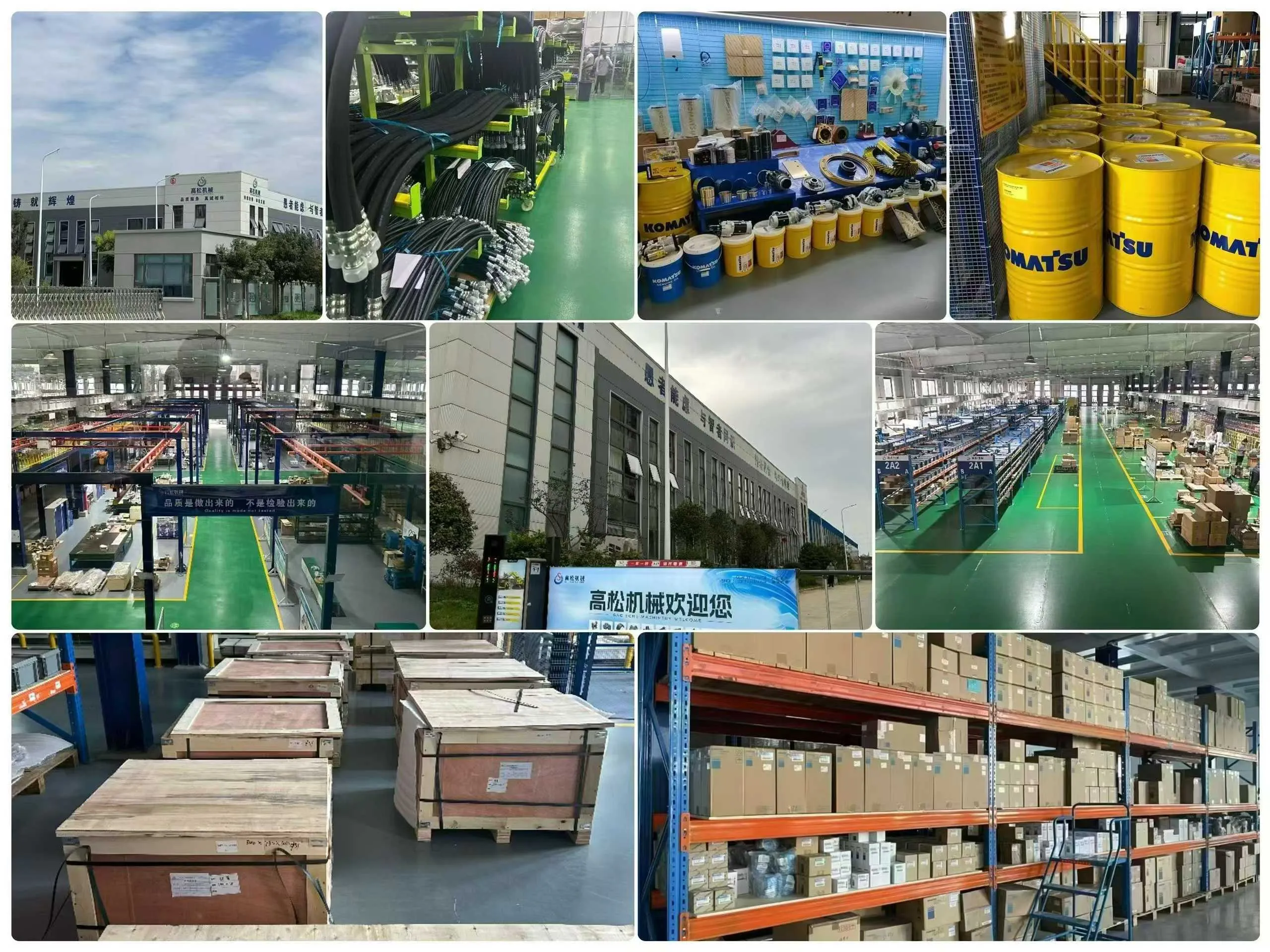
And then there's the fuel system. The older mechanical injection pumps were actually more forgiving of questionable fuel quality than the later electronic-controlled units. When you're sourcing parts for a D85-18 or a D85A-21 in a region with supply chain issues, knowing which pump generation you have is critical. A mis-match here won't just cause poor performance; it can lead to catastrophic piston failure due to incorrect timing. This is exactly the kind of supply challenge a company like Jining Gaosong Construction Machinery Co., Ltd. understands. As an OEM supplier within the Komatsu system, they bridge that gap, ensuring you get the correct, genuine pump assembly for your specific serial number range, not just a 'D85 engine pump'.
Cooling System: The Silent Saboteur
If I had to pick one system that kills more D85 engines prematurely, it's the cooling system. It's never just a 'bad radiator'. On a bulldozer, the radiator is constantly fighting mud, dust, and chaff. But the real issue is often the water pump's flow rate relative to the fan clutch engagement. A weak fan clutch that engages too late lets coolant temperatures spike briefly during high-load cycles. You might not see it on the gauge if it's momentary, but over hundreds of hours, it thermally fatigues the head gasket and cylinder liners.
We did a post-mortem on an engine from a mining site that had overheated 'once'. The head was warped, sure. But the interesting find was cavitation pitting on the wet liner sleeves. That points to a long-term issue with coolant chemistry and pressure cycles, likely from those small, unregistered temperature spikes. The fix wasn't just a new head gasket and head machining. It involved a full cooling system overhaul: testing the fan clutch engagement curve, flushing the block with a proper cleaner to remove silicate dropout from the old coolant, and installing a proper SCA (Supplemental Coolant Additive) filter. The parts list for that repair came from a mix of local stock and specific items sourced through a third-party specialist like Takematsu Machinery, which is the operational face of Jining Gaosong, especially for solving parts challenges in complex markets.
This is where the practical knowledge matters. The official manual says 'replace coolant'. It doesn't always elaborate on the complete chemical flush needed when switching from one coolant type to another, which is common when you're piecing together a supply chain. Getting that wrong can gel up the system and take out the new engine in under 50 hours.
Parts Sourcing: Genuine, OEM, and the Grey Zone
This is the daily grind. The term 'OEM product supplier within the Komatsu system' that describes Jining Gaosong is crucial. It means they produce or supply components that meet Komatsu's engineering drawings and material specs. This is different from a pure aftermarket part. For a Komatsu D85 engine, think cylinder kits, gasket sets, maybe oil cooler cores. These are parts where the material science and tolerances are non-negotiable.
Then there's the 'third-party sales' role. This isn't about selling counterfeit parts. It's about logistics and availability. Say you need a connecting rod for an S6D125 in a remote location. The official channel might have a 12-week lead time. A company functioning as a third-party sales arm can often locate that genuine or OEM-approved part within the global network and facilitate its movement, effectively solving the supply challenge. Their website, https://www.takematsumachinery.com, often serves as a portal for this kind of specific inquiry, beyond just a catalog.
I've been burned using non-OEM cylinder liners on a rebuild. The hardness was off. They wore in prematurely, leading to excessive blow-by and oil consumption within 800 hours. The cost saved on the parts was wiped out tenfold by the rework labor and downtime. Now, for non-critical items like certain brackets or bolts, maybe you can go broader. But for the core rotating assembly and anything fuel- or coolant-related, the OEM path through a trusted supplier is the only sane choice.
Field Diagnostics: Listening to the Machine
Manuals don't teach you this. A healthy D85 at high idle has a specific, steady exhaust note. A slight, rhythmic puff—almost a miss—can indicate an injector beginning to stick, long before power loss is noticeable. Another trick: using an infrared thermometer on the exhaust manifold at each port right after shutdown. A significantly cooler runner points to a dead cylinder. Is it fuel? Compression? A simple test before you tear anything down.
We had a case with a D85E-21 where the machine had low power but good compression and fuel delivery. The problem was traced back to a slightly collapsed air intake hose between the aftercooler and the intake manifold. It wasn't torn, just soft and sucking in slightly under full boost. The engine was essentially suffocating at full load. Data logging showed a minor but critical deviation in boost pressure. This kind of problem solving requires thinking of the engine as an air pump first and foremost.
These experiences shape what parts you keep on the shelf and what you need to source urgently. It also informs what you look for in a supplier. You need someone who understands that a request for 'D85 engine parts' could mean anything from a valve spring to a complete turbo assembly, and has the technical backend to ask the right follow-up questions: serial number, application, observed symptoms. That's the professional service model.
The Long Game: Lifecycle and Rebuild Considerations
Nobody plans for a catastrophic failure, but you should plan for the rebuild. When the Komatsu D85 engine comes out for a major overhaul, it's the best time to address systemic issues. This is where partnership with a knowledgeable supplier pays off. Do you upgrade to the latest iteration of the piston ring set that addresses known oil consumption issues? Does the block need line boring, or can you get away with just new bearings? The answer depends on oil sample history and teardown measurements.
One failed experiment we tried was using a generic, non-Komatsu hydraulic pump drive seal during a rebuild. It fit, physically. But it wore out in 200 hours because the material wasn't compatible with the specific rotational speed and heat of that drive flange. Downtime again. The lesson was that even peripheral seals on the engine block need to be to spec. It reinforced the value of using a source that specializes in the Komatsu ecosystem, like the entity behind Takematsu Machinery, which grasps these interdependencies.
Ultimately, managing a D85 engine is about respecting its integrated design while being brutally pragmatic about maintenance. It's not a mystery, but it demands attention to detail that goes far beyond the basic service intervals. Your parts supply chain isn't just a vendor list; it's a critical part of your diagnostic and planning capability. Getting the right component, with the right pedigree, at the right time, is what separates a machine that runs for 15,000 hours from one that gets scrapped at 8,000.
Related Products
Related Products

Best Selling Products
Best Selling Products-
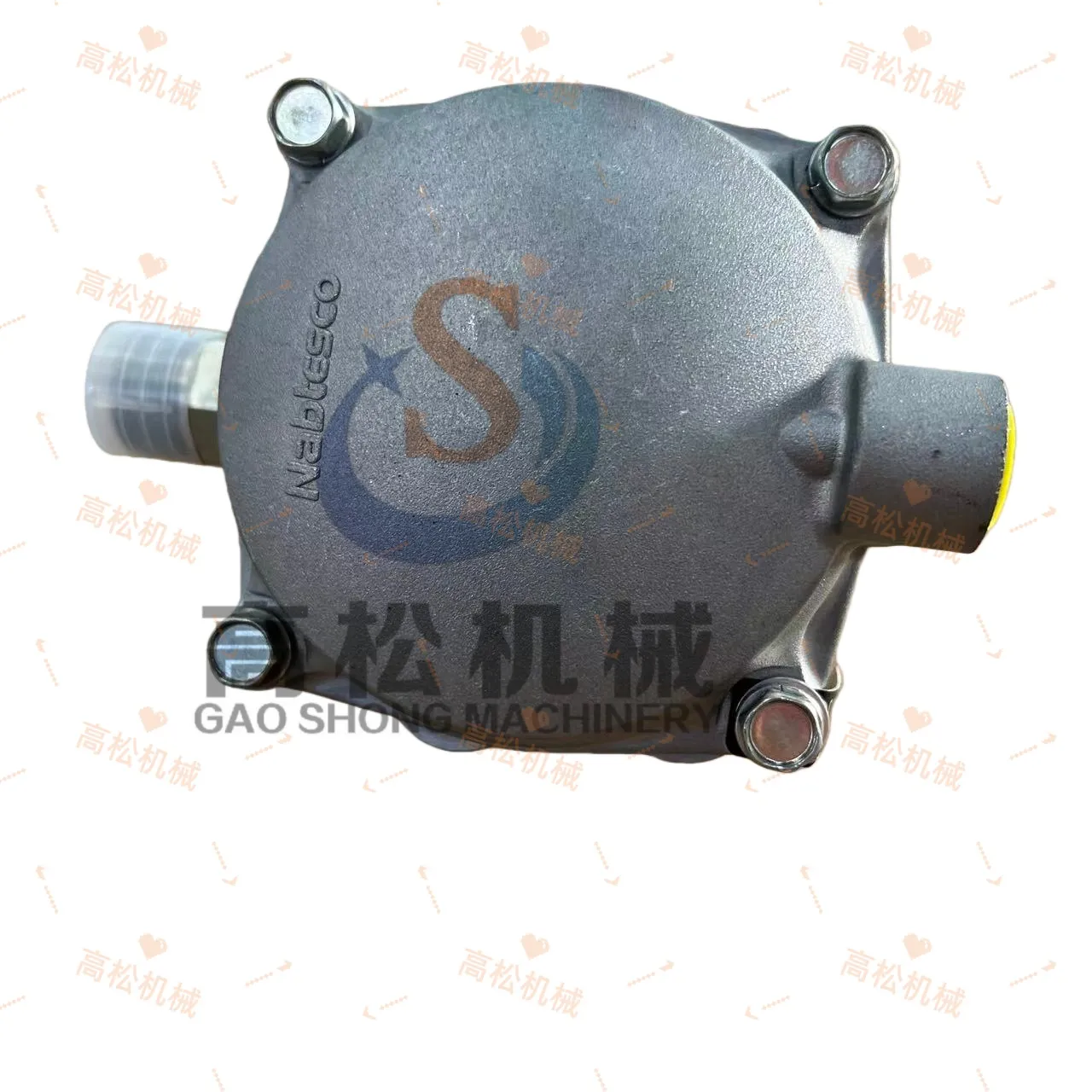 Komatsu HD785-5 Relay Valve 565-44-11200
 -
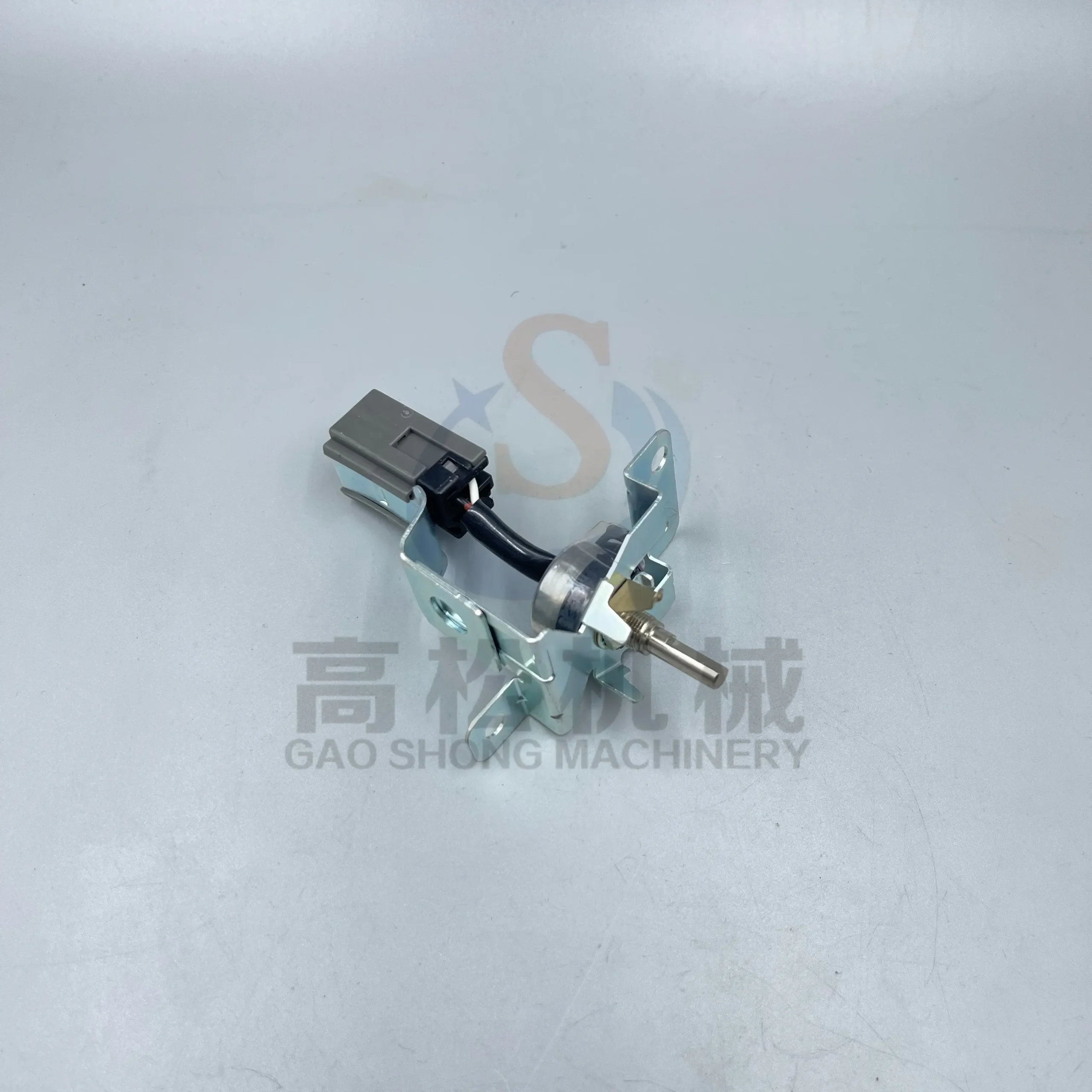 Throttle Knob 22U-06-22420
 -
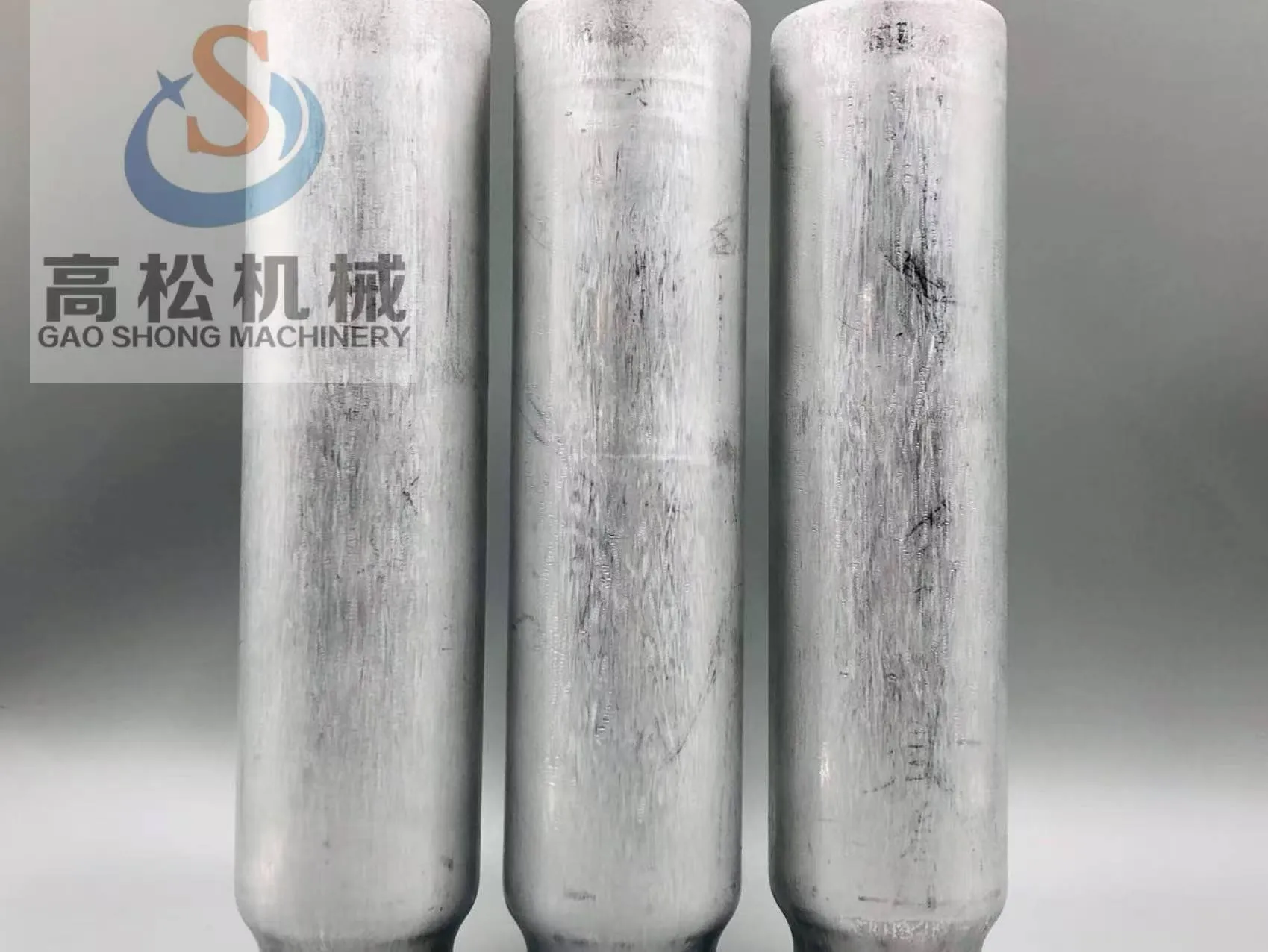 Air conditioning receiver dryer 20Y-979-3120 suitable for Komatsu
 -
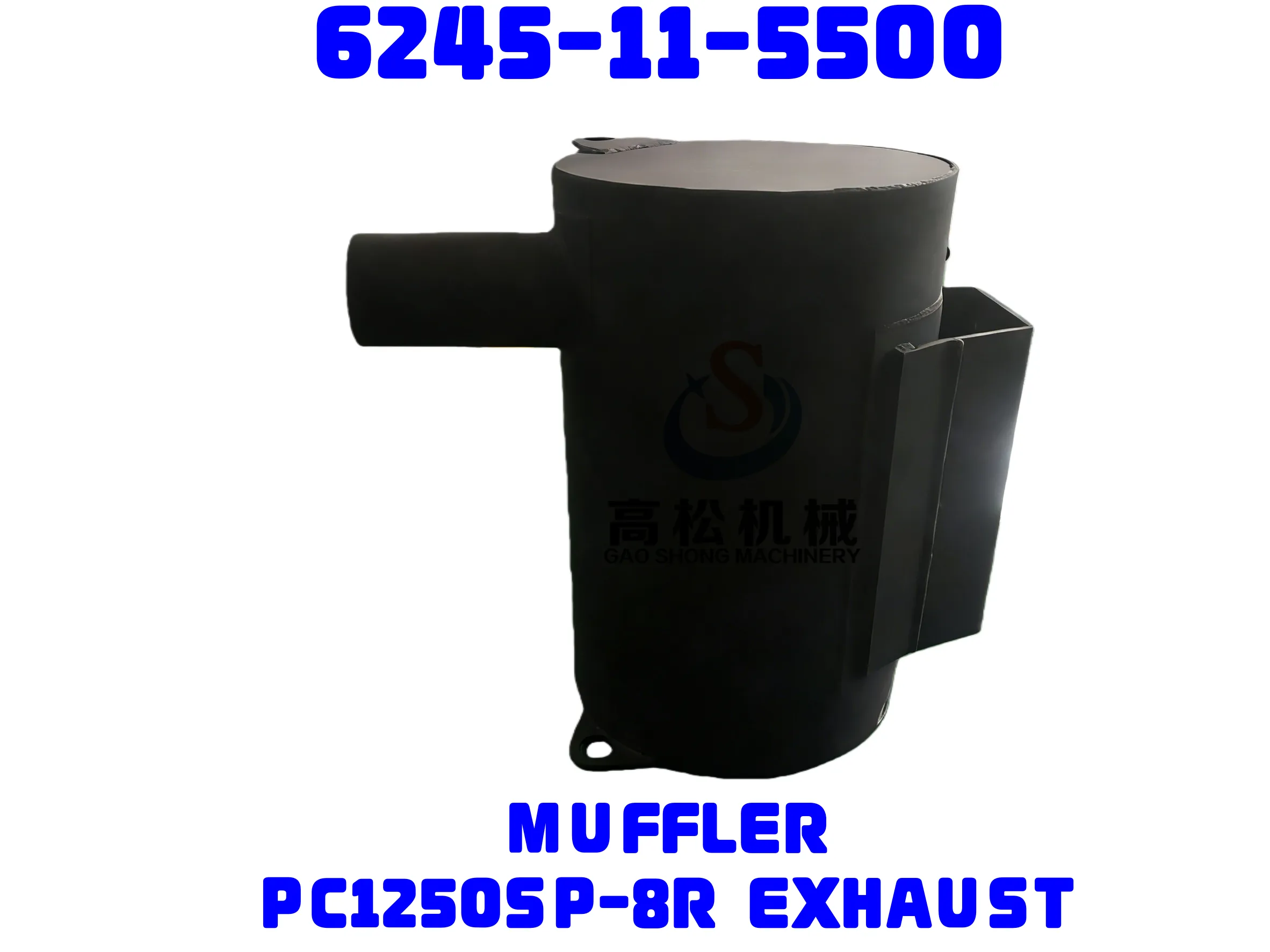 komatsu-part-6245-11-5500 MUFFLER PC1250-8R SAA6D170E-5CR MUFFLER MOUNTING (TROPICAL GROUND SPEC. 55ЯC EXHAUST (+55C SPEC.) EXHAUST MUFFLER
 -
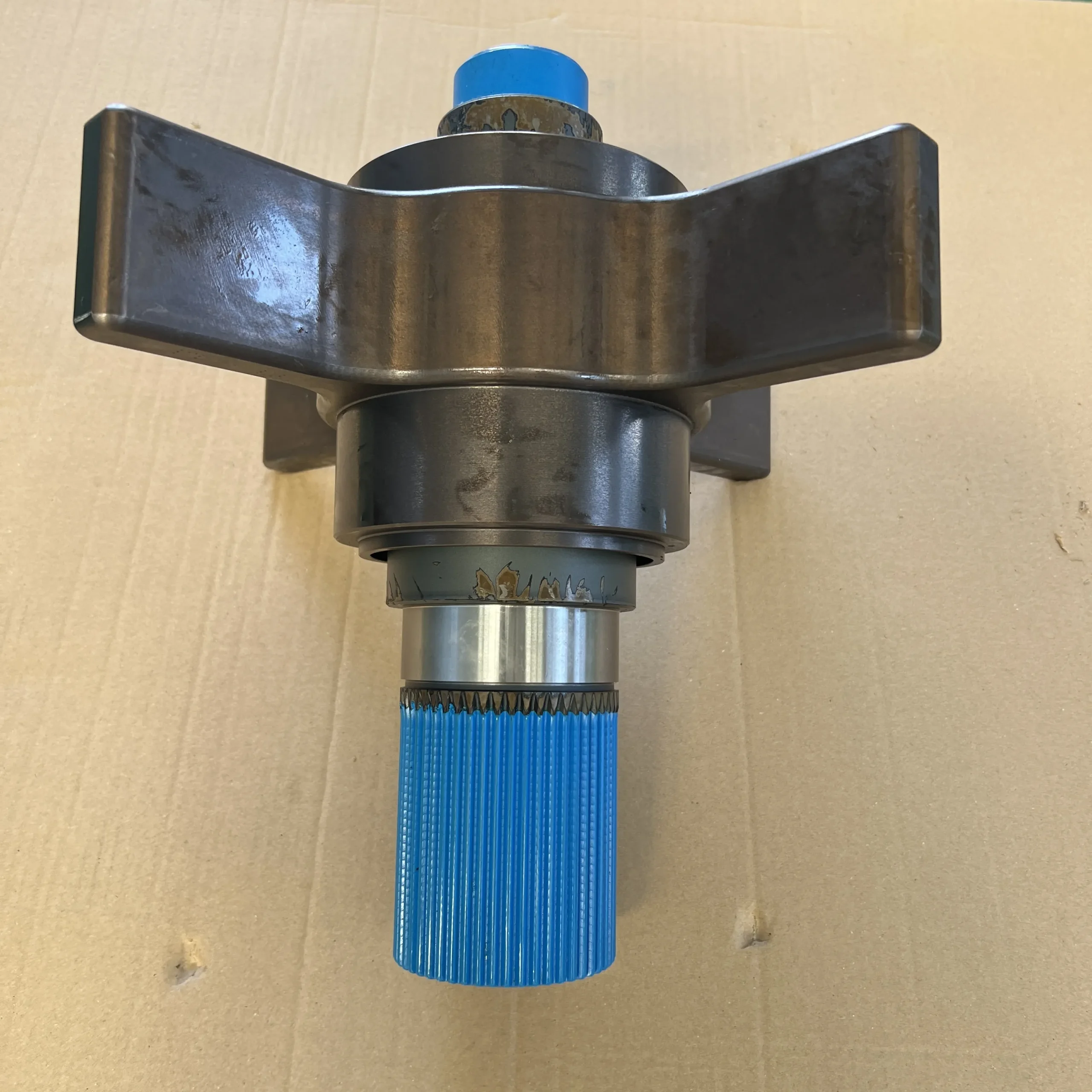 Shaft 569-01-72600 for Komatsu HD465-7
 -
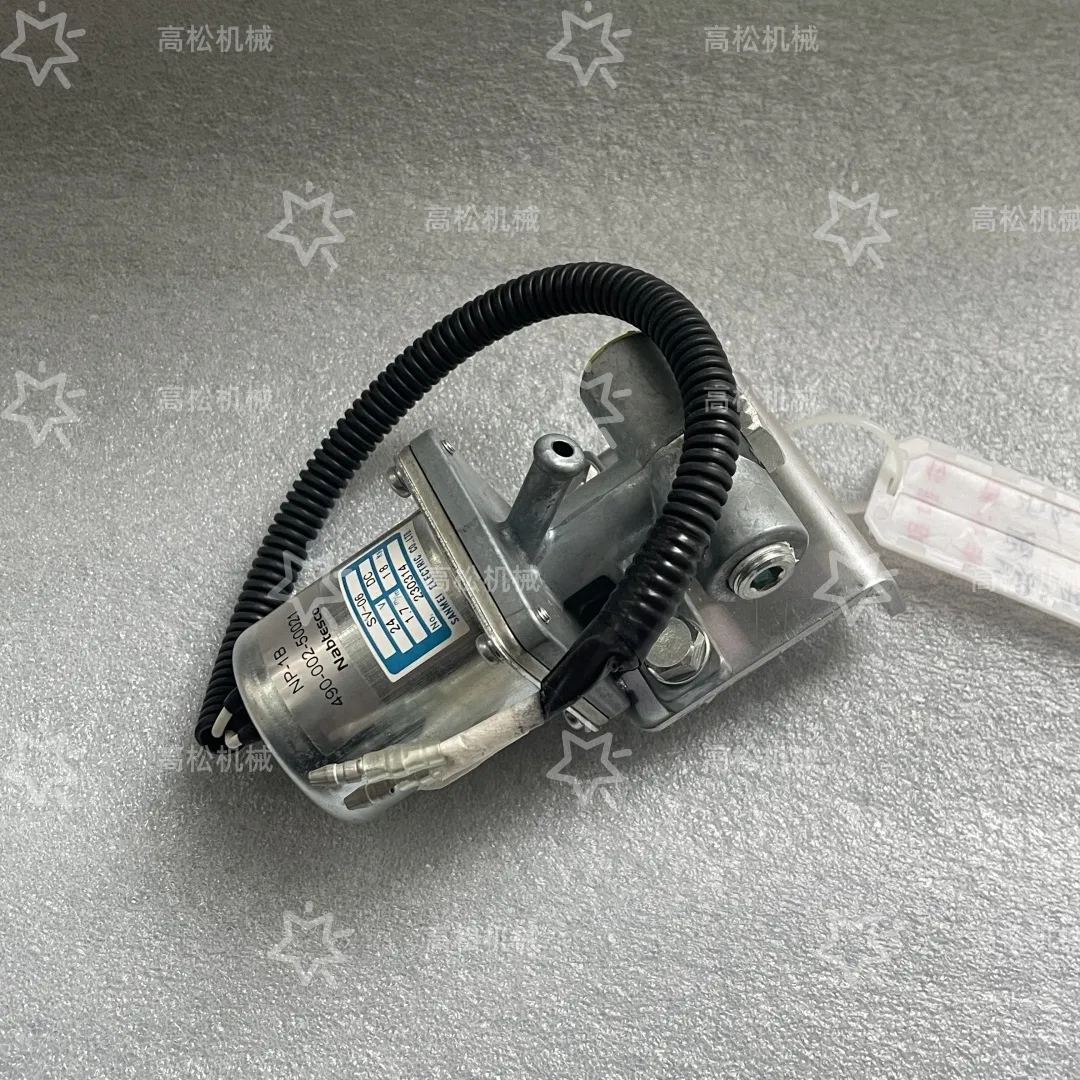 234-44-61430SOLENOID VALVE 234-44-61430 BANK CUTTING CONTROL PIPING AUTO TRANSMISSION SPEC for GD705/825
 -
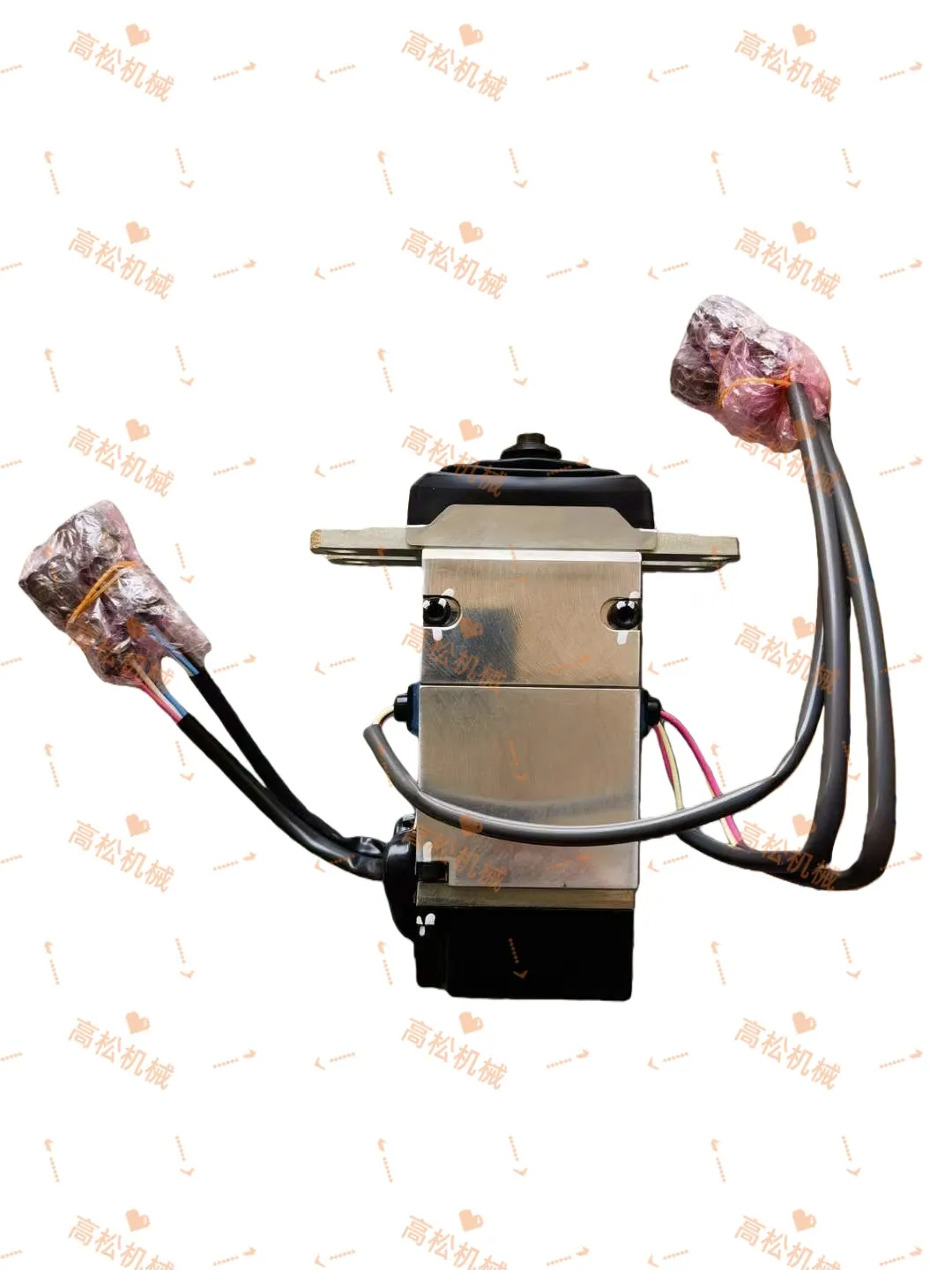 Komatsu Control lever 702-16-02144 for Wheel loader WA480-5H
 -
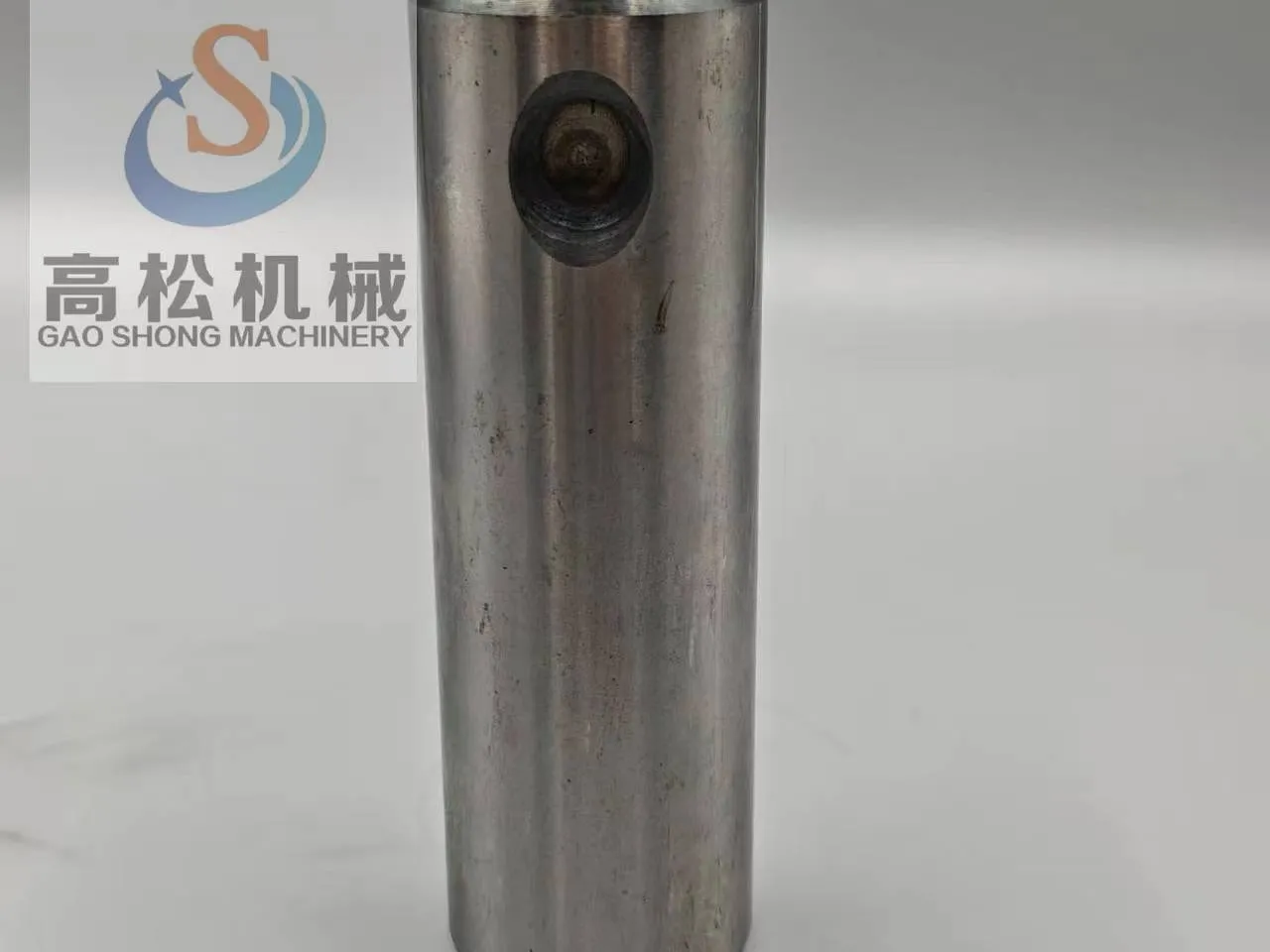 Komatsu Pin, 20Y-27-31160 Komatsu Sales, 20Y-27-31160
 -
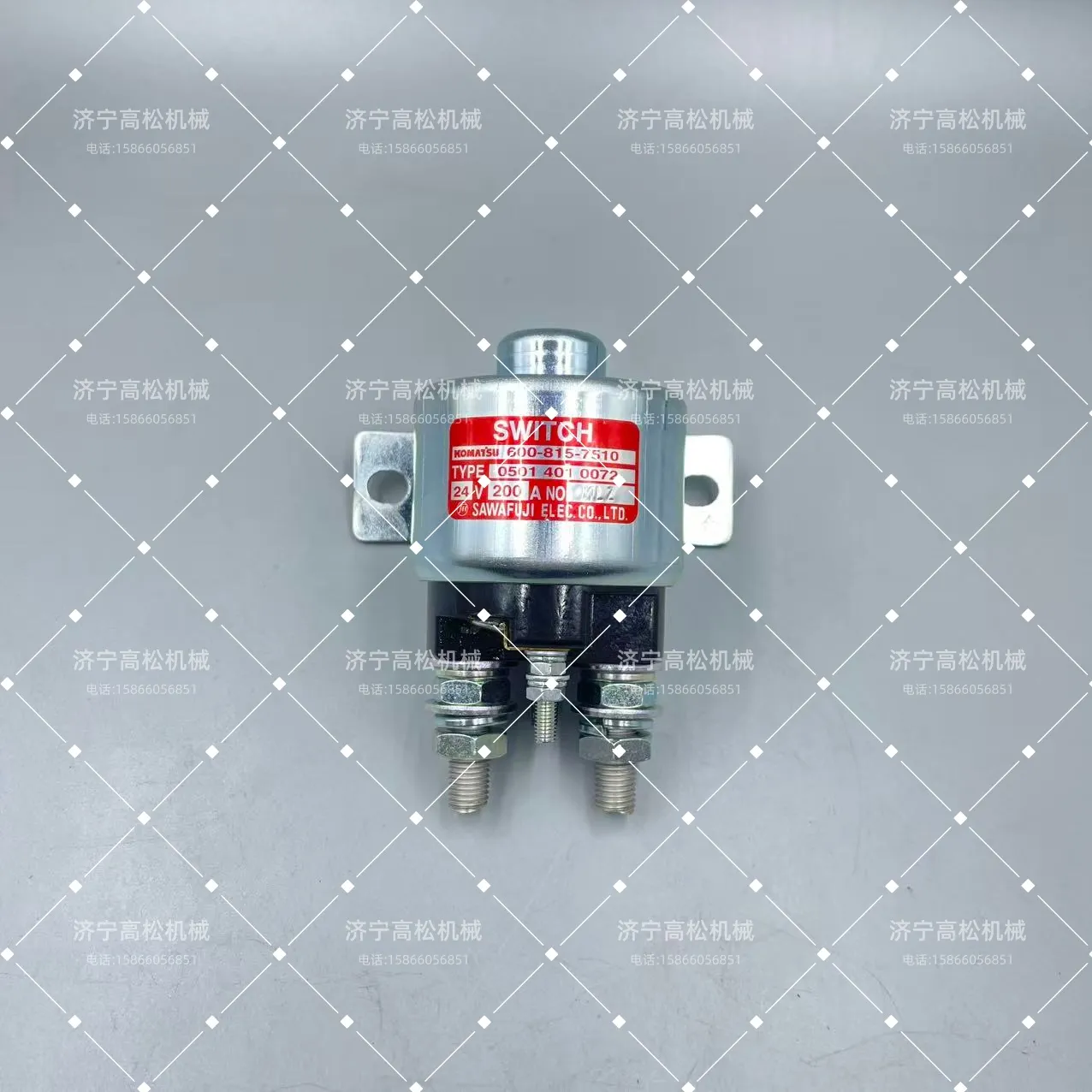 Accessories D375A-5 Switch Heater 600-815-7510 6008157510…
 -
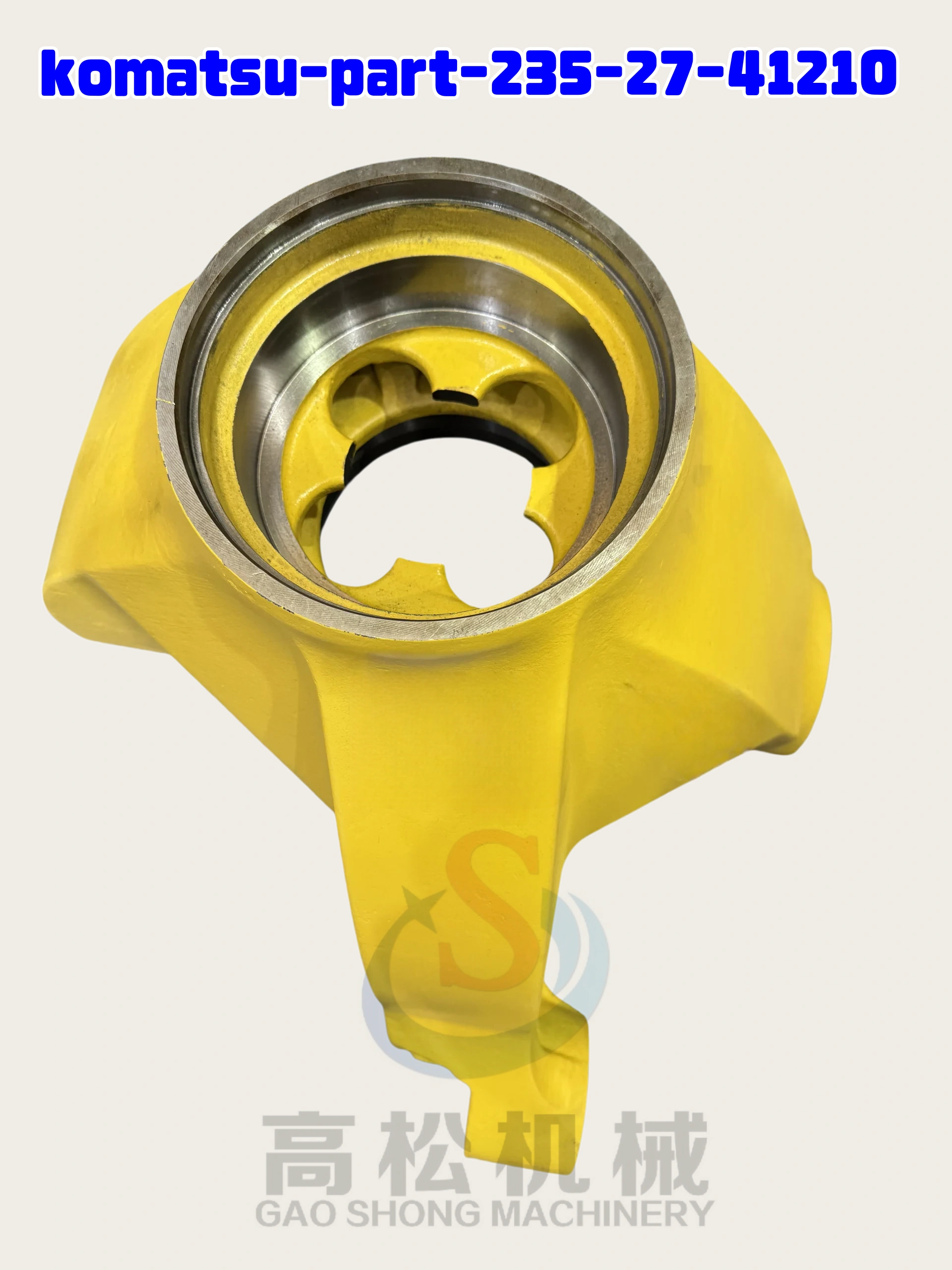 komatsu-part-235-27-41210 HOUSING,L.H. GD825A-2 GD825A-2E0 FRONT AXLE
 -
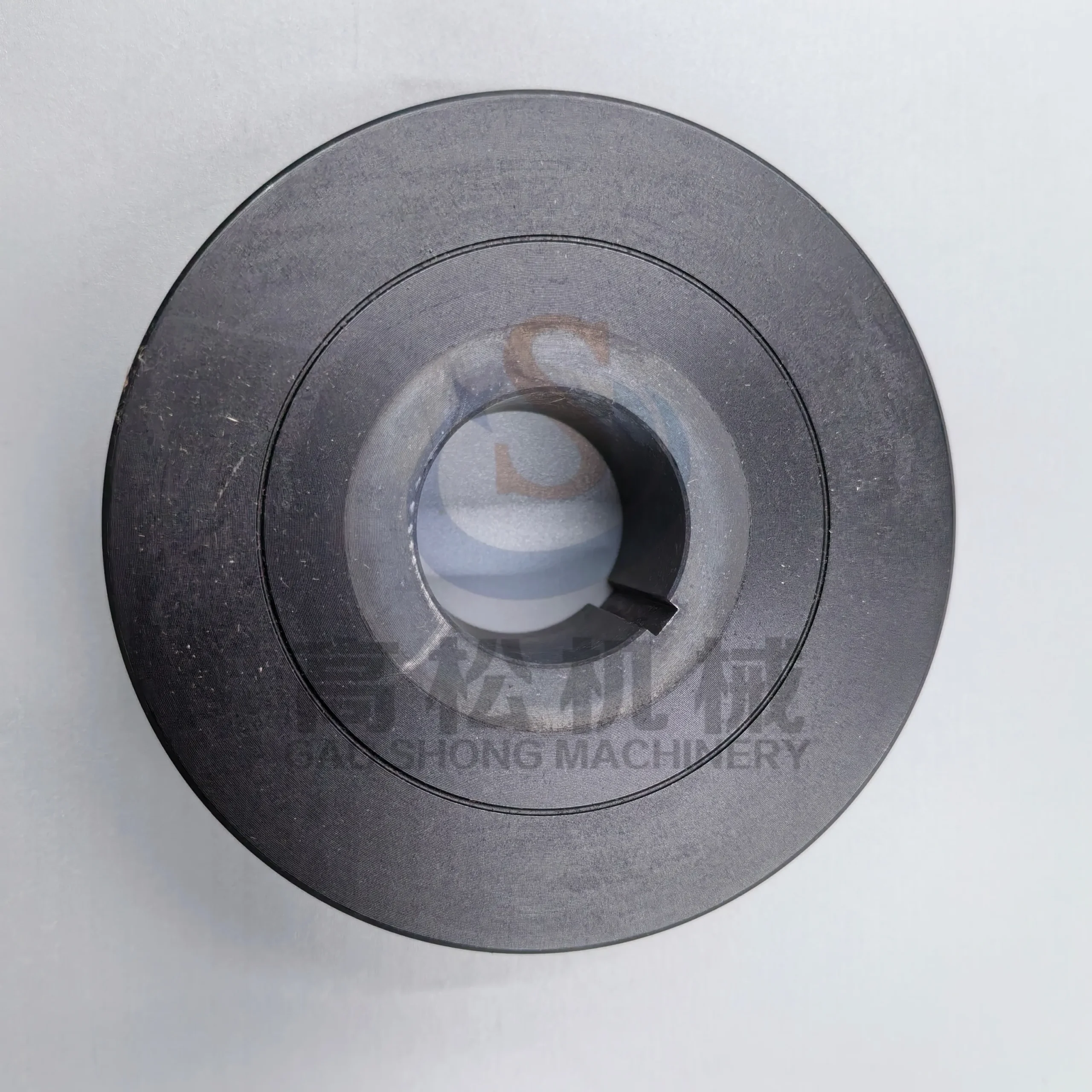 PULLEY – KD0-35411-0854
 -
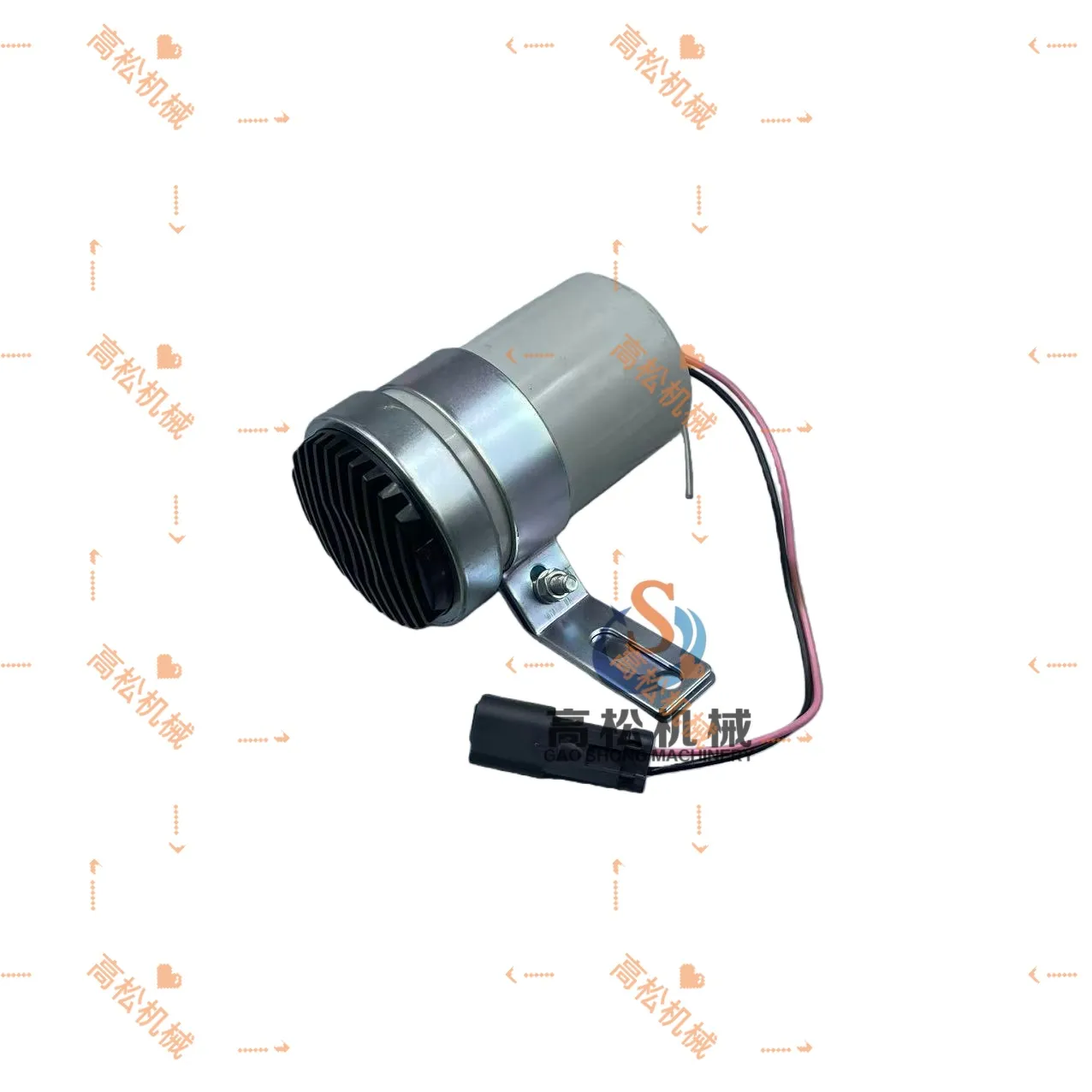 198-06-56570 BUZZER KOMATSU parts D155AX, D275A, D275AX, D375A, D475A, D475ASD, D85EX, D85MS, D85PX, DRAWBAR