
- Chinese
- French
- German
- Portuguese
- Spanish
- Russian
- Japanese
- Korean
- Arabic
- Irish
- Greek
- Turkish
- Italian
- Danish
- Romanian
- Indonesian
- Czech
- Afrikaans
- Swedish
- Polish
- Basque
- Catalan
- Esperanto
- Hindi
- Lao
- Albanian
- Amharic
- Armenian
- Azerbaijani
- Belarusian
- Bengali
- Bosnian
- Bulgarian
- Cebuano
- Chichewa
- Corsican
- Croatian
- Dutch
- Estonian
- Filipino
- Finnish
- Frisian
- Galician
- Georgian
- Gujarati
- Haitian
- Hausa
- Hawaiian
- Hebrew
- Hmong
- Hungarian
- Icelandic
- Igbo
- Javanese
- Kannada
- Kazakh
- Khmer
- Kurdish
- Kyrgyz
- Latin
- Latvian
- Lithuanian
- Luxembou..
- Macedonian
- Malagasy
- Malay
- Malayalam
- Maltese
- Maori
- Marathi
- Mongolian
- Burmese
- Nepali
- Norwegian
- Pashto
- Persian
- Punjabi
- Serbian
- Sesotho
- Sinhala
- Slovak
- Slovenian
- Somali
- Samoan
- Scots Gaelic
- Shona
- Sindhi
- Sundanese
- Swahili
- Tajik
- Tamil
- Telugu
- Thai
- Ukrainian
- Urdu
- Uzbek
- Vietnamese
- Welsh
- Xhosa
- Yiddish
- Yoruba
- Zulu
- Kinyarwanda
- Tatar
- Oriya
- Turkmen
- Uyghur






komatsu d65e engine
When someone mentions the Komatsu D65E engine, the first thing that often comes to mind is just the raw power unit, maybe the S6D125 or a similar model number. But that's where the common oversimplification starts. In the field, the engine isn't an island; its performance, longevity, and the headaches it can cause are deeply tied to the machine's history, the specific serial number range, and what's been replaced or neglected over a 20,000-hour lifespan. I've seen too many mechanics order a D65E engine kit only to find half the components don't match the block sitting in their yard because someone, years ago, swapped in a pump from a D65P. The engine is the heart, but you diagnose the whole patient.
Beyond the Nameplate: Serial Numbers and Real-World Variations
The official specs list horsepower and torque, sure. But the practical truth is, no two D65E engines age the same. The early 90s models with the mechanical injection pumps had a different set of failure points compared to the later ones with more electronic control on the governor. I remember a unit from '94 that kept burning through turbochargers. The books said check oil supply, check the usual suspects. After the third turbo, we finally traced it to a tiny, almost imperceptible crack in the block's internal oil gallery, a casting flaw specific to a very narrow production run. It wasn't in any common service bulletin. You only learn that by tearing down enough of them and comparing notes.
This is where having a reliable parts conduit matters. Chasing down obscure, out-of-production gaskets or a specific iteration of a crankshaft gear for these older models can halt a project for weeks. Companies that operate within the Komatsu ecosystem, like Jining Gaosong Construction Machinery Co., Ltd., fill a critical niche here. As an OEM product supplier within the Komatsu system, they understand these serial number breakpoints. Their website, takematsumachinery.com, isn't just a catalog; for a pro, it's a potential lifeline to parts that aren't on the shelf at the local dealer, especially when you're working in regions where the official supply chain is thin.
The fuel system is another classic example of variation. The transition from all-mechanical to electronically controlled unit injectors (on later models) created a knowledge gap. A mechanic brilliant on the old systems might misdiagnose a low-power complaint on a newer engine as a pump issue, when it's really a failing sensor on the injection control rail. The symptom is similar, the cure is completely different. You have to know which animal you're dealing with before you even open the toolbox.
The Overlooked Killers: Heat and Contamination
Everyone fears the big bang – a thrown rod, a cracked piston. But in my experience, the Komatsu D65E engine is usually killed slowly by two things: chronic overheating and persistent contamination. The cooling system on these machines is robust, but it's often the first system to be neglected. A partially clogged radiator from dirt and chaff doesn't show up until you're working the machine on a slope in high ambient temps. The engine doesn't seize; it just slowly loses cylinder head gasket integrity. You see minor coolant loss, maybe some slight bubbling in the expansion tank. Ignore it, and you're looking at a warped head and a full rebuild.
Contamination is a subtler art. It's not just about changing the oil and filters on schedule. It's about the quality of the air filter element and the integrity of the seals on the filter housing. I've seen a machine with perfect service records develop excessive ring wear because a cheap, aftermarket air filter had slightly less pleat area and a weaker gasket, allowing unfiltered air to seep in during high-demand cycles. The dust in some mining or demolition applications is so fine it acts as a grinding compound. The OEM filters from a trusted supplier are designed for that specific air flow and sealing surface. Cutting corners here costs ten times the filter price in engine wear.
This ties back to the value of a specialist supplier. A company like Jining Gaosong, which positions itself as helping to solve parts supply challenges in certain countries, isn't just selling a box. They're often the source for those genuine, Komatsu-spec filters and cooling system components that prevent these slow-death scenarios. When you're three days from a paved road, the right part isn't a commodity; it's insurance.
A Case in Point: The Turbocharger Saga
Let me walk through a specific headache. A D65E-12, mid-2000s model, came in with complaints of black smoke and lack of power. Basic checks showed good compression, decent fuel delivery. The turbocharger spooled up, but boost pressure was low and erratic. The instinct is to blame the turbo. We replaced it with a quality reman unit. Problem improved for about 50 hours, then returned.
This is where the engine-as-a-system thinking kicks in. We started looking upstream and downstream. The exhaust manifold had a small, almost invisible crack on the underside – not enough to be loud, but enough to bleed off exhaust energy before it hit the turbine. The crack was likely the root cause that over-stressed the original turbo. But we also found the intercooler had internal fin separation, probably from vibration and age, reducing its efficiency. So, we had a compounding problem: less exhaust energy to drive the turbine, and then less efficient cooling of the charged air. The new turbo was struggling against a flawed system.
The fix wasn't just a turbo. It was the manifold, the intercooler, and all the associated gaskets. Sourcing a genuine manifold for that specific serial number was the hurdle. The local Komatsu dealer had a long lead time. We ended up going through a third-party specialist, the kind of operation Takematsu Machinery exemplifies, to get an OEM-grade part. It fit perfectly, and the machine has been running strong for two seasons now. The lesson? Never assume the most obvious component is the only problem.
Rebuilds and the Aftermarket Trap
So the engine is finally toast and needs a rebuild or a swap. This is a minefield. The aftermarket for Komatsu D65E engine parts is flooded with will-fit components of wildly varying quality. A piston might look identical but use a different alloy that expands at a different rate, leading to scuffing. A gasket set might be missing one critical seal for the oil cooler, and you don't realize it until you're reassembling.
I learned this the hard way early on. We used a complete rebuild kit from a non-OEM source for a D65E. The machine ran, but the oil pressure was always at the very bottom of the acceptable range, and it ran hotter. After a lot of diagnostics, we pulled it apart again. The main and rod bearings in the kit, while the correct dimensions, had slightly different oil groove patterns. They weren't channeling oil as effectively as the OEM design. The cost savings were wiped out by the second teardown and the lost machine availability.
Now, my rule is to use OEM or OEM-certified parts for the core rotating assembly and critical seals. For other components, it's a judgment call based on the machine's residual value and intended use. This is precisely the gap that a supplier operating within the Komatsu system can bridge. They aren't just a generic parts shop; they understand which components absolutely must be to original specification and where some alternatives might be acceptable for a budget-conscious, non-critical application. Their role as a third-party sales company for Komatsu means they have access to the right stuff when it counts.
Final Thoughts: It's a Machine, Not Just an Engine
Wrapping this up, the key takeaway on the Komatsu D65E engine is to resist the compartmentalized view. Its health is a direct report on the entire machine's maintenance history and operating environment. The best technical manual won't tell you about the specific vibration harmonic on a machine that's spent its life on a landfill compacting trash, and how that fatigues certain brackets.
The parts supply chain is an intrinsic part of the support ecosystem. For those outside major industrial hubs, or dealing with older, legacy equipment, having a reliable partner who understands the nuances of the Komatsu system is not a luxury; it's operational necessity. It's the difference between a machine being down for a week or down for a month.
So next time you hear that distinctive rumble of a D65E, listen closely. It's not just an engine running. It's a story of how it was cared for, what parts are inside it, and hopefully, it's a story with many chapters left to write. The goal is always to keep writing them, one properly sourced, correctly fitted part at a time.
Related Products
Related Products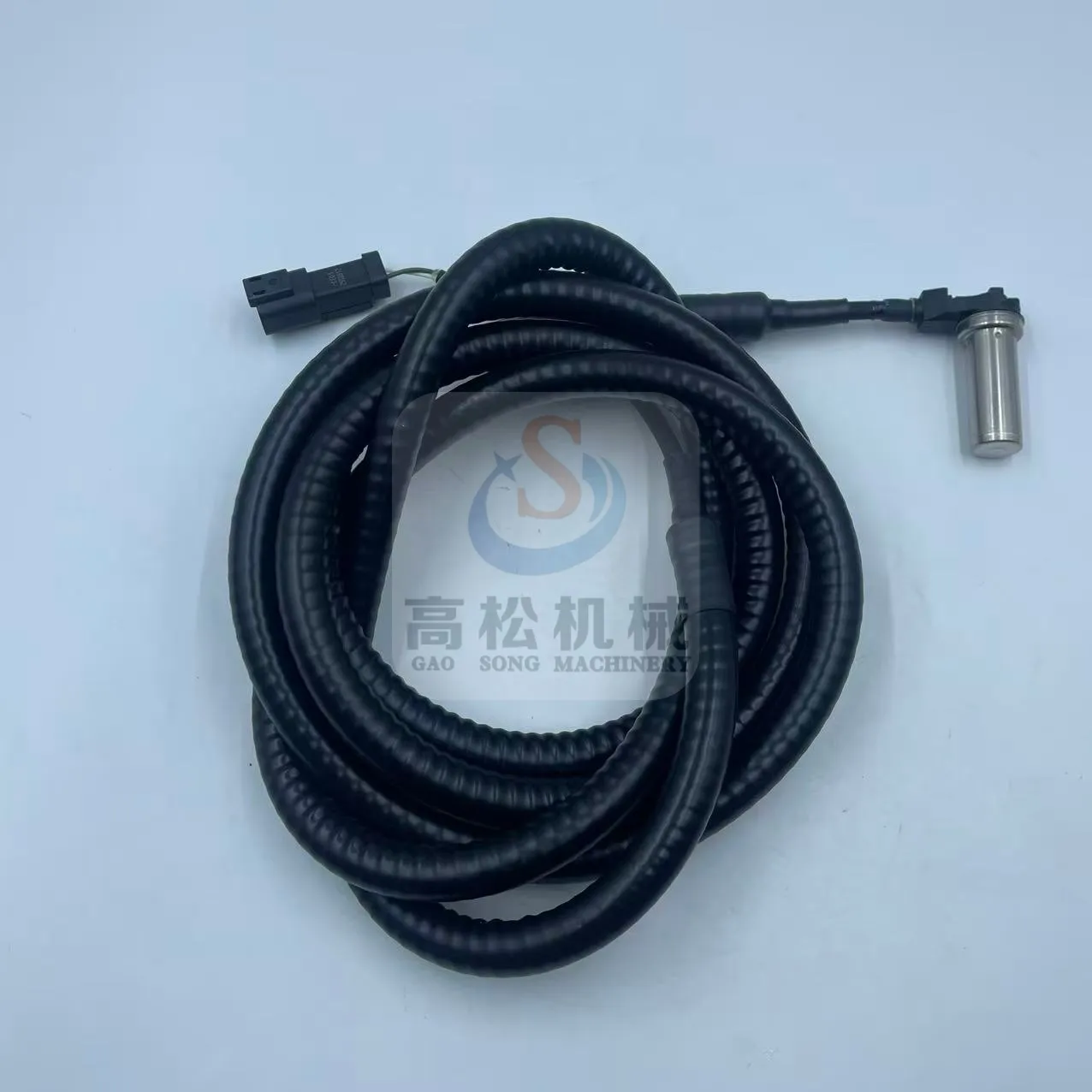
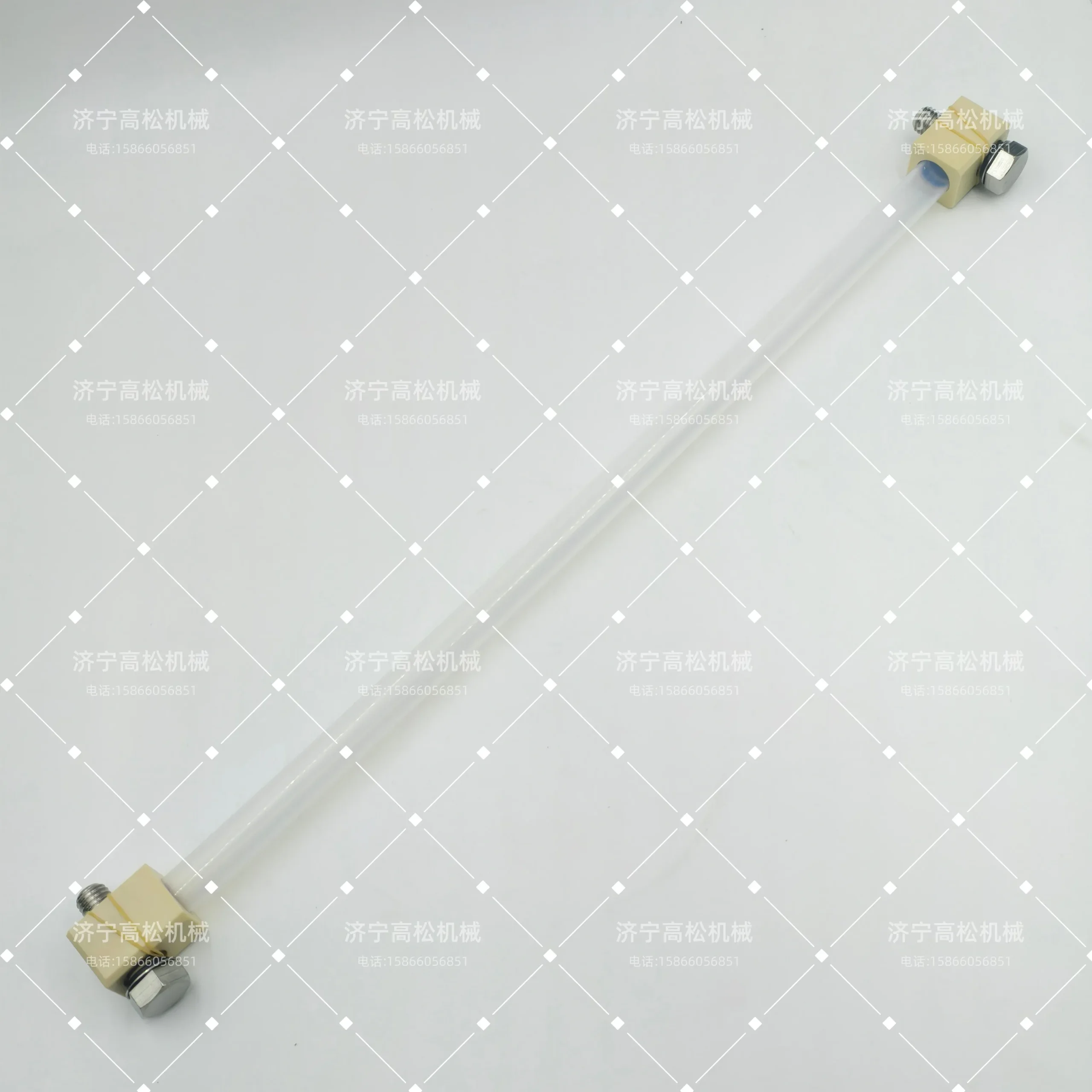
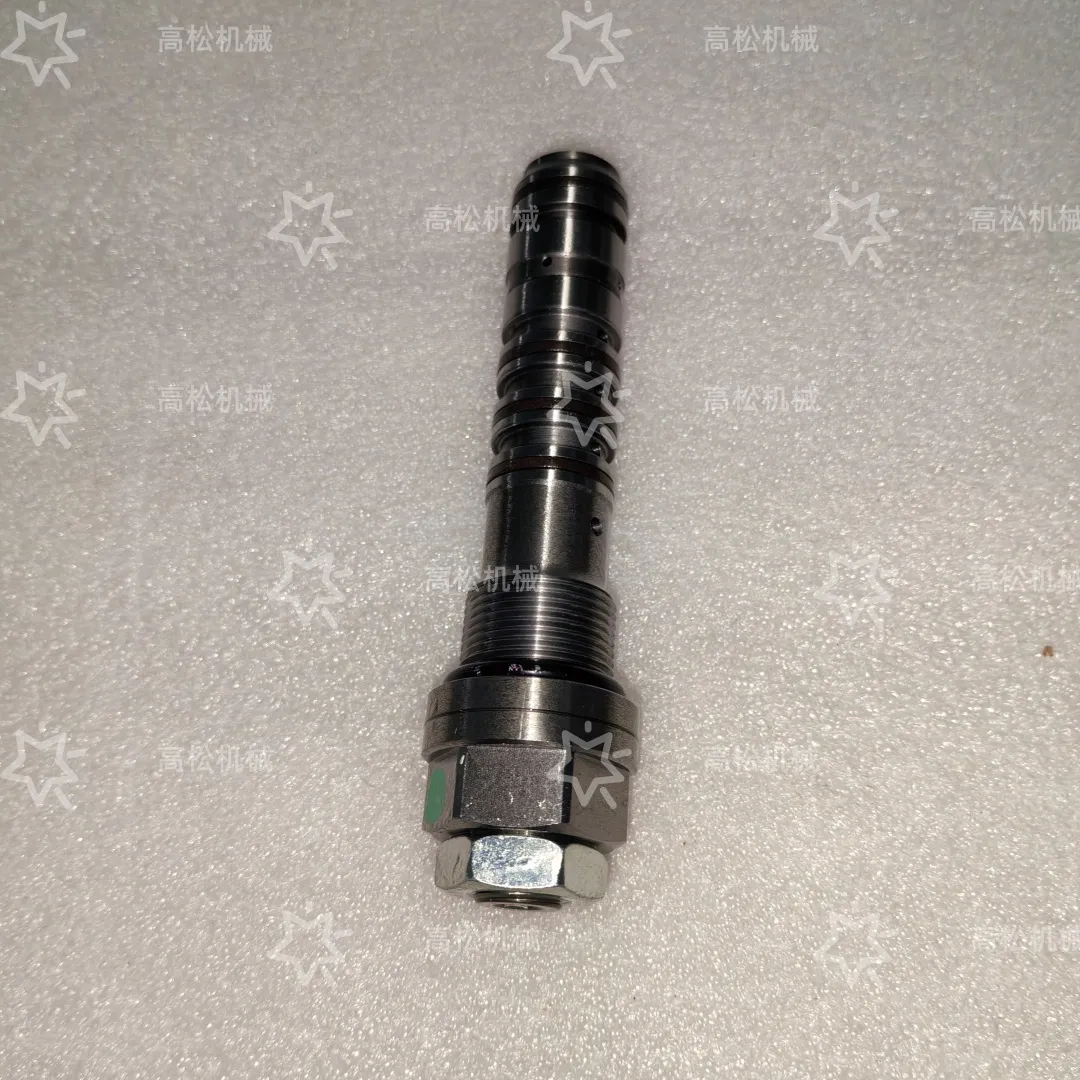
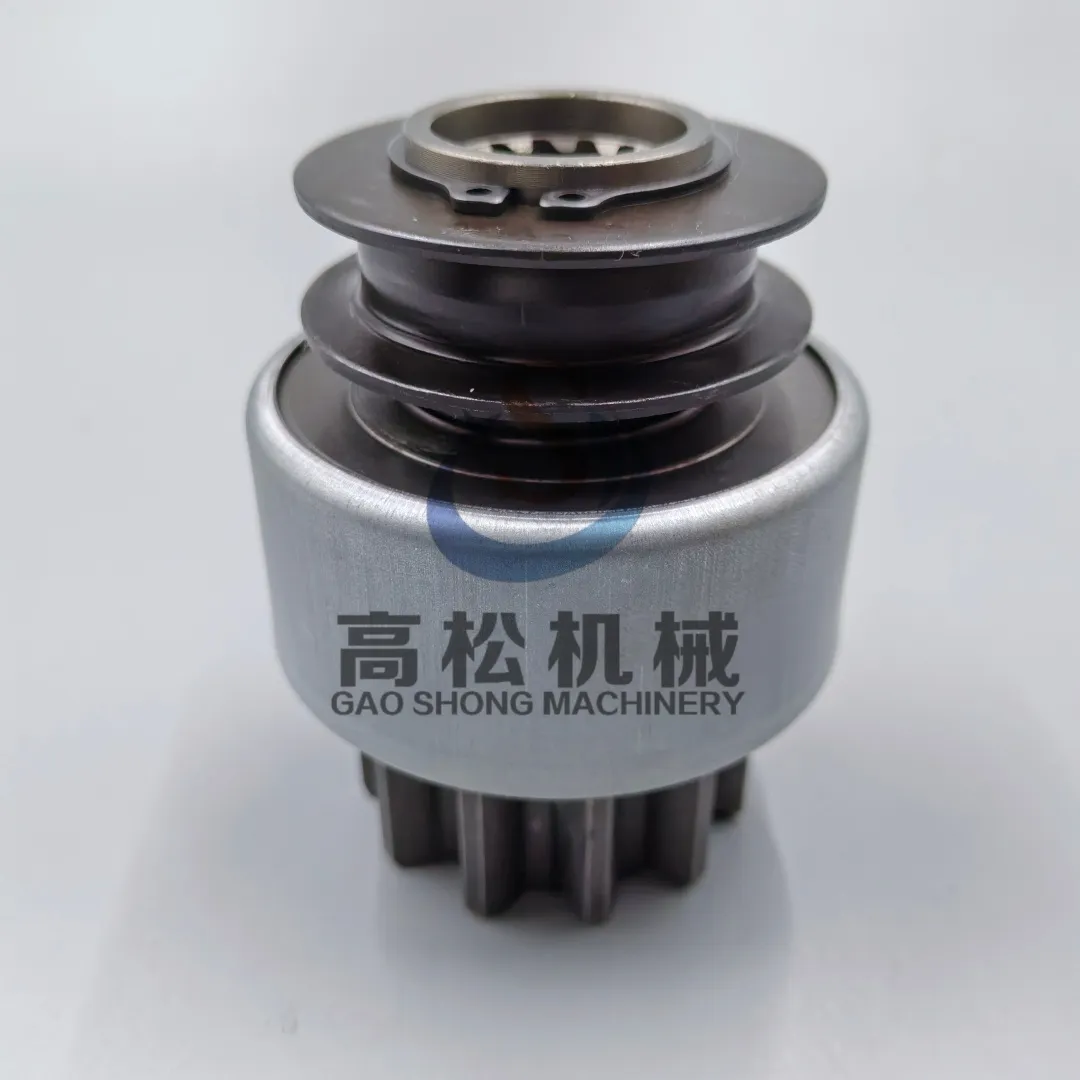
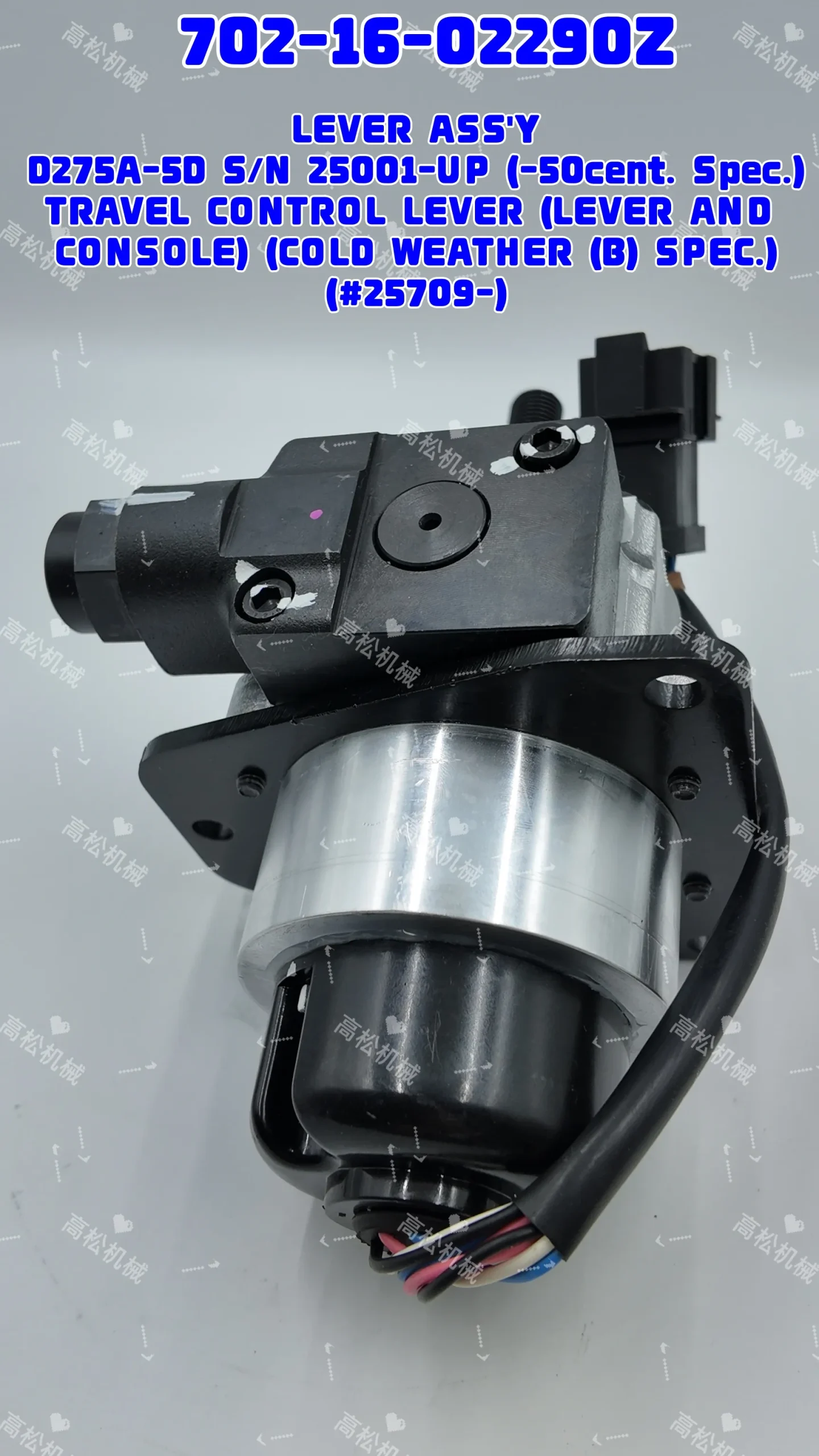
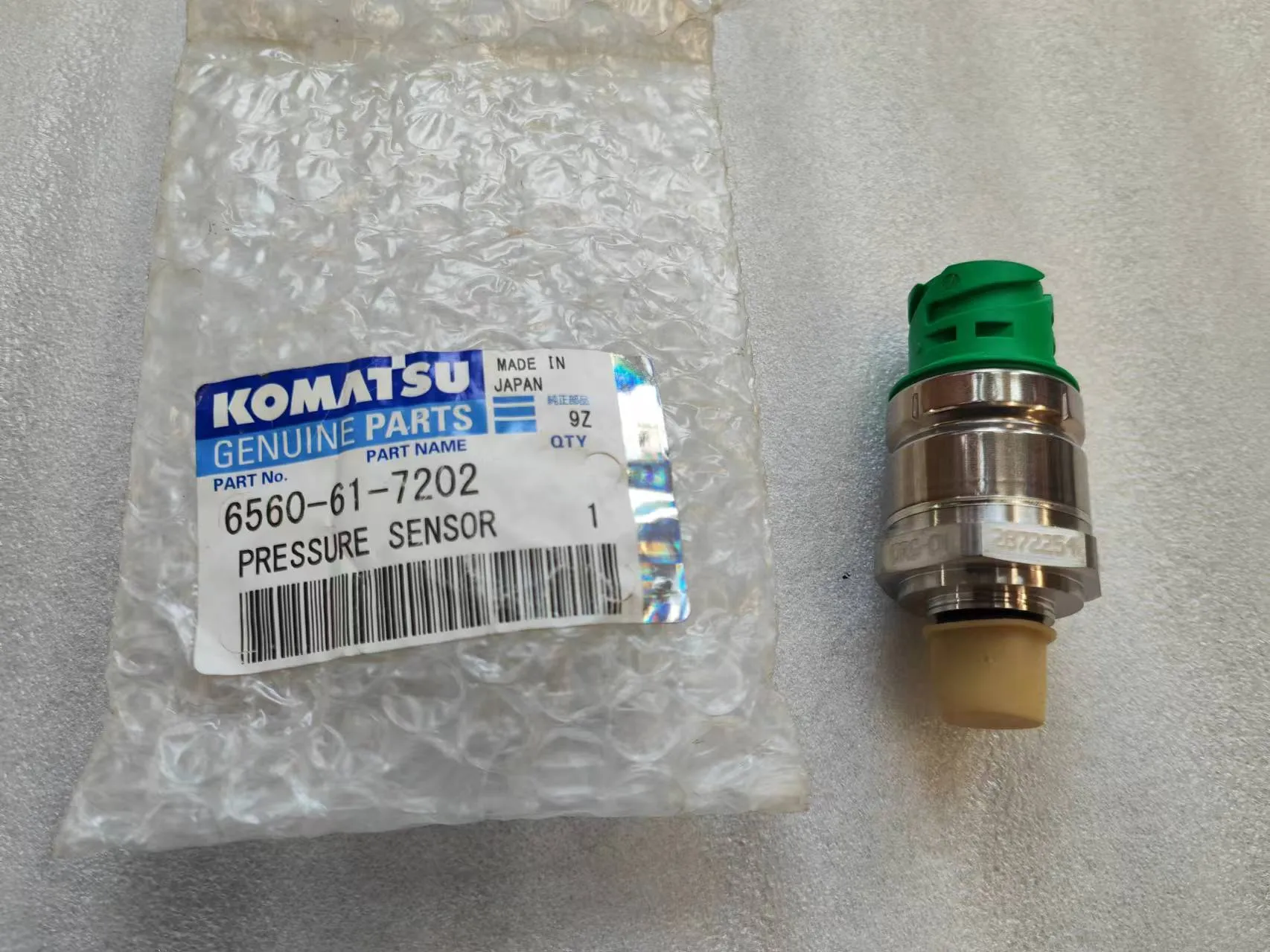

Best Selling Products
Best Selling Products-
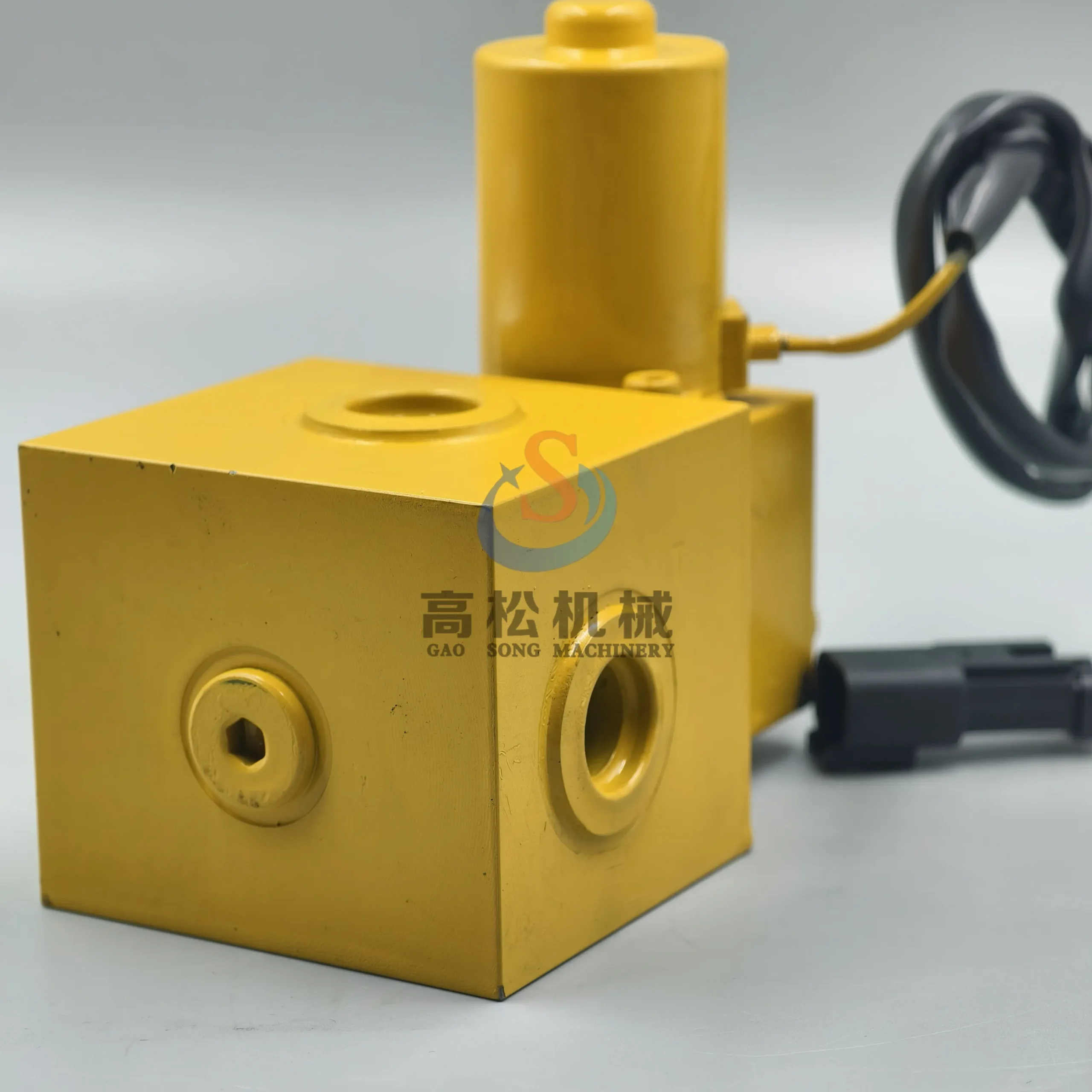 209-60-77220 komatsu vavle-PC600/PC700
 -
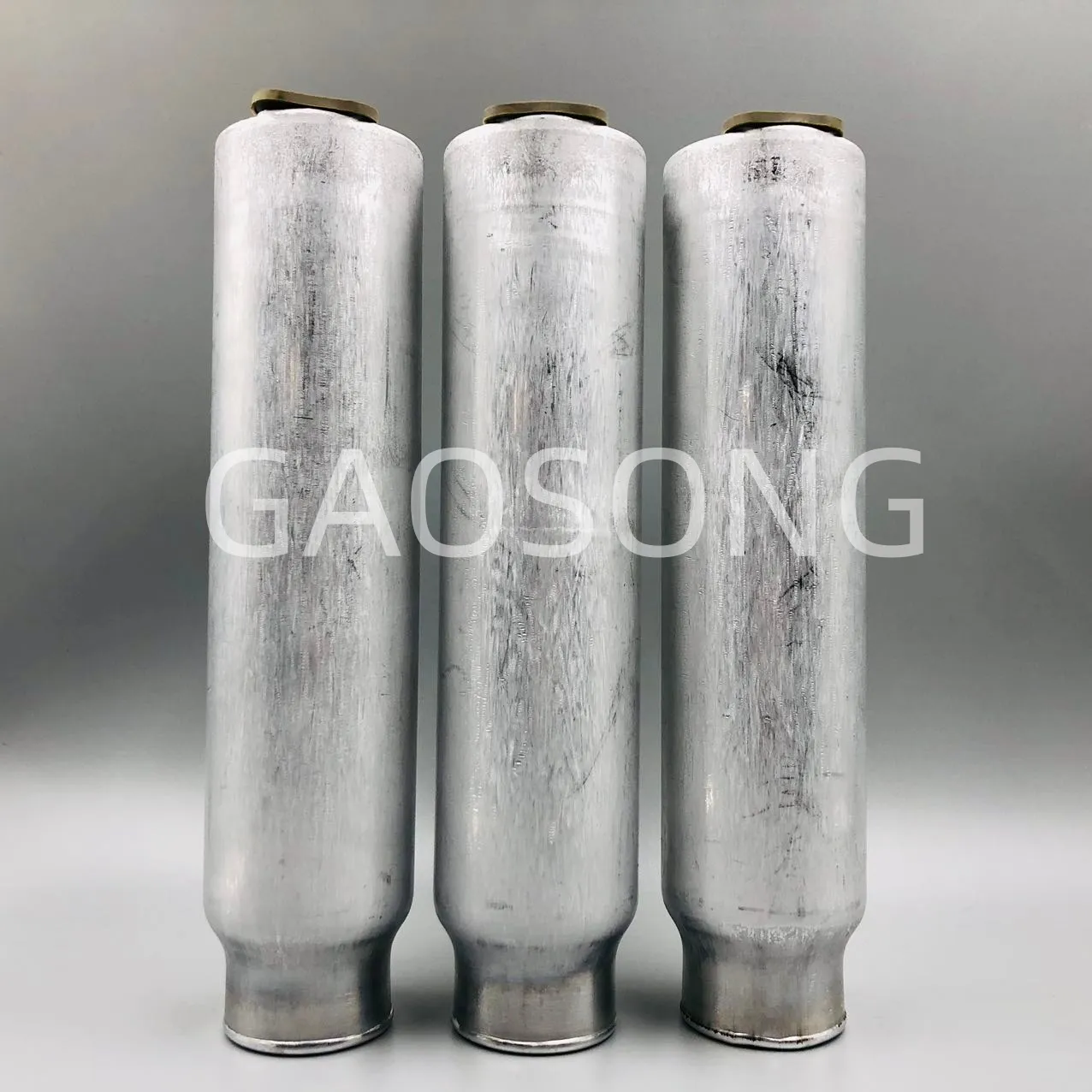 20Y-979-3120 TANK.-Komatsu Original Factory
 -
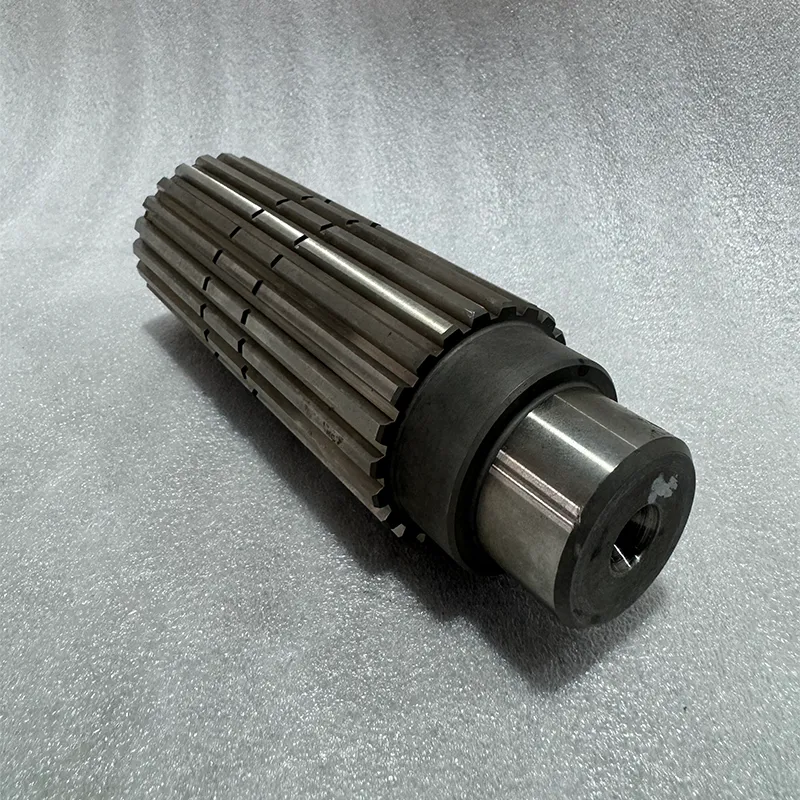 Komatsu original D65PX-15 Gear Shaft 14X-12-11411
 -
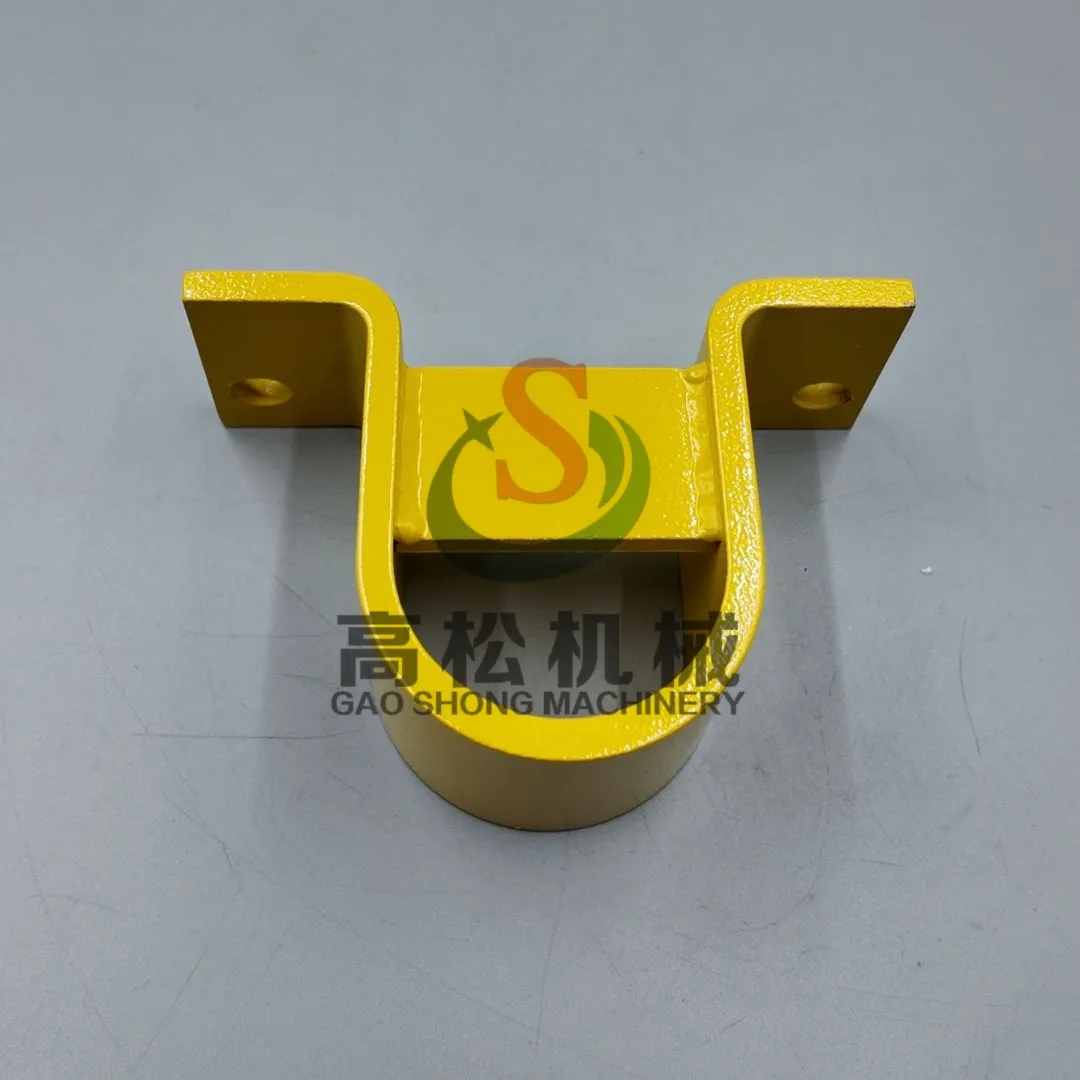 COVER 425-04-21430 for a WA500-3 komatsu original
 -
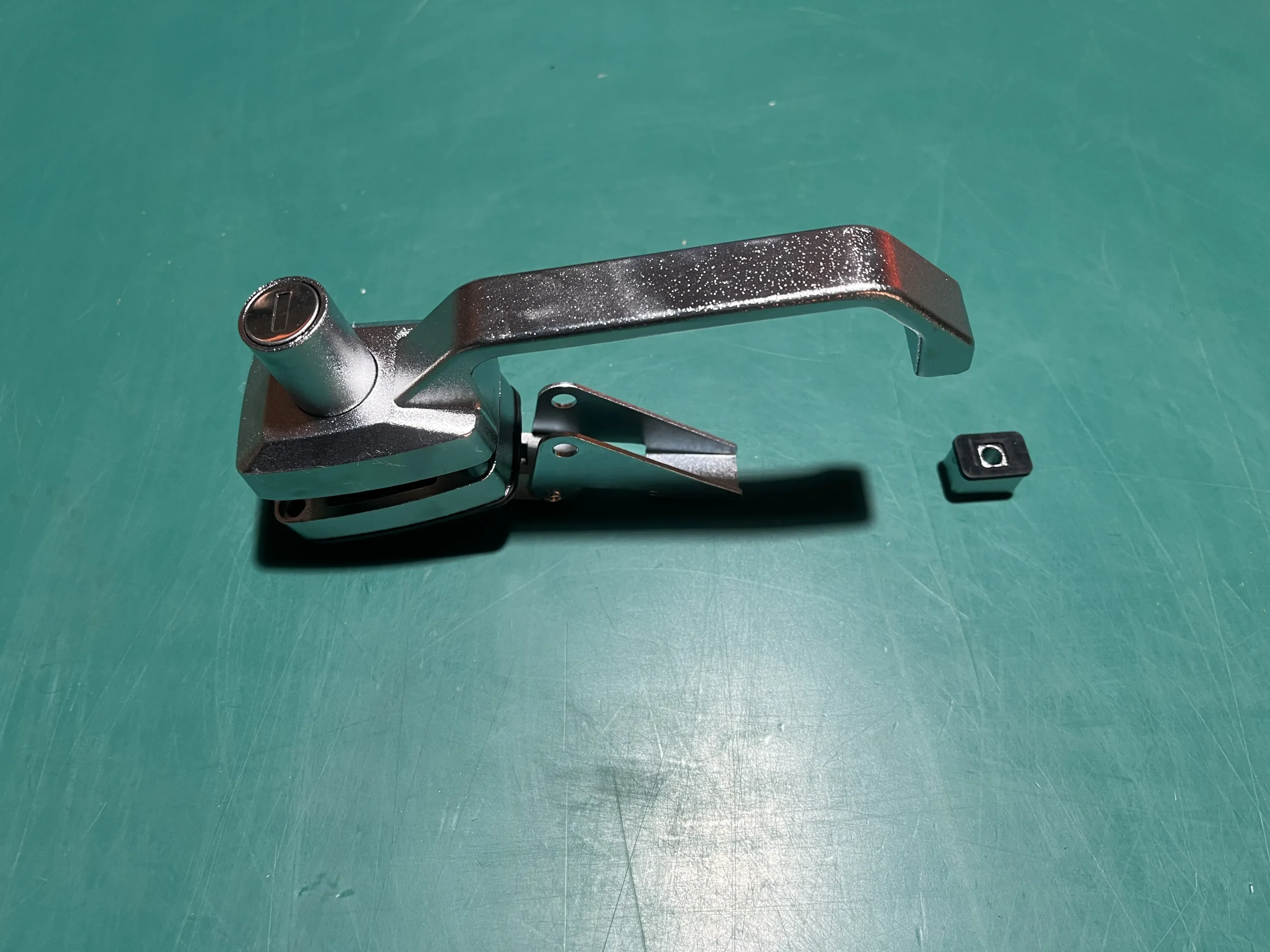 Komatsu Locks 198-Z11-3710 for Bulldozer D65EX-12
 -
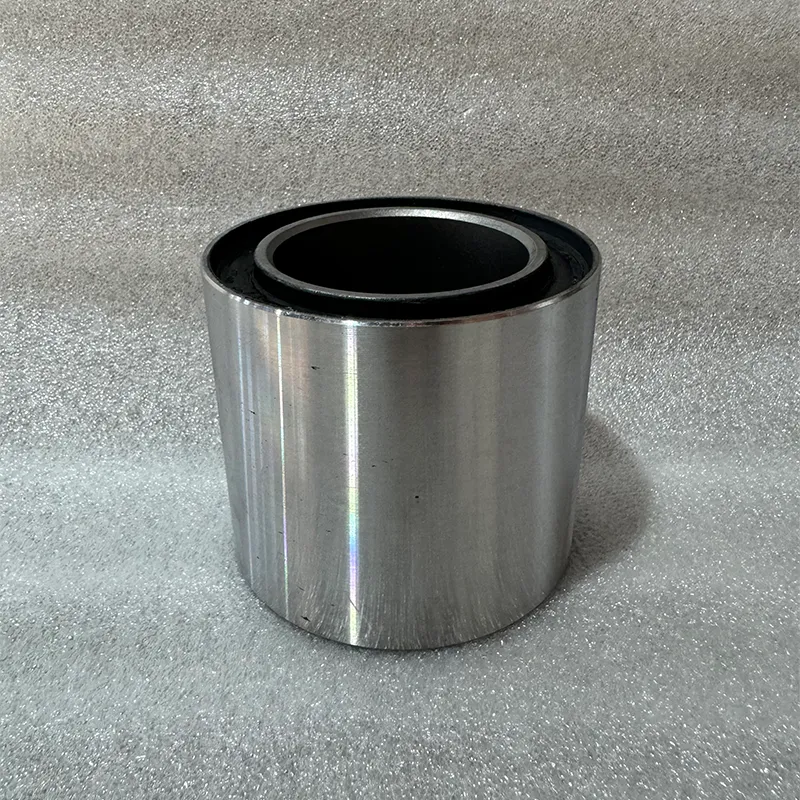 Original komatsu WA900-3 pad 569-14-41130
 -
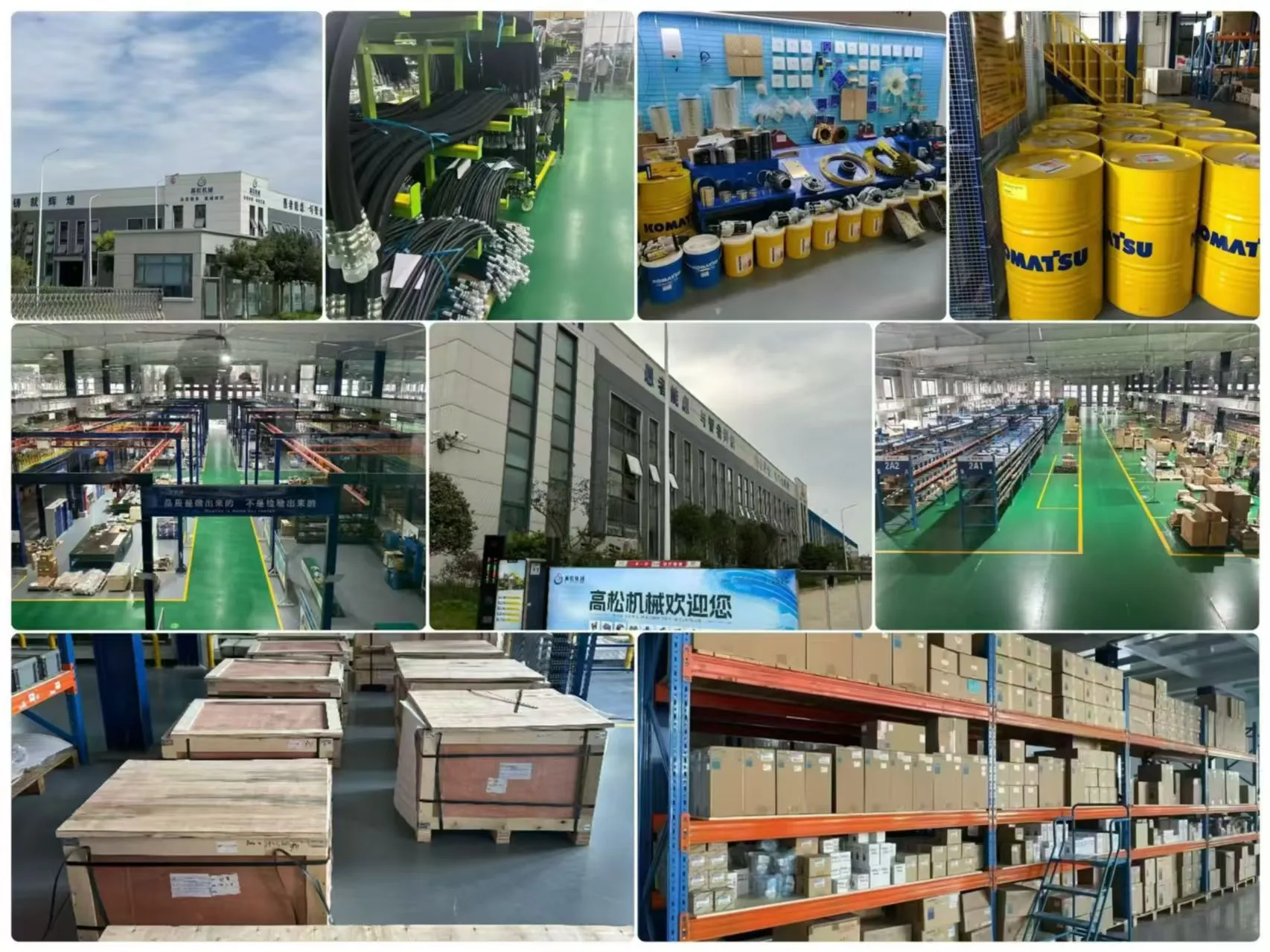 Heavy Machines Built to Last 799-101-5160 SOCKET for Komatsu…
 -
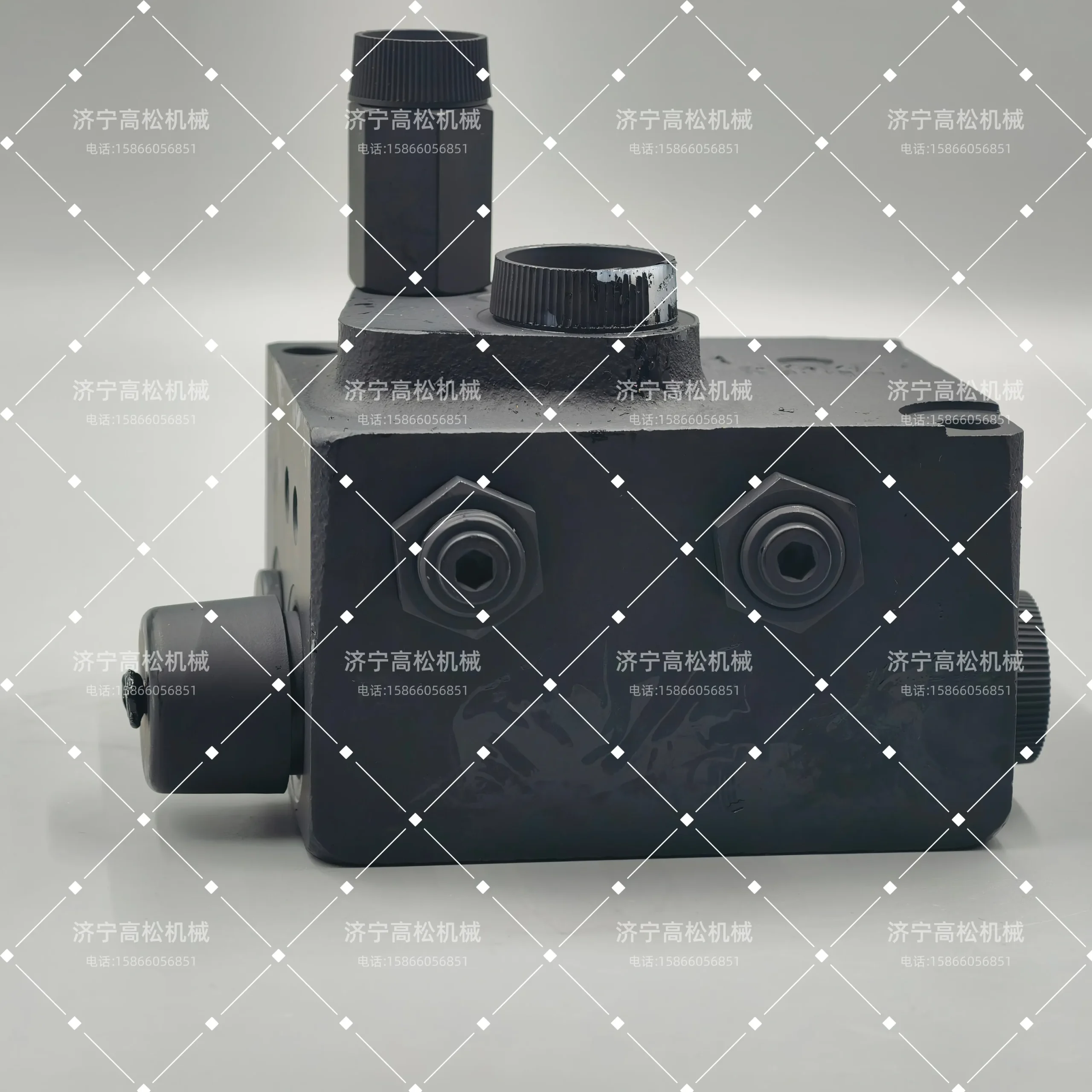 Komatsu Loader WA420-3 Charge Valve 419-43-27401 China…
 -
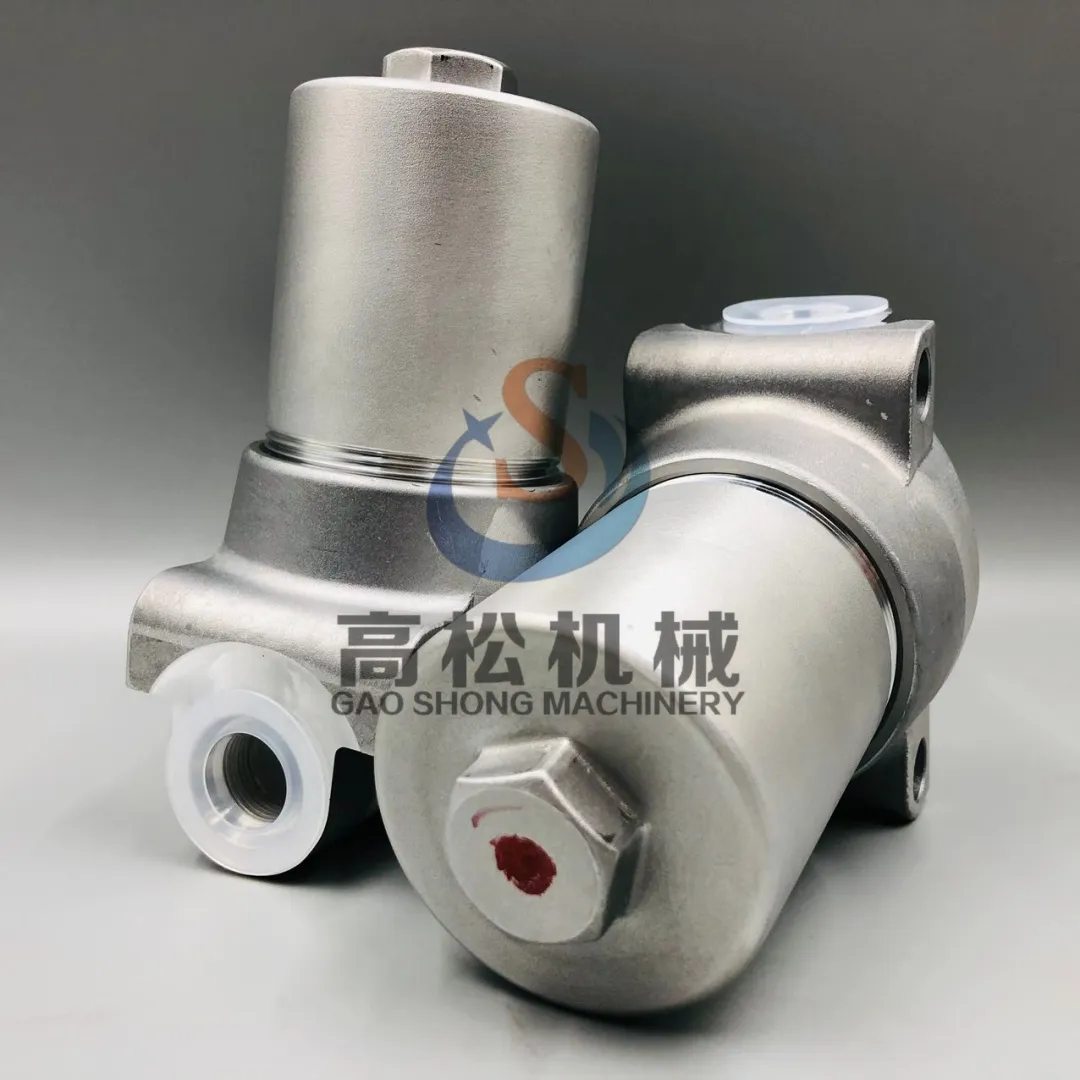 20Y-62-51681Filter Assembly 20Y-62-51681 – KOMATSU
 -
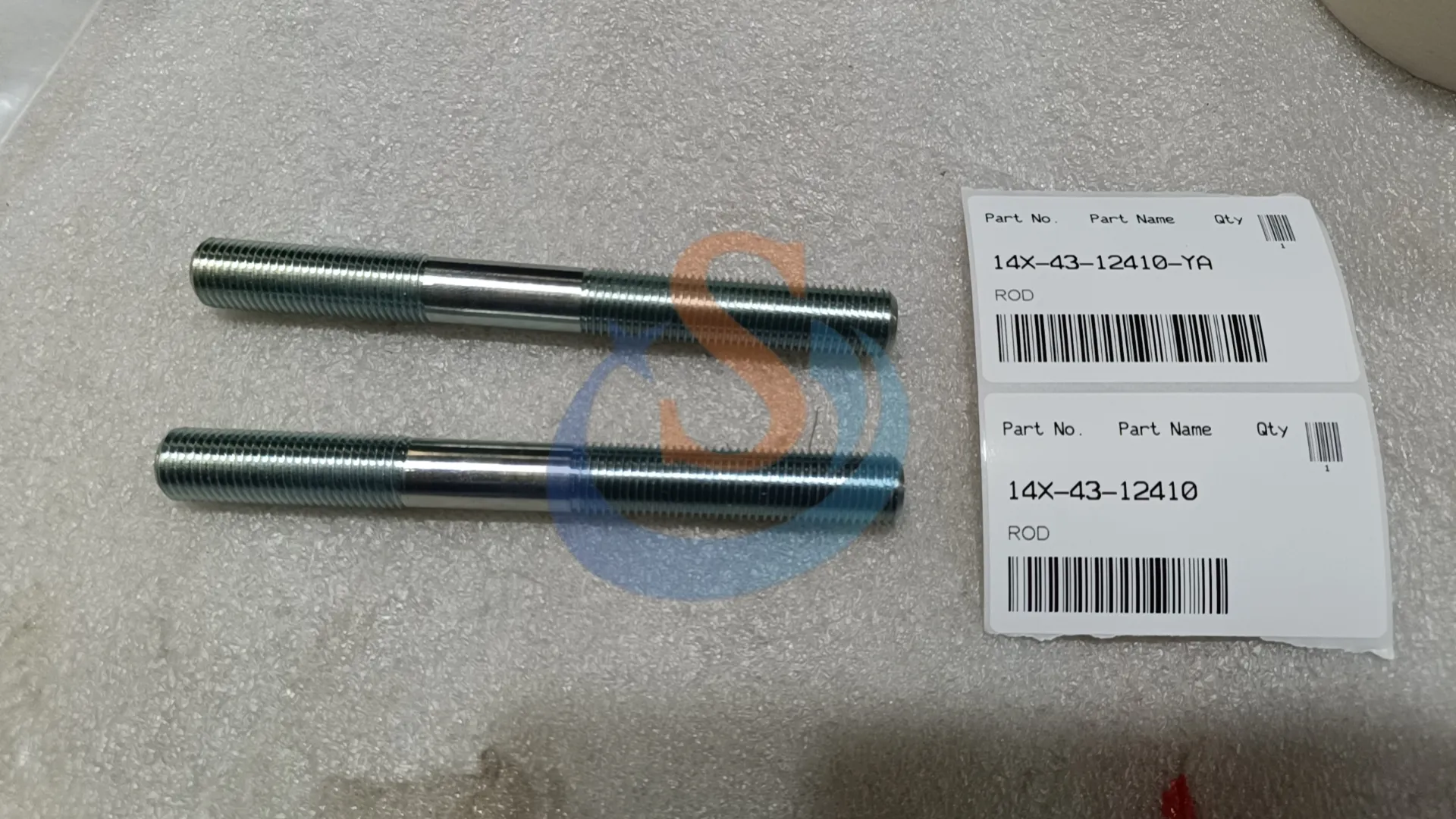 14X-43-12410,ROD,komatsu,D155A,D375A,D275A
 -
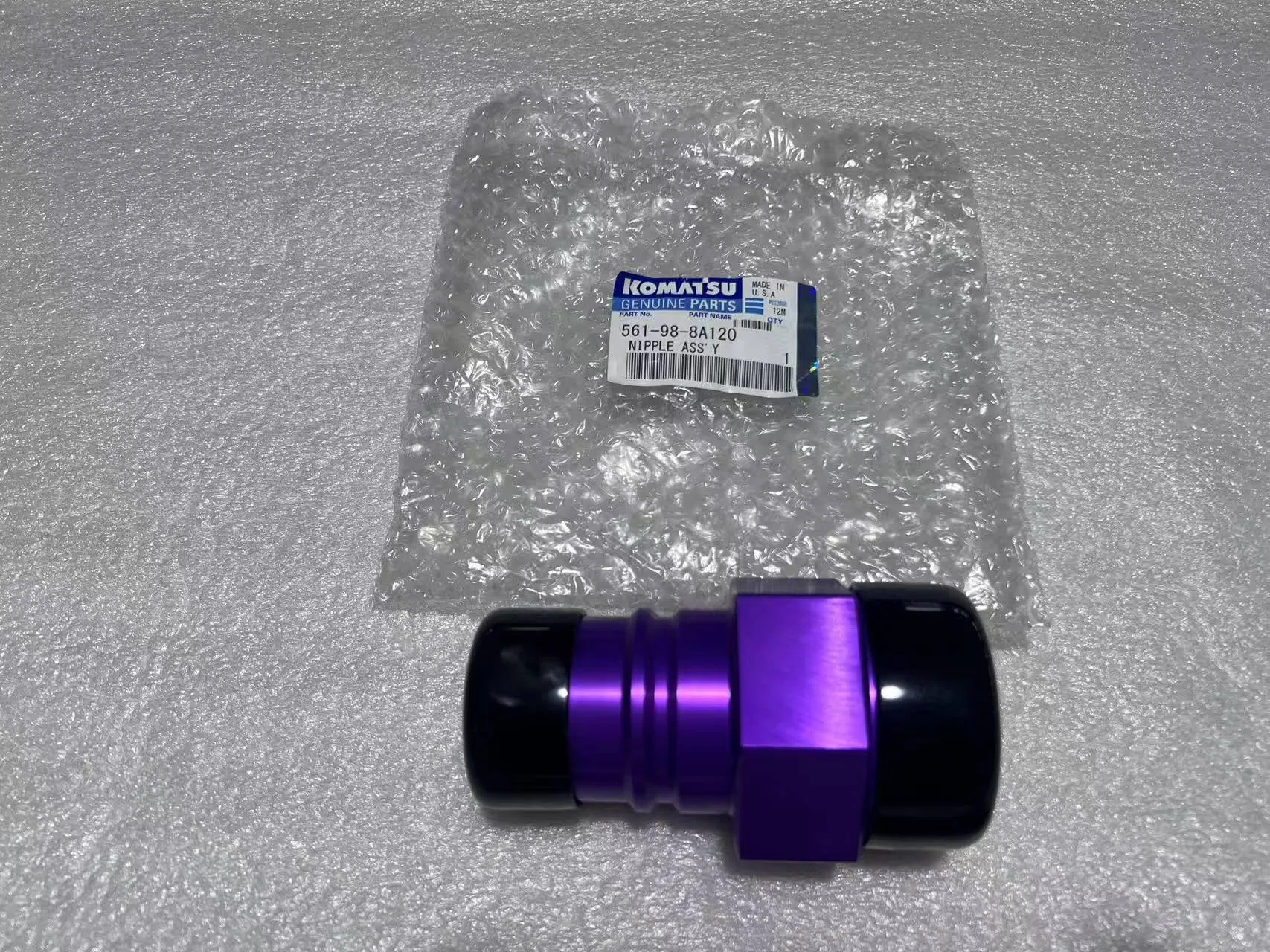 561-98-8A120 Komatsu Nipple Assembly
 -
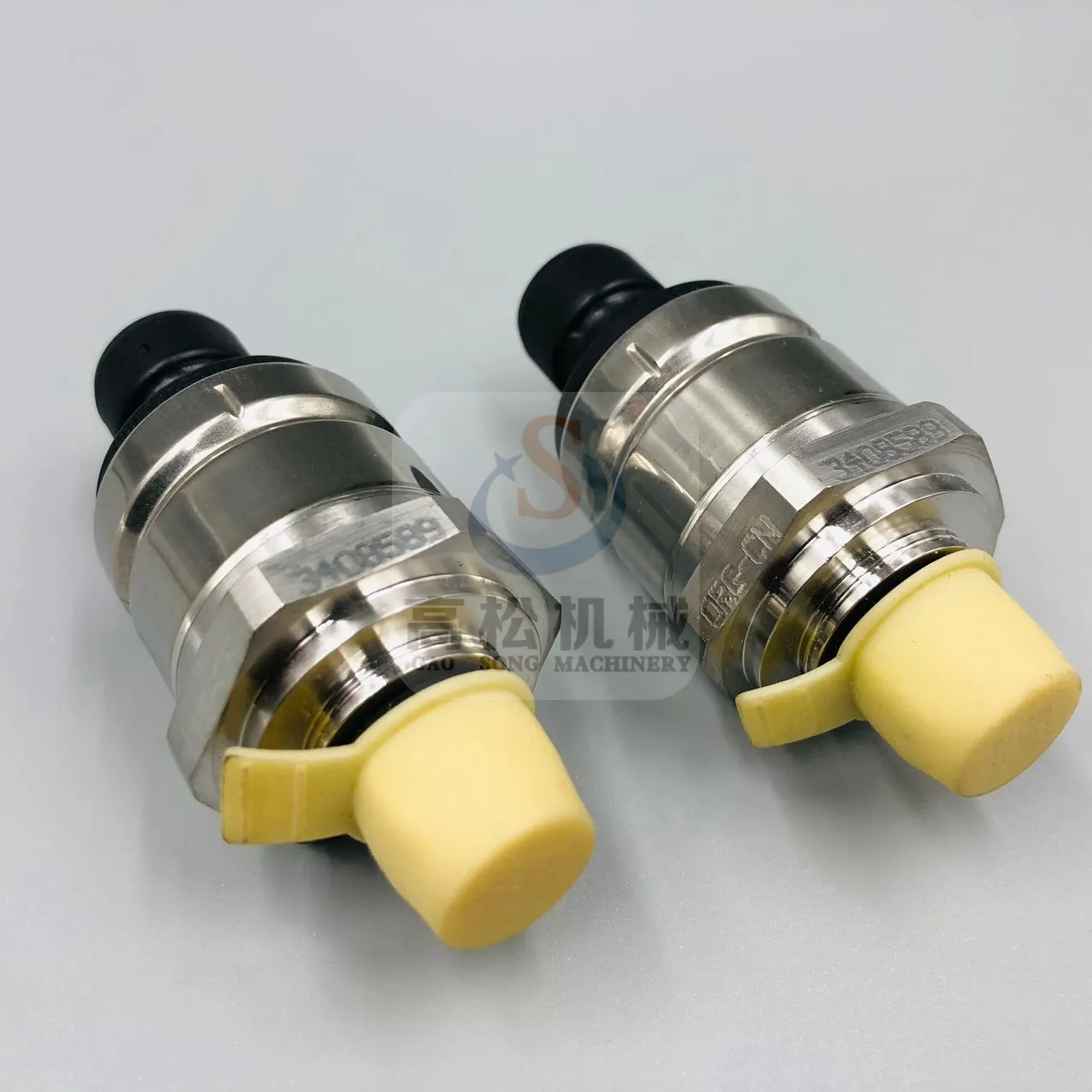 6560-61-7102 pressure sensor for Komatsu WA600-3