
- Chinese
- French
- German
- Portuguese
- Spanish
- Russian
- Japanese
- Korean
- Arabic
- Irish
- Greek
- Turkish
- Italian
- Danish
- Romanian
- Indonesian
- Czech
- Afrikaans
- Swedish
- Polish
- Basque
- Catalan
- Esperanto
- Hindi
- Lao
- Albanian
- Amharic
- Armenian
- Azerbaijani
- Belarusian
- Bengali
- Bosnian
- Bulgarian
- Cebuano
- Chichewa
- Corsican
- Croatian
- Dutch
- Estonian
- Filipino
- Finnish
- Frisian
- Galician
- Georgian
- Gujarati
- Haitian
- Hausa
- Hawaiian
- Hebrew
- Hmong
- Hungarian
- Icelandic
- Igbo
- Javanese
- Kannada
- Kazakh
- Khmer
- Kurdish
- Kyrgyz
- Latin
- Latvian
- Lithuanian
- Luxembou..
- Macedonian
- Malagasy
- Malay
- Malayalam
- Maltese
- Maori
- Marathi
- Mongolian
- Burmese
- Nepali
- Norwegian
- Pashto
- Persian
- Punjabi
- Serbian
- Sesotho
- Sinhala
- Slovak
- Slovenian
- Somali
- Samoan
- Scots Gaelic
- Shona
- Sindhi
- Sundanese
- Swahili
- Tajik
- Tamil
- Telugu
- Thai
- Ukrainian
- Urdu
- Uzbek
- Vietnamese
- Welsh
- Xhosa
- Yiddish
- Yoruba
- Zulu
- Kinyarwanda
- Tatar
- Oriya
- Turkmen
- Uyghur






komatsu d65 parts manual
When you hear 'Komatsu D65 parts manual', most guys think of that thick, bound book gathering dust in the site office. That's the first mistake. In reality, especially when you're dealing with an older D65-6 or a D65EX-12, the manual isn't just a reference—it's your lifeline to keeping a machine running when official channels dry up. It's the starting point for every conversation about sourcing, cross-referencing, and sometimes, making educated guesses.
The Real-World Gap Between Manual and Part
The manual gives you the part number. That's the theory. The practice is finding that part, or something that works, ten years after production ends. I've seen too many projects stall because someone assumed the number in the book was a direct ticket to a quick shipment. Komatsu's system is robust, but for machines in secondary markets or regions with import challenges, that number is just the beginning of a hunt.
This is where the relationship with a supplier who understands the system becomes critical. It's not just about having a catalog; it's about knowing which components from a D65PX might interchange with a D65EX, or which seal kit can be adapted when the original is listed as discontinued. The manual hints at this through diagrams, but the knowledge comes from tearing down these machines.
I recall a specific headache with a D65-8 track roller assembly. The manual listed a specific roller group. The part was unavailable locally with a 12-week lead time from the main dealer. The solution wasn't in the manual's parts list, but in a supplier's insight that a slightly modified roller from a later model, with a different shim configuration, would work. That saved the project. The manual gave us the baseline dimensions; practical experience gave us the workaround.
Why OEM Affiliation Matters in the Aftermarket
There's a spectrum of parts suppliers. You have the pure aftermarket, the grey market, and then companies that operate within the OEM framework but address its gaps. A supplier like Jining Gaosong Construction Machinery Co., Ltd. presents an interesting case. They position themselves as an OEM product supplier within the Komatsu system. This isn't marketing fluff if it's true—it implies access to genuine specifications, engineering updates, and perhaps surplus genuine inventory that doesn't make it to the standard distribution network.
Their stated role in helping to solve parts supply challenges in certain countries rings true to my experience. The bottleneck is rarely the part's existence globally, but its availability in a specific region due to logistics, tariffs, or local dealer constraints. A company that can navigate that, using the OEM's own part numbering and quality standards as a foundation, is more valuable than a generic parts reseller.
For instance, sourcing a genuine Komatsu hydraulic pump for a D65 from their platform, https://www.takematsumachinery.com, could bypass a local distributor's backlog. The key is verification. Does the part come with the proper Komatsu packaging and markings? Or is it a high-quality licensed reproduction? Both have value, but the distinction matters for warranty and machine history. A true insider supplier should be transparent about this.
Manual as a Diagnostic Tool, Not Just a Parts List
Newer technicians often jump straight to the parts schematic when something fails. The more experienced use the manual's front half—the testing and adjustment procedures—to avoid replacing the wrong component. A D65's blade lift weakness could be a pump, a valve, or a cylinder. The manual's pressure test points and sequence are gold.
I've wasted money on a new main hydraulic pump for a D65EX only to find, after consulting the troubleshooting flow in the manual more carefully, that the issue was a clogged suction line and a failing pilot pump. The parts list would have led me to the expensive item; the diagnostic section, if studied patiently, pointed to the cheaper, real culprit. The Komatsu D65 parts manual is as much about preventing unnecessary parts orders as it is about enabling them.
This is where digital versions matter. The physical manual is fine, but a searchable PDF where you can jump from a symptom in the troubleshooting chapter directly to the relevant exploded view of the control valve saves hours. If a supplier like Gaosong can provide or point to accurate digital resources for the models they support, that adds immense practical value beyond just selling the physical part.
Cross-Referencing and the Will It Fit Gamble
This is the gritty part of the job. The manual doesn't tell you that the sprocket segments for a D65-6 might be shared with an older D155, or that the final drive seal on one serial number range is different by a millimeter from another. You learn this by doing, or by working with parts people who have the interchange databases and the real-world feedback from the field.
We once tried to save cost on a D65-8 undercarriage rebuild by using aftermarket links and rollers that fit. The manual's specs were met on paper. But the hardness of the bushings was off, and the pin-to-bushing clearance was at the extreme end of tolerance. It wore out in half the expected time. The lesson? The manual gives you the basic blueprint, but material quality and manufacturing precision—areas where OEM or OEM-aligned suppliers typically excel—are what make the part last.
When evaluating a supplier's site, like the Takematsu Machinery site mentioned, I look for this depth. Do they list parts by precise Komatsu part number? Do they note applicable serial number ranges? Can they confirm interchanges? This shows a level of system knowledge that goes beyond just stocking generic undercarriage components.
The Future of the Manual and Parts Knowledge
The concept of a parts manual is evolving. It's becoming a digital asset, integrated with equipment management systems. The value for a technician or fleet manager is in linking that data directly to a reliable supply chain. You see a worn part in the diagram, you click it, you get availability, price, and delivery options from trusted vendors.
Companies that are embedded in the Komatsu ecosystem are better positioned for this future. They have the data structured the right way. Their challenge is making it accessible. For the end user, the goal remains the same: get the right part, of the right quality, in the right time, to keep the machine earning. The manual, in whatever form, is the map. But you need a reliable guide for the journey—someone who knows where the official roads are closed and the viable detours are.
In the end, searching for a Komatsu D65 parts manual isn't really about finding a PDF. It's about unlocking the path to maintainability. The book itself is just step one. The real skill, and the real service offered by specialized suppliers, lies in bridging the gap between that page and a working, reliable part on your machine, halfway across the world from where it was built. That's the unsaid chapter of every manual.
Related Products
Related Products

Best Selling Products
Best Selling Products-
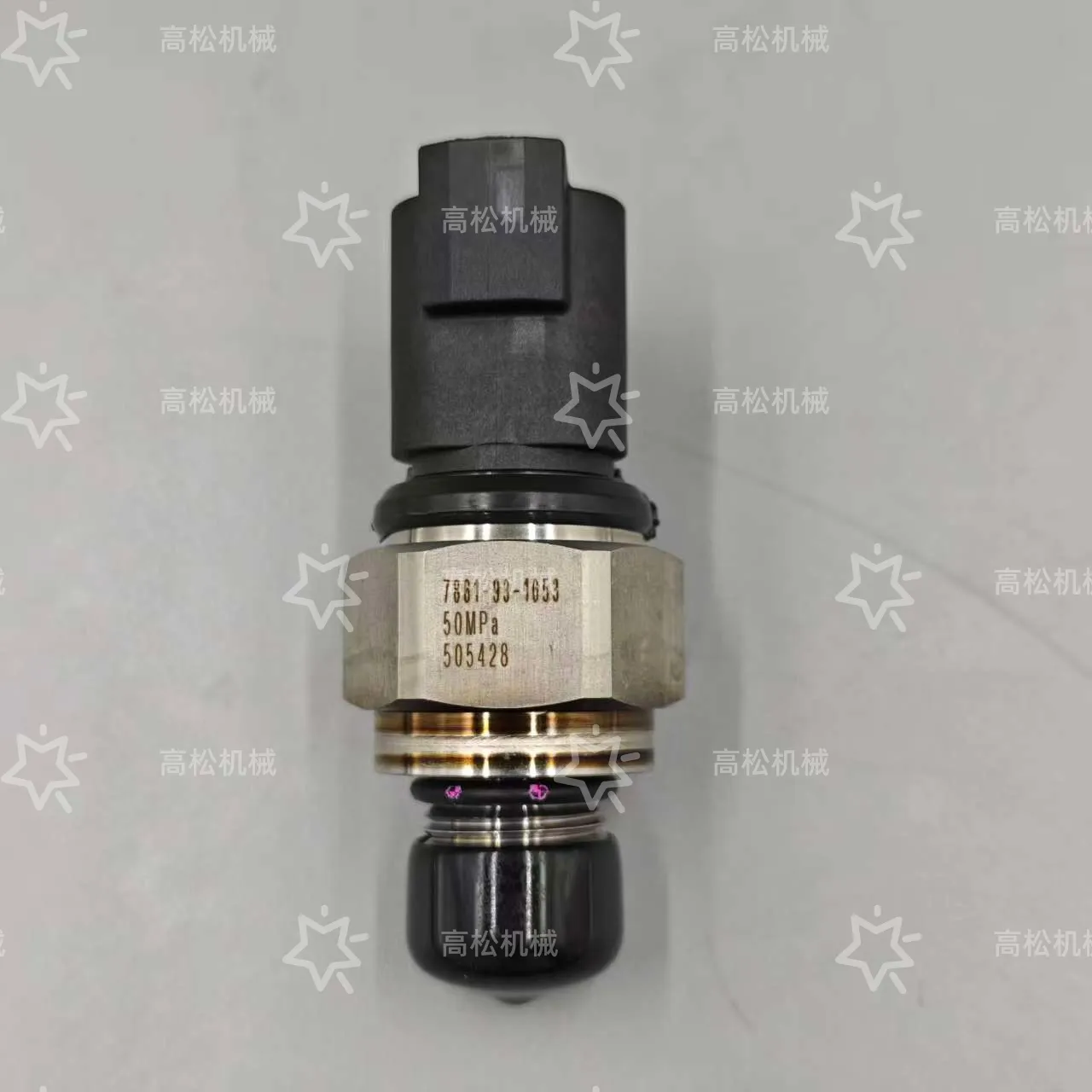 7861-93-1653 7861-93-1652 7861-93-1650 HYDRAULIC PUMP SENSOR for PC300-7
 -
 144-15-22881 Komatsu Seal Ring
 -
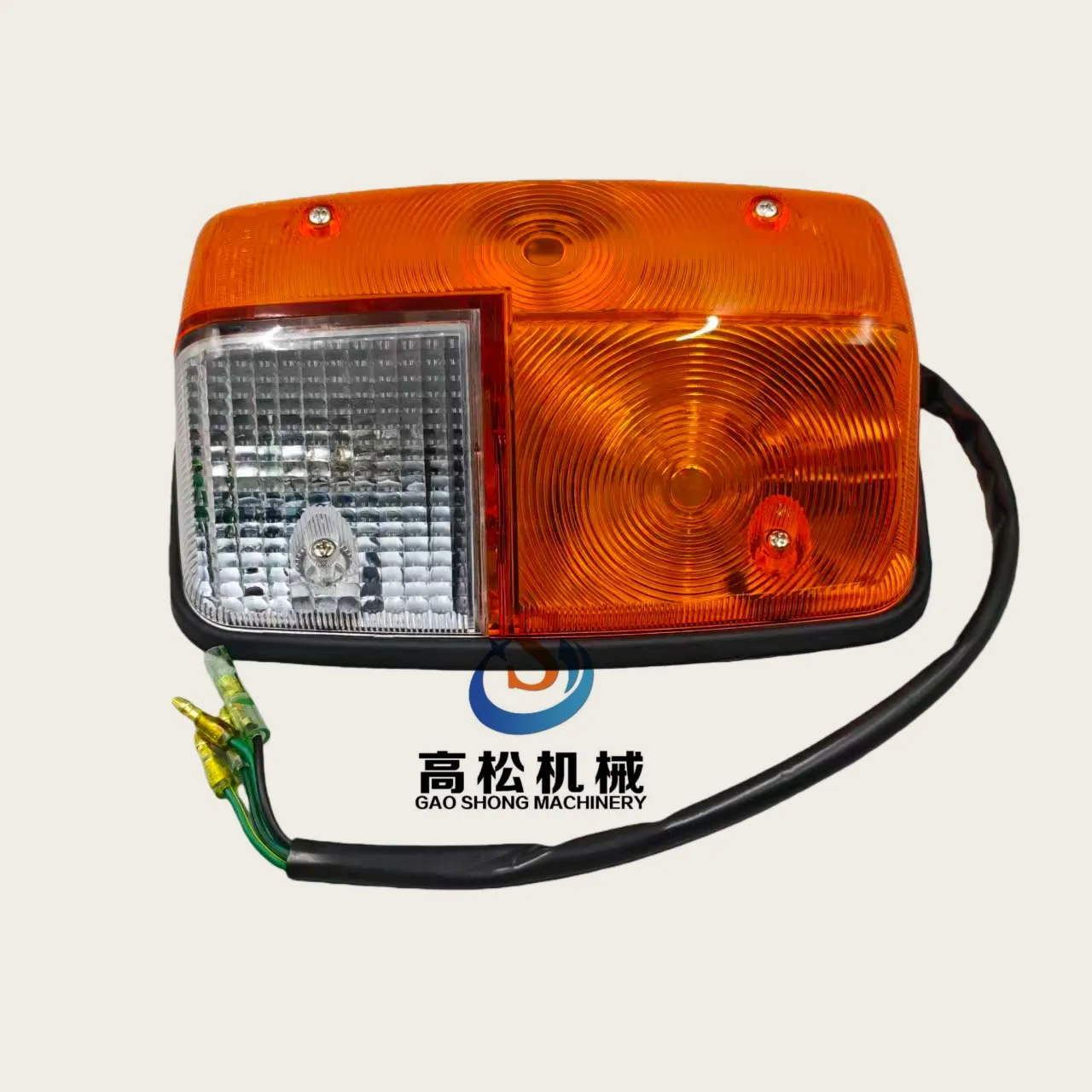 421-06-13401 LAMP ASS’Y,R.H. ELECTRICAL SYSTEM HD255-5 GS360-2 GD405A-2 GD355A-1 HD605-7 HD465-7 HD785-5 HD985-5
 -
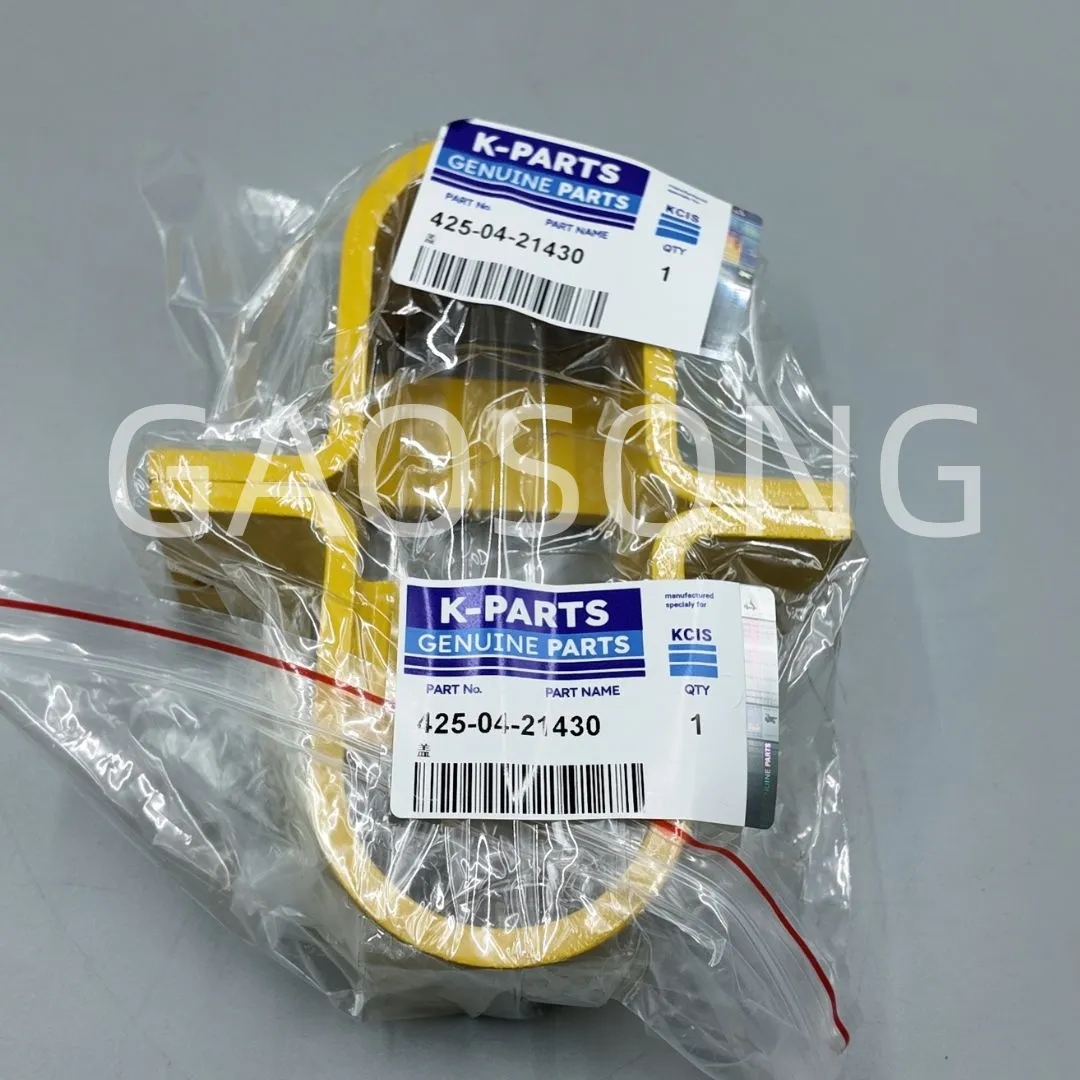 425-04-21430 COVER-Komatsu Original Factory
 -
 Komatsu original D155A-3 Valve Assembly 17A-49-21100
 -
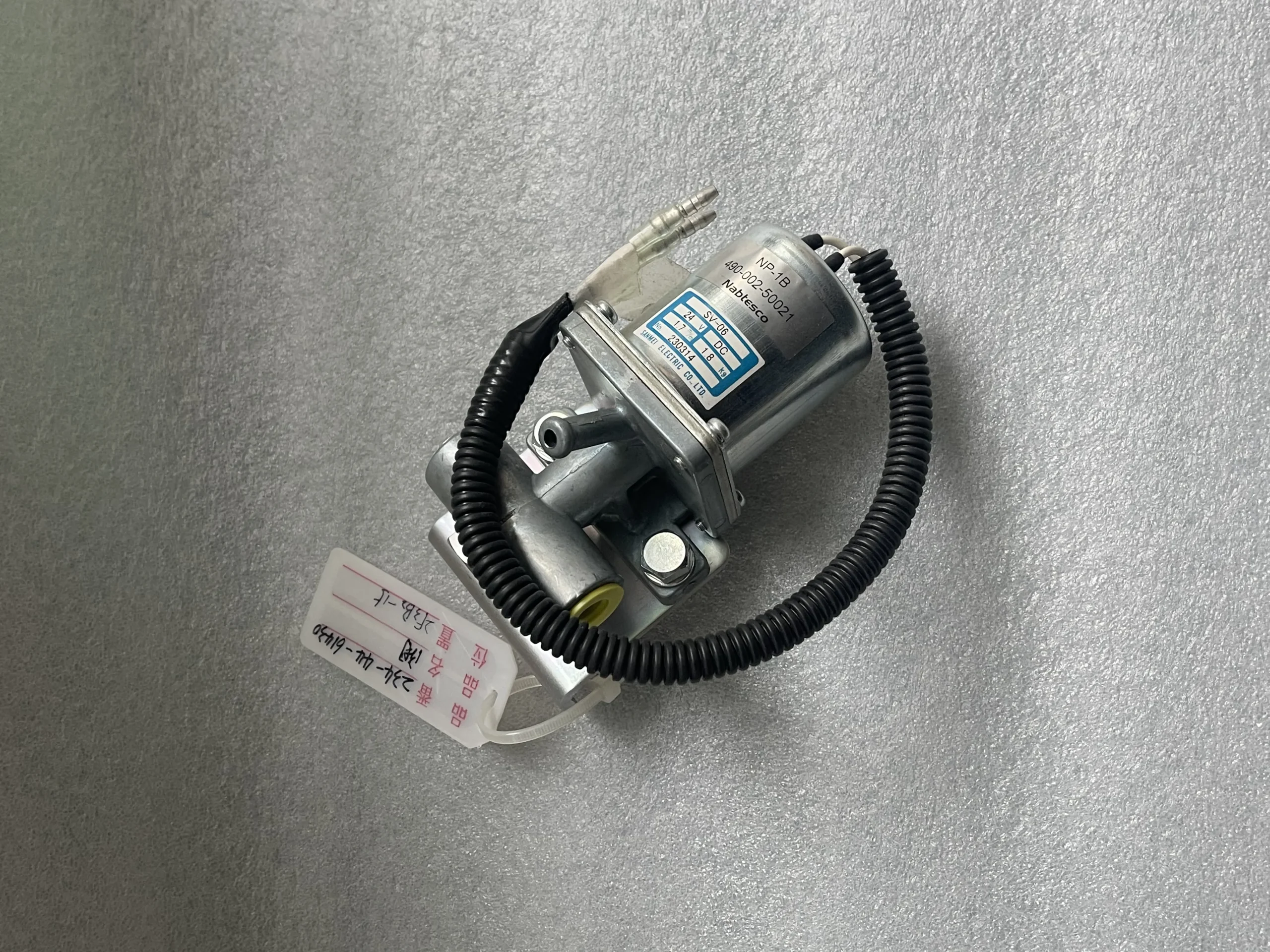 SOLENOID VALVE 234-44-61430 for GD705/825
 -
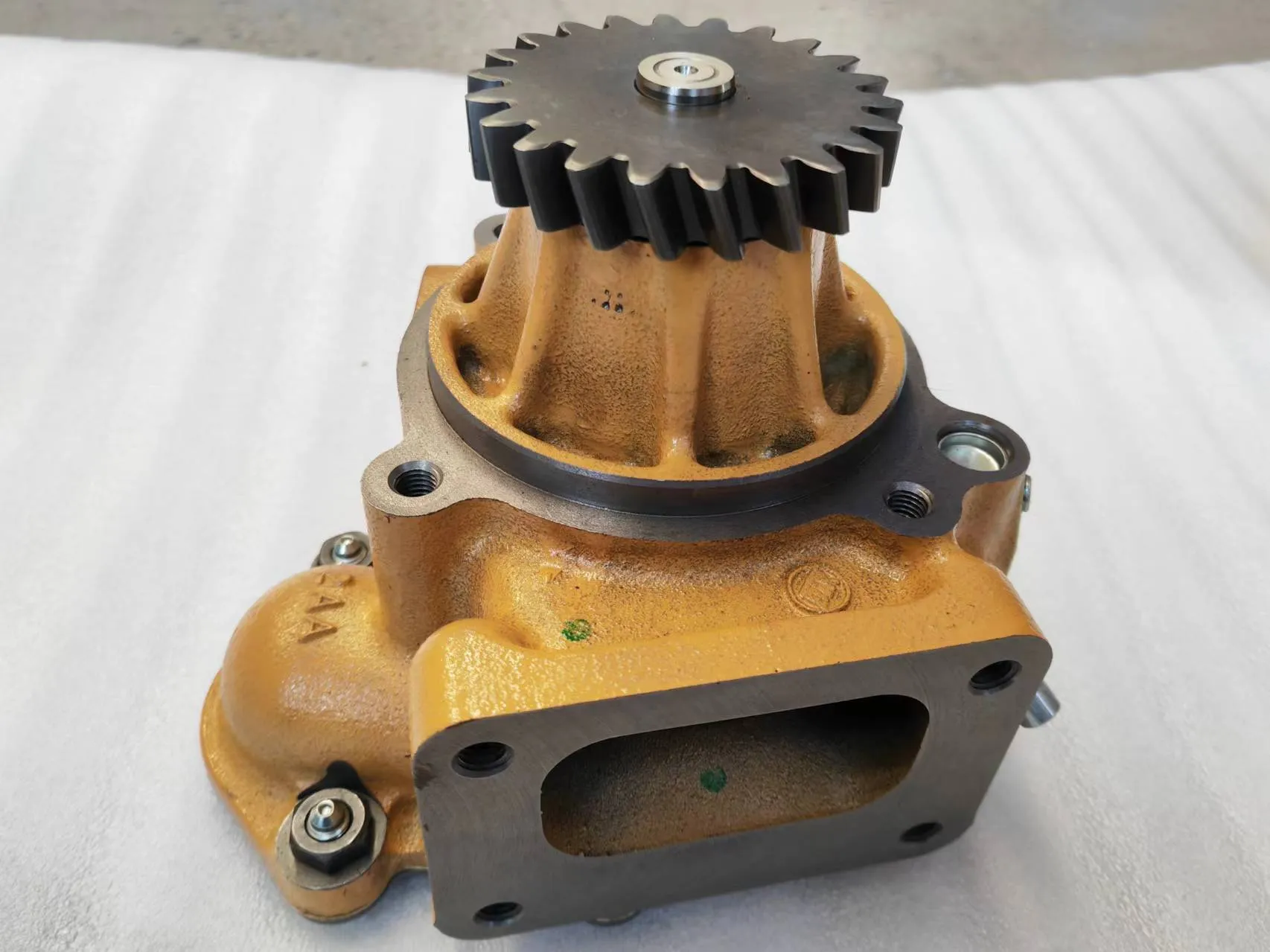 WA480-6 engine water pump 6251-61-1101
 -
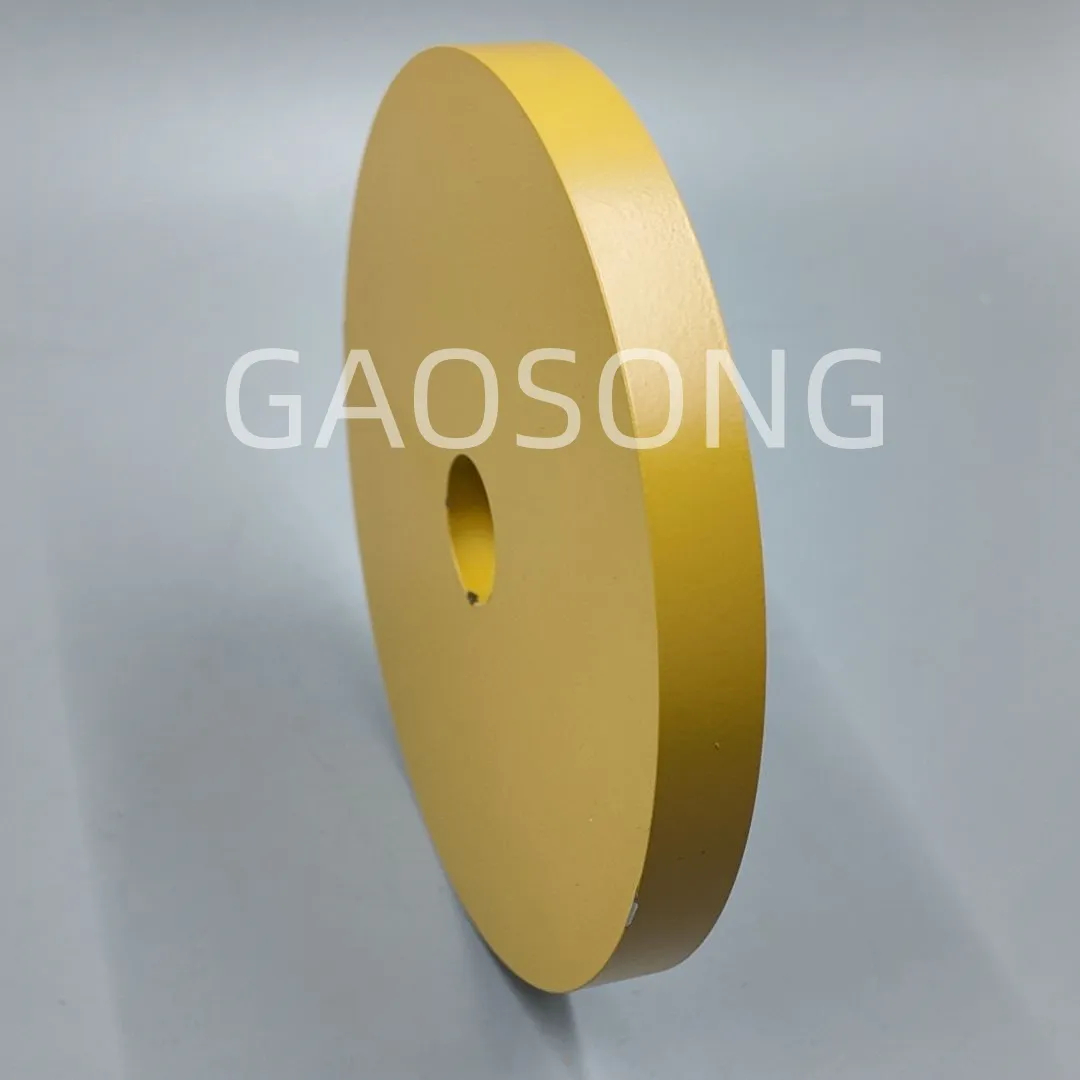 21N-01-11120 21T-01-11150 Komatsu PC600-8 PC1250-7 PC750-7
 -
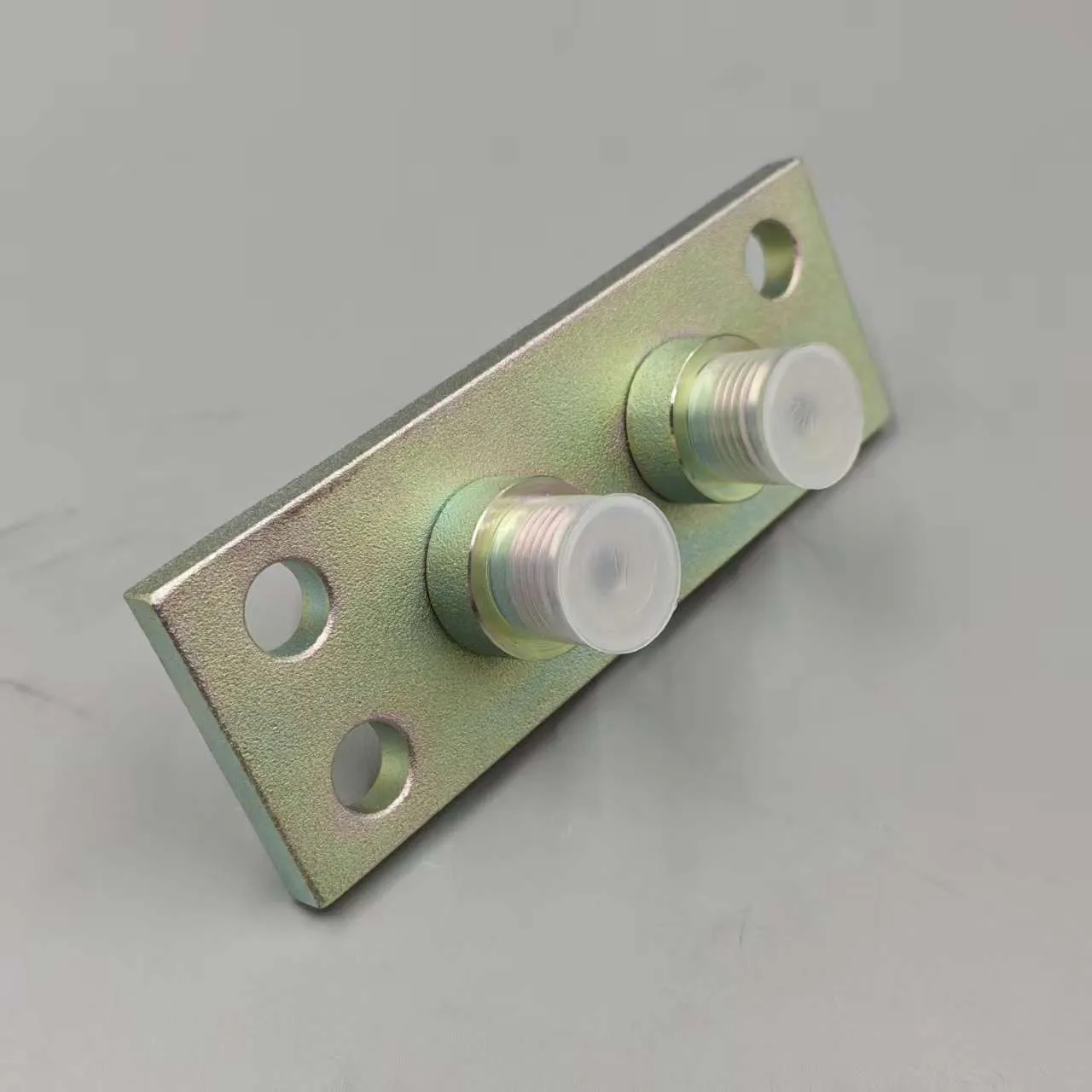 14Y-62-31411 BRACKET KOMATSU parts D60P, D65E, D65EX, D65P, D65PX, D65WX, D85E, D85ESS
 -
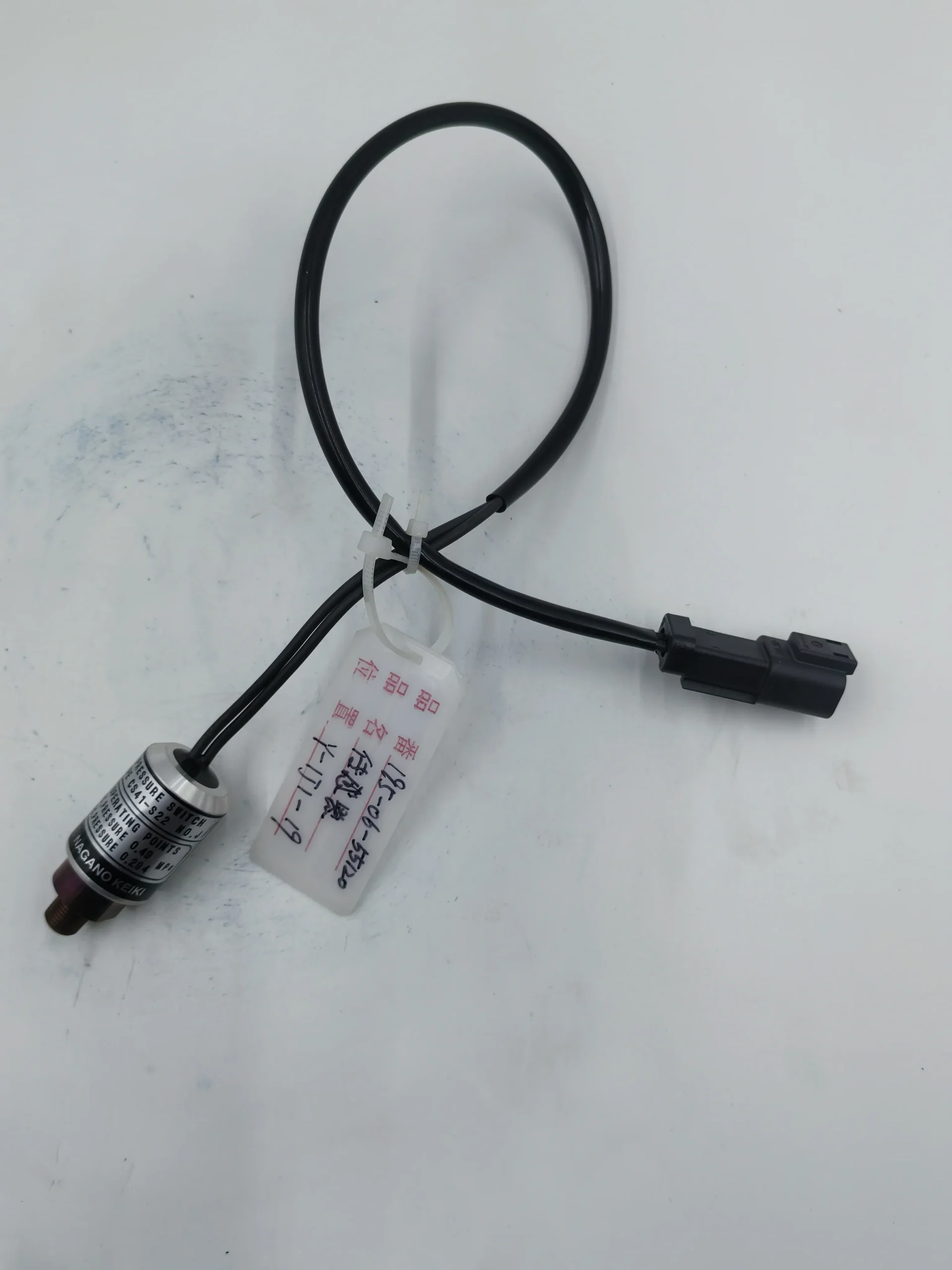 Electrical Parts 195-06-55120 Switch
 -
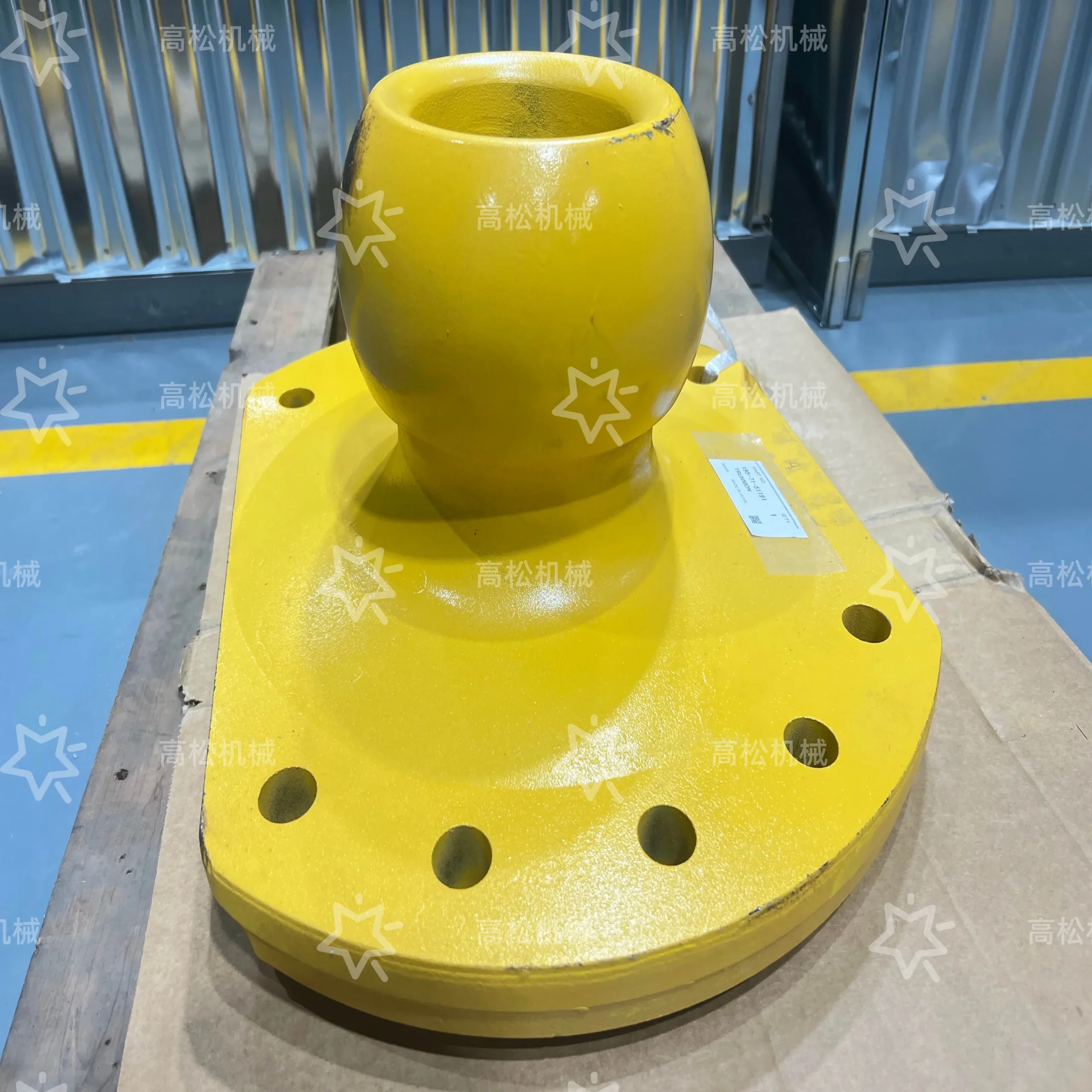 195-71-51191 TRUNNION – THIS TRUNNION HELPS MAINTAIN THE BALANCE OF THE MACHINE
 -
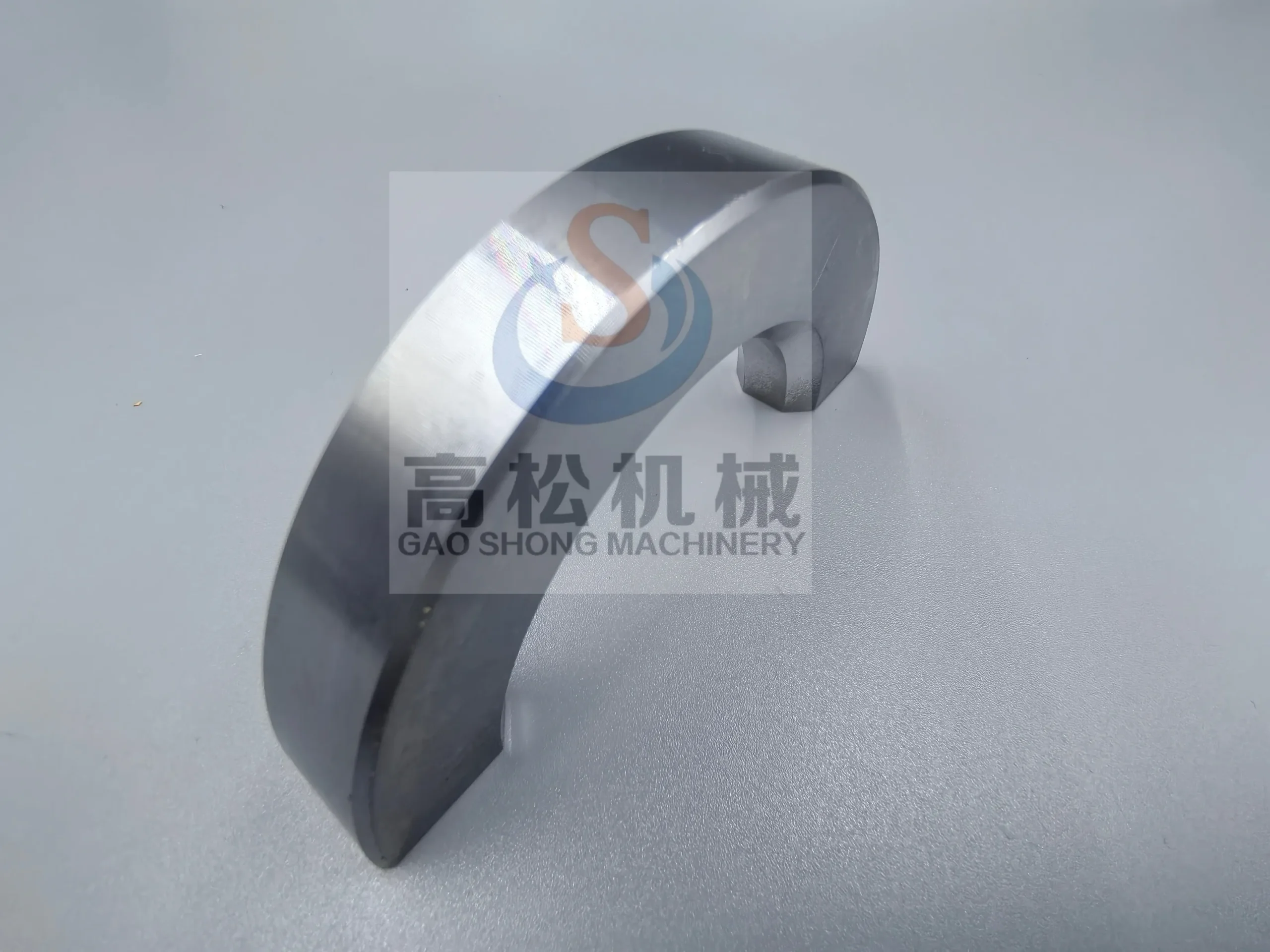 Komatsu bulldozer D65P-12 gasket 14X-30-13241 14X-30-13240