
- Chinese
- French
- German
- Portuguese
- Spanish
- Russian
- Japanese
- Korean
- Arabic
- Irish
- Greek
- Turkish
- Italian
- Danish
- Romanian
- Indonesian
- Czech
- Afrikaans
- Swedish
- Polish
- Basque
- Catalan
- Esperanto
- Hindi
- Lao
- Albanian
- Amharic
- Armenian
- Azerbaijani
- Belarusian
- Bengali
- Bosnian
- Bulgarian
- Cebuano
- Chichewa
- Corsican
- Croatian
- Dutch
- Estonian
- Filipino
- Finnish
- Frisian
- Galician
- Georgian
- Gujarati
- Haitian
- Hausa
- Hawaiian
- Hebrew
- Hmong
- Hungarian
- Icelandic
- Igbo
- Javanese
- Kannada
- Kazakh
- Khmer
- Kurdish
- Kyrgyz
- Latin
- Latvian
- Lithuanian
- Luxembou..
- Macedonian
- Malagasy
- Malay
- Malayalam
- Maltese
- Maori
- Marathi
- Mongolian
- Burmese
- Nepali
- Norwegian
- Pashto
- Persian
- Punjabi
- Serbian
- Sesotho
- Sinhala
- Slovak
- Slovenian
- Somali
- Samoan
- Scots Gaelic
- Shona
- Sindhi
- Sundanese
- Swahili
- Tajik
- Tamil
- Telugu
- Thai
- Ukrainian
- Urdu
- Uzbek
- Vietnamese
- Welsh
- Xhosa
- Yiddish
- Yoruba
- Zulu
- Kinyarwanda
- Tatar
- Oriya
- Turkmen
- Uyghur






komatsu d65 engine
When you hear 'Komatsu D65 engine', most guys immediately think of the S6D125 or the later SAA6D125E series. That's correct, but it's also where the first mistake happens. Assuming all D65s, from the old -12 to the latest -PX models, share the same heart is a quick way to misdiagnose a problem. The evolution matters. The early mechanical pumps versus the later electronically controlled units are worlds apart in terms of troubleshooting. I've seen too many mechanics throw parts at an EGR issue on a -17 model when the real culprit was a simple pressure sensor on the common rail, something the older -12 would never have. It's not just an engine; it's a timeline of Komatsu's response to emissions and efficiency demands.
The Core: S6D125 and Its Real-World Personality
The S6D125, the 12.5-liter workhorse, is a tank. But even tanks have their quirks. The valve adjustment on these is critical—more so than on some other makes. I remember a contractor running a D65EX-12, complaining of a slight power loss and a ticking sound everyone dismissed as normal injector noise. After a full injector service with no change, we finally checked the valve lash. Three exhaust valves were way too tight. Corrected that, and the machine came back to life. The point is, this engine won't always scream when something's wrong; it'll just get quietly lazy.
Cooling is another one. The system is robust, but it's sensitive to airflow. A slightly bent fan shroud, or debris packed between the oil cooler and the radiator core, can cause it to run warmer than it should. Not overhear, just sit at 95°C instead of 85°C. Over months, that stresses everything. It's not a design flaw, it's just a characteristic you learn to check first when the gauge creeps up.
Then there's the fuel system. The mechanical injection pump is generally reliable, but it hates dirty fuel with a passion. The real headache often starts at the transfer pump. When a machine starts struggling under high load but idles fine, don't just blame the main pump. Check the lift pump pressure. A weak one will starve the main pump just enough to cause a problem. It's a $200 part that can save you a $4000 pump rebuild.
The Shift to Electronics: SAA6D125E and New Challenges
Jump to the SAA6D125E in the -17 and later models, and the game changes. Now you're dealing with Komtrax (basic) and a full electronic control module. The power is smoother, fuel economy is better, but the diagnostic approach flips. You need a tool that can talk to it, not just a set of wrenches. The common misconception is that these are unreliable. They're not. They're just intolerant. A tiny air leak in the low-pressure fuel line, which an older engine might digest, will cause havoc here with rail pressure faults.
I worked on a D65PX-17 that kept going into derate. The code pointed to the exhaust temperature sensor. Replaced it twice with aftermarket parts, problem persisted. Finally, got a genuine Komatsu sensor from a reliable supplier—problem solved. The lesson? The tolerance for component specs on these electronic engines is razor-thin. Using non-OEM sensors, especially for critical parameters like pressure and temperature, is a gamble that usually loses.
This is where having a parts source that understands the OEM system is crucial. It's not just about having a bolt; it's about having the right bolt with the correct metallurgy and spec. A company like Jining Gaosong Construction Machinery Co., Ltd. positions itself in this space. As an OEM product supplier within the Komatsu system, they get the importance of those exact specs. When you're dealing with the solenoid valves on the EGR cooler of a SAA6D125E, an almost-right part doesn't work. It has to be right.
Parts Sourcing: The Practical Nightmare and a Solution Path
Here's a real scenario. A D65W-16 in a remote quarry throws a track and damages the hydraulic line running to the fan drive motor. The line is specific, and the fan motor itself is a proprietary Komatsu unit. The local dealer might be weeks out on the part. Production stops. This is the daily parts supply challenge in many regions.
This is the gap that third-party sales companies operating with genuine OEM channels aim to fill. Their value isn't in being cheaper on everything—it's in availability and understanding the system. If you look at a site like https://www.takematsumachinery.com, their stated focus is on solving parts supply challenges. For a site manager, that means when the dealer network is bottlenecked, there's an alternative pipeline that still deals in authentic Komatsu-spec parts, not just generic replacements. For an engine, that could mean the difference between a genuine fuel rail and a machined copy that might not hold 2000+ bar pressure.
I've used similar channels for a D61EXi engine controller. The dealer had a 45-day lead time. A specialized supplier with OEM links had it air-freighted in 7 days. It wasn't a bargain-bin price, but it was the correct part, and it got the machine earning again. That's the calculus: downtime cost versus part cost.
Maintenance Mindset: Not Just Oil Changes
Maintaining a D65 engine, any generation, requires a schedule plus awareness. The manual says change the oil every 500 hours. But if that machine is doing nothing but heavy ripping in high-dust conditions, that interval is too long. We'd sample at 250 hours. The oil analysis once caught early coolant ingress from a slightly leaking oil cooler O-ring—a small fix that prevented a major bearing failure.
Air filter service is gospel. The cyclone pre-cleaners on these are excellent, but they need to be emptied daily in bad dust. I've torn down an S6D125 where the only real wear was on the cylinder liners, and the pattern pointed directly to sustained dust ingestion past a clogged primary filter. The owner swore he serviced it regularly. Regular wasn't enough.
For the electronic engines, it's about data. Don't clear fault codes without recording them. A recurring intermittent code for low boost pressure might be a sticky VGT actuator, not just a sensor. Tracking the fault frequency and conditions (cold start vs. hot operation) is the new listening to the engine.
Failures and Lessons: A Personal Story
My most expensive lesson came from an assumption. A D65EX-12 was burning oil, about a liter every 10 hours. Compression was good, no blow-by. We assumed valve stem seals—a common enough issue. Changed them. Problem got worse. Turned out, the PCV system was completely blocked with sludge. The crankcase was pressurizing, forcing oil past the turbocharger seals and into the intake. A simple $50 valve and hose replacement was the cure, but we'd already done a $2000 top-end job chasing ghosts.
The takeaway? Always, always, check the simplest, cheapest possibilities first, even on a complex system. Engine diagnostics is often a process of elimination starting from the easiest point. For oil consumption, check breathers, check external leaks, check turbo play, then look inside.
This is where deep product knowledge, the kind that comes from being embedded in the Komatsu system as an OEM supplier, translates into practical advice. They see the common failure patterns across fleets and regions. That intelligence is as valuable as the part itself when you're troubleshooting.
Wrapping It Up: The Engine as a System
So, the Komatsu D65 engine isn't a single part number. It's a legacy of mechanical toughness that evolved into electronic precision. Its reliability is legendary, but that legend depends entirely on informed operation, meticulous maintenance, and smart parts support. Treating it like a generic diesel will eventually lead to a costly lesson.
The landscape of keeping these machines running is changing. It's no longer just about the dealer down the road. It's about global networks of specialized suppliers who can navigate Komatsu's OEM ecosystem to get the right component to the right place, fast. For operations in countries with supply chain hurdles, this isn't a luxury; it's a critical part of the business model.
In the end, whether it's the rumble of an S6D125 or the hum of a SAA6D125E, understanding what you're really working with—the full context of the machine's generation and the support network behind it—is what separates a running machine from a profitable asset.
Related Products
Related Products

Best Selling Products
Best Selling Products-
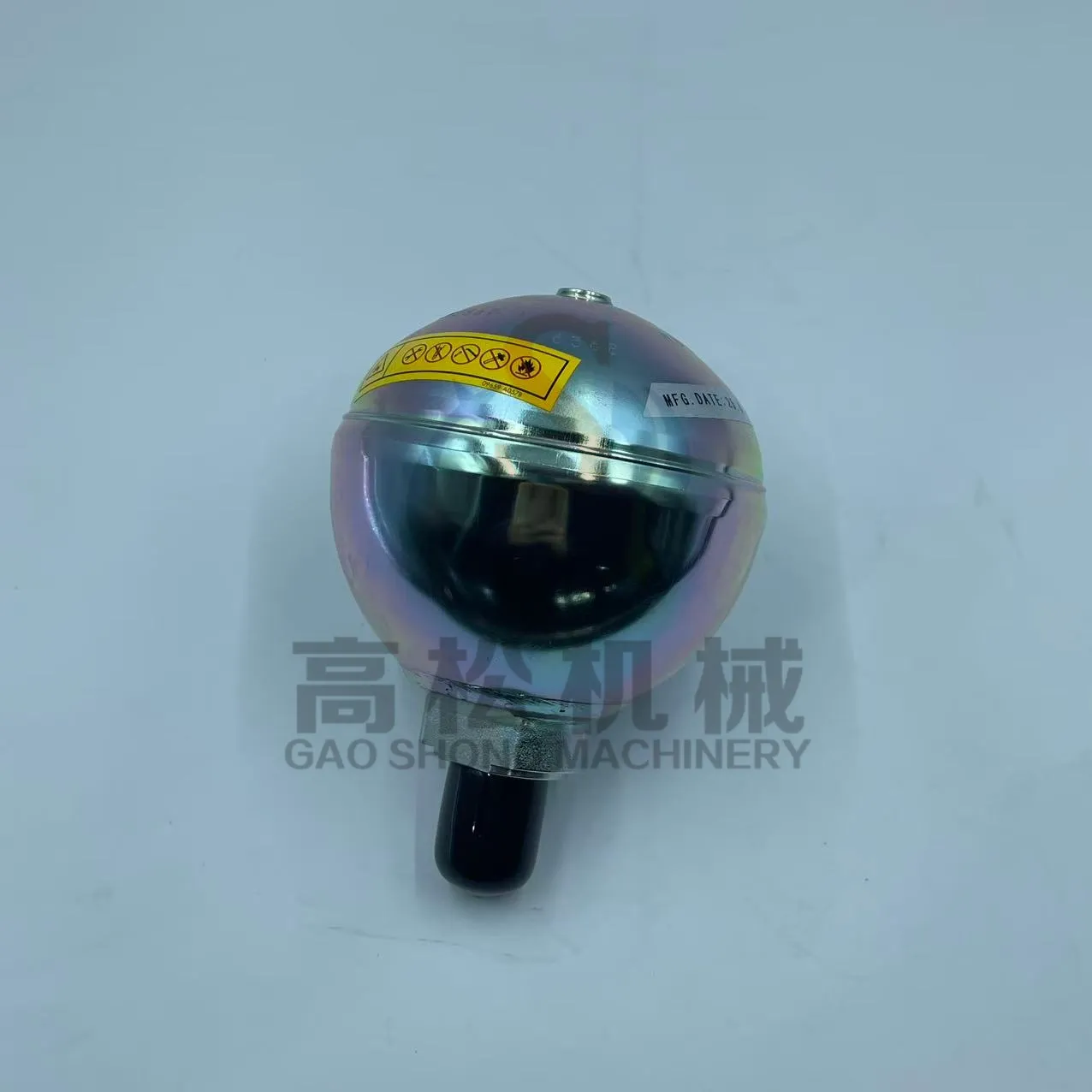 22u-60-21331 Accumulator
 -
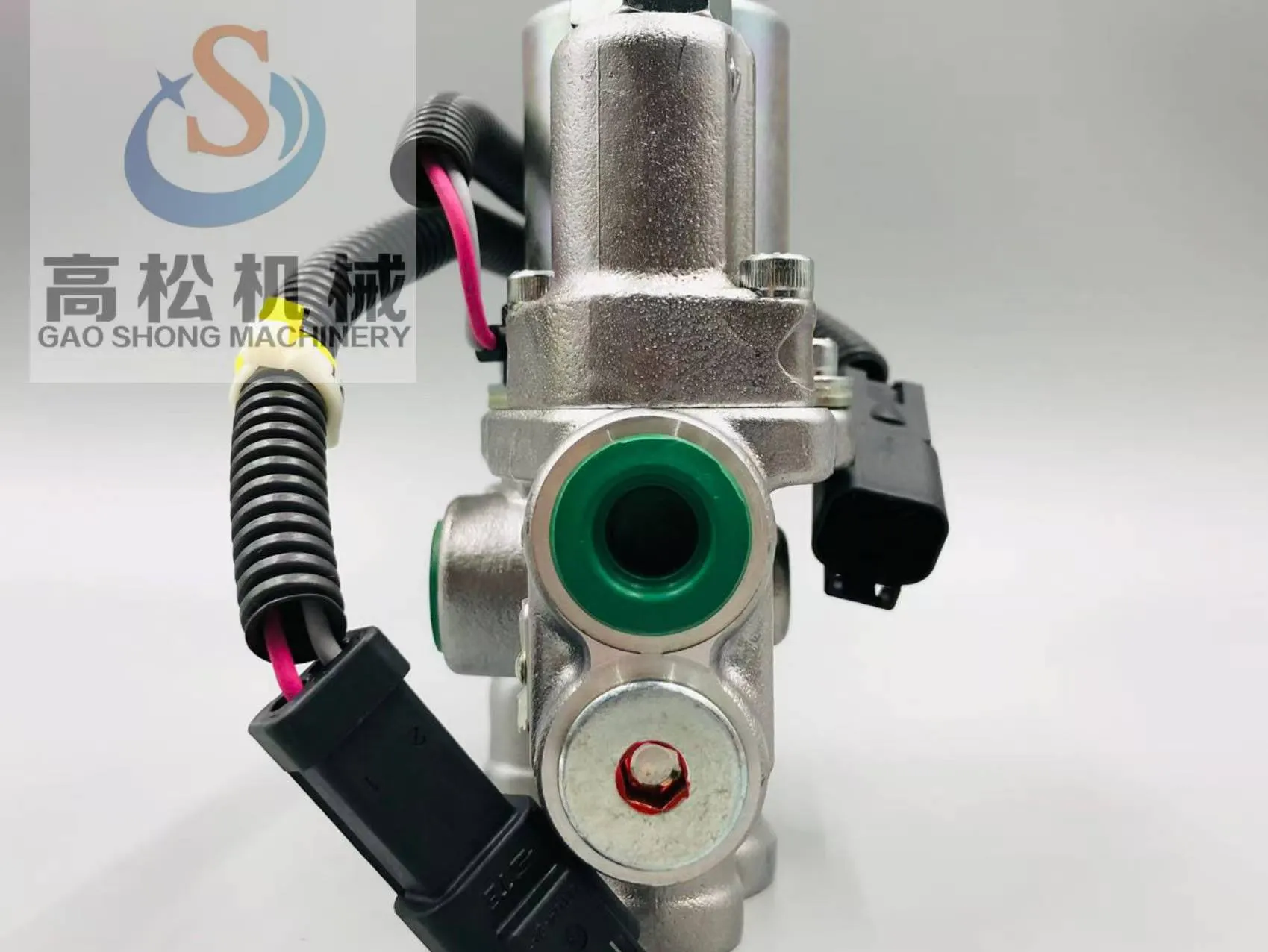 22F-60-31600/22F-60-21201 Electromagnetic valve assembly for PC40MR PC55MR PC56-7 excavator parts
 -
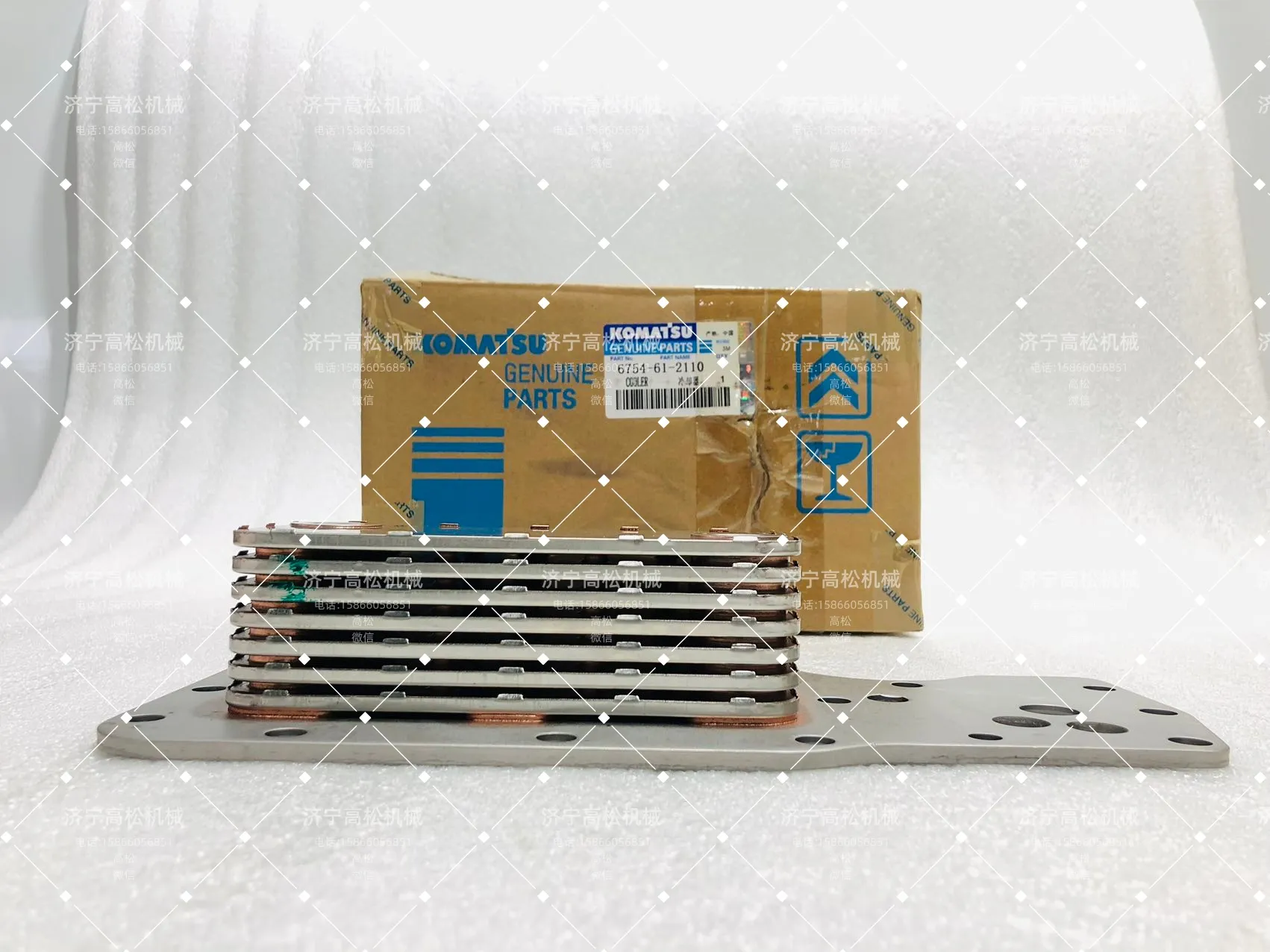 6754-61-2110 komatsu:core CORE, COOLER
 -
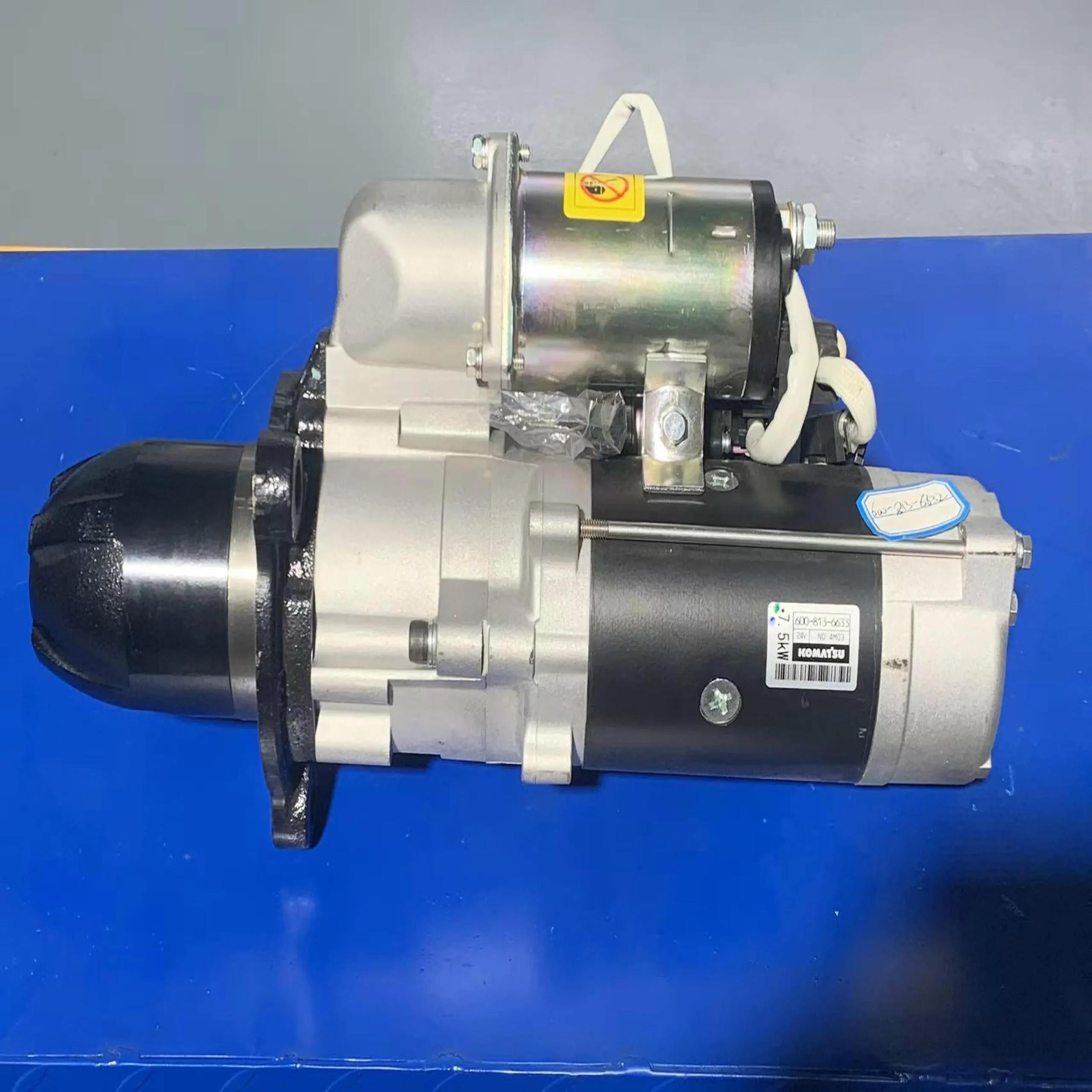 608-813-6632 Starter Motor for Komatsu Construction Parts
 -
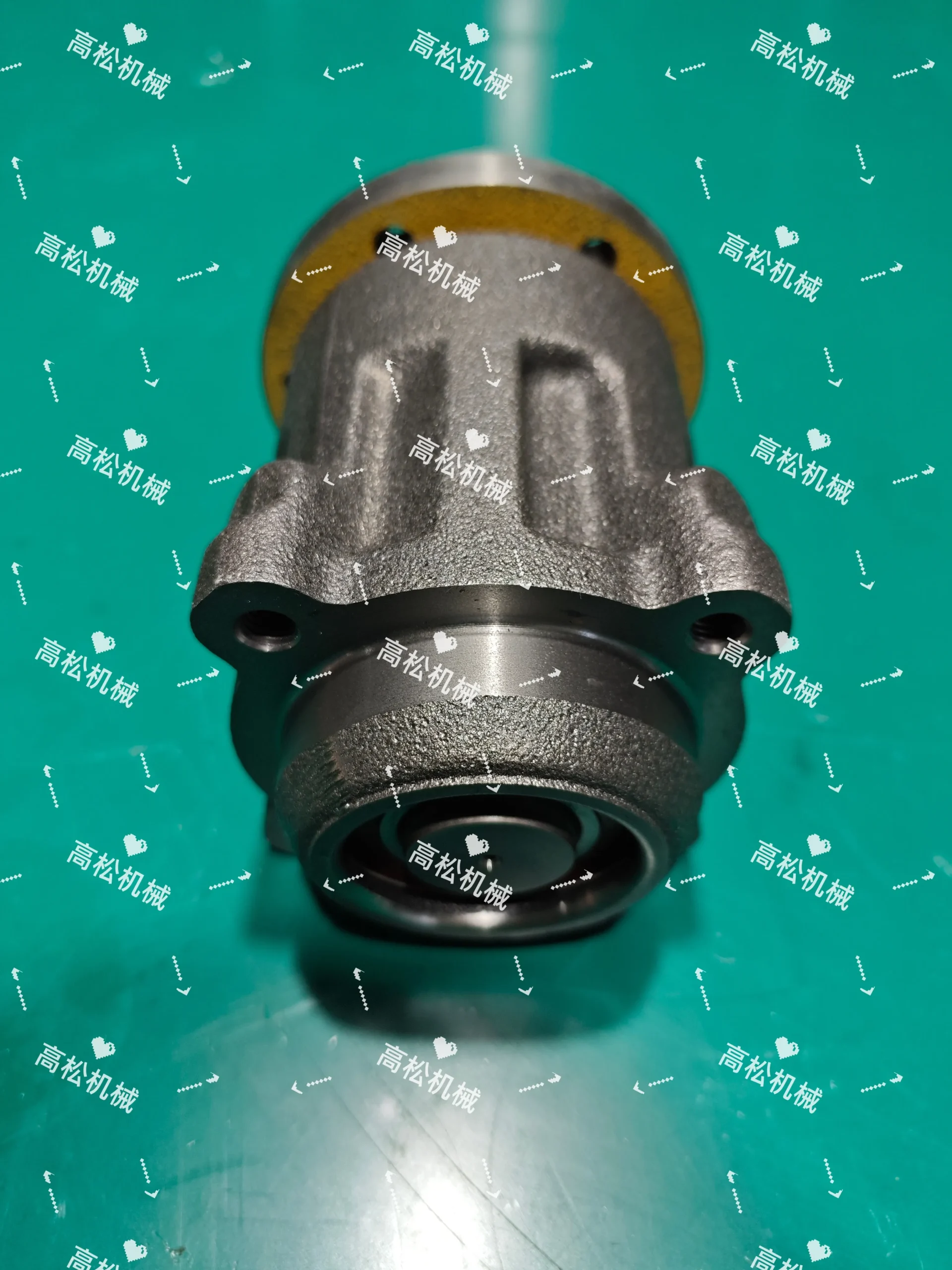 Fan Clutch 20Y-01-56130 for Komatsu PC210-10MO Excavator
 -
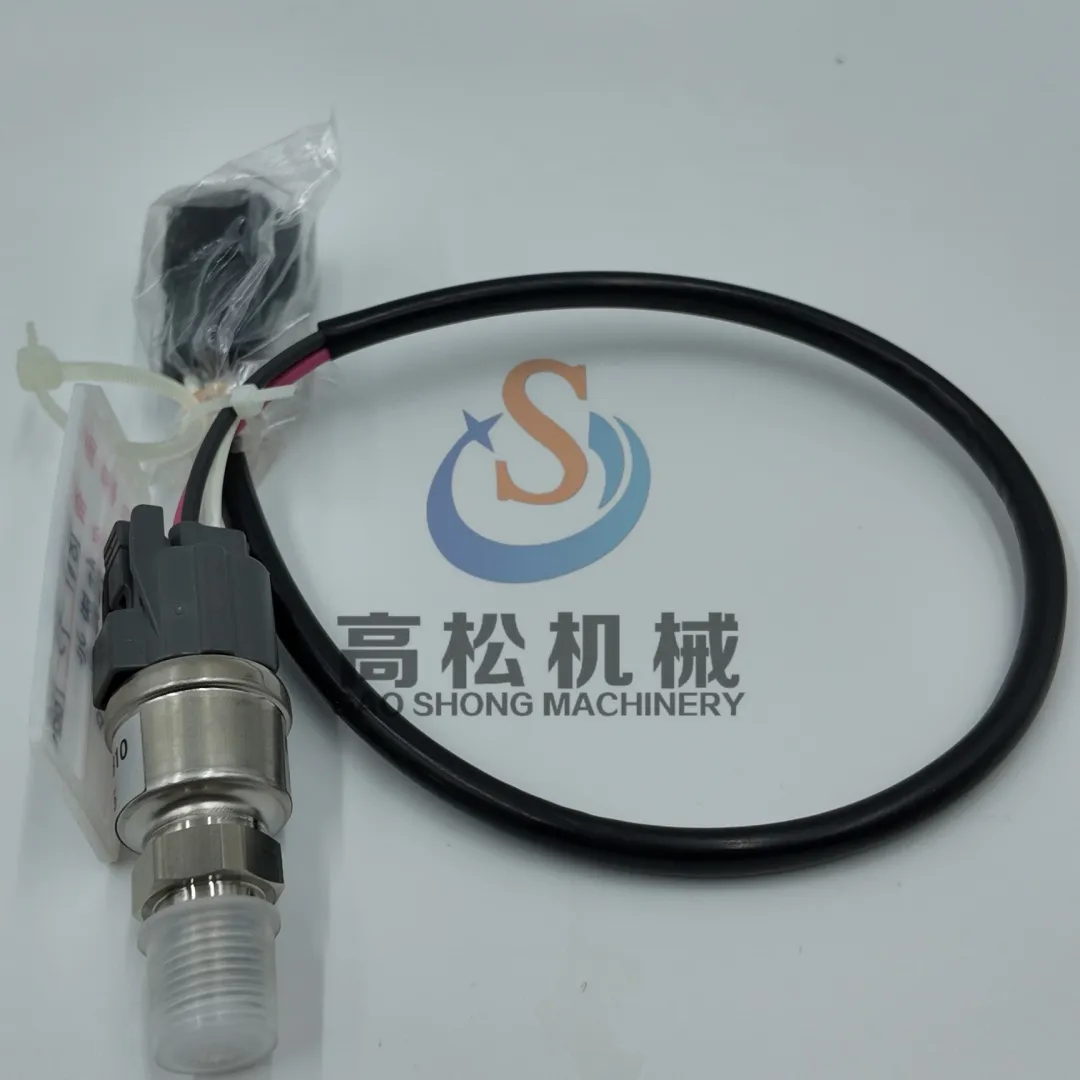 7861-93-1680 Pressure Sensor For Komatsu WA1200 SDA12V140E
 -
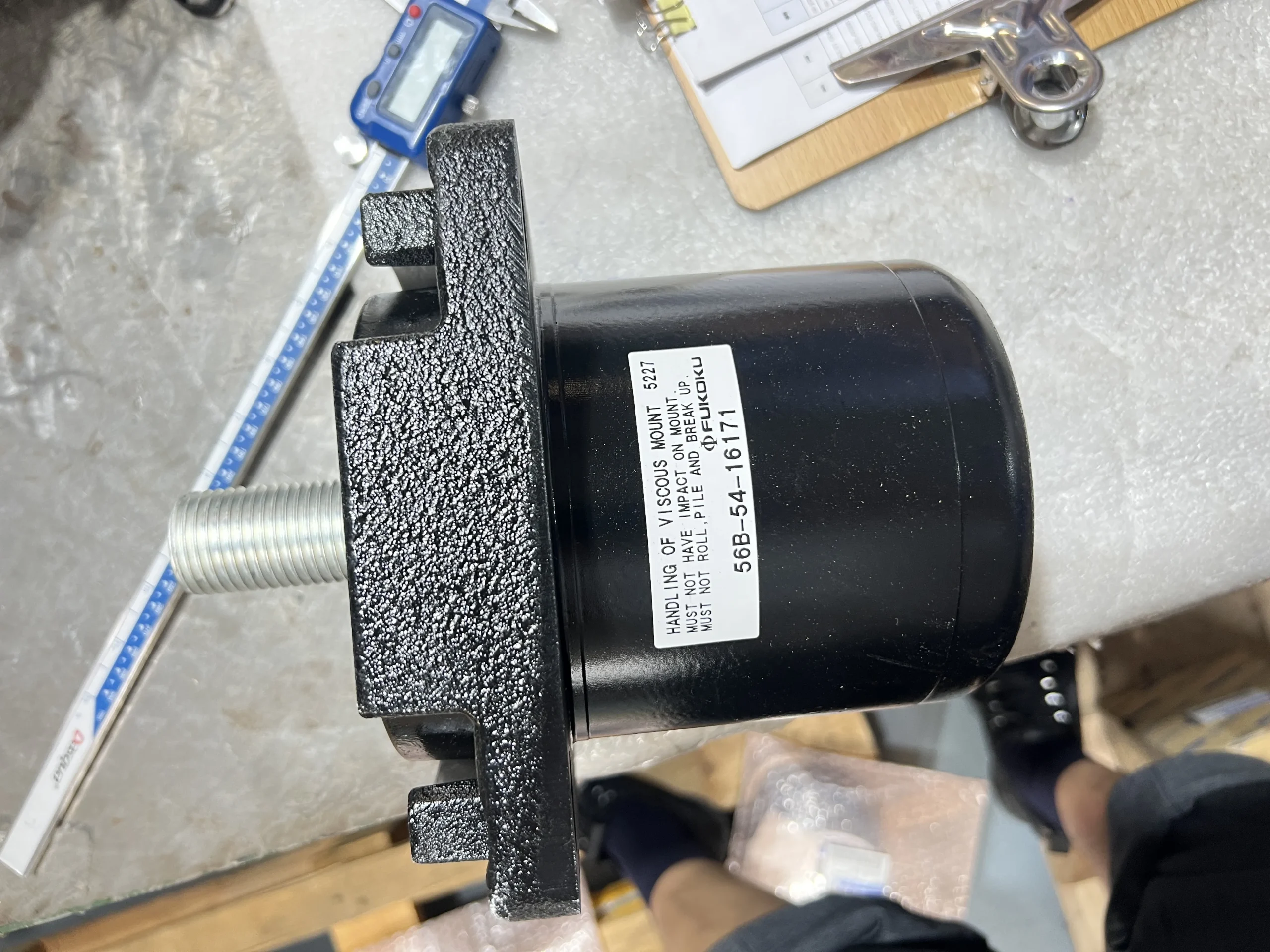 56B-54-16171 Cabin Mount
 -
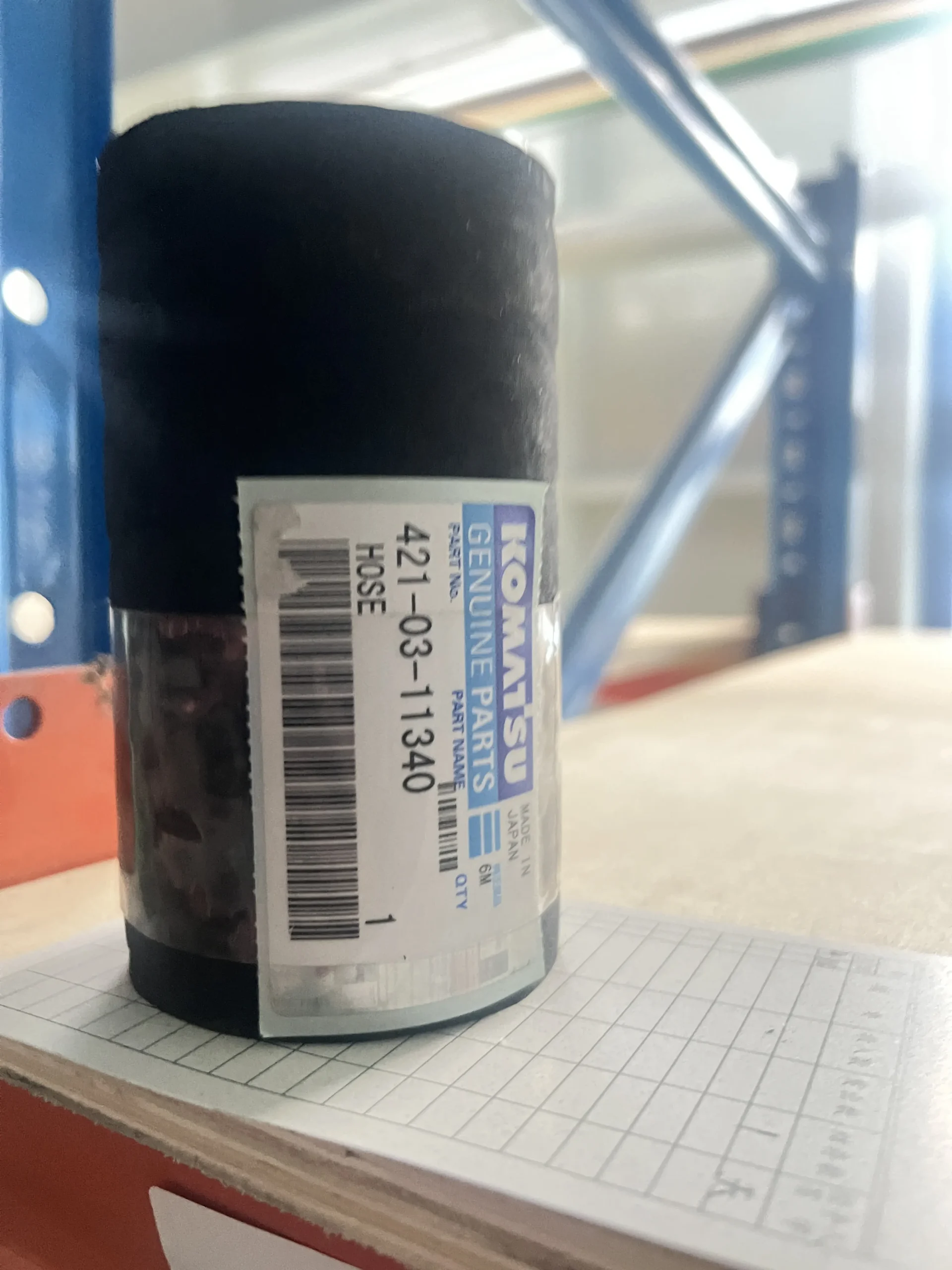 421-03-11340 HOSE
 -
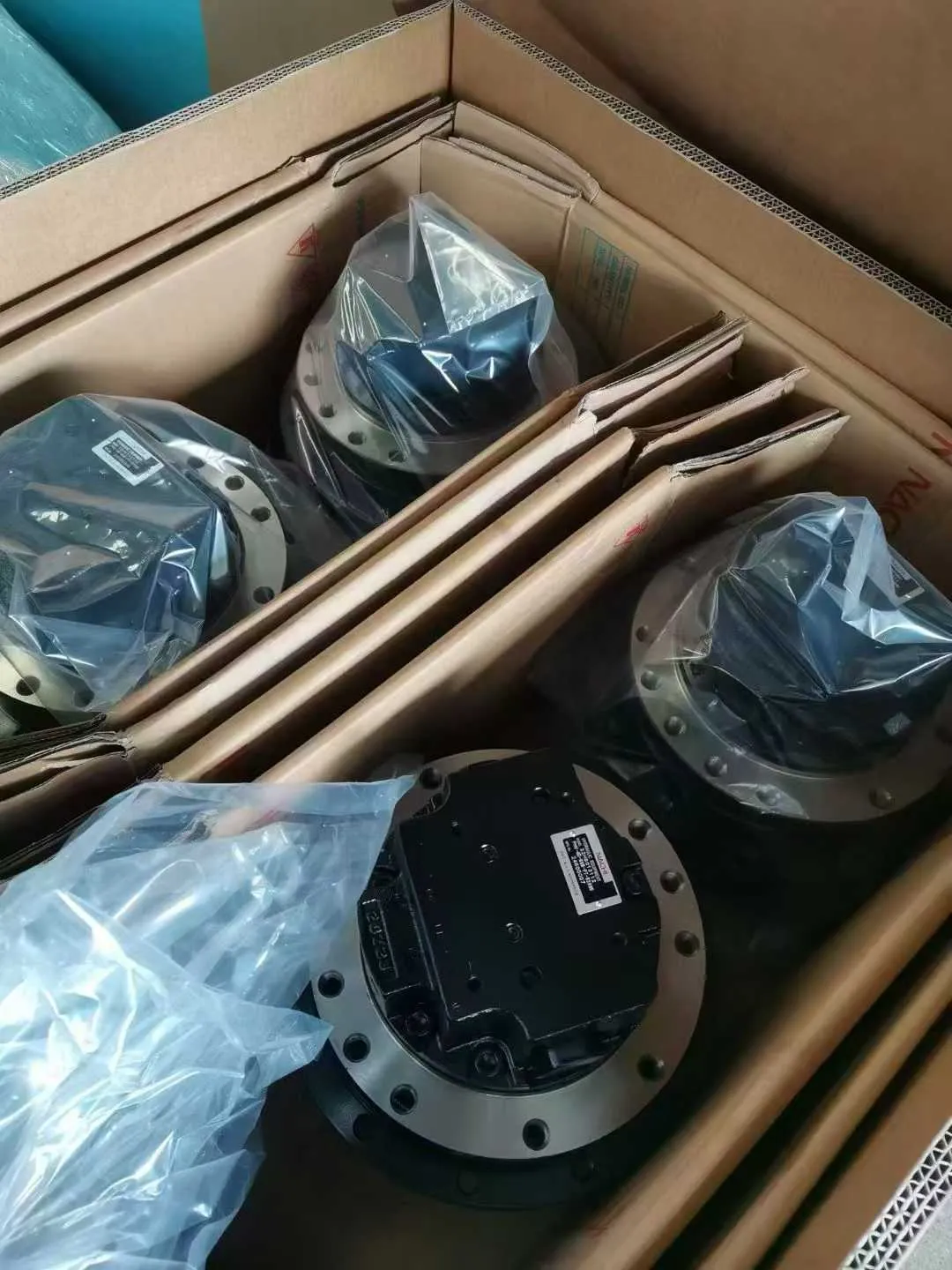 PC57-7 traveling motor assembly 22H-60-13112 in stock for sale #komatsu #komatsuparts #komatsuexcavator #pc57-7 #22H6013112
 -
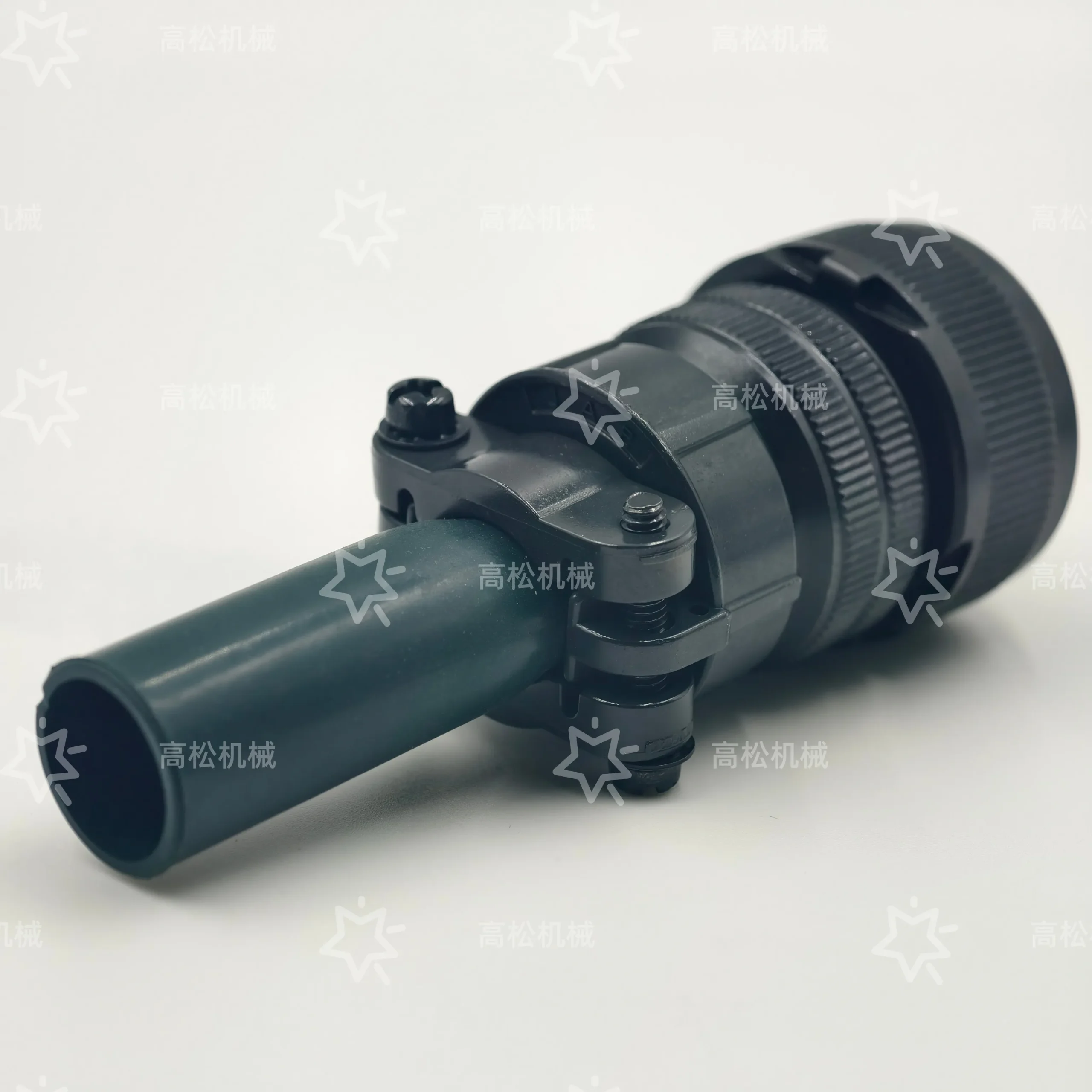 175-06-37871 Komatsu Plug
 -
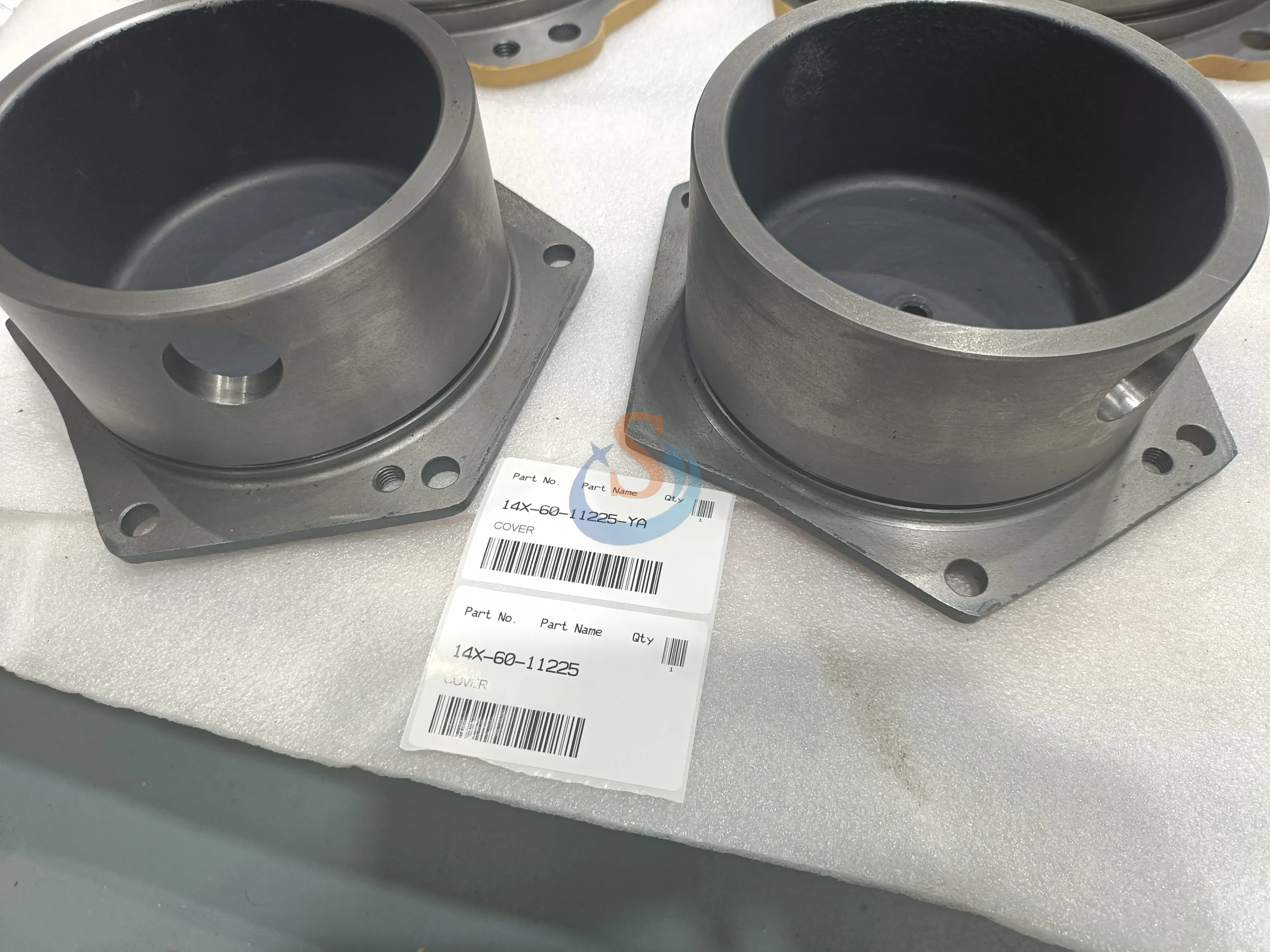 14X-60-11225,COVER,D65PX,D85ESS
 -
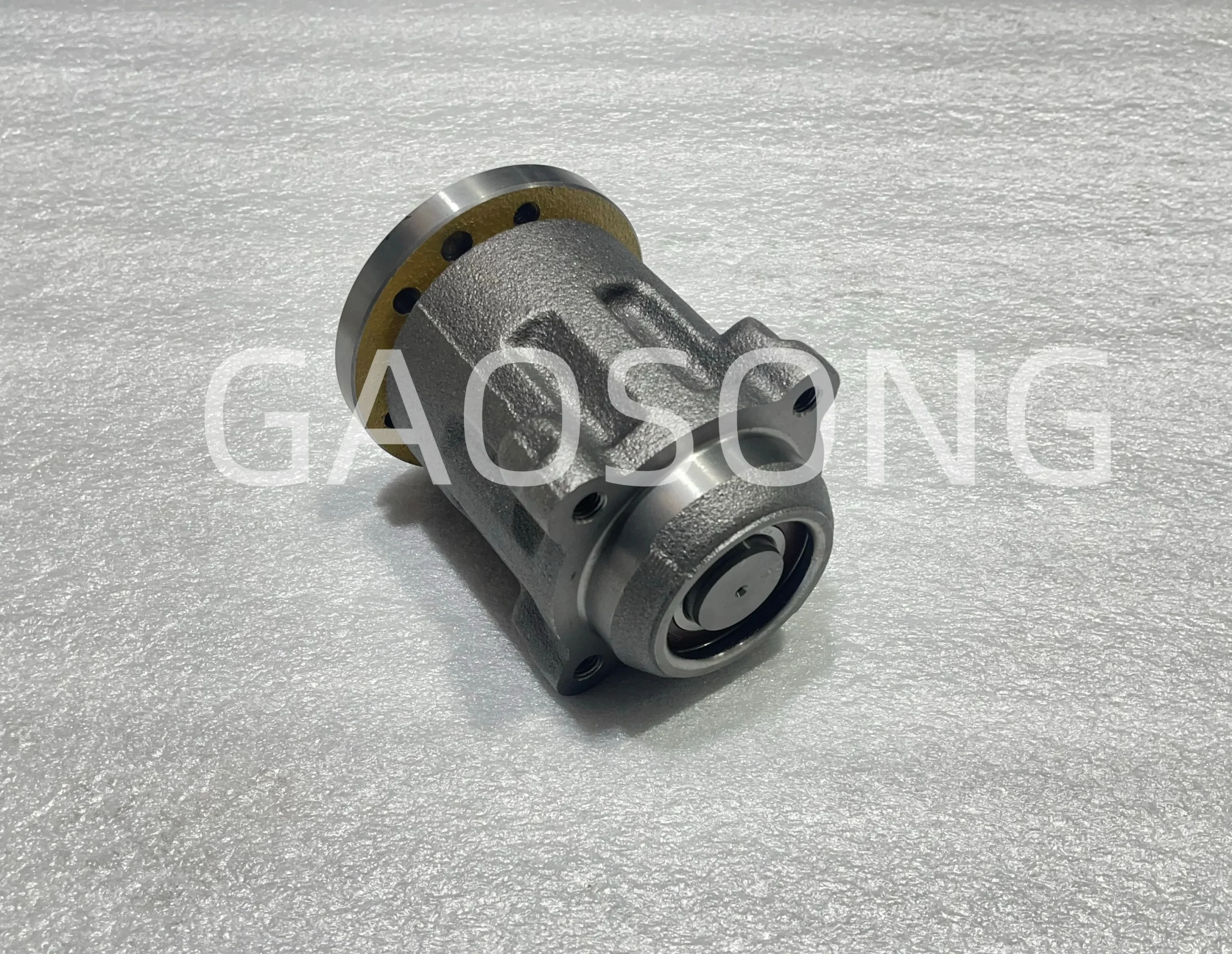 6151-61-3201 CASE ASS’Y-Komatsu Original Factory