
- Chinese
- French
- German
- Portuguese
- Spanish
- Russian
- Japanese
- Korean
- Arabic
- Irish
- Greek
- Turkish
- Italian
- Danish
- Romanian
- Indonesian
- Czech
- Afrikaans
- Swedish
- Polish
- Basque
- Catalan
- Esperanto
- Hindi
- Lao
- Albanian
- Amharic
- Armenian
- Azerbaijani
- Belarusian
- Bengali
- Bosnian
- Bulgarian
- Cebuano
- Chichewa
- Corsican
- Croatian
- Dutch
- Estonian
- Filipino
- Finnish
- Frisian
- Galician
- Georgian
- Gujarati
- Haitian
- Hausa
- Hawaiian
- Hebrew
- Hmong
- Hungarian
- Icelandic
- Igbo
- Javanese
- Kannada
- Kazakh
- Khmer
- Kurdish
- Kyrgyz
- Latin
- Latvian
- Lithuanian
- Luxembou..
- Macedonian
- Malagasy
- Malay
- Malayalam
- Maltese
- Maori
- Marathi
- Mongolian
- Burmese
- Nepali
- Norwegian
- Pashto
- Persian
- Punjabi
- Serbian
- Sesotho
- Sinhala
- Slovak
- Slovenian
- Somali
- Samoan
- Scots Gaelic
- Shona
- Sindhi
- Sundanese
- Swahili
- Tajik
- Tamil
- Telugu
- Thai
- Ukrainian
- Urdu
- Uzbek
- Vietnamese
- Welsh
- Xhosa
- Yiddish
- Yoruba
- Zulu
- Kinyarwanda
- Tatar
- Oriya
- Turkmen
- Uyghur






komatsu d475a engine
When you hear 'Komatsu D475A engine', most guys immediately think of the raw displacement, that massive SAA12V140E sitting in there. But that's the surface-level talk, the kind you get from spec sheets. The real story, the one that matters on a Monday morning when the machine's down and the pit's waiting, is about the system. It's about how that 12-cylinder, 46-liter turbocharged diesel integrates—or sometimes fights—with the hydraulics, the electronics, the cooling. I've seen too many mechanics chase phantom issues because they treated the engine as an island. It's not.
The Heart of the Beast: SAA12V140E Nuances
Let's get into the weeds on the powerplant itself. The SAA12V140E is a workhorse, no doubt. But its reputation for brute-force reliability can be misleading. For instance, the cylinder liners. They're replaceable, wet-type, which is standard. But the specific alloy and the honing pattern from that era? They don't play nice with just any aftermarket coolant. We learned this the hard way on a project in Indonesia. Persistent, minor overheating led to liner pitting. We swapped pumps, thermostats, you name it. Turned out the local coolant formulation was slightly off-spec, causing cavitation erosion on the liner walls. It wasn't a catastrophic failure, just a slow, expensive grind of power loss. Komatsu's spec isn't just corporate paperwork here; it's a defense mechanism for the block.
Then there's the fuel system. The twin turbochargers feeding that direct injection setup are robust, but their wastegate control logic is tied into the old-school, but surprisingly sophisticated, Komatsu Traction Control System (K-TCS). If you've got a lag or a black smoke issue, it's tempting to just pull and rebuild the injectors. Sometimes that works. But more often than not, the fault trace leads back to a pressure sensor on the transmission side, feeding bad data to the engine ECU, which then messes with the fuel-air ratio. Diagnosing this requires thinking of the engine as the chief executive officer of the machine, not a solo operator. It's getting reports from all departments.
I recall a specific D475A-5 we worked on through our channel at Jining Gaosong. The complaint was high fuel consumption and lack of high-end power. The local team had replaced air filters, checked turbo boost—all clear. Our tech flew in, and instead of starting with the engine bay, he plugged into the monitor and just watched the parameters while the machine dozed. He noticed the pump discharge pressure readings were fluctuating oddly even at constant engine RPM. That pointed him not to the Komatsu D475A engine, but to a failing pump control valve. The engine was essentially working harder to maintain hydraulic pressure, burning extra fuel for no gain in traction or blade force. Fix the hydraulic side, and the engine magically returned to spec. That's the kind of holistic view you need.
Cooling: The Silent Battleground
If there's one system that gets less respect than it deserves, it's the cooling circuit on these large dozers. The D475A's radiator and oil cooler stack is enormous, but it's a dust magnet. The standard procedure is to blow it out. But in high-silica environments, that's not enough. The fine dust acts like a grinding paste, slowly eroding the fins. We've had machines where the coolant temps looked okay, but the transmission oil temp would creep into the red. The root cause? The transmission oil cooler, sitting behind the main radiator, was completely clogged because the primary radiator had thinned out so much it wasn't catching the dust anymore—it was just letting it all through. You have to inspect the entire stack, not just the front face.
Water pump failures are another sneaky one. The bearing goes, but it doesn't always scream. You get a slight coolant weep from the weep hole, maybe a minor harmonic vibration. If ignored, the next failure point is often the seal, leading to coolant contaminating the engine oil. That's a recipe for a full bearing overhaul. The preventative maintenance interval for the water pump on these units is critical, but it's often stretched because it's still running. That's a false economy of the worst kind.
Our role at Jining Gaosong Construction Machinery Co., Ltd. often involves bridging these knowledge gaps. As an OEM supplier within the Komatsu system, we see the official bulletins. But as a third-party sales company solving parts supply challenges, we also see the field realities. A customer in a remote region might not have the OEM-approved coolant or the precise tools for a pump bearing pre-load check. So, the solution isn't just to sell them a new pump assembly (which we can, via https://www.takematsumachinery.com), but to provide a modified procedure or a robust, compatible alternative fluid that won't kill the liners. It's about practical adaptation, not just parts slinging.
Electronics and the Dumb Engine Myth
There's a perception that because the D475A is from an earlier generation, its electronics are simple. That's a dangerous myth. It's not a modern common-rail fly-by-wire system, but its engine control module is deeply integrated. It manages injection timing, governs RPM based on load from the K-TCS, and protects against overspeed. The problem is the diagnostic interface. It's not OBD-II. You need the old Komatsu Dr.ZX or a compatible tool, and interpreting the codes is half the battle. A fuel adjustment actuator code might not mean the actuator is dead; it could mean the throttle position sensor on the operator's lever is out of calibration.
We had a case where a machine kept going into a mild derate mode. The code pointed to an intake air temperature sensor. Replacing it did nothing. After days of head-scratching, the tech found a chafed wire harness where it passed near the hydraulic tank bracket. The insulation was worn, and under certain vibration, it was shorting the 5-volt reference line for that sensor, sending a garbage signal to the ECU. The fix was a 50-cent piece of loom tape and a cable tie. But finding it required believing the computer enough to start the search, but not so much that you just throw parts at the code.
This is where having access to the right technical resources is non-negotiable. It's not about having a secret manual; it's about having seen this pattern before. Through our network, we often function as that memory bank. A technician can describe the symptoms, and we can say, Check the harness run near the rear frame crossmember. We've seen two others with that exact fault. That connection between field failure and shared experience is what keeps these machines running long past their theoretical service life.
The Aftermarket and Genuine Parts Dilemma
The debate around genuine vs. aftermarket parts for the Komatsu D475A engine is fierce. For certain components, like head gaskets or main bearings, I lean heavily toward genuine. The metallurgy and tolerances are critical. But for other items? A high-quality, certified aftermarket water pump might be perfectly adequate, especially if the genuine part is on a 12-week backorder from halfway across the world. The key is knowing the difference, and that comes from tear-downs and comparisons.
I've seen aftermarket piston rings that wore out in 2000 hours because the chrome plating was subpar. I've also seen genuine Komatsu fuel lines fail prematurely because a batch had a subtle manufacturing flaw that was later covered by a silent recall—a recall you only know about if you're tapped into the right information channels. This is precisely the gap our company aims to fill. We're not just a vendor; as part of the Komatsu ecosystem, we have visibility on these issues. When we supply a part, especially a critical engine component, we can often provide the context: This is the updated part number that addresses the cracking issue on the flange, or Stick with the original for this one, the aftermarket alternatives aren't there yet.
It's a judgment call every time. For a customer facing a hard deadline, the calculus involves cost, availability, and machine downtime risk. Our job at Jining Gaosong is to provide all three data points honestly. Sometimes the best solution we offer from https://www.takematsumachinery.com is a genuine Komatsu piston kit. Other times, it's a trusted third-party radiator core with express shipping, plus a warning to flush the system with a specific cleaner first. The goal is uptime, not purity.
Longevity: It's About the Operator, Too
Finally, all this technical talk circles back to the person in the seat. A Komatsu D475A engine can tolerate a lot, but it hates chronic low-RPM, high-load operation—think heavy ripping or steady push-loading in a high gear. This builds heat in the cylinder heads and carbon in the turbo. The machine feels powerful, so the operator keeps doing it. But you're cooking the engine slowly. The ideal is to let the machine work in its torque curve, downshift, let the RPMs come up. It sounds counterintuitive—higher RPM should mean more wear, right? Not in this case. The cooling and lubrication systems are designed for that operational sweet spot.
Training matters. Not just a lecture, but showing an operator the pyrometer and coolant temp gauges, explaining how his actions move those needles. When they see that dropping a gear lowers the EGT (Exhaust Gas Temperature), it clicks. The machine lasts longer, burns cleaner, and uses less fuel. It's the cheapest form of preventative maintenance there is.
So, when you're dealing with a D475A, or sourcing parts through a partner like us, remember you're managing a complex, integrated industrial asset. The engine is the cornerstone, but its health is a reflection of the entire machine's ecosystem—hydraulics, electronics, cooling, and human factors. It's never just about the big block. It's about understanding the conversations that block is having with everything else connected to it. That's what separates a parts changer from a mechanic, and what defines our approach to keeping these giants moving.
Related Products
Related Products

Best Selling Products
Best Selling Products-
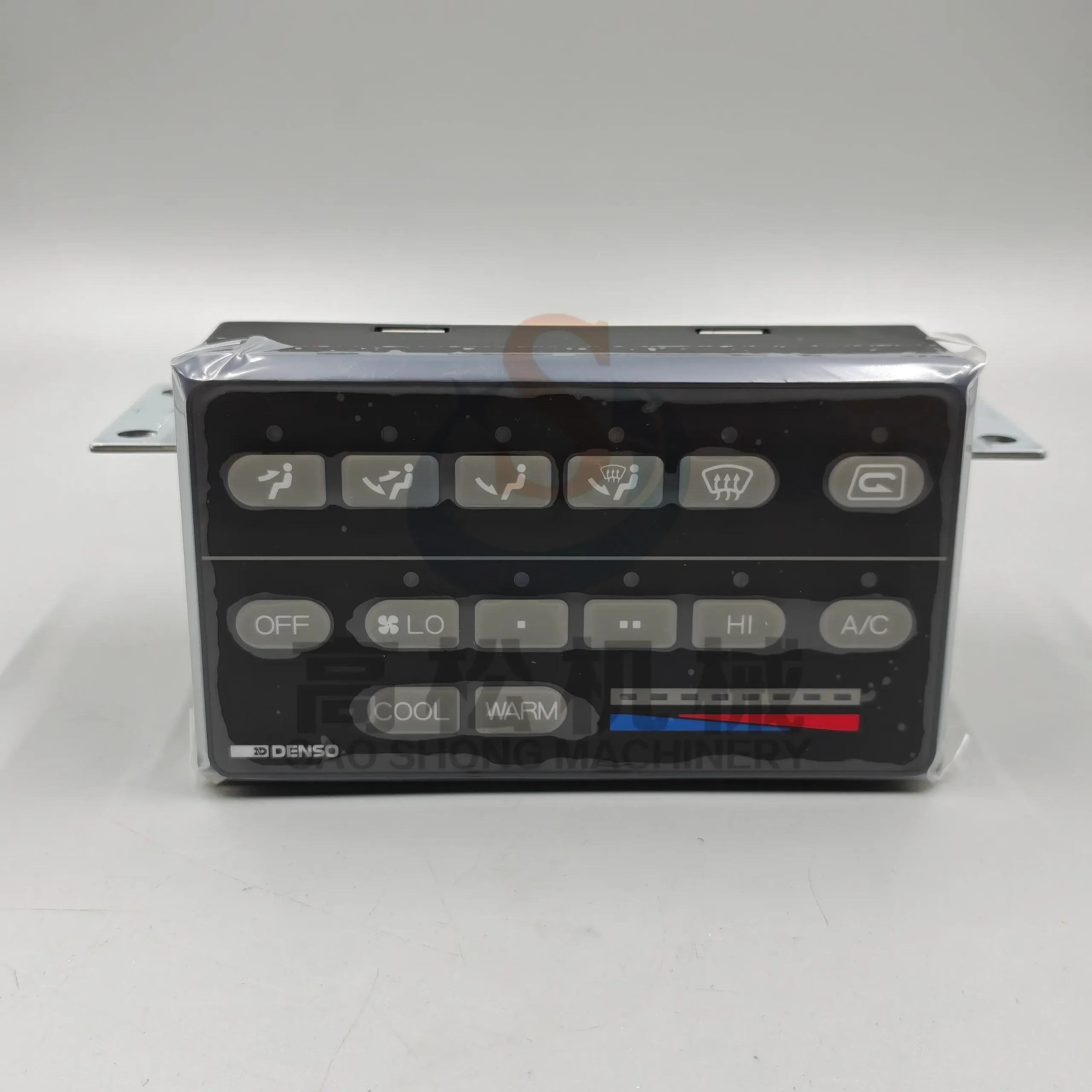 425-07-21121 Controller
 -
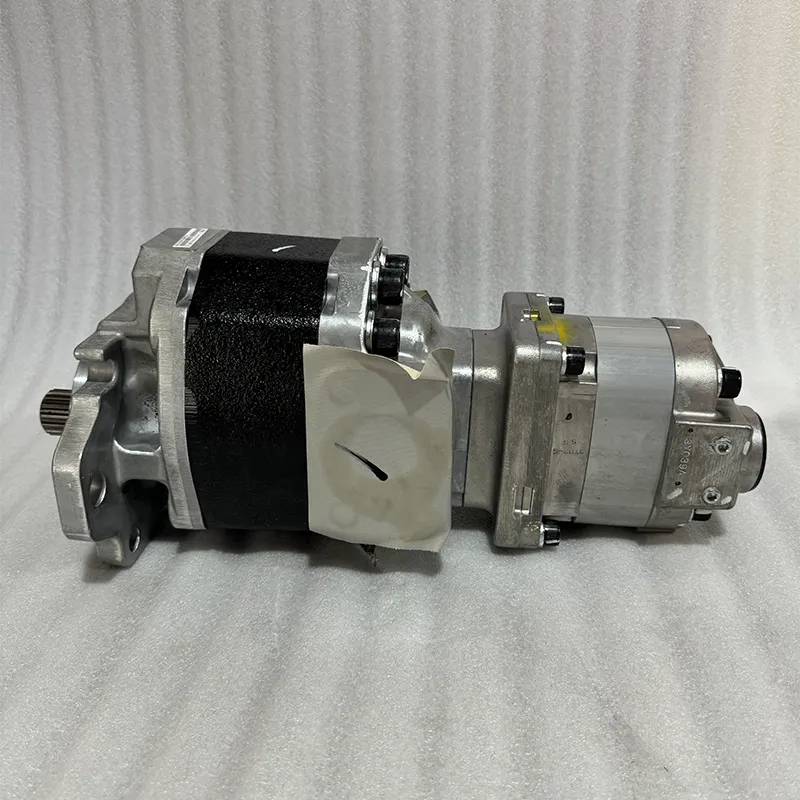 Original komatsu HD605-7R Gear Pump 705-95-05140
 -
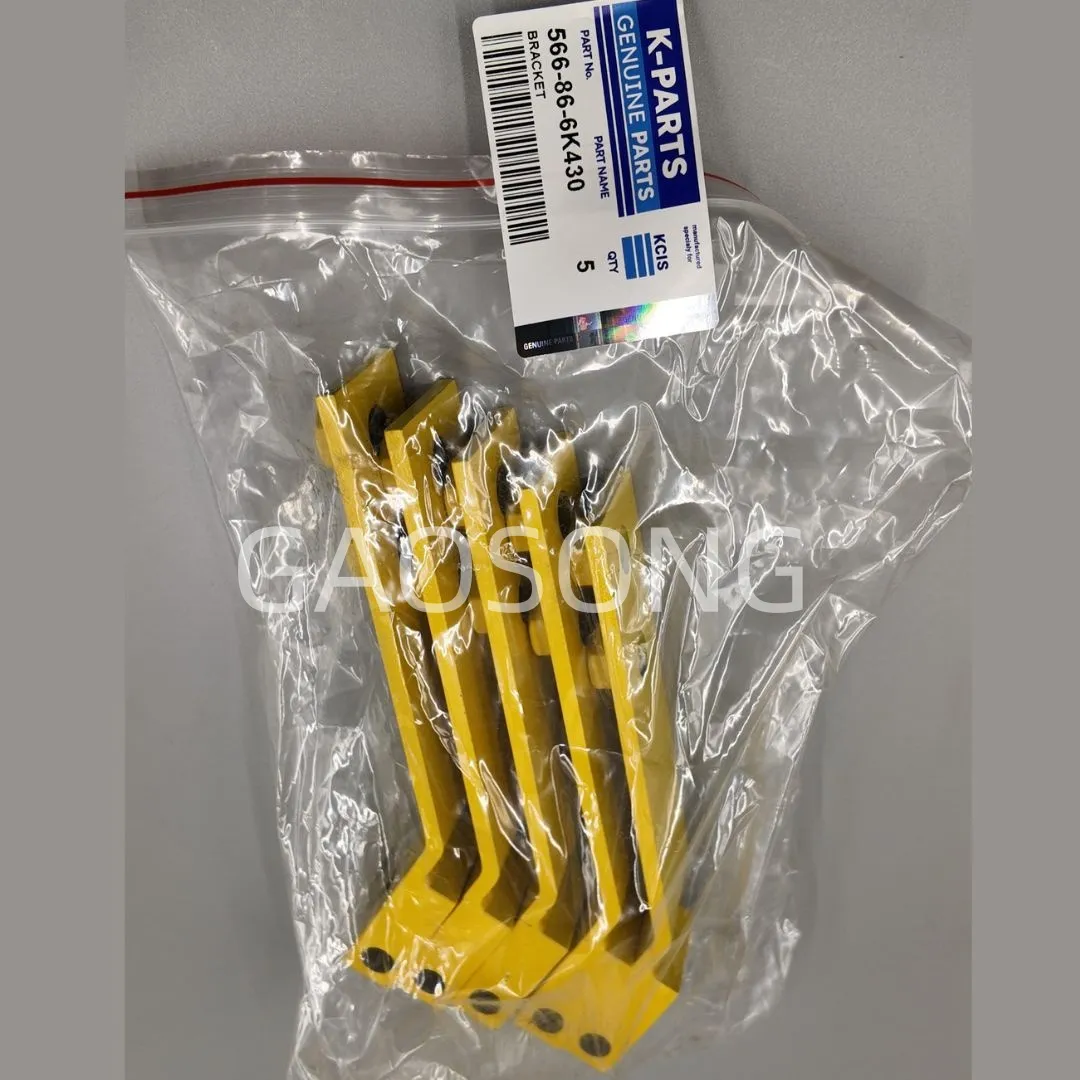 566-86-6K430 BRACKET–Komatsu Original Factory
 -
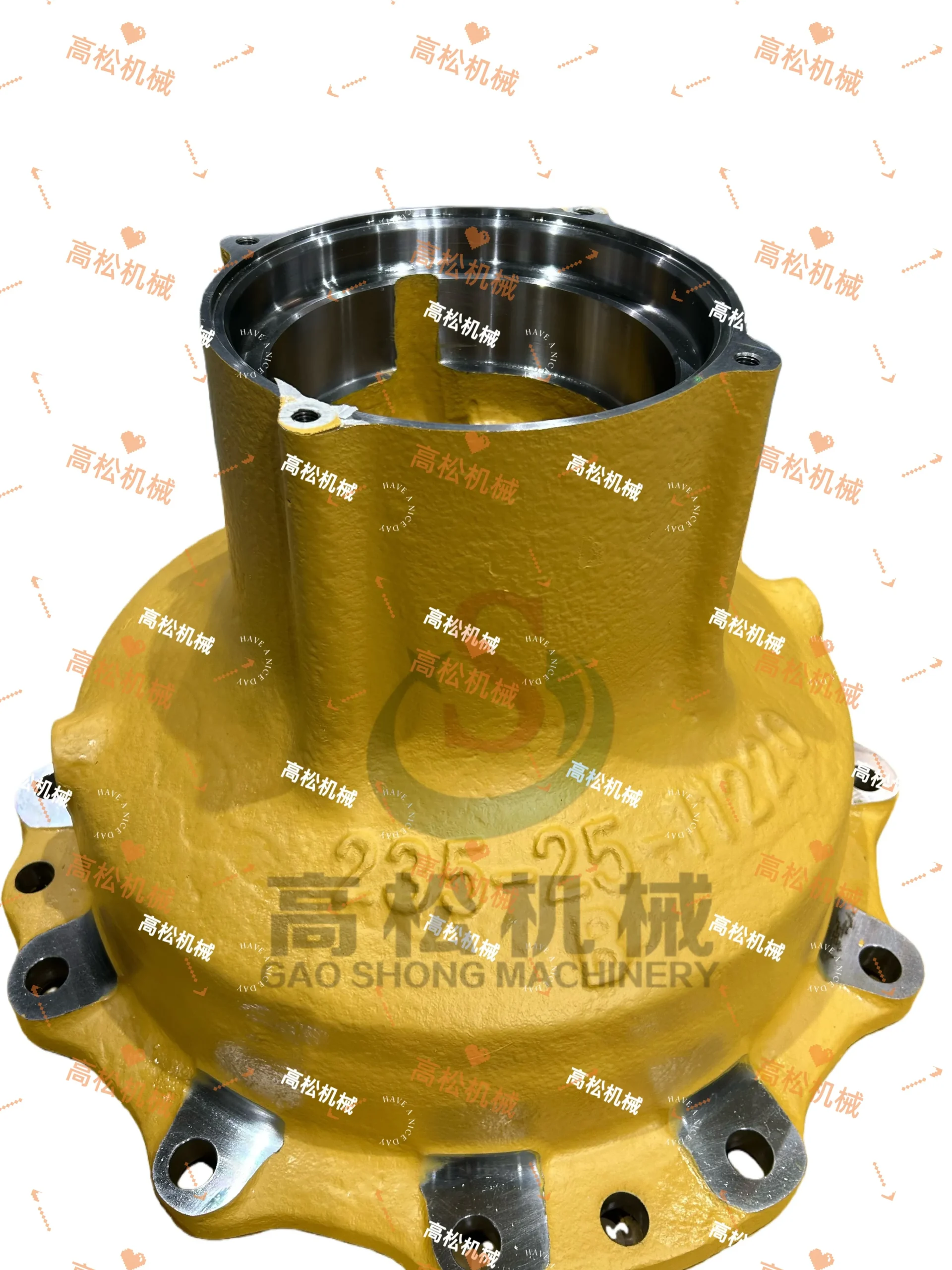 komatsu-part-235-25-11220 CAGE GD805A-1 GD825A-2 GD825A-2E0 TANDEM DRIVE GEAR AND CHAIN TANDEM DRIVE GEAR
 -
208-26-71170 Komatsu CARRIER PC400-7 SWING MACHINERY ASS’Y 400-7 400-8 450-7 490-10 550-8 1250-8
-
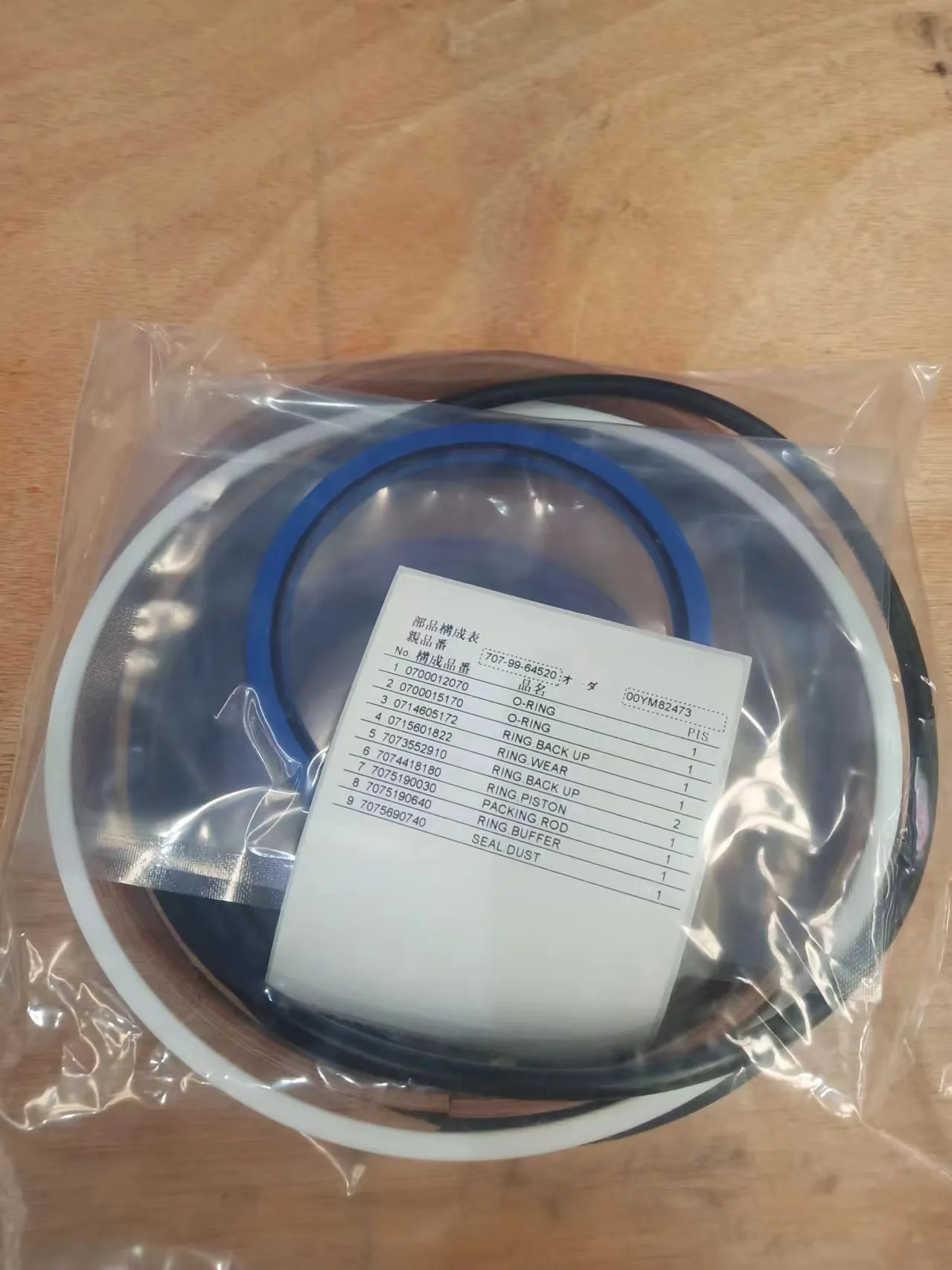 WA380-3 Repair Kit 707-99-64520
 -
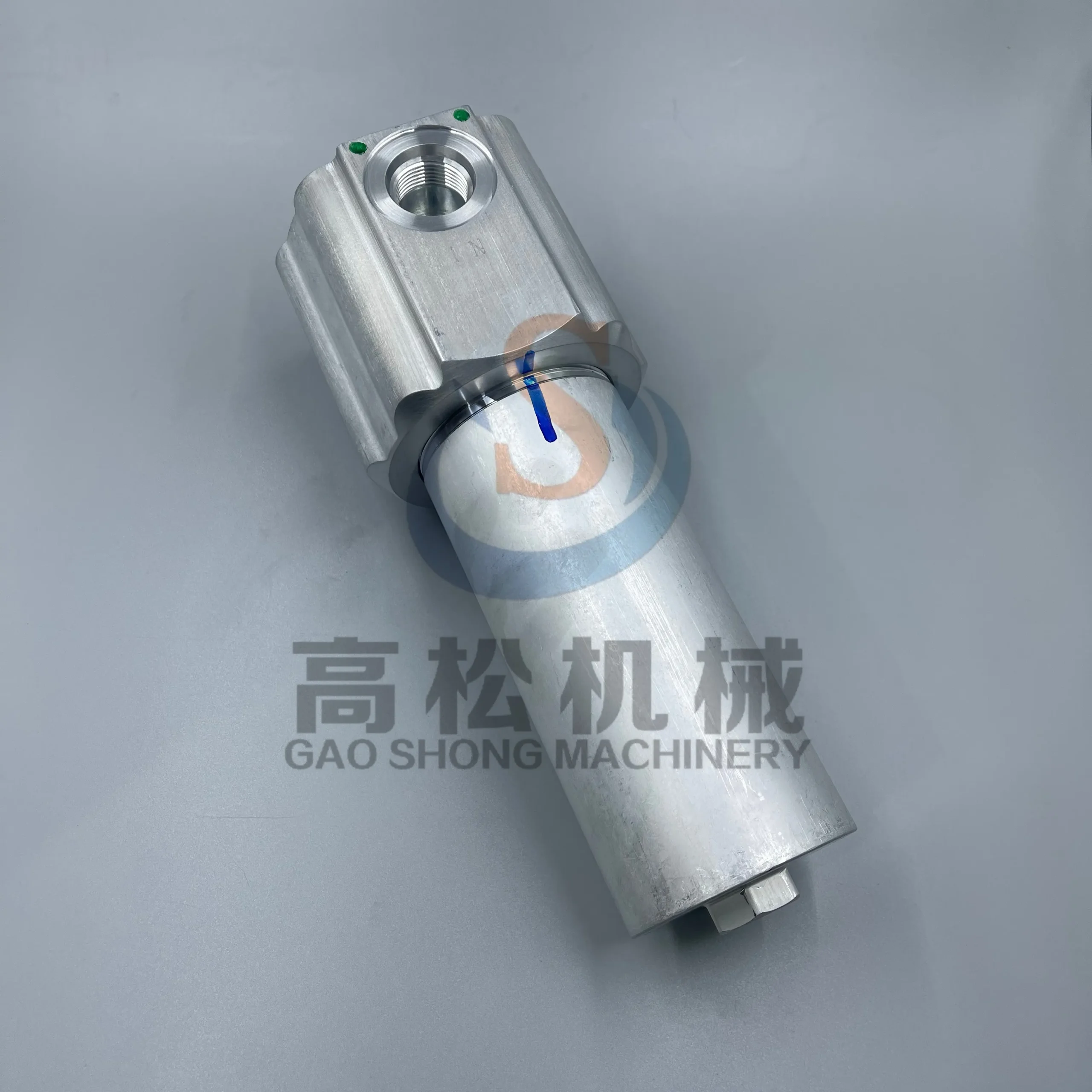 569-43-83911 Komatsu Filter Assembly
 -
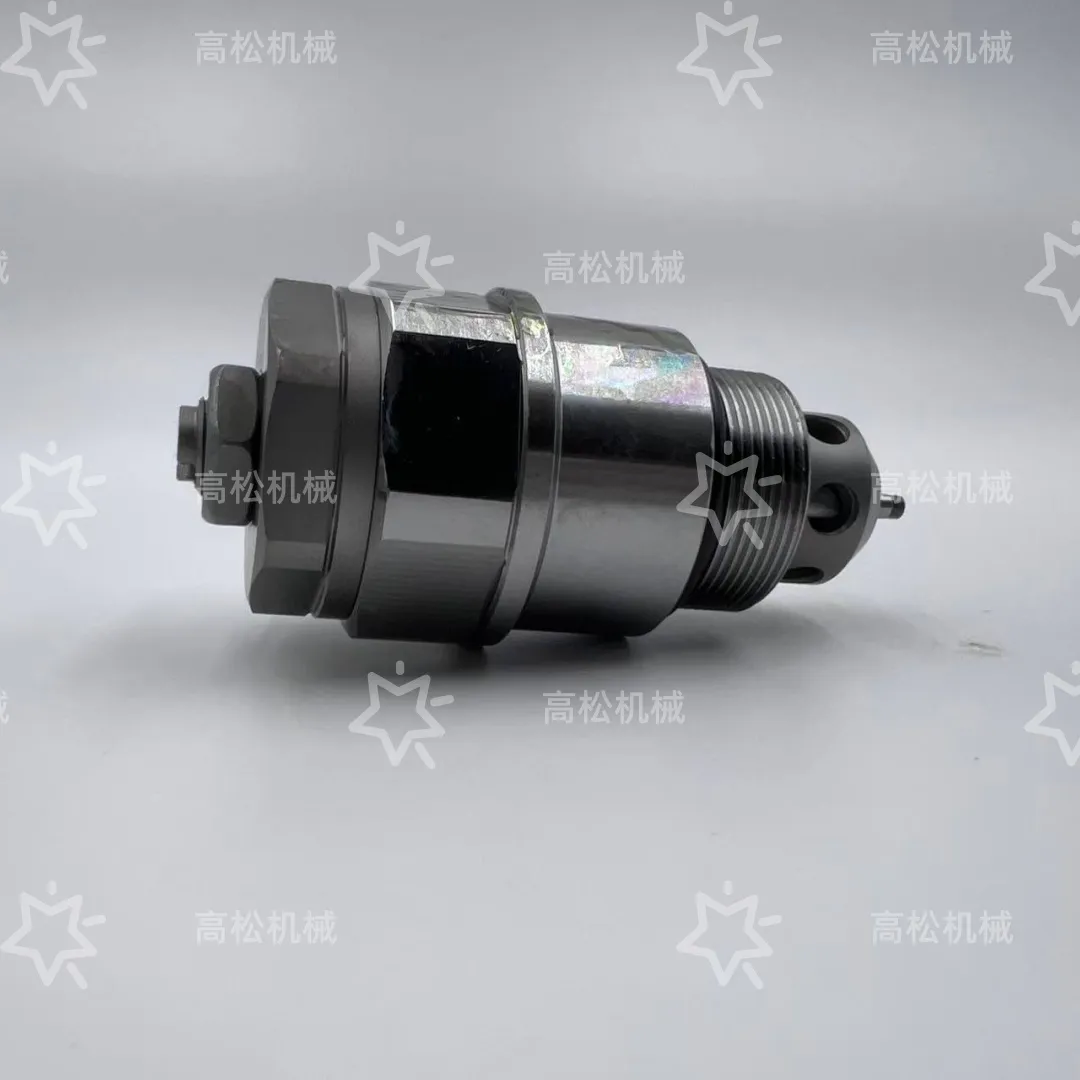 709-90-71700 Valve Assembly, Suction and Relief Komatsu
 -
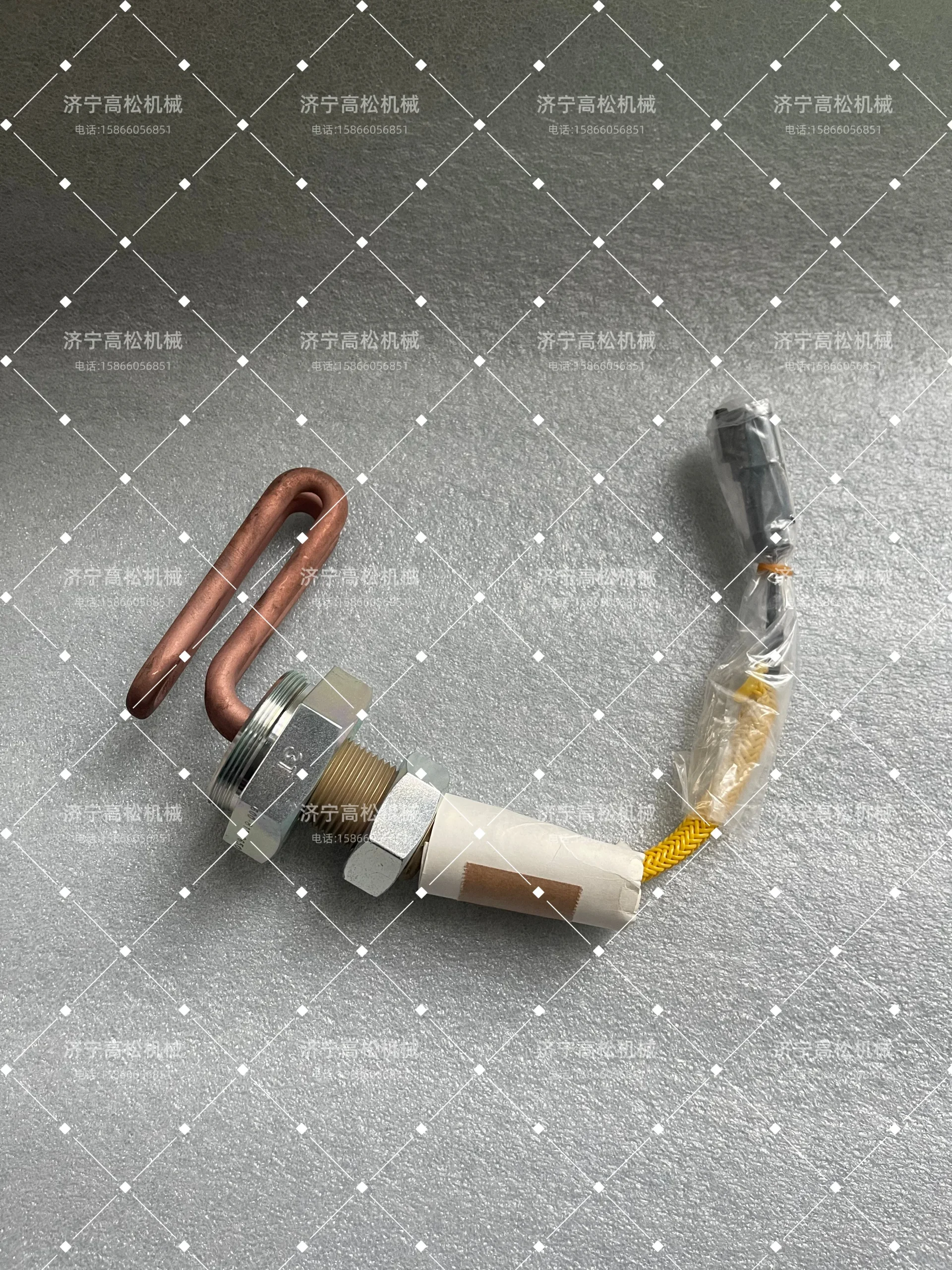 600-815-9650 – HEATER fits KOMATSU
 -
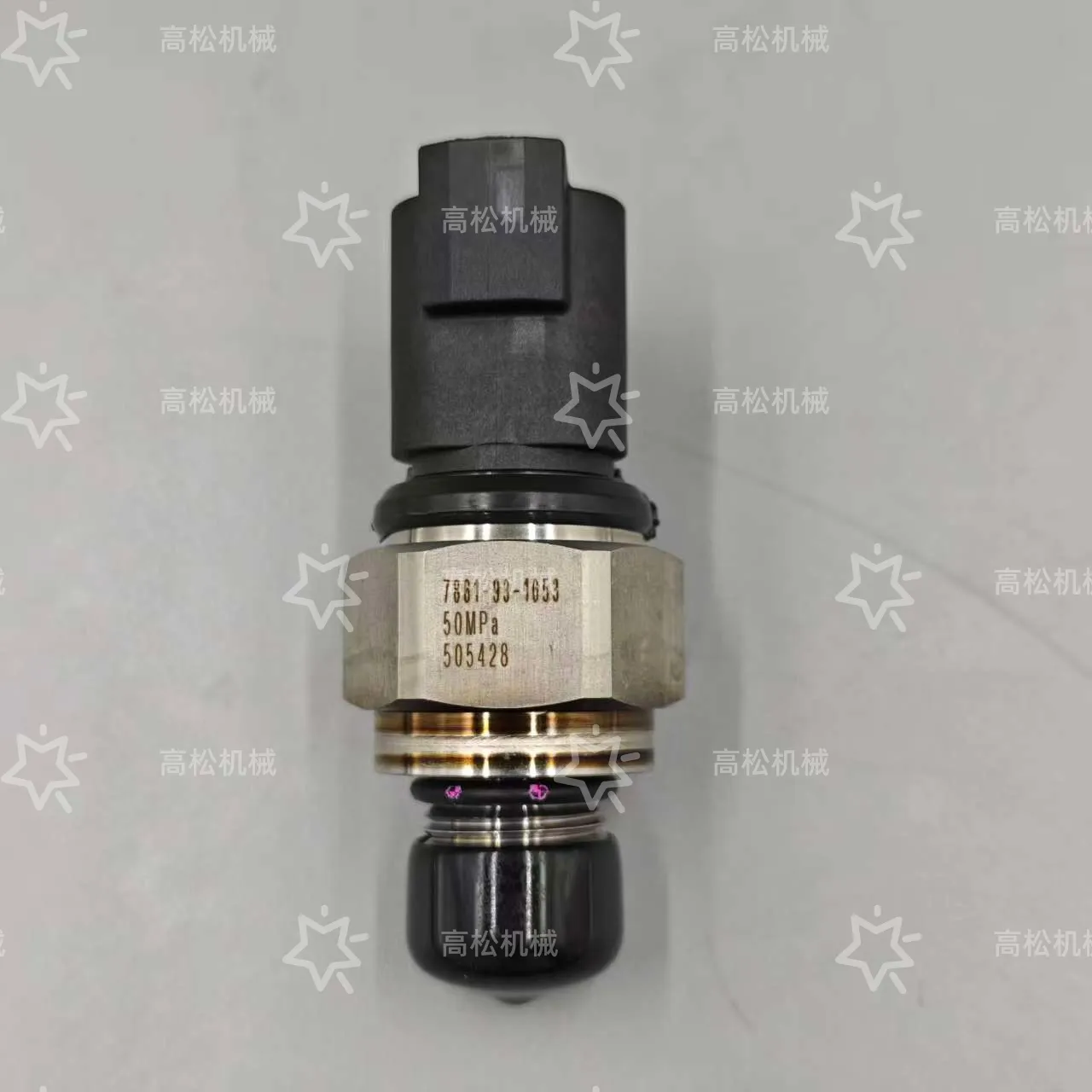 7861-93-1653 7861-93-1652 7861-93-1650 HYDRAULIC PUMP SENSOR for PC300-7
 -
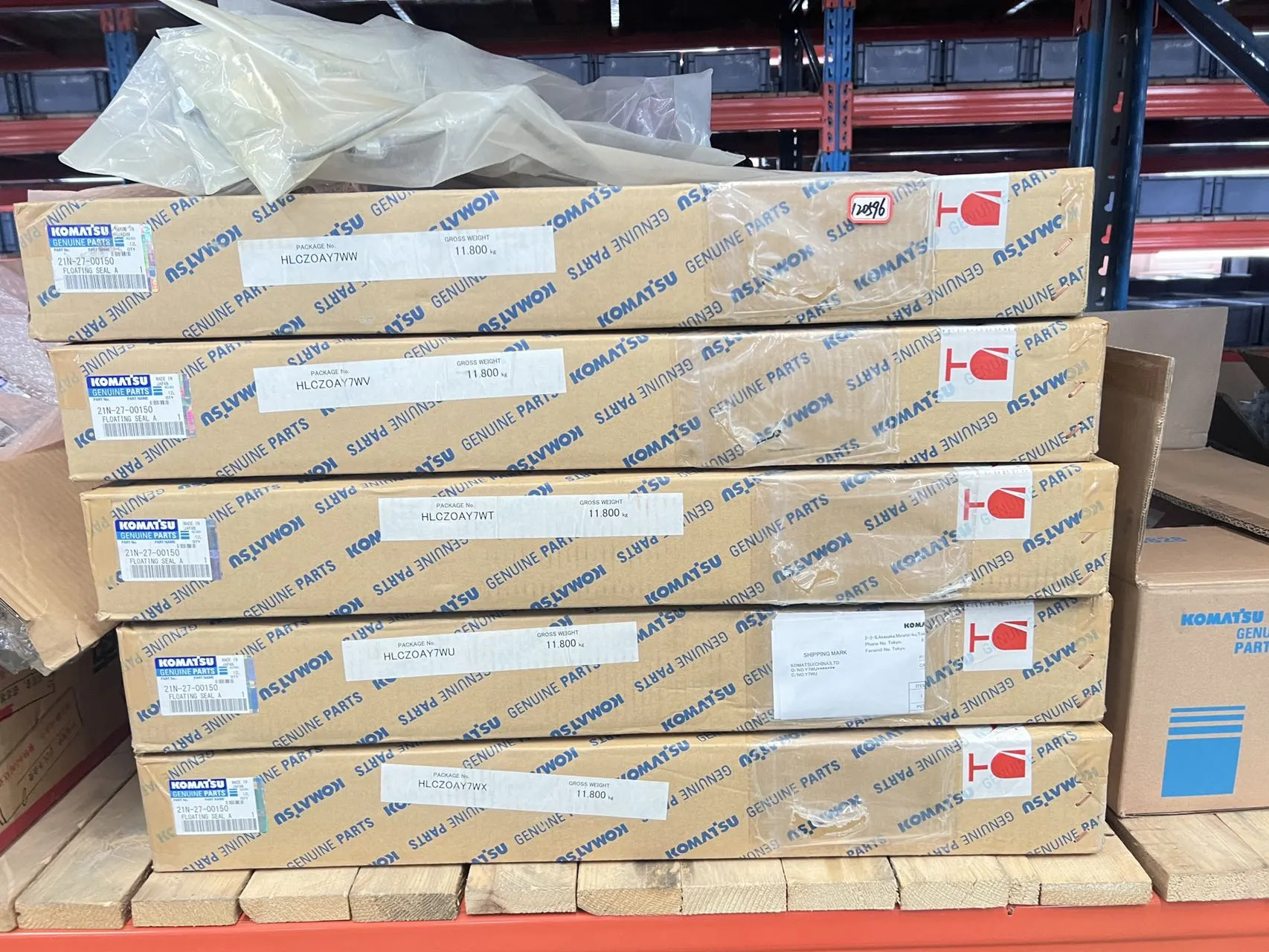 21N-27-00150 floating seal for Komastu PC1250-8 EXCAVATOR
 -
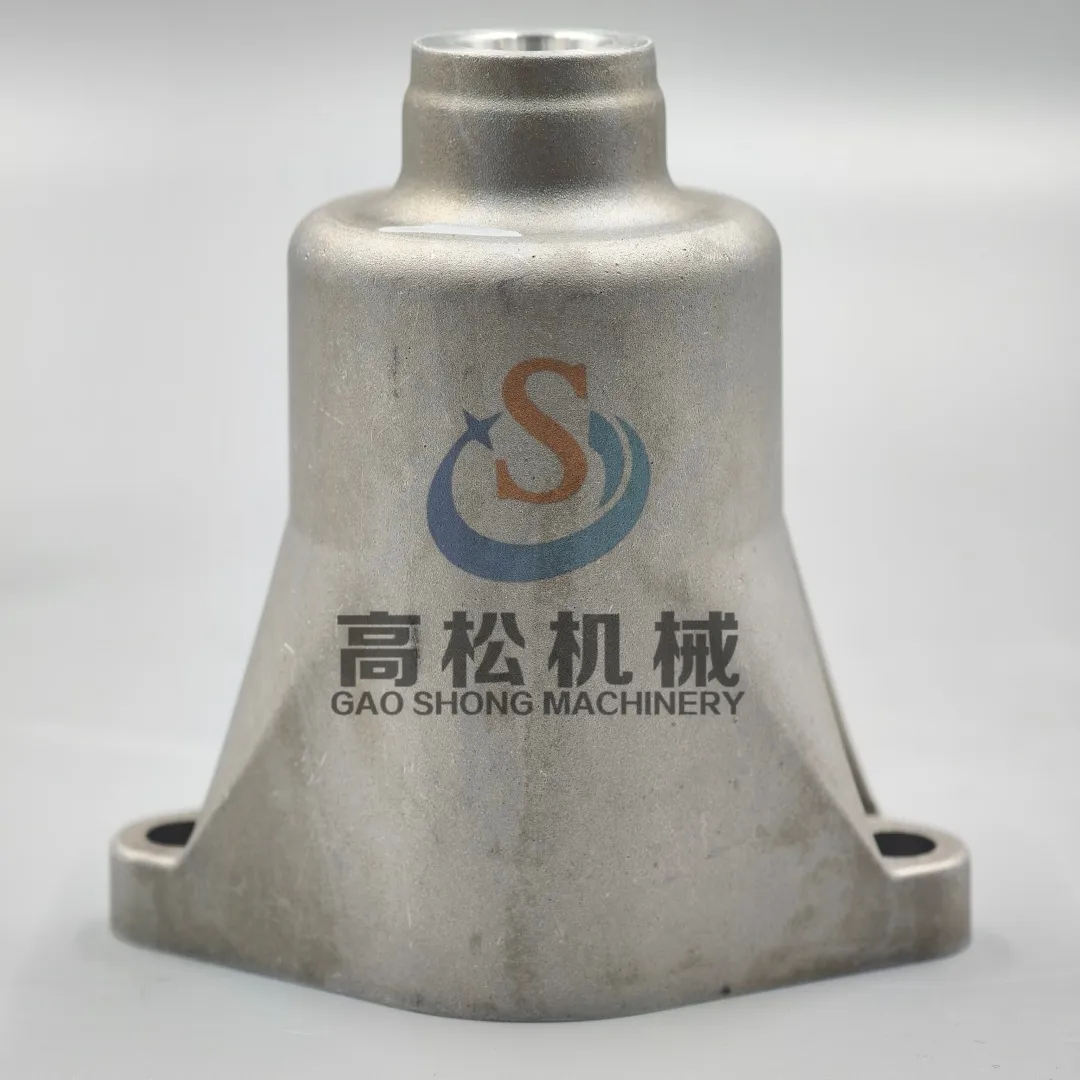 723-46-15111 Control Valve Case for Komatsu PC300 PC350 PC400 Excavator Diesel Fuel Cap Model Engine Parts