
- Chinese
- French
- German
- Portuguese
- Spanish
- Russian
- Japanese
- Korean
- Arabic
- Irish
- Greek
- Turkish
- Italian
- Danish
- Romanian
- Indonesian
- Czech
- Afrikaans
- Swedish
- Polish
- Basque
- Catalan
- Esperanto
- Hindi
- Lao
- Albanian
- Amharic
- Armenian
- Azerbaijani
- Belarusian
- Bengali
- Bosnian
- Bulgarian
- Cebuano
- Chichewa
- Corsican
- Croatian
- Dutch
- Estonian
- Filipino
- Finnish
- Frisian
- Galician
- Georgian
- Gujarati
- Haitian
- Hausa
- Hawaiian
- Hebrew
- Hmong
- Hungarian
- Icelandic
- Igbo
- Javanese
- Kannada
- Kazakh
- Khmer
- Kurdish
- Kyrgyz
- Latin
- Latvian
- Lithuanian
- Luxembou..
- Macedonian
- Malagasy
- Malay
- Malayalam
- Maltese
- Maori
- Marathi
- Mongolian
- Burmese
- Nepali
- Norwegian
- Pashto
- Persian
- Punjabi
- Serbian
- Sesotho
- Sinhala
- Slovak
- Slovenian
- Somali
- Samoan
- Scots Gaelic
- Shona
- Sindhi
- Sundanese
- Swahili
- Tajik
- Tamil
- Telugu
- Thai
- Ukrainian
- Urdu
- Uzbek
- Vietnamese
- Welsh
- Xhosa
- Yiddish
- Yoruba
- Zulu
- Kinyarwanda
- Tatar
- Oriya
- Turkmen
- Uyghur






komatsu d41e 6 parts
When you're deep in a search for Komatsu D41E-6 parts, you're not just looking for a bolt or a seal. You're often up against a clock, trying to match a specific machine's history with a supply chain that can be surprisingly fragmented. A common pitfall is assuming all parts labeled for the D41E-6 are created equal, or that the OEM pipeline is always the fastest route. The reality on the ground, especially for older or widely exported models, is far more nuanced.
The D41E-6 in Context and Common Pitfalls
The D41E-6 dozer is a workhorse, but its longevity means you encounter machines from different production runs and regions. I've seen guys order a final drive part number straight from a general catalog, only to find the flange mounting pattern is off by a few millimeters. The issue wasn't a wrong part, but a machine that had a regional specification update mid-cycle. The official system doesn't always flag this unless you dig into the serial number break.
This is where the distinction between a pure OEM supplier and a specialized third-party partner becomes critical. A company that only moves factory-boxed parts might just send you what the main catalog says, leading to downtime. Someone who understands the field variations will ask for your machine's serial number and maybe even a photo of the old component before confirming stock.
I recall a project in Southeast Asia where three D41E-6 machines, all supposedly the same model, needed undercarriage components. Two took the standard track link assembly, but the third, with a serial number indicating assembly in a different plant, required a slightly modified bushing. We lost a week figuring that out. It taught me to never trust the model number alone.
The OEM vs. Third-Party Reality Check
Here's the unvarnished truth: being an OEM product supplier within the Komatsu system is one thing. It guarantees authenticity, which is non-negotiable for critical components like hydraulic pumps or ECU modules. But for many non-safety-critical Komatsu D41E-6 parts—bushings, seals, gaskets, even some cylinder components—the official channel can be bottlenecked by regional allocation or simply be cost-prohibitive for older machines.
This is precisely the gap that a competent third-party sales company fills. Take Jining Gaosong Construction Machinery Co., Ltd. as an example. Their model, as I understand it, is hybrid. They can source genuine OEM parts through their system affiliation, but they also operate as a third-party supplier. This dual role is key. It means they can help you strategize: For this valve body, you need the genuine part, but for these hydraulic hoses, here's a certified alternative that's in stock and 30% less, with the same pressure rating.
Their stated goal of solving parts supply challenges in certain countries rings true. In markets where the official distributor network is thin or prioritizes new equipment, having a partner who can navigate both the genuine and quality-aftermarket landscapes is a lifesaver. It’s not about circumventing Komatsu, but about complementing the supply chain where it's weak.
Practical Sourcing and Verification
So, how does this play out in practice? Let's talk about a steering clutch for the D41E-6. First step is always verification. I don't just email a parts list. I'll get on a video call, point my phone at the part tag and the machine serial plate. A good supplier will want to see that. Jining Gaosong, for instance, has asked me for such visuals to cross-reference against their own databases, which often include regional part number variations that aren't in the global public catalog.
Then comes the availability and cost analysis. The OEM clutch pack might be on a 12-week backorder from Japan. A quality third-party option from a known manufacturer like NOK or Mitsuboshi might be available in a warehouse in Singapore in 10 days. A reliable supplier will present both options transparently, with lead times and costs, and often a recommendation based on the machine's residual value and job criticality. For a machine slated for another 5,000 hours, I'd push for the OEM. For a secondary machine on light duty, the certified alternative makes economic sense.
The friction comes with will-fit parts of unknown origin. This is where professional judgment is paramount. A supplier that pushes the cheapest option without disclosing the manufacturer is a red flag. A good partner will say, This is our value-line option, it's manufactured by X, here's their spec sheet, and we offer a 6-month warranty on it. That allows for an informed risk decision.
Case in Point: The Undercarriage Overhaul
Nothing tests a parts supply chain like a full undercarriage rebuild. For a D41E-6, you're looking at rollers, idlers, track links, and sprockets. This is a major investment. The pure OEM route for everything could be astronomically expensive, potentially exceeding the machine's market value.
A pragmatic approach I've used, facilitated by suppliers who understand total cost of ownership, is mixing tiers. For the sprockets and track links, which take the most direct wear and impact, I'll insist on Komatsu genuine or a premium licensed manufacturer like Berco. For the top rollers and idlers, a high-quality aftermarket brand like ITR or CSI can be perfectly adequate at a significant saving.
A supplier acting as a true partner will help you build this kit. They might say, We have the genuine sprockets in our Yokohama stock, but the Berco links are actually on a vessel arriving next week, which is faster. For the rollers, we have ITR stock in Dubai, let's air freight those to match the timeline. This kind of logistical piecing-together is what solves real-world challenges. It requires a global network and inventory visibility that many smaller, single-channel suppliers lack.
Beyond the Part: The Value of Problem-Solving
Ultimately, sourcing Komatsu D41E-6 parts is rarely a simple transaction. The real value in a supplier comes when things don't go as planned. I remember a time when a supposedly correct seal kit for the blade lift cylinder failed immediately. The supplier didn't just send a replacement; their tech asked for photos of the gland and piston. It turned out the cylinder had been repaired in the field before and the gland groove had been machined to a non-standard depth. They sourced a custom-sized seal from a specialist and had it couriered within 48 hours.
This problem-solving capability is what separates a parts vendor from a machinery partner. It's the difference between receiving a box and receiving a solution that gets the machine back to work. Companies that position themselves as solving supply challenges, like Jining Gaosong mentions, are hinting at this deeper capability. It's not just about having a part number in a database; it's about having the technical and logistical expertise to deliver a working component to a specific machine in a specific location, often against the clock.
So, when you next search for a part, look beyond the keyword. Look for signals of this deeper competency: willingness to verify serial numbers, transparency on origin and alternatives, and evidence of a global logistical net. The right part is important, but getting the right part that actually fits your specific machine, in a timeframe and at a cost that makes sense for your business, is the real goal. That's the messy, un-formulaic reality of keeping a D41E-6, or any piece of iron, running profitably.
Related Products
Related Products

Best Selling Products
Best Selling Products-
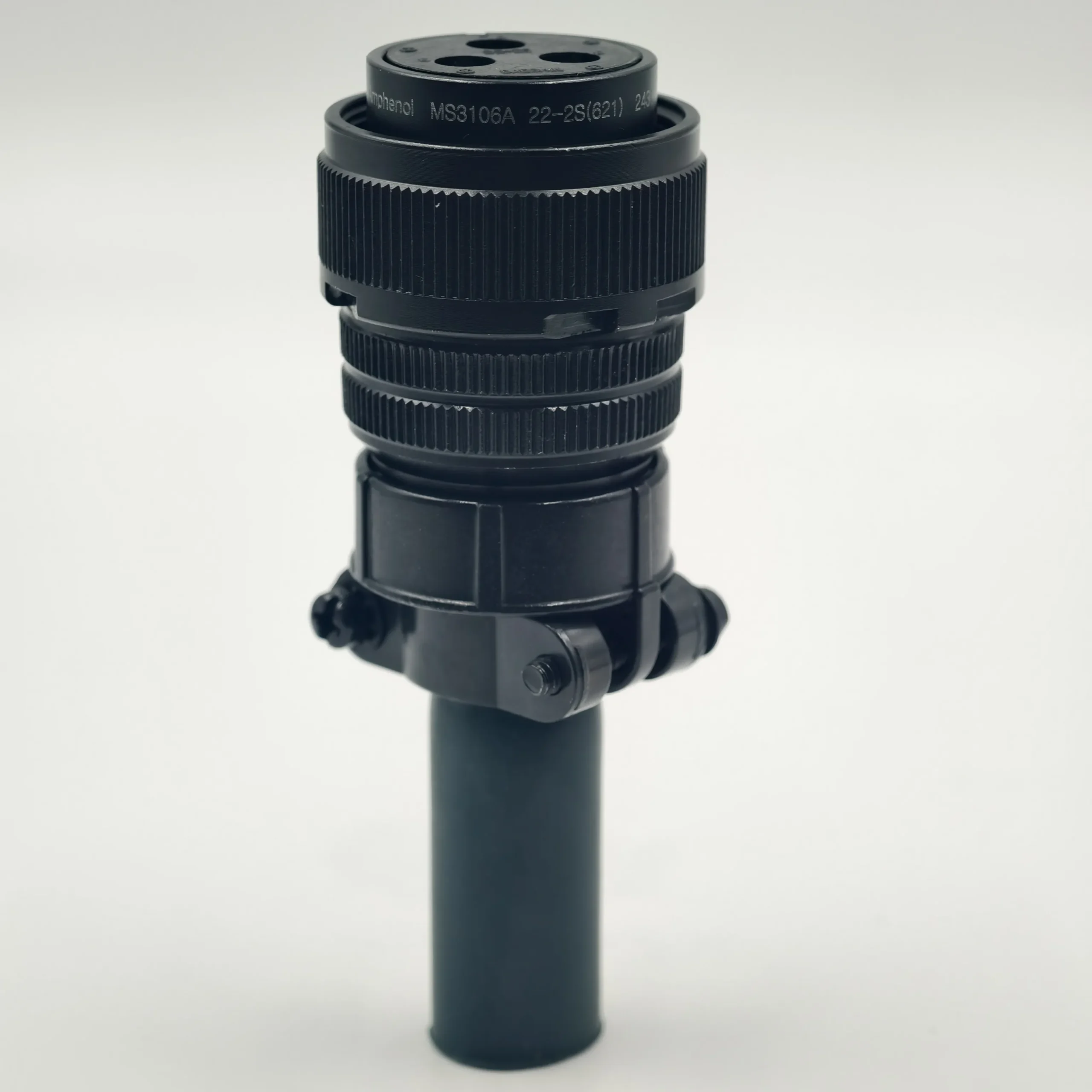 175-06-37871 PLUG(WITH HEATER) (Komatsu)
 -
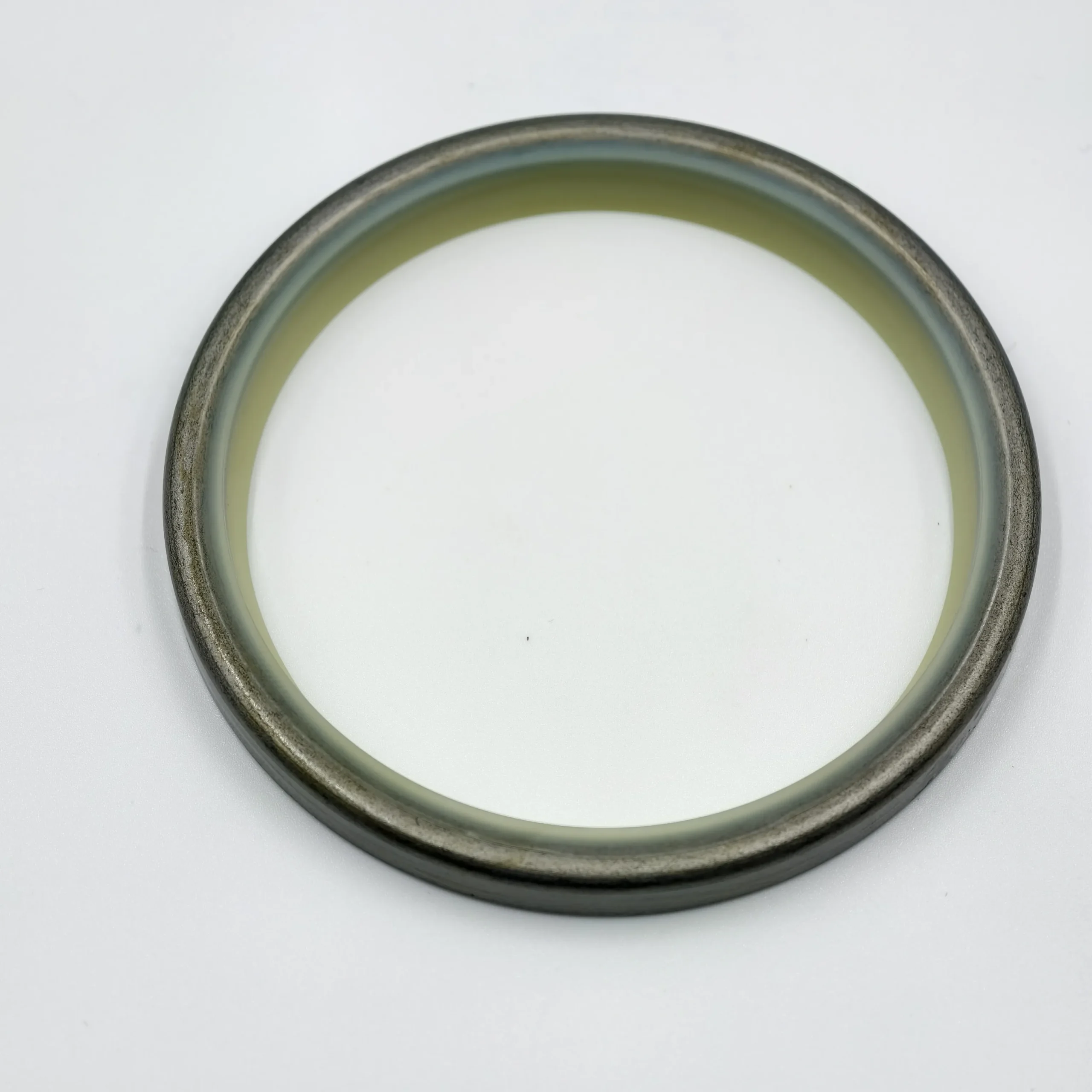 Komatsu 17M-50-24360 Seal, price for original and… — Pricing.Parts
 -
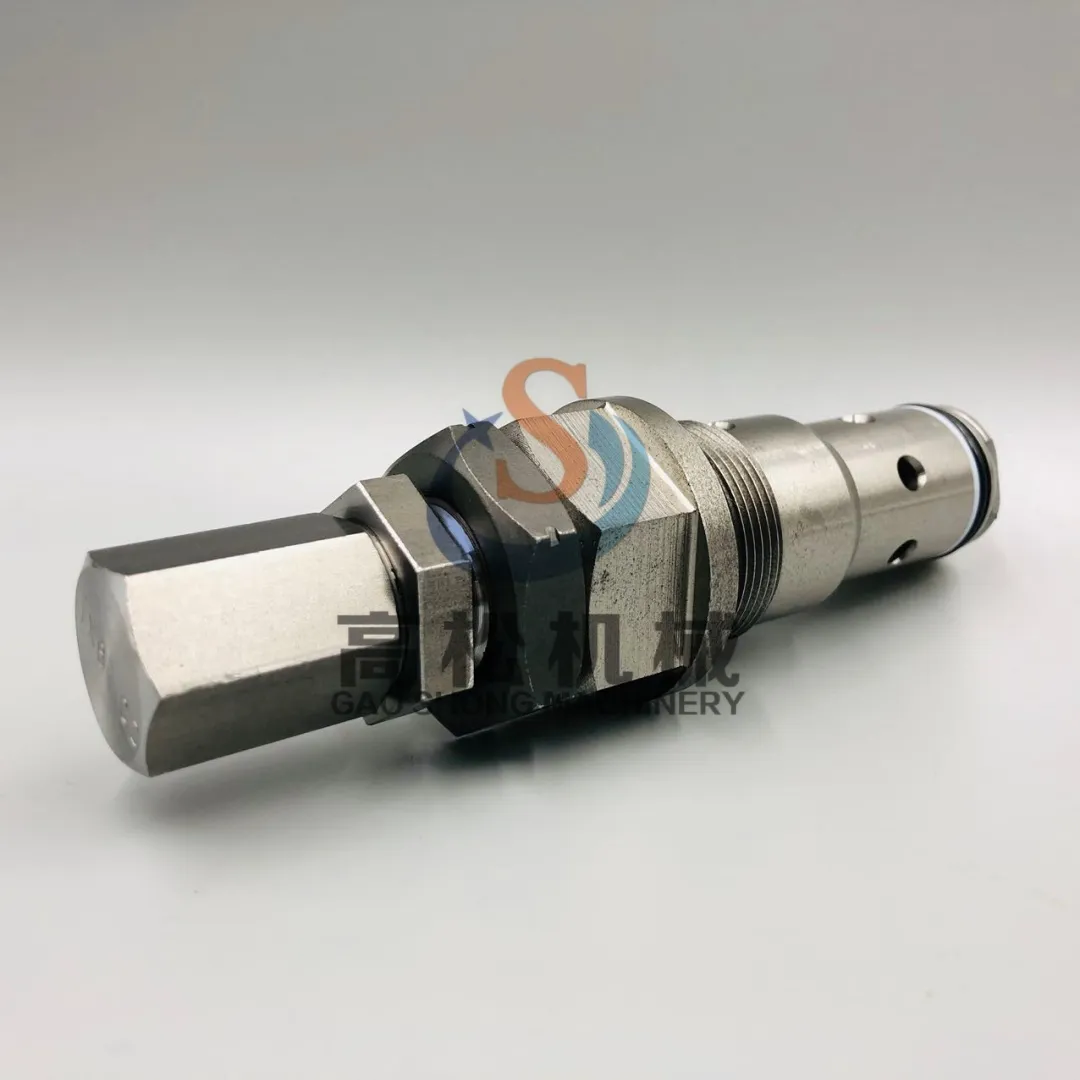 700-89-66000 RELIEF VALVE KOMATSU STEERING VALVE
 -
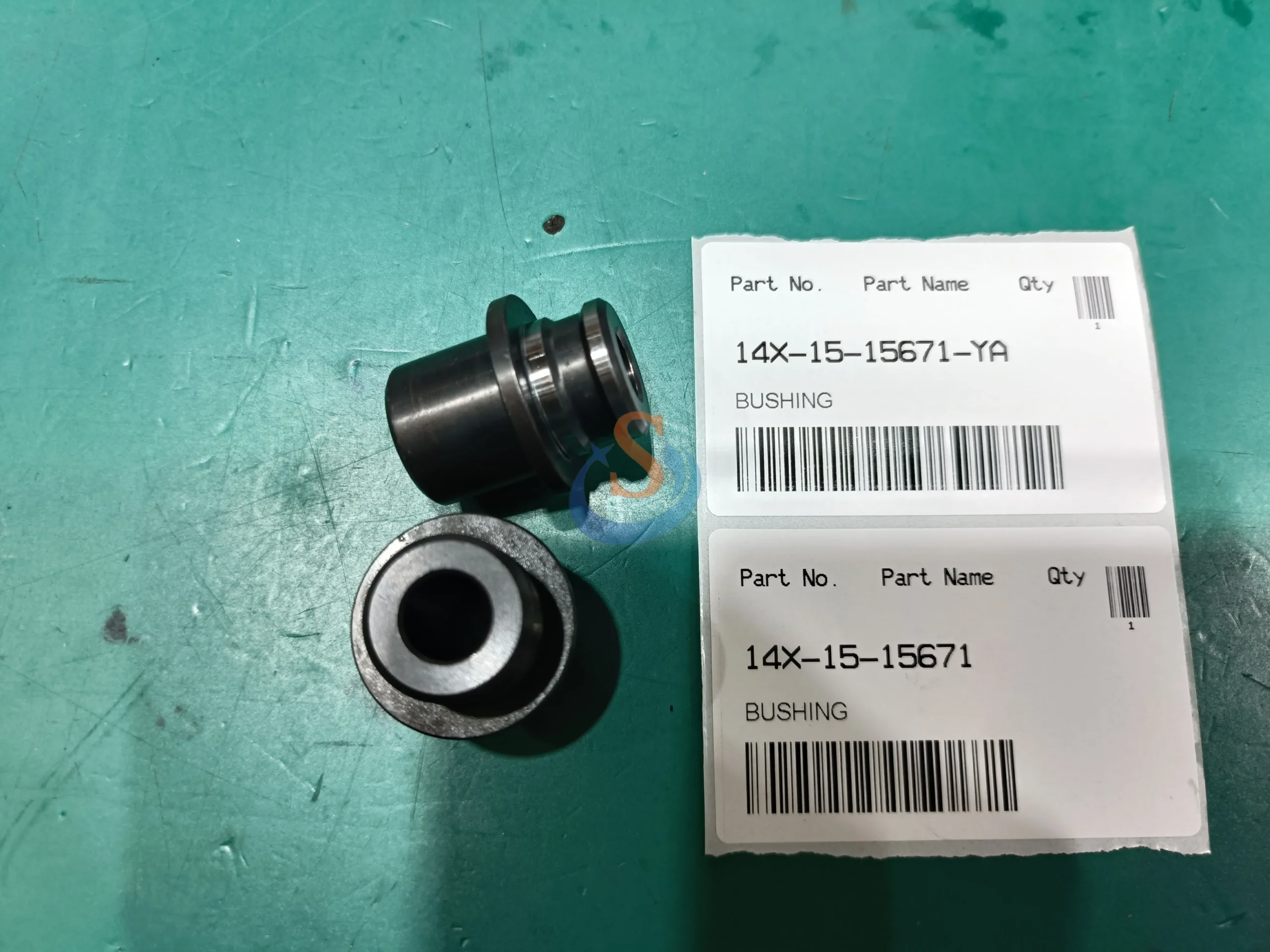 14X-15-15671 komatsu BUSHING D155A/D65EX
 -
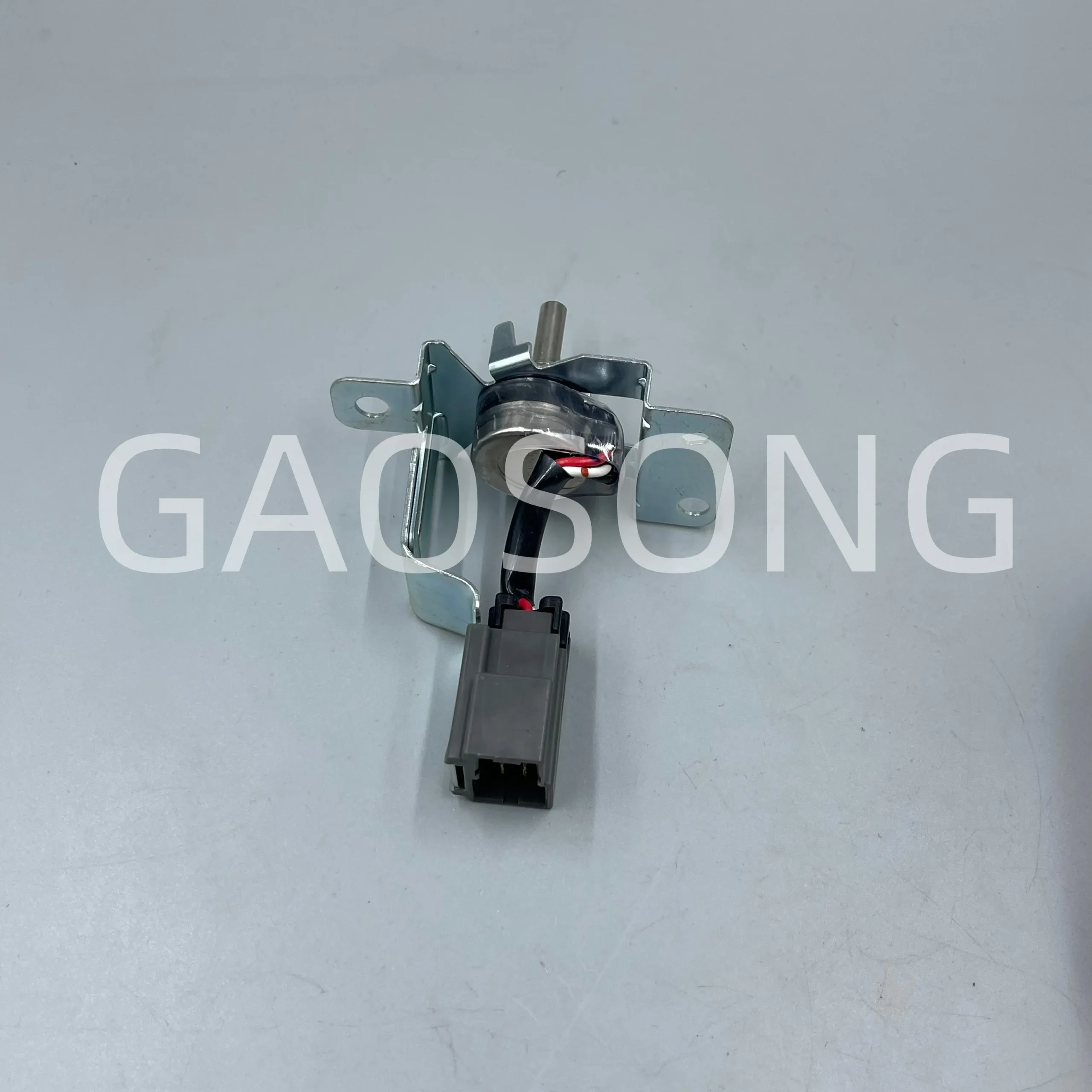 22U-06-22420 POTENIOMETER ASS’Y-Komatsu Original Factory
 -
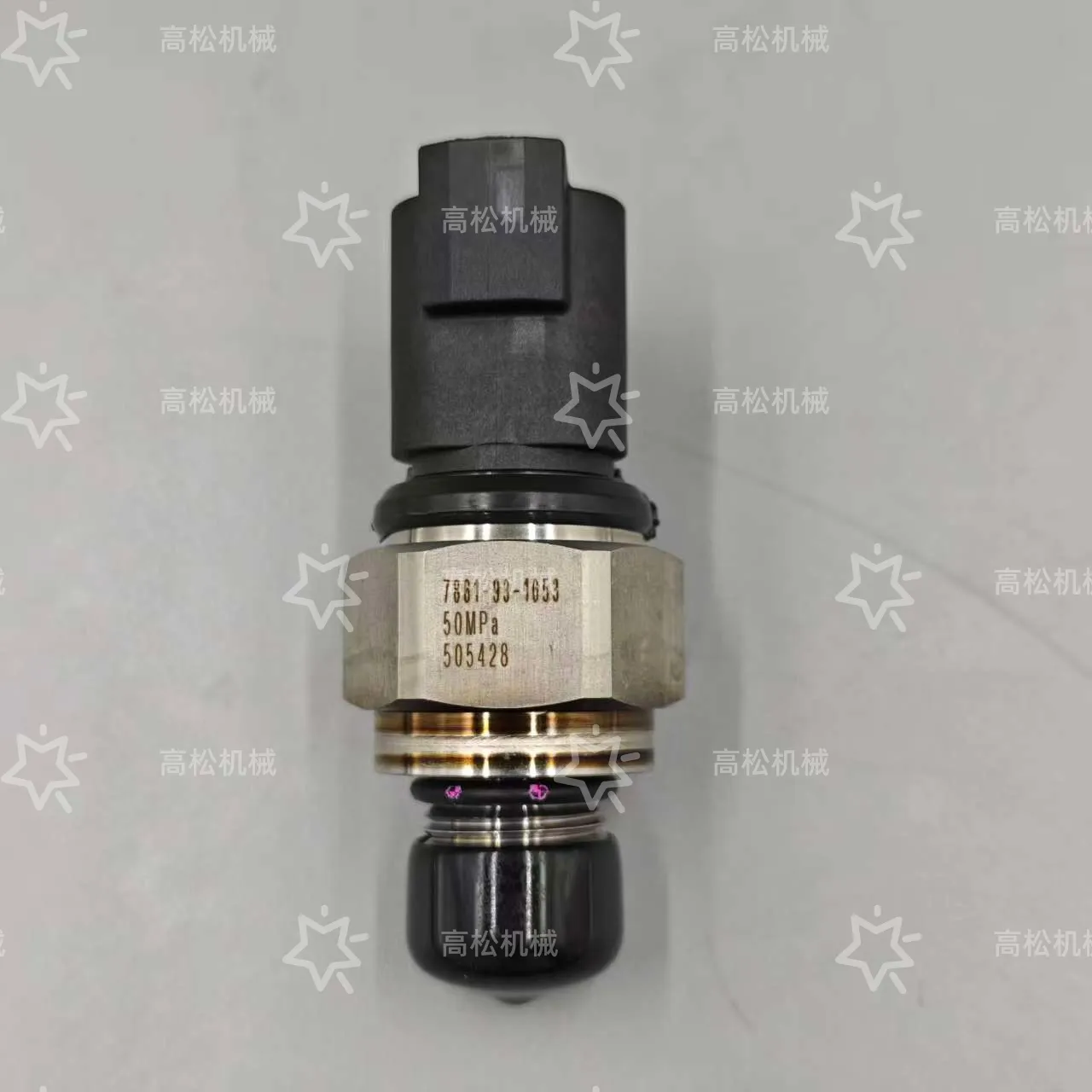 7861-93-1653 7861-93-1652 7861-93-1650 HYDRAULIC PUMP SENSOR for PC300-7
 -
 Komatsu Pin 421-22-32511 for Wheel loader WA470-6
 -
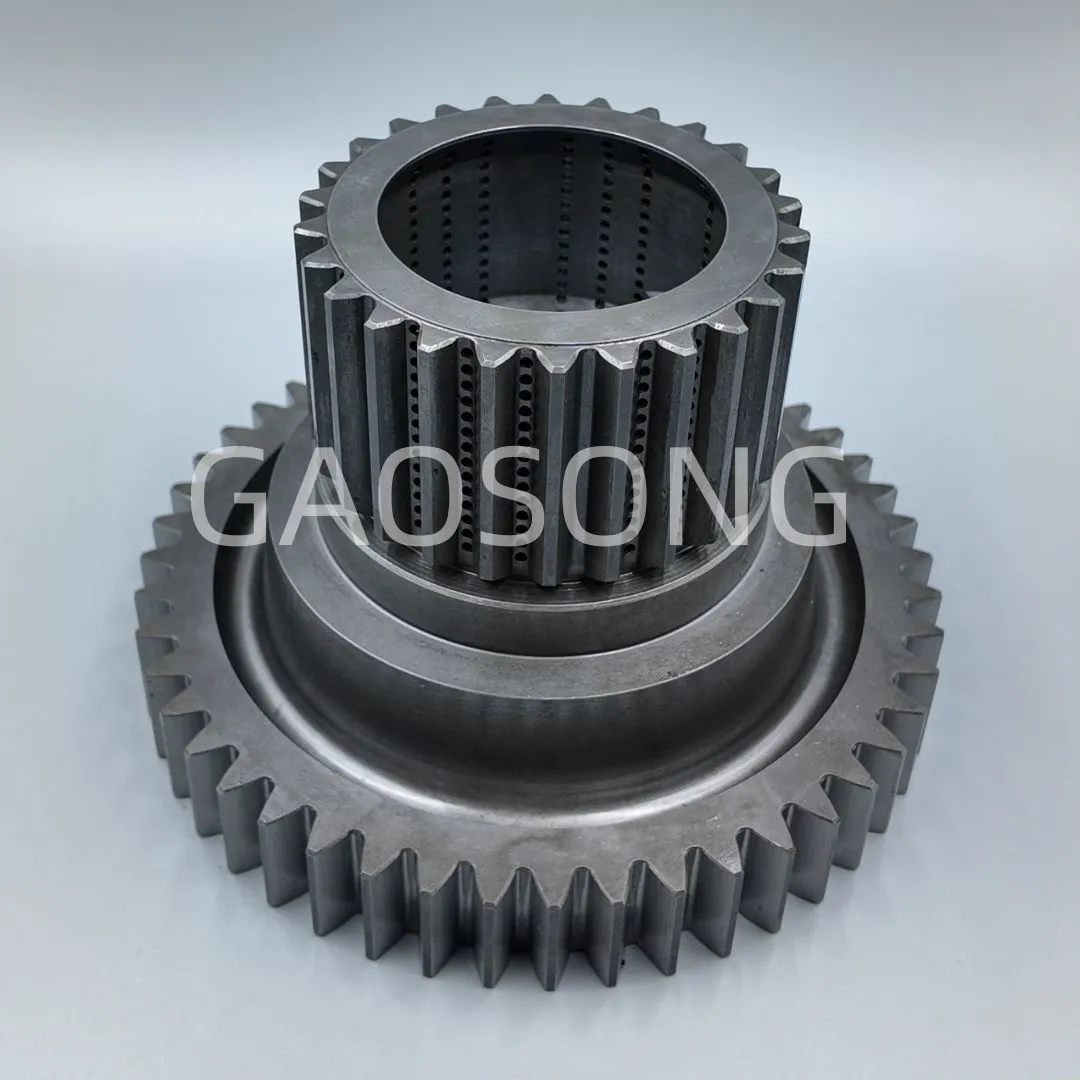 714-07-12420 •• GEAR¤ 48 TEETH,FORWARD–Komatsu Original Factory
 -
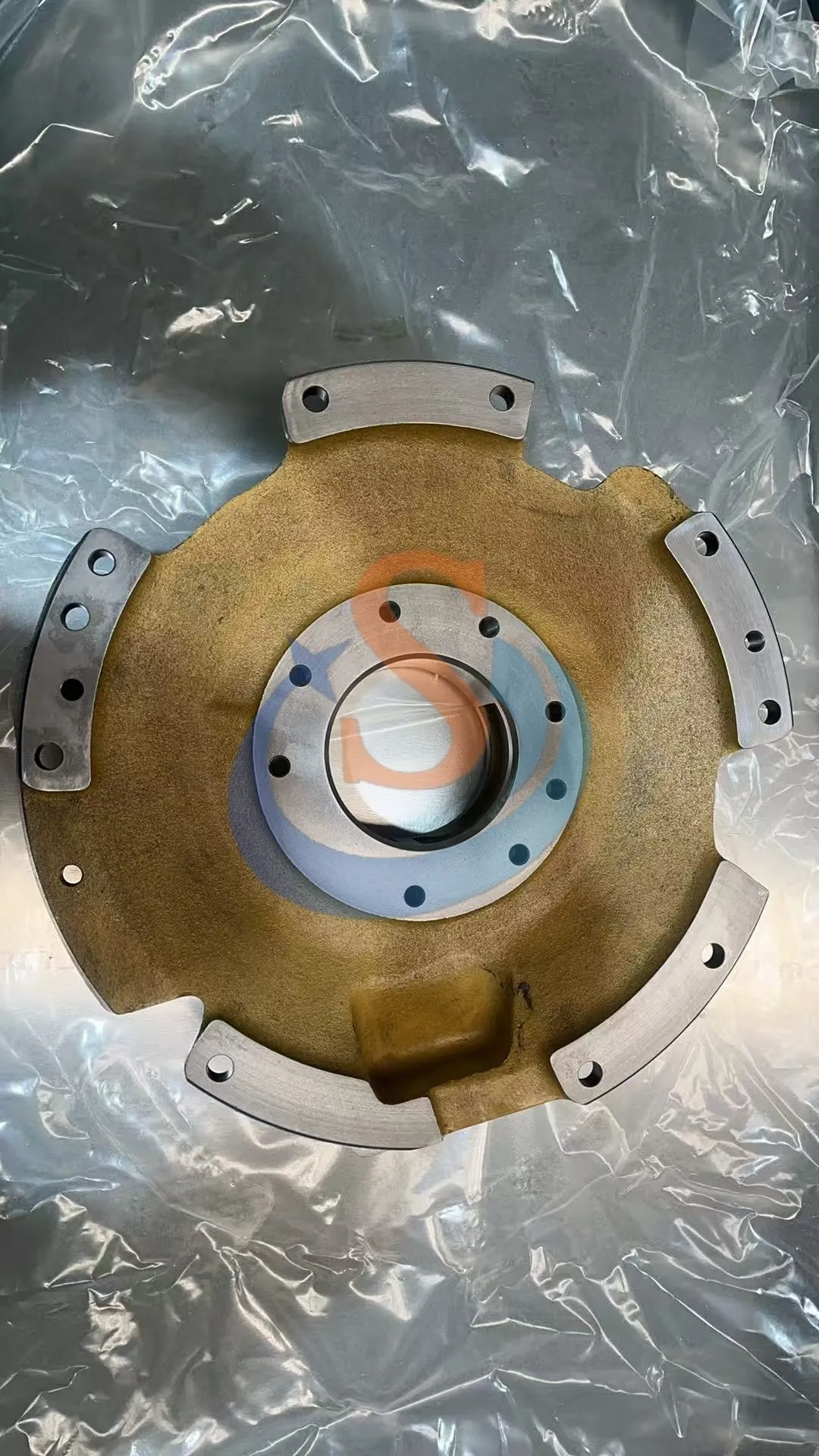 14X-13-54411 Housing D65PX/D65WX/D65EX
 -
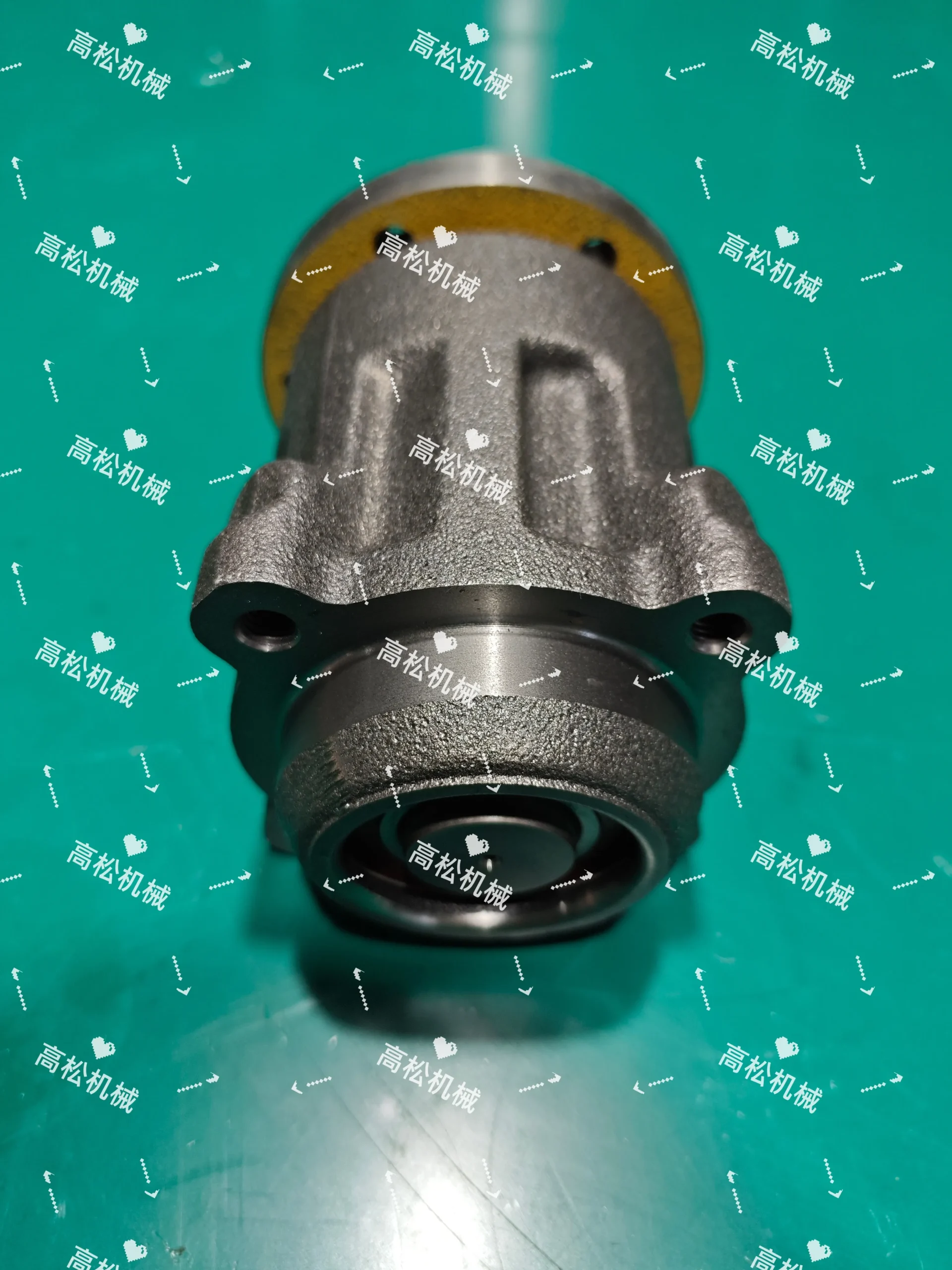 Fan Clutch 20Y-01-56130 for Komatsu PC210-10MO Excavator
 -
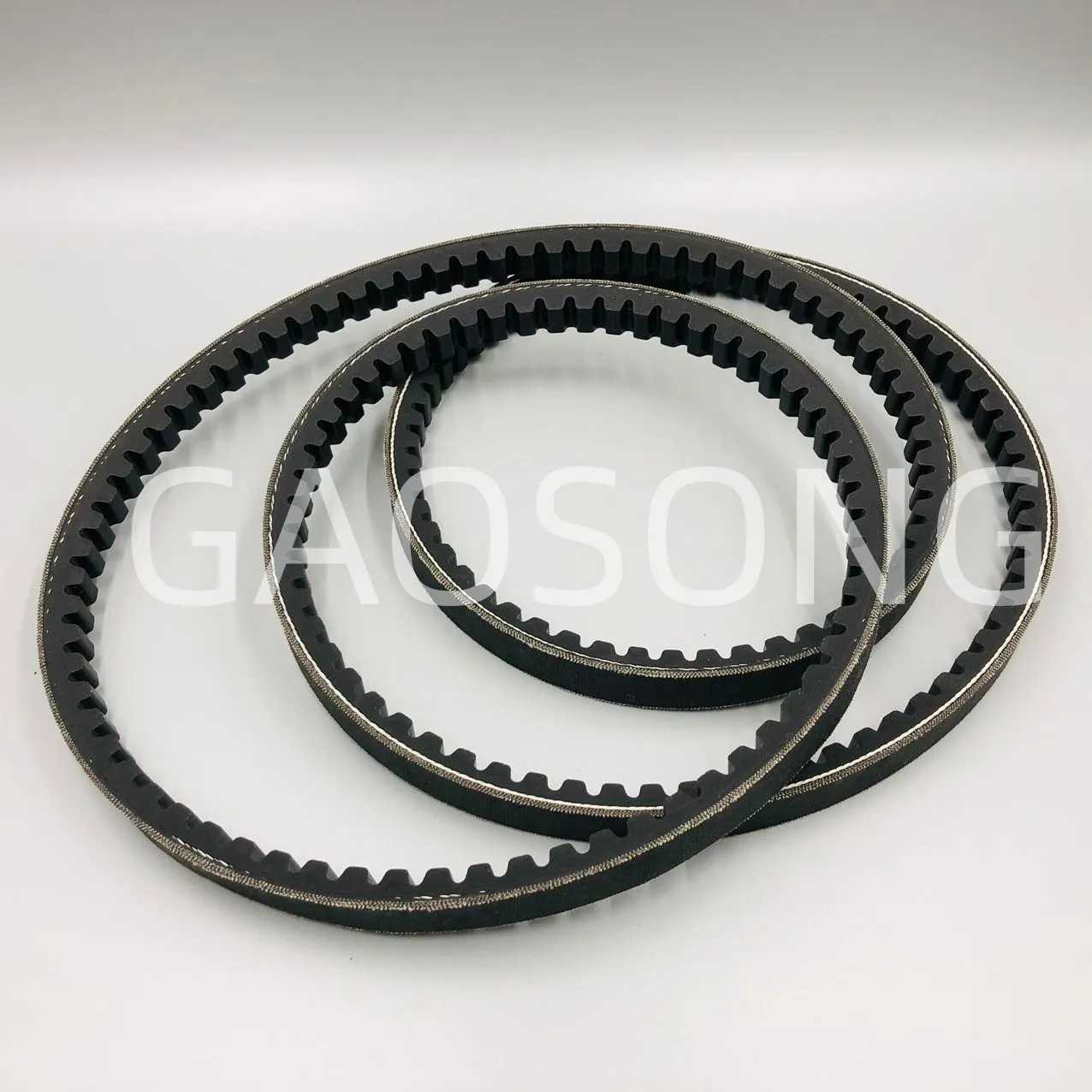 6219- 61- 3420 Komatsu factory belt
 -
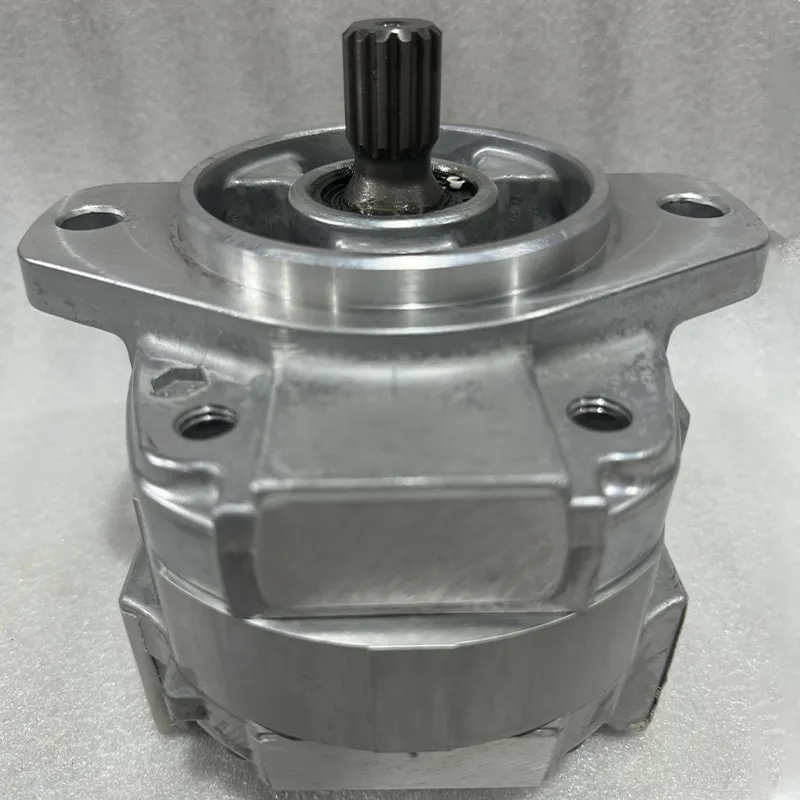 6156-71-1131 6156-71-1132Pump Compatible For 6D125 SA6D125E Engine Komatsu PC450-8 Excavator