
- Chinese
- French
- German
- Portuguese
- Spanish
- Russian
- Japanese
- Korean
- Arabic
- Irish
- Greek
- Turkish
- Italian
- Danish
- Romanian
- Indonesian
- Czech
- Afrikaans
- Swedish
- Polish
- Basque
- Catalan
- Esperanto
- Hindi
- Lao
- Albanian
- Amharic
- Armenian
- Azerbaijani
- Belarusian
- Bengali
- Bosnian
- Bulgarian
- Cebuano
- Chichewa
- Corsican
- Croatian
- Dutch
- Estonian
- Filipino
- Finnish
- Frisian
- Galician
- Georgian
- Gujarati
- Haitian
- Hausa
- Hawaiian
- Hebrew
- Hmong
- Hungarian
- Icelandic
- Igbo
- Javanese
- Kannada
- Kazakh
- Khmer
- Kurdish
- Kyrgyz
- Latin
- Latvian
- Lithuanian
- Luxembou..
- Macedonian
- Malagasy
- Malay
- Malayalam
- Maltese
- Maori
- Marathi
- Mongolian
- Burmese
- Nepali
- Norwegian
- Pashto
- Persian
- Punjabi
- Serbian
- Sesotho
- Sinhala
- Slovak
- Slovenian
- Somali
- Samoan
- Scots Gaelic
- Shona
- Sindhi
- Sundanese
- Swahili
- Tajik
- Tamil
- Telugu
- Thai
- Ukrainian
- Urdu
- Uzbek
- Vietnamese
- Welsh
- Xhosa
- Yiddish
- Yoruba
- Zulu
- Kinyarwanda
- Tatar
- Oriya
- Turkmen
- Uyghur





komatsu d37e parts
When you start digging into Komatsu D37E parts, the first thing you realize is that the official diagrams and part numbers only tell half the story. Everyone online seems to think sourcing is just a matter of matching a number, but the reality on the ground, especially with older models like the D37E, is a maze of supersessions, regional availability, and the constant gamble of aftermarket quality versus genuine Komatsu. I've seen too many guys order a compatible track roller assembly only to have it fail in six months under heavy dozing, thinking they saved money but costing double in downtime. The real challenge isn't finding the part; it's finding the right source that understands the machine's history and the pressure it's under.
The OEM vs. Aftermarket Dilemma for a Workhorse
Let's talk about the undercarriage components. For a D37E, the pins, bushings, and sprocket segments are where the money disappears. A common pitfall is assuming all aftermarket parts are created equal. They're not. I recall a project in Indonesia where we used a third-party supplier for a set of Komatsu D37E parts like link assemblies. The hardness was off by a few points on the Rockwell scale—something you'd never know from a spec sheet. They wore out 40% faster than the OEM equivalents, and the cost-per-hour calculation became a brutal lesson. That's the hidden tax of a bad purchase.
This is where the role of a specialized supplier becomes critical. A company like Jining Gaosong Construction Machinery Co., Ltd. positions itself interestingly. They're an OEM product supplier within the Komatsu system, which means they have access to the genuine pipeline, but they also operate as a third-party sales company. In practice, this dual role is a godsend for operations in countries where the official Komatsu distribution is thin or slow. Their site, https://www.takematsumachinery.com, isn't just a catalog; it's a potential solution for those supply challenges they mention. Instead of waiting eight weeks for a hydraulic pump gasket kit through standard channels, such a supplier might have a vetted alternative or an OEM stockpile that gets it to you in two.
The nuance is in their understanding of OEM product. Does it mean they manufacture some components to Komatsu's blueprint? Or does it mean they are an authorized conduit for genuine parts? For critical wear items on the D37E—think final drive planetaries or the swing circle bearing—that distinction is everything. I'd trust a vetted third-party for a cab filter or a seal kit, but for the heart of the powertrain, the pedigree matters. A good supplier will tell you straight up what's genuine and what's a high-quality substitute, without blurring the lines.
Practical Sourcing and Cross-Reference Pitfalls
Another messy area is cross-referencing. The D37E shares some lineage with other Dash-5 and Dash-6 series dozers. You might find a fan belt or a hydraulic hose that's listed as compatible across models. But here's a gotcha: sometimes a minor revision in the D37E-5, like a different bracket, means the universal part doesn't fit without modification. I wasted half a day once on a water pump that was one bolt hole off. The part number was 99% identical. The lesson? Always confirm the exact serial number range. A proper supplier's tech support should ask for that before they even quote you.
Speaking of serial numbers, the engine components for the Komatsu SAA4D95LE-5 engine in the D37E are another beast. Fuel injection parts are hypersensitive. I've had better luck sourcing genuine Komatsu injector tips through a dedicated OEM-system supplier than gambling with branded aftermarket ones, even from big names. The calibration is just different. A place like Gaosong, by being embedded in that system, theoretically has a more direct line to these precision components. Their value isn't in being the cheapest, but in having the right part that doesn't cause a cascade of other issues.
Let's get concrete. Imagine you need a complete track chain assembly. The official dealer quote might be astronomical, with a lead time from Japan. An aftermarket seller on an e-commerce platform offers one at 60% cost. The risk? Material integrity and heat treatment. A supplier operating as a third-party for Komatsu might offer a middle path: a genuine, but possibly surplus or regionally stocked chain, at a better price and timeline. They help solve the challenge by leveraging a different inventory network. That's the practical advantage. You're not just buying a part; you're buying their logistics and industry access.
On-Site Realities and Failure Analysis
Out in the field, the story changes. It's not about part numbers, it's about symptoms. A D37E throwing a code for high hydraulic oil temperature could point to a clogged cooler, a failing pump, or just the wrong viscosity oil. I've seen mechanics immediately order a pump, a $5k part, when a $200 cooler cleaning and a flush would have fixed it. A sharp parts supplier, when you describe the symptom and the machine hours, might ask, Have you checked the cooler fins for mud compaction? That diagnostic step in the conversation is worth more than any catalog.
We had a case of repeated final drive failure on a D37E. We replaced the final drive itself twice with remanufactured units. The problem persisted. Finally, after talking to a technical specialist from a supplier who knew the model's history, he asked about the sprocket alignment and the track tension. Turns out, a slightly bent track frame from an old impact was causing a misalignment, destroying the finals. The Komatsu D37E parts we kept buying were fine; the root cause was elsewhere. A good parts source thinks about the whole system, not just the component in isolation.
This is where the rubber meets the road for companies that claim to solve supply challenges. It's not just about having a warehouse. It's about having the technical depth to troubleshoot over the phone, to know common failure modes for specific serial ranges, and to sometimes advise a repair over a replacement. For instance, the blade lift cylinder rods on the D37E are prone to scoring if the wiper seals fail. A quick-ship supplier might sell you a new rod. A knowledgeable one might ask if the rod can be re-chromed locally and paired with a genuine seal kit from their stock, saving you time and 70% of the cost.
The Value of a Reliable Pipeline
In the end, managing a fleet of machines like the D37E is about predictability. Unplanned downtime kills profit. Your parts strategy needs to balance cost, availability, and reliability. For high-wear, non-critical items, aftermarket is a sensible choice. For engine, hydraulic, and drivetrain cores, the Komatsu OEM pedigree, or a certified equivalent, is usually the only sane path.
A supplier operating within the Komatsu ecosystem but with the flexibility of third-party sales, like Jining Gaosong Construction Machinery, fills a specific niche. They are most valuable when you're in a bind, when the official channel is blocked, or when you need a hybrid solution—genuine Komatsu for some items, approved alternatives for others—all from a single point of contact that understands the machine. Their stated goal of solving parts supply challenges in certain countries rings true if they can leverage multiple supply chains to get you the right part faster.
So, when you're next searching for Komatsu D37E parts, look beyond the part number. Gauge the supplier's depth. Can they talk about the difference in the steering clutch packs between early and late D37E-5 models? Do they ask for your machine's serial number and job conditions? That's the mark of a partner, not just a vendor. The right part is important, but the right source of those parts is what keeps your dozer moving dirt, not sitting in the yard waiting for a shipment.
Related Products
Related Products
Best Selling Products
Best Selling Products-
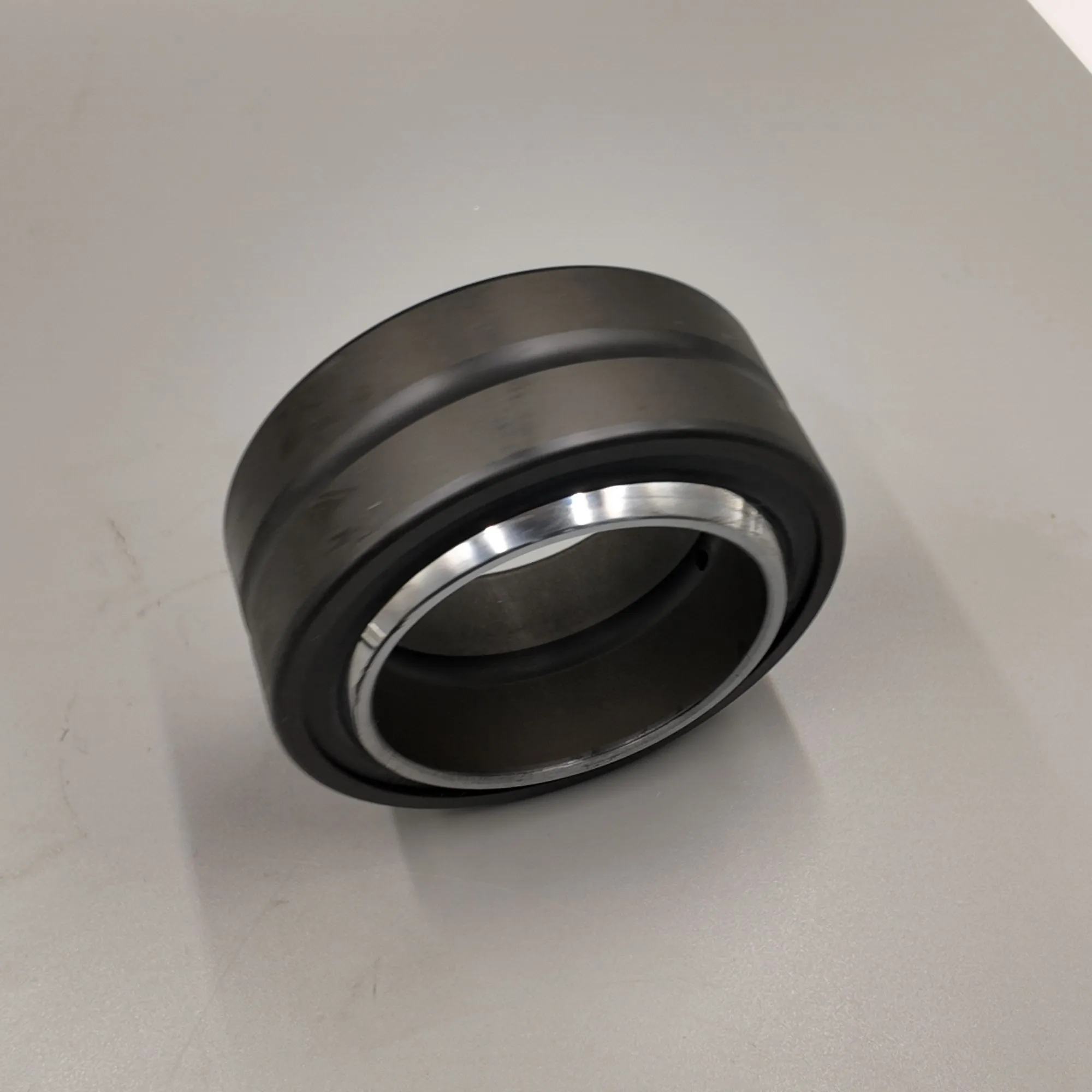 707-46-07040 • Bushing-Komatsu Original Factory
 -
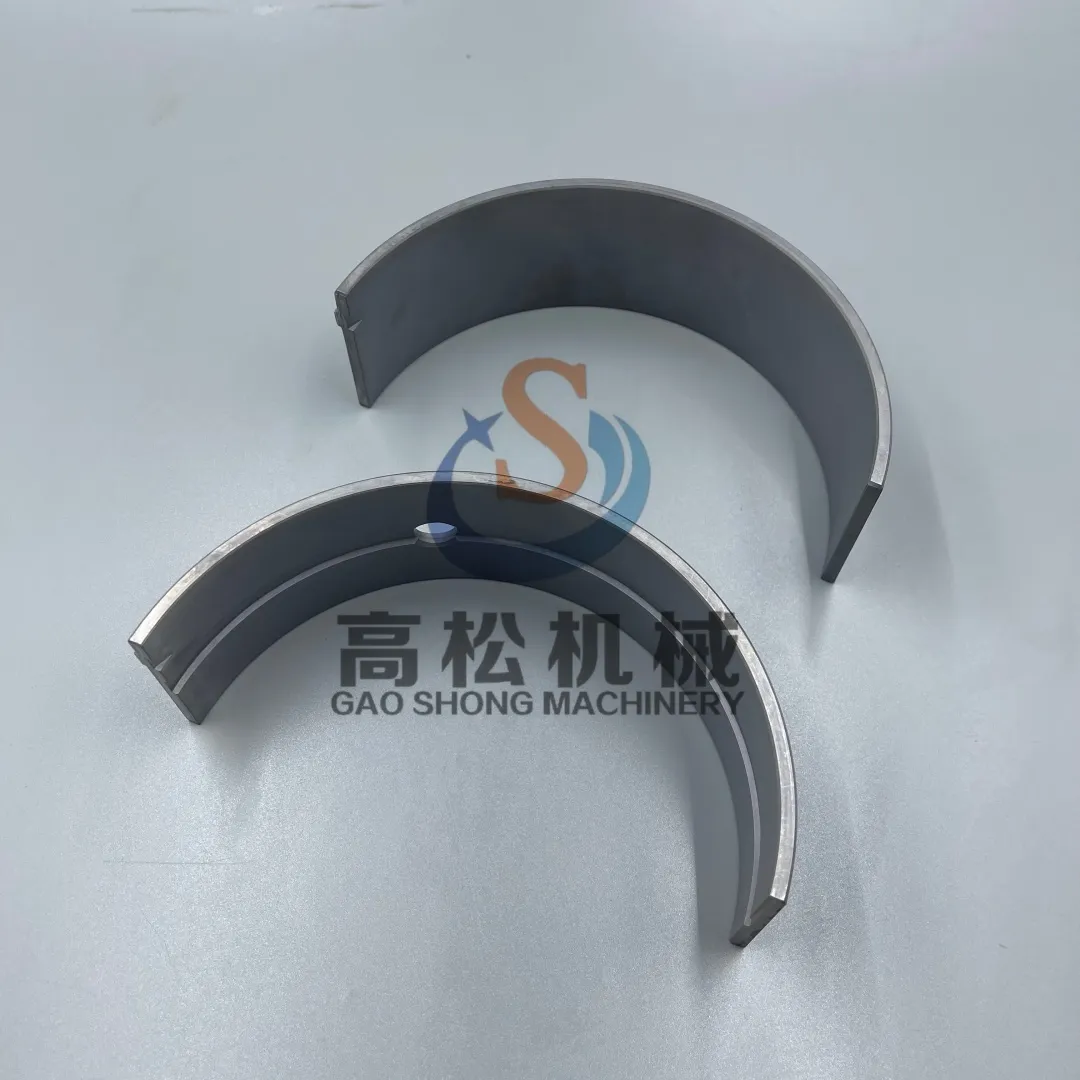 6162-23-8010 MAIN BEARING ASSEMBLY – Komatsu
 -
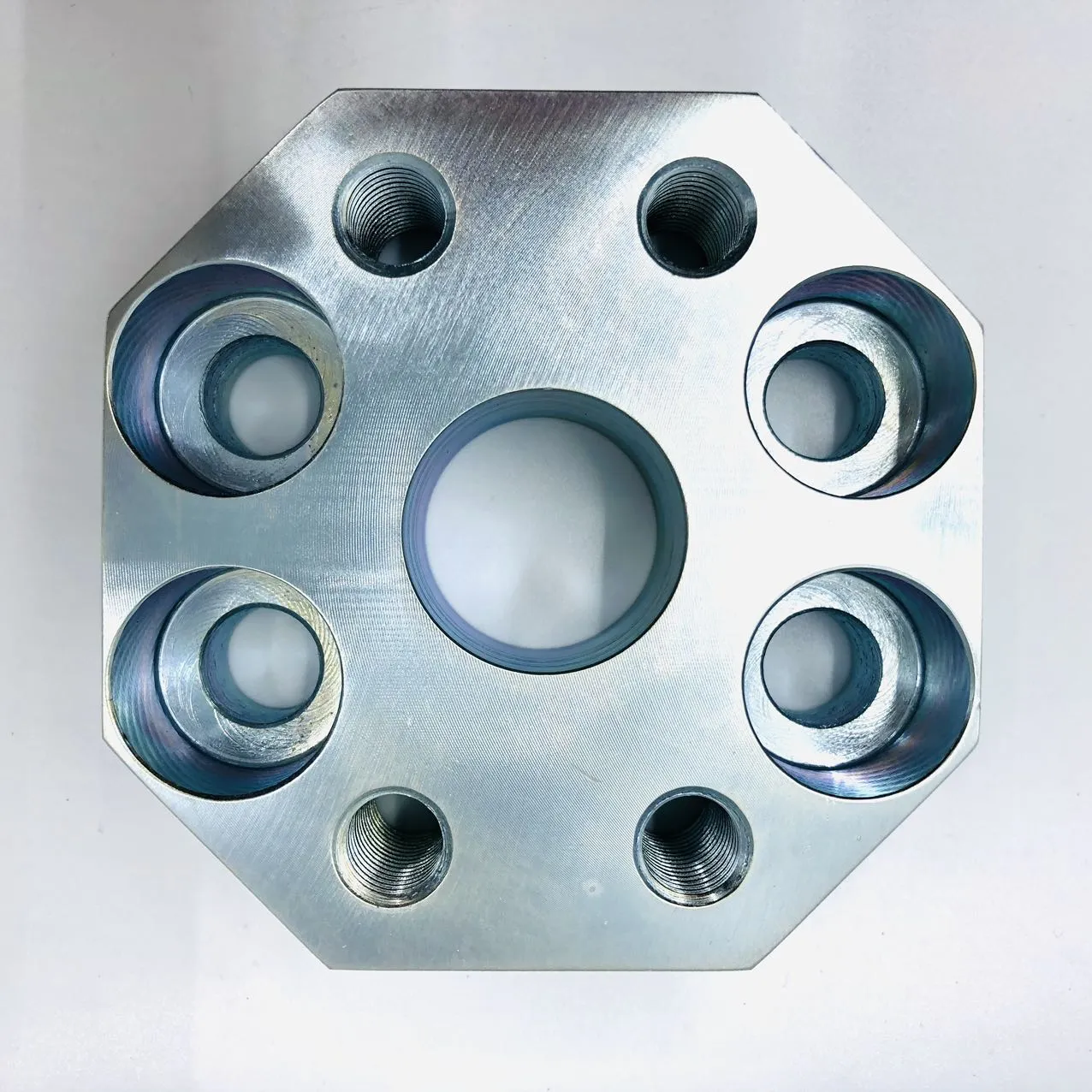 21N-62-11361 Komatsu Flange
 -
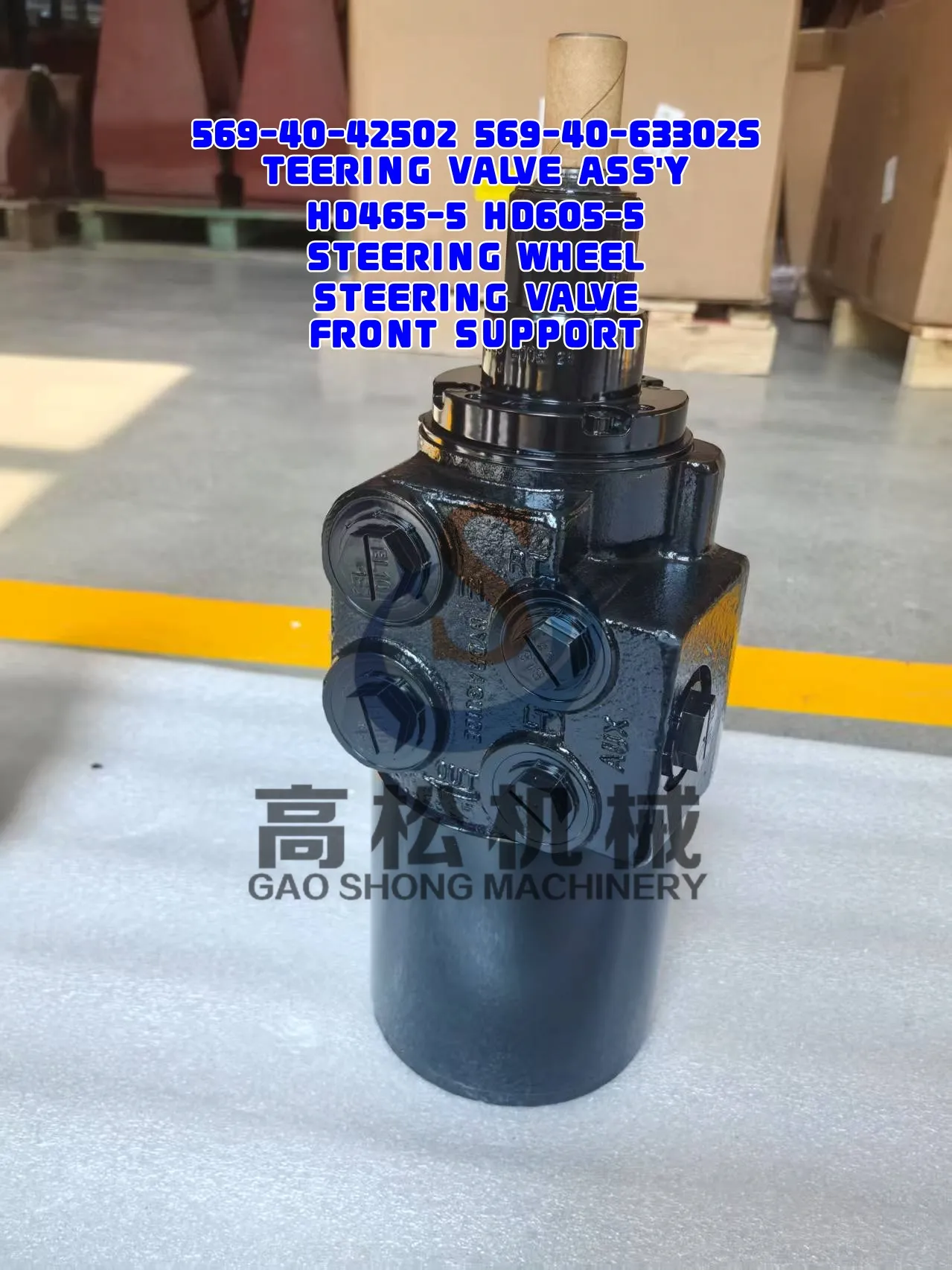 komatsu-part-569-40-42502 569-40-63302 STEERING VALVE ASS’Y HD465-5 HD465-7 HD465-7E1 HD465-7R HD465-7E0 HD605-7R HD605-5 HD605-7 HD465-7E0 STEERING WHEEL STEERING VALVE FRONT SUPPORT (STEERING VALVE MOUNTING PARTS)
 -
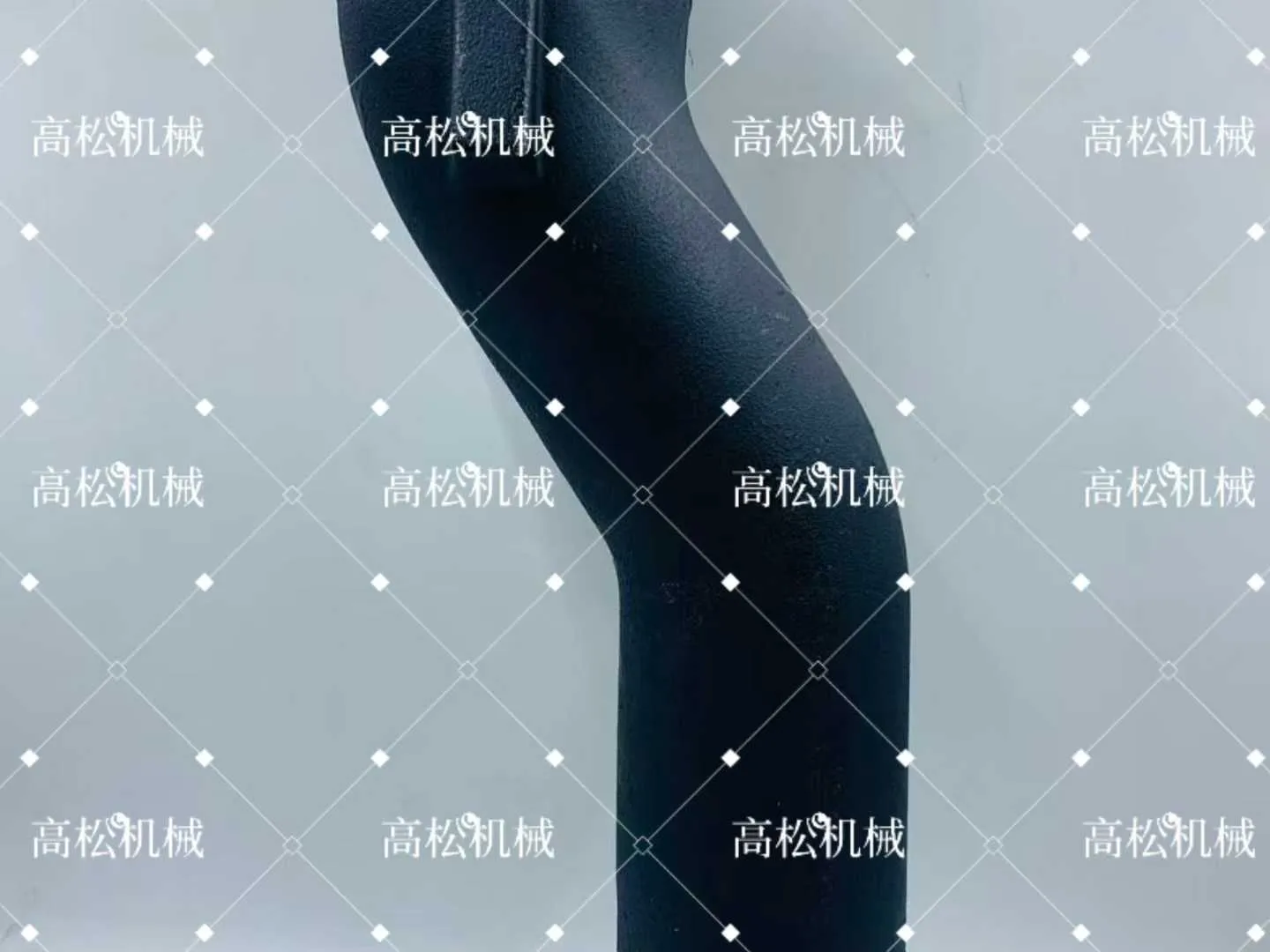 Connector Hose 6156-11-5521 for SAA6D125E Engine, PC400-7 Excavator Spare Part
 -
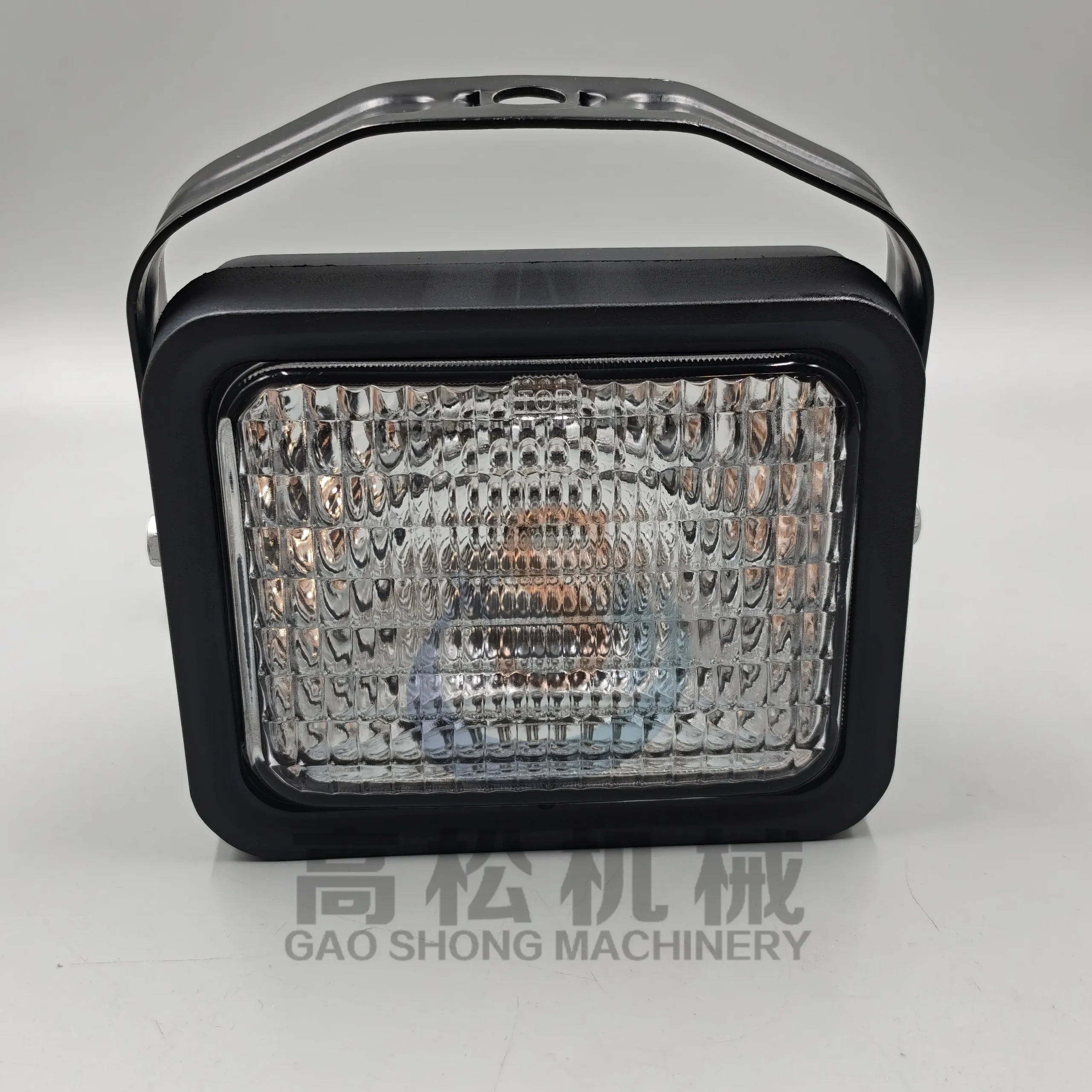 426-56-23360 Komatsu Lamp Assembly
 -
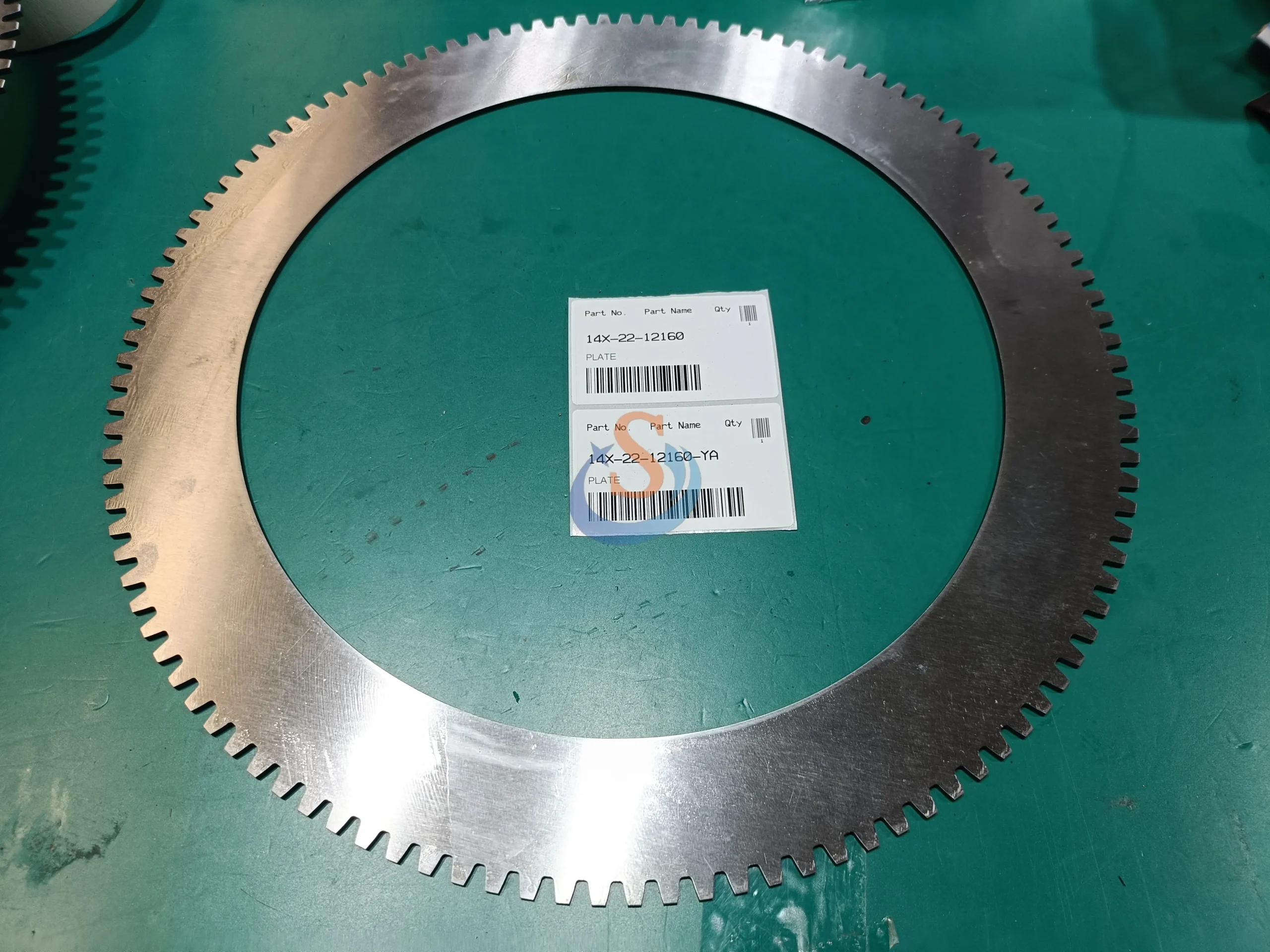 14X-22-12160,PLATE,D275A,D85ESS,D65E
 -
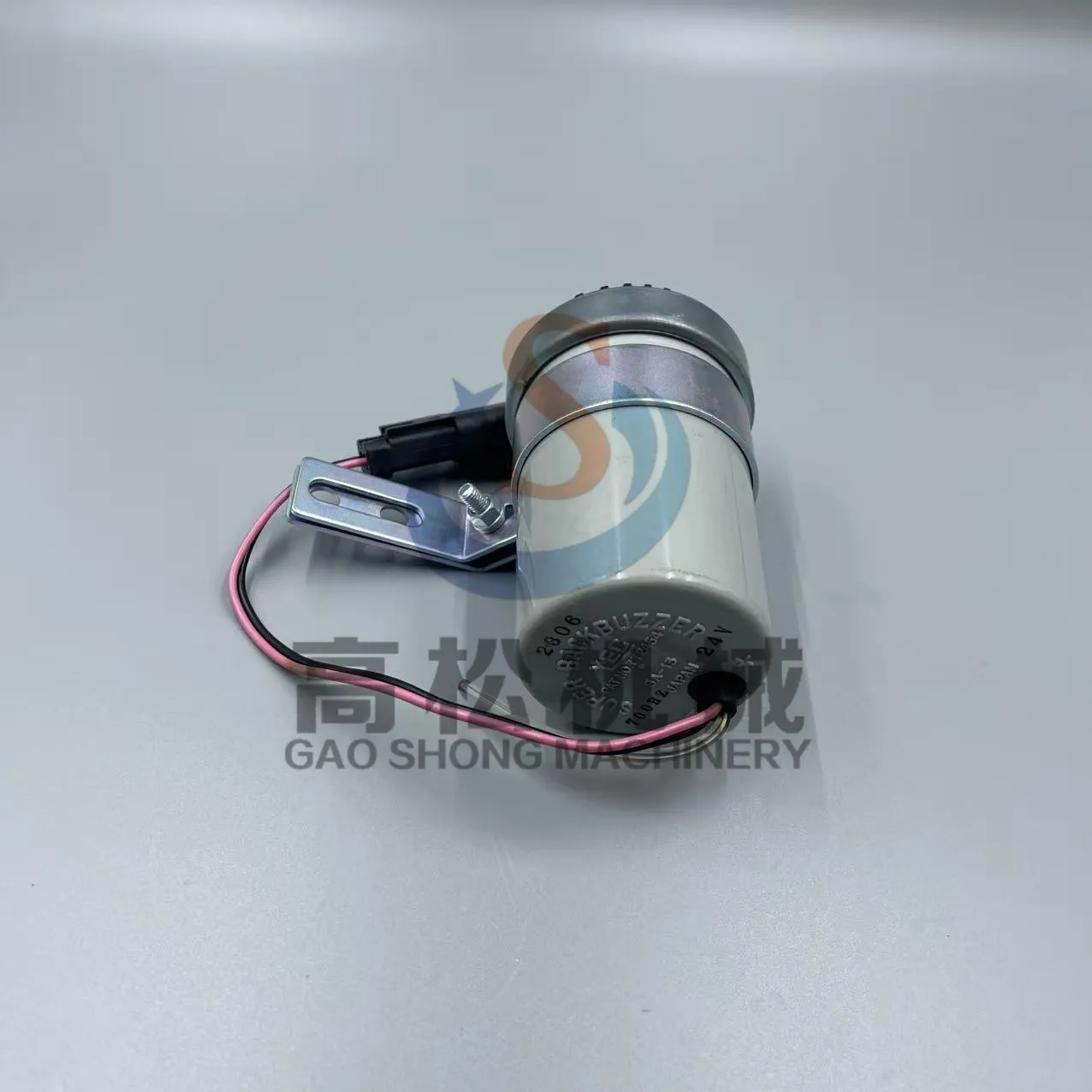 BUZZER 198-06-56570 – KOMATSU
 -
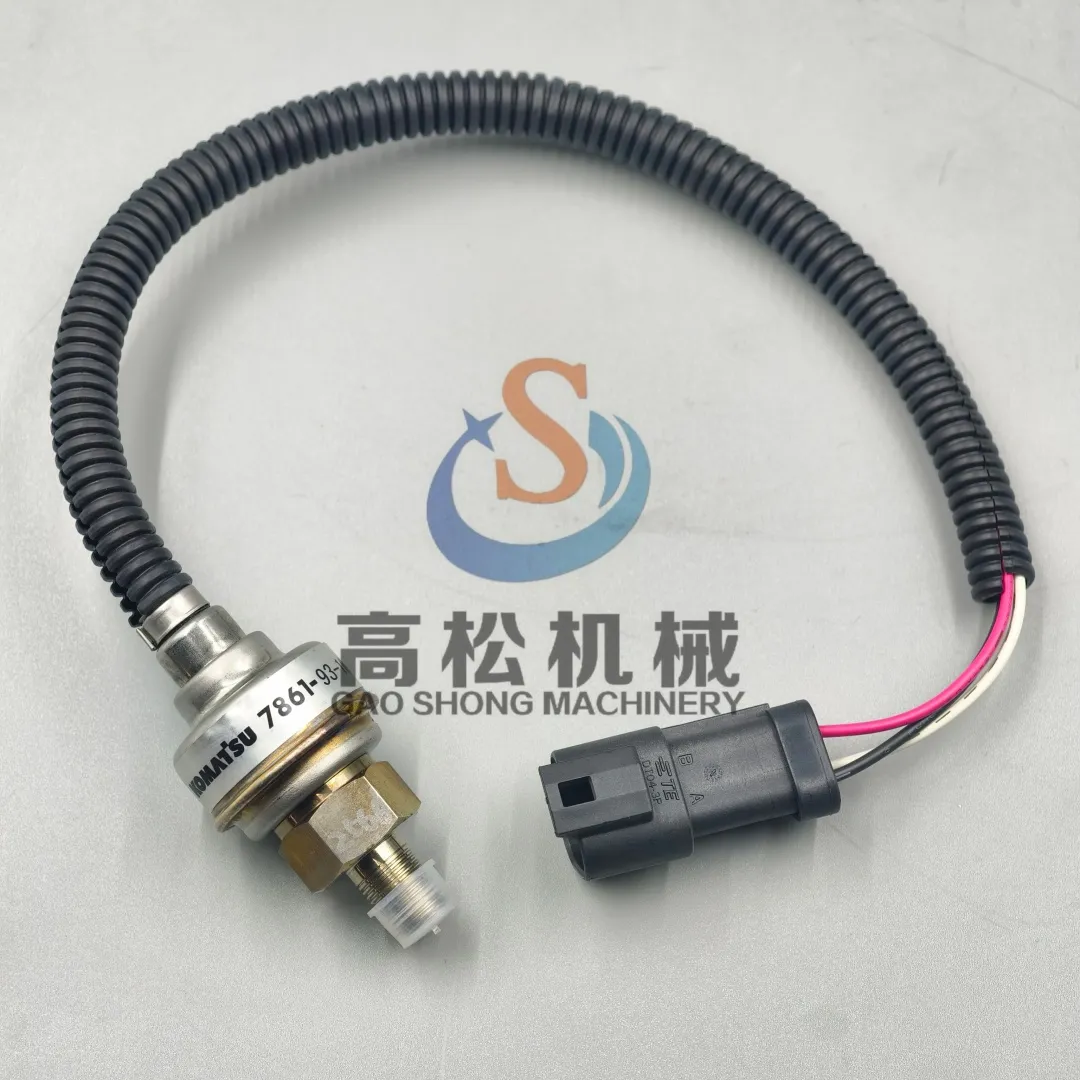 7861-93-1670 Main Pressure Sensor For Komatsu Bulldozers Parts D375 D475
 -
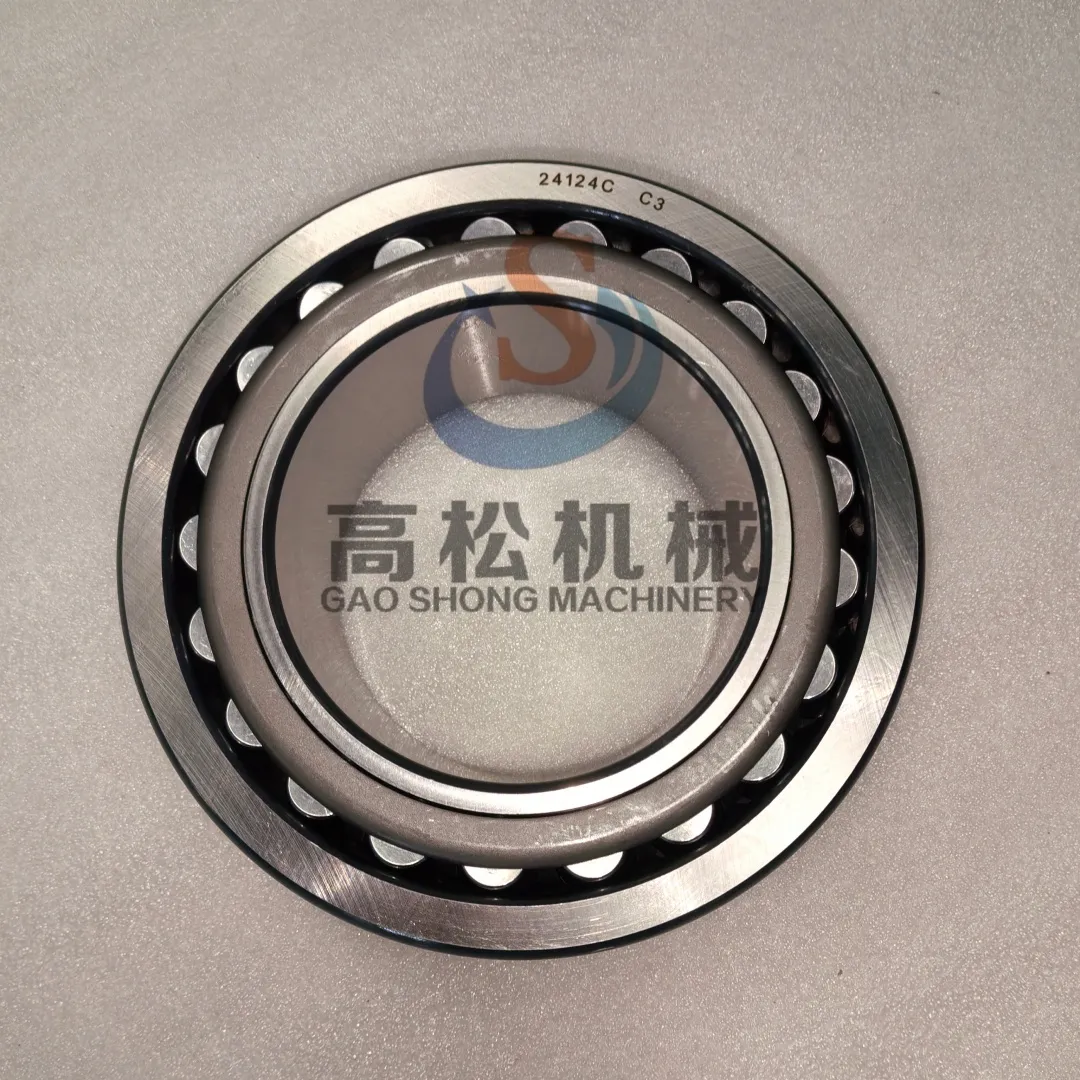 170-09-13250 Bearing for komatsu Dozer D85P-21 D85P-18 D85E-21 D85A-21
 -
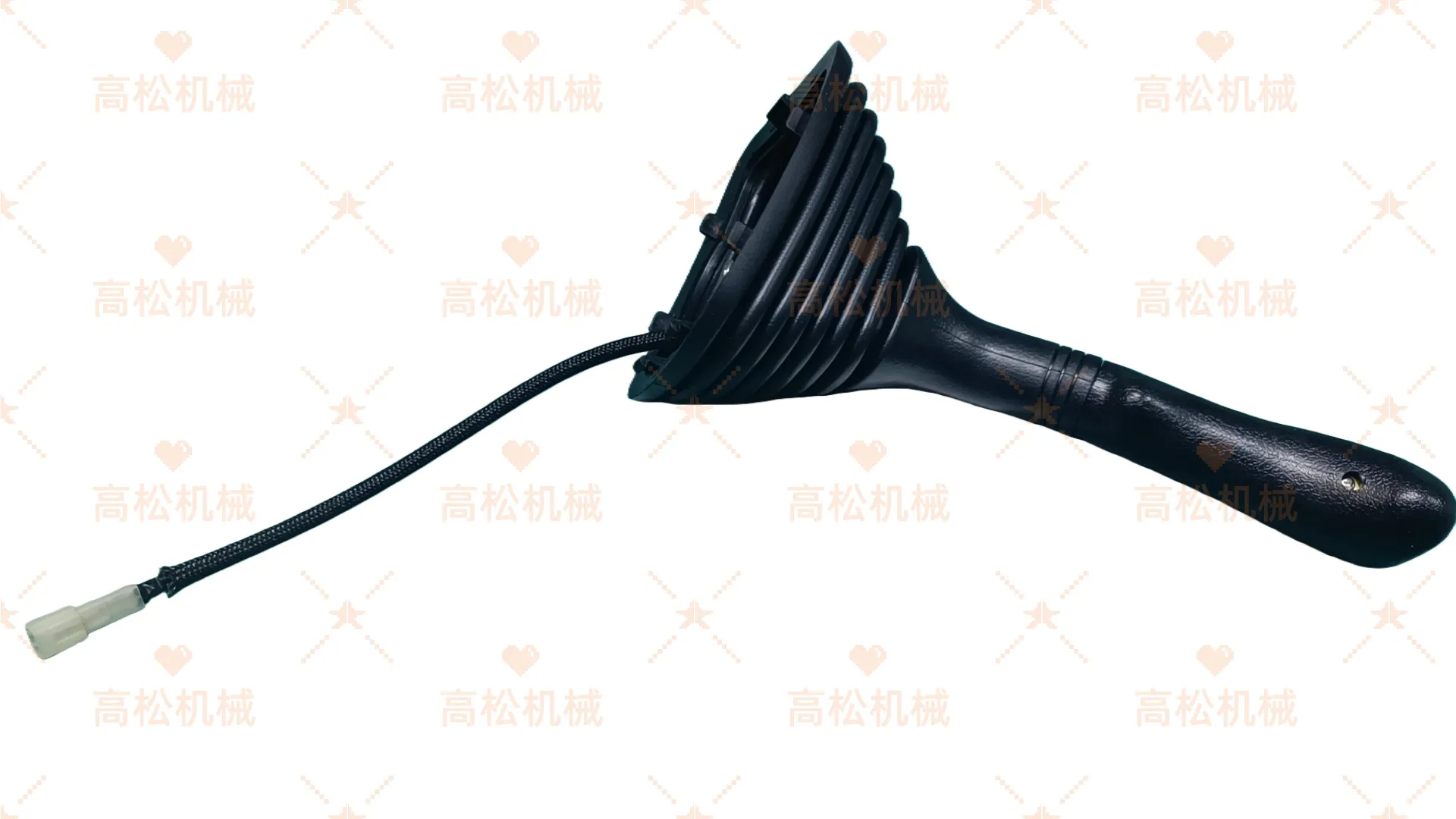 2A5-43-12861SWITCH 2A5-43-12933LEVER ASSEMBLY 2A5-53-12721Motor Assembly 2A5-54-13421 Rear View Mirror2A5-979-1113 Air conditioning component 2A8-70-13210Pin
 -
 561-06-61290 – bracket komatsu