
- Chinese
- French
- German
- Portuguese
- Spanish
- Russian
- Japanese
- Korean
- Arabic
- Irish
- Greek
- Turkish
- Italian
- Danish
- Romanian
- Indonesian
- Czech
- Afrikaans
- Swedish
- Polish
- Basque
- Catalan
- Esperanto
- Hindi
- Lao
- Albanian
- Amharic
- Armenian
- Azerbaijani
- Belarusian
- Bengali
- Bosnian
- Bulgarian
- Cebuano
- Chichewa
- Corsican
- Croatian
- Dutch
- Estonian
- Filipino
- Finnish
- Frisian
- Galician
- Georgian
- Gujarati
- Haitian
- Hausa
- Hawaiian
- Hebrew
- Hmong
- Hungarian
- Icelandic
- Igbo
- Javanese
- Kannada
- Kazakh
- Khmer
- Kurdish
- Kyrgyz
- Latin
- Latvian
- Lithuanian
- Luxembou..
- Macedonian
- Malagasy
- Malay
- Malayalam
- Maltese
- Maori
- Marathi
- Mongolian
- Burmese
- Nepali
- Norwegian
- Pashto
- Persian
- Punjabi
- Serbian
- Sesotho
- Sinhala
- Slovak
- Slovenian
- Somali
- Samoan
- Scots Gaelic
- Shona
- Sindhi
- Sundanese
- Swahili
- Tajik
- Tamil
- Telugu
- Thai
- Ukrainian
- Urdu
- Uzbek
- Vietnamese
- Welsh
- Xhosa
- Yiddish
- Yoruba
- Zulu
- Kinyarwanda
- Tatar
- Oriya
- Turkmen
- Uyghur






Komatsu D375 parts
When you're looking for Komatsu D375 parts, the first thing you realize is that the official channel isn't always the answer. Everyone jumps to the dealer network, and for good reason—genuine parts, full traceability. But the D375, especially the older Dash-5 and Dash-6 models, presents a different beast. The lead times can be brutal, and the cost for a final drive motor or a complete track roller frame assembly can stall a project budget. There's a common misconception that all non-dealer parts are inferior knock-offs. That's not entirely accurate. The landscape is more nuanced, involving OEM-system suppliers, quality aftermarket, and outright counterfeits. The trick is knowing how to navigate it.
The Core Challenge with D375 Component Supply
The D375 is a workhorse, often in remote mining or heavy quarry operations. When a hydraulic pump fails, you can't wait eight weeks for a part to ship from Japan. That's the primary pain point. We've had machines down for a month waiting for a simple-sealing kit because the dealer's regional warehouse was out of stock. It forces you to look elsewhere.
This is where companies operating within the Komatsu system but outside the direct dealer chain become critical. I've worked with a supplier called Jining Gaosong Construction Machinery Co., Ltd.. They position themselves as an OEM product supplier within the Komatsu system. In practice, this often means they have access to genuine parts inventory or components from the same factories that supply Komatsu, but they can move them through different, sometimes faster, logistics channels, especially to regions with supply bottlenecks. Their site, https://www.takematsumachinery.com, explicitly mentions solving parts supply challenges in certain countries, which rings true to my experience in Southeast Asia.
The risk, of course, is verification. Just because a company says they're in the system doesn't mean every part in their warehouse is. You have to ask for factory codes, batch numbers, and sometimes even physical inspection photos of the casting marks. For a Komatsu D375 swing bearing, the difference between a genuine and a high-quality aftermarket might be 5,000 hours of service life. For a counterfeit, it's a catastrophic failure waiting to happen.
Critical Wear Items and the Aftermarket Gamble
Not all parts are created equal, and your sourcing strategy should reflect that. For engine components—fuel injection parts, turbochargers—I lean heavily toward genuine or certified OEM. The tolerance is too fine. But for structural wear parts, the aftermarket has gotten surprisingly good.
Take undercarriage parts for the D375. Segmented sprocket rims, track links, bushings. Several third-tier manufacturers in China and Korea now produce these to a standard that meets, and in some cases exceeds, the OEM spec for wear life. The key is the material specification and the heat treatment process. We tried a set of aftermarket track chains from a no-name supplier once—lasted barely 3,000 hours in abrasive material. Then we switched to a tier-2 aftermarket brand vetted by a supplier like Gaosong, and we clocked over 5,500 hours, which is on par with the genuine part at a 30% lower cost.
The gamble is consistency. One batch can be excellent, the next mediocre. That's why building a relationship with a supplier that does its own quality control is worth more than chasing the lowest price on every order. It's about reducing machine downtime risk, not just part cost.
The OEM System Supplier Model in Action
Let's dissect what Jining Gaosong's model really means. They aren't a Komatsu dealer. They are a third-party sales company for Komatsu. This is a crucial distinction. They likely purchase surplus inventory from Komatsu's production network or from other dealers in different territories, then redistribute to markets where the official supply chain is slow or non-existent. They might also source from licensed sub-manufacturers who produce components under contract to Komatsu's blueprints.
In a practical case, we needed a D375A-6 main control valve. The dealer quote was astronomical with a 12-week lead time. We reached out to several alternative suppliers. Gaosong came back with a unit that had genuine Komatsu part numbers on the valve body, but the packaging was plain. They provided documentation tracing it back to a Komatsu affiliate factory in Japan. It was, for all intents and purposes, a genuine part, just not sourced through the standard invoice. It arrived in 18 days. The machine was back online.
This model fills a vital gap. It's not for every part, and it requires a level of trust and due diligence. But when it works, it keeps assets productive. Their company intro about solving parts challenges isn't just marketing fluff; it's the core of their value proposition in markets underserved by the primary dealer network.
Identifying and Avoiding Counterfeit D375 Parts
This is the dark side of the parts world. The sophistication of fakes is increasing. We once received a set of genuine Komatsu hydraulic filters that looked perfect—until we compared the pleat spacing and the anti-drain back valve material with a known-good filter. It was a fake.
For Komatsu D375 parts like electronics (ECMs, sensors) and critical hydraulics (pumps, valves), the counterfeit risk is highest because the price premium is high. Red flags include prices that are too good to be true (40-50% below market), sellers who can't provide any traceable documentation, and parts that arrive in packaging with slightly off-brand logos or spelling errors.
A reliable supplier, even a third-party one, should be transparent. They should tell you if a part is genuine OEM, OEM-spec, or quality aftermarket. If they hedge or claim everything is original, be skeptical. The website https://www.takematsumachinery.com is a starting point, but it's the direct conversation, the technical specifics they can provide, and their willingness to offer warranties that build credibility.
Building a Sustainable Parts Strategy
Relying on a single source, whether it's the dealer or an alternative supplier, is a vulnerability. The smart approach is a hybrid model. For critical, failure-intolerant components, plan ahead and order genuine through the dealer, even with the lead time. For high-wear, consumable items, qualify two or three reliable aftermarket or OEM-system suppliers.
Companies like Jining Gaosong fit into this strategy as a secondary or tertiary source for genuine or near-genuine parts. They are a tool in the toolbox, particularly for emergency breakdowns or for fleets operating in regions where the official support is thin. Their role as a third-party sales company for Komatsu helps lubricate a sometimes-clunky global supply chain.
Ultimately, managing Komatsu D375 parts procurement is about risk management. It's balancing cost against downtime probability, and authenticity against availability. There's no perfect answer, only a series of calculated decisions based on the part, the machine's role, and the operational pressure you're under. The goal is to keep the blade pushing dirt, and sometimes that means looking beyond the standard parts catalog.
Related Products
Related Products

Best Selling Products
Best Selling Products-
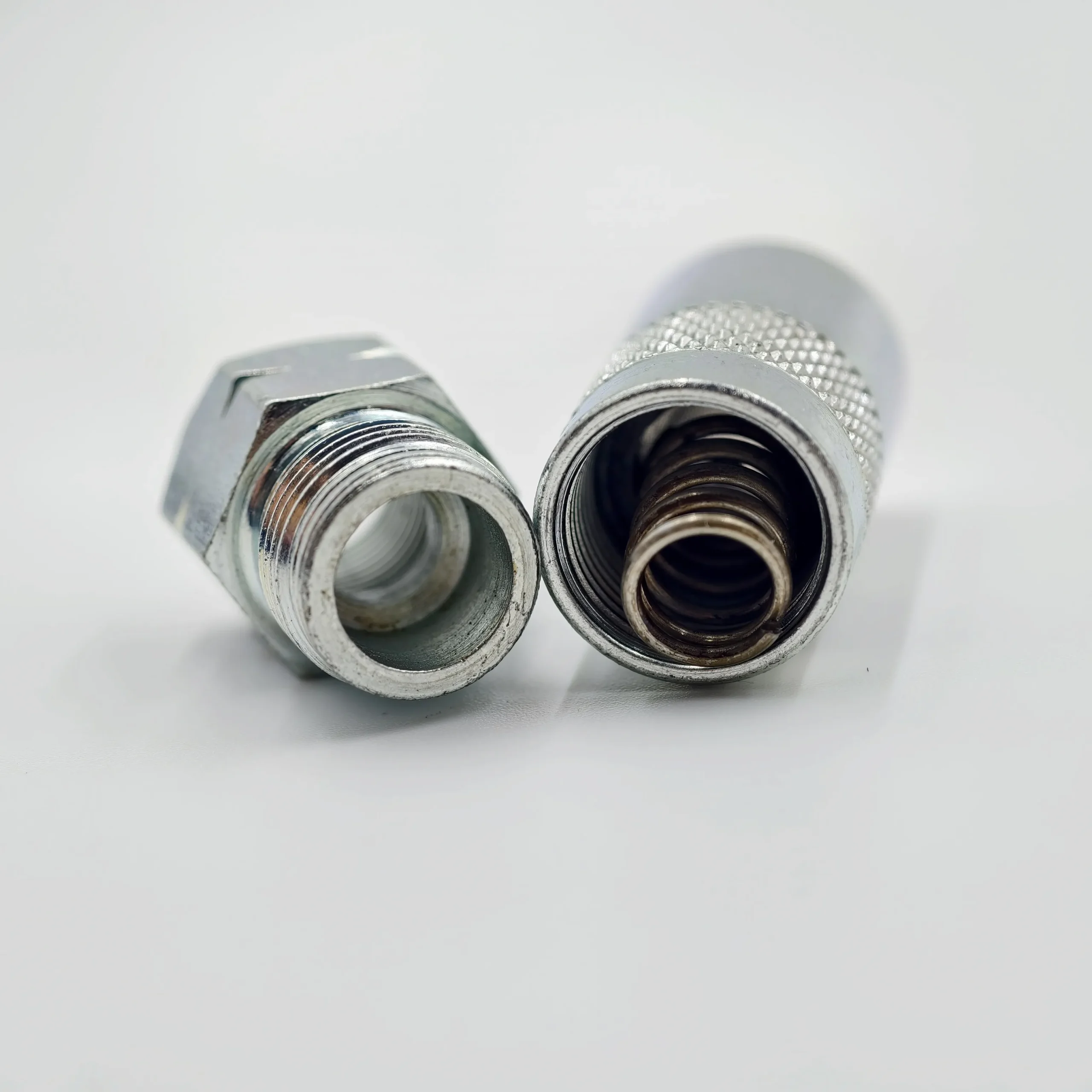 209-68-11640• COUPLER ASS’Y-Komatsu Original Factory
 -
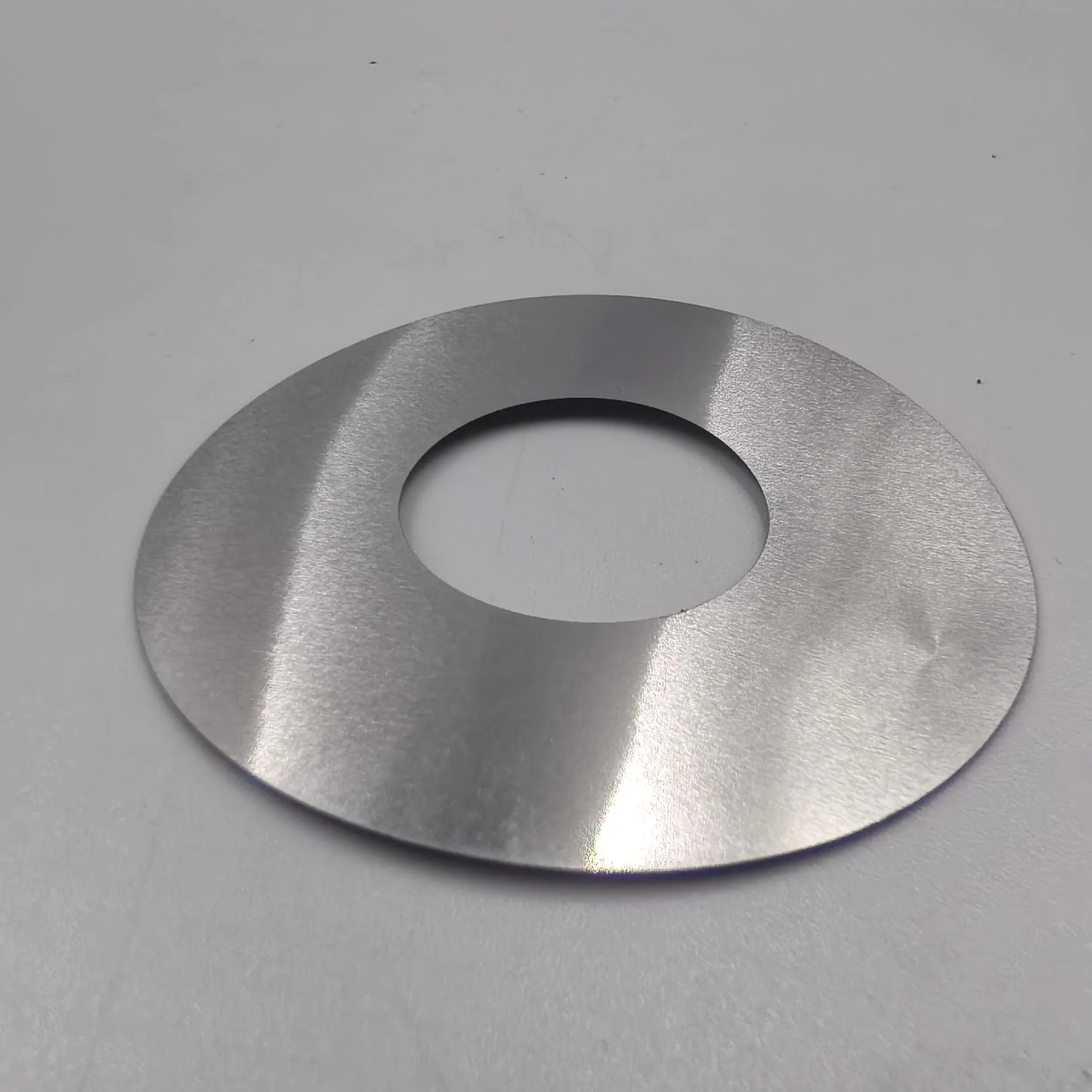 23W-22-21560 is suitable for Komatsu HM350/HM400
 -
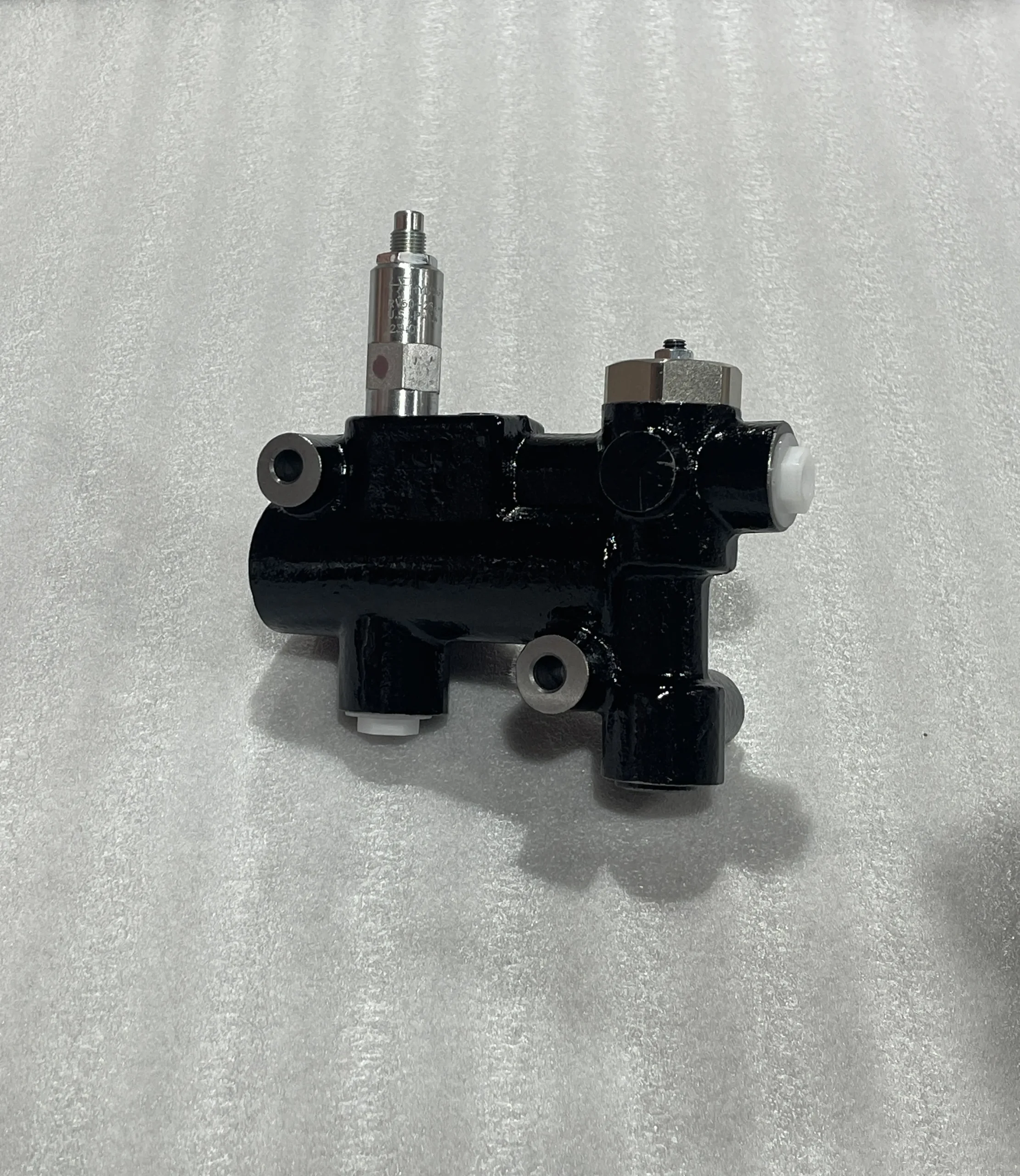 accumulator inflation valve
 -
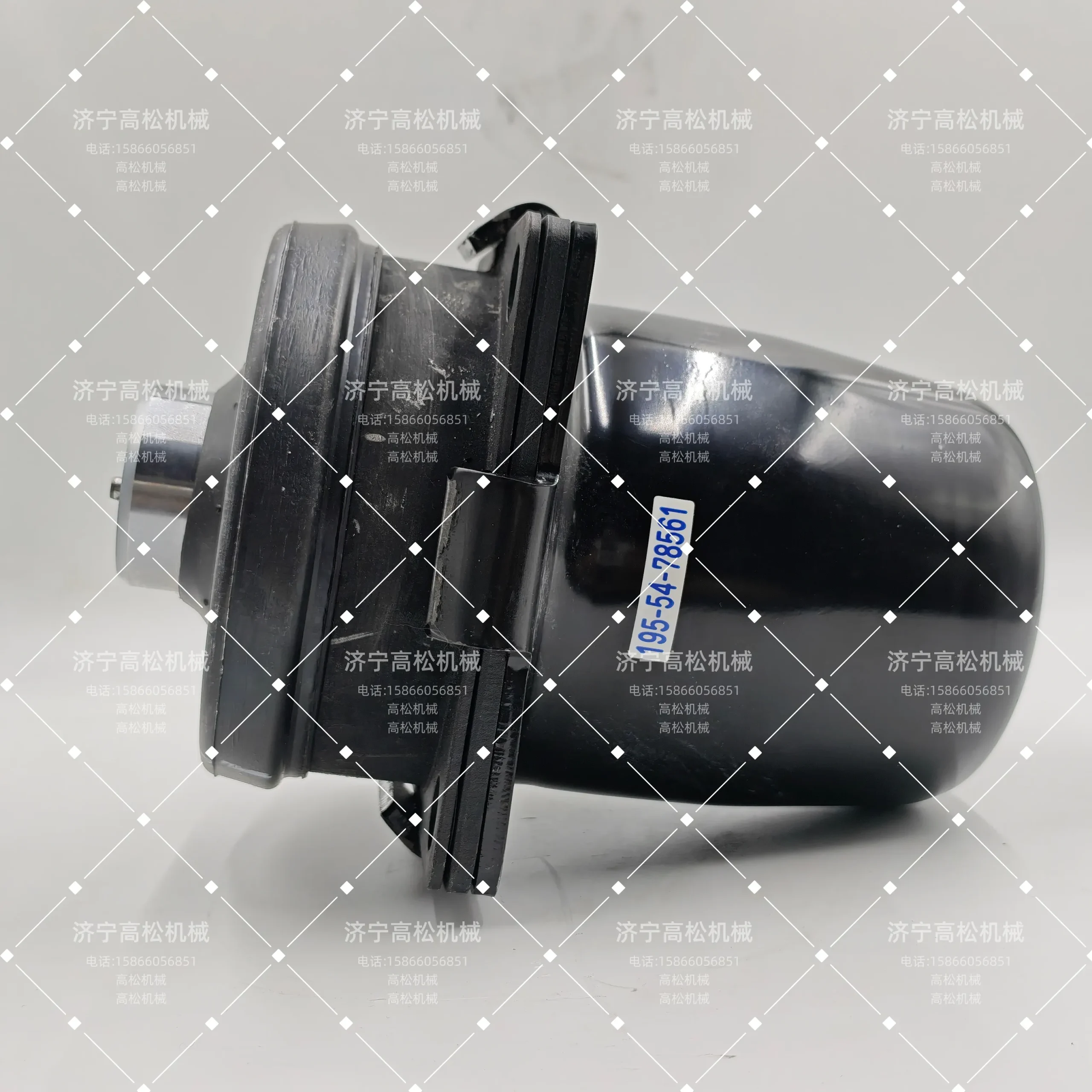 Komatsu Shock Absorbers 195-54-78412 195-54-78561 for D375A-6
 -
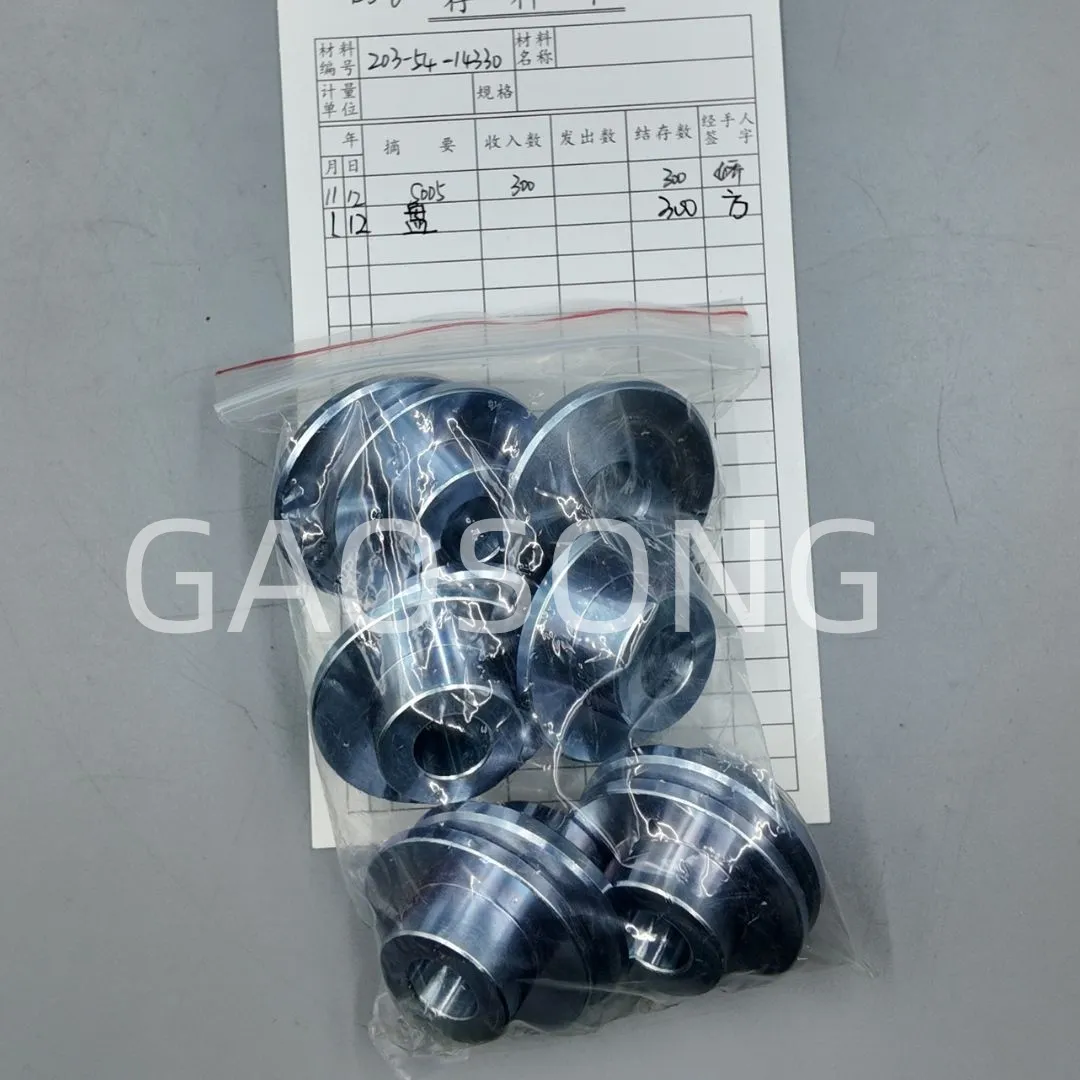 203-54-14330 COLLAR-Komatsu Original Factory
 -
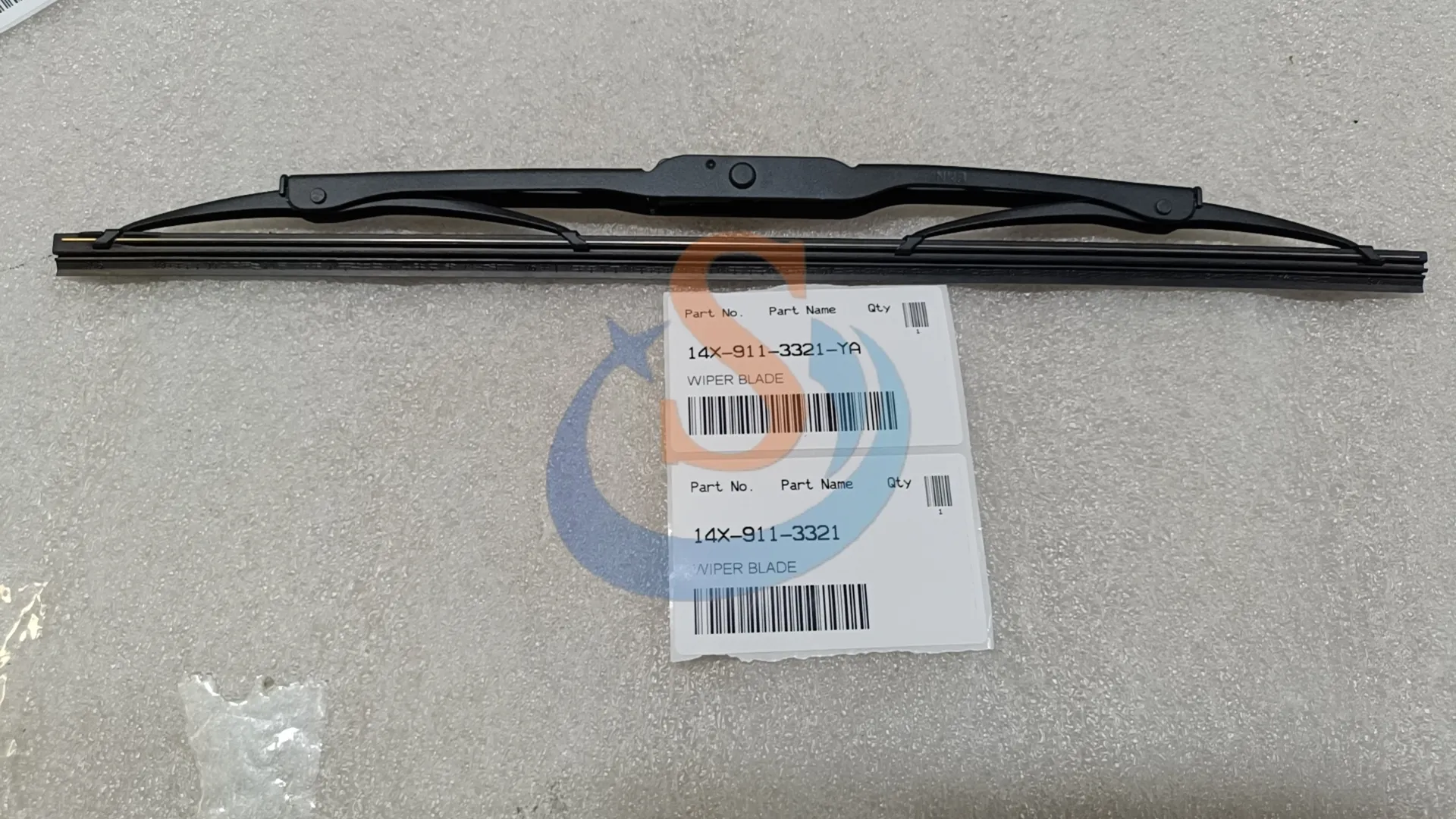 14X-911-3321,BLADE,D68ESS,D65PX,D155AX,D275A,D375A
 -
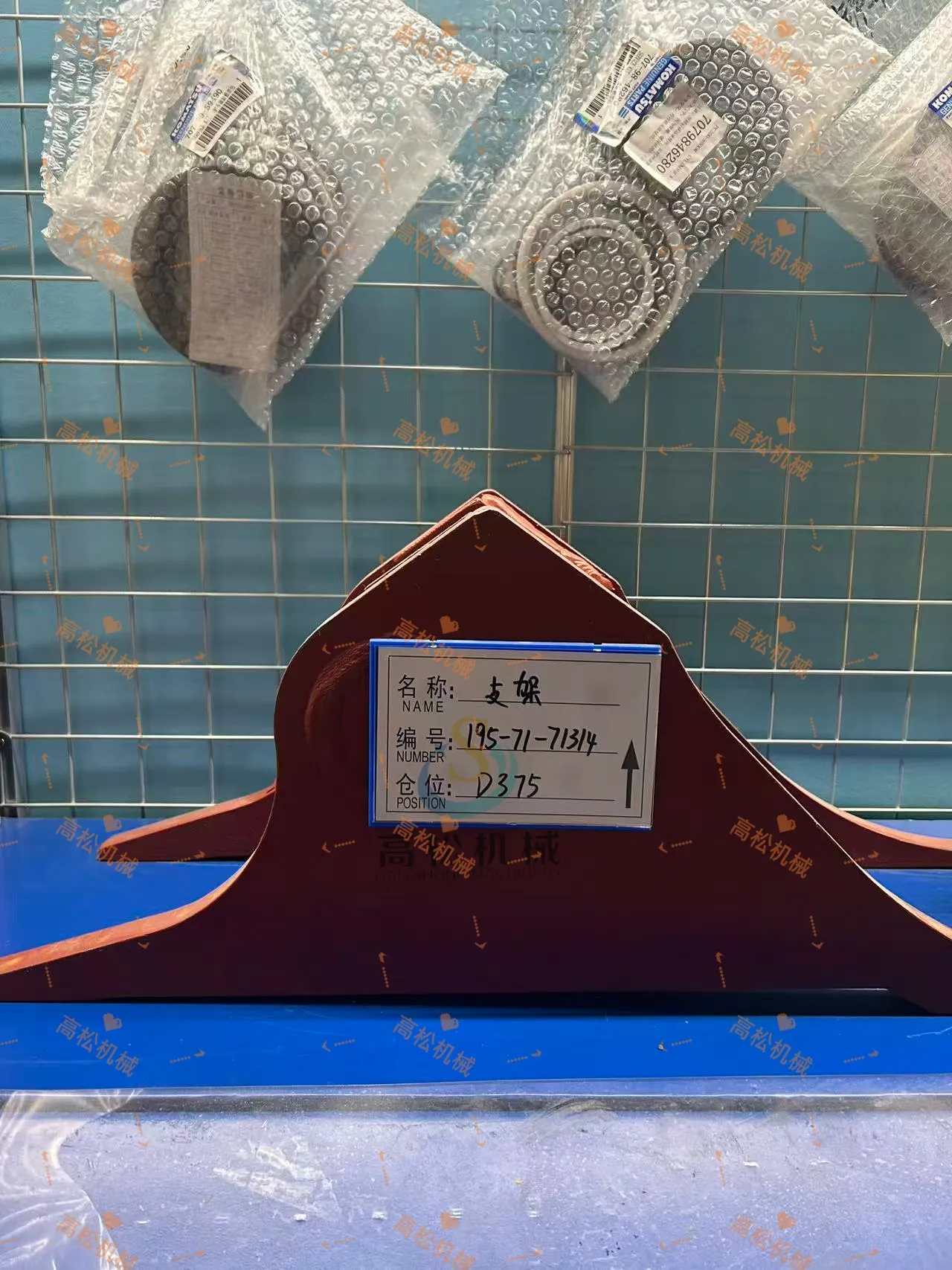 195-71-71314 BRACKET (WELDED) D375A-5 S/N 55001-UP (W/O EGR) BLADE
 -
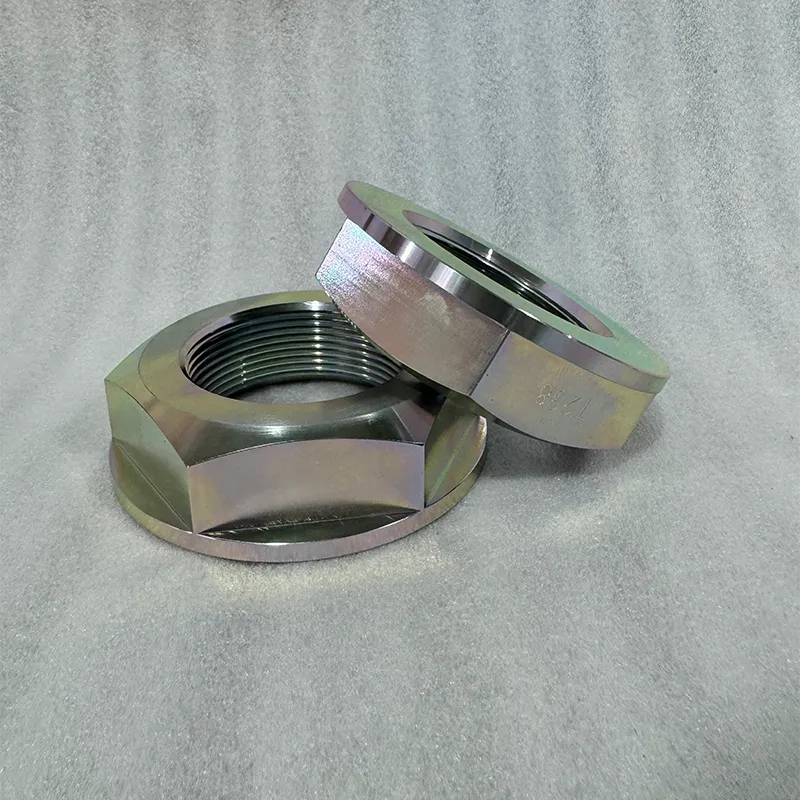 Original komatsu GD825A-2 235-46-45130
 -
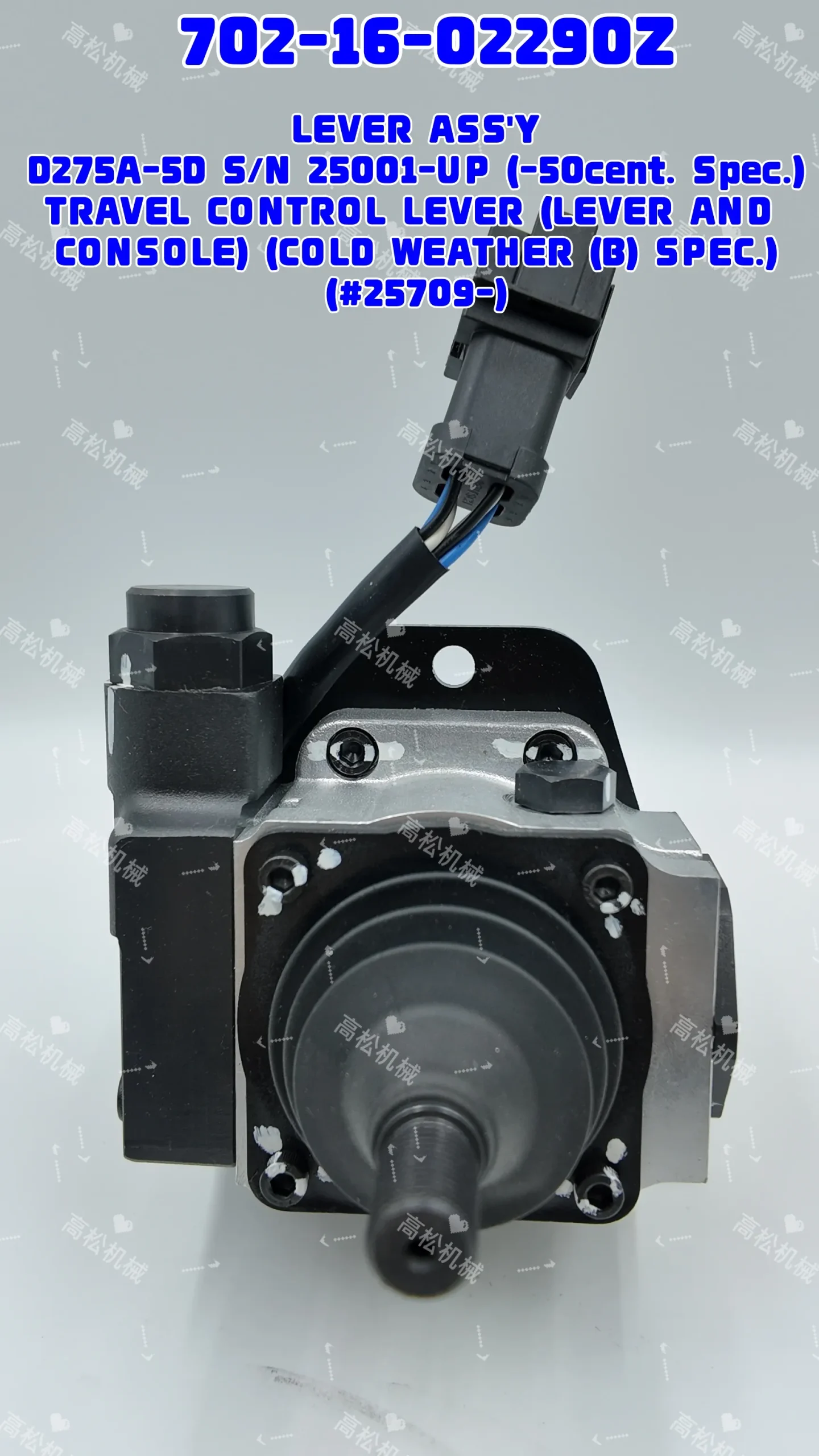 komatsu-part-702-16-02290 LEVER ASS’Y D65PX-15E0 D155AX-6 D155AX-8 D275A-5R D85EXI-18 FLOOR FRAME, TRAVEL CONTROL LEVER FLOOR FRAME, LEVER ROPS CAB, PCCS (PALM COMMAND CONTROL SYSTEM) LEVER
 -
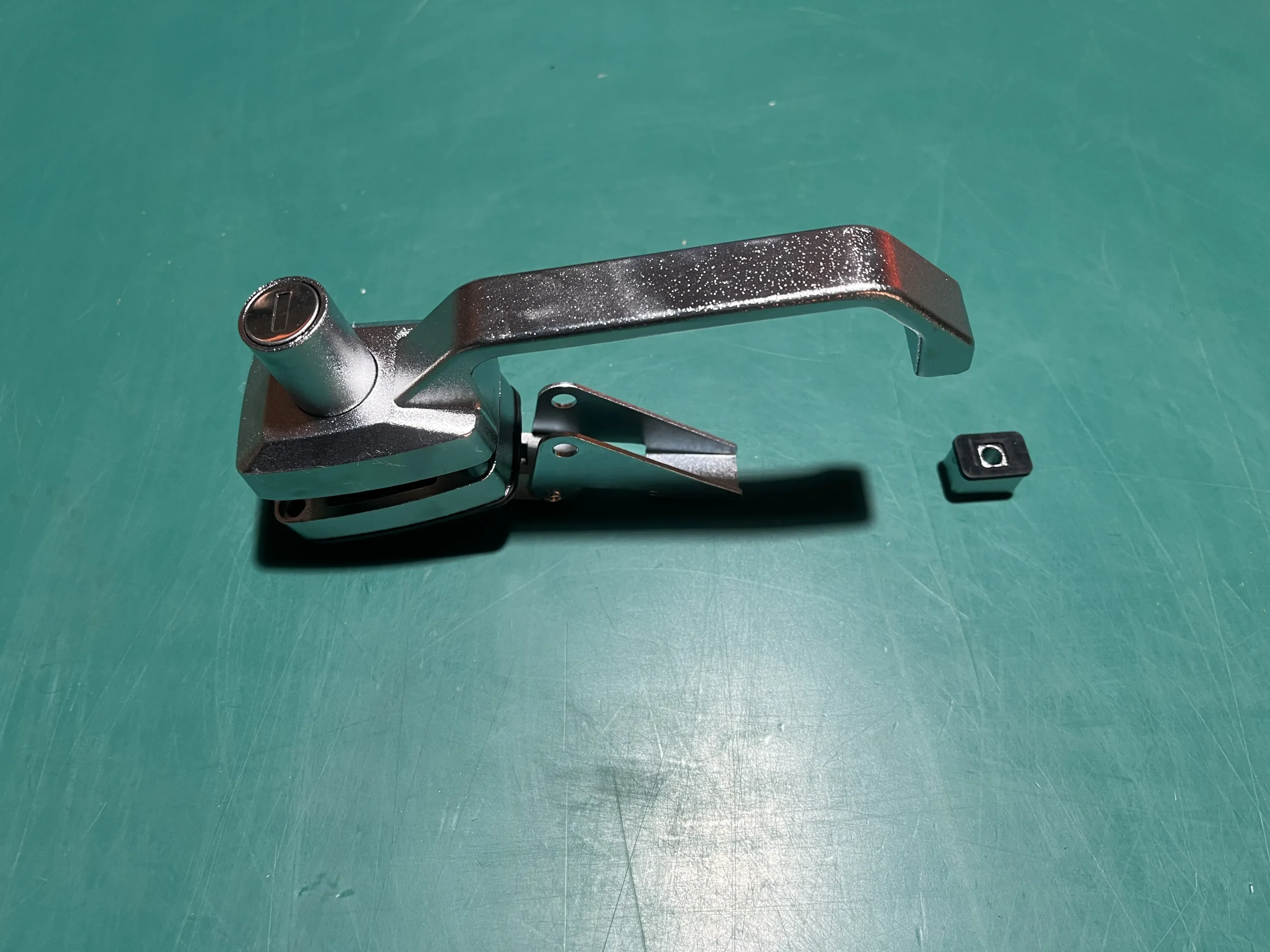 Komatsu Locks 198-Z11-3710 for Bulldozer D65EX-12
 -
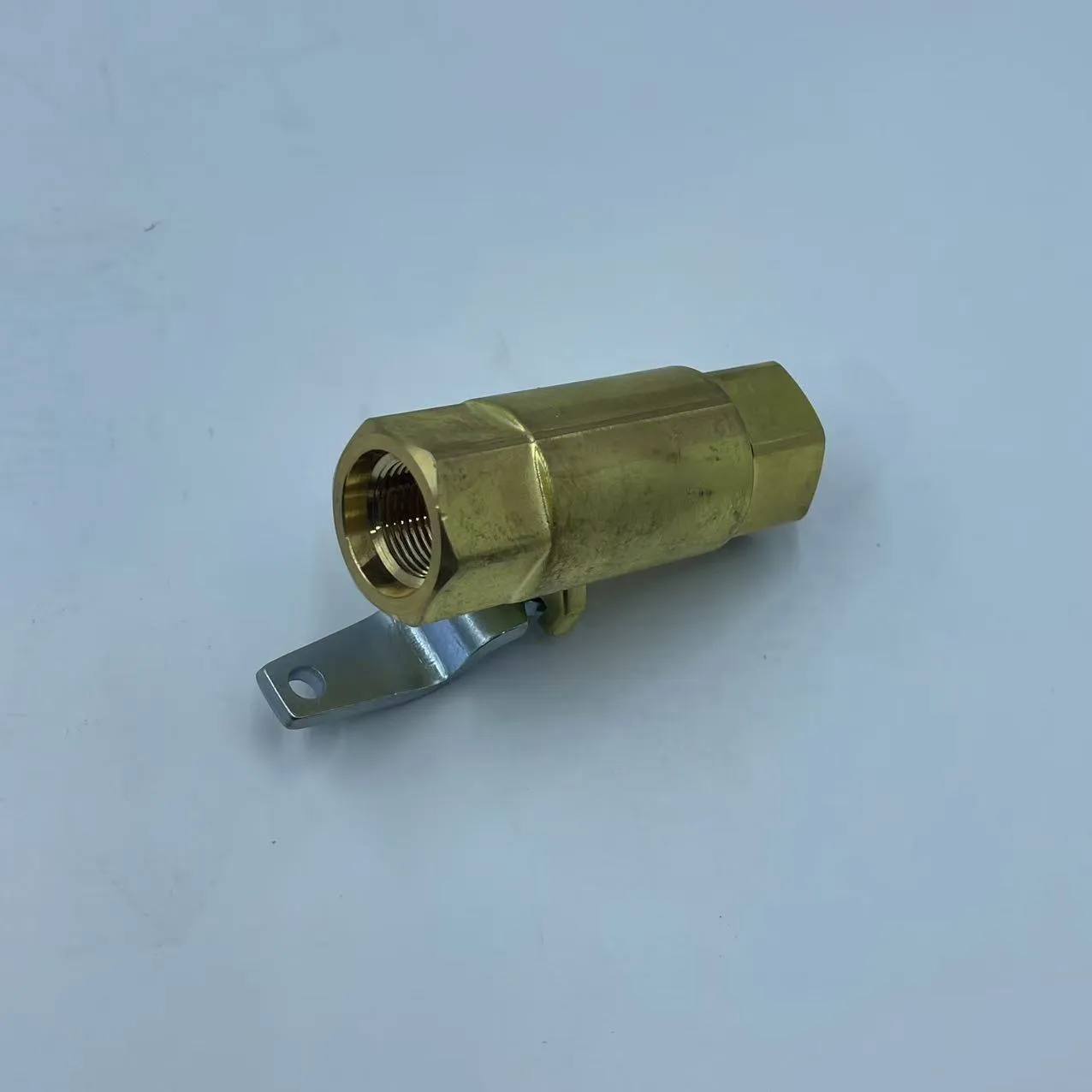 Komatsu Excavator PC200 Valve 20Y-62-15651
 -
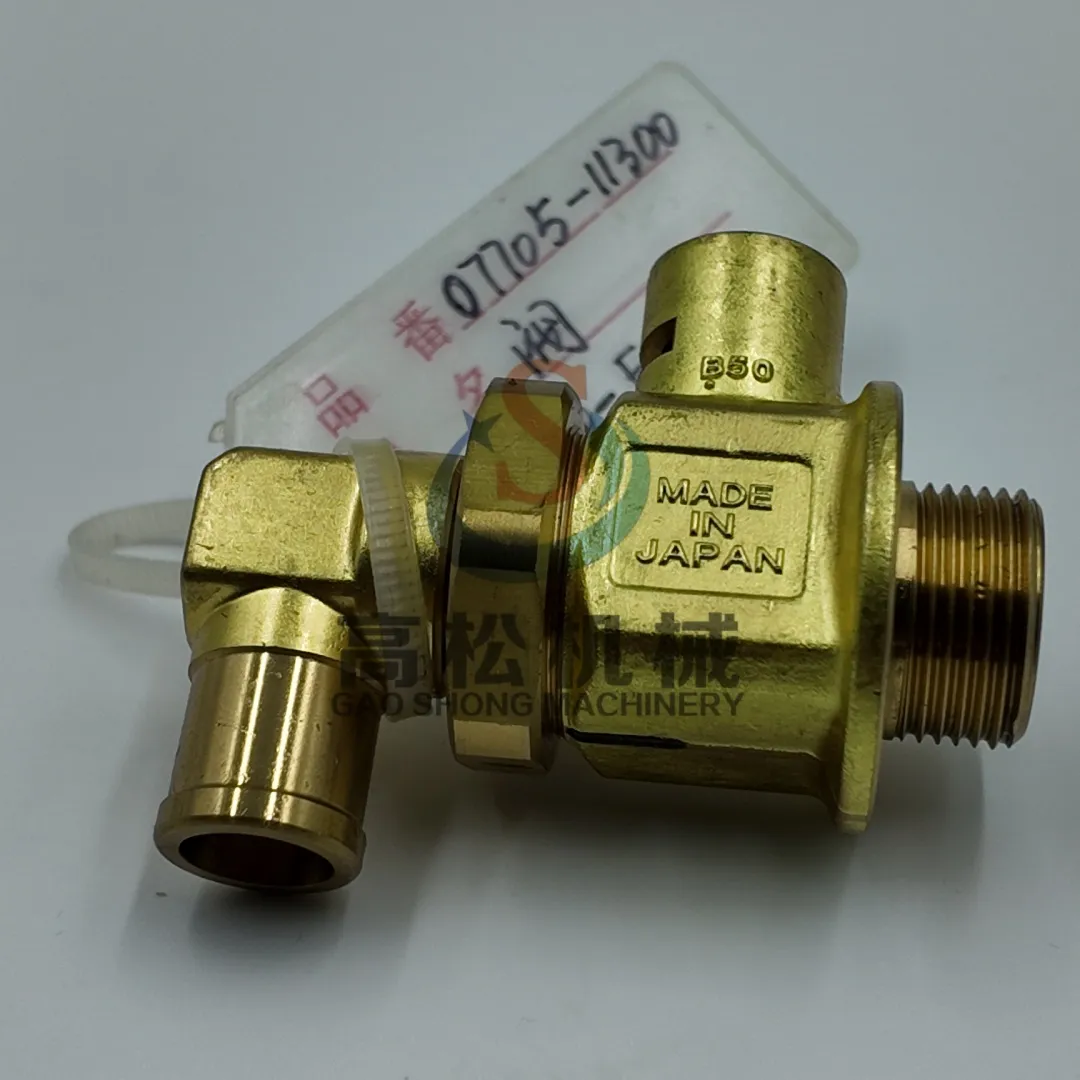 VALVE DRAIN 07705-11300 Komatsu Parts