
- Chinese
- French
- German
- Portuguese
- Spanish
- Russian
- Japanese
- Korean
- Arabic
- Irish
- Greek
- Turkish
- Italian
- Danish
- Romanian
- Indonesian
- Czech
- Afrikaans
- Swedish
- Polish
- Basque
- Catalan
- Esperanto
- Hindi
- Lao
- Albanian
- Amharic
- Armenian
- Azerbaijani
- Belarusian
- Bengali
- Bosnian
- Bulgarian
- Cebuano
- Chichewa
- Corsican
- Croatian
- Dutch
- Estonian
- Filipino
- Finnish
- Frisian
- Galician
- Georgian
- Gujarati
- Haitian
- Hausa
- Hawaiian
- Hebrew
- Hmong
- Hungarian
- Icelandic
- Igbo
- Javanese
- Kannada
- Kazakh
- Khmer
- Kurdish
- Kyrgyz
- Latin
- Latvian
- Lithuanian
- Luxembou..
- Macedonian
- Malagasy
- Malay
- Malayalam
- Maltese
- Maori
- Marathi
- Mongolian
- Burmese
- Nepali
- Norwegian
- Pashto
- Persian
- Punjabi
- Serbian
- Sesotho
- Sinhala
- Slovak
- Slovenian
- Somali
- Samoan
- Scots Gaelic
- Shona
- Sindhi
- Sundanese
- Swahili
- Tajik
- Tamil
- Telugu
- Thai
- Ukrainian
- Urdu
- Uzbek
- Vietnamese
- Welsh
- Xhosa
- Yiddish
- Yoruba
- Zulu
- Kinyarwanda
- Tatar
- Oriya
- Turkmen
- Uyghur






komatsu d355a engine
You hear 'D355A engine' and a lot of guys immediately think of raw, unstoppable power from the 80s. That's not wrong, but it's an incomplete picture. The real story isn't just about the displacement or the horsepower figures you can look up in a manual. It's about how that specific S6D140 Komatsu design holds up under real-world neglect, what fails first, and why sourcing the right parts now is a different ball game compared to when it was new. Too many people treat it like any other big-bore diesel, and that's where the headaches start.
The Core of the Beast: S6D140 Realities
Let's get specific. The S6D140 block in the D355A is a tank, but its longevity is entirely conditional. The cylinder liners are a known point of attention. I've seen machines where the top land of the piston, especially if someone skimped on air filter maintenance, wears a groove into the liner. It doesn't always mean a catastrophic failure, but it leads to increased oil consumption and blow-by that gets progressively worse. You can't just slap in any aftermarket liner set; the flange fit and the cooling jacket seal are critical. A bad fit here means chasing overheating issues forever.
Then there's the fuel system. The old-school Bosch-type injection pump is robust, but its settings are everything. I recall a rebuild where we got a remanufactured pump from a general supplier. The engine started, but it smoked like a chimney under load and had no low-end torque. The issue? The fuel delivery curve was completely wrong for the D355A's turbocharger and governor setup. We ended up having to send it to a specialist who actually had the Komatsu calibration data. It was a costly lesson in assuming all pumps for a 6-cylinder are the same.
The turbocharger is another component that gets replaced with generic units. The OEM Komatsu turbo had specific A/R ratios matched to the engine's scavenging and exhaust pulse timing. A mismatch might give you peak power but kill your torque response in the mid-range, which is exactly where a dozer needs it. You end up with an operator constantly lugging the engine or shifting gears, which stresses the entire powertrain.
Parts Sourcing: The Modern Minefield
This is where theory meets the gritty reality. Komatsu's official support for the D355A has naturally phased out many parts. The aftermarket is flooded with alternatives, and quality is a massive spectrum. I've had decent luck with certain Japanese-spec bearing kits, but gasket sets are a gamble. A head gasket failure because of a subpar seal isn't just an inconvenience; it's a complete teardown again.
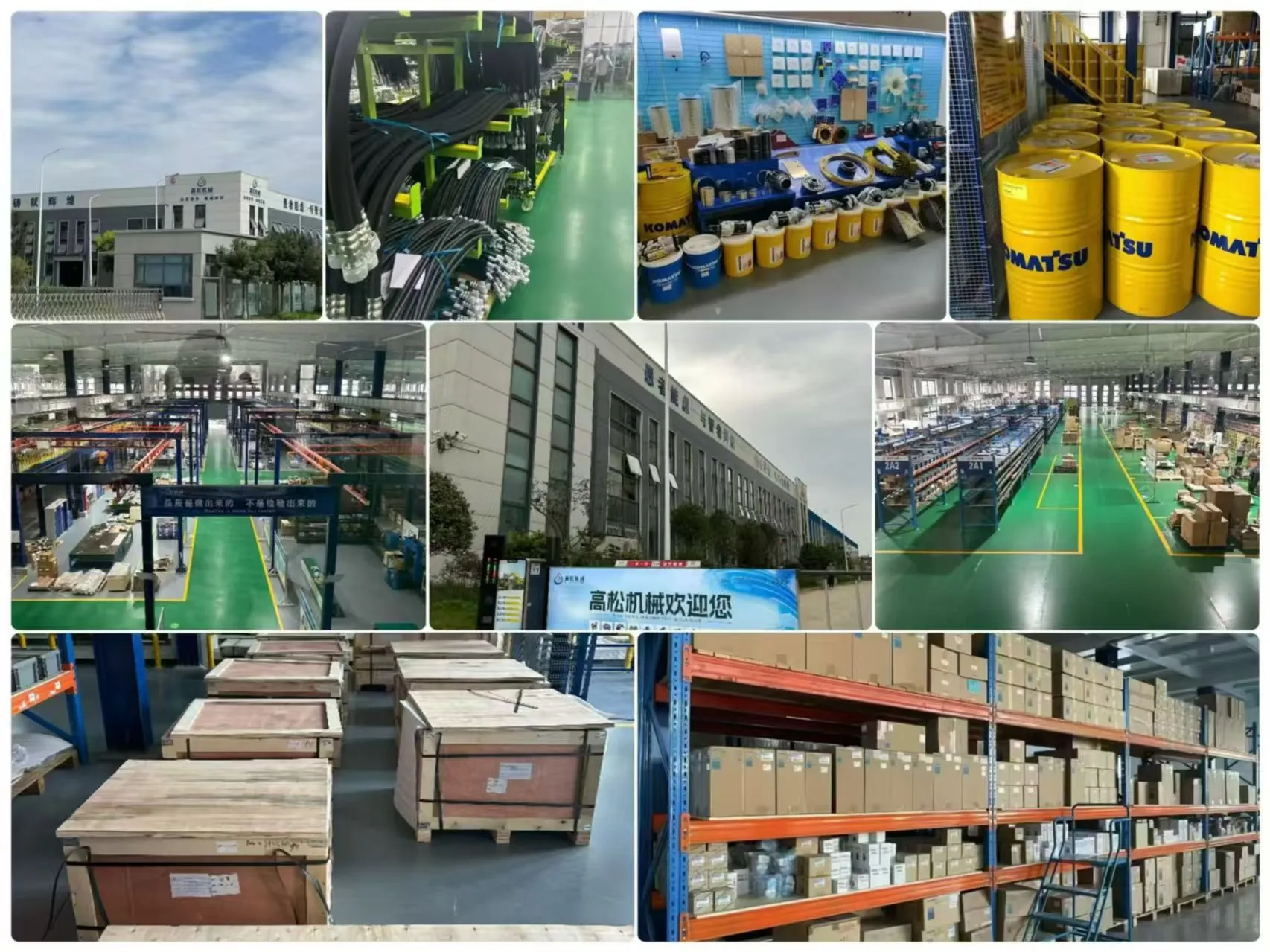
This supply challenge is precisely why operations in regions with older fleets turn to specialized channels. Companies that understand the Komatsu ecosystem are invaluable. For instance, in my network, a resource like Jining Gaosong Construction Machinery Co., Ltd. comes up. They position themselves as an OEM product supplier within the Komatsu system, which is a key distinction. It often means access to genuine or OEM-spec parts that aren't on the open market. Their role in helping to solve parts supply challenges in certain countries isn't just marketing speak; it's a lifeline for keeping these old machines economically viable. You can find them at https://www.takematsumachinery.com when the usual suppliers draw a blank.
The alternative is cannibalization, which brings its own problems. A good used cylinder head from a salvage yard might have hidden cracks or have been machined to its limit. You buy it, install it, and it cracks under thermal cycling a few months later. The total cost of a second repair then dwarfs the price of a properly sourced, verified component from the start.
Cooling System Nuances Everyone Misses
Overheating kills these engines. But it's rarely just a bad thermostat. The D355A's cooling circuit has some quirks. The water pump impeller design is crucial for flow at low RPM. We once fought an overheating issue that only occurred during fine grading work. The radiator was clean, the pump was new (or so we thought). Turns out, the replacement pump had a stamped steel impeller with different vane geometry versus the OEM cast unit. It wasn't moving enough volume at the engine's common operating speed for that delicate work. Swapped it out for a proper one, problem gone.
The oil cooler is integrated, and its seals fail. When they do, coolant gets into the oil, or worse, oil into the coolant. It creates a sludge that's a nightmare to clean out of the entire system. A simple pressure test of the cooler during every major service is cheap insurance. It's one of those while you're in there checks that saves thousands.
Rebuild Philosophy: To OEM Spec or Adapt?
Here's a debate I've had with mechanics for years. Do you rebuild a D355A engine to its original 1970s/80s factory specifications, or do you make sensible adaptations with modern materials? I lean toward the latter, but cautiously. For example, you can use modern head gasket materials that handle thermal cycling better. You might upgrade certain fastener sets to higher-grade bolts where appropriate.
However, you cannot blindly change fundamentals. The piston crown shape, the injector spray pattern, the pre-combustion chamber design—these are a matched set. Altering one without understanding the impact on the others is a recipe for poor combustion, hot spots, and premature failure. The goal of a rebuild shouldn't be to make a hot version; it should be to make a reliable, fuel-efficient version that meets or exceeds its original service life.
This is where having a parts source that understands the system is critical. A supplier embedded in the Komatsu network is more likely to provide the correct, compatible components or advise against certain mixes that won't work, rather than just selling you whatever fits the bore size.
The Bottom Line on the D355A Powerplant
So, is the Komatsu D355A engine still a viable power unit? Absolutely, but with major caveats. Its value now lies in its mechanical simplicity relative to modern, computer-controlled engines. It can be repaired in a field shop with skilled hands. But that repair's success is 100% dependent on the quality and correctness of the parts used, and a deep, practical understanding of its specific behaviors.
Treating it as a generic engine is the fastest path to a money pit. The guys who keep them running profitably are the ones who know which corners can never be cut—like the liner/piston fit, the fuel system calibration, and the cooling system integrity. They're also the ones who have cultivated relationships with specialist suppliers who can navigate the obsolete parts maze.
In the end, the D355A engine is a testament to a design philosophy that prioritized durability. Respect that philosophy in your maintenance and sourcing, and it will reward you with thousands more hours of work. Ignore it, and you'll learn the hard way why specific knowledge always trumps generic replacement. For those deep in the trenches with these machines, resources that bridge the OEM and aftermarket gap, like the services mentioned from Gaosong, aren't just convenient; they're often the decisive factor between a successful rebuild and a costly failure.
Related Products
Related Products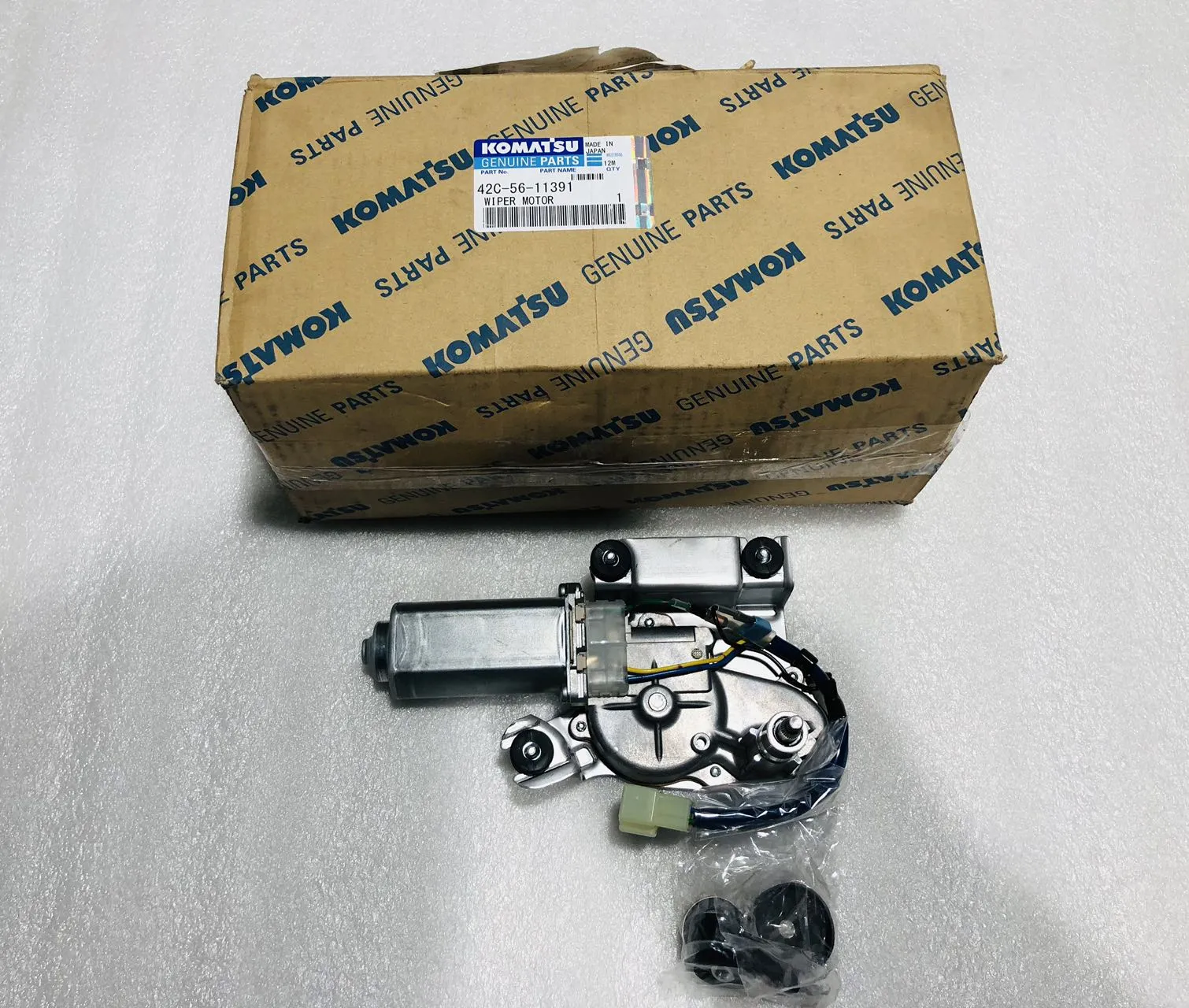
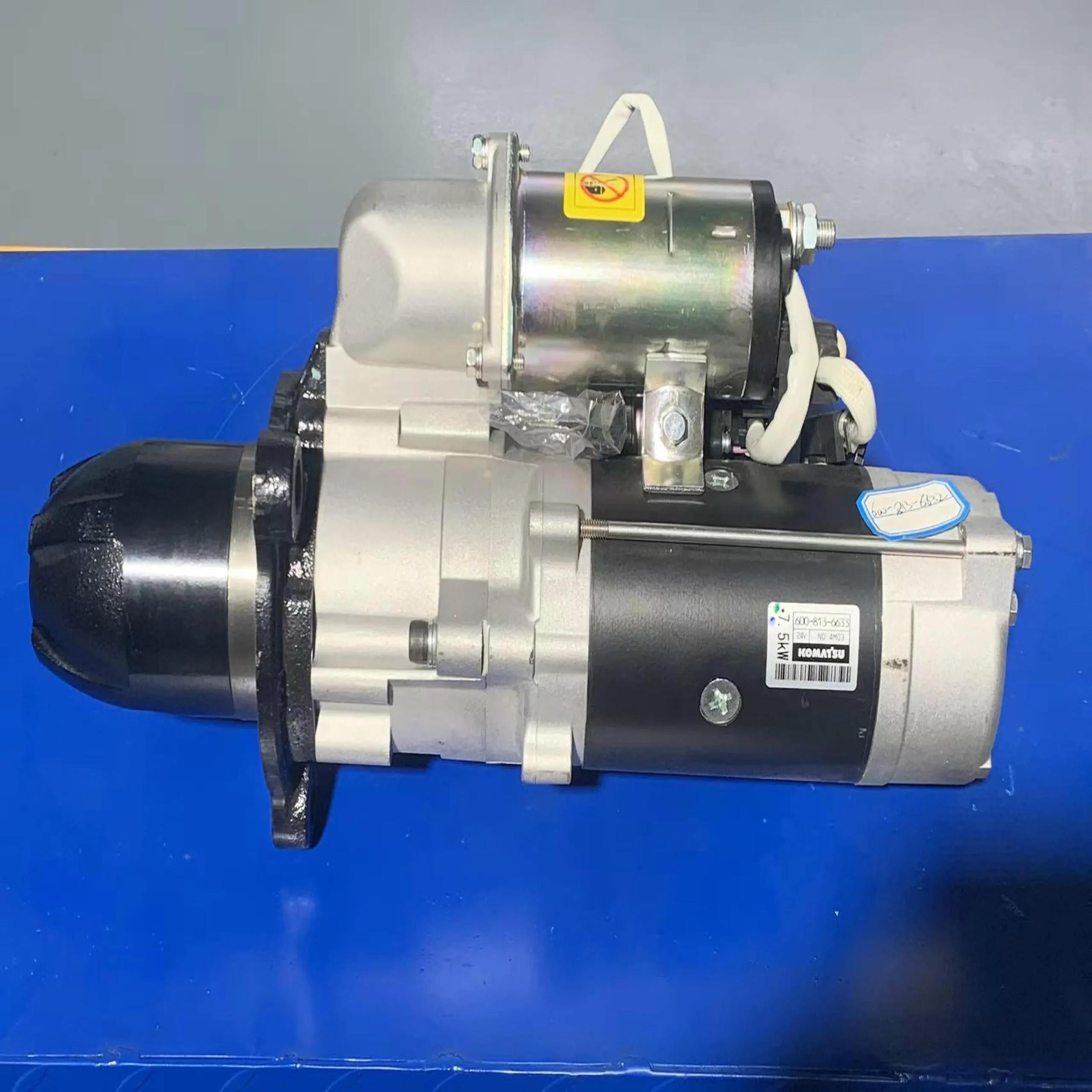
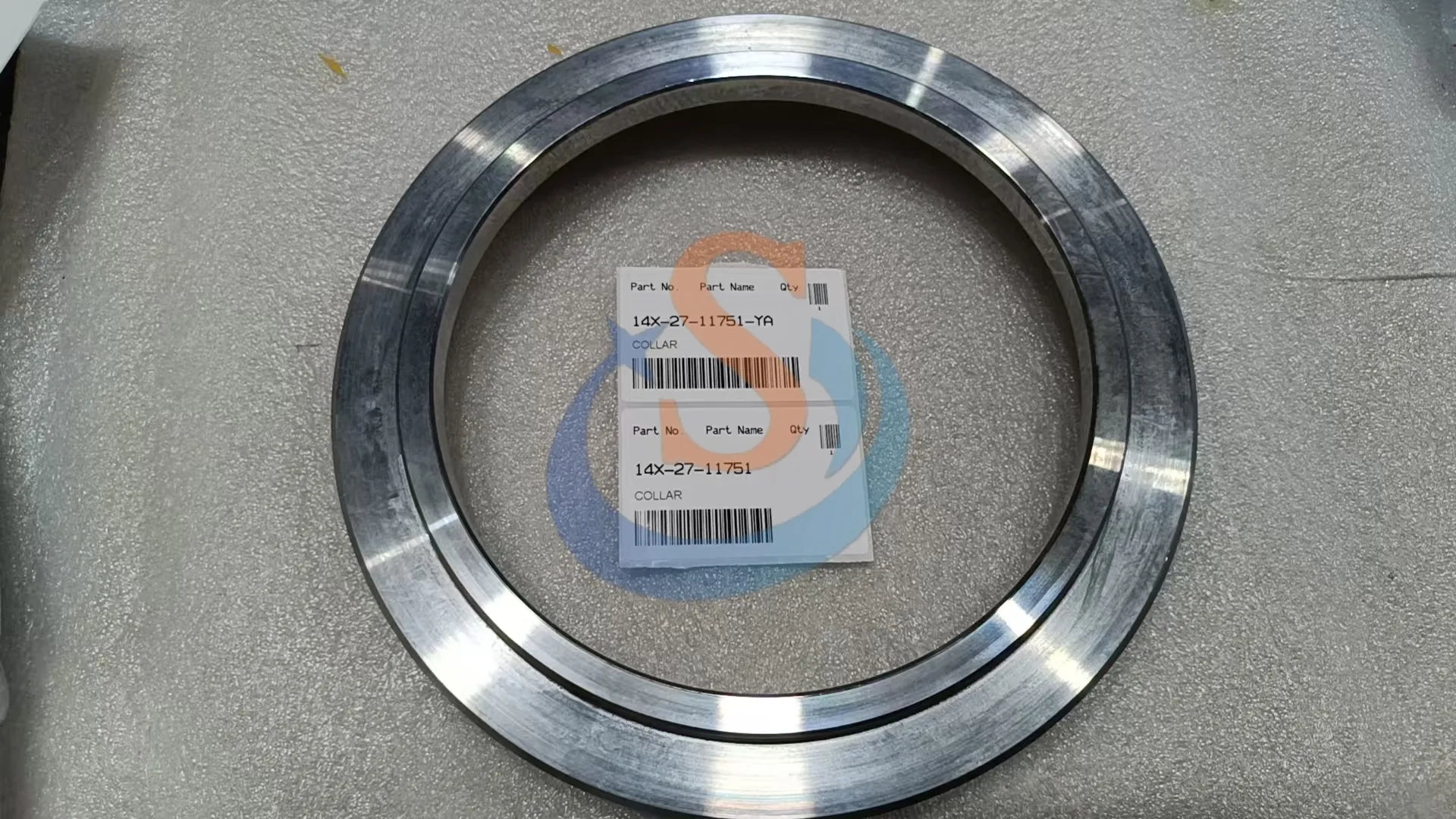

Best Selling Products
Best Selling Products-
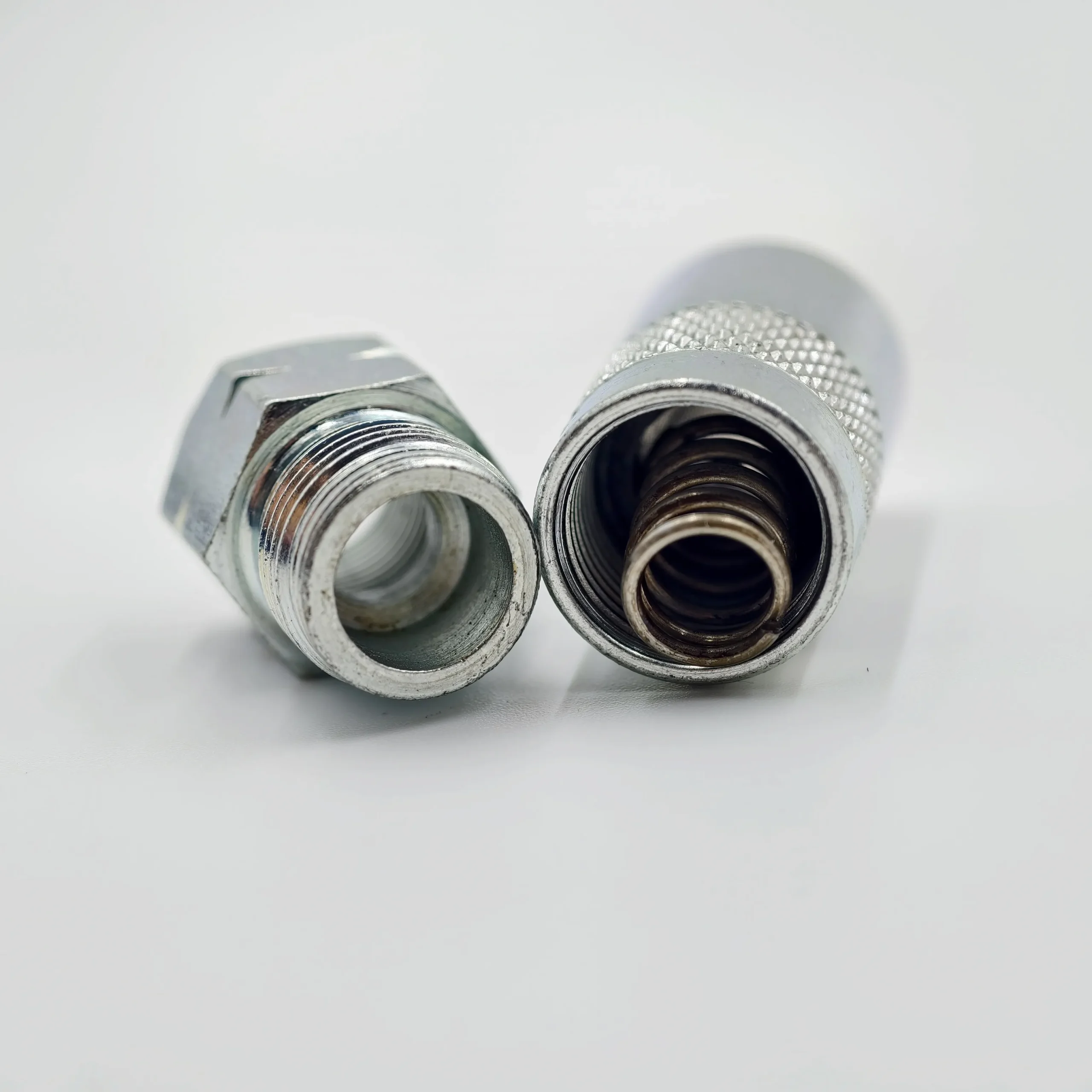 209-68-11640• COUPLER ASS’Y-Komatsu Original Factory
 -
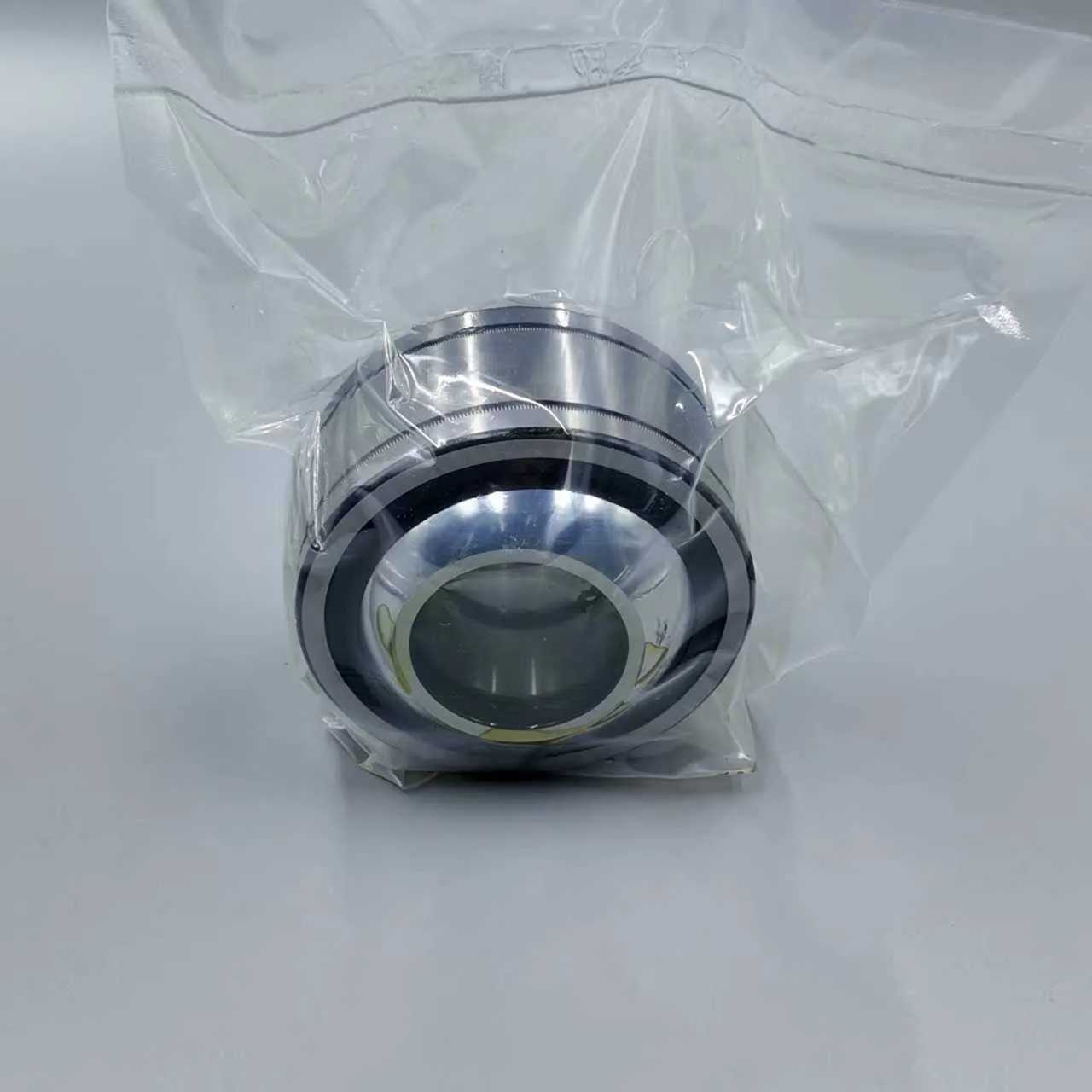 07137-04006 • BUSHING-Komatsu Original Factory
 -
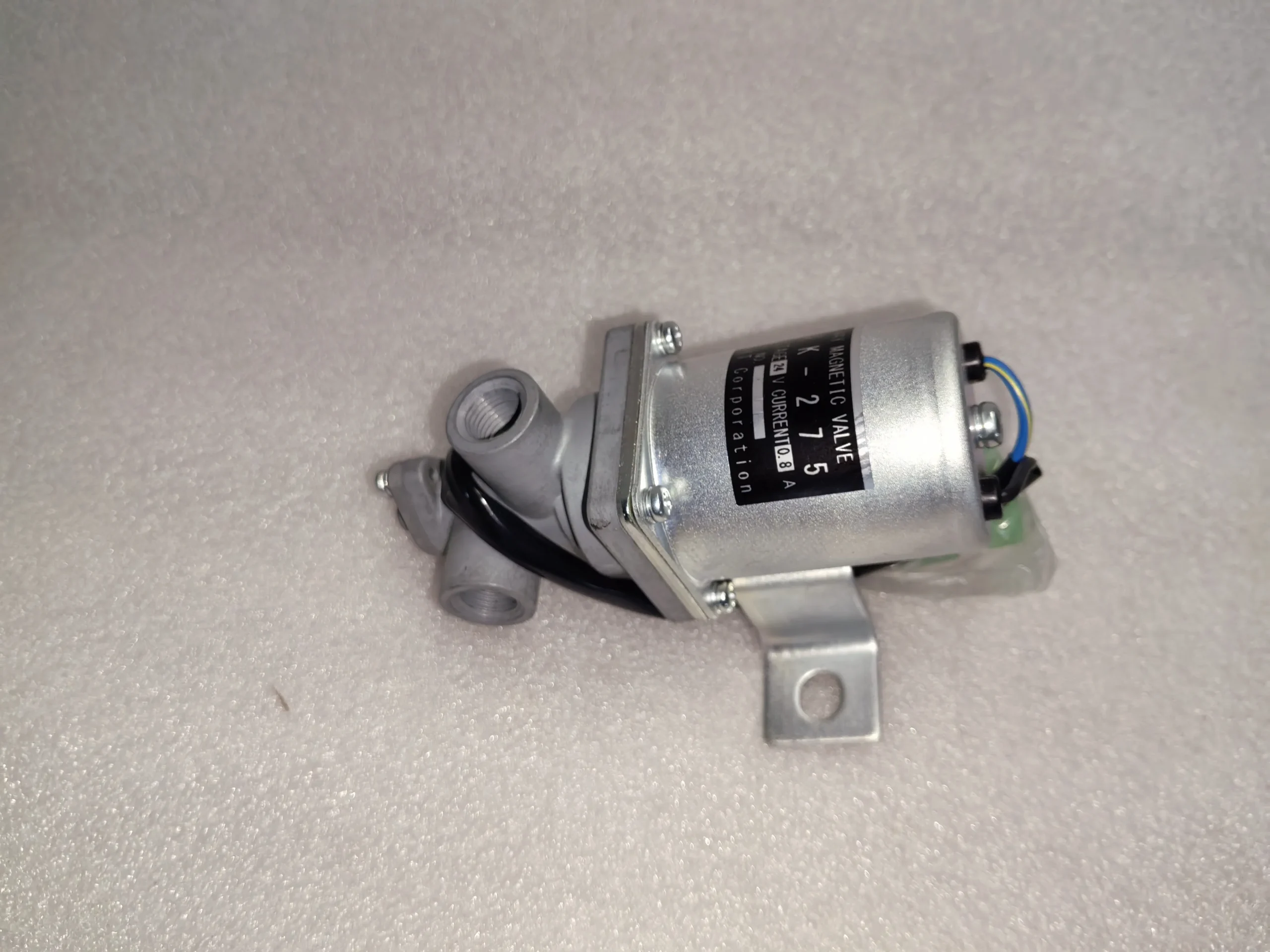 425-06-11150 VALVE Komatsu Original Factory
 -
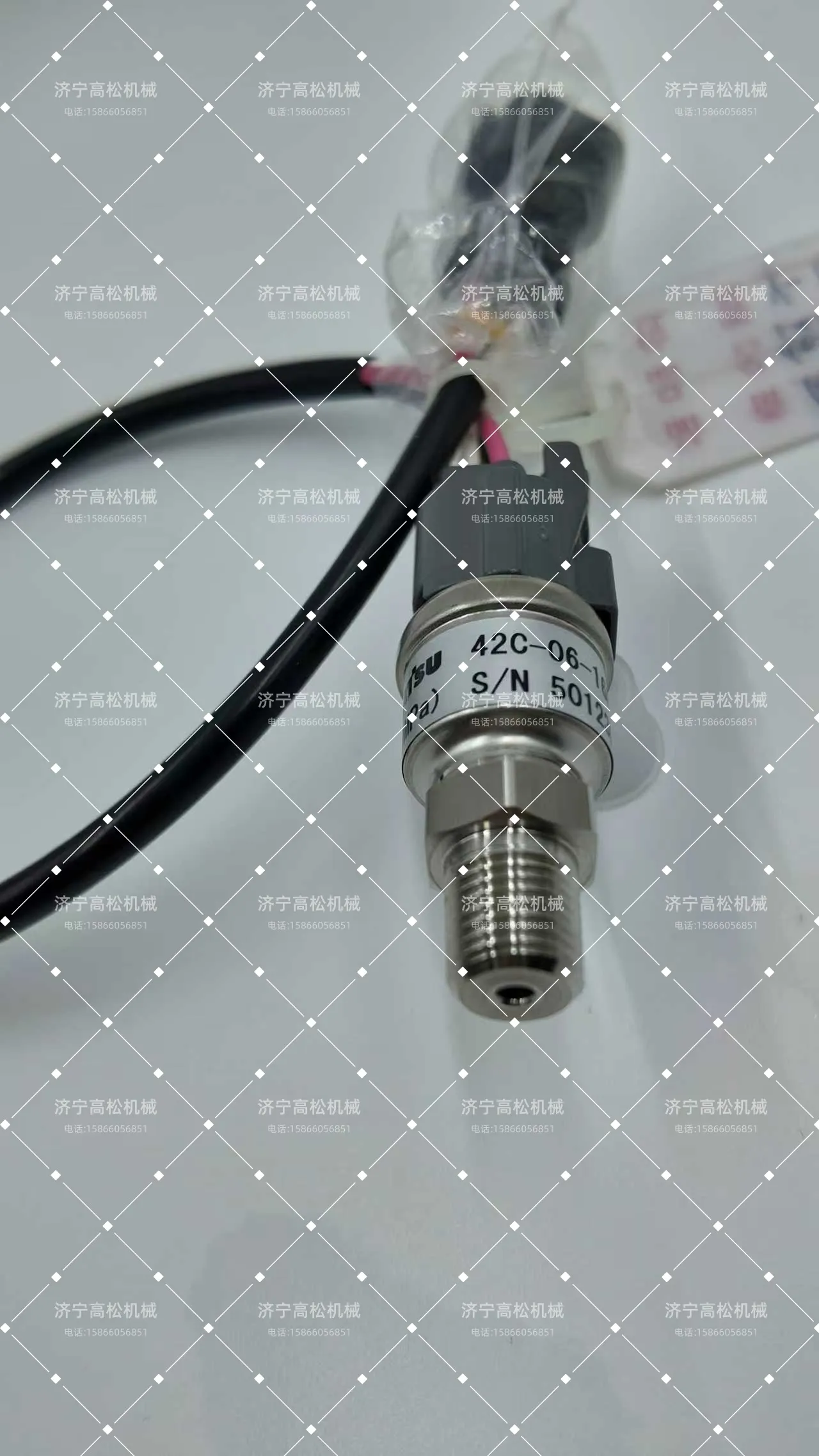 7861-93-1680 Pressure Sensor For Komatsu WA1200 SDA12V140E
 -
 6240-61-2120 Cover for Engine SAA6D170E-3F-8 Parts – Komatsu
 -
 232-15-19220 – SEAL RIN
 -
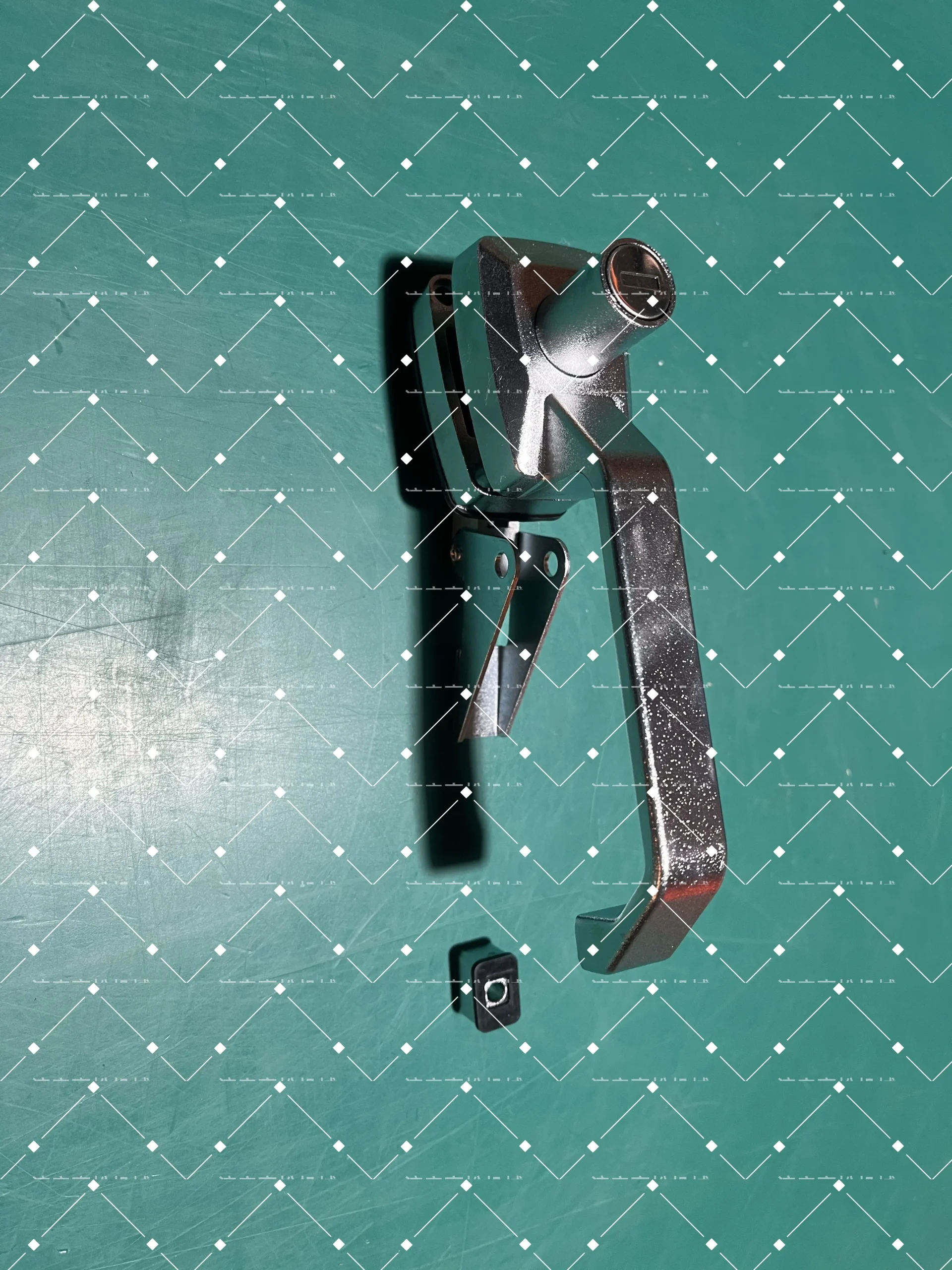 198-Z11-3710 Komatsu Handle Assembly
 -
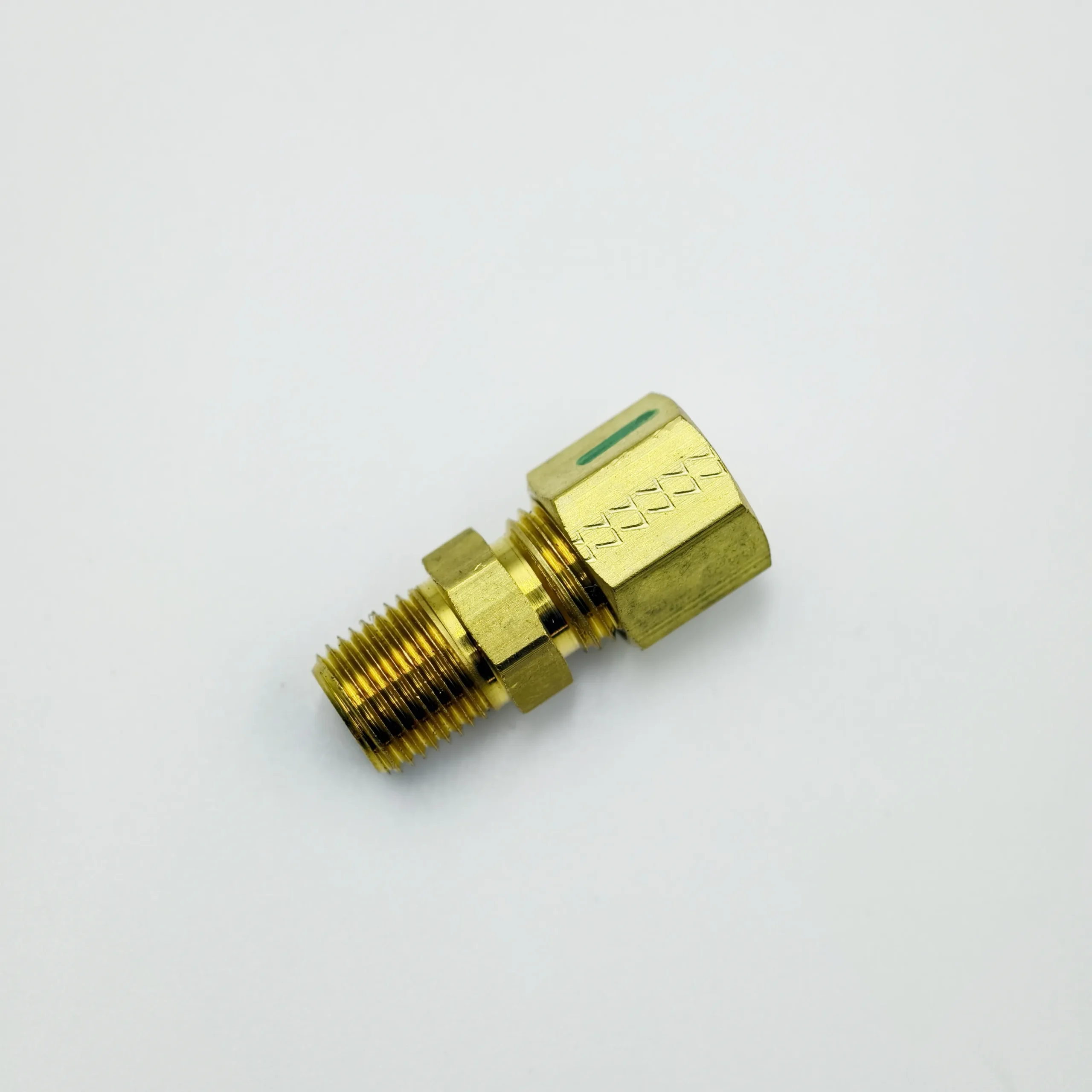 21N-68-32320 Komatsu Connector
 -
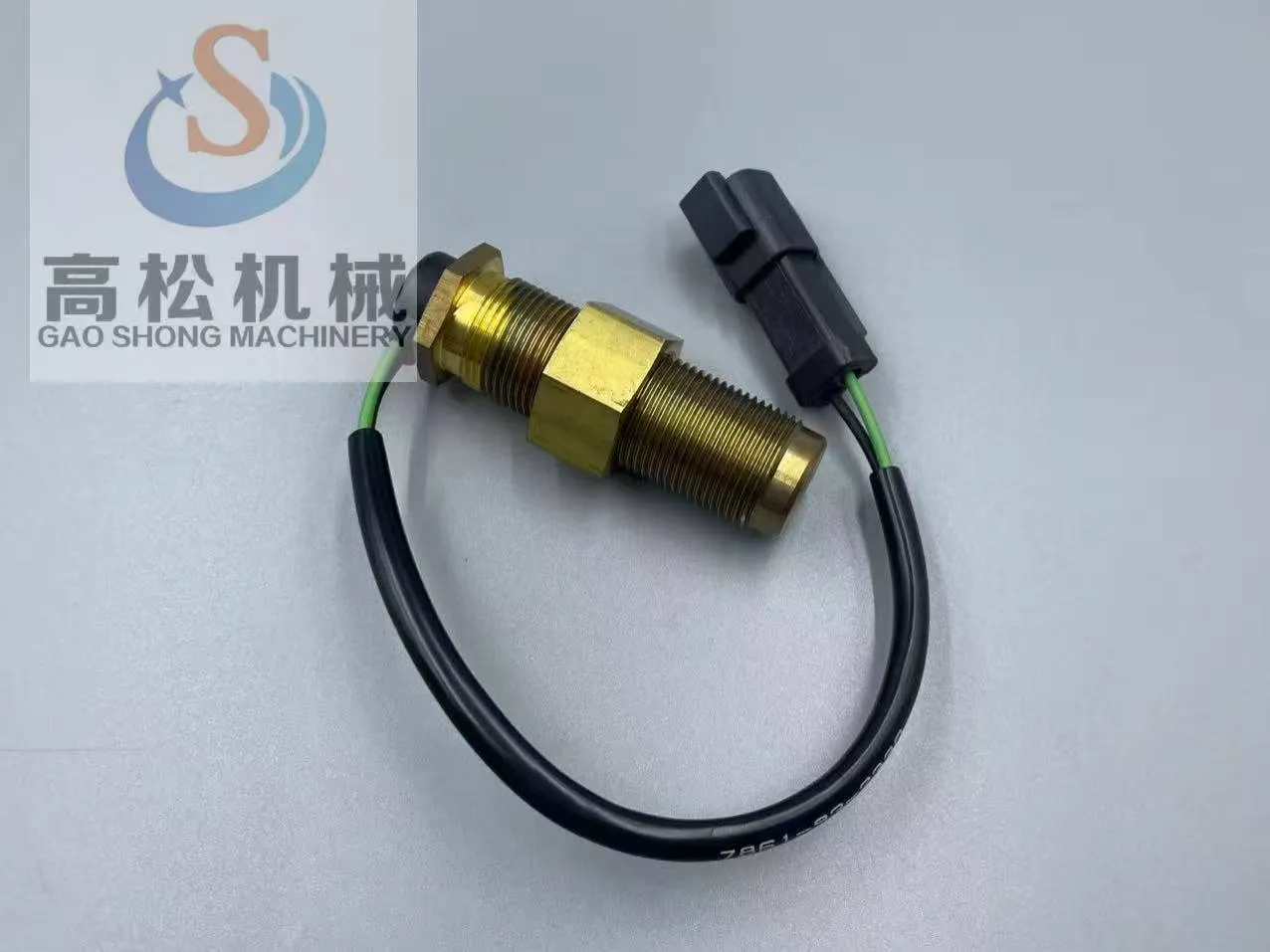 PC130-7 PC300-7 Engine Speed Sensor 7861-93-2330
 -
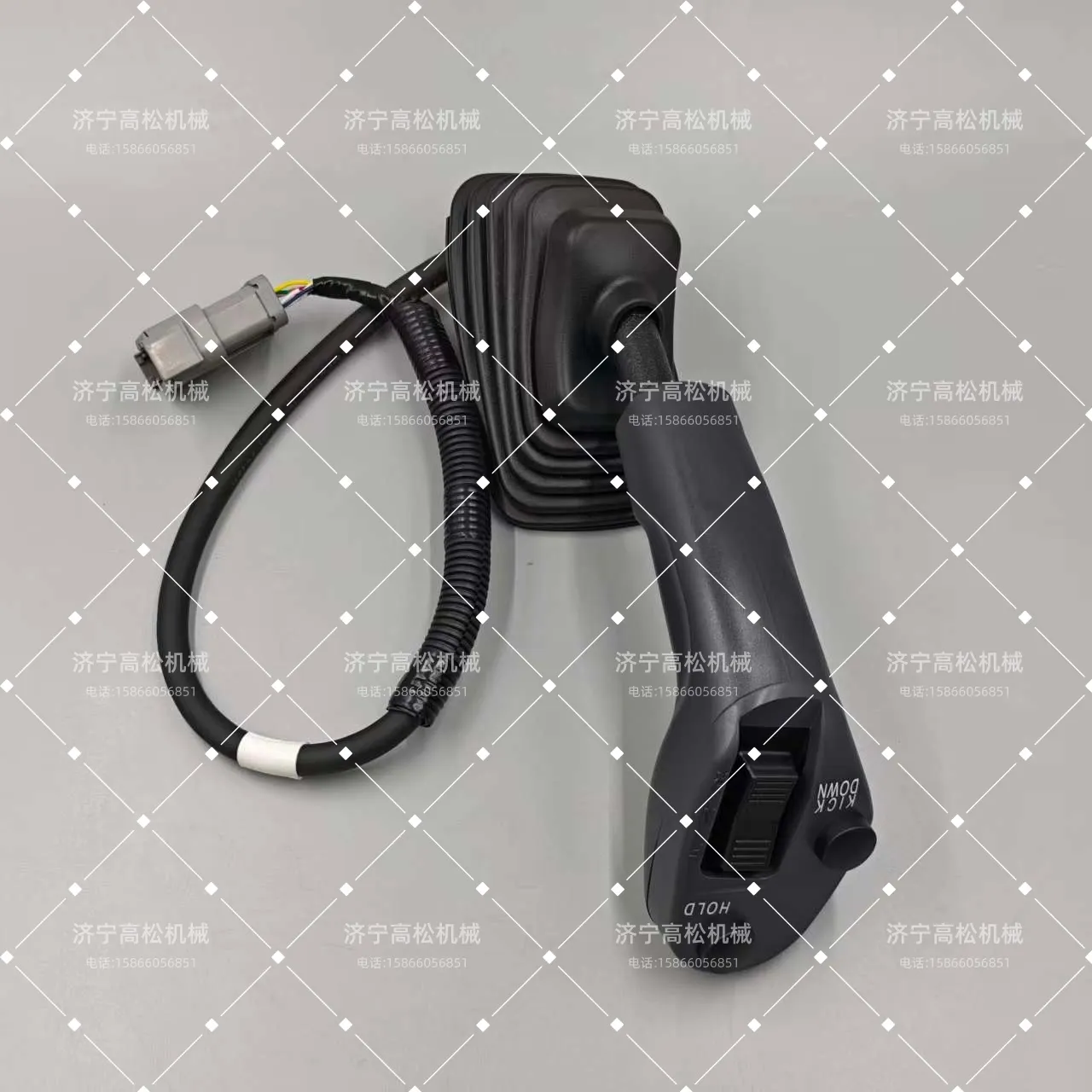 Original Brand New LEVER ASSEMBLY 423-V91-4144 for Komatsu…
 -
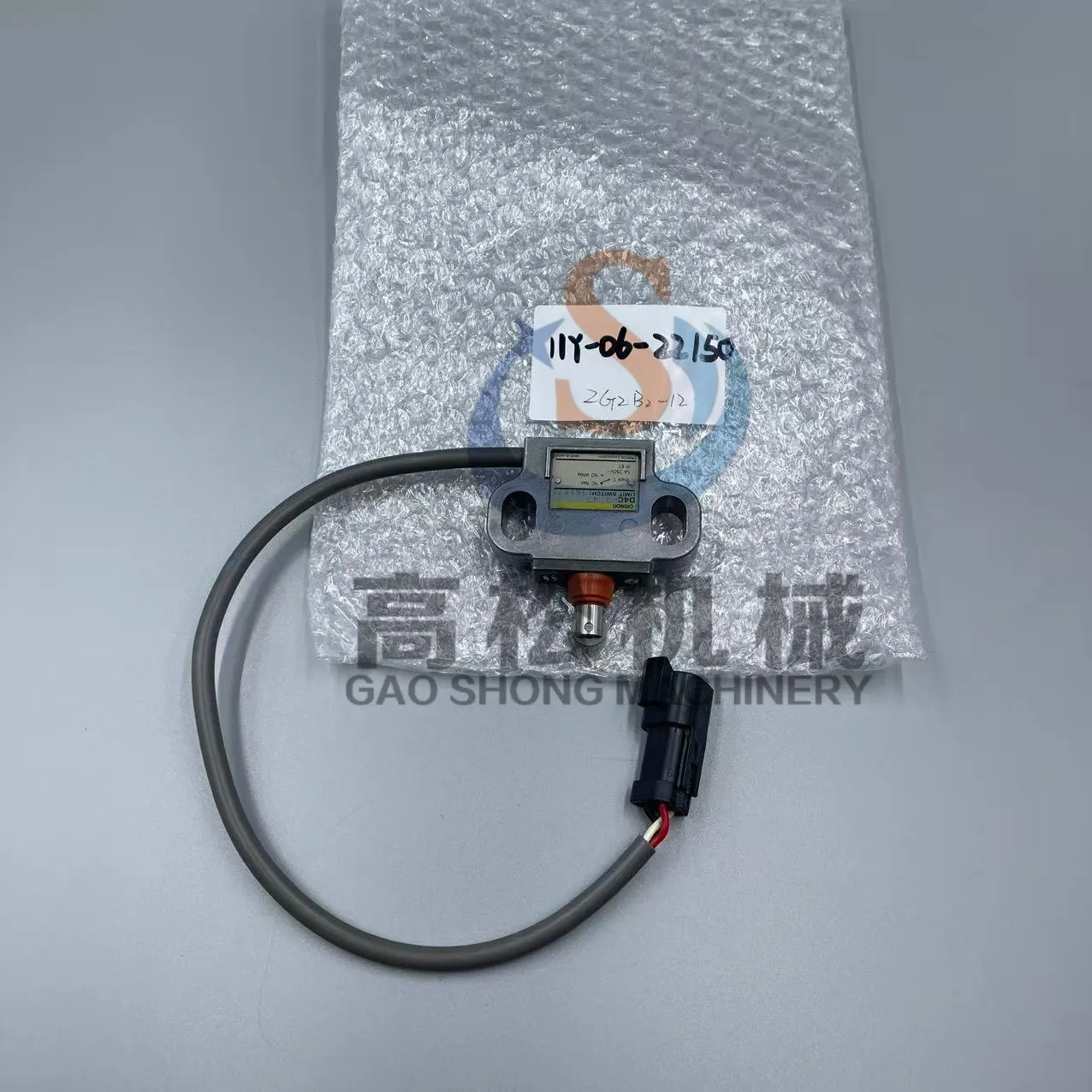 SWITCH 11Y-06-22150 – KOMATSU
 -
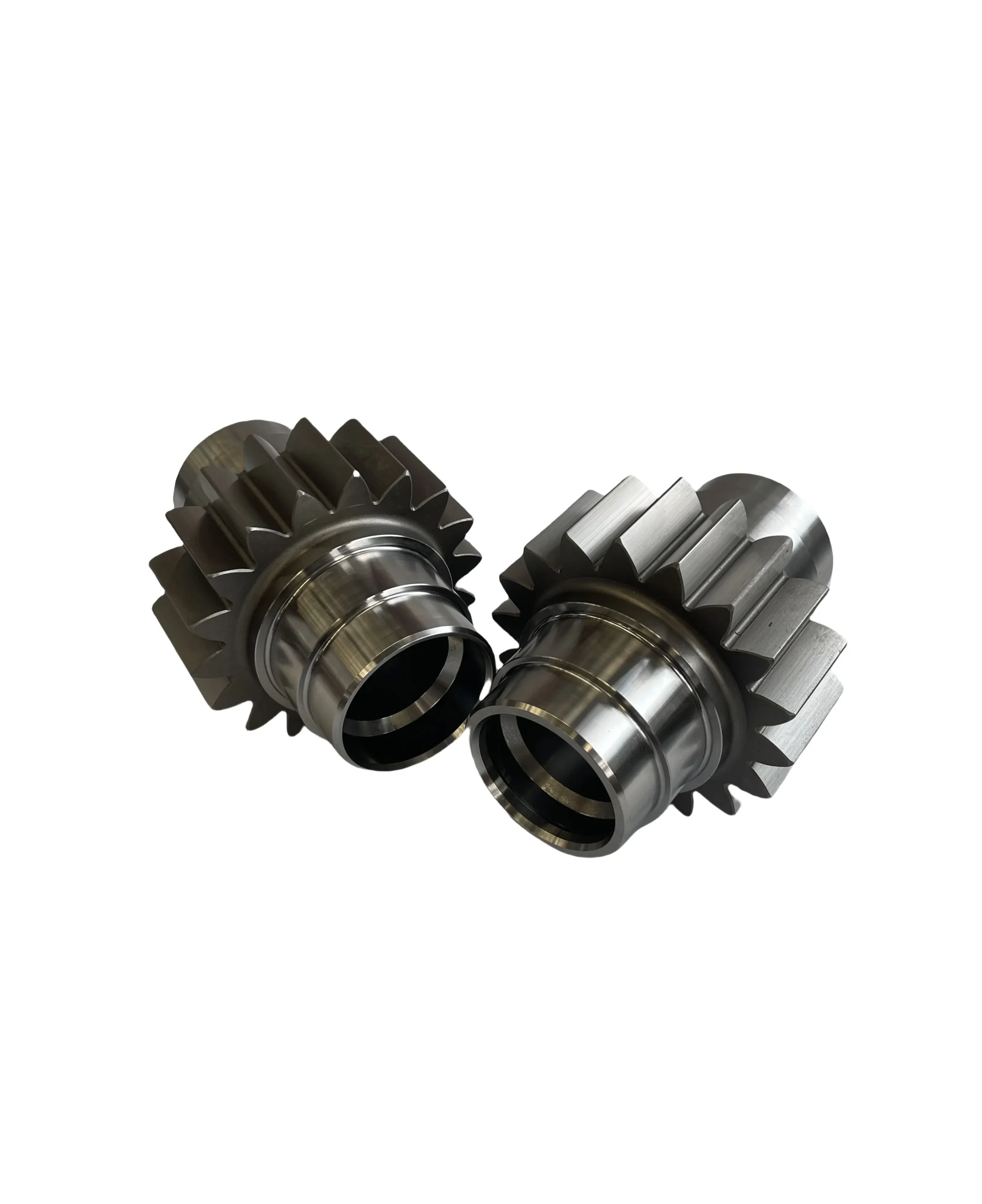 17M-27-41210 gear for Komatsu D275A-5