
- Chinese
- French
- German
- Portuguese
- Spanish
- Russian
- Japanese
- Korean
- Arabic
- Irish
- Greek
- Turkish
- Italian
- Danish
- Romanian
- Indonesian
- Czech
- Afrikaans
- Swedish
- Polish
- Basque
- Catalan
- Esperanto
- Hindi
- Lao
- Albanian
- Amharic
- Armenian
- Azerbaijani
- Belarusian
- Bengali
- Bosnian
- Bulgarian
- Cebuano
- Chichewa
- Corsican
- Croatian
- Dutch
- Estonian
- Filipino
- Finnish
- Frisian
- Galician
- Georgian
- Gujarati
- Haitian
- Hausa
- Hawaiian
- Hebrew
- Hmong
- Hungarian
- Icelandic
- Igbo
- Javanese
- Kannada
- Kazakh
- Khmer
- Kurdish
- Kyrgyz
- Latin
- Latvian
- Lithuanian
- Luxembou..
- Macedonian
- Malagasy
- Malay
- Malayalam
- Maltese
- Maori
- Marathi
- Mongolian
- Burmese
- Nepali
- Norwegian
- Pashto
- Persian
- Punjabi
- Serbian
- Sesotho
- Sinhala
- Slovak
- Slovenian
- Somali
- Samoan
- Scots Gaelic
- Shona
- Sindhi
- Sundanese
- Swahili
- Tajik
- Tamil
- Telugu
- Thai
- Ukrainian
- Urdu
- Uzbek
- Vietnamese
- Welsh
- Xhosa
- Yiddish
- Yoruba
- Zulu
- Kinyarwanda
- Tatar
- Oriya
- Turkmen
- Uyghur






komatsu d31p parts
When you're digging into Komatsu D31P parts, the first thing you learn is that not all genuine claims hold water, especially in certain markets. The D31P, a solid old-school dozer, has been around long enough that the supply chain has developed some... interesting complexities. A lot of folks jump straight to the main dealer, which is fine if budget and time aren't constraints. But in many regions, that's just not a practical long-term solution. The wait times can be absurd, and the costs for some components feel punitive. That's where the landscape gets murky with aftermarket options, some good, many terrible, and the critical role of a supplier who actually understands the Komatsu system from the inside out.
The Core Challenge with D31P Supply
The D31P isn't a new model. That's central to the parts problem. Komatsu's official focus is naturally on current models. For older machines like the D31P, while many parts remain in the global system, regional warehouses might not stock them. You order a final drive seal or a swing cylinder rebuild kit, and you're looking at a lead time of weeks, maybe months, shipped from Japan or a major regional hub. For a machine that's often working in remote mining or farm sites, that downtime is a killer.
This gap is what creates the space for third-party manufacturers and suppliers. The trick is quality. I've seen aftermarket undercarriage parts for the D31P that wore out in half the time of the OEM spec. The steel grade is wrong, the hardening process is off. It's a false economy. But conversely, some non-OEM parts, like certain hydraulic hoses or generic filters, are perfectly fine if they meet the spec. The judgment call is knowing which is which.
This is precisely the niche that a company like Jining Gaosong Construction Machinery Co., Ltd. operates in. They position themselves as an OEM product supplier within Komatsu's system. In practice, what that often means is they have access to genuine Komatsu parts channels but are also empowered to source or produce high-quality alternatives where the OEM supply is constrained. Their stated goal of solving parts supply challenges in certain countries isn't just marketing speak; it's the daily reality for D31P owners in places where the official dealer network is thin.
Critical Parts and Common Failures
Let's get specific. On the D31P, the pain points usually revolve around the undercarriage, the blade hydraulics, and the steering clutches. For Komatsu D31P parts like track rollers, idlers, and sprocket segments, going cheap is a recipe for constant repair. The stress is immense. I recall a job where we used a non-OEM sprocket segment; it lasted about 800 hours before the teeth were sheared. The machine was out of alignment, chewing up the new track links. The total cost of the bargain part, plus the extra repairs, far exceeded just sourcing the right part initially.
The blade lift cylinders are another area. Seal kits are a common need. Here, the quality of the polyurethane and the precision of the gland dimensions are everything. An off-spec seal will blow out quickly under pressure. A supplier that understands this will either provide the genuine Komatsu seal kit or a verified, cross-referenced equivalent from a reputable seal manufacturer like NOK or Parker, not some no-name bag.
Then there are the steering clutch packs. Rebuilding these is a major job. The friction discs, pressure plates, and springs must be to exact specification. This is where the OEM product supplier claim of a company like Jining Gaosong is tested. Can they provide the genuine Komatsu clutch pack assembly? Or do they have a rebuild kit where every component is validated? Their website, https://www.takematsumachinery.com, suggests a direct link to Komatsu systems, which for a critical component like this, is what you'd want to verify. It's the difference between a machine that steers true for another 5000 hours and one that needs another teardown in 1500.
The Supplier Perspective and Practical Sourcing
From talking to suppliers who operate in this space, the model is about flexibility. A pure OEM supplier is at the mercy of Komatsu's inventory and pricing. A pure aftermarket supplier often battles quality inconsistency. The hybrid model—which Jining Gaosong Construction Machinery Co., Ltd. exemplifies—aims to bridge that. For a D31P owner, this could mean: for a critical wear item like a master pin, they supply the genuine part. For a less critical item like a cab filter or a seat cushion, they might offer a quality-assured alternative to save cost and time.
The helping to solve parts supply challenges part of their intro is key. It implies they're not just order-takers. They might be consolidating orders for a region to meet OEM minimums, or they might have identified common D31P failure points and pre-stocked key components. For instance, the PTO shaft on certain D31P variants can be a headache. A supplier attuned to this challenge might keep a couple on the shelf, knowing they'll be needed.
When you're sourcing, the questions to ask are specific. Don't just ask do you have this part? Ask for the Komatsu part number. Ask if it's genuine Komatsu, OEM-licensed, or quality aftermarket. Ask about the origin and, if possible, the manufacturer. A credible supplier will have these answers. They'll also know the common substitutes and interdependencies—like how replacing that sprocket segment might mean you should also check the corresponding track link bushings.
Cost vs. Value in the Long Run
It's tempting to look at a price list and pick the lowest number for every Komatsu D31P parts need. That's a short-term ledger. The real calculation is total cost of ownership over, say, 2000 hours of operation. A set of high-quality track rollers might cost 40% more upfront than a dubious set, but if they last twice as long and protect your chains and sprockets, you're money and time ahead.
This is where a supplier's advice matters. A good one won't always sell you the most expensive option. They might say, For that hydraulic hose, this generic one is fine, save your money. But for this control valve spool, you need the genuine part, no question. That builds trust. It shows they understand the machine's physiology, not just its parts catalog.
Looking at a company like Jining Gaosong, their value proposition hinges on this understanding. As an entity within the Komatsu ecosystem yet acting as a third-party solver, they should be positioned to give that pragmatic advice. Their ability to navigate both the official channels and the alternative supply networks is what can make them a viable solution, especially for older models like the D31P where support is fading from the primary dealer focus.
Final Thoughts: Navigating the Ecosystem
So, what's the takeaway on Komatsu D31P parts? First, accept that sourcing is a strategic operation, not just a purchasing task. Identify the critical-path components—the ones that cause catastrophic downtime if they fail—and prioritize genuine or highest-verified-quality parts for those. For consumables and non-critical items, explore reliable alternatives.
Second, find a supplier partner, not just a vendor. This is the role companies like the one mentioned aim to fill. Their dual identity as an OEM-linked supplier and a third-party solution provider is directly aimed at the D31P owner's dilemma. The proof is in their responsiveness, their technical knowledge, and their willingness to be transparent about what they're selling you.
Ultimately, keeping a D31P running is about respecting its engineering while being pragmatic about its age and the realities of the global parts market. It's about making informed judgments on every part, from the track shoe to the fuel cap. The right supplier doesn't just sell you a box; they sell you the confidence that the machine will be back in the trench tomorrow, and for many tomorrows after that.
Related Products
Related Products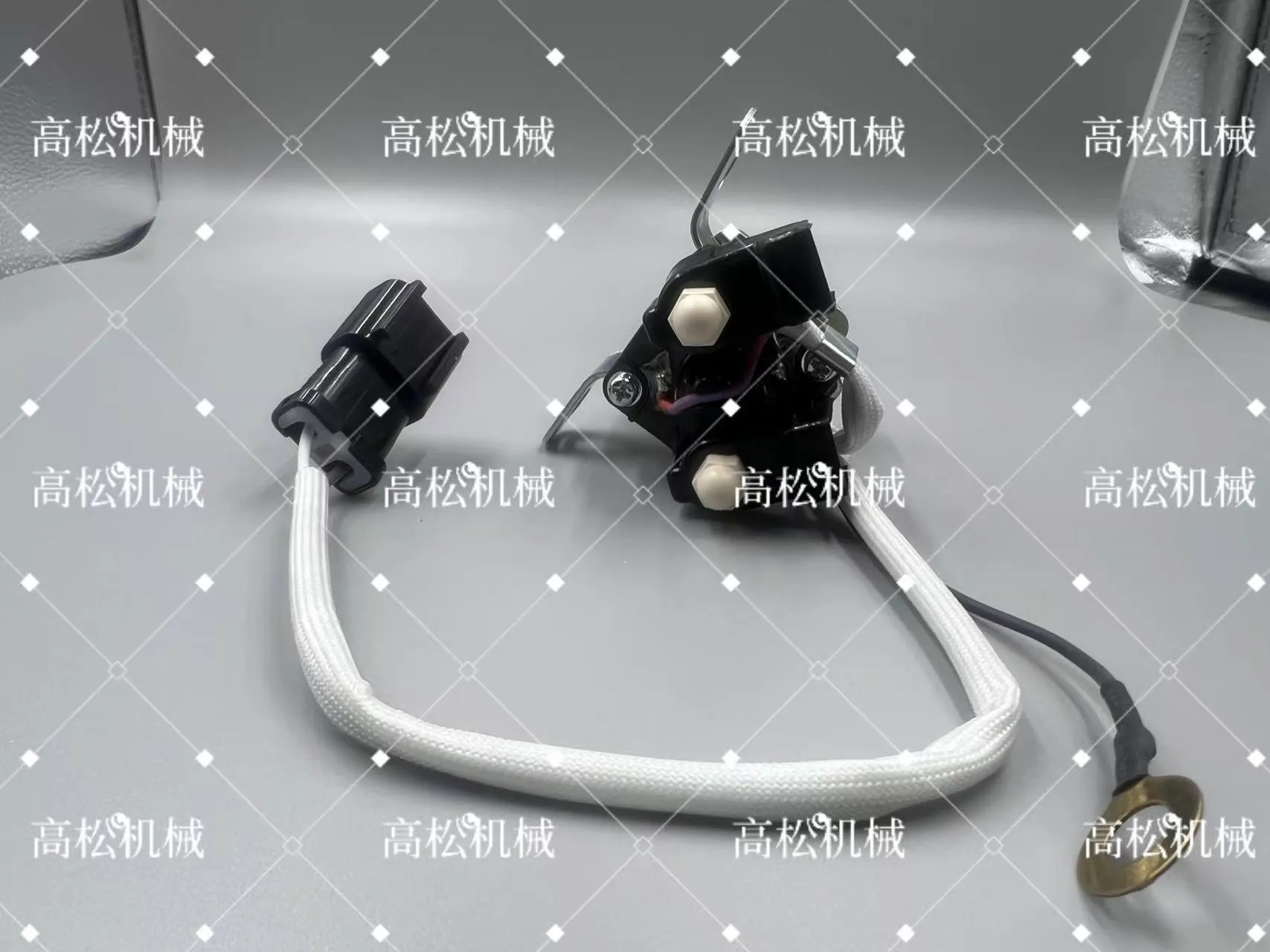
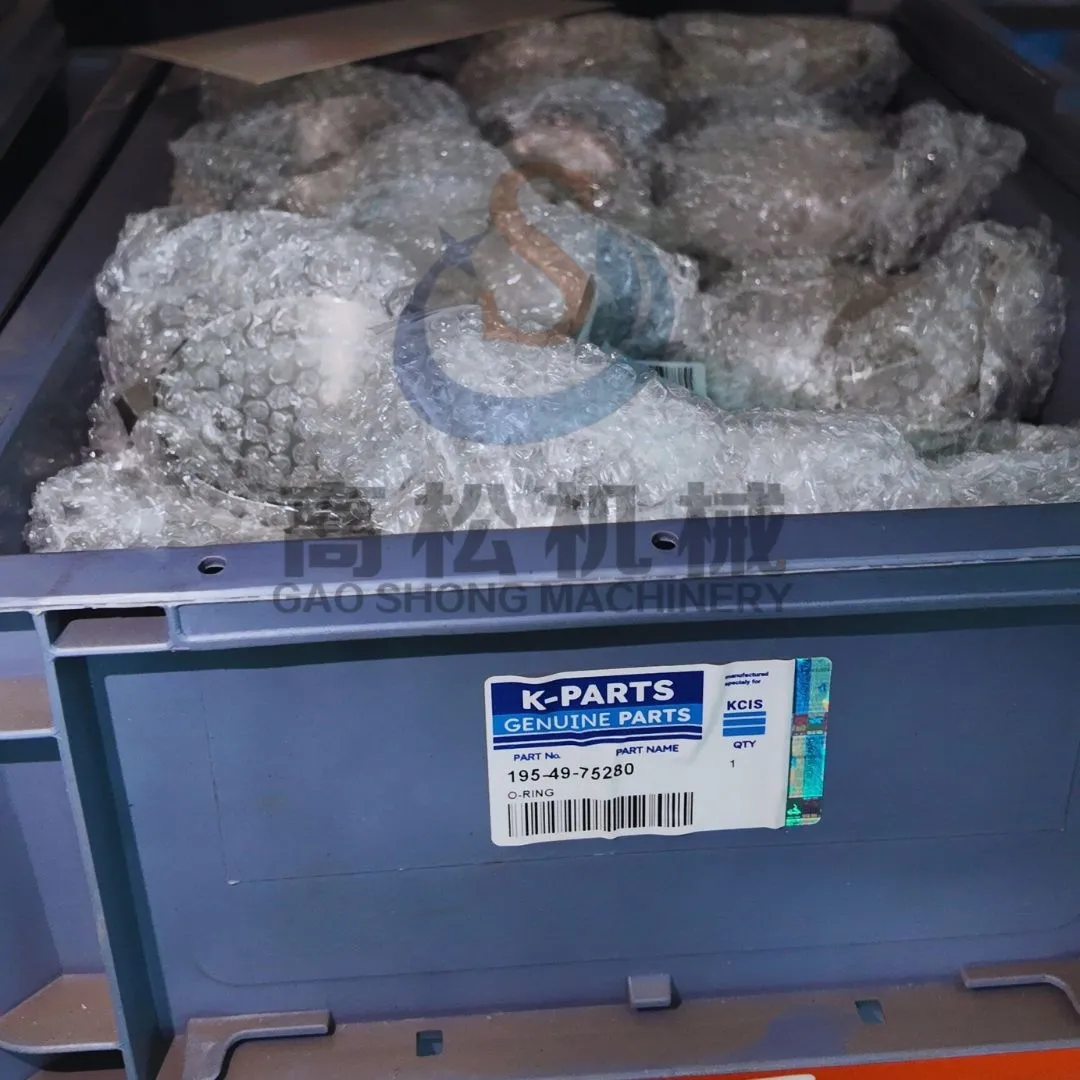
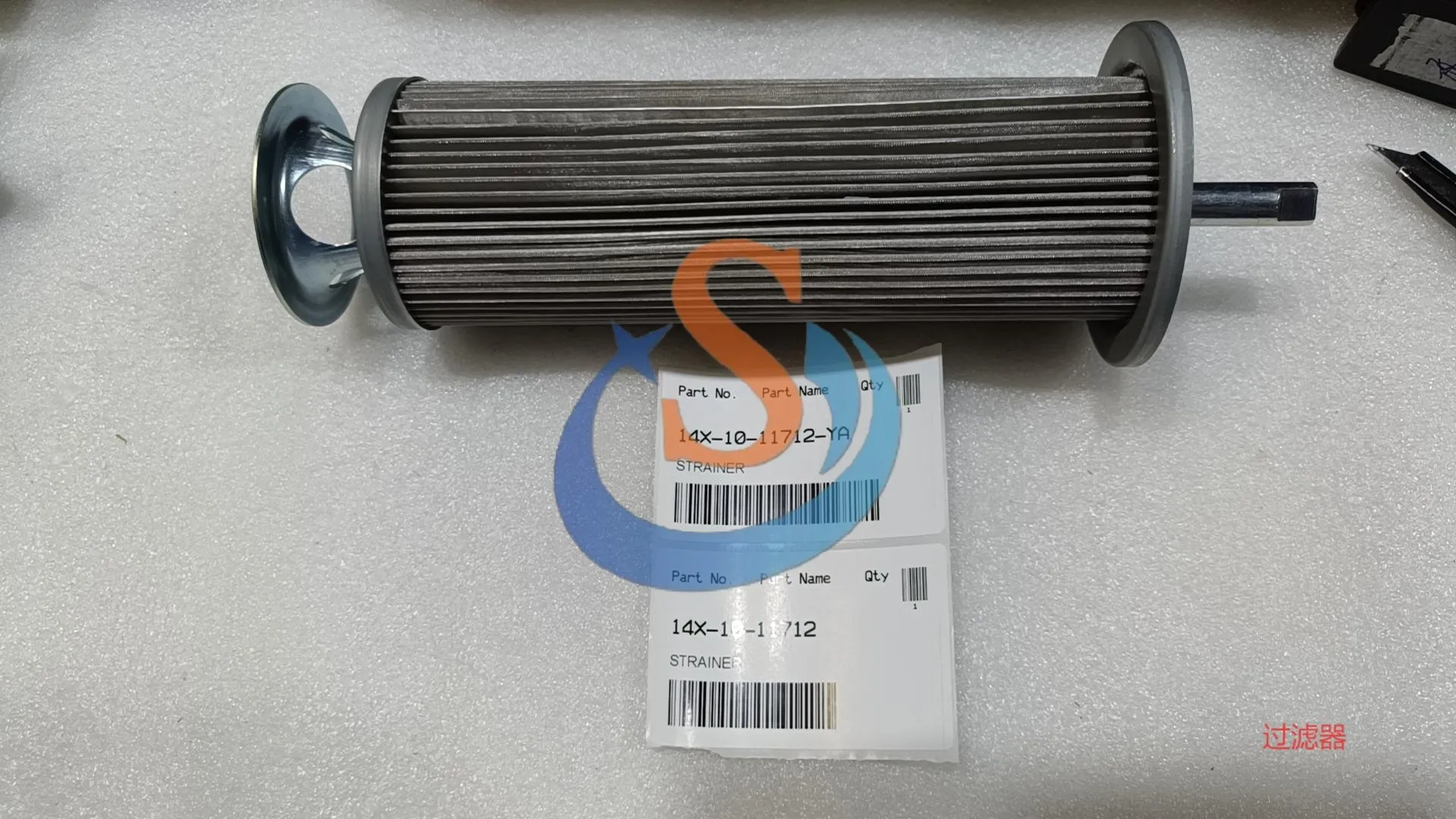
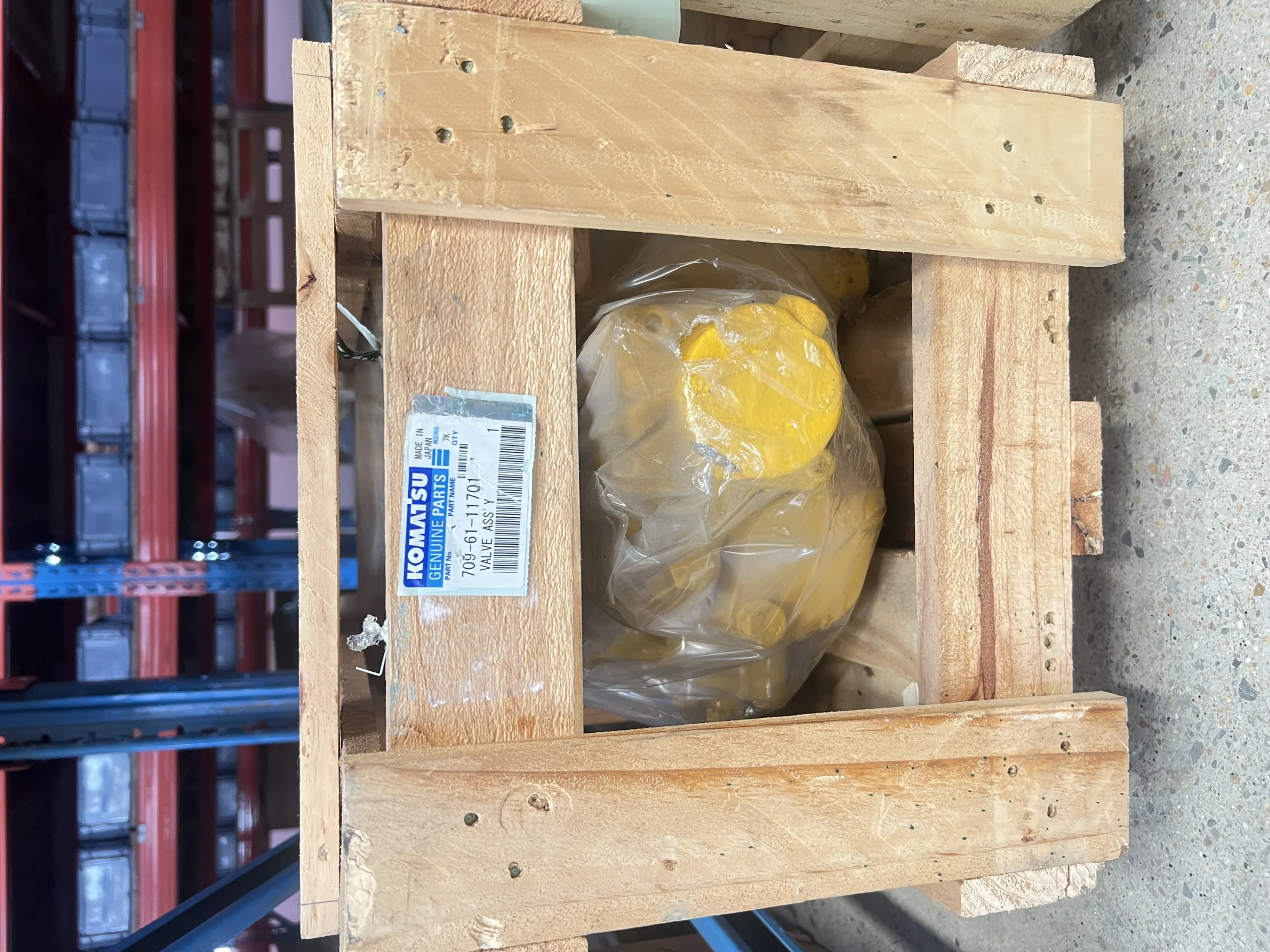

Best Selling Products
Best Selling Products-
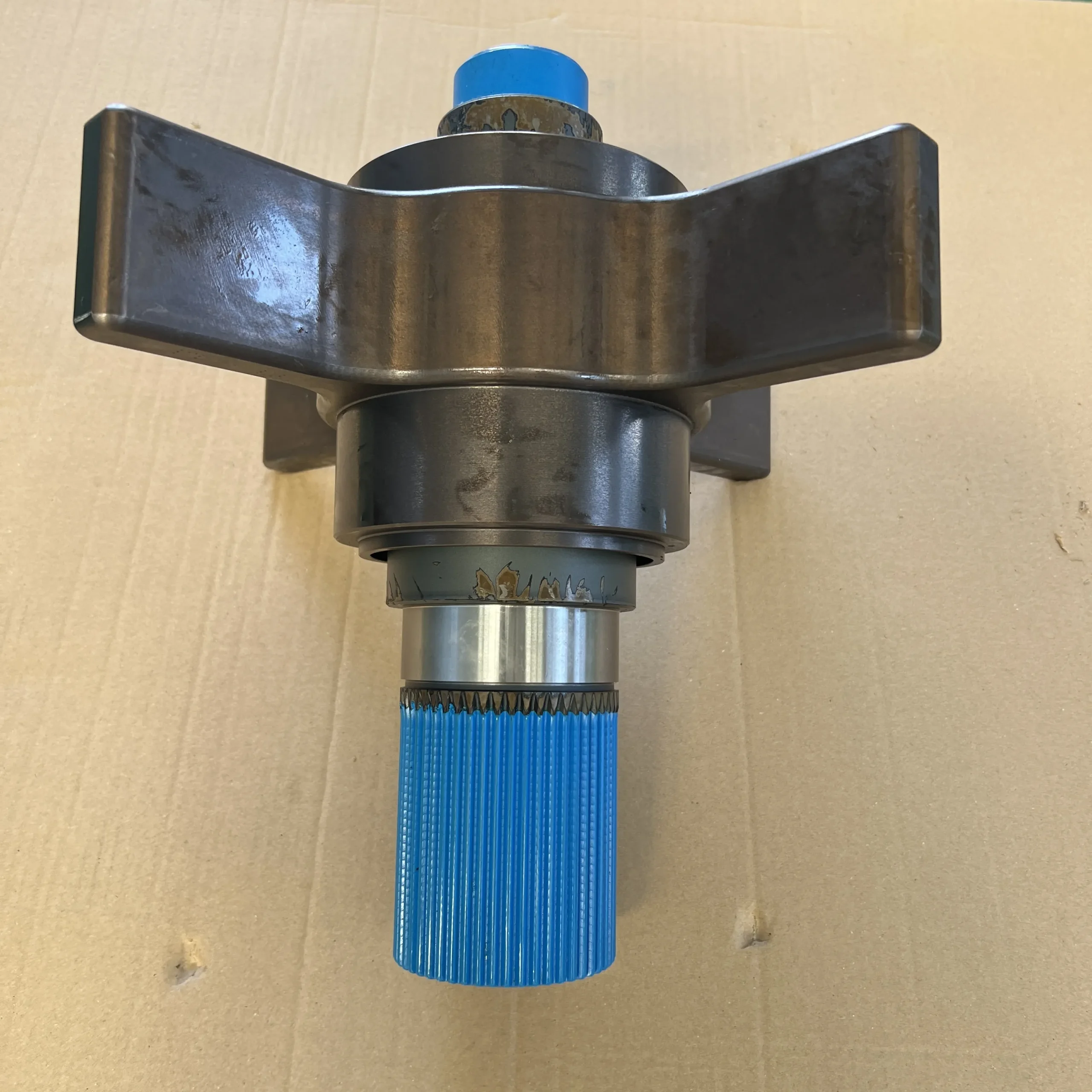 Shaft 569-01-72600 for Komatsu HD465-7
 -
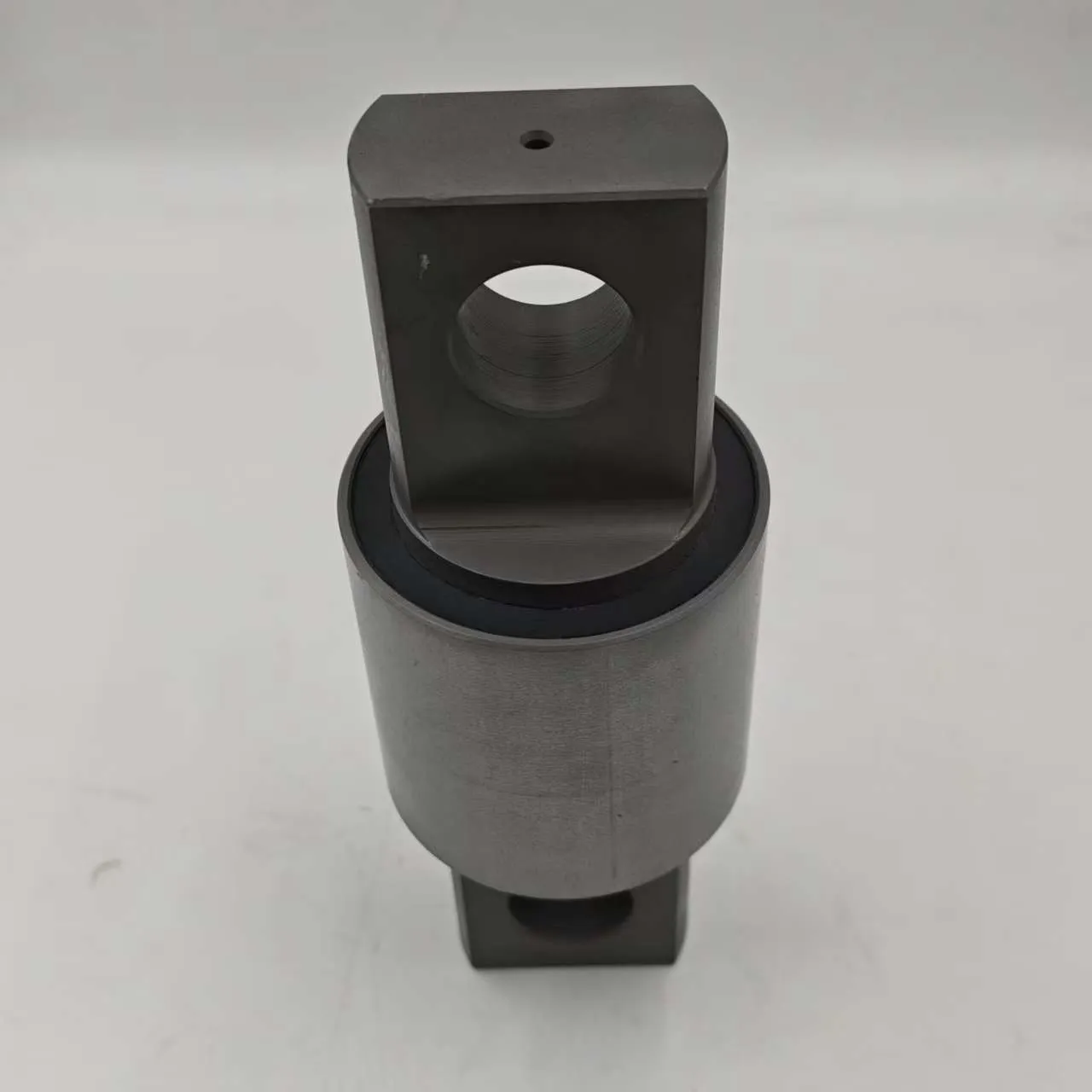 Komatsu hinge card HM350 shock absorber 56B-16-11211
 -
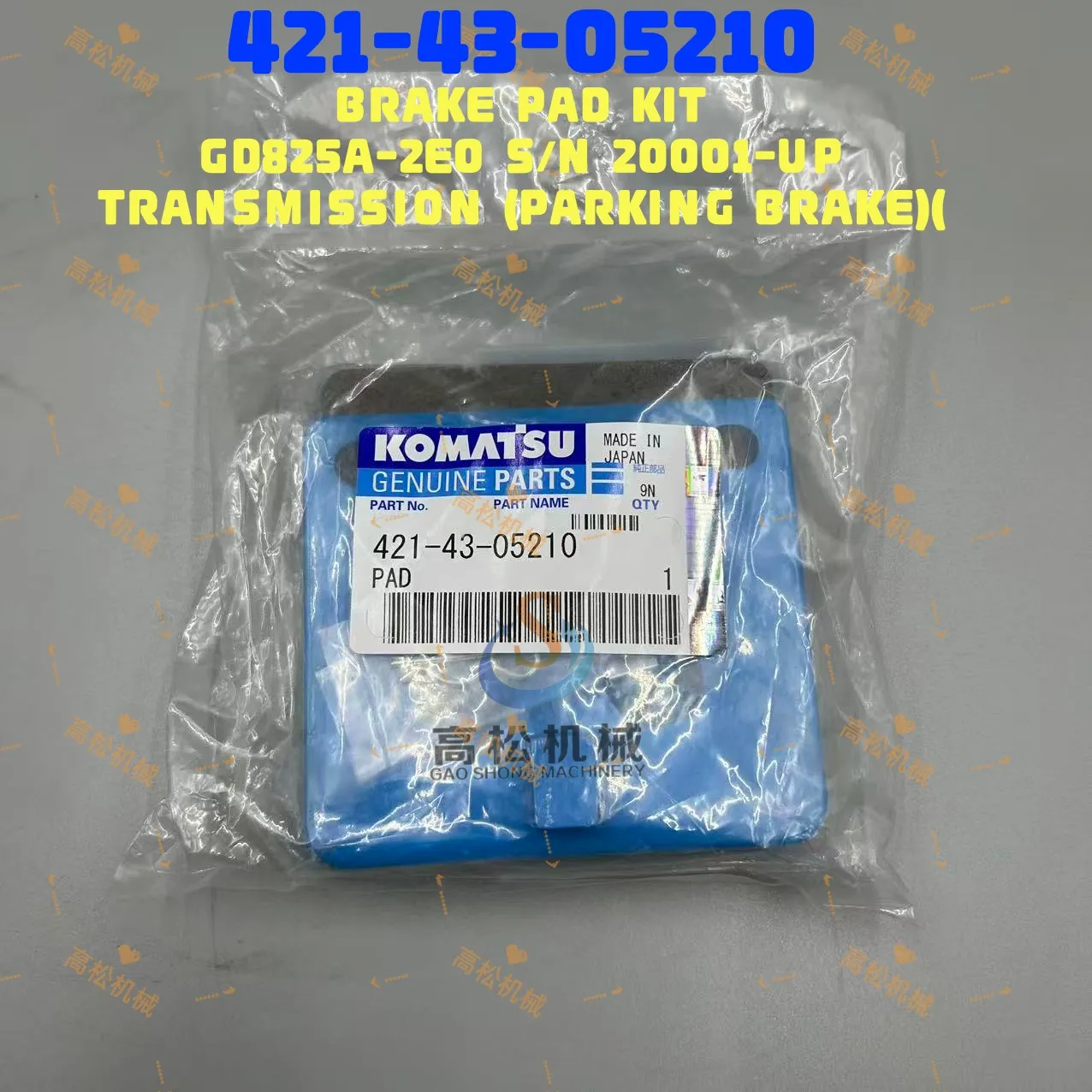 421-43-05210Brake pad kit 421-43-05210 for Komatsu GD825A-2 GD825A-2E0
 -
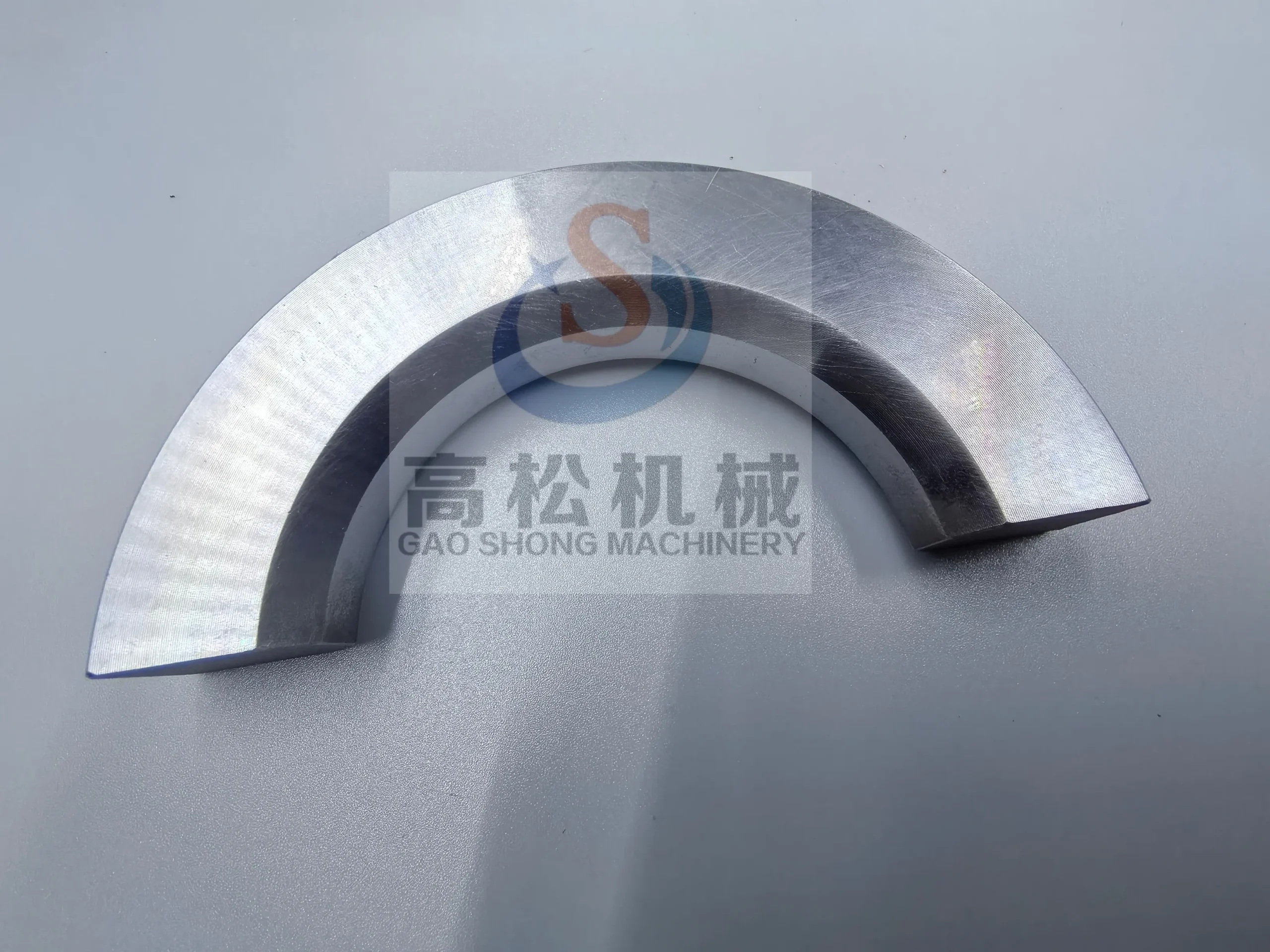 14X-30-13241 Spacer (Komatsu)
 -
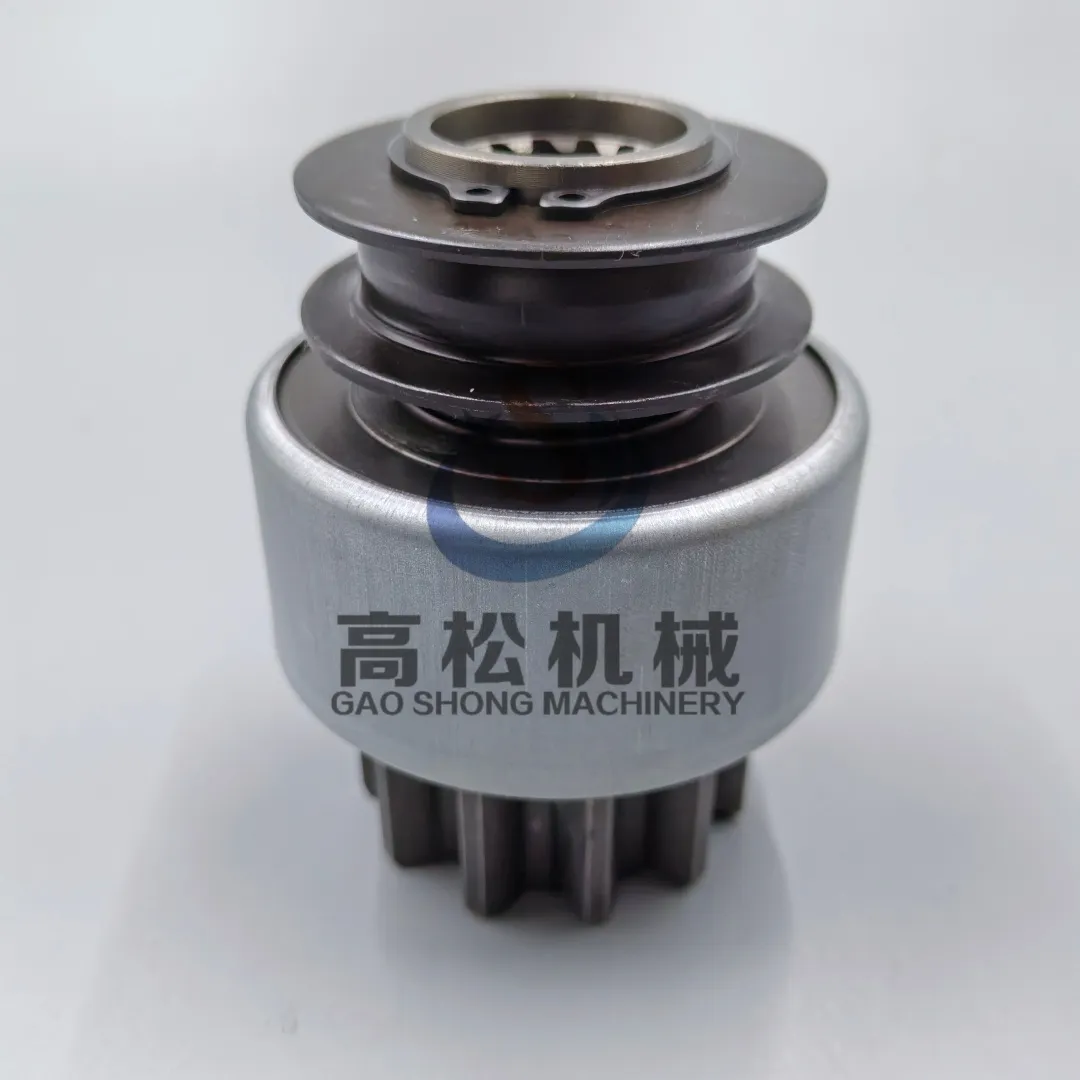 KD0-23500-1024 Komatsu CLUTCH ASS’Y
 -
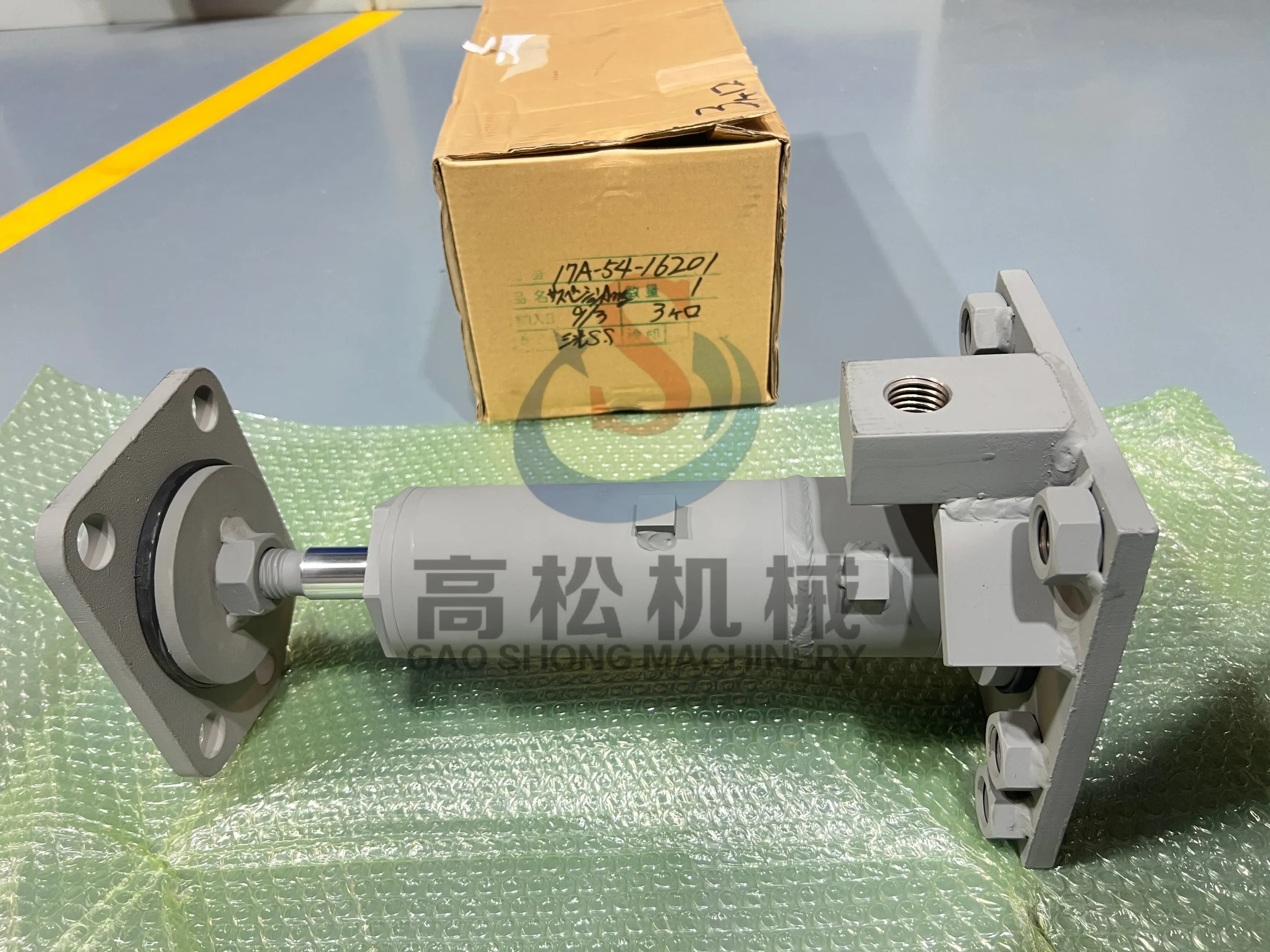 SUSPENSION ASS’Y 17A-54-16201 – KOMATSU
 -
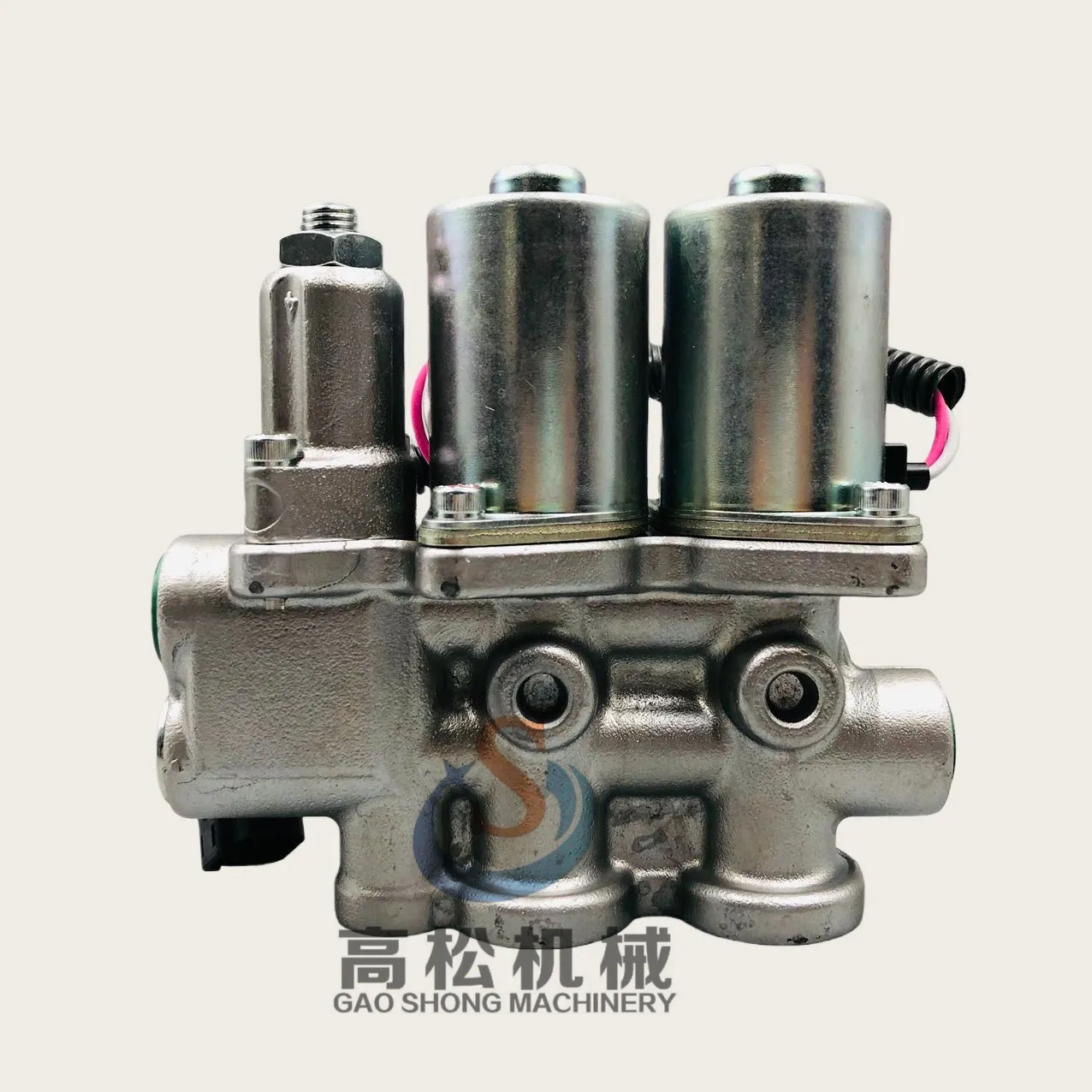 Solenoid Valve Assy 22F-60-31600
 -
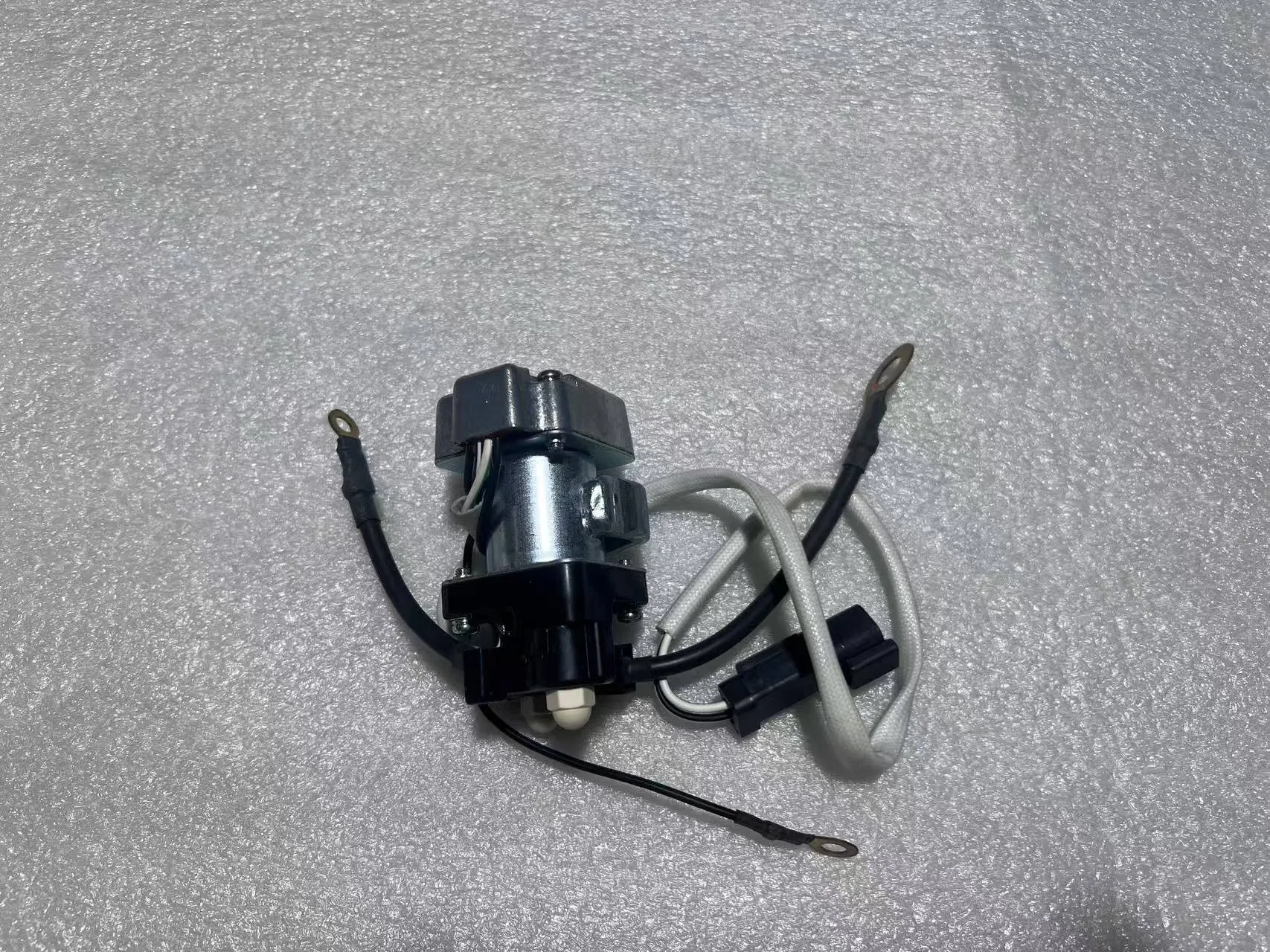 High-Quality Komatsu Spare Parts 421-06-11440 BREAKER for…
 -
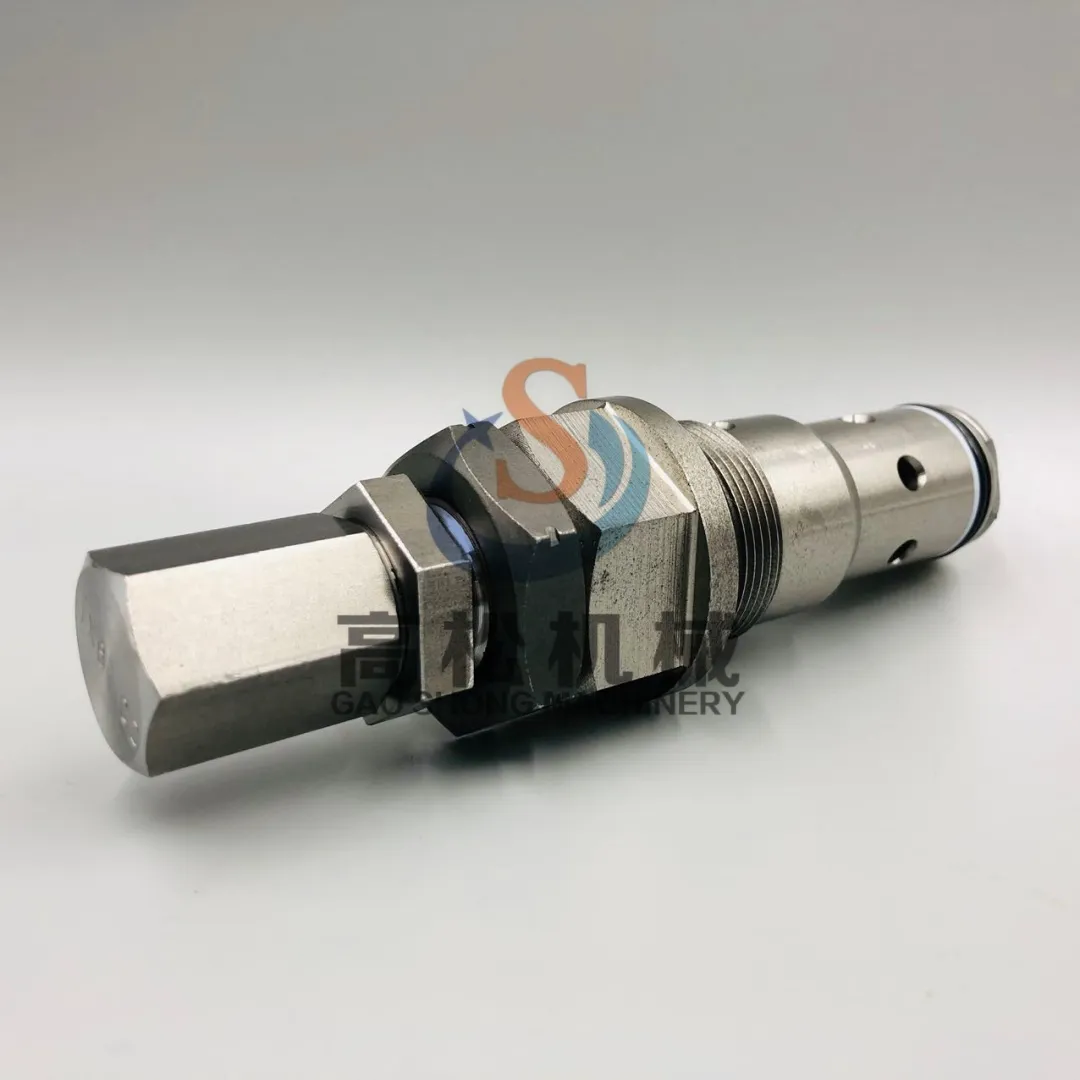 700-89-66000 RELIEF VALVE KOMATSU STEERING VALVE
 -
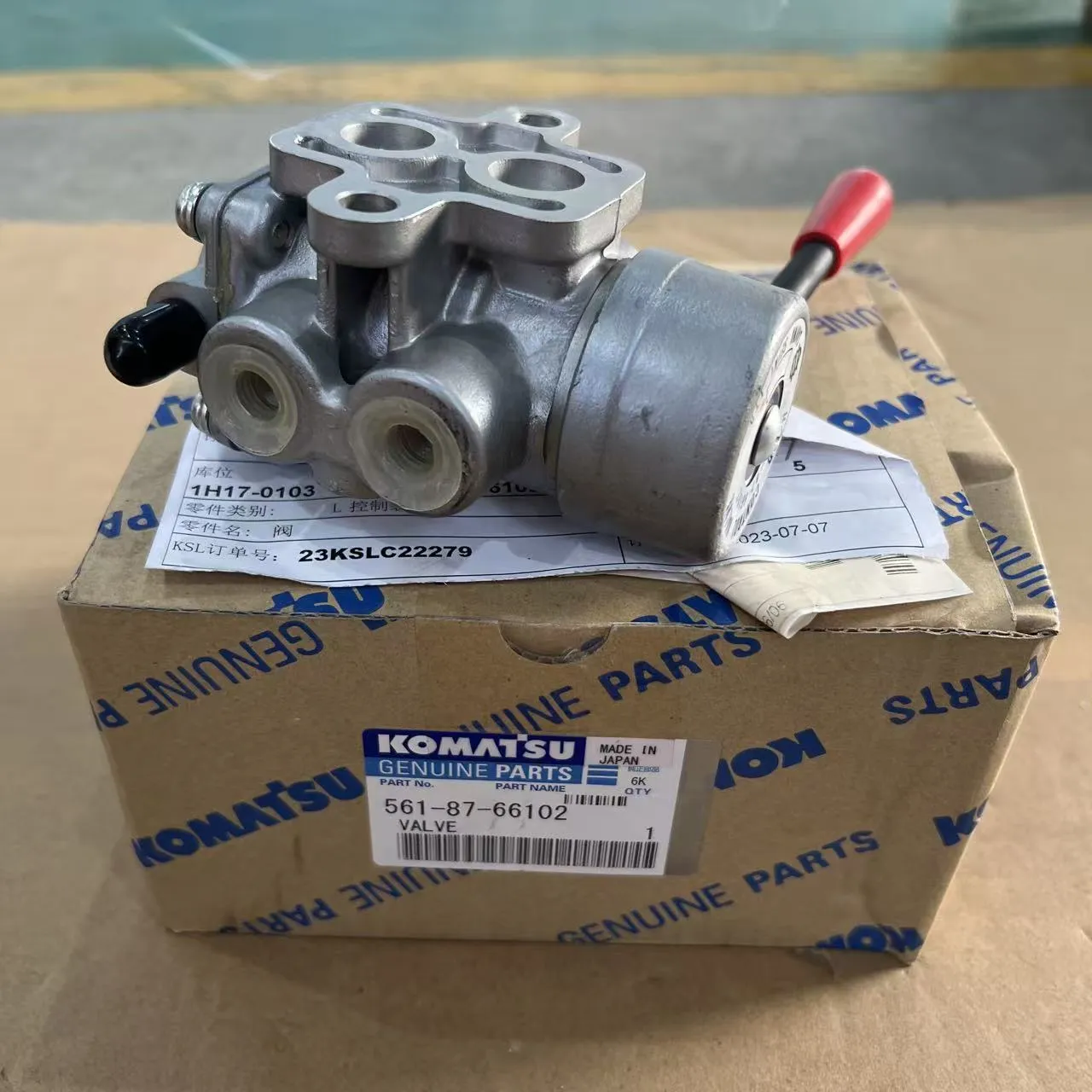 VALVE ASS’Y 561-87-66102 – KOMATSU
 -
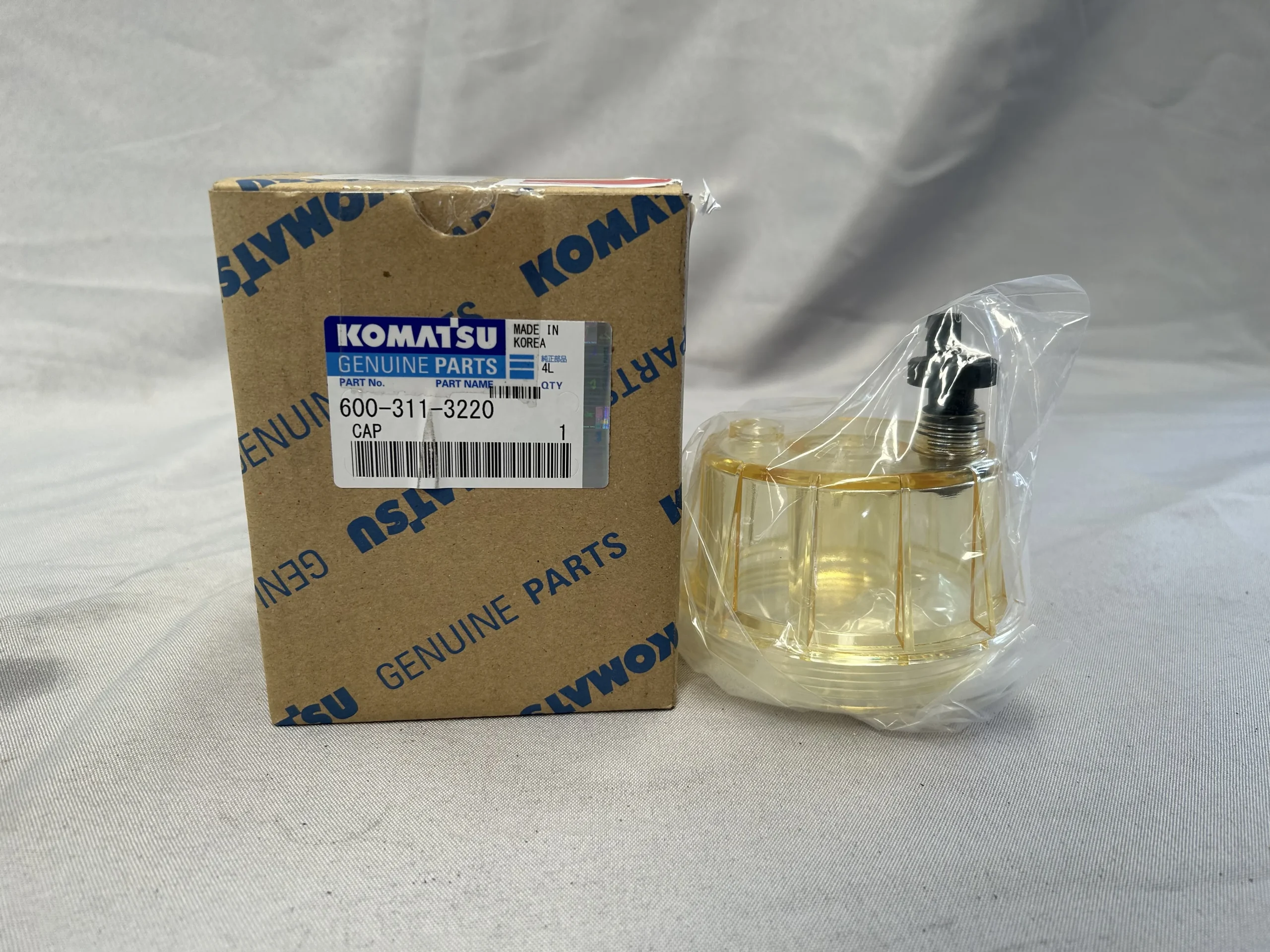 SA6D170E-3A Filter Cup 600-311-3220
 -
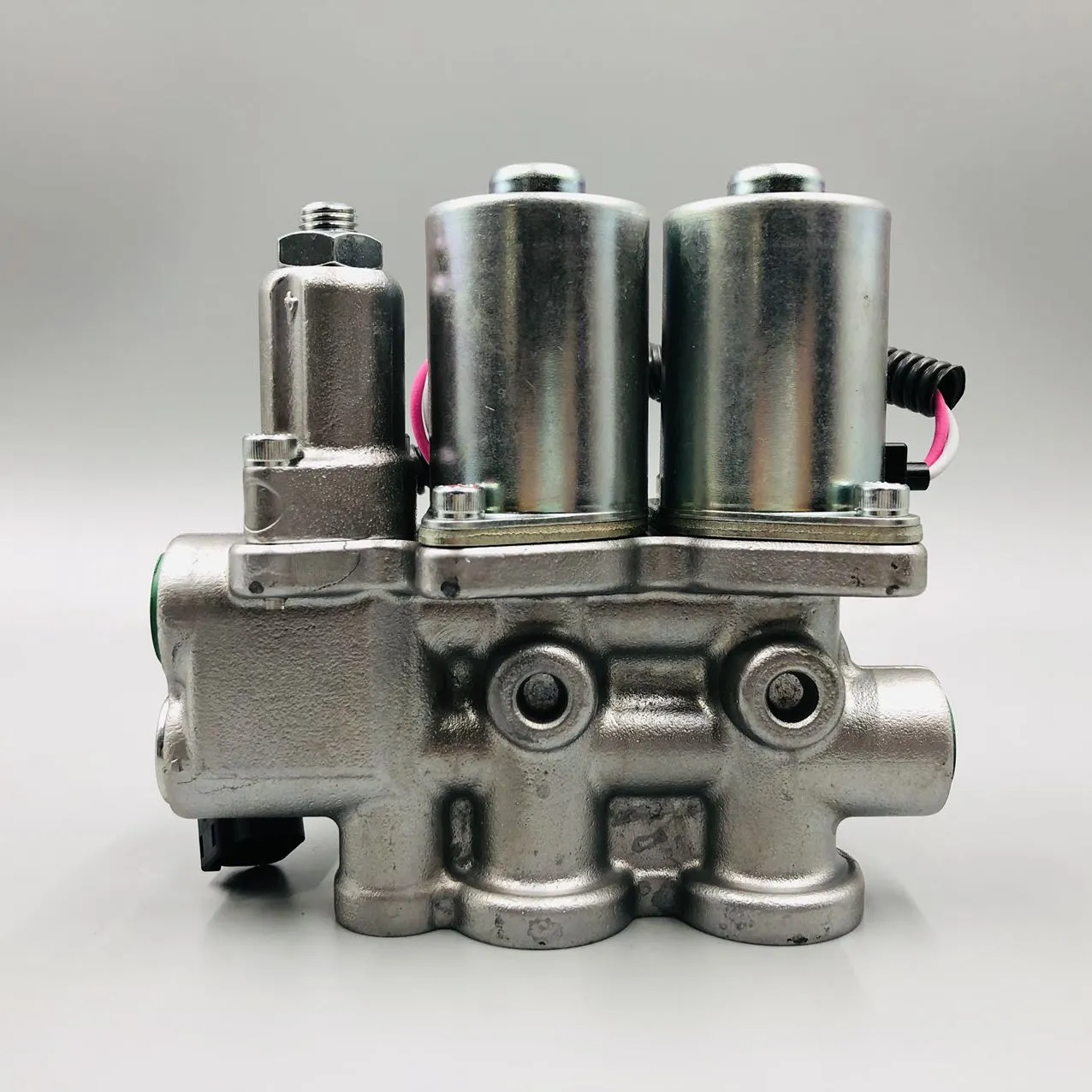 Valve Assembly22F-60-31600