
- Chinese
- French
- German
- Portuguese
- Spanish
- Russian
- Japanese
- Korean
- Arabic
- Irish
- Greek
- Turkish
- Italian
- Danish
- Romanian
- Indonesian
- Czech
- Afrikaans
- Swedish
- Polish
- Basque
- Catalan
- Esperanto
- Hindi
- Lao
- Albanian
- Amharic
- Armenian
- Azerbaijani
- Belarusian
- Bengali
- Bosnian
- Bulgarian
- Cebuano
- Chichewa
- Corsican
- Croatian
- Dutch
- Estonian
- Filipino
- Finnish
- Frisian
- Galician
- Georgian
- Gujarati
- Haitian
- Hausa
- Hawaiian
- Hebrew
- Hmong
- Hungarian
- Icelandic
- Igbo
- Javanese
- Kannada
- Kazakh
- Khmer
- Kurdish
- Kyrgyz
- Latin
- Latvian
- Lithuanian
- Luxembou..
- Macedonian
- Malagasy
- Malay
- Malayalam
- Maltese
- Maori
- Marathi
- Mongolian
- Burmese
- Nepali
- Norwegian
- Pashto
- Persian
- Punjabi
- Serbian
- Sesotho
- Sinhala
- Slovak
- Slovenian
- Somali
- Samoan
- Scots Gaelic
- Shona
- Sindhi
- Sundanese
- Swahili
- Tajik
- Tamil
- Telugu
- Thai
- Ukrainian
- Urdu
- Uzbek
- Vietnamese
- Welsh
- Xhosa
- Yiddish
- Yoruba
- Zulu
- Kinyarwanda
- Tatar
- Oriya
- Turkmen
- Uyghur






komatsu d31p engine
When you hear 'Komatsu D31P engine', most folks immediately jump to the S4D95LE-5. That's correct, of course, but the conversation often stops at the model number and horsepower. The real story, the one that matters in the dirt and dust, is about what happens around and to that engine over thousands of hours. I've seen too many mechanics treat it as just another industrial four-cylinder, only to get tripped up by its quirks. It's a solid block, no doubt, but its reliability is less about the iron and more about the support system—both mechanical and logistical.
The Heart of the Matter: S4D95LE-5 Realities
Let's talk about the S4D95LE-5 itself. It's a 3.26L, turbocharged workhorse. On paper, it's straightforward. In practice, the turbo arrangement and the aftercooler piping can be a headache on older models. The vibration from the dozer operation has a knack for loosening clamps and, in a few cases I've witnessed, cracking the aftercooler end tanks. It's not a design flaw per se, but an operational reality the maintenance schedule doesn't always emphasize enough. You can't just run it; you have to listen to it. A faint whistling change under load often points to an intake leak long before power drops.
The other classic issue is the fuel system. The Komatsu D31P engine uses a Bosch-type rotary injection pump. It's generally robust, but it's sensitive to fuel quality—more than some competitive models. In regions with inconsistent diesel, the first sign is usually unstable low-idle and black smoke under sudden acceleration. I've had to recalibrate pumps that were perfectly fine mechanically but were reacting to poor fuel. The fix isn't always a new pump; sometimes it's just a thorough bleed and a tank of clean fuel.
Then there's the cooling system. The fan drive is mechanical, and the water pump is gear-driven off the timing gears. Simple, right? The problem child is often the fan clutch. When it starts to fail, it doesn't always fail completely. It might just not engage fully, leading to a slow, creeping rise in operating temperature that gets blamed on thermostats or radiators. I've wasted hours replacing other components before circling back to the clutch. A simple stall test (with caution!) often tells you more than the temperature gauge.
Logistics and the Aftermarket Puzzle
This is where the theory meets the mud. You can diagnose a problem perfectly, but if you can't get the right part, the machine is just a paperweight. This is a massive pain point in many countries. Official Komatsu channels are excellent but can be slow or prohibitively expensive for older models like the D31P. This gap is where companies that truly understand the ecosystem become invaluable.
Take Jining Gaosong Construction Machinery Co., Ltd., for instance. Their model is interesting. As an OEM product supplier within the Komatsu system, they have access to genuine or OEM-equivalent parts. But their real value-add is acting as a third-party sales company for Komatsu, specifically targeting parts supply challenges in certain regions. For a machine owner with a downed D31P, a source like this can be a lifeline. It's not just about selling a part; it's about knowing which Komatsu D31P engine component is most likely to fail in a given climate and having it available.
I remember a case in Southeast Asia where a client had a D31P with a cracked cylinder head. The local dealer quoted a 12-week lead time. The machine was on a critical site. We sourced a fully tested OEM head through a third-party network—I believe it was from a supplier like Gaosong—that had it shipped in 10 days. It wasn't just about speed; the head came with the correct valve seats and guides for high-sulfur fuel, which the standard European-spec part didn't have. That's practical, on-the-ground knowledge.
Common Missteps in Overhaul and Repair
Overhauling this engine seems straightforward until you get into it. A frequent mistake is not checking the liner protrusion correctly. The tolerance is tight, and if you don't get it right, you'll be dealing with head gasket failures within a few hundred hours. The torque sequence for the head is also unforgiving; it's a multi-step process that many try to shortcut. I've done it myself early in my career and paid the price with a comeback job.
Another area is the connecting rod bearings. The shells are matched to the crank journal grade. It's not a universal fit. I've seen mechanics order standard bearings for a standard crank, only to find out the crank had been ground to an undersize they missed. The resulting knock was immediate and expensive. The parts book for the Komatsu D31P engine is your bible here; you can't wing it.
Electrical gremlins are less common but frustrating. The alternator and starter are standard, but the wiring harness, especially where it passes near the hydraulic valve bank, can chafe. This leads to intermittent sensor readings, particularly for coolant temperature and oil pressure. The diagnostic codes might point you to the sensor, but the real fix is rerouting and protecting the harness. It's a five-dollar fix for a problem that can look like a five-thousand-dollar engine failure.
The Value of Contextual Knowledge
So, what does this all mean? Knowing the Komatsu D31P engine isn't about memorizing specs. It's about understanding its behavior in context. Is it in a dry, dusty mining operation? Then air filter service intervals need to be halved. Is it in a high-humidity coastal area? Then checking for corrosion on the starter solenoid and ground straps becomes a quarterly task. This contextual knowledge separates a parts changer from a real technician.
This is also where the role of specialized suppliers is critical. A company that is both an OEM supplier and a third-party facilitator, like the mentioned Jining Gaosong, isn't just moving boxes. They're (or should be) accumulating this exact kind of field data. They see which parts fail, where, and under what conditions. The best ones translate that into inventory and advice. When you call them for a water pump, they might ask, Is this for the machine in the quarry? because they know the abrasive dust in that region eats through seals faster.
Ultimately, the D31P's engine is a testament to 90s/early 2000s engineering: simple, strong, but with specific needs. Its longevity is directly proportional to the quality of its maintenance and the intelligence of its parts supply chain. You can't have one without the other. The machine is reliable only if the system supporting it is equally robust. That's the unspoken truth behind every old dozer still earning its keep on a job site today.
Related Products
Related Products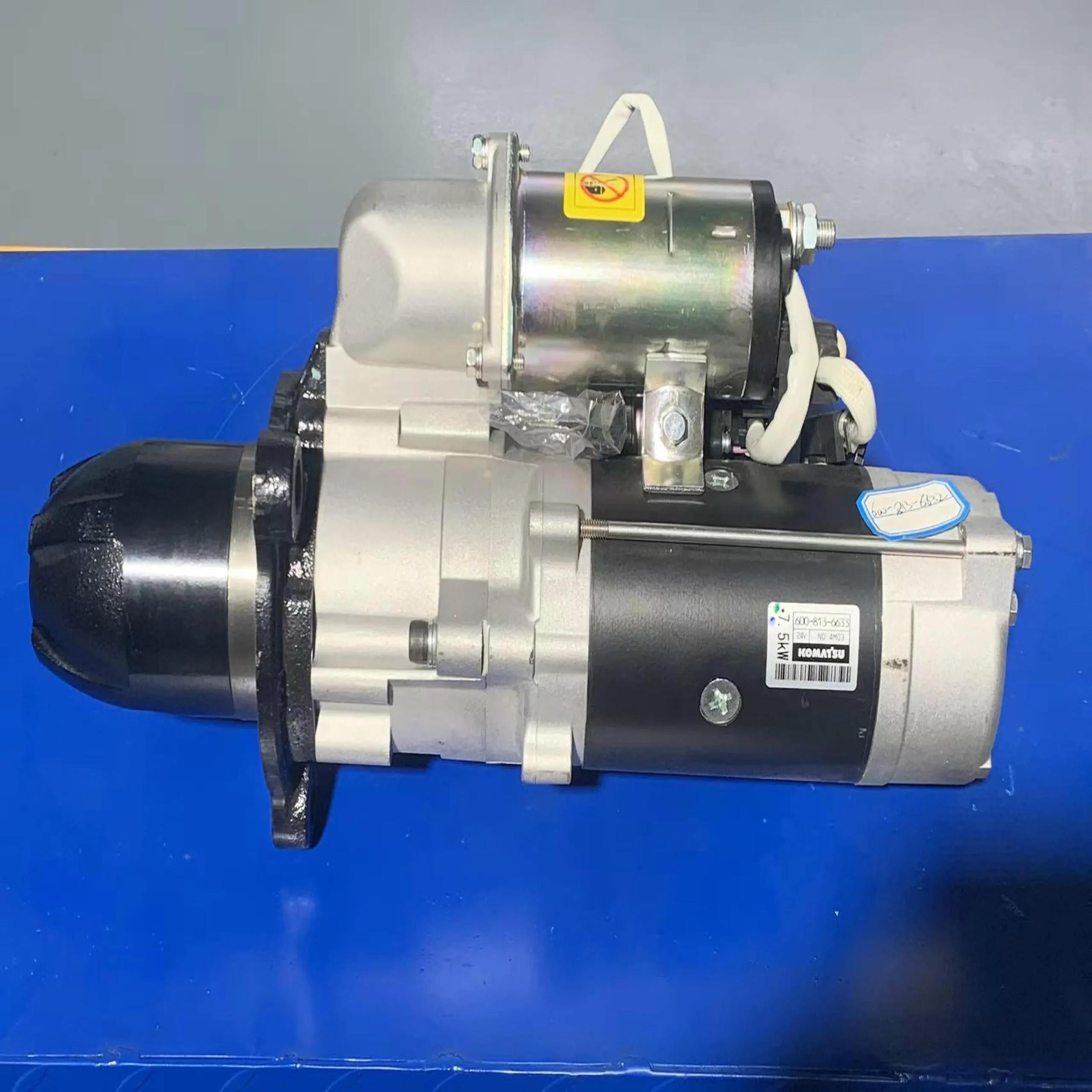

Best Selling Products
Best Selling Products-
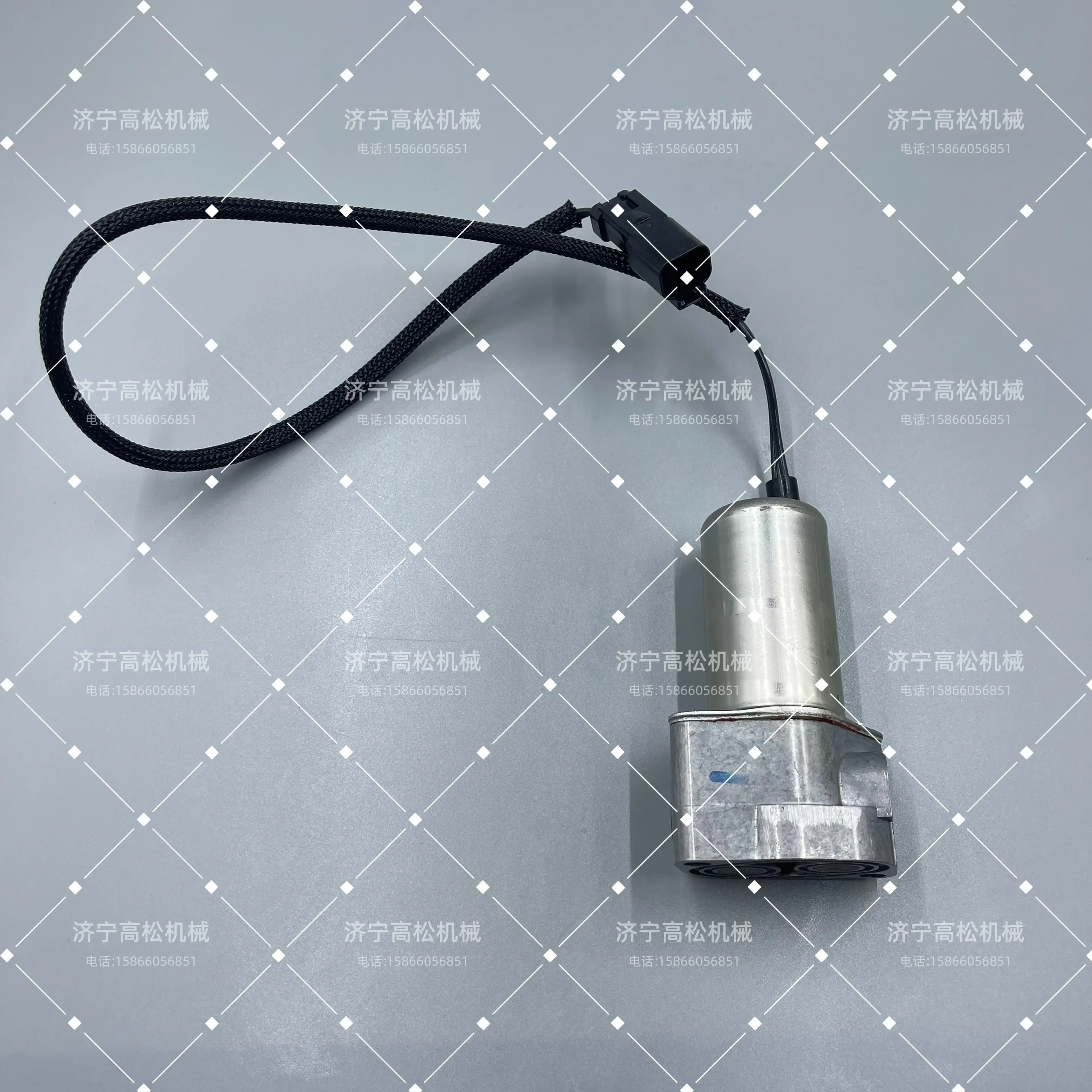 For Komatsu 702-21-07620 7022107620 High Quality Hydraulic…
 -
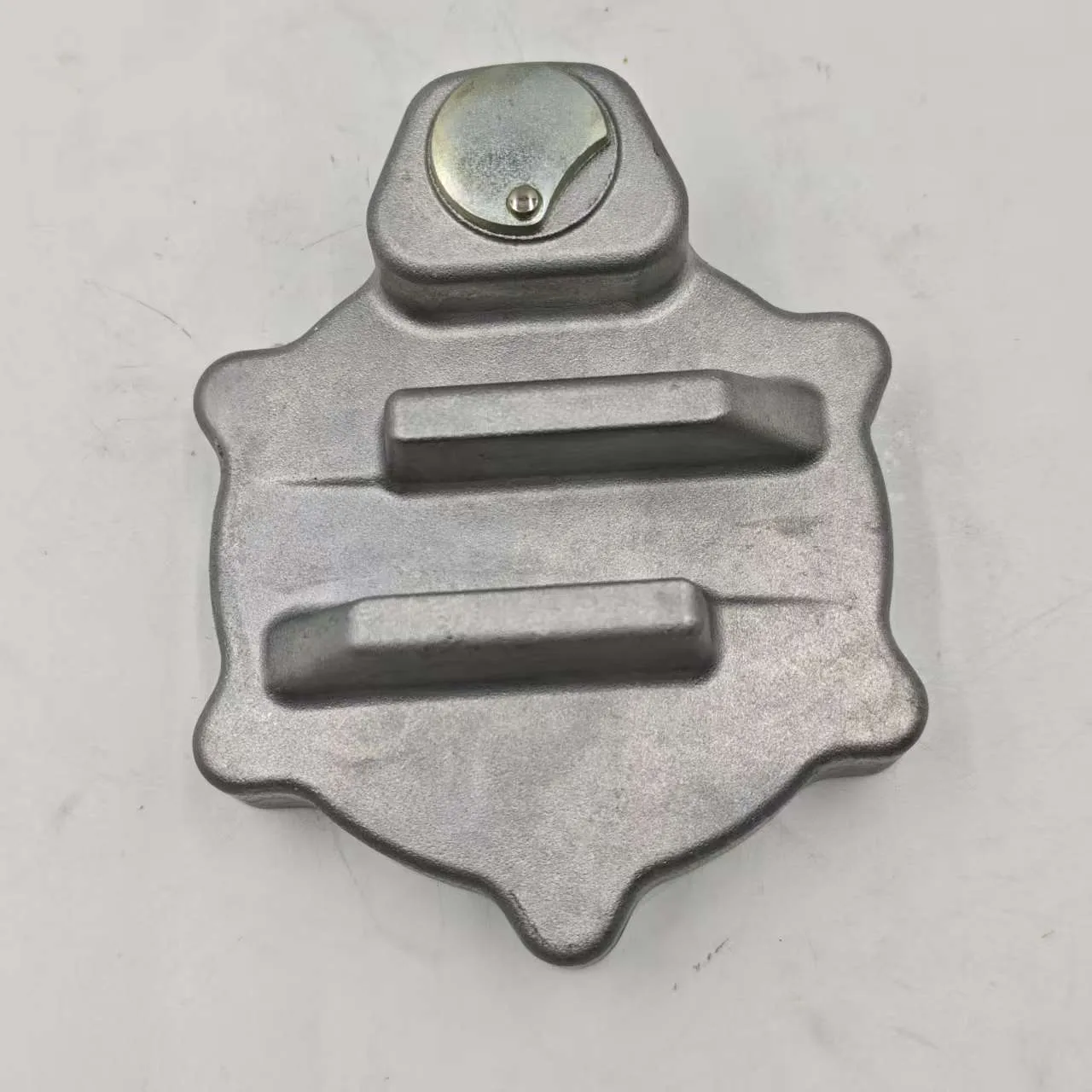 07053-10000 Cap-Radiator Fits KOMATSUU Models
 -
 BUSHING 07137-04006 – KOMATSU Part
 -
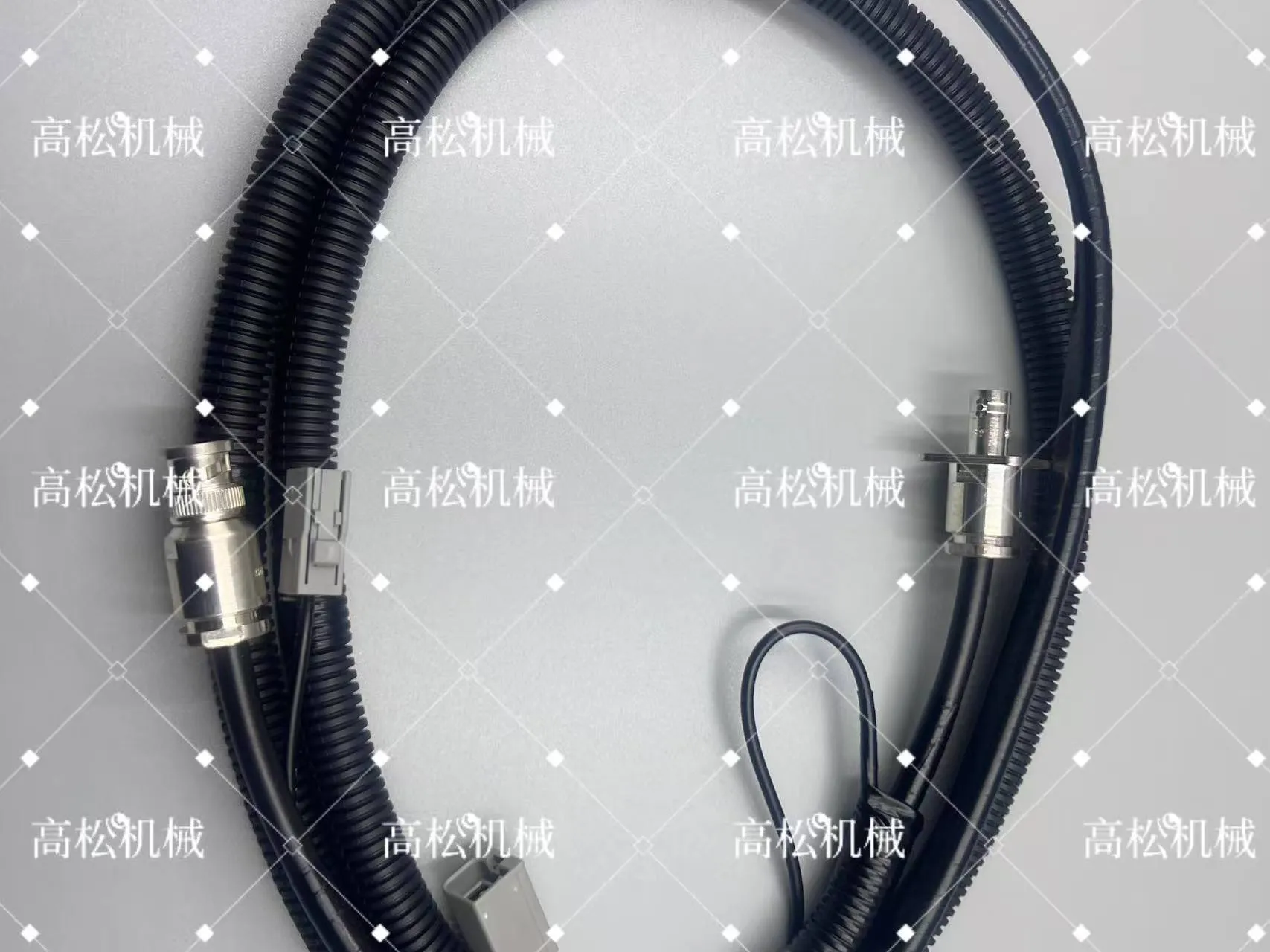 426-06-33750 Komatsu Wiring Harness Parts WA600, WD600
 -
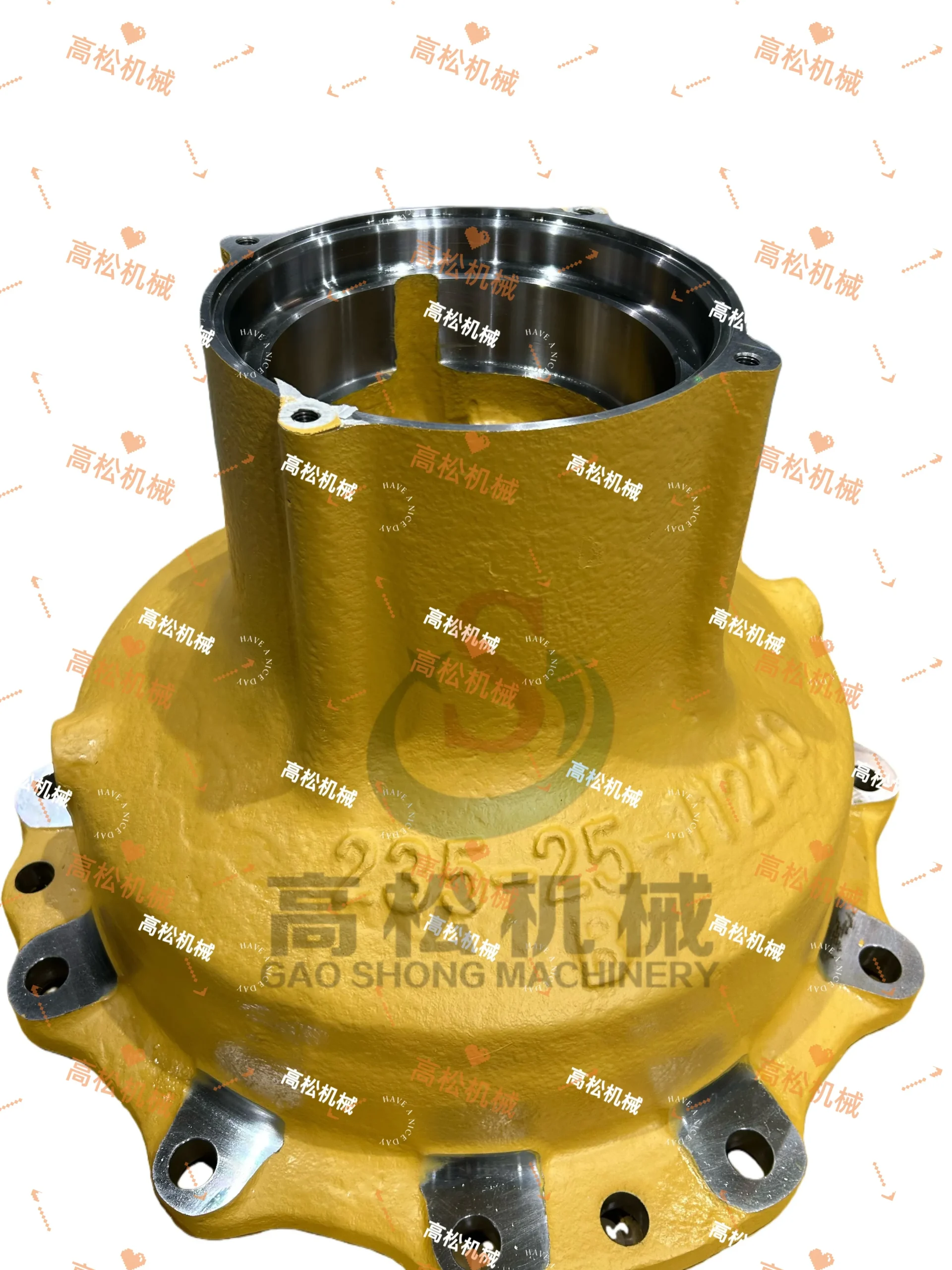 CAGE 235-25-11220 CAGE GD825A-2 S/N 11001-UP TANDEM DRIVE GEAR AND CHAIN
 -
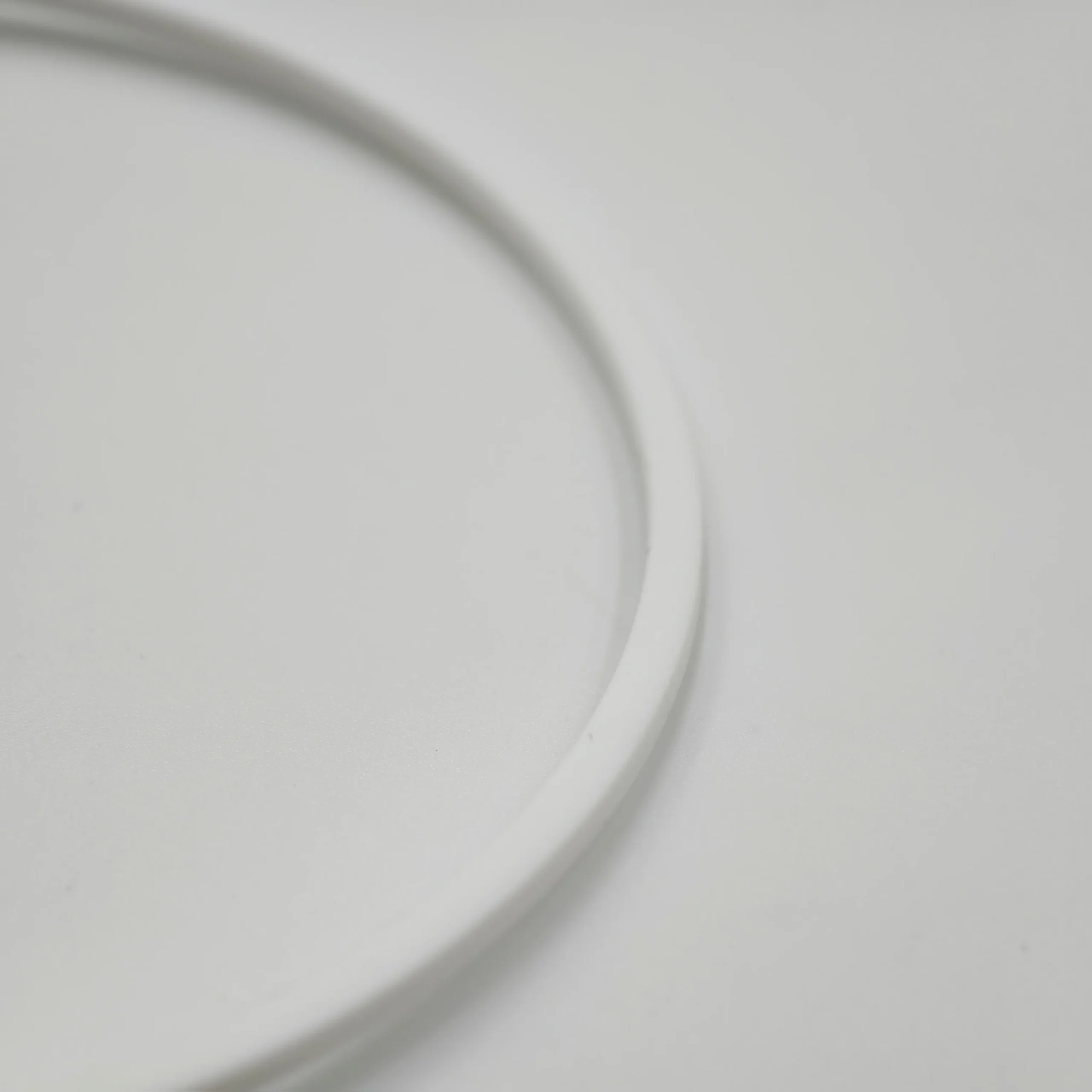 RING 234-15-29220
 -
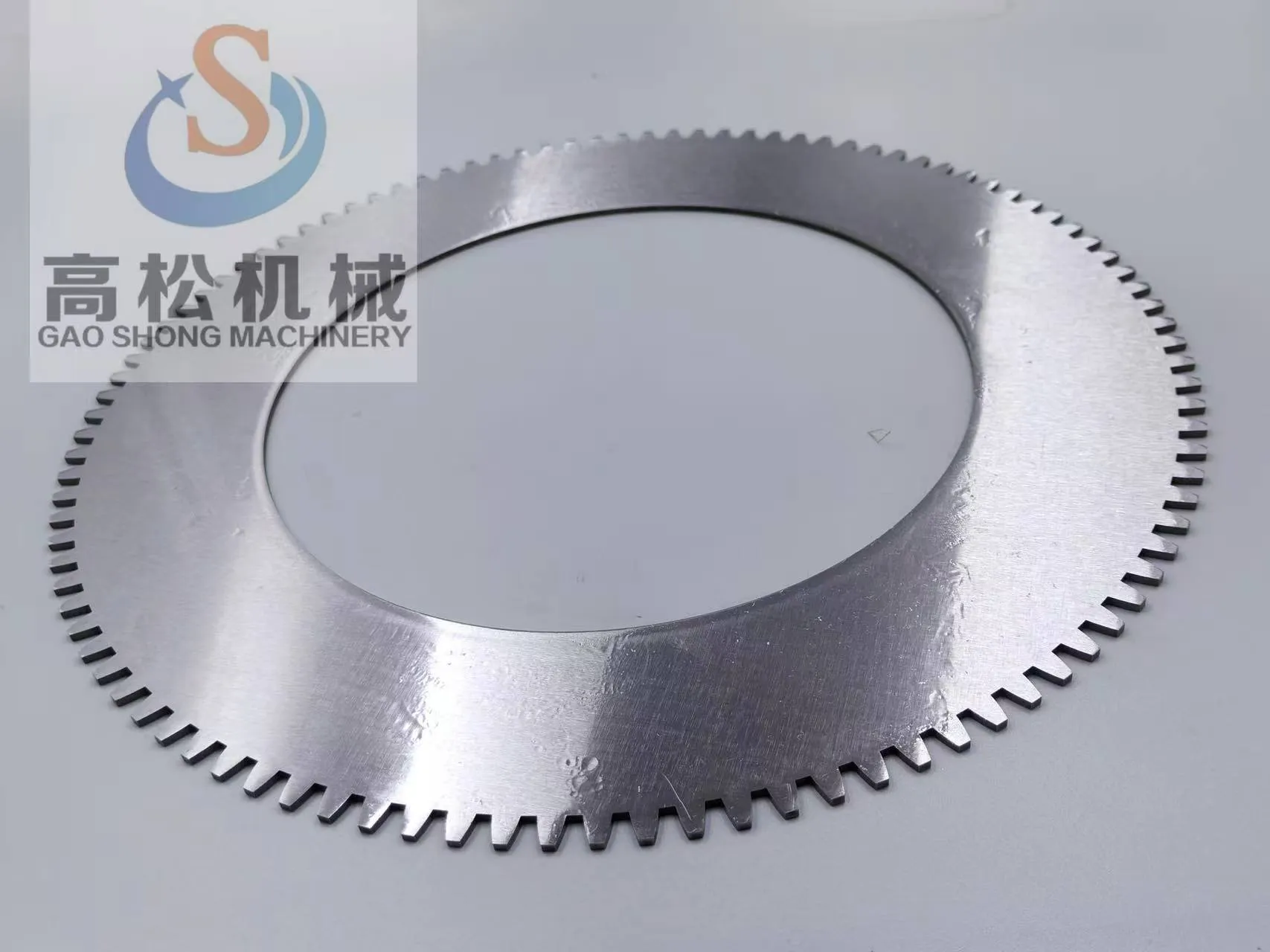 Ring seal gd825a grader 235-22-11550
 -
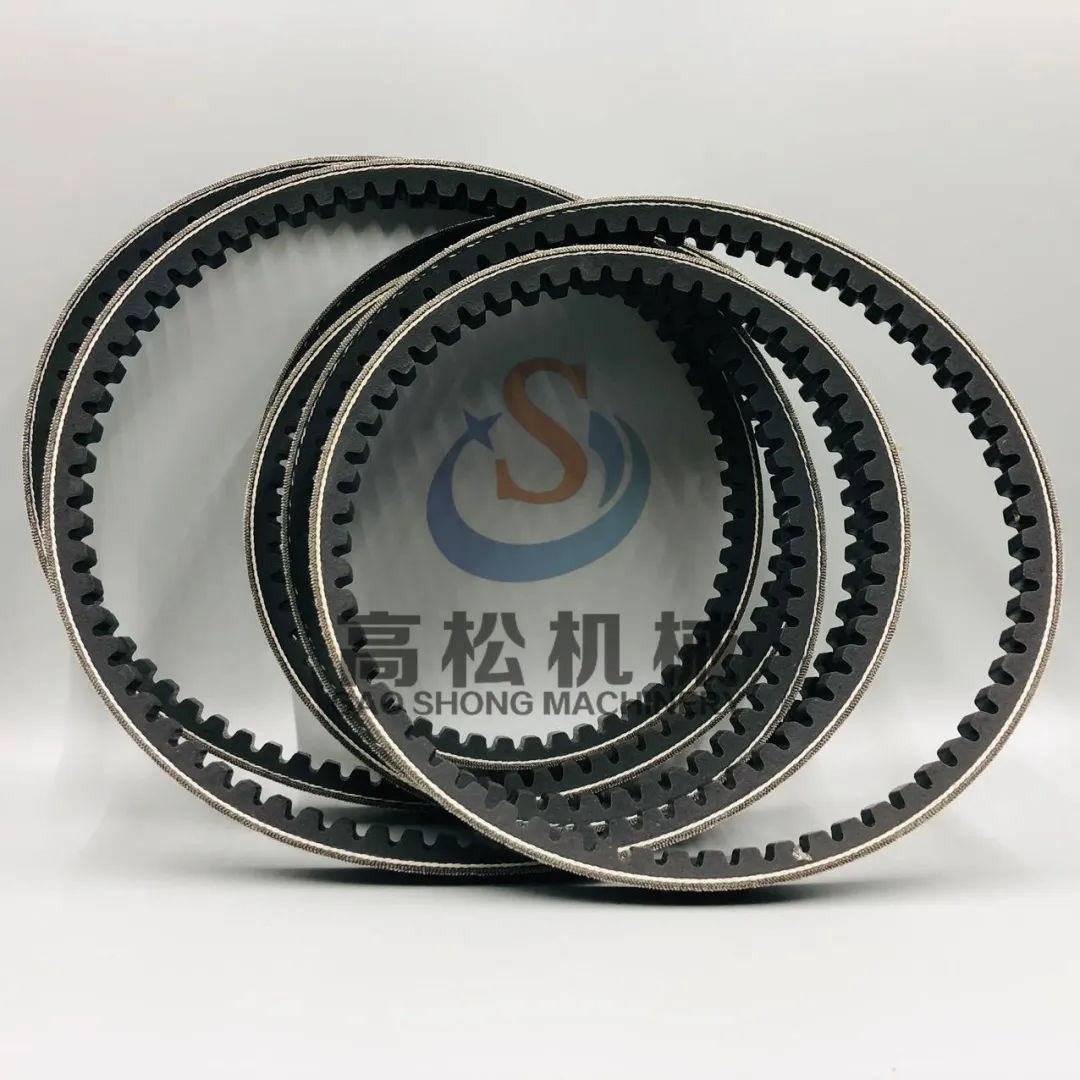 Genuine KOMATSU V-Belt for KOMATSU/SA12V140E-3/D375A-5/HD785-7 | P/N 6219-61-3420
 -
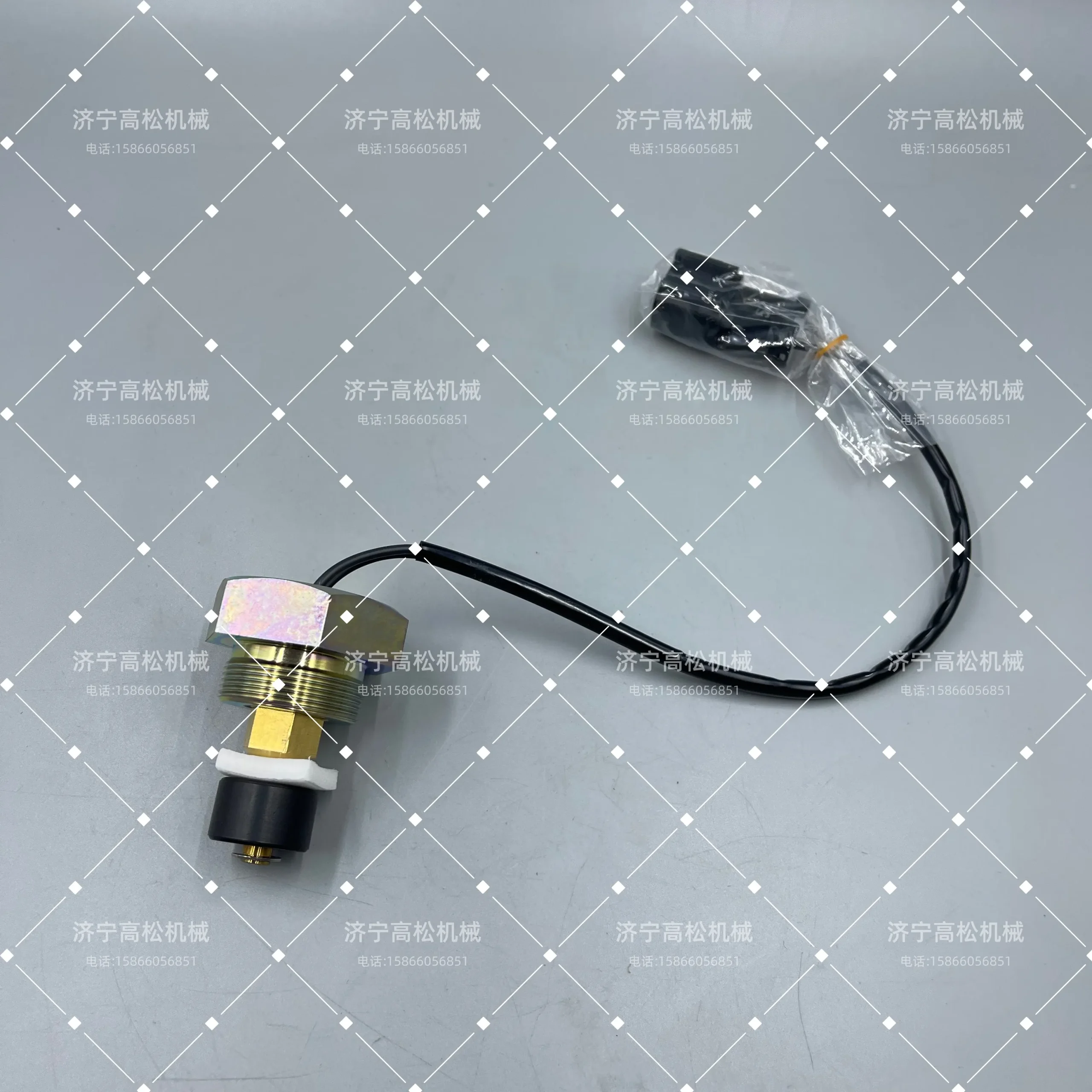 Sensor 7861-92-4500 for KOMATSU WA350-3A-S China…
 -
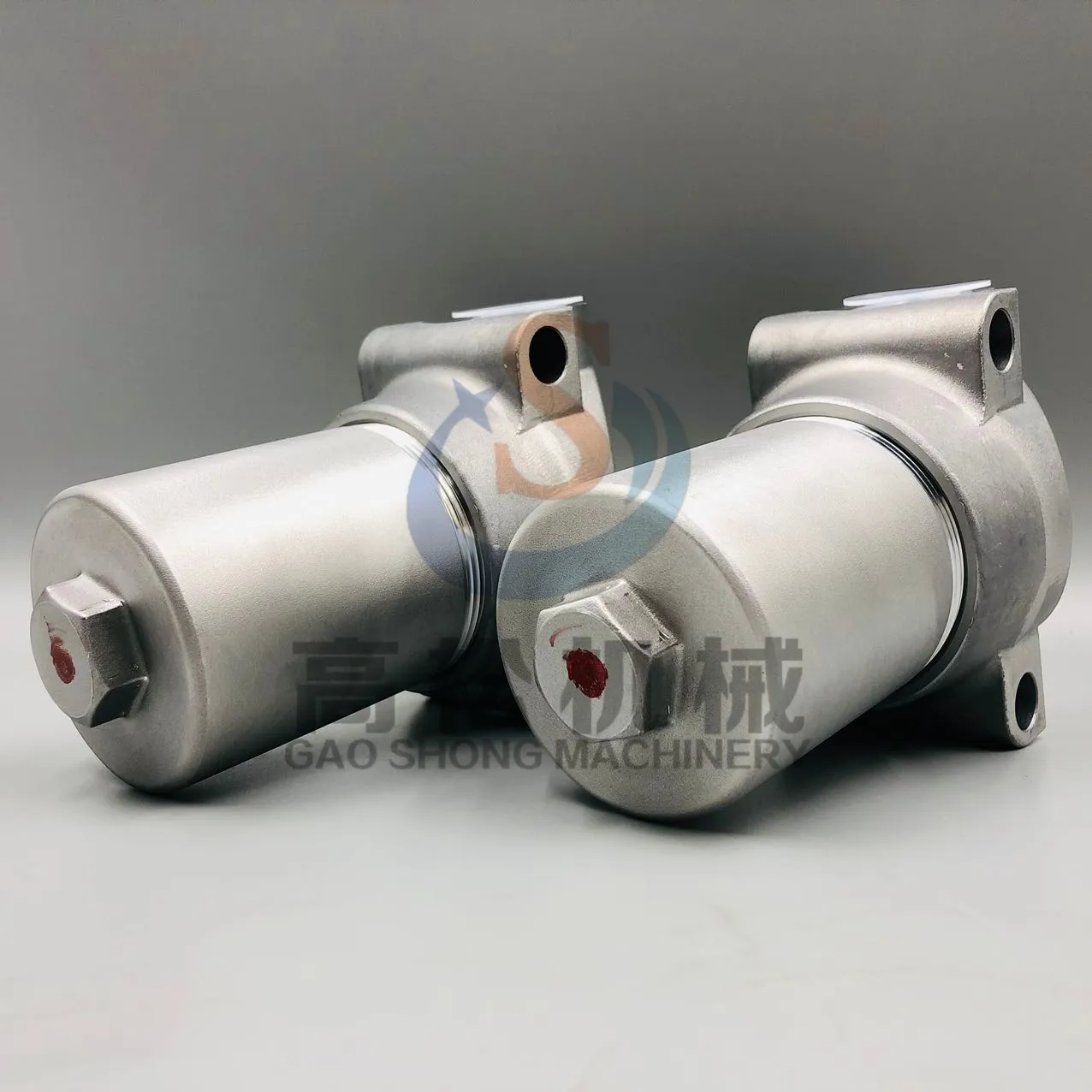 20Y-62-51681 Komatsu Filter Assembly
 -
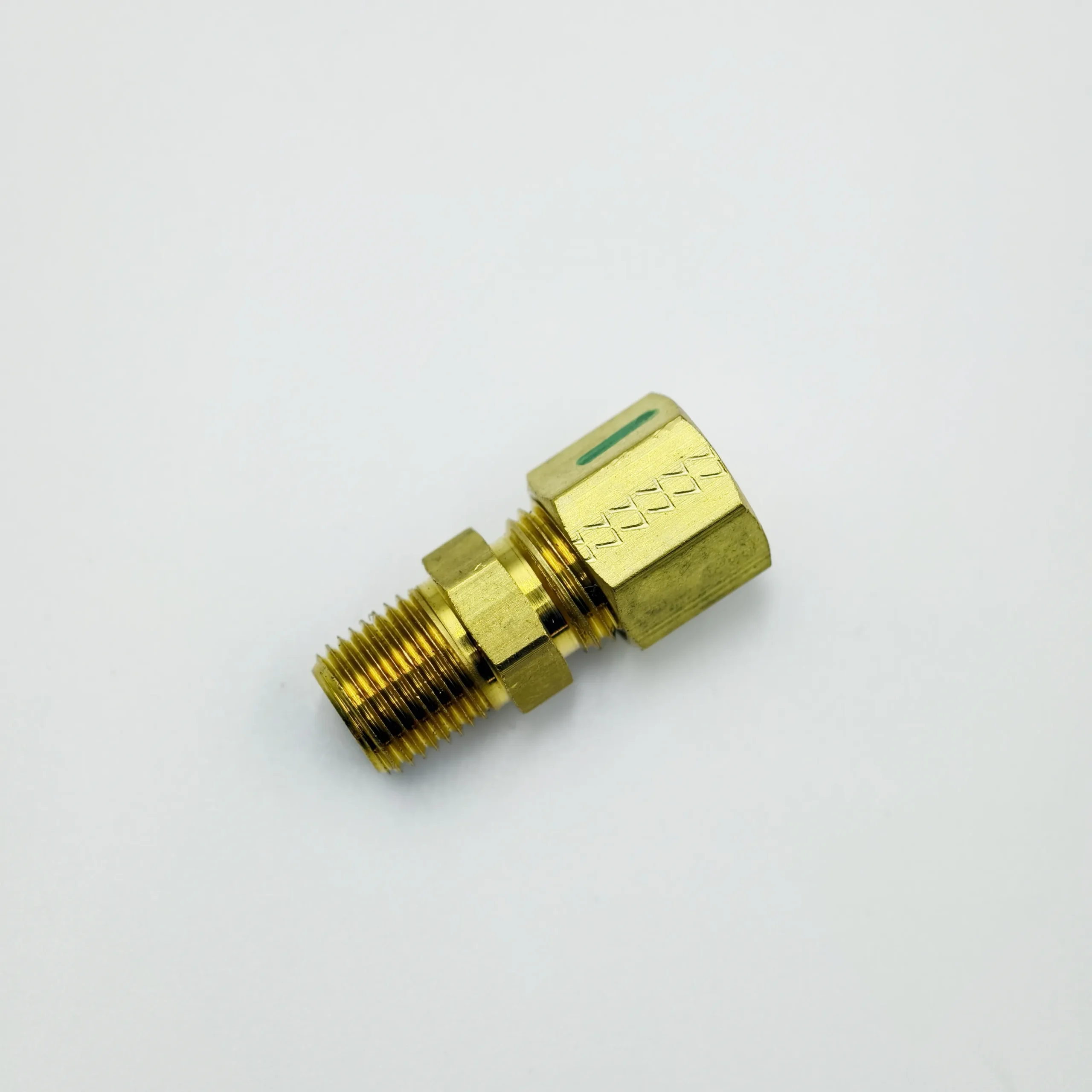 21N-68-32320 Komatsu Connector
 -
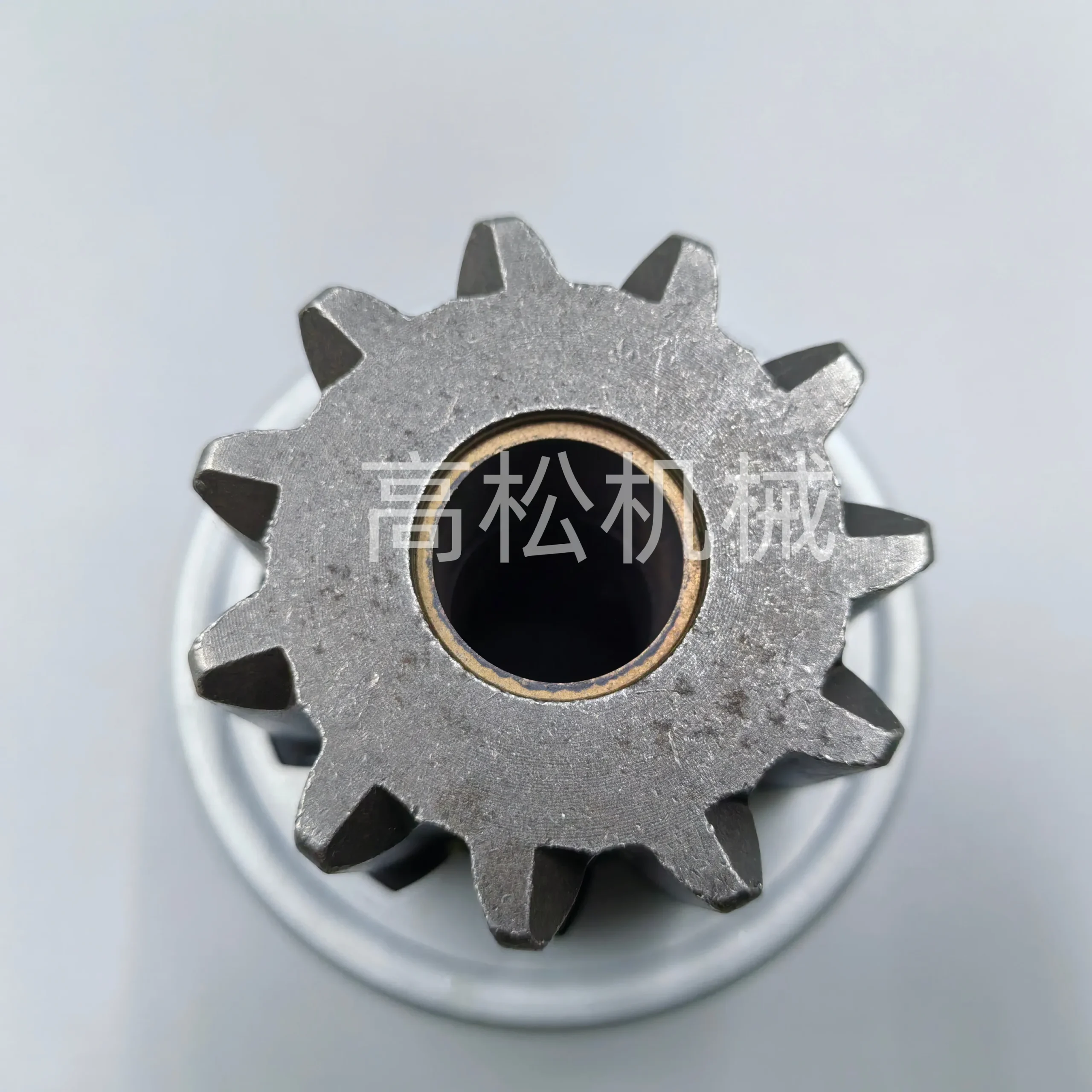 KD0-23500-1024 Komatsu Clutch Assembly
Related Search
Related Search- komatsu saa12v140e 3 engine
- OEM AND ORIGINAL KOMATSU PIN 427-70-11993
- komatsu excavator teeth
- buy komatsu parts online
- komatsu d65 engine
- OEM AND ORIGINAL KOMATSU SHAFT ASSY 235-20-11100
- OEM AND ORIGINAL KOMATSU BEARING 2A8-27-11260
- OEM AND ORIGINAL KOMATSU COVER 17M-27-41480
- 195-15-19210
- OEM AND ORIGINAL KOMATSU CARRIER 208-27-61160