
- Chinese
- French
- German
- Portuguese
- Spanish
- Russian
- Japanese
- Korean
- Arabic
- Irish
- Greek
- Turkish
- Italian
- Danish
- Romanian
- Indonesian
- Czech
- Afrikaans
- Swedish
- Polish
- Basque
- Catalan
- Esperanto
- Hindi
- Lao
- Albanian
- Amharic
- Armenian
- Azerbaijani
- Belarusian
- Bengali
- Bosnian
- Bulgarian
- Cebuano
- Chichewa
- Corsican
- Croatian
- Dutch
- Estonian
- Filipino
- Finnish
- Frisian
- Galician
- Georgian
- Gujarati
- Haitian
- Hausa
- Hawaiian
- Hebrew
- Hmong
- Hungarian
- Icelandic
- Igbo
- Javanese
- Kannada
- Kazakh
- Khmer
- Kurdish
- Kyrgyz
- Latin
- Latvian
- Lithuanian
- Luxembou..
- Macedonian
- Malagasy
- Malay
- Malayalam
- Maltese
- Maori
- Marathi
- Mongolian
- Burmese
- Nepali
- Norwegian
- Pashto
- Persian
- Punjabi
- Serbian
- Sesotho
- Sinhala
- Slovak
- Slovenian
- Somali
- Samoan
- Scots Gaelic
- Shona
- Sindhi
- Sundanese
- Swahili
- Tajik
- Tamil
- Telugu
- Thai
- Ukrainian
- Urdu
- Uzbek
- Vietnamese
- Welsh
- Xhosa
- Yiddish
- Yoruba
- Zulu
- Kinyarwanda
- Tatar
- Oriya
- Turkmen
- Uyghur






komatsu d31a parts
When you type 'Komatsu D31A parts' into a search, you're not just looking for a bolt or a seal. You're likely in a bind, trying to keep an old but reliable machine running, and you've hit the wall of discontinued OEM supply or exorbitant dealer pricing. That's the reality for dozens of these small dozers still working in quarries, farms, and small construction sites globally. The common mistake? Assuming the aftermarket is just cheap knock-offs. It's not that simple. Some are, sure, but there's a tier of suppliers operating within Komatsu's own ecosystem that most people don't know about. That's where the real value is, if you know where to look.
The Core Challenge with Legacy Machine Parts
The D31A, what, late 80s to early 90s model? Komatsu's official support for many consumables and wear parts has naturally dwindled. The dealer network might still get you a final drive gear or a pump, but the lead time can be months, and the cost... well. The immediate reflex is to turn to the generic aftermarket. You'll find pages of listings for Komatsu D31A parts, especially for the high-wear items: track chains, rollers, sprocket segments, and undercarriage components. The quality spectrum is wild. I've seen sprocket segments that wore out in 300 hours because the hardening process was skipped, and I've seen others that nearly matched the original OEM spec. The trick isn't just finding the part; it's identifying who made it and what standard they followed.
This is where the distinction between a pure third-party manufacturer and an OEM-system supplier becomes critical. A company like Jining Gaosong Construction Machinery Co., Ltd. presents an interesting case. They claim to be an OEM product supplier within the Komatsu system. In practice, this often means they manufacture or source components that may have once been part of Komatsu's own supply chain, or they produce to the original technical drawings and material specs. This is different from a company that reverse-engineers a part. The dimensional tolerance on a cylinder liner or the specific alloy in a track link pin matters immensely for longevity.
I recall a job in Southeast Asia where we had two D31As on a land clearing project. One machine was running on a mix of genuine and generic parts, the other we tried to kit out with parts from a system supplier like the one mentioned. The difference in downtime was stark. The generic idler rollers started leaking grease within weeks. The ones from the system supplier, sourced through their portal https://www.takematsumachinery.com, held up for the entire season. It wasn't a perfect 1:1 match to 1992 Komatsu quality, but it was 90% there at 60% of the cost of what little genuine stock was left.
Undercarriage: The Most Critical Gamble
If you're searching for Komatsu D31A parts, you're probably looking at undercarriage components. It's the most common failure point. Here's a practical judgement: for top rollers and carrier rollers, aftermarket is often acceptable if the supplier is verified. The risk is lower. For track chains and especially the master pin and bushings, you're gambling with machine integrity. A failed master pin on a slope is a catastrophic downtime event. For these, I lean heavily towards suppliers who explicitly state they work within the OEM system. Their business model, as Jining Gaosong notes, is solving parts supply challenges in certain countries, which directly translates to reliability for these legacy models.
The OEM system phrase is key, but don't take it at face value. It requires a bit of digging. When evaluating, I ask for material certificates or spec sheets. A proper supplier for these parts should be able to tell you the JIS or SAE standard for their steel, not just say it's high-quality. I've had suppliers send me metallurgical reports for their D31A track bushings, which immediately puts them in the top tier of consideration. Others go silent. That's your filter right there.
A failed experiment I had was with a rebuilt hydraulic pump for the blade control. It was a cheap, off-the-shelf rebuild. The pressure was never right, and it overheated constantly, eventually cooking the seals. The lesson? For complex hydraulic or powertrain components, the rebuild quality is everything. Sometimes, a used genuine part from a salvage machine is a better bet than a dubious new rebuild. But if you need a new part, a system-oriented supplier is again the better path. They understand the pressure curves and tolerances needed for the Komatsu system to function as a whole.
Filters, Seals, and the Simple Stuff
It's tempting to think any filter or seal will do. For air filters, maybe. But for hydraulic filters, the bypass valve pressure rating is critical. A wrong filter can let contamination cycle through your entire system, leading to a very expensive pump failure. For the D31A, I always cross-reference the original Komatsu part number to a major brand like Donaldson or Baldwin, then buy that. It's safer than an unknown brand labeled fits Komatsu D31A.
Seal kits are another minefield. A $50 kit might seem like a steal until you're redoing the job in six months because the main lip seals hardened and cracked. The rubber compound matters. Suppliers operating with OEM knowledge typically use Nitrile (NBR) or Polyacrylate (ACM) compounds that match the original service life, rather than cheaper, less durable materials. When you see a company profile that mentions being a third-party sales company for Komatsu, it implies they have access to these specifications or the approved vendor lists for such non-metallic components.
This attention to detail on the simple stuff is what separates a parts peddler from a solutions provider. It's the difference between selling you a part and selling you a part that works in your specific machine for a predictable lifespan. That's the value proposition that isn't always clear from a simple web search.
Sourcing and the Practical Reality Check
So, you've decided to look beyond the first page of generic results. You find a site like https://www.takematsumachinery.com. What next? First, don't just look at the catalog. Look for technical support. Can you email them with your old part number or a description of your failure? Do they ask clarifying questions? A good supplier will want to know your machine's serial number range, as there were running changes even within the D31A series. The pivot shaft diameter on the blade linkage might differ by a few millimeters between early and late models.
Second, consider logistics. One of their stated goals is solving supply challenges in certain countries. This often means they have experience with export documentation, shipping heavy parts, and navigating customs. This is a huge, often overlooked, benefit. I've been stuck waiting for a track roller at a port for weeks because the supplier didn't provide the right paperwork. A supplier experienced in international trade for Komatsu D31A parts smooths that process out immensely.
Finally, manage your expectations. Even the best aftermarket or OEM-system part is not a time machine. It won't make your 30-year-old dozer run like new. But what it can do is restore reliable, predictable function for another few thousand hours. The goal is cost-effective uptime, not perfection. Pairing these quality parts with good maintenance practices—proper track tension, clean fluids, regular greasing—is what ultimately extends the life of these legacy machines.
The Verdict from the Field
After two decades around these machines, my approach to Komatsu D31A parts is tiered. For safety-critical or high-stress components (final drive gears, main hydraulics), I seek out OEM-system suppliers or used genuine. For high-wear undercarriage parts, a proven OEM-system supplier like the one discussed is my first choice. For filters and fluids, I stick with major brands cross-referenced to the OEM number. And for everything else, I weigh the cost of downtime against the part price.
The landscape has changed. You're no longer forced to choose only between the expensive dealer and the questionable generic e-commerce store. The existence of companies that fill the niche between them—leveraging OEM knowledge and supply chains to support aging equipment—is a game-changer for owners and operators. It turns a parts search from a desperate gamble into a manageable procurement decision.
It comes down to this: knowing the difference between a part that fits and a part that functions. The suppliers who understand that distinction, who help solve the supply challenge rather than just selling a product, are the ones worth building a relationship with. For keeping a D31A earning its keep, that relationship is as valuable as the parts themselves.
Related Products
Related Products

Best Selling Products
Best Selling Products-
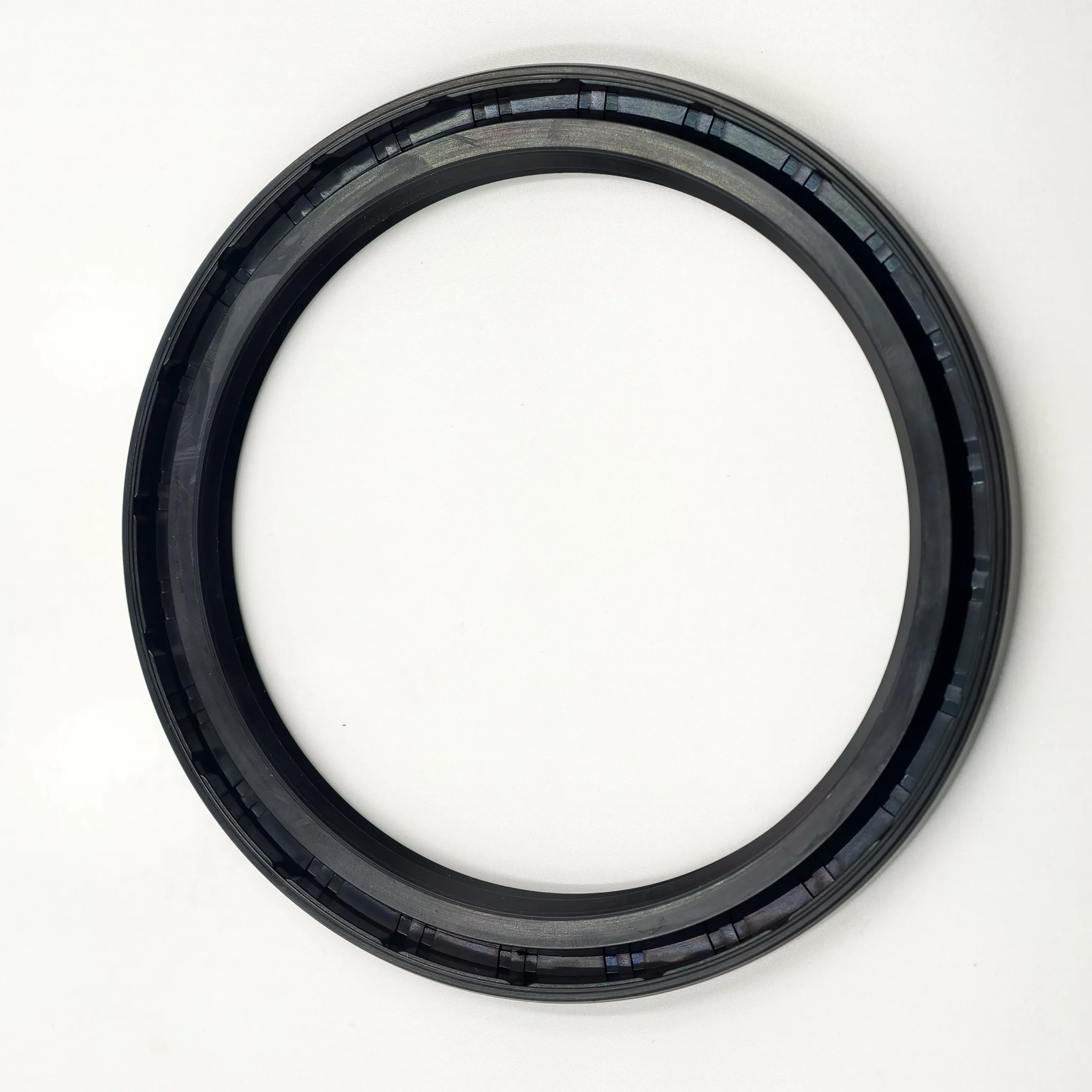 Komatsu56D-15-19810 Seal, Dust
 -
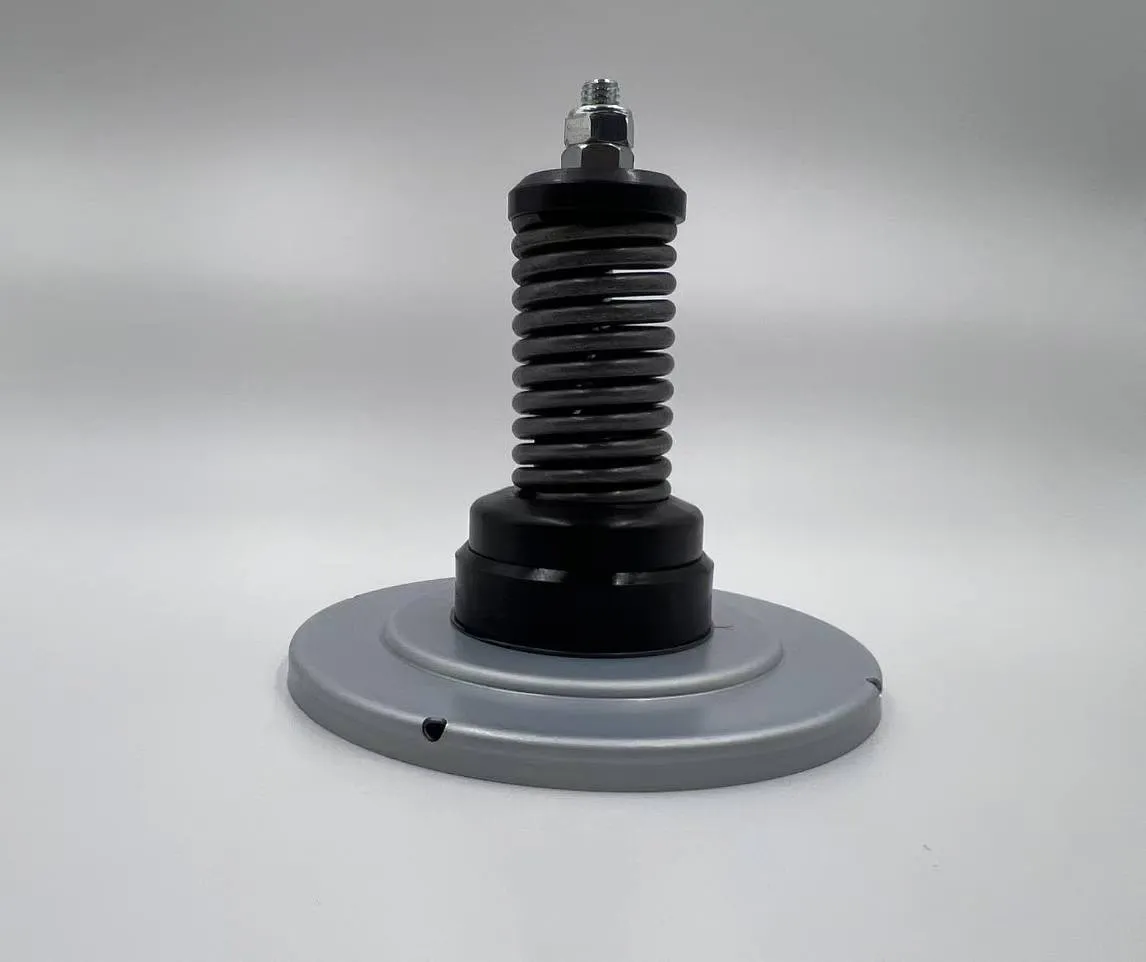 20Y-60-31450 Komatsu Valve Assembly
 -
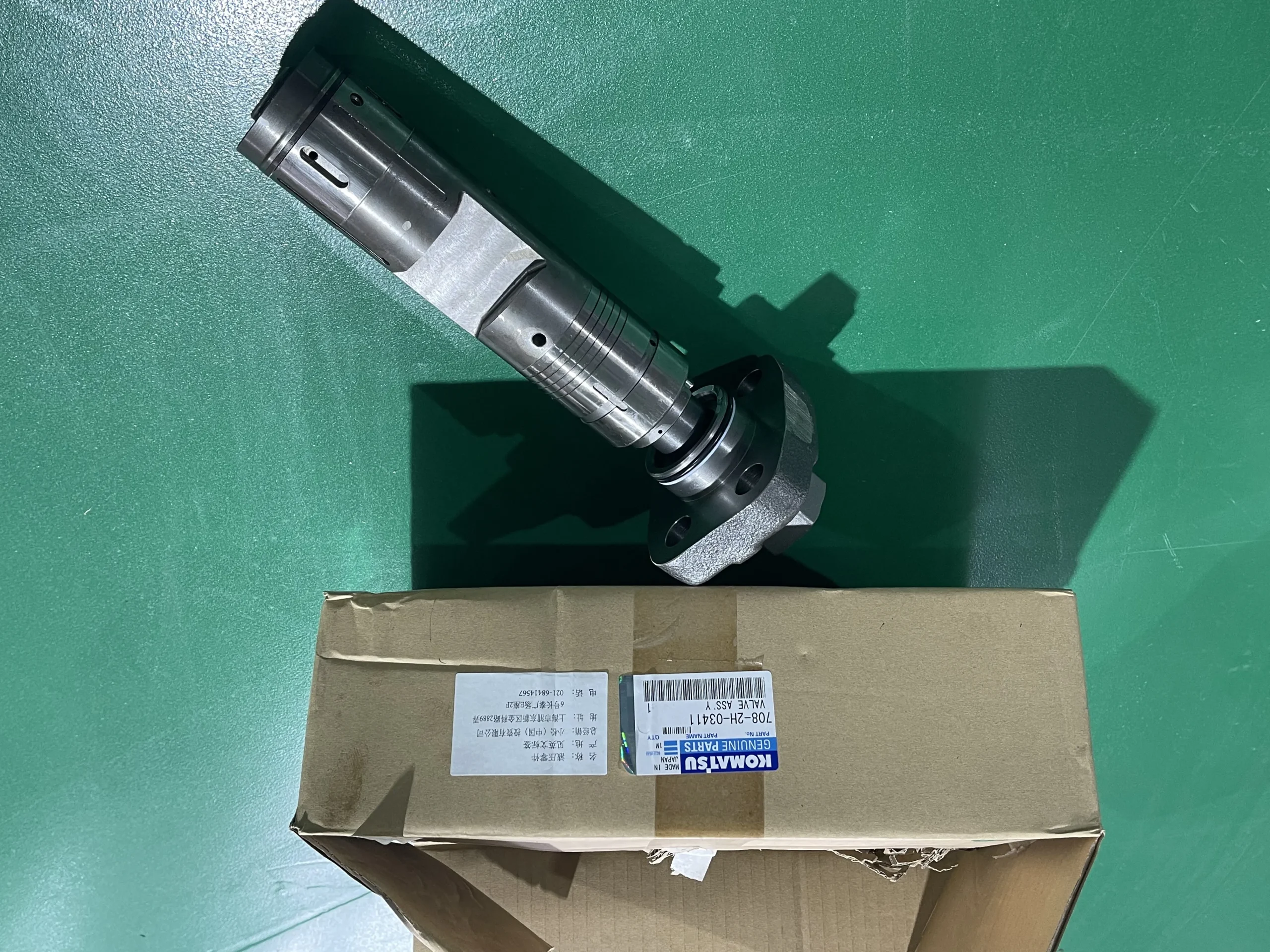 Relief Valve 708-2H-03411
 -
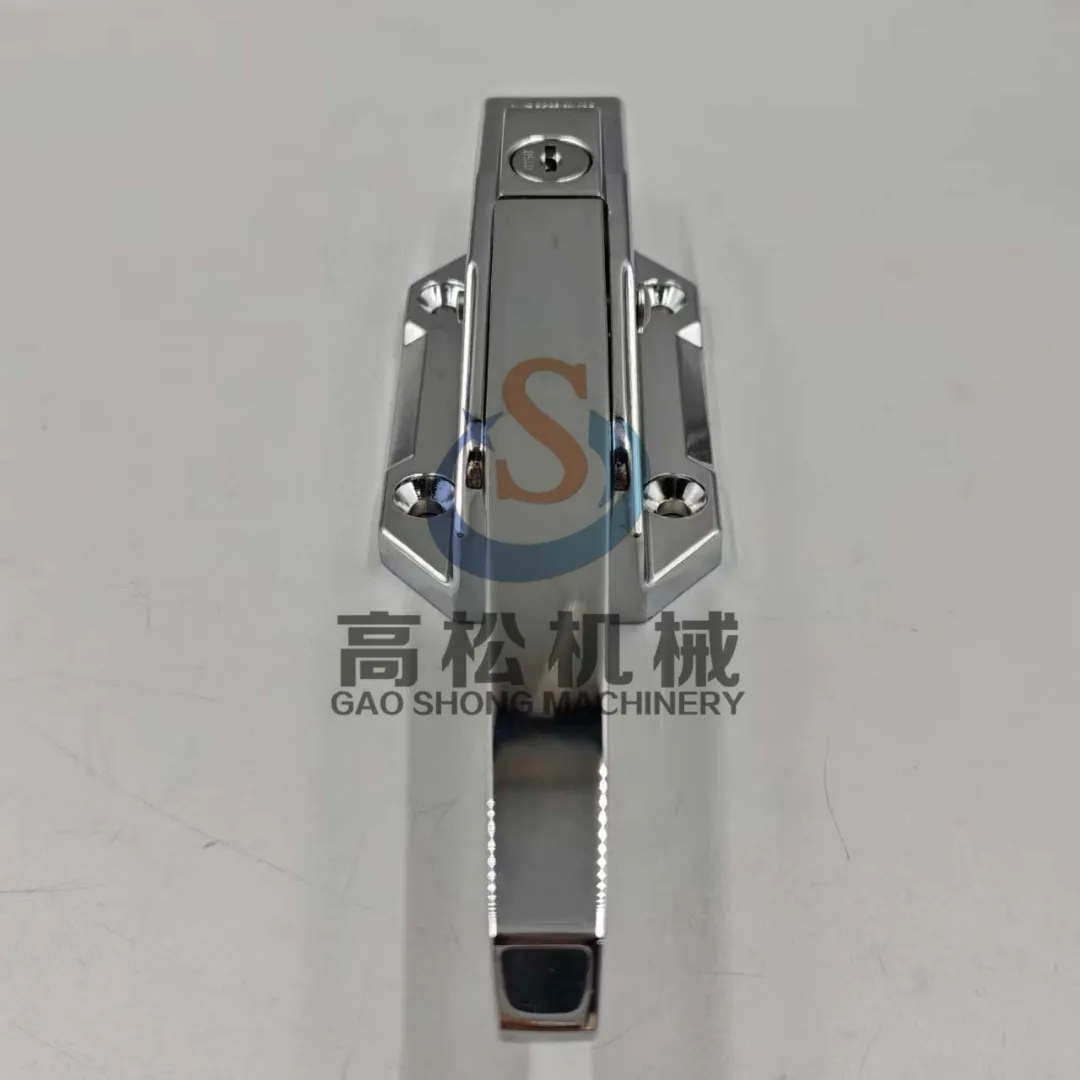 21T-54-35421 Komatsu Handle komatsu original
 -
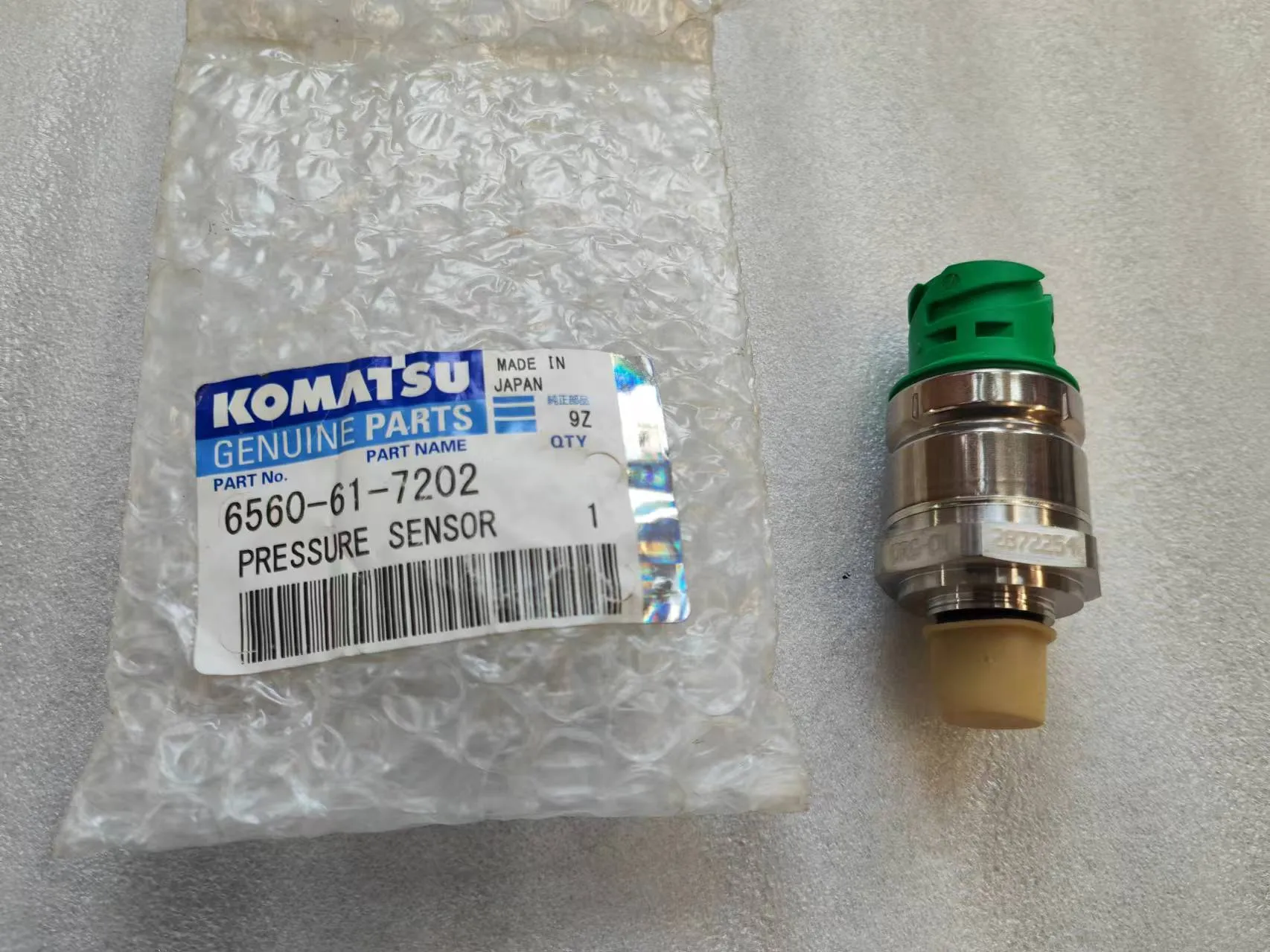 D155AX-6 Pressure Sensor 6560-61-7202
 -
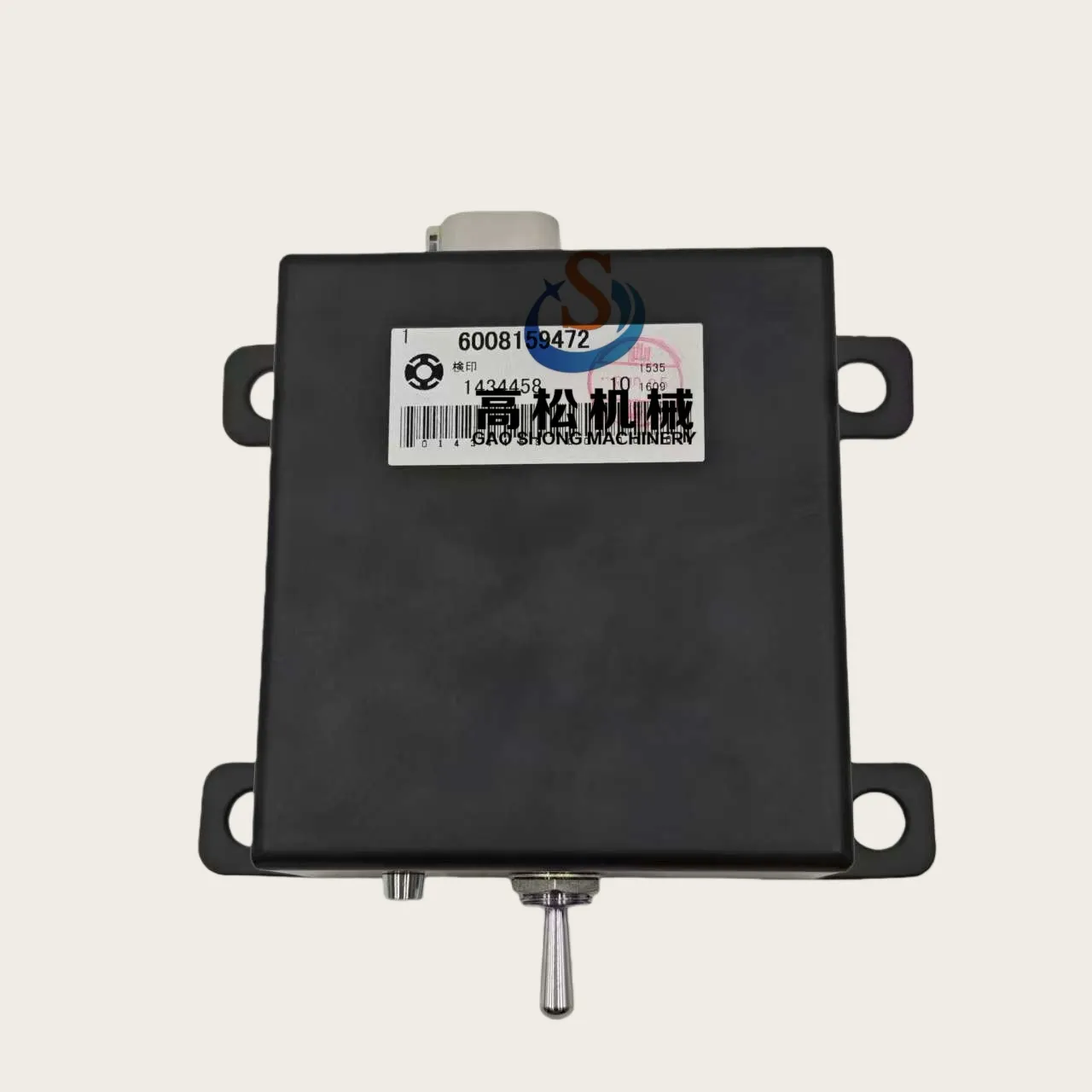 21T-68-67940 Komatsu Valve Assembly
 -
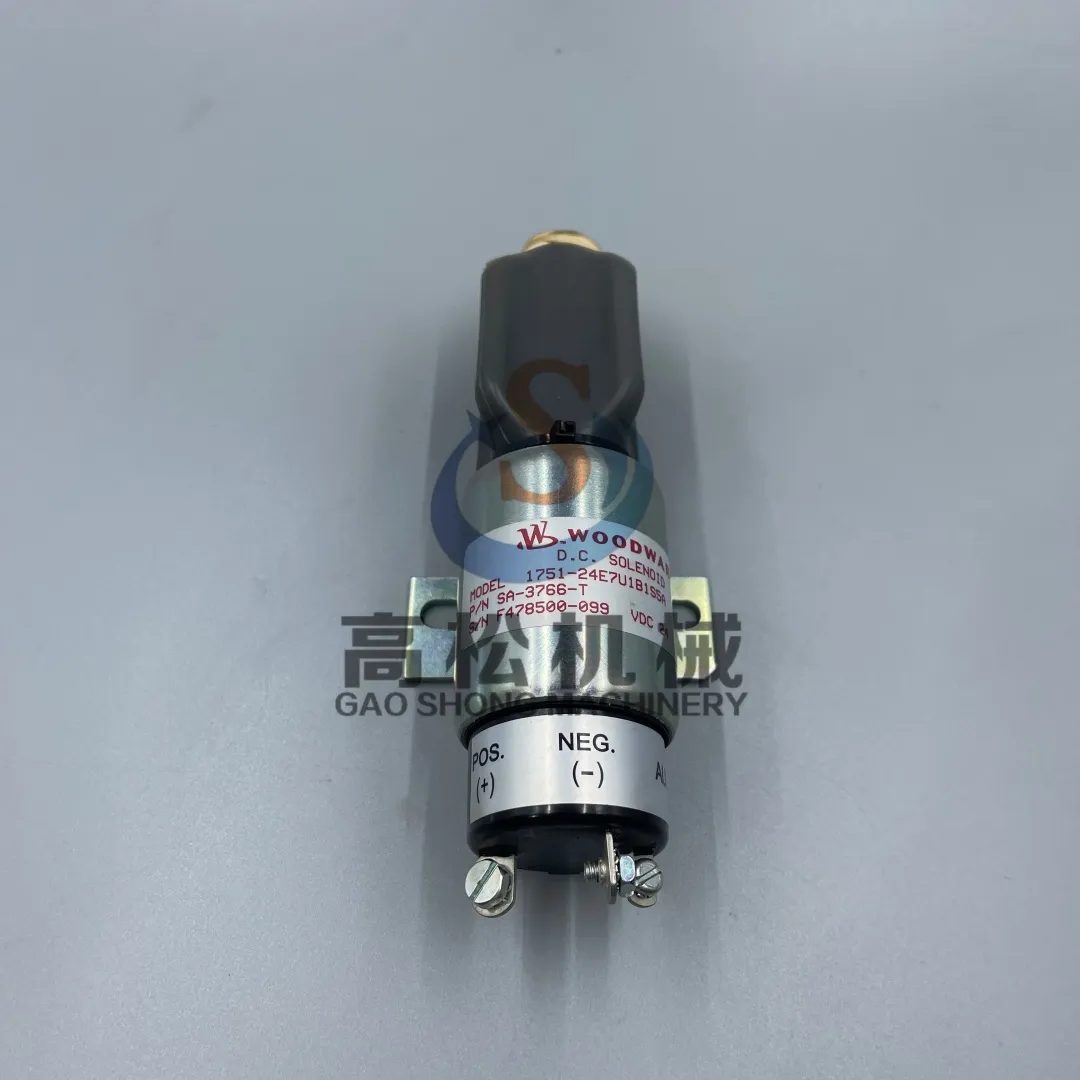 600-815-7550 Fuel Stop Solenoid Valve For Komatsu PC75UU-3 PC200LC-6 PC228UU-1
 -
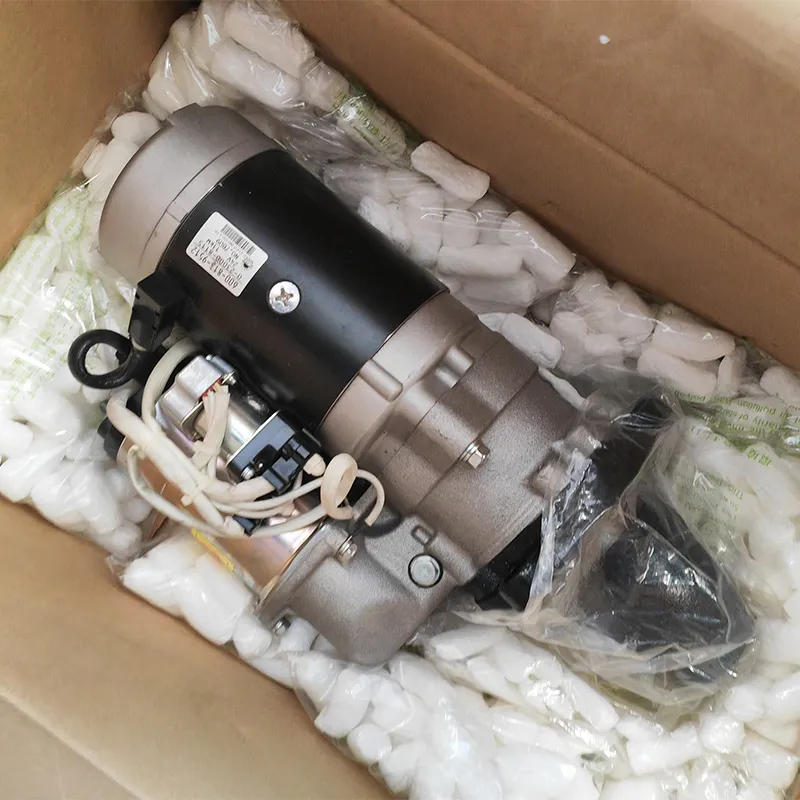 600-813-9512 Original komatsu Starter Motor for PC1250-8 D375-6 WA600-8
 -
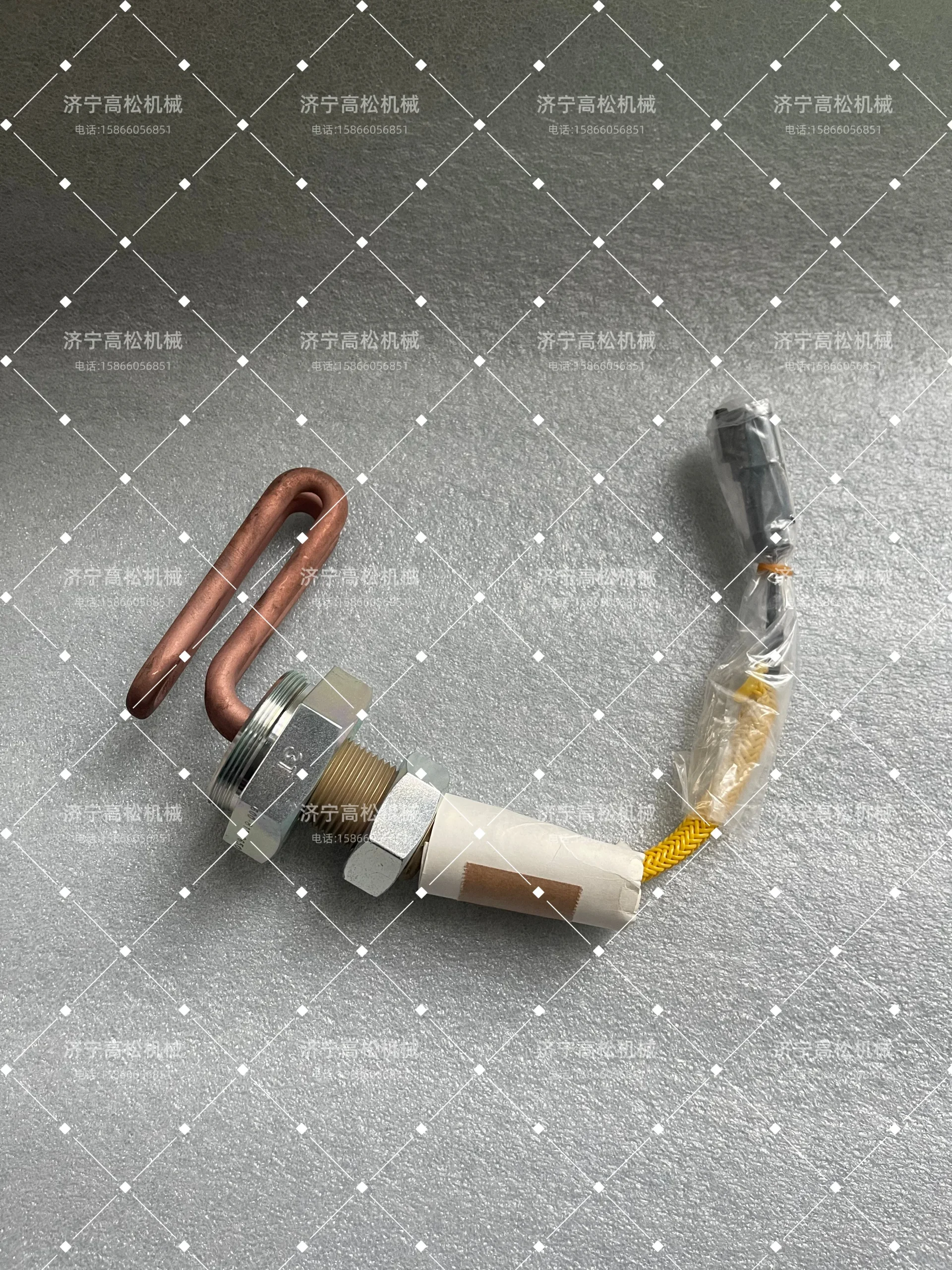 600-815-9650 – HEATER fits KOMATSU
 -
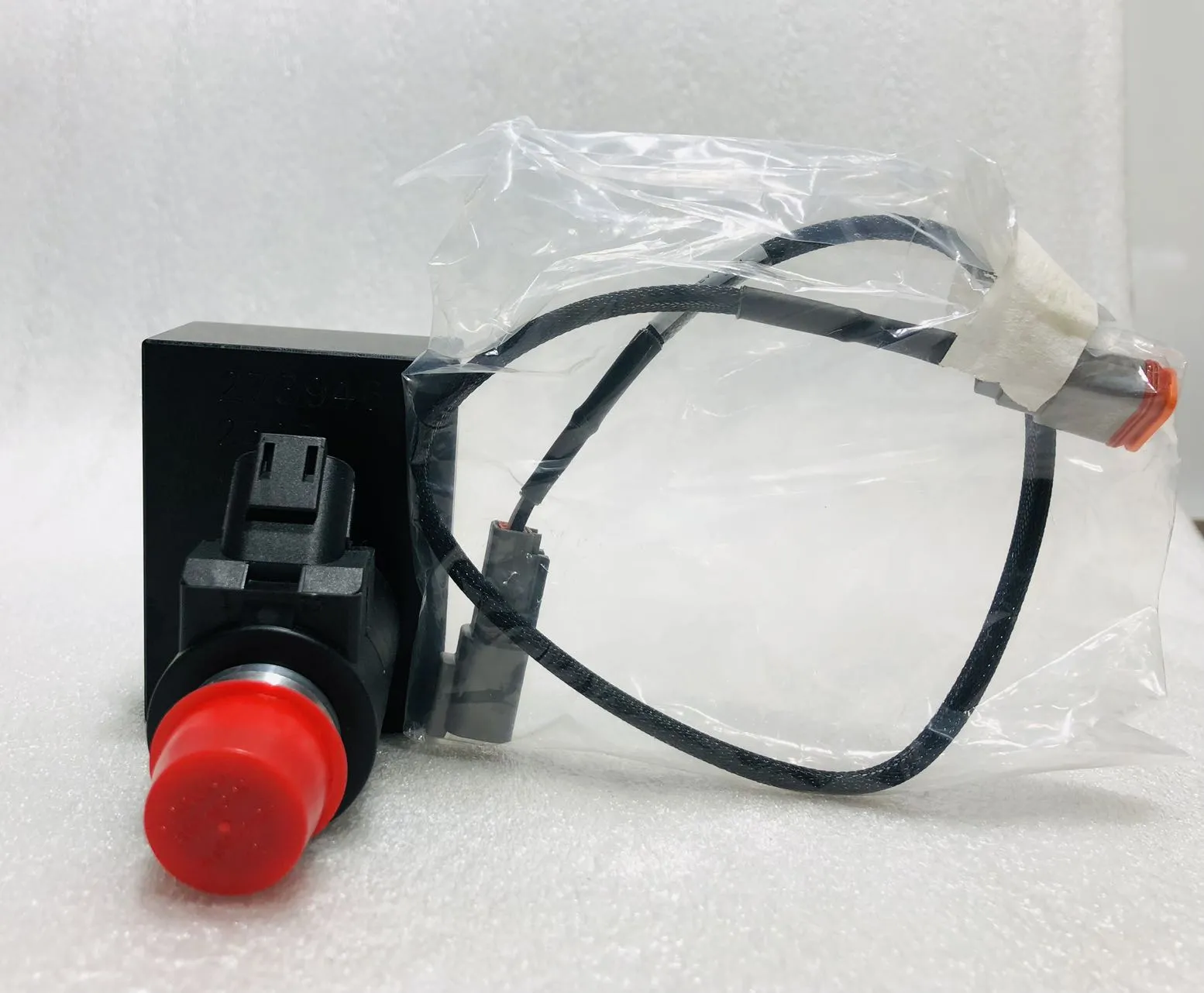 561-95-8A530• PUMP ASSEMBLY Applicable: Komatsu self-unloading truck HD series
 -
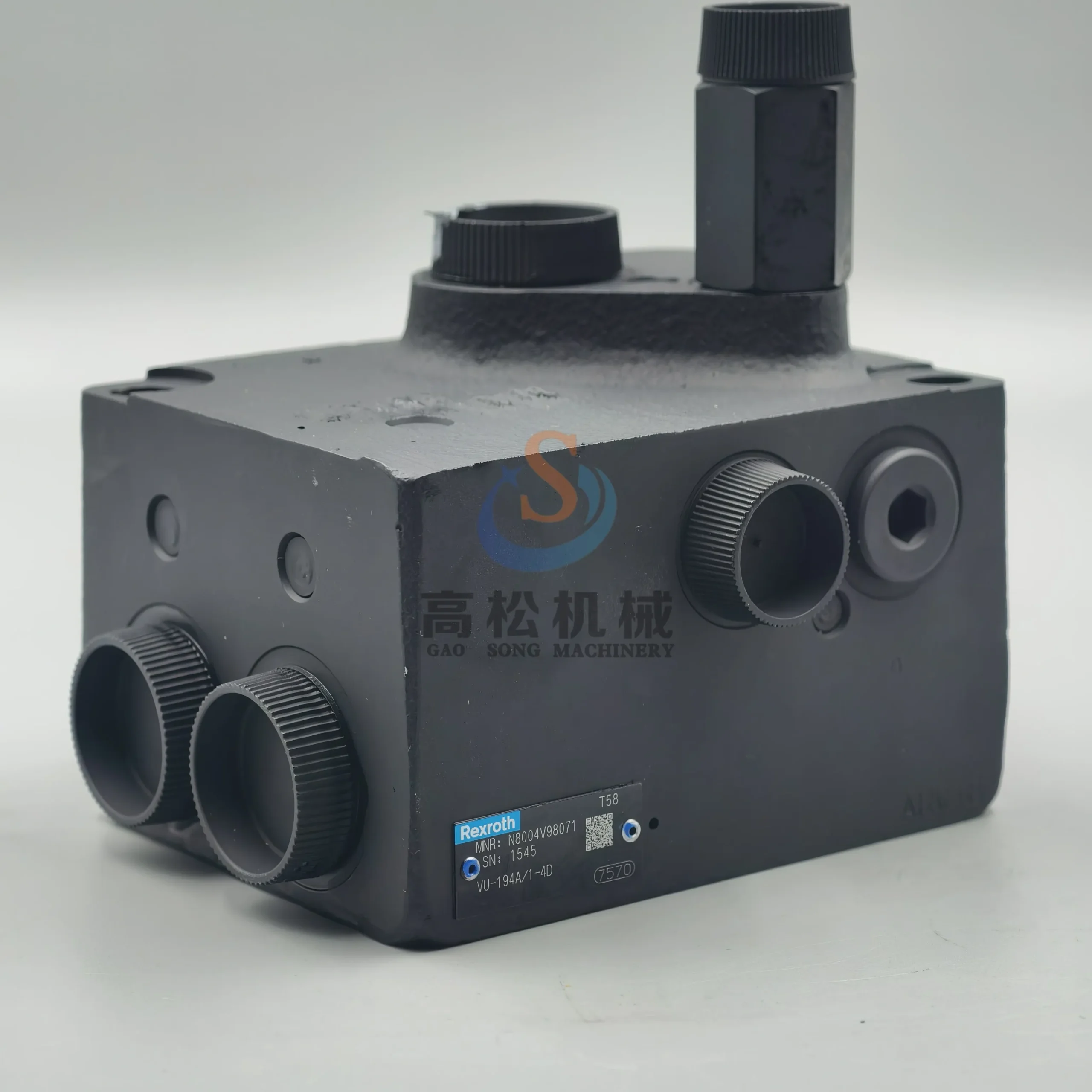 419-43-27401 komatsu vavle-WA400/WA300
 -
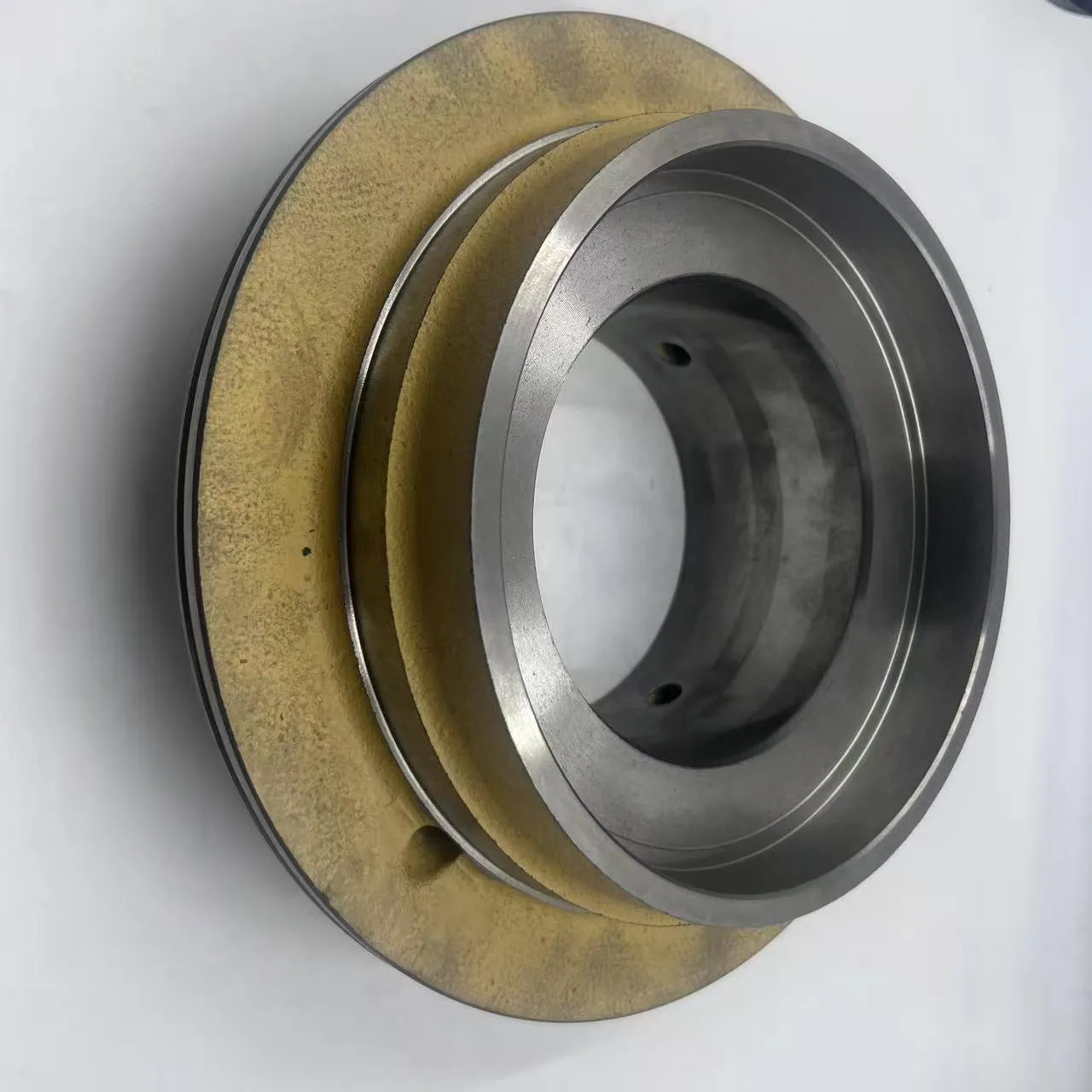 17A-22-11132 Komatsu Cylinder