
- Chinese
- French
- German
- Portuguese
- Spanish
- Russian
- Japanese
- Korean
- Arabic
- Irish
- Greek
- Turkish
- Italian
- Danish
- Romanian
- Indonesian
- Czech
- Afrikaans
- Swedish
- Polish
- Basque
- Catalan
- Esperanto
- Hindi
- Lao
- Albanian
- Amharic
- Armenian
- Azerbaijani
- Belarusian
- Bengali
- Bosnian
- Bulgarian
- Cebuano
- Chichewa
- Corsican
- Croatian
- Dutch
- Estonian
- Filipino
- Finnish
- Frisian
- Galician
- Georgian
- Gujarati
- Haitian
- Hausa
- Hawaiian
- Hebrew
- Hmong
- Hungarian
- Icelandic
- Igbo
- Javanese
- Kannada
- Kazakh
- Khmer
- Kurdish
- Kyrgyz
- Latin
- Latvian
- Lithuanian
- Luxembou..
- Macedonian
- Malagasy
- Malay
- Malayalam
- Maltese
- Maori
- Marathi
- Mongolian
- Burmese
- Nepali
- Norwegian
- Pashto
- Persian
- Punjabi
- Serbian
- Sesotho
- Sinhala
- Slovak
- Slovenian
- Somali
- Samoan
- Scots Gaelic
- Shona
- Sindhi
- Sundanese
- Swahili
- Tajik
- Tamil
- Telugu
- Thai
- Ukrainian
- Urdu
- Uzbek
- Vietnamese
- Welsh
- Xhosa
- Yiddish
- Yoruba
- Zulu
- Kinyarwanda
- Tatar
- Oriya
- Turkmen
- Uyghur






komatsu d31 parts
When you start digging into Komatsu D31 parts, there's a common trap a lot of people fall into, especially if you're managing an older fleet. The assumption is that parts are just parts—if it fits, it works. But with a machine like the D31, a real workhorse in its day, that mindset can lead to a lot of downtime and unexpected costs. I've seen shops order a generic undercarriage component or a rebuilt hydraulic pump, only to find the wear patterns are off or the pressure specs don't hold under a full load. It's not just about the part number; it's about the application and the history of that specific machine. That's where the real conversation begins.
The OEM vs. Aftermarket Dilemma for the D31
Let's be clear: for critical components like the final drive or the main hydraulic control valve, going with genuine Komatsu parts is almost always the right call. The metallurgy and tolerances are specific. I remember a job where we used an aftermarket swing cylinder seal kit on a D31P-20. It held for about a week before it started weeping. The issue wasn't the seal material itself, but the machining of the seal groove in the aftermarket piston—it was a fraction of a millimeter off, enough to fail. The downtime cost more than the price difference for the OEM kit.
However, the blanket rule to always buy OEM isn't financially realistic for every operation. For non-wear, non-critical items—maybe a seat cushion, a cab filter, or certain brackets—reputable aftermarket options can be perfectly serviceable. The key is knowing which is which. You develop a feel for it. For instance, I'd never gamble on an aftermarket track roller for a machine doing heavy grading, but for a machine used lightly on a farm, a quality third-party roller might extend its service life just enough to be worth it.
This is precisely the gap that companies like Jining Gaosong Construction Machinery Co., Ltd. aim to fill. They operate within the Komatsu system as an OEM product supplier, which means they have access to genuine channels. But their role as a third-party sales company is more interesting. They're not just another parts vendor; they're addressing the real-world parts supply challenges in specific regions. If you're in a country where the official distributor network is thin or lead times are measured in months, a partner that can navigate both OEM and verified alternative supply lines becomes invaluable. Their site, https://www.takematsumachinery.com, is built on that premise—solving availability, not just selling a catalog.
Where Downtime Really Happens: Undercarriage and Hydraulics
If you want to talk about the heart of Komatsu D31 maintenance headaches, start with the undercarriage. The D31 is a small dozer, but it's often put to work in conditions that eat tracks for breakfast. The mistake is looking at individual components. Replacing a single worn-out link or a couple of rollers is a temporary fix. The system wears as a set. Putting a new pin and bushing link into a chain that's 70% worn just transfers the stress and accelerates failure elsewhere.
The smarter play, which is tough to sell on paper but saves money in the long run, is to assess the entire undercarriage as a unit. Measure the track chain elongation, check the roller flanges for wear, and look at the sprocket teeth. Sometimes, the most cost-effective part is a complete rebuilt undercarriage assembly from a trusted source, rather than piecing it together. It's a bigger upfront hit, but it resets the clock predictably.
Hydraulics are the other big one. The D31's blade and ripper controls are relatively simple, but age and contamination are killers. A lot of parts failures here start with a cheap filter. We had a case where the pilot control valve kept sticking. We replaced the valve, but the problem returned. Turns out, a compromised return line filter was letting fine debris recirculate. The part that failed wasn't the root cause. So now, when we troubleshoot hydraulics, the first step is always a fluid analysis and a full filter change—even if the filters look okay. It's a basic step, but it's often overlooked in the rush to swap out the most obvious component.
Sourcing and the Reality of Legacy Machine Support
Finding parts for a D31 in 2024 isn't like ordering for a brand-new D61. Some components are discontinued, others are on indefinite backorder. This is where your supplier relationship matters more than anything. A good supplier will tell you, That part is NLA from Komatsu, but we have a remanufactured exchange unit here, or We can get that seal from a compatible industrial source.
I've found that the website for Jining Gaosong, https://www.takematsumachinery.com, reflects this practical approach. As an entity that helps solve supply challenges, they're likely dealing with these legacy inventory issues daily. For an operator, this means they might be able to source a discontinued idler wheel or a steering clutch plate by leveraging their network, which might include OEM surplus or certified remanufacturers. It's this kind of sourcing intelligence that gets a machine back to work, not just a webpage with a add to cart button.
One lesson learned the hard way: always ask for the country of origin and, if possible, a material certification for critical components. I once bought a set of OEM-spec track bolts that sheared off under torque. They were cheap copies. A legitimate supplier, especially one embedded in the Komatsu system like Gaosong notes, should be transparent about this. If they're offering an alternative, they should be able to explain why it's a viable substitute—is it to the same JIS standard? Is it from the original foundry? That conversation builds trust.
The Good Enough Repair and When to Avoid It
There's constant pressure to get machines running with the fastest, cheapest fix. With the D31, knowing when good enough is actually good enough is a skill. Welding a crack on a non-stressed bracket? Probably fine. Building up a worn pivot shaft with weld and machining it down? That's a gamble—the heat treatment is gone, and it'll wear faster. For high-cycle, high-stress items like the blade lift cylinder pins, always replace with the proper grade part. A failed pin here can drop the blade, which is a safety and liability disaster.
This ties back to having a supplier that understands context. You need more than a parts counter; you need a resource. When you describe the symptom—there's a knock when the blade drops—a good parts specialist might ask about the pivot bushing wear, not just sell you a new cylinder. They're thinking about the assembly. That's the value of working with specialists who focus on these systems, rather than general machinery parts houses.
In the end, managing Komatsu D31 parts is about balancing authenticity, availability, and economics. It's not a pure science. You'll make a call on an aftermarket radiator that works out fine, and you'll get burned on a rebuilt transmission that fails in 50 hours. The goal is to tilt the odds in your favor. Building a relationship with a knowledgeable supplier, one that has both OEM access and the practical experience to solve real-world availability problems, is arguably as important as the toolbox on your service truck. It turns a reactive parts chase into a more predictable maintenance strategy.
Related Products
Related Products
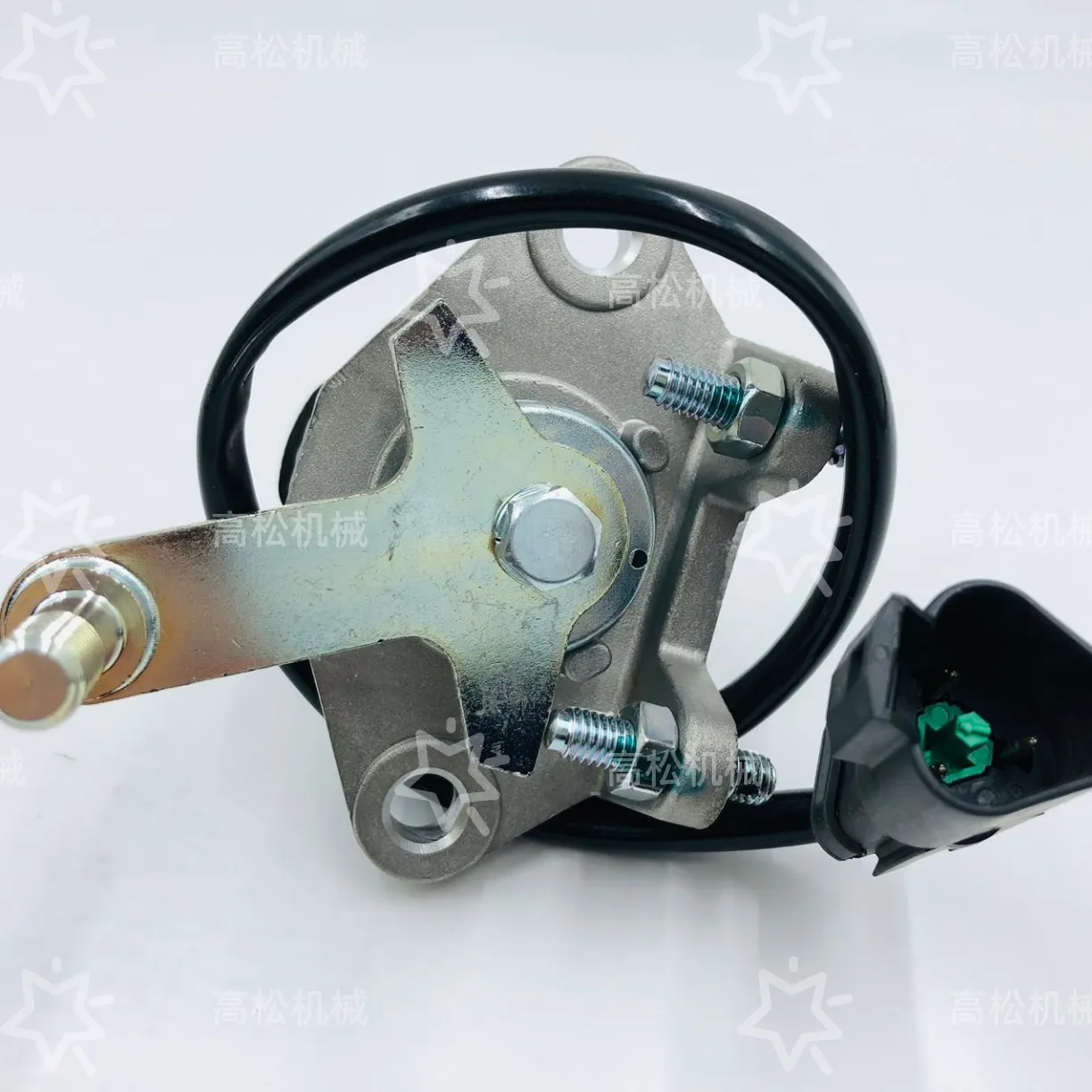
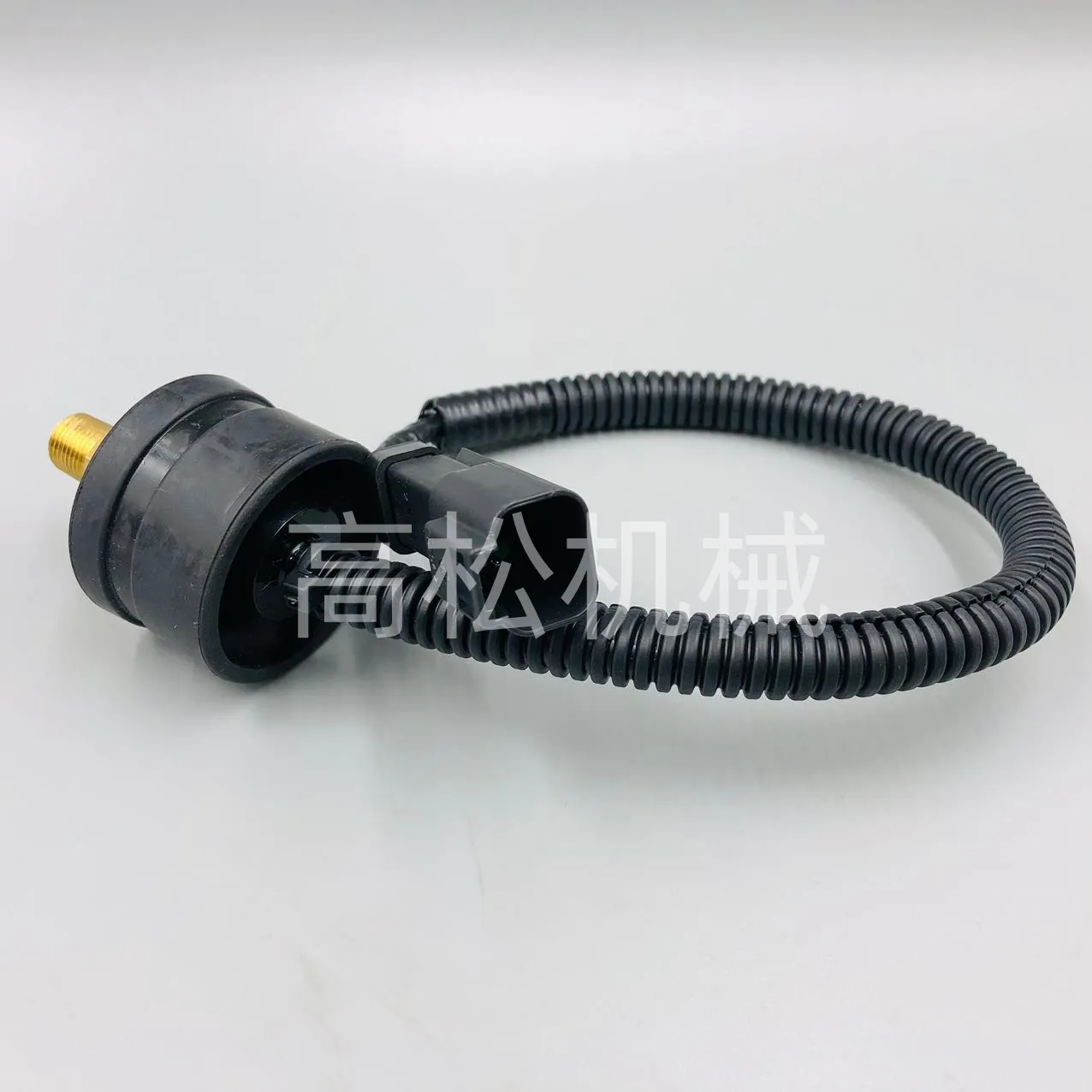
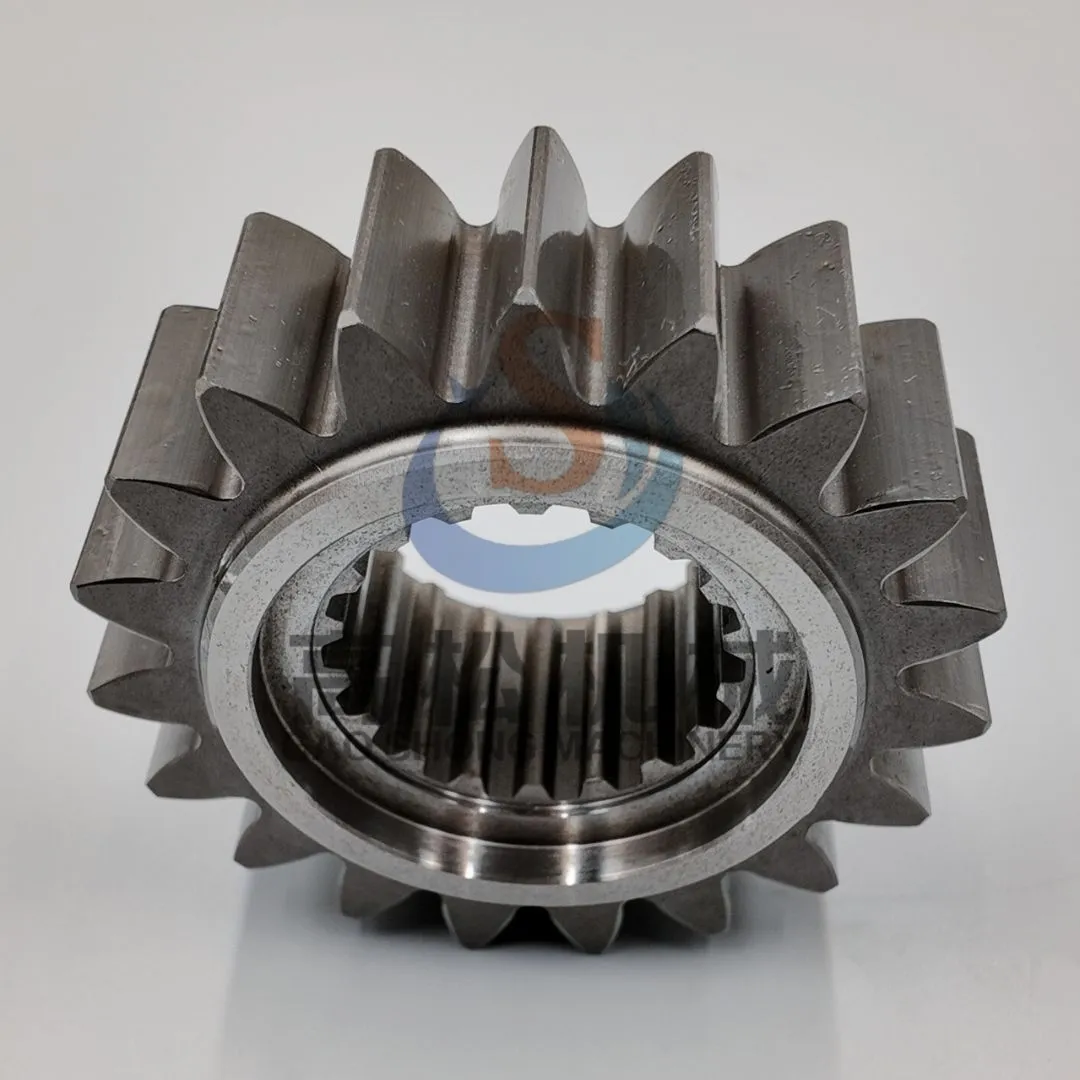
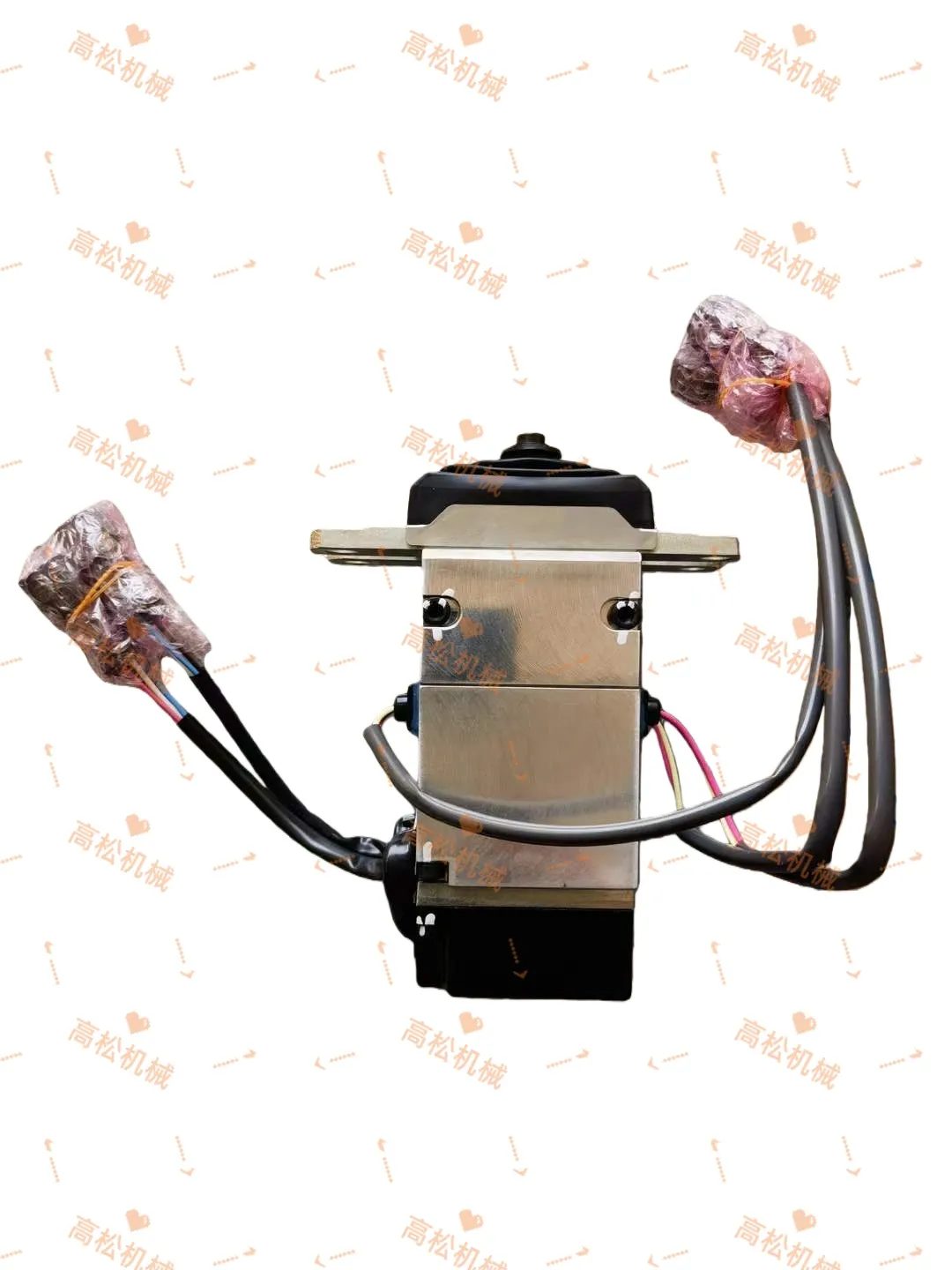

Best Selling Products
Best Selling Products-
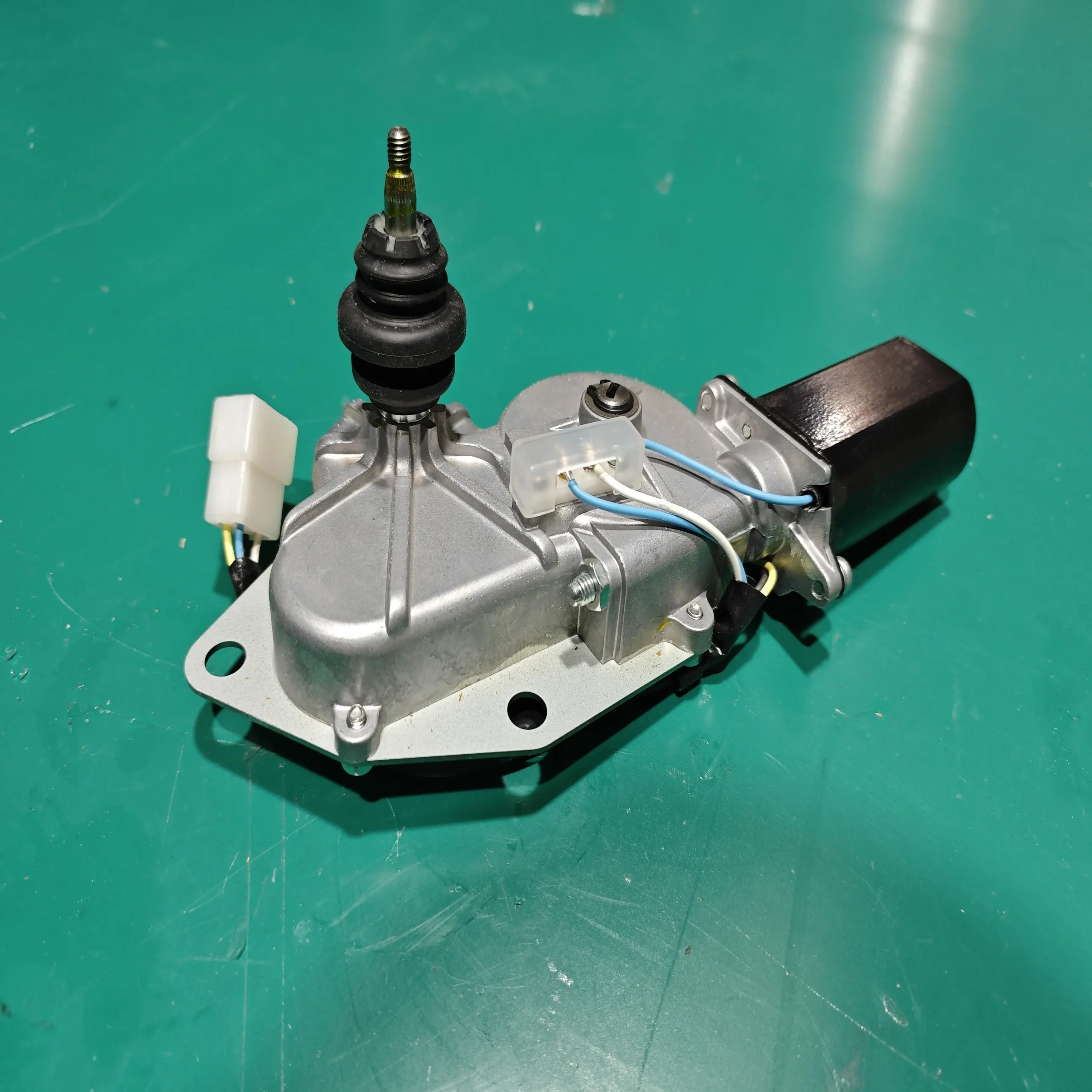
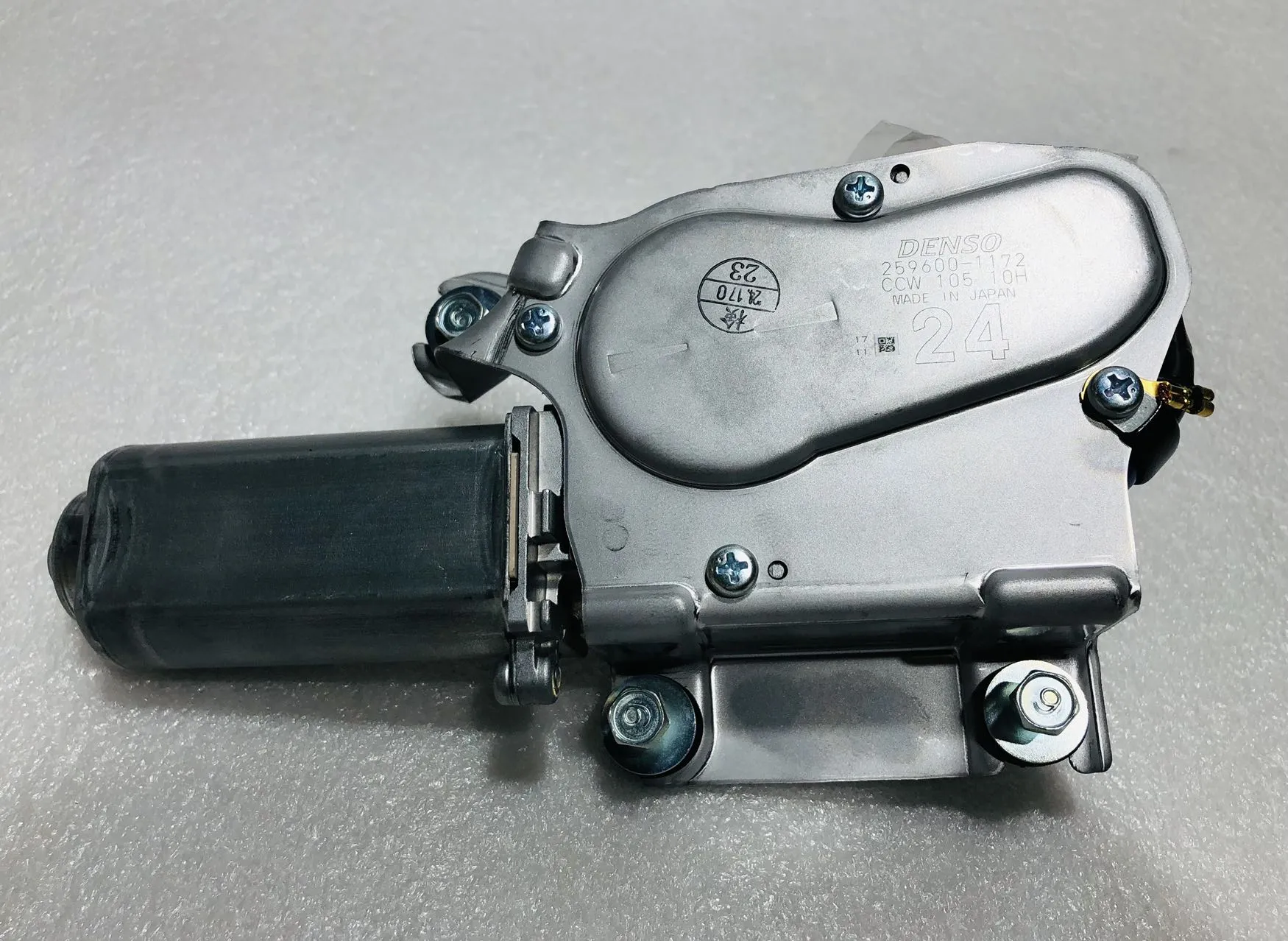 42C-56-11391 Komatsu Motor, Wiper
 -
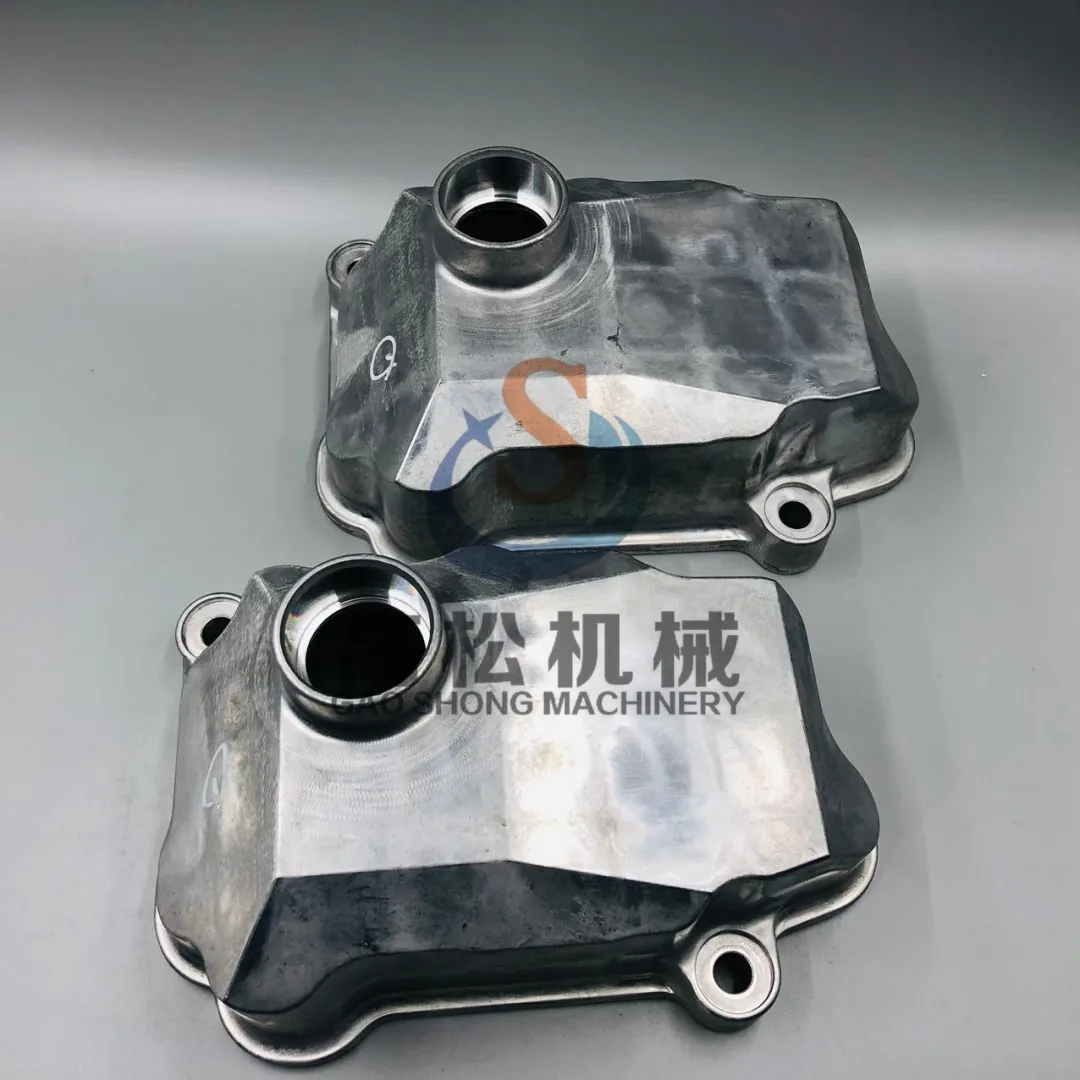 KOMATSU 6251-11-8150 COVER
 -
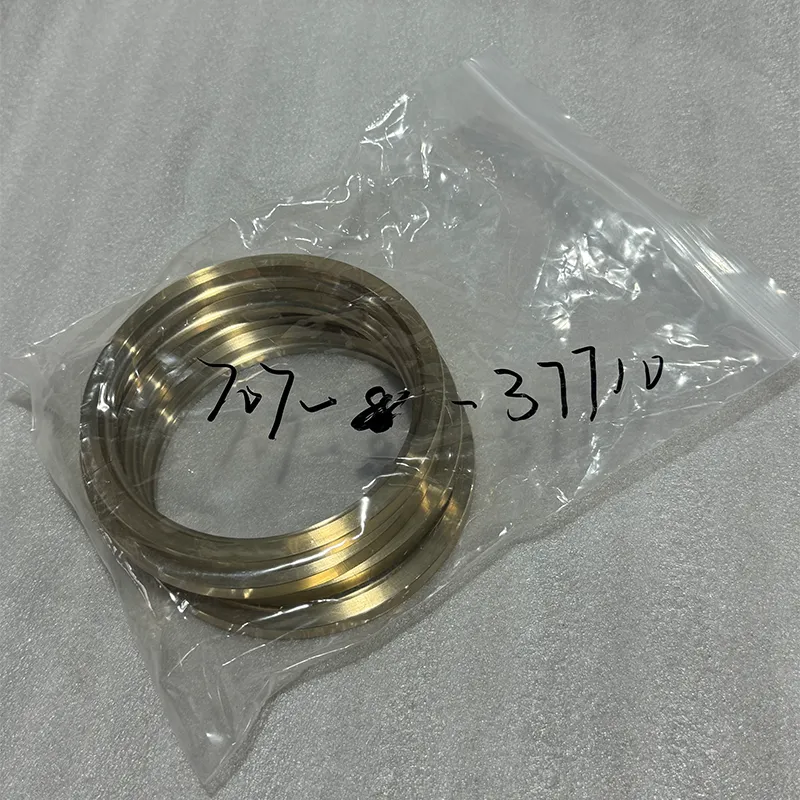 Original komatsu PC1250-8 Ring 707-88-37710
 -
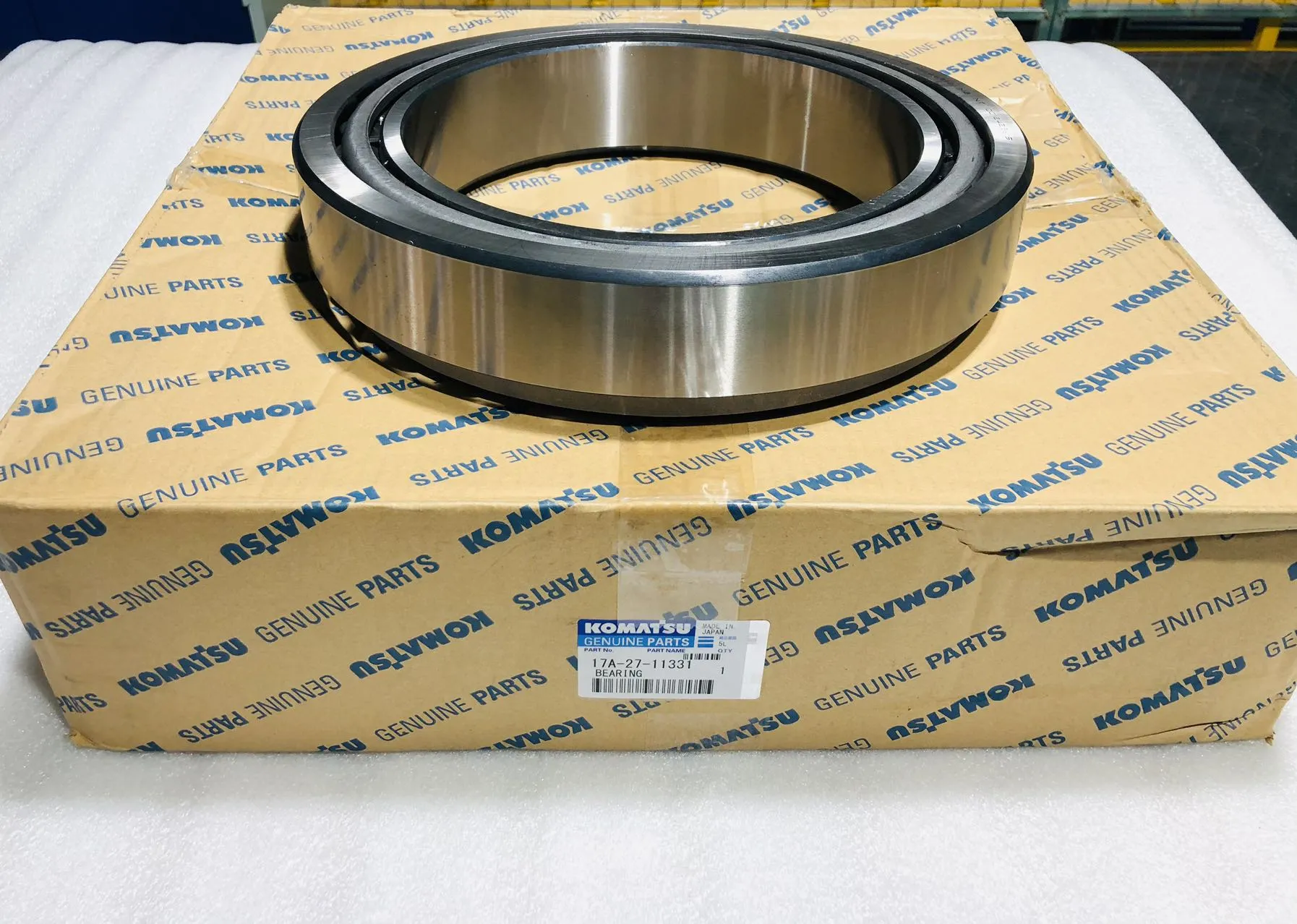 17A-27-11331 Komatsu D155
 -
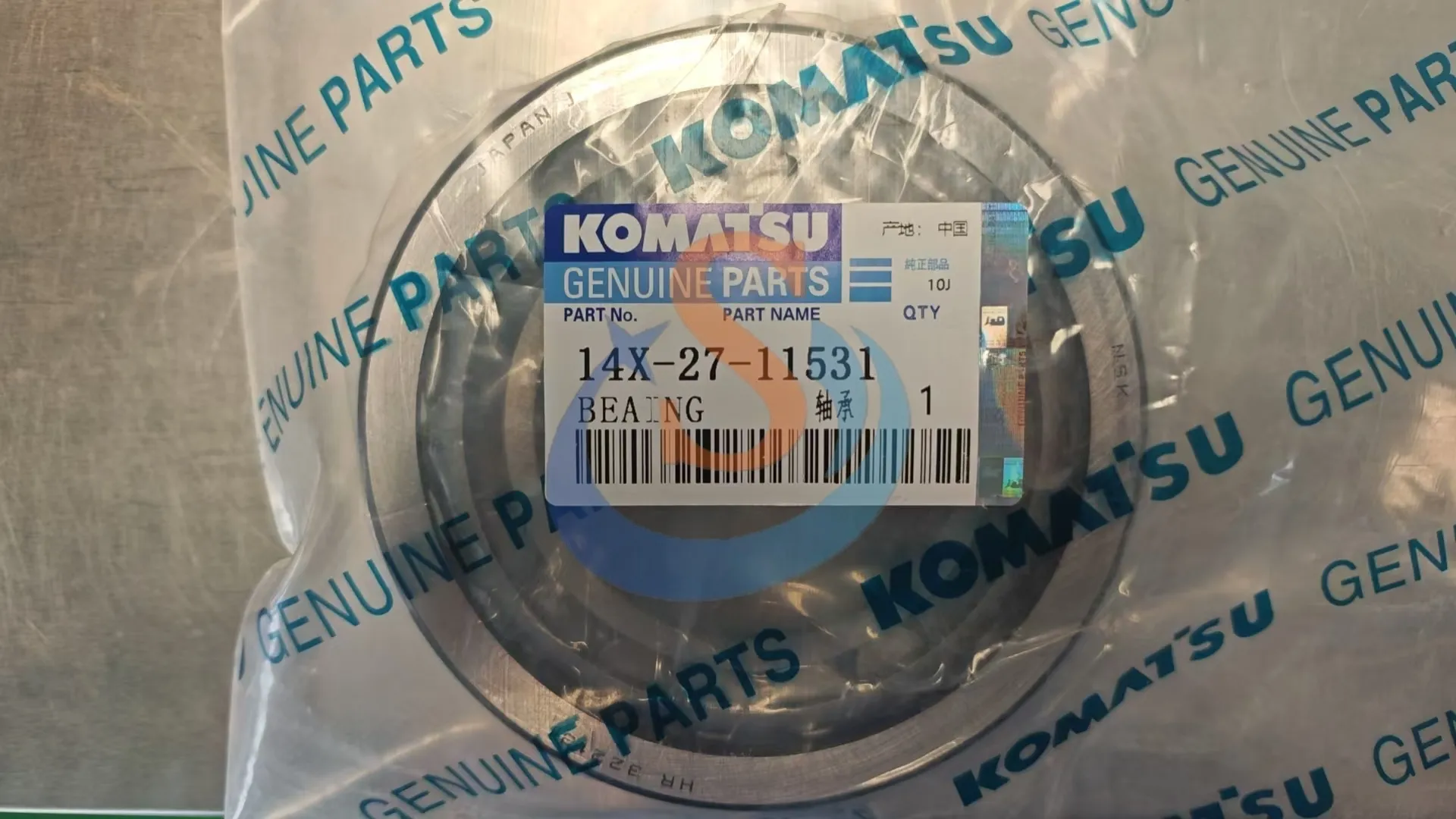 14X-27-11531,BEARING,D65P,D65EX,D65WX
 -
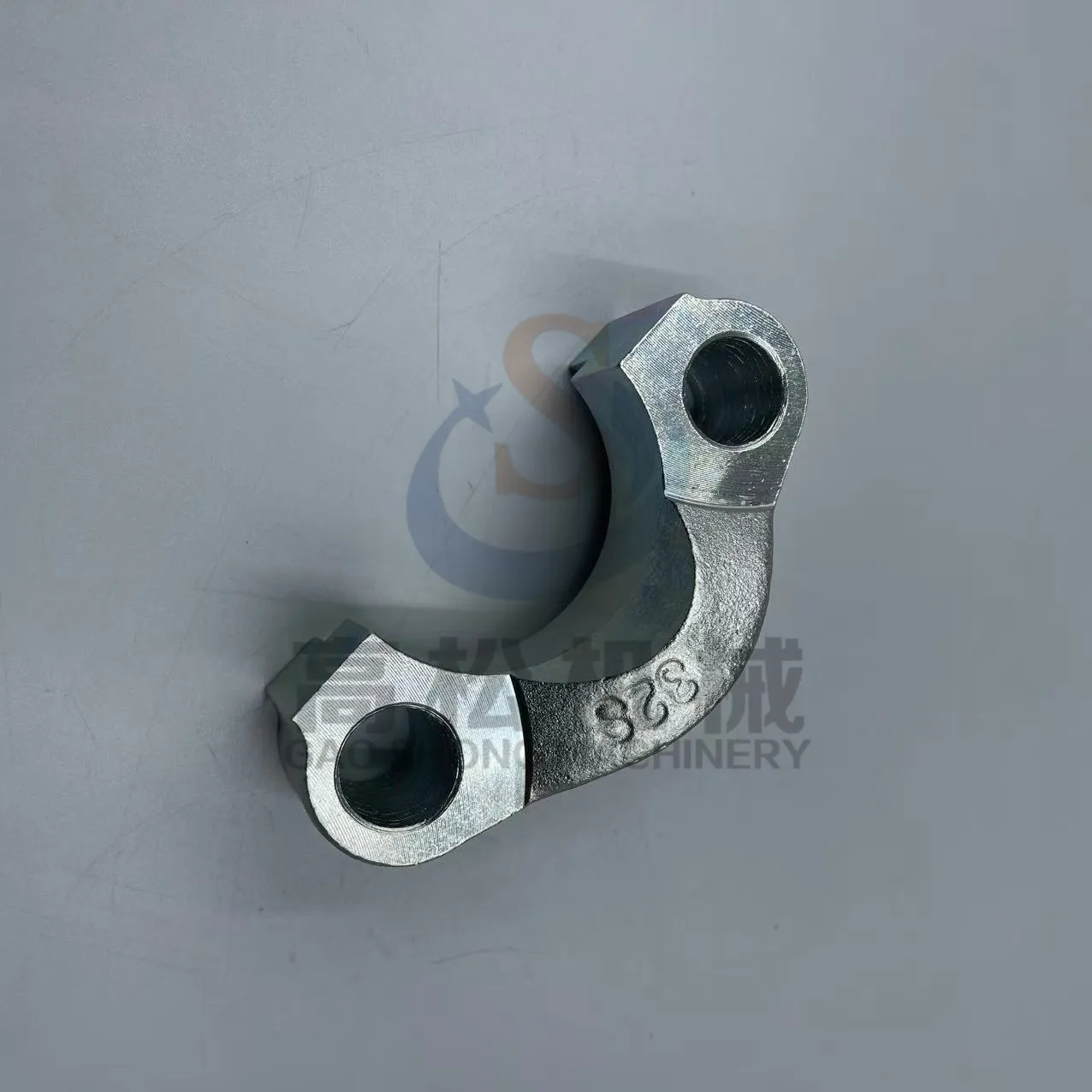 FLANGE 07371-52080 – KOMATSU
 -
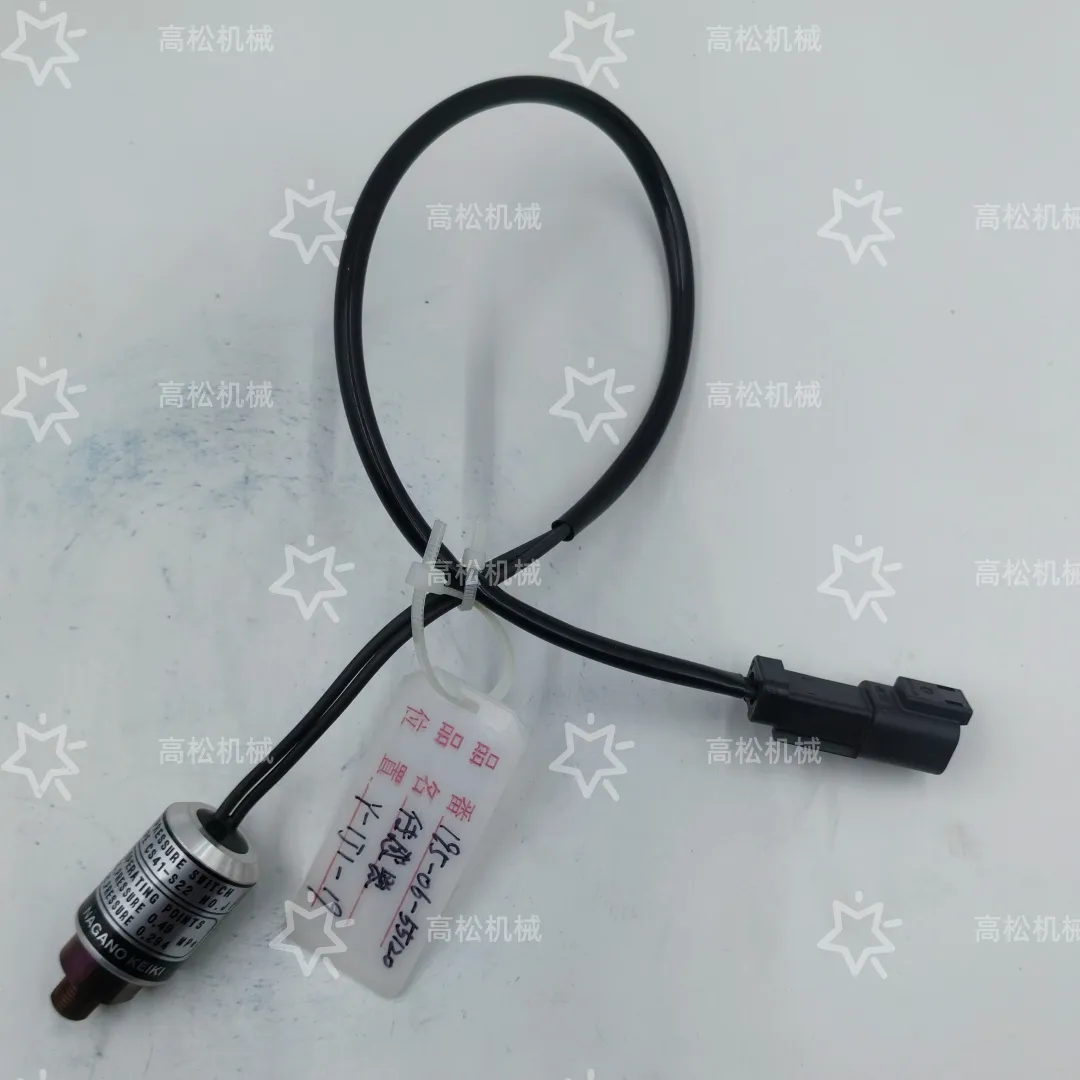 SWITCH 195-06-55120 – KOMATSU
 -
Komatsu Excavator PC1250 Flange 21N-62-11361
-
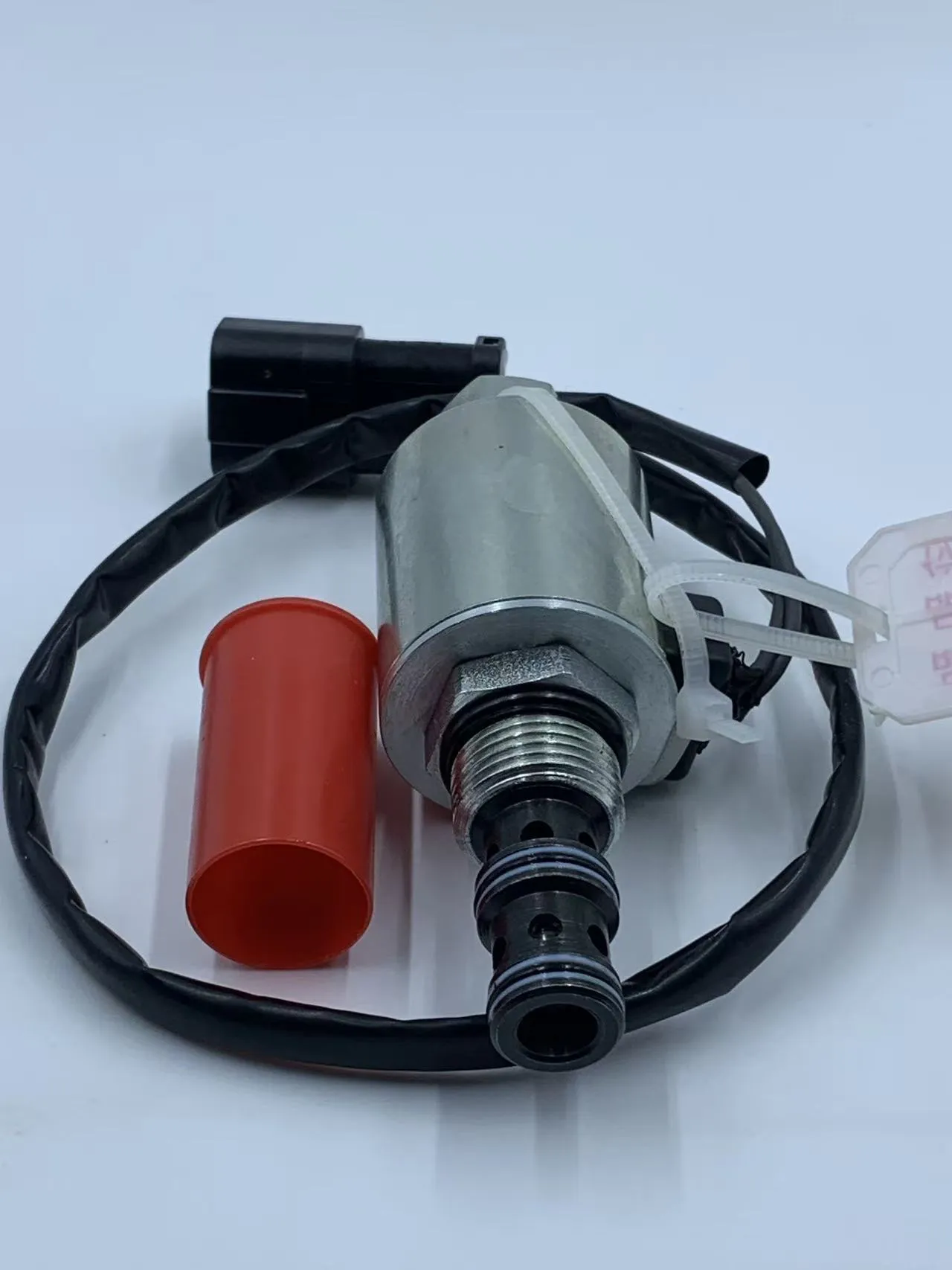 20Y6011713 excavator solenoid valve construction machinery parts suitable for Komatsu PC200-7 20Y-60-11713
 -
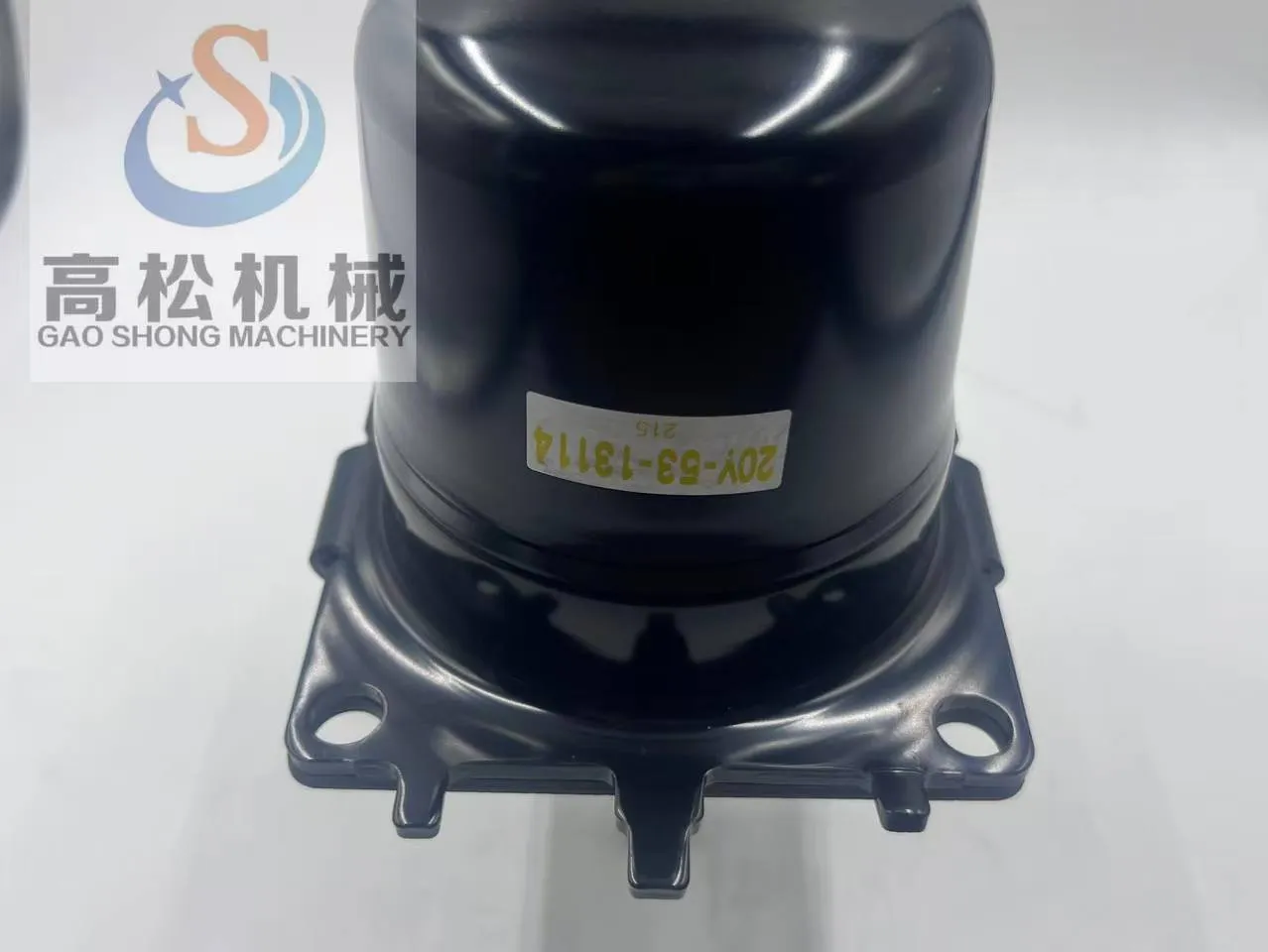 20Y-53-13114/20Y5313114 Buffer pad suitable for excavator PC200-8
 -
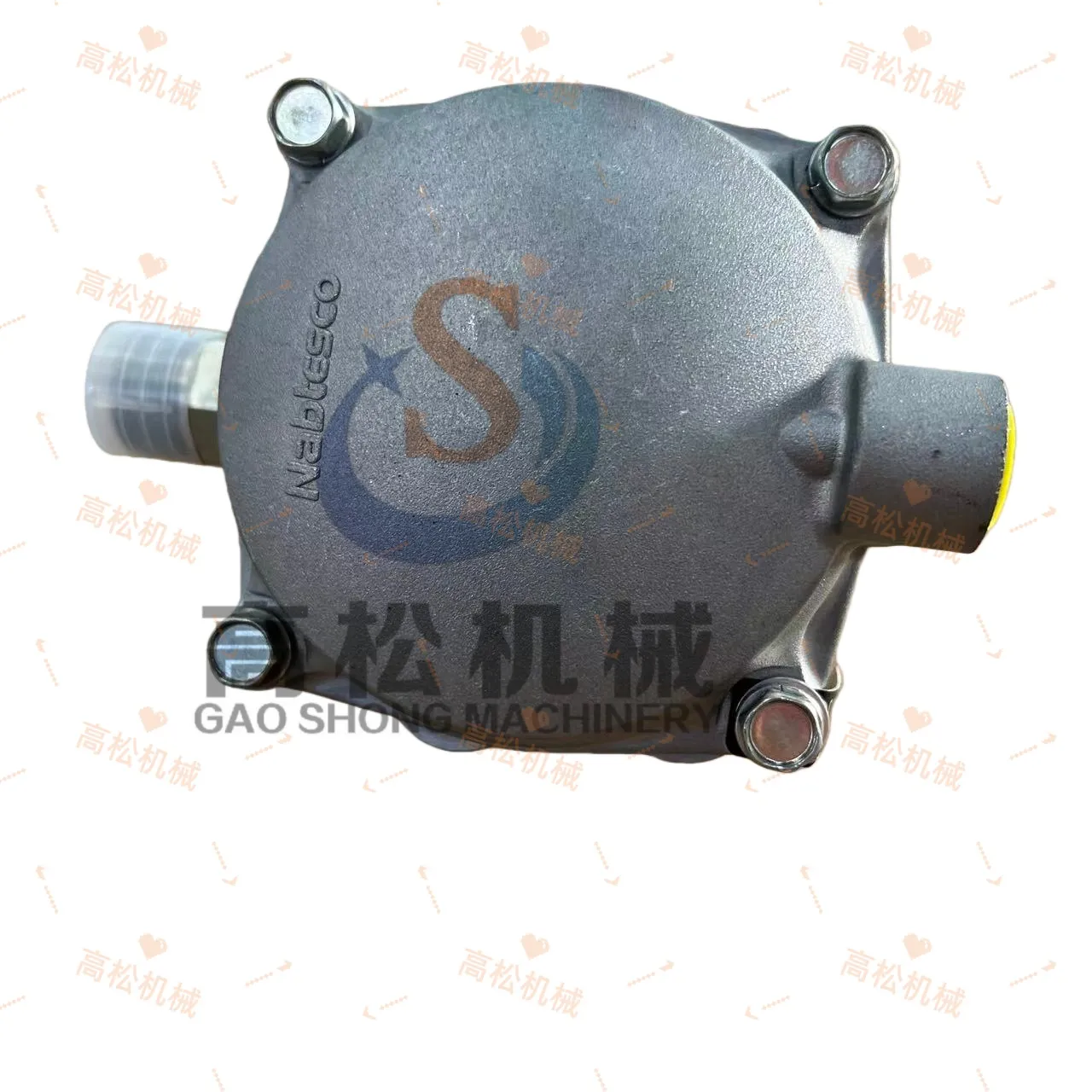 Komatsu HD785-5 Relay Valve 565-44-11200
 -
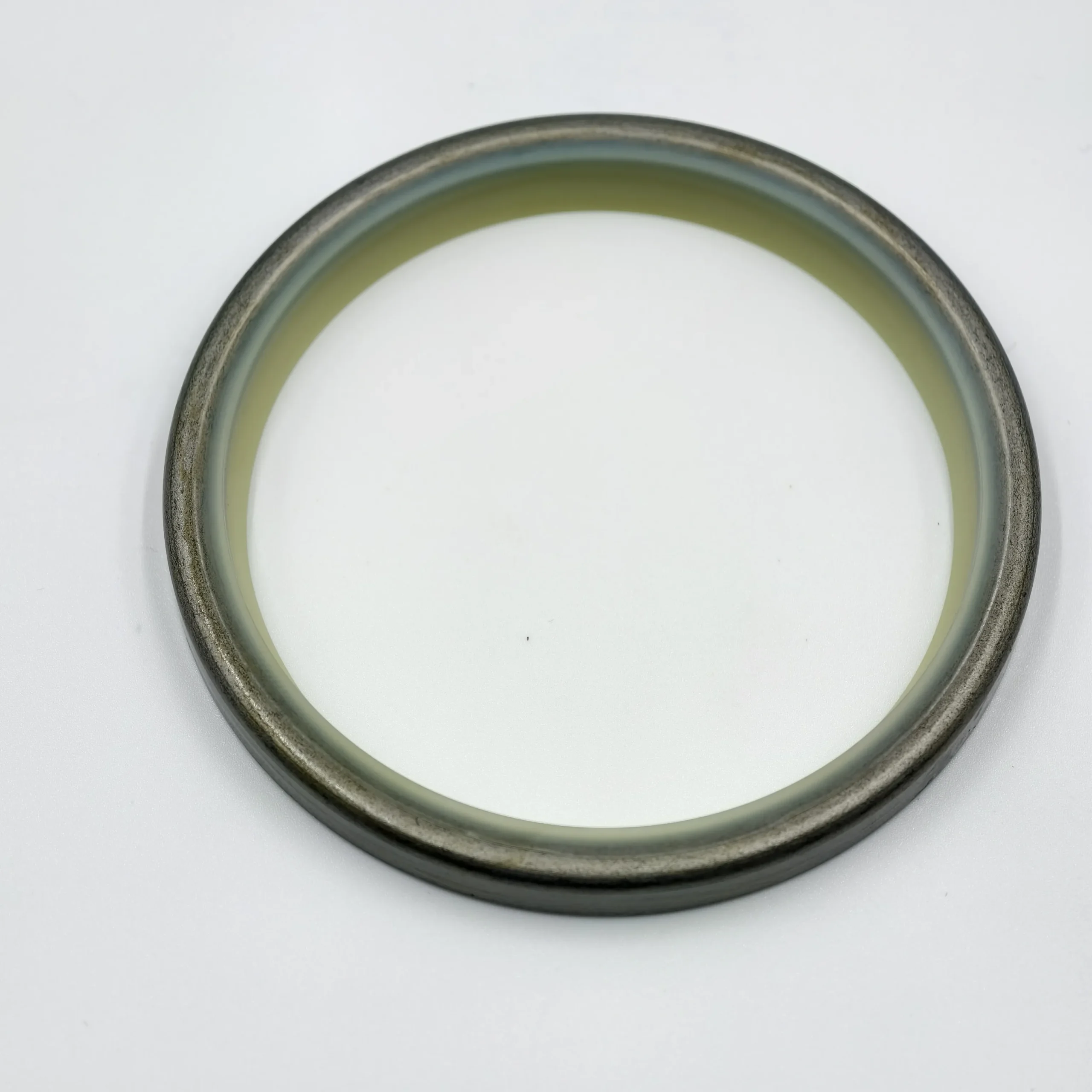 Komatsu 17M-50-24360 Seal, price for original and… — Pricing.Parts