
- Chinese
- French
- German
- Portuguese
- Spanish
- Russian
- Japanese
- Korean
- Arabic
- Irish
- Greek
- Turkish
- Italian
- Danish
- Romanian
- Indonesian
- Czech
- Afrikaans
- Swedish
- Polish
- Basque
- Catalan
- Esperanto
- Hindi
- Lao
- Albanian
- Amharic
- Armenian
- Azerbaijani
- Belarusian
- Bengali
- Bosnian
- Bulgarian
- Cebuano
- Chichewa
- Corsican
- Croatian
- Dutch
- Estonian
- Filipino
- Finnish
- Frisian
- Galician
- Georgian
- Gujarati
- Haitian
- Hausa
- Hawaiian
- Hebrew
- Hmong
- Hungarian
- Icelandic
- Igbo
- Javanese
- Kannada
- Kazakh
- Khmer
- Kurdish
- Kyrgyz
- Latin
- Latvian
- Lithuanian
- Luxembou..
- Macedonian
- Malagasy
- Malay
- Malayalam
- Maltese
- Maori
- Marathi
- Mongolian
- Burmese
- Nepali
- Norwegian
- Pashto
- Persian
- Punjabi
- Serbian
- Sesotho
- Sinhala
- Slovak
- Slovenian
- Somali
- Samoan
- Scots Gaelic
- Shona
- Sindhi
- Sundanese
- Swahili
- Tajik
- Tamil
- Telugu
- Thai
- Ukrainian
- Urdu
- Uzbek
- Vietnamese
- Welsh
- Xhosa
- Yiddish
- Yoruba
- Zulu
- Kinyarwanda
- Tatar
- Oriya
- Turkmen
- Uyghur






komatsu d31 dozer parts
When you're searching for 'Komatsu D31 dozer parts', you're not just looking for a part number. You're often in the middle of a job that's stalled, and the clock is ticking. A common pitfall is thinking all parts labeled for a D31 are created equal, or that the OEM supply chain is always the fastest route. In reality, the age of these machines and regional market complexities create a fragmented landscape. I've seen too many guys order a 'final drive' only to find the serial number break wasn't accounted for, leading to costly downtime. It's less about the keyword and more about understanding the ecosystem behind it.
The Core Challenge: Beyond the Part Number
The D31, especially the older -16, -17, -20, and -21 models, is a workhorse. But its longevity is a double-edged sword for parts. Komatsu's official system might phase out certain components, or lead times from the primary distributor can stretch into weeks. This is where the reality of the aftermarket and specialized suppliers kicks in. It's not about compromising quality for availability; it's about finding sources that have deep system knowledge. For instance, a blade lift cylinder rebuild kit isn't just a set of seals. The bore condition and rod specifications matter, and a supplier who just slaps a generic kit in a box will cost you more in the long run with machine re-teardowns.
I recall a project in Southeast Asia where two D31P-20s were down for the same issue: worn sprocket hub seals. The local dealer had a 45-day wait. We couldn't afford that. We turned to a supplier who operated as a third-party within the Komatsu ecosystem, Jining Gaosong Construction Machinery Co., Ltd.. Their approach was different. They first asked for the complete machine serial numbers and the OEM part numbers we had pulled from the service manuals. They didn't just say we have it. They confirmed the specific sub-component revisions. This level of granularity is what separates a parts vendor from a solutions provider.
Their website, https://www.takematsumachinery.com, clearly states their position: an OEM product supplier within Komatsu and a third-party sales company. This isn't marketing fluff. In practice, this means they can often access genuine Komatsu system inventory that isn't readily available through standard channels in certain countries, while also providing quality-comparable alternatives when genuine is truly obsolete or logistically impossible. They helped solve that sprocket seal challenge by cross-referencing our needs with their inventory and a compatible, high-spec aftermarket option they vouched for, getting us running in 7 days.
Critical Wear Items on the D31: A Practical Focus
Let's get specific. On the D31, the undercarriage is the usual money pit, but it's predictable. Track chains, rollers, idlers. You plan for those. It's the less obvious, system-critical parts that cause the most headaches. The steering clutches and brake bands in the transmission case are one. Rebuilding these requires not just the friction discs and steel plates, but the right springs, the seals for the actuating piston, and the correct gasket kit for the case itself. A mismatch in spring tension can lead to dragging or incomplete engagement.
Another critical area is the hydraulic pump and valve assembly for the blade and ripper. Loss of power or drift isn't always a pump failure. Often, it's wear in the valve spools or contamination that scores the surfaces. Sourcing a complete pump is exorbitant. A better strategy is finding a supplier who can provide the specific repair components—like the valve kit or the pump rotating group—and who understands the performance specs. I've had mixed results with aftermarket pump cartridges; some last, some don't. The reliable suppliers test their components against flow and pressure benchmarks.
Then there's the final drive assembly. This is where serial number breaks are absolutely crucial. The gear ratio and spline count can differ. I learned this the hard way early on by assuming a final drive from a later D31A would fit an older D31P. It bolted up, but the gear mesh was off, leading to a catastrophic failure within 50 hours. Now, I triple-check the part number lineage and consult with technical teams. A company like the mentioned Jining Gaosong, by being embedded in the Komatsu system, has the technical diagrams and interchange databases to prevent these costly errors.
The Genuine vs. Quality Debate in Context
This debate is often oversimplified. Always buy genuine is great in theory, but what do you do when genuine is NLA (No Longer Available) or the machine's residual value doesn't justify a genuine price tag? The practical answer lies in tiers of quality. For safety-critical or highly stressed components—like brake system parts or main structural pins—pushing for genuine or OEM-certified is non-negotiable.
For other components, a high-quality aftermarket part from a reputable manufacturer is perfectly viable. Think of things like hydraulic hoses, filters, seat cushions, or even certain seals. The key is the supplier's curation. Do they just sell parts, or do they vet their manufacturers? The good ones have long-standing relationships with foundries and machining shops that meet or exceed original specifications. They can tell you the material grade of a track link or the hardness rating of a bucket tooth. This is the value a specialized third-party brings; they navigate this spectrum daily.
In one case, we needed a swing circle bearing for a D31EX-21 super long reach configuration. Genuine was a 6-month lead time and cost more than the machine was worth. A generic aftermarket search yielded questionable results. We needed a supplier who understood this was a high-moment application. The solution came from a channel that could provide a bearing manufactured to Komatsu's original blueprint, but not through Komatsu's main logistics chain. It fit perfectly and has lasted over 4000 hours. This is the niche that companies focusing on solving parts supply challenges in certain countries occupy.
Logistics and the Real Cost of Downtime
Searching for a part online is just step one. The real test is getting it to your job site, wherever that may be. Customs, duties, and shipping delays can kill you. A supplier's location and logistics network are part of the product. A part sitting in a warehouse in Japan does you no good if you're in Peru. This is where a global supplier with regional hubs or efficient export channels proves its worth.
I've had shipments held up for incorrect harmonized tariff codes. The best suppliers handle this on their end; they provide all the correct commercial paperwork, know the import regulations for key markets, and use reliable freight forwarders. They treat the logistics as part of the service, not an afterthought. When a track roller frame weighing half a ton needs to get to a remote mine site, how it's crated and routed is as important as its metallurgy.
The calculus is always downtime cost versus part cost. If a machine costs $250/hour to operate and sit, a $2000 part that arrives in 3 days is far cheaper than a $1000 part that arrives in 3 weeks. Professional suppliers understand this equation. They are upfront about stock status and shipping estimates. They won't promise in stock if it's a drop-ship from another continent with unknown lead time. This transparency is a hallmark of a partner, not just a seller.
Sourcing Strategy: Building a Reliable Network
You don't find reliable parts for a D31 with one Google search. You build a shortlist of trusted sources. This includes the official dealer (for reference and some parts), specialized salvage yards for hard-to-find assemblies, and a couple of dedicated aftermarket/OEM-system suppliers. Your network is your insurance policy.
A supplier like Jining Gaosong Construction Machinery Co., Ltd. fits into this network as a technical source. Their stated role as an OEM supplier within Komatsu and a third-party solver means they can often provide options. Need a genuine Komatsu engine cylinder head for a 4D95? They might have it in their system. Need a cost-effective, reliable alternative for a cabin air filter bracket? They can likely provide that too. Their value is in flexibility and system knowledge.
Finally, document everything. When you find a good source for a specific component—like the precise PTO shaft for a D31 with a forestry package—note the contact, the part number they used, and the outcome. This log becomes invaluable. The world of Komatsu D31 dozer parts isn't getting any simpler as these machines age. Your success depends less on finding a single source and more on cultivating a smart, responsive supply chain that understands the machine, the business, and the pressure you're under. That's the real takeaway.
Related Products
Related Products
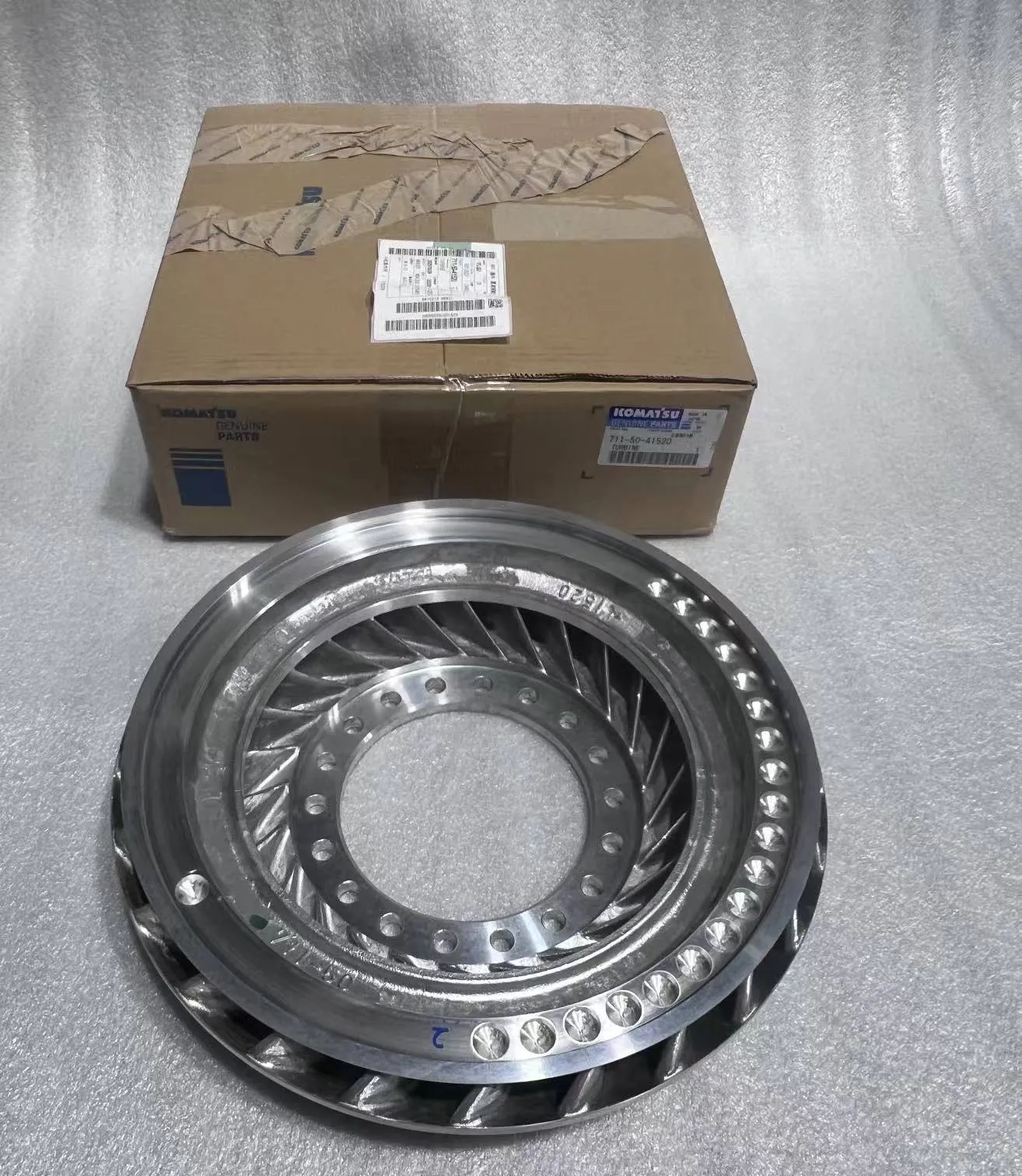
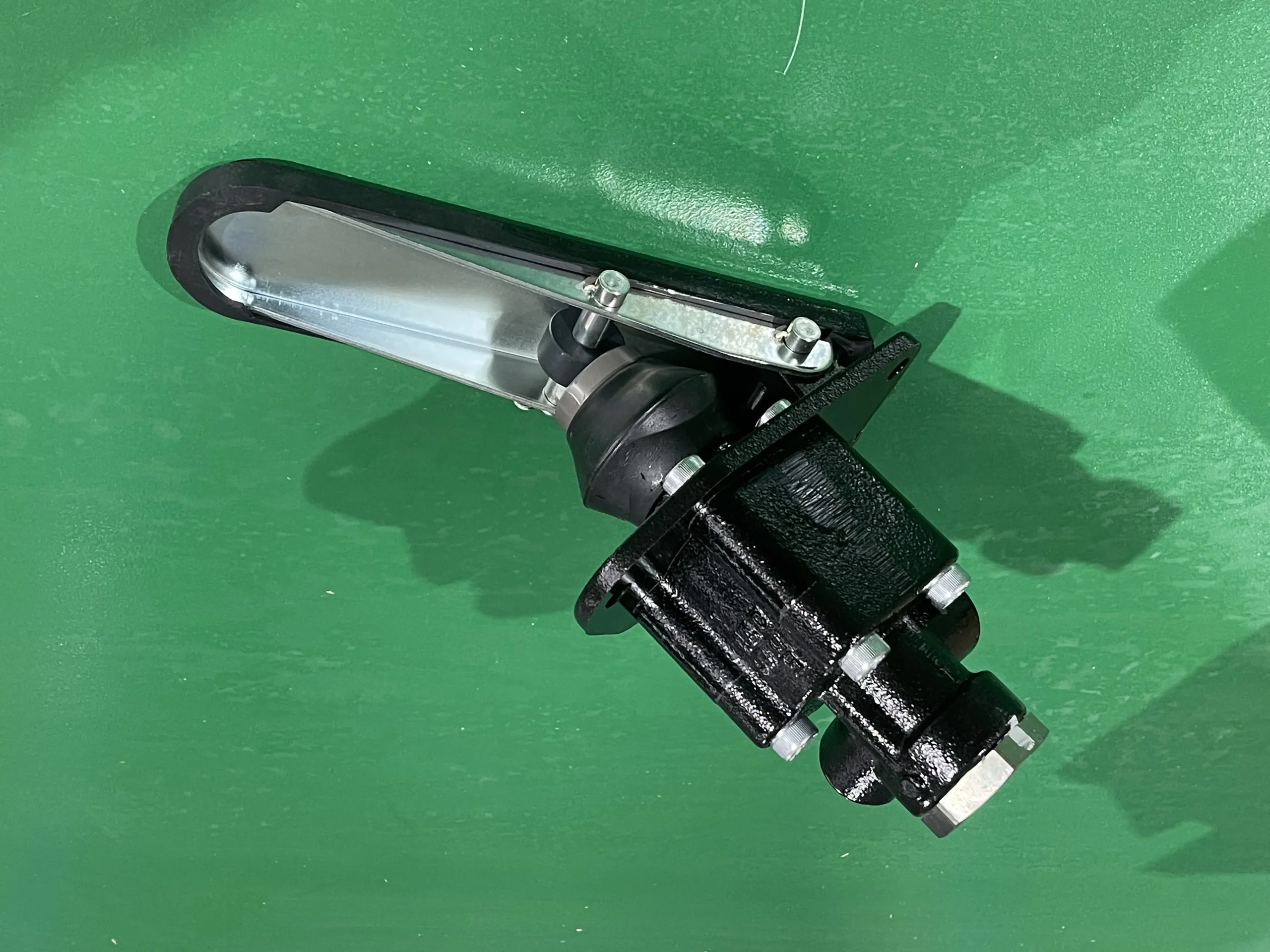
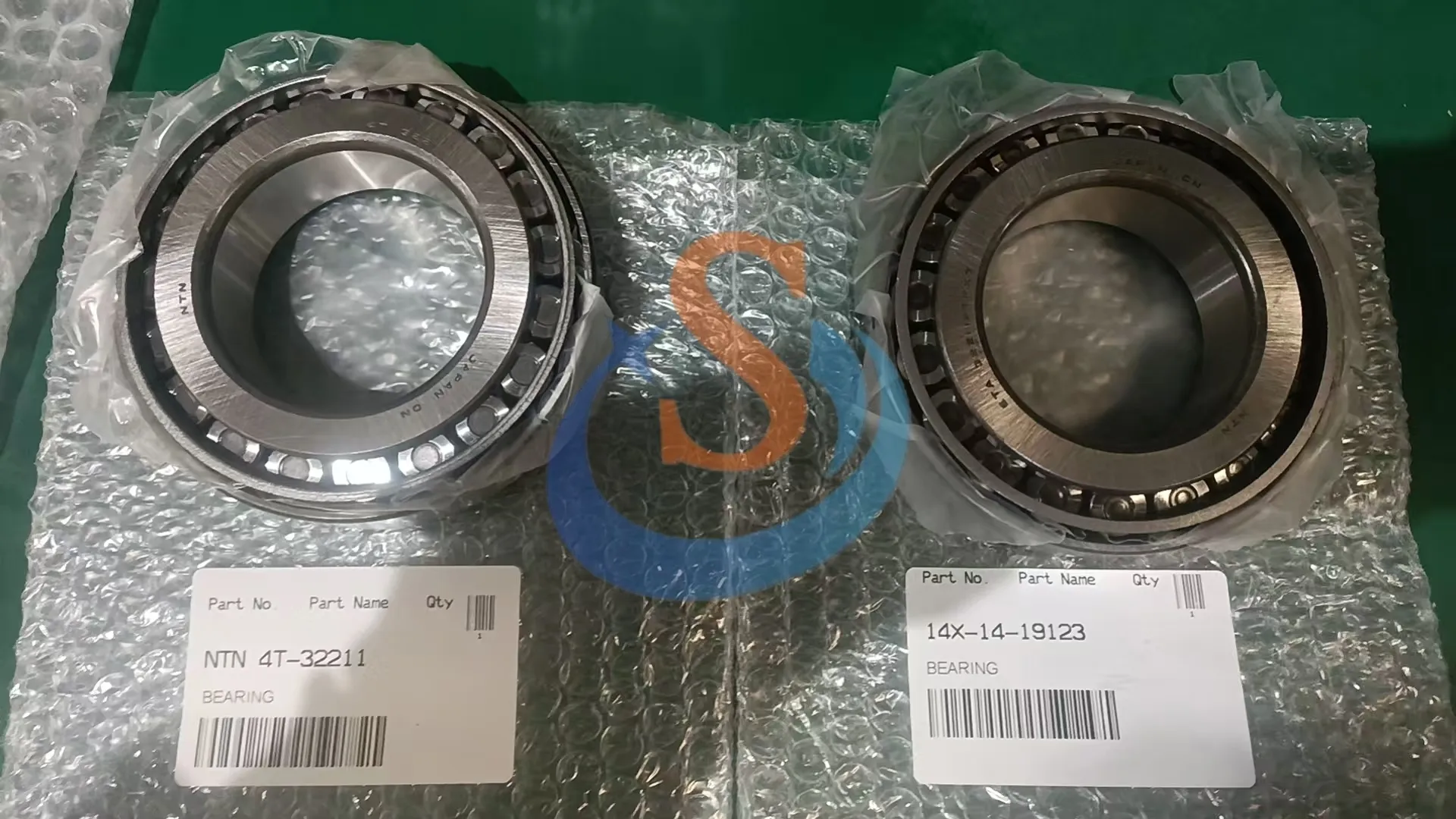
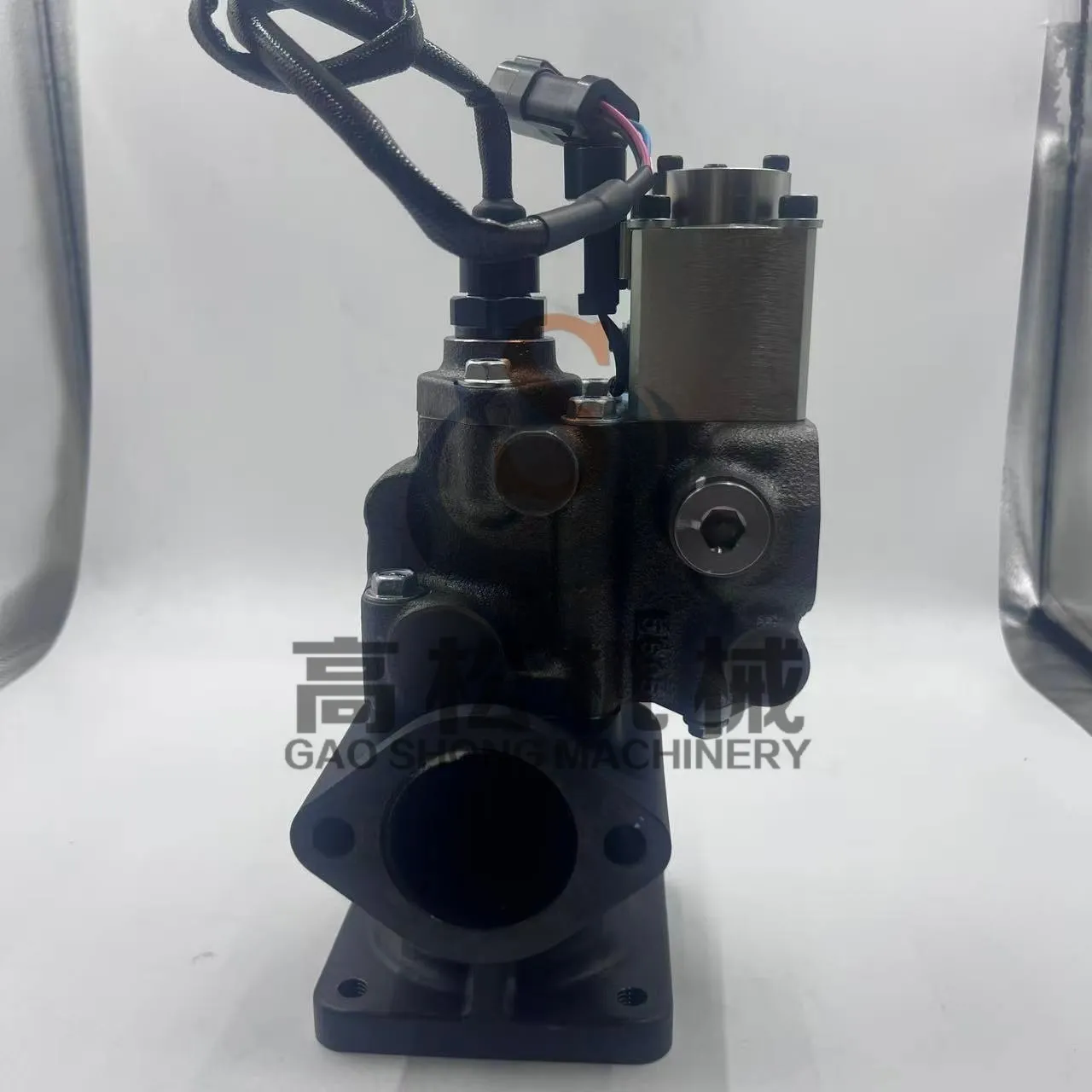

Best Selling Products
Best Selling Products-
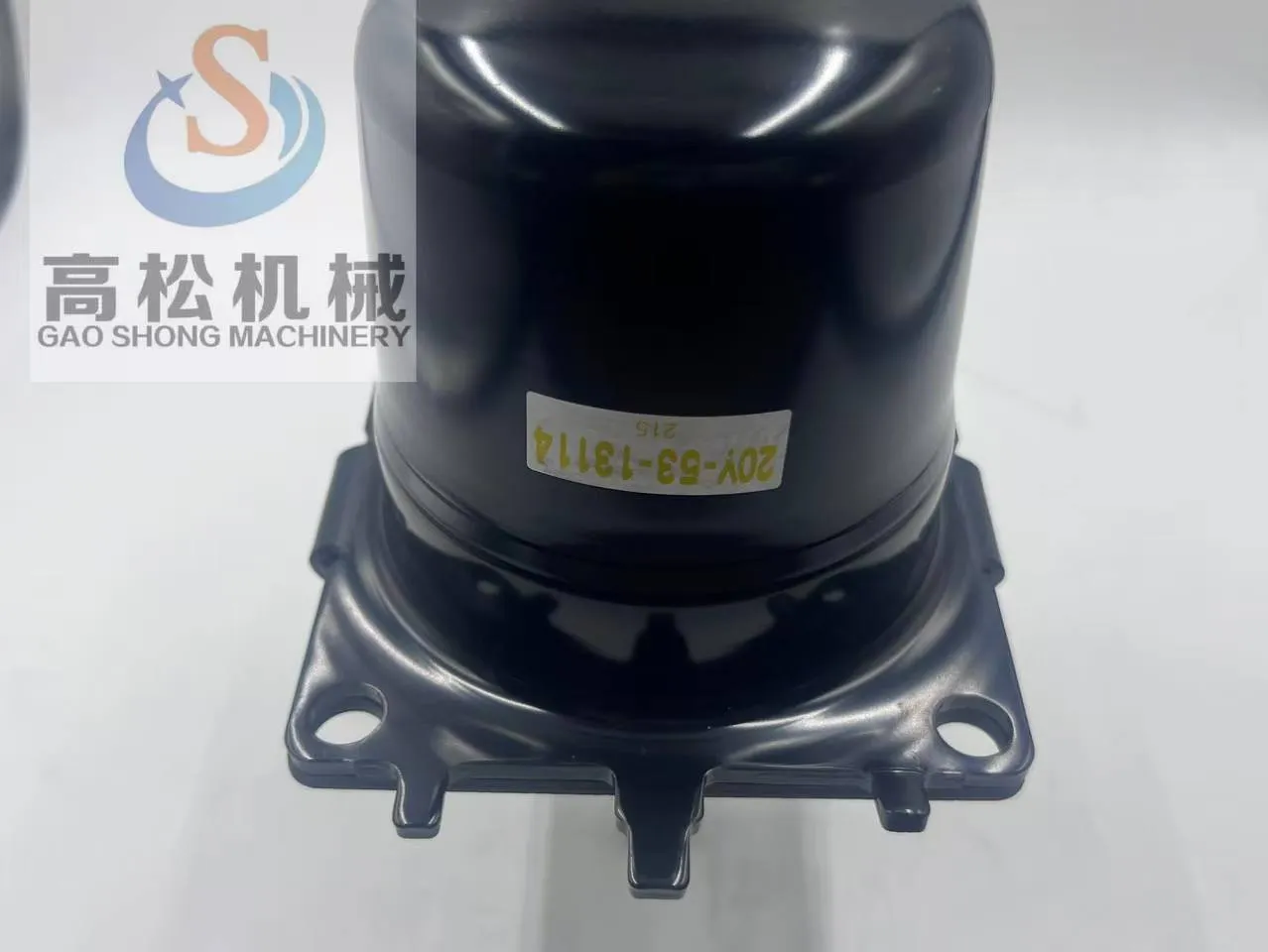 20Y-53-13114/20Y5313114 Buffer pad suitable for excavator PC200-8
 -
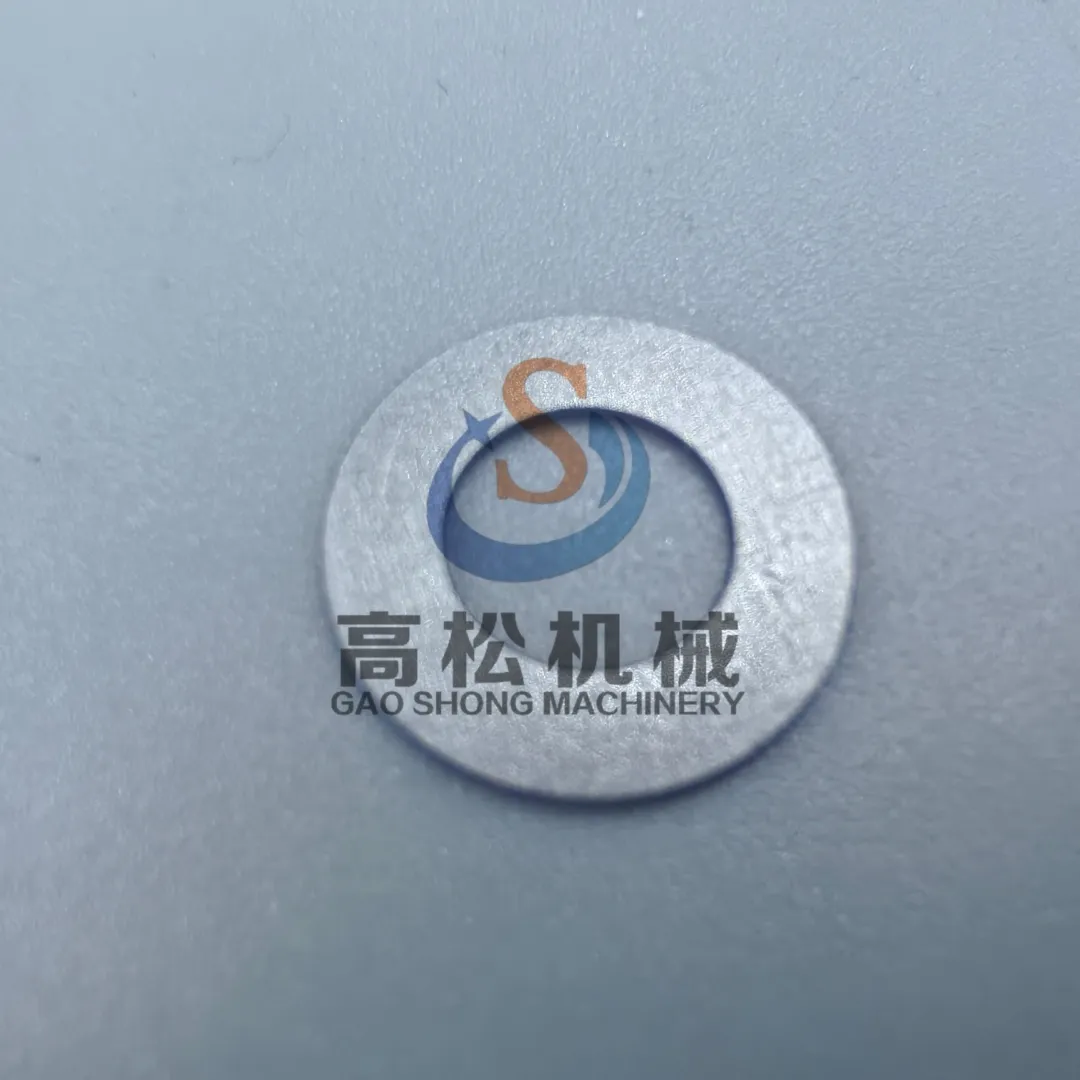 424-15-16410 Komatsu SHIM, 0.5mm
 -
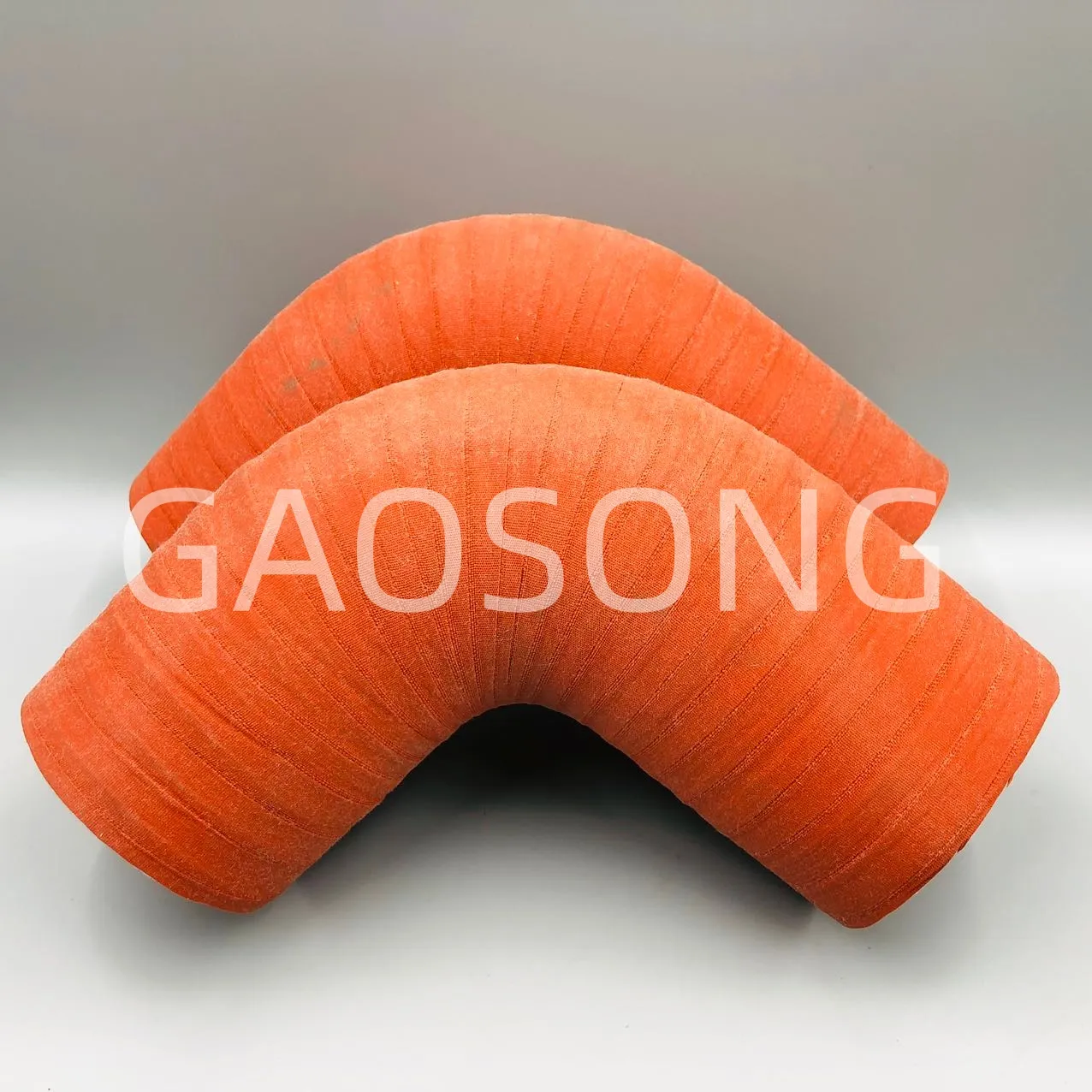 6743-11-4931 Komatsu HOSE
 -
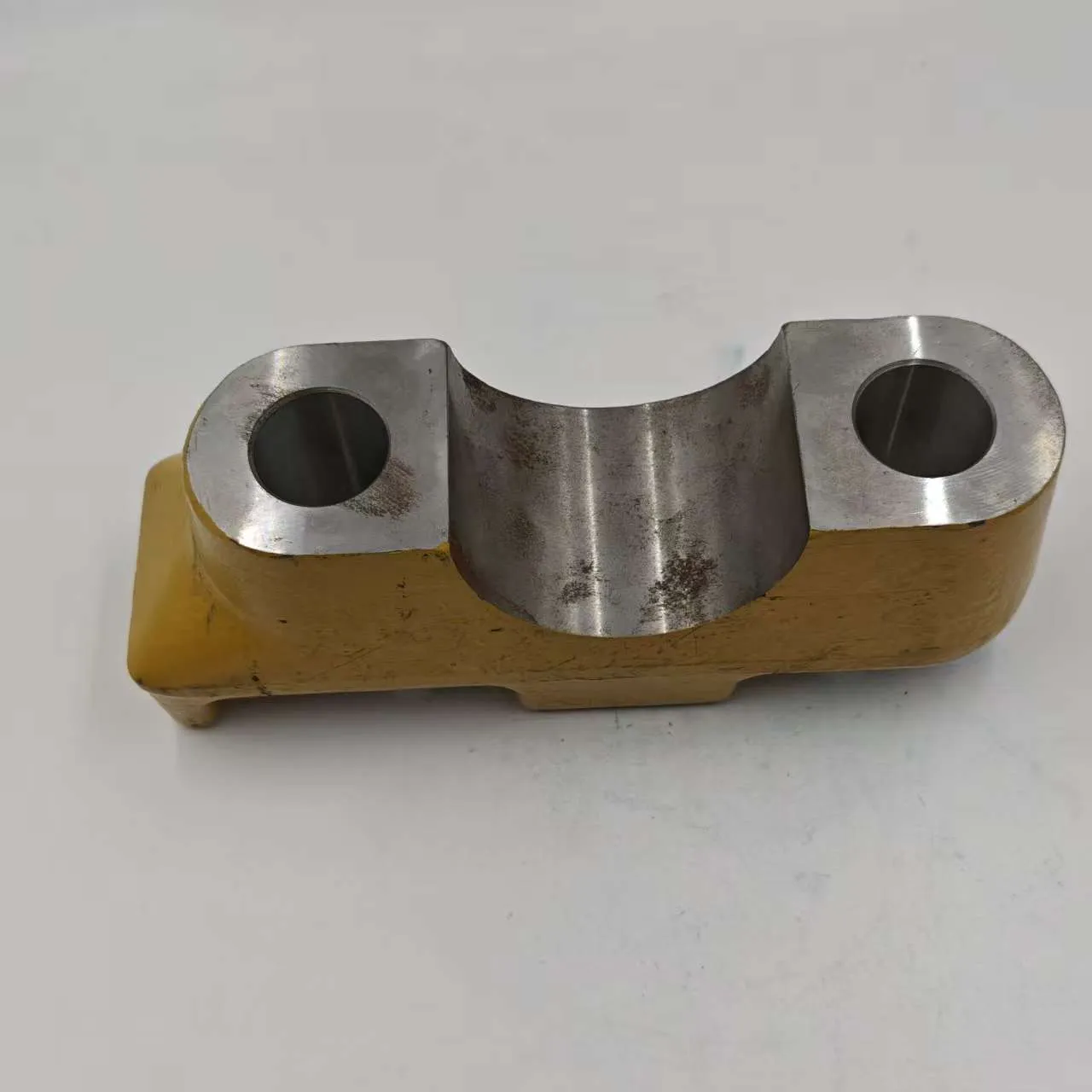 Cap 195-30-62141 for Komats Dozer D375A
 -
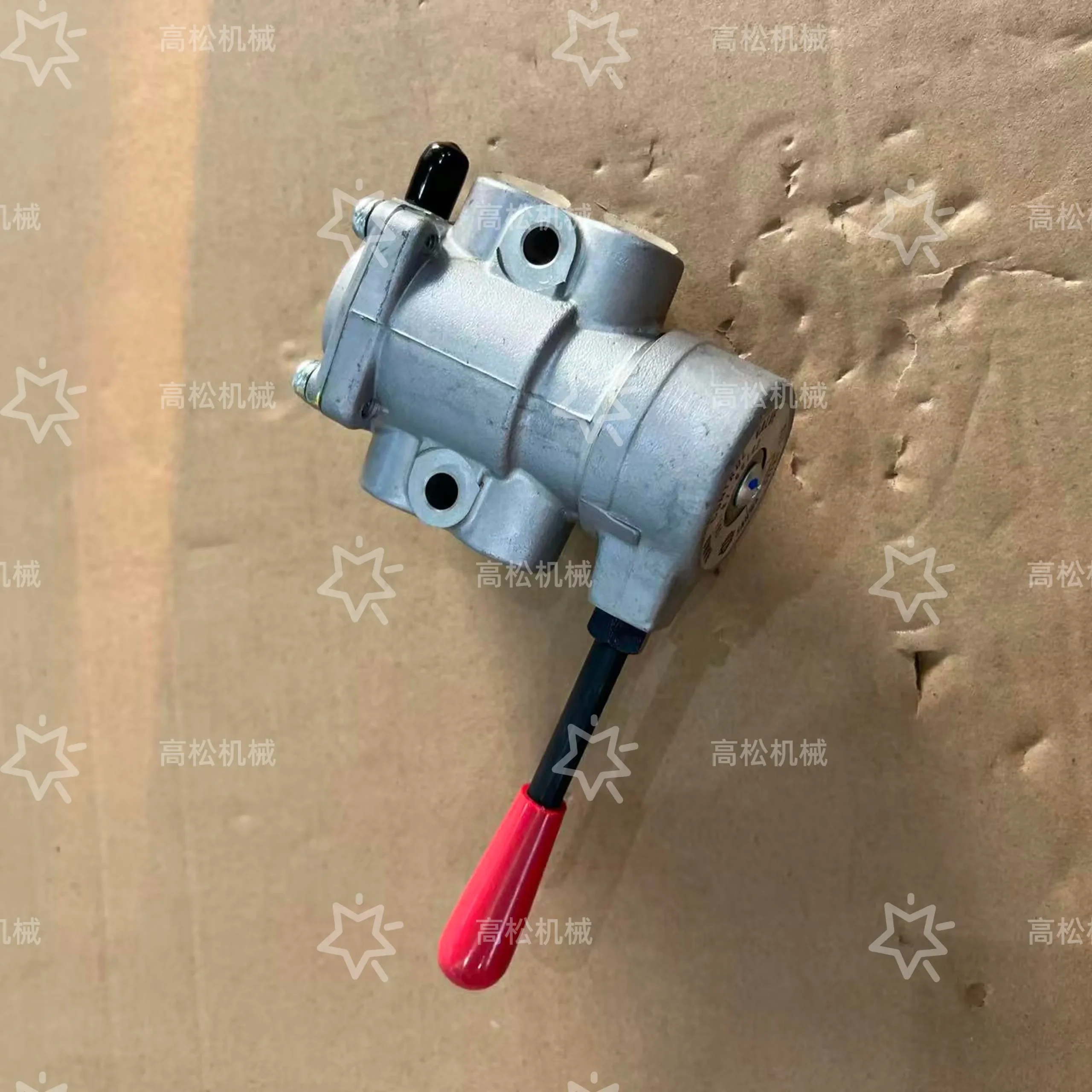 Dump Truck HD605-5 Valve Ass’y, Emergency Brake 561-87-66102 5618766102
 -
 Komatsu GD405A-3 6D125E engine original factory engineering parts Indicator 08672-01000
 -
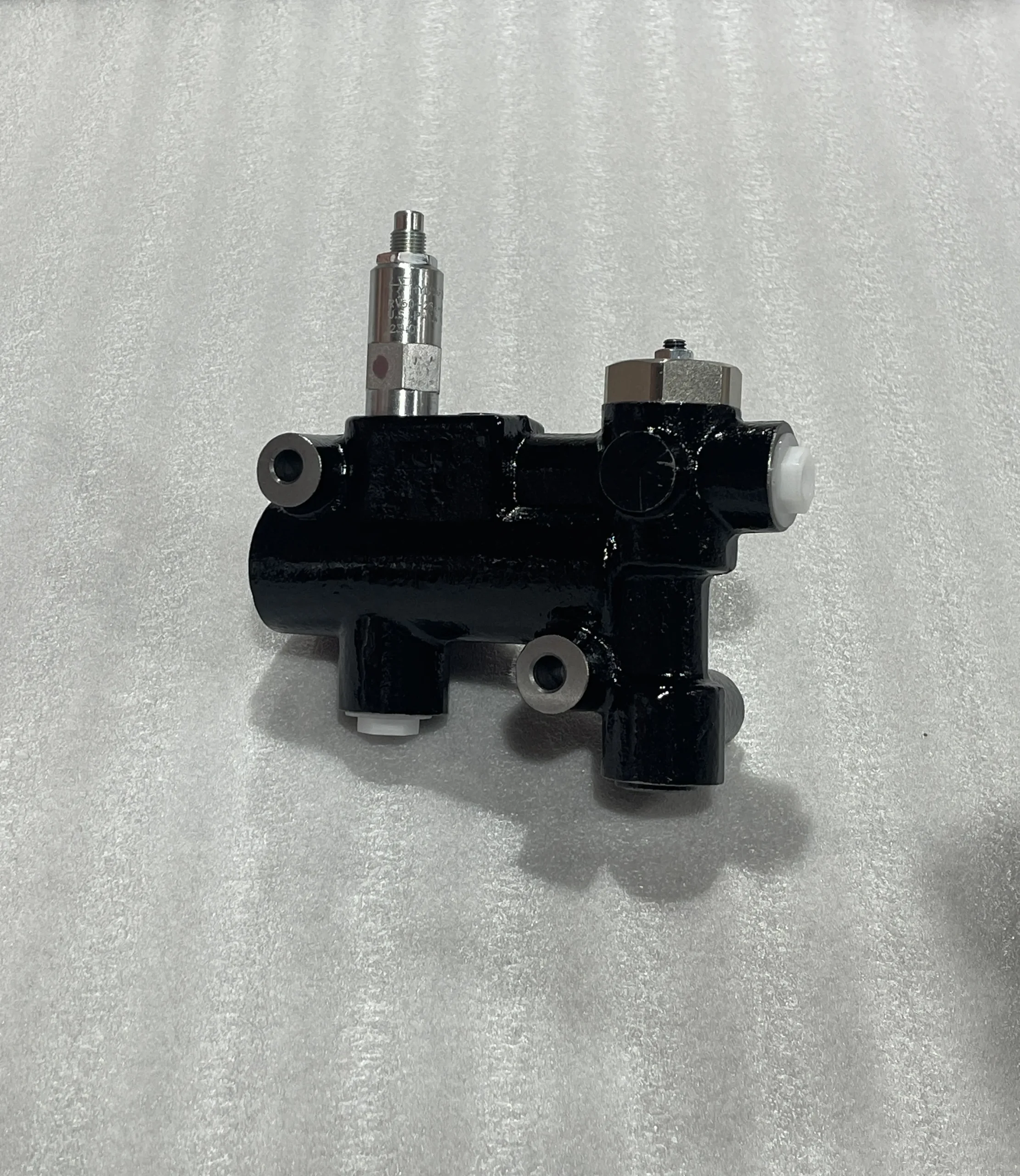 accumulator inflation valve
 -
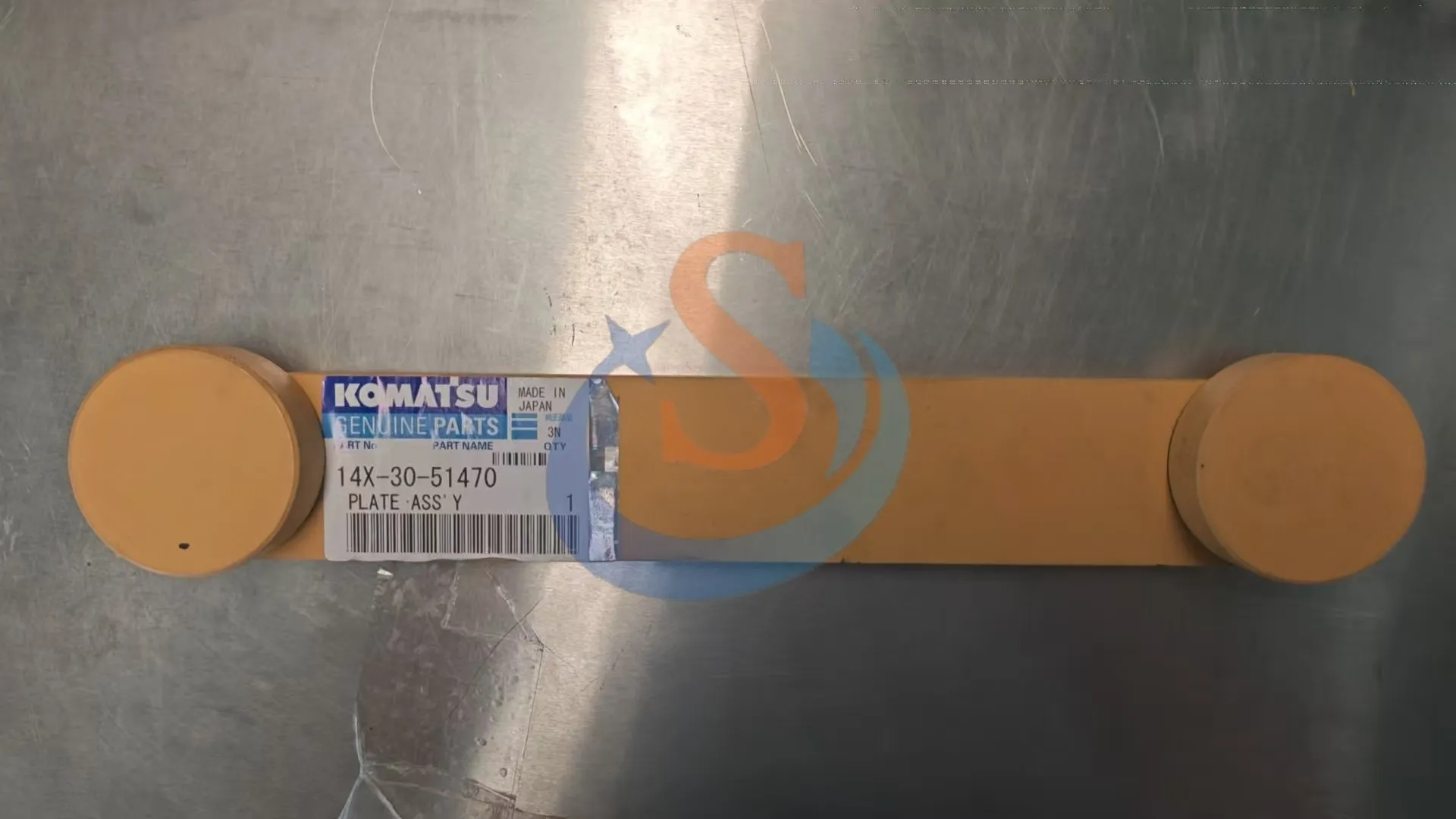 14X-30-51470,PLATE ASS’Y,D65EX,D65PX,D65WX
 -
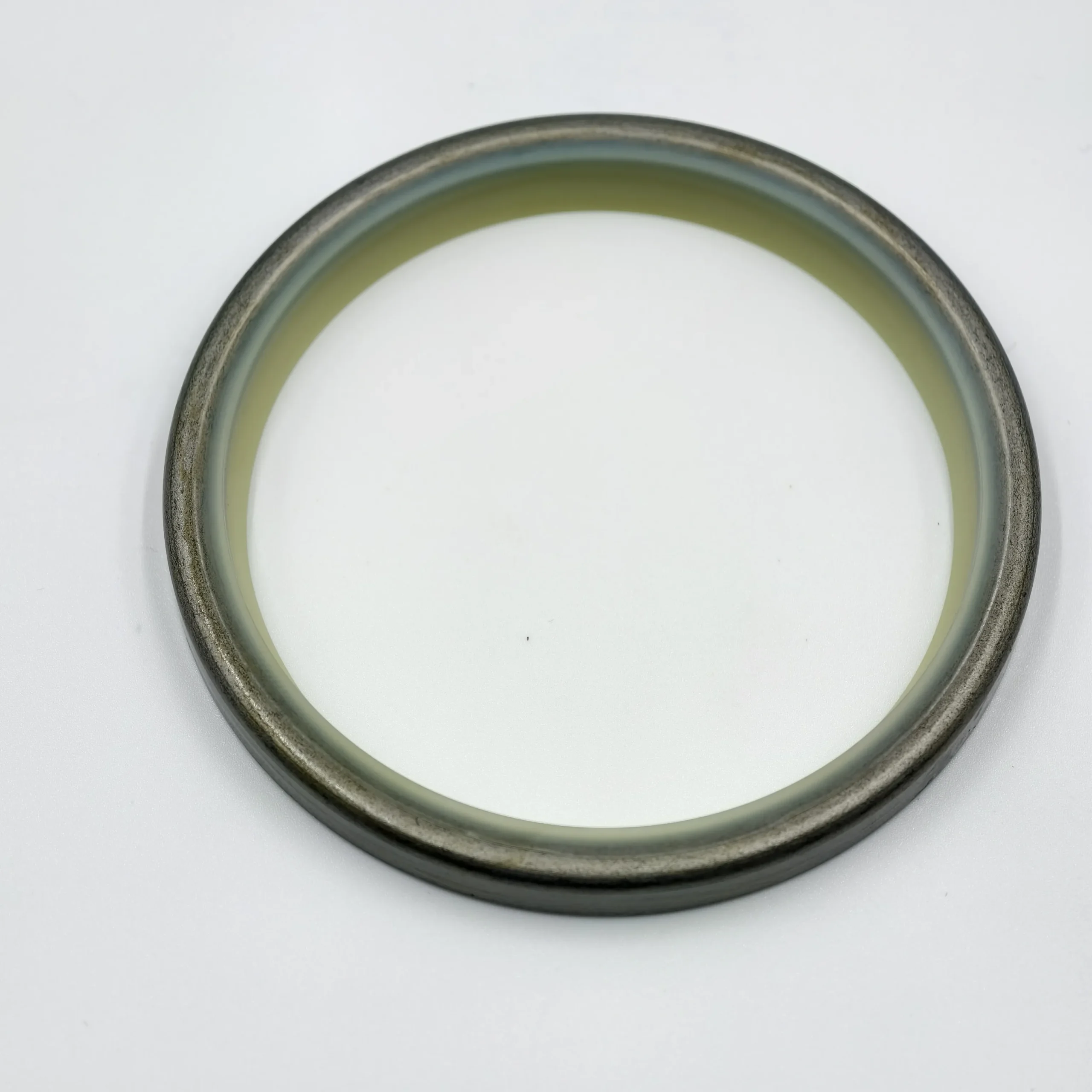 Komatsu 17M-50-24360 Seal, price for original and… — Pricing.Parts
 -
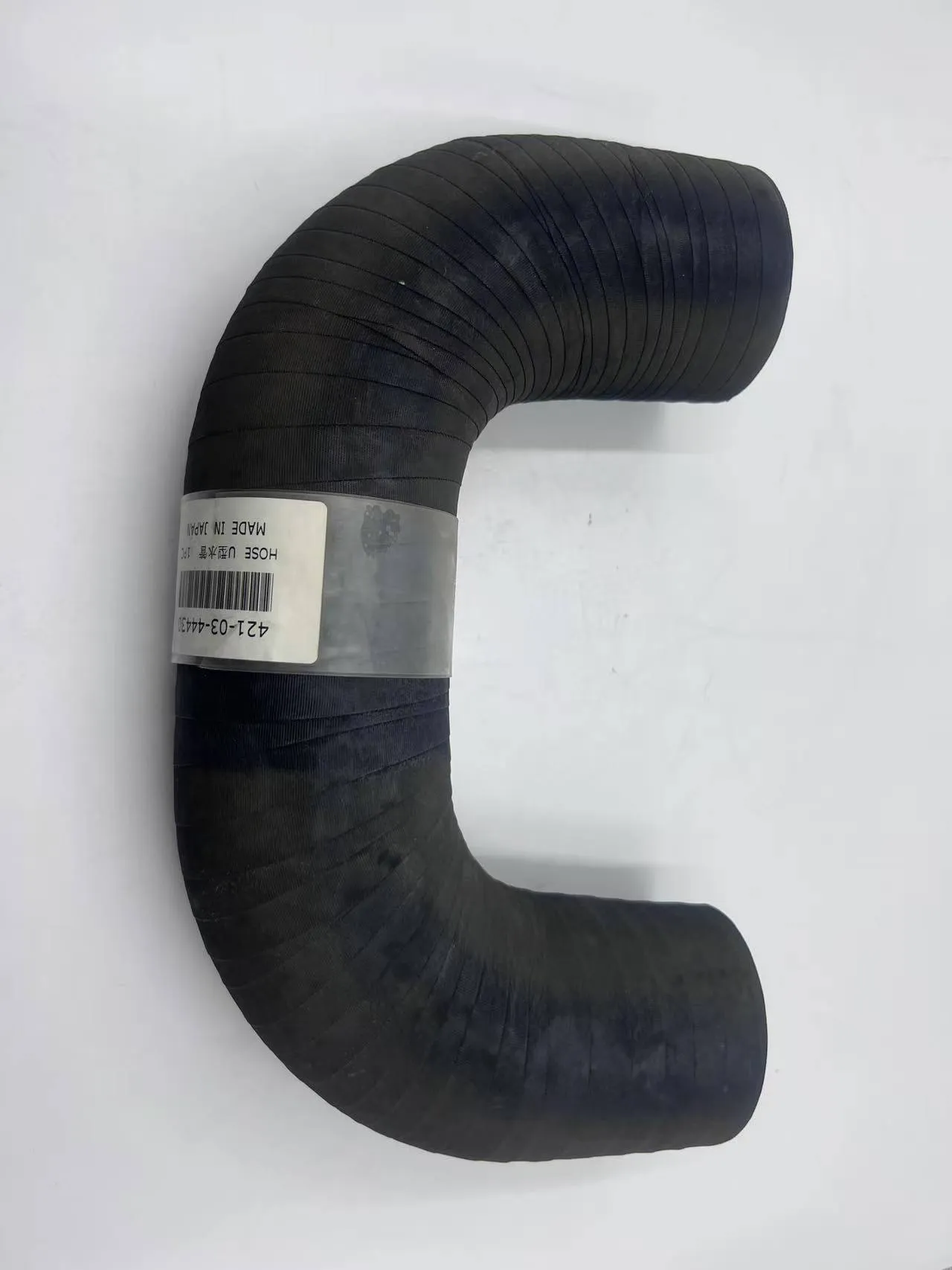 421-03-44430 • HOSE Applicable: Komatsu WA loader series
 -
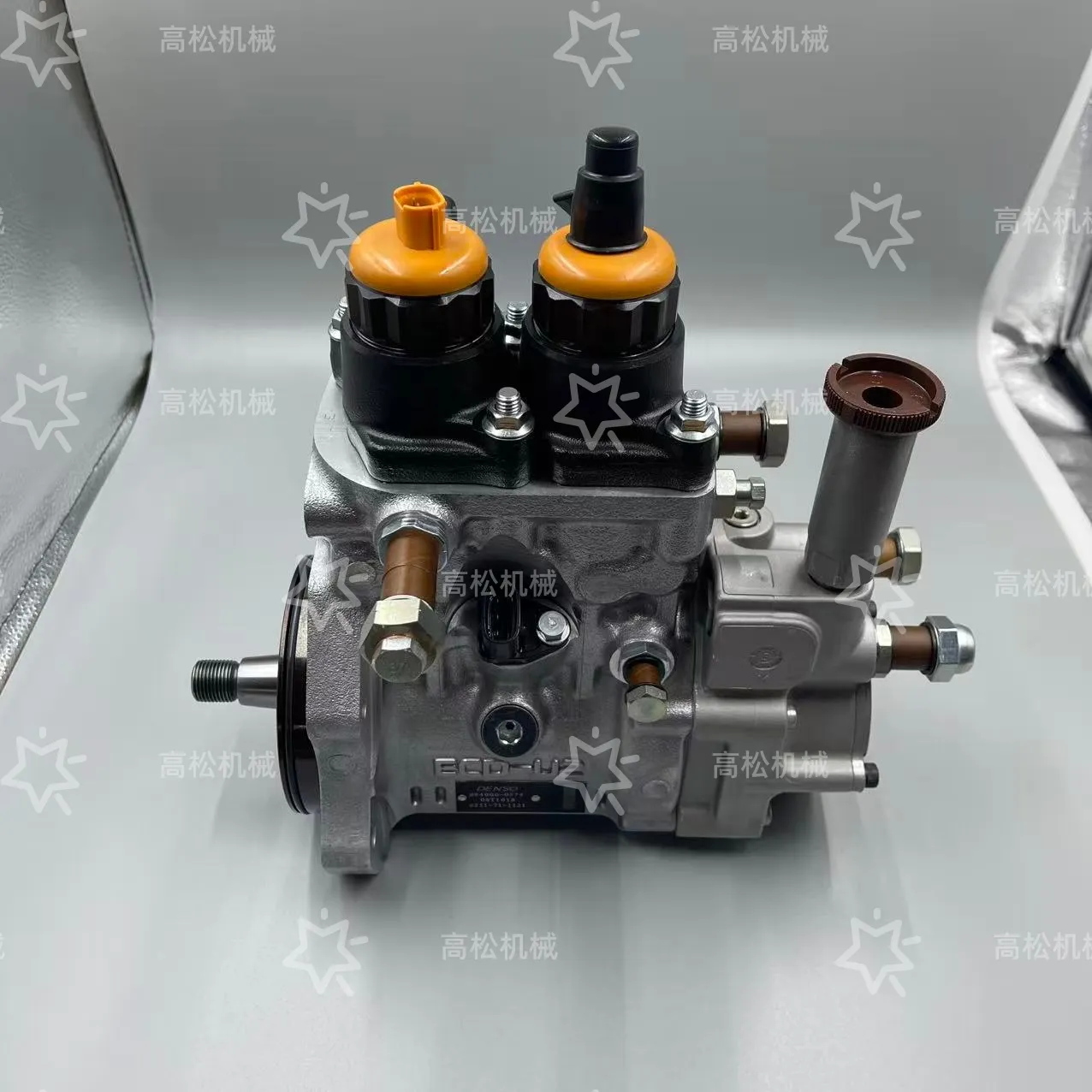 Fuel Injection Pump For Komatsu PC400-8 6251-71-1120 6251-71-1121 094000-057
 -
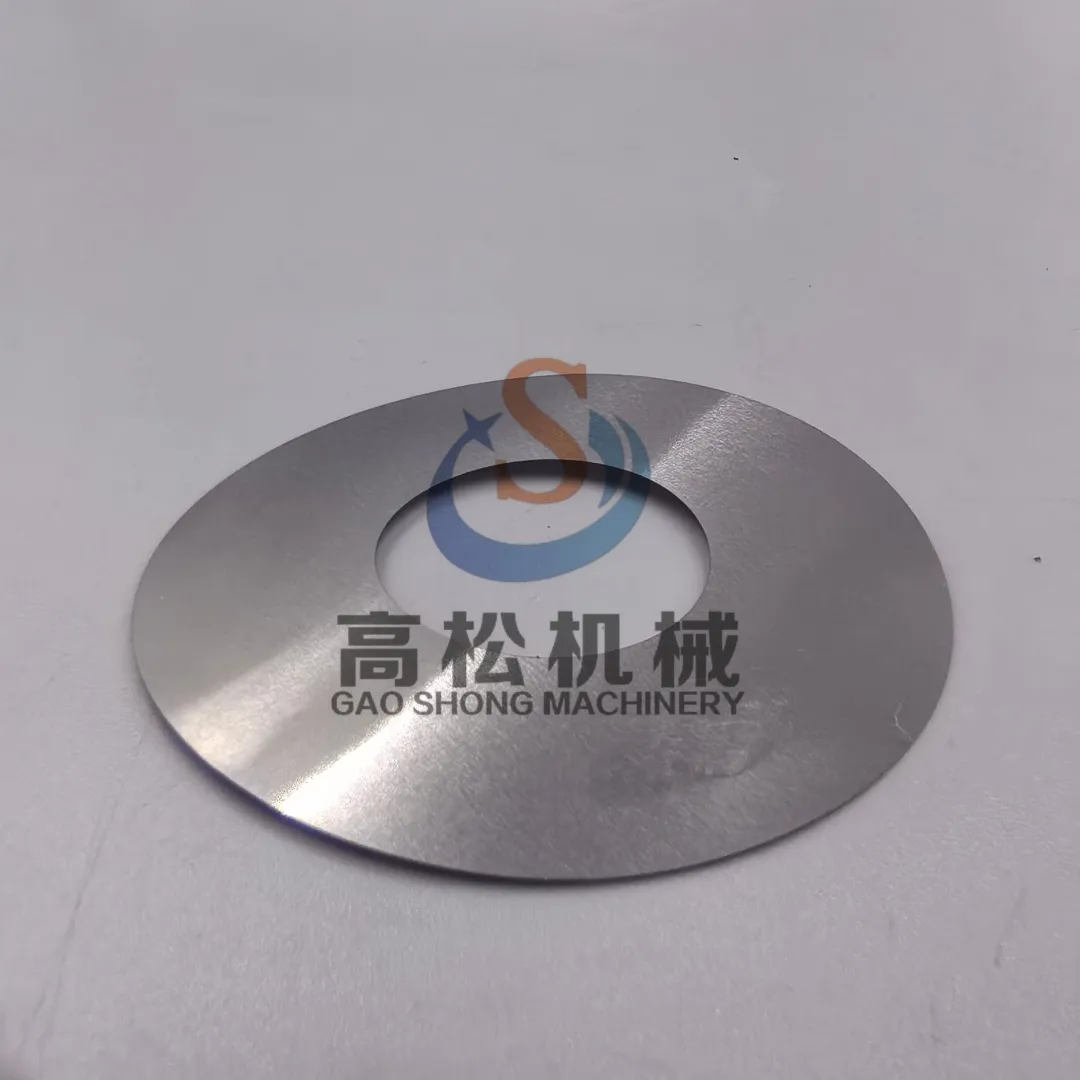 Spare part 23W-22-21560 SHIM 0.05MM Komatsu