
- Chinese
- French
- German
- Portuguese
- Spanish
- Russian
- Japanese
- Korean
- Arabic
- Irish
- Greek
- Turkish
- Italian
- Danish
- Romanian
- Indonesian
- Czech
- Afrikaans
- Swedish
- Polish
- Basque
- Catalan
- Esperanto
- Hindi
- Lao
- Albanian
- Amharic
- Armenian
- Azerbaijani
- Belarusian
- Bengali
- Bosnian
- Bulgarian
- Cebuano
- Chichewa
- Corsican
- Croatian
- Dutch
- Estonian
- Filipino
- Finnish
- Frisian
- Galician
- Georgian
- Gujarati
- Haitian
- Hausa
- Hawaiian
- Hebrew
- Hmong
- Hungarian
- Icelandic
- Igbo
- Javanese
- Kannada
- Kazakh
- Khmer
- Kurdish
- Kyrgyz
- Latin
- Latvian
- Lithuanian
- Luxembou..
- Macedonian
- Malagasy
- Malay
- Malayalam
- Maltese
- Maori
- Marathi
- Mongolian
- Burmese
- Nepali
- Norwegian
- Pashto
- Persian
- Punjabi
- Serbian
- Sesotho
- Sinhala
- Slovak
- Slovenian
- Somali
- Samoan
- Scots Gaelic
- Shona
- Sindhi
- Sundanese
- Swahili
- Tajik
- Tamil
- Telugu
- Thai
- Ukrainian
- Urdu
- Uzbek
- Vietnamese
- Welsh
- Xhosa
- Yiddish
- Yoruba
- Zulu
- Kinyarwanda
- Tatar
- Oriya
- Turkmen
- Uyghur






komatsu d21p parts
When you start digging into 'Komatsu D21P parts', the first thing you realize is how much misinformation is out there. People assume any 'D' series part will fit, or that aftermarket is always the cheaper, smarter route. Having been through this for years, I can tell you it's rarely that simple. The D21P, especially the later models, has quirks you only learn by getting your hands dirty or paying the price for a wrong guess. It's not just about a part number; it's about understanding the machine's history, the serial number breaks, and who you're really buying from.
The Core Challenge: Genuine vs. Aftermarket for the D21P
Let's talk about the heart of it: the undercarriage and final drive components. For a machine of this vintage, you're often faced with a choice. Do you go for a supposedly 'OEM equivalent' track roller, or hunt down a genuine Komatsu part? I've seen the aftermarket rollers fail in under 800 hours on a grading job because the hardening process was off. The genuine ones, even used, often outlast them. But here's the catch – finding genuine Komatsu D21P-7 final drive seals or a sprocket segment for a mid-80s model can be a months-long treasure hunt. That's where the real supply chain issues surface.
This is precisely the gap some suppliers aim to fill. I've worked with Jining Gaosong Construction Machinery Co., Ltd. (you can find them at takematsumachinery.com) on a few tricky orders. Their positioning is interesting because they operate within the Komatsu system as an OEM product supplier, but also function as a third-party sales channel. In practice, what this meant for me was an ability to source authentic Komatsu-spec parts for models like the D21P that were officially discontinued or on allocation in my region. They helped solve parts supply challenges by accessing different inventory pools.
The nuance, and this is critical, is verifying the provenance. OEM product supplier within the Komatsu system can mean different things. Is it a part made to Komatsu's print for assembly, or a licensed replacement? For a D21P swing cylinder, the distinction matters for the piston rod's chrome plating thickness. I always ask for material certs or former application history now. It's saved me from a major hydraulic contamination issue once.
Serial Number Specifics: Where Most Guesses Go Wrong
If I had to give one piece of advice, it's this: never order a major part without the full serial number. The D21P saw running changes. The pivot shaft design for the blade lift linkage around the 50000 serial range is different from earlier machines. I learned this the hard way, ordering a bushing kit that looked identical in the catalog but was 2mm off in inner diameter. A week of downtime for a $50 part. The service manual is your bible, but even it has gaps for certain regional variants.
This extends to engine components. The Komatsu 4D95L engine is generally reliable, but the fuel injection pump parts, especially the delivery valves, have subtle revisions. A rebuild kit that doesn't account for this will lead to poor throttle response and black smoke. I've found that cross-referencing the pump's own ID number, not just the engine model, is the only surefire way. Suppliers who understand this level of detail, like those with direct OEM system experience, are worth their weight in gold.
Electrical parts are another minefield. The starter motor might interchange with a D20P or D21A model, but the solenoid engagement teeth might be different. You get one that fits and bolts on, but it grinds itself to death in two months. It's these small, brutal lessons that shape a real parts sourcing strategy.
Practical Sourcing and the Value of a Reliable Channel
So where do you actually find this stuff? Online marketplaces are a gamble. I've received Komatsu D21P parts that were clearly salvaged from a machine that died in a swamp, sold as good used condition. The bearings were shot with grit. A professional supplier's job isn't just to have the part, but to qualify it. When I needed a steering clutch pack for a D21P-6, the team at the aforementioned takematsumachinery.com didn't just have one; they confirmed the friction plate count and the spline count against my serial, and noted it was from a low-hour machine being parted out due to frame damage. That's actionable intelligence.
Their role as a third-party sales company for Komatsu in certain countries is key. It often means they can access NOS (New Old Stock) from warehouses in regions where the machine was more common, or where a particular fleet was retired. For a D21P, finding a new-old-stock track link assembly is a minor miracle. It happened for me with a idler wheel rebuild kit. It was sitting in a warehouse in another continent, and they facilitated the sale and logistics.
The challenge, always, is cost versus downtime. A genuine Komatsu D21P parts like a main hydraulic control valve is expensive. A aftermarket one is 40% cheaper. But if the aftermarket valve's port relief setting is wrong and it blows seals in your blade cylinder, you've doubled your cost and lost more time. I now lean towards genuine or OEM-spec for hydraulic and drivetrain, and consider quality aftermarket for things like sheet metal, filters, or non-critical linkages.
On-the-Ground Fitment and Adjustment Nuances
Let's say you've sourced the right part. The job isn't over. Installing a new steering clutch on a D21P requires specific adjustment sequences. The manual says adjust to spec, but the spec has a range. From experience, setting the clutch clearance at the tighter end of the range gives a more positive feel but may wear faster. The looser end is more forgiving but can lead to slight drag. You develop a preference based on the machine's primary work.
Another example: replacing the Komatsu D21P radiator. The core might be identical, but the mounting brackets for the shroud sometimes have slight bends from years of vibration. A new radiator won't account for that. You have to massage the brackets or shim them. No parts catalog or supplier will tell you that. It's the kind of thing you jot down in a notebook after wrestling with it for an extra hour.
Hydraulic hoses are the same. The replacement might have the correct JIC ends, but the routing might be slightly different, causing it to chafe on a frame member. You have to look at the old hose's natural curve and sometimes have one made locally to mimic it exactly, even if the length and ends are technically the same.
Concluding Thoughts: Building a Sustainable Parts Strategy
Ultimately, managing an older machine like the D21P is about building relationships, not just shopping for parts. It's about finding a supplier who gets the nuances, who can tell you that the pilot valve you need for the dozer control is also used on a certain model of Komatsu excavator, widening your search pool. The value of a partner who is embedded in the Komatsu ecosystem, like Jining Gaosong, is that they have this cross-model insight.
Don't just stockpile parts. Stockpile knowledge. Keep a log of serial numbers, cross-reference lists, and supplier contacts who have proven reliable for specific component types. For the D21P, I now keep a small inventory of common failure items I've identified: specific O-rings for the blade lift cylinder gland, the pivot pins for the track tensioner assembly, and the seat switch. Everything else, I source with a vetted partner.
The goal isn't to have a brand-new machine. It's to have a machine that works predictably and whose downtime you can manage. Sourcing the right Komatsu D21P parts is the absolute foundation of that. It's a mix of forensic part-number research, trusting but verifying your suppliers, and applying hard-won, bolt-by-bolt experience from the shop floor. There's no shortcut.
Related Products
Related Products

Best Selling Products
Best Selling Products-
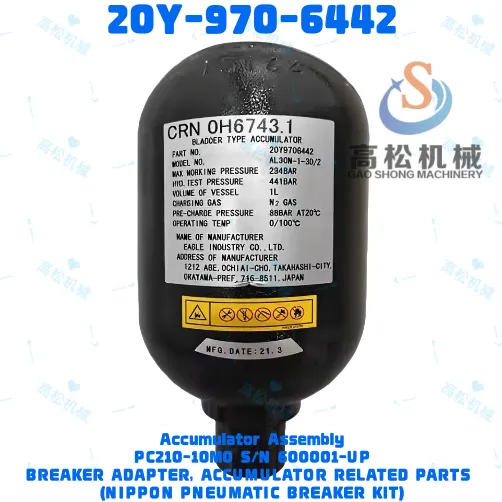 20Y-970-6442 Accumulator Assembly PC210-10M0 BREAKER ADAPTER, ACCUMULATOR RELATED PARTS (NIPPON PNEUMATIC BREAKER KIT) PC500LC-10M0 PC500LC-10R
 -
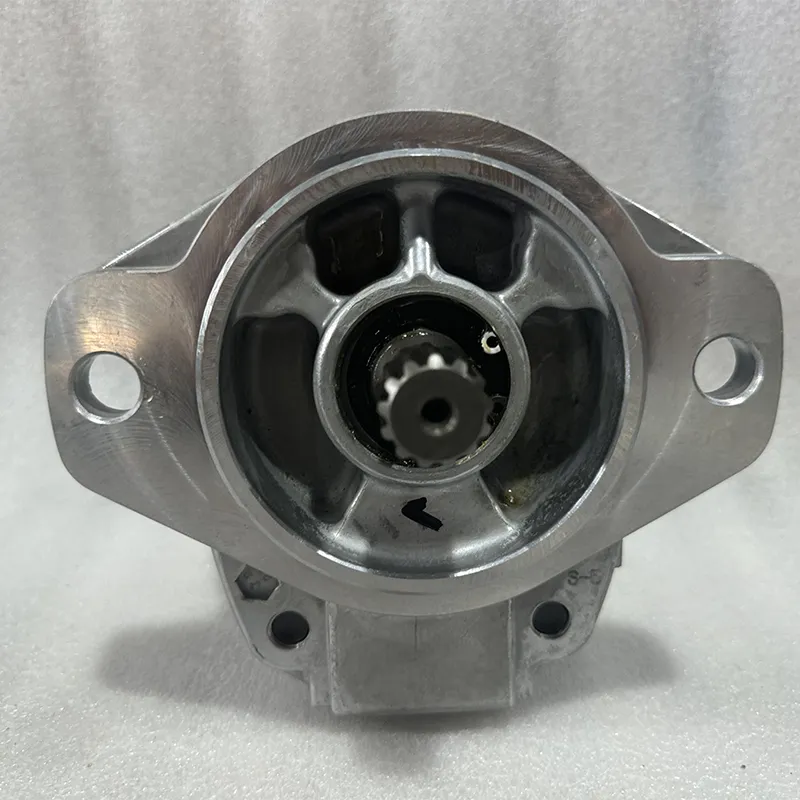 Original komatsu GD825A-2 Pump Assembly 705-61-22010
 -
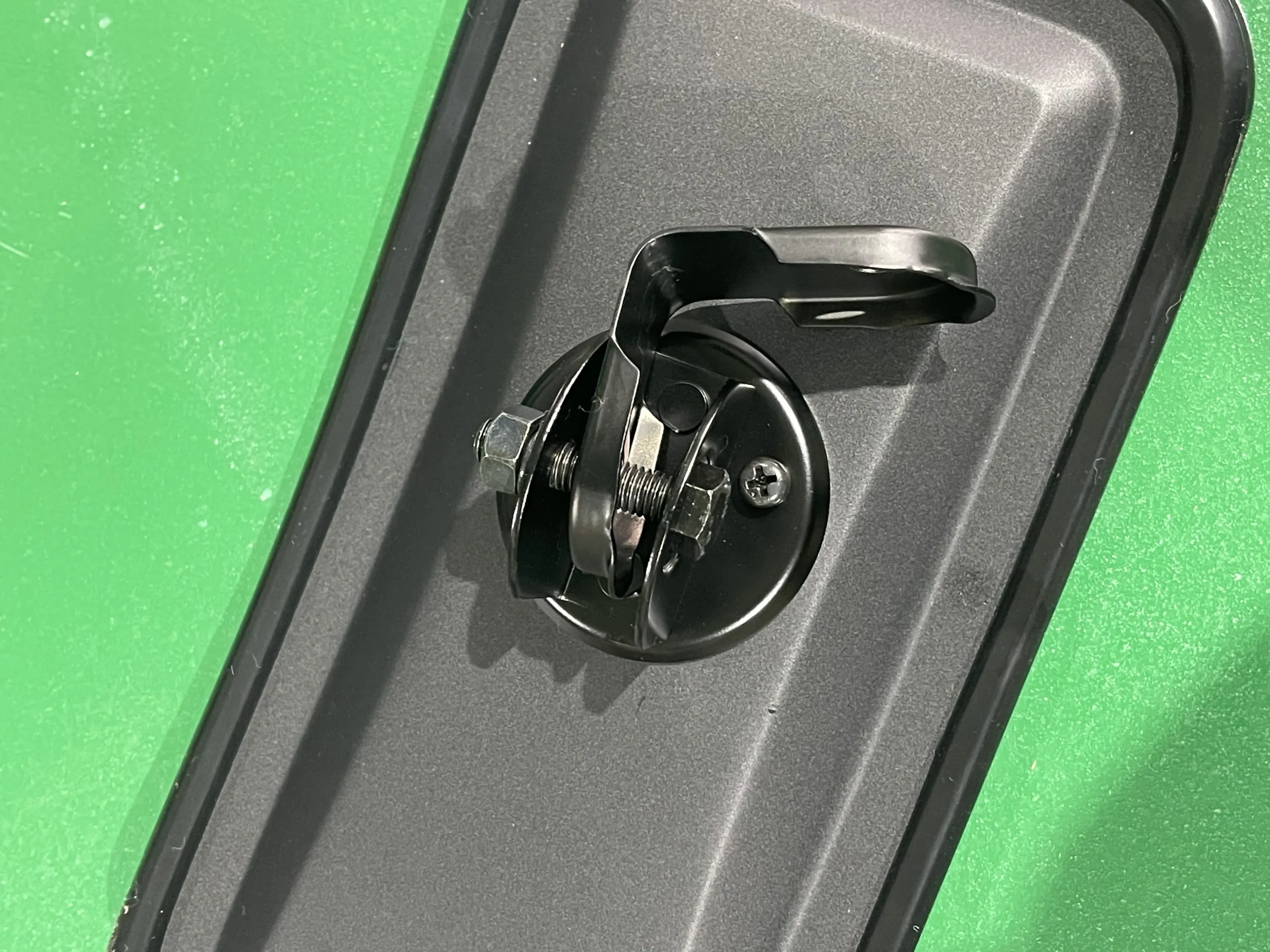 Komatsu 195-Z11-2180 Dozer Replacement Mirror
 -
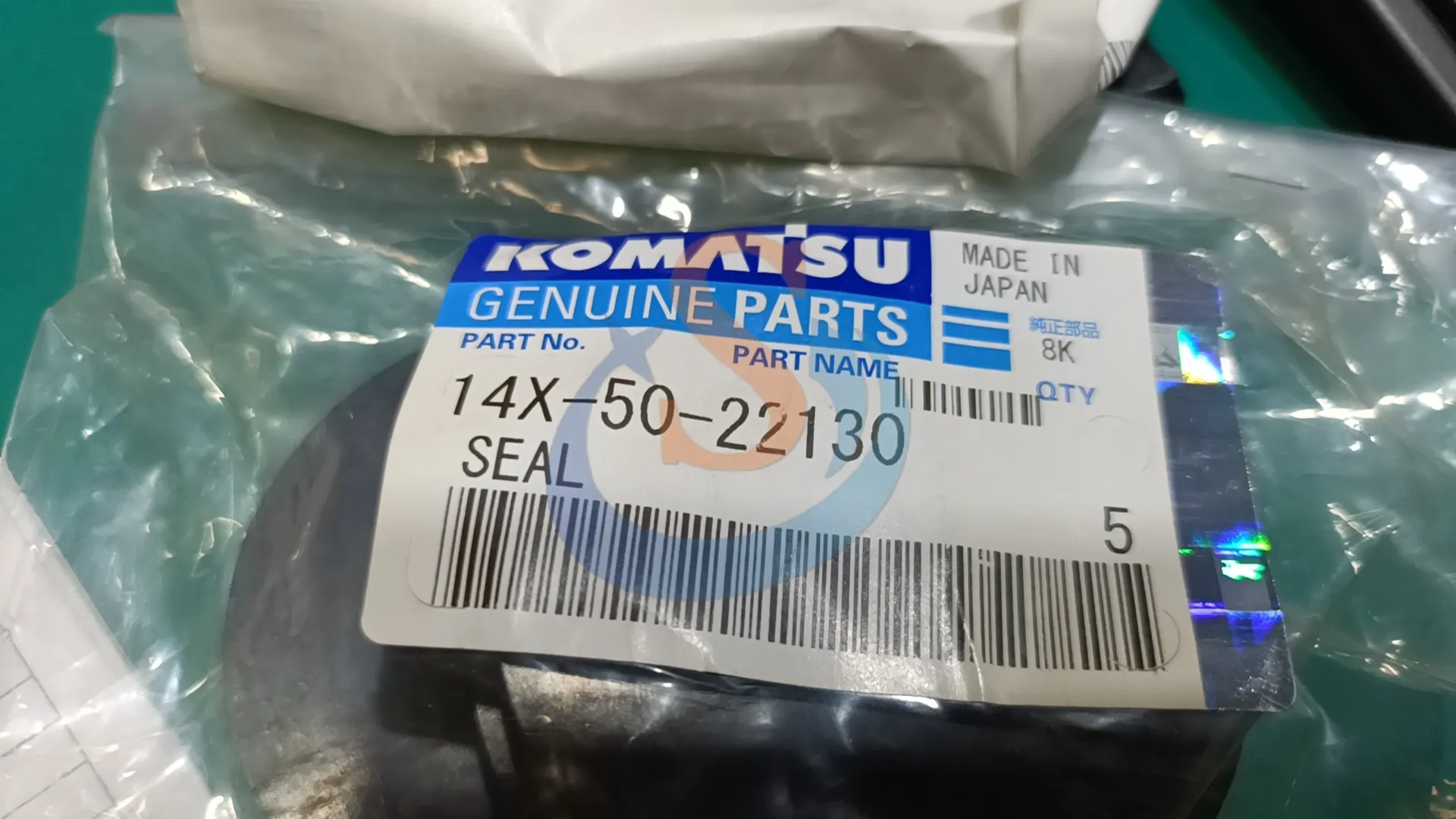 14X-50-22130,SEAL,D65PX,D65E,D85E
 -
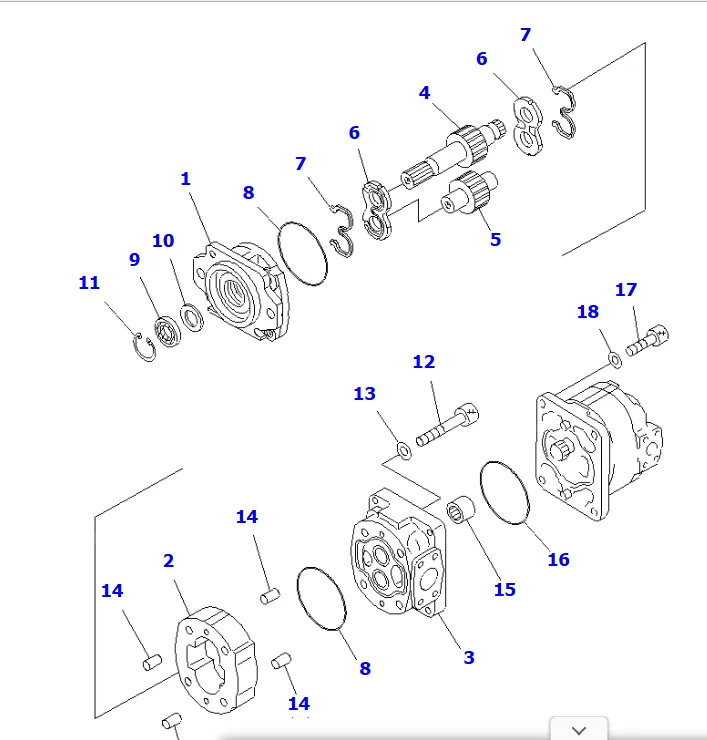 Komatsu HD605-5 pump assembly 705-52-31010
 -
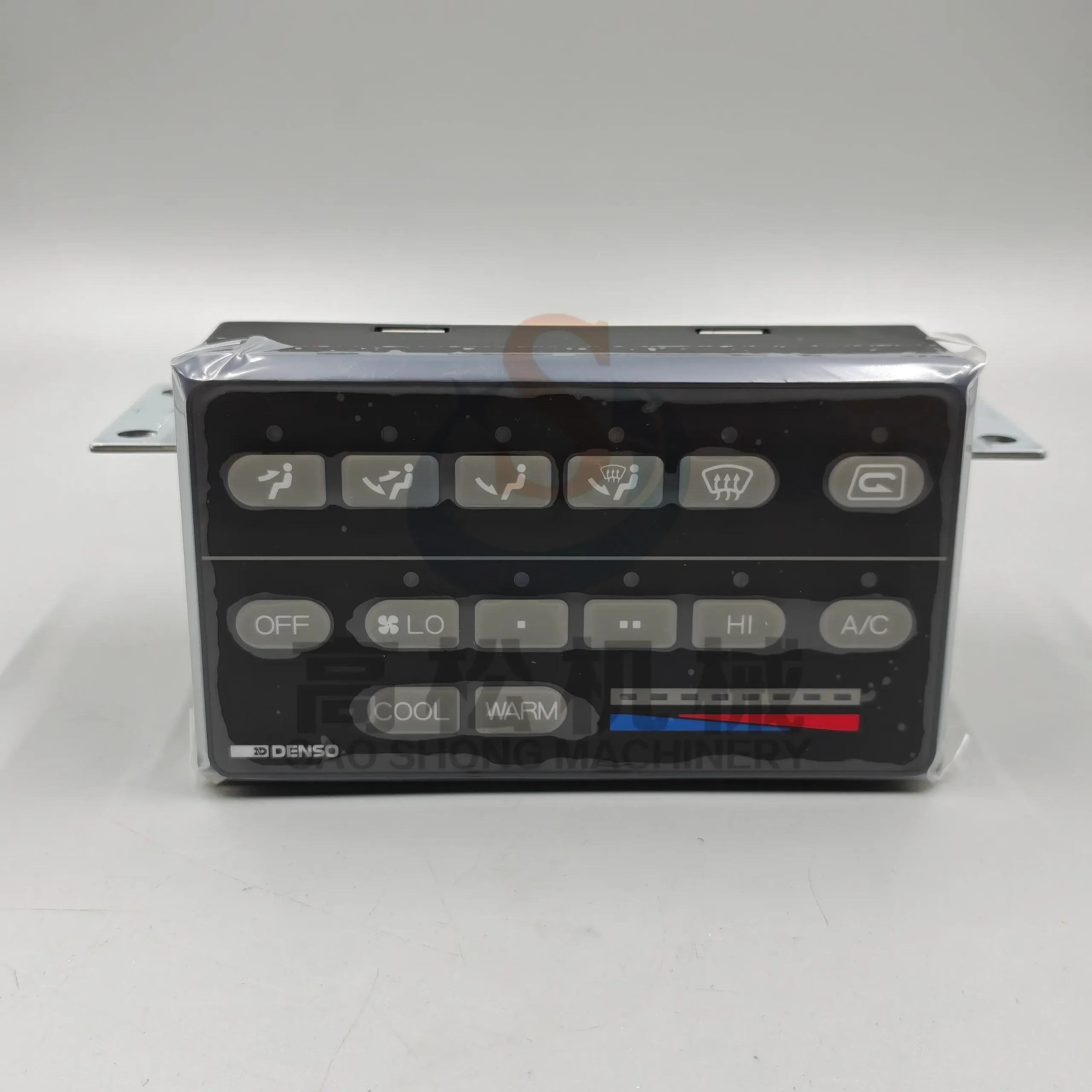 425-07-21121 Controller
 -
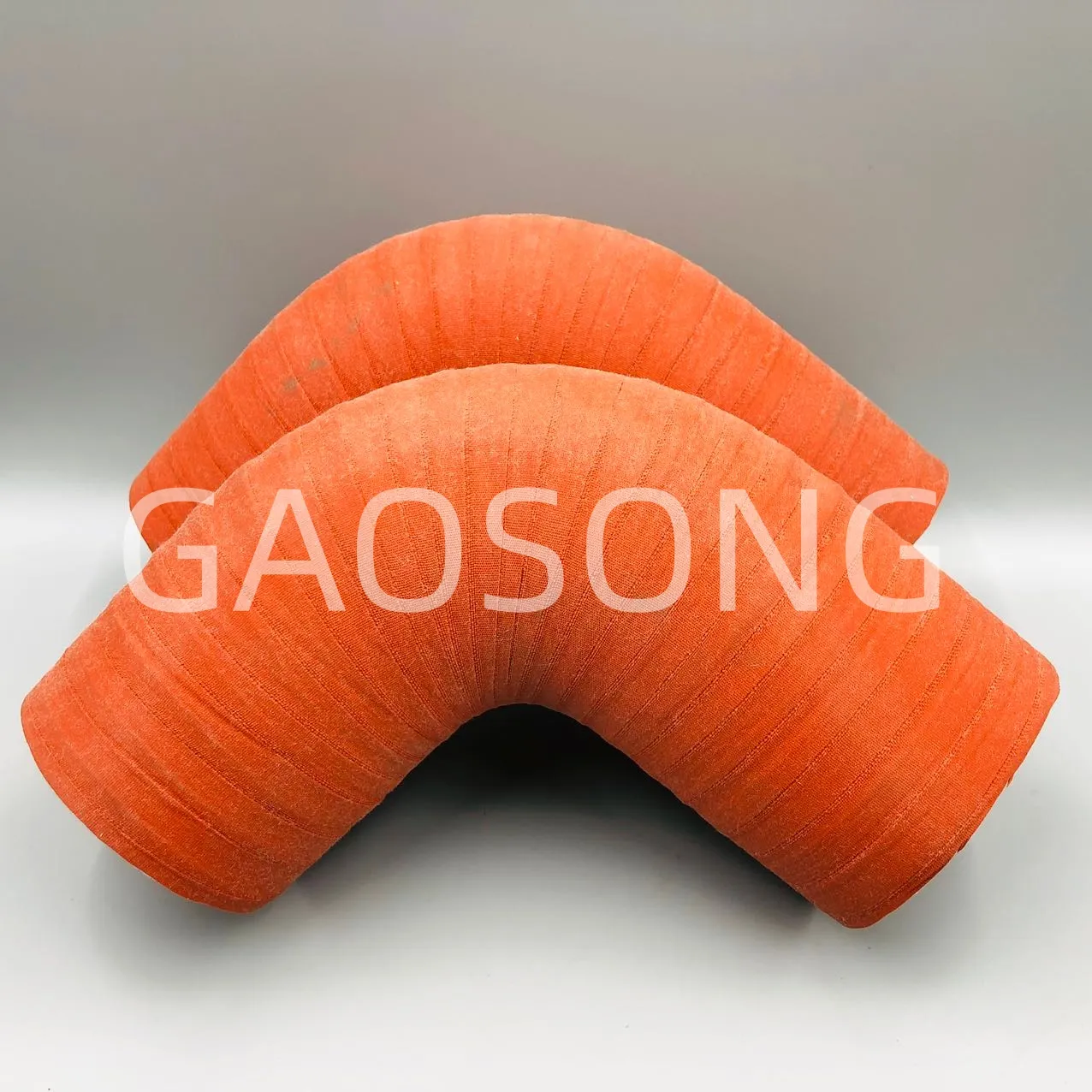 6743-11-4931 HOSE-Komatsu Original Factory
 -
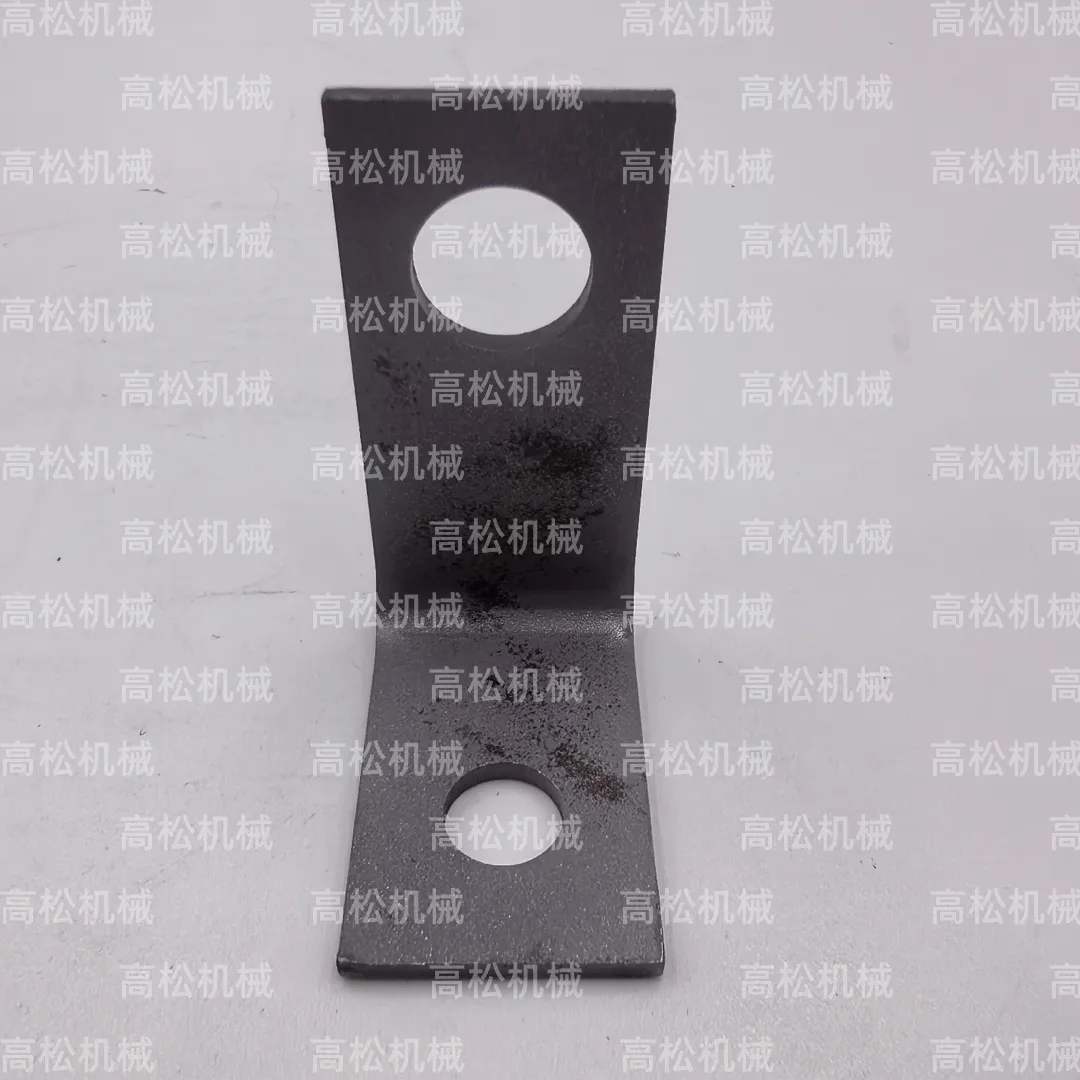 23C02-15720komatsu parts
 -
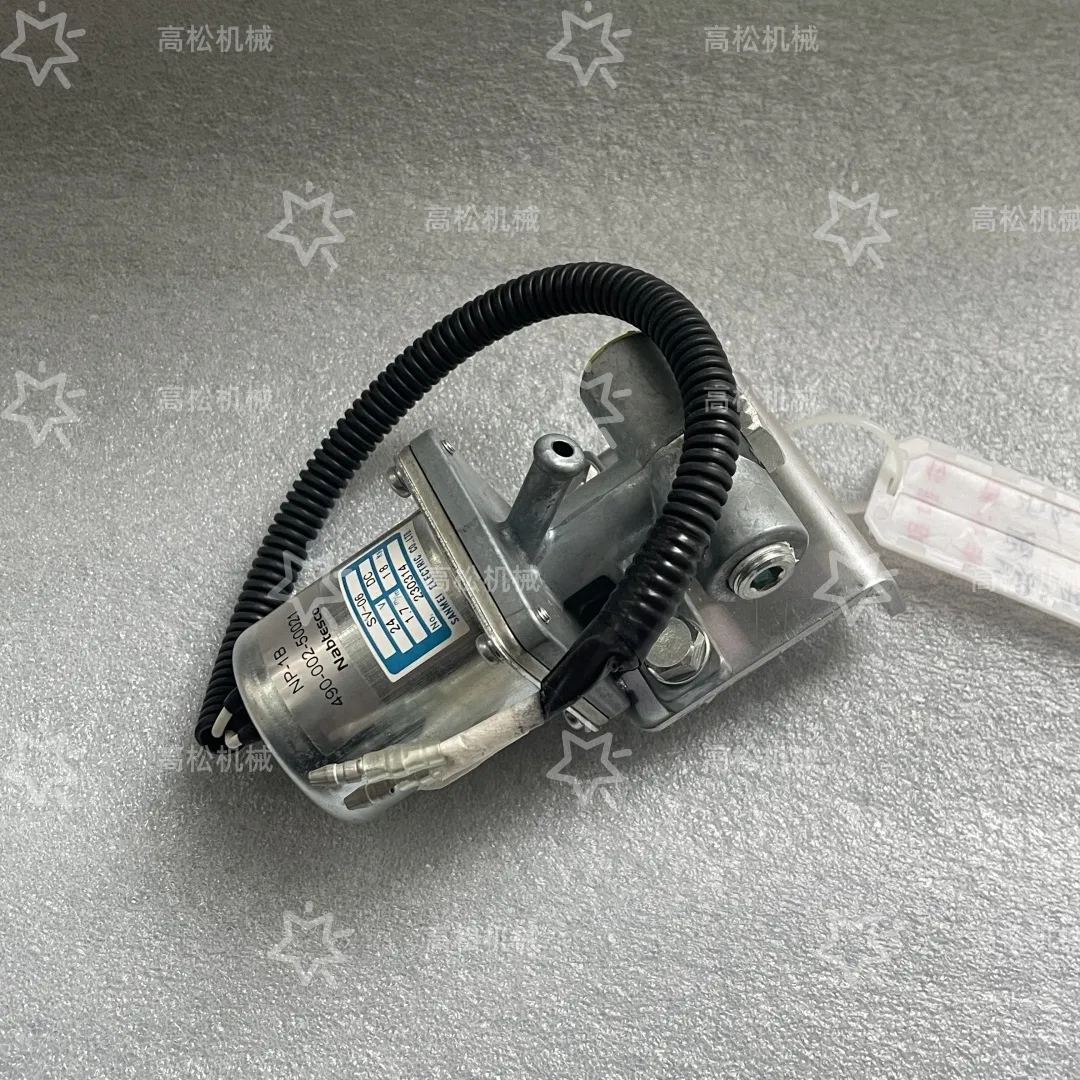 234-44-61430SOLENOID VALVE 234-44-61430 BANK CUTTING CONTROL PIPING AUTO TRANSMISSION SPEC for GD705/825
 -
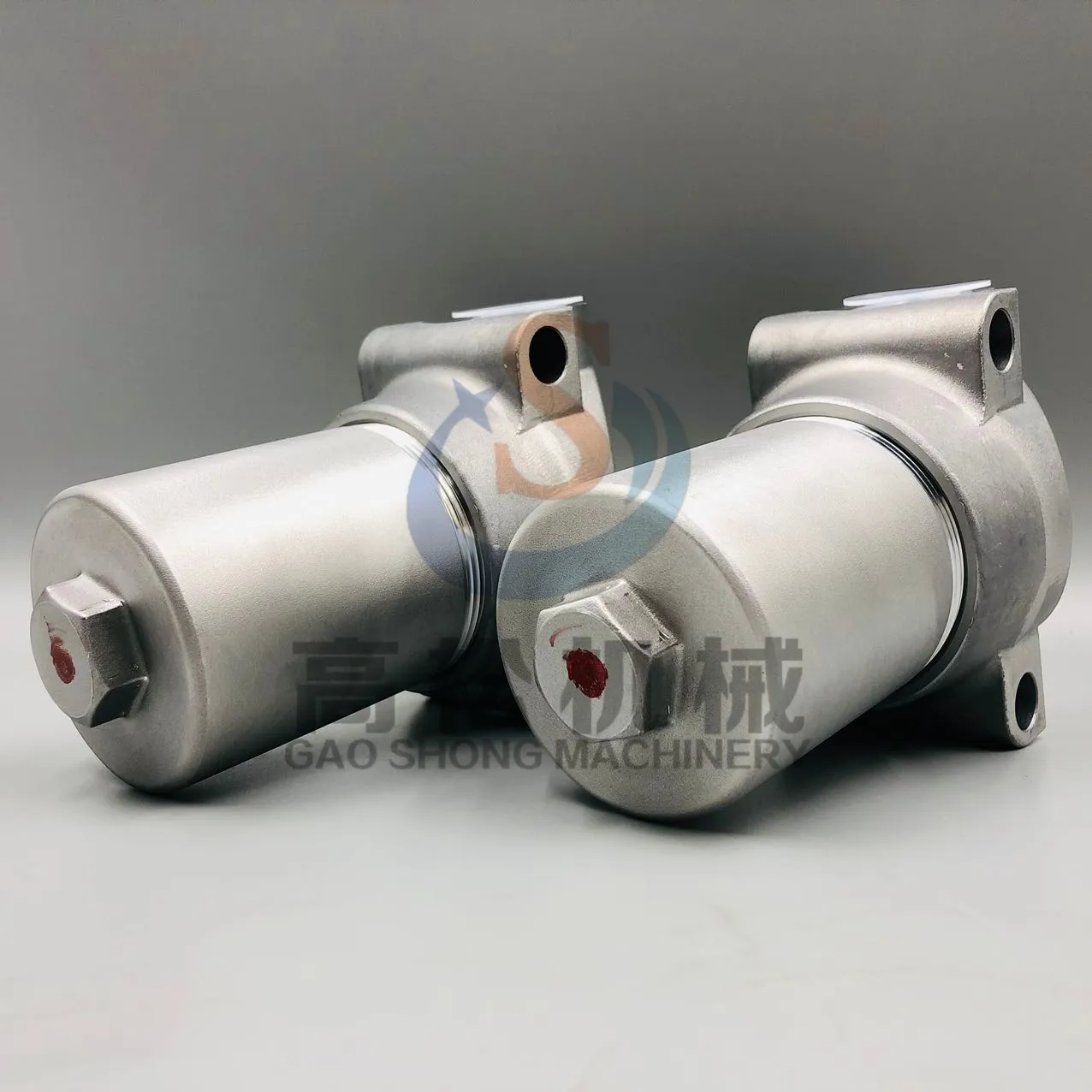 20Y-62-51681 Komatsu Filter Assembly
 -
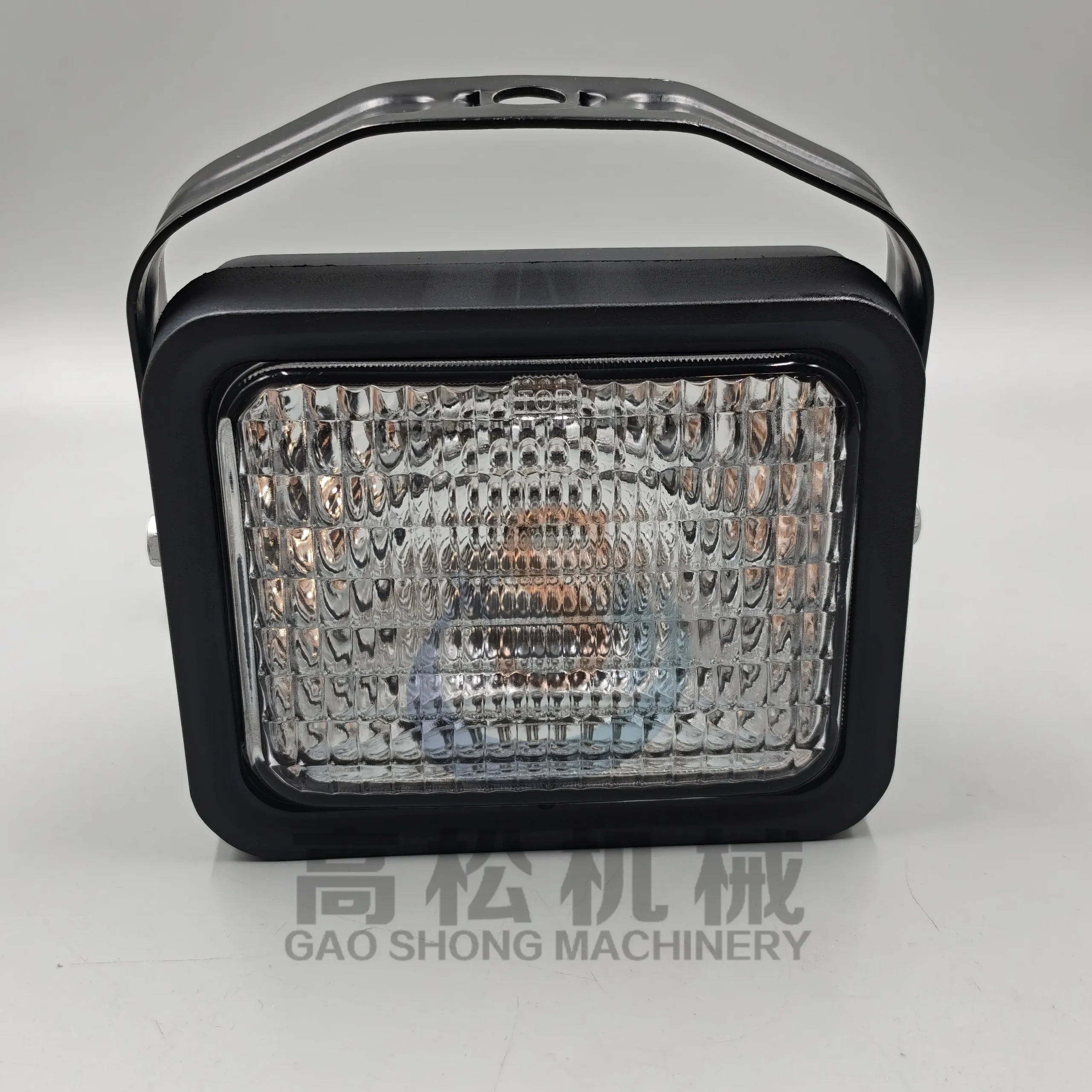 Lamp 421-06-23310 426-56-23360 Compatible for Komatsu WA500-3 WA800-3 WA420-3L HD785-7 HD325-7 HM250-2
 -
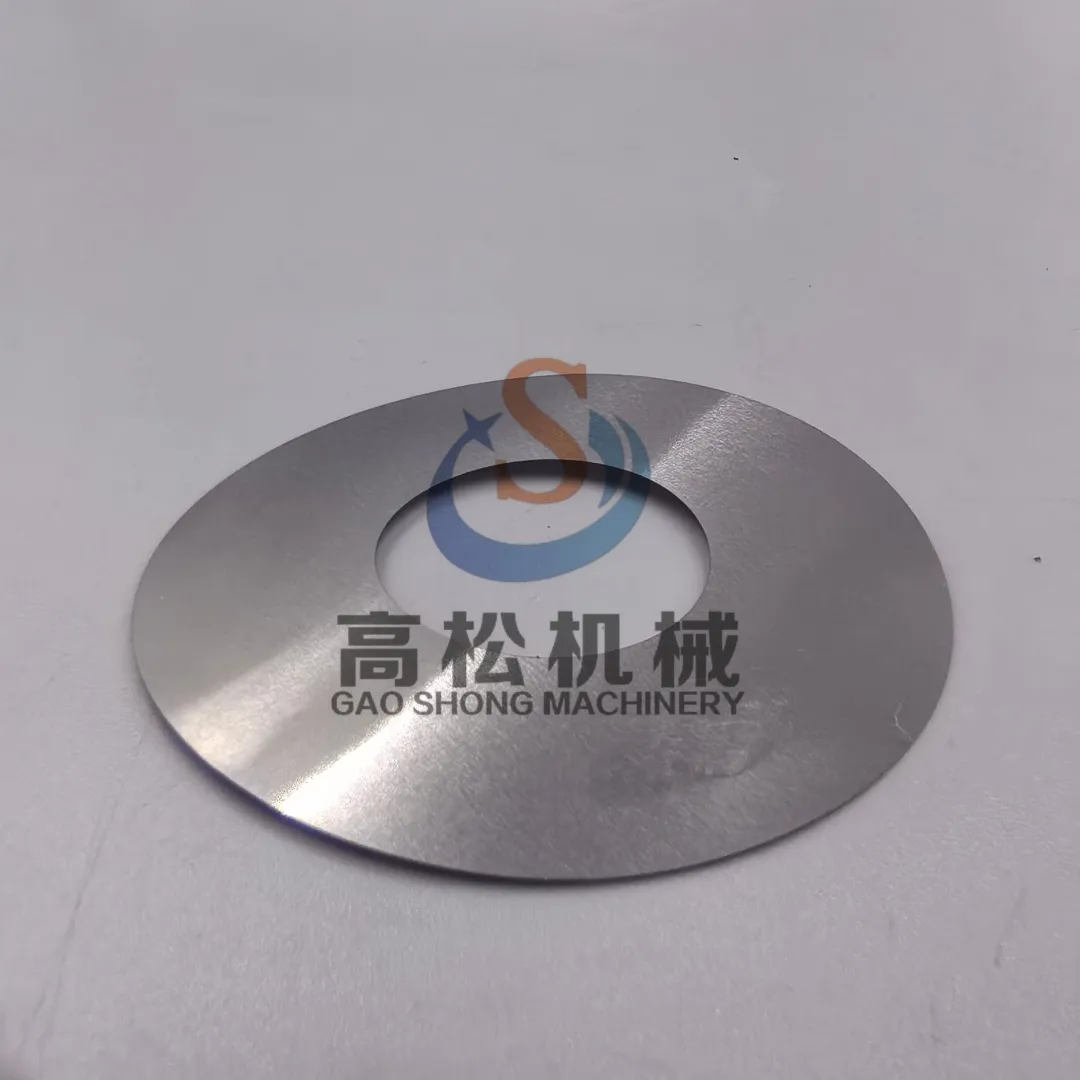 Spare part 23W-22-21560 SHIM 0.05MM Komatsu