
- Chinese
- French
- German
- Portuguese
- Spanish
- Russian
- Japanese
- Korean
- Arabic
- Irish
- Greek
- Turkish
- Italian
- Danish
- Romanian
- Indonesian
- Czech
- Afrikaans
- Swedish
- Polish
- Basque
- Catalan
- Esperanto
- Hindi
- Lao
- Albanian
- Amharic
- Armenian
- Azerbaijani
- Belarusian
- Bengali
- Bosnian
- Bulgarian
- Cebuano
- Chichewa
- Corsican
- Croatian
- Dutch
- Estonian
- Filipino
- Finnish
- Frisian
- Galician
- Georgian
- Gujarati
- Haitian
- Hausa
- Hawaiian
- Hebrew
- Hmong
- Hungarian
- Icelandic
- Igbo
- Javanese
- Kannada
- Kazakh
- Khmer
- Kurdish
- Kyrgyz
- Latin
- Latvian
- Lithuanian
- Luxembou..
- Macedonian
- Malagasy
- Malay
- Malayalam
- Maltese
- Maori
- Marathi
- Mongolian
- Burmese
- Nepali
- Norwegian
- Pashto
- Persian
- Punjabi
- Serbian
- Sesotho
- Sinhala
- Slovak
- Slovenian
- Somali
- Samoan
- Scots Gaelic
- Shona
- Sindhi
- Sundanese
- Swahili
- Tajik
- Tamil
- Telugu
- Thai
- Ukrainian
- Urdu
- Uzbek
- Vietnamese
- Welsh
- Xhosa
- Yiddish
- Yoruba
- Zulu
- Kinyarwanda
- Tatar
- Oriya
- Turkmen
- Uyghur






komatsu d21 parts manual
If you're searching for a 'Komatsu D21 parts manual', you're probably either trying to identify a broken component on your old dozer or bracing yourself for a sourcing nightmare. Here's the thing many overlook: the manual itself is just the map; finding the actual parts, especially for these older models, is the real expedition. The diagram numbers don't mean much if you can't get the physical part, or if what arrives doesn't match up. I've seen too many guys download a manual, circle a part number, and then hit a wall when their local dealer says it's NLA (No Longer Available). That's where the real work begins.
The Illusion of Availability
Let's get straight to it. You pull up the Komatsu D21 parts manual, find the track roller assembly diagram, and get the part number. You call a distributor. They check the system and tell you it's discontinued. This is the most common scenario. Komatsu's official support for older models like the D21A-6 or D21P-7 fades over time. They prioritize current models. So, you're left with a book of numbers for parts that don't exist in the official pipeline anymore. The manual becomes a historical document rather than an ordering guide.
This is where the distinction between OEM and aftermarket gets critical. An OEM supplier within the Komatsu system, like Jining Gaosong Construction Machinery Co., Ltd., operates in a unique space. They have access to genuine Komatsu blueprints and specifications. Sometimes, they can produce a run of a discontinued part if there's enough demand, which is a lifeline for vintage machines. Their site, takematsumachinery.com, isn't just a storefront; it's a hub for solving these specific supply chain gaps, particularly in regions where original parts distribution is weak.
I remember a job in Southeast Asia with a D21P. The steering clutch was shot. The local Komatsu office quoted a 4-month lead time and a staggering price for a re-manufactured unit. We had the manual, knew the exact breakdown, but needed a solution. We ended up sourcing a clutch pack through a third-party specialist who worked with OEM-system factories. The parts matched the manual's specs because they were made to the same drawings. It wasn't genuine in the sense of coming from a Komatsu box that month, but it was functionally identical and got the machine running in two weeks.
Manual as a Diagnostic & Verification Tool
So, if you can't always get the original part, why bother with the official parts manual? Its value shifts from a purchasing list to a master reference for verification. When you find an alternative part—be it aftermarket, used, or from a compatible model—the manual's diagrams and dimensions are your bible for checking fit and function.
For instance, the swing frame on the D21. It's a massive weldment. You're unlikely to buy a new one. But if you find a used one from a salvage yard, how do you know it's not cracked or from a different serial number range? You cross-reference the manual. You check the reinforcement gusset locations, the bolt hole patterns against the diagram. The manual tells you what subtle changes existed between early and late production runs. Without it, you're guessing.
Another personal lesson: hydraulic pump shafts. We ordered a D21-compatible pump from a generic supplier. It bolted on, but the spline count on the drive shaft was off by one. It was close, but wrong. Had we first scrutinized the pump breakdown in the Komatsu D21 manual, we would have known the exact spline specification and could have challenged the supplier before installation. That mistake cost us three days of downtime.
The Third-Party Ecosystem and Its Pitfalls
This leads to the ecosystem companies like Jining Gaosong operate in. They describe themselves as a third-party sales company for Komatsu, solving parts challenges. This is crucial. They aren't just selling random aftermarket stuff; they are often brokering or facilitating the supply of parts that are either OEM-spec or produced under license, filling the void left by the official network's constraints.
However, the quality in this space is a spectrum. You have brilliant manufacturers who adhere to the original material specs, and you have workshops that reverse-engineer by eye. The parts manual is your quality control checklist. When a supplier says they have a final drive gear, you ask: Is this to the specification in group 410-10 of the manual, specifically for the serial number prefix 3A-? That level of detail separates the professionals from the parts-changers.
I've used takematsumachinery.com as a reference point before. What you find there is often tied directly to those manual diagrams. They understand that their customers have the manual open on their bench. Their value is in linking the part number on your screen to a physical part that can be shipped, even if Komatsu HQ lists it as obsolete. Their role as an OEM product supplier within the system gives them a legitimacy that pure aftermarket sellers lack.
When the Manual Isn't Enough: Real-World Adaptations
Sometimes, even with the manual and a reliable supplier, you have to improvise. The D21's undercarriage parts, like pins and bushings, are a classic example. The manual gives you the nominal size. But after 40 years of wear, the actual dimensions of your machine's track frame might be different. You might need to order a bushing that is 0.5mm oversize to account for wear in the bore, a practice not covered in the manual.
Or take the engine, often a Komatsu 4D95. The Komatsu D21 parts manual will list the exact Komatsu part number for a piston. But in the field, we often cross-reference that to the bare Isuzu industrial engine part number, which might be more readily available and cheaper. This requires knowledge outside the manual—knowing the base engine manufacturer and model. A good third-party supplier should be able to guide you on these equivalencies, bridging the gap between the machine manual and the component manufacturer's catalog.
This is the unspoken part of the job. The manual is the starting point, not the finish line. Your experience tells you when to follow it to the letter (torque specs, assembly order) and when to use it as a guide for intelligent adaptation (sourcing, wear compensation).
Sourcing Strategy: Beyond the Search Bar
So, what's the actionable takeaway? When you need a part for your D21, your process shouldn't be: 1. Search manual, 2. Search part number online. It should be: 1. Identify part in manual, note group and number. 2. Determine if it's a wear item, a structural component, or a seal. 3. For critical or hard-to-find items, engage with specialized suppliers who understand the OEM system's gaps.
For common wear items like seals or filters, quality aftermarket is fine. For a transmission gear or a steering clutch drum, you want the highest possible fidelity to the original design. This is where leveraging a company's position within the Komatsu ecosystem matters. Their business is built on providing solutions for exactly these difficult, discontinued, or regionally unavailable parts.
In the end, the Komatsu D21 parts manual is an indispensable tool, but it's passive. Its real power is activated by the user's knowledge and their network of reliable sources. The goal isn't just to own the PDF; it's to use it to navigate the complex, often frustrating, but ultimately solvable puzzle of keeping a decades-old machine alive and working. It's about connecting the dots between the diagram on page 243 and the heavy, greasy component in a box that arrives at your workshop, knowing it will fit and last.
Related Products
Related Products

Best Selling Products
Best Selling Products-
 21N-30-14160 PACKING (Komatsu)
 -
 14X-43-23410,LEVER ASS’Y,D65PX,D85E,D65E
 -
 209-38-73281-BLOCK Komatsu Original Factory
 -
 komatsu parts427-16-11610 GAUGE,SIGHT (EXCEPT JAPAN) WA800-1-13 S/N 10001-UP TRANSMISSION OIL GAUGE427-16-11610 GAUGE,SIGHT KOMATSU parts WA1200, WA600, WA700, WA800, WA800L, WA900, WA900L, WD600, WD900
 -
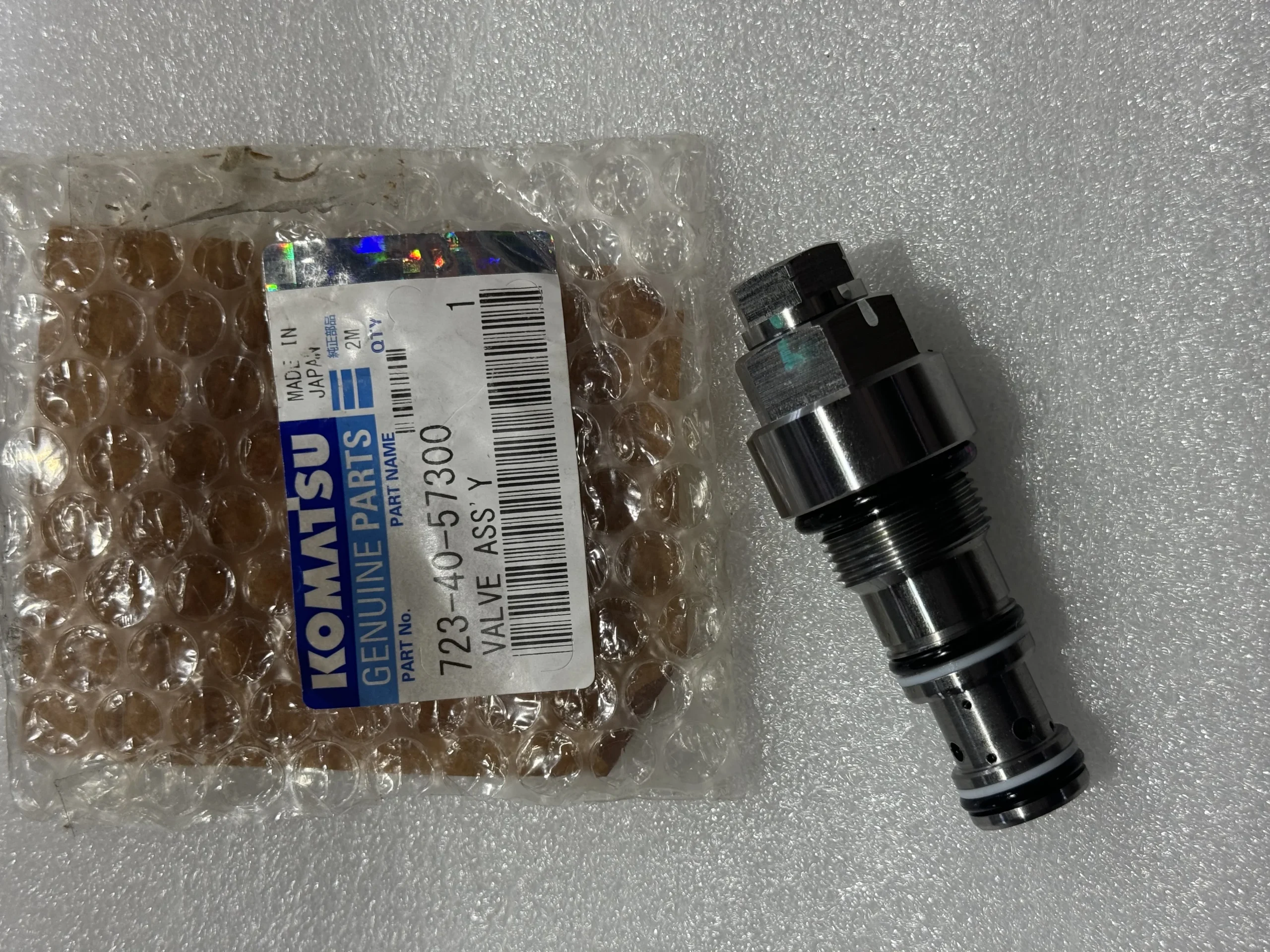 WA480-6 Main Valve 723-40-57300
 -
 Seal Ring 195-15-39220 1951539220 For Komatsu Wheel Loaders WA500-6 WA700-1 Komatsu Dump Trucks HD985-5 HD785-7
 -
 235-22-11550 •• PLATE-Komatsu Original Factory
 -
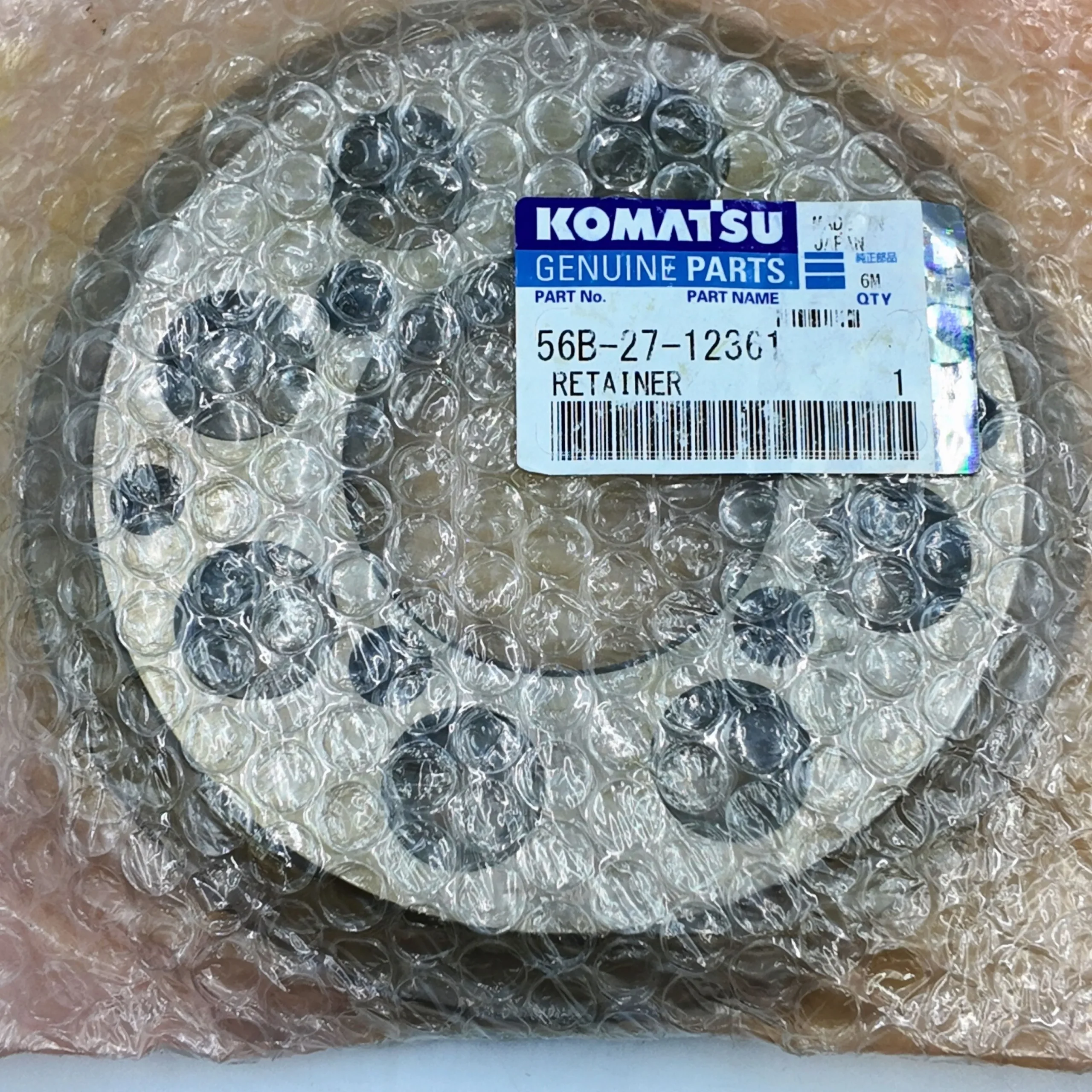 56B-27-12361•• RETAINER-Komatsu Original Factory
 -
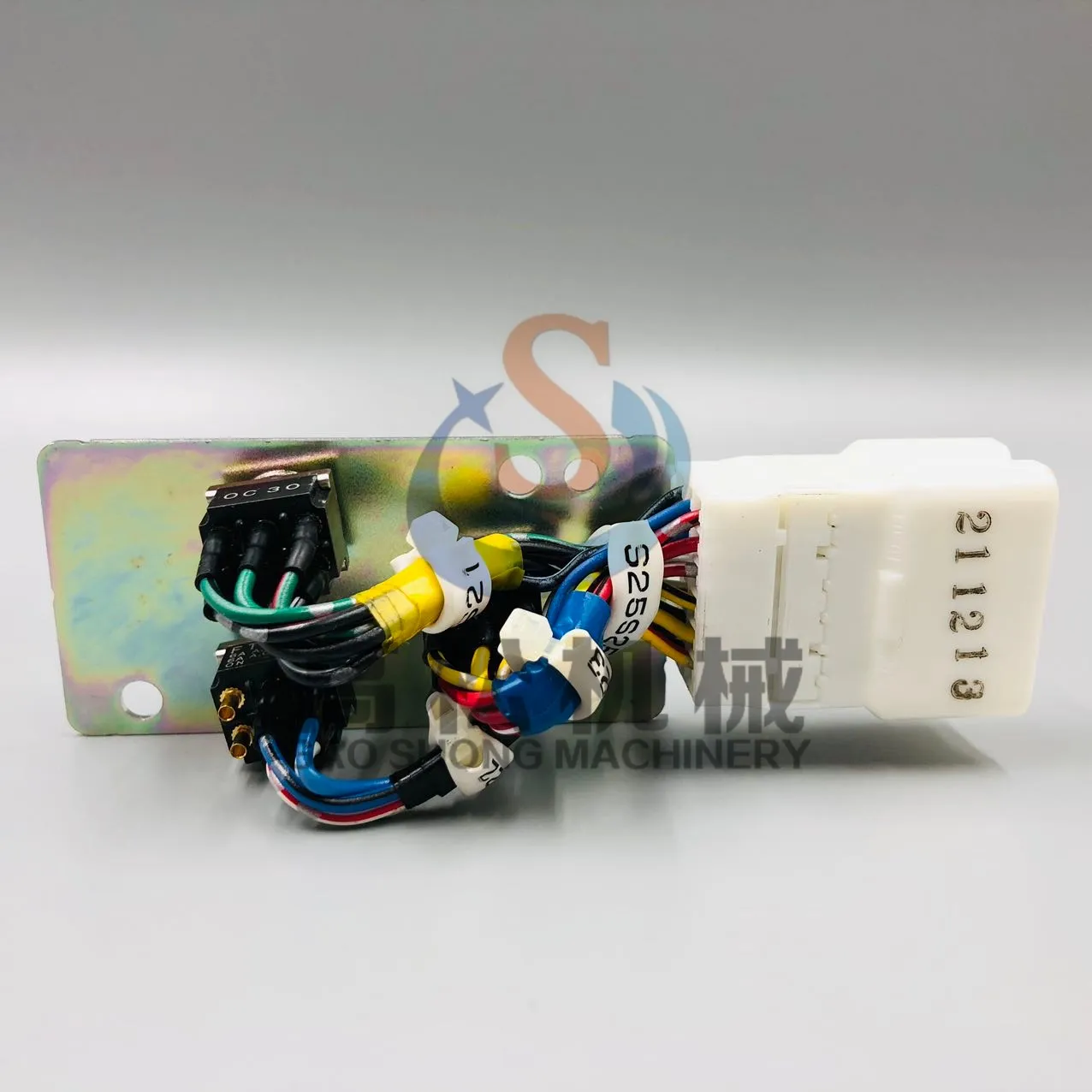 SWITCH ASS’Y 22U-06-22370 – KOMATSU
 -
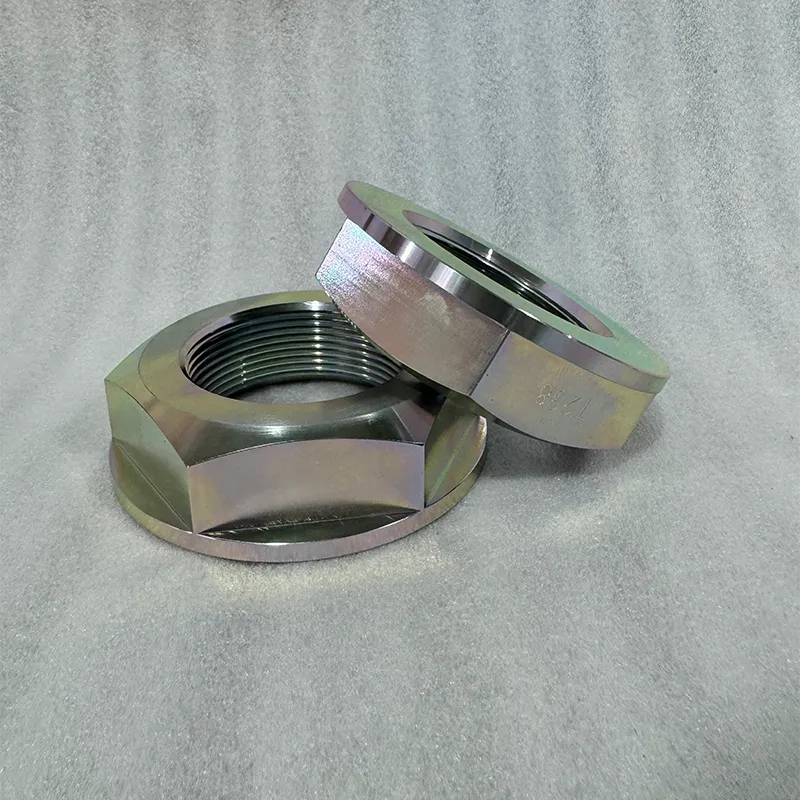 Original komatsu GD825A-2 235-46-45130
 -
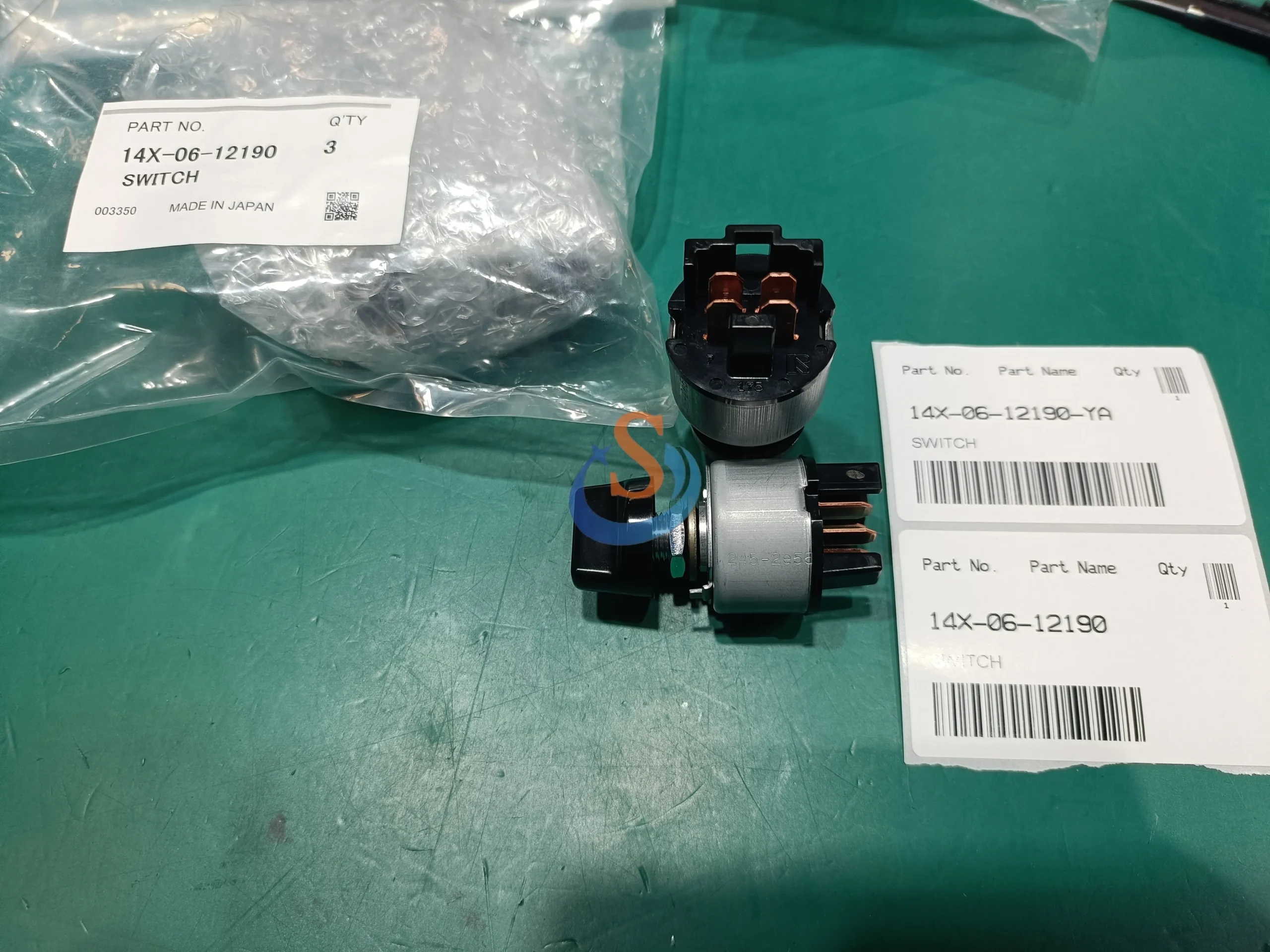 14X-06-12190 SWITCH D375A/D475A
 -
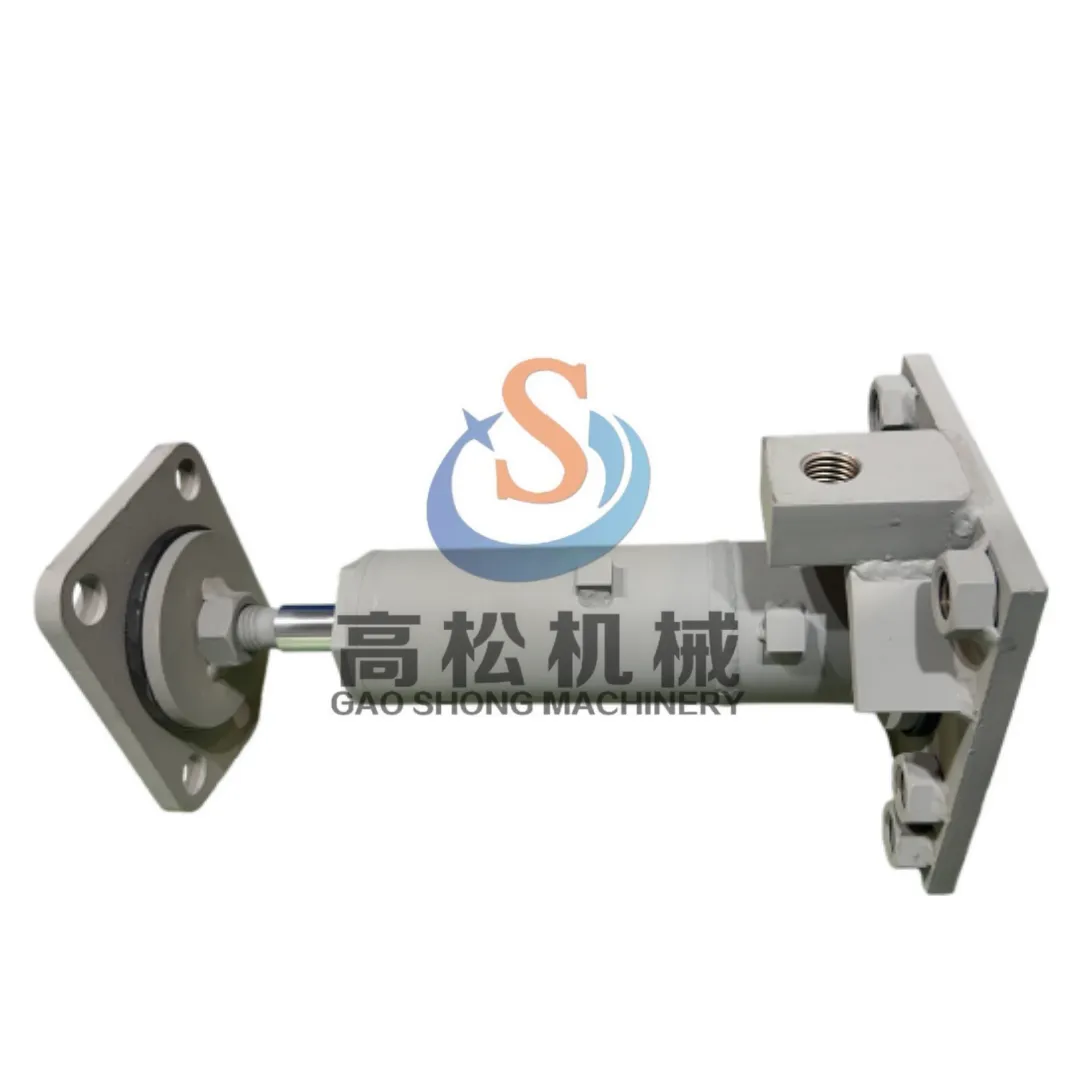 suspension ass’y 17a-54-16201 – komatsu