
- Chinese
- French
- German
- Portuguese
- Spanish
- Russian
- Japanese
- Korean
- Arabic
- Irish
- Greek
- Turkish
- Italian
- Danish
- Romanian
- Indonesian
- Czech
- Afrikaans
- Swedish
- Polish
- Basque
- Catalan
- Esperanto
- Hindi
- Lao
- Albanian
- Amharic
- Armenian
- Azerbaijani
- Belarusian
- Bengali
- Bosnian
- Bulgarian
- Cebuano
- Chichewa
- Corsican
- Croatian
- Dutch
- Estonian
- Filipino
- Finnish
- Frisian
- Galician
- Georgian
- Gujarati
- Haitian
- Hausa
- Hawaiian
- Hebrew
- Hmong
- Hungarian
- Icelandic
- Igbo
- Javanese
- Kannada
- Kazakh
- Khmer
- Kurdish
- Kyrgyz
- Latin
- Latvian
- Lithuanian
- Luxembou..
- Macedonian
- Malagasy
- Malay
- Malayalam
- Maltese
- Maori
- Marathi
- Mongolian
- Burmese
- Nepali
- Norwegian
- Pashto
- Persian
- Punjabi
- Serbian
- Sesotho
- Sinhala
- Slovak
- Slovenian
- Somali
- Samoan
- Scots Gaelic
- Shona
- Sindhi
- Sundanese
- Swahili
- Tajik
- Tamil
- Telugu
- Thai
- Ukrainian
- Urdu
- Uzbek
- Vietnamese
- Welsh
- Xhosa
- Yiddish
- Yoruba
- Zulu
- Kinyarwanda
- Tatar
- Oriya
- Turkmen
- Uyghur





komatsu d21 parts
When you start digging into Komatsu D21 parts, there's a common trap a lot of folks fall into right off the bat: assuming everything labeled 'Komatsu' is equal, or that aftermarket options are just cheap knock-offs. The reality is messier and more interesting. Having been through this for years, I've seen the D21—a real workhorse of a small dozer—outlive its official support in many regions, which throws you straight into the world of alternative supply chains. It's not just about finding a part; it's about finding the right part that won't wreck your machine's balance or hydraulics. The serial number breaks matter more than people think, especially with the early versus late models, and that's where the real headaches—and learning—begin.
The OEM Illusion and the Third-Party Lifeline
Here's the thing: pure OEM channels for a model like the D21 can be a dead end in certain countries. Discontinued, long lead times, or just plain unavailable. That's not just an inconvenience; it's what grounds machines and kills project timelines. This gap is exactly where companies operating within the Komatsu system but functioning as agile third-party suppliers become critical. I remember a project in Southeast Asia where we had a D21-7 down with a cracked final drive case. The official channel quoted a 90-day wait. We turned to a supplier that positions itself as an OEM product supplier within Komatsu's own network, a company like Jining Gaosong Construction Machinery Co., Ltd.. Their pitch isn't just we have parts, it's we help solve parts supply challenges in certain countries. That's a very specific and valuable promise.
Their approach, which you can see laid out on their site at https://www.takematsumachinery.com, is interesting. They're not just a generic parts house. Being an OEM product supplier within the Komatsu system suggests they have access to genuine production lines or licensed manufacturing, while their third-party sales role allows them to bypass regional restrictions. For a D21, this might mean getting a fully compatible, high-quality undercarriage component—like a track link assembly or a roller—that matches the original spec, without the official dealership markup or logistics nightmare.
The proof, as always, is in the fit. We took a chance on a set of sprocket segments from them. The packaging wasn't flashy Komatsu yellow, but the casting marks, the hardness of the teeth, and the bolt hole alignment were spot-on. It fit like the original, with no filing or hammering required. That's the difference between a parts seller and a solutions provider. They understand that for legacy models, availability and compatibility are the only metrics that matter.
Where the Devil Lives: Undercarriage and Hydraulics
If you want to test a supplier's mettle on Komatsu D21 parts, throw undercarriage and hydraulic components at them. These are the profit-killers. The D21's blade lift and tilt cylinders, for instance. Seals go, rods score. A cheap repair kit will fail in months, contaminating the whole system. A quality kit, maybe sourced from a specialist OEM-aligned supplier, should last years. I learned this the hard way early on, using a generic seal kit that swelled and disintegrated in a tropical climate. Cost me two extra teardowns and a hydraulic pump flush.
Track chains and rollers are another minefield. The D21 isn't huge, but it's heavy for its size. Off-brand compatible rollers often have inferior bearing seals or case hardening. They'll seem fine for a few hundred hours, then they'll start leaking grease and wear out prematurely, taking the pin and bushing with them. You end up replacing the whole set instead of just a couple of worn pieces. When evaluating a source, I now always ask for metallurgical certs or at least the country of origin for the forging. A supplier like Gaosong, by virtue of its stated OEM relationship, is more likely to have parts that meet the original material specifications, which is non-negotiable for load-bearing components.
Then there's the obscure stuff. The steering clutch levers. The brake band linings. The PTO shaft splines. These are the parts that can stall a repair for weeks. A broad-line aftermarket seller won't have them. A dedicated Komatsu-focused third-party supplier often will, because they've built their inventory around supporting the entire machine, not just the fast-moving items. It's the difference between having a vendor and having a partner for your fleet.
The Serial Number Gospel and Cross-Reference Pitfalls
Never, ever order a major part for a D21 without the full serial number. The engine changes, the transmission tweaks, the hydraulic valve updates—they all happened. I've seen guys order a D21 water pump only to find the bolt pattern or impeller is different. The part number might supersede, but the physical unit might not. A good technical parts supplier will demand your serial number. If they don't, be wary.
Cross-referencing is a useful tool, but it's not a bible. Many online databases will list a part as fitting a D21, D20, D21A, D21P... all in one listing. That's often a red flag for a generic part that's close enough. The D21A (angledozer) and D21P (pipelayer) have specific counterweights and attachment points that change stress loads. A one-size-fits-all idler or swing cylinder bracket might not account for that. This is where the expertise of a supplier who specializes in Komatsu systems shows. They should be able to tell you, For serial number prefix XX, you need this sub-variant, and here's why.
I keep a log of part numbers that have bitten me. One entry reads Alternator, listed for D21. Mounting bracket offset 5mm different, required modification. The supplier was a general equipment house. Now, for electrical and precision components, I lean more heavily on sources that are embedded in the manufacturer's ecosystem, even if they're third-party. The risk of downtime from a small mismatch is too high.
Cost vs. Value: The Total Cost of Ownership Math
The initial price tag on a part is just the entry fee. For Komatsu D21 parts, the total cost includes fitment time, machine downtime, and the service life of the component. A $200 savings on a track roller that fails in 1,000 hours instead of 2,000 is a net loss. You're paying for the teardown and labor twice. When a company like Jining Gaosong Construction Machinery Co., Ltd. states they are an OEM product supplier, they're implicitly arguing for a higher value proposition: our parts may not be the cheapest, but they will last like the originals, minimizing your total operational cost.
This is crucial for fleet managers. Standardizing on a reliable source for legacy machine parts reduces variability. You know what you're getting. The invoice from takematsumachinery.com might be for a replacement hydraulic control valve, but what you're really buying is predictability. You're buying the assurance that the valve spool tolerances are correct, the seals are the right compound, and the machine will behave as it did when it left the factory. That's worth a premium.
Conversely, there are non-critical parts where going generic is fine. Filters (if they meet spec), some hoses, standard pins and bushings before they're worn into a custom shape. The skill is knowing the difference. I'll happily source a generic bucket tooth for a D21's backhoe attachment (if equipped) from a local fabricator. But I won't cut corners on the main pump or the final drive internals. The supplier's role is to help you make that distinction, not just sell you everything on the list.
Building a Relationship with a Supplier
This isn't a retail transaction. Sourcing parts for a decades-old machine like the D21 is a relationship. You want a supplier who answers the phone, who understands the urgency when a machine is down, and who has the technical depth to troubleshoot with you. My D21 is creeping in neutral is a question that should lead to a conversation about steering clutch adjustment, brake band wear, or transmission pressure, not just an offer to sell you a new transmission.
The best suppliers become an extension of your maintenance team. They'll flag known issues with certain serial number ranges—like the weak points on early D21 final drive housings. They might suggest a kit that includes all the related seals and gaskets for a job, saving you a second order. Their website, like Gaosong's, should be more than a catalog; it should reflect an understanding of the challenges—solving parts supply challenges in certain countries is a mission statement that resonates with anyone who's been in the field.
In the end, managing an aging D21 is about sustainable support. The machine itself is robust. The challenge is keeping a quality stream of parts flowing to it. That means moving beyond the pure OEM/dealership model and integrating reliable, technically proficient third-party sources into your supply chain. It's about recognizing that the label on the box is less important than the expertise behind it and the performance of the part in the machine. For the D21, and machines like it, that's the only way to keep them earning their keep for another decade.
Related Products
Related Products
Best Selling Products
Best Selling Products-
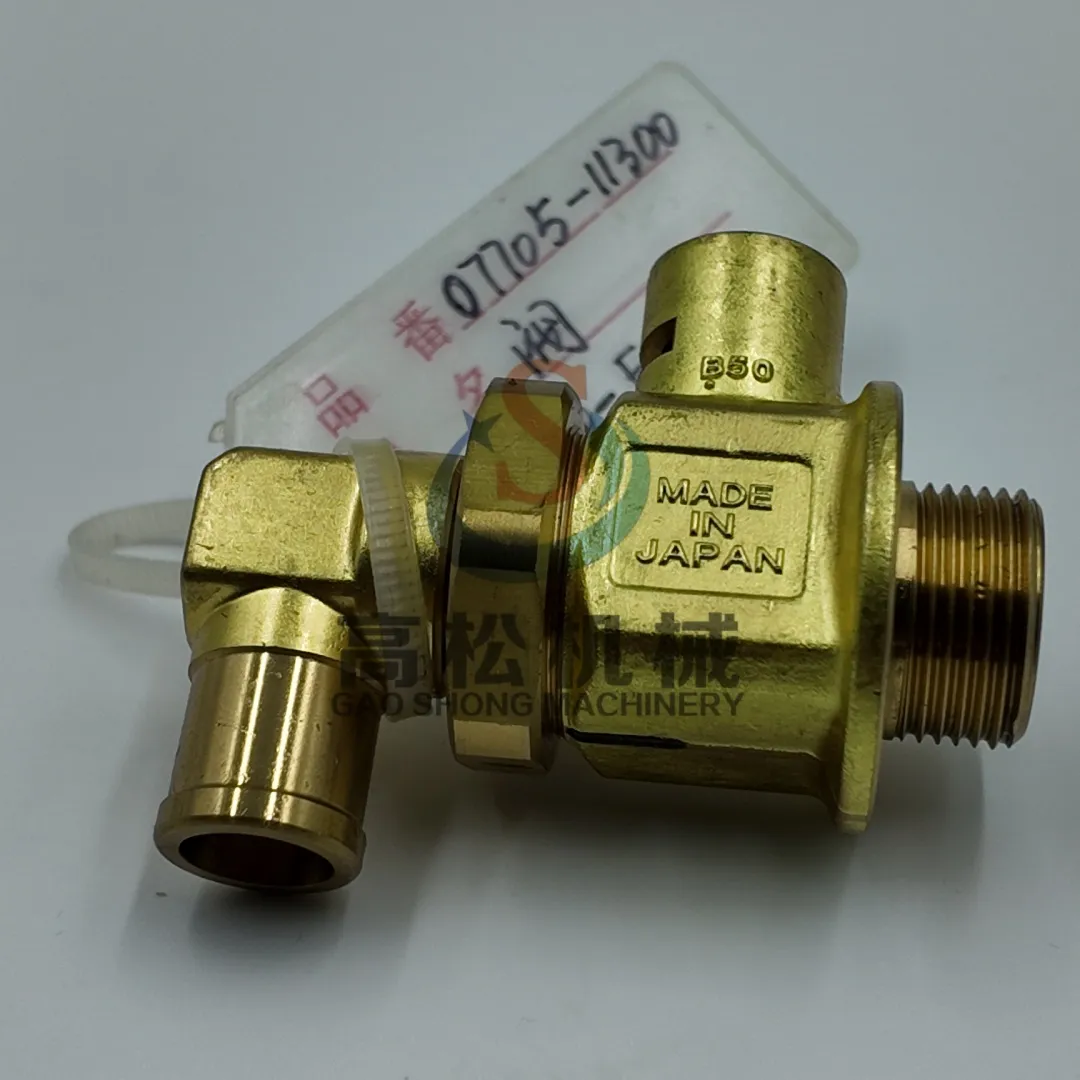 VALVE DRAIN 07705-11300 Komatsu Parts
 -
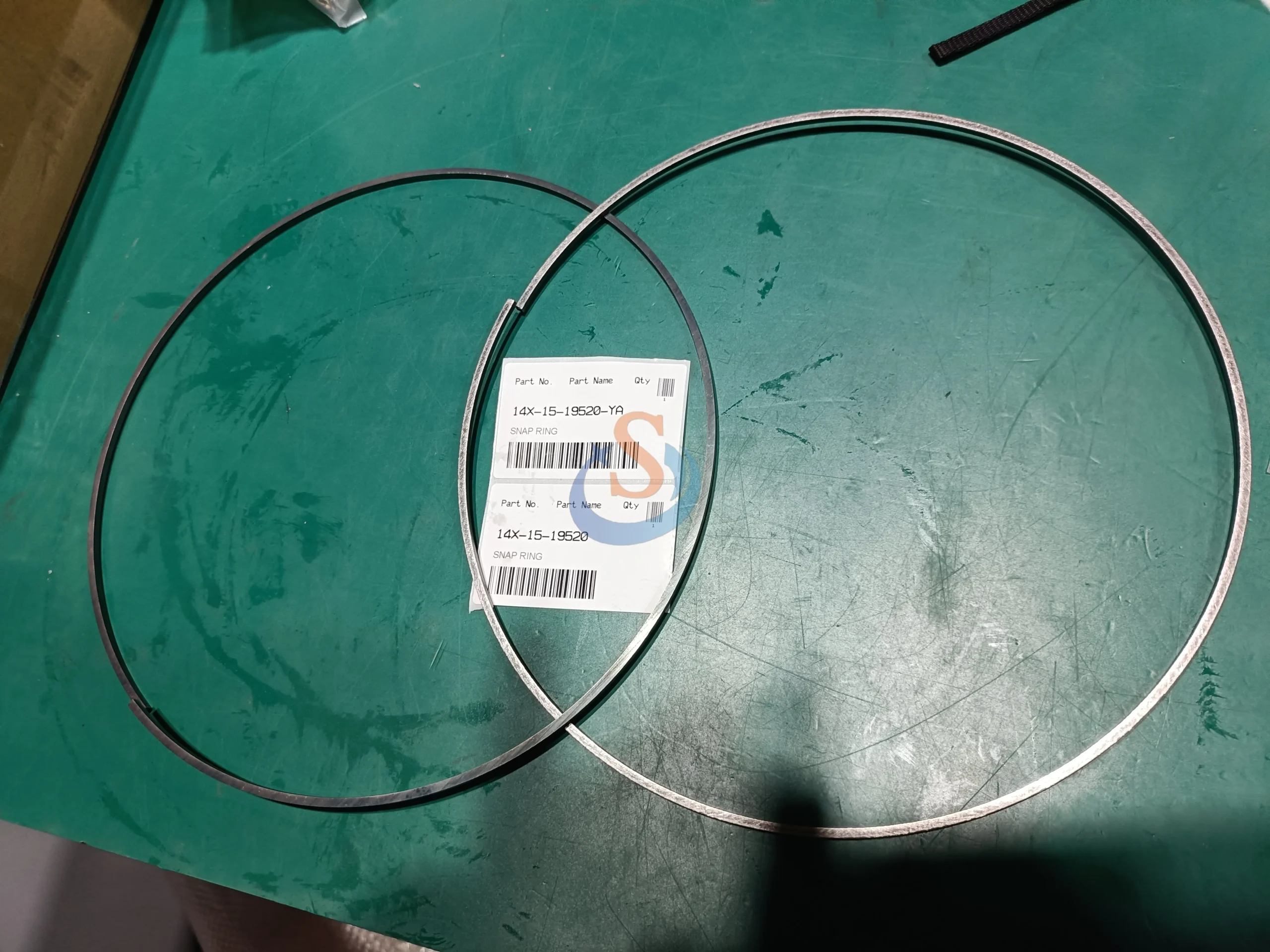 14X-15-19520 RING,SNAP D68ESS,D85PX,WA500
 -
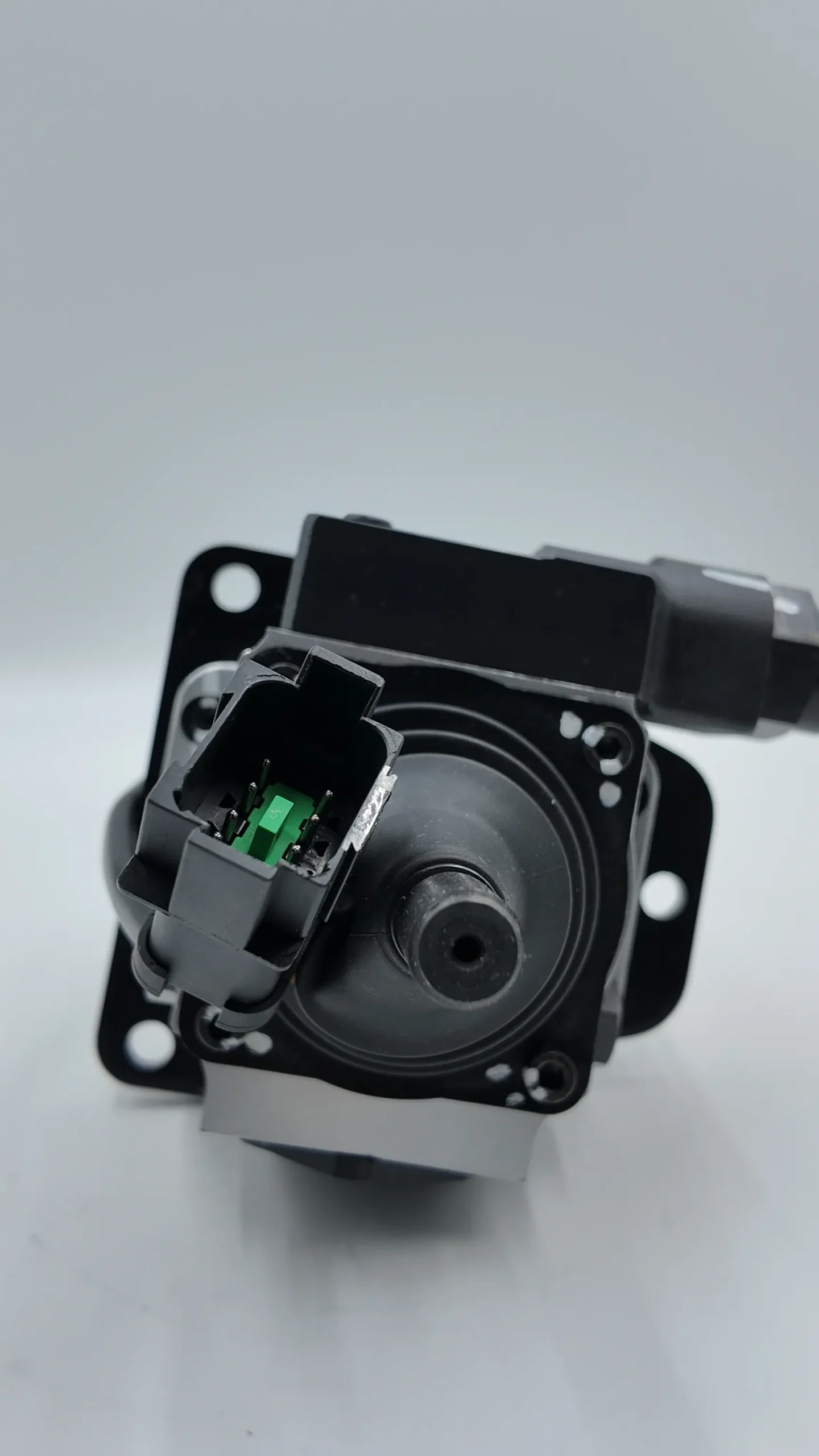 702-16-02290,702-16-02210,702-16-02212 LEVER ASS’Y Komatsu Original Factory
 -
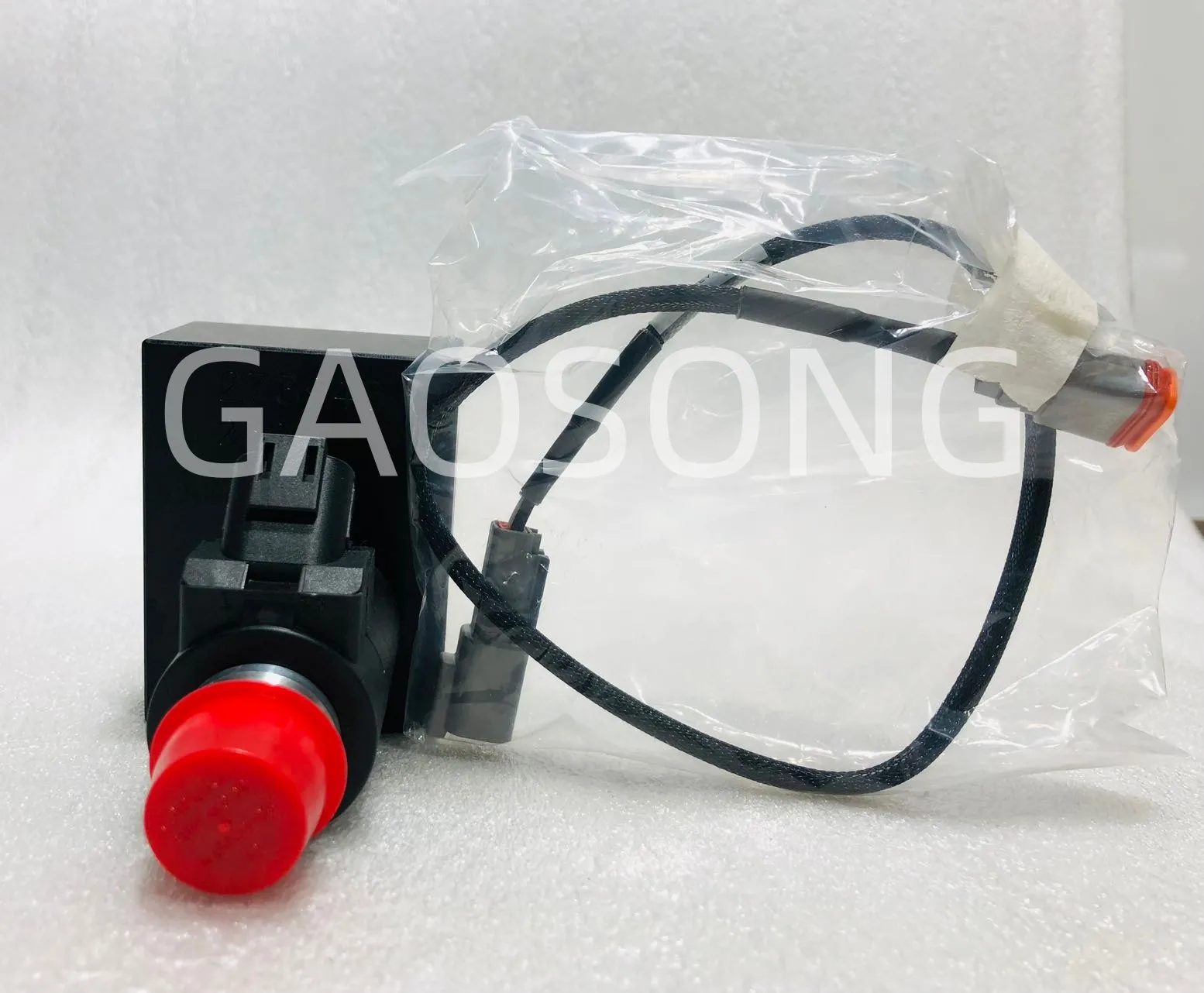 561-95-8A540 • VALVE ASSEMBLY,VENT-Komatsu Original Factory
 -
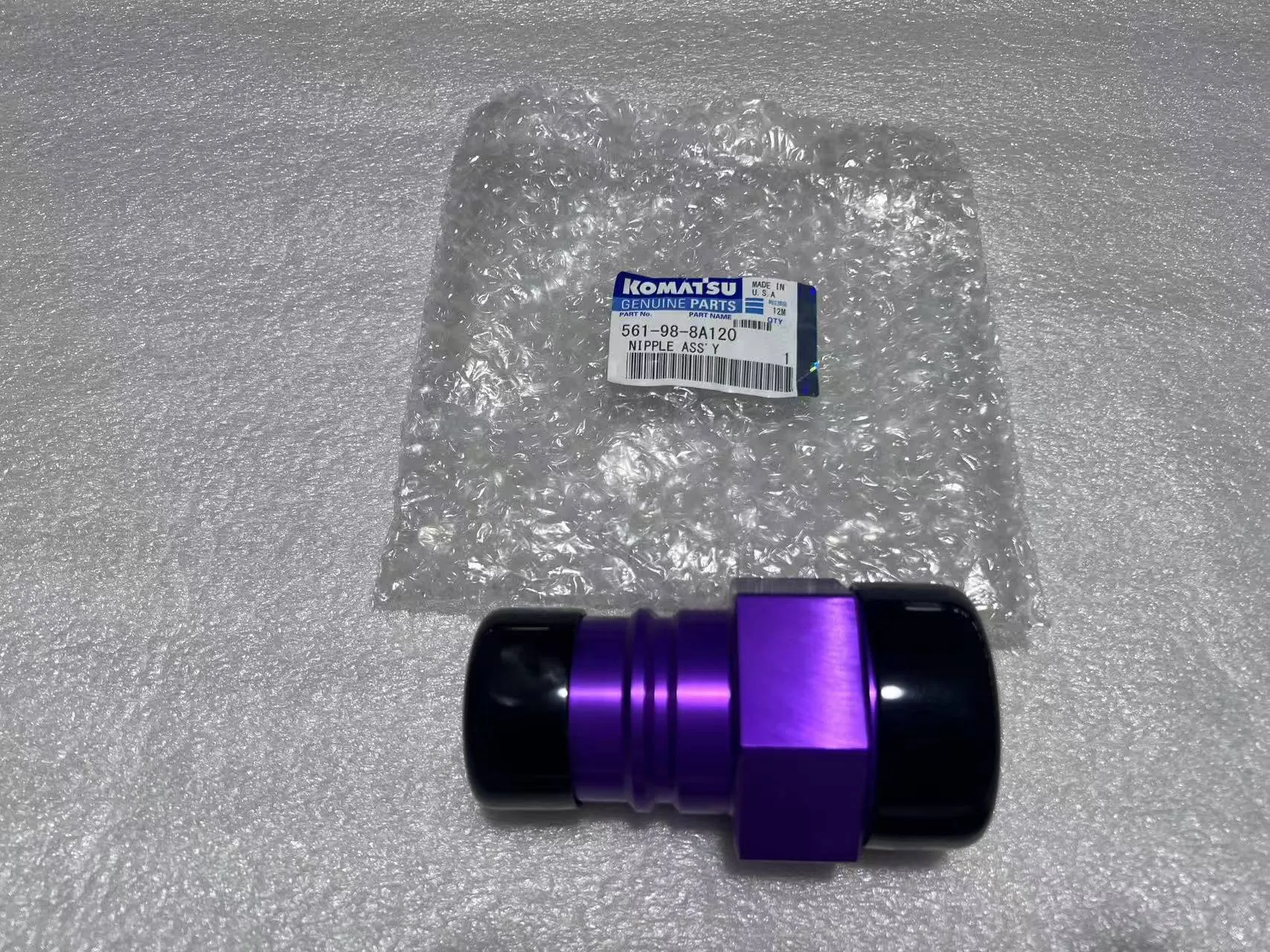 Joint component561-98-8A120
 -
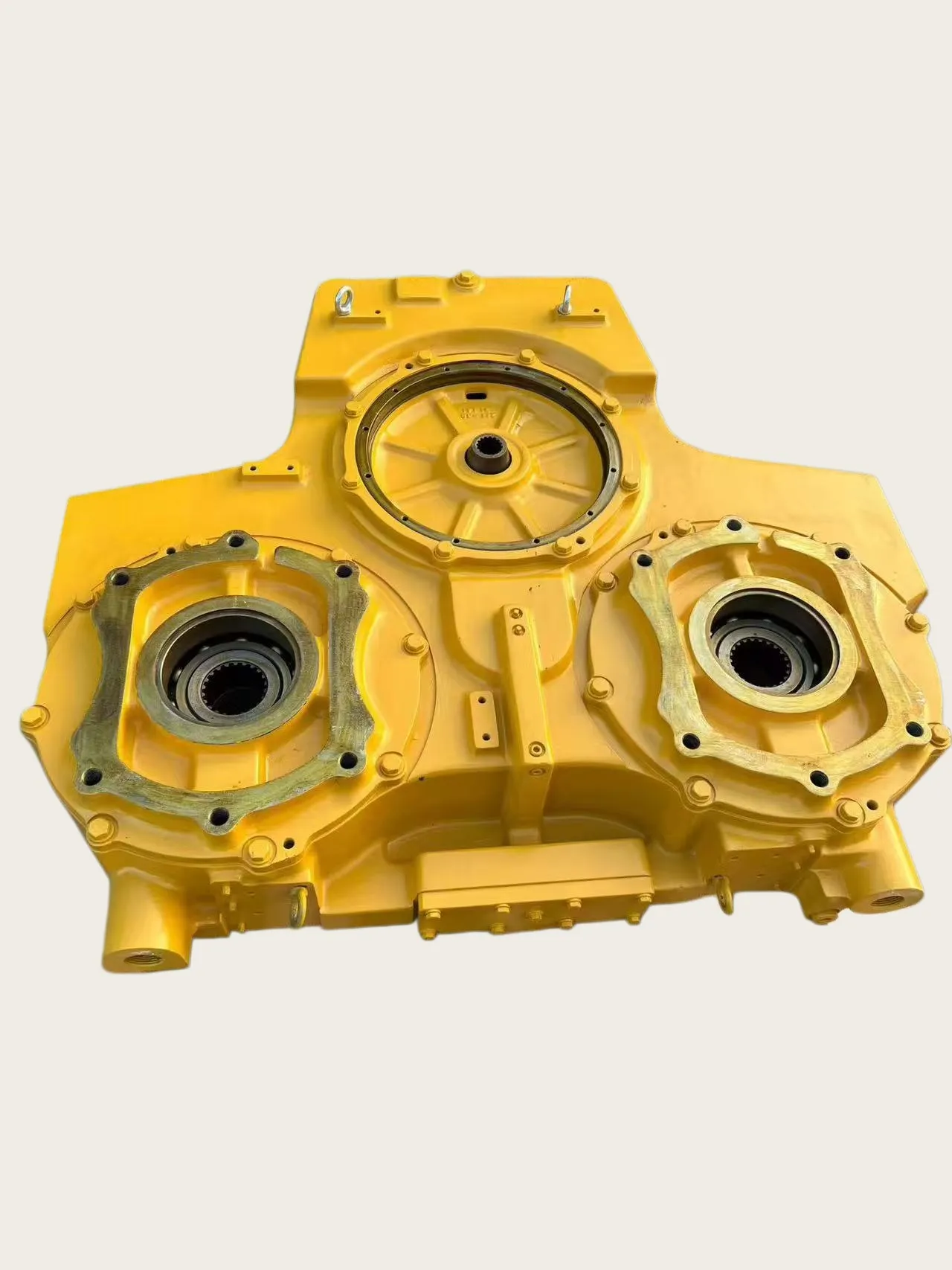 komatsu-part-21T-38-00160 21T-38-00170 21T-38-00180 21T-38-00190 PTO Assembly PC2000-8 PC2000-11 PTO (POWER TAKE OFF), INNER PARTS POWER TAKE OFF
 -
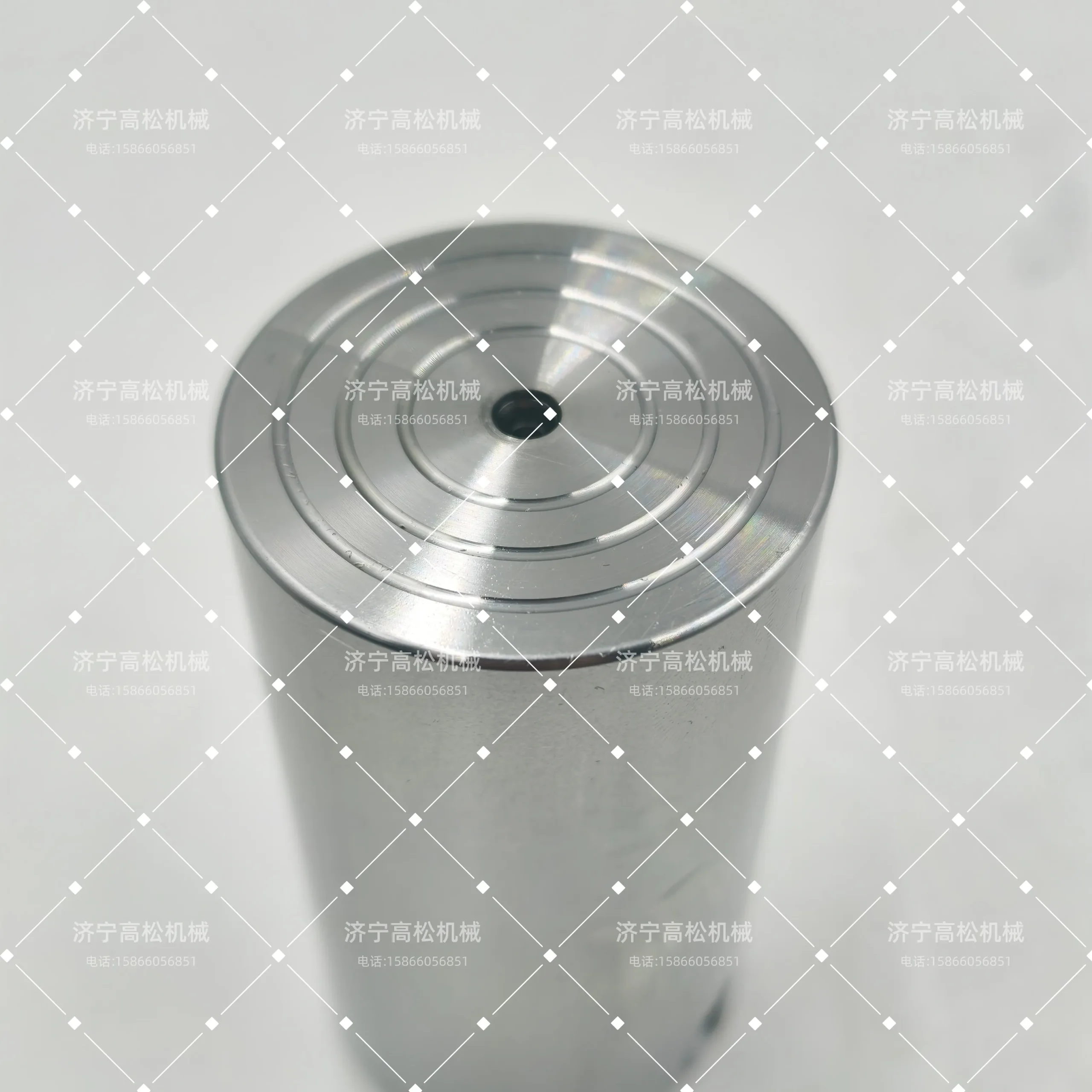 Komatsu 20Y-27-31160 Pin, price for original and… — Pricing.Parts
 -
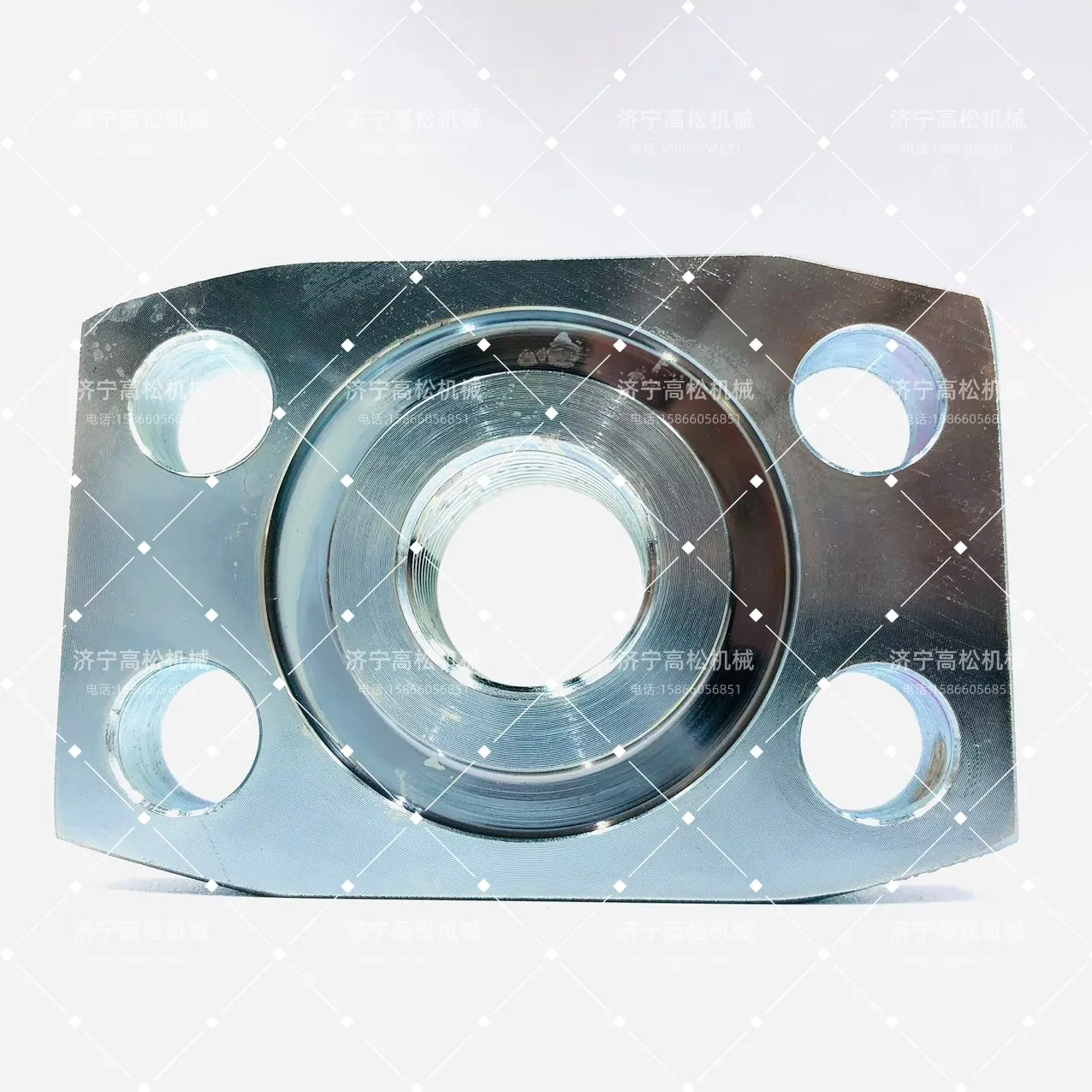 21N-38-12310 Komatsu FLANGEKomatsu Original Equipment…
 -
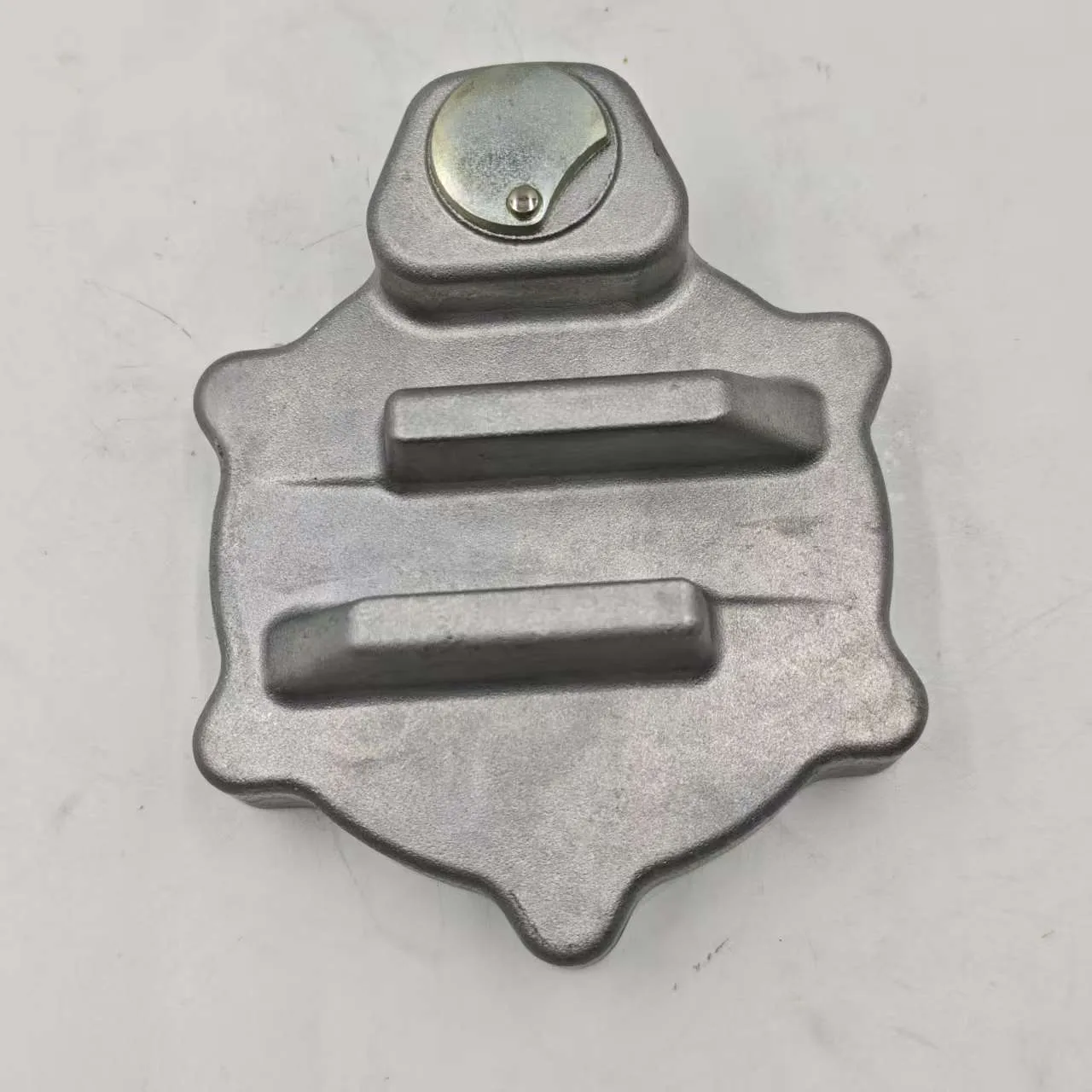 07053-10000 Cap-Radiator Fits KOMATSUU Models
 -
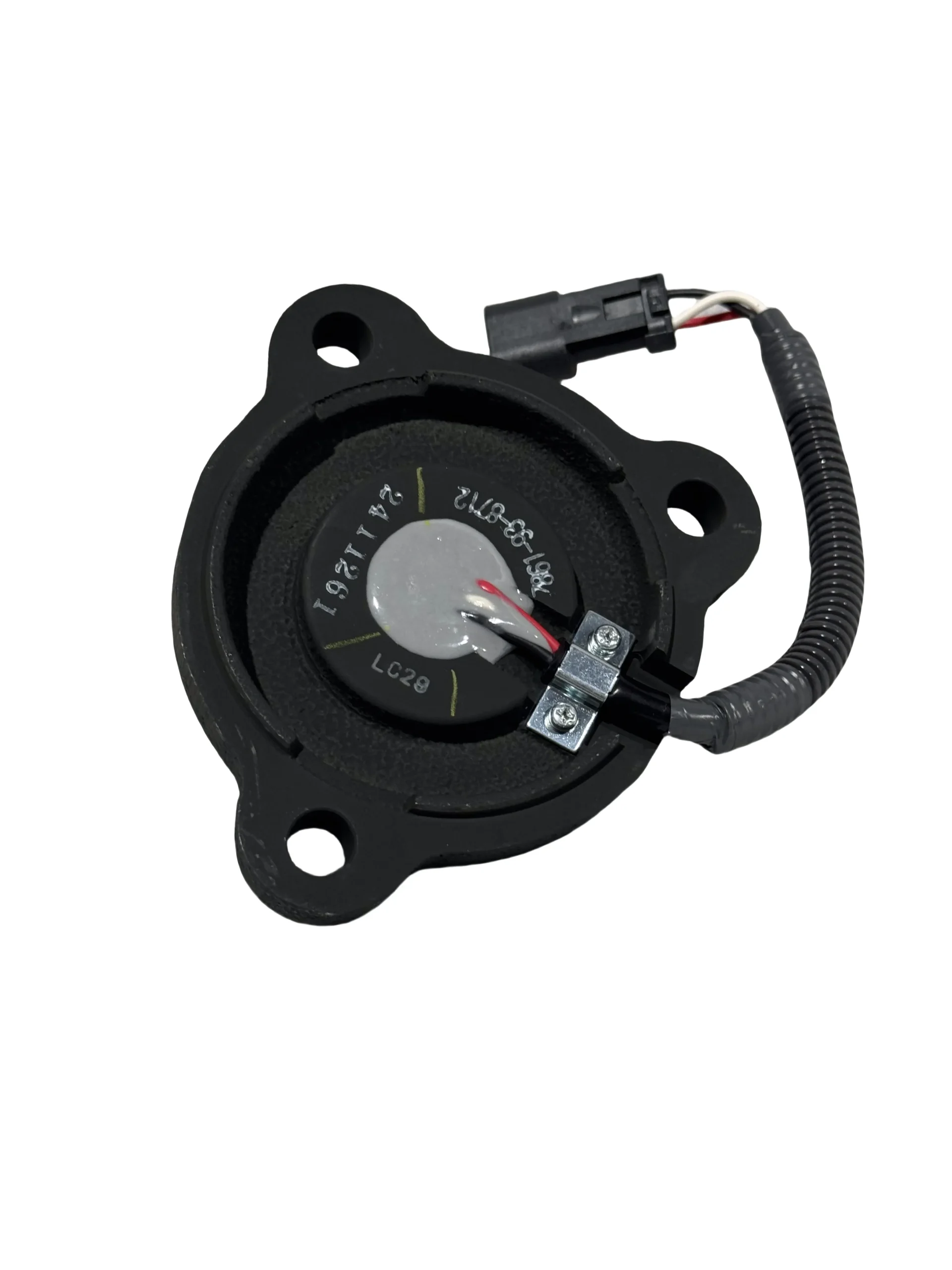 7861-93-8711 Steering Sensor for Komatsu HD785-7
 -
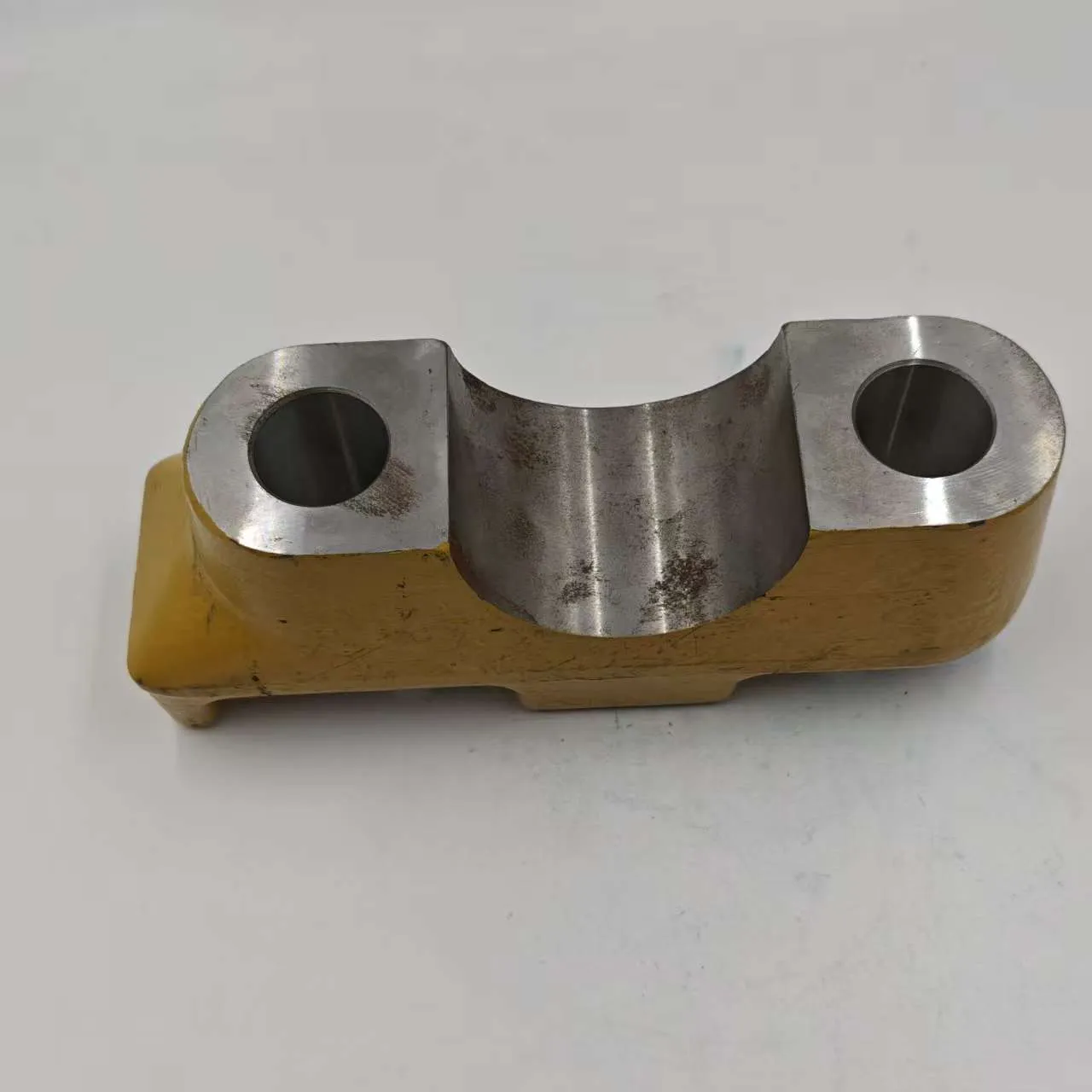 Cap 195-30-62141 for Komats Dozer D375A
 -
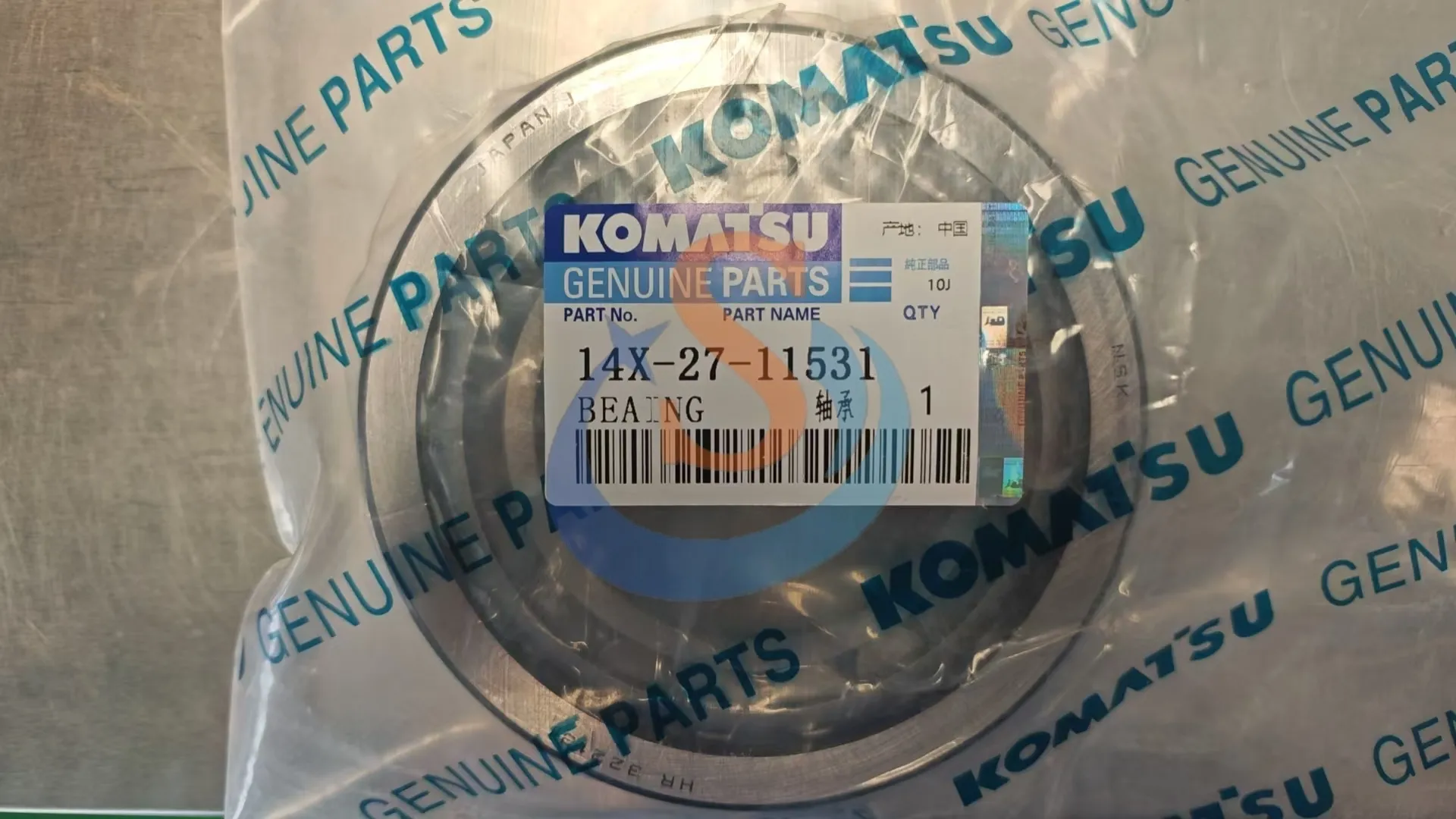 14X-27-11531,BEARING,D65P,D65EX,D65WX