
- Chinese
- French
- German
- Portuguese
- Spanish
- Russian
- Japanese
- Korean
- Arabic
- Irish
- Greek
- Turkish
- Italian
- Danish
- Romanian
- Indonesian
- Czech
- Afrikaans
- Swedish
- Polish
- Basque
- Catalan
- Esperanto
- Hindi
- Lao
- Albanian
- Amharic
- Armenian
- Azerbaijani
- Belarusian
- Bengali
- Bosnian
- Bulgarian
- Cebuano
- Chichewa
- Corsican
- Croatian
- Dutch
- Estonian
- Filipino
- Finnish
- Frisian
- Galician
- Georgian
- Gujarati
- Haitian
- Hausa
- Hawaiian
- Hebrew
- Hmong
- Hungarian
- Icelandic
- Igbo
- Javanese
- Kannada
- Kazakh
- Khmer
- Kurdish
- Kyrgyz
- Latin
- Latvian
- Lithuanian
- Luxembou..
- Macedonian
- Malagasy
- Malay
- Malayalam
- Maltese
- Maori
- Marathi
- Mongolian
- Burmese
- Nepali
- Norwegian
- Pashto
- Persian
- Punjabi
- Serbian
- Sesotho
- Sinhala
- Slovak
- Slovenian
- Somali
- Samoan
- Scots Gaelic
- Shona
- Sindhi
- Sundanese
- Swahili
- Tajik
- Tamil
- Telugu
- Thai
- Ukrainian
- Urdu
- Uzbek
- Vietnamese
- Welsh
- Xhosa
- Yiddish
- Yoruba
- Zulu
- Kinyarwanda
- Tatar
- Oriya
- Turkmen
- Uyghur






komatsu d20p parts
When you search for 'Komatsu D20P parts', you're immediately thrown into a world of promises versus reality. A lot of folks, especially those new to maintaining older dozers like the D20P, assume it's a straightforward catalog order. They see the model number and think any 'Komatsu' labeled part will bolt right on. That's the first, and often most expensive, mistake. The D20P has its own quirks, revisions over its production run, and a parts ecosystem now dominated by aftermarket and specialized OEM-aligned suppliers, not just the main dealer network. The real challenge isn't finding a part, it's finding the correct part that matches your machine's serial number break and hasn't been sitting on a shelf degrading for a decade.
The Core Challenge: Beyond the Dealer Code
Let's be blunt: walking into a primary Komatsu dealer for D20P components can be a lesson in frustration. For high-wear items like undercarriage parts—track links, rollers, idlers—they might have cross-reference data. But for engine-specific parts for the 4D95 powerplant, or the nuanced hydraulics of the blade control valve, you're often looking at discontinued status or astronomical prices for New Old Stock. This is where the model's age shows. The dealer system is optimized for current and recent models; the D20P is a legacy machine. This supply gap is precisely what creates the niche for companies that operate within the Komatsu system but with a different focus.
I've dealt with situations where a customer insisted on genuine Komatsu for a simple gasket kit. The lead time was 12 weeks, air freight from Japan, at a cost that made the job unviable. Meanwhile, an OEM-aligned supplier, one that manufactures to the original blueprints and holds the necessary certifications, had the kit in a regional warehouse. The quality was identical because it was the same specification, just without the Komatsu box and the associated logistics markup. This is a critical distinction for anyone managing repair budgets and downtime.
Take the swing circle bearing, for instance. A rebuild-stopping item. A pure aftermarket version might save 40% upfront, but I've seen mismatched hardness and seal failures within 800 hours. The OEM-aligned part from a trusted system supplier might cost 15% less than the dealer quote, but it comes with the assurance of metallurgical reports and traceability. For a Komatsu D20P parts hunt, this middle ground is often the sweet spot.
The Role of System Suppliers and Third-Party Solutions
This brings me to the operational model of firms like Jining Gaosong Construction Machinery Co., Ltd.. Their stated position—being an OEM product supplier within the Komatsu system and a third-party sales company—isn't just marketing speak. It describes a specific, valuable function in the parts chain. As an OEM supplier, they likely produce or source sub-assemblies or components that eventually feed into Komatsu's own network. This gives them direct access to engineering specs and quality protocols.
Their parallel role as a third-party seller is where they solve real-world problems. They can take those same OEM-quality parts and distribute them through channels that bypass the traditional dealer bottleneck, directly addressing the supply challenges in certain countries mentioned on their site, https://www.takematsumachinery.com. If you're operating in a region where the official distributor has limited stock for vintage models, a company like this becomes a vital link. They aren't just selling parts; they're providing access to a supply line that would otherwise be closed.
I recall a project in Southeast Asia where two D20Ps were down for final drive issues. The local dealer offered reman units with a 90-day lead. We found the planetary gear sets through a similar system supplier. The parts weren't branded Komatsu, but the packaging had the original Komatsu part number sticker underneath the supplier's label—a telltale sign of its origin. They fit perfectly. The downtime was cut from three months to three weeks. This is the practical value of this niche.
Practical Sourcing: Filters, Pumps, and the Devil in the Details
Let's get into some specifics. The hydraulic system on the D20P can be a headache. Sourcing a main hydraulic pump isn't just about matching the gpm rating. You need to check the shaft spline count and the port configuration. I've received a direct replacement pump that had the ports clocked 90 degrees differently, requiring a full re-plumb of the hydraulic lines. A proper supplier, especially one with OEM knowledge, will ask for your machine's serial number or a photo of the old pump's tag. That's a sign of professionalism.
Another high-failure item is the fuel injection pump. Here, you absolutely cannot compromise. While aftermarket rebuild kits exist, the calibration of the pump is everything. My advice? For the 4D95 engine's injection pump, either go with a certified exchange unit from a system supplier or send your original out for a professional rebuild with a calibration bench. A cheap replacement will lead to poor power, black smoke, and ultimately, damaged cylinders. The cost of a correct Komatsu D20P parts solution here is always less than an engine overhaul.
Air filters and oil filters are the opposite end of the spectrum. For these, quality aftermarket brands like Fleetguard or Donaldson often provide equal or better filtration efficiency than parts sitting in old Komatsu boxes. The key is to cross-reference the OEM number reliably. Don't just trust a website's generic listing; use a printed cross-reference guide or call a technical rep. A clogged, poor-quality air filter is the fastest way to dust an engine.
Undercarriage: The Money Pit and How to Avoid It
This is where most of the lifetime cost of a D20P goes. When buying Komatsu D20P parts for the undercarriage, the terminology is crucial. Segmented vs. solid sprocket rims. Single-flange vs. double-flange rollers. Getting this wrong means the parts physically won't assemble. A common pitfall is mixing chain link grades. If you're putting on new track links, you must use the correct pins and bushings designed for that link's hardness. Mismatching leads to accelerated, uneven wear.
I made a mistake years ago trying to save money on a bottom roller rebuild. We sourced the seals and bearings separately from different aftermarket vendors. The seals failed in under 200 hours because the bearing tolerance was slightly off, allowing just enough play to wreck the seal lip. The lesson was expensive. Now, for roller or idler rebuilds, I either buy a complete assembled unit from a trusted OEM-aligned source or a complete, matched rebuild kit. The extra cost is insurance.
Track shoe selection is another area for judgment. For general grading, the standard single-grouser shoe is fine. But if the machine is working in rocky conditions, a more durable, multi-grouser design from a quality manufacturer can outlast the original spec part. It's worth discussing application with your supplier.
Building a Reliable Supply Relationship
Ultimately, maintaining a D20P efficiently isn't about one-off purchases. It's about building a relationship with a supplier who understands legacy machines. When you find a source that asks the right questions—serial number, application hours, previous repairs—you hold onto them. A company like Jining Gaosong, by virtue of its dual role, has the potential to be that resource. Their value isn't just in a catalog, but in having the technical depth to know that a D20P-6 machine might need a different water pump impeller than a D20P-3.
The proof is always in the transaction. Do they provide material certifications? Can they trace the part back to its manufacturing batch? When you call with a fitment question, do they put you on hold to consult a manual or a technician? These are the behaviors of a genuine system supplier, not just a reseller.
For anyone deep in the world of older Komatsu equipment, the goal is to keep them running reliably and profitably. That means making smart, informed decisions on parts sourcing. It means recognizing that genuine sometimes comes in a plain box from an OEM partner, and that the best Komatsu D20P parts solution balances authenticity, availability, and cost. It's not a simple search; it's a skilled procurement task. And getting it right is what separates a machine that's a constant drain from one that's a reliable asset.
Related Products
Related Products

Best Selling Products
Best Selling Products-
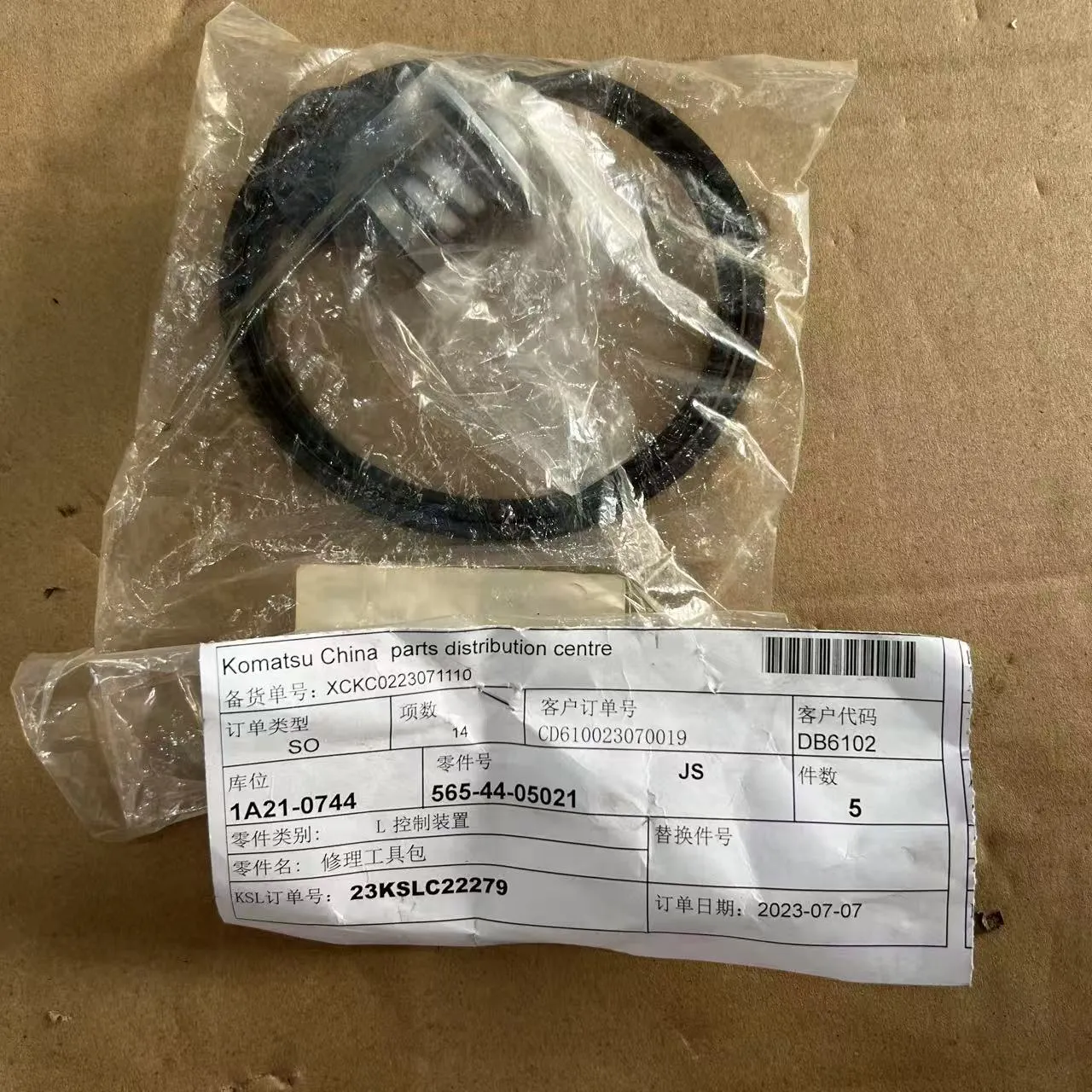 565-44-05021 Service Kit AIR relay
 -
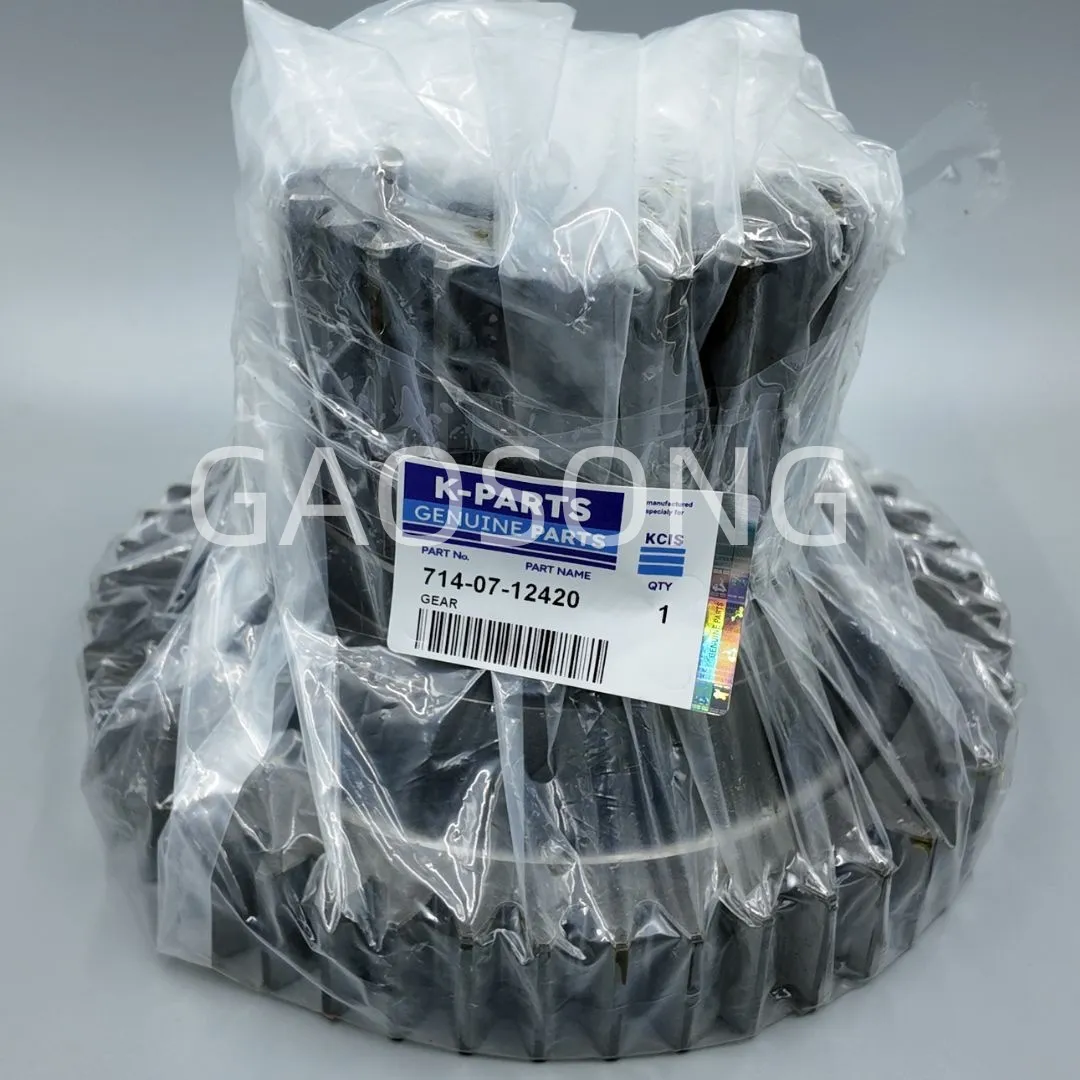 714-07-12420 •• GEAR¤ 48 TEETH,FORWARD-Komatsu Original Factory
 -
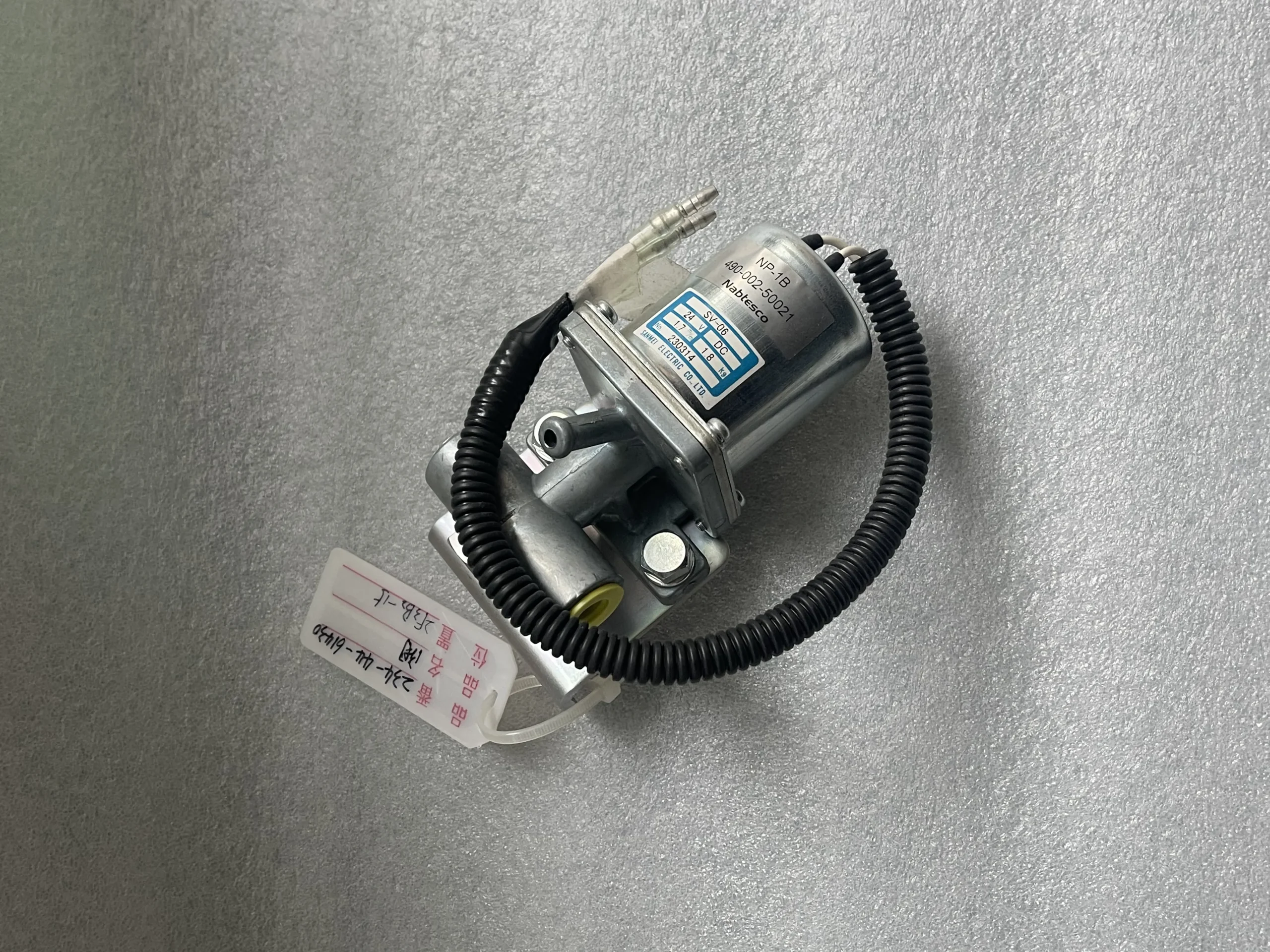 SOLENOID VALVE 234-44-61430 for GD705/825
 -
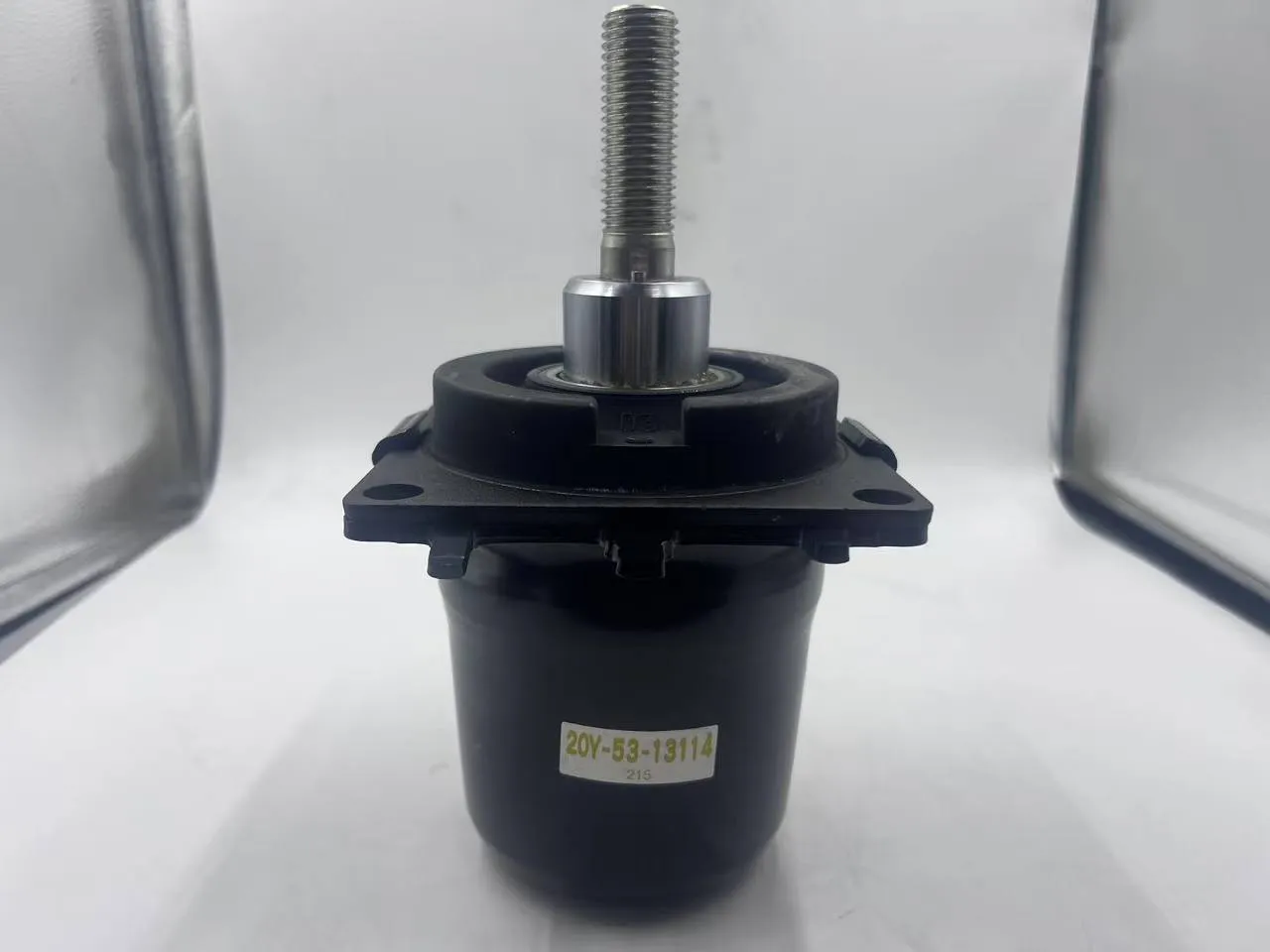 CUSHION 20Y-53-13114
 -
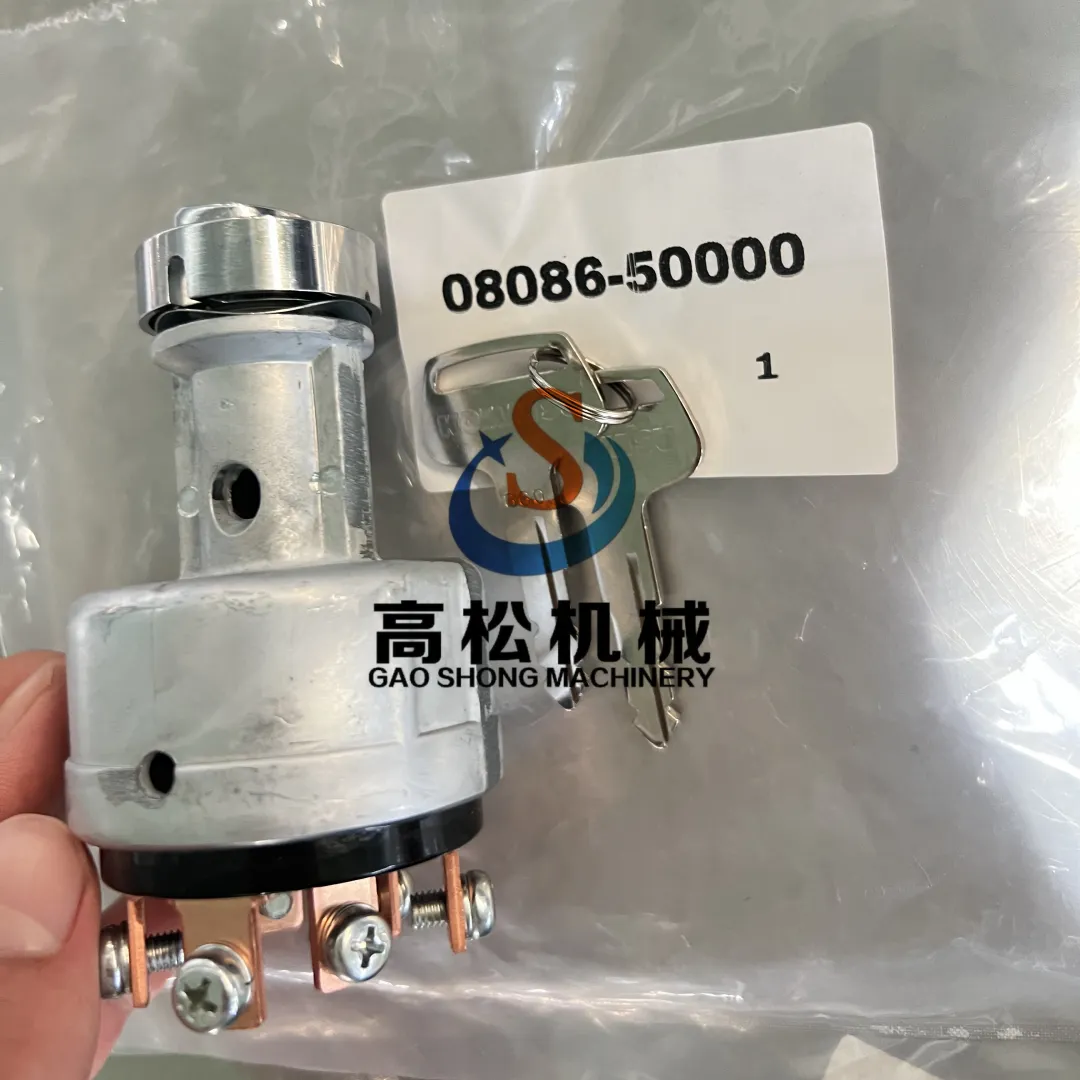 08086-50000Komatsu 08086-50000 Replacement Ignition Switch
 -
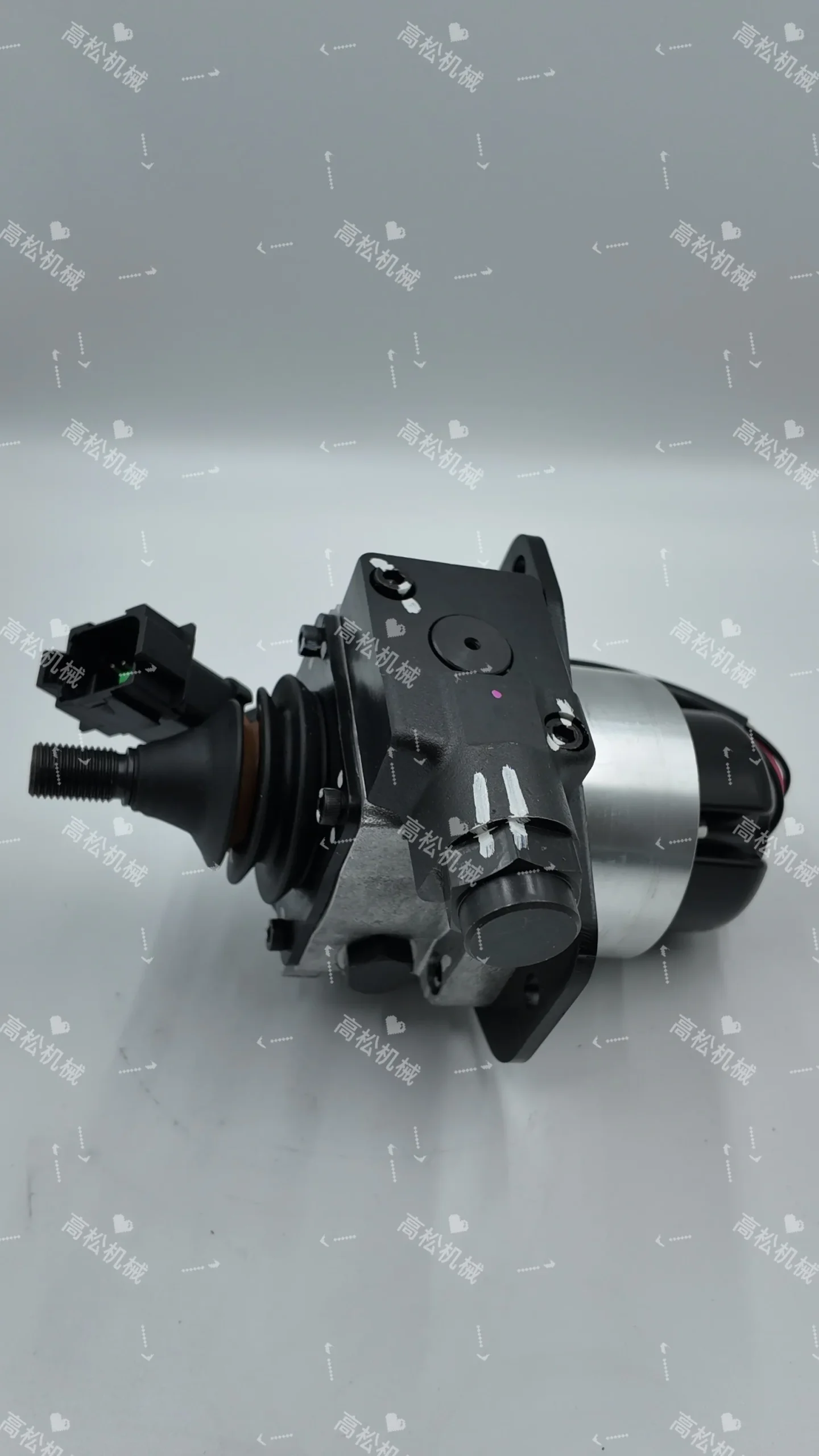 IMIFAFTAbT 702-16-02290 702-16-02210 Lever Assembly Fits for Komatsu D65EX-16 D65PX-16 D65WX-16 D275A-5R D155AX-6 Bulldozer
 -
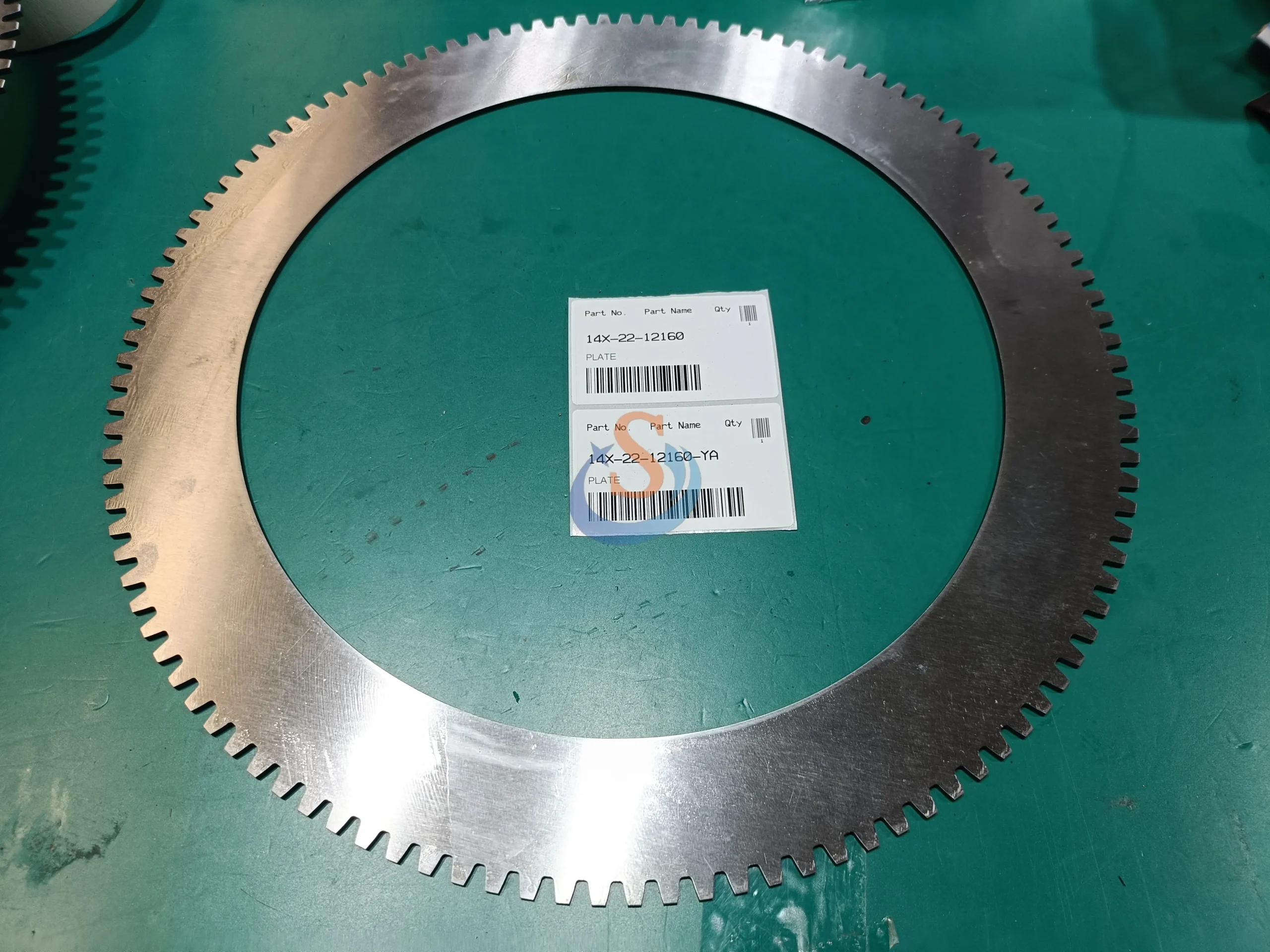 14X-22-12160,PLATE,D275A,D85ESS,D65E
 -
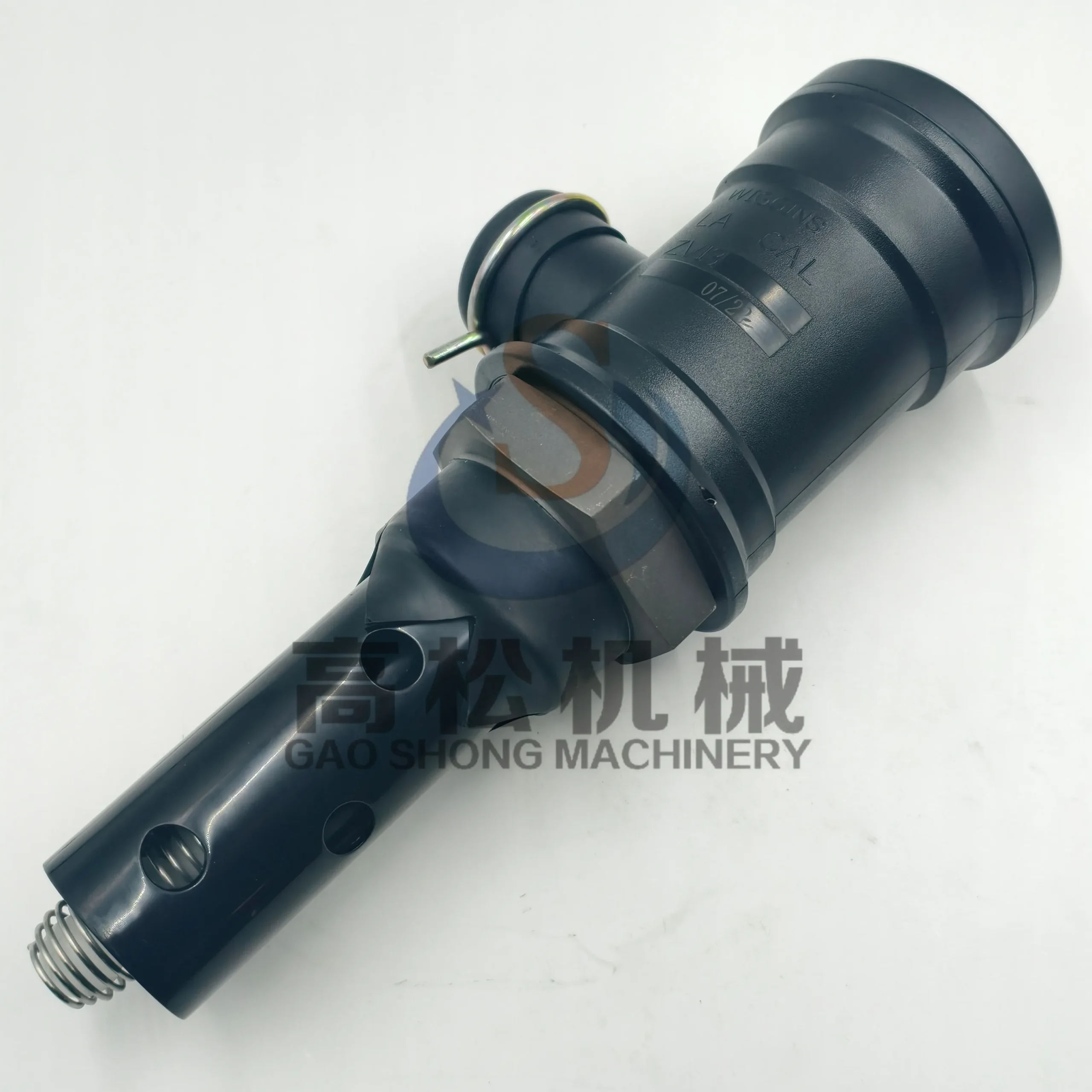 21T-04-31130 KOMATSU VENT ASSY
 -
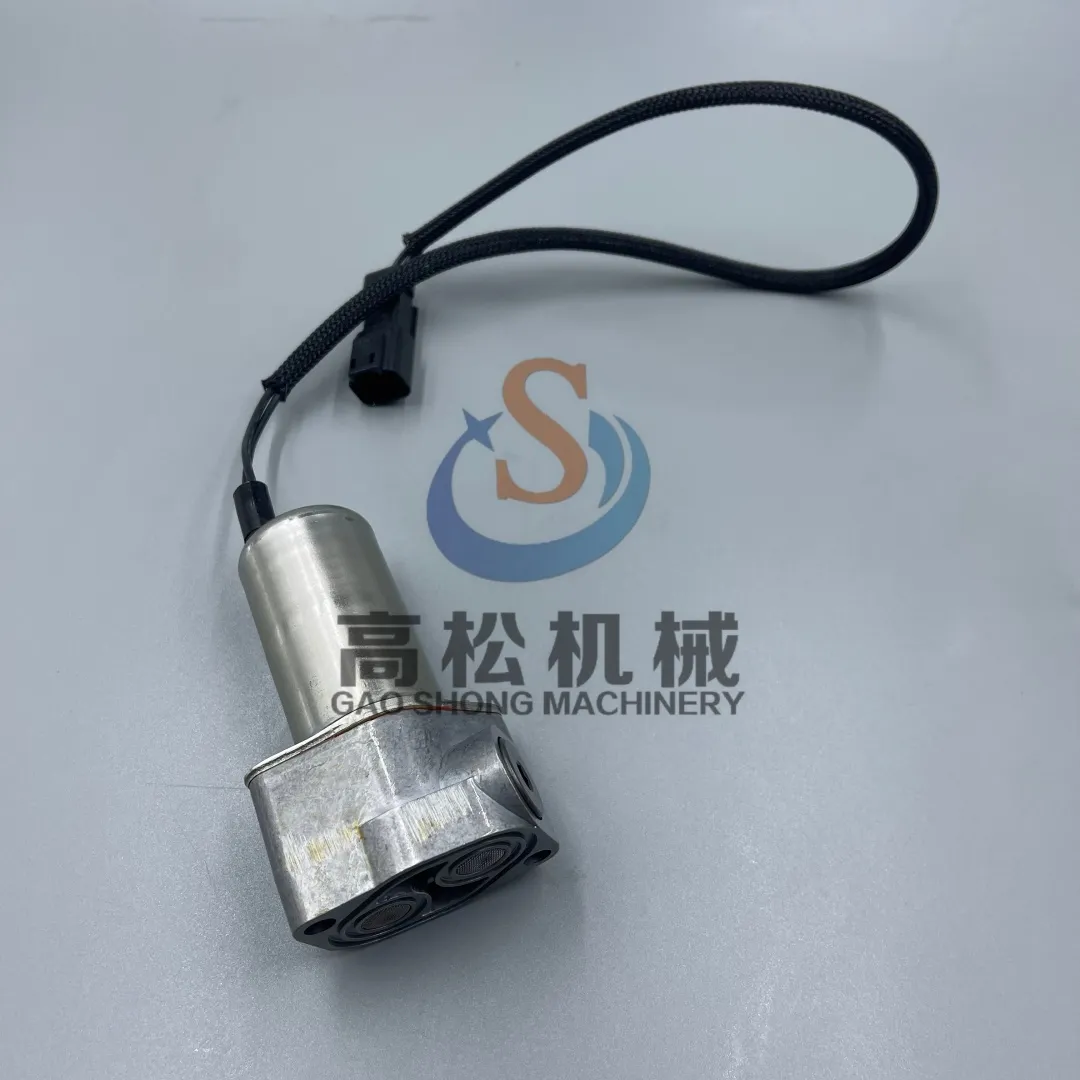 702-21-07620 Solenoid Valve for Komatsu PC450-8 PC300-8 PC350-8 7022107620
 -
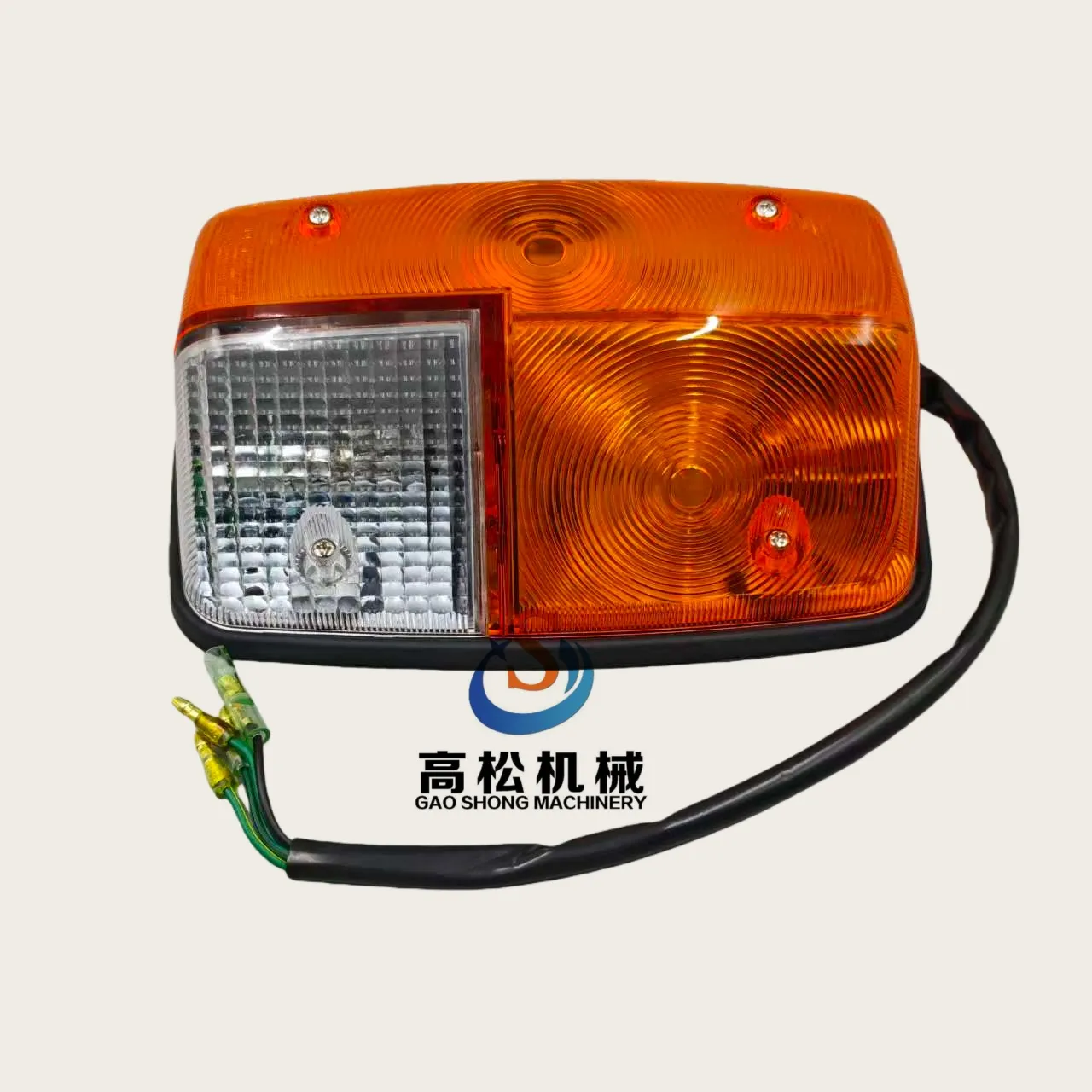 komatsu-part-421-06-13401 LAMP ASS’Y,R.H. HD255-5 HD255-5EO GS360-2 GD305A-1 GD355A-1 GD405A-2 GC380F-1 GD605A-5 HD325-6W HD605-5 HD605-7 HD465-7 HD465-5 HD785-3 HD985-5 WA100-1 WA120-1 WA150-1 WA100SS-1 WA350-1 WA420-1 WA600-1 WA470-1 WA450-1 WA500-1LC 330M LAMP AND FUSE ELECTRICAL SYSTEM (FRONT LAMP)
 -
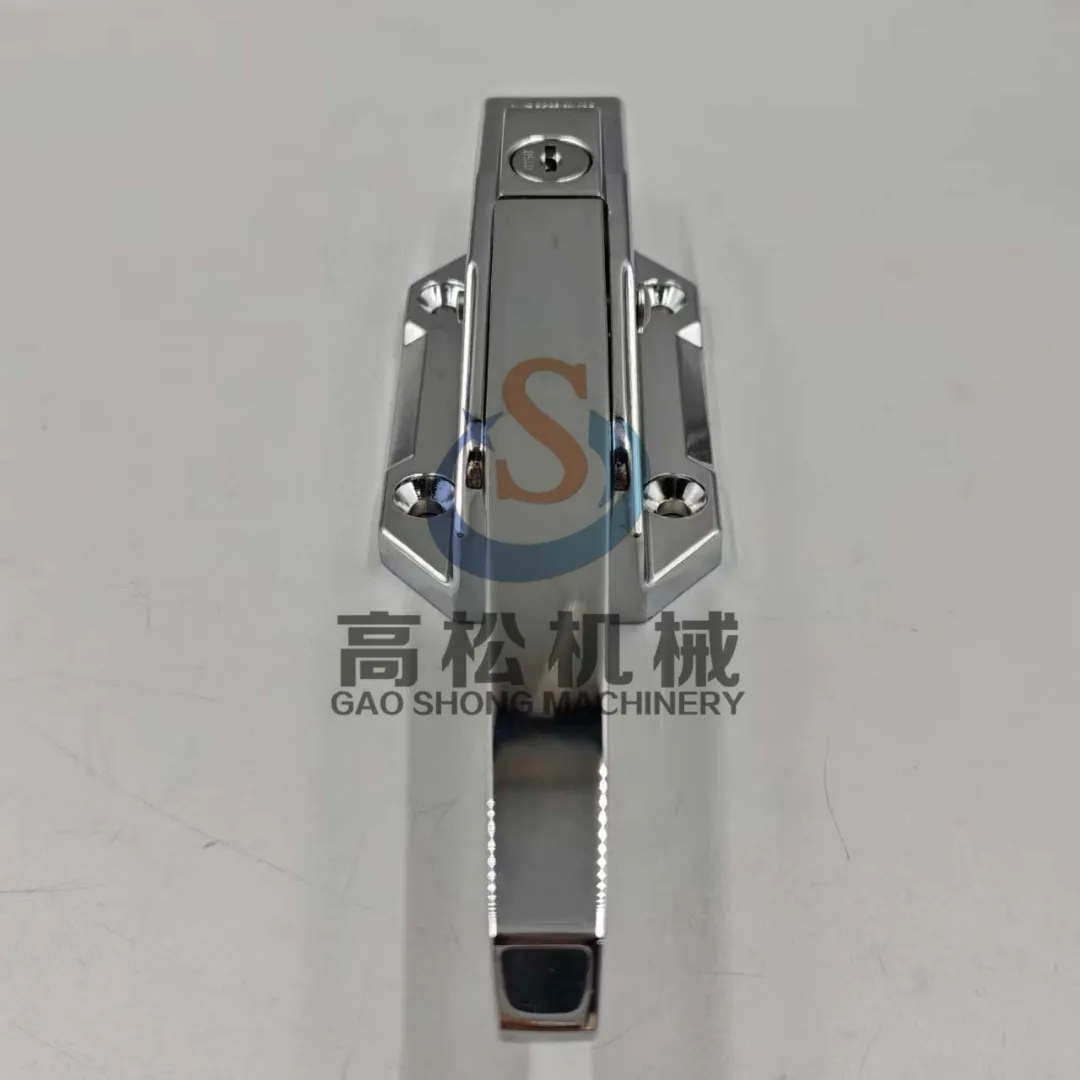 21T-54-35421 Komatsu Handle komatsu original
 -
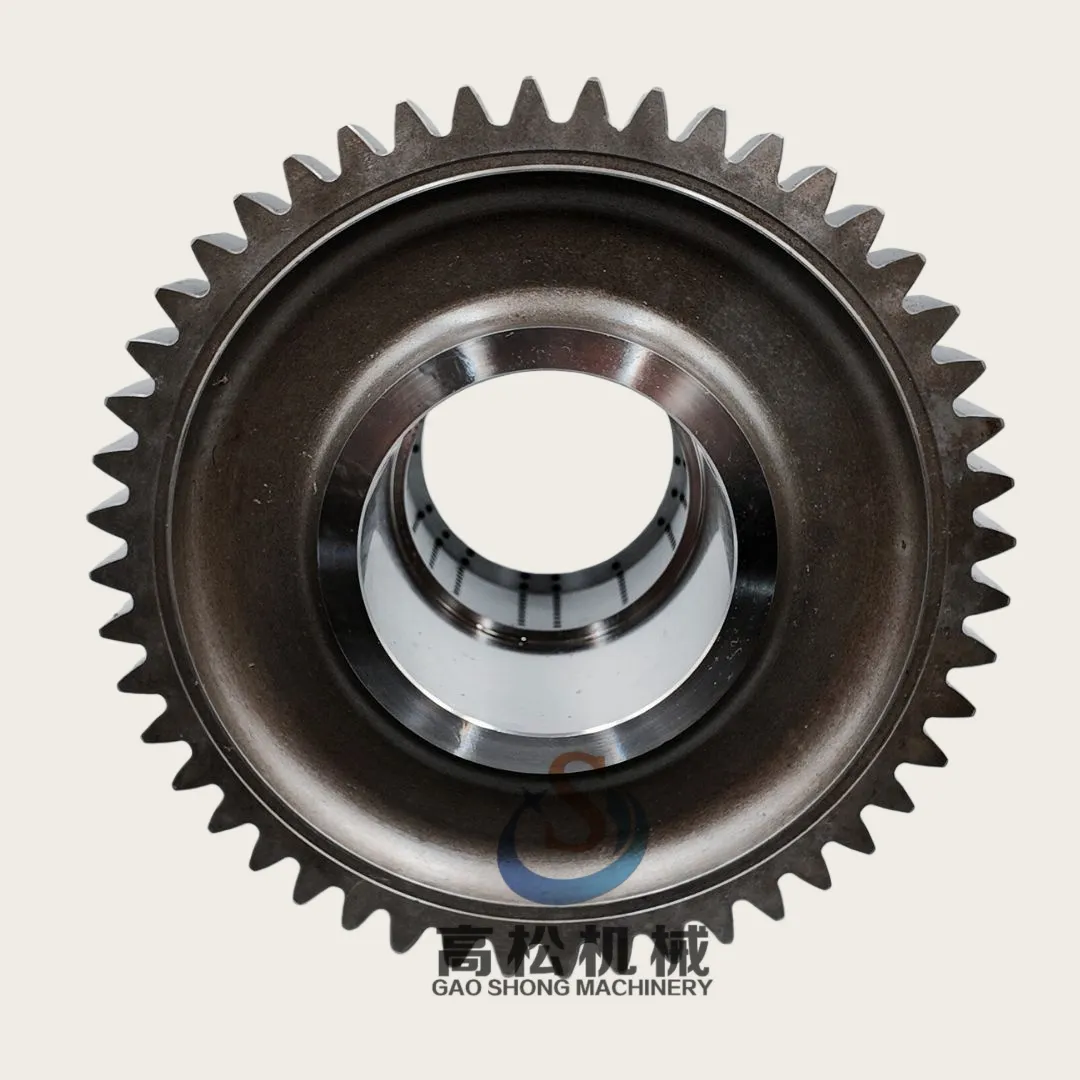 GEAR, 48 TEETH,FORWARD WA470-3 714-07-12420 GEAR, 48 TEETH,FORWARD WA450-3 S/N 53001-UP (For Taiwan / Tunnel Spec.) TRANSMISSION (FORWARD AND 1ST CLUTCH) (FOR EMERGENCY STEERING)