
- Chinese
- French
- German
- Portuguese
- Spanish
- Russian
- Japanese
- Korean
- Arabic
- Irish
- Greek
- Turkish
- Italian
- Danish
- Romanian
- Indonesian
- Czech
- Afrikaans
- Swedish
- Polish
- Basque
- Catalan
- Esperanto
- Hindi
- Lao
- Albanian
- Amharic
- Armenian
- Azerbaijani
- Belarusian
- Bengali
- Bosnian
- Bulgarian
- Cebuano
- Chichewa
- Corsican
- Croatian
- Dutch
- Estonian
- Filipino
- Finnish
- Frisian
- Galician
- Georgian
- Gujarati
- Haitian
- Hausa
- Hawaiian
- Hebrew
- Hmong
- Hungarian
- Icelandic
- Igbo
- Javanese
- Kannada
- Kazakh
- Khmer
- Kurdish
- Kyrgyz
- Latin
- Latvian
- Lithuanian
- Luxembou..
- Macedonian
- Malagasy
- Malay
- Malayalam
- Maltese
- Maori
- Marathi
- Mongolian
- Burmese
- Nepali
- Norwegian
- Pashto
- Persian
- Punjabi
- Serbian
- Sesotho
- Sinhala
- Slovak
- Slovenian
- Somali
- Samoan
- Scots Gaelic
- Shona
- Sindhi
- Sundanese
- Swahili
- Tajik
- Tamil
- Telugu
- Thai
- Ukrainian
- Urdu
- Uzbek
- Vietnamese
- Welsh
- Xhosa
- Yiddish
- Yoruba
- Zulu
- Kinyarwanda
- Tatar
- Oriya
- Turkmen
- Uyghur






komatsu d20p engine
When you hear 'Komatsu D20P engine', most folks immediately think of the S6D95L—that's the standard, the workhorse. But that's where the first common pitfall lies. In the field, it's rarely just about the base model number. It's about the specific configuration, the iteration, and more critically, the ecosystem of parts and support that keeps it running decades after it rolled off the line. I've seen too many projects stall because someone ordered a 'D20P engine block' without specifying the exact serial number prefix or the emission tier. The devil, as always, is in the details you only learn by getting your hands dirty.
The Core: S6D95L and Its Real-World Persona
The S6D95L is a 5.9-liter, inline-six diesel. On paper, it's straightforward. In practice, its reliability is legendary, but that reputation hinges on maintenance nuances often glossed over. For instance, the early models had a different fuel injection pump mounting flange than the later ones. If you're doing a swap, a mismatch here means hours of fabrication you didn't budget for. It's not a flaw in the engine; it's just evolution. You learn to always, always cross-reference the engine serial against the parts manual, not just the machine model.
Cooling is another one. These engines run cool if the system is pristine. But I've pulled more than one out of a D20P-6 or D20P-7 dozer where the root cause of overheating was a partially clogged oil cooler, not the radiator or the thermostat. The cooler's fin pitch is tight, and it traps mud and chaff like a magnet. A simple external flush often isn't enough; you need to pull it and rod it out. It's a Saturday job that saves a $10k overhaul.
Then there's the turbocharger—usually a Komatsu T04B variant. The cartridge itself is robust, but the oil feed line banjo bolts... they have copper washers that are supposed to be one-time use. Reuse them, and you'll get a slow seep that turns into a major leak under load, starving the turbo. It's a $2 part that can cause a $2,000 failure. These are the things you jot down in a notebook after you've made the mistake once.
Parts Sourcing: The OEM and Aftermarket Maze
This is where theory meets the grimy reality of logistics. Komatsu's official network is comprehensive, but for older models like the D20P series, parts can be on a slow boat from Japan—literally. Lead times can kill a project's profitability. That's where the role of specialized suppliers becomes critical. Companies like Jining Gaosong Construction Machinery Co., Ltd. (you can find them at https://www.takematsumachinery.com) occupy a unique niche. As they note, they are an OEM product supplier within the Komatsu system and a third-party sales company. In plain English, this often means they can provide genuine or OEM-equivalent parts through alternative channels, helping to solve those acute supply chain gaps in various regions.
I've used their service for a D20P-6 engine overhaul in Southeast Asia. We needed a cylinder head. The local Komatsu dealer quoted a 12-week wait. Through Jining Gaosong, we sourced a fully remanufactured head with a proper pressure test certificate that met OEM specs, and it was on-site in three weeks. It wasn't about bypassing the dealer; it was about finding a pragmatic solution to keep the machine earning. Their model of being embedded in the Komatsu ecosystem yet operating flexibly is key for legacy equipment support.
The caveat? You still need to be your own quality control. Whether it's from an official dealer or a supplier like Gaosong, always inspect critical components. I once received a set of piston rings that were correct by part number but from a different manufacturing batch. The end gap was at the extreme upper limit of the spec. We measured, debated it, and decided to use them with a note to check compression sooner at the next service. They worked, but it was a judgment call.
Failure Points and Field Fixes
No engine is perfect, and the D20P's S6D95L has its known gremlins. The rear main seal area is one. On high-hour units, the crankshaft flange can develop a slight wear groove. Slapping in a new seal without addressing that groove is a waste of time. The proper fix is a speedi-sleeve. The quick-and-dirty field fix some guys use is a tiny dab of anaerobic sealant on the seal lip, but that's a temporary holdover at best.
Another classic is the water pump. The bearing fails long before the impeller wears out. The telltale sign isn't always coolant leakage from the weep hole; it's a subtle harmonic vibration at a specific RPM that you feel more than hear. Replacing it preemptively at the first hint of play is cheap insurance. The aftermarket pumps are hit or miss; some have inferior bearing seals. I've had better luck with OEM-remanufactured units from trusted suppliers who understand the application pressure.
Electrical, surprisingly, can be a headache. The alternator and starter are standard, but the wiring harness connectors, especially for the temperature and pressure senders, get brittle. Corrosion creeps into the spade terminals. We've had more 'engine alarm' shutdowns traced to a corroded coolant level sensor connector than to actual low coolant. A can of contact cleaner and a pack of dielectric grease are as essential as a wrench set for these machines.
Overhaul Philosophy: To Rebuild or to Swap?
Facing a tired D20P engine, the big question is always this: in-frame overhaul, out-of-frame rebuild, or a complete exchange unit? There's no universal answer. For a machine with a solid undercarriage and hydraulics, a meticulous in-frame can extend its life for thousands of hours. But you must be ruthless in inspection. If the cylinder liners have significant wear or the block deck has been resurfaced before, you're in risky territory. I've seen a beautifully rebuilt bottom end ruined because a hairline crack in a liner seat wasn't caught.
A full long block from a source like Jining Gaosong Construction Machinery Co., Ltd. can be a smarter economic play. Their position as an OEM supplier often means these are built to factory tolerances on production lines, sometimes with warranty coverage that matches or exceeds a local rebuild. The downtime is drastically reduced. The calculus changes if you're in a remote location with high shipping costs; then, a local rebuild with imported parts kits might win.
The key is avoiding the 'while you're in there' trap that blows the budget. Replacing every single hose and clamp during an overhaul is prudent. Polishing the crankshaft if the mic readings are good is not. It's about distinguishing wear from failure, and recommended practice from unnecessary perfectionism. A good supplier understands this and can provide guidance, not just a parts list.
Legacy and the Path Forward
The D20P and its engine are legacy products now. But in many parts of the world, they are the backbone of small to medium earthmoving. Their value isn't just in the iron; it's in the vast, deep knowledge base and parts continuum that exists around them. This ecosystem, comprising official channels and specialized third-party entities, is what gives these machines their remarkable longevity.
Working with these engines teaches you to respect the design intent but also to adapt. Maybe you use a synthetic blend oil instead of the originally specified mineral oil because it handles heat cycles better. Perhaps you retrofit a more modern, efficient alternator. The core Komatsu D20P engine design allows for these evolutions.
Ultimately, the story of the S6D95L in the D20P isn't found in a sales brochure. It's in the service manuals with handwritten notes in the margins, in the parts bins of companies that bridge supply gaps, and in the decisions made by mechanics under a midday sun trying to get a dozer back to work. It's a platform that rewards diligence and punishes assumptions—a true professional's engine.
Related Products
Related Products


Best Selling Products
Best Selling Products-
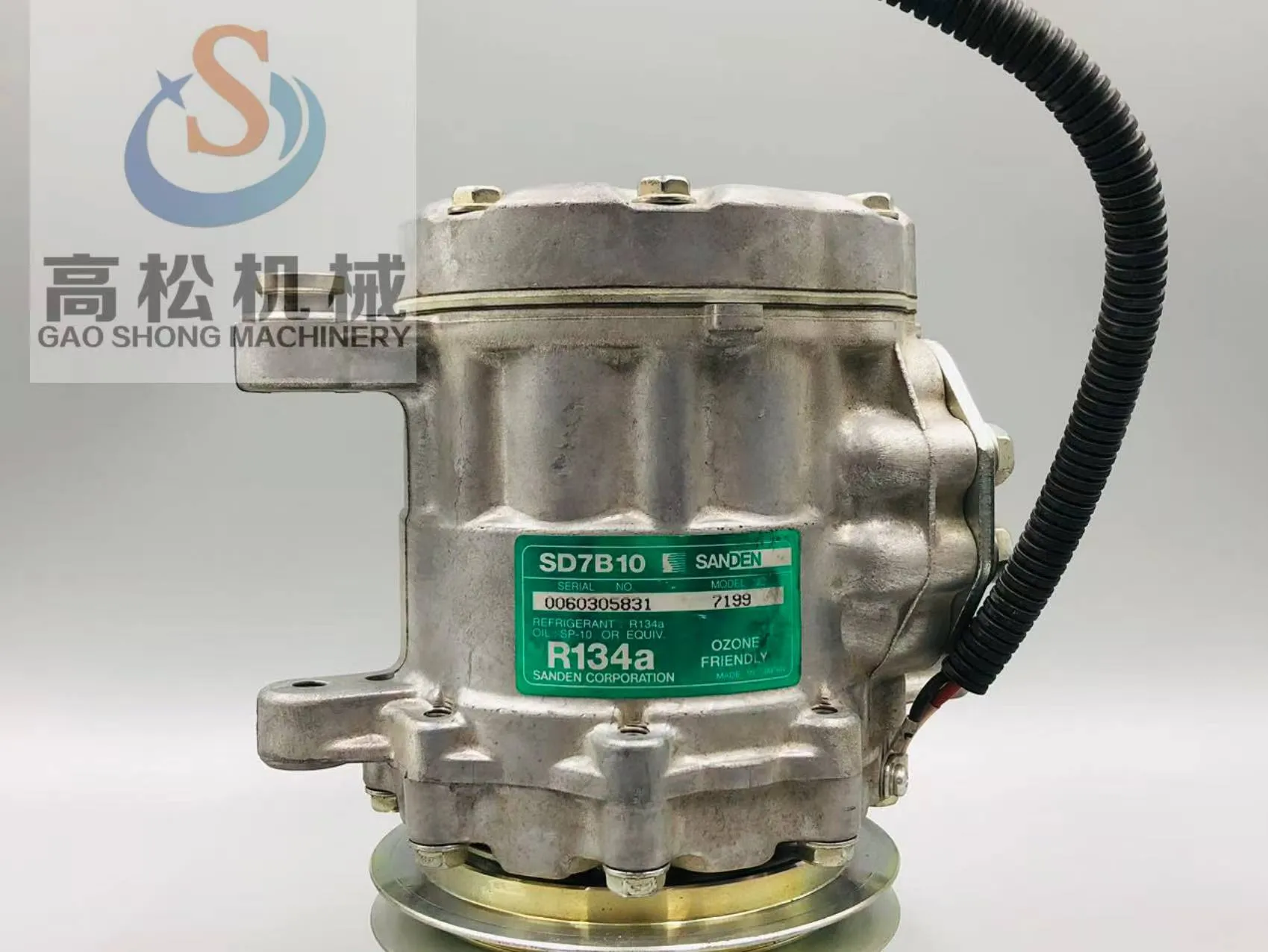 PC55MR PC56-7 Excavator Compressor PC45MR Air Conditioning 22L-979-2200 Compressor Ass’y
 -
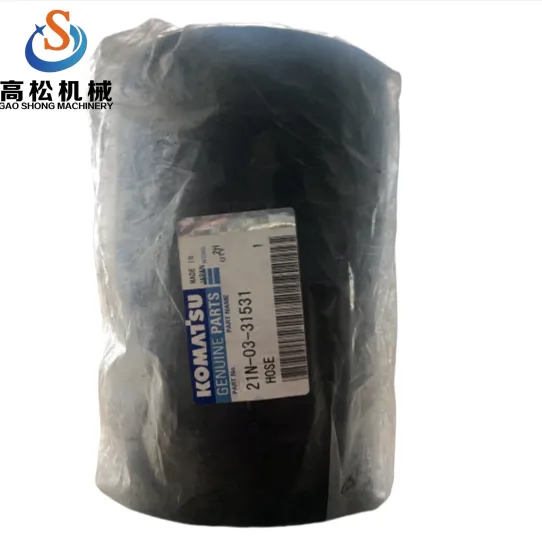 HOSE PC1250 EXCAVATOR 21N-03-31531
 -
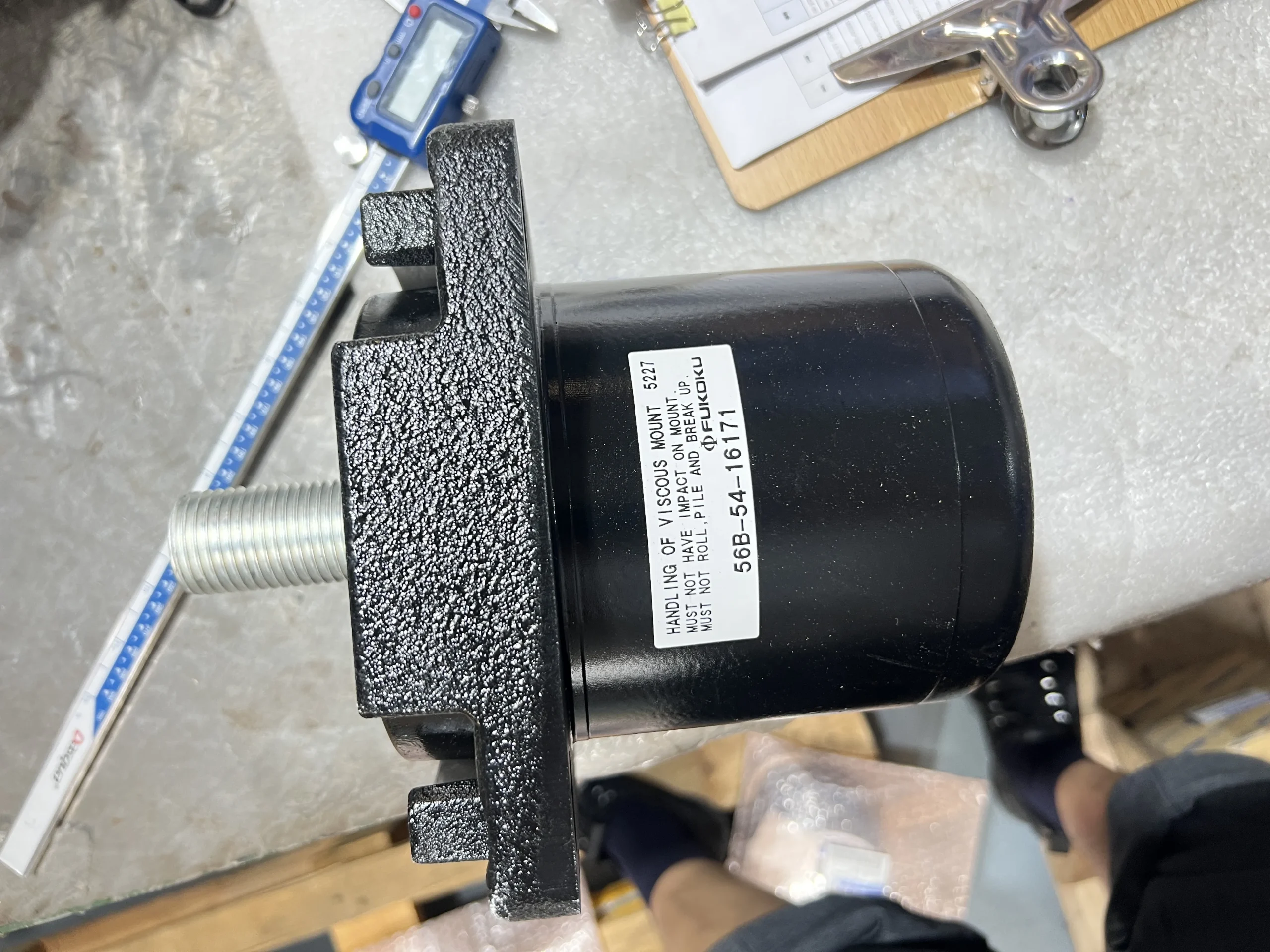 56B-54-16171 Cabin Mount
 -
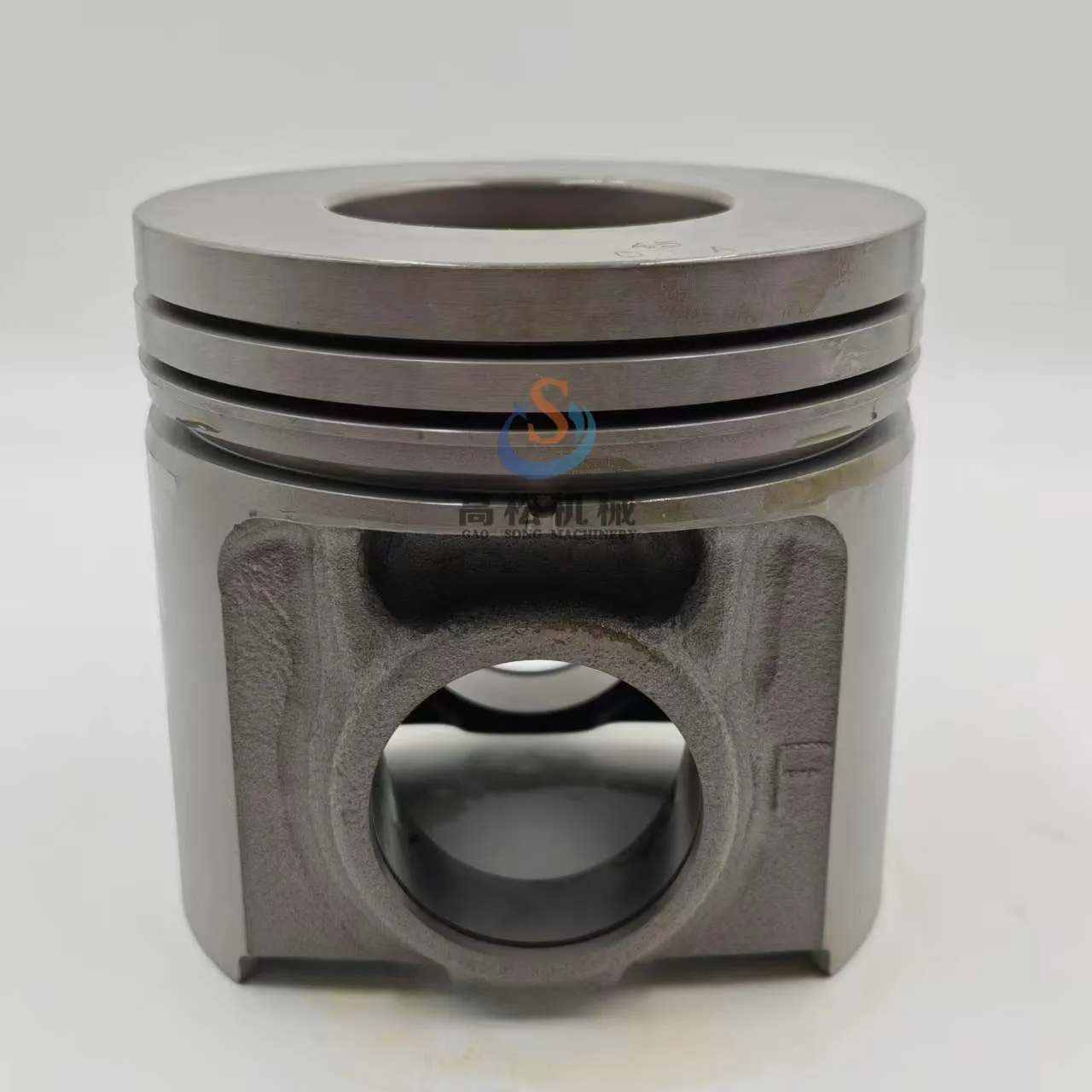 6152-32-2510 komatsu-parts piston
 -
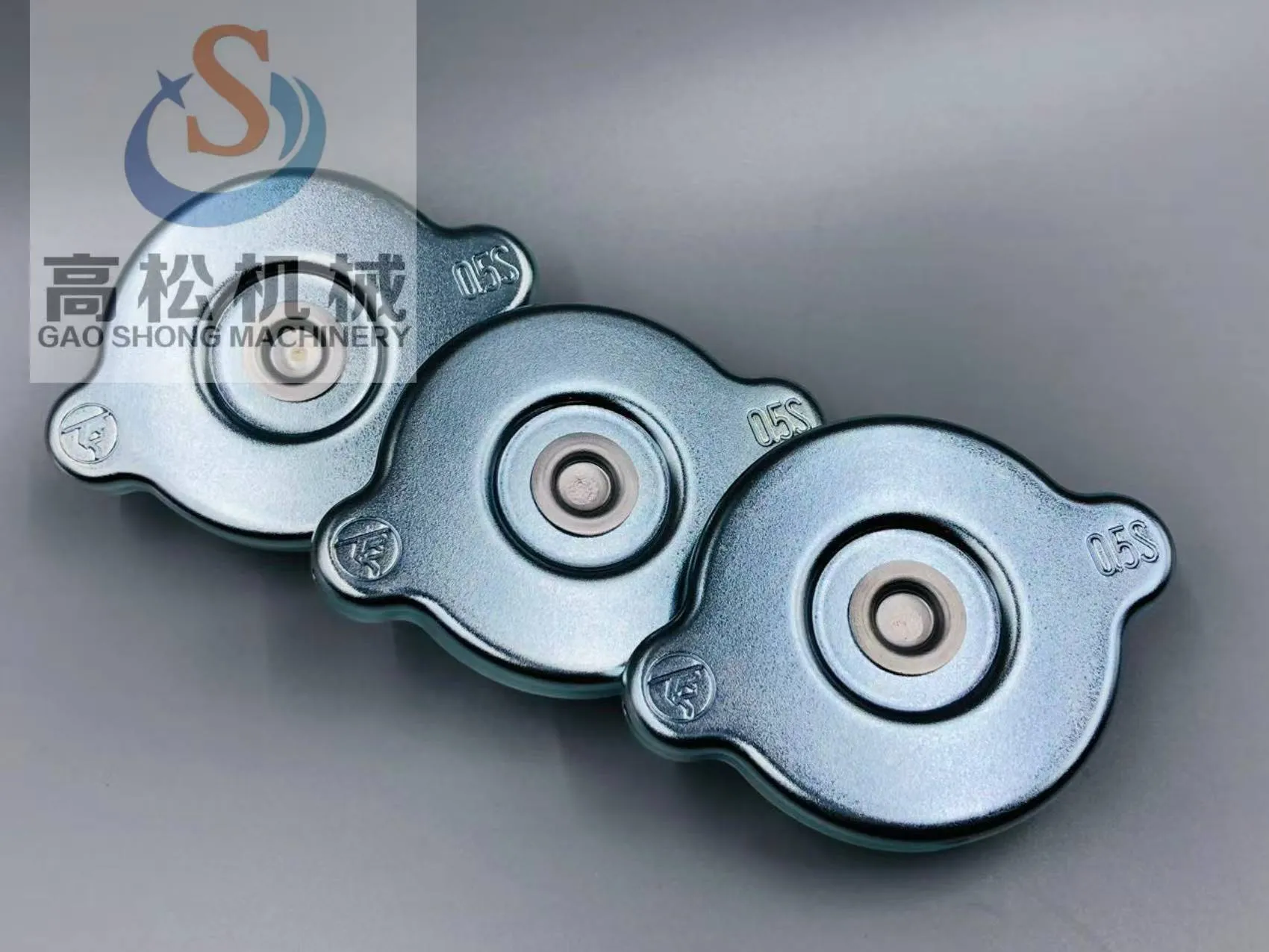 Cap of excavator radiator 20y-03-22110 for pc200-8 pc200-7
 -
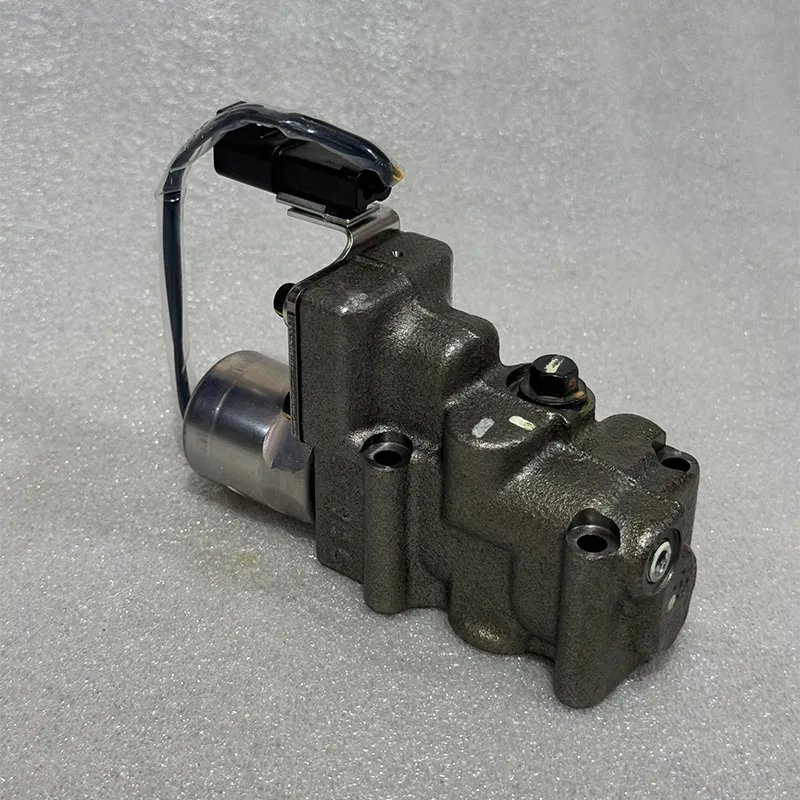 Original komatsu HD785-7 Valve Assembly 561-15-75500
 -
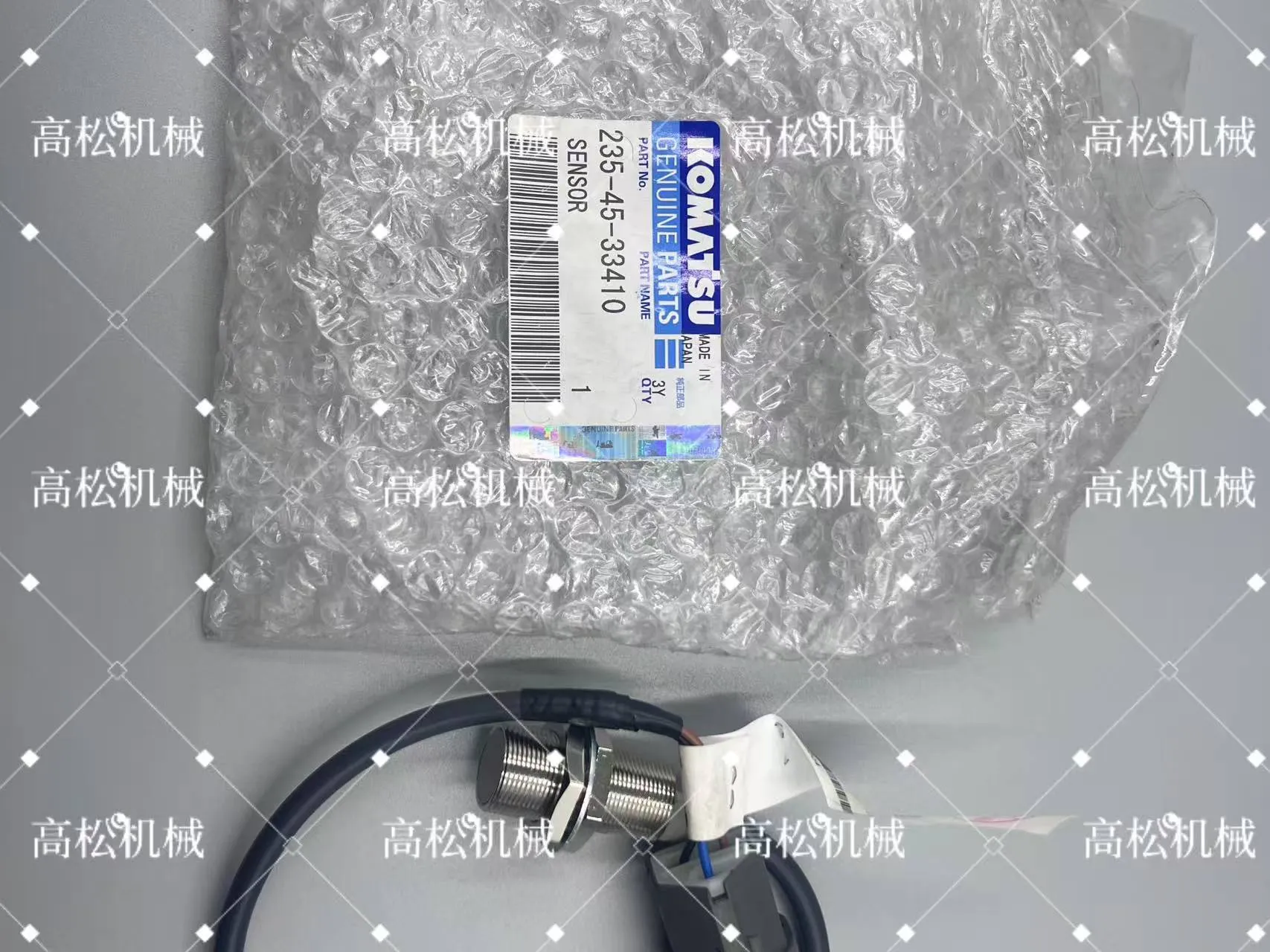 High-quality sensor set 235-45-33410 for automotive motor graders, suitable for GD805A and ZH003
 -
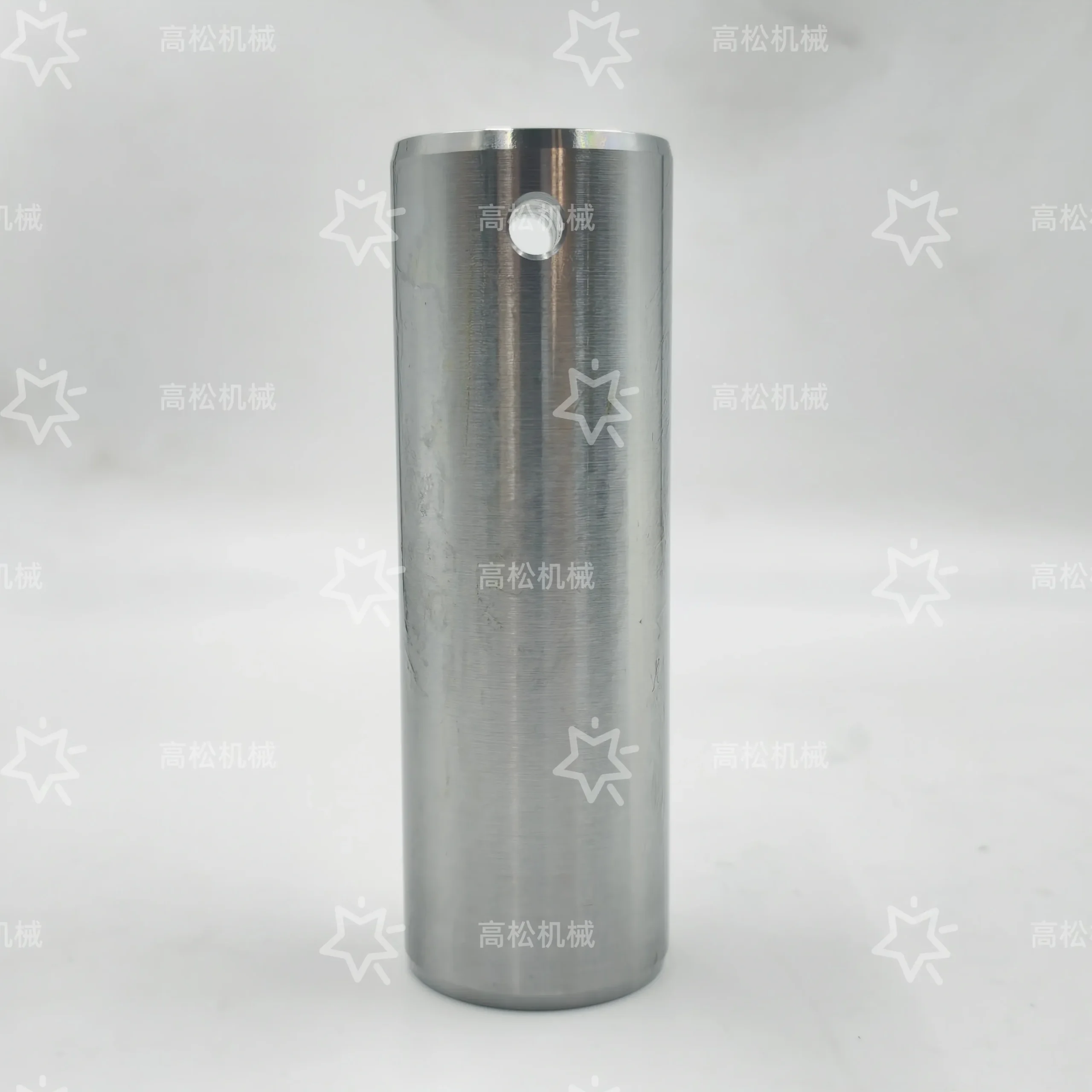 Komatsu Pin 421-22-32511 for Wheel loader WA470-6
 -
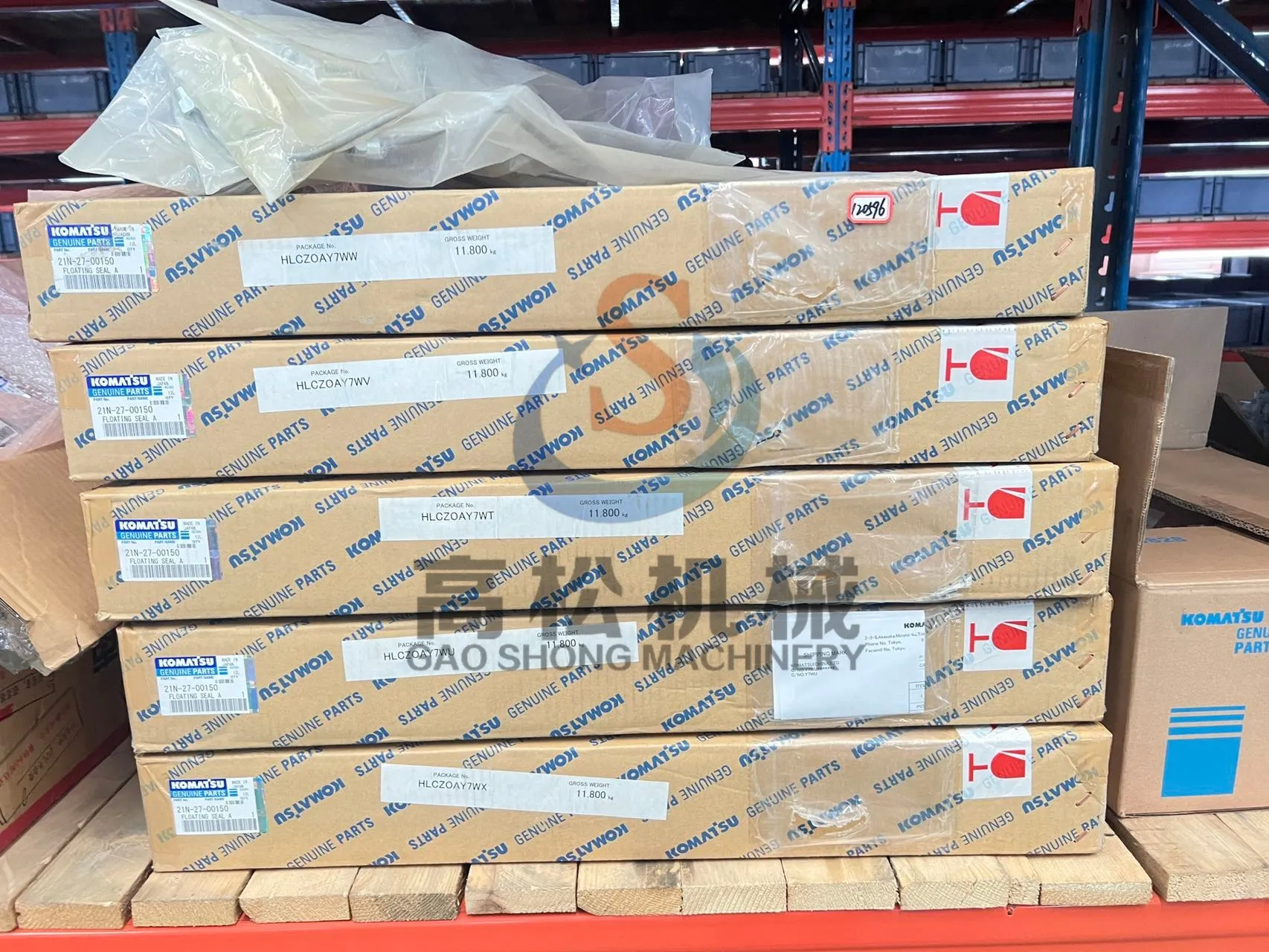 21N-27-00150 Komatsu Floating Seal Assembly
 -
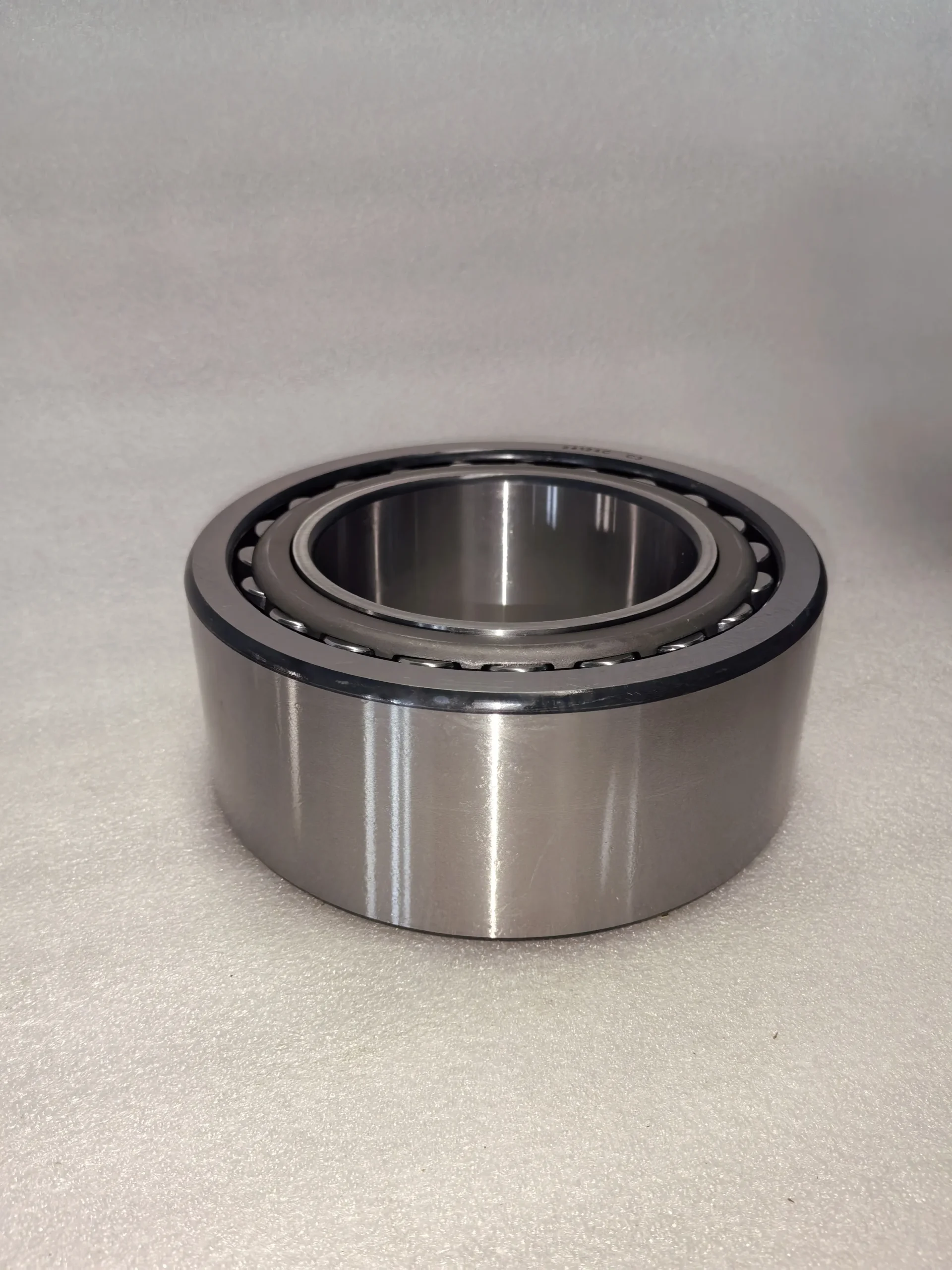 170-09-13250 Komatsu Bearing – Komatsu
 -
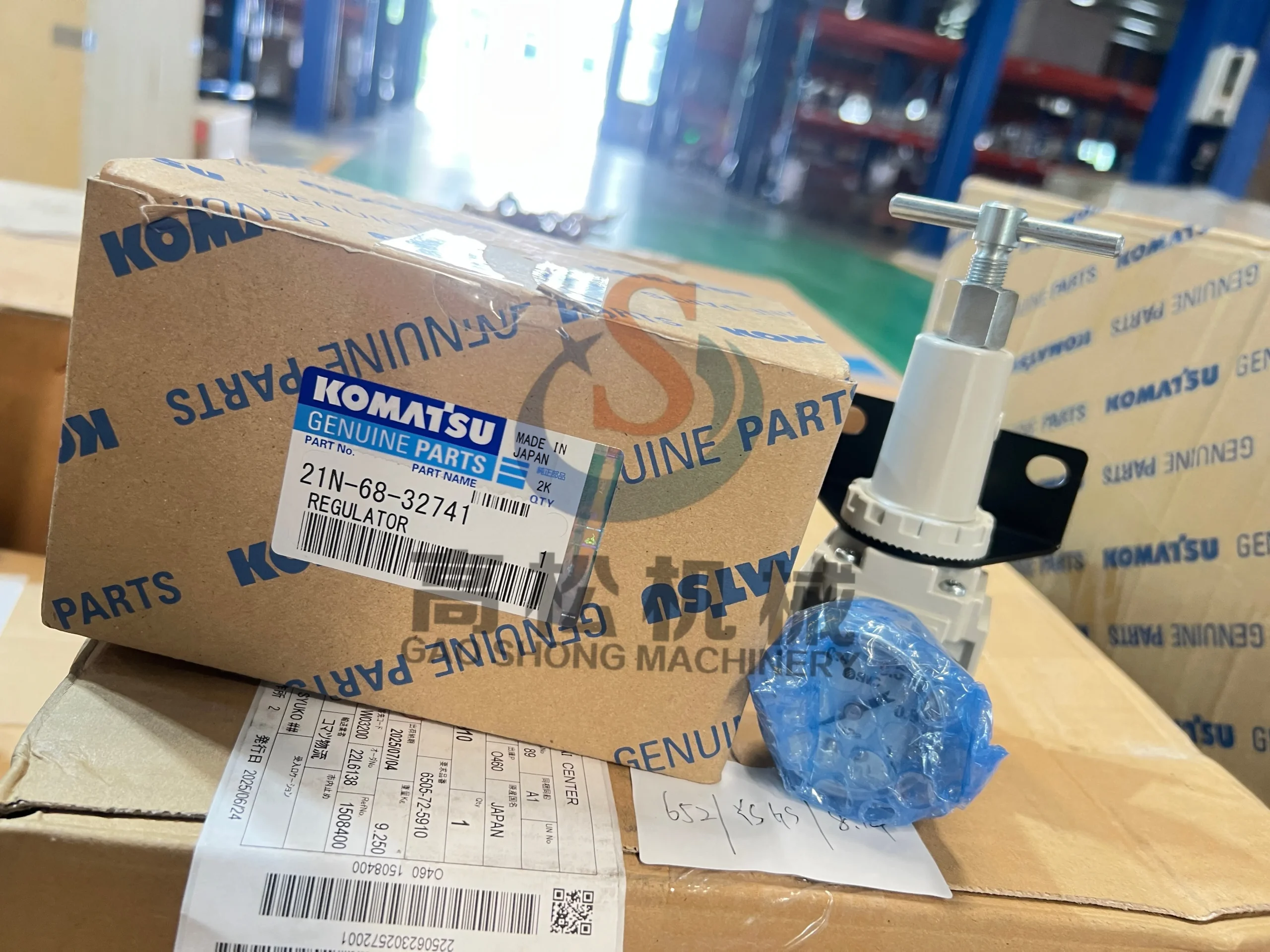 REGULATOR – 21N-68-32741
 -
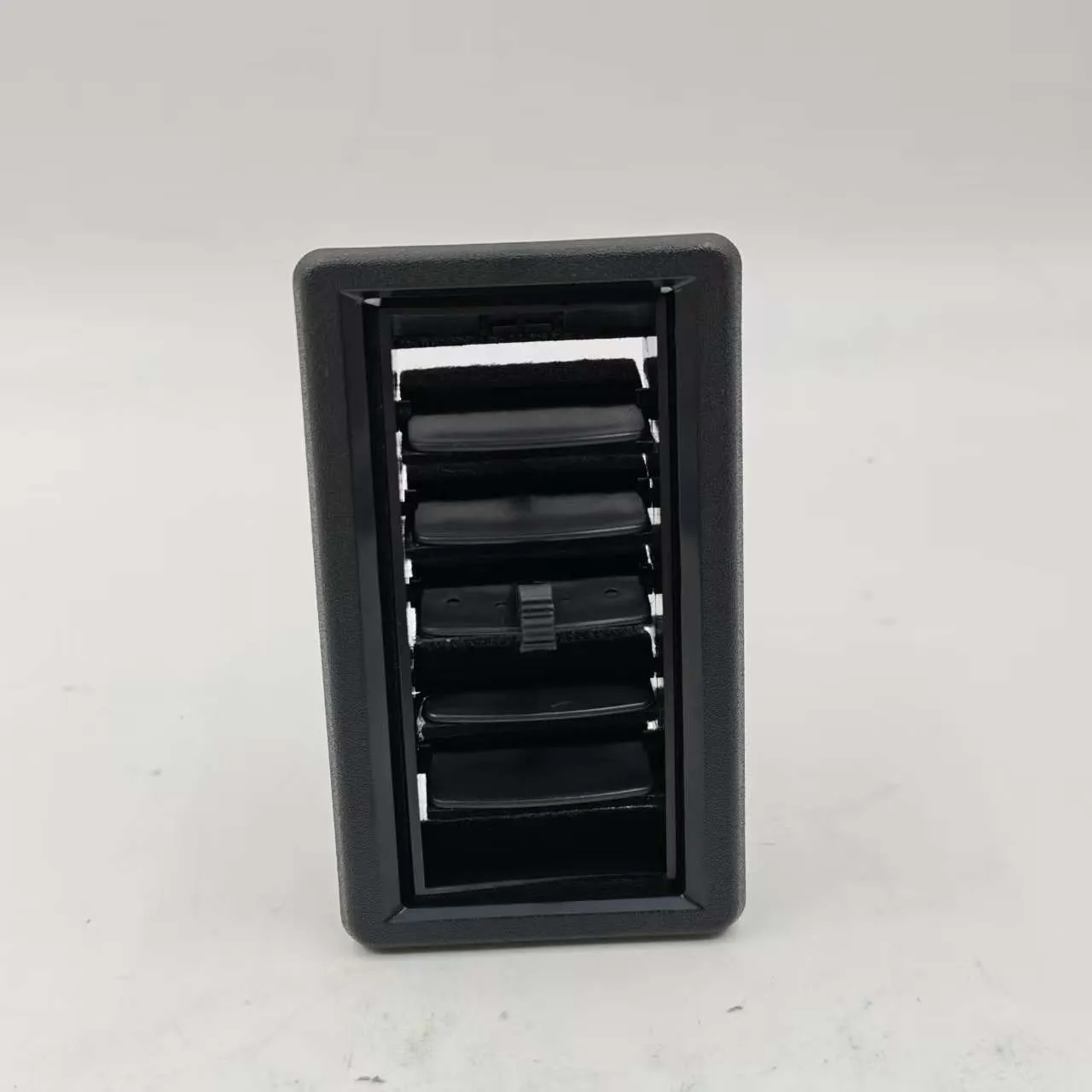 Komatsu Inside cover 17A-54-18270 for Bulldozer D155AX-5